Water and Hydration Bottle Health -- polycarbonate polemics
May 06, 2005
The ubiquitous polycarbonate water bottle is the canteen of the 21rst century. But these colorful plastic vessels, made by companies like Nalgene and GSI Outdoors, have been embroiled in a controversy for the past two years, ever since a researcher at Case Western Reserve University said they may pose health risks.
Dr. Patricia Hunt, a geneticist working with laboratory mice, noticed a spike in chromosomal abnormalities after a lab worker cleaned a set of polycarbonate mouse cages with a harsh detergent, leaching a chemical called bisphenol-A (BPA) into the animals’ environment. Hunt’s findings, which were published in the journal Current Biology, were used by Sierra magazine and other media to perpetuate — somewhat haphazardly — a scare that polycarbonate or Lexan water bottles potentially could leach similar nasty chemicals.
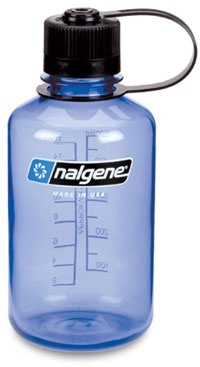
It’s been a full two years since Hunt’s findings were reported, and despite a lot of conversation and serious concern about BPA infiltrating bottled drinking water, there is still no definitive say on potential health effects in humans. The issue came back on my radar earlier this month via Sigg Switzerland Inc. (www.sigg.ch), an aluminum bottle maker that’s no doubt benefiting from the plastics scare.
After digging around, reading through several dense research papers and talking to people in the industry, I’ve concluded that there is little risk for the average trail hiker toting a polycarbonate water bottle. Hunt’s study brings up some potentially scary findings, but the leap that was made from mouse cage to Nalgene bottle seems oversimplified.
There is no doubt that polycarbonate bottles contain BPA, but there’s little evidence that it leaches out into liquids under normal conditions. Even if small doses do seep, the chemical’s effect on humans may prove harmless.
Nalgene has from the start denied any risks. Here’s the company line: “Based on the findings of the Food and Drug Administration, The Environmental Protection Agency, The American Plastics Council and other reliable sources from around the world, we continue to firmly believe in the safety of our products.”
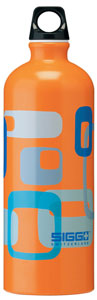
Still, when researchers start to talk about chromosomal abnormalities and birth defects, people tend to have strong reactions. That’s where Sigg Switzlerland comes in. The company’s aluminum water bottles, which are coated on the inside with a water-based resin to keep the liquids from contacting metal, are available in seven sizes up to 1.5 liters in capacity. They weigh about the same as their polycarbonate cousins and have three types of caps for use as bike water bottles or canteens.
Personally, I have no plans to throw my Nalgene bottles away. When asked point blank in an interview with Michael Hodgson, publisher of the outdoors trade publication SNEWS, Dr. Hunt conceded that you cannot reach a conclusion regarding the safety of polycarbonate bottles based on the results from her mouse cage study.
That said, outdoors consumers should demand more testing by bottle manufacturers and a thorough explanation of any potential risks. Dr. Hunt herself has said the same.
Like any material, plastic does degrade over time; you can see this in polycarbonate bottles when they become cloudy or faded in appearance. If you notice any change to the material or if a bottle gives off a distinct plastic taste, it should no longer be used.
To minimize the threat of the material breaking down, some companies recommend washing bottles only with warm, soapy water and never subjecting them to a dishwasher. Microwaves are another no no. And if any chips or cracks appear in the material it’s time to throw them out in favor of a new plastic — or perhaps aluminum — drinking container.
Hey folks- It’s called benefit vs. risk. There is no substance that will not out-gas, degrade or leach some chemical. Just because it does leach a chemical does not mean it’s “nasty”. Everything is made of of chemicals. Have you ever seen the word “chemical” not preceded by the word “nasty” or some other word with a negative connotation?
If all you want is a world without risk then don’t drive your car, fly on a plane or set foot out out of your house.
Stay away from the aluminum. Stainless steel water bottles are the only way to go.
http://www.kleankanteen.com/
http://enviroproductsinc.com/
About the only two companies making these, as far as I have been able to find.
Another side of this is thinking about all of the plastics (some worse than others) that your food ships in, is stored in, is microwaved in . . . I know the FDA doesn’t say anything about most plastics, but that’s only because they haven’t tested them anywhere near well enough. Most of this stuff was tested to be safe in the 50s unless they are new compounds, and without knowledge of a lot of the possible interactions that happen in the body. Heck, we still don’t fully know how pieces of our bodies work (brain), and don’t even know fully what the purpose of some organs is (tonsils, appendix), how can we possibly know how different materials will affect us?
As far as I’m concerned, I use inert stainless steel and cast iron cookware, no coatings, and I try to store my food in glass or with ceramic materials. It’s easy, and it’s likelier to be safer in the long run. If not, no harm to me, and I’ve kept plastic out of the waste stream, which is a whole other side of the equation.
I appreciate your post. I also wrote that SMS advertising provides a cost effective method of targeting promotions to specific customer profiles. You might want to remind customers of specific events or promotions, but for whatever reasons, SMS allows you to pass information directly to the right customer at very affordable prices and fast delivery.
<a href=“http://www.vishalpet.com” title=“Pet Preforms”>Pet Preforms</a>
- Follow Gear Junkie on Twitter
- Gear Junkie on Facebook
- Daily Dose RSS Feed
Latest Tweet: Feb 7, 2012 @ 09:20 PM
@A_New_Bike Fast, and a bit chilly.Knicker shorts still for me in Feb. in MN.
- Weekly E-Newsletter
Sign up for our e-news for a weekly update on new gear, adventure travel, and prize giveaways.
- Latest Articles
- GearJunkie Buffs Are Here. (And you can win one!)
- Video: 'Stupor Bowl' Bike Race
- Gear Test with Dog: 'Omnijore' Harness System
- Recap: 'Stupor Bowl' Alleycat Bike Race
- Photo Contest Winners: 'Weekday Warrior' Channel
- Performance Art: Handmade Abstract Wooden Snowboards
- Bike, Run, Hike: New Do-All Shoe
- Stove Burns Wood, Charges USB-Powered Gadgets on Side
- Primo Bike Tool has Lock-in-Place Components
- SIA Trade Show: 'Snow Gear' for 2012/13
- Popular Articles
- gear junkie custom buff headwear
- 'Best in Show' Awards: Part II of Greatest Gear in 2012
- Video: 'Stupor Bowl' Bike Race
- Stove Burns Wood, Charges USB-Powered Gadgets on Side
- Gear Test with Dog: 'Omnijore' Harness System
- Survival Gear: 10 Items To Survive
- World's 10 Most Dangerous Mountains
- Lange Girls 2010
- Technology | Gear Reviews
- Hiking | Gear Reviews
- Biking | Gear Reviews
- 'Best in Show' Awards: Latest, Greatest Gear for 2012!
- Photo Contest Winners: 'Weekday Warrior' Channel
- Recap: 'Stupor Bowl' Alleycat Bike Race
- Winter | Gear Reviews
- Bike, Run, Hike: New Do-All Shoe
- North America's Toughest Ski Runs
- Extreme! 4-Wheel Pedal Bike
- Gear for 2012: Outdoor Retailer Trade Show
- SIA Trade Show: 'Snow Gear' for 2012/13
- GearJunkie Buffs Are Here. (And you can win one!)
- Canada Goose Snow Mantra Parka
- Running | Gear Reviews
- Footwear | Gear Reviews
- Vibram gets 'Naked'
- Bear Grylls Knife
- Interview with a Bear: Grylls on Survivalism, Knives, and Rabbit Snares


There is another side to this argument that your readers may find important.
http://www.thepiton.com/2004/07/nalgene.html