When choosing protection, riders usually face a tough compromise. You often choose between hard plastic/EPS foam, which is protective but can feel like a sauna and restricts movement, or viscoelastic foam like D3O. Viscoelastic foam is a great solution, but in cold weather, it can become noticeably rigid and uncomfortable.
Koroyd, a brand usually associated with the distinct green “straw” tubes in Smith helmets, has developed a solution that aims to fix both the sweat factor and the cold-weather rigidity.
The foundation of this solution is an auxetic structure. This material behaves counterintuitively: When stretched, it gets thicker, and when impacted, it stiffens by drawing material inward, enhancing energy absorption.
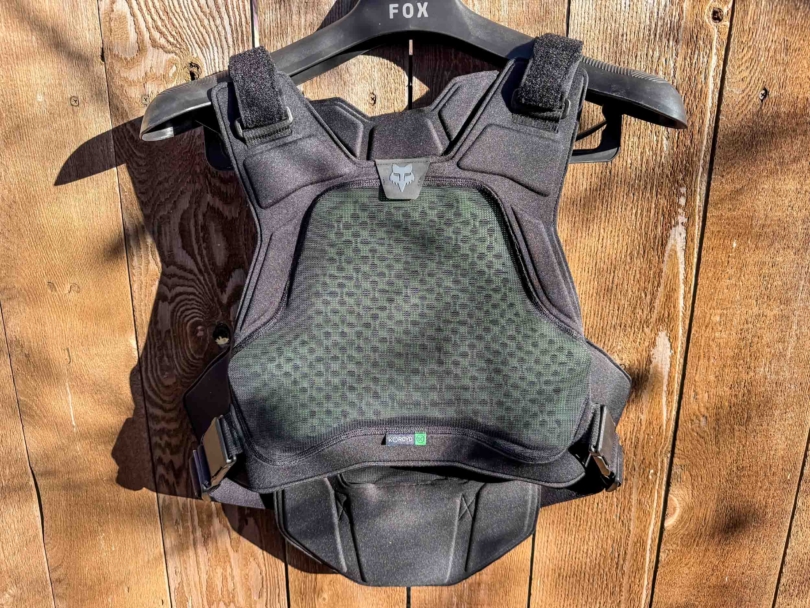
In short: The new Fox Airframe Chest Guard utilizes Koroyd’s latest TPE polymer inserts. Koroyd’s aim is to provide a low-profile, comfort-first armor solution that prioritizes temperature stability and breathability.
- Tech: Koroyd Auxetic TPE Inserts
- Certifications: CE Level 1 (chest & back)
- Primary use: Motocross, Enduro, DH mountain biking
- Key feature: Temperature stable & highly breathable
- Price: $195
Pros
- Consistent flexibility in cold temps
- Massive airflow improvement over foam/plastic
- Low-profile fit
Cons
- Currently only CE Level 1
The Tech: Koroyd Auxetic System
The new protection system uses a patented auxetic structure made from a custom TPE (thermoplastic elastomer). It’s a flexible, honeycomb-like grid that moves with your natural kinematics. Unlike closed-cell foam that traps heat, Koroyd’s open-cell design claims up to 20% better breathability than the competition.
The material stability across temps is also a welcome improvement over similar offerings. Because it’s a TPE polymer rather than a viscoelastic foam, it doesn’t care if it’s 90 degrees in Baja or 35 degrees in Oregon, the flexibility stays exactly the same.
Balancing Weight, Ventilation, and Temperature Stability
Koroyd isn’t the only manufacturer that makes temperature-stable armor. REV’IT!’s SEESMART armor is also temperature-stable, but the key differences lie in the trade-offs between weight and airflow.
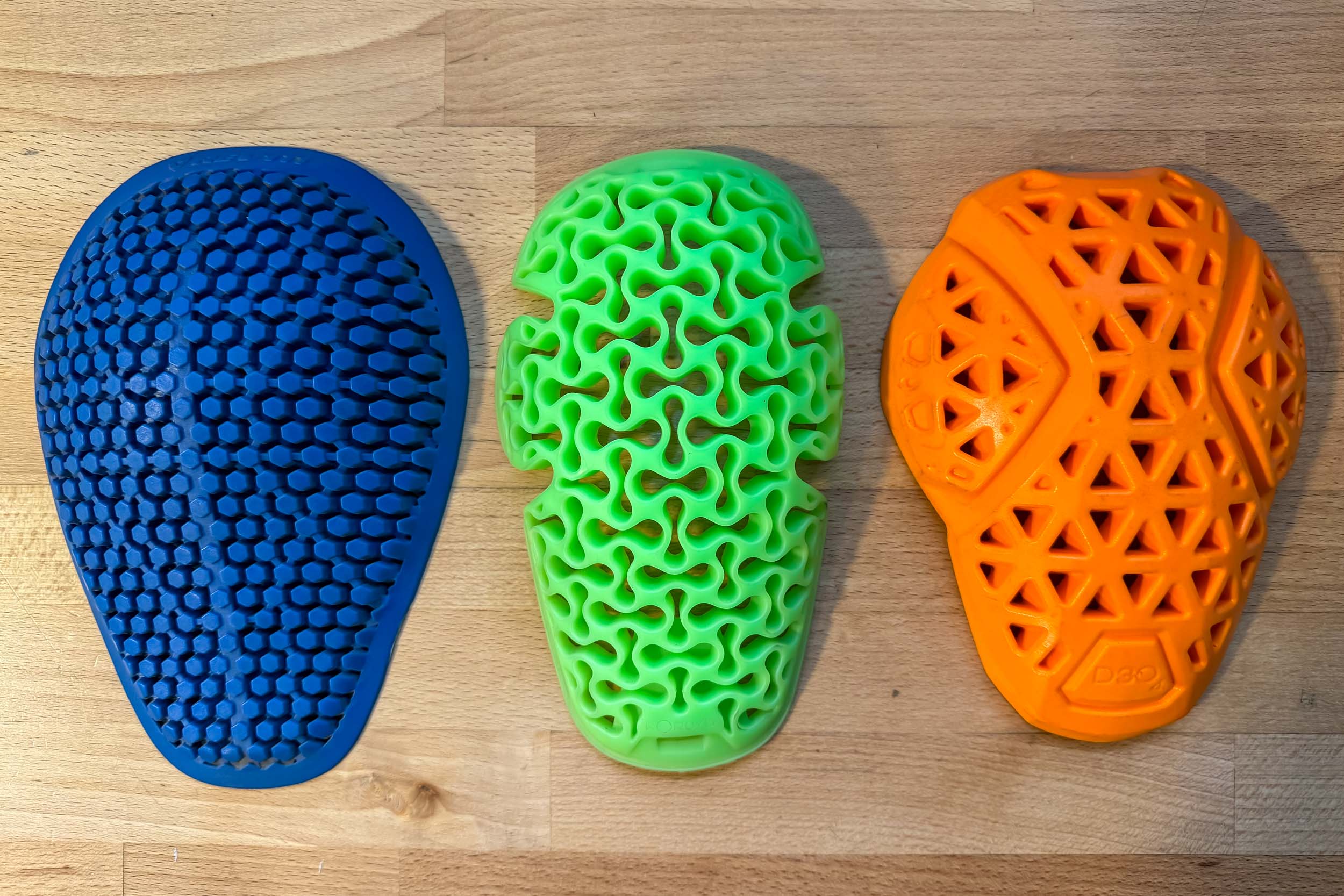
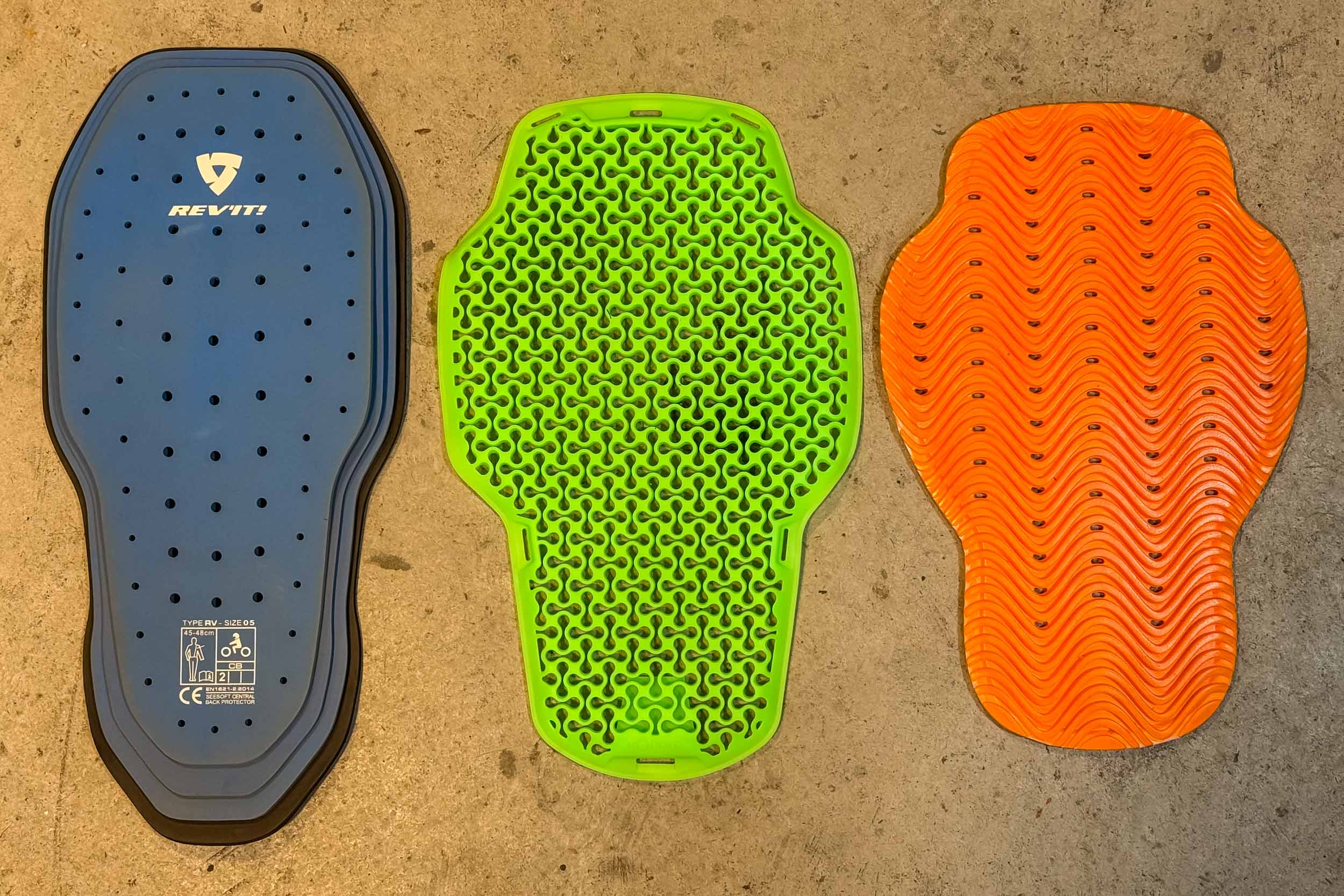
Now, I don’t have all the leading moto armor available in my garage — I’m intrigued by the Level 2 Rheon Labs armor (used in Mosko Moto gear), for example. But I do have D30, Koroyd, and SEESMART armor, so I did some rudimentary comparisons to cut through the marketing claims.
First things first: lightweight is relative. Koroyd’s shoulder protection is 85 g, nearly the same weight as D3O (87 g) and about 19% lighter than SEESMART (105 g).
But the narrative shifts for the back protector. The Koroyd back protector is the heaviest option at 433 g, which is 58% heavier than D30 at 275 g. This trade-off is intentional: Koroyd is prioritizing structural breathability. It uses its heavier material to build a stable, open-cell matrix that has way more airflow than SEESMART or D30.
It is very impressive, however, that SEESMART’s back protector in its off-road focused armor is Level 2 certified — but the breathability is poor. So, again, nuance and tradeoffs all around here.
| Armor Weight, Grams | SEESMART | Koroyd | D3O |
| Shoulder (S, L1, B) | 105 | 85 | 87 |
| Back (Seesmart L2, Koroyd and D30 L1) | 394 | 433 | 274 |
Fox Airframe Chest Guard Review
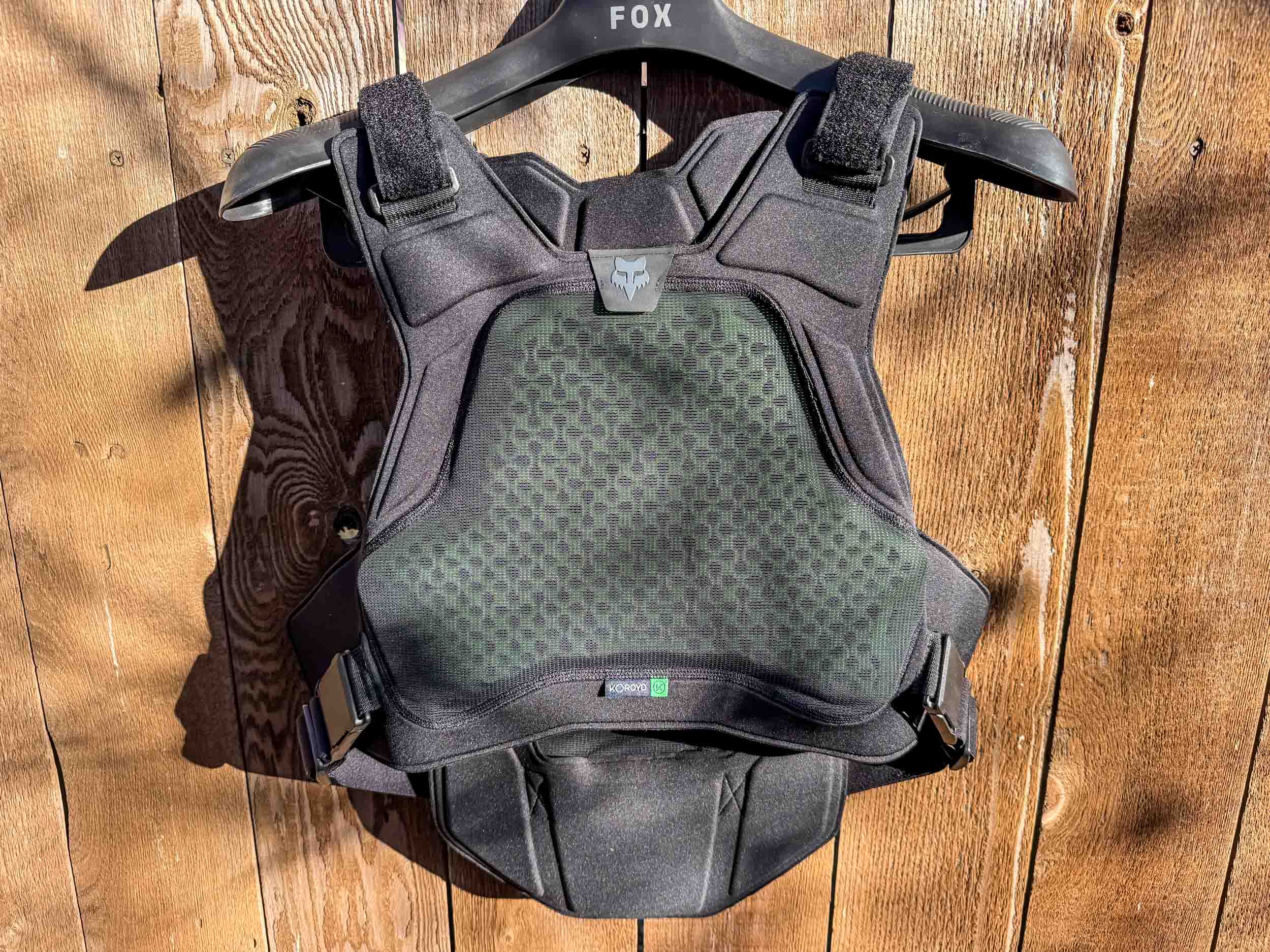
Koroyd and Fox have teamed up to debut this tech in the Fox Airframe Chest Guard. Designed for motocross, enduro, and downhill MTB, the Airframe is a low-profile system engineered to be worn under a jersey. It utilizes CE Level 1–certified Koroyd inserts in the chest and back to keep things lightweight and airy.
The armor feels very similar (read: the same) as the mountain bike–specific Fox Enduro Pro Kneeguards. These are, by far, my favorite mountain bike knee pads I’ve ever worn because they offer great airflow and movement while pedaling hard — but have robust protection to guard against the volcanic sharks here in Central Oregon. And, as a bonus, they remain flexible even when you’re still pedaling in the cold while waiting for snow.
The Oregon BDR Test
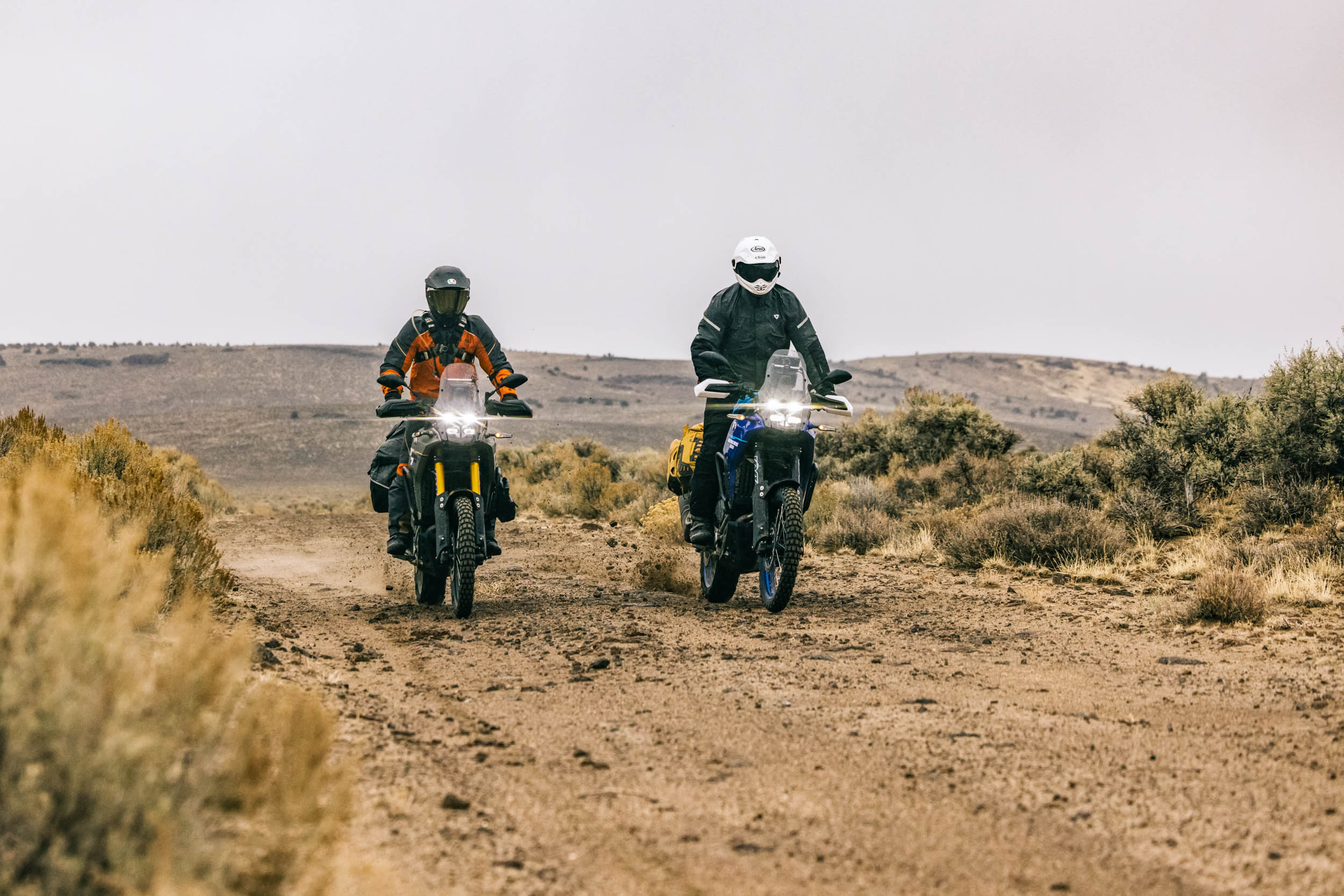
While the Airframe is the primary current offering for this tech, I’ve been testing the underlying Koroyd inserts in a variety of existing moto chassis over the last few months. Toward the end of summer — when temps were still hot — I ran the chest, back, shoulder, and elbow protection and was stoked on the airflow and comfort they provided.
The weight savings in the shoulder and elbows were offset by the heavier chest/back protectors compared to my SEESMART armor — but I actually prefer the increased overall airflow and the weight savings on my limbs that the Koroyd setup offered.
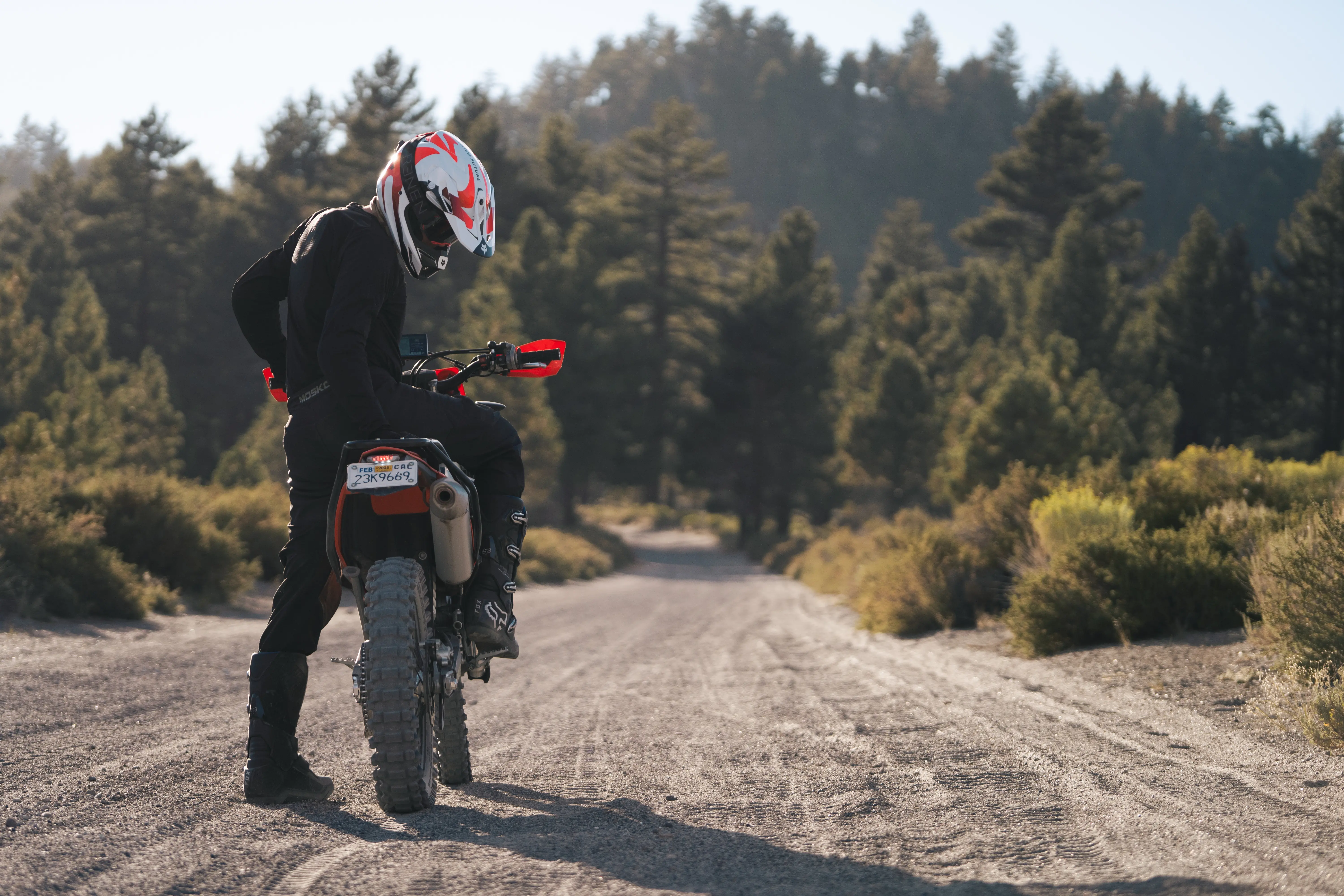
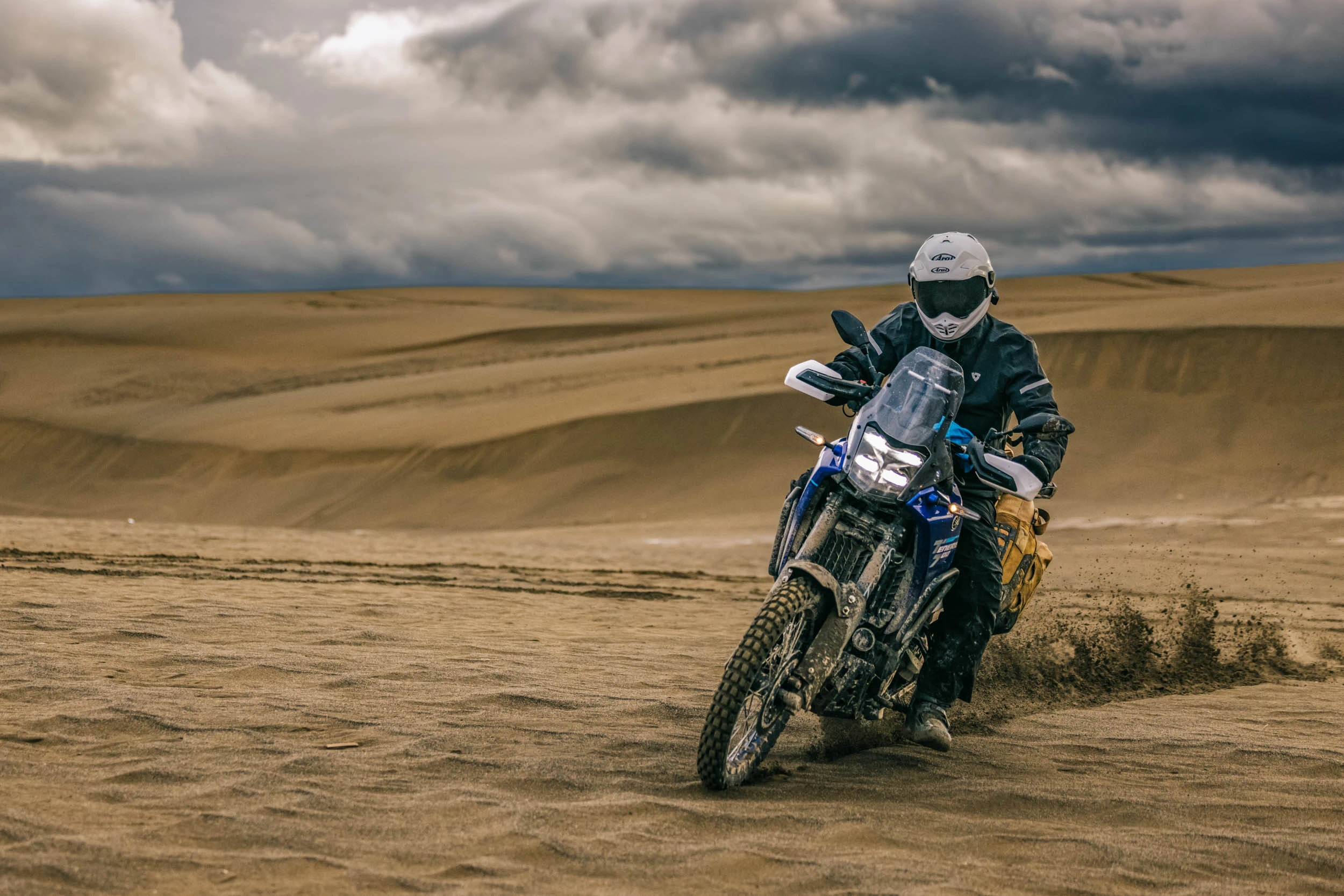
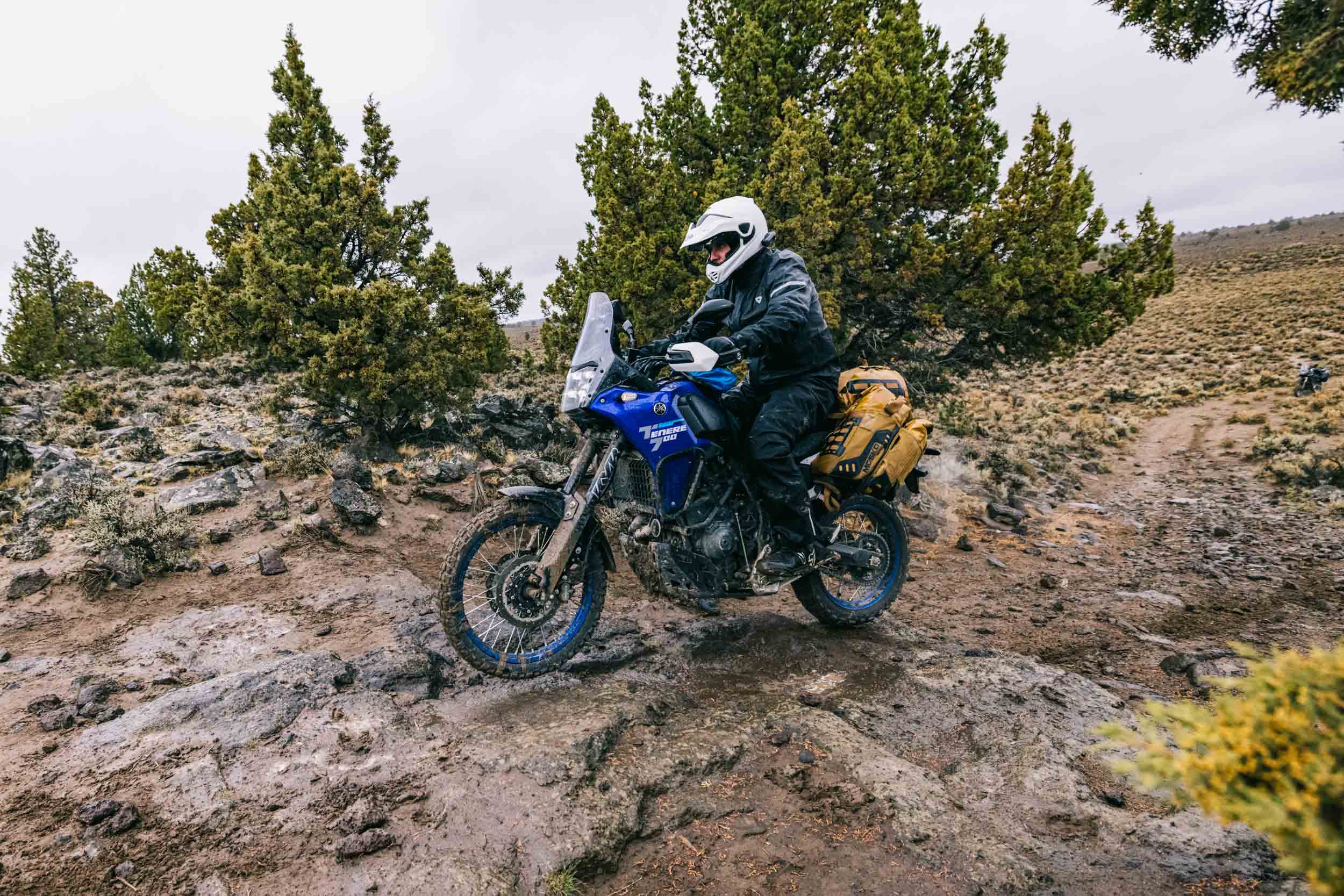
My biggest test came during a recent trip on the Oregon Backcountry Discovery Route (BDR). We faced near-freezing temperatures, but the Koroyd armor remained pliable. We were working really hard while pushing our T7s off-road, and the increased ventilation was very welcome versus getting swampy underneath a rain shell.
Because the armor didn’t stiffen up, it encouraged dynamic movement on the bike rather than restricting it. When it’s raining and muddy, you can’t feel your fingers, and you’re searching for traction — the last thing you want to worry about is having your armor be uncomfortable. Even worse: getting sweaty and wet when the temps are cold is a recipe for disaster when you eventually cool down.
Room for Growth
The current limitation for me is the safety rating. The Fox Airframe and these specific inserts are CE Level 1–certified. For dirt applications: motocross, enduro, dual-sport, this is generally adequate, and the trade-off for the light weight and ventilation is worth it.
However, for those of us who spend time connecting trails on the tarmac or riding aggressively on the street, we’d love to see a CE Level 2 version in the future for that added impact absorption.
Koroyd Moto Body Armor: Worth a Look
Koroyd has been successfully protecting skulls for 15 years, and its move into body protection feels like a natural evolution. By moving away from solid foams and temperature-sensitive materials, the brand has caught my attention, and I’m excited to see what other offerings they will come out with in the future.