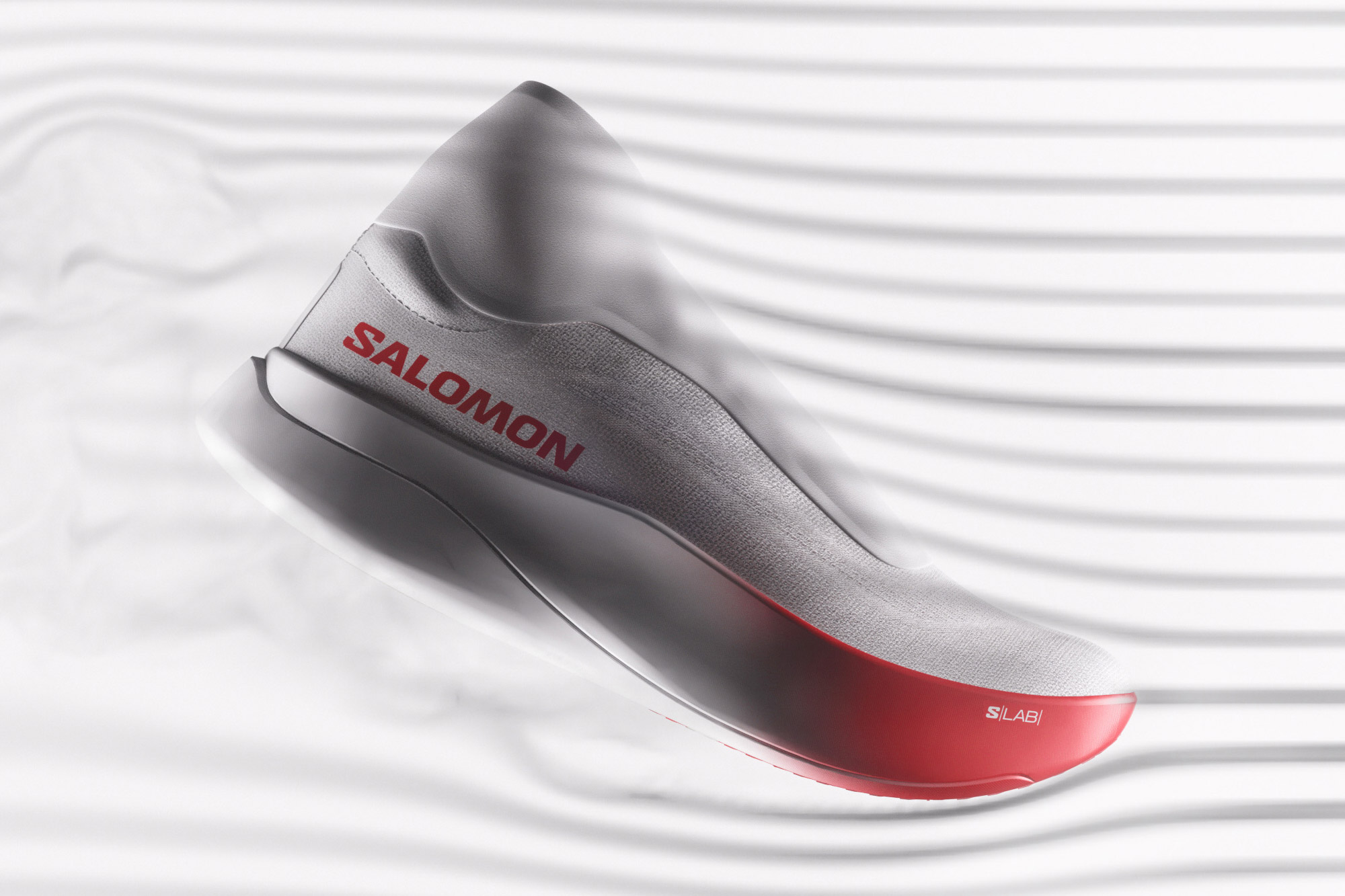
With the Los Angeles Summer Olympics just 2 years away, we’ve officially entered “OTQ season.” That familiar rush is on as competitive marathoners chase the 2:16:00 (men) and 2:37:00 (women) standards needed to qualify for the U.S. Olympic Team Trials.
And if you still think of Salomon as a trail-only brand, its new S/LAB Phantasm 3 ($280) should put that notion to rest. The brand now fields a legitimately competitive road roster, with several of its athletes aiming squarely at Olympic qualification.
To support that effort and to further advance its road-racing bona fides, Salomon asked a simple question with an unconventional answer: What if running shoes borrowed aerodynamic principles from cycling and triathlon?
More specifically, Salomon wanted to know whether reducing drag at the foot — particularly for women racing the marathon — could produce meaningful performance gains over 26.2 miles. After running advanced wind tunnel tests in Switzerland, the results seem positive.
Salomon S/LAB Phantasm 3 Review
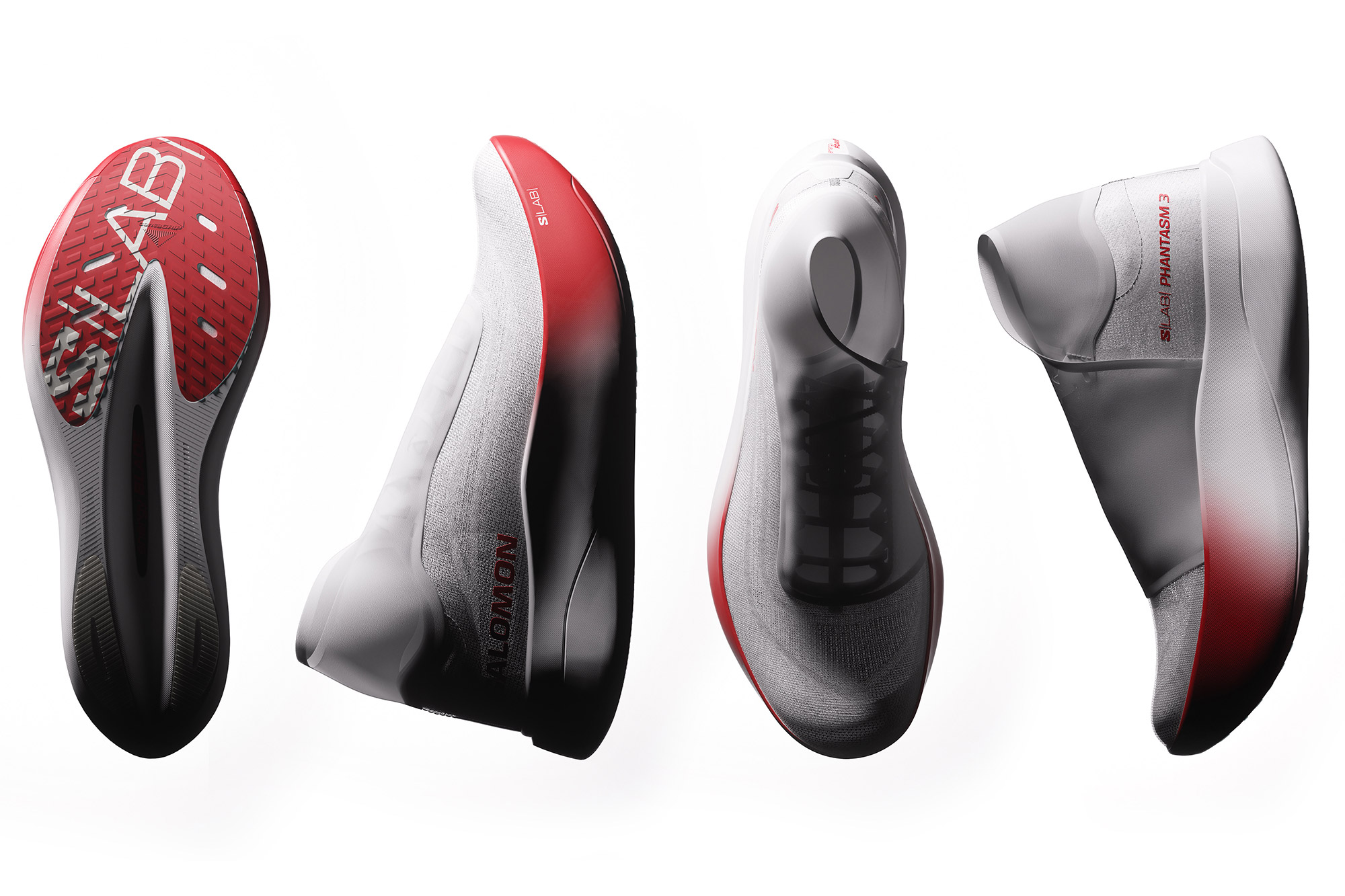
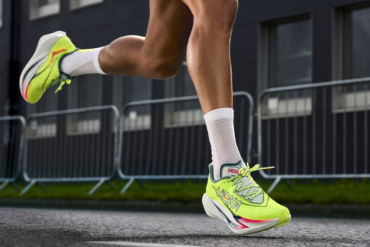
Stack the S/LAB Phantasm 3 up against today’s marathon super shoes — Nike’s Alphafly and Puma’s Fast-R Nitro Elite 3 — and it immediately looks different. Yes, it shares the ballooned, max-stack silhouette that now defines the category, but nearly everything else goes its own way.
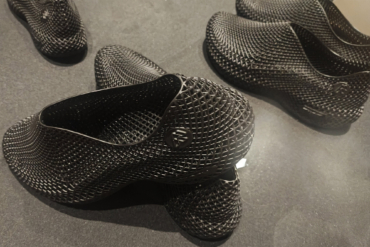
There are faint echoes of On’s Cloudboom Strike with LightSpray, the robot-built super shoe unveiled 2 years ago. Where LightSpray looks chalky and industrial on foot, the Phantasm 3 is almost liquid-smooth. It’s the rare racing shoe where you can practically visualize airflow slipping cleanly over the surface.
The upper is unlike anything we’ve seen in road racing footwear. A seamless “cache-coeur” construction covers the laces with an integrated gaiter, designed to reduce drag by smoothing the transition from shoe to ankle.
Working with Swiss Side — an aerodynamics firm with Formula 1 roots — Salomon also rethought the midsole shape. The goal was to keep it as round as possible, eliminate sharp edges, and create a clean interface between the midsole and the upper. It weighs a scant 7 ounces and has a drop of 6mm.
Underfoot, the Phantasm 3 gets more optiFOAM+ with a PEBA-based compound that’s softer and more resilient than before. A spoon-shaped Energy Blade carbon plate pairs with an updated rocker and a lower drop. Stack height increases to 39mm/33mm — just under World Athletics’ 40mm limit — with a more aggressive geometry to promote high speed late in a marathon.
Inside Salomon’s Wind Tunnel Experiment

“We know how to make shoes; they know how to make objects faster,” Gatien Airiau, Product Marketing Manager for Salomon performance footwear, said in a statement.
That mindset led Salomon to Swiss Side, best known for optimizing bikes, cars, and other high-end equipment. The question was whether similar aerodynamic gains could apply to running shoes, where drag has largely been ignored until now.
Using a treadmill setup, Salomon tested shoe aerodynamics at 50- and 25-degree foot angles inside Swiss Side’s wind tunnel. The S/LAB Phantasm 2 was benchmarked against 12 competitor models, revealing significant drag differences driven solely by shape and construction.
Engineers then modified the Phantasm 2 using plasticine and tape — covering laces, reshaping the outsole, and altering dimensions — to isolate which changes delivered real aerodynamic gains.

The final design made the midsole round and integrated the fully covered upper to reduce turbulence around the ankle. The result is a reported 16-28% reduction in aerodynamic drag at peak foot speed — meaning more speed is delivered with less human energy needed.
Dauwalter Steps Onto the Road
Trail running icon Courtney Dauwalter has long been synonymous with Salomon, and while her off-road résumé needs no embellishment, she quietly made waves on the road last fall.
Dauwalter lined up for two marathons — not just as a personal challenge, but with an eye toward the aforementioned Olympic Trials standard.
In just her second road marathon, she ran 2:38:54 at the California International Marathon, an 11-minute personal best that left her less than 2 minutes shy of the OTQ. While no single shoe makes that kind of leap on its own, the performance underscores Salomon’s growing seriousness about road racing — and the Phantasm 3’s intended role within it.
What Comes Next
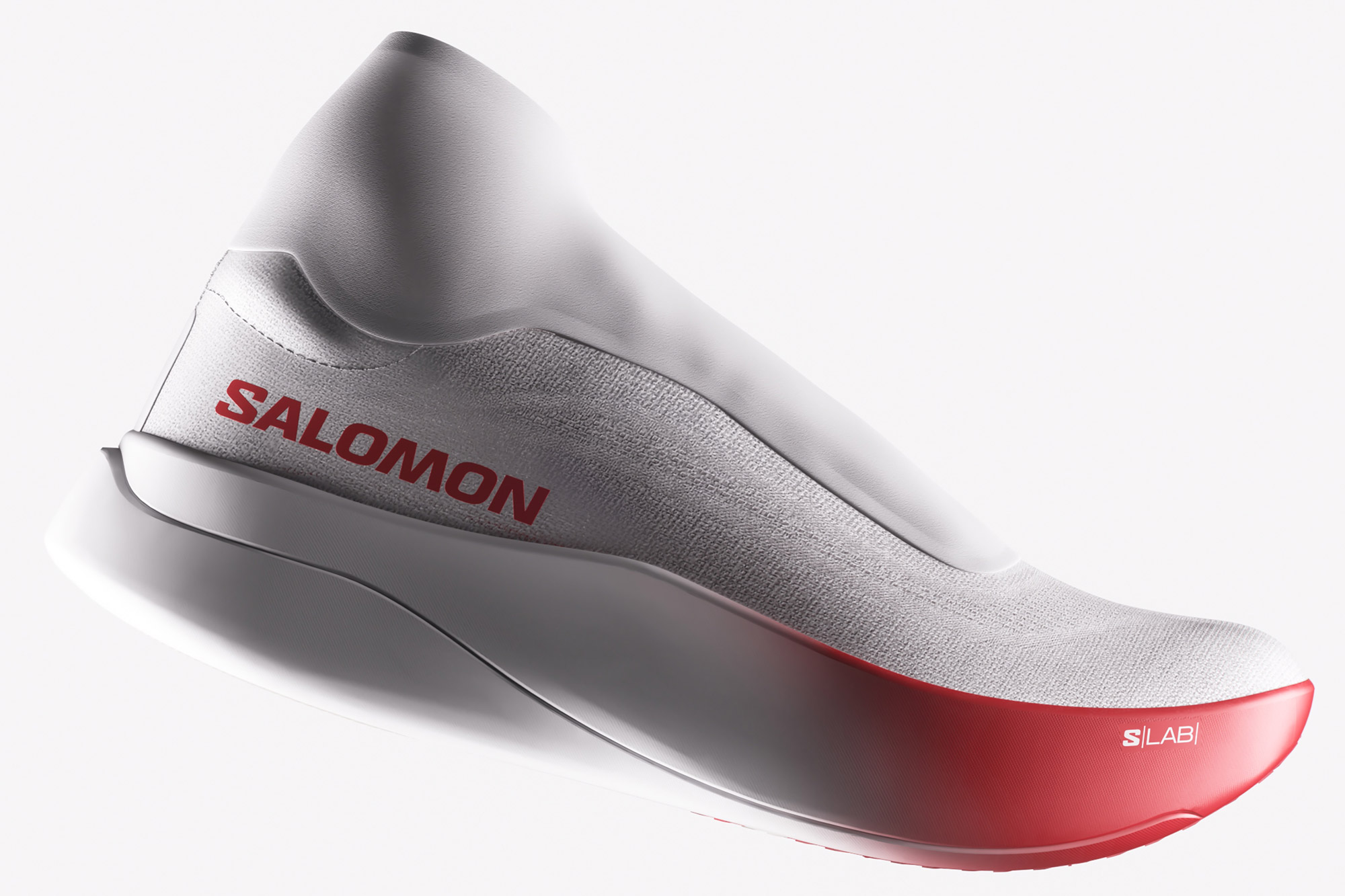
If you, too, are chasing an OTQ — or simply hunting a new marathon PR — the S/LAB Phantasm 3 adds a genuinely different option to the expanding super shoe landscape. Where Tracksmith’s Eliot Racer pushed back against the category’s visual garishness, Salomon offers its own alternative—one built around smoothness, subtlety, and aerodynamic intent.
The real verdict, as always, will come from racing results. GearJunkie will be testing the S/LAB Phantasm 3 this spring, with a full performance review to follow later this year.