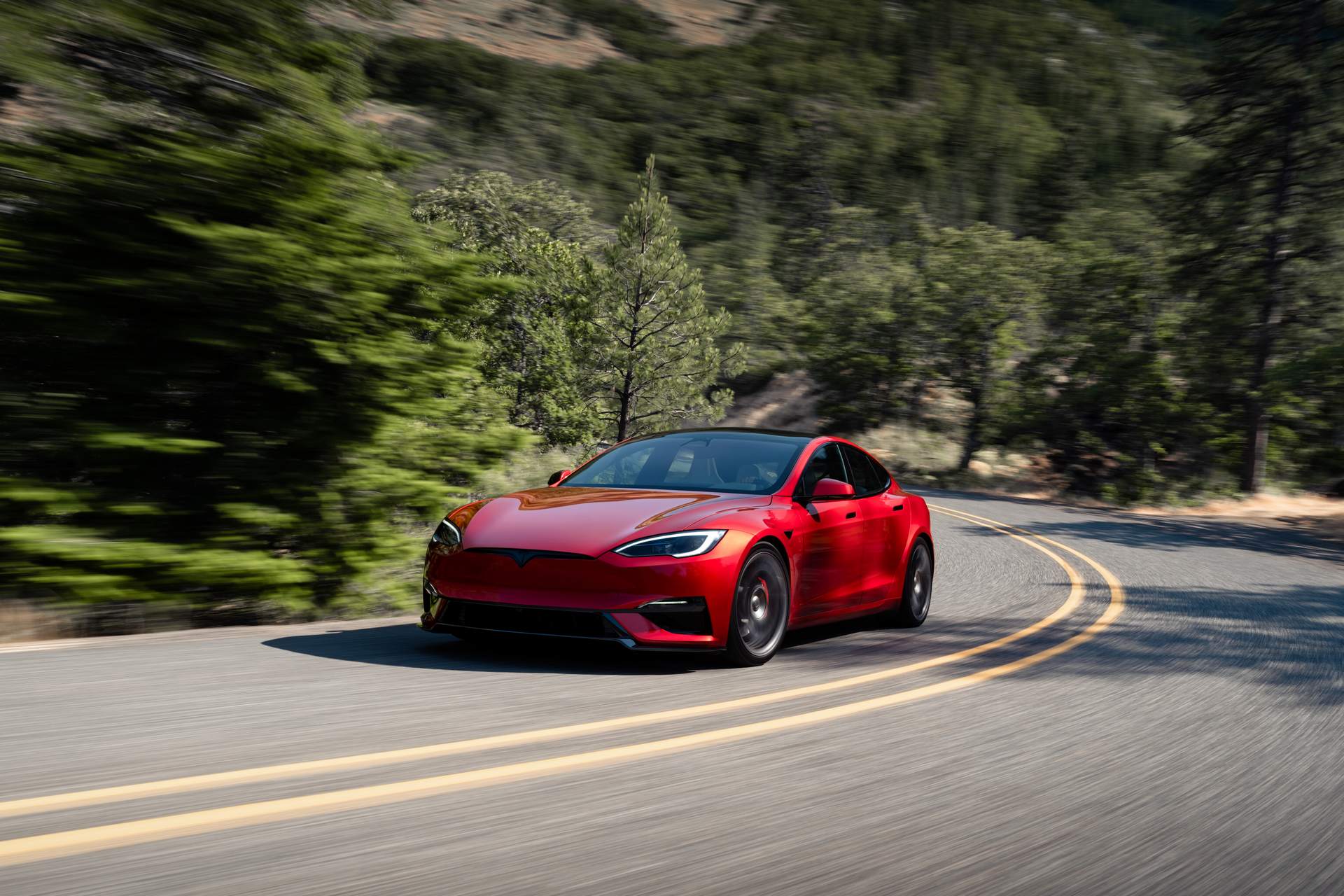
One of the most significant new vehicles of the last 15 years is dead. Tesla CEO Elon Musk has just announced that the brand will end production of the Model S sedan, along with the Model X SUV. The automaker plans to use the freed-up factory space to build robots instead.
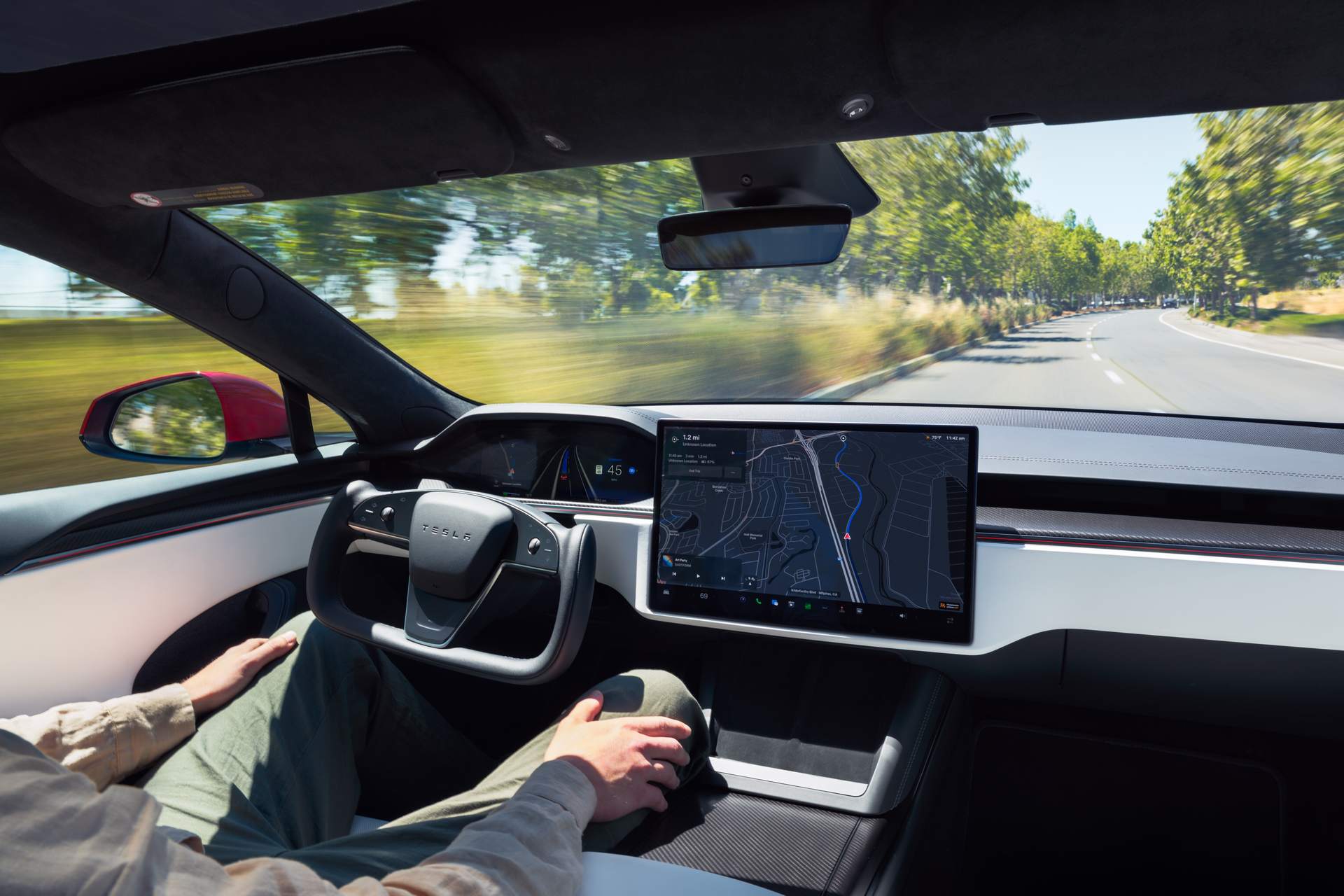
Low Sales Mean It Is Time to Go
It’s probably not much of a surprise. Tesla doesn’t break out sales of its models, but the S and X are included with the Cybertruck under the “other models” line. Those three combined sold just 50,850 units last year.
When the Model 3 and Model Y are moving 1.6 million units per year, dedicating resources to the others doesn’t really make sense. Tesla had been holding back on the two for some time, with the last significant update to the Model S 5 years ago.
The Model S wasn’t the first EV to hit the market. It wasn’t even Tesla’s first. But it was a large sedan that offered 265 miles of electric range. At the time, its competition was cars like the 80-mile Mitsubishi i-MiEV city car and the 100-mile Nissan Leaf subcompact hatch. Against those, it was a revelation.
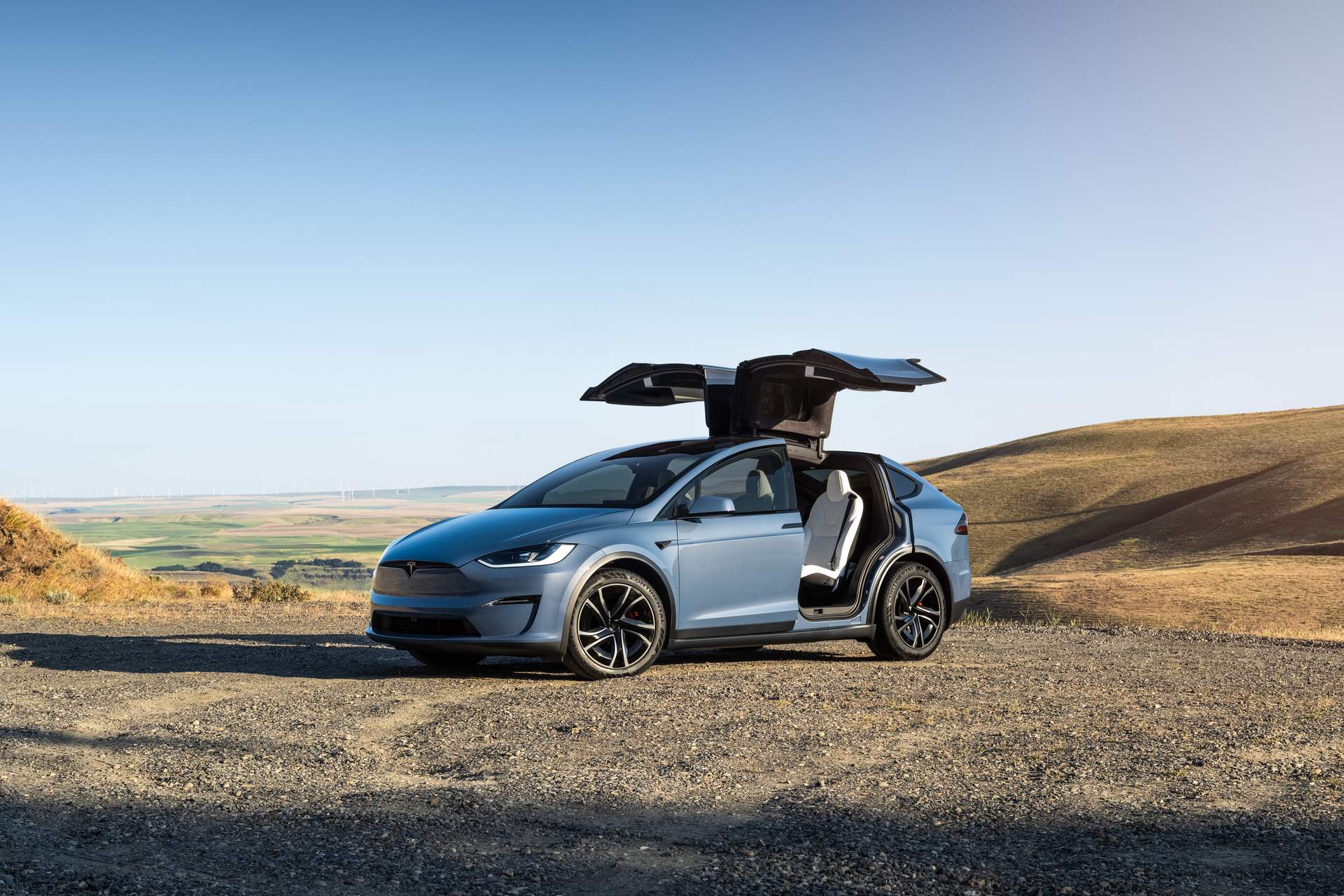
Tesla followed up with the Model X in 2015. The SUV’s Falcon Wing rear doors opened upward in an origami that was equal parts impressive and problematic. This was at least at the beginning; the issues were later ironed out. Like the S, the X got its last update of note in 2021.
Robots Will Take Model S, X Factory Space
On this week’s Tesla earnings call, Musk reiterated that the company plans to begin production of the Cybercab. He also said that a new Roadster is still on the way. The Roadster was originally set to go into production in 2020, though the most recent update from Tesla had pushed that to 2027.
“It’s time to basically bring the Model S and X programs to an end with an honorable discharge, because we’re really moving into a future that is based on autonomy,” said Musk.
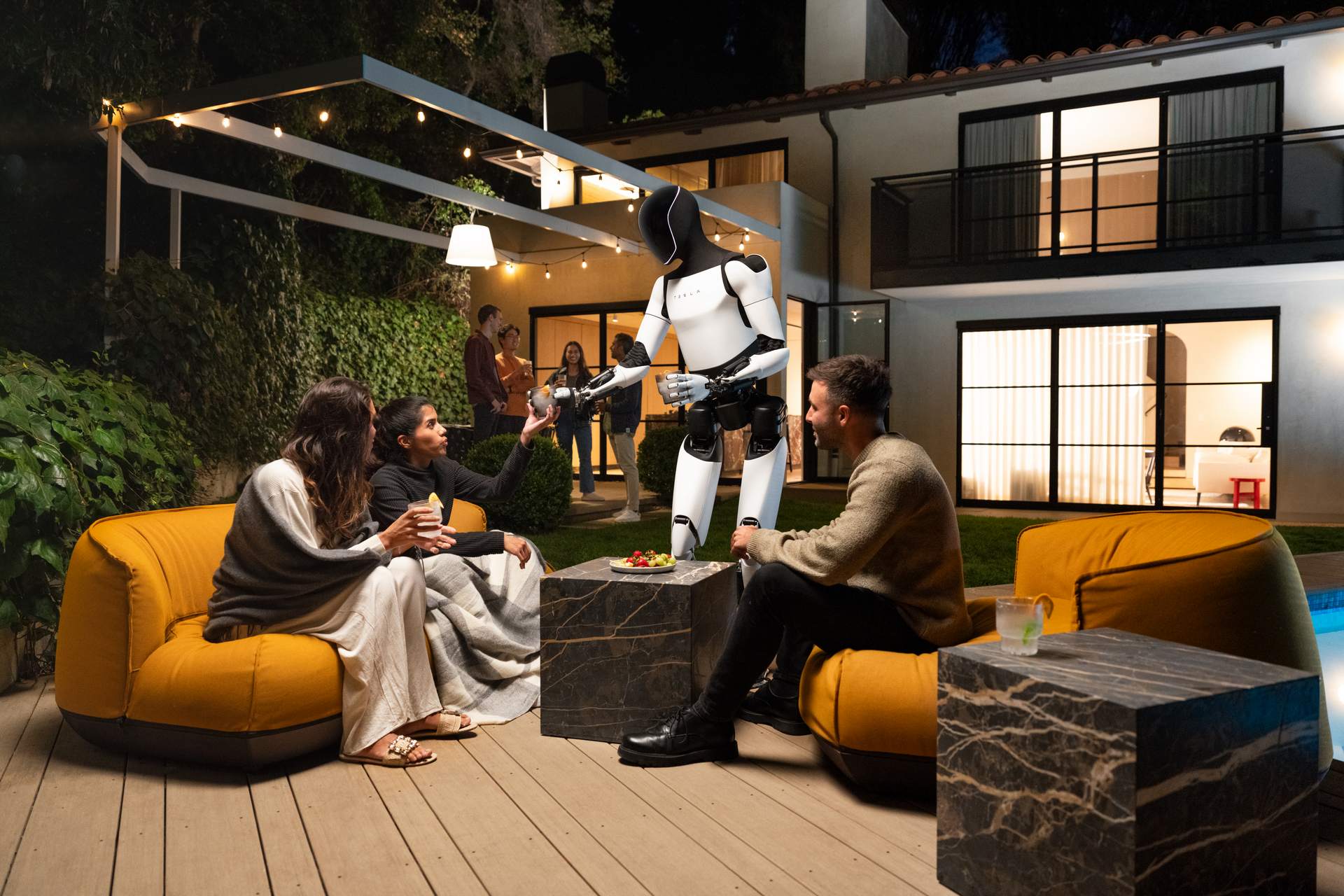
Instead of cars, Tesla will use the space at its Fremont, Calif., factory to build robots. Musk said that the lines will be converted to build his human-like Optimus robots. Musk said last year that it would send one of the bots to Mars this March. He hopes to build 1 million per year at the plant.