“I’m in a dirty, black F-350.” That was the text I received from Jimmy Durham, Lead Instructor for Outdoor Solutions, as I walked out of baggage claim to ground transportation at the Tulsa airport. Of course, he was in a giant, jacked-up, dirty truck. I wouldn’t expect anything else from a Texas-based hunting guide and shooting expert.
And the dirty part is good. The cleanliness of your guide’s truck is a direct reflection of its proficiency. If it’s sparkly clean, you should be concerned. I don’t make the rules.
Inside, I was met with a rugged, bearded face to match the truck. Jimmy is an Army vet with multiple combat tours under his belt, and he could be the poster boy for every retired vet from OIF/OEF — long beard, ball cap, and a demeanor that’s oddly laid-back and chill, all things considered. And of course, a healthy obsession with guns and shooting.
We exchanged the obligatory introductions and headed off on our hour-plus car ride to the Cross Bell Ranch to take part in one of the outfit’s Field to Table experiences. I had been looking forward to this one.
The Full Experience: Field to Table With Outdoor Solutions
On average, Outdoor Solutions puts on 20 of these “guided hunts” a year. Note the quotation marks around that. While part of this trip included guided hunting, it’s not really the point, which is precisely why I was excited.
At these camps, the whole idea is to take you through the entire process of a hunt, from zeroing a rifle to pursuing the game to preparing a five-course meal under the tutelage of a professional chef, and everything in between. Hunting is just a tiny sliver of the experience.
I hunt more than most people who would give themselves the label of “hunter,” but to be completely honest, my butchering experience is lacking. Obviously, I can field dress and quarter an animal, but aside from also removing backstraps and tenderloins, any significant amount of experience stops there. And I was certain the things I do have substantial experience with could be done better.
Like many hunters, overreliance on butchers has been the reality of my hunting career. I wanted to change that, for good.
And cooking? Very questionable. Watching a professional chef get creative with wild game and participating alongside them was something I had never done.
The Location
I have what some may call a strange obsession with the seemingly boring landscape of the plains of Middle America. I’ve spent a lot of time in that country, and the beauty is in the eye of the beholder. Where some see expanses of nothingness that have to be suffered through on long road trips, I see endless opportunity and hidden life. For me, it elicits anticipation, not boredom. There’s so much more than meets the eye.
Those landscapes host amazing hunting opportunities. In my opinion, some of the best. While looking over the horizon, there could be a coyote creeping up on a jack rabbit, a bedded monster buck, grazing pronghorn, or a covey of sharptail or sage grouse sheltering up for the evening — all hidden in the tucks and folds of the endless prairie, right in front of you. You just have to stop and look.
On the drive out, the Osage country of Oklahoma proved to be some of the best prairie country I’ve seen. The vast plains were apparent, but so were the steep, rocky canyons and hills. If I said “Oklahoma” to a stranger, they’d immediately think, “flat.” This place is anything but.
As Jimmy and I swapped stories, I thought, “Dang, I need to move here. This place is so cool-looking.” Images of flushing quail and rutting bucks danced through my head. Both of those images became a reality on the Cross Bell Ranch.
The Ranch
The Cross Bell Ranch is one of the most historic in the area. A 640-acre parcel was homesteaded in the early 1900s and allotted to Kathleen Boren. It was then transferred to the Mullendores, a legendary ranch family in the region. The ranch grew to over 130,000 acres and is now owned by the Teague family, who are continually expanding it.
Outdoor Solutions hosts “field to table hunts” all over the country, with elk, antelope, and deer hunts available. The Cross Bell Ranch is a new opportunity for Outdoor Solutions. Greg Ray, owner of OS, started hosting hunts on the property this year, and it’s moving along quite well.
While I stayed there, we roomed in the existing ranch house and used one of the many buildings on the property for meat processing. However, a massive project is currently underway to make this a premier property for field-to-table hunts.
A shooting range and shooting house have already been erected. Construction is underway to finish the OS project, and when complete, there will be a compound with a meat processing center and lodging that can accommodate up to 40 people in double-occupancy rooms. Each of the 20 rooms will have individual bathrooms.
With rugged, steep canyons, open prairies, and abundant game, the Cross Bell is the perfect location for hosting both field-to-table experiences and the long-range shooting schools that OS also offers. OS plans to host approximately five of its field-to-table hunts at Cross Bell each year.
Before the Hunt
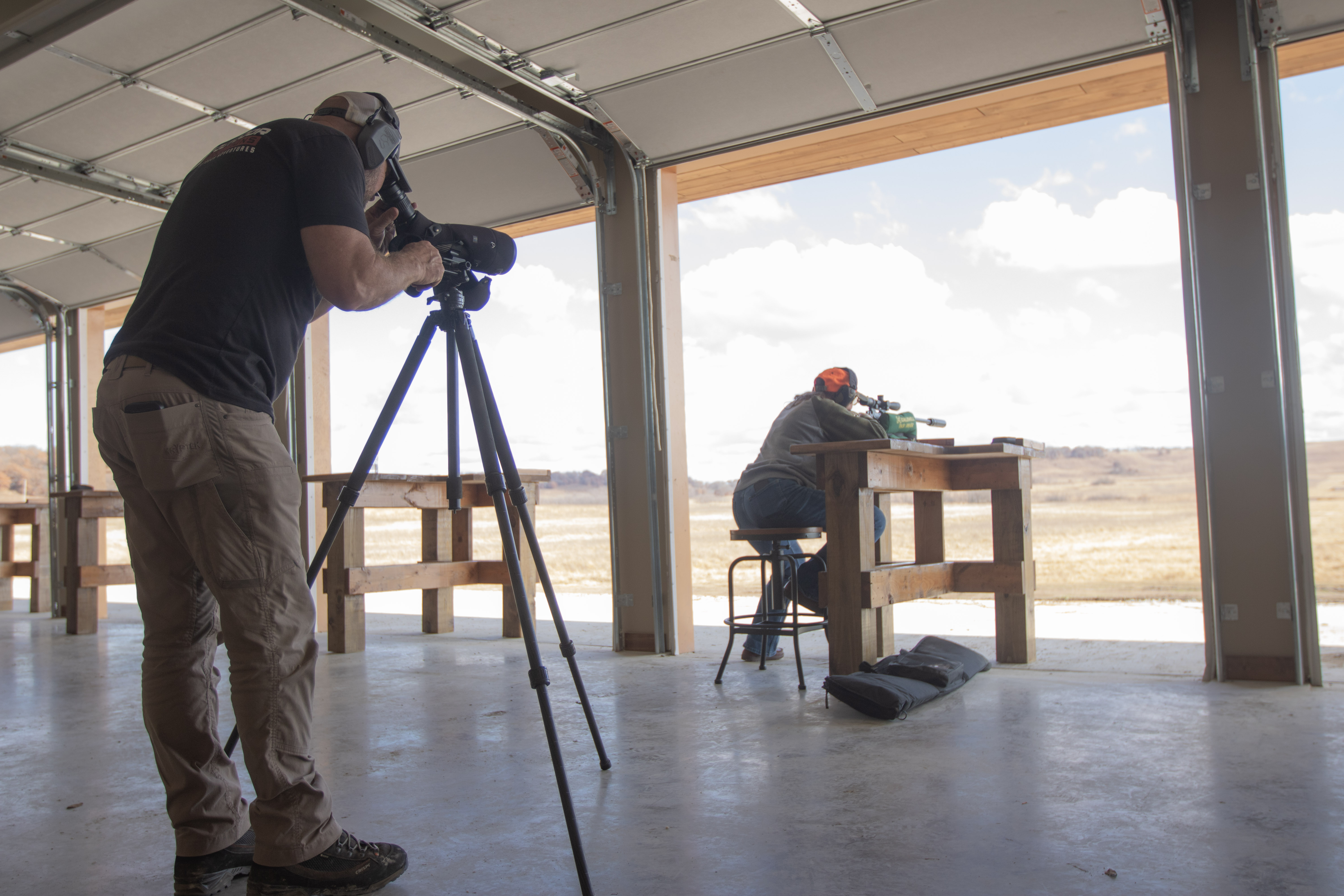
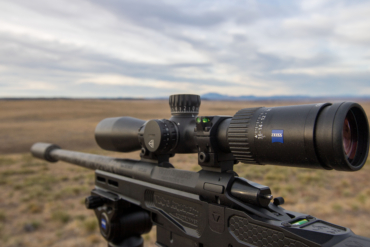
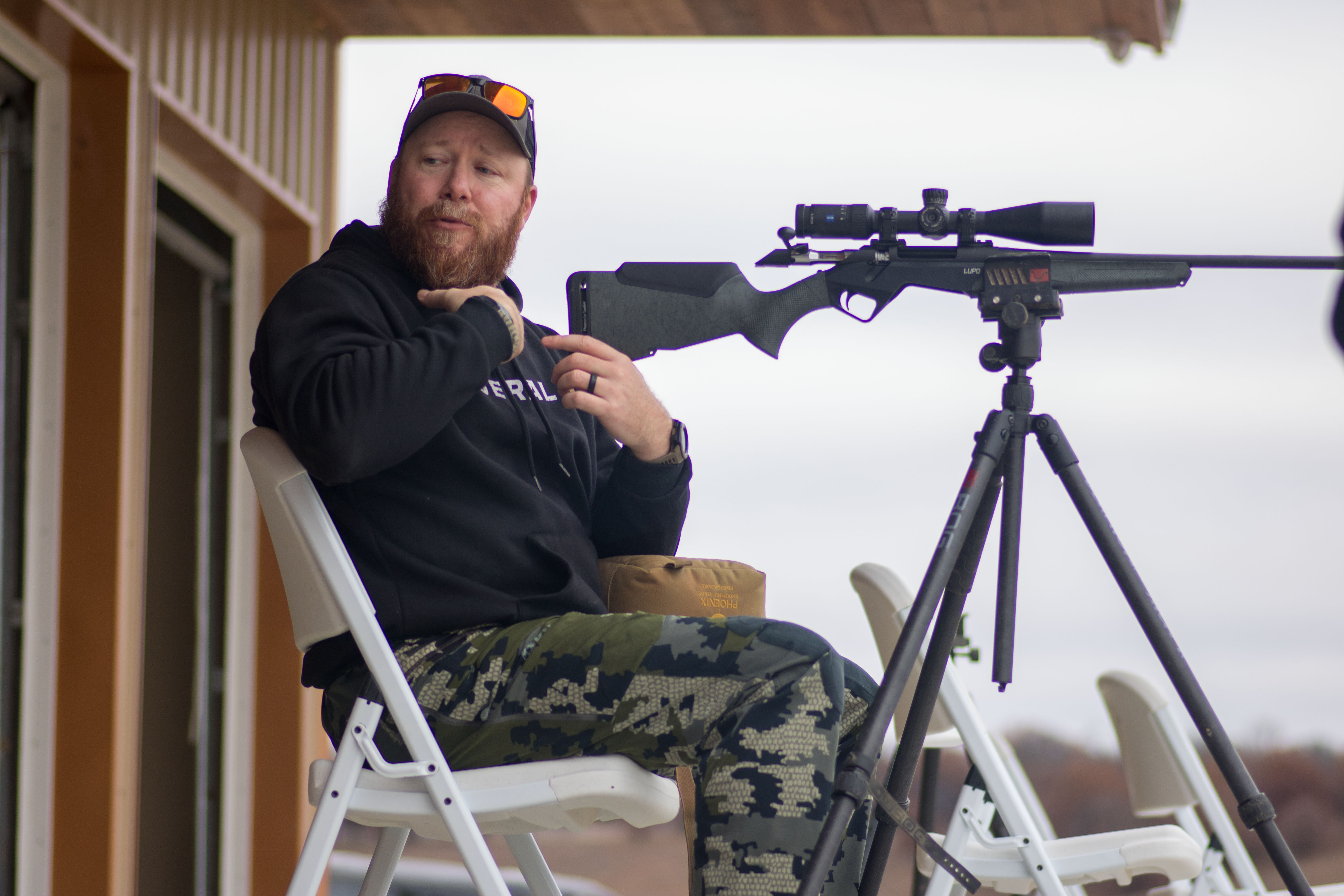
After arriving at the Cross Bell Ranch, we spared no time getting after it. I tossed my bag into my room, loaded up a day pack, and we headed to the range to zero in either the rifles we, the clients, brought along or the ones provided by OS.
As the resident shooting expert, Jimmy ran the range. He’s an experienced marksman and served as a long-range shooting instructor in the Army after injuries sustained in service prevented him from continuing in a line unit. Now, he’s the lead instructor of the OS long-range shooting courses.
The first shooting portion of the field-to-table experience is short and to the point, but valuable. Everyone got zeroed in, and we were up and running in short order. If shooting intimidates you, these guys make it simple.
On day two, we ended up back at the range to do some additional shooting training. Again, it’s not a full-on course, but it’s an awesome additional training included in the hunt. Experience levels varied drastically among the clients; there was actually a professional, sponsored shooter along, and the instructors met each of us exactly where we were at.
I walked away from it a better shooter, without a doubt. If you show up, act like you know nothing, and take the provided input, these guys will get you shooting some darn tight groups, from a tripod, nonetheless. The instructors preach functional shooting, not shooting off a table. It’ll make you want to sign right up for one of the dedicated shooting courses.
Setting the Record Straight: The Hunting at Field to Table With Outdoor Solutions
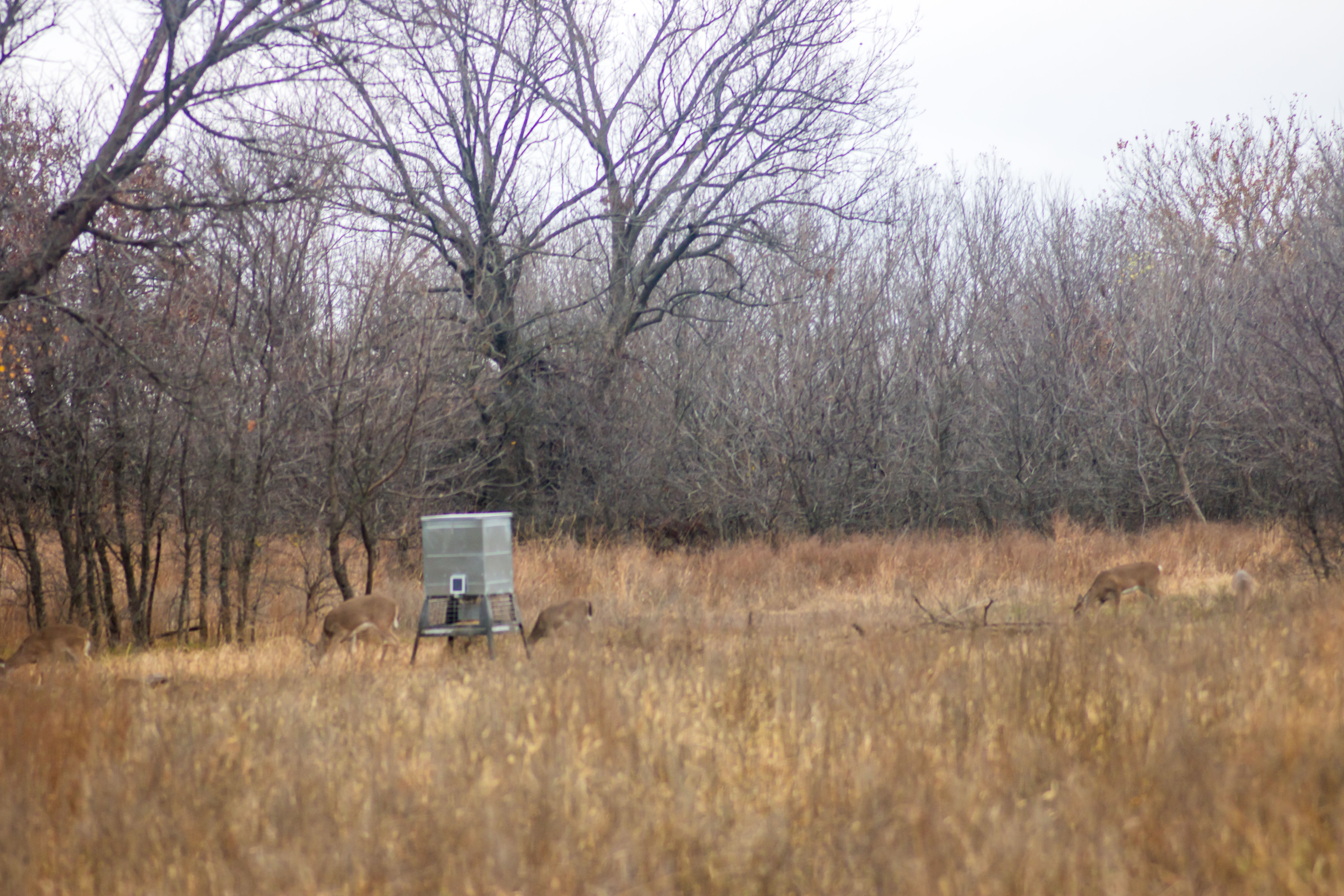
After getting zeroed, each client was assigned a guide, and we split off in different directions across the ranch. It was time to go chase deer and hogs.
I’m going to keep it real here. Over the years, I’ve come to deeply appreciate the grindy nature of DIY hunting. Nothing comes easy, and if you want to eat, hard work and heartbreak are required. To me, that’s how it should be. I value adventure and experiences over harvest.
On this hunt, we pursued does and hogs over feeders on a highly privatized, though not high-fenced, ranch. Was I super-excited about it? Not really. But I understood why we were hunting that way.
For this particular guided experience, a professional chef is being flown in, and two of the four days are set aside for education around meat prep and cooking. It’s a guide and outfitter’s worst nightmare. You have to get Mother Nature to conform to your tight schedule. And she owes the outfitter and the clients exactly jack shit.
Adventure-fueled hunts are fun and all, but it would be pretty difficult to learn proper butchering and cooking techniques without a deer, wouldn’t it? The hunt has to be a layup. If not, the whole thing falls apart.
And It Was Still Pretty Darn Fun
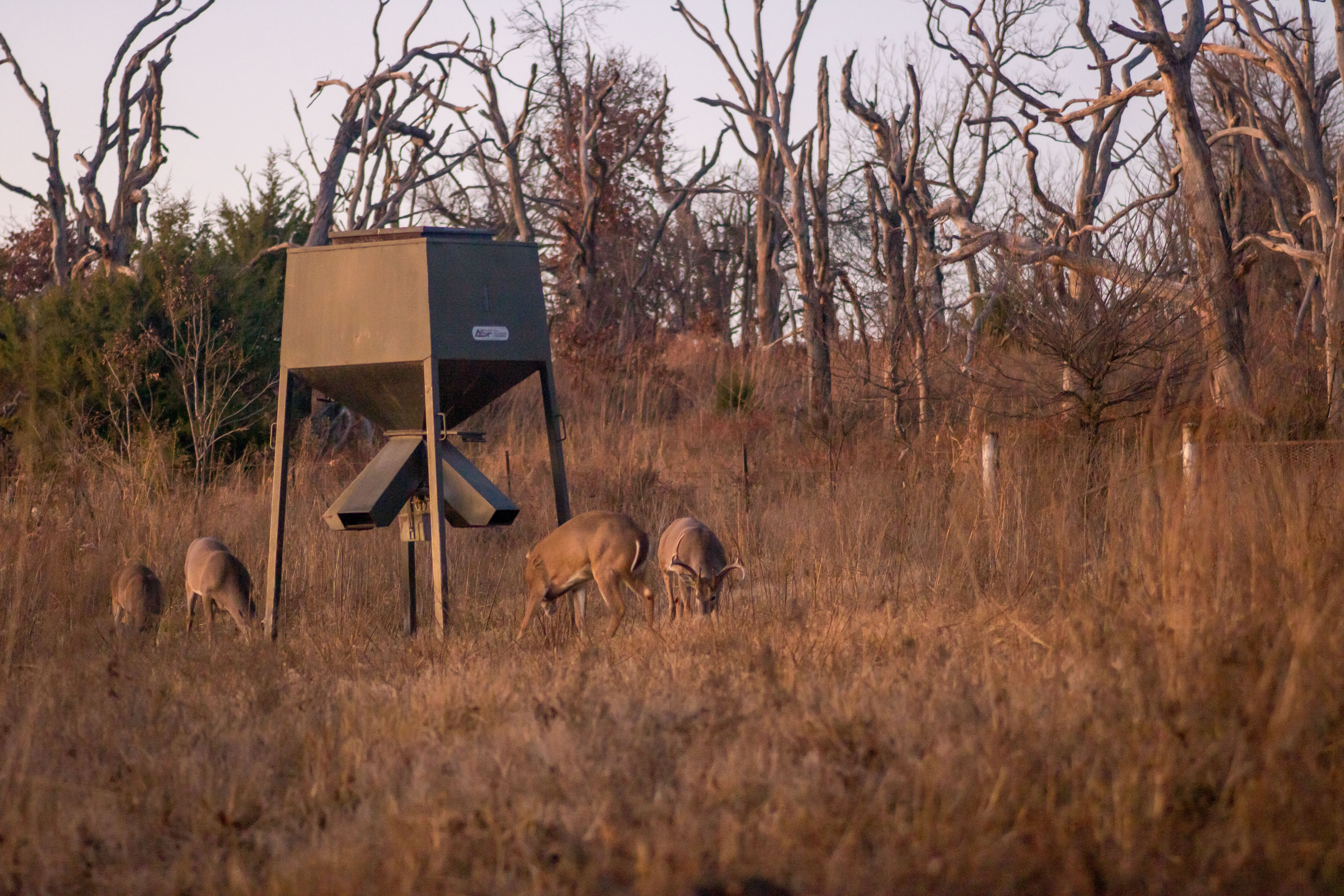
The laid-back, dare I say easy, nature of this hunt allowed me to take it all in and appreciate the experience. I found more enjoyment in it than I expected.
In the blind, Greg and I chatted about careers, raising kids, coke-heads, and goats (the domestic-horned variety, not the Tom Brady variety). We sat there interacting like normal human beings, like hunters before us, which was fantastically refreshing in our modern age of technology.
I got to observe deer interactions reserved for those lucky enough to hunt on prime grounds. I watched a forky push his luck against a 4X4. He pushed it too far and paid the price. When a third buck, an absolute unit, showed up, the 4X4 tickled antlers with him, but wisely decided it was a battle for another day. The building of a hierarchy took place right in front of me, at 45 yards.
Over the week, I saw more big bucks than I have in Tennessee in 3 years. It was a real treat.
And the hogs must’ve known that I wanted a challenge. After three sits, I hadn’t laid eyes on a single one. The group as a whole had the same experience.
Rather than take the easy way out and keep us doing the same thing over and over, a few of the guides offered to take us on a spot and stalk/still hunt in the evenings — music to my ears. We never saw a hog, but I got to see more of the ranch, and we were hunting more in line with how I like to do it. It was a blast.
In the end, everyone shot a deer, some their first ever, and we harvested one hog. Pretty dang successful. There was a lot of work ahead.
Butchering
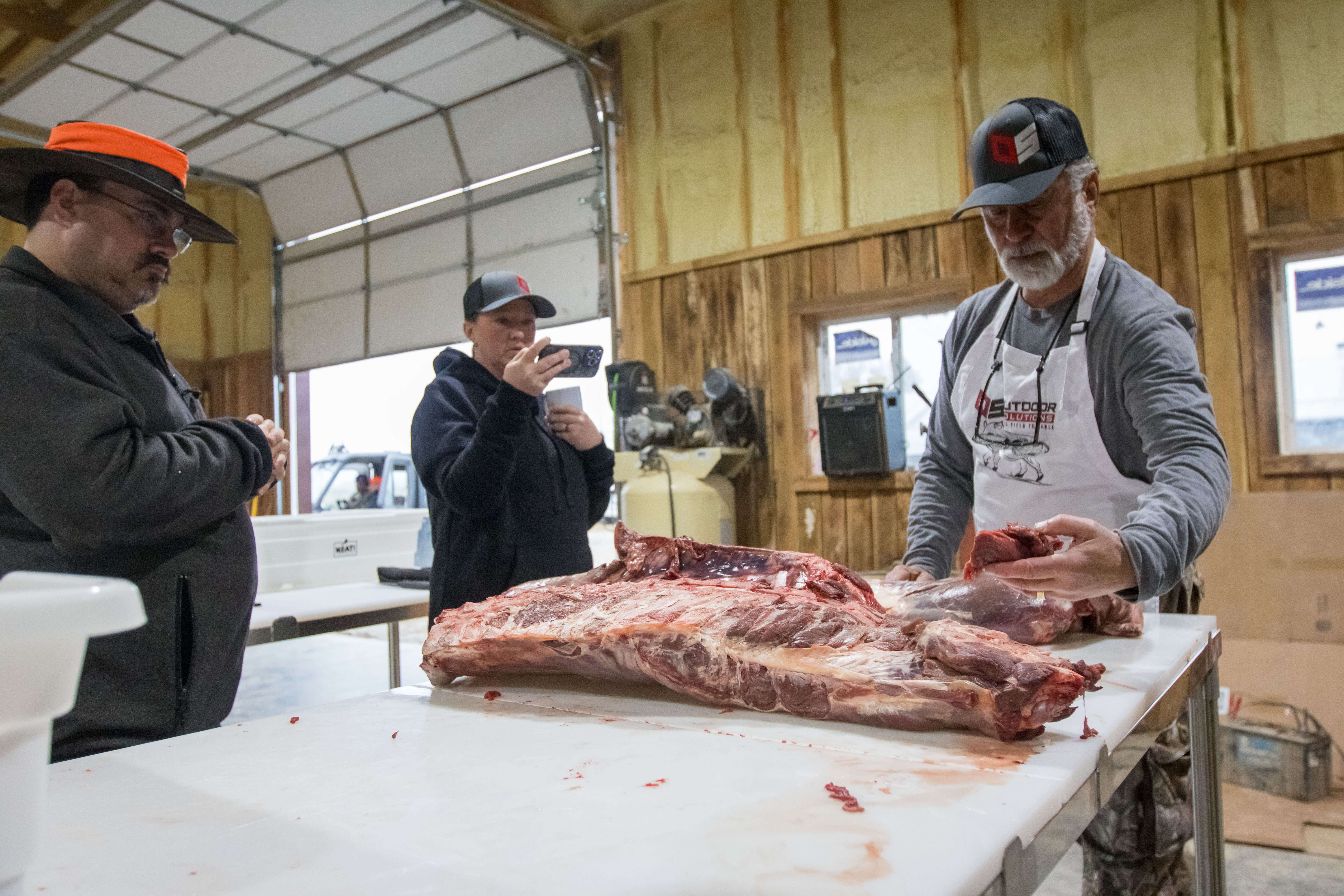
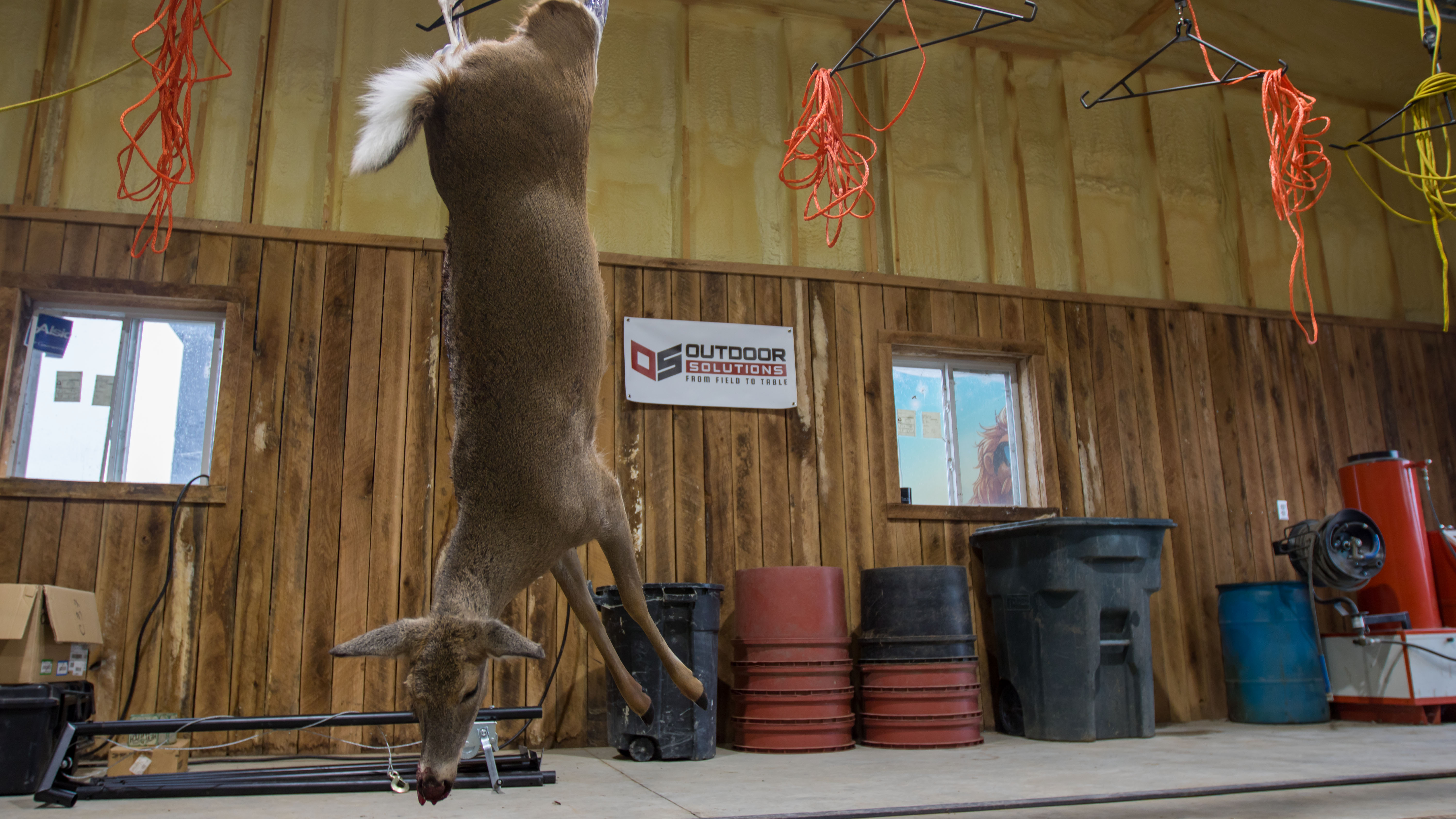
With eight deer hanging in the processing center, the guides showed us a quick, easy way to field-dress them. Everyone does it differently, and it was awesome seeing how those guys go about it. They field dress more deer in a year than most of us will in a lifetime, and they have it down to a science. I picked up some tricks.
With the field dressing complete, OS brought in the big guns: Chef Albert Wutsch. Chef Albert began by walking us through meat care and prep post-kill, and to be honest, he completely shattered some preconceived notions I had always taken as gospel. Learning how a certified executive chef and culinary educator takes care of his own wild game in the field is eye-opening, to say the least.
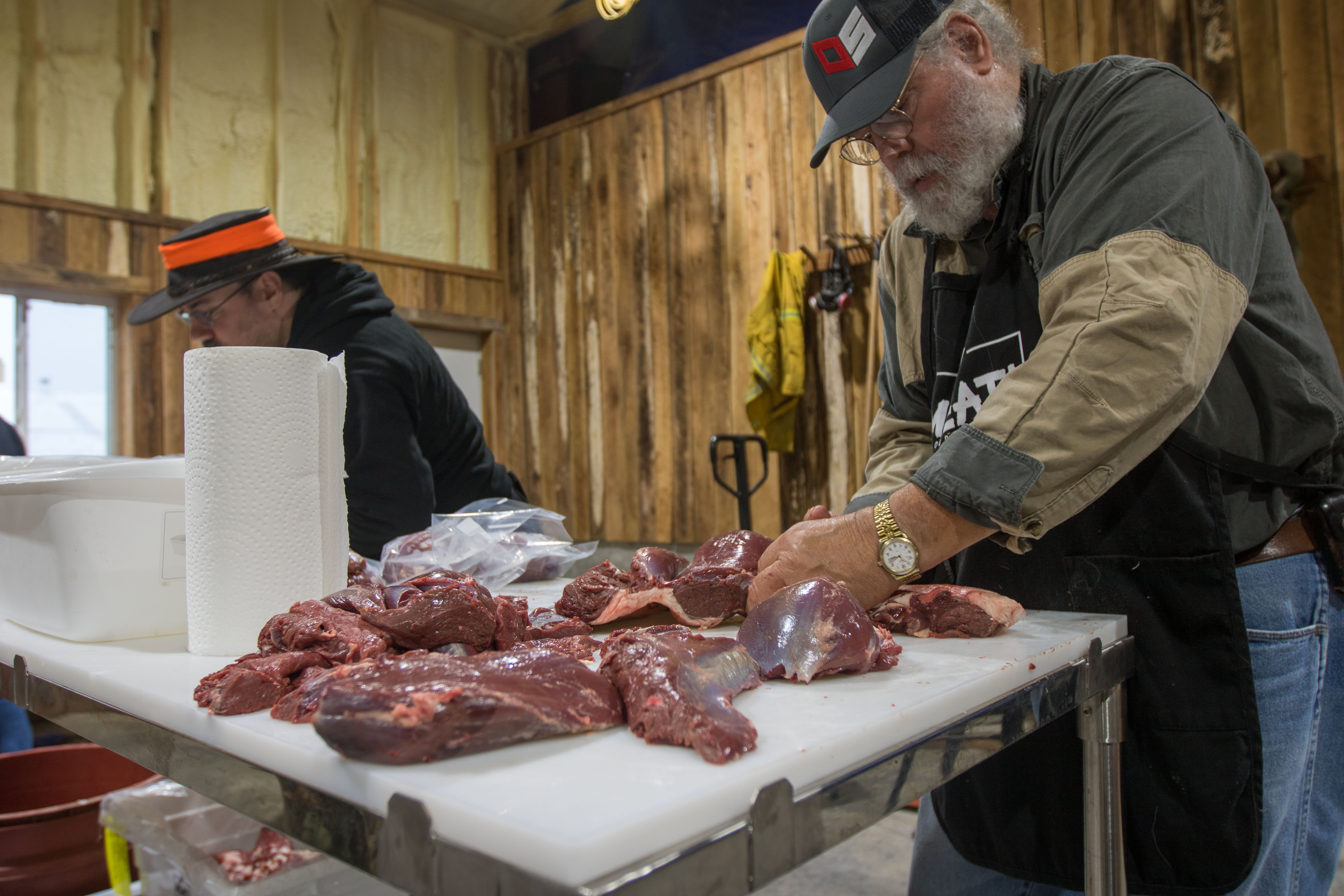
We then got to work taking apart the animals and spent a morning removing all the meat and quarters from the skeleton. After a short break, we got to taking all of the cuts off of each quarter.
Along the way, Chef Albert provided insight as to what each cut was best for. We learned about meat as an ingredient.
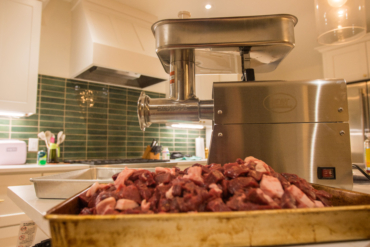
The final step was prepping some of the cuts for different dishes, and we learned how to prep liverwurst, grind meat, and make sausages. It was a lot to take in.
It’s so much to take in that I can’t even begin to talk about everything I learned. Fortunately, OS provides online resources and videos you can pull up later, so you can focus on the task at hand and have a resource to rely on when you do it yourself.
You simply have to go experience it for yourself. I walked away knowing how to process a big game animal with precision and efficiency. I learned so much in the processing center.
Cooking at Field to Table With Outdoor Solutions
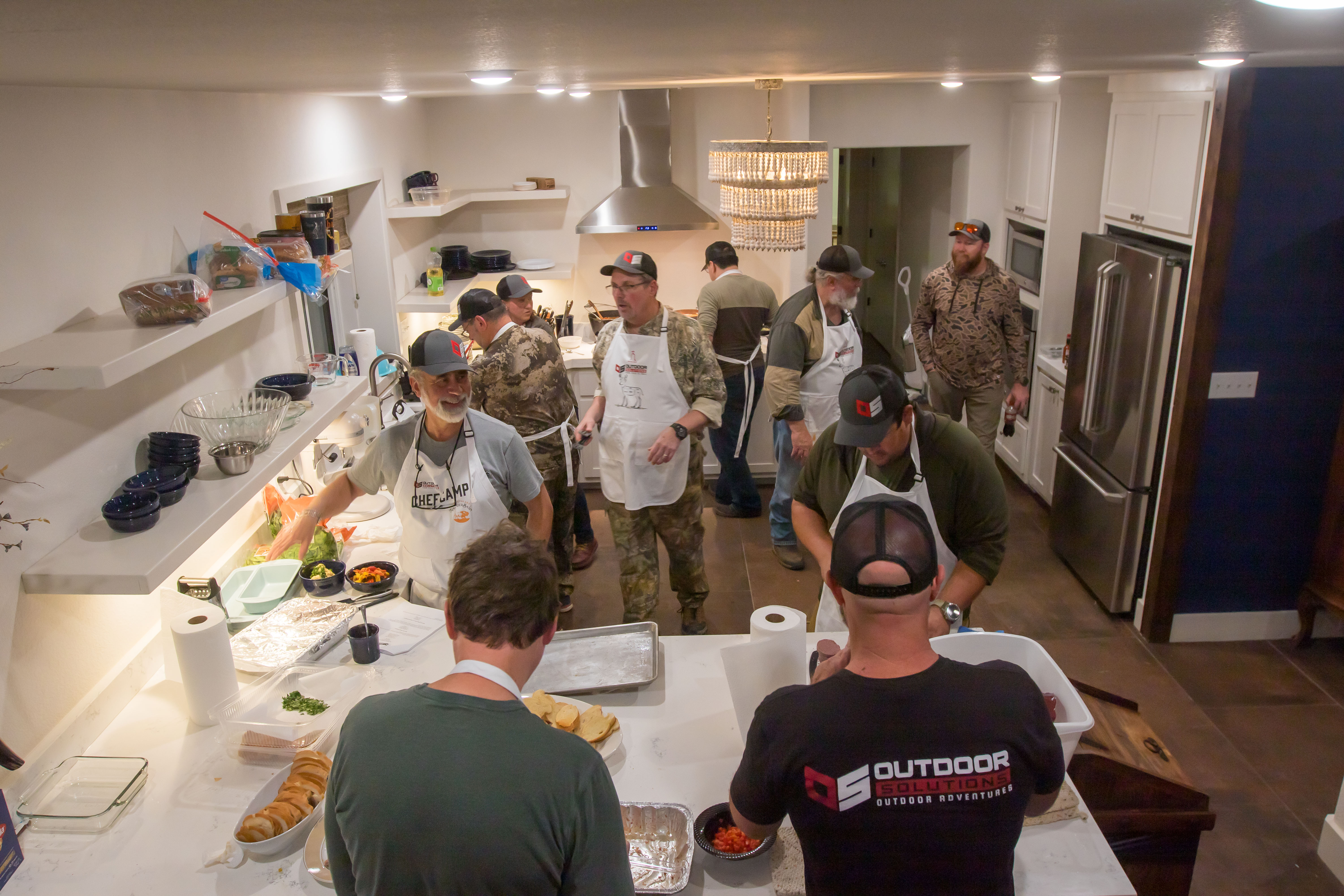
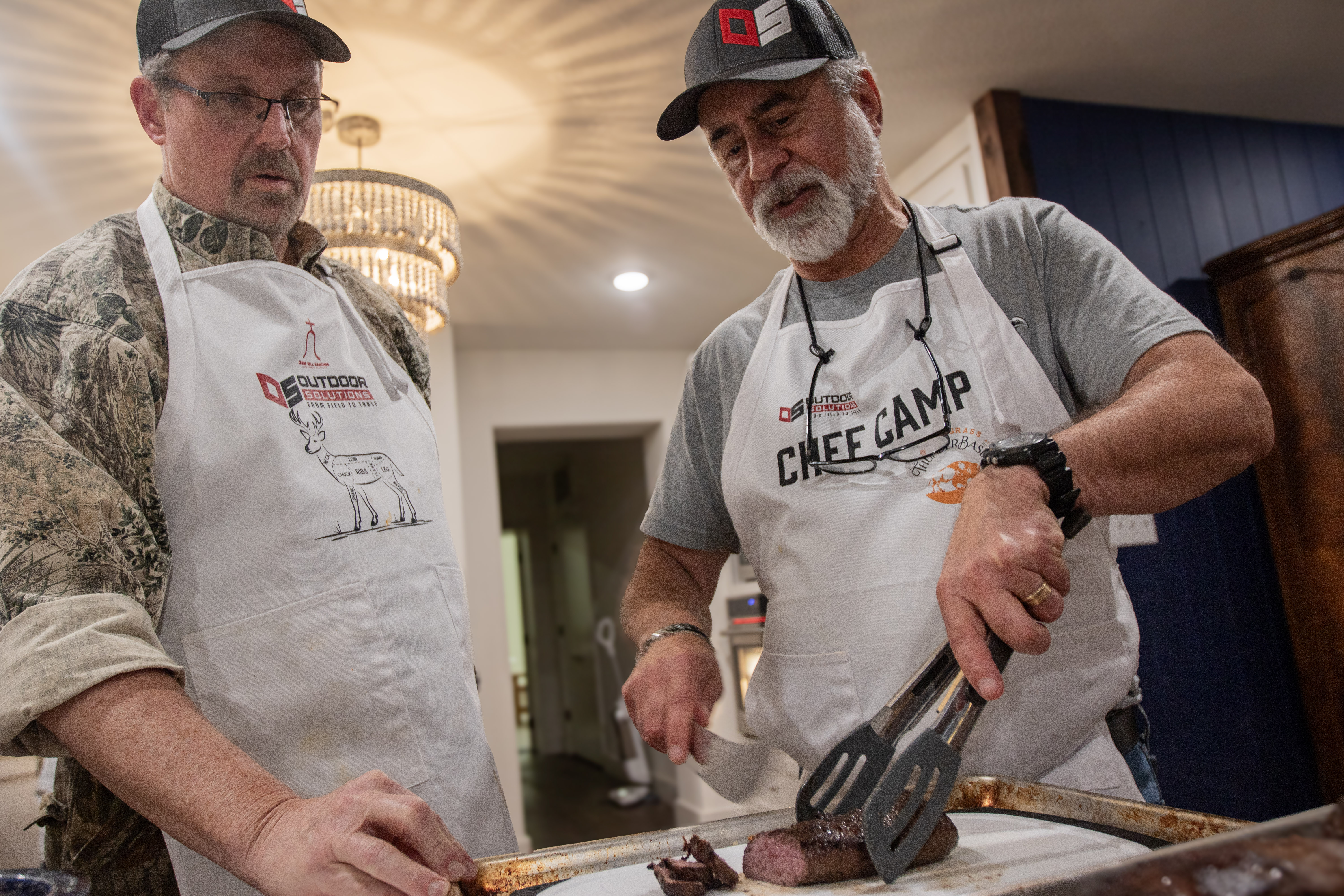
On the final afternoon, it felt like we entered an episode of “Hell’s Kitchen,” albeit with a little less swearing and more patience from the chef. The plan was to prepare a multi-course meal for the guides, instructors, ourselves, and the family of one of the ranch hands. The pressure was on, and we only had a few hours to produce a killer meal. And yes, according to the chef, presentation mattered.
Those few hours were a whirlwind. We divided and conquered the dishes, and the kitchen became chaotic. The chef was shouting instructions around the kitchen, we were tossing in spices over here, running to an oven over there, and hurriedly stirring pots of the chef’s latest concoctions. At one point, I was running across the property, trying to find more equipment, without burning the dish I was currently working on.
Timing was critical, and everything had to align with the chef’s strict serving schedule. The 3 hours felt like 12 minutes, and it was an absolute riot.
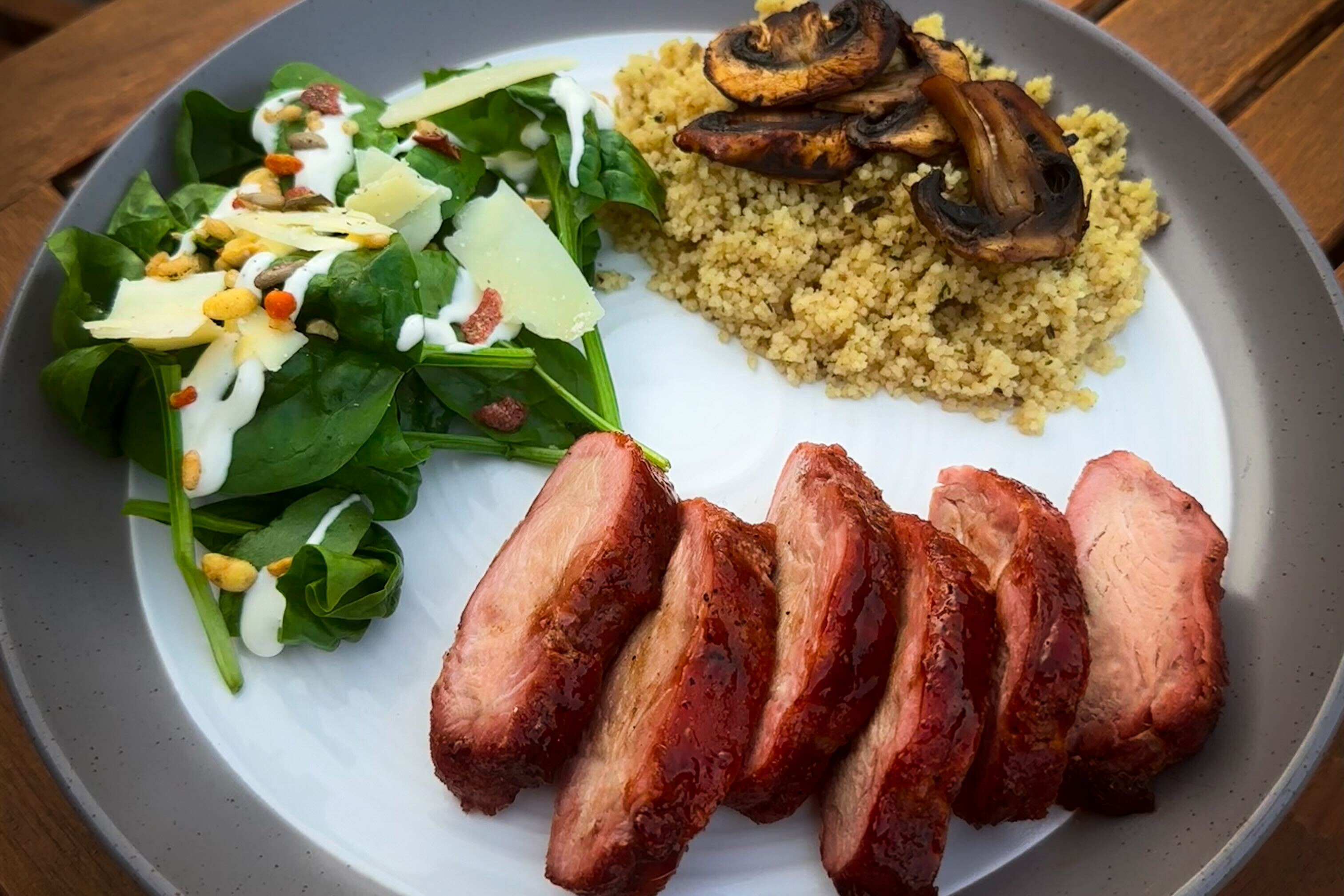
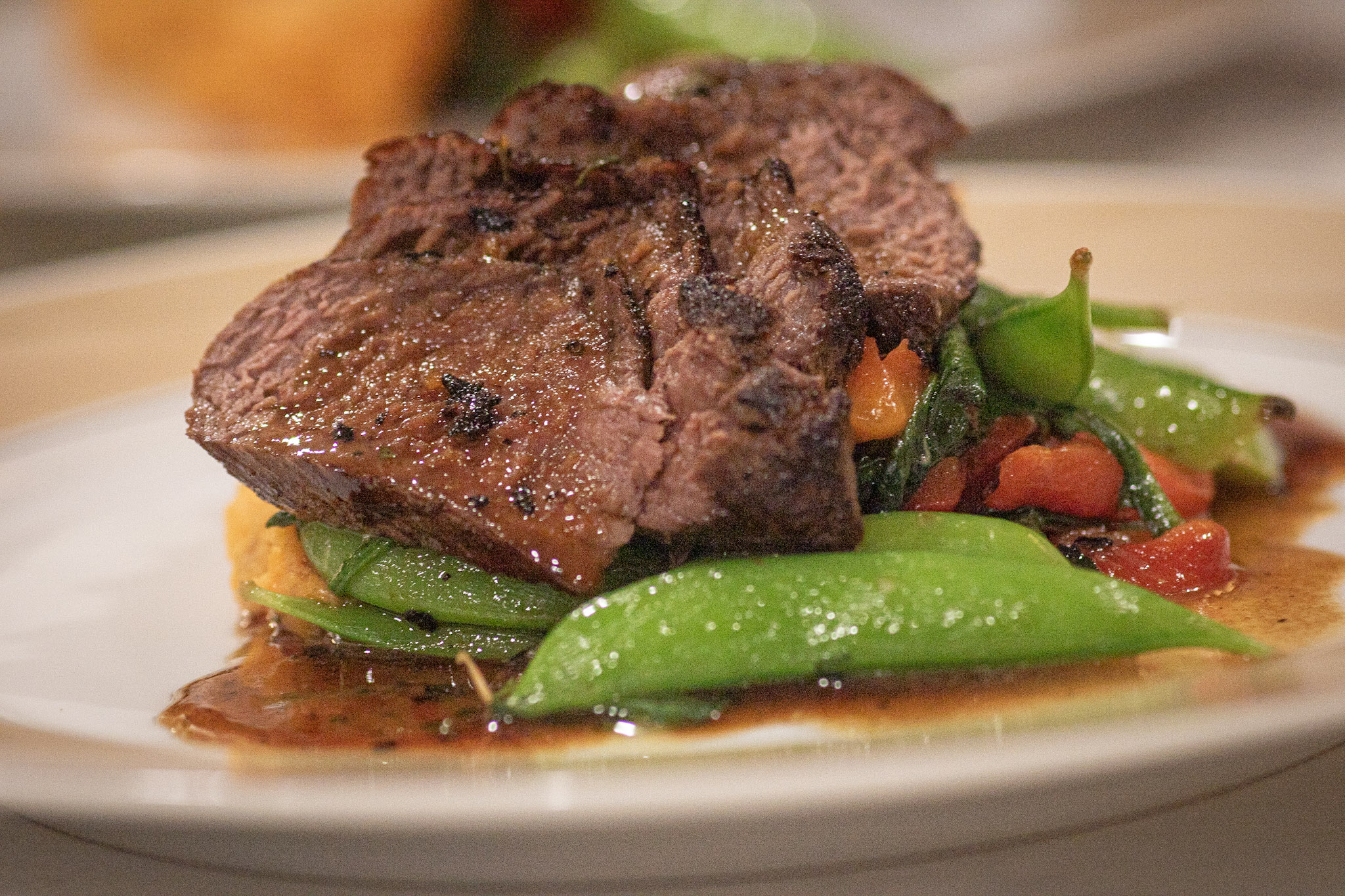
How did the food turn out? Oh my God, good. I was most impressed with the liverwurst hors d’oeuvres. I wasn’t expecting to like it much, but holy cow (ahem, deer), it was delicious.
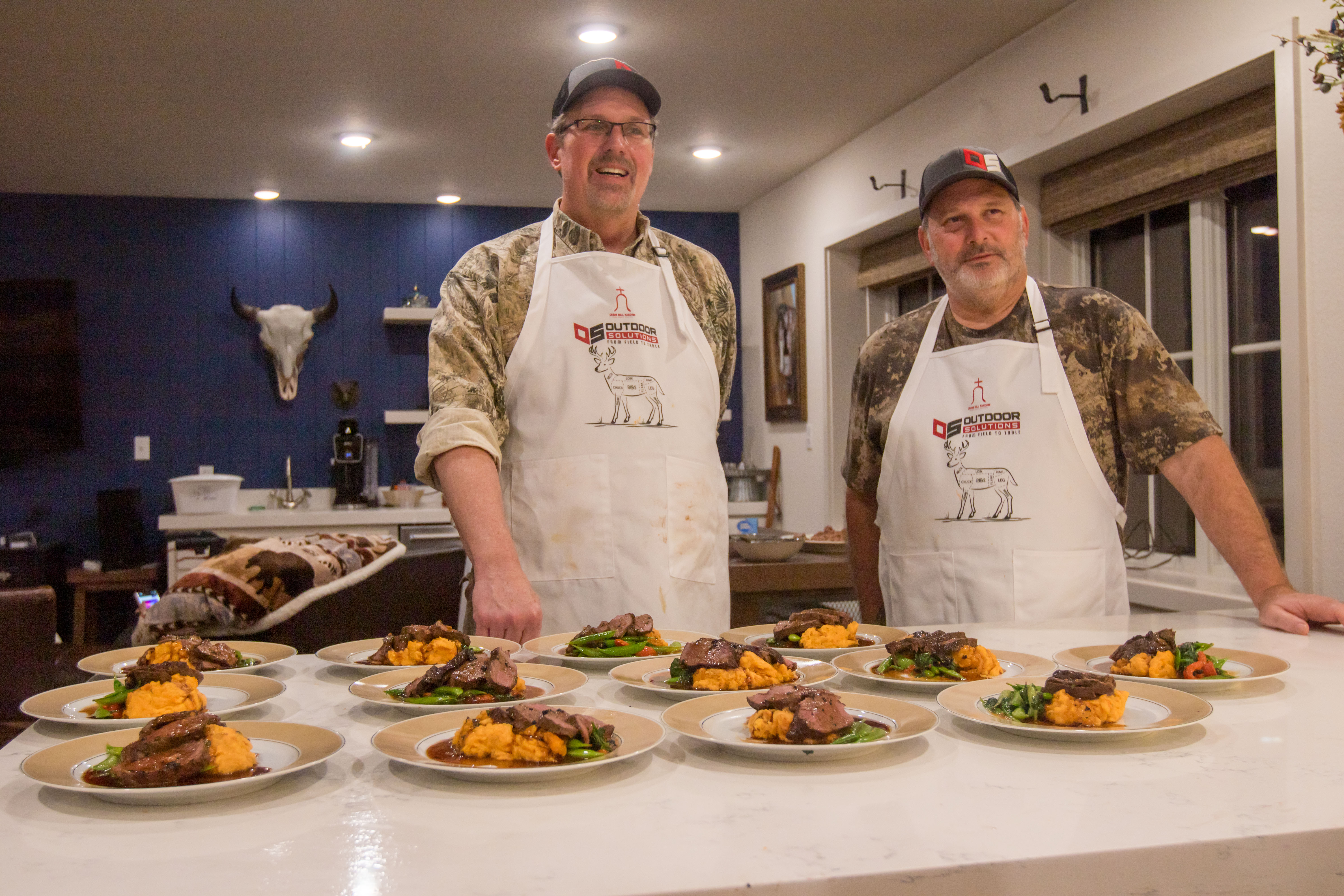
With each course served, the individuals who prepared it were asked to give a presentation on it to the group. It was a real chef experience. We all dug in, joking and swapping stories about the awesome experiences we had that week.
Who Field to Table With Outdoor Solutions Is For
The coolest part of this hunt, in my opinion, is the cast of characters who had joined up. There was a guy who was passionate about flintlock rifles, but had never hunted. He wanted to start, but had no idea where to begin once an animal was down. At the Cross Bell Ranch in Oklahoma, he harvested his first big game animal and got a masterclass in what to do with it.
There were two friends from Texas, nearing retirement, who had spent their entire lives hunting. The number of stories they had about past hunts was astounding. But, like me, they relied extensively on butchers and wanted to get better at the craft. Again, Outdoor Solutions provided.
Yet another guy had been on loads of bougie, high-end guided hunts, thanks to his boss’s obsession with hunting. He told me that it was great, but he wanted to start doing it himself. On every hunt he had been on, the guides did all the dirty work. It was time to learn that part of it, and a DIY hunter was born at Cross Bell.
The point is, this hunting experience is for everyone.
Is Field to Table With Outdoor Solutions Worth It?
I don’t care if you’re the hardest-charging, most experienced hunter out there. You will learn something on this hunt.
Yeah, you may have harvested a ton of animals. But have you processed them to completion? Maybe. That’s not uncommon.
But have you also prepared multiple culinary masterpieces with the meat alongside a professional chef? Have you also received shooting training from professional instructors who have been among, and trained America’s best? Maybe so.
But I highly doubt there are very many people walking around who have done all of those things. The From Field to Table experience with Outdoor Solutions is a masterclass. It’s highly educational, and dare I say, one of the best courses a big game hunter can go through.
It’s so good that one of the clients attending the trip had done it multiple times. And he keeps coming back for more.
The cost ranges depending on the hunt you attend, ranging from about $3,200 to $3,800. I think that’s a steal for the knowledge I gained. There are a bunch of different hunting experiences offered, and you can pick one and sign up here. I legitimately want to sign my wife up for one.
For me, though, it all culminated when I got back to Tennessee and harvested two deer in one morning. I attacked the project with confidence and efficiency, and my family has been feasting on the meat ever since. I ground it, made sausages, and took it the whole 9 yards. No butcher needed.