The Grand Canyon is one of America’s most iconic natural landscapes, but it’s been struggling as of late. In 2025, its largest-ever wildfire destroyed vast portions of the park, shutting down whole sections, destroying a historic lodge, and causing visitor numbers to drop.
The park faces a massive recovery effort, and a major bill to speed up reconstruction and cleanup just passed the House. It’s a big step in the recovery effort, which could take years to fully complete.
The Fire
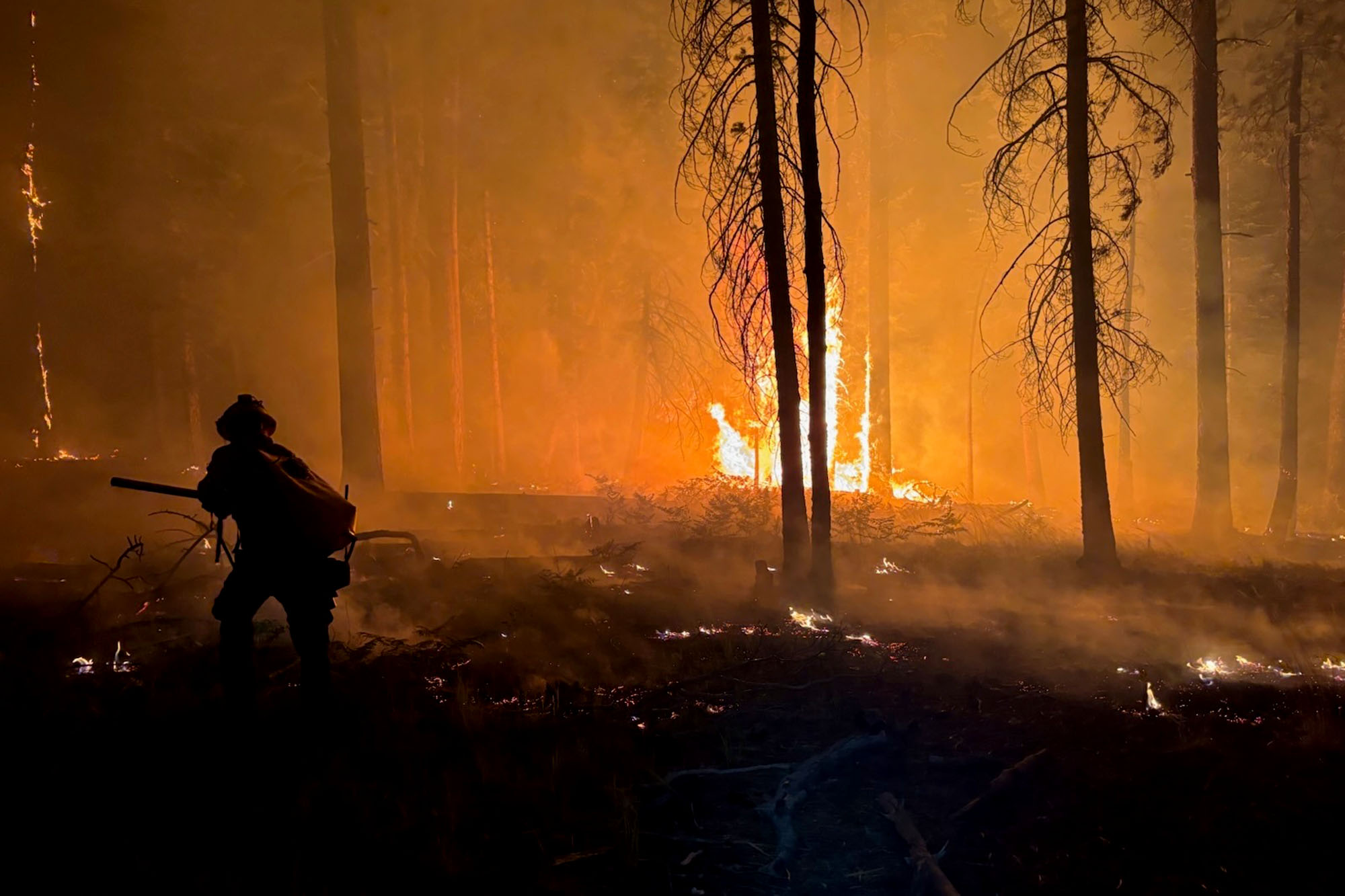
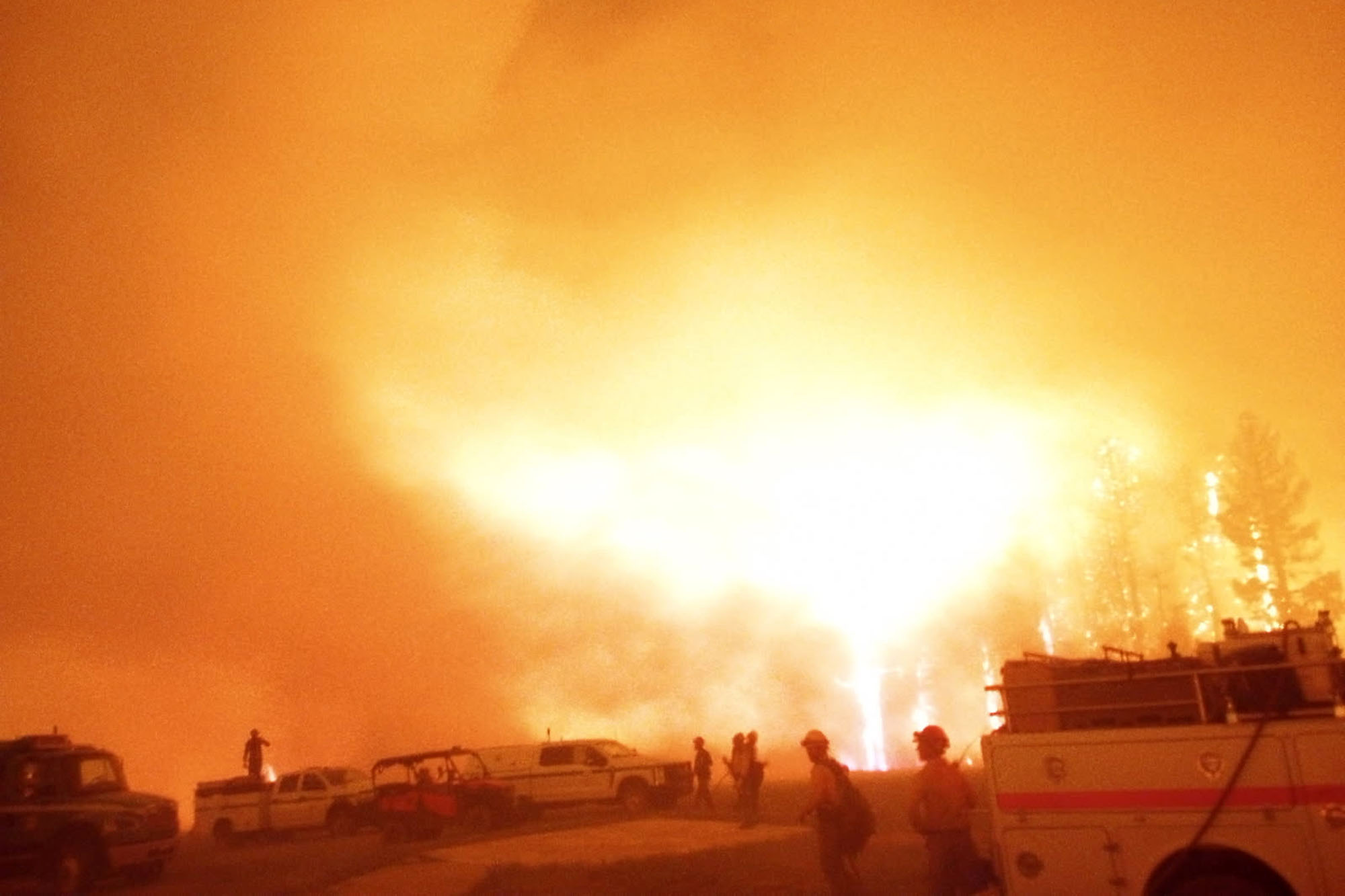
In July, the Dragon Bravo Fire began when lightning struck a very dry area of the Grand Canyon. Park officials decided to monitor the small blaze as a controlled burn, but it quickly spiraled out of control, reaching 145,000 acres and ultimately destroying 113 structures, including the historic Grand Canyon Lodge.
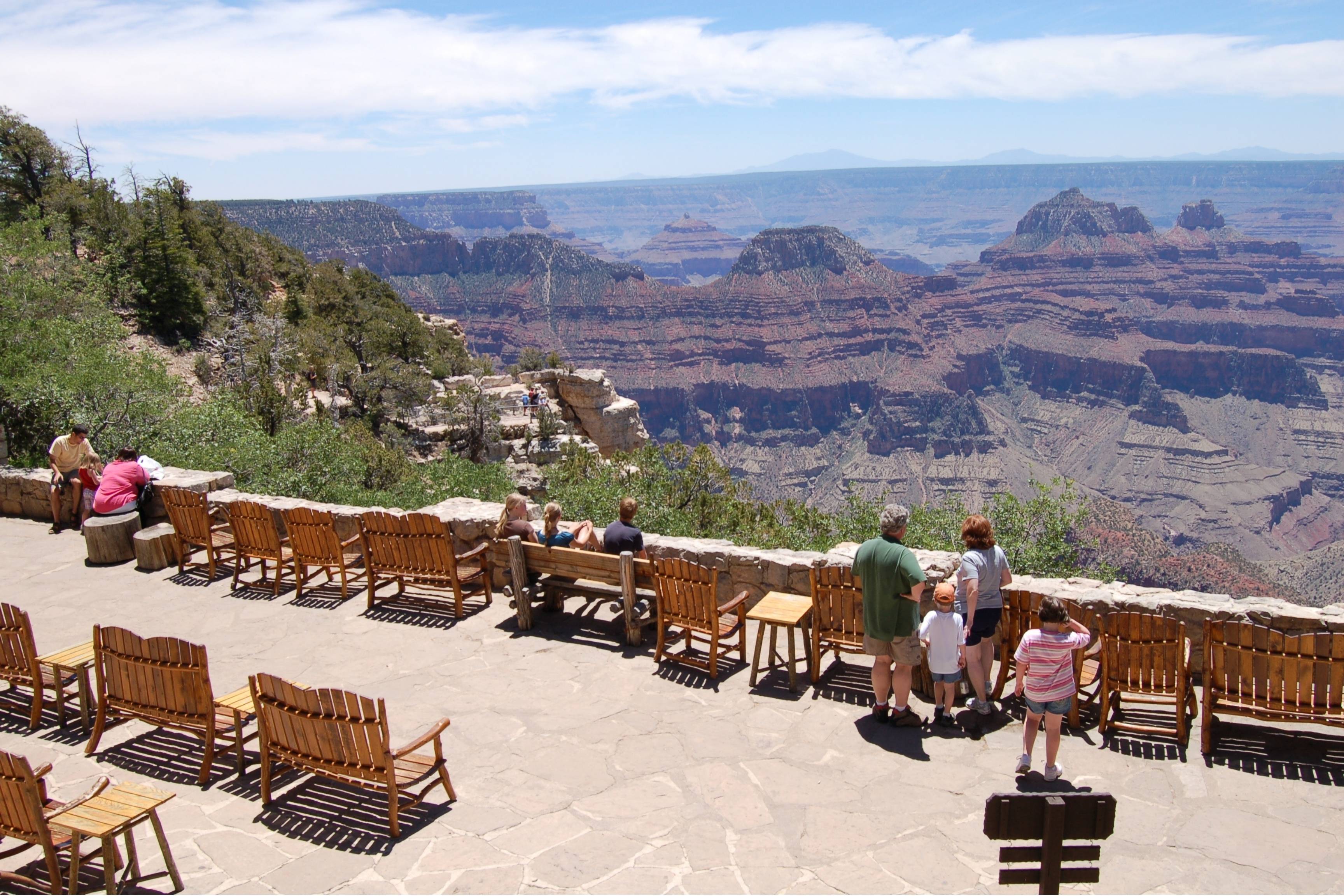
It shut down the entire North Rim, as well as the iconic Rim-to-Rim trail in the park. The devastation was so severe that Arizona Governor Katie Hobbs called for an investigation into the fire management. GearJunkie has followed up seeking updates on this investigation, but has not received any as of this writing.
The Bill: North Rim Restoration Act
Back in October, Rep. Eli Crane (R-Ariz.) introduced H.R. 5729, the North Rim Restoration Act, into the House. The bill enables the National Park Service (NPS) to use emergency acquisition flexibilities for “managing or restoring forests, rebuilding structures affected by the fire, improving grounds and structures, [and] conducting recovery efforts” without a disaster declaration or presidential emergency declaration.
Essentially, this means the NPS can speed up the process of cleanup and recovery, skipping the typical vetting and approval processes for such contracts. Less red tape should mean that rebuilding can happen more quickly.
The measure had support from other Arizona Congressmen, such as Paul Gosar and Andy Biggs, and from several local stakeholders, including the Coconino County Board of Supervisors.
The bill was passed under the “suspension of rules,” meaning that debate was limited to 40 minutes, no floor amendments were allowed, and it had to be passed by a two-thirds majority. This is standard practice for bipartisan and non-controversial laws. Next, it will head to the Senate.
Why It Matters
Grand Canyon National Park is a huge economic engine in Coconino and Mohave counties. The NPS estimated that it contributed $768 million to the local economy in 2023.
The closures have already led to a significant drop in visitation. In 2025, the park saw 500,000 fewer visitors. Continued closures may further subdue tourism and impact the local economy.