
Off-Highway Vehicle
Adventures Await
Season 1 Episodes
Join Michael Colaianni, the Public Affairs & Media Relations Director at AZGFD, as he rides shotgun with OHV experts on some of the state's best trails. Watch this video series to hear their advice for getting the most from safe and responsible on-trail adventures.
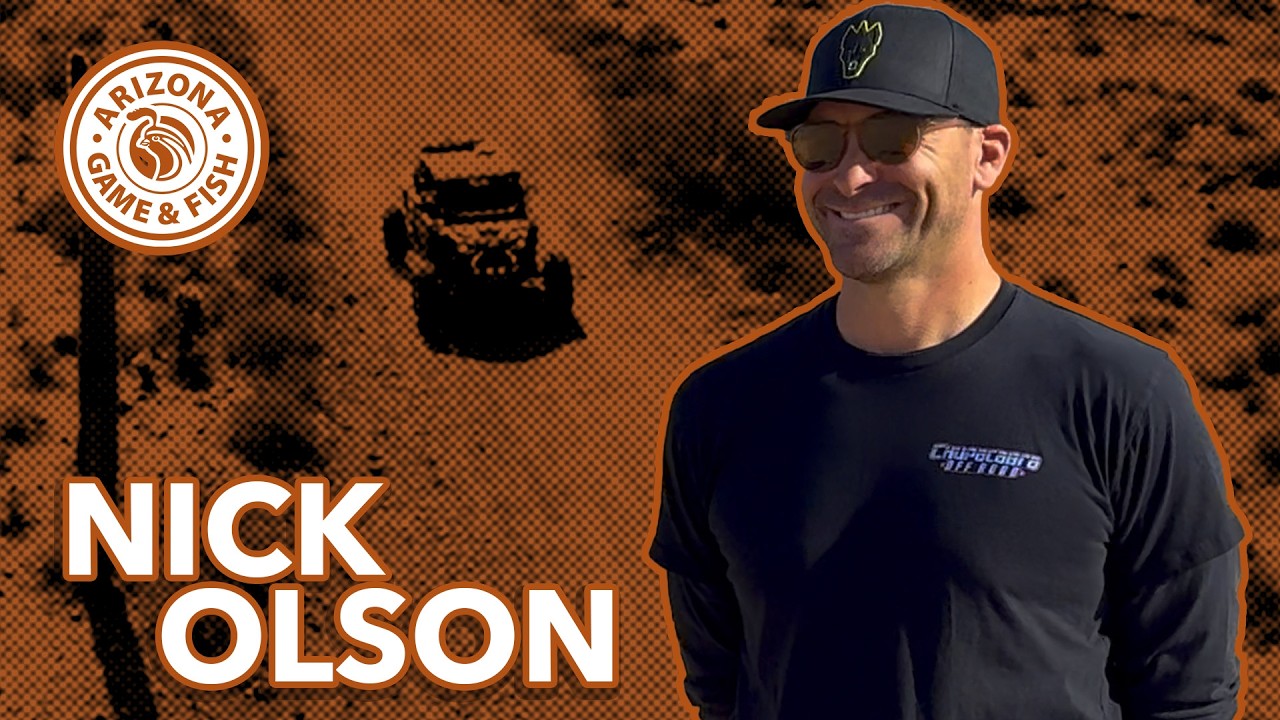
Growing the OHV Community
5:07 min
LOCATION
Boulders Staging Area
Nick Olson from Chupacabra Offroad explains the desert rat appeal of OHV, and how the existing community can pass on its driving and trail etiquette to new enthusiasts.
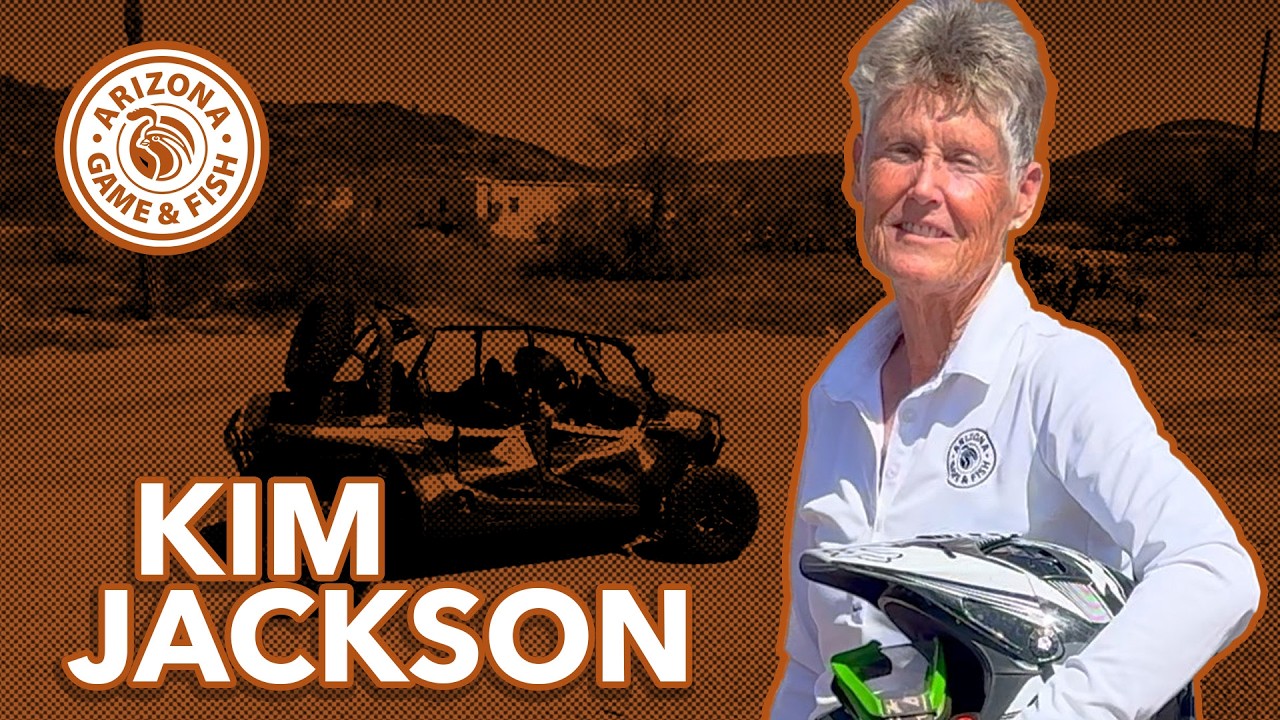
Safe & Resilient OHV
5:41 min
LOCATION
AZGFD OHV Safety Education Course
Kim Jackson, AZFGD’s Boating & OHV Safety Education Manager, offers tips on driving, packing, and being mindful of other recreationists and the desert itself.
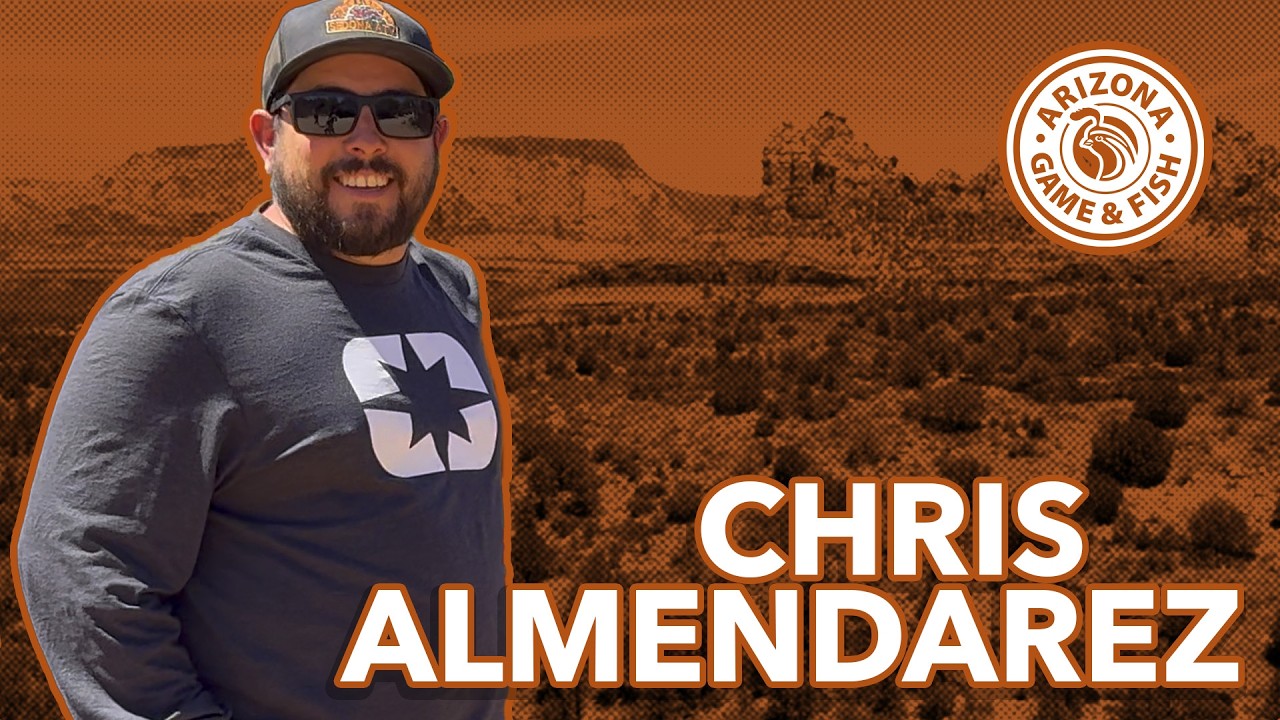
Safe & Responsible, Side-by-Side
5:14 min
LOCATION
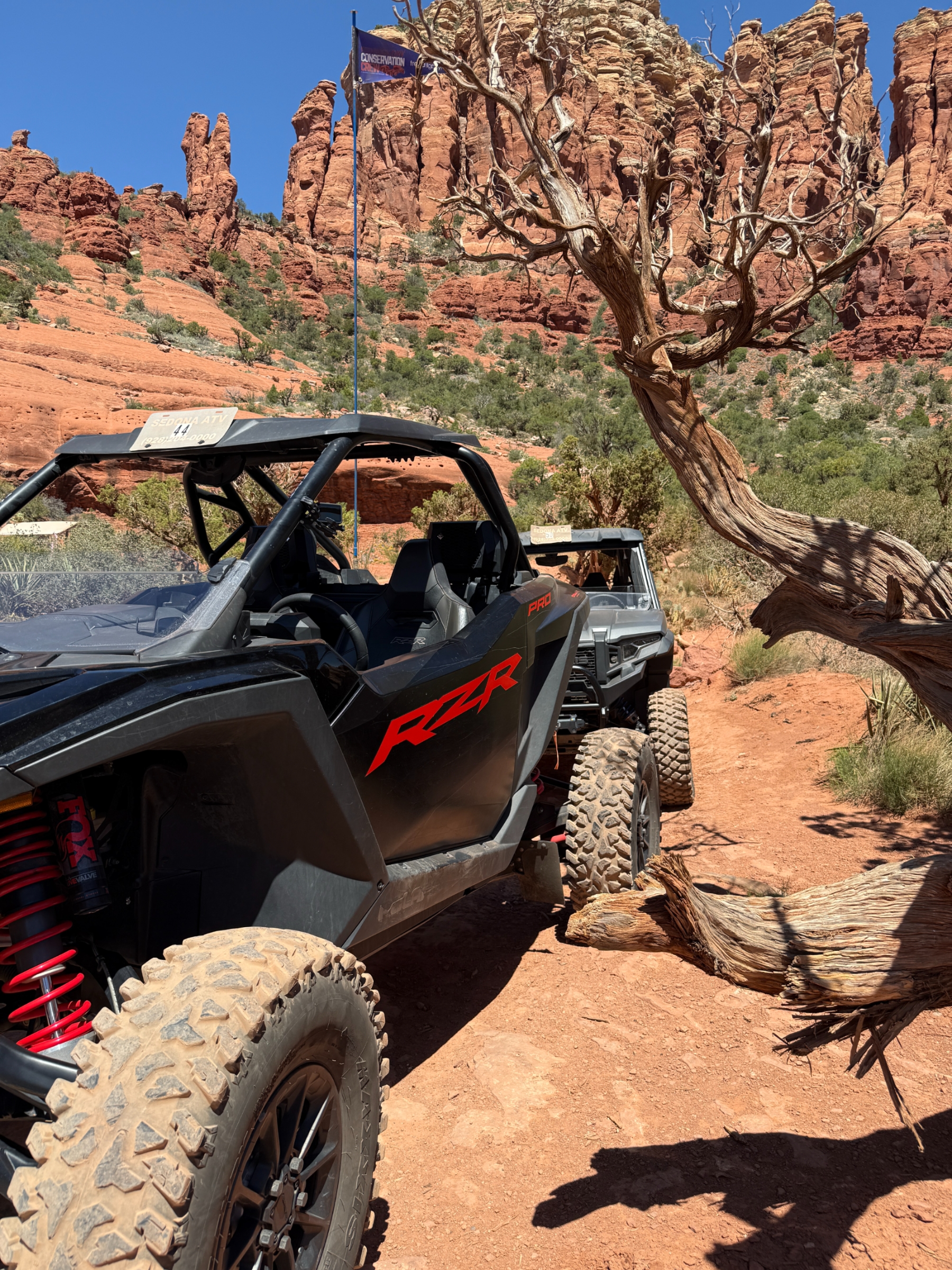
Sedona
Chris Almendarez of Sedona ATV explains some of his renters' biggest misconceptions and shares the advice he gives them for recreating responsibly and safely on dedicated trails.

Plan Ahead, See Ahead
5:27 min
LOCATION
Flagstaff
Cruise through the pines along Forest Road 231 toward the Edge of the World as Taylor Urich of KC Hilites explains how lights enhance visibility and even communication on OHV trails through dust and darkness.
Where to Ride
From the pines of Flagstaff to the saguaros of the Sonoran Desert, Arizona is rich in natural beauty. One popular way to explore these areas is by Off-highway Vehicle (OHV), as nearly one in four Arizonans considers themselves motorized recreational users.
With roughly 40,000 miles of trails across the state, OHVs are a great way to explore its diverse landscapes. Trails range from dirt roads to rocky, technical terrain, while open areas offer grand views and the chance to drive across sand dunes and volcanic landscapes.
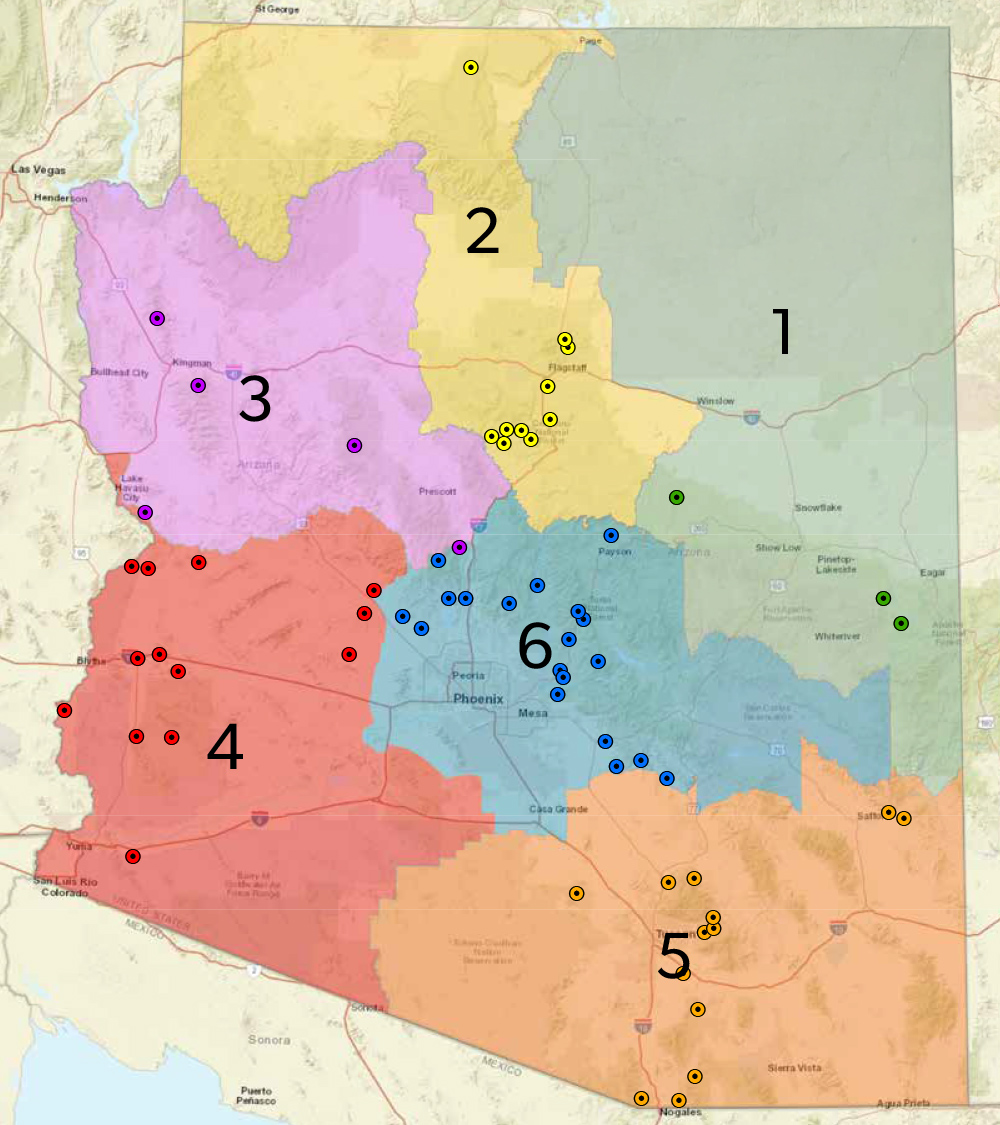
Arizona State Parks hosts regional maps for OHV-approved trails, where each region has a route summary with the type of terrain, staging areas, and land manager contacts. Land managers will have maps of designated roads, trails, or open OHV areas.
OHV Principles
The Arizona Game and Fish Department is the state authority in OHV law enforcement and education. The department’s goal is to protect Arizona's habitat and wildlife by promoting responsible OHV use and wearing appropriate safety gear, the least of which is a helmet and seat belt.
In addition, we offer these trail etiquette reminders:
-
Stay on the trail
-
Always drive a reasonable, prudent speed
-
Avoid wet areas and trails
-
Avoid creating dust
-
Slow down ahead of curves
-
Pull over and stop for equestrians, hikers
-
Limit use near campgrounds
-
Respect private property
One sure way to get areas closed to OHV use is to drive off-trail, which is illegal. Desert ecosystems are fragile, and minimizing the impact of OHV use on public lands is key to habitat protection.
OHV Safety
-
Check oil, gas, tires, and brakes before departure
-
Wear a helmet and seat belt
-
Wear gloves and sun protective clothing
-
Pack a tool kit and a first-aid kit
-
Bring extra water and layers, just in case
-
Bring extra water, just in case
OHV Decal Requirements
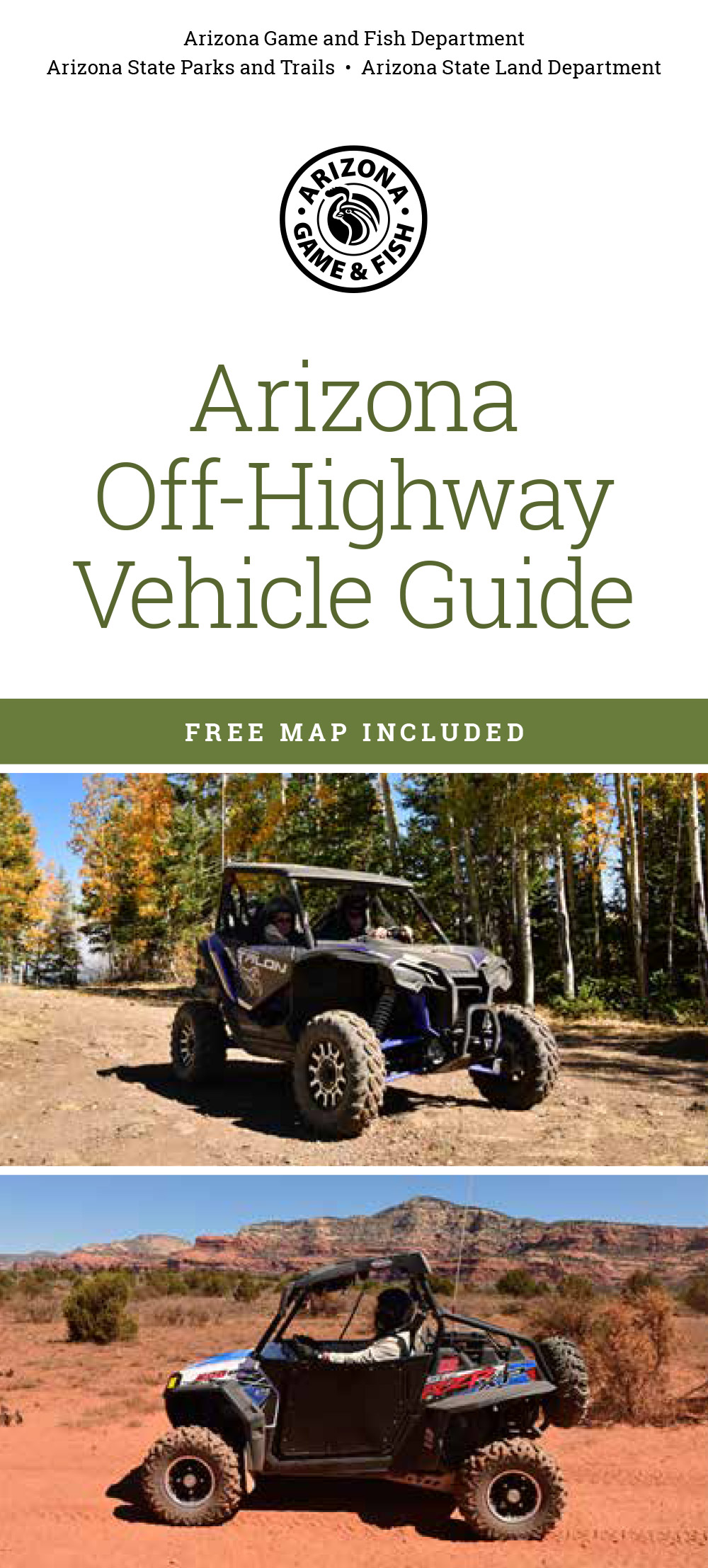
By definition, ATVs, UTVs, side-by-sides, RZRs, ROVs, motorcycles, mopeds, and snowmobiles are all considered OHVs. (A.R.S. 28-1171)
All OHVs require a decal. You can learn more about registration and decal requirements at AZGFD.gov
Meet the Drivers
Learn more about the friends we rode shotgun with. Our experts helped us understand the challenges that come along with OHV recreation and some bedrock principles to keep trails open so the community can grow safely and responsibly.
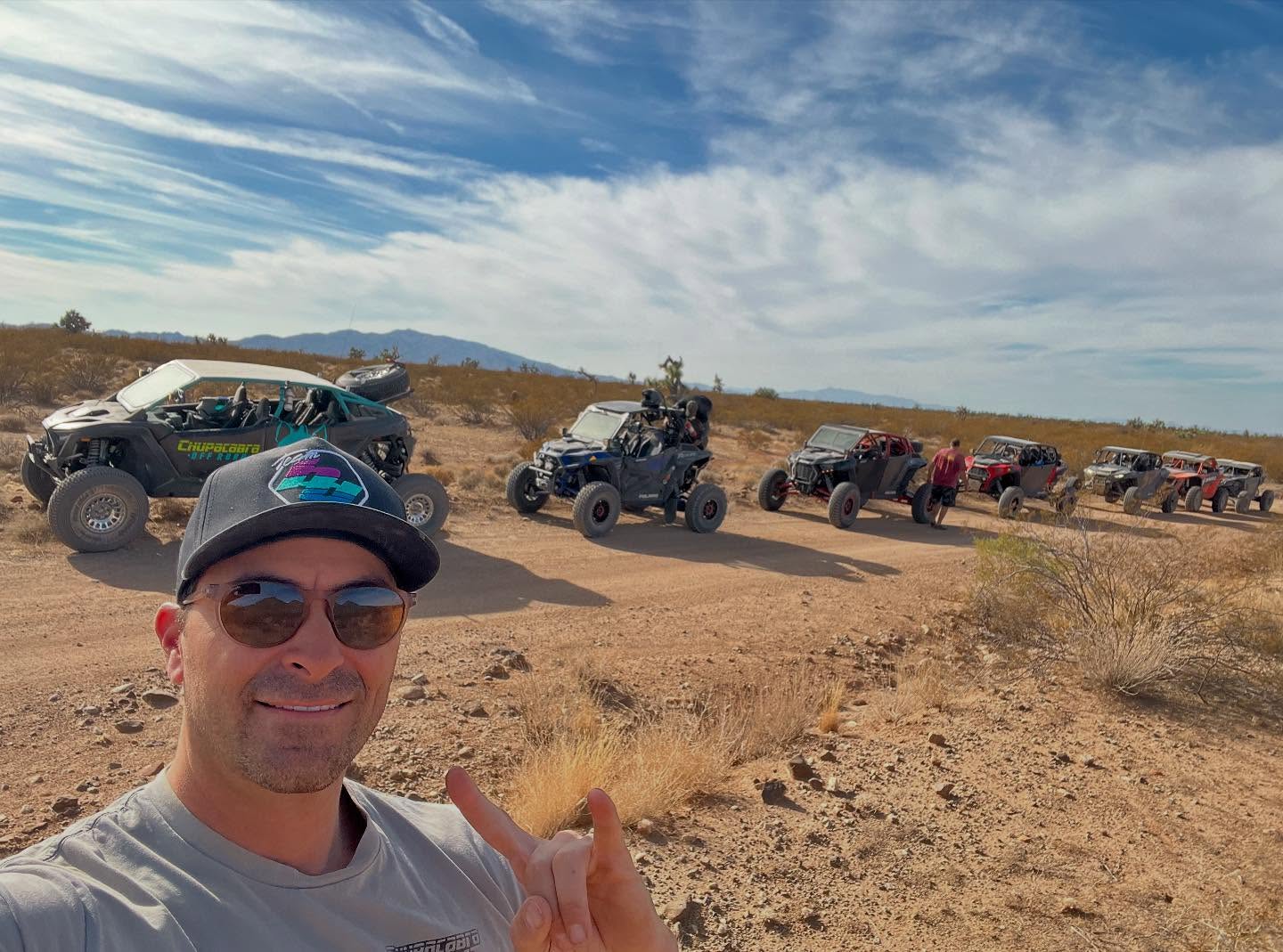
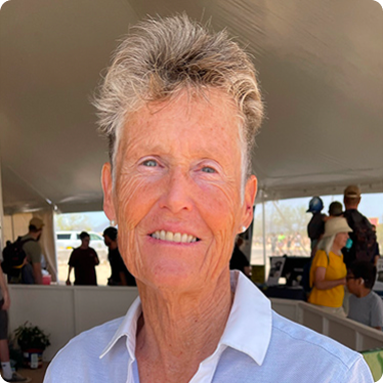


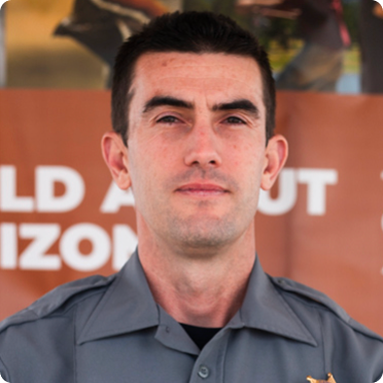
Nick Olson
Nick is an OHV enthusiast with experience exploring Arizona with the top-dog OHV vehicles. His online content is informational, valuable, and family-friendly. He is a recognizable figure in the off-highway industry, with previous partnerships with OnX Off-Road, PRP Seat Belts, and Solid Helmets.
Kim Jackson
Kim is AZGFD’s OHV instructor specializing in ATV and UTV safety courses, which include hands-on training and classroom instruction. She leads both adult and youth programs, such as the Quail Kids course (K-8), ensuring students learn essential OHV safety practices. Her role includes course setup, grading, liability management, equipment preparation, and hands-on simulator training.
Chris Almendarez
Chris Almendarez, GM at Sedona ATV, is a passionate OHV driver and guide at Sedona ATV, where he helps riders make the most of their desert adventures. With firsthand knowledge of Sedona’s trails, wildlife, and terrain, Chris ensures every guest is prepared for a safe and unforgettable ride.
Taylor Urich
Taylor is an OHV enthusiast and photographer with KC HiLiTES, where he shares his love for off-highway recreation. He has a local’s knowledge of Flagstaff’s trails and supports conservation efforts to keep them clean and safe.
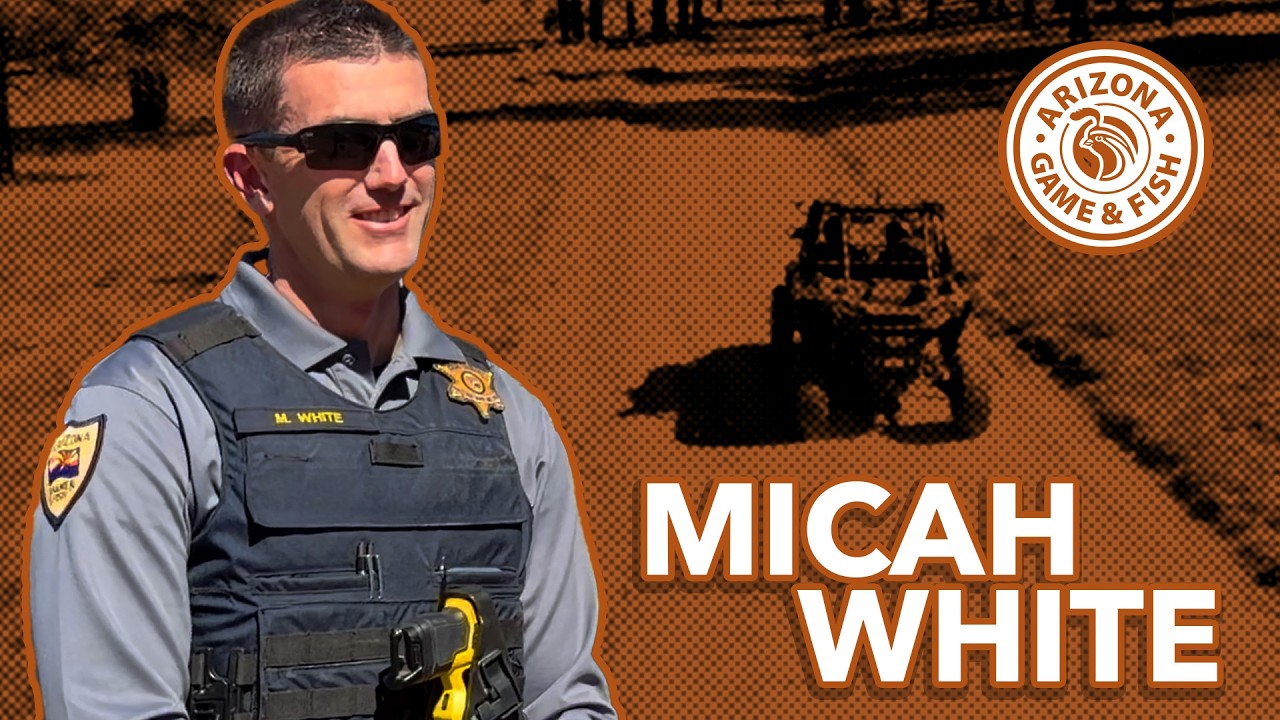
Micah White
Micah is an OHV Law Enforcement Coordinator and Officer with the Arizona Game & Fish Department. He’s an expert in OHVs and riding safety.
