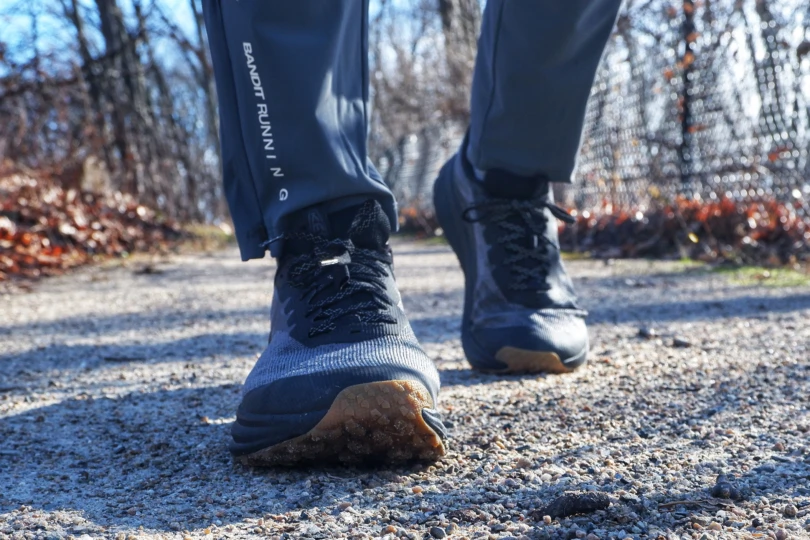
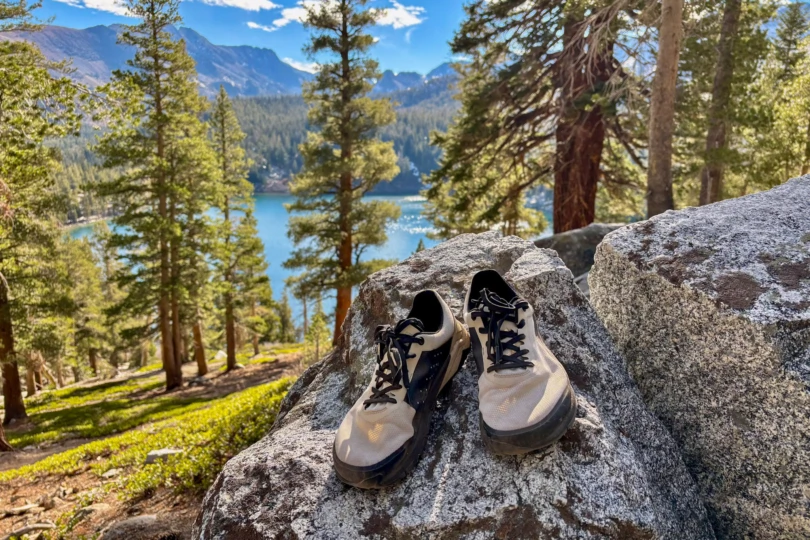
Snow and ice don’t have to end your running season. With the right pair of winter running shoes, you can stay consistent through sleet, slush, and single-digit temps.
Unlike your standard trainers, winter running shoes use specialized outsoles to grip slick surfaces, water-resistant uppers to block out snow, and insulation or liners to keep your toes from freezing. Whether you’re logging miles on snowy sidewalks or heading for packed winter trails, the right model makes all the difference between a miserable trudge and a confident stride.
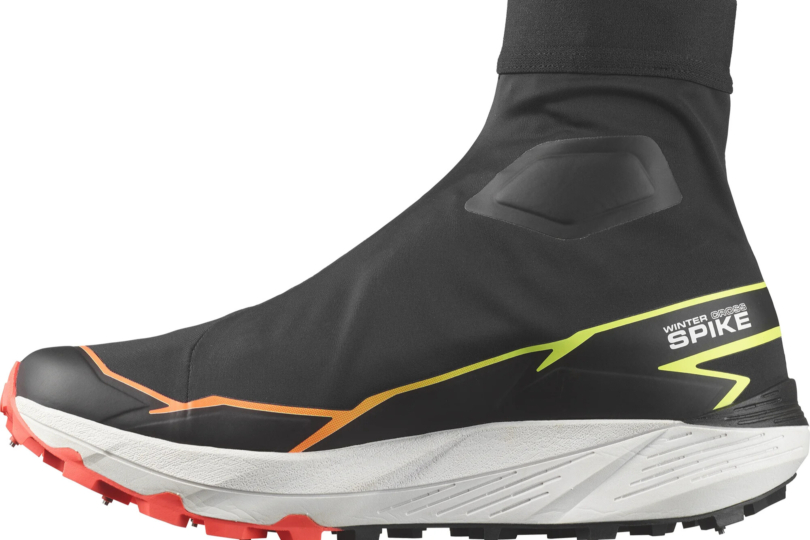
If you’re looking for a waterproof running shoe with fantastic traction and a firm ride, take a look at the Saucony Peregrine 15 GTX. Or, if you prefer a fully-equipped winter running shoe with spikes and gaiter, consider the Salomon Winter Cross Spike.
In this guide, we’ll break down what to look for—traction, waterproofing, warmth, and cushioning—and share our favorite models for a range of winter conditions and running styles. Lace up, layer up, and keep moving all season long.
Editor’s Note: For our November 6, 2025, update, we undertook a major overhaul of the guide by adding several new and noteworthy winter running options. We also added detailed rating metrics to each product to better explain our process and how we arrived at each numerical score.
The Best Winter Running Shoes of 2025-2026
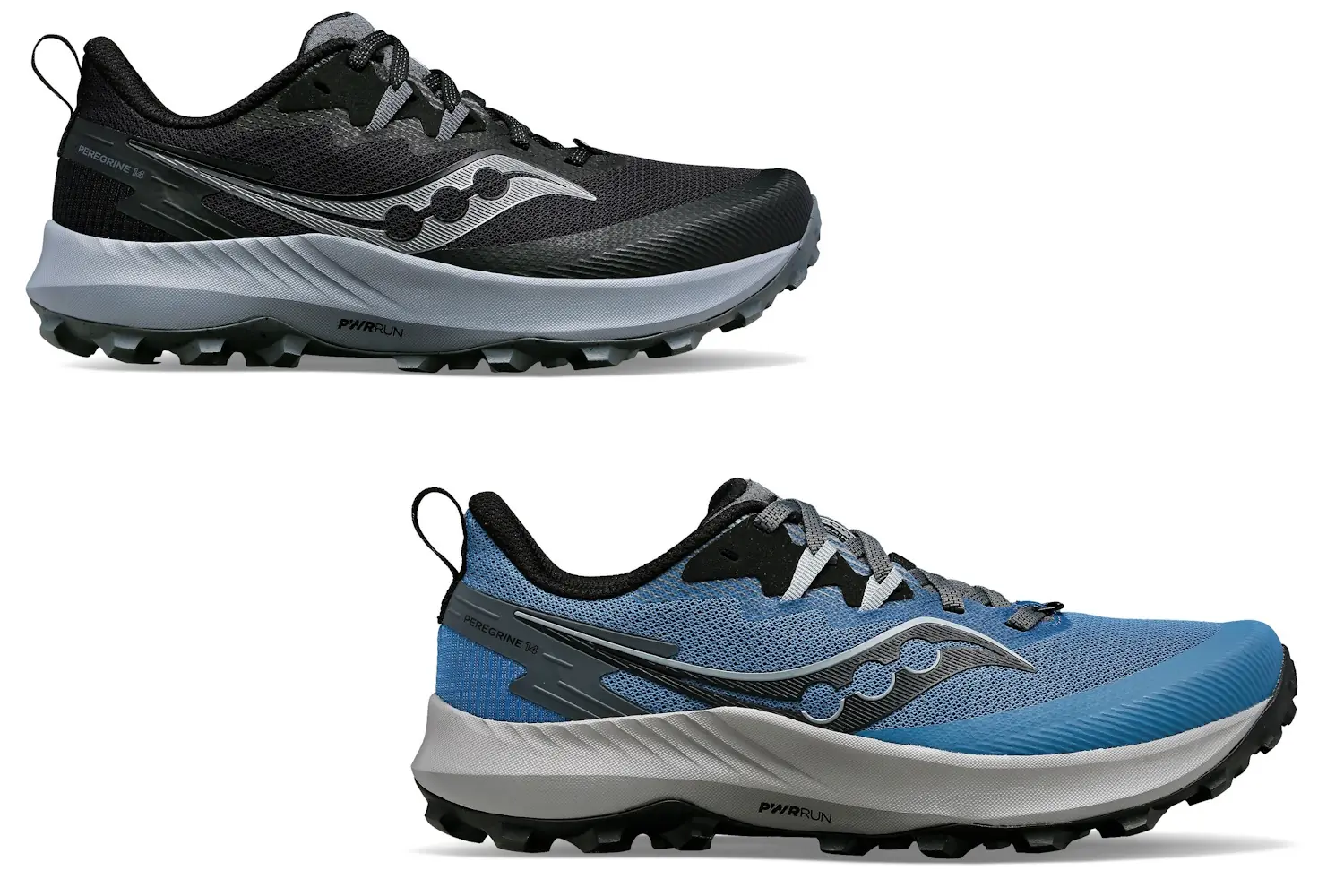
Saucony Peregrine 15 GTX
-
Traction
8.4
-
Waterproofing and Weather Protection
7.8
-
Warmth
8.0
-
Fit and Cushioning
8.8
- Lugs: 5 mm
- Drop: 4 mm (28 mm heel/24 mm forefoot)
- Weight: 9.7 oz.
Pros
- Plenty of toe volume
- Firm, supportive ride
Cons
- Still low-profile for fans of big cushioning
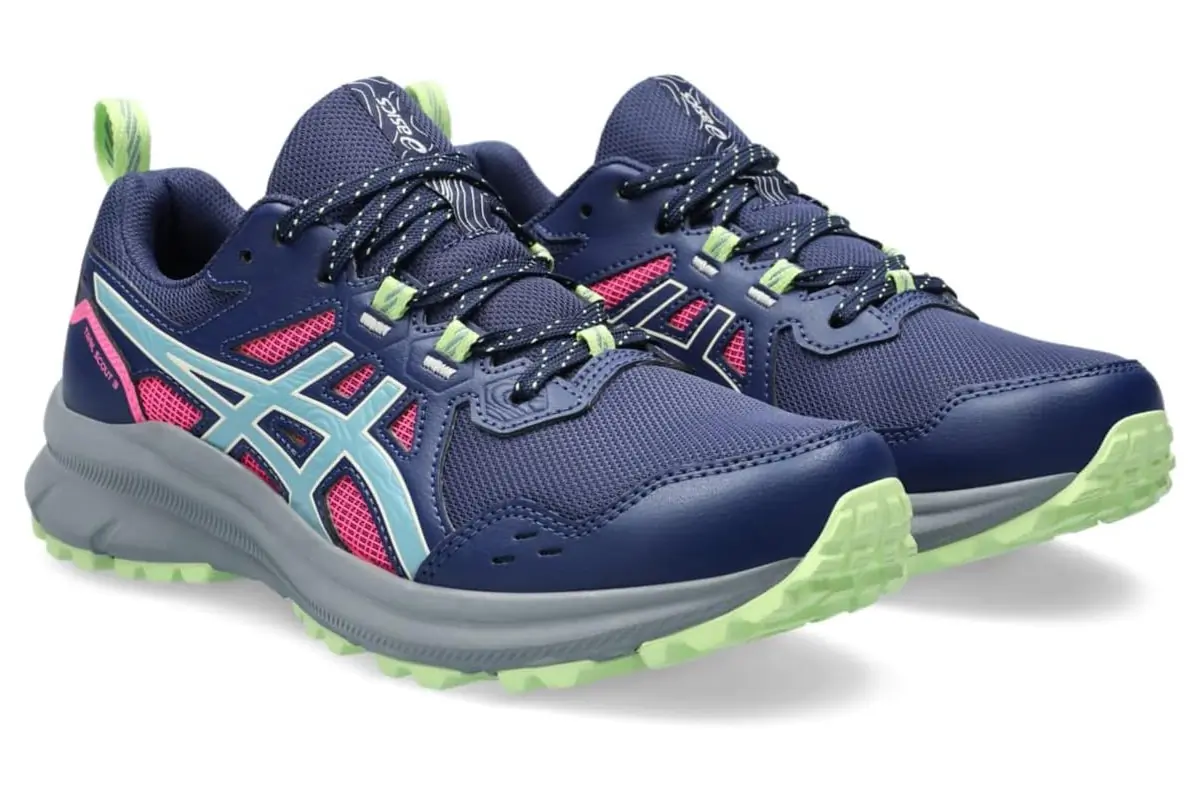
Asics Trail Scout 3
-
Traction
7.0
-
Waterproofing and Weather Resistance
6.0
-
Warmth
5.5
-
Fit and Cushioning
8.8
- Weight (per pair): 18 oz.
- Drop: 10 mm
- Upper material: Abrasion-resistant mesh
- Best for: Town-trail shoes, hiking
Pros
- Affordable
- Great heel lockdown
- Vegan
- Road to trail transition
Cons
- Heavy
- Stiff
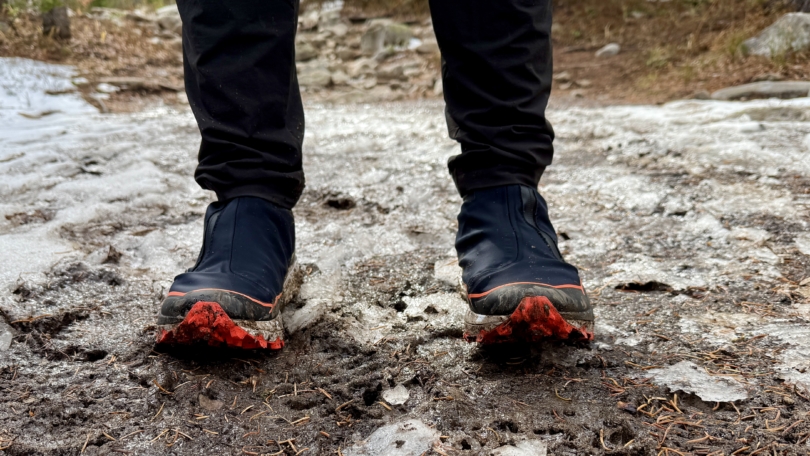
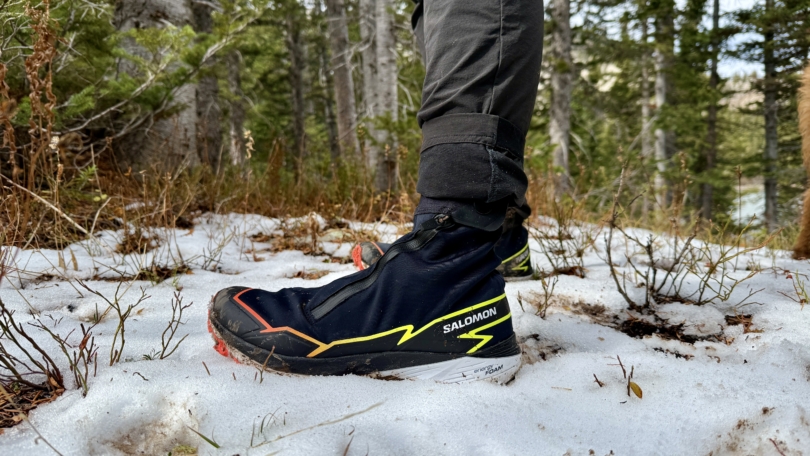
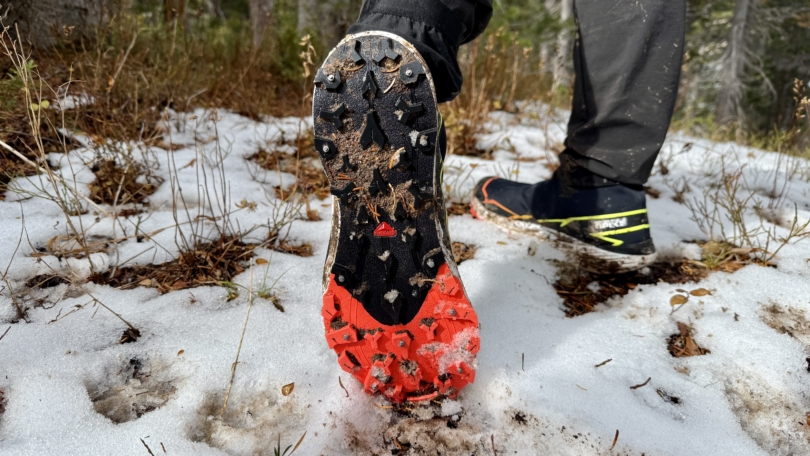
Salomon Winter Cross Spike
-
Traction
9.0
-
Waterproofing and Weather Protection
8.6
-
Warmth
8.2
-
Fit and Cushioning
8.4
- Lugs: 5 mm
- Drop: 4 mm
- Weight: 12 oz.
Pros
- Outstanding traction in snow and ice thanks to included spikes
- Integrated gaiter adds a bonus level of protection
- Decent groundfeel, especially for such a protective shoe
Cons
- Must wear tall socks to protect skin from gaiter zipper
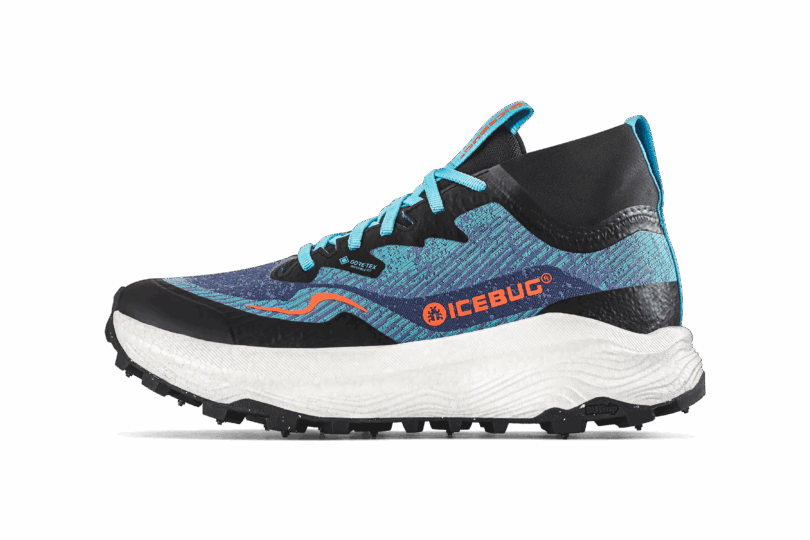
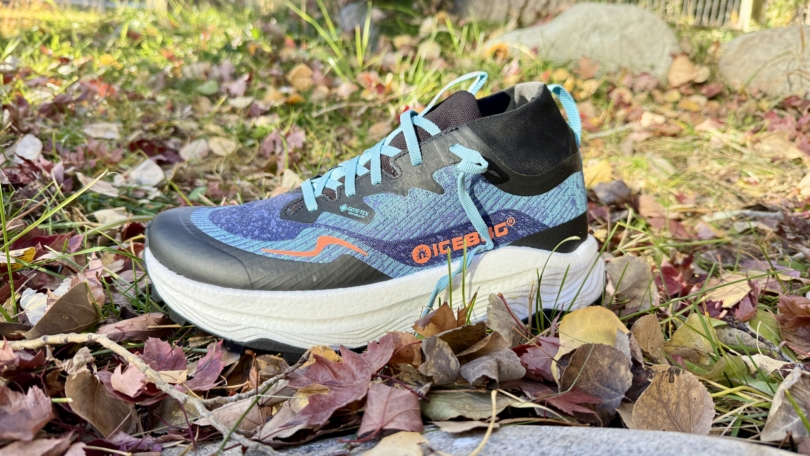
Icebug Järv Gaiter BUGrip GTX
-
Traction
9.0
-
Waterproofing and Weather Resistance
8.5
-
Warmth
8.0
-
Fit and Cushioning
7.3
- Lugs: Not available
- Drop: 4 mm
- Weight: 13.4 oz.
Pros
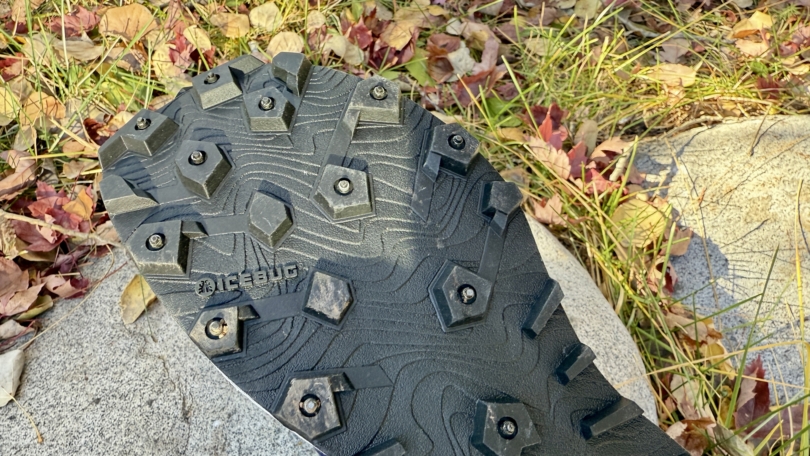
- Carbide steel tip studs hold fast on the slickest terrain
- Integrated low gaiter keeps slush out but doesn't feel clunky on your ankle
- Bio-based material (corn) in the midsole
Cons
- Icebug shoes aren't carried in very many locations
- Narrow toe box
The Icebug Järv Gaiter BUGrip GTX ($250) isn’t a household name in the United States, but it probably should be. Icebug has been quietly perfecting studded running shoes for over a decade, and this latest version shows just how far the Swedish brand has come since GearJunkie staff writer Heather Balogh Rochfort first tested a pair ten years ago.
The defining feature, of course, is the BUGrip outsole, which uses 17 carbide steel studs that adapt to the surface beneath you. The spikes retract slightly on hard surfaces and dig in on ice, making them one of the most confidence-inspiring traction systems available. On slick trails or frozen dirt roads, they deliver the kind of surefooted stability that keeps winter runs feeling safe and predictable rather than sketchy. But if you’re tromping around mixed terrain, you won’t feel the studs slight out against the rocks. In fact, Balogh Rochfort took these kicks on a 5-mile, all-dirt run just to see how “dynamic” the spikes felt underfoot. End result: lots of clicking but no slipping.
Underfoot, the Järv offers ample cushioning and a generous stack height, giving it a padded-yet-firm ride. A low-profile gaiter integrated into the upper sets it apart from the non-gaiter version of the Järv, keeping snow and debris from sneaking in around the ankle without feeling as all-encompassing as the Salomon Winter Cross Spike. While the waterproof upper is stiffer and less breathable than the airy mesh found on regular sneakers, it does a great job of keeping moisture out.
That said, all that protection and grip come at a cost: weight. The Järv Gaiter BUGrip GTX is a heavy shoe, and the heft is immediately noticeable when you take your first few strides. Speed-oriented runners will likely prefer something lighter and more responsive. But for most people lacing up to run on ice, the goal isn’t speed—it’s survival. And for that, these shoes are hard to beat.
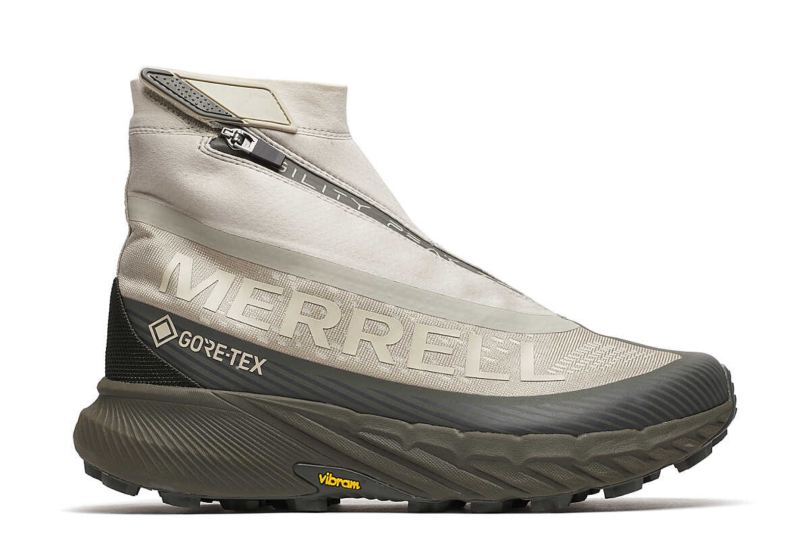
Merrell Agility Peak 5 Zero GORE-TEX
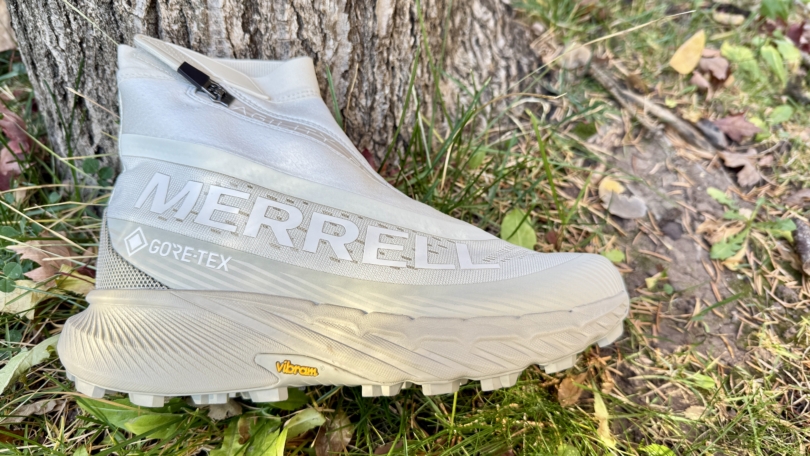
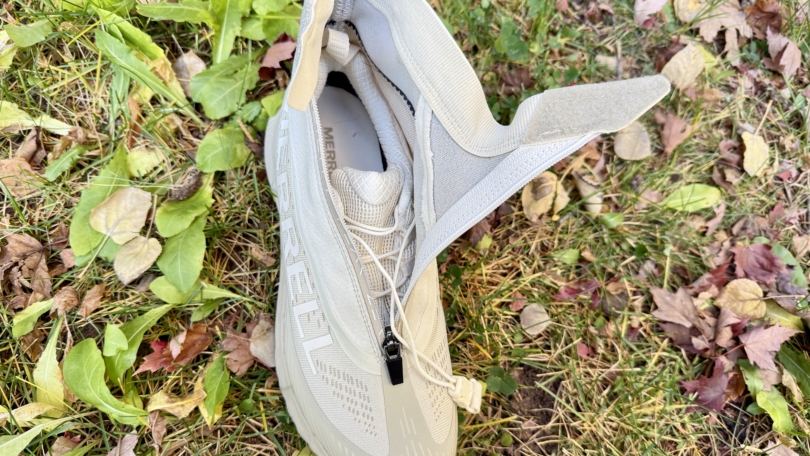
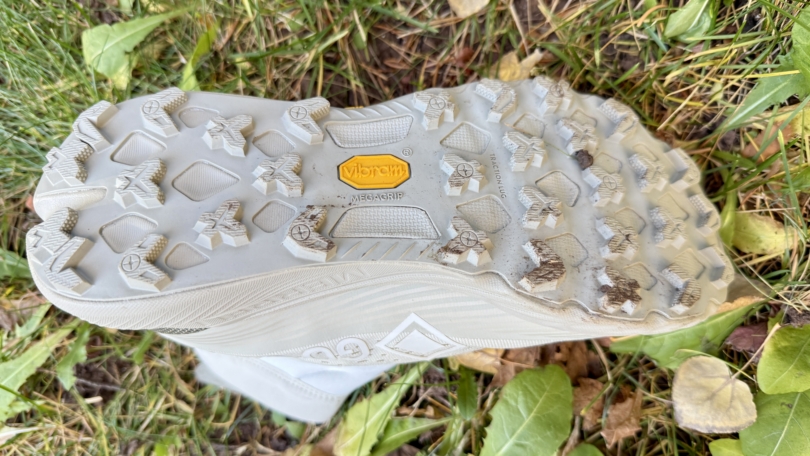
-
Traction
8.0
-
Waterproofing and Weather Resistance
8.0
-
Warmth
8.1
-
Fit and Cushioning
7.5
- Lugs: 5 mm
- Drop: 6 mm
- Weight: 12.5 oz.
Pros
- Accommodating fit for a wide variety of feet
- Inner shoe has a well-padded tongue that feels quite comfortable
- Built-in gaiter adds warmth and weather protection
- Relatively affordable for a full Gore-Text/gaiter winter running shoe
Cons
- Heavy for a pure running shoe
Altra Lone Peak ALL-WTHR Low 2
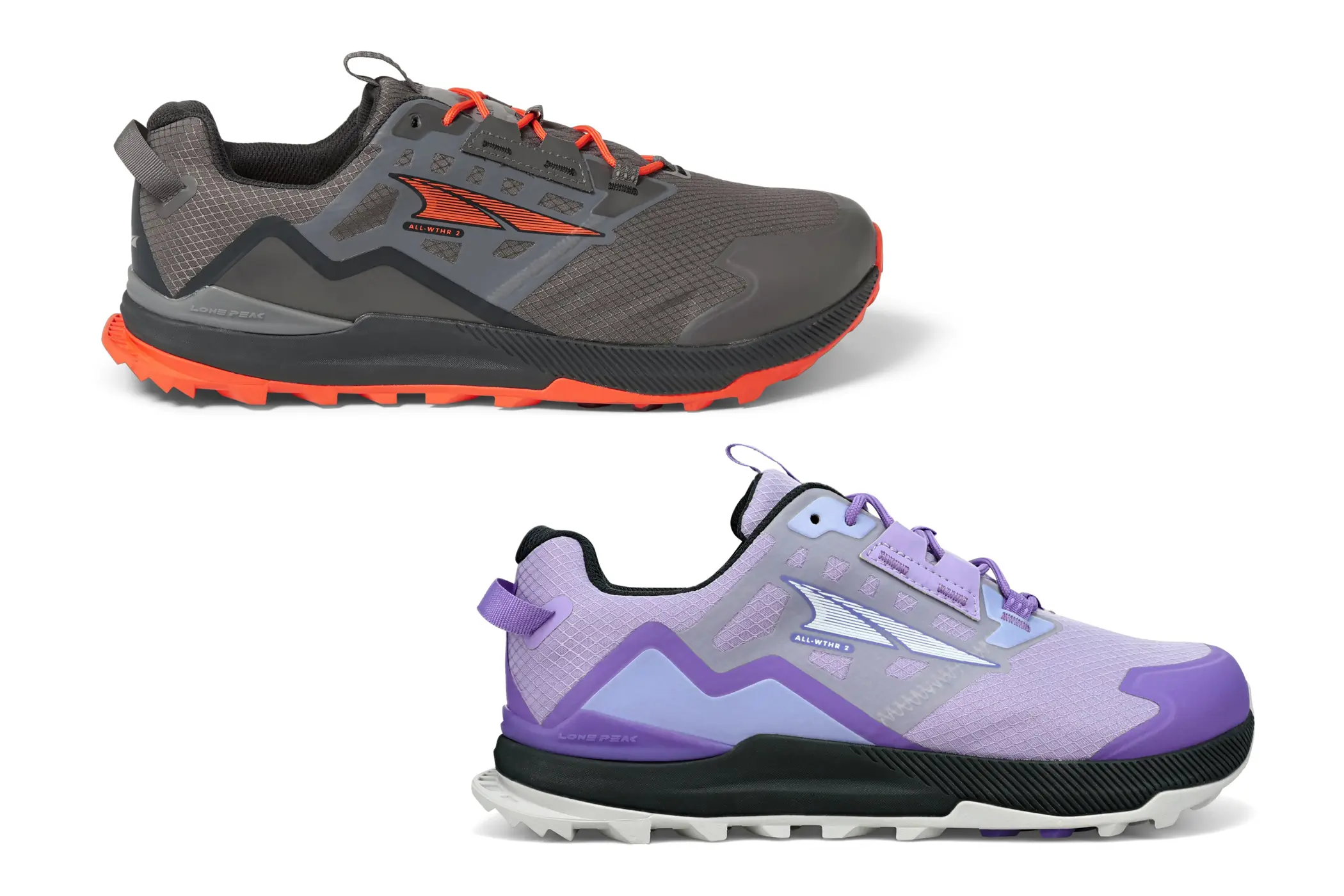
-
Traction
8.2
-
Waterproofing and Weather Protection
8.4
-
Warmth
7.8
-
Fit and Cushioining
7.9
- Fit: Runs wide; otherwise, true to size
- Weight (per shoe): 13.2 oz.
- Drop: Zero (25mm stack height)
Pros
- Spacious toebox
- Superior traction and protection
Cons
- Can be an adjustment for those not used to zero drop
Standout Snow Survivors
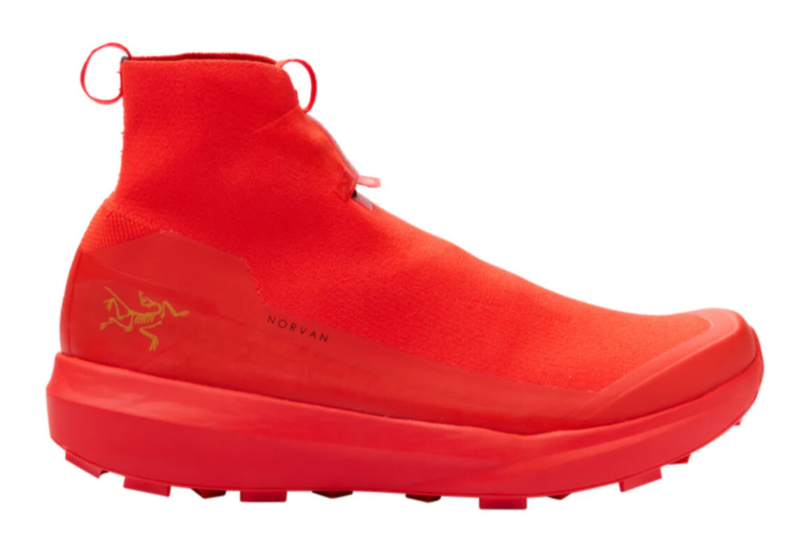
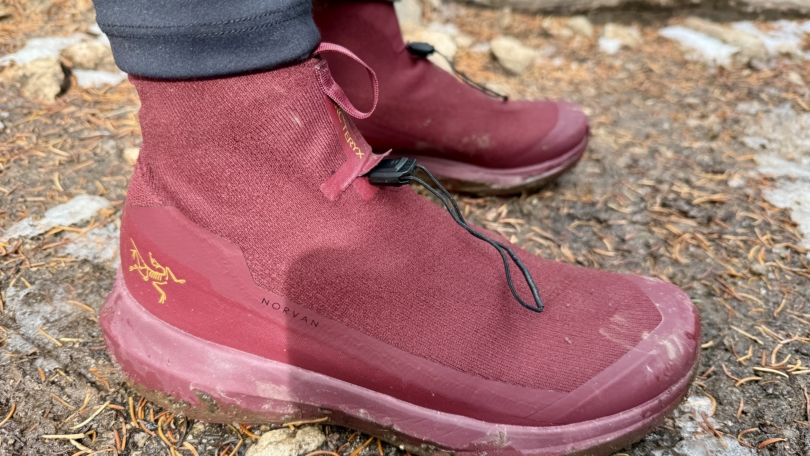
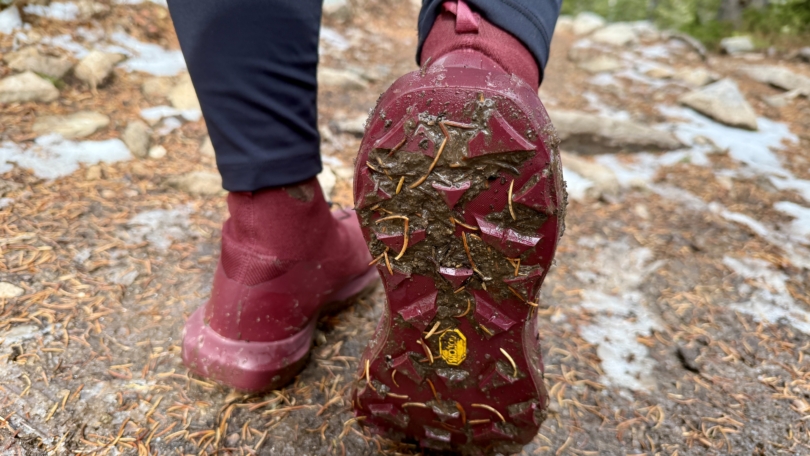
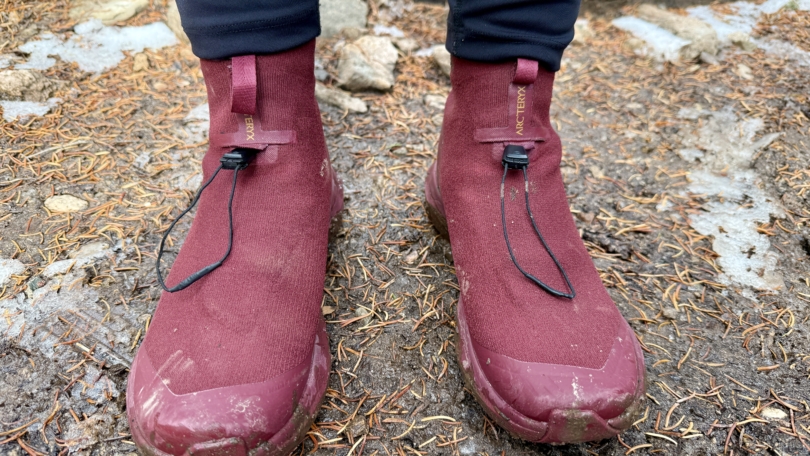
-
Traction
8.0
-
Waterproofing and Weather Protection
8.5
-
Warmth
8.3
-
Fit and Cushioning
7.7
- Lugs: 6 mm
- Drop: 6 mm (25 mm heel/ 19 mm forefoot)
- Weight: 11 oz. (305 g)
Pros
- Bomber traction thanks to 6 mm lugs and Vibram Megagrip
- Sleek silhouette, even with a protective, built-in gaiter
- Balanced midsole for a stable ride
Cons
- Lack of internal shoe leads to a less-than-secure fit
- Slightly cumbersome to pull onto your feet
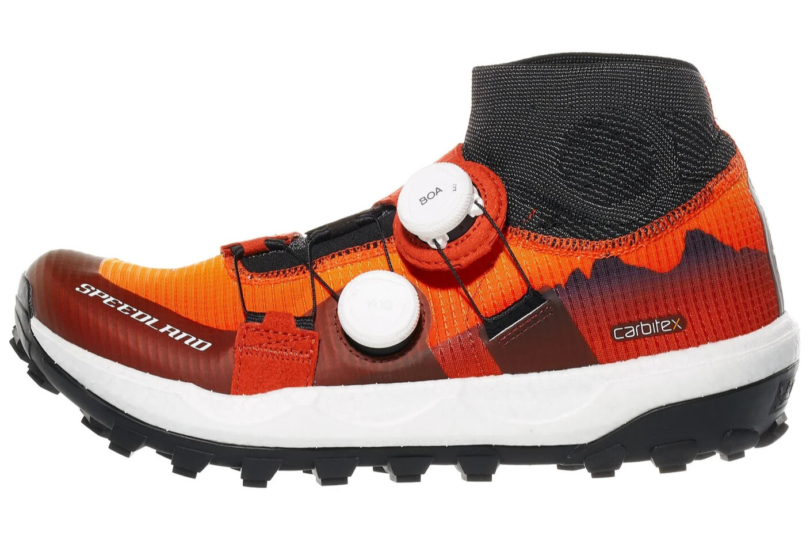
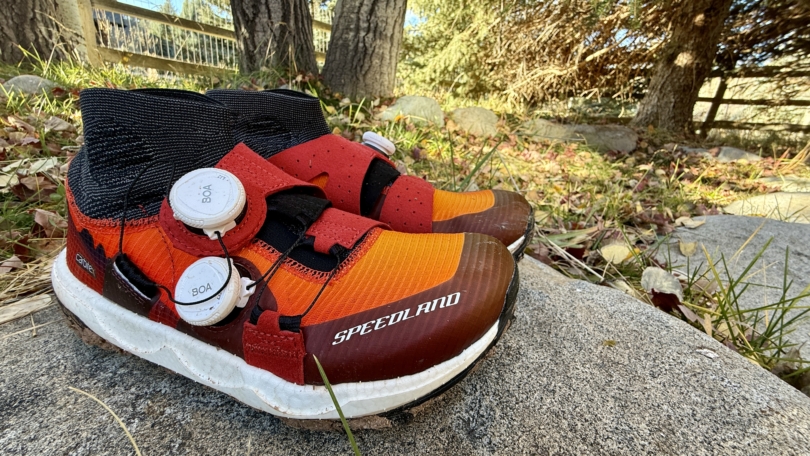
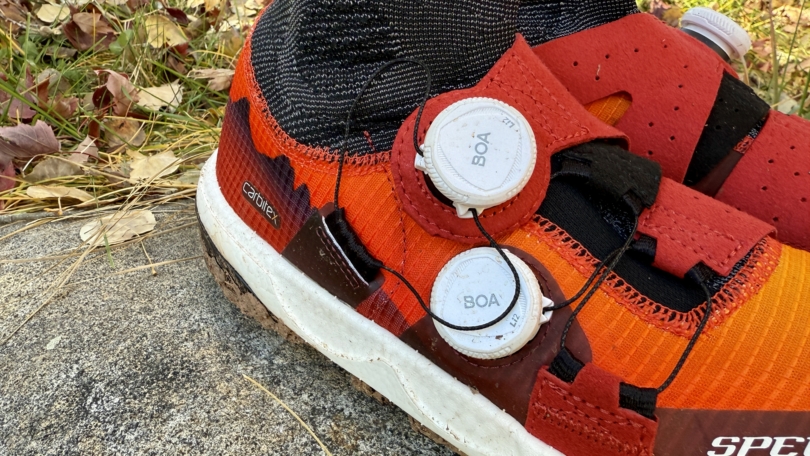
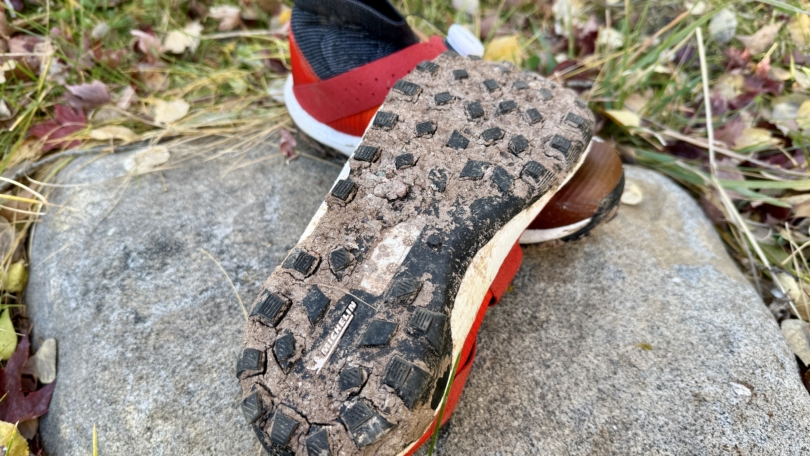
-
Traction
8.1
-
Waterproofing and Weather Resistance
7.0
-
Warmth
7.0
-
Fit and Cushioning
8.2
- Lugs: 6.5 mm
- Drop: 5 mm (28 mm heel/33 mm forefoot)
- Weight: 10.7 oz.
Pros
- Small gaiter keeps debris and slush out
- BOA dials are easy to use in cold temperatures
- Aggressive lugs hold their own in wintry conditions
Cons
- Quite expensive
- Not waterproof
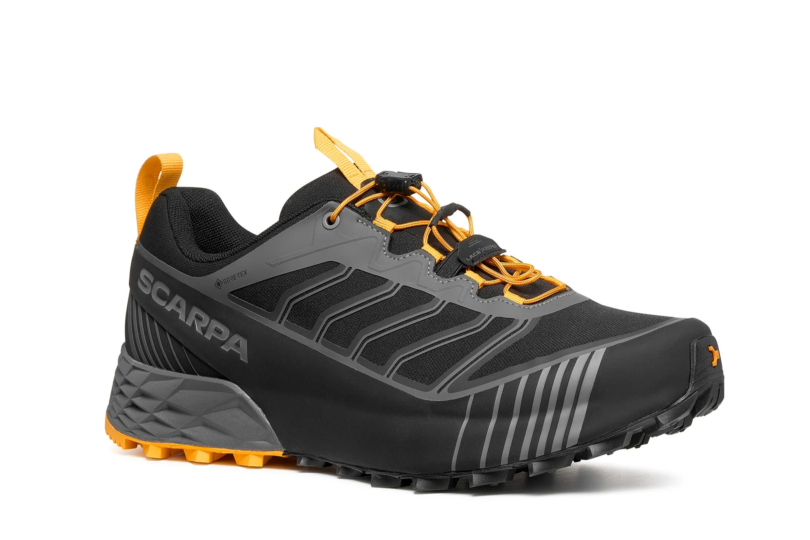
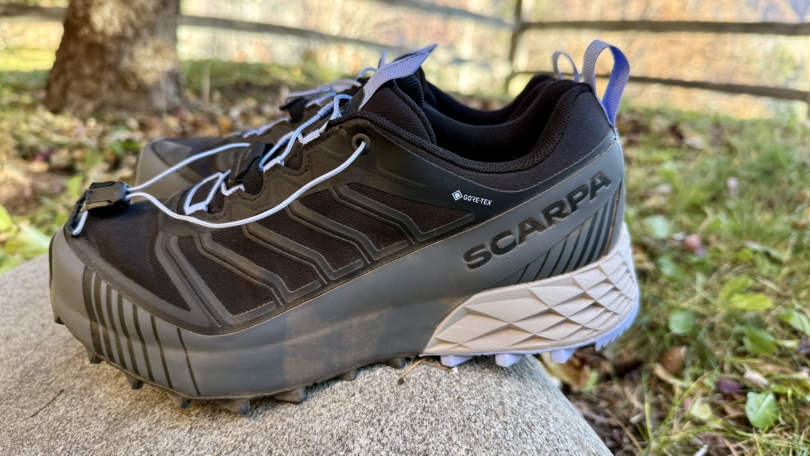
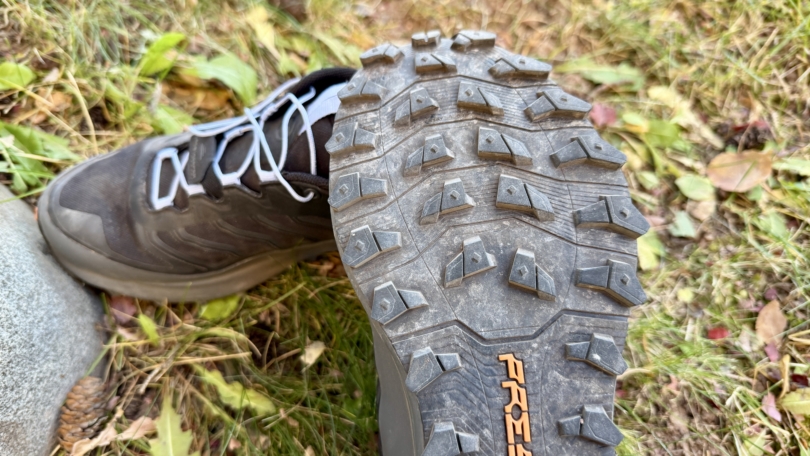
-
Traction
8.0
-
Waterproofing and Weather Resistance
7.8
-
Warmth
7.0
-
Fit and Cushioning
6.0
- Lugs: 6 mm
- Drop: 4 mm
- Weight: 11.4 oz.
Pros
- Legit traction, especially on rocks and slabs
- Full-foot protection and durability that feels akin to a hiking shoe more than a lightweight trail running shoe
Cons
- Slightly narrow in the forefoot
- Extremely stiff underfoot

-
Traction
9.5
-
Waterproofing and Weather Protection
9.0
-
Warmth
8.0
-
Fit and Cushioning
7.5
- Fit: Narrow. Go up a half size from street shoes.
- Weight (per shoe): 13.3 oz.
- Drop: 6 mm (18-12 mm)
- Lugs: 7 mm
Pros
- Lightweight for what it offers
- Carbide spikes for added traction
Cons
- Expensive
- Somewhat difficult to put on
Winter Running Shoes Comparison Chart
| Winter Running Shoes | Price | Weight | Drop | Fit |
|---|---|---|---|---|
| Saucony Peregrine 15 GTX | $160 | 9.7 oz. (per shoe) | 4 mm | True to size |
| ASICS Trail Scout 3 | $64 | 9 oz. (per shoe) | 10 mm | True to size |
| Salomon Winter Cross Spike | $249 | 12 oz. (per shoe) | 4 mm | True to size |
| Icebug Järv Gaiter BUGrip GTX | $250 | 13.4 oz. (per shoe) | 4 mm | True to size |
| Merrell Agility Peak 5 Zero GORE-TEX | $210 | 12.5 oz. (per shoe) | 6 mm | True to size |
| Altra Lone Peak ALL-WTHR Low 2 | $160 | 13.2 oz. (per shoe) | 0 mm | True to size |
| Arc’teryx Norvan 4 Nivalis | $250 | 11 oz. (per shoe) | 6 mm | True to size |
| Speedland GL:SVT | $299 | 10.7 oz. (per shoe) | 5 mm | True to size |
| Scarpa Ribelle Run 2 GTX | $219 | 11.4 oz. (per shoe) | 4 mm | True to size |
| La Sportiva Blizzard GTX | $245 | 13.3 oz. (per shoe) | 6 mm | True to size |
How We Tested the Best Winter Running Shoes
Our Expert Testers
Heather Balogh Rochfort is a GearJunkie contributor and writer of this guide. Located in the Roaring Fork Valley outside of Aspen, Colo., Balogh Rochfort is a once-upon-a-time ultrarunner who now enjoys more reasonable distances as she explores the wide variety of trails out her front door.
Her favorite runs usually involve windy singletrack, rugged ridgelines, and very few humans, but she always has her rescue mutt, Tux, along for the ride. More recently, Balogh Rochfort has been taking her 8-year-old daughter on even lower-mileage runs as the two train for the second grader’s first-ever 5K run.
Our Testing Process
Our testers took winter running shoes on a wide range of terrain from pavement to singletrack and beyond in inclement weather that included rain, snow, ice, and sub-freezing temperatures. During testing, we considered factors like each shoe’s comfort, waterproofness, and grip on wet and icy surfaces. Any shoe that didn’t hold up to winter weather didn’t make the list.
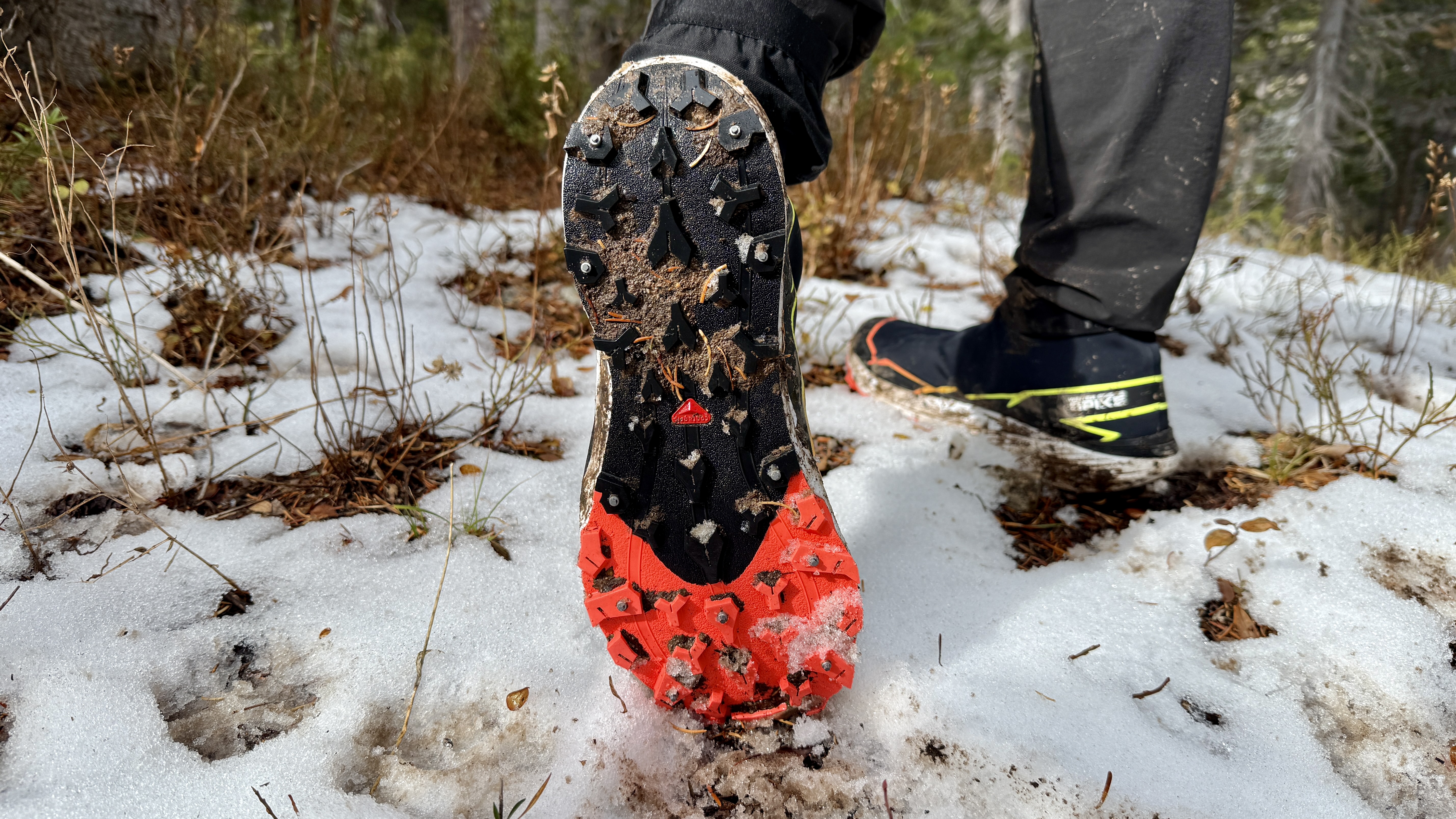
Our Winter Running Shoe Rating System
When comparing winter running shoes, we break our evaluations into four key categories: traction, waterproofing and weather resistance, warmth, and fit and cushioning. This system provides a balanced look at performance, comfort, and durability — helping us determine which shoes shine when the mercury drops, and which ones slip up when conditions turn nasty.
Traction
Traction is everything when you’re running on frozen ground, icy sidewalks, or packed snow. We evaluate outsole design, rubber compounds, and lug pattern performance across a range of real-world winter surfaces — from slushy roads to technical trails. Shoes with deep, well-spaced lugs, sticky rubber, and confident cornering earn top marks. Bonus points go to models compatible with screw-in studs or spikes for extra grip when conditions get truly slick.
Waterproofing & Weather Resistance
Cold feet can end a run fast, so we test how well each shoe blocks out moisture, slush, and snow. This includes evaluating GORE-TEX or proprietary membranes, upper construction, and tongue design to see how they hold up in sustained wet conditions. Shoes that balance protection with breathability — keeping feet dry without trapping heat — score highest in this category.
Warmth
Insulation isn’t always the goal, but warmth matters when the temperature plunges. We assess each model’s ability to retain heat through materials, overlays, and interior linings during runs in subfreezing weather. Shoes that stay warm without feeling stuffy or heavy get top ratings, while overly thick models that compromise responsiveness fall short.
Fit & Cushioning
A good fit keeps your stride natural and your foot secure on unpredictable terrain. We look for shoes that wrap the foot comfortably without pinching or heel slip, even when worn with thicker winter socks. Cushioning is evaluated for responsiveness, protection, and ground feel — the sweet spot between plush comfort and confident control. Shoes that maintain a balanced, consistent ride in cold temperatures earn the highest scores.
Buyer’s Guide: How to Choose a Winter Running Shoe
Staring at a wall of shoes or endlessly browsing an online retailer can be overwhelming. Here are some important things to consider when choosing the right winter running shoe.

Terrain
These days, manufacturers have dialed shoes for nearly every niche of running. This even applies to winter. A quick way to hone in on the right shoe is to identify where you run.
Winter road running shoes tend to be built off of a brand’s stalwart training shoe. Brands want to invest in a winner, and a winter winner will be a shoe that is also a summer winner. The traction on these trainers will already be beefier than a racing flat and are suitable for running on wet roads.
But they’ve added a waterproof, breathable membrane to keep dedicated runners on the road through winter on a familiar last. If you already run in Brooks or New Balance, their winterized road shoes will be a good bet for cold, wet conditions.

Tread
Winter trail running shoes have an aggressive lug pattern that bites into dirt, sand, and mud. But not all treads are the same. A blocky, cleat-like tread will shed mud in the Pacific Northwest but can feel clunky on hardpack found in the Southwest and can cause trips and falls.
Some brands, like the Salomon Winter Cross Spike or the Icebug Järv Gaiter BUGrip GTX, offer shoes with integrated spikes. These are for runners who live in regions prone to ice, like the Northeast or the Columbia River Gorge.
Spikes can be wonderful on ice but feel sketchy on rocky terrain and godawful on the pavement. Another option is to buy aftermarket crampons. We’ve paired our running shoes with Yaktrax and Black Diamond’s Distance Spike.
These aren’t going to feel as stable as lugs embedded with carbide spikes, but they provide more flexibility in your winter quiver, pairing with a variety of shoes. We’ve found these lightweight crampons capable of crossing over into fast and light mountaineering junkets, too.
Durability
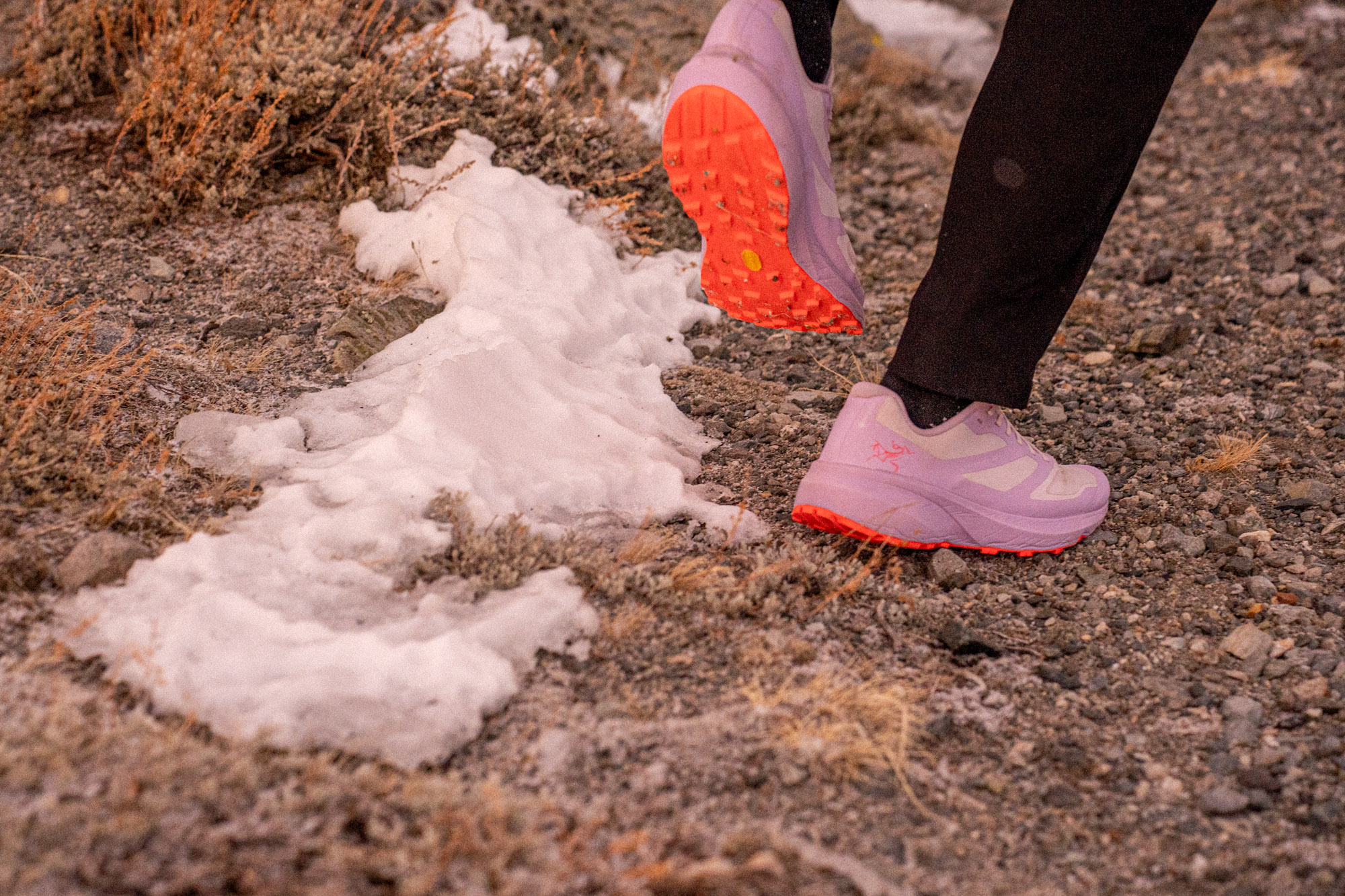
Trail shoes, like the Scarpa Ribelle Run 2 GTX, also have a more durable upper, a robust toe bumper, and a firmer sole or even a rock plate — all to protect the feet from underlying roots and rocks. Trail shoes with lower lugs can be a little more runnable on roads, making them a suitable choice for snow-choked road runs.
Many of the shoes on this list like the Merrell Agility Peak 5 Zero GTX, Altra Lone Peak ALL-WTHR 2, and the Saucony Peregrine 15 GTX have a waterproof, breathable membrane to keep melting snow and water from creeping in while keeping the toes warm. But others, like the Asics Trail Scout 3 or Speedland GL:SVT, do not. If you run on really hard-packed trails or in mixed conditions, there is a chance you won’t need a waterproof shoe.
Like spikes, integrated gaiters, as found in the Arc’teryx Norvan 4 Nivalis and the La Sportiva Blizzard GTX, are a fantastic addition and worth the cost for those who frequently run in deep, snowy conditions. They shed snow weight quickly and keep feet warmer and drier. But because they trap heat, they can quickly become uncomfortable on milder days. Like crampons, gaiters can be purchased aftermarket for $25-50.
Price & Value
Budget
Winter running shoes can cost anywhere from $100 to $250 and beyond. At the lower end of the spectrum, you may find fewer features like gaiters and carbide spikes, but there are still solid winter running shoes in the $100-150 price range. Our budget pick, Asics Trail Scout 3, is an excellent running shoe that will get the job done in a pinch (or on a budget).
Mid-Tier
In the $160-200 range, you can find burlier traction for trail running, full-shoe waterproofing, and rock plates. In this price range, you’ll find shoes such as the Saucony Peregrine 15 GTX, Merrell Agility Peak 5 Zero GTX, and the Altra Lone Peak ALL-WTHR 2. In reality, most shoes in this price range are quite good and you will be very happy with them. That said, don’t expect extra features such as gaiters or spikes.
Premium
If you want all the bells and whistles, be prepared to spend $250 or more, and you’ll be in the market for a durable and sturdy stroller with plenty of bells and whistles. Some of the top-end shoes in this guide are the Salomon Winter Cross Spike, Arc’teryx Norvan 4 Nivalis, Icebug Järv Gaiter BUGrip GTX, La Sportiva Blizzard GTX, and the Scarpa Ribelle Run 2 GTX. Of those five, the Ribelle Run is the only option that does not come with bonus features like gaiters or spikes. The most expensive shoe in this guide, the Speedland GL:SVT, is packed with premium materials and features such as BOA dials, a proprietary drop-in insole, and Michelin rubber. But, it’s not waterproof, so you’ll need to decide which pricey features are worth blowing the budget.
Frequently Asked Questions
With so many options to choose from, it can be challenging to choose the right trail shoes. Here are three things to consider as you shop:
- Set realistic running goals. If you dream of running a 100-miler one day but realistically will use the shoes for 5-mile training loops around your local park, buy shoes for the latter use first.
- Consider shoe width. For folks with wide feet, or those running very long distances, a wide forefoot can be a bonus that lets toes splay. The downside is that wider shoes are less precise, can be a little more clumsy, and won’t fit well on people with narrow feet.
- Test out the tongue. Does it fit comfortably? Will it keep rocks out of your shoe? Shoes with gusseted tongues help keep snow and debris from creeping into the shoe.
- Go with what you know. If you run in the dead of winter, you’re probably more than an armchair enthusiast with a few pairs of running shoes in your closet. Check whether your go-to model also has a waterproof model, often signified by GTX (GORE-TEX) in the title. If you love the fit of the Brooks Ghost 15, chances are you’ll also like the Brooks Ghosts 15 GTX.
Stack & Drop
Unless you’re running barefoot, every shoe has a stack. Measured in millimeters, the stack refers to how high the insole sits off the ground. Shoes with more cushion inherently have a higher stack. Furthermore, most shoes have a drop in stack height from the heel to the toe.
If you’re new to running, experts recommend a lower heel drop; it builds a wider range of motion and strength, which makes you a healthier runner. We also find a lower stack keeps your center of gravity closer to the ground. This becomes even more important on unstable terrain, with snow covering hidden obstacles.
Flexibility
Flexibility is your friend on the trails. You need variability to match the variable terrain. Trail runners and those running in winter — where obstacles can be hidden under snow — will prefer a shoe with a firm outsole and less cushion but a firm toebox to push off of.
Flexibility and torsion can help the foot adapt to the trail and objects obscured by snow. But, too much flexibility can feel unstable. Without stability, the ankle can be exposed to rolling.
The life of a shoe depends on a variety of factors, including running style, weight, and how often they’re used. But in general, 300 to 500 miles is a good rule of thumb.
So, if you run 10 miles per week, your shoes could last 8 months to a year. If you’re logging 20 miles per week, plan on replacing your running shoes every 4 to 6 months.
And if you see excessive wear patterns, holes, or tears, or if you notice a decrease in footbed comfort, it’s probably time to grab a new pair of sneakers.
Durability aside, we typically don’t wear our winter shoes daily. Winter-specific running shoes supplement our running quiver, rotating into the queue as the weather calls for it. This increases the shelf life of our winter shoes and stretches our dollars out over several years of use.
The Best Winter Hiking Boots of 2025-2026
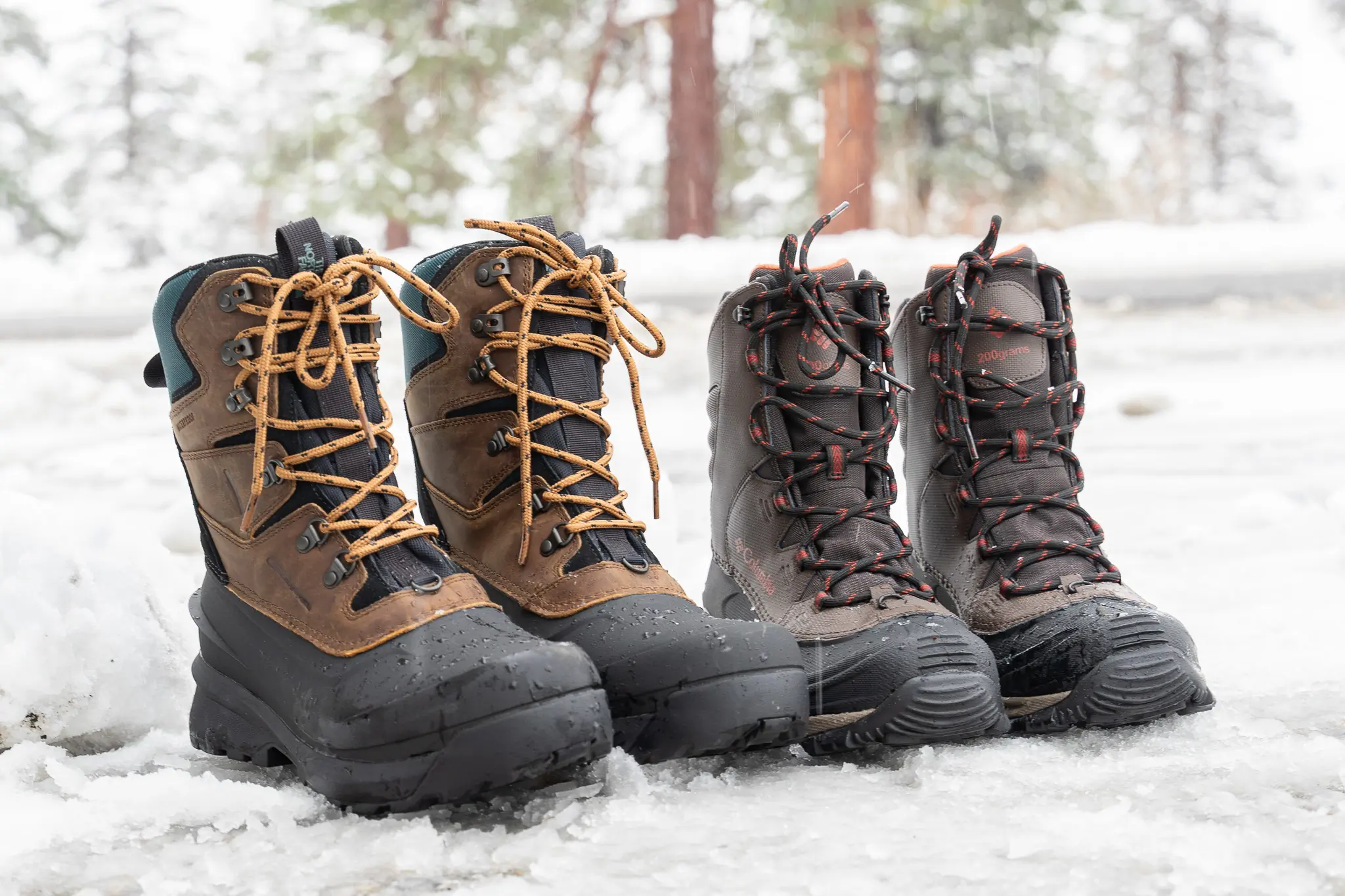
When snow and ice take over, the best winter hiking boots deliver warmth, traction, and protection that won’t quit. We tested top options from KEEN, Columbia, The North Face, and Hoka to keep you moving through the coldest trails.
The Best Winter Traction Devices of 2025
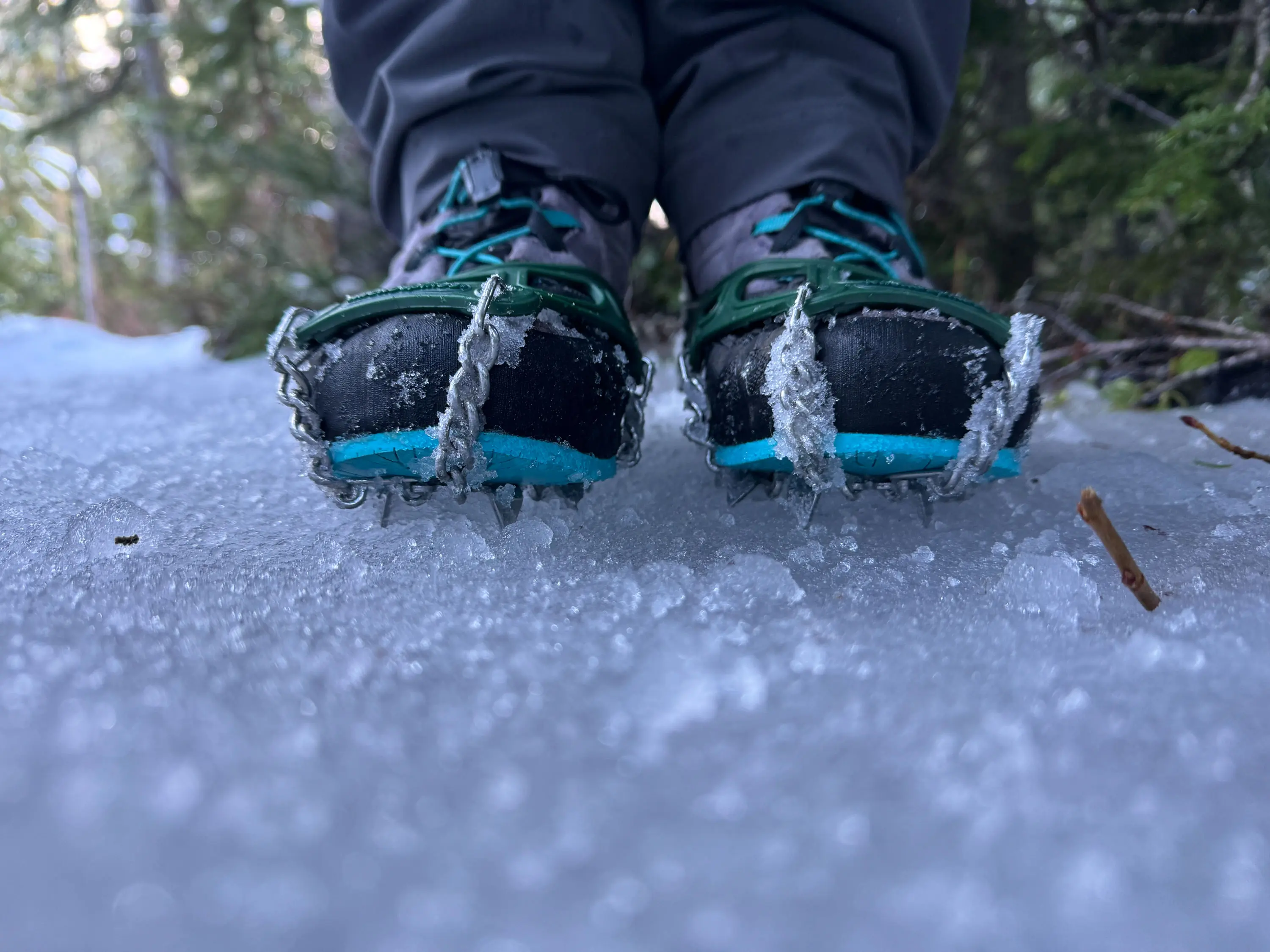
We tested the best winter traction devices from Kahtoola, Black Diamond, Yaktrax, and more to help you find the best option for your needs and budget.