By JASON MAGNESS
The Patagonian Expedition Race, held in southern Chile each February, has been dubbed “the last wild race.” It is one of the world’s most death-defying organized sporting events, a 10-day wilderness immersion where teams go far off-grid and do battle with deep forests, mountain passes, fjords, rivers, and swamps. This is all in the name of finding checkpoints on a map and, eventually, after hundreds of miles, the finish line.
Our team, GearJunkie/YogaSlackers, has raced in Patagonia for the last four years. We finished the 2013 race in 3rd place, and the course proved as tough as ever.
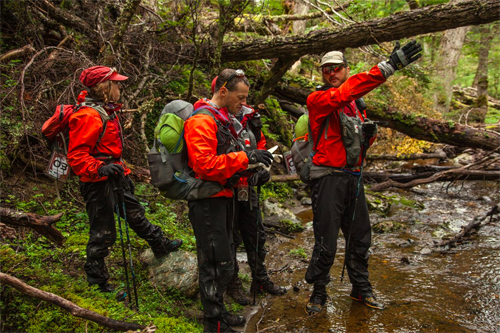
The race destroys gear as well as bodies. This year, we decided to go as fast and light as possible to gain some speed. We picked a bad year for this strategy — Patagonia showed its fury last month, with some of the harshest weather we’ve ever seen. It was 10 straight days of rain and snow, high temps in the mid-30s (F), and winds up to 100mph.
This is not to mention the cold waters we paddled and swam in, and the immersive, day-long bushwhacks where you’re soaked head to toe and poked endlessly by sticks and thorns. . . ah, all good fun!
In the end, our gear saved our lives. Not to be overdramatic, but in truth our shell jackets, wool base layers, sleeping bags, tent — not to mention packs, shoes, crampons, pack rafts, and food — were key to us making it through the near-impossible course. Here are a few pieces of gear that stood out. —Jason Magness

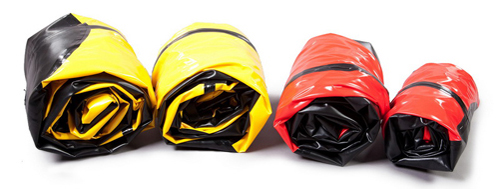
Pack Rafts — Our Alpacka rafts pack small and inflate to vessels that can float in class IV whitewater or traverse a frozen fjord. We traveled the wilderness with the 3 pound, 3 ounce Scout model ($525) in our packs. We trusted them enough to cross 6KM of open fjord once with no life jackets or drysuits. (Not recommended!) If they pop, we could die. Enough said.

Lightweight Shell Jackets — Niche outerwear brand Montane is known for its ultralight equipment. We picked the zipper-less Spektr Smock jacket (£220, www.montane.co.uk), which employs a thin eVent shell fabric that’s waterproof and breathable. The jackets are extra light at around 9 ounces but serve as a true survivalist piece. In our race, the shells served as a crucial buffer between us and Patagonia’s wind, rain, and hypothermia-inducing conditions. Bonus: The fabric durability was amazing. After 10 days of racing and bush-bashing in Patagonia (which equates to several seasons of normal wear) my jacket is still water tight.

Liquid Food — TailWind Nutrition is hardly the first brand to make “drinkable calories.” But we found this concoction (www.tailwindnutrition.com) restored our faith in powdered drink mixes for serious endurance events. In fact, about 30% of our calories for the entire race came from this stuff! By the end of the race, half crazed, I was so hooked that I was taking shots of the powder straight.

Sleeping Bag — It compresses crazy small (think grapefruit-size) and weighs just 1.25 pounds. But the Lafuma Active 45 sleeping bag kept us warm enough at night — just barely. It was below freezing some nights, but with all our layers on we were able to survive with this ultralight bag. A synthetic insulation fill kept working even when damp. It’s a steal, too, at just $80. Soon to be available from Lafuma and on Amazon here.

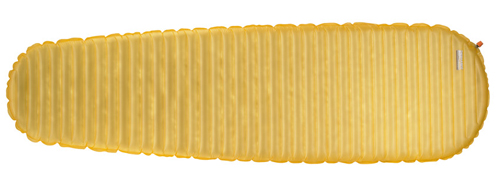
Sleeping Pad — For the past three years in Patagonia we’ve used this pad, the NeoAir XLite from Therm-a-Rest. The inflatable pad packs super small and weighs just 8oz. But in wet conditions it keeps us off the ground. In our floor-less tent this is crucial. Bonus: In dire conditions, you can use this blow-up pad as an ad hoc raft to traverse lakes and rivers. Not recommended by the company, we might add.
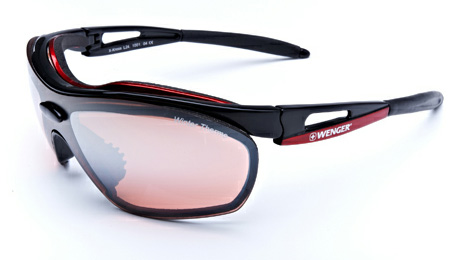
Sport Glasses — Clear vision can save your life out there. We wear Wenger Sport Glasses ($250, www.wengerna.com), which have switchable lenses for adapting to different light. Changing lenses was easy even in inclement conditions with gloves on. Changing light conditions, especially on the Patagonian glaciers, necessitated several lens swaps a day.
Base Layers — Our “second skin” on the racecourse is Ibex merino wool. The thin shirts and leggings truly become a part of you after multiple days of wear. They adapt across a range of temps and regulate the body from hot to cold, wet to dry. Crucial out there!

In addition to the wool, this year we wore 2XU’s Thermal 3/4 Compression Tights ($119, www.2xu.com). They gave compression and some warmth on the move. Fit well and didn’t chafe at all even after countless miles and days on our bodies. They dried fast, the tights kept us regulated (well, at least non-hypothermic) even during multiple river crossings and pack-raft paddles where we were soaked and frozen.

Satellite Device — The Delorme InReach ($249, www.delorme.com) kept us in contact with the outside world. This little satellite device is remarkable — it can pair with an iPhone or Android phone, allowing a user to send and receive text messages anywhere on the planet. In Patagonia, we left our phones behind but communicated during the 10 days with short messages and GPS tracking of our route. It was a safety backup, too, in case of a real emergency out there in the wilds.

We used the InReach once in the race when a checkpoint was misplaced. We texted the race staff from the deep wilderness in the middle of the night. Minutes later they confirmed that we could proceed, having seen the exact location of the text via GPS.
Macadamia Nuts — Calories give energy to the body. They also give heat, keeping your core temp up as you eat. Macadamia nuts saved us out there. The YogaSlackers yoga team recently started working with Royal Hawaiian Orchards, so the brand shipped us a box of nuts for Patagonia. A 5oz. bag has 1000 calories, giving macadamia nuts one of the most amazing calorie-to-weight ratios we’ve ever seen. The nuts literally pulled us away from the edge of hypothermia nearly every day of the race.

‘Front-Pack’ Pouch — The Inov-8 Race Pac 2 ($35, www.inov-8.com) is a weird but crucial product that clips onto the straps of a backpack. It sits on your chest and offers an easy-to-access pouch where food, meds, sunscreen, and other essentials can be accessed in an instant. It also has an open sleeve in the center that conveniently holds a water bottle, hat, and whatever else you can stuff in for quick access on the move.

Gloves — Bike gloves rarely come in the “save your life” category. But usable hands are crucial to doing anything in the wilds, and to get our fingers moving in Patagonia we wore Specialized’s Deflect Gloves ($40, www.specialized.com) for much of the race. These cold-weather biking gloves are tough, comfortable, and warm enough even in snow.

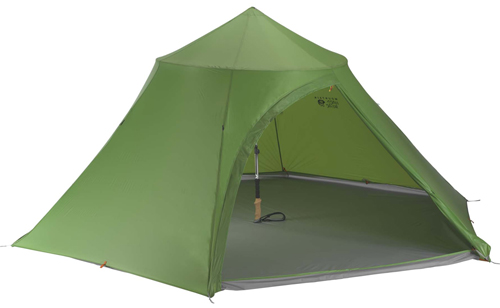
Tent — Shelter from the storm came from Mountain Hardwear and its Hoopla 4 tent. Using a single pole that clicks together to make a hoop, this floorless, teepee-type shelter has room for four people inside. Best part, the tent weighs under 2 lbs (hoop included) packed up.
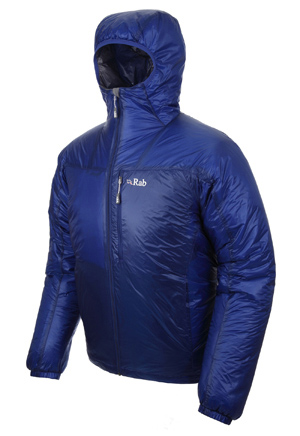
Insulated Jacket — Body heat preservation came from synthetic fill and “puffy” jackets, including the Rab Xenon. The Pertex fabric coat is stuffed with PrimaLoft, a synthetic down that keeps us warm even when wet. These jackets are serious life savers out there. Do not leave home without ‘em!
Headwear — Waterproof ballcaps from Outdoor Research, the Prismatic model with Gore-Tex fabric, kept the rain off. They fit nicely under the hood of our Montane jackets and helped increase our field of vision even in a heavy downpour. Bomber stuff — they never soaked through after a week+ of hard use. We used Buffs as balaclavas when it got really cold.

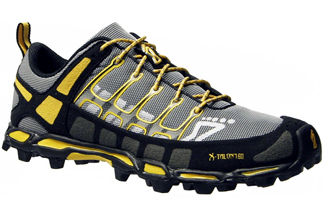
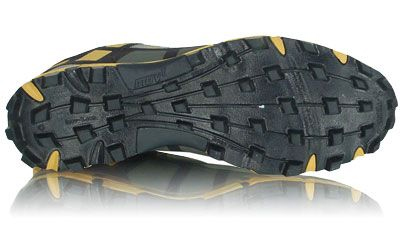
Footwear — Lightweight trail shoes keep us fast. We wear Inov-8’s X-Talon 212 model, a fell running shoe with big lugs and sub-7 ounce weight. We pair the shoes with Outdoor Research’s Flex Tec gaiters to seal off the feet and keep out the debris.
Sport Watch — Time is of the essence in any race. But we also need to know altitude and other metrics out there, as well as have an alarm for waking the crew up after short sleeps. Suunto’s Core and X6HR models (www.suunto.com) adorned our wrists this year and during all Patagonia races for the past four years. Bomber products. The alarm is loud enough to wake at least one member of the team despite all of us being dead to the world when we do get a chance to sleep.

Lights — The Fenix HP11 headlamp ($64, www.fenixtactical.com) let us see far and move through difficult terrain at night with its powerful 277-lumen spot beam. It played a big part in keeping us on track (and safe) in the vast Patagonian wilderness at night.

—Jason Magness is a contributing editor and captain of Team GearJunkie/YogaSlackers.