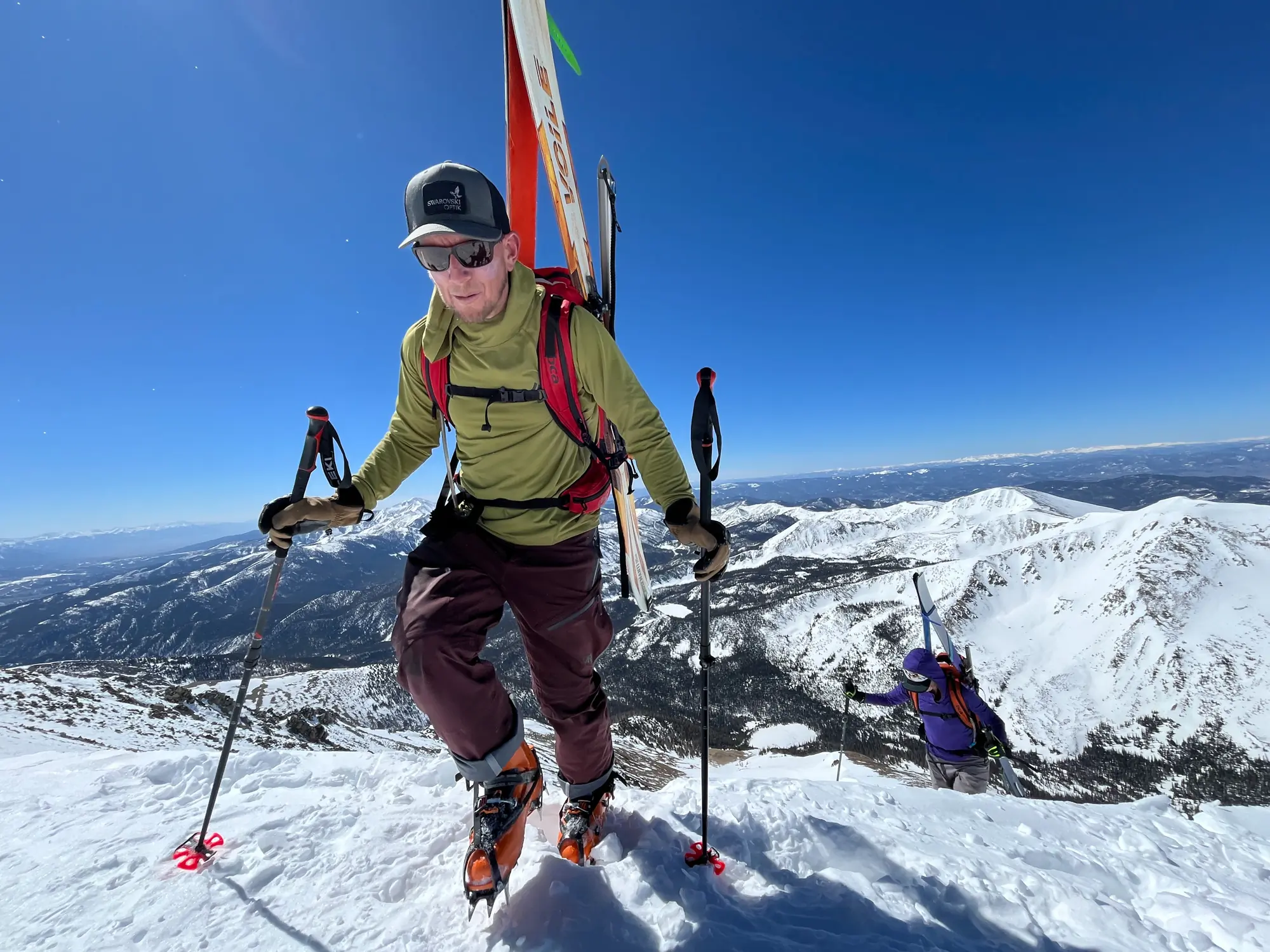
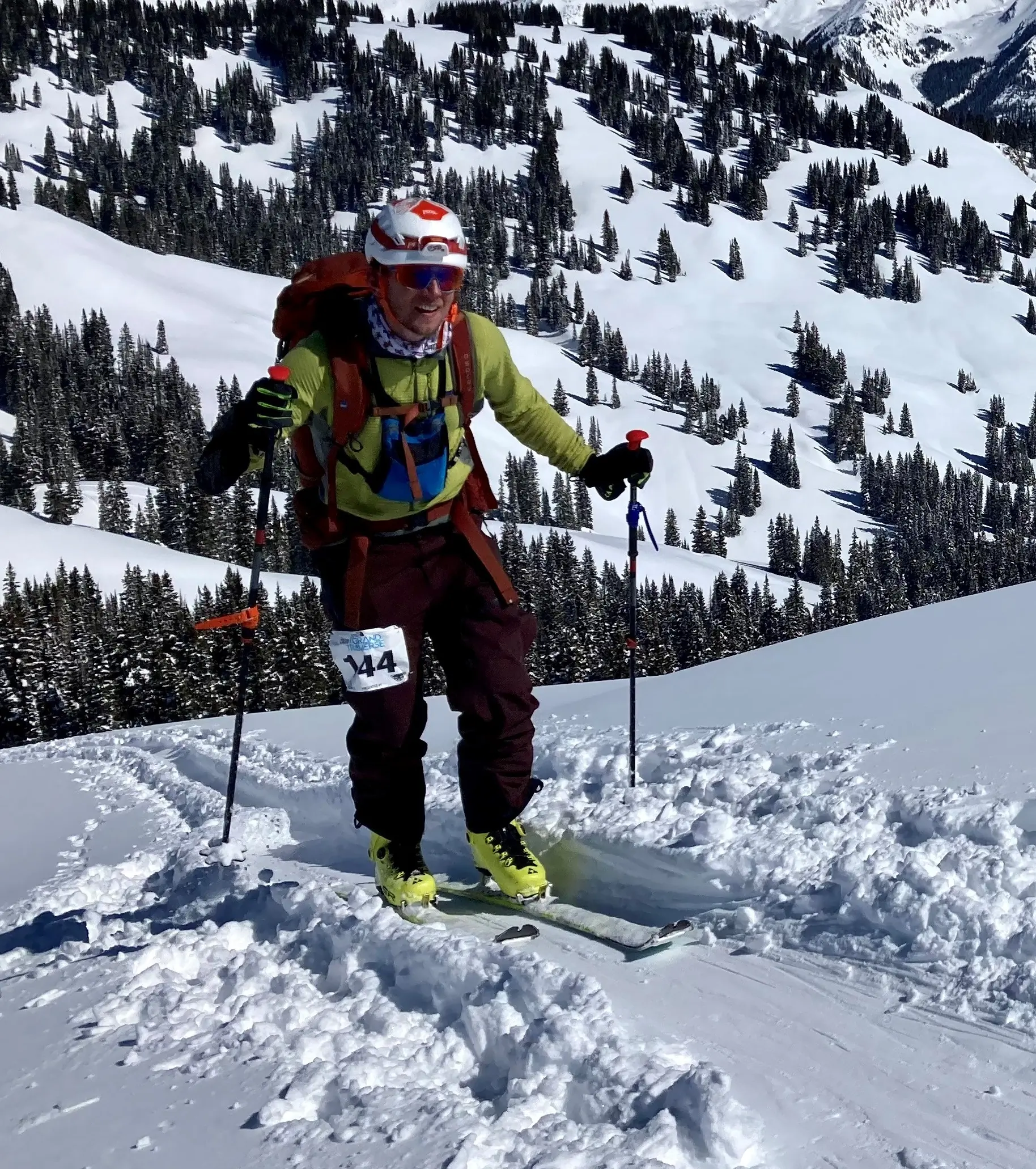
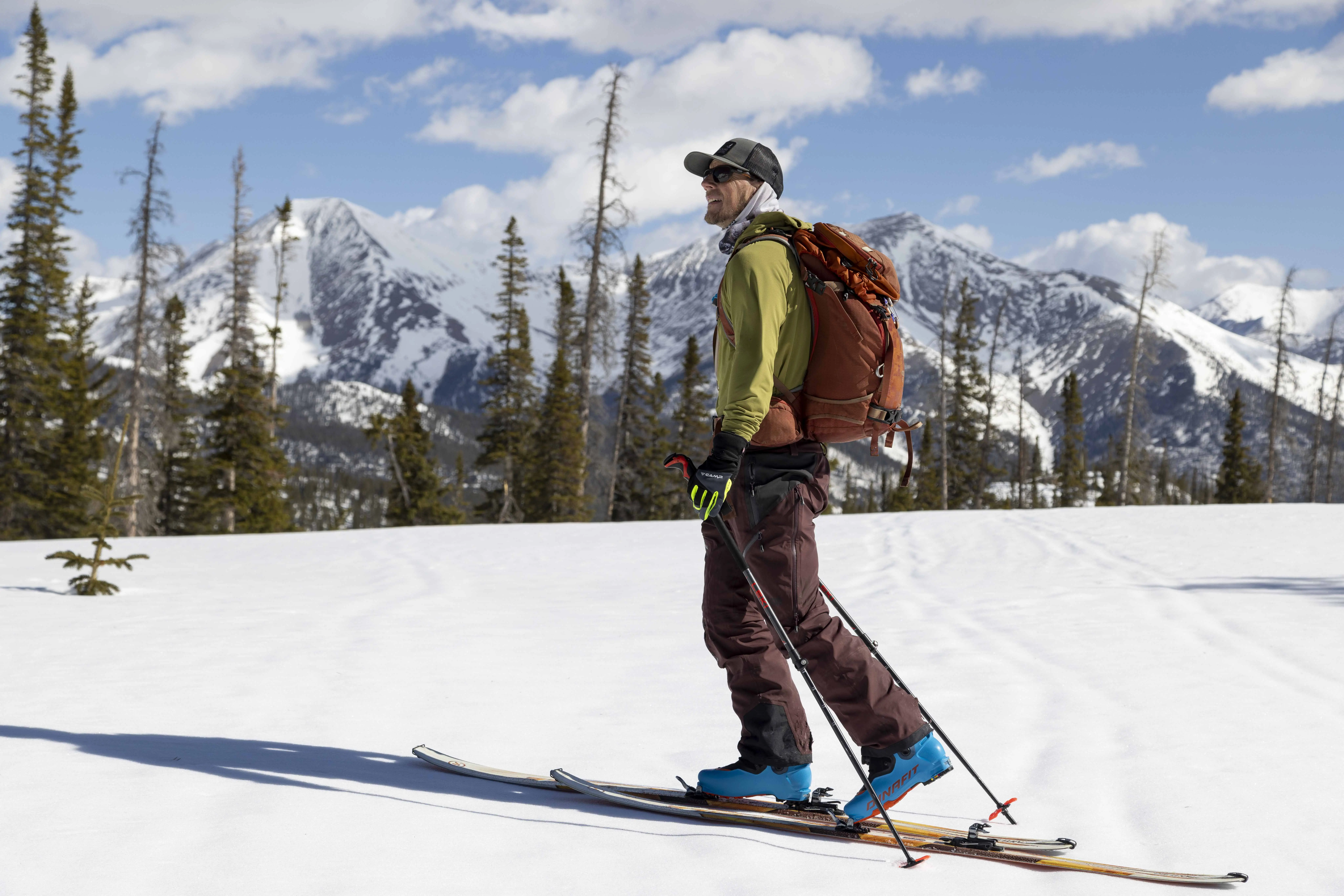
The moment it became clear was halfway up Teton Pass’s Taylor Mountain at sunrise. I was skinning in that quiet blue hour, expecting the usual ultralight-boot experience: a cramped toe box, midfoot pressure, and the slightly awkward stride I’ve learned to endure on big climbs. Instead, the TLT X moved with me. My stride felt almost too smooth for a touring boot, and my feet stayed warm.
I’ve done this climb countless times, and this was the first time I caught myself thinking more about the sky turning pink overhead than about what was on my feet. Throughout that tour, I also realized how much less time I was spending adjusting buckles or fighting with mode switches. The boot simply let me move, settle into my rhythm, and stay focused on the mountains rather than the gear.
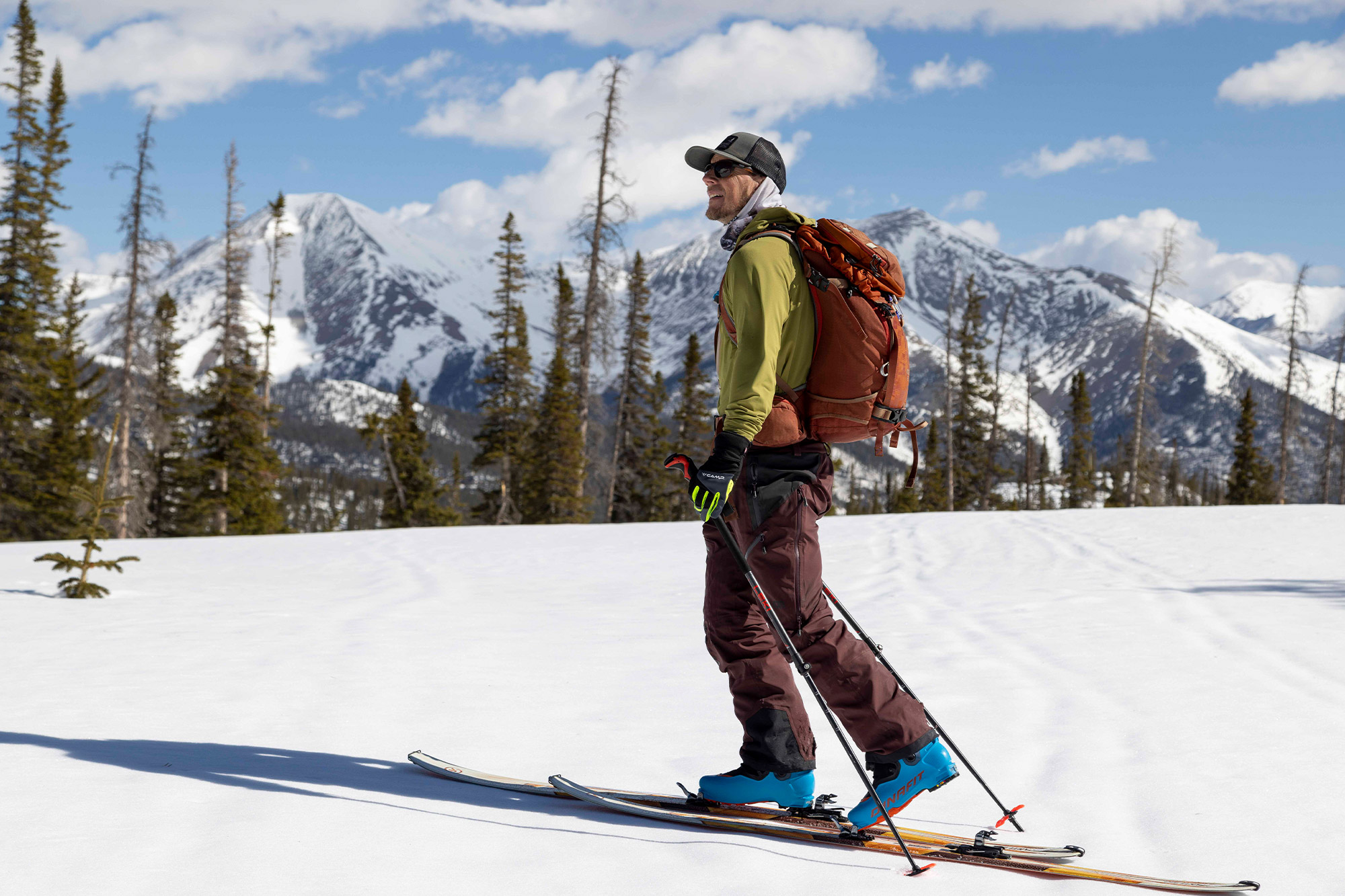
A few days later, on a longer push into Death Canyon, the benefits became even more obvious. I covered more vert with less fatigue, and instead of the usual hot spots forming beneath my forefoot, my feet felt fresh by the time I reached the top. On long approaches, ultralight boots usually expose their compromises; the TLT X instead felt like it was quietly removing barriers, letting me spend more time actually adventuring.
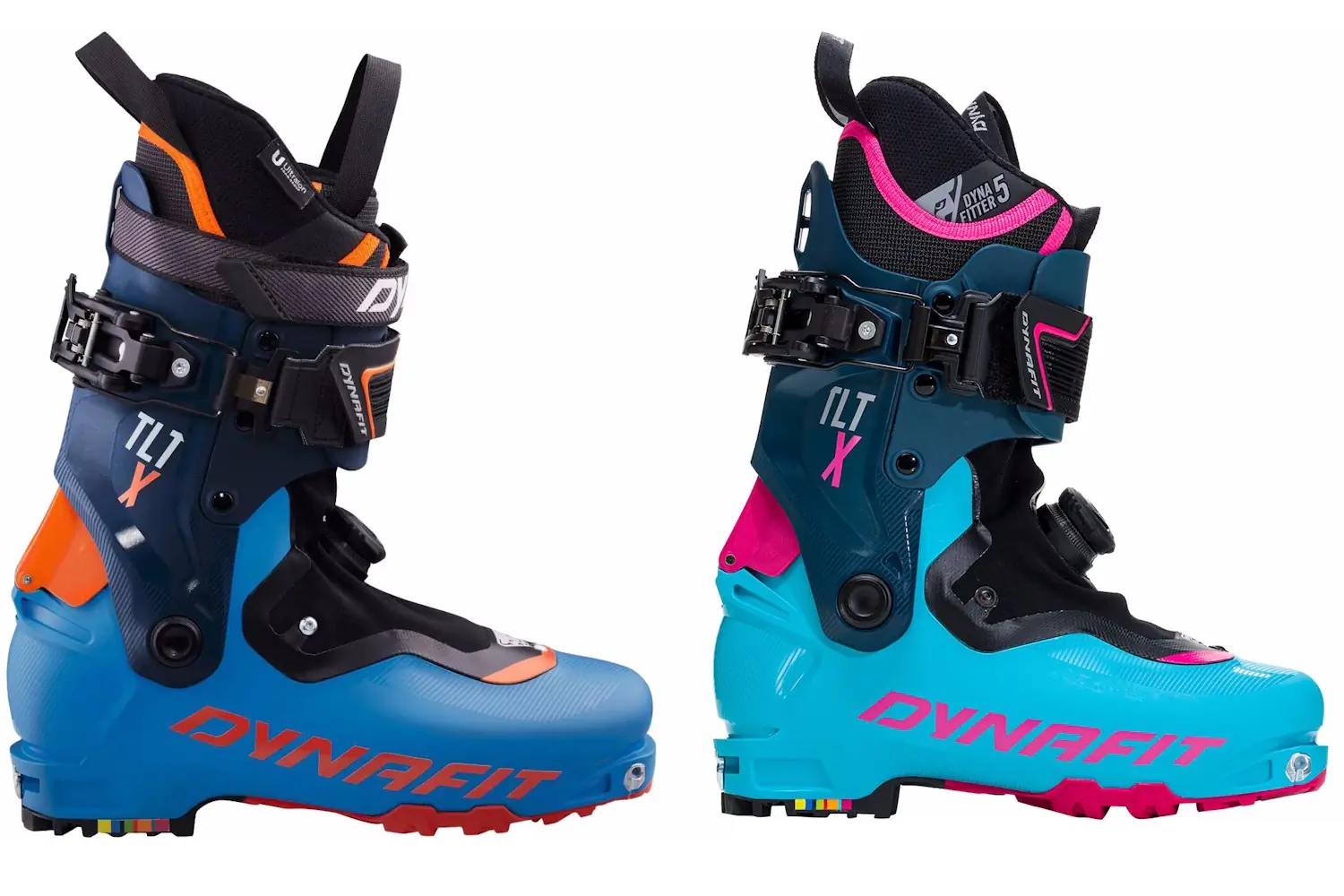
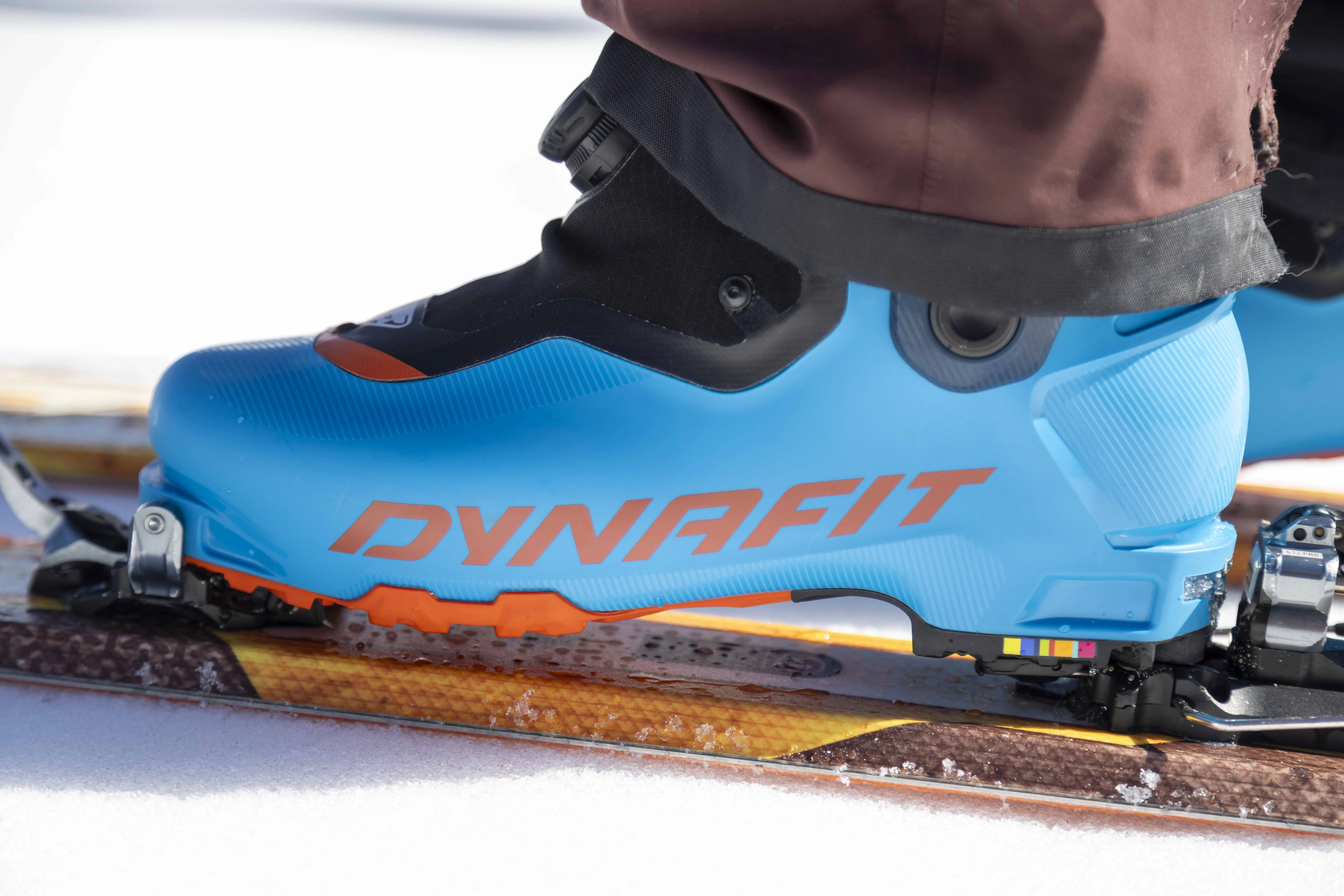
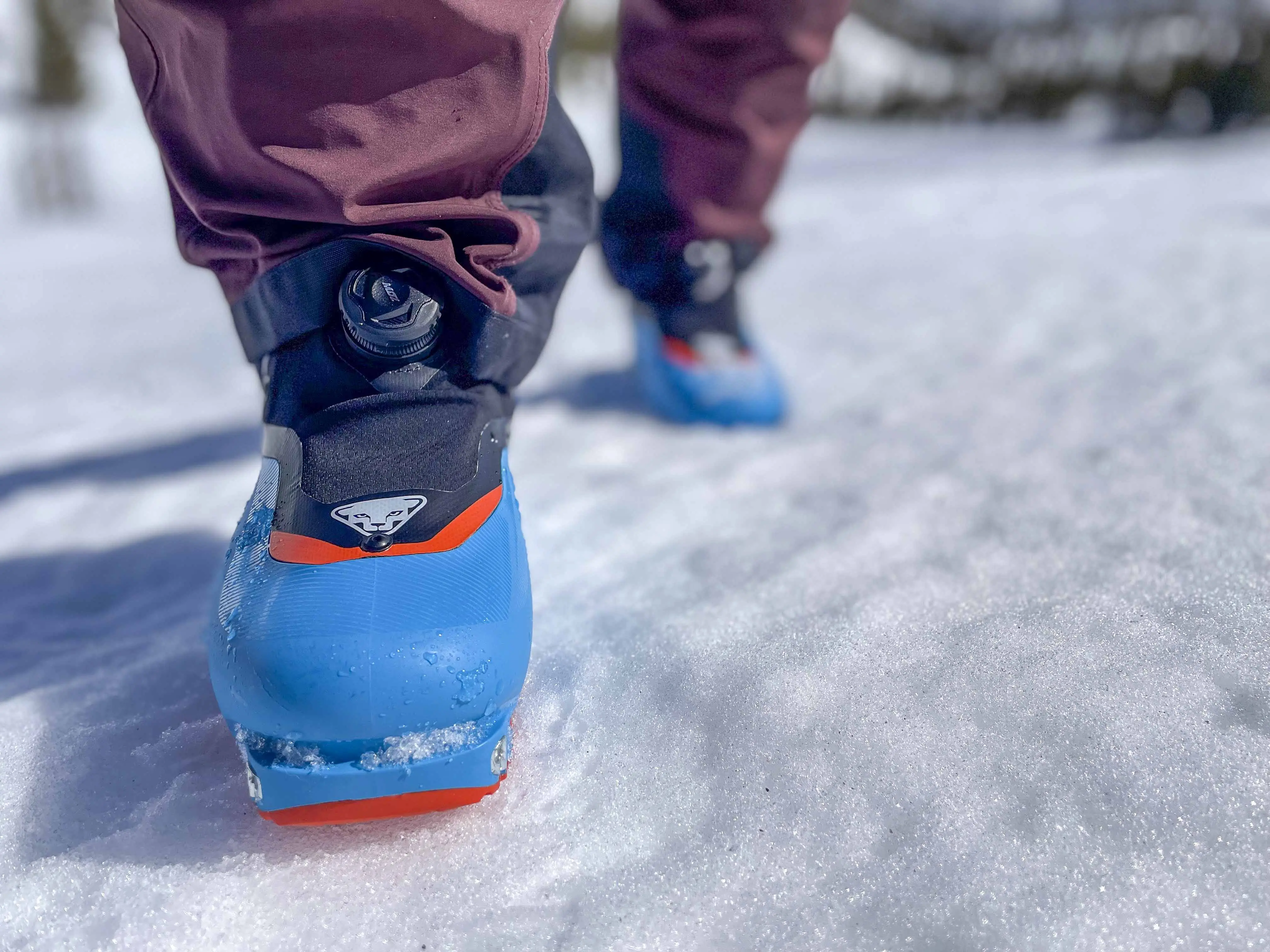
In short: The Dynafit TLT X ($500) is comfortable, has a generous fit, and a smooth glide on the skin track. It climbs fast, moves naturally, and its Grilamid shell has enough backbone for plenty of backcountry laps. Transitions allow you to spend less time fussing with buckles and more time enjoying the runs. If you live for long approaches and that smooth uphill rhythm, this is as close as a ski boot gets to feeling like a hiking boot.
Compare the Dynafit TLT X to other touring boots in our guide to the Best Backcountry Ski Boots.
-
Uphill Performance
9.0
-
Downhill Performance
7.0
-
Comfort/Fit
8.8
-
Weight
9.5
- Weight (per pair): 2,150 g
- Last width: 101 mm
- Flex: Not reported
- Binding Compatibility: Tech
- Best for: Longer tours, light and fast missions, multiple short laps
Pros
- Roomy and comfortable fit
- Smooth and efficient walk mode
- Quick single-lever transitions
- Lightweight for long-distance travel
- Warm for their weight
Cons
- Average downhill performance for the weight
- Less stable in firm or variable snow
- Thin liner can run cold in deep-winter temperatures
Dynafit TLT X Ski Touring Boot Review
Uphill Performance
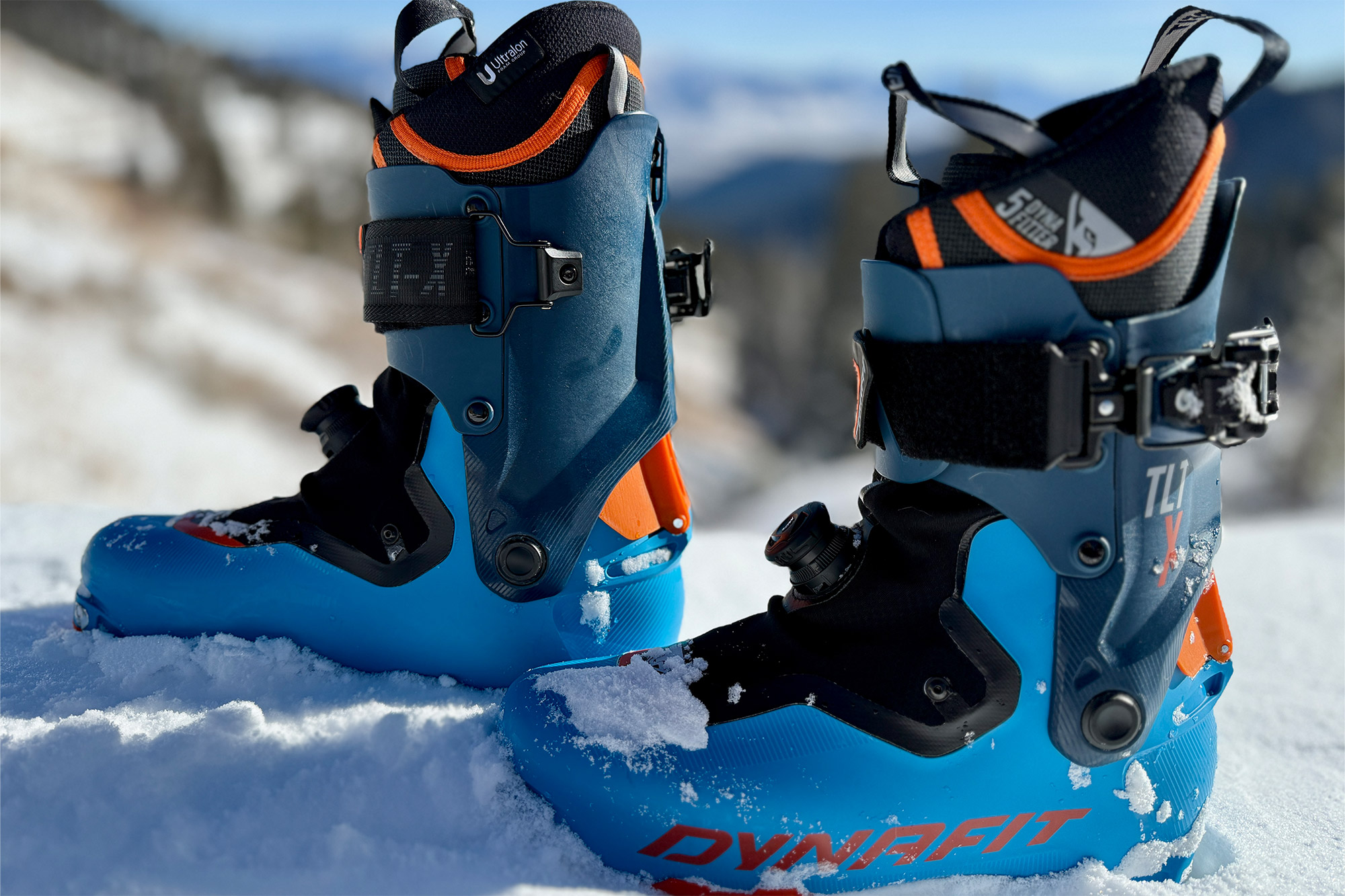
The uphill performance of the TLT X is what sets it apart from every lightweight boot I’ve used in the past decade. On big days in the Tetons and long spring missions in Colorado’s Sawatch Range, it consistently felt like the easiest boot to climb in. The cuff pivots freely with almost no resistance, allowing each step to settle into a natural rhythm that smooths out steep climbs.
Compared to other lightweight boots, the difference is immediate. The Scarpa F1 LT has good mobility, but it never felt as relaxed or fluid on steep kick turns. The Tecnica Zero G Tour Pro is a fantastic boot, yet it’s much stiffer on the uphill and more restrictive during long side hills.
What I appreciate most is how seamless the walk mode felt. Transitions were fast and intuitive thanks to the single-lever system (more on that below). On fast laps on Teton Pass or while linking peaks in Colorado, that quick mode switch added noticeable efficiency.
The TLT X also performed exceptionally well while boot packing, scrambling over rocks, and climbing in crampons. The minimal resistance and friction-free motion helped the boot feel secure and agile when the terrain steepened, offering more confidence on mixed ascents than many boots in this weight class.
Downhill Performance
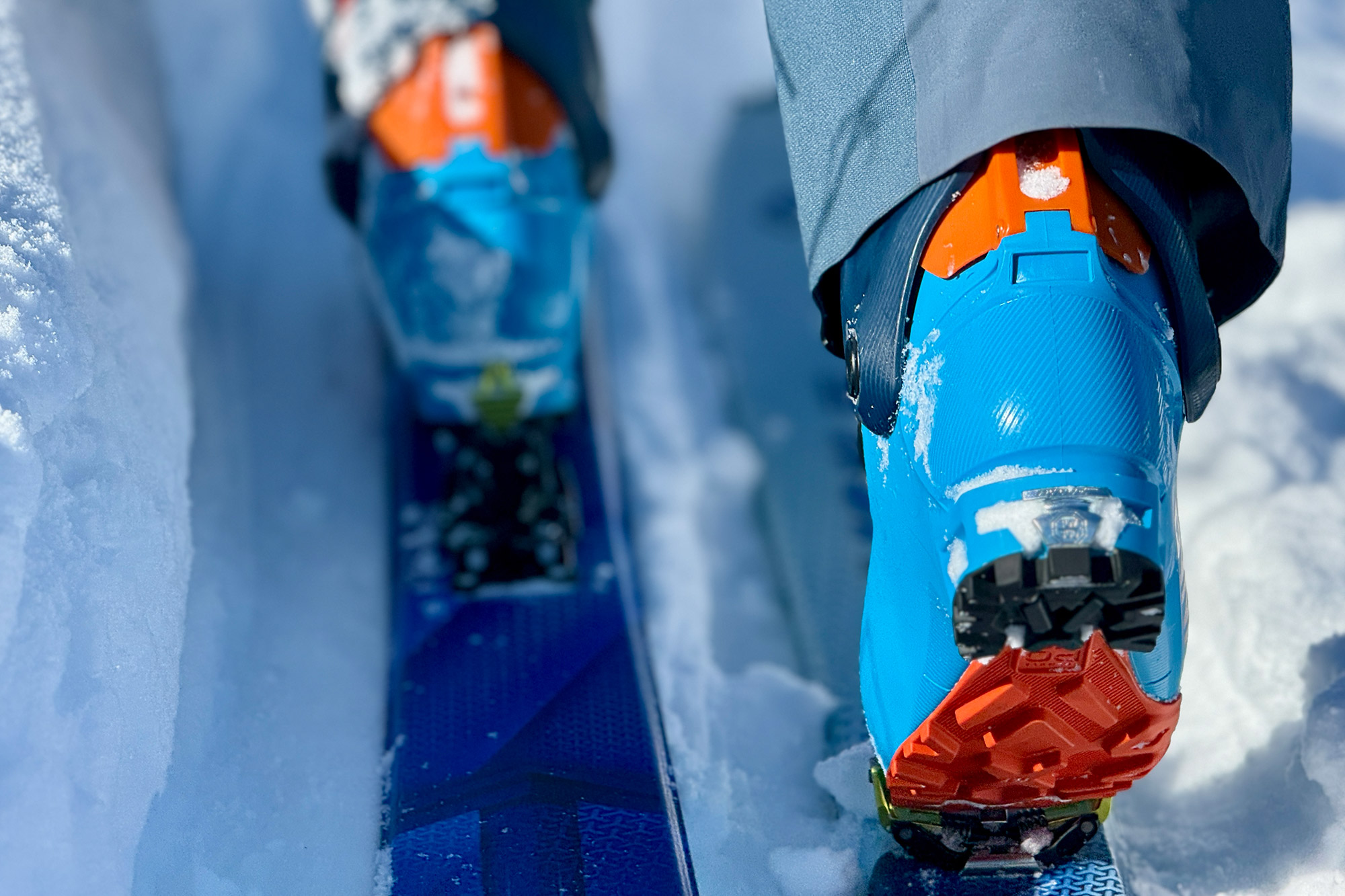
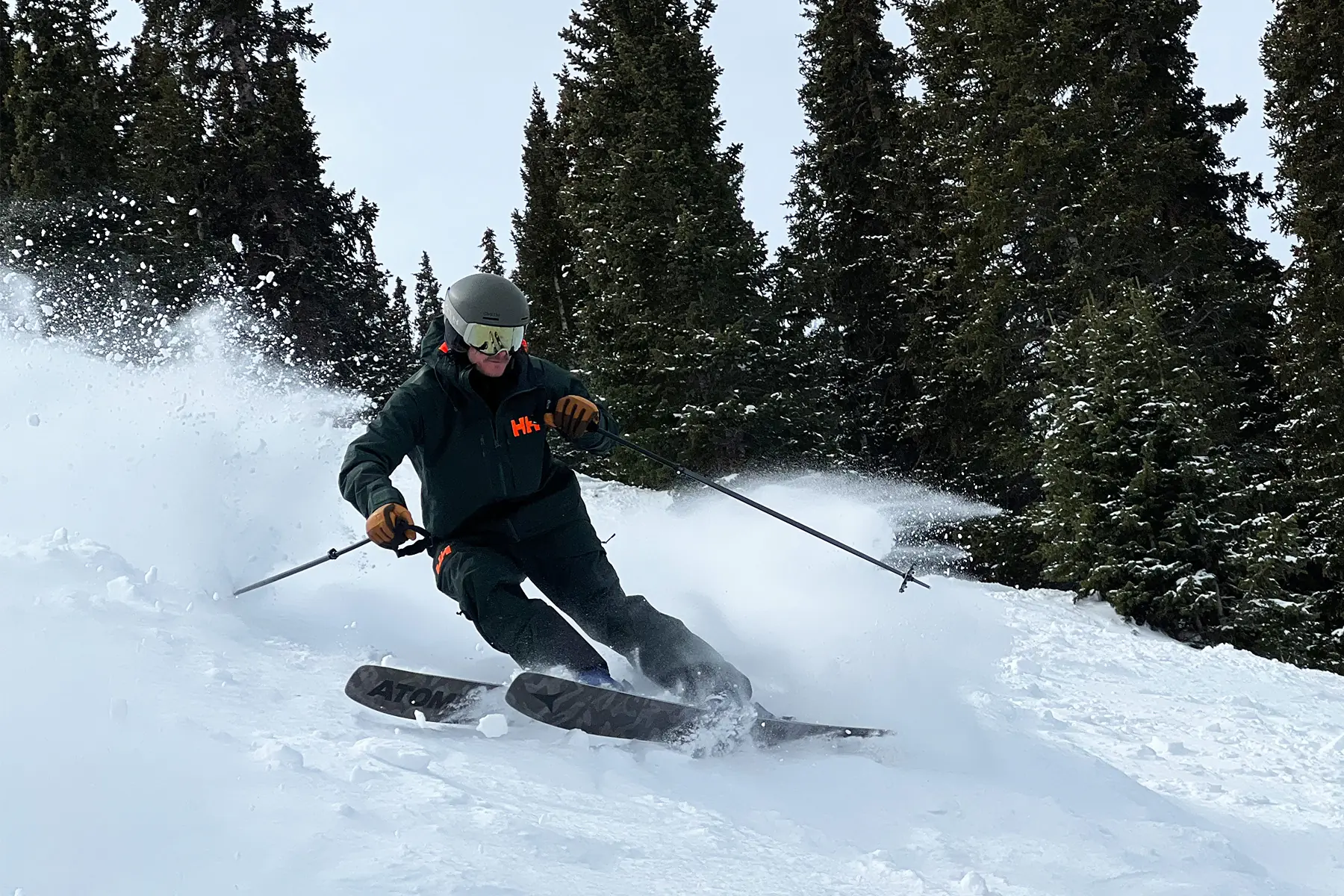
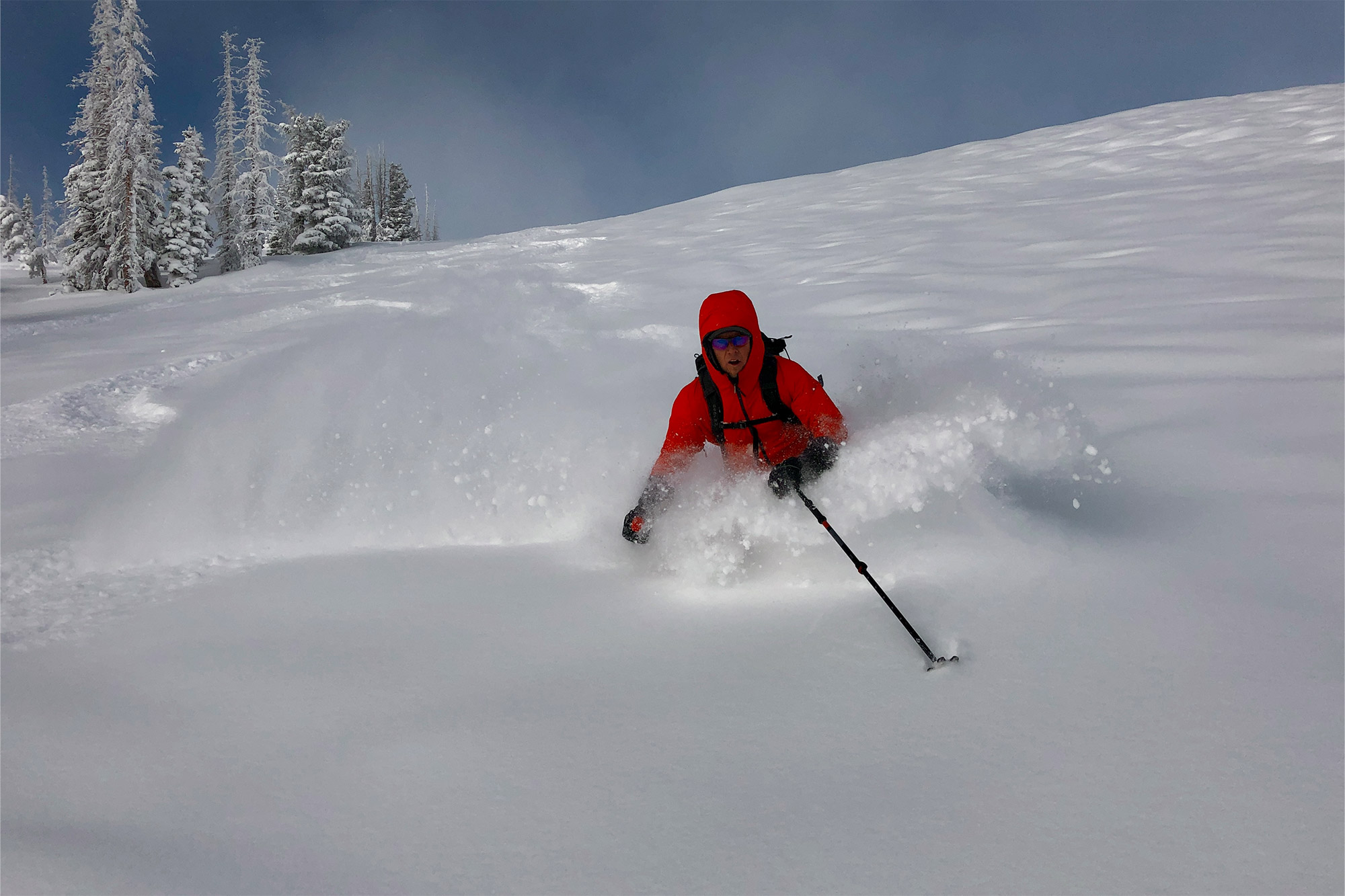
Dropping into Taylor Peak after a long climb, I expected the TLT X to feel soft and hesitant. But it held its own. The flex of the Grilamid shell was predictable and supportive enough for soft snow and moderate speeds.
In deep powder, it felt playful and surprisingly stable for its weight. On variable or refrozen surfaces, its limits showed up sooner than those of heavier touring boots — a known tradeoff with fast-and-light designs.
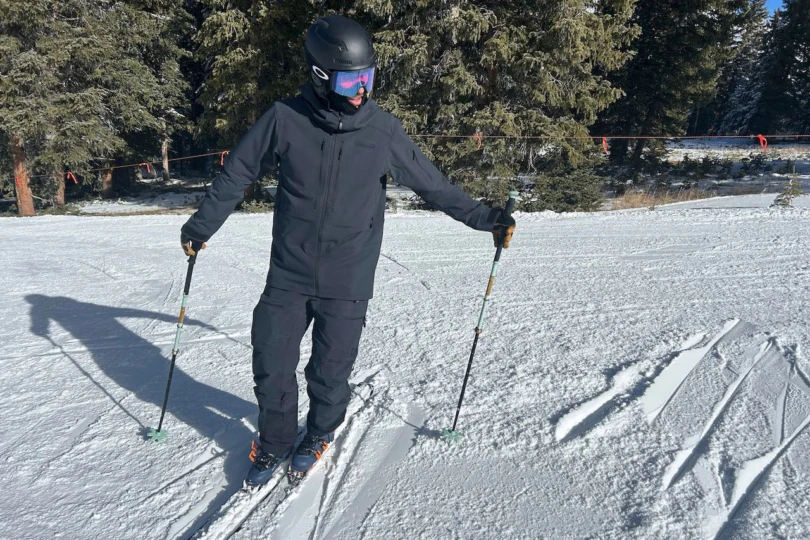
Compared directly to the Scarpa F1 LT, I felt the TLT X skied with more composure. The F1 LT felt twitchier at speed and less supportive on firm entrances, while the TLT X provided a smoother, more centered flex that let me stay balanced without constant micro-adjustments. It still fell short of heavier boots, such as the Scarpa Maestrale or Maestrale RS, in choppy or heavier snow, but that’s expected in this category.
One area where the TLT X surprised me was in chalky, midwinter conditions. I skied a few laps on Coal Creek, where the snow was firm enough to expose weaknesses in ultralight boots. The TLT X stayed predictable as long as I stayed centered, and it never buckled forward the way some ultralight boots can when they’re under pressure.
It rewarded a smooth skier and felt best when I was guiding the ski rather than muscling it. Within those limits, it felt composed and trustworthy.
Comfort, Fit, and Warmth
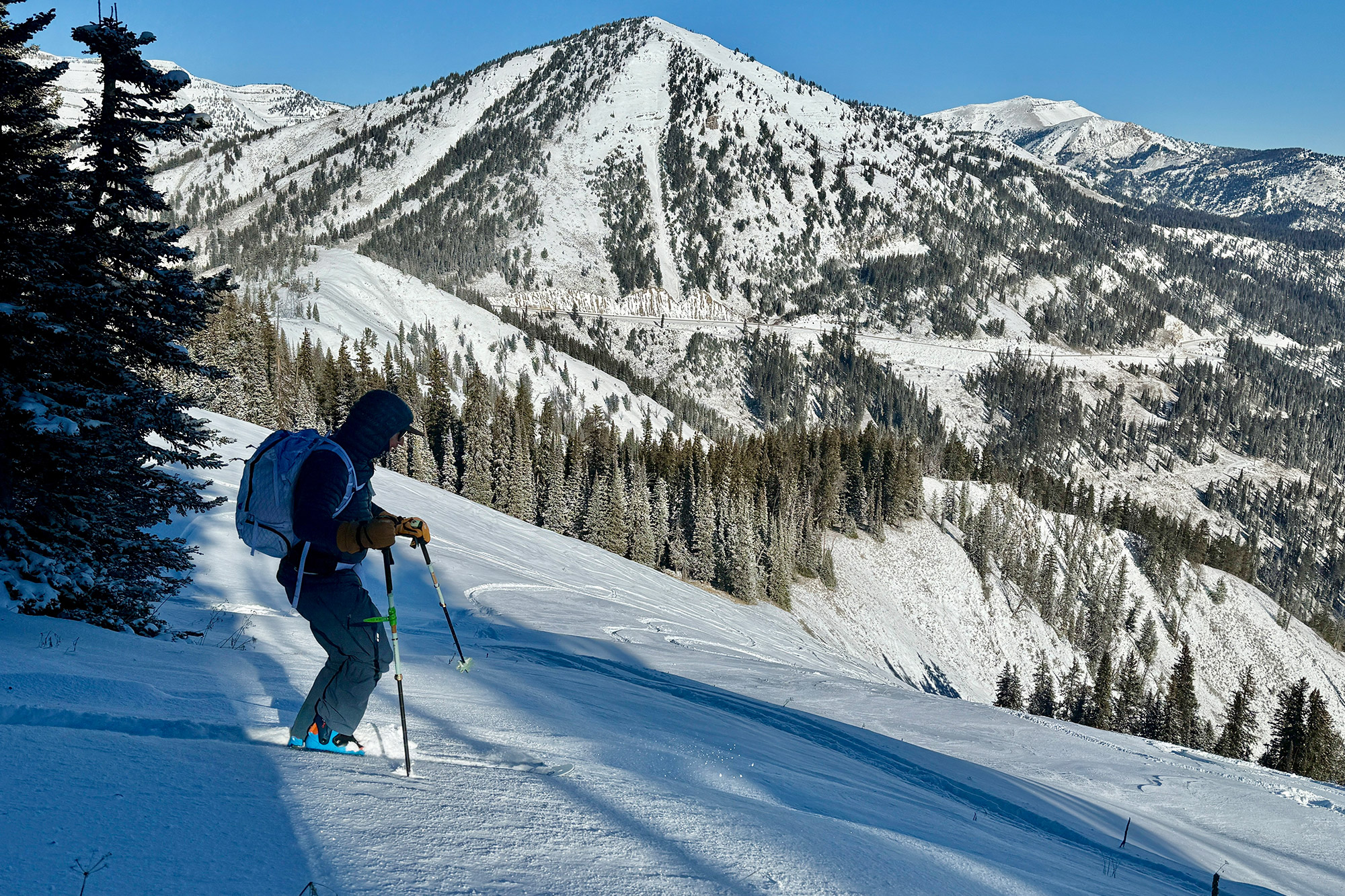
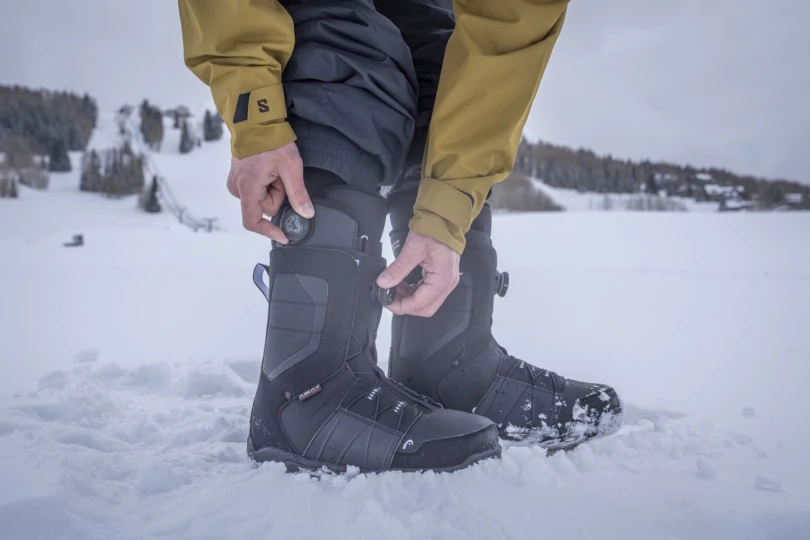
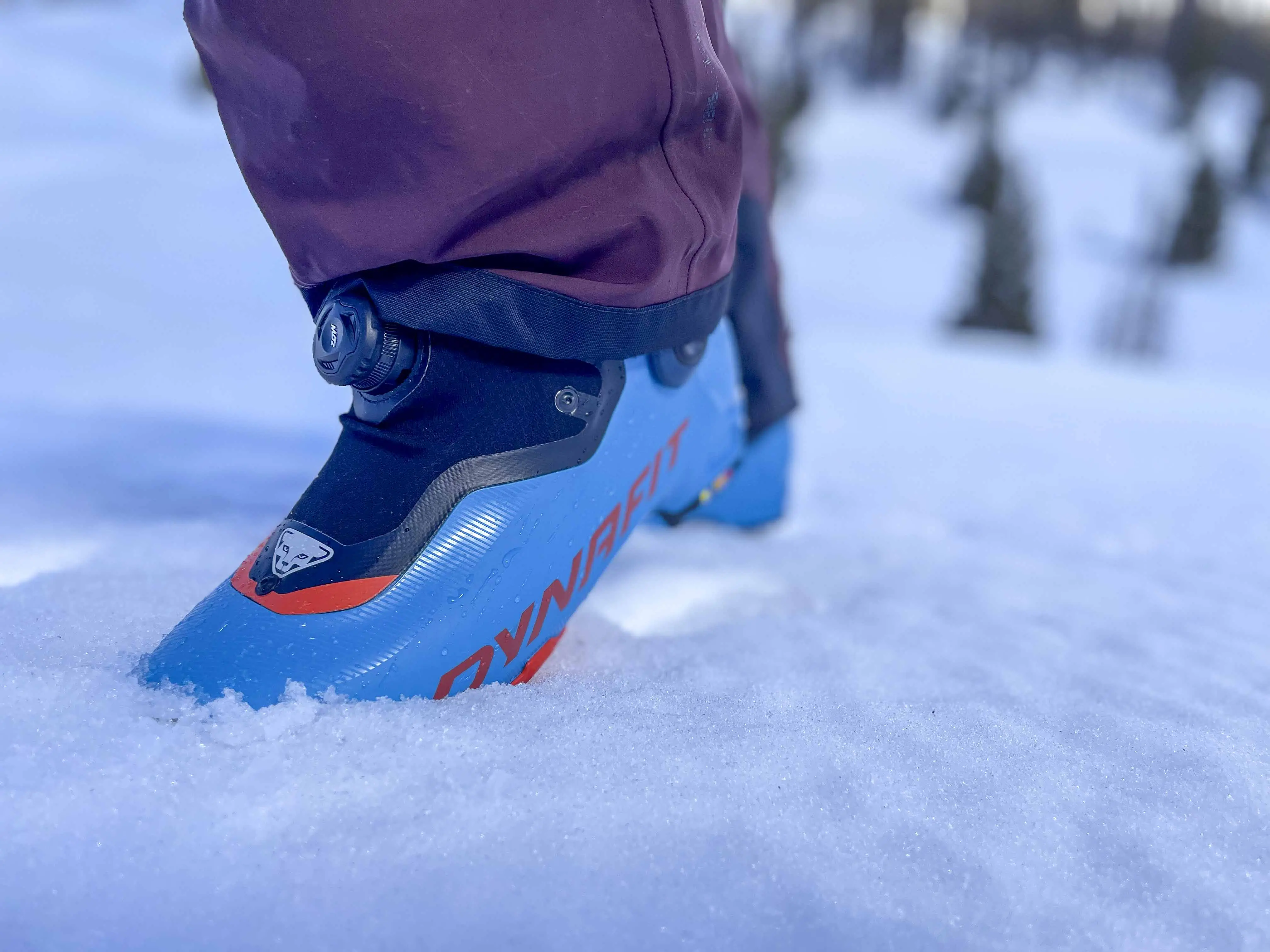
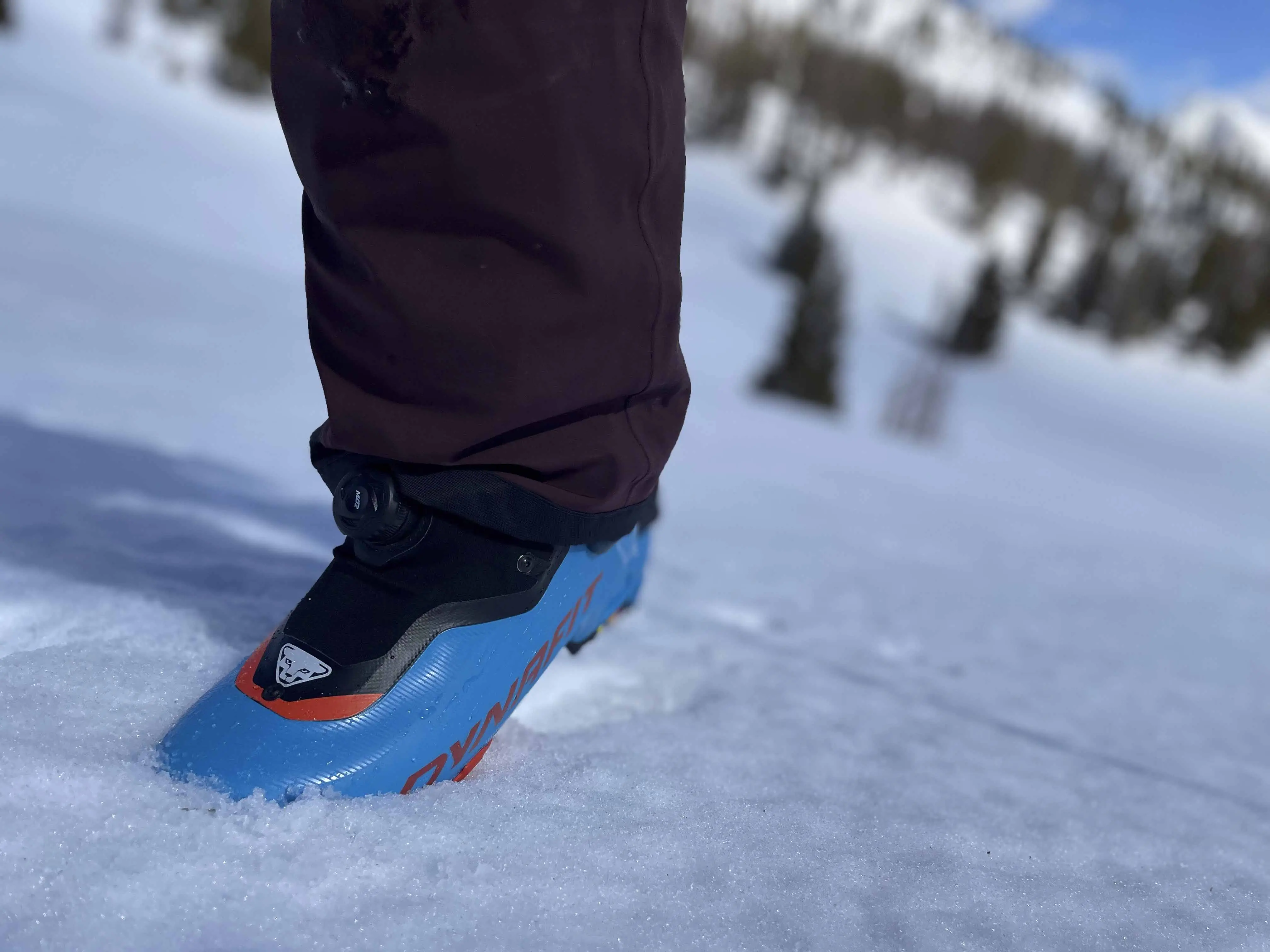
The fit of the TLT X won me over instantly, especially since I have wider feet. The 101 mm last was more forgiving than most lightweight touring boots I’ve tested. The toe box felt roomy without being sloppy, and the Twistfit system (a BOA-like dial) wrapped my midfoot evenly, eliminating pressure points. I also appreciated being able to fine-tune tension without taking off my gloves.
Although it feels roomy, the TLT X is technically a neutral-last boot, offering broad appeal across various foot shapes. The thin, minimalist liner still requires a precise fit — a characteristic of all ultralight touring boots.
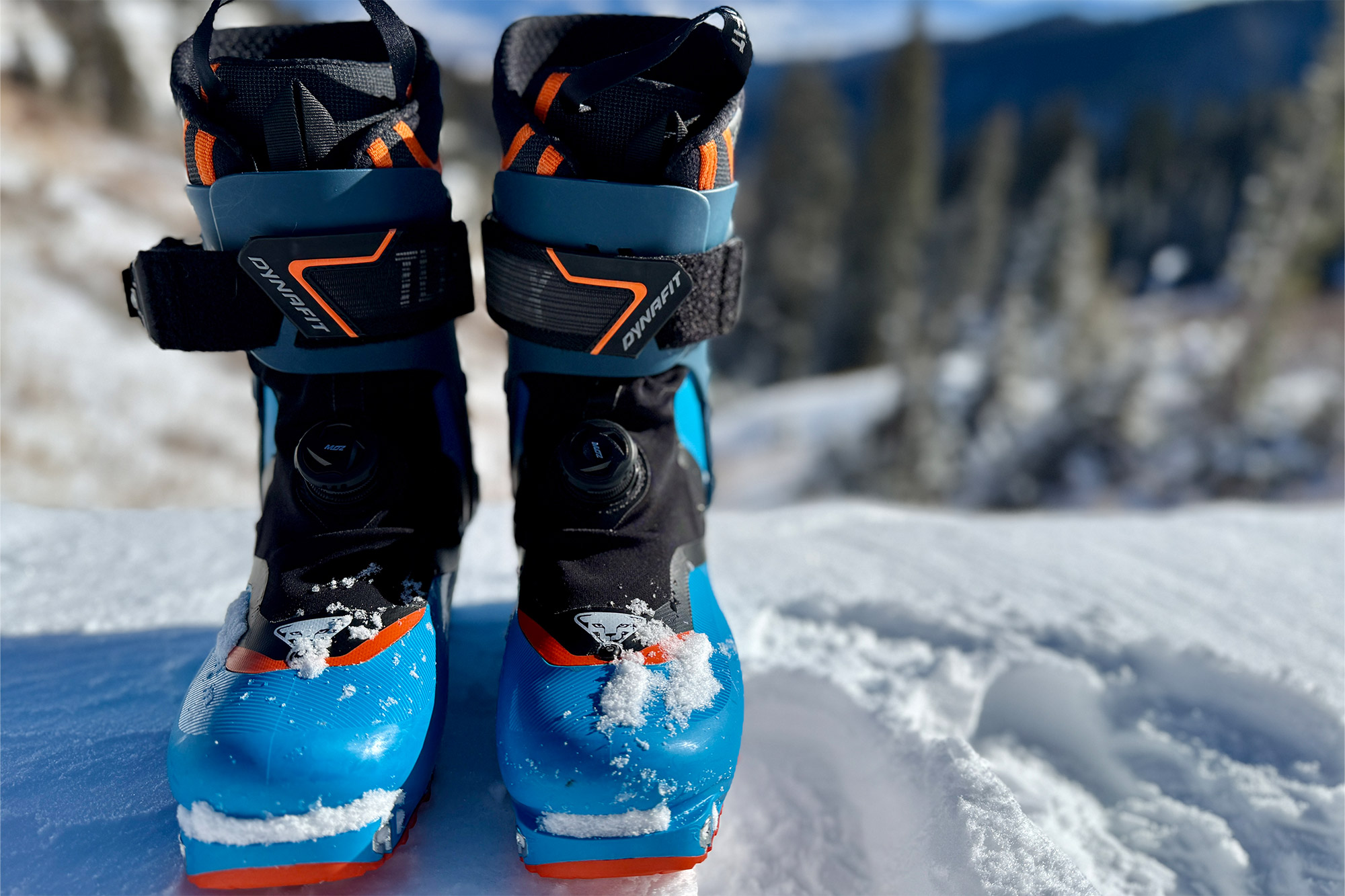
Warmth was another surprise. On cold December mornings in the Tetons, my feet stayed warmer than I expected. But during a January deep freeze, I missed the insulation of my Maestrales; 1 kg touring boots use thin liners and lightweight shells, so warmth is always a compromise.
The TLT X is still warmer than many ultralight competitors. But it isn’t the boot I’d recommend for deep-winter objectives unless you run hot. It sits near the top of the warmth range for true ultralight designs, yet falls short of midweight touring boots built for colder conditions.
Weight
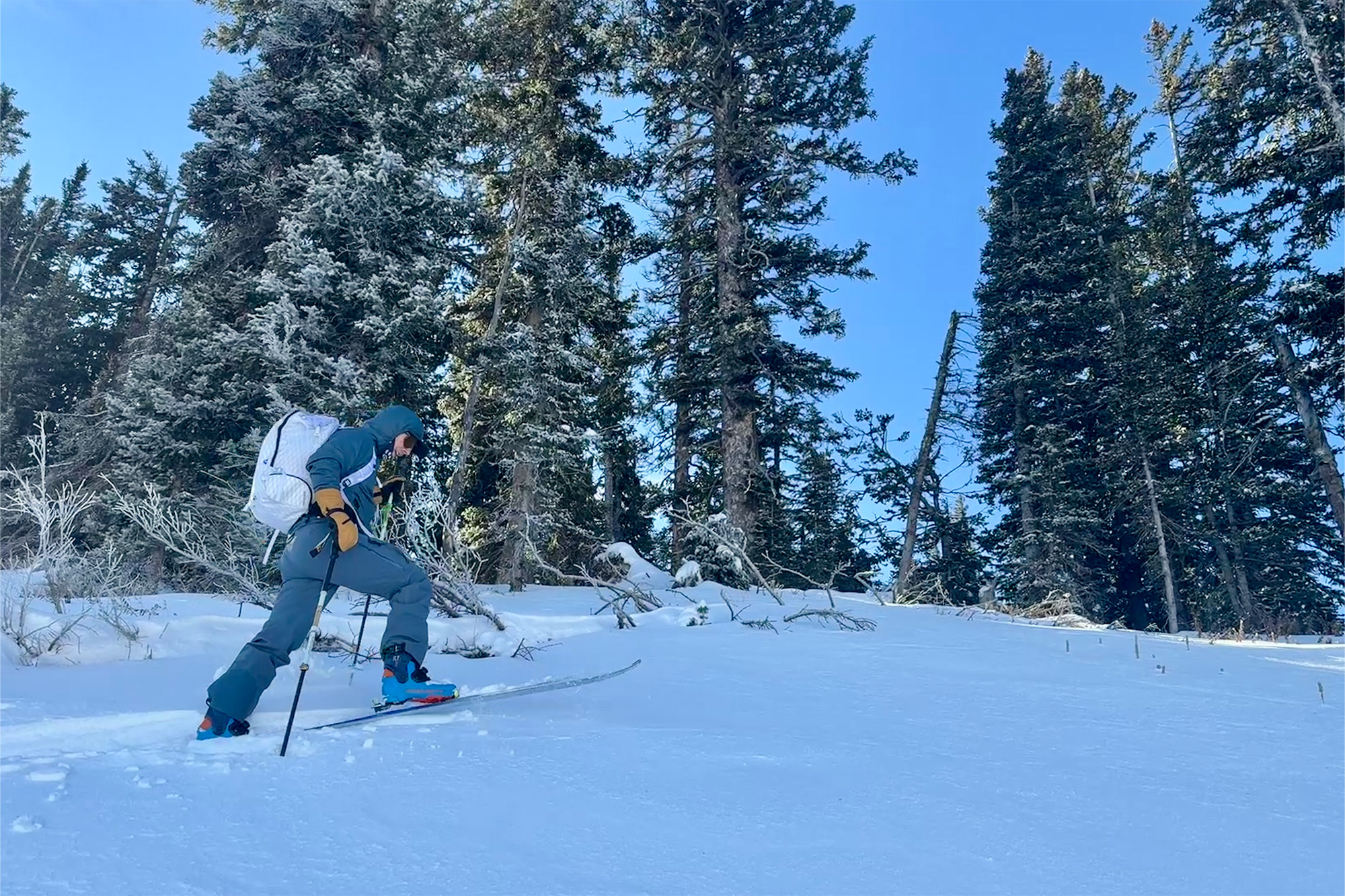
Featherweight efficiency sits at the heart of the TLT X. The boot falls firmly into the one-kilogram class, and I felt that immediately on the skin track. It’s lighter than most traditional touring boots, and that drop in weight translates to a smoother stride, less fatigue, and more efficient movement.
On long missions — linking ridgelines in the Tetons or grinding vert in the Sawatch Range — the difference became obvious within minutes. For skiers who prioritize efficiency, long tours, and big-mile days, this ski boot delivers an uphill experience few boots can match.
Ease of Use
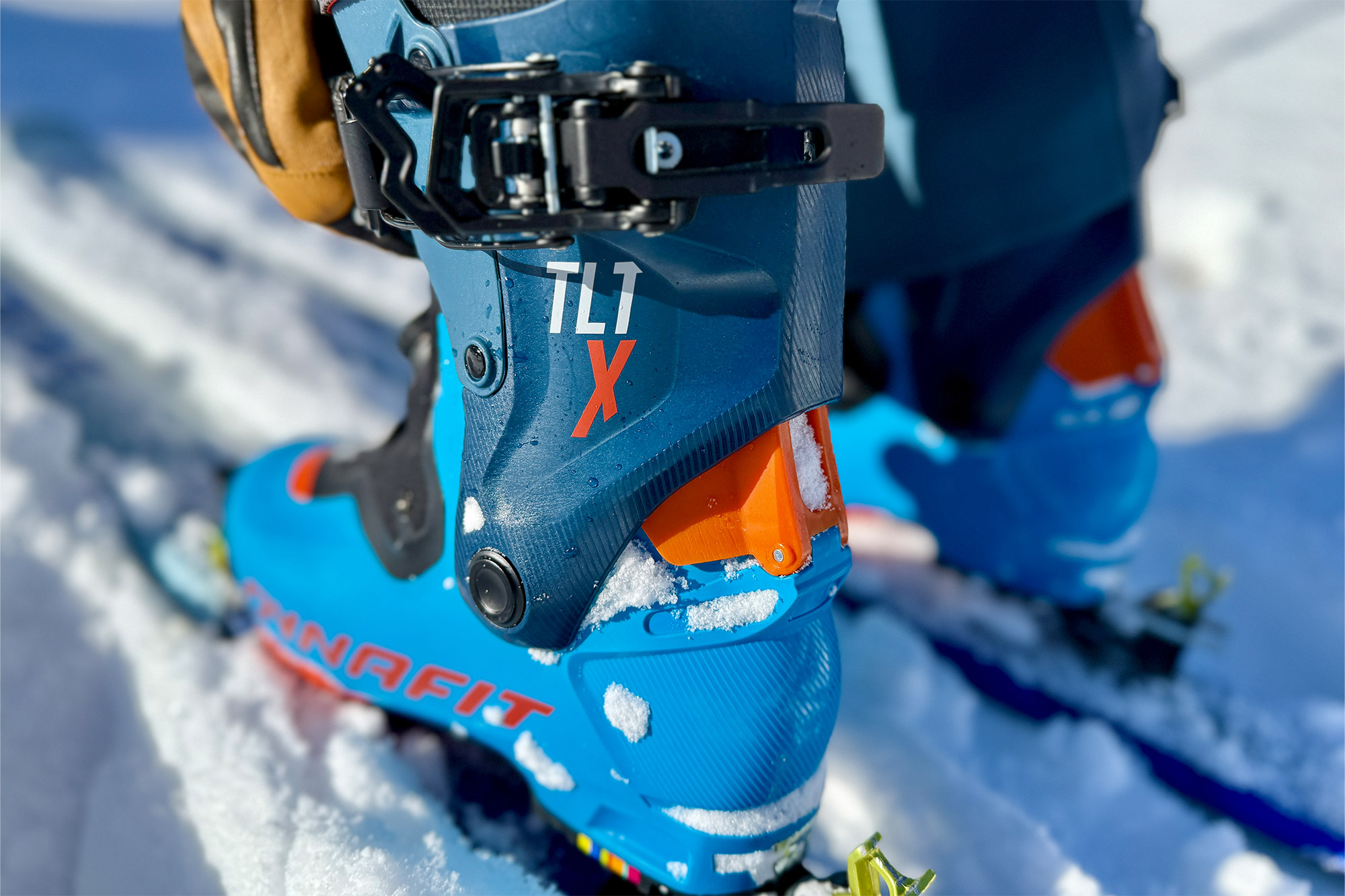
Ease of use is one of the defining strengths of the TLT X. Its one-motion transition between ski and walk mode is among the best in the lightweight touring category, and on fast fitness laps or multi-lap mornings on Teton Pass, that quick switch gave the boot a noticeable efficiency advantage.
A single lever controls both cuff tension and the ski–walk lock. Open it, and the cuff swings freely with a wide, natural range of motion for climbing or scrambling. Close it, and the cuff anchors to the lower shell in one smooth movement, creating a stable descending platform without the usual fiddling.
Because the mechanism is fully enclosed, it avoids the exposed interfaces that can ice up on boots like the Scarpa Maestrale, making transitions more reliable in cold or stormy conditions.
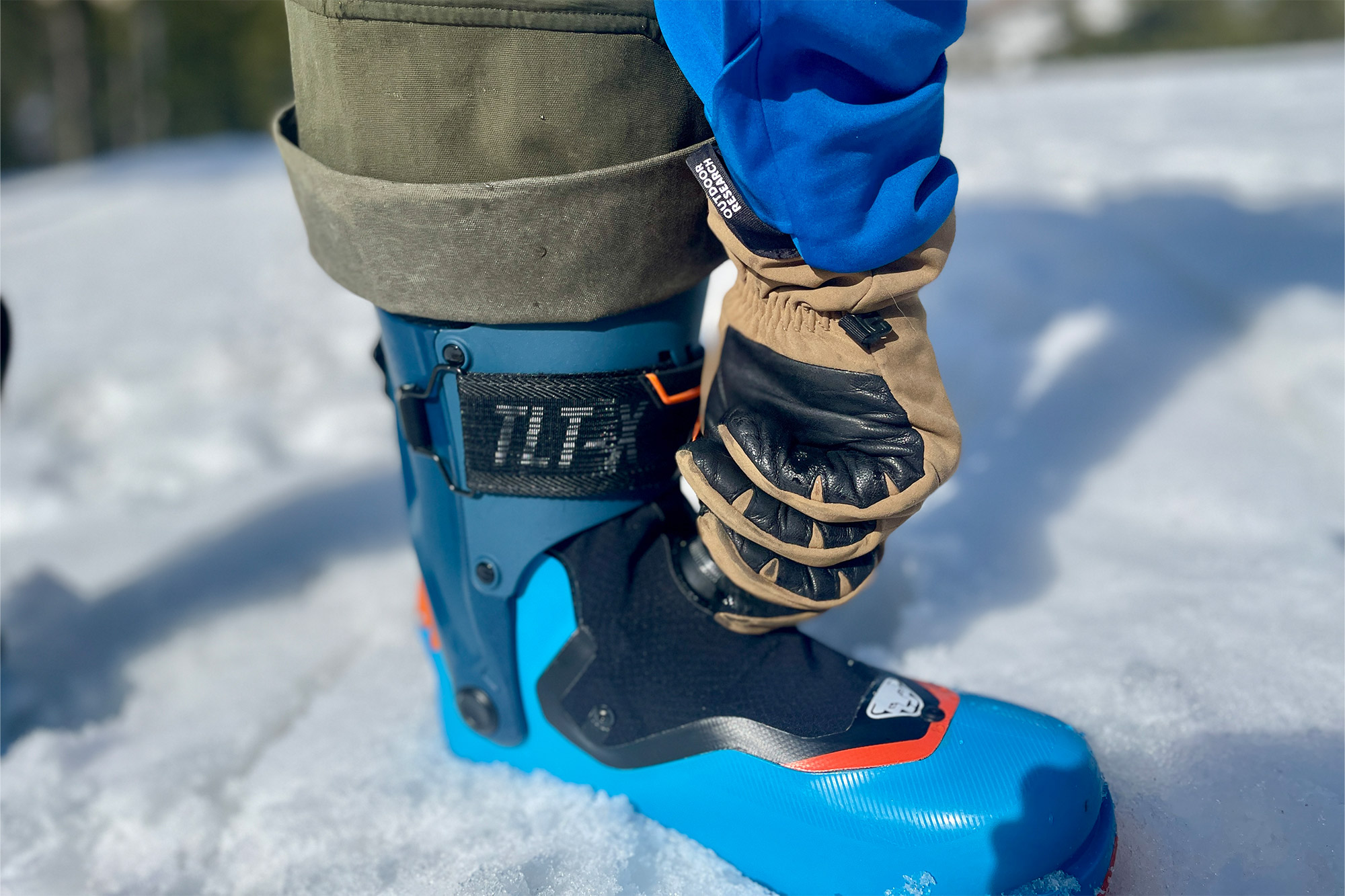
The Twistfit system deserves credit here, too. It tightened evenly across the midfoot with a quick turn, even while I was wearing gloves, and made micro-adjustments incredibly easy on the fly. For day-to-day touring, that simplicity added to the boot’s overall efficiency.
One limitation worth noting is that cable-and-dial systems like Twistfit are harder to field-repair than traditional buckles. I haven’t had failures, but it’s something to consider for remote objectives where improvising a fix becomes more difficult.
Room for Improvement
The TLT X has its limits. Downhill performance is the biggest one. For its weight, it skis well, but it cannot match the power or stability of heavier touring boots. On firm snow, bigger bowls, or wider skis, its limits become clear, but in soft snow on lighter setups, I found my groove.
Warmth is another tradeoff. It’s warmer than some competitors, but ultimately it’s still a 1kg boot with a thin liner. On frigid midwinter days, my feet got cold faster than in midweight boots with Intuition liners.
Who It’s For
The TLT X is ideal for skiers who value uphill speed, all-day comfort, and natural movement. It shines on long spring missions, fitness laps, multi-peak linkups in the Tetons, and Colorado fourteeners.
Newer backcountry skiers will appreciate its forgiving fit and intuitive closure, but may want something stiffer for big descents. Experienced tourers will love the smooth stride, efficiency, and how the boot disappears beneath them on the climb.
For skiers who prioritize transitions, long approaches, and precise footwork on mixed terrain, these touring boots offer one of the most streamlined and efficient experiences in the ultralight category. If you transition often, move quickly, and value the climb as much as the ski down, the TLT X is one of the best lightweight touring boots available.