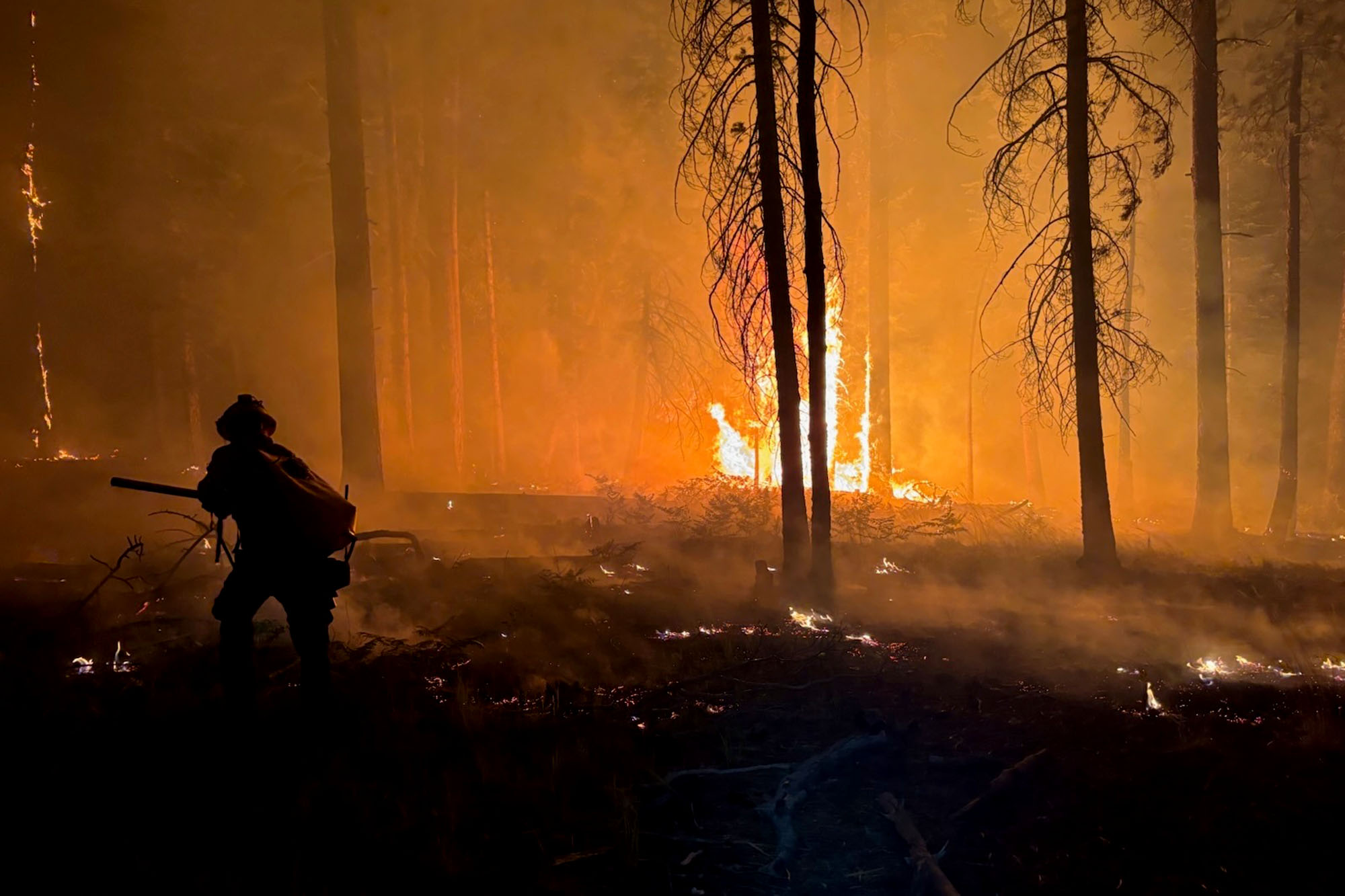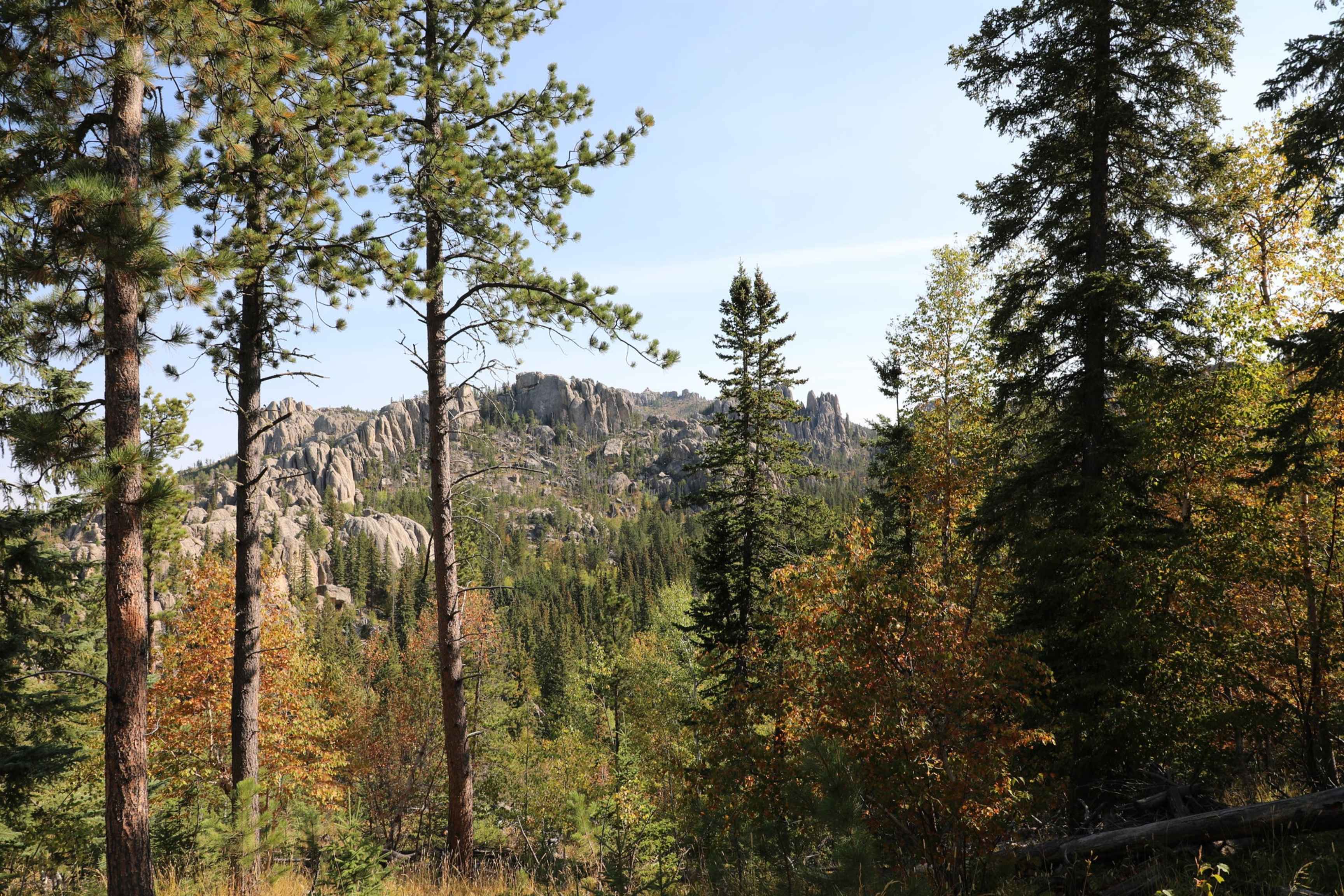
South Dakota’s Black Hills are a natural wonder, with vast forests, unique rock formations, and stunning peaks. And now that region is under serious threat, with a major wildfire ravaging the area. In a harbinger of what may be to come this wildfire season, thousands of acres are ablaze and containment has challenged firefighting crews.
The Fire
The Qury Fire began on March 12, about 2 miles from the town of Custer, S.D., according to local authorities. On March 13, it merged with the Deer Fire to reach a size of 7,000 acres by that evening. The fire burned for several days without major progress on containment. The weather, particularly high winds, have made it more difficult for crews to contain the fire.
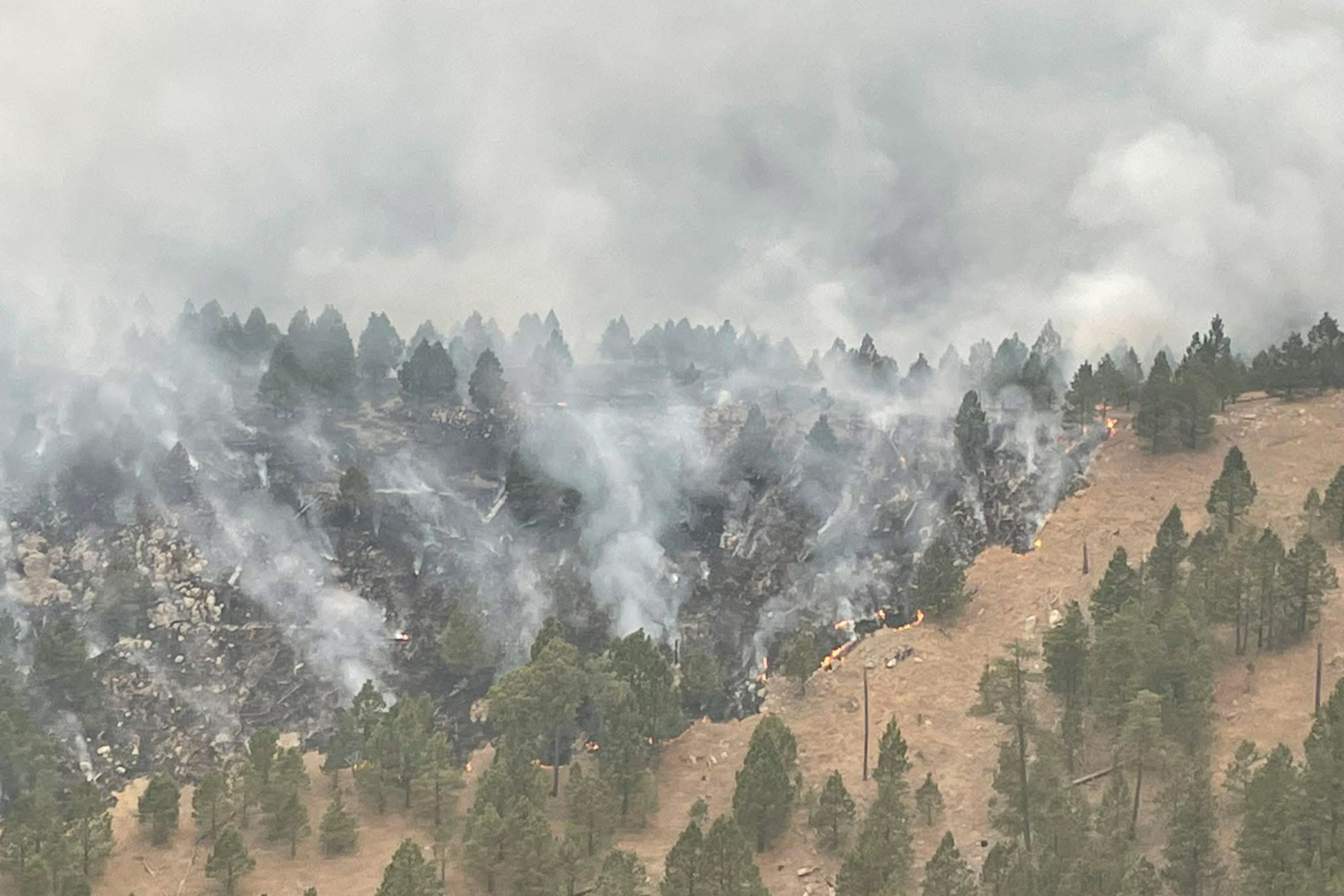
Only on March 17 did authorities announce that a staff of 350 personnel had contained 27% of the 9,059-acre fire. The cause of the fire is still under investigation.
Governor Larry Rhoden praised and thanked firefighting crews. “While progress is being made, there is still important work ahead,” he said on Facebook.
Where Is It?
Custer, a town of about 2,300 people, lies in the heart of the Black Hills and is a primary gateway to outdoor recreation in the area. On March 17, the U.S. Forest Service (USFS) issued a closure notice for portions of Black Hills National Forest.
Until April 16, an approximately 28,000-acre area is closed to the public. The forest is a habitat for several threatened and endangered species, including the black-footed ferret, northern long-eared bat, and monarch butterfly.
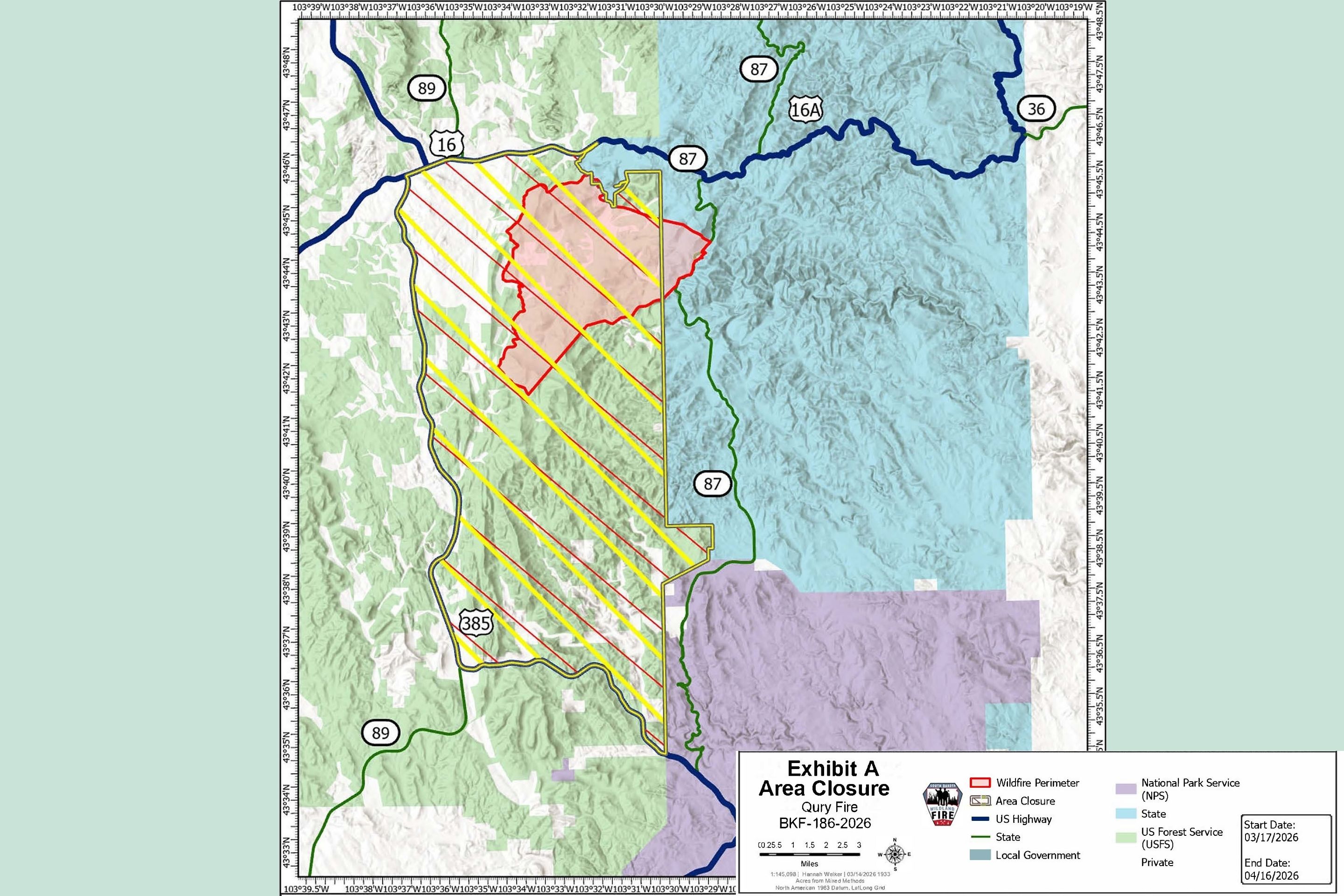
Custer State Park, a popular site for camping and hiking, closed several roads, day-use areas, and trails. The park is home to large populations of bison and burros, but the park reported that the animals are currently located in the southeastern part of the park, far away from the active fire.
Why It Matters
Beyond the obvious damage to trees and wildlife, this fire is potentially a bad sign for this year’s fire season. The USFS says that typically, fire season in the Black Hills runs from May to October, so a fire of this size this early is unusual. Data suggests that on average, wildfires burn around 7,000 acres per year in the forest.
This recent winter was one of the warmest and driest on record for the area. Rapid City received just 6.5 inches of snow, about half the normal amount. Studies show that low snowpack and early-season snowmelt correlate with a greater risk of wildfires and longer fire seasons.
The possibility of an above-average fire season further calls into question the federal government’s plans to celebrate the Fourth of July holiday with fireworks at Mt. Rushmore, about 20 miles away from Custer. Critics of the plan have long-cited wildfire risk in their objections.
Custer State Park is also a major tourism attraction and local economic engine. In 2021, 2 million people visited, a figure higher than for many national parks. The full extent of damage to the park is not clear, and time will tell what it means for visitors during the peak summer season.