The best sun shirts act like wearable shade, protecting your skin while staying cool and breathable.
To assemble our most recent rankings, lead testers Chris Kassar and Ryan Kempfer put two new sun shirts through a three-month cycle. From biking Utah’s red-rock arches to hiking the mosquito-thick tundra of Katmai, Alaska, we logged more than 30 days and 200 miles to find the layers worth living in all summer.
Our top overall pick, the technical Black Diamond Alpenglow Pro Hoody, won for its rare blend of protection, mobility, and versatility. For value, the Patagonia Capilene Cool Daily Hoody earned our budget award, pairing reliable comfort and coverage with a price we love. Over the past decade, our seven-person test team has vetted more than 50 sun shirts.
Editor’s Note: We updated this guide on October 31, 2026, with handy summaries at the beginning of each review, as well as a new sun shirt comparison chart.
The Best Sun Shirts of 2026


Black Diamond Alpenglow Pro Hoody
-

-
-
-
-
-
(Photo/Cammie Simpson)



Specifications
Pros & Cons
Pros
- Super-stretchy fabric
- Longer cut stays tucked under a harness or pack
- Breathable and quick-drying
- Well-designed features: thumb loops, zippered chest pocket, hood
Cons
- Pricey
- Not as soft as some others
- Durability questions
Bottom Line: About as full-featured as a sun shirt gets, this thoughtfully designed, mobile hoodie is primed to provide protection on any mission where the wearer is crushing vert, making miles, or paddling hard under bluebird skies.
Versatile, technical, and — let’s be honest — just plain badass to wear, the Black Diamond Alpenglow Pro Hoody ($149) earned a spot as one of the most capable sun shirts in our test.
The Tech: A streamlined fit and stretchy fabric set the tone, backed by well-considered details. The helmet-compatible hood delivers broad coverage without fuss, and a zippered chest pocket adds storage you’ll quickly come to rely on. UPF 40 shields your skin from brutal exposure, while well-designed thumb loops hold steady without bunching.
What We Like: We put it to work everywhere from kayaking in Baja California to scrambling ridgelines in Wales, and it kept up at every turn. The breathable fabric sheds heat well, even in the midday desert sun, and the mobility shines during hard, sustained efforts. The longer cut tucks neatly under a harness or hip belt, which makes it a favorite among our climbers and backpackers.
What We Don’t: The fabric isn’t the softest against bare skin — nowhere near as plush as the NRS Silkweight — and it turns a touch clingy when you’re sweaty. Durability has limits, too. After several months of wear, we noticed light pilling and a few minor snags. At $149, it’s also one of the pricier shirts on the market.
Should You Buy It? If you log serious days outside and want a shirt that refuses to tap out, this is money well spent. Whether you’re chasing summits, threading slot canyons, or pushing through a hard trail run, the Alpenglow Pro backs up its price with smart design and a fit that makes you feel ready for anything.
Patagonia Capilene Cool Daily Hoody
-
-
(Photo/Rob Simpson)
-
-


Specifications
Pros & Cons
Pros
- Odor control keeps funky smell at bay
- Generous hood fits well with or without helmet
- Internal sewn loop for hanging shirt comes in handy
- Lightweight
- Great overall fit
Cons
- A little warm for really hot days
- UPF rating isn’t listed
Bottom Line: It won’t break your budget, and it won’t offend your nostrils even after all-day sweatfests. This comfortable, odor-fighting hoodie provides high value, even if its protection isn’t elite.
For a no-frills sun hoody with recycled materials and legit odor-fighting power, the Patagonia Capilene Cool Daily Hoody ($70) is well worth a look.
The Tech: Patagonia builds it from recycled fabric and treats it with HeiQ Mint for odor control. The hood is generous but well-shaped, sitting comfortably with or without a helmet. Small touches like the internal hang loop round out an otherwise pared-down package.
What We Like: We ran it hard for months, from late-winter ski tours in Colorado to long, sweaty days under the Baja sun, plus trail running, kayaking, and surf fishing. To stress-test the odor control, we took an aggressive approach: sweat through backcountry ski laps, toss it in the dirty laundry, forget it for days, then repeat. It still smelled surprisingly fresh — better than most shirts we abused the same way.
What We Don’t: Our one real knock is the uncertainty around the UPF rating. Patagonia doesn’t list it clearly, and a 2021 UPF recall article suggests a range of 17-45, which is a wide gap for a sun shirt. On the hottest Baja days, we also reached for an airier layer like the Marmot AirExchange, since the Cool Daily runs slightly warmer in extreme heat.
Should You Buy It? Run hot and want to dodge the funk without spending big? The Cool Daily Hoody is one of the best values in the lineup, and for everyday sun coverage that shrugs off sweat and stink, it earns its keep.
Mountain Hardwear Crater Lake Hoodie

Specifications
Pros & Cons
Pros
- Very lightweight fabric
- Arm gussets allow for plentiful mobility
- Top-notch hood
Cons
- Stitches show minor wear after a few uses
Bottom Line: This super-comfortable, super-light sun shirt feels like an extension of your body. It’s still extremely effective at blocking UV, though, and breathable enough for the most blood-pumping activities.
The Mountain Hardwear Crater Lake ($85) is the rare sun shirt you stop noticing the second you pull it on — soft, quiet, and cut to move with you mile after mile.
The Tech: Armpit gussets and a hint of stretch deliver real freedom of movement, while the athletic-but-forgiving fit stays close without turning clingy. Both versions add thumb loops, and the women’s cut includes a ponytail-friendly hood opening. At 5.5 ounces in a men’s medium, it’s also among the lightest we tested — but it’s the next-to-skin feel and fit that earn it this award.
What We Like: The fabric stays soft and smooth against the skin even when you’ve sweated through it — no clammy cling, no chafe under a pack strap. It breathes well enough that it rarely feels swampy on hot climbs and dries quickly once you stop. And the full UPF 50+ rating means all that comfort costs you nothing in sun protection — it matches the heavier REI Co-op Sahara Shade while feeling lighter on.
What We Don’t: The athletic cut won’t suit everyone — if you want a roomier, more relaxed drape, look elsewhere. It’s a stripped-down design too, with no chest pocket or storage to speak of. Sizing is true, so stick with your normal shirt size.
Should You Buy It? If your priority is a shirt you can wear sunup to sundown without thinking about it, the Crater Lake is hard to beat. It’s soft, it moves with you, and it breathes — comfort that holds up whether you’re climbing, running, or just out all day in the sun.
Outdoor Research Echo Hoodie
-
-
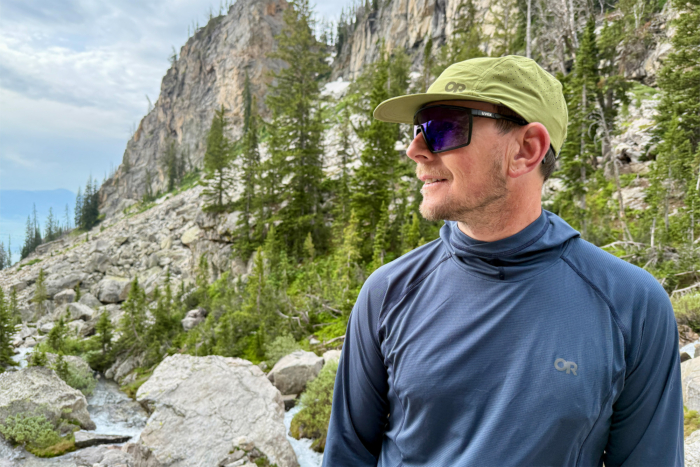
The OR Echo Hoodie proved to be the ultimate barely there layer for demanding summer days on the trail; (photo/Elk Raven Photography)
-
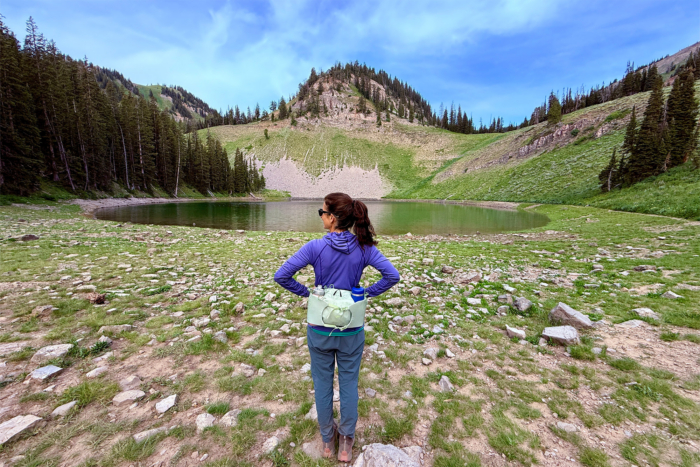
Setting the pace. We tested the Echo over a full year to evaluate its true breathability and moisture management; (photo/Elk Raven Photography)
-
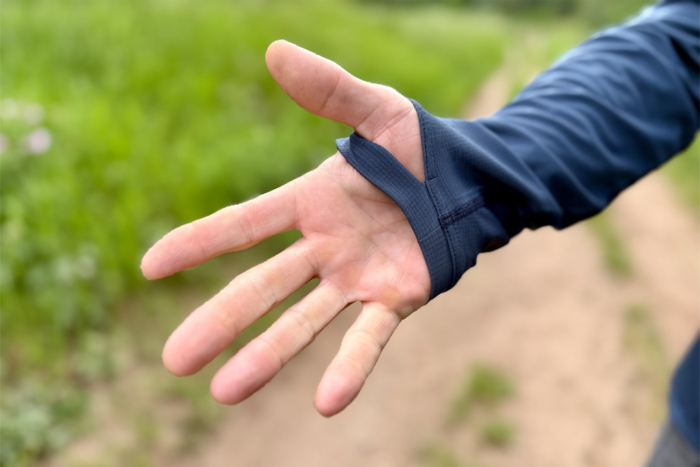
Angled thumbholes secure the sleeves, providing seamless UV protection without restricting hand movement on your gear; (photo/Elk Raven Photography)
Specifications
Pros & Cons
Pros
- Exceptionally breathable and fast-drying
- Soft, barely there feel
- True four-season versatility
- Packs down tiny
Cons
- Lower UPF rating than many competing sun shirts
Bottom Line: Even on the hottest days, this ultralight sun hoodie still feels breezy. Its fabric is uncommonly breathable and impressively durable, although you’ll be making a concession on UV protection.
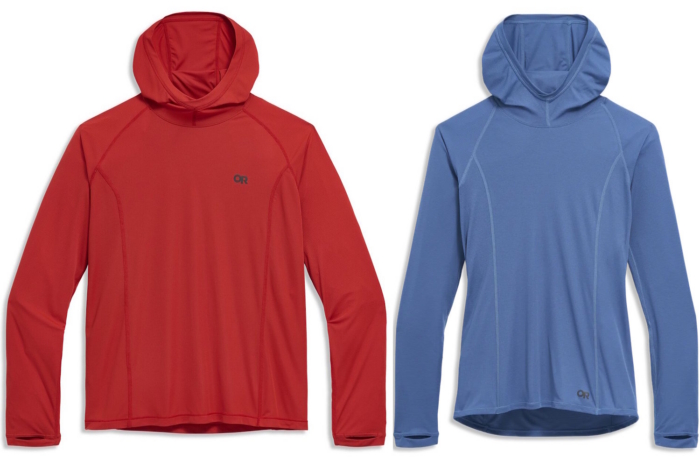
If there’s a sun shirt that feels closer to wearing nothing at all, we haven’t found it yet. The Outdoor Research Echo Hoodie ($85) is the airiest layer we’ve tested, with just enough coverage to take the edge off the sun without weighing you down.
The Tech: At just over 5 ounces, the buttery-soft fabric breathes exceptionally well and moves moisture fast. Smooth seams sit flat under backpack straps, and the uniquely angled thumbholes secure the sleeves without digging into your hands. The cut is dialed too: mobile without being baggy, so air keeps moving as temperatures climb.
What We Like: We ran it through a full year of hard use, from standup paddleboarding on the Snake River to spring ski tours in the Tetons and bear-viewing in Alaska. Through all of it, the Echo breathed better than anything else we tested. It wicked sweat fast and held odor at bay across back-to-back travel and multiday backpacking trips. The fabric looks flimsy, but our sample showed no meaningful wear after a year.
What We Don’t: The one real knock is sun protection. The Echo carries just a UPF 15-20 rating, far below the UPF 40 of the Black Diamond Alpenglow Pro and the UPF 50 shirts in this guide. That’s the only thing keeping it from a higher all-around score. The trade-off is deliberate, though — it swaps maximum protection for breathability you’ll actually want to keep on when the heat cranks up.
Should You Buy It? Few shirts reward fast, sweaty days like this one. It packs down to almost nothing and breathes like open air, so runners, paddlers, and hot-weather hikers who care more about staying cool than maxing out UV defense will love it. Layer sunscreen underneath, and the Echo becomes the shirt you reach for first.
Marmot AirExchange UPF 50 Hoody
-
-
(photo/Elk Raven Photography)
-
(photo/Elk Raven Photography)

Specifications
Pros & Cons
Pros
- True UPF 50 protection
- Mesh weave breathes like little else at this rating
- Sheds heat fast on steep, sweaty climbs
- Flat-felled seams sit chafe-free under a loaded pack
Cons
- Heavier than ultralight picks
- Slightly boxy fit
Bottom Line: This unicorn of a sun shirt pulls the remarkable trick of fusing standout breathability with top-of-the-line coverage. It weighs a few grams more than the lightest models, but has most of them beat on value.
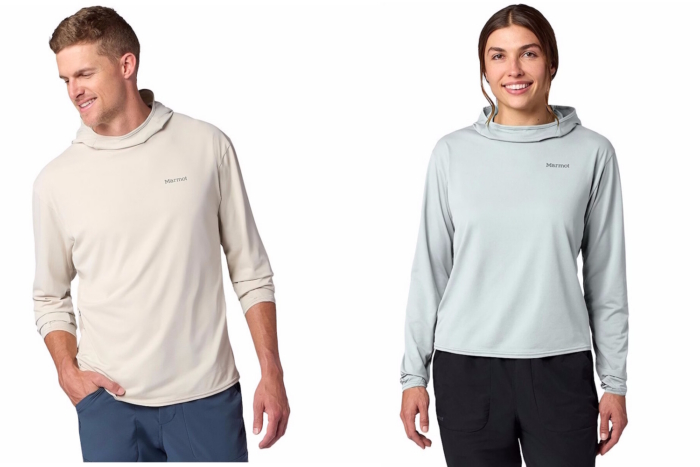
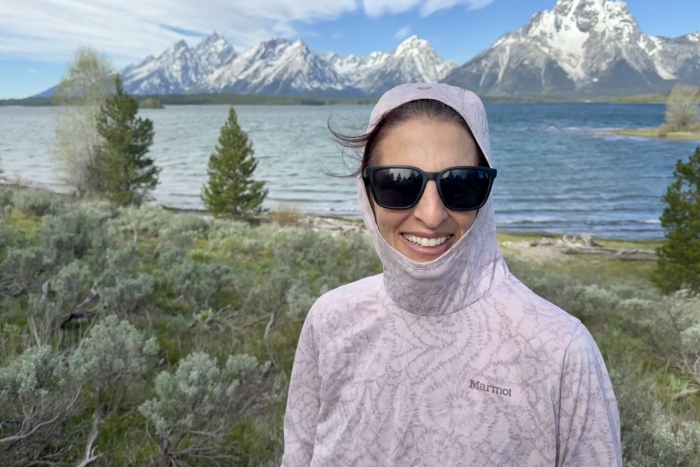
Most sun shirts force a choice between maximum UV protection and maximum breathability. The Marmot AirExchange UPF 50 Hoody ($77) refuses to pick a side, pairing a bombproof UPF 50 rating with a fabric porous enough to breathe like mesh.
The Tech: The secret is Marmot’s AirExchange construction, a 100% polyester weave engineered to let up to 50% more air through than a standard tightly woven sun layer. At 6.1 ounces, it isn’t the lightest shirt here, but flat-felled seams keep it from chafing under a loaded pack. The athletic, true-to-size fit pairs with a three-piece hood that stays secure without restricting, and a hidden zip pocket stashes a key or card. An anti-odor treatment helps stretch the time between washes.
What We Like: We tested it during late-summer ascents in the high alpine and on exposed desert canyon hikes, and it consistently dumped heat faster than almost any other UPF 50 shirt we ran. Even working up a sweat on a steep approach, the faintest breeze cut straight through the fabric for instant cooling. Where the similarly rated Cotopaxi Sombra leans on thicker fabric to hit UPF 50, the AirExchange gets there with airy mesh. You feel the difference the moment the temperature climbs.
What We Don’t: That mesh-like build is also the catch. The fabric snags more easily on sharp branches than a heavier nylon blend, so we’d take care when bushwhacking. It also gives up a little ground to the featherweight options when every gram counts.
Should You Buy It? The AirExchange is the rare shirt that satisfies both camps. It delivers true UPF 50 defense without the stuffy, overheated feel that usually comes with it, so hikers, climbers, and backpackers who run hot but won’t compromise on coverage finally have a layer that works.
Royal Robbins Salathe Sun Hoodie
-
-
(photo/Elk Raven Photography)
-
(photo/Elk Raven Photography)
-
-
(photo/Elk Raven Photography)
Specifications
Pros & Cons
Pros
- Built-in, chemical-free mosquito resistance
- Breathable and moisture-wicking in mixed conditions
- Adjustable hem seals out wind and bugs
Cons
- Boxy, oversized fit
- Lacks thumbholes for extra hand coverage
Bottom Line: On trips where you’re just as concerned about getting bitten as getting burned, this highly functional sun hoodie is the solution. It’s not the best for high-octane pursuits, though.
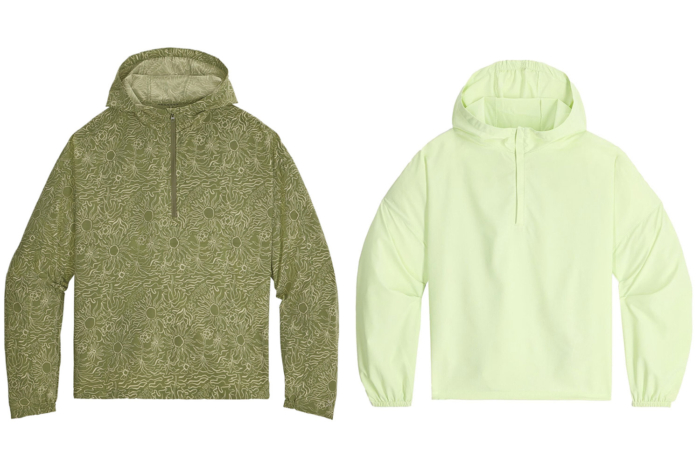
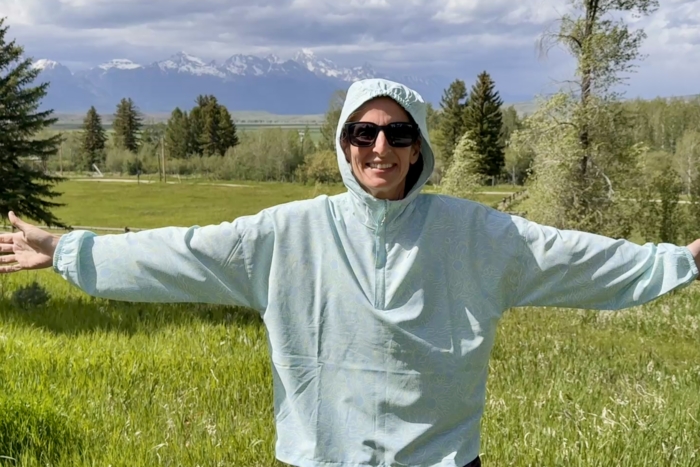
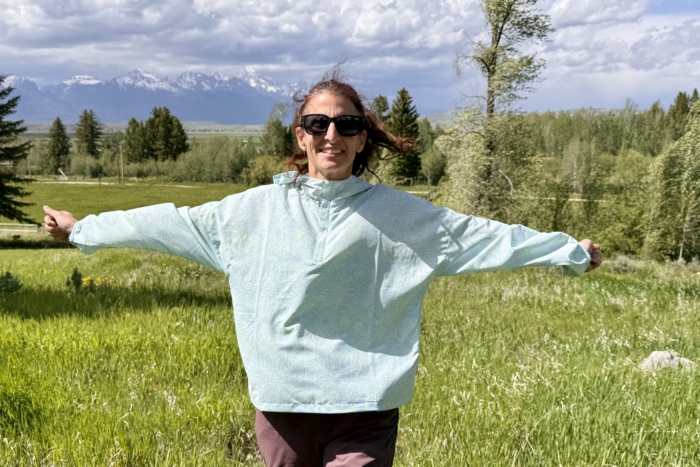
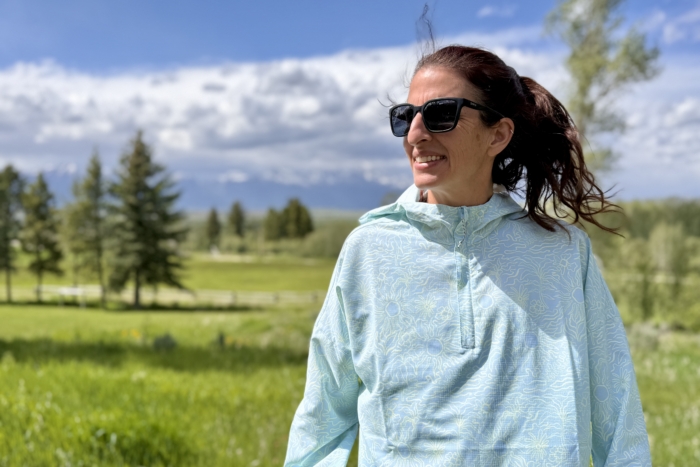
Built for coverage and bug season, the Royal Robbins Salathe Sun Hoodie ($120) is a more functional take on the standard sun shirt.
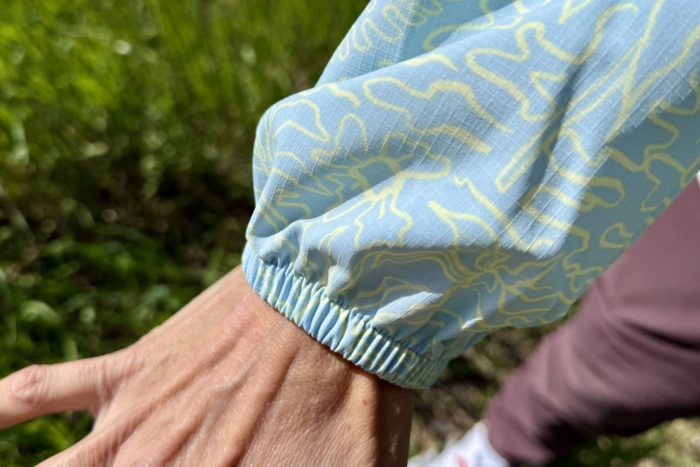
The Tech: Alongside solid UPF 40+ protection, it adds built-in mosquito defense through Royal Robbins’ MPT fabric, a tightly woven material engineered as a physical, chemical-free barrier against bugs. An adjustable hem helps seal out sudden breezes or relentless swarms. It skips technical touches like thumbholes, keeping the focus squarely on coverage.
What We Like: We tested it at the height of mosquito season in Alaska, exploring Lake Clark National Park and watching bears. It proved its worth fast: while plenty of people around us were getting eaten alive, we stayed relatively unscathed. The light, quick-drying fabric wicks sweat and takes the edge off the wind better than expected. Across changing conditions, it stayed breathable and comfortable, never clammy when the breeze kicked up.
What We Don’t: The roomy, boxy silhouette is the main catch. Because it runs so large, you’ll want to size down for a standard, trimmer fit. Next to a tailored, race-ready piece like The North Face Sunriser, the Salathe feels loose and far less suited to fast mountain missions.
Should You Buy It? Pack this for buggy, mixed-weather trips where mosquitoes are the real threat. It trades a little alpine precision for serious bug protection and easygoing comfort, making the Salathe a smart choice for anglers, paddlers, and backcountry travelers heading into the swarm.
NRS Silkweight Hoodie
-
-
The NRS Silkweight Hoodie is super comfy thanks to the perfect combo of materials; (photo/Rob Simpson)
-
The thumb loops on the NRS Silkweight offer added protection; (photo/Rob Simpson)
-
-
The NRS Silkweight is a great value for a high-quality shirt; (photo/Rob Simpson)
-
-
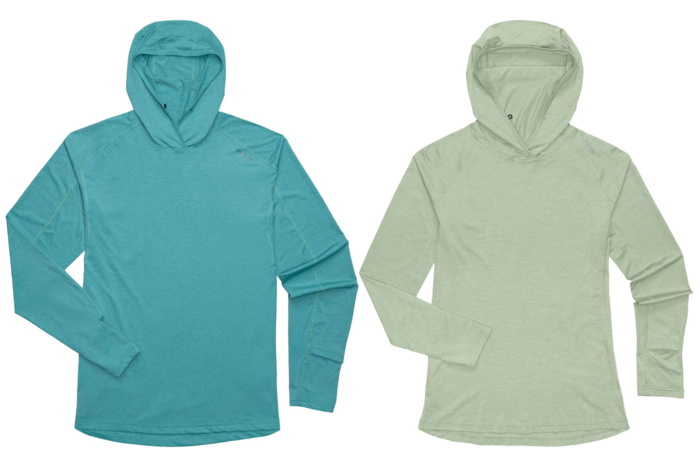


Specifications
Pros & Cons
Pros
- Buttery soft fabric
- Comfortable laser-cut thumbholes protect hands
- Great overall fit
- Super stretchy fabric for added mobility
Cons
- Thumb loops feel awkward when they aren’t in use/are folded into the sleeve
Bottom Line: You might think a sun shirt as resilient as this one wouldn’t be uber-comfortable, but you’d be wrong. Its highly wear-resistant fabric is also remarkably soft, and it should be high on any paddler’s or high-alpine hiker’s list.
Soft, stretchy, and equally at home on the river or the trail, the NRS Silkweight Hoodie ($90) brings whitewater-grade build quality to a versatile sun layer.
The Tech: NRS made its name on whitewater gear, and that durability shows here. The fabric is exceptionally soft and stretchy, and it sits comfortably in the middle of the price range for the performance it delivers. Laser-cut thumbholes add hand coverage, and the cut works as well at the beach as on a ridgeline.
What We Like: We tested it on sunny days in Colorado and California, then put it through the wringer over a spring in Baja, where sun, salt, and wind expose weaknesses fast. Even after repeated dips in the Sea of Cortez, the Silkweight stayed impossibly soft. Most shirts would feel crusty or reek after that abuse, but this one felt fresh out of the dryer. Only the Free Fly Bamboo felt softer in our hands, and it can’t match the Silkweight’s resistance to salt and sun.
What We Don’t: It’s a touch heavier than the airiest ultralight shirts here, so dedicated gram-counters may notice. The laser-cut thumbholes also turn fussy when you’re not using them, and they can get sweaty if you fold them up inside the sleeve.
Should You Buy It? When comfort tops your list, and the conditions turn harsh, the Silkweight delivers. It protects, breathes, and somehow stays soft even through salt, sun, and sweat, making it a clear winner for paddlers and hikers chasing all-day comfort.
Other Shirts for Fun in the Sun
Stay cool, calm, and collected whenever you brave the heat with these protective tops.
-
-
(photo/Elk Raven Photography)
-
(photo/Elk Raven Photography)
-
-
(photo/Elk Raven Photography)

Specifications
Pros & Cons
Pros
- Featherlight
- Fits like a second skin
- FlashDry wicks sweat fast
- Tailored cut won't flap or snag on the move
Cons
- Too technical-looking for casual wear
- Limited versatility
Bottom Line: Speed is the prime directive for this sun shirt, which has wonderfully fast-wicking fabric that’s dialed for trail runners and FKT-chasers. Its sleek build isn’t very versatile, but it is comfortable.
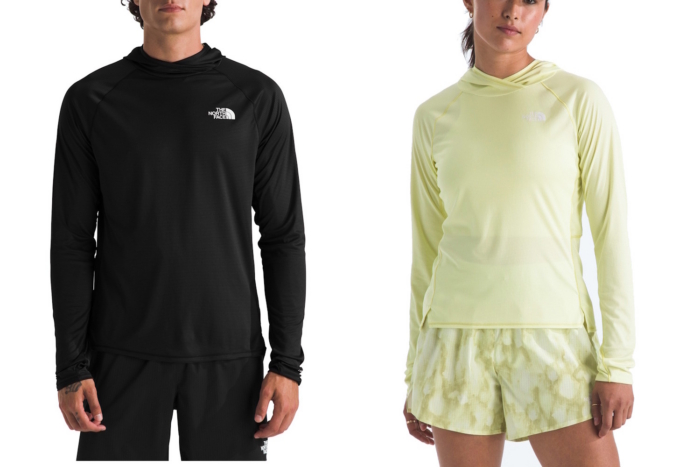
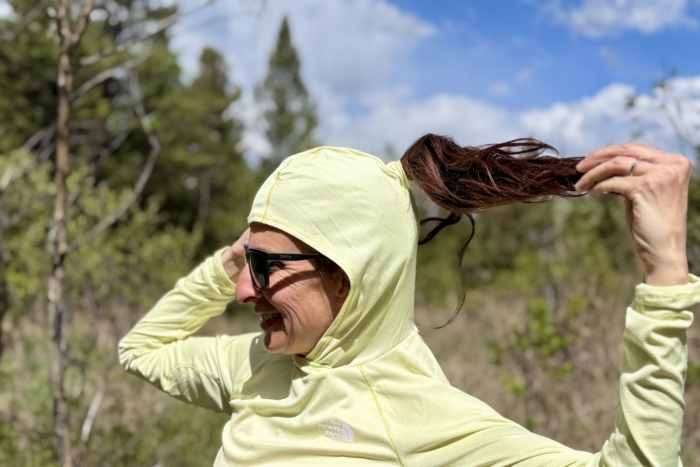
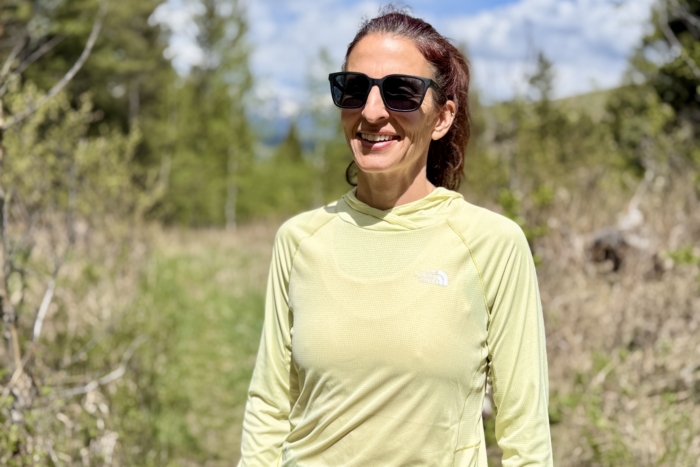
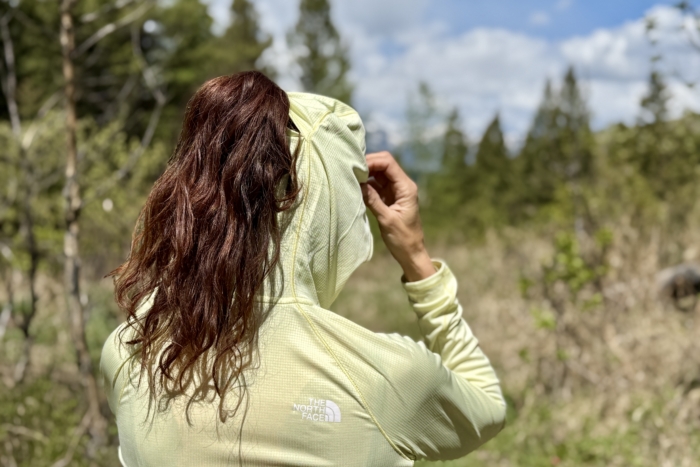
When your objective demands moving fast and light, extra fabric and a baggy fit only get in the way. The North Face Sunriser Hoodie ($80) answers with a tailored, athletic cut that won’t flap in the wind or snag on passing brush.
The Tech: At just 4.8 ounces, the Sunriser feels like a second skin. It’s made from 100% recycled polyester and treated with The North Face’s FlashDry technology, which pulls moisture to the surface for quick evaporation. Rather than thumbholes cut into the sleeve, it uses low-profile elastic thumb loops, and an anti-odor treatment keeps it fresh on repeat outings.
What We Like: During humid, high-output trail runs, this hoodie managed sweat better than nearly anything we tested. That fast-wicking fabric kept us from getting chilled during shady breaks and windy ridge walks. We’re also fans of the elastic thumb loops. They anchor the sleeves over the backs of your hands while running, yet never feel bulky when you’re not using them.
What We Don’t: That race-tuned focus narrows its range. The Sunriser looks and feels like a technical running piece, so it sacrifices the casual versatility of a more relaxed layer like the Free Fly Bamboo. UPF 40+ is solid, but it stops short of the UPF 50 heavy hitters for relentless, all-day exposure.
Should You Buy It? Built around pace and mileage, the Sunriser is tough to beat for fast-and-light days. It disappears against the skin and moves sweat as well as any shirt here, which makes it a natural pick for runners and fast packers who measure their outings in miles, not hours.
-
-
Out for a hike in the REI Sahara Shade Sun Hoodie. (photo/Austin Beck-Doss)


Specifications
Pros & Cons
Pros
- Great value
- Comfortable
- Lightweight
- Delivers full sun coverage
- Unique drawstring hood
Cons
- No pockets
- Slightly warm for super-hot conditions
- Durability concerns
Bottom Line: As this sun hoodie proves, sticking to a budget doesn’t have to mean compromising on UV protection. It’s also plenty breathable and full-featured, although it’s on the heavier side.
A lot of shirt for the money, the REI Co-op Sahara Shade Hoodie ($60) delivers protection and comfort that belie its price.
The Tech: It pairs UPF 50+ sun protection with soft stretch fabric and a versatile fit. The men’s medium we tested weighed 7.1 ounces on our home scale, a bit heavier than ultralight picks. An antimicrobial treatment helps cut funk during multi-day use, and the clever internal drawcord hood cinches down for extra coverage across your forehead and cheeks.
What We Like: It’s comfortable, breathable, and easy to wear all day across a wide range of activities. The thumb loops are well-placed and protect your hands without pulling or bunching at the wrist. That cinchable hood is the real draw — it seals coverage across your forehead and cheeks, right where the Cotopaxi Sombra’s fixed scuba hood leaves you exposed.
What We Don’t: That extra weight comes at a cost. During hard efforts in extreme heat, the fabric can feel warm. It also lacks a chest pocket, which limits storage next to pricier options. Some testers noticed early pilling and wear after repeated use and washes, so frequent rock climbers or bushwhackers may want a tougher choice.
Should You Buy It? At $60, the Sahara Shade holds its own against shirts costing far more. For budget-minded hikers, bikers, and anglers who want dependable everyday coverage, its blend of comfort and protection is hard to top.
-
-
(Photo/Sam Schild)
-
(Photo/Sam Schild)
-
(Photo/Sam Schild)


Specifications
Pros & Cons
Pros
- Very soft and comfortable
- High-quality, durable material
- Stylish
- Naturally odor-resistant
Cons
- Only rated to UPF 20+
- Won't keep you warm if you get wet
Read Review: I Wore This Layer Every Day for 2 Months
Bottom Line: This intriguing sun hoodie uses a bamboo-based fabric for a luxurious on-skin feel. It’s not among the most protective models we’ve tested, but you’d be hard-pressed to find a shirt that’s more comfortable.
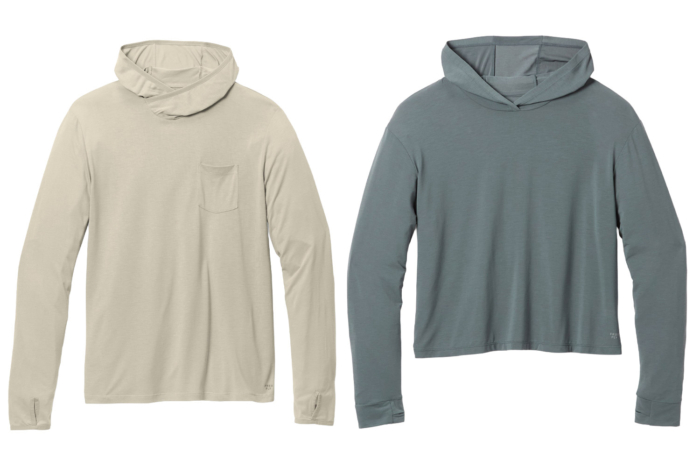
While most sun shirts lean on polyester, the Free Fly Bamboo Lightweight Hoodie ($78) stands apart with a fabric that’s 70% viscose derived from bamboo.
The Tech: The material difference is immediate. It feels like silk blended with cashmere, easily the softest shirt in our test. The design stays simple: one small chest pocket, no drawstrings, just sun protection and comfort. Sleeves and hem both run plenty long for full coverage.
What We Like: That glorious texture is the whole appeal, and it delivers. Against the polyester crowd that dominates this list, the Free Fly feels in a class of its own on the skin. We wore it as an everyday layer for weeks, and its plush, handmade feel made it the one we reached for off the clock. The slim cut breathes better than expected once you dial in the fit.
What We Don’t: Sun protection is the weak spot. At just UPF 20+, it can’t shield you like a true UPF 50+ layer, such as the REI Co-op Sahara Shade, so it’s not the shirt for all-day high-alpine exposure. The hood also won’t always stay in place during active use. And if you’re between sizes, plan to size up, since the cut runs slim.
Should You Buy It? This one is a cozy everyday layer over a hardcore technical performer. For casual sun coverage that feels incredible on the skin, the Free Fly Bamboo is hard to set aside, even if it’s not the shirt for a high-alpine all-dayer.
-
-
(Photo/Erika Courtney)
-
(Photo/Erika Courtney)
-
(Photo/Erika Courtney)


Specifications
Pros & Cons
Pros
- Comfortable drop hem and loose fit
- Helmet-compatible hood
- Thumb loops keep sleeves in place
- Small screenprinted logos aren't distracting
Cons
- Not impervious to holes
- Smaller manufacturer stock can sometimes be limited
Bottom Line: You’re going to sweat in a sun shirt no matter what, but this hoodie’s majority merino fabric takes the stink out of lengthy trips and multiple days without a wash. Protection is decent, but you’ll have to keep an eye on its durability.
Synthetics may dominate sun apparel, but they always battle funk. The merino-based Ridge Merino Solstice Lightweight Pullover Hoodie ($90) sidesteps that problem with odor resistance built right into the fiber.
The Tech: The (m)Force fabric blends 87% merino with 13% nylon, close to the ideal ratio for adding strength to an otherwise delicate fiber. At 145 g/m², it carries a bit more heft than ultralight synthetics, which boosts durability. A longer drop tail, extended sleeves, and low-profile thumbholes round out a well-shaped cut, and the roomy hood promotes airflow on the move.
What We Like: We tested it in Iceland, wearing it nine days straight and stripping it off only for quick dips in geothermal pools. It put up a strong fight against trail odor, outlasting most synthetics we’ve worn on similar trips. The UPF 30+ rating had enough muscle for full UV days, which we appreciated in a country where shade is scarce. Where treated synthetics like the Patagonia Capilene rely on a finish that can fade, the Solstice fights funk at the fiber level.
What We Don’t: Merino simply isn’t as rugged as a through-and-through synthetic, so it won’t shrug off abrasion the way a polyester shirt will. The UPF 30+ rating, while solid, also trails the UPF 50+ heavyweights for relentless high-alpine sun.
Should You Buy It? Long stretches without laundry are exactly where the Solstice earns its keep. It stays fresh long after synthetics give up, making it a compelling, low-stink case for wool on backcountry trips where washing isn’t an option.

Specifications
Pros & Cons
Pros
- Comfortable on the skin
- Stretchy
- Durable
Cons
- Material doesn’t feel as modern, or sleek
Bottom Line: This hardy hoodie is built for folks who frequently shred their sun shirts. Its durable fabric makes it a great companion for climbing or bushwhacking, although it’s not as well-suited to truly hot conditions.
Tougher and more protective than most, the Cotopaxi Sombra Sun Hoodie ($75) is a smart addition to any active person’s quiver.
The Tech: With 50+ UPF and thicker fabric than most sun hoodies, it’s built for the high desert or anywhere altitude ramps up exposure. The scuba hood stays put, thumb loops keep the sleeves from migrating, and a knit zippered hip pocket stashes bars or gels. A Polygiene anti-odor finish lets you wear it several times between washes.
What We Like: On a grueling bouldering expedition, the Sombra impressed us where flimsier shirts would have failed. We scuffed the sleeves while projecting a climb, but that’s par for the course, and we doubt many ultralight hoodies would have survived as well. The thumb loops let us move freely without the sleeves constricting, and after we broke a sweat on the approach, the fabric dried quickly while we set up pads. The loose fit even works over a T-shirt.
What We Don’t: That protection comes at the cost of airflow. Amplified by the knit panels, it doesn’t breathe like an airy piece such as the Outdoor Research Echo, and in peak heat, you’ll feel the extra material.
Should You Buy It? On abrasive rock at altitude, this is the shirt we’d grab. It trades ultralight airiness for toughness and serious coverage, which makes the Sombra a strong call for climbers and high-desert adventurers who put their gear through hell.

Specifications
Pros & Cons
Pros
- Good value
- Effective rear vents
- Stylish
- Comfortable & lightweight
Cons
- Not the most breathable material (aside from the vents)
Bottom Line: With a high dose of function to go with its fashion, this button-up has generous UPF protection to go with its casual, everyday appeal. More breathable than it looks, it’s still not built for technical warm-weather efforts.
The Mountain Hardwear Canyon shirt ($75) is a long-running staple given a fresh update, and is a clean button-up built for warm summer days.
The Tech: It’s a simple 100% polyester button-up, and the latest version is the best yet. The base fabric isn’t the most breathable on its own, but a row of small mesh vents along the shoulders’ backs boosts airflow without sacrificing coverage. The cut is handsome and form-fitting, polished enough to pass for semi-professional off-trail.
What We Like: We loved the lightweight, breezy feel, and those shoulder vents earned their keep in the heat. They can’t match the all-over airflow of a true mesh shirt like the Marmot AirExchange, but they’re well-placed and effective, moving air right where you sweat most. The button-up styling makes it versatile enough for outdoor activities and the duller errands of daily life alike.
What We Don’t: The trim cut is the catch. It fits snugly through the chest, so we’d size up if maximizing airflow matters to you. And while the vents help, the core fabric still breathes less freely than mesh-heavy or ultralight competitors, so it can run warm during hard efforts in extreme heat.
Should You Buy It? Want a button-up that looks as sharp in town as on the trail? The Canyon obliges. It’s a quality, reasonably priced do-it-all for warm-weather days, and the updated version makes a solid everyday companion for casual outings and light adventures.


Specifications
Pros & Cons
Pros
- Exceptional sun coverage
- Great value
- Big variety of colors (14) and size options (S–3XL)
- Extra-durable
Cons
- Heavier/less breathable
- No antimicrobial treatment
Bottom Line: Getting usable sun protection and comfort at a rock-bottom price is always a win, and this shirt is a perfect example. While some of its design details lag behind category leaders, its appeal still casts a wide net.
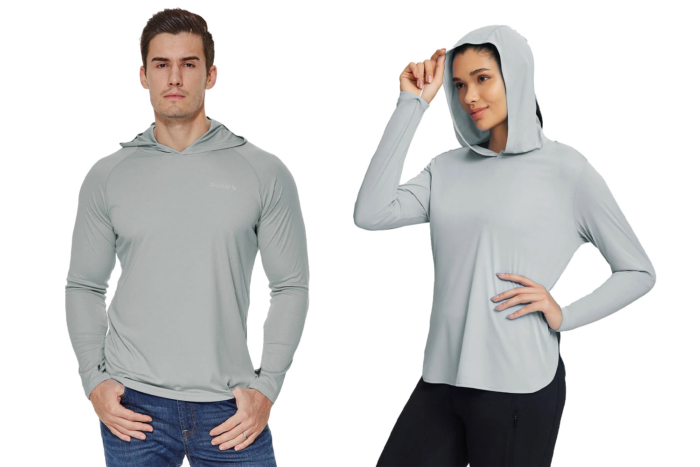
Proof you don’t need to spend big for solid sun coverage, the Baleaf Sun Protection Hoodie ($36) delivers real performance at a fraction of the usual price.
The Tech: At just $36, it’s the budget champion of the group. The fabric is lightweight and quick-drying, and it comes in 14 color options, more than nearly any shirt in this guide. The fit is relaxed and easy to wear, though it skips premium touches like a chest pocket and odor-control treatment.
What We Like: We expected major compromises at this price, but after several months across Baja, Colorado, and Southern California, we came away pleasantly surprised. It held up through kayaking, snorkeling, hiking, and trail running without complaint. It even survived multiple shower washes on the road while still feeling cool on warm days. For occasional users or anyone outfitting a group for a trip, the value is hard to argue with.
What We Don’t: The savings show in the details. Without antimicrobial treatment, it needs more frequent washing to stay fresh, unlike pricier shirts such as the Patagonia Capilene with its built-in odor control. The sleeves also run a little short when you use the thumb loops.
Should You Buy It? Not everyone wants to drop big money on a sun shirt, and you don’t have to. For casual sun-seekers and budget-conscious travelers who need coverage without the splurge, the Baleaf is one of the best bargains we’ve tested.
Best Sun Shirts Comparison Chart
| Compare |
|
|
|
|
|
|
|
|
|
|
|
|
|
|
|---|---|---|---|---|---|---|---|---|---|---|---|---|---|---|
| Price |
$149
|
$70
|
$85
|
$85
|
$77
|
$120
|
$90
|
$80
|
$60
|
$78
|
$90
|
$75
|
$75
|
$36
|
| UPF |
40+
|
17–45 UPF
|
50+
|
15 (light colors) / 20 (dark colors)
|
50
|
40+
|
50+
|
40+
|
50+
|
20+
|
35
|
50+
|
50+
|
50+
|
| Materials |
92% nylon, 8% elastane
|
50-100% recycled polyester (depending on color)
|
88% polyester / 12% spandex
|
100% recycled polyester (Bluesign-approved)
|
100% polyester (AirExchange mesh)
|
100% polyester
|
92% brrr° polyester, 8% spandex
|
100% recycled polyester (with FlashDry)
|
92% polyester / 8% spandex
|
70% Viscose from bamboo, 30% polyester
|
87% Merino wool, 13% nylon
|
Knit portions: recycled polyester; stretch-woven portions: 85% nylon/15% spandex"
|
100% polyester dobby
|
100% polyester
|
| Weight |
6.7 oz. (Men’s medium)
|
6.3 oz. (Men's medium)
|
5.5 oz. (Men’s medium)
|
5.2 oz. (Men's medium)
|
6.1 oz. (Men's Medium)
|
5.4 oz (Men’s medium)
|
11 oz. (Men's medium)
|
4.8 oz. (Men's medium)
|
7.1 oz. (Men’s medium)
|
9.7 oz. (Men’s medium)
|
8.7 oz. (Men's medium)
|
7.1 oz. (Men's medium)
|
7.4 oz. (Men’s medium)
|
5.4 oz (Men's medium)
|
| Anti-odor treatment |
HeiQ Pure Odor Control Treatment
|
Yes
|
No
|
ActiveFresh odor control
|
Yes
|
No
|
Yes
|
Yes
|
Yes
|
No
|
No
|
Polygiene anti-odor finish
|
No
|
None
|


How We Tested the Best Sun Shirts
Our Expert Testers
For this guide’s most recent update, former GearJunkie Editor Chris Kassar and lead tester Ryan Kempfer embarked on dozens of sun-drenched missions, logging over 100 days and more than 400 miles. Based in Jackson, Wyoming, Kassar tests apparel and other gear while hiking, paddling, skiing, climbing, and guiding wildlife trips in exposed mountain terrain. Kempfer is a Tetons-based guide, ski tech, and longtime mountain athlete who regularly puts gear to work while hiking, biking, and backcountry skiing.
Contributor Rob Simpson tested for previous iterations of the guide from his home base in Salida, Colorado, drawing on decades of backpacking and climbing experience across the western U.S. and Europe. The guide also reflects input from the broader GearJunkie team, which has tested sun shirts in the field for years.

Our Testing Grounds & Process
Kassar, Kempfer, and Simpson wore these sun shirts while hiking, climbing, fishing, biking, skiing, paddling, backpacking, and guiding. They sought out scenic yet demanding environments, ranging from Yellowstone to Arches to Katmai, with additional testing on the Snake River and in Baja and Alaska. Testing arenas included hot desert trails, highly reflective water, windy ridgelines, buggy bear-viewing spots, spring snowfields, and long climbing approaches.
Our testers judged each shirt on breathability, sun protection, fit, comfort, dry time, odor resistance, hood performance, and coverage. They tested mobility under packs, PFDs, and harnesses, and every sun shirt sees at least five outings before inclusion, though many have months or years of use behind them.
All in all, this guide reflects roughly five years of testing, during which seven testers wore more than 50 sun shirts. It’s worth noting that we continue testing after publication and update this guide seasonally as new models arrive, old ones change, and long-term durability becomes clearer.
Our Sun Shirt Rating System
After thorough testing, we scored each sun shirt in four performance categories on a 1-10 scale.
Comfort/Fit considers fabric feel, cut, stretch, and how easily the shirt moves with you.
Sun Protection measures coverage, UPF rating, and how well the shirt shields against direct rays.
Breathability looks at how effectively a shirt manages heat and moisture during activity.
Versatility/Features reflects design extras and adaptability, including hood performance, pocket placement, style crossover, and how well the shirt transitions between activities and conditions.
We then assign each shirt an overall score that reflects our collective impression after extensive wear and testing, as well as the model’s price and its position relative to the other shirts in the guide. The overall score is not an average of the category scores.

Buyer’s Guide: How to Choose the Best Sun Shirt
Every shirt on this list offers sun protection, but each has a unique set of features, pros, and cons that will appeal to different users. Sun shirts come in a variety of materials and styles, and while some excel at certain activities, such as climbing or paddling, others are designed to do it all.
The popularity of sun shirts has recently ballooned, and there are more options than ever before. To help inform your decision, this buyer’s guide includes every relevant factor under the sun. If you’re searching for shirts designed for specific activities, we’ve got guides to the best recommendations for fishing and even flannel shirts.
Types of Sun Shirts: Hooded Pullover vs. Button-Up
There are many types of sun shirts on the market, but the hooded pullover and the baggy button-up are by far the most popular.
Hooded Pullover
Climbers, trail runners, and mountain bikers generally prefer hooded pullover sun shirts, which are typically light, stretchy, and made from 70% to 80% polyester and 10% to 20% elastane.
Hoods offer immense sun protection benefits, and our favorite ones cover the neck, ears, and forehead. The best designs fit comfortably and won’t blow off in the wind.
If your activity of choice requires a helmet, choose a hooded sun shirt. Hoods usually stretch easily over (or slide under) climbing and cycling helmets and stay put during active use.
Other key features of many hooded pullover sun shirts are thumb loops, which are great for oft-ignored but nonetheless important back-of-the-hand sun protection, as well as high-cut collars that protect the lower neck. Some of our favorite pullovers in this guide include the Black Diamond Alpenglow Pro — our winner for best overall sun shirt — and the affordable REI Co-op Sahara Shade.
The downside of hooded sun shirts is the same as any pullover — they’re a bit of a pain to put on and take off. Plus, while many hooded sun shirts are light and breathable, most lack vents.

Baggy Button-Up
For activities like fishing, hunting, and bird watching, choose a baggy button-up sun shirt. This style typically comes with a collar instead of a hood, which means you’ll also need to wear a sun hat to protect your face, neck, and ears. Some models of button-ups do come with a hood, giving you the best of both worlds.
Unlike the activewear appearance of hooded pullover sun shirts, button-ups have a more traditional aesthetic. Most look perfectly at home at the brewery or a backyard barbecue. Plus, they’re easy to put on and take off.
Anglers, in particular, tend to prefer these sun shirts for a few reasons. Button-ups often come with pockets — a handy place to keep bits of spare tackle such as lures and tippet. Also, many button-up sun shirts have vented panels, which increase airflow and breathability in warm conditions.
There’s only one button-up in this guide, but the Mountain Hardwear Canyon is a great example of the form.

UPF Rating
Ultraviolet Protection Factor, or UPF, is the rating system that gauges a fabric’s effectiveness at filtering ultraviolet A (UVA) and ultraviolet B (UVB) light. A fabric rated at UPF 30 allows roughly 1/30th, or 3%, of available UV to pass through it, while a UPF of 40 allows 1/40th, or 2.5%, to pass through.
UPF ratings fall between 15 and 50+. Garments with a UPF rating below 15 do not meet sun protection standards, and any fabric that allows less than 2% of UV to pass through is rated UPF 50+. We recommend purchasing a sun shirt with a UPF rating of at least 30 — especially if you have a fair complexion or recreate at high elevations.
Multiple factors can affect a fabric’s UPF rating. Darker colors tend to block more UV than lighter colors, and thicker fabric usually offers more protection than thinner material. A tighter weave may result in reduced UV transmission compared to a loose and porous weave.
Outdoor apparel brands are constantly working to solve the complicated problem of creating light, breathable sun shirts that are also highly protective. They also conduct UPF tests on their own products; in 2021, Patagonia issued a voluntary recall on a series of sun shirts that failed to live up to their advertised UPF rating.

Materials
Synthetics
Polyester is the most common base material for sun shirts for several reasons. It offers far more protection than cotton, which has a natural UPF rating of around 5. Plus, it’s stretchier and dries much faster. Many sun shirts, especially hooded pullovers, are made with 80% to 90% polyester.
In recent years, many brands have incorporated 10% to 20% elastane (also called spandex) into the polyester weave of their sun shirts. Integrating stretchy material is great for airflow and mobility but has some downsides. First, elastane can lose its springy quality over time. A shirt with a high elastane content probably won’t retain its original shape and fit as well in the long term.
Additionally, synthetic fibers like elastane develop odors faster than natural fibers like cotton or wool. Anti-odor treatments for synthetic fabrics have improved over time, though, and we cover that technology in more detail below.
Many of our favorite sun shirts on the market are made with a polyester/elastane blend. The Mountain Hardwear Crater Lake Hoodie is an exceptionally soft version of that combination, winning our most comfortable award. And some synthetic models are made with nylon (usually more durable for its weight than polyester), including our current top dog, the Black Diamond Alpenglow Pro.
Natural Fibers
Fabrics derived from natural sources are also seeing an uptick in the sun shirt sphere. Shirts made with these materials may appeal to those who want apparel that doesn’t rely so heavily on petroleum-based construction, or who prefer the alternative (often instances softer) on-skin feel they’re known for. Natural fabrics — especially wool — also resist odor far better than their synthetic counterparts. In this guide, the Free Fly Bamboo Lightweight Hoodie is made from 70% bamboo viscose, and the Ridge Merino Solstice‘s fabric is mostly merino wool.
Recycled Fabrics
Brands continue to pivot to more eco-conscious materials, and sun shirts are reaping the benefits. Recycled fabrics can be either synthetic or natural, but they’re all meant to reduce waste and produce apparel with a smaller environmental footprint. The Outdoor Research Echo Hoodie and The North Face Sunriser Hoodie are both constructed with 100% recycled polyester.

Breathability
Sun shirts naturally need to be comfortable in warm conditions, a large part of which is their fabrics’ breathability — the ability to let air pass through, which helps keep the wearer from sweltering. Breathability also decreases drying time and helps minimize odor.
On this list, the Marmot AirExchange UPF 50 Hoody is a standout choice for those looking for a sun shirt for active use in hot conditions, but all of the sun shirts selected for this guide are relatively breathable.
It’s also important to note that increased breathability can sometimes lead to a lower UPF rating, as a looser weave that allows airflow lets more UV reach the skin underneath. That’s noticeable in the Outdoor Research Echo, which is extremely airy and has a soft-touch feel to its fabric, but is only rated UPF 15 or 20 depending on the colorway.

Odor Resistance
Sun shirts are known for being a bit stinky. There are a few reasons for this: First, they tend to be worn for active use in warm conditions. Strenuous activity plus heat equals sweat, and sweat leads to odor.
Secondly, as we discussed above, most sun shirts are made from synthetic materials such as polyester and elastane. Synthetic fibers are made from petroleum products — polyester threads are essentially thin ropes of plastic. Unlike natural materials like cotton and wool, synthetics don’t absorb sweat.
Instead, the sweat combines with bacteria from your skin and becomes trapped between the fibers (elastane, in particular, is highly effective at trapping bacteria). Over time, the bacteria build up — and so does the odor.
If you’re looking for a sun shirt that will never smell, your search may continue forever. But some sun shirts are more odor-resistant than others, so if you want to minimize the stink, we recommend following these three tips:
- Don’t buy a sun shirt with a high elastane count. Most sun shirts — especially hooded pullovers — are made from 10% to 20% elastane.
- Look for a sun shirt made from natural fibers. Bamboo is an increasingly popular alternative to polyester, and may be less prone to unwanted odor. Merino wool also does the trick.
- Purchase a sun shirt that has an odor-resistant treatment. On this list, the Patagonia Capilene Cool Daily Hoody and the Black Diamond Alpenglow Pro sport notably impressive finishes that help keep stink to a minimum. They’re treated with HeiQ, which adds antimicrobial properties without affecting performance or feel.

Thumb Loops
You might not be constantly aware of it, but your fingers and hands see a lot of sun exposure, making them susceptible to skin cancer. A sun shirt with well-placed thumb loops can help protect these vulnerable areas from excessive UV.
In most cases, a thumb loop is a small opening that fits over the thumb and keeps the wrist and back of the hand covered by the sleeve without it riding up, although some are small pieces of webbing.
Most sun shirts with thumb loops are hooded pullovers that offer full coverage, such as the NRS Silkweight Hoodie, which is designed to protect paddlers on the water. We also love the thumb loops on the RE Co-op Sahara Shade; they’re positioned comfortably and keep the back of the entire hand protected.

Fit
The way a sun shirt fits affects its performance. As a general rule of thumb, sun shirts should have a semi-loose fit — a loose-fitting sun shirt breathes better than a tight one, and it’s less likely to limit your range of motion.
If you usually wear a snug size medium in your street clothes, we recommend sizing up to a large size when you purchase a sun shirt. One more reason to size up: For your sun shirt’s thumb loops to properly protect your hands, it needs to have full-length sleeves.
We particularly appreciate the fit of the Patagonia Capilene Cool Daily Hoody; it’s just right, not too loose and not too tight.

Price & Value
Budget
You can find a quality budget sun shirt for under $80. Many of our award winners, including the Patagonia Capilene Cool Hoody and the Marmot AirExchange UPF 50 Hoody, are reasonably priced and excellent performers. They’re durable, comfortable, and lightweight, with one or two additional features that make them stand out. You can also go even lower with the REI Co-op Sahara Shade Hoodie ($60) and the Baleaf Sun Protection Hoodie ($36) and still get impressive protection for casual days out.
Mid-Tier
Sun shirts in this category run from $80 to $100. These will often be slightly higher-performing than those in the budget category and may include wicking abilities, odor-control treatments, or higher UPF ratings. For example, the Outdoor Research Echo Hoodie ($85) is a technical performance piece that is extremely stretchy and moves with you as you run, paddle, or climb. Our most comfortable pick, the Mountain Hardwear Crater Lake ($85), is luxuriously soft and performs well in a variety of conditions.

Premium
Sun shirts with added versatility, storage, and durability will cost over $100. The Royal Robbins Salathe ($120), for example, protects you from bugs and the sun at the same time.
Others in this category are technical pieces with unique features, such as large mesh underarm side vents, found in the Black Diamond AlpenGlow Pro ($149), an excellent sun shirt that’s ideal for climbing and high-output activities.
Frequently Asked Questions
Sun shirts are designed to protect against ultraviolet light during outdoor recreation. All clothing blocks some UV, but sun shirts are specifically crafted for this purpose, and the best of them provide much more protection than a typical cotton T-shirt.
To filter out UV, sun shirts combine effective materials with intentional weave/knit patterns. Most sun shirts are primarily made from polyester, which is a top option for UV protection.
UPF stands for Ultraviolet Protection Factor, and all of the sun shirts on this list come with a UPF rating. The UPF scale runs from 0 to 50-plus. The UPF number indicates the percentage of UV rays that are allowed to pass through the material. For example, a shirt rated UPF 25 allows 1/25 (or 4%) of the sun’s radiation to reach the skin underneath.
If you’re seeking maximum sun protection, look for a sun shirt rated UPF 50+, which will allow just 2% of UV (or less) to pass through.
Sun shirts are meant to be worn in the sun, so they need to be breathable to be comfortable. A nonbreathable sun shirt will perform like a sweat-trapping garbage bag.
For sun shirt manufacturers, it is a challenge to maximize breathability and minimize UV infiltration. Still, through a combination of high-performance materials and intentional weave/knit patterns, it can be done. The Mountain Hardwear Crater Lake is one of the most breathable sun shirts on this list. We’ve worn the Crater Lake while climbing and running in temperatures up to 100 degrees, and it always remained airy and comfortable.
Clouds may filter out some UV, but it’s very difficult to know how much. (Certain clouds can actually create higher UV levels than a clear and cloudless day.) In other words, it’s important to protect yourself from the sun, even when there are clouds in the sky.