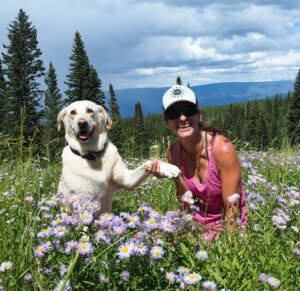
A good hiking sock can be the difference between comfortable trail miles and a day cut short by hot spots, slipping fabric, or blisters.
For this update, I retested every sock in this guide over a 12-month testing period, wearing them on quick afternoon hikes, long summit days, rugged trail miles, and multiday backpacking trips. Across that cycle, I paid close attention to breathability, cushioning, fit, stretch, moisture control, and how each pair held up after repeated wear and washing.
Remaining our best overall, the Darn Tough Hiker Micro Crew Cushion nails the balance of comfort, durability, cushioning, and all-season trail performance. The Darn Tough Bear Town Micro Crew Lightweight is my favorite women’s-specific option for its lighter feel, reliable fit, and fun design. The REI Co-op Merino Wool Lightweight Hiking Crew Socks are my new favorite budget pick for breathable merino comfort at a more accessible price.
Since 2022, our team of four expert testers has tested 40 hiking socks across hundreds of trail miles, backpacking trips, day hikes, and changing mountain conditions.
Editor’s Note: We updated our Best Hiking Socks guide on May 14, 2026, refreshing our reviews, adding new information to the Buyer’s Guide, and naming the REI Co-op Merino Wool Lightweight Hiking Crew Socks as our new favorite budget pick.
The Best Hiking Socks of 2026

Best Overall Hiking Socks for Women

Darn Tough Women’s Bear Town Micro Crew Lightweight Hiking Socks


Darn Tough Micro Crew Hiking Socks
-

-
-
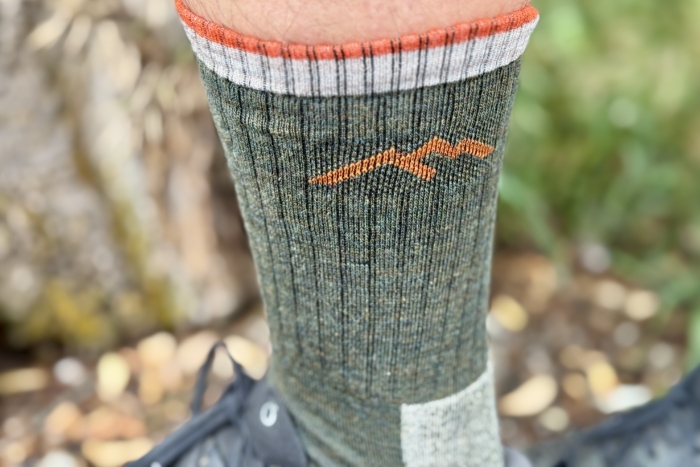
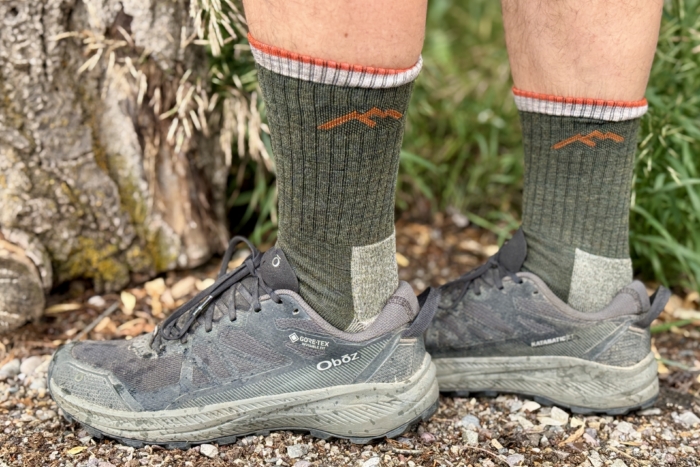
Our best overall pick, the Darn Tough Micro Crew Hiking Socks are ideal for big pushes in the mountains; (photo/Elk Raven Photography)
Specifications
Pros & Cons
Pros
- Durable
- Fit well, no bunching or pressure points
- Very versatile
- Lifetime guarantee
- Tried and true
Cons
- Don't feel as plush as some others
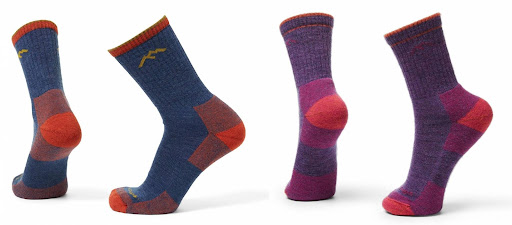
Like every pair of Darn Tough socks I’ve owned, the Darn Tough Hiker Micro Crew Cushion ($26) stands out for its high-quality merino wool, seamless comfort, and impressive durability. The merino blend resists odor, keeps the fit dialed in, and holds up far better than synthetic socks I’ve tried. They never slouch, bunch, or fall, even during long hikes. I’ve worn these on some of my toughest days in the Tetons, and I’ve never had to adjust them. That alone makes them worth it in my book.
I wear them year-round, but they shine in spring, summer, and fall. They’re warm enough for chilly mornings but wick moisture well when temperatures climb. The crew height is perfect too, offering protection from rocks and brush without feeling too tall or bulky.
The medium cushioning is my sweet spot. It’s enough padding for rocky trails without feeling overly thick or sweaty. Darn Tough’s lifetime guarantee is another big win for me. If they wear out, I can return them for replacement. My only minor complaint is that they don’t feel as soft as others, including the REI Co-op Merino Flash Socks.
They are more durable than plush, but I’m happy to make that tradeoff for the longevity. If you hike in primarily hot weather, consider the thinner, Light Hiker Micro Crew version. Or, if you want to add a little style to your hiking garb, consider one of the many fun options of this sock, like the Men’s Close Encounters or the Women’s Treeline Micro Crew.
No matter the color or style, the Hiker Micro Crew is a stellar choice if you’re looking for durable, tried-and-true socks to help you tick off all your hiking goals.
Darn Tough Women’s Bear Town Micro Crew Lightweight Hiking Socks
-
-
-
The best hiking socks can make all the difference; (photo/Elk Raven Photography)
-
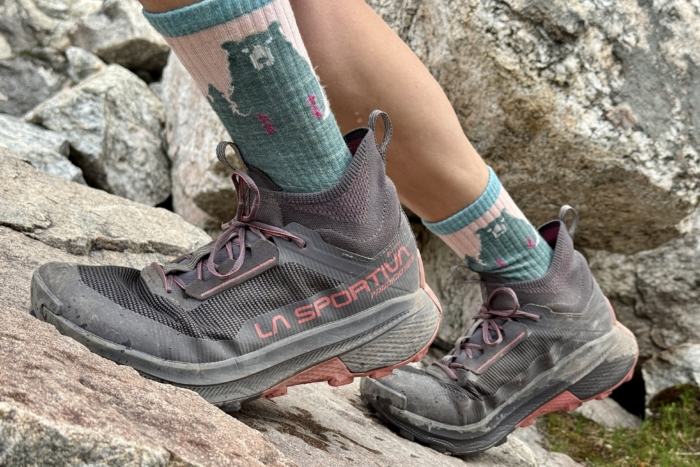
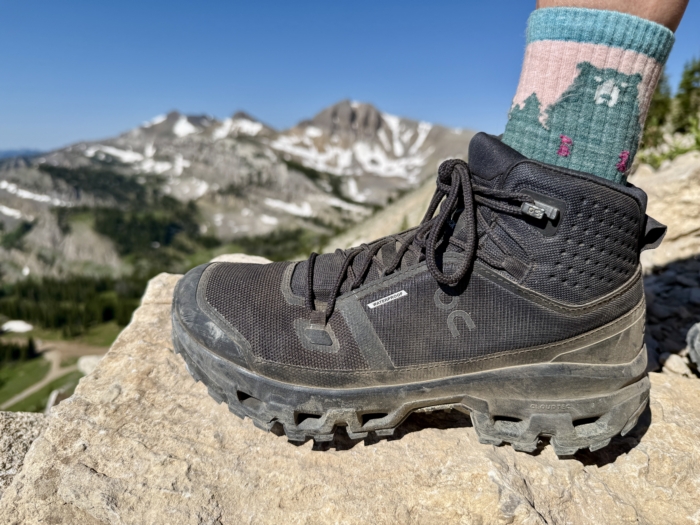
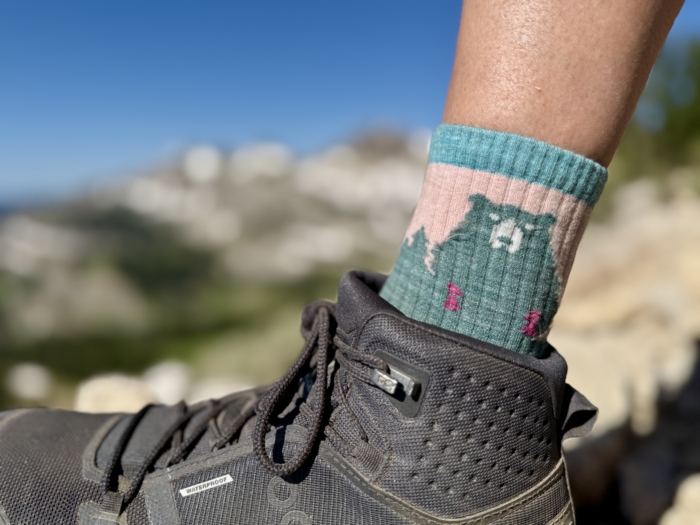
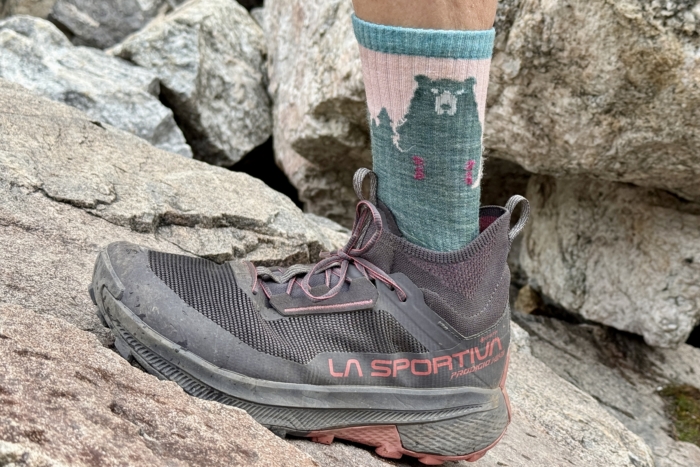
I tested all of these socks, including the Darn Tough Bear Towns, by hiking to epic destinations in the Tetons; (photo/Elk Raven Photography)
-
Specifications
Pros & Cons
Pros
- So comfortable
- Stay put during big efforts
- Stellar cushioning
- Durable
- Extremely cute and fun
Cons
- Run slightly small
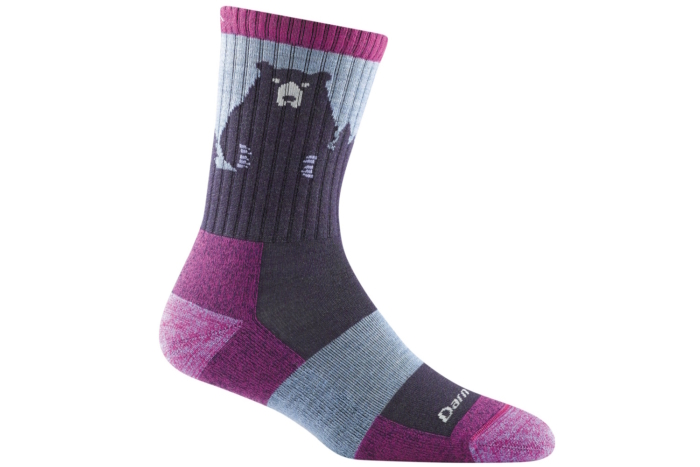
Hiking isn’t about how you look, but it’s a bonus when your gear performs incredibly well and makes you smile. That’s exactly how I feel about the Darn Tough Bear Town Micro Crew Lightweight ($25). They’ve become one of my favorite pairs, not just for the adorable bear design, but because they deliver serious comfort and performance on the trail.
These merino wool socks are lightly cushioned and low-profile, which I love. They allow my feet to move naturally inside my shoes while providing enough padding to keep me comfortable during long miles. I’ve worn them on everything from short training hikes to over 20-mile days in the Tetons, and they’ve never bunched up, slipped, or caused blisters. The reinforced footbed and heel cushioning boost overall comfort and enhance durability.
One of the things I appreciate most is how well they last over time. I’ve rotated between a few pairs for years and still find myself putting on the Bear Towns first. The merino keeps odor to a minimum, even after wearing them for days in a row, and they’re incredibly soft; no itch, no stiffness. I’ve even gotten compliments on the trail just for the fun design, which honestly gives me a little morale boost when I’m deep into a big hike.
The only downside is sizing. They run a little small in my experience, so if you’re between sizes, I’d definitely recommend sizing up. That’s what finally gave me the perfect fit.
If you’re looking for a durable, lightweight hiking sock that performs just as well as it looks, the Bear Town Micro Crew is a great pick, especially if you like your gear with a bit of personality.
REI Co-op Merino Wool Lightweight Hiking Crew Socks
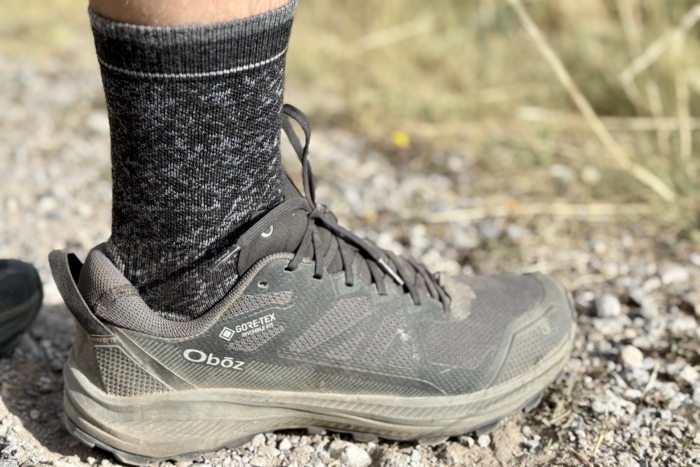
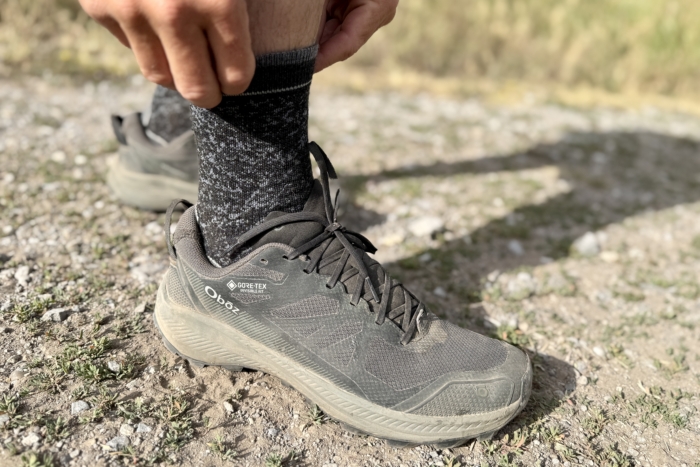
Specifications
Pros & Cons
Pros
- Great price for merino socks
- Breathable and quick-drying
- Comfortable light cushioning
- High merino wool content
Cons
- Run big and fit loose
- Quality feels lower than previous versions
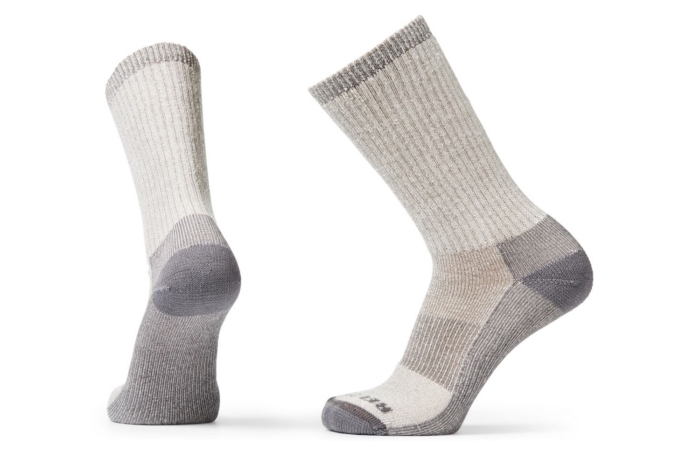
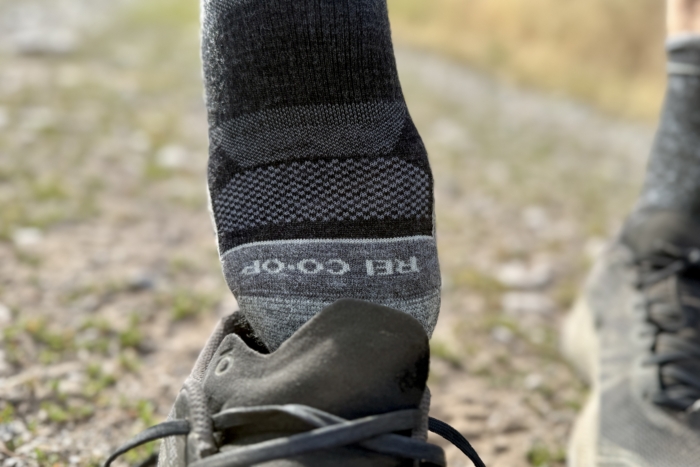
The REI Co-op Merino Wool Lightweight Hiking Crew Socks ($19) are a strong value for hikers who want merino comfort without paying top-shelf prices. We tested them on Teton trails, from longer climbs toward Amphitheater Lake to quick loops around Phelps Lake, and they stood out most for warm-weather breathability, ease of movement, and solid moisture management.
The lightweight build works especially well in trail runners and lower-volume hiking shoes, and in warmer conditions where thicker socks can feel like overkill. With 79% merino wool, these socks wick sweat well on hot uphill pushes, resist odor better than synthetic-only options, and dry quickly after creek crossings or sweaty miles. The light cushioning gives just enough comfort underfoot without adding bulk.
The fit is where they feel less refined. They run big and have a looser, less locked-in feel than pricier socks from brands like Darn Tough or Smartwool. On steep scrambles or long descents, that extra room can cause some bunching, especially if you’re between sizes. The overall quality also feels a bit cheaper than our favorite premium socks. But the performance is still solid for the price.
For day hikes, summer trail miles, casual backpacking, and anyone stocking up on merino hiking socks without spending a fortune, the REI Co-op Merino Wool Lightweight Hiking Crew Socks are an easy budget pick.
Smartwool Hike Light Crew Socks
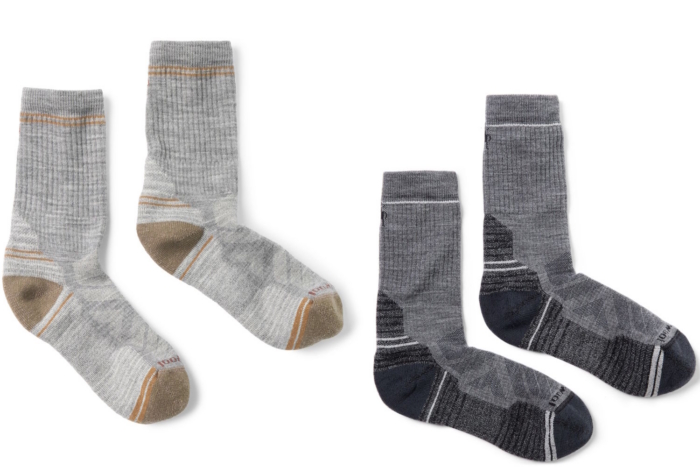
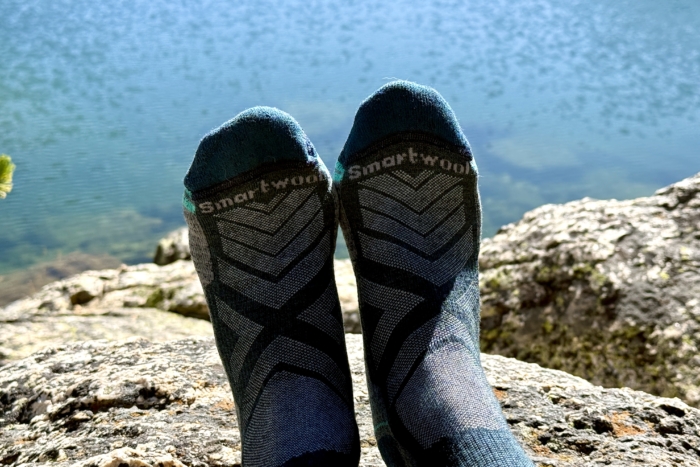
Specifications
Pros & Cons
Pros
- Exceptional warmth-to-breathability ratio
- Comfortable
- Durable
- Updated to be more environmentally friendly
Cons
- Can run warm
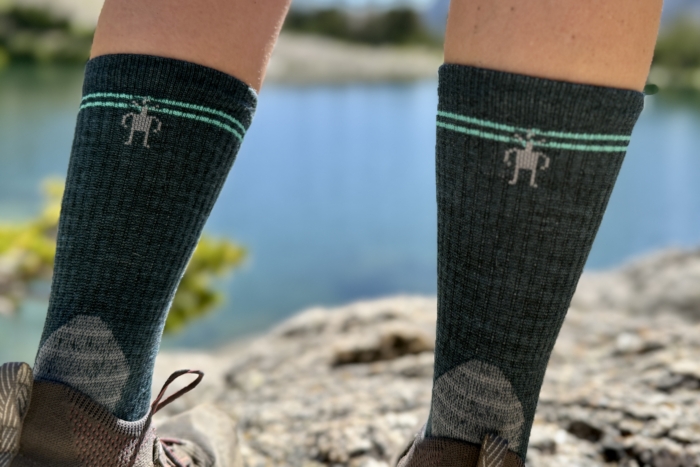
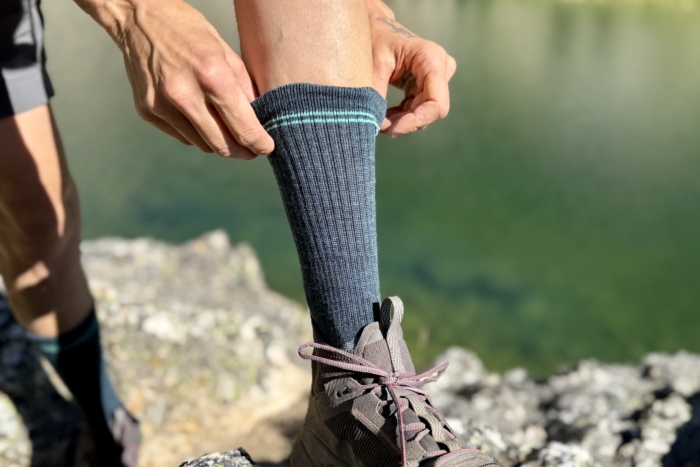
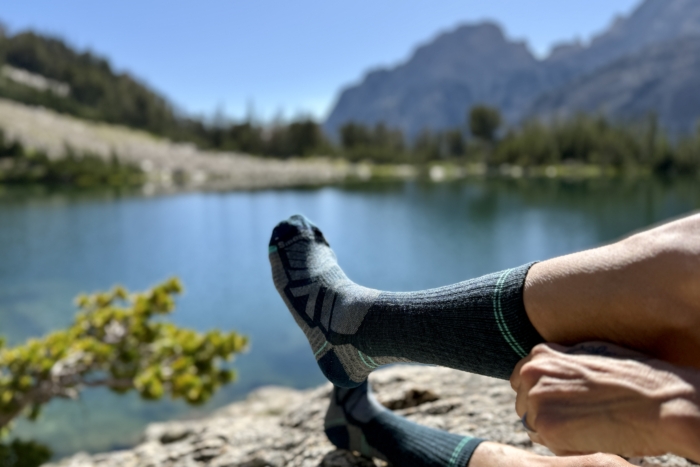
I’ve always been a fan of Smartwool’s lightweight ski socks, so I was curious how its summer hiking socks would stack up. The Smartwool Hike Light Crew socks ($25) quickly won me over. They’re soft, comfy, and breathe really well. Previously called the PhD Outdoor, Smartwool made some upgrades on this round that I definitely noticed.
The fit feels dialed in, with just enough cushioning in all the right places. I like that they’ve added more mesh zones for breathability and reinforced high-wear areas. After months of regular use, they still look and feel like new, which says a lot considering I’ve worn them for everything from hiking and trail running in the Tetons to backpacking through the Winds and even along the coastal trails of Point Reyes.
On the steep climb to Delta Lake, they stayed put with no bunching or blisters, and I really appreciated the cushioning under my heels and arches on the rocky trails. On sweltering hot days, I choose something lighter like the Balega Hidden Comfort Socks because the Smartools run warm. If you like more cushion, the Darn Tough Hiker Micro Crew is worth a look, but for most of my hikes, these have been a perfect balance of comfort and breathability.
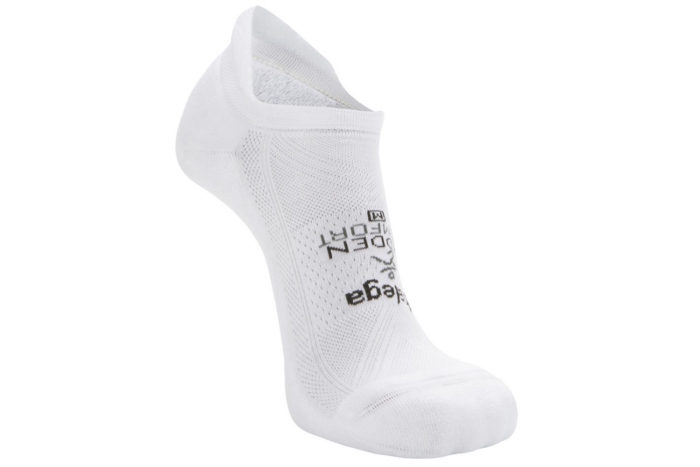
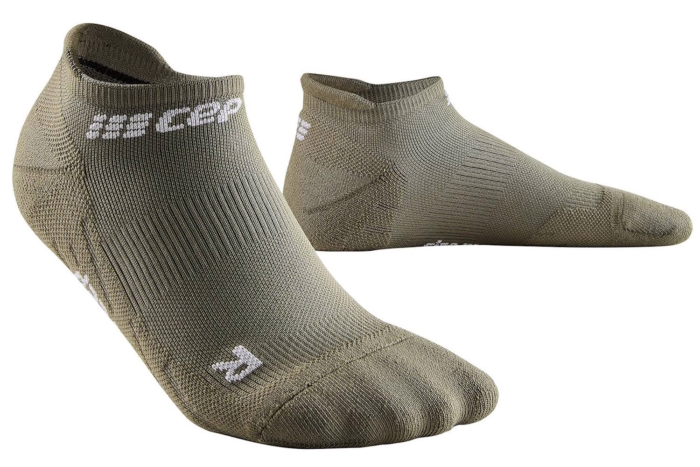
The ($16) is my top no-show sock for running and light hiking. It delivers a soft, cushioned feel without adding bulk, and the moisture-wicking performance holds up surprisingly well. Whether I’m logging miles on the trail or heading out for a casual hike, these socks keep my feet comfortable and blister-free across a range of conditions.
I originally bought them for running, but quickly realized how well they perform on the trail. I’ve worn them on mellow loops around Phelps Lake and quicker hikes up to Bradley Lake in Grand Teton, and they always stay soft, breathable, and comfortable from start to finish.
What stands out most is the plush underfoot cushioning. It provides just enough padding to take the sting out of rocky or uneven terrain without ever feeling thick or restrictive. They disappear inside my trail runners, stay put without bunching, and dry quickly after sweaty climbs or stream crossings. These aren’t warm socks, which makes them perfect for hot summer hikes when my feet need breathability more than insulation.
They work best with low-cut hiking shoes or trail runners, but not boots, so their use is somewhat limited. I also noticed they sag a bit on longer hikes, especially after multiple washes, which gets annoying by the end of a long day. I save them for easier outings, casual hikes, travel, and everyday use when comfort is the top priority.
CEP Run Compression Mid Cut 4.0
-
-
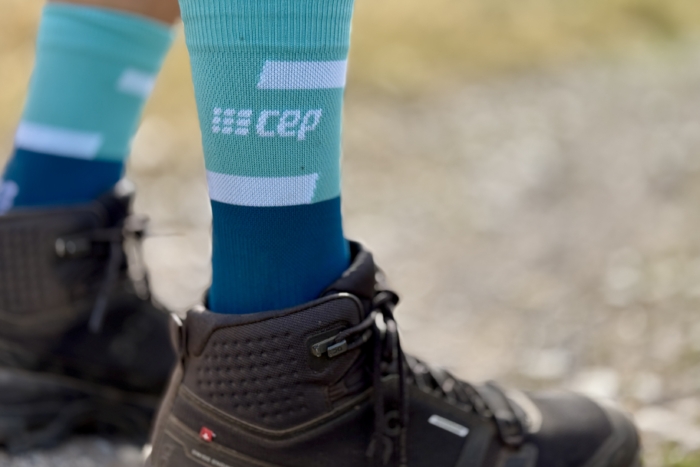
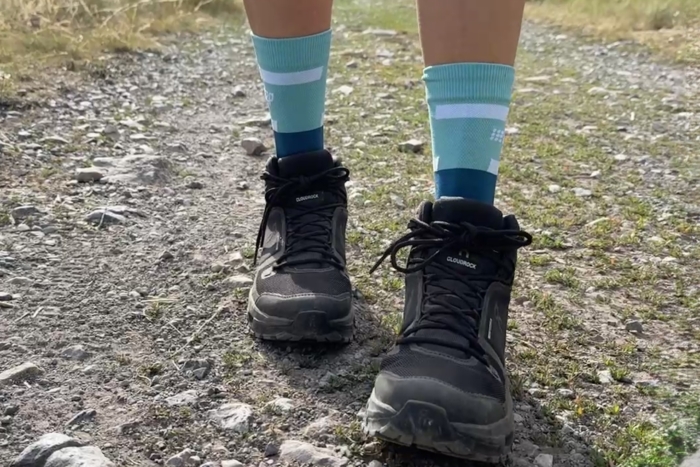
Keep feet cool and comfy with the CEP Run Compression; (photo/Elk Raven Photography)
-
Specifications
Pros & Cons
Pros
- Exceptional moisture wicking
- Lightweight
- Compression optimizes blood flow
- Stylish
Cons
- Prone to snagging
- Not ideal if you’ll be taking them on and off throughout the day
If I’m planning a fast-paced hike or trail run, I always throw on the CEP Run Compression Socks ($19). I’ve run, hiked, and worked out in them, and they consistently deliver on both comfort and athletic performance. The targeted compression is instantly noticeable—it wraps securely around the ankle and arch, which helps improve circulation, reduce swelling, and significantly ease foot fatigue on high-mileage days. I’ve even found that the extra structural support helps mitigate mild plantar fasciitis flare-ups during steep, relentless climbs in the Tetons.
If you’ve never tried compression socks, these are an excellent entry point. They wick moisture exceptionally well, breathe much better than I expected for such a tightly knit sock, and come in fun colors that stand out on the trail. I rely on them just as heavily for post-hike recovery around camp as I do for active miles, letting the compression work its magic while I rest. While they aren’t as bombproof as thicker traditional merino hiking socks, and the tight fit makes them somewhat difficult to pull on and take off over sweaty feet, they have tangibly improved my speed, endurance, and recovery times on the dirt.
Smartwool Mountaineer Classic Edition Crew Socks
Specifications
Pros & Cons
Pros
- Exceptionally warm for winter and cold weather
- Thick, soft cushioning for comfort under heavy loads
- Merino wool wicks moisture and resists odor
- Very durable and holds up well after repeated use
Cons
- Too bulky for warm weather or snug-fitting boots
- Not suitable for fast hikes or high-output activities
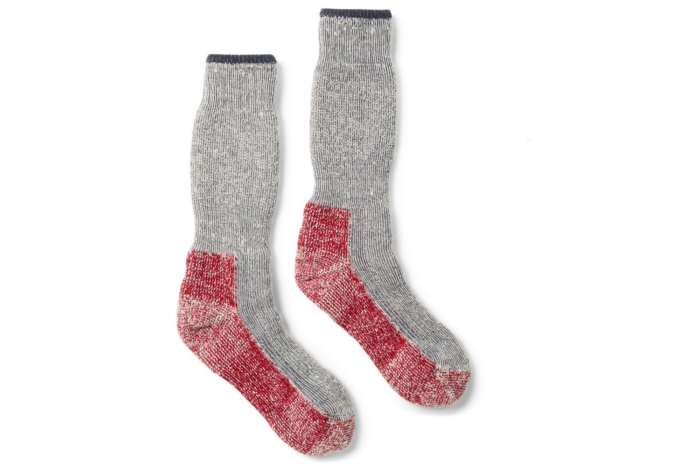
I turn to the Smartwool Mountaineer Classic Edition Crew Socks ($27) when I know I’ll be out in the cold for hours, especially on slower-paced hikes or winter trips. These are the thickest, warmest Smartwool socks I’ve used, and they deliver serious comfort in frigid conditions. I’ve worn them on snowy day hikes, hut trips, and winter camping, and they always keep my feet warm, even in sub-freezing temps.
The full cushioning is the main draw. My feet feel completely protected from pressure points, and the extra padding helps on rocky terrain or when I’m carrying a heavy pack. The merino wool handles moisture surprisingly well for such a thick sock, and I haven’t had issues with clammy feet or blistering, even after long days in winter boots. I’ve used these for long days of ice climbing in Ouray, epic winter training expeditions on Mount Elbert (Colorado’s highest peak), and for an actual summit of Denali, where I was in these socks (and a few other pairs) for 27 days. Even though I was stinky, exhausted, and hungry all the time, these socks exceeded my expectations.
That said, I don’t use them for everything. They’re too warm and bulky for shoulder-season hiking or any fast-paced days. I also have to size up slightly in some boots because of how thick they are. But, for cold adventures, these are the first socks I throw in my pack.
More Hiking Socks to Keep Your Feet Happy
-
-
-
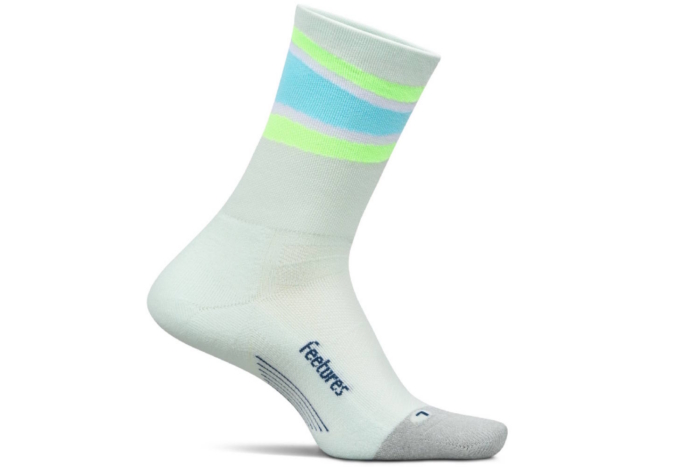
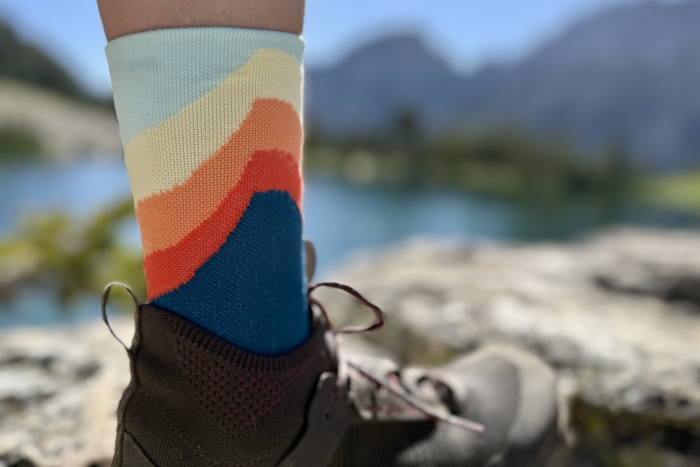
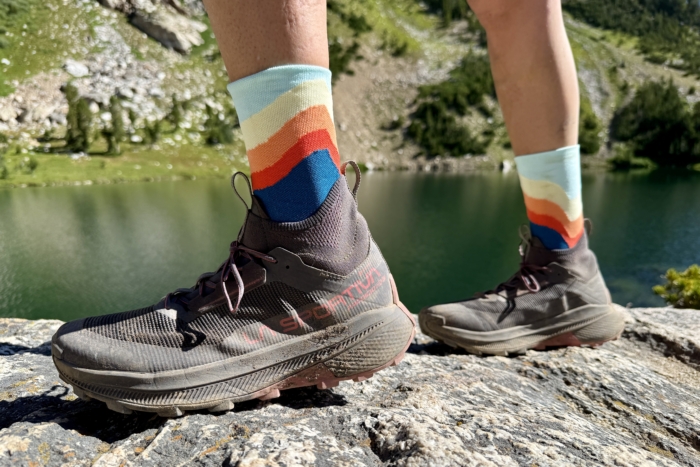
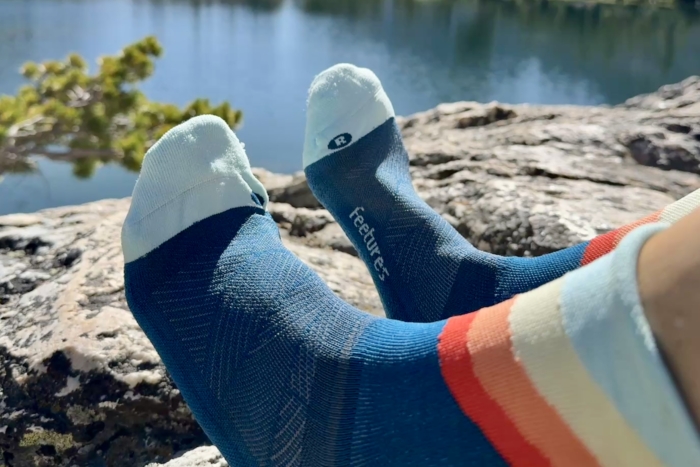
The Feetures Elite Light Cushion deliver a moderate amount of cushioning; (photo/Elk Raven Photography)
-
Specifications
Pros & Cons
Pros
- Snug, supportive fit with left-right design
- Light cushioning with a soft, seamless feel
- Versatile for running, hiking, and casual wear
- Durable with minimal wear after frequent use
Cons
- Feels damp in waterproof or less breathable shoes
- Not enough cushion for longer or rougher hikes
I appreciate socks that can handle intense trail workouts but also look and feel great for everyday wear. With an athletic profile and a variety of fun color options, the Feetures Elite Lite Cushion ($20) has quickly become one of my favorite all-around active pairs. The anatomical left and right foot-specific design provides a highly snug, supportive feel whether I’m running, biking, or knocking out a quick afternoon day hike.
They are relatively thin but utilize targeted, high-density cushioning under the heel and toe that effectively takes the sting out of harsh impacts on hardpacked trails. The seamless toe construction is fantastic, completely preventing the annoying fabric bunching that often causes blisters on steep downhills. I also really like the mini crew height; it offers just enough coverage to keep scree and trail debris out of my shoes without making my lower legs overheat. They wick moisture incredibly well in highly breathable trail runners, though I have noticed my feet get a bit damp when paired with fully waterproof boots. These aren’t the socks I grab when I want maximum plush padding for a heavy backpacking load, but the zero-slip fit, excellent arch support, and all-day comfort make them a stellar choice for fast-paced adventures.
Specifications
Pros & Cons
Pros
- Comfortable light cushion
- Temperature-regulating merino wool
- Great fit with no slipping or bunching
- Durable construction
Cons
- Price is on the higher side
- Can feel a bit warm on hot summer days
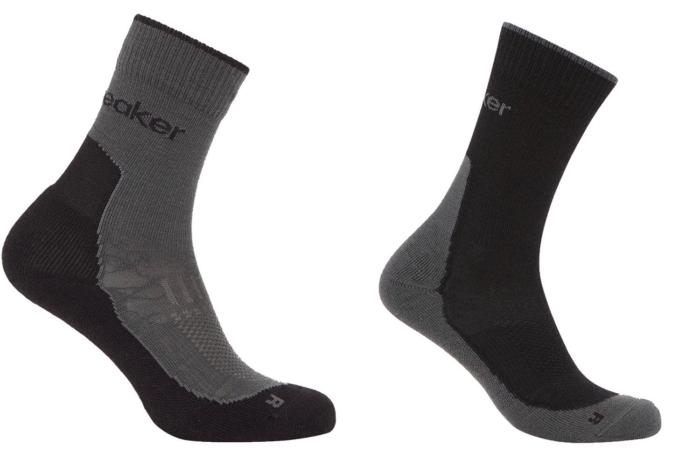
I’ve worn the Icebreaker Merino Hike+ Light Crew Socks ($24) on everything from mellow afternoon hikes to rigorous multiday backpacking trips, and they consistently deliver top-tier comfort. The light cushioning feels just right for warm-weather hikes, offering a welcome layer of underfoot padding without introducing unnecessary bulk inside my shoes. Icebreaker’s merino blend keeps my feet cool, dry, and entirely stink-free, which I proved after logging days of continuous wear on the trail without a single wash.
What truly sets them apart is the highly engineered anatomical fit. With specific left and right designs and targeted support zones wrapped around the Achilles and instep, they lock into place and absolutely refuse to bunch or slip inside my boots, even during off-camber scrambling. They also feature a seamless toe closure that eliminates any rubbing across the top of my foot. Over the last year, they have proven to be impressively durable, showing minimal pilling and retaining their elasticity even after repeated heavy washes. That said, they are a premium investment, and on sweltering peak-summer days, the high wool content can feel a bit warm compared to ultra-thin synthetic liners. But for hikers who want a dialed-in, highly breathable merino option built to survive serious mileage, these are outstanding.
Specifications
Pros & Cons
Pros
- Light cushioning with a snug, secure fit
- Great breathability for warm weather
- No slipping or rubbing
- Durable with a lifetime guarantee
Cons
- Less cushioning than the Micro Crew Hiking Socks
- Lower cut offers less protection from brush and debris
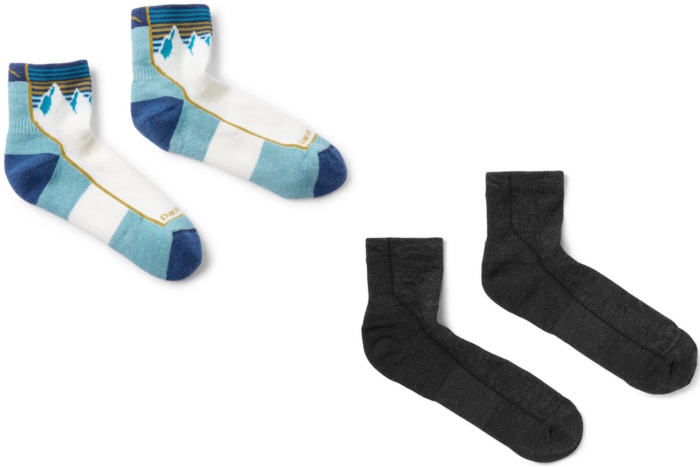
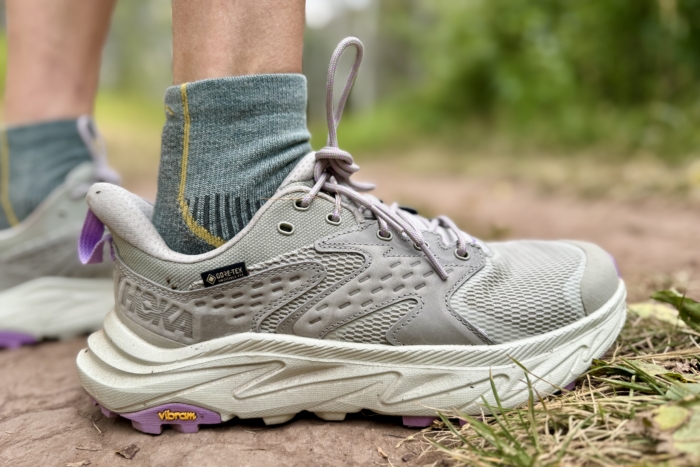
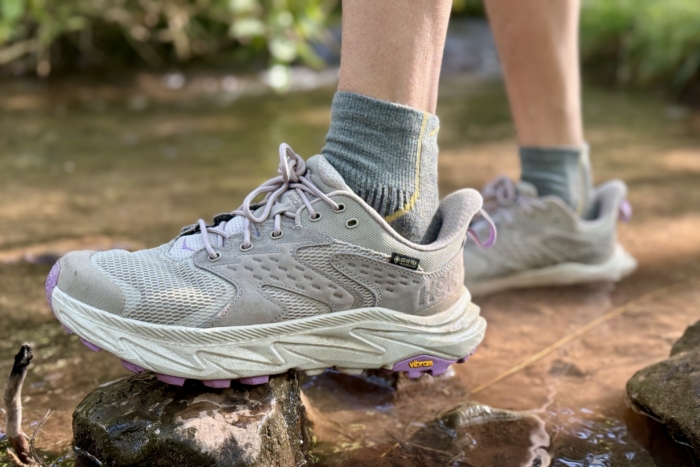
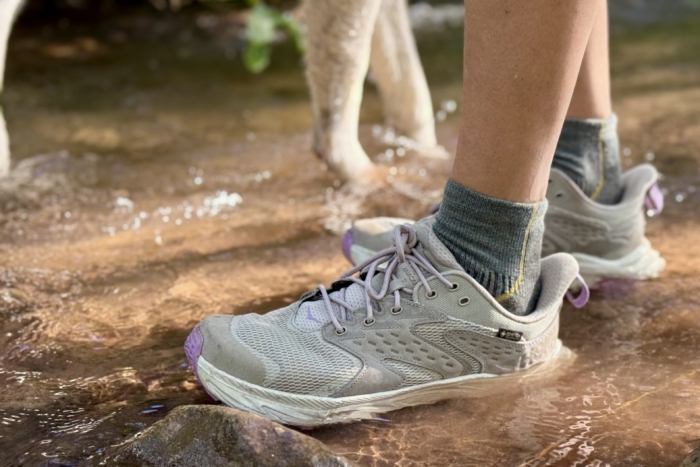
The Darn Tough Quarter Cushion Socks ($23) have become a staple in my rotation for everything from hiking to running. They’re lightweight but still provide just enough cushion to stay comfortable mile after mile. The merino wool blend strikes a great balance between warmth and breathability, and they’ve never felt too hot or too thin, even on longer hikes.
I’ve put in hundreds of miles in these socks, from day hikes in the Tetons to quick trail runs, and they’ve always stayed snug without slipping or rubbing. They’re breathable enough for summer but still work well in cooler shoulder season hikes.
Compared to the Darn Tough Micro Crew Hiking Socks, these feel lighter, more breathable, and better suited for faster-paced days or lower-mileage hikes. The Micro Crews offer more cushioning and a taller cut, which I prefer for rocky or brushy trails. The Quarter Cushions, with their lower cut, feel faster and cooler but offer less protection from trail debris.
I also appreciate that all Darn Tough socks are made in the U.S. and backed by a lifetime guarantee. I reach for these when I want to move fast, stay cool, and keep my feet comfortable through every mile.
Specifications
Pros & Cons
Pros
- Soft, heavy cushioning reduces foot fatigue
- Warm and ideal for cooler weather
- Wicks moisture and resists odor
- Long-lasting comfort after repeated use
- Great for backpacking or heavy pack hikes
Cons
- Too bulky for warm weather or tight shoes
- Not suited for fast-paced or high-output hikes
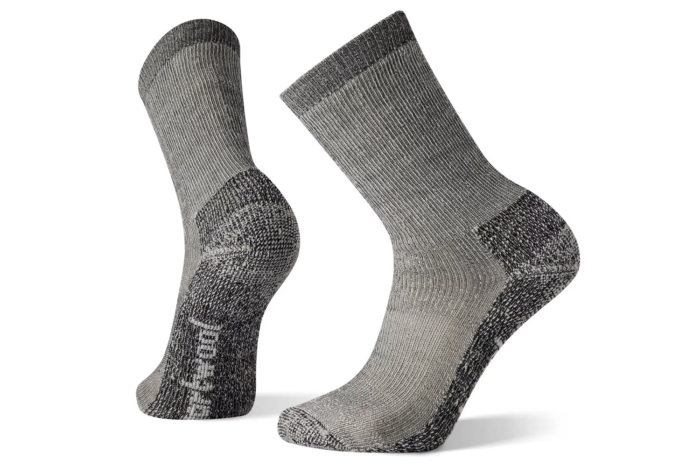
I grab the Smartwool Classic Hike Extra Cushion Crew ($25) whenever I need maximum comfort on the trail. These are thick, warm, and heavily cushioned, making them perfect for cooler days, backpacking trips, or any hike with a heavy pack.
The extra cushioning reduces the sting from rocky trails and long downhill sections. My feet always feel supported, and the thick padding helps lessen soreness after long miles. The merino wool does a great job managing sweat and odor, keeping my feet dry and fresh even after full days on the trail.
Plus, they hold up well. After dozens of hikes and washes, they haven’t lost their shape or softness. I also appreciate the extra coverage from the crew height, which keeps my ankles protected from brush and trail debris.
They do feel bulky, though, so I skip these on warm days or when I wear snug-fitting shoes because the extra thickness can make everything feel cramped. They work best in cooler conditions when I’m carrying more weight and moving at a steady pace. When I want all-day comfort and extra cushioning, these are the socks I reach for first.
Specifications
Pros & Cons
Pros
- Secure fit that doesn’t slide or bunch
- Lightweight feel with just enough cushion
- Breathes well and dries quickly
- Durable even with frequent use
- Versatile in both warm and cool conditions
Cons
- Not as soft or cushy as thicker socks
- Tight fit may not suit those who like a relaxed feel
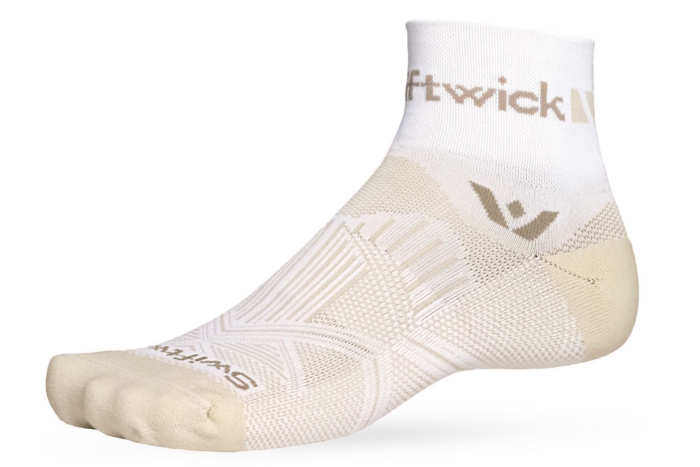
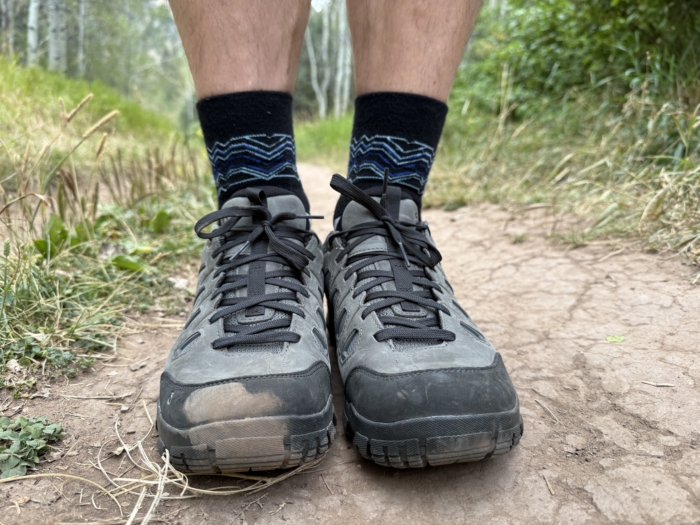
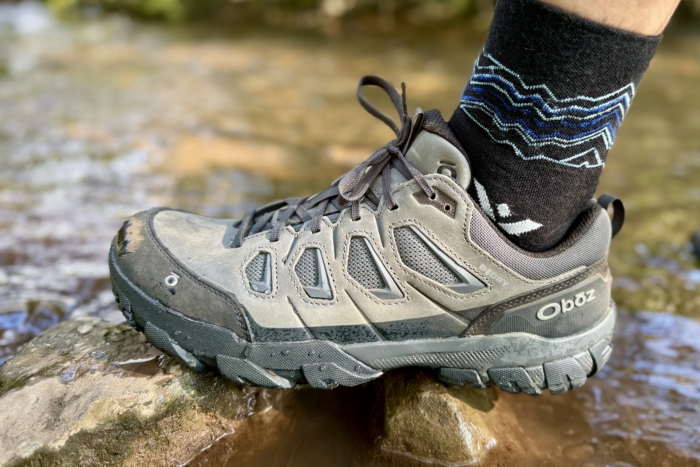
The Swiftwick Quarter Crew socks ($21) are a solid choice when I need a lightweight, supportive sock designed for movement. The merino wool blend feels soft immediately and keeps my feet comfortable in changing conditions. I’ve worn these socks for everything from fast-paced day hikes to easier recovery walks, and they consistently deliver comfort.
What stands out most is the snug, secure fit. The light compression wraps around my foot and stays in place without slipping or bunching, even on steeper terrain. The cushioning is low-profile but effective, providing enough padding to soften rough ground without adding bulk.
These socks also excel at temperature regulation. I’ve remained comfortable on cool mornings and warm afternoons, and they breathe well without feeling swampy. After numerous miles, they have held up without noticeable wear. I appreciate the quarter crew height, which offers ankle coverage without the extra fabric of taller socks.
The only drawback is that they lack the plush feel some people prefer in a thicker hiking sock. If you like a looser fit, the snug compression might feel a bit too tight; however, for me, this was a plus.
For breathable, stay-put comfort on low-mileage hikes or quick trail outings, these socks have been a reliable choice for me.
Specifications
Pros & Cons
Pros
- Excellent odor resistance over multiple days
- Comfortable cushioned feel
- Breathable for a thicker sock
- Double-layer design helps prevent blisters
- Durable construction holds up to long hikes
Cons
- Feels bulky compared to lightweight hiking socks
- May run warm on hot summer days
- Higher price than basic hiking socks
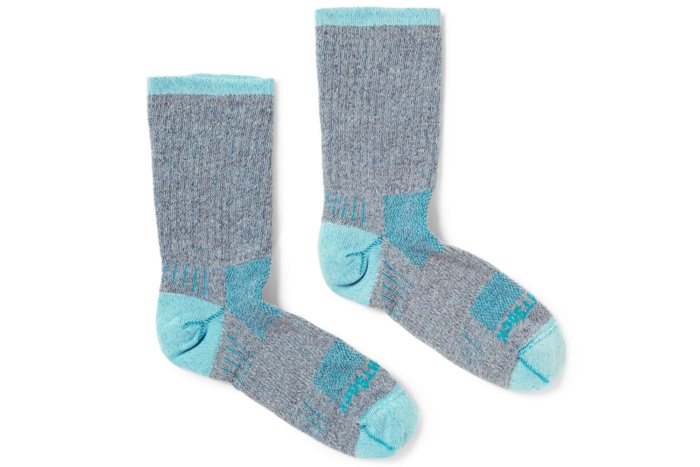
The WRIGHTSOCK Double Layer Silver Escape Crew ($28) is one of my favorite options for longer hikes when I know I’ll be sweating a lot and can’t easily wash my gear. I’m definitely someone who notices sock odor after a long day, so I was really curious if the silver-lined fabric actually lived up to the odor-resistant hype.
I tested them on back-to-back big days in the Tetons, including a long climb up Death Canyon with a heavy pack and another push over Paintbrush Divide. By the end of the first day, my shoes and shirt were soaked, but my socks stayed surprisingly fresh. I let them dry overnight and wore them again the next day. It took until the third day and well over 25 miles before I noticed any smell, which is impressive.
They feel soft and cushioned like a classic wool hiking sock, but are much more breathable than I expected. My feet stayed comfortable during climbs and rocky descents, and I didn’t get any blisters. The double-layer design really reduces friction, which I noticed most on steep downhills.
I prefer these thicker socks for longer hikes with a pack, but if you prefer thin, minimal socks, these may feel too bulky. The Silver Escape is a great choice if you want something durable, breathable, and odor-resistant for big days or multiday trips.
Specifications
Pros & Cons
Pros
- Prevents blisters between toes
- Soft and breathable
- Dries quickly
Cons
- Prone to wear around the toes
- Takes longer to put on
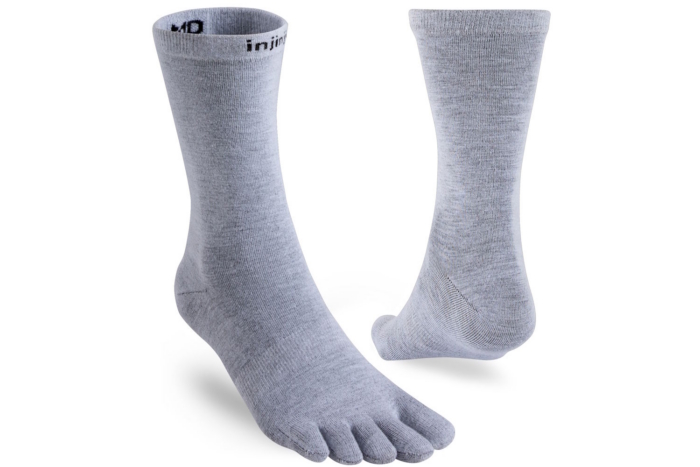
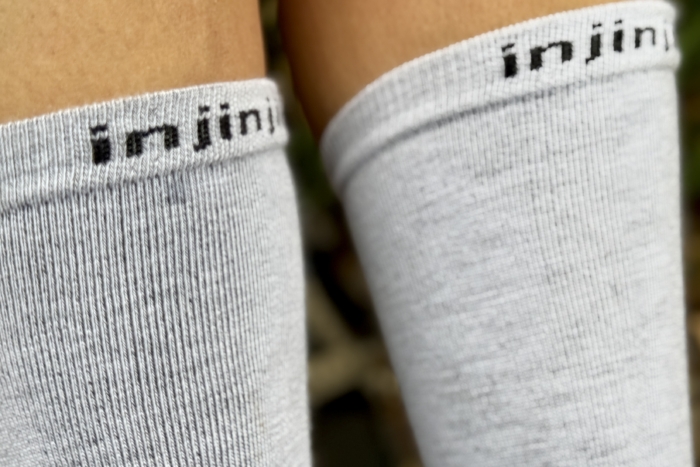
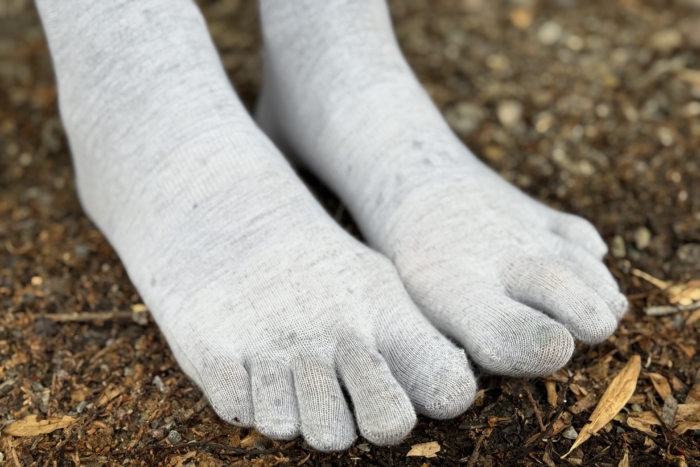
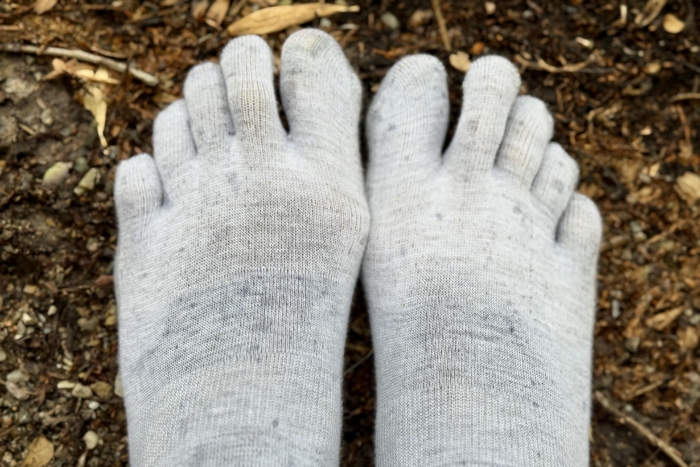
I used to think toe socks looked a bit silly, but after trying the Injinji Liner Crew ($13), I completely changed my mind. These are some of the most comfortable socks I’ve worn, and their performance easily matches the comfort.
The biggest benefit is blister prevention. I get hot spots on longer hikes, especially around my oddly-shaped toes, but these completely eliminated that. By separating my toes, the fabric stops skin-on-skin rubbing, and I finished hikes without a single blister where I’d usually have issues.
The COOLMAX Ecomade polyester feels incredibly soft and dries quickly. Even on hot days in the Tetons, my feet remained cool and comfortable. During one hike, I slipped crossing a creek and soaked my shoes, but the liners dried surprisingly fast just from walking in the sun.
They take a bit longer to put on than regular socks, and they’re less durable. Since each toe is individually wrapped, there are more areas prone to wear. I’ve developed a few small holes after heavy use. Still, at $12 and knowing they are made with recycled materials, I have no issue replacing them once they wear out. For anyone prone to toe blisters, these are a game-changer.
Best Hiking Socks Comparison Table
| Hiking Socks | Price | Height | Cushion | Best For |
|---|---|---|---|---|
| Darn Tough Micro Crew | $26 | Crew | Medium | All-season trail performance and legendary durability |
| Darn Tough Bear Town Micro Crew | $25 | Crew | Light | High-mileage precision and breathable trail comfort |
| REI Co-op Merino Lightweight Crew | $19 | Crew | Light | High-merino odor resistance for warm-weather hikes |
| Smartwool Hike Light Crew | $25 | Crew | Light | Seamless fit and targeted breathability zones |
| $16 | No-show | Medium | Plush underfoot feel for low-cut shoes and trail runners | |
| CEP Run Compression Mid Cut 4.0 | $20 | Crew | Targeted | Increasing circulation and reducing foot fatigue |
| Smartwool Mountaineer Classic | $27 | Crew | Maximum | Frigid conditions and maximum impact protection |
| Feetures Elite Light Cushion | $20 | Mini Crew | Light | Technical support and a zero-bunching athletic fit |
| Icebreaker Merino Hike+ Light | $24 | Crew | Light | Odor-free travel and mixed trail-to-street use |
| Darn Tough Hiker Quarter Cushion | $21 | Quarter/Ankle | Medium | Low-profile ankle protection and fast-paced hiking |
| Smartwool Classic Hike Extra Cushion | $25 | Crew | Extra | Heavy-load backpacking and sensitive-foot protection |
| Swiftwick Pursuit | $22 | Mid-calf | Medium | Stay-put security and dry-wicking performance |
| WRIGHTSOCK Silver Escape Crew | $28 | Crew | None | Eliminating friction during high-sweat descents |
| Injinji Liner Crew | $13 | Crew | None | Separating toes to prevent skin-on-skin blisters |

How We Tested Hiking Socks
My Expert Experience
I’m GearJunkie Editor Chris Kassar, and I took over this guide in 2025 after years of relying on hiking socks for long, demanding stretches on the trail. As an avid hiker and mountaineer, I’ve trekked for months through Nepal, Africa, and Thailand, climbed major peaks in Alaska, Canada, and the Pacific Northwest, and traveled on foot through places like Costa Rica, Bali, Iceland, and beyond. I know what it feels like when a sock performs flawlessly, and I definitely know the misery of a sock failing halfway through a grueling day.
This guide is also backed by years of category testing, long-term product research, and input from four GearJunkie testers. Since 2022, our team has tested 40 hiking socks across day hikes, backpacking trips, mountain objectives, winter outings, and everyday trail use.
My Testing Process & Grounds
For this update, I retested every sock in this guide over a 12-month cycle. I wore them on quick afternoon hikes, long summit days, rocky Colorado peaks, endless Teton switchbacks, thick brush in Alaska, snowy winter outings, and multiday backpacking trips.
Each sock was tested on at least three outings before inclusion, with a mix of terrain, footwear, and conditions whenever possible. I paired them with trail runners, low hiking shoes, and tall boots to see how each sock handled different volumes, cuff heights, pressure points, and weather. I also wore them in hot, dry conditions, cold mornings, wet trails, and long uphill pushes where sweat management mattered.
During testing, I paid close attention to fit, comfort, breathability, cushioning, stretch, moisture control, blister prevention, and long-term durability. I also washed each pair repeatedly to see how well it held its shape, softness, loft, and elasticity over time. Products remain in ongoing testing after inclusion, and we update this guide seasonally as new socks are tested, older models wear down, or designs change.
My Hiking Sock Rating System
Comfort: Fit, softness, stretch, seam feel, arch support, cuff security, and how the sock feels after several hours on trail.
Breathability: How well the sock manages heat, dumps moisture, dries after sweat or water exposure, and keeps feet from feeling clammy.
Cushioning: Underfoot padding, impact absorption, boot compatibility, and whether the cushion level matches the sock’s intended use.
Durability: Resistance to pilling, thinning, holes, stretching out, odor buildup, and loss of shape after repeated wear and washing.
Note :The overall score reflects extended real-world use and is not a simple calculation from the category scores.

Buyer’s Guide: How to Choose the Best Hiking Socks
The first step in the process is choosing the correct hiking socks for your preferred activities and your budget. Do you do a lot of backpacking and want socks with more support and cushion? Or do you mainly enjoy fast and light endeavors? Do your feet run hot or cold?
Decide how often you’ll be hiking and what features are most important to you. If you hike a lot, the more durable, the better. If your feet run hot, stay away from wool.
The two main variables to consider are your physical constitution and the types of activities you’ll be engaged in.

Materials
If your feet run cold, wool socks (like the Smartwool Performance Hike Light Cushion) are a great choice. Wool is generally considered the warmest yet most breathable option for outdoor gear.
If your feet run hot or you’ll be hiking in high temperatures, consider something with a mix of materials and excellent moisture-wicking properties. The REI Co-op Merino Lightweight Flash Socks are a great example, made with a combination of wool, polyester, nylon, and spandex.

Activity
Obviously, we’re focused on hiking, but that could mean a 2-hour excursion or a 2-month trek. Some people take their time, and others hustle. Luckily, certain socks work better for each type of jaunt, and some work well enough for all.
If you’re thru-hiking, you’ll want to look for durability, long-term comfort, and exceptional technical function. In that regard, there aren’t many better options than the Darn Tough lineup, including the Darn Tough Hiker Micro Crew Cushion. The Smartwool Hike Light Crew is another durable option.
They last long enough for the company to offer a warranty, and their performance is up to par. They’ve long been considered one of our top picks.
If you’re into fast-paced endeavors, a lighter, streamlined, running-inspired sock will probably better suit your needs. On this list, the Swiftwick Pursuit Seven and are perfect examples. Both have a compression feel, wick moisture extremely well, and dry out quickly..

Moisture Wicking and Breathability
Moisture wicking and breathability are essential for just about all types of hiking, especially fast-paced endeavors. Moisture-wicking pulls moisture away from the feet and promotes evaporation, while breathability helps expel trapped heat. As you can imagine, these factors go hand in hand.
Merino wool is a wonder fabric when it comes to the combination of warmth and breathability, whereas synthetic fibers tend to wick moisture better. The REI Co-op Merino Lightweight Flash offers an optimal blend of nearly half merino and half synthetic fibers, so it’s a great choice if you’re looking for a compromise.
If your feet sweat profusely and you’re keen on high-output activities, we recommend the CEP The Run Compression socks. Their moisture-wicking properties are exceptional, and your feet will thank you after a long day.

Compression Socks
As mentioned above, compression socks improve blood flow, can aid in injury prevention, and are useful as a rehabilitative tool post-hike. If you’re an outdoor athlete and haven’t given them a try, we’d recommend giving them a shot both on and off the trail.
Because they have a very tight fit and can leave weathered footwear feeling loose, they aren’t optimal for casual hikes (unless you’re trying to keep plantar fasciitis at bay). If you’re wearing performance footwear, expect to sweat, and are planning on your feet and ankles taking a beating, they’re ideal.
That said, we all have unique feet and needs. CEP’s compression lineup comes in a variety of stylish colors, so you may find yourself wearing them as your everyday socks to aid in recovery.

Cushioning
Cushioning is a tricky subject because more cushioning doesn’t necessarily translate to more comfort. Our shoes provide the primary source of padding from the ground, but socks with no cushioning at all can leave us with hot spots and blisters.
The heel and ball of the foot are the primary areas where at least some cushioning is needed, and every sock on this list addresses those to some degree. Thicker socks with higher wool content tend to provide more cushioning underfoot, whereas tighter, performance-oriented socks tend to have less. The Smartwool Hike Light Crew are thin and comfortable, but cushioned in all the right places.
While running or moving quickly, we’re more prone to using the muscles in our feet to brace ourselves, which means we actually require less cushioning. Cushioning is more important for long-distance hiking, where the impact is less but remains consistent throughout the day.

Price & Value
Hiking socks don’t need to be expensive, but the cheapest pairs usually trade merino content, long-term durability, or cushioning for a lower price. Most of the socks we recommend fall between $12 and $27, with the best value depending on whether you want a thin liner, a breathable summer sock, a durable everyday hiker, or a warmer winter option.
Budget
At the lower end, expect thinner socks and more synthetic-heavy blends. The Injinji Liner Crew Socks ($13) are the least expensive option in this guide and work well as a lightweight liner for hikers prone to blisters, though they’re more fragile than thicker hiking socks. Our new favorite budget pick, the REI Co-op Merino Wool Lightweight Hiking Crew Socks ($19), costs a little more but adds a high merino content, light cushioning, and better standalone hiking comfort. They run big and feel less polished than pricier options, but they’re a solid value for warm-weather trail miles.

Mid-Tier
Most hikers will find the best mix of comfort, durability, and materials in the $20 to $26 range. The Darn Tough Hiker Micro Crew Cushion ($26) remains our top overall pick because it pairs reliable cushioning with a tough merino-nylon blend that lasts through heavy mileage. The Darn Tough Bear Town Micro Crew Lightweight ($25) is another strong value, especially if you want a lighter women’s-specific sock that still feels durable, comfortable, and fun enough for regular trail use.

Premium
The premium end of this guide is still relatively reasonable compared to most hiking gear, but you’ll usually pay more for extra cushioning, warmth, or a more specialized design. The Smartwool Mountaineer Classic Edition Crew Socks ($27) are the warmest and most cushioned socks here, making them a good pick for winter hiking, cold camps, and bulky boots. For hikers who want maximum durability, a specialty fit, or targeted use like winter warmth or blister prevention, spending a few extra dollars can be worth it. But for most three-season hiking, the mid-tier merino blends offer the best overall value.
Frequently Asked Questions
The best hiking socks that won out for us in testing were the Darn Tough Hiker Quarter Cushion and Smartwool Performance Hike Light Socks.
For a cheaper option, consider our best budget pick, the Feetures Elite Light Cushion Mini Crew Socks.
This is partly based on intended activity and use, and partly based on preference. Thicker socks with medium to heavier cushioning might feel more comfortable in a traditional hiking boot, while a light-cushioned sock might feel better in a lightweight or low-hiker. If you plan on doing a lot of hiking in the fall and winter or on longer trails, consider thicker socks (both for support and warmth).
This is really a preference, and materials vary widely by brand and sock style. However, we’ll say we had the best performance and durability from socks with a merino, nylon, and elastane (or spandex) blend, where the merino is the higher material content (50-60%).