Whether you’re out for a casual stroll or tackling 20-mile days, the best men’s hiking pants are your primary line of defense. These slacks combine rugged durability with dynamic stretch, managing your sweat on hot climbs while still fending off light rain and heavy brush.
To hone the current rankings, lead testers Rob Simpson and Ryan Kempfer put nine men’s hiking pants through a 10-month testing cycle. From Baja desert trails to the rainy Alaskan coast, we logged 300 miles and 30,000 feet of vertical gain to find the best men’s hiking pants.
We crowned the Outdoor Research Ferrosi Pants as our best overall pick for its rare blend of breathability and durability. Meanwhile, the REI Co-op Trailmade Pants earned our budget award for delivering a clean fit and strong everyday value at a lower-rung price.
Over the past five years, our team of six experts has vetted more than 60 pairs of men’s hiking pants.
Editor’s Note: We updated this guide on May 5, 2026, adding the Mountain Hardwear Dynama Pull-On Pant for its standout hot-weather comfort and easygoing versatility. We also overhauled every review with better fit guidance, stronger testing detail, and sharper comparisons across the lineup.
The Best Hiking Pants for Men of 2026


Outdoor Research Ferrosi Pants
-

-
(Photo/Rob Simpson)
-
Durable for most uses but lacks full waterproof protection for extreme weather; (photo/Rob Simpson)
-
Priced for value, the Ferrosi pants handle multiple activities without breaking the bank; (photo/Rob Simpson)
-
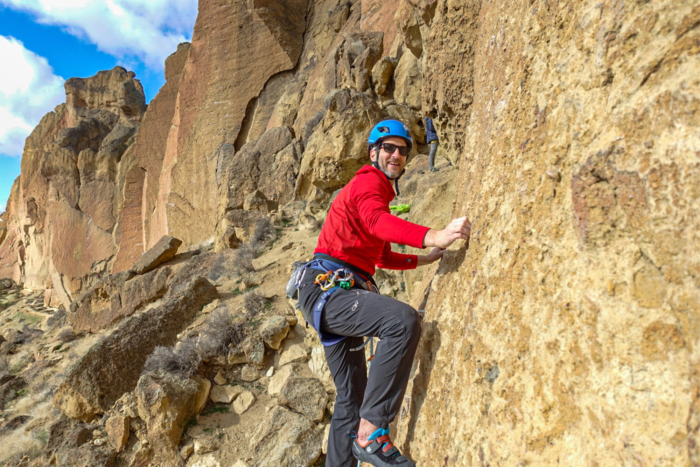
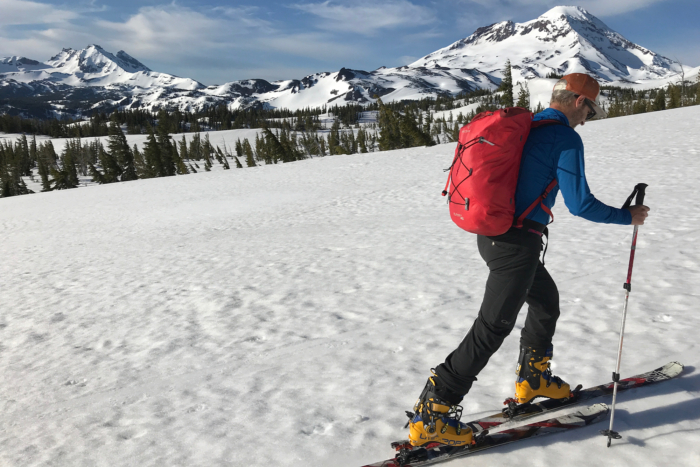
Worn on climbing days, cross-country ski trips, and even multi-day desert hikes—these pants adapt to every adventure; (photo/Rob Simpson)
-
For anyone seeking multi-functional, long-lasting outdoor pants, the Ferrosi is a top pick; (photo/Rob Simpson)
-
We tested the Outdoor Research Ferrosi Pants across various outdoor activities, and they excelled in durability and versatility; (photo/Rob Simpsont)
Specifications
Pros & Cons
Pros
- Lightweight but durable
- Breathable
- Incredible, flexible fit
Cons
- Small back pockets
- Won't last as long as heavier pants
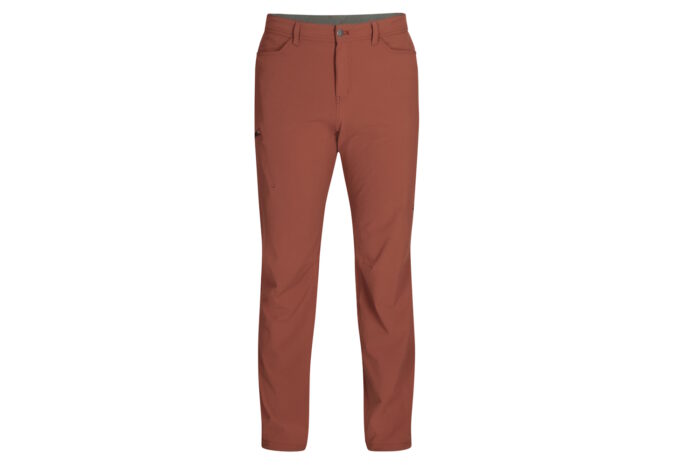
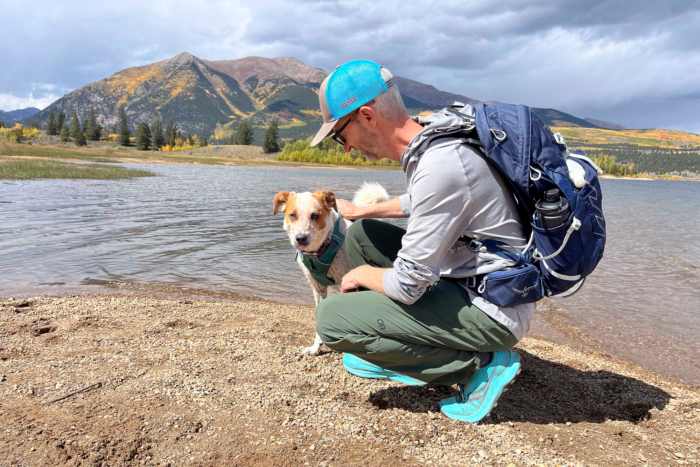
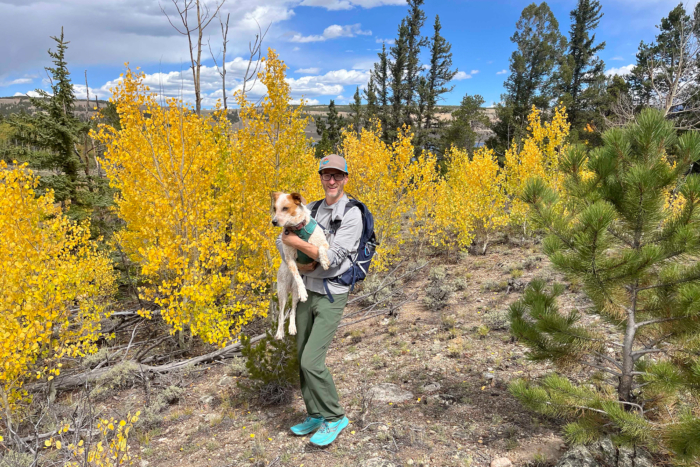
Few pants balance comfort, trail performance, and everyday versatility like the Outdoor Research Ferrosi Pants ($110). We reach for these when the day includes big miles, surprise weather, off-trail wandering, and errands afterward. They feel light, but what distinguishes them is their performance across a wide range of real-world conditions.
The Tech: The 90-denier stretch-woven nylon fabric is lightweight yet durable. At 10.7 ounces, they pack small, breathe well, and shed light moisture. Articulated knees, a brushed waistband, and drawcord cuffs add trail functionality without extra bulk.
Fit Profile: These are some of the best-fitting pants in the guide. They move naturally through the seat and thighs, and the stretch feels like an extension of your legs. They layer smoothly over a baselayer. And Outdoor Research offers even and odd waist sizes so you can easily dial in a precise fit.
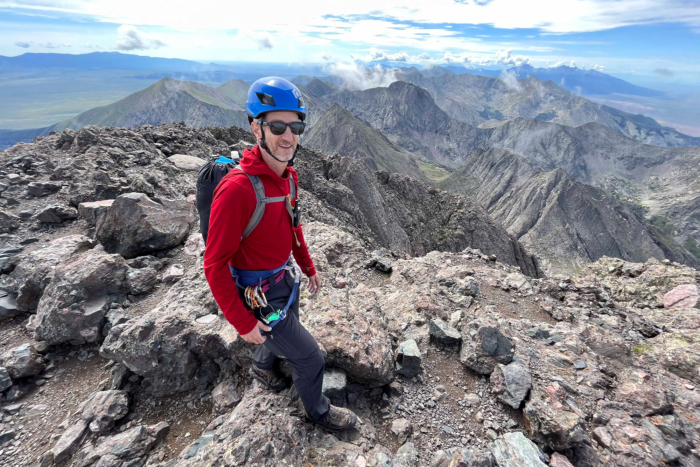
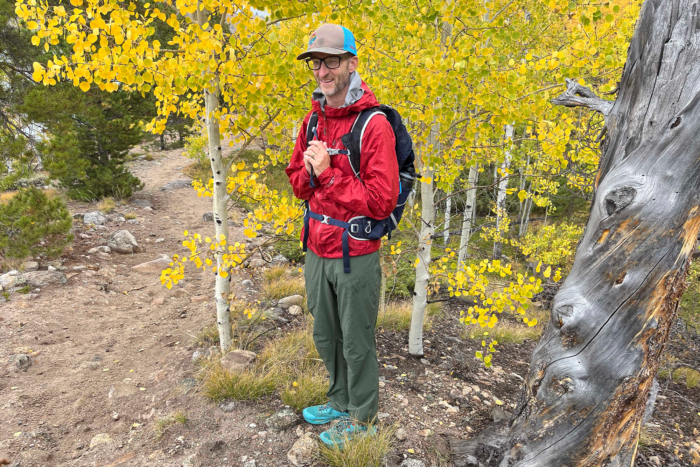
What We Like: These pants excel in a variety of environments. They stayed breathable on hot Grand Canyon climbs and withstood bushwhacking in Joshua Tree. Highly mobile and comfortable for all-day wear, they hold up better than expected. Lightweight pants often show tears after rock encounters, but our older Ferrosis still look good.
What We Don’t: The back pockets run small, and the zippered pocket won’t easily close around a phone. They also aren’t the most heavy-duty or weatherproof option here.
Should You Buy It? If you want one lightweight pair of pants for backpacking, day hiking, and everyday wear, this is a clear winner. The Arc’teryx Gamma is better for hikers wanting a tougher, alpine-ready pant, but the Ferrosi is lighter and more versatile.
REI Co-op Trailmade Pants
-
-
(photo/Rob Simpson)
-
REI Trailmade hiking pants; (photo; Rob Simpson)
-
The REI Co-op Trailmade pants tradeoff weather protection for breathability; (photo/Rob Simpson)
-
(photo/Rob Simpson)
-
REI Trailmade hiking pants; (photo; Rob Simpson)
-
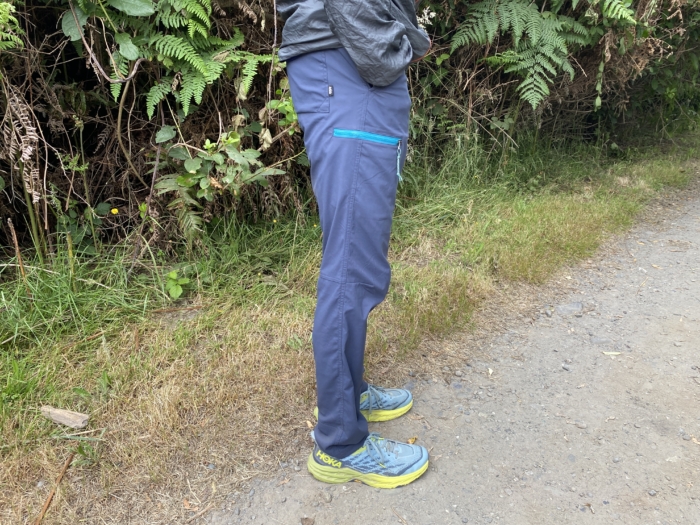
The pockets on the REI Trailmade hiking pants fit a phone;(photo; Rob Simpson)
-
(photo/Rob Simpson)
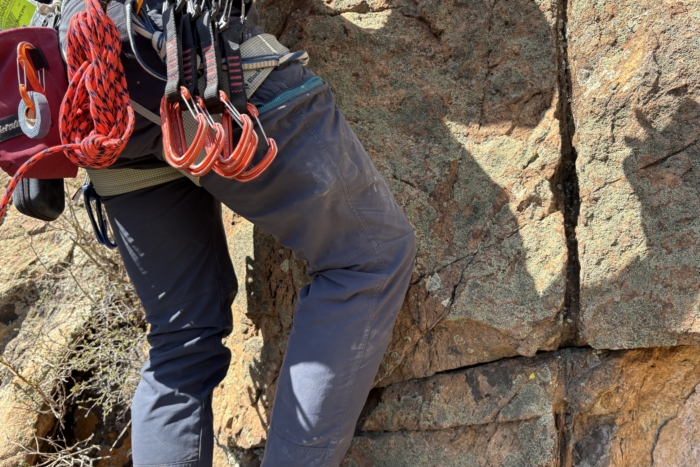
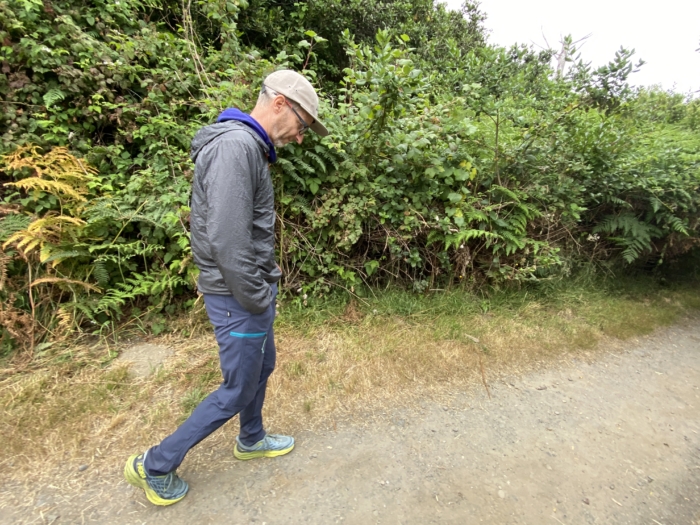
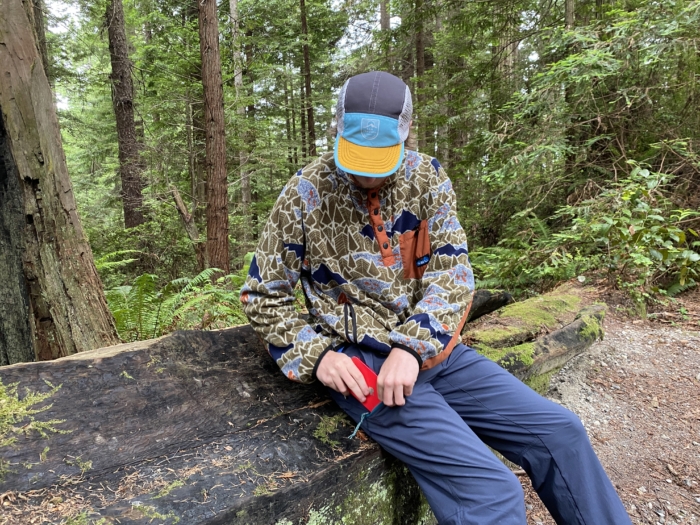
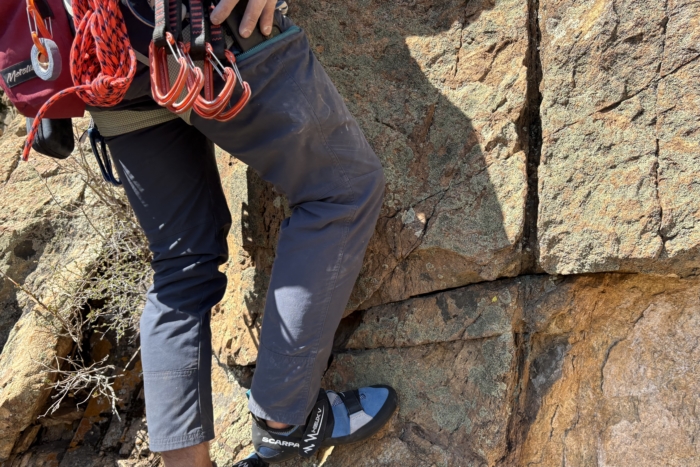
Specifications
Pros & Cons
Pros
- Lightweight
- Affordable
- Quick-drying
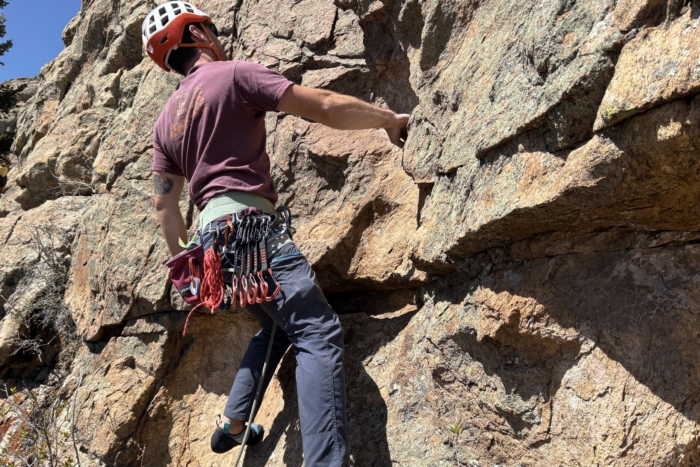
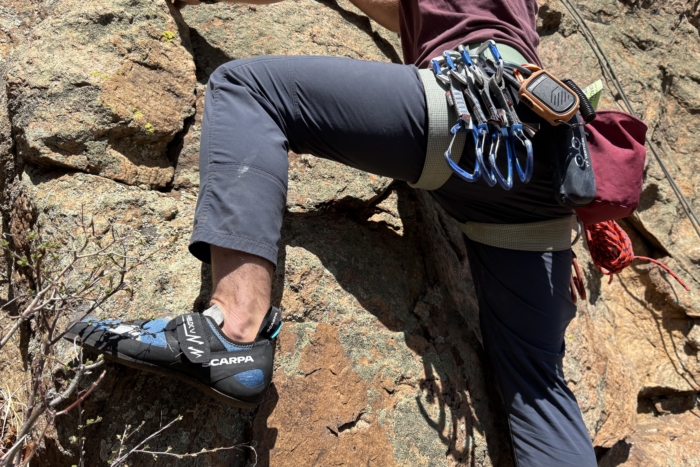
- Tapered leg is perfect for climbing
- Drawcord waist adjustment sits well under a harness
- Comfy fit
Cons
- Not weather resistant
- Small mesh front pockets
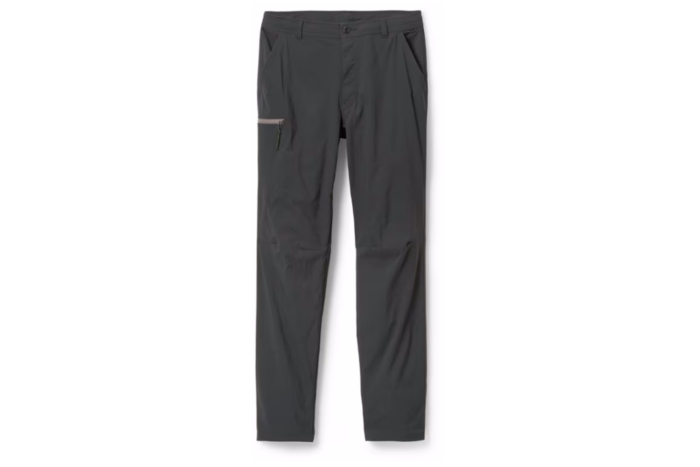
The REI Co-op Trailmade Pants ($80) are budget hiking pants that impress immediately. Clean-looking, comfortable, and more capable than the price suggests, they are a smart choice for hikes, travel, and casual use.
The Tech: The simple build works. The lightweight nylon-spandex fabric breathes well, dries quickly, and offers light protection from wind, sun, and brush. A DWR finish helps repel passing showers, and the internal drawcord makes small waist adjustments easy without needing a belt.
Fit Profile: These pants have a slender, tapered shape that gives a sharp appearance without feeling restrictive. They are best suited for slim or medium builds, as hikers with larger thighs may find the fit too tight. REI’s even-and-odd waist sizing helps with a more tailored fit, but the inseam might be shorter than expected for some wearers.
What We Like: We tested these on Colorado peaks, Mexican beaches, Tetons flower fields, Alaskan coastlines, and in Baja’s dry heat. Their versatility was clear — they breathe in the sun and keep out the wind on chilly ridges. Affordable pants don’t have to feel cheap; these are durable, dry fast, and work well for errands after a hike.
What We Don’t: The mesh pockets are small, the belt loops are tight, and weather resistance quickly tops out. In sustained rain, they soak through much faster than stronger wet-weather options in the guide.
Should You Buy It? If you mostly hike in dry climates and want an affordable pair of pants for fair-weather trails and casual crossover use, this is a very good buy. The Outdoor Research Ferrosi Pants make more sense if you want better stretch and weather resistance, but the Trailmade shines for everyday value.
Black Diamond Alpine Light Pants
-
-
(photo/Rob Simpson)
-
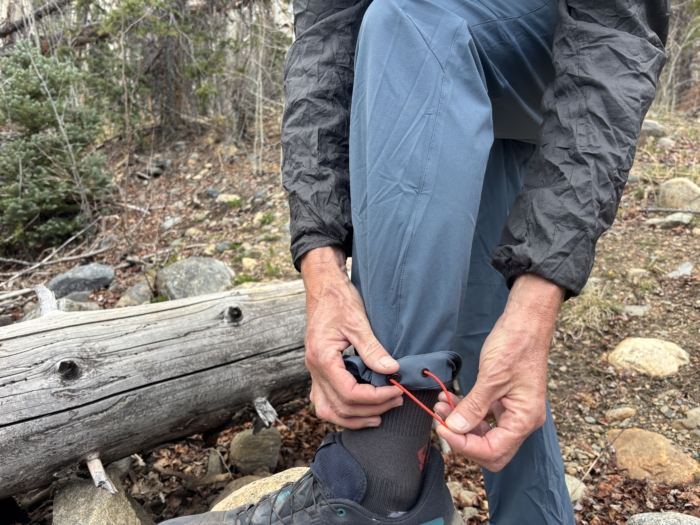
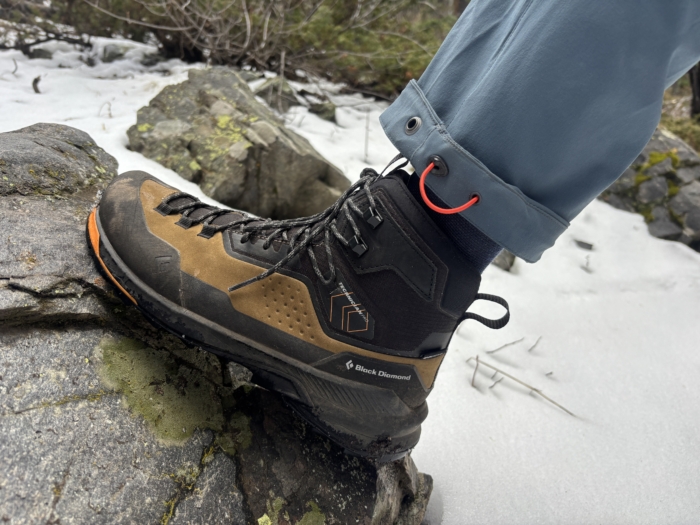
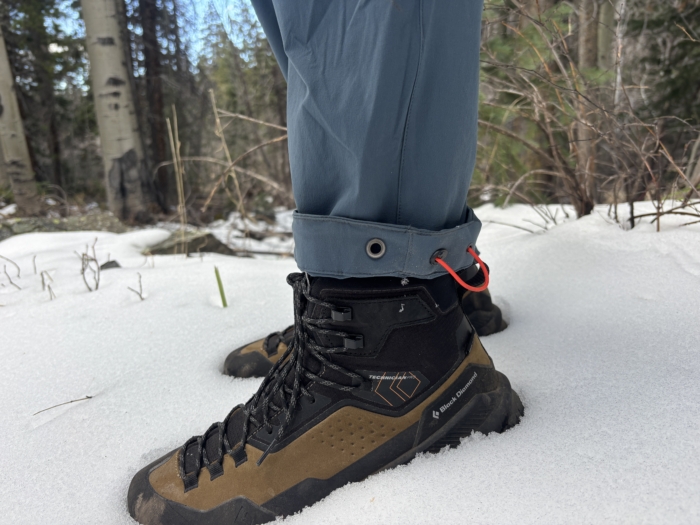
The cuff on the BD Alpine Light Pants is adjustable; (photo/Rob Simpson)
-
(photo/Rob Simpson)
-
(photo/Rob Simpson)
-
(photo/Rob Simpson)
-
(photo/Rob Simpson)
-
(photo/Rob Simpson)
-
(photo/Rob Simpson)
-
(photo/Rob Simpson)
-
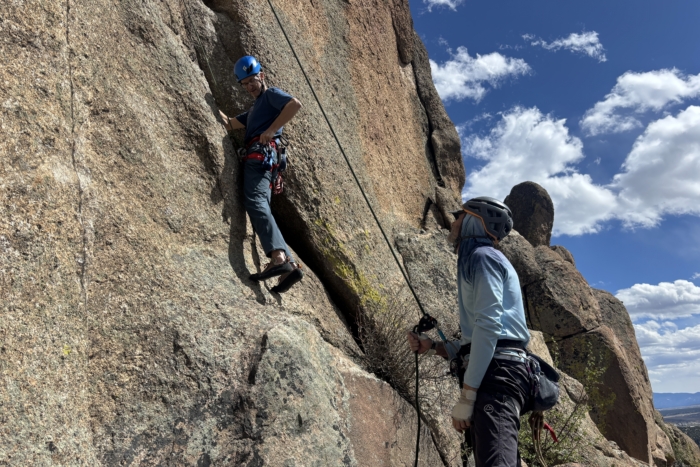
Testing the BD Alpine Light Pants; (photo/Rob Simpson)
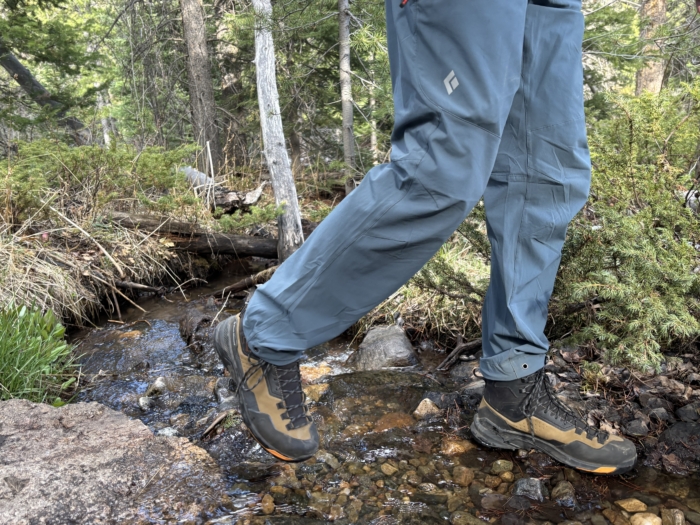
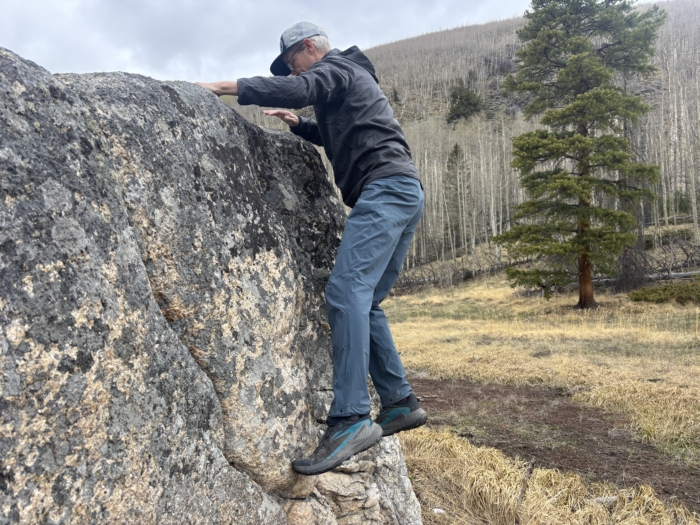
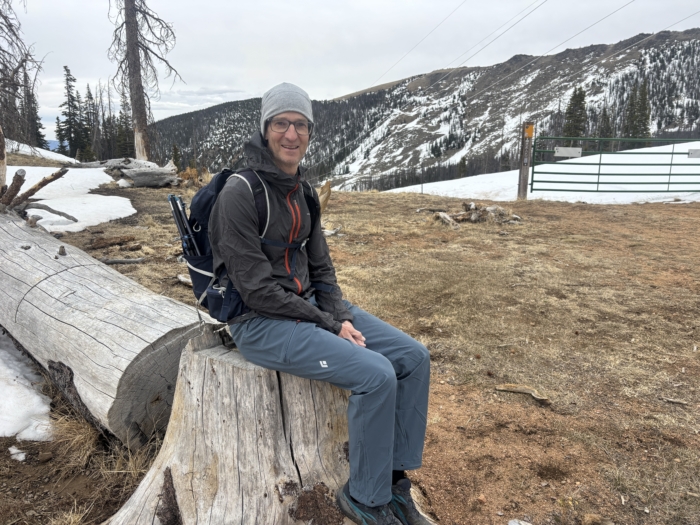
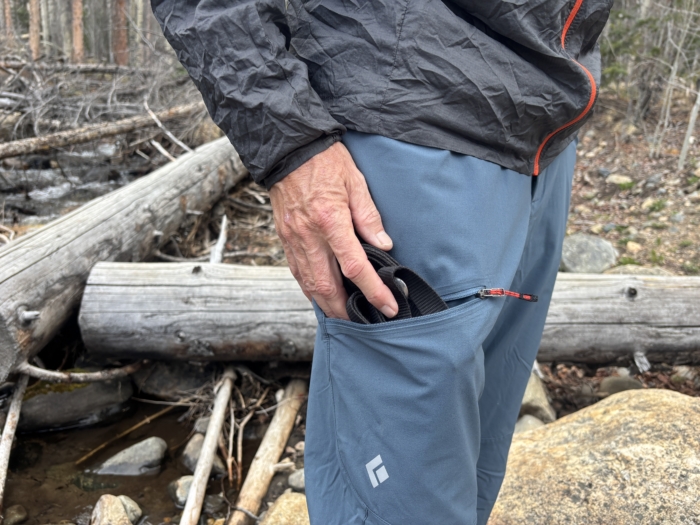
Specifications
Pros & Cons
Pros
- Solid stretch and durability
- Comfortable
- Work in almost any temps
- Lightweight
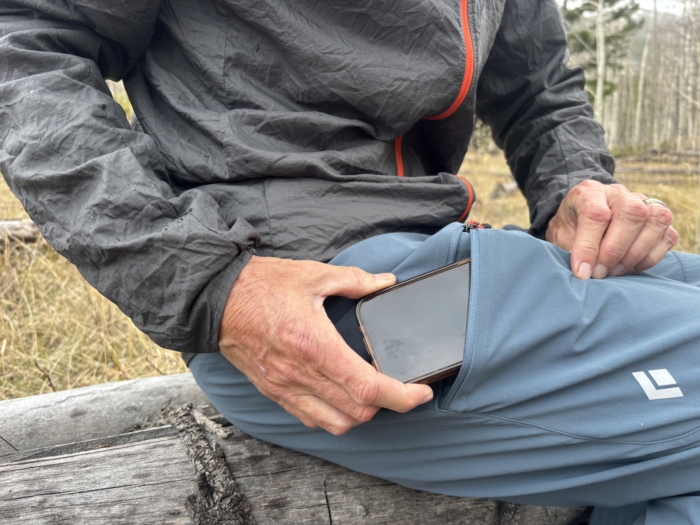
- Pockets that are easily accessible even when worn under a harness
Cons
- Pockets are shallow
- No back pockets
Read Review: Trail Performance, Loungewear Comfort: Black Diamond Alpine Light Pants Review
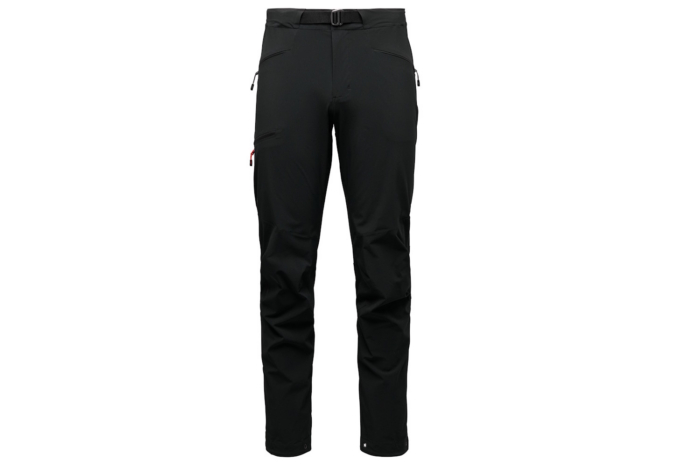
The Black Diamond Alpine Light Pants ($149) are the definitive solution for hikers who demand streamlined toughness and mobility. These pants excel at blending comfort, mobility, and resilience for rigorous conditions.
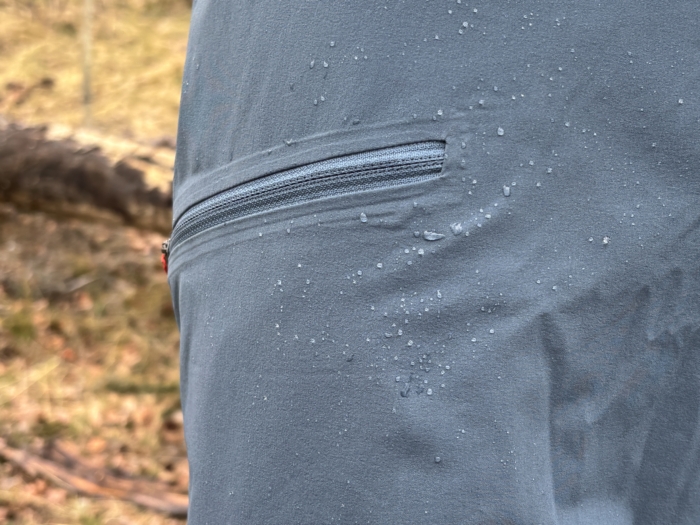
The Tech: Black Diamond takes a minimalist approach, skipping bulky cargo pockets and heavy hardware in favor of a sleek, streamlined build. The four-way stretch-woven nylon and elastane fabric is lightweight and water-resistant. The off-center G-hook waist closure is highly secure, and the low-bulk ankle drawcord keeps the lower leg trim.
Fit Profile: These have a slim, athletic shape designed for technical hikes and scrambling. The stretch allows natural movement, and the waistband stays put without a belt. Sizing runs small in the waist, so size up if between sizes.
What We Like: The combination of comfort and durability is excellent. We liked these most on rougher days when we left the trail and started pushing through scrub, sharp rock, and uneven alpine terrain. After months of testing across abrasive environments, they still looked nearly new, which says a lot for such a lightweight pant. The G-hook closure also feels polished.
What We Don’t: The pockets are the clear drawback. They’re shallow, and the low thigh pocket placement can be frustrating if you like carrying your phone in your pants.
Should You Buy It? If you want a lightweight technical pant for scrambling, off-trail travel, and hikes where mobility matters most, this is an excellent choice. The Fjällräven Vidda Pro is a smarter choice for hikers who want more storage and a burlier feel, but the Alpine Light is trimmer and better suited to fast mountain movement.
Patagonia Quandary Pants
-
-
(Photo/Miya Tsudome)
-
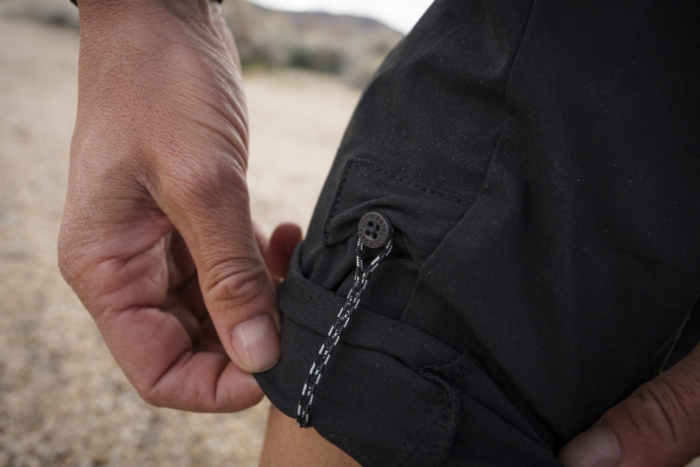
The button and loop closure for the pant cuffs; (photo/Miya Tsudome)
-
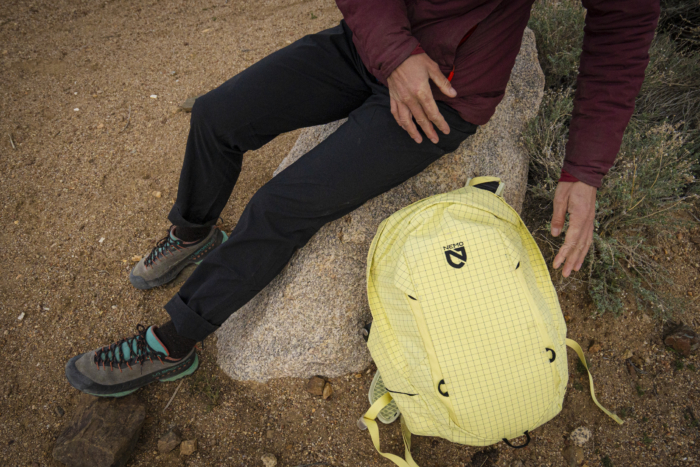
(Photo/Miya Tsudome)
-
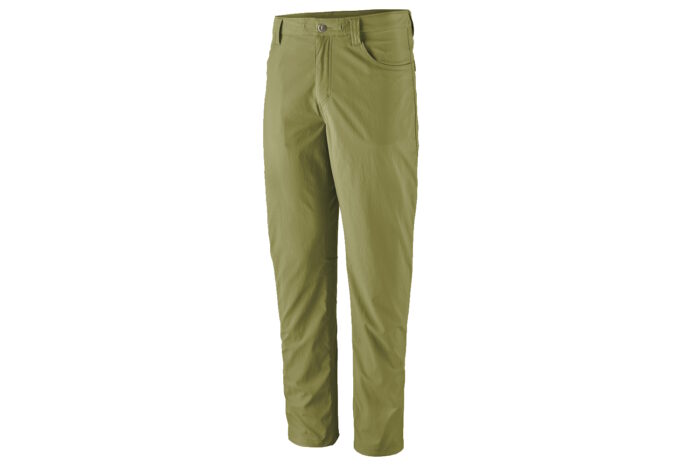
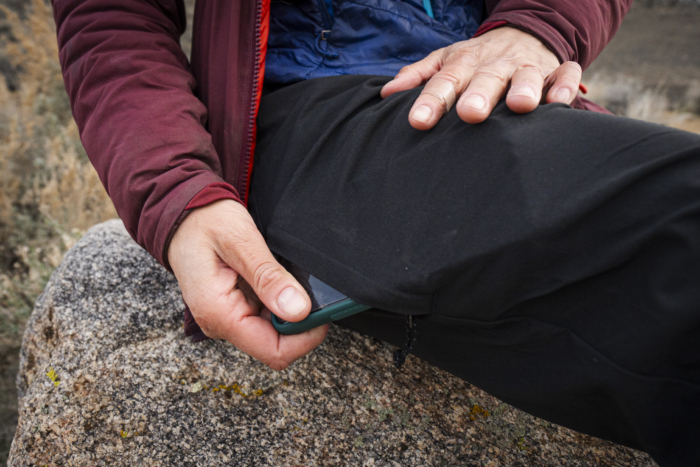
The front pockets are ample enough to fit a large phone; (photo/Miya Tsudome)
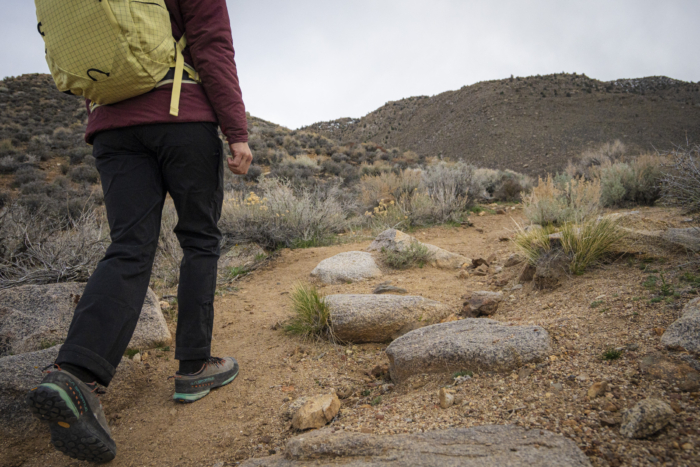
Specifications
Pros & Cons
Pros
- Affordable
- Flexible fabric
- Lightweight
Cons
- Few pockets
- Thin build doesn't provide as much protection as others
Read Review: Hiking Pants That Do It All: Patagonia Quandary Pants Review
The Patagonia Quandary Pants ($99) deliver robust performance at a reasonable price. Lightweight, flexible, and designed for comfort, they are a definitive choice for summer trails, travel, and layering in cooler weather. They hit a very practical balance between price, comfort, and longevity.
The Tech: The Quandary keeps the build simple but trail-ready, with articulated knees, a gusseted crotch, breathable fabric, a DWR finish, and 40+ UPF protection. That combination makes them highly appealing for warm-weather hiking, while the light fabric also layers easily over a baselayer once temperatures drop.
Fit Profile: These have a trim fit, especially at the waist and thighs. The fabric’s flex aids mobility, but those with muscular legs should try them on first. They feel light and unobtrusive, working well both around town and on trail.
What We Like: These offer strong value. They excelled on hot, sunny hikes, where the lightweight fabric felt breathable without extra venting, and easily adapted to chilly ridges with a baselayer underneath. They’re flexible, fuss-free, and durable over long hikes.
What We Don’t: Pocketing is limited, and we would have liked another larger zippered pocket for a phone. The thinner fabric also means less protection when you leave the trail and start pushing through rough brush.
Should You Buy It? The Outdoor Research Ferrosi Pants are a superior alternative for hikers who want better stretch and a more durable build, but the Quandary excels in hot-weather comfort, clean styling, and solid value.
REI Co-op Sahara Convertible Pants
-
-
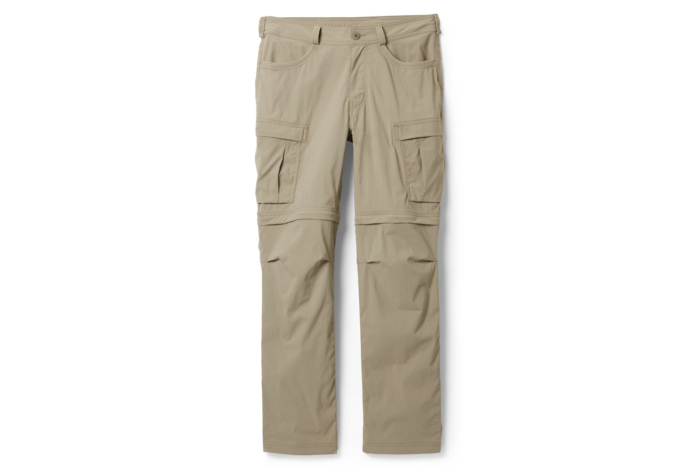
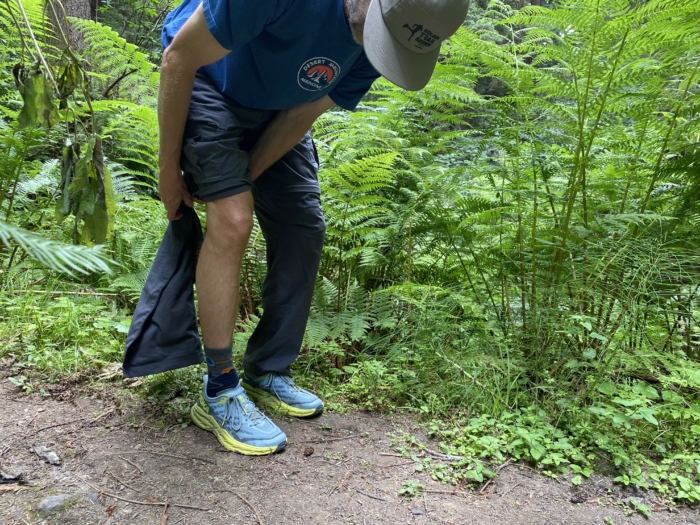
The REI Sahara easily switch to shorts; (photo/Rob Simpson)
Specifications
Pros & Cons
Pros
- Versatility
- Great fitting shorts with 2 large cargo pockets including
- Ease of zip on/off of the legs
Cons
- Look and fit of the pants at the thighs
Read Review: One Pair, Double Duty: REI Co-op Sahara Convertible Pants Review
The REI Co-op Sahara Convertible Pants ($90) are the classic one-pair solution for hikers who want maximum versatility without overthinking it. If your trip involves big temperature swings, limited pack space, or travel where one pant has to cover a lot of ground, these are compelling options.
The Tech: The Sahara keeps things practical, with zip-off legs, color-coded thigh zippers, and full side zips that make changing from pants to shorts much easier than older convertibles. The design is clearly built around convenience, particularly when the weather shifts fast, or you don’t want to take boots off to make the switch.
Fit Profile: As shorts, these offer a clean, comfortable fit. When converted to full pants, the added zippers create some bulk and stiffness, especially across the thighs. In motion, they remain comfortable, but they do not have the streamlined look or feel of the many other non-convertible pants in this guide.
What We Like: During a demanding backcountry fishing outing at a high-alpine Colorado Rockies lake near 13,000 feet, we repeatedly shifted from pants to shorts as conditions switched from sun to wind and cold. These pants excelled in the ever-changing conditions. We appreciated how easy it was to swap the legs in inclement weather without the usual awkward hopping.
What We Don’t: Like most zip-off pants, the full pant loses its clean lines and polish once zipped together.
Should You Buy It? The Patagonia Quandary is an ideal alternative if you prefer a streamlined, everyday fit without zippers, but the Sahara wins outright when managing big temperature swings and limited packing space.
Mountain Hardwear Dynama Pull-On Pant
Specifications
Pros & Cons
Pros
- Soft, stretchy fabric stays cool
- Dries exceptionally fast
- Clean, flattering fit
- Lightweight and versatile
Cons
- Short inseam exposes the ankle
- Less durable and protective than more rugged pants
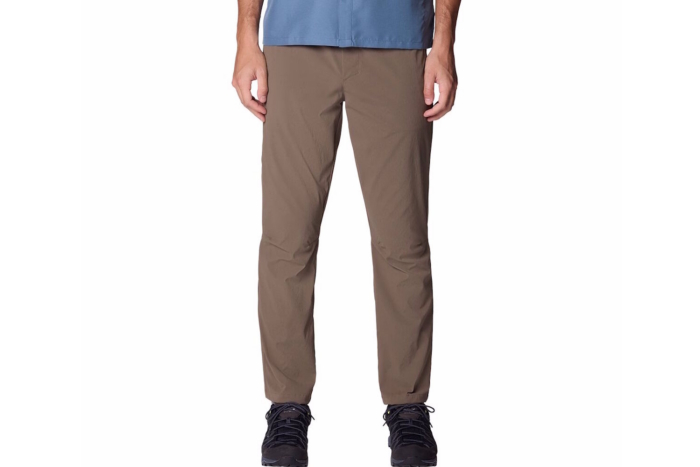
The Mountain Hardwear Dynama Pull-On Pant ($95) is a go-to choice for hot-weather hiking, travel, and summer trails. It has the soft, stretchy comfort of lounge pants, but performs like a real trail pant when the miles add up. For hikers wanting something lightweight, breathable, and flattering without looking overly technical, this one is exceptional.
The Tech: The nylon-elastane blend is soft, highly stretchy, water-repellent, quick-drying, and UPF 50+ rated. The pull-on elastic waistband and internal drawcord keep things comfortable, while the pocket layout stays useful without overcomplicating the design. You get two hand pockets, two back drop-in pockets, and one zippered thigh pocket.
Fit Profile: We love the fit here. It has a slight taper that looks clean without feeling tight, and the fabric moves easily whether we’re hiking or in town. The inseam is definitely on the shorter side, ending around the top of the boot. We didn’t mind that, but hikers wanting more coverage may see it as a drawback.
What We Like: These really proved themselves on warm spring hikes in the desert, where the fabric felt cool and comfortable even as temperatures climbed on exposed slickrock. We also wore them on a rainy, humid hike, and although they got fairly damp, they dried exceptionally fast once the weather cleared. That quick-dry performance and excellent stretch make them highly versatile.
What We Don’t: If you prefer pants that fully cover your boots and offer maximum brush protection, the cropped style may leave your ankles too exposed.
Should You Buy It? If you want a lightweight hiking pant for hot weather, travel, and casual everyday use, this is a highly compelling option. The Mammut Runbold IV is ideal for hikers who want a more structured feel, but the Dynama wins for softness and simplicity.
Fjällräven Vidda Pro Ventilated
-
-
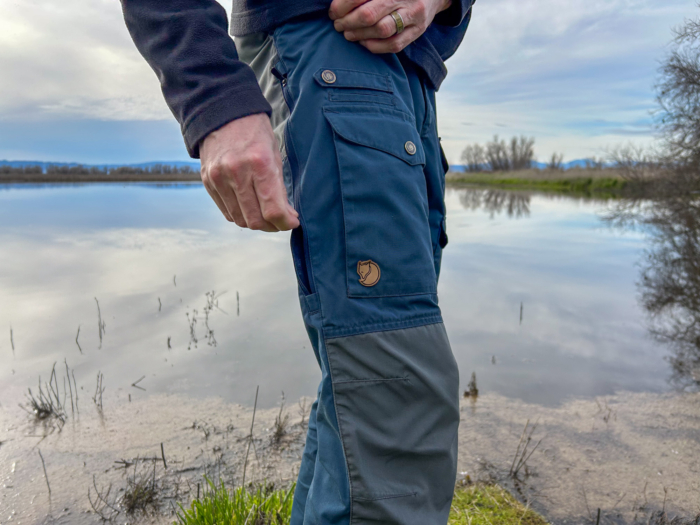
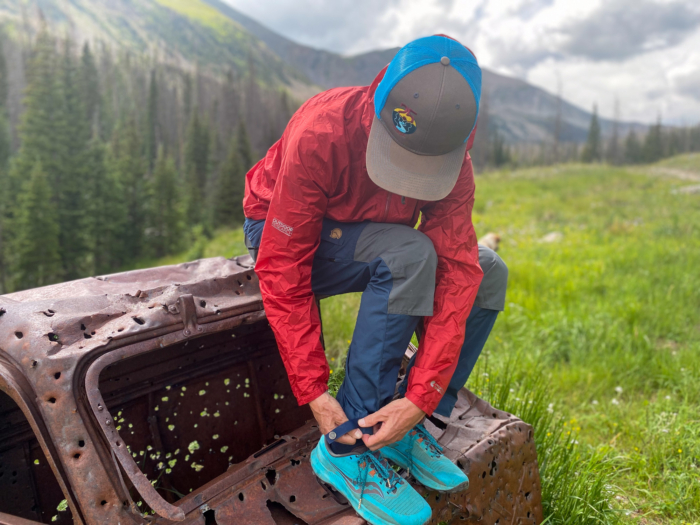
Heavy-duty but breathable – the side zips help regulate temperature during high-exertion activities; (photo/Rob Simpson)
-
(Photo/Rob Simpson)
-
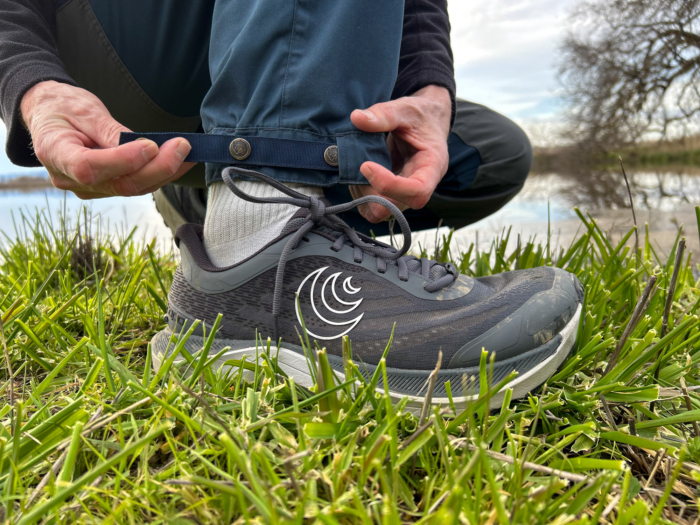
The adjustable ankle cuffs offer four settings, allowing for a secure or relaxed fit depending on the conditions; (photo/Rob Simpson)
-
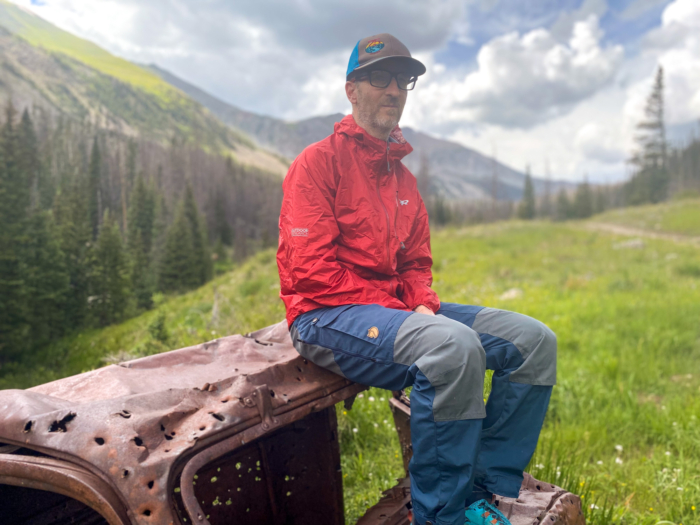
Built with water- and wind-resistant fabric, these pants balance durability and breathability; (photo/Rob Simpson)
-
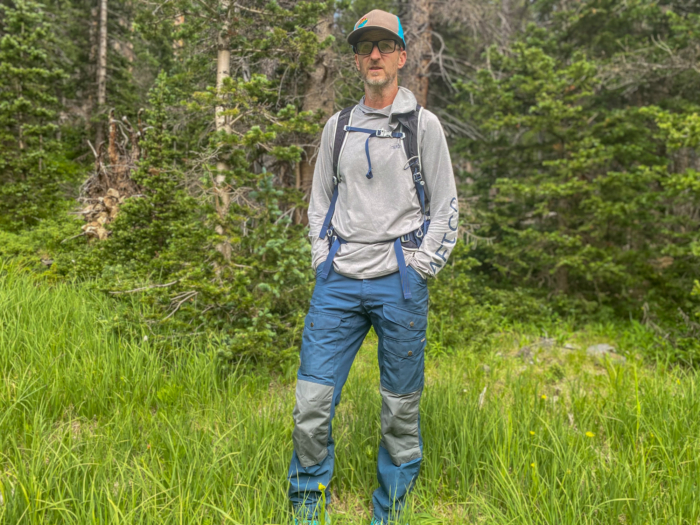
With long-term durability and smart features, these pants justify their price for those who demand reliability; (photo/Rob Simpson)
Specifications
Pros & Cons
Pros
- Heavy-duty durable pants
- Lots of features
- Fantastic look and fit
Cons
- Heavy
- Expensive
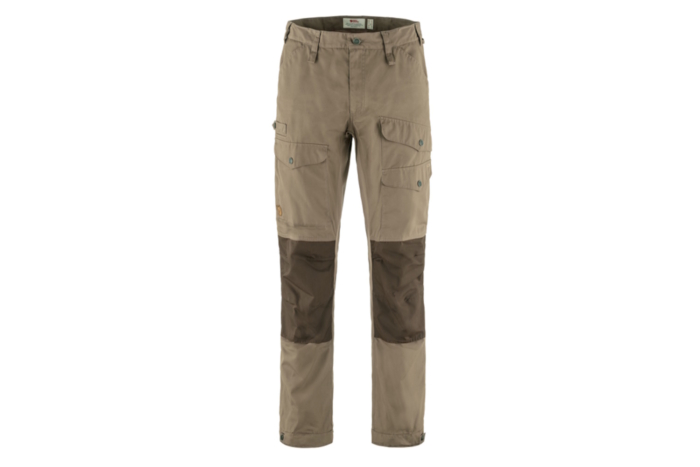
The Fjällräven Vidda Pro Ventilated Trousers ($190) is the burly option for hikers who are hard on gear and want one pair of pants that can shrug off years of abuse. Built for brush, rock, mud, and rough conditions, these pants consistently outperform lighter options.
The Tech: The Vidda Pro Ventilated pairs heavy-duty fabric with side-vent half-zips, a ventilated stretch crotch, oversized storage, and mountain-specific details like boot adjustment straps and lace-keeper hooks. It is a feature-rich design, but the extras feel useful rather than fussy.
Fit Profile: Despite the stout build, these pants offer a standard fit through the waist and thighs, providing space for movement without sagging or excess material. The cut is designed for mountain use, delivering structure and protection. Even with pockets loaded with a phone, keys, and snacks, the pants maintained their shape and stayed comfortably in place.
What We Like: We expected these to run hot, but in testing across varied mountain conditions, they breathed better than anticipated thanks to the venting and stretch paneling. They handled everything from sloppy mud to abrasive rock scrambling and consistently felt like the most rugged, reliable pants in the bunch. We also kept getting comments on the trail and in town about how good they looked.
What We Don’t: They are heavy, and the price will be a sticking point for plenty of hikers. These also would not be our first choice for desert backpacking or ultralight-minded missions.
Should You Buy It? If durability, storage, and mountain utility matter most, this is one of the most capable options here. The Rab Incline Light is a better choice for hikers who prioritize low weight, but the Vidda Pro Ventilated is the one to buy if you prioritize protection and longevity first.
More Men’s Hiking Pants That Crush It
-
-
(Photo/Sean McCoy)
Specifications
Pros & Cons
Pros
- Form and function meet the apex pant
- Bomber hardware
- Tons of pockets with versatile security options
Cons
- DWR is negligible
- Styling is less formal
Read Review: Darn-Near Perfect Pants, Made With Recycled Plastic: LIVSN EcoTrek Review
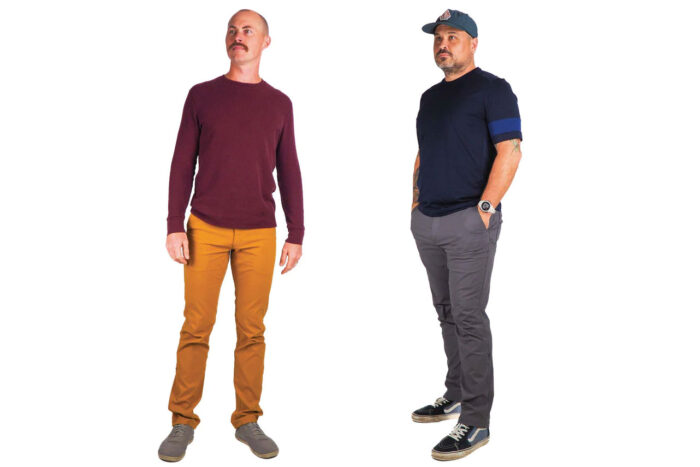
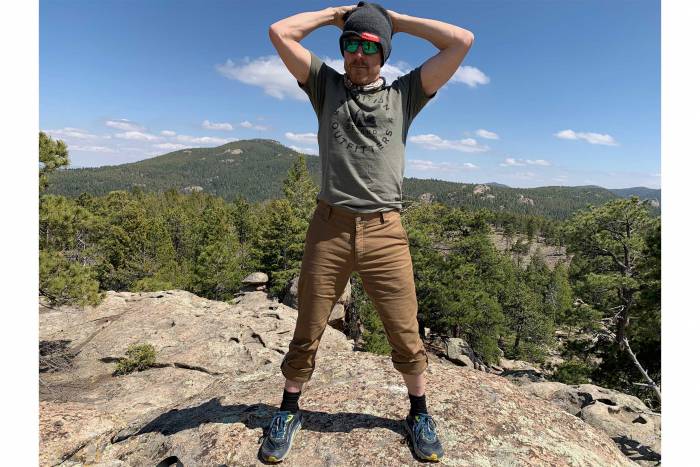
The LIVSN Ecotrek Trail Pant ($139) are for hikers and travelers who want pocket organization, durable hardware, and an athletic feel in one thoughtfully built package. These appeal less for one headline spec than for how many small details they get right, particularly if you like secure storage and casual crossover appeal.
The Tech: The Ecotrek packs in useful details without tipping into clutter. You get seven purposeful pockets, articulated knees, a gusseted crotch, reinforced wear zones, sturdy stitching, a hidden internal drawcord, and fabric made in part from recycled fishing buoys. The legs also roll and secure under a buttoned strap.
Fit Profile: These are lighter and more athletic than the hardware-heavy design might suggest. They move quietly, stretch well on big step-ups, and feel remarkably good for warm-weather hiking and travel-heavy seasons. The styling leans more casual than polished, which works well for everyday use.
What We Like: In real use—whether scrambling up rocky approaches, navigating damp Pacific Northwest trails, or enduring long travel days—the pocket layout feels purposeful rather than overdesigned. The secure zip options make these highly practical for keeping essentials safe on the move. We also like how reliable the hardware feels, from the cuffs to the buttons.
What We Don’t: The DWR is negligible, so these are not the pants to count on in sustained rain or soggy conditions. The styling also reads a bit less formal than some cleaner options in the guide.
Should You Buy It? If you want a travel-friendly hiking pant with excellent pocket organization and sturdy hardware, this is a top-tier choice. The KÜHL Renegade Recon is a better fit if you want a tapered, clean look, but the Ecotrek excels at secure storage and thoughtful utility.
Specifications
Pros & Cons
Pros
- Ultralight
- Great next-to-skin comfort
- Solid mobility
- Packable
Cons
- A bit too tight in some areas
- Light fabric is not as inherently durable as others
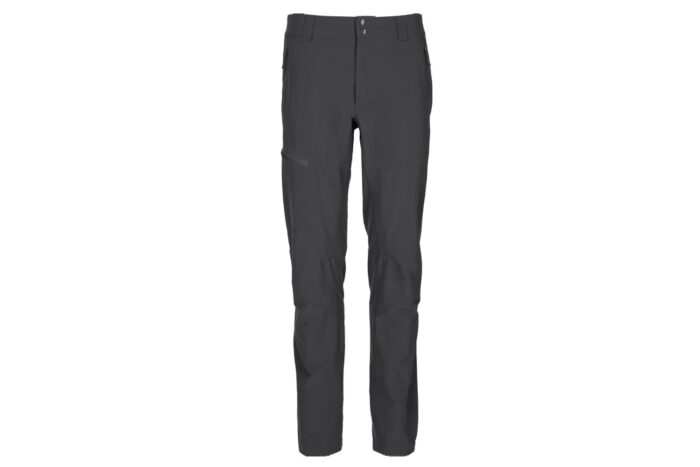
The Rab Incline Light Pants ($110) are the kind of ultralight layer that earns a permanent place in the pack. These are ideal for hikers who want a barely-there pant for warm-weather miles, fast-moving days, and backup duty on longer trips. They feel airy and surprisingly trail-ready.
The Tech: At just 7.9 ounces, the Incline Light is one of the lightest pants in the guide. The gusseted crotch, articulated knees, and stretchy fabric give it excellent mobility, while four zippered pockets keep essentials secure. The design is simple and smart, though Rab skips cuff adjustments to save weight.
Fit Profile: These run slim through the hips and thighs, and a bit tighter than we prefer in a few spots. Hikers with larger legs should consider sizing up. Next-to-skin comfort is excellent, and the light fabric disappears on the body in a way few pants do.
What We Like: These became some of our favorite just-in-case pants because they cram down to the size of a softball and still hike like a real pair of pants when called into action. On hot, exposed hikes and light desert bushwhacks, they moved beautifully and never felt clammy or restrictive. We also like that every pocket zips, which adds real utility on the trail.
What We Don’t: The slim cut can feel too tight in the thighs and hips, and the thin fabric won’t love repeated abuse in rough brush or harder off-trail terrain.
Should You Buy It? The Mammut Runbold IV makes more sense if you want built-in waist adjustment and a slightly more structured fit, but the Rab is the superior choice for ounce-conscious hikers who prioritize minimal pack weight.
-
-
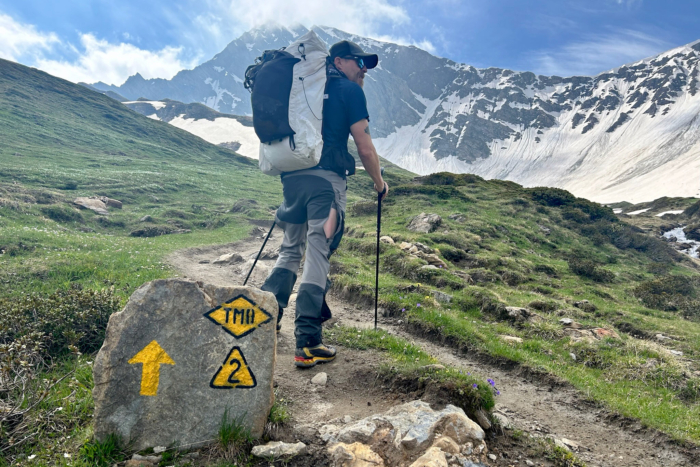
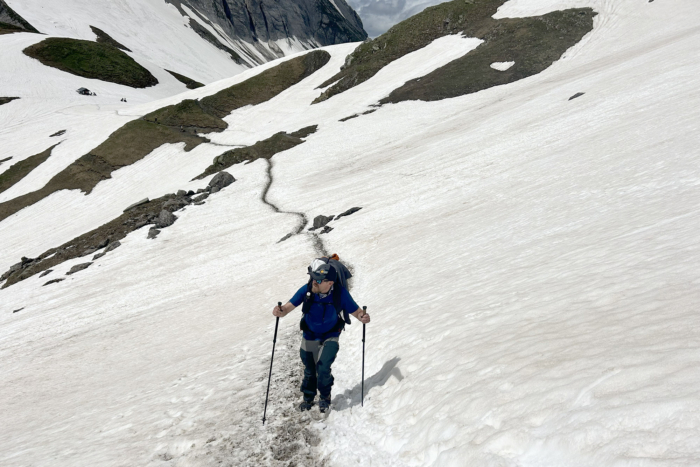
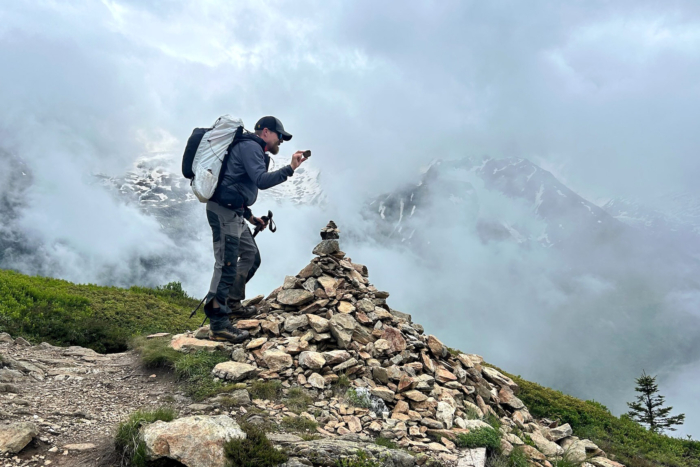
Sean McCoy hikes on the Tour du Mont Blanc; (photo/Sarah Poinski-McCoy)
-
-
Specifications
Pros & Cons
Pros
- Durable and protective
- Good ventilation
- Spacious pockets
- Built-in gaiters
Cons
- Heavy
- Too warm for hot weather
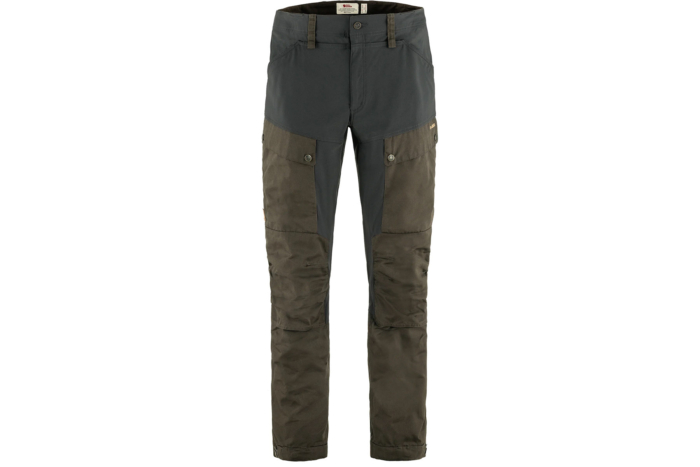
The Fjällräven Keb Trousers ($250) are built for rugged mountain travel where lighter pants start to feel undergunned. These are for hikers, scramblers, and backpackers who spend real time in rough alpine terrain and want protection, storage, and ventilation in one serious package.
The Tech: The Keb combines durable G-1000 fabric in high-wear zones with stretch panels for mobility, then adds thigh-to-knee vents, reinforced knees, integrated boot hooks, and spacious pockets. It is a technical build, but everything here serves a purpose.
Fit Profile: These have a precise but not restrictive fit. They feel dialed for mountain use, with enough articulation and stretch to move well over uneven ground while still maintaining a protective, robust structure. The overall cut feels more technical than casual.
What We Like: We tested these while scrambling through alpine talus, bushwhacking off-trail, and carrying heavy loads on a circumnavigation of Mont Blanc, and they never flinched. The venting does a lot to offset the burly build on steep climbs, and the pocket space and built-in gaiter-style details make them highly useful on trips where design details matter. These feel like pants you buy and use for years.
What We Don’t: They are heavy, expensive, and simply too warm for hot, low-elevation hikes. If your hiking is mostly mellow summer trail miles, this much pant is probably unnecessary.
Should You Buy It? The Arc’teryx Gamma is a smarter route if you want a stretchy, weather-resistant softshell for alpine conditions, but the Keb offers unmatched ventilation, pocket space, and reinforced durability for off-trail abuse.
Specifications
Pros & Cons
Pros
- Excellent wind and light rain resistance
- Durable breathable fabric with plenty of stretch
- Comfortable standard fit with room to layer
Cons
- No built-in waist adjustment
- Too warm for hot-weather hikes
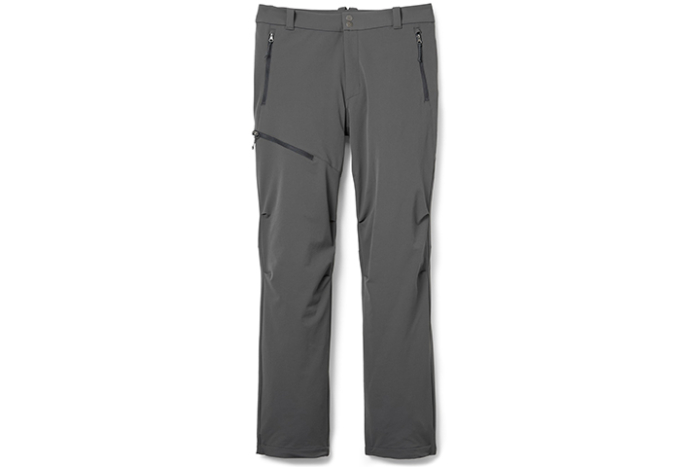
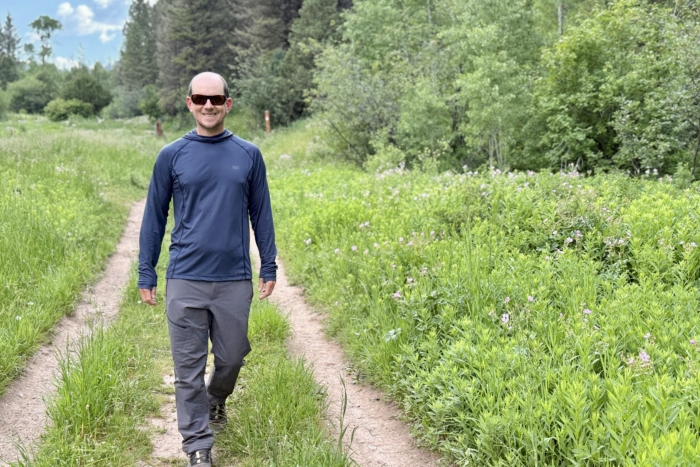
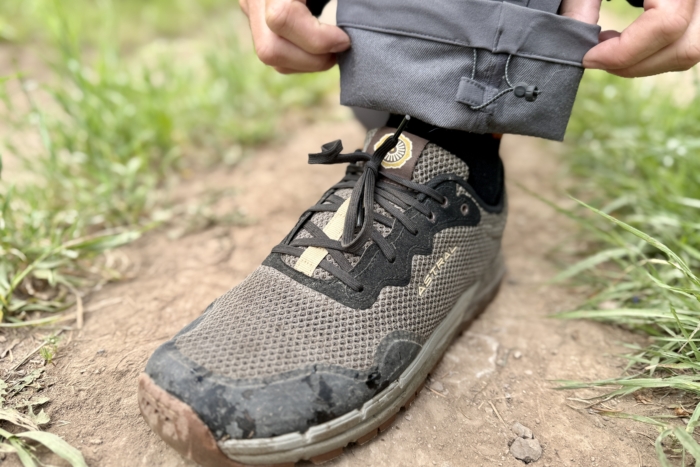
The REI Co-op Activator Pants ($100) are a dependable softshell option for hikers who face wind, light rain, and variable weather. These excel at balancing protection, stretch, and comfort, making them a go-to choice for spring, fall, and higher-elevation days.
The Tech: The Activator uses a stretchy, breathable softshell fabric that blocks wind and shrugs off light rain better than many pants in this price range. Zippered pockets add security, and the low-profile waistband sits comfortably under a pack belt. The only notable omission is a built-in waist adjustment.
Fit Profile: These have a comfortable standard fit that leaves room for movement and a light baselayer underneath. The cut feels easy and versatile rather than trim or aggressively technical, which helps make them appealing to a wide range of hikers.
What We Like: We wore these on spring slogs in Wyoming’s Teton Range and blustery fall hikes in the Pacific Northwest, where they handled biting wind and passing moisture remarkably well while still breathing enough to stay comfortable. We also like that the fabric stretches naturally on steeper trails and feels durable without crossing into overly stiff territory.
What We Don’t: You will need a belt to really dial in the fit. They are specifically meant for cool, brisk transitional seasons rather than true year-round use, but are not insulated enough for true winter use.
Should You Buy It? If you want a softshell hiking pant that can handle wind, cool temperatures, and light rain without feeling clunky, this is a very good buy. The Mammut Runbold IV is a more practical choice for hotter weather, but the Activator is the stronger path when the forecast turns blustery.
-
-
(photo/Rob Simpson)
-
(photo/Rob Simpson)
-
(photo/Rob Simpson)
-
(photo/Rob Simpson)
-
(photo/Rob Simpson)

Specifications
Pros & Cons
Pros
- Quick drying and breathable
- Lightweight
- Total mobility
- Waistband adjustment to dial in the fit
- Secure zippered pockets
Cons
- Lack weather-resistance
- Stylish
- Inner pocket mesh lacks durability
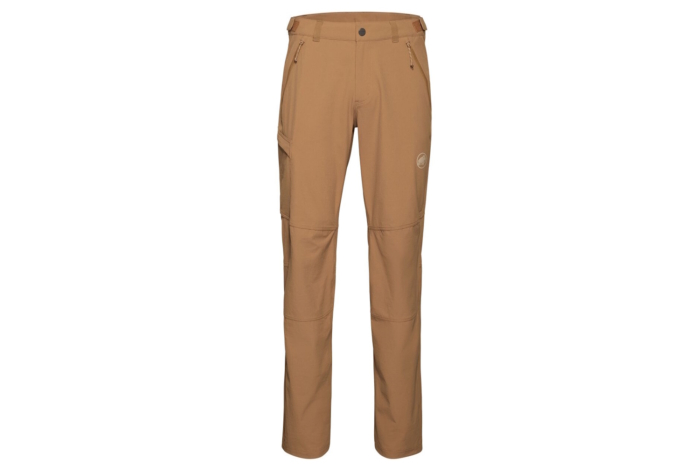
The Mammut Runbold IV Pants ($119) are light, airy, and highly mobile, making them a reliable choice for hikers who spend most of their time chasing miles in warm weather. These are pants that feel good immediately, with quick-drying fabric, secure pockets, and a clean overall aesthetic.
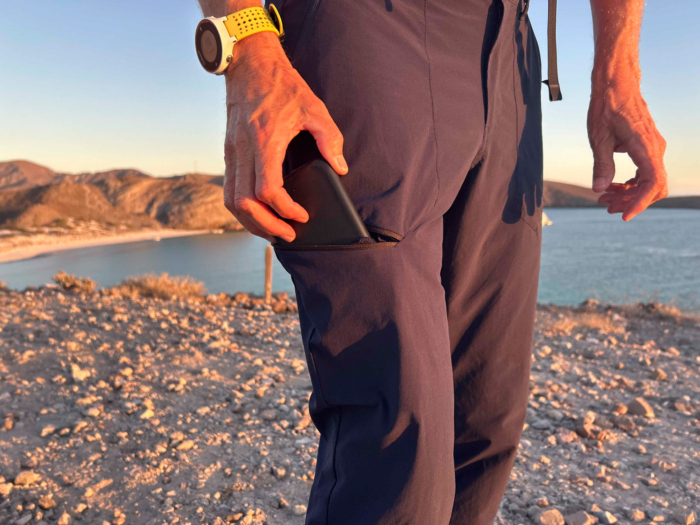
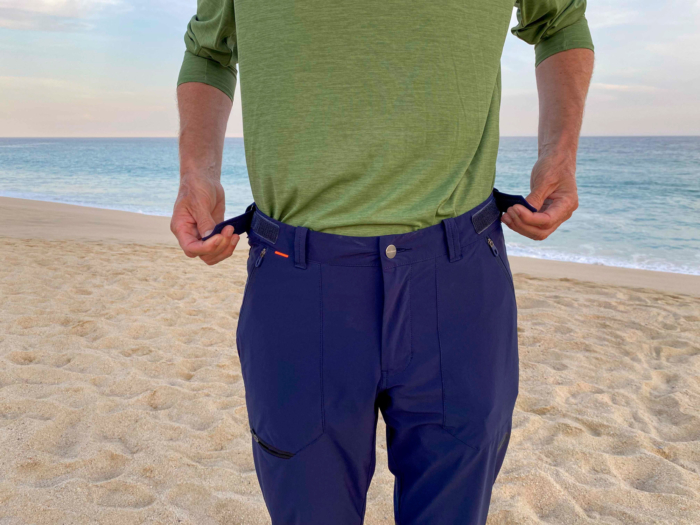
The Tech: At 9.4 ounces, the Runbold IV is one of the lighter pants here. The four-way stretch fabric dries fast, moves easily, and feels cool on the body. Velcro waist tabs allow meaningful fit adjustment without a belt, and the zippered pockets are practical and secure.
Fit Profile: The cut lands somewhere between slim and regular, with an athletic shape that works especially well on tall, lean builds. The waistband adjustment is excellent and does not bunch awkwardly when tightened, but hikers with bigger thighs may find the legs a little snug.
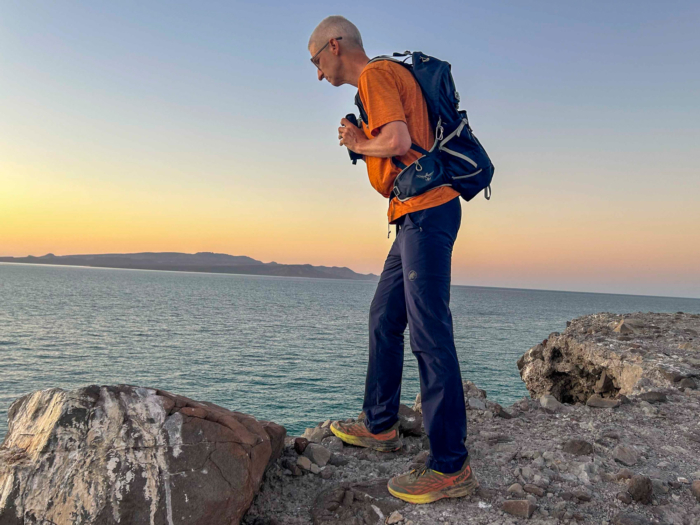
What We Like: These arrived just as the Rockies were shifting from hiking season into ski season, handling crisp mountain air beautifully. They then came along for spring hikes and an extended road trip to Baja, where they handled everything from dry desert summit trails to seashore walks. That ability to manage high-alpine trails and casual beach walks proves just how versatile they are.
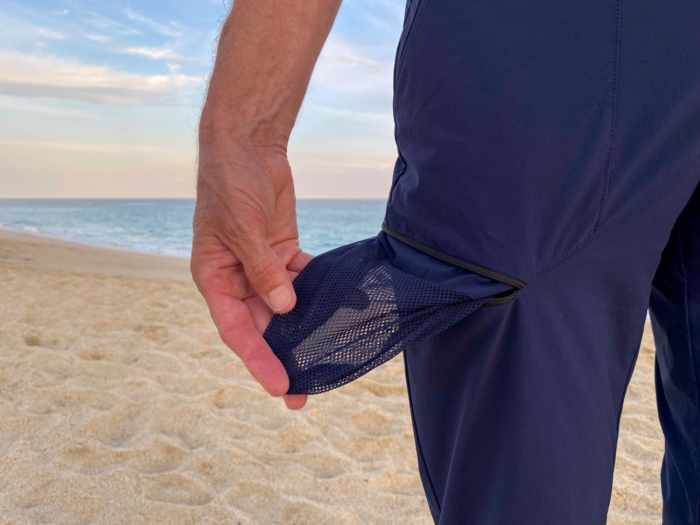
What We Don’t: Weather resistance is limited, so these are not the pants to rely on in heavy wind, rain, or colder shoulder-season conditions. The mesh inside the pockets also caught on gear and does not feel especially durable.
Should You Buy It? If you want lightweight, fast-drying pants for warm-weather hiking and travel, this is a solid contender. The Rab Incline Light is ideal if you want a truly ultralight feel, but the Runbold feels more structured and better suited to high-mileage summer use.
Specifications
Pros & Cons
Pros
- Super durable
- Very comfortable
- Great four-way stretch
- Versatile
Cons
- Expensive
- Low breathability
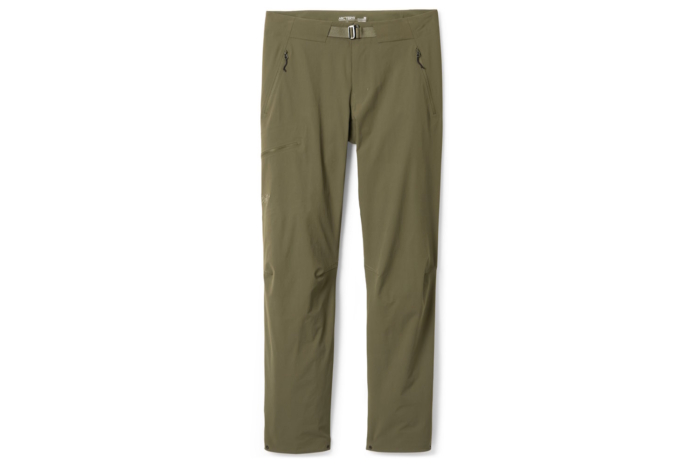
The Arc’teryx Gamma Pants ($200) is the durability-first option for hikers and climbers who are hard on gear and want one pair of pants that can handle years of abuse. This is a softshell for nasty terrain, shoulder-season mountain days, and off-trail use where stretch and protection matter more than airy comfort.
The Tech: The Gamma uses a tough four-way stretch softshell fabric with a more comfortable interior feel than older versions. Arc’teryx has updated the belt, added a cord at the hem, and included a thigh map pocket, but the core story remains snag-resistant protection.
Fit Profile: These have a regular fit that feels comfortable rather than restrictive, and the stretch keeps them moving well despite the tougher fabric. They are versatile enough for hiking and climbing, though the material feels more substantial and noisier than lighter options in the guide.
What We Like: We have been wearing versions of these pants for nearly 20 years while rock climbing, mountaineering, bushwhacking, spring skiing, and cross-country running across diverse, punishing alpine environments. That kind of long-term testing says almost everything. Even after the DWR wore away and a zipper finally gave out, the fabric itself still looked remarkably strong.
What We Don’t: The price is steep, breathability is mediocre, and the fabric is a bit noisy. Those are real compromises, particularly if most of your hiking happens in mild or hot conditions.
Should You Buy It? The Gamma is the pair for hikers and climbers who want serious long-term protection for rough terrain, shoulder-season mountain days, and repeated abuse. The Black Diamond Alpine Light Pants are a better choice if you want something more comfortable, lighter, and a bit less expensive while still getting excellent stretch and strong mobility, but the Gamma remains the better bet for maximum durability and protection.
-
-
(Photo/Rob Simpson)
-
(Photo/Rob Simpson)
Specifications
Pros & Cons
Pros
- Great look and feel
- Plentiful pockets
- Elastic waist eliminates sag or need for a belt
Cons
- Not very “water-resistant”
- Hit at ankle/are short unless you order a longer inseam
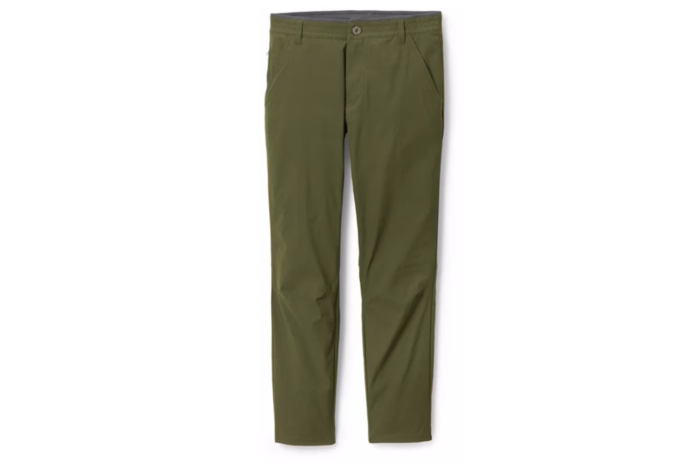
The KÜHL Renegade Recon Pants ($99) are built for versatile crossover days when you want one pant that looks sharp and feels comfortable. These are particularly appealing for hikers who go straight from work or travel into an afternoon hike and want something that holds its shape better than most casual pants.
The Tech: The defining design detail here is the elastic waist, which keeps the pants secure without sagging and eliminates the need for a belt. You also get plenty of pockets and a tapered shape that looks more polished than most hiking pants. The tradeoff is that the water repellency underdelivers.
Fit Profile: Once dialed in, these fit well and hold their shape nicely. KÜHL’s tapered fit is designed as an ankle-grazer style. You just need to pay close attention to the inseam length when ordering to ensure they don’t fit too short, unless you specifically prefer that cropped look.
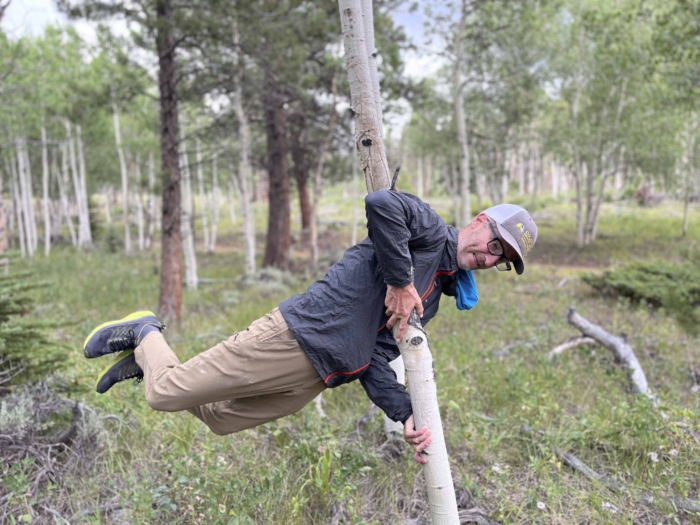
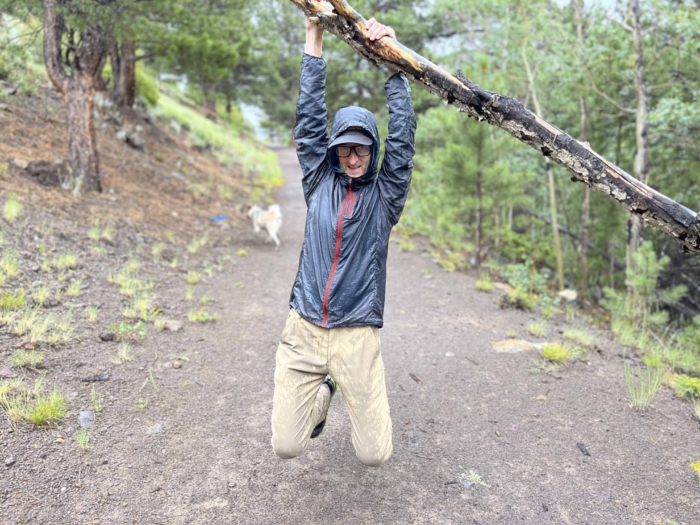
What We Like: These really shine on sunny Colorado hikes and on those in-between days when you want one pair that can handle a staff meeting, a drive to the trailhead, and a quick evening walk through light brush without looking out of place anywhere. We especially like the clean look, the plentiful pockets, and the elastic waist, which feels noticeably more comfortable than a belt.
What We Don’t: The level of water resistance is disappointing. On a Colorado hike that turned from light sprinkles into steady rain, they soaked through within minutes and stayed damp even after we drove home.
Should You Buy It? If your priority is a sharp-looking hiking pant for dry-weather post-hike use, this is a very solid option. The REI Co-op Trailmade is a more budget-friendly alternative for casual trail wear, but the Renegade Recon looks sharper and feels more immediately wearable for everyday life.
Hiking Pants Comparison Chart
| Pants | Price | Fit | Stretch Level | Pockets | Durability |
|---|---|---|---|---|---|
| Outdoor Research Ferrosi | $110 | Standard | High | 5 | Moderate |
| REI Co-op Trailmade | $80 | Standard | Moderate | 5 | Low |
| Black Diamond Alpine Light | $149 | Slim | High | 5 | Moderate |
| Patagonia Quandary | $99 | Regular | Moderate | 5 | Moderate-High |
| REI Sahara Convertible | $90 | Relaxed | Low | 6 | Low |
| Fjällräven Vidda Pro | $190 | Regular | Low | 6+ | Extreme |
| Mountain Hardwear Dynama | $95 | Athletic | High | 5 | Low |
| LIVSN Ecotrek Trail Pant | $139 | Athletic | Moderate | 7 | High |
| Rab Incline Light | $110 | Slim | High | 4 | Low |
| Fjällräven Keb Trousers | $250 | Standard | Moderate | 4+ | Extreme |
| REI Co-op Activator | $100 | Standard | High | 4 | Moderate-High |
| Mammut Runbold IV | $119 | Athletic | High | 4 | Low |
| Arc’teryx Gamma | $200 | Standard | High | 4 | Extreme |
| KÜHL Renegade Recon | $99 | Tapered | Moderate | 7 | Moderate |

How We Tested Hiking Pants
Our Expert Testers
GearJunkie has been testing men’s hiking pants since 2021. And over the past 5 years, a team of six expert testers has worn more than 60 pairs across different terrain, climates, and trip styles.
Our testing pool includes experienced backpackers, thru-hikers, climbers, and mountain travelers, giving this guide a perspective of what actually lasts, fits well, and keeps performing.
Today, this guide is led by Rob Simpson and Ryan Kempfer, who have tested every pant featured here. Based out of Salida, Colorado, Simpson has more than 25 years of experience leading backpacking, climbing, and winter camping trips. Kempfer lives and works as a wildlife guide in the Tetons. Both hike at least 400 miles a year ranging between mellow days, rough off-trail travel, and bigger mountain objectives, ensuring gear is tested across a wide range of temperatures and real-world use.

Our Testing Process & Grounds
We do not form an opinion on a pair of hiking pants after one or two outings. As a baseline, every pair in this guide sees at least 30 trail miles before we consider it for inclusion, and most get far more. We keep testing top picks after they make the guide, wearing them across multiple seasons and use cases to see how they hold up over time. Then, we update this guide at least four times a year as new field data comes in. This helps us to continue evaluating how each pair handles mobility, breathability, weather resistance, pocket usability, long-term comfort, and durability.
Our team has worn these hiking pants:
- Colorado 14ers
- Backpacking trips through the Rockies
- Desert hikes in Utah and Baja
- Muddy, windy days in the Tetons
- Wildlife guiding in Yellowstone
- Coastal outings in Alaska
- Long trail days in conditions ranging from exposed heat to brushy bushwhacking, steady rain, and spring snow

Our Men’s Hiking Pants Rating System
We evaluate each pair of pants in four categories using a 1 to 10 scale:
Versatility: Reflects how well a pant performs across a range of climates, terrain, and uses, from everyday hikes to backpacking trips and off-trail travel.
Comfort and Mobility: Looks at fit, stretch, freedom of movement, and how good the pants feel over long days.
Weather Protection: Covers resistance to wind, light precipitation, and abrasion.
Breathability: Measures how well the fabric dumps heat and manages moisture, along with any venting or airflow-minded design details.
Note: The overall score represents our testers’ full impression of performance after extended use, and is not merely a calculation based on the average of category scores.
Buyer’s Guide: How to Choose the Best Hiking Pants
Hiking pants are important investments for all-day comfort on trail and need to be chosen wisely before setting off on your adventure. The type of terrain you plan to encounter on your trip, the temperatures you will be hiking in, and the level of exposure to the sun all factor into which model would be the best for your needs. Continue reading to help narrow down the selection and find the perfect pair of pants.
And, to fully kit yourself out in other hiking gear, consult our guides to the best hiking boots, the best hiking boots for women, or the best hiking shoes. If you’re looking for women’s-specific pants, check out our guide to the best hiking pants for women.
Pant Length & Versatility
Hiking pants come in three main options: full-length, convertible, and roll-up. Full-length pants are a great option for complete leg protection, even in the summer. To combat overheating, most pants have mesh pockets or vents.

Convertible pants like the REI Sahara Convertible Pants are the ultimate 2-in-1. The legs zip off and can be worn as shorts or pants. They’re a great option for variable weather and multiday hikes where you want more options and less gear to pack, but it’s tough to find a pair that doesn’t look goofy.
Pulling the legs off without removing your hiking boots is also nice, which is why the KÜHL Renegade Convertibles fall short and are no longer included in our guide even though we tested them. REI’s option has a zipper that makes conversion easy and fast, but the KÜHLs’ redesign lacks this zipper, so you must remove your boots or shoes.

Roll-up pants are somewhere between full-length and convertible. A tab, button, or drawcord secures the cuff when rolled up. The alpine-centric Arc’teryx Gamma Pants are a heavier, more durable model that we’d hesitate to wear on the hottest summer days. However, it also has useful drawcords on the cuffs, so it’s easy to pull them up and get some airflow on the calves. Drawcords around the ankles can keep the cuffs secured up around the legs. Pants without them will need to be rolled up.
The Fjällräven Keb have integrated boot hooks that help seal out debris and add a gaiter-like feel at the cuff. That makes them one of our favorite options for shoulder-season hikes, bushwhacking, and rough days spent moving through scree fields.
Mobility

Being able to move freely in hiking pants is a major concern. Whether running down the trail or scrambling up a rocky patch, you don’t want your pants restricting your movement.
This is where design features like a gusseted crotch, articulated knees, and stretchy materials prove useful. And because everybody is shaped differently, it can be helpful to try on a few pairs before buying to ensure a snug (but comfortable) fit. It’s also important to consider that you may need to find the right belt to help secure your pants comfortably around the waist.
Some pants run slim and restrict movement. Conversely, Black Diamond’s Alpine Light Pants and the Mountain Hardwear Dynama strike a perfect balance of lightweight durability and mobility.
It’s also important to consider how comfortable your pants will be when wearing a fully loaded backpacking backpack. Make sure they fit you well so you don’t have to wear a belt to keep them up, as that could rub uncomfortably against your pack as you hike.

Weather Protection
Just because you’re wearing pants doesn’t mean you’re safe from the sun’s damaging rays. If you are hiking on extremely sunny days, look for pants with rated UPF protection of 40 or 50.
A DWR coating like we see in the Outdoor Research Ferrosi Pants or the Patagonia Terravia Peak Pants doesn’t make pants completely waterproof, but it adds enough wet-weather protection to keep you dry while hiking through dewy brush or in light showers. DWR keeps water droplets on the exterior, allowing them to simply roll off.
DWRs will eventually wash out over time. For optimal performance, you’ll want to treat heavily used hiking pants on occasion. Nikwax Softshell Proof Wash-In is an easy way to keep your pants repelling water year after year.

And if you’d rather skip a traditional DWR treatment, the Fjällräven Vidda Pro is a strong option. Its burly fabric and mountain-ready design already offer excellent protection, and Fjällräven’s wax-based approach lets you add water resistance when you want it.
These additions start to creep up the cost of pants. However, our budget choice, REI’s Trailmade Pants does have a DWR and UV protection and is an incredible value.
Additionally, weather protection can make pants a bit heavier and less mobile — factors to consider when thinking about your hiking objectives. We personally don’t place DWR treatment high on our wish list when shopping for hiking pants, as we generally throw on a dedicated pair of rain pants if the heavens truly open up. Some hikers do like them for light rain and mist, however.

Additional Features
A good pair of hiking pants is about more than just fabric and fit. You want a healthy features-to-weight balance—like the Fjällräven Vidda Pro Ventilated Trousers—where purposeful details genuinely elevate your comfort and performance on the trail.
Pockets
How you prefer to carry your gear will dictate your ideal pocket layout. If you keep most of your essentials in your backpack’s hipbelt, you can save weight by snagging a slimmed-down pair with only the necessities, like the minimalist Mountain Hardwear Dynama. However, if you like keeping items close at hand, keep these details in mind:
Keep it dry: Most hiking pants do not have waterproof pockets. Stash sensitive electronics in a drybag inside your pack.
Secure closures: Zippered pockets are essential to keep your phone and multitool from tumbling out when you are scrambling or high-stepping.
Smart cargo placement: Cargo pockets add great storage, but overloading them can cause annoying bouncing and chafing on the move.

Waistband Design
Your waistband design can make or break your comfort on a long trek. Traditional button-and-zip closures with heavy integrated belt loops look classic, but that extra hardware rarely feels cozy with a 30-pound pack pressing down on it. Instead, look for low-profile adjustability to easily dial in your fit:
Built-in adjusters: Hook-and-loop side tabs (like on the Mammut Runbold Pants) or flat webbing belts let you tighten the waist without adding bulky layers under your pack.
Stretch panels: Stretchy, yoga-style bands (like the Black Diamond Alpine Light) provide a forgiving, pressure-free fit under heavy loads.
Pro Tip: Always test your hiking pants with the exact backpack you plan to wear. A waistband that feels perfectly fine around town may relentlessly chafe once trapped under a loaded hipbelt.
Other Trail-Ready Details
Beyond pockets and waistbands, a few subtle construction details can vastly improve how a pant performs. Articulated knees and a gusseted crotch allow the pants to move naturally with your body, which is essential for steep climbs and uneven terrain. Down at the hem, adjustable cuffs or shock cords (like those on the REI Co-op Trailmade) help seal out dirt and debris while letting you adapt the pant leg to fit smoothly over different boots or trail runners.

Price & Value
Value in hiking pants comes down to getting the right mix of comfort, mobility, protection, and durability for how you hike. Spending more usually gets you tougher fabrics, better weather resistance, or more specialized trail performance.
Budget
Budget hiking pants come in under $100. At this price, you can get a comfortable, capable pair for fair-weather hikes, travel, and everyday trail use, but you will usually give up some weather protection, pocketing, or long-term durability.
The REI Co-op Trailmade Pants ($80) are one of the best values in the guide, offering a clean fit, high comfort, and better-than-expected performance for the price. The Patagonia Quandary Pants ($99) are another excellent choice, delivering lightweight comfort and enough versatility for hot-weather hikes and layering across seasons.
Mid-Tier
Mid-tier hiking pants fall in the $100-$125 range. This is the ideal tier for most hikers, providing better fabrics, more polished fits, and highly reliable all-around trail performance.
The Outdoor Research Ferrosi Pants ($110) lead the pack here with exceptional mobility, comfort, and versatility. The Mammut Runbold IV Pants ($119) are a highly capable alternative for warm-weather hiking, featuring airy fabric, quick-drying performance, and an excellent waist adjustment system.
Premium
Premium hiking pants cost over $125. Here, you are usually paying for more rugged materials, highly technical builds, or specialized mountain performance.
The Black Diamond Alpine Light Pants ($149) justify the jump with excellent stretch, comfort, and durability in a lightweight package. For hikers requiring maximum toughness, the Fjällräven Vidda Pro Ventilated ($190), Arc’teryx Gamma ($200), and Fjällräven Keb Trousers ($250) all deliver a much more protective, mountain-ready feel than the less expensive options.
Frequently Asked Questions
It truly depends on where you are going (dry desert, humid forest, bushwhacking), how long you will be out (hours, days, weeks, months), what the weather will be like, and your personal preference. We laid out plenty of options above that cover these variables.
For long-term use, look for a pair of pants that has durability, can repel water or dry out quickly, and has details you want (pockets, belt, leg zip-offs). It’s better to consider these options initially, even if you end up dishing out more money. The best hiking pants are the ones that meet your unique needs.

Again, this is a personal preference. One of our authors hiked with a guy on the Appalachian Trail who only wore shorts for the 2,000+ miles, no matter the weather. In contrast, he mainly wore pants to protect against mosquitoes, sun, and abrasions. If it was really hot, he converted his zip-offs.
If you’re in the Sonoran desert where temps are scorching you may want the option to convert to shorts, so cut-offs may be your best option. If you’re blazing through thick brush in the Alaskan backcountry, you definitely need to protect your legs from getting cut up, so the Outdoor Research Ferrosi Pants are a great option.
Try a technical pair from the list above — that should answer your question! If you are just getting started, pick up a pair of less expensive pants like the REI Co-op Trailmade Pants, then work your way up as you determine what details you’d prefer.

It’s always best to wear and pack layers when hiking. You want to think of your body as an onion with the option to layer down. Loose clothing with breathability is ideal, ensuring that you’ll stay cool and wick away moisture. Having clothing that has UPF of 40-50 within the blend of materials can help with avoiding sunburn.
If you’re in buggy areas, having clothing with or treating your clothing with some type of bug repellent can help keep those pesky mosquitos, ticks, and sandflies away. Lastly, color is important. Keep your clothing, including your pants, on the lighter side, such as light beige, gray, or cream. Darker colors tend to absorb heat, while lighter colors reflect it.

For scorching 100-degree days, the Outdoor Research Ferrosi Pants are a great option. They deliver full-length UPF 50+ sun protection without overheating, thanks to a highly breathable, lightweight ripstop fabric that keeps air moving in the baking sun. For a less technical hike, the Mountain Hardwear Dynama Ankle Pants are an excellent alternative. They also feature built-in UPF 50+ coverage and an incredibly fast-drying, airy feel. Just remember to apply sunscreen to your lower legs, as the tapered ankle cut leaves a little skin exposed.