Women’s hiking boots protect against some of the biggest trip-ruiners: rolled ankles, soaked socks, bruised toes, and agonizing blisters. To finalize this year’s rankings, GearJunkie Editor Chris Kassar and two additional testers put 12 women’s hiking boots through a year-long test cycle. From Grand Teton National Park to Patagonia, we logged more than 500 miles and 30,000 feet of elevation gain to find the best pairs.
We crowned the Salomon X Ultra 5 Mid GTX as our best overall pick for its standout mix of agility, traction, and waterproof protection. Meanwhile, the Merrell Moab 3 Mid Waterproof earned our budget award for delivering reliable comfort and trail-ready performance at a digestible price.
Over the past 5 years, our team of seven experts has vetted more than 80 pairs of women’s hiking boots.
Editor’s Note: We updated this guide on August 10, 2026, adding the La Sportiva Ultra Raptor 3 Mid GTX as our new Best Hiking Boot for Technical Terrain for its secure fit, excellent traction, and agile performance on steep, rocky routes.
The Best Hiking Boots for Women of 2026


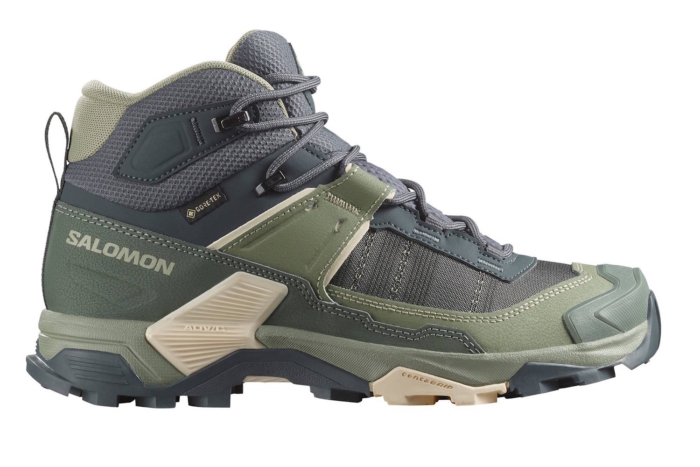
Salomon X Ultra 5 Mid GTX – Women’s
-

-
(Photo/Miya Tsudome)
-
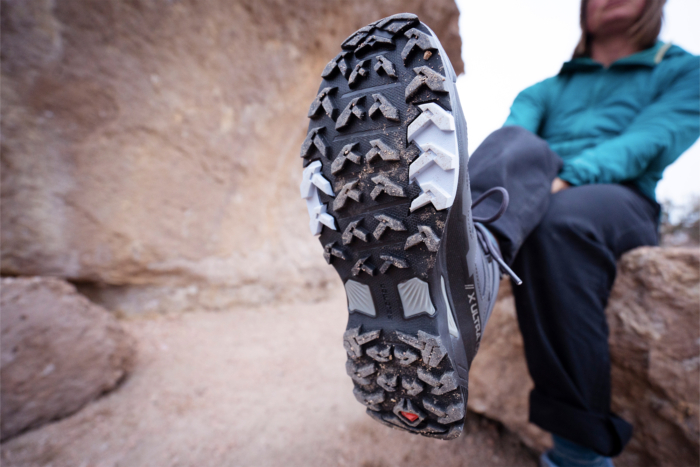
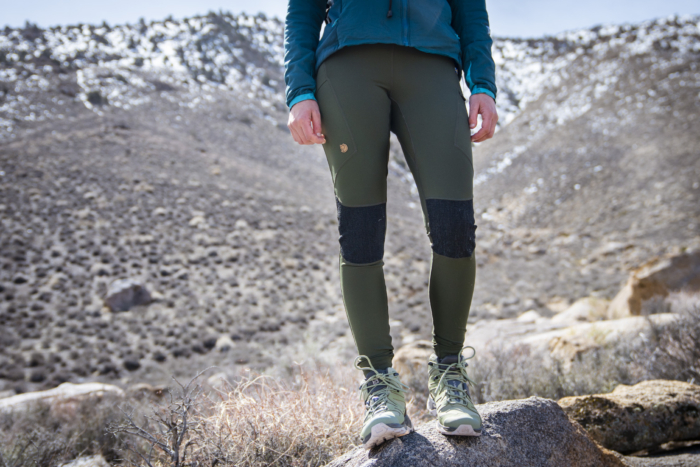
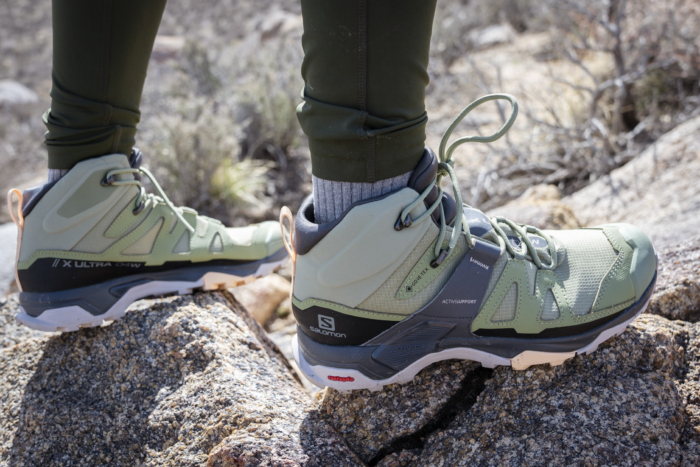
The deep lugs and contragrip rubber soles make the Salomon X Ultra’s great at gripping a variety of surfaces; (photo/ Miya Tsudome)
-
The Salomon X Ultra’s are undeniably soft and comfortable right out-of-the-box; (photo/ Miya Tsudome)
-
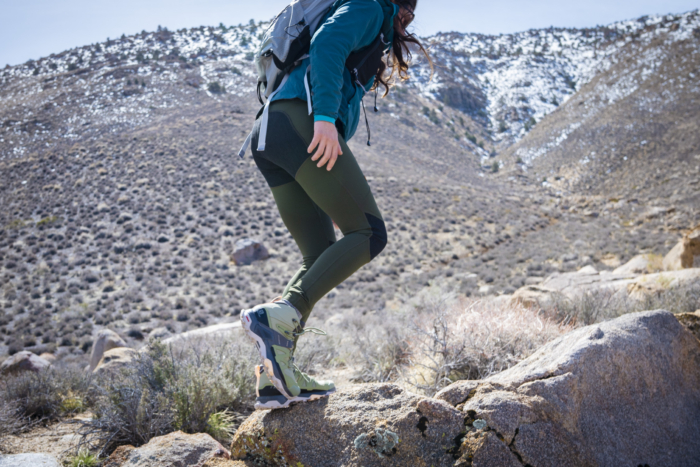
A comfortable, lightweight semi-technical hiking boot; (photo/ Miya Tsudome)
-
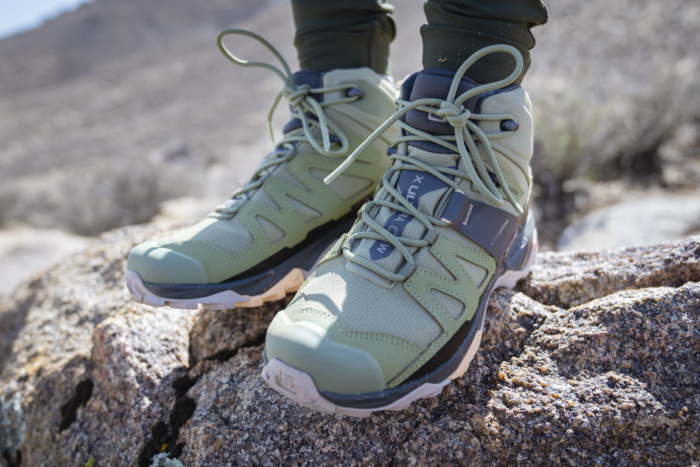
ActivSupport wings help you dial in the fit of these boots; (photo/ Miya Tsudome)

Specifications
Pros & Cons
Pros
- Comfortable
- Agile
- Great waterproofing
- Stellar traction
- Supportive and stable throughout the foot
Cons
- Runs large
- Could use more ankle support
Read Review: A Great Light Hiking Boot Gets Better
Few lightweight hiking boots strike this balance. The Salomon X Ultra 5 Mid GTX ($190) moves fast and feels agile like a trail runner, while giving hikers the protection, traction, and weatherproofing they need for long days on the trail. It isn’t built for carrying massive expedition loads. But for fast day hikes, light backpacking, and mountain miles, it’s one of the best options in the category.
The Tech: Salomon built this boot around a PFAS-free GORE-TEX membrane, a sturdier updated upper, and the brand’s Advanced Chassis for added control on uneven ground. The result is a boot that keeps water out, holds up well to rough trail abuse, and feels impressively stable for its weight. The All-Terrain Contagrip outsole is the real standout, biting confidently into wet rock, slush, mud, and hard-packed trail.
Fit & Feel: The X Ultra 5 Mid GTX runs large; size down a half size. Underfoot, it feels light, quick, and smooth. The collar and heel are more cushioned and softer than those on burlier boots. It has enough structure for confidence on steep climbs and descents, yet flexes more naturally than traditional backpacking boots.
What We Like: We tested this boot on spring hikes in Grand Teton National Park, where we stomped through frozen puddles, lingering snow patches, and sloppy, melting-out trails. And yet, no moisture got through. It continued to impress on summer adventures, linking up parts of the Teton Crest Trail and tagging five alpine lakes. The light, agile feel helped keep us moving efficiently over long miles. Just as importantly, the grip felt nearly unmatched on slick surfaces, keeping us upright where other boots started to skate.
What We Don’t: The softer ankle collar lacks the rigid support of heavier boots. If you carry heavy loads, you may need more structure.
Should You Buy It? If you prefer quick, light, trail-focused hikes, this is an easy recommendation. For heavier packs or more ankle support, choose the Salomon Quest Echo GTX. For most day hikers and light backpackers, the X Ultra 5 Mid GTX offers comfort, agility, and traction.
Merrell Moab 3 Mid Waterproof Hiking Boots
-
-
(Photo/Miya Tsudome)
-
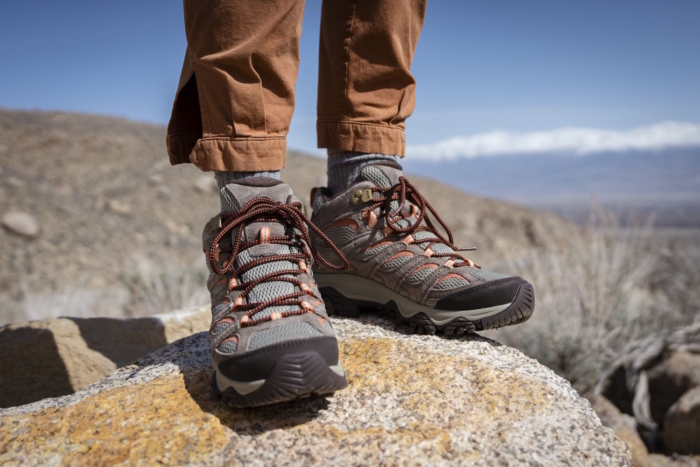
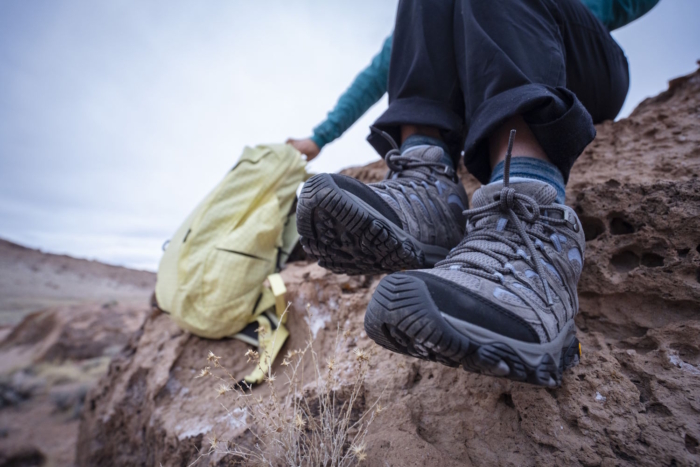
The Moab 3’s strike a good balance between breathability and water resistance; (Photo/Miya Tsudome)
-
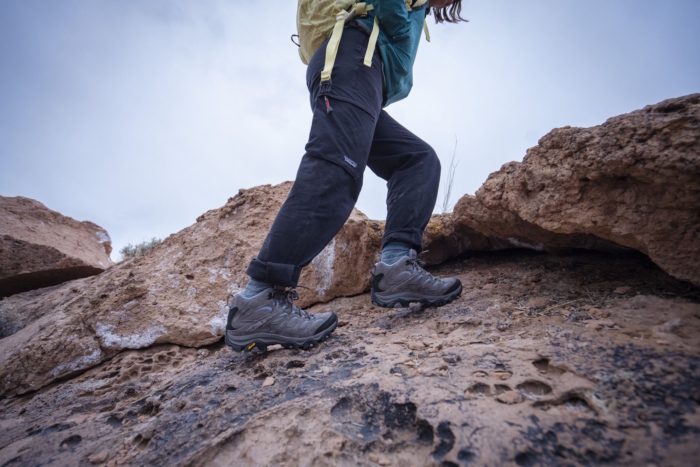
The Merrell Moab 3’s are comfortable right out of the box, but we still recommend taking the time to break them in a bit; (photo/Miya Tsudome)
-
(Photo/Miya Tsudome)
Specifications
Pros & Cons
Pros
- Waterproof
- Comfortable
- Work for high arches
- Great traction
Cons
- Not as waterproof as the more expensive GORE-TEX version
- High heel drop makes this better for heel strikers and not as much for others
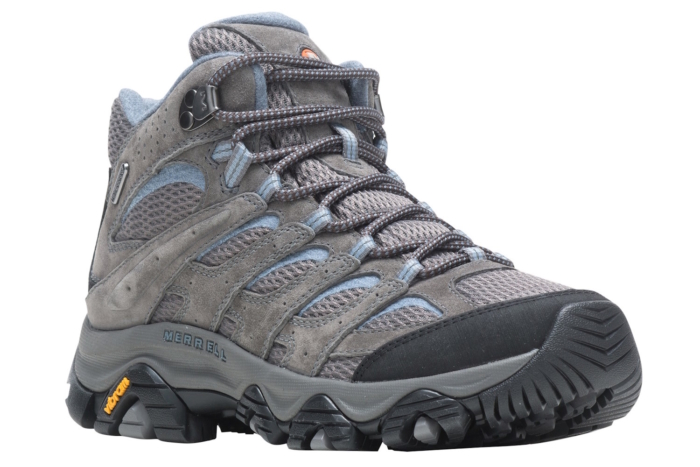
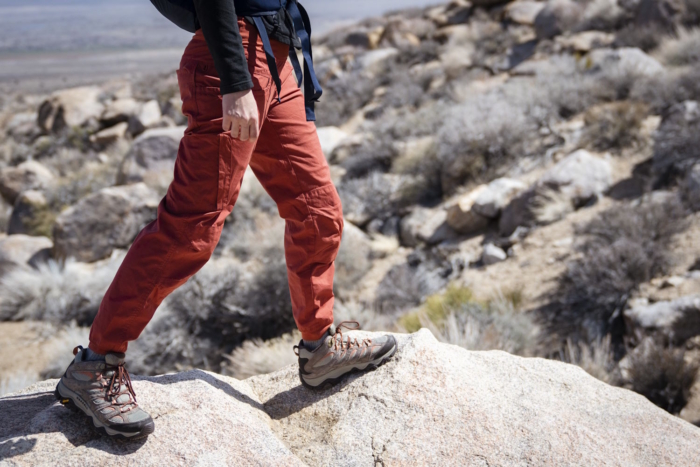
The Merrell Moab 3 Mid Waterproof ($170) is a top budget pick. It offers comfort, traction, and trail readiness without premium prices. It isn’t the sleekest or most technical here, but for casual hikers and weekend warriors wanting a reliable all-arounder, it delivers.
The Tech: Merrell updated this version with more supportive insoles, softer underfoot cushioning, grippier outsoles, and some recycled materials. The breathable mesh upper and suede overlays balance airflow and durability. The waterproof membrane is enough for muddy trails, wet brush, and stream splashes. Deep 5 mm lugs grip loose dirt, rock, and slabs. The build feels sturdy but not stiff.
Fit & Feel: The Moab 3 fits true to size. The toebox is roomy and feels broken-in immediately. The contoured footbed and reinforced heel cushioning soften hard heel strikes. The ride is stable and comfortable, but not nimble. Compared to trail-runner-inspired boots, it feels clunky, but many hikers like its familiar, supportive feel.
What We Like: Our testers took these through streams and meadows in Colorado’s San Juan Mountains. They also tried them in desert, sagebrush, and rocky trails near Bishop, California. The Moab felt comfortable, trustworthy, and impressively unfussy in all conditions. It handled rocky crossings, trail miles, and varied terrain with no drama. The out-of-the-box comfort is a big part of its appeal.
What We Don’t: This boot isn’t right for technical terrain or fast, precise footwork. It feels bulkier and less agile than lightweight options.
Should You Buy It? If you want a budget-friendly hiking boot for day hikes, weekend backpacking, and general outdoor use, choose the Moab 3. If you want a lighter, faster boot, look at the Salomon X Ultra 5 Mid GTX. For comfort and value, the Moab 3 is hard to beat.
Salomon Quest Echo GTX
Specifications
Pros & Cons
Pros
- Excellent support and stability
- More dialed women’s specific fit than past Quest models
- Reliable traction
- Slightly lighter than previous versions without losing protection
Cons
- Too burly for casual day hikes or everyday wear
- Runs warm
Read Review: Fleet-Footed, Supportive Hikers: Salomon Quest 5 Hiking Boot Review
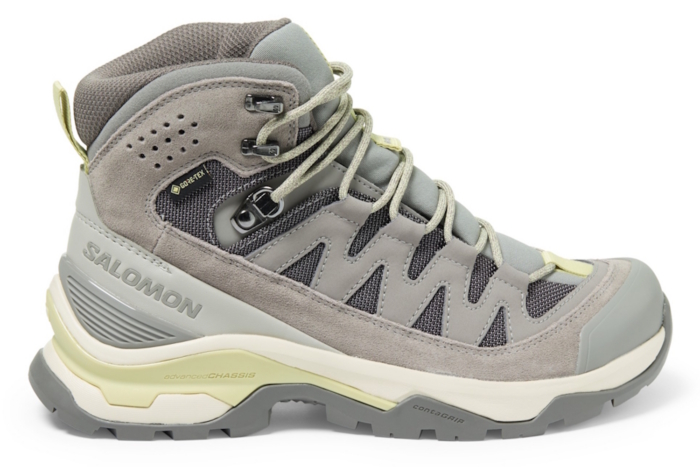
Backpackers who want real support without old-school clunkiness should try this one. The Salomon Quest Echo GTX ($220) keeps the support and trail protection that have long made the Quest line a favorite. It updates the formula with a women’s-specific fit and a slightly lighter build. The weight savings only amount to a few ounces, but on long miles, we’ll gladly take them.
The Tech: Salomon built the Quest Echo around a supportive chassis, a protective upper, and a waterproof GORE-TEX membrane. This makes good sense for shoulder-season hiking and backpacking. On trail, the chassis helps steady the foot and ankle on uneven ground. The outsole grips well on loose dirt, mud, wet rock, and variable spring surfaces. A gusseted tongue helps keep debris out. The lacing system makes it easy to fine-tune tension through the lower foot and ankle.
Fit & Feel: Since its release in March, we’ve taken the Quest Echo on five spring hikes, ranging from 3 to 8 miles in Grand Teton National Park and the surrounding forest near Jackson. This testing builds on years of experience with previous Quest models, which have been used on many hikes and backpacking trips. With more backpacking trips planned this season, and based on current impressions, we expect this updated version to perform even better. Out of the box, it feels more refined, with a smoother flex and a fit better dialed for women.
What We Like: It delivers serious support and trail protection without feeling punishing or stiff. We like that Salomon trimmed weight but kept the Quest’s backpacking feel.
What We Don’t: This is still more boot than most hikers need for casual day hikes or mellow everyday wear. It’s supportive and confidence-inspiring, but not especially nimble.
Should You Buy It? If you want a boot for backpacking, rough trails, heavy loads, and wet conditions, choose this. For a lighter, less burly option, try the Salomon X Ultra 5 Mid GTX. For backpackers wanting support in a modern boot, the Quest Echo GTX is a great choice.
Teva Grandview Max Vent
Specifications
Pros & Cons
Pros
- Excellent breathability for hot hikes
- Immediate comfort with a smooth, cushioned ride
- Roomy toe box and forgiving fit
- Handled muddy spring trails better than expected
Cons
- Not precise or locked in enough for technical terrain
- Not waterproof for consistently wet conditions
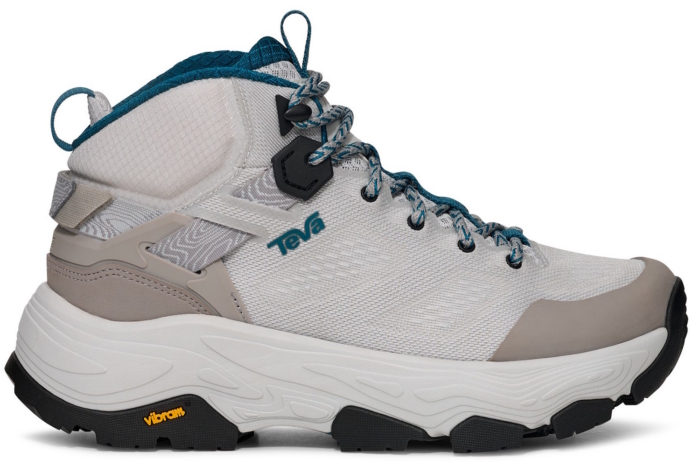
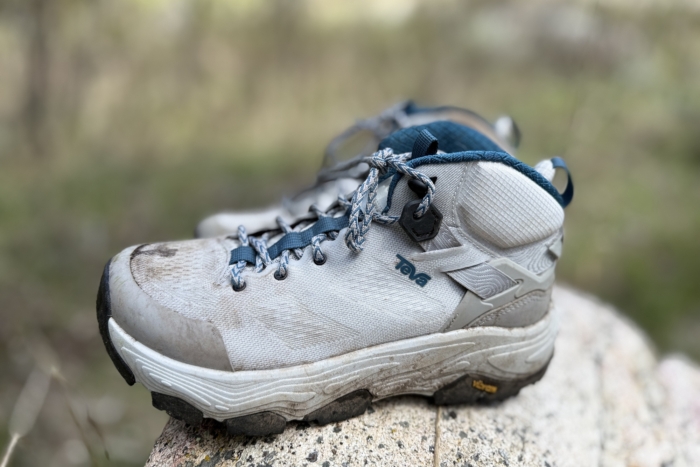
Hot-weather hikers who value airflow and step-in comfort over all-weather protection should take a close look here. The Teva Grandview Max Vent ($165) isn’t waterproof, but its highly breathable mesh upper dumps heat well on sunny trail days. That airy build has made it our go-to for midsummer hikes. Out of the box, it feels comfortable, with a generous toebox and a broad platform that lets your foot spread naturally. Underfoot, the ride is cushioned and rolling — a bit like a HOKA — with a smooth heel-to-toe transition that keeps the boot forgiving and easy over steady miles.
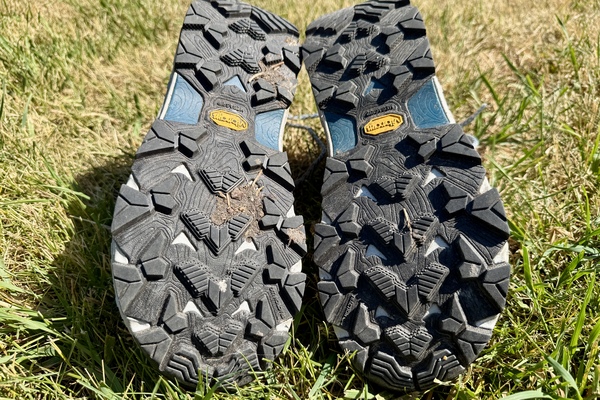
The Tech: Teva made the Grandview Max Vent with a breathable mono-mesh upper, a cushioned LITE-COMF midsole, and a Vibram Megagrip outsole. On trail, this combination gives the boot a light, airy feel and a plush, padded ride. The outsole grips well on soft dirt, slick mud, and mixed terrain. The heel lock system improves hold at the rear of the foot.
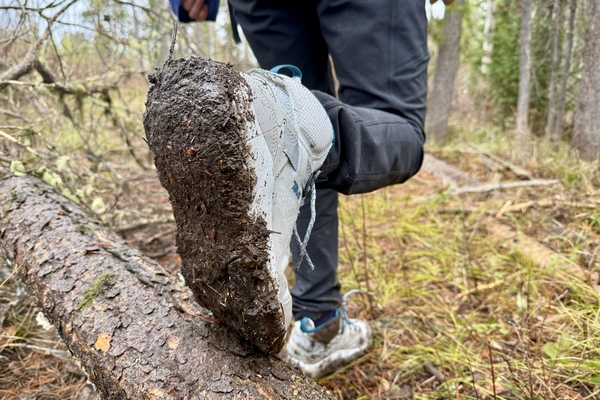
Fit & Feel: This unseasonably warm spring, we took the Grandview Max Vent on hikes in Grand Teton National Park and the forests near Jackson. It handled muddy, melting-out trails well. After walking through soggy meadows and lingering snow, our feet stayed dry, even though the shoes aren’t waterproof. The fit is a key feature: the shape is roomy and relaxed, especially in the forefoot. The ride is plush, smooth, and comfort-focused rather than precise.
What We Like: The out-of-the-box comfort is excellent, and the breathable upper is ideal for warm spring and summer hikes. We like the wide forefoot and the soft, cushioned feel.
What We Don’t: This boot isn’t the most technical or secure. Hikers wanting a snugger fit and more precision may find it too relaxed.
Should You Buy It? Choose this boot if you want a breathable, comfortable fit for maintained trails, casual day hikes, and mellow to moderate terrain. For lightweight waterproof protection, pick the Merrell Moab Speed 2 Mid GTX. For hot miles and easygoing trail use, the Grandview Max Vent stands out as a top choice.
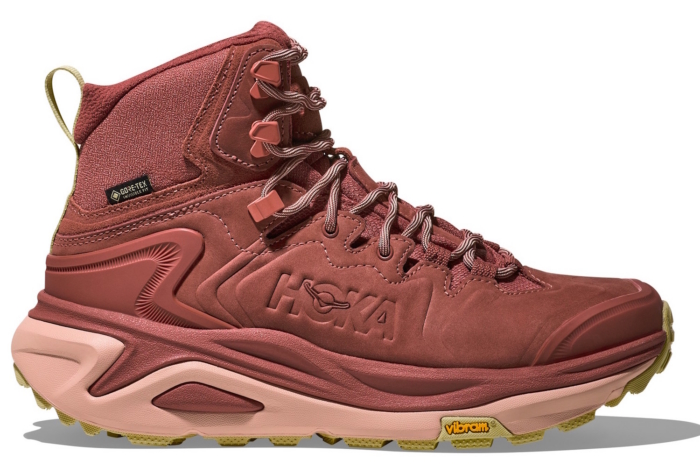
HOKA Kaha 3 GTX – Women’s
-
-
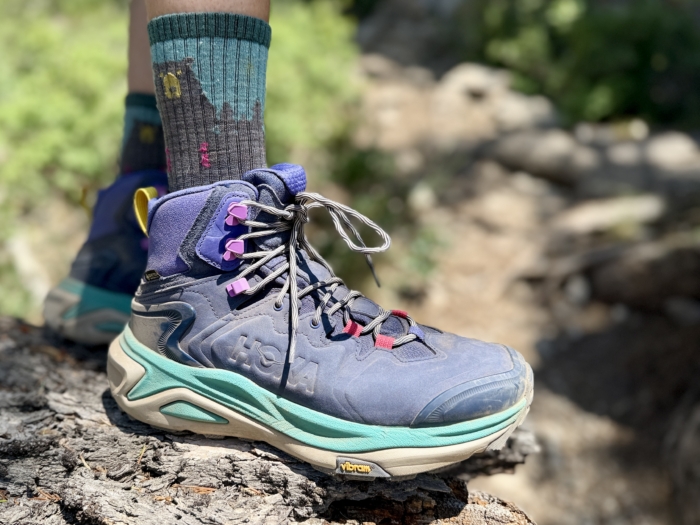
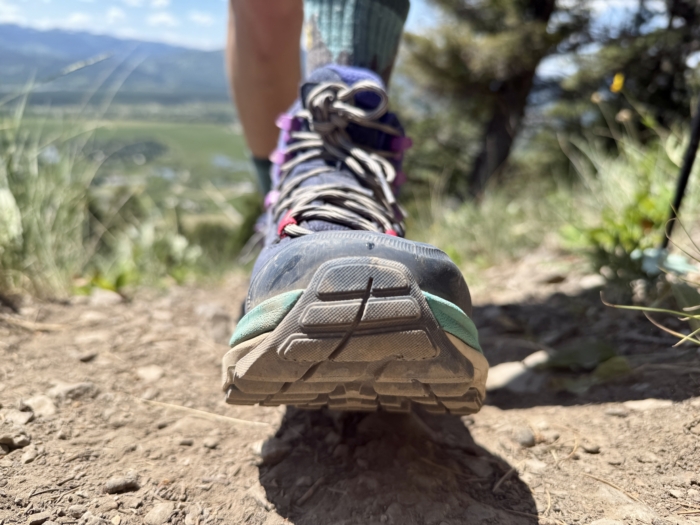
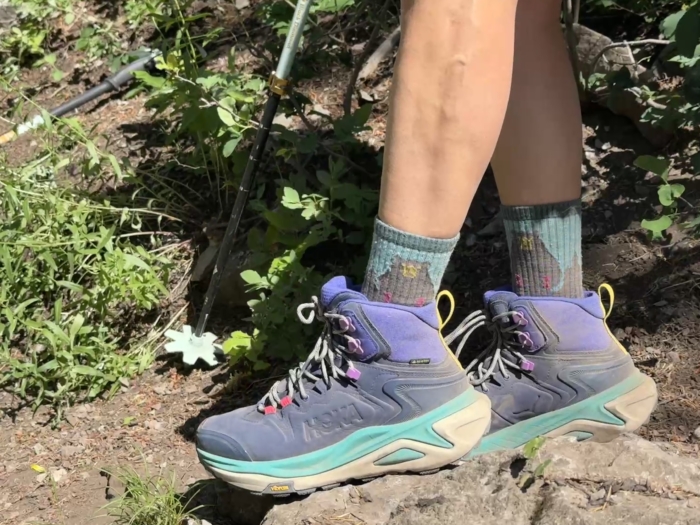
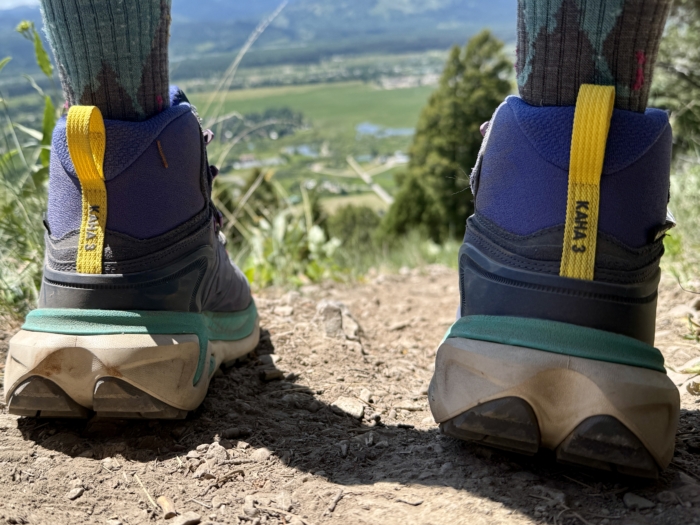
The Hoka Kaha 3 GTX are one of the pricier options on this list; (photo/Elk Raven Photography)
-
-
-
-
Specifications
Pros & Cons
Pros
- Very comfortable
- Super supportive and stable
- Great energy return
- Solid traction
Cons
- Pricey
- Slightly bulky & heavy
- Warm/not breathable
- Durability concerns
Some hikers want to feel every contour of the trail. The HOKA Kaha 3 GTX ($240) goes in the opposite direction, delivering a plush, deeply cushioned ride that takes the sting out of long days, steep descents, and heavy packs. It isn’t the lightest or coolest-running boot in the lineup, but for hikers who care most about comfort, joint protection, and all-day support, it stands out in a big way.
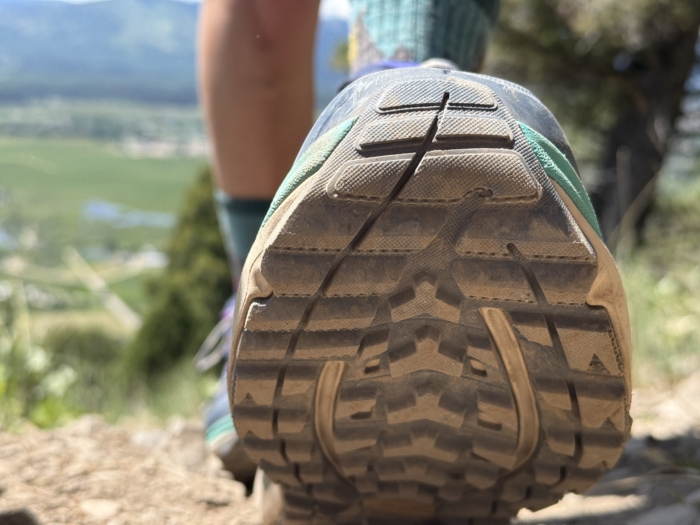
The Tech: HOKA paired a waterproof GORE-TEX membrane with a thick, highly cushioned midsole and a Vibram Megagrip outsole to create a boot that feels protective in just about every direction. On trail, that means dependable traction on slick rock, mud, and gravel, plus a stable, well-padded platform that helps smooth out rough ground. The tall ankle collar adds another layer of security on uneven terrain, especially when the trail gets loose or steep.
Fit & Feel: This is a max-cushion boot through and through. The ride feels springy, protective, and noticeably forgiving underfoot, with enough structure to stay steady even when the trail turns rough. We found the fit runs a bit small, and sizing up a half size gave us the sweet spot. It does feel bulky compared to more agile boots, and the waterproof build can run warm once temperatures climb.
What We Like: We wore the Kaha 3 on steep ascents and descents of Snow King Mountain in Jackson, Wyoming, and on long treks along the Teton Crest Trail, where it delivered exceptional comfort without beating up our feet. Even under heavier loads, it stayed steady and confidence-inspiring.
What We Don’t: It runs warm in hot weather, and the thick, padded build can feel like a lot of boot for hikers who prefer a lower-profile ride.
Should You Buy It? If you want maximum cushioning for long hikes, rough descents, wet weather, and demanding trail days, yes. Hikers who want a lighter, bouncier, and more energetic ride should look to the On Cloudrock Mid Waterproof instead. But for comfort-first hikers who still want real support and traction, the Kaha 3 GTX is an excellent investment.
Merrell Moab Speed 2 Mid GTX
-
-
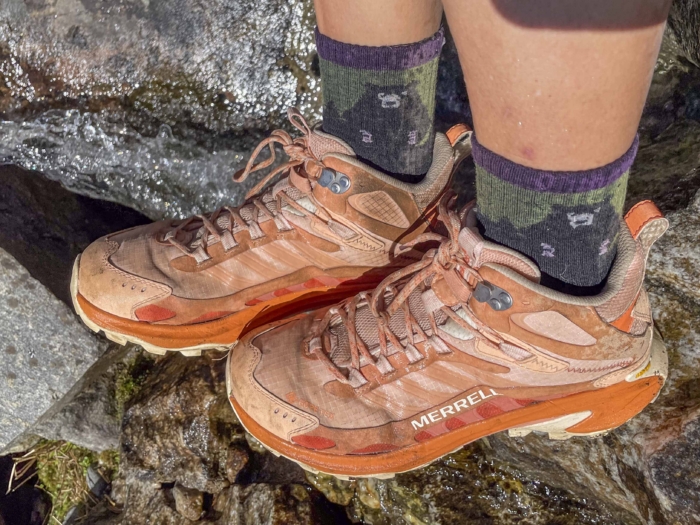
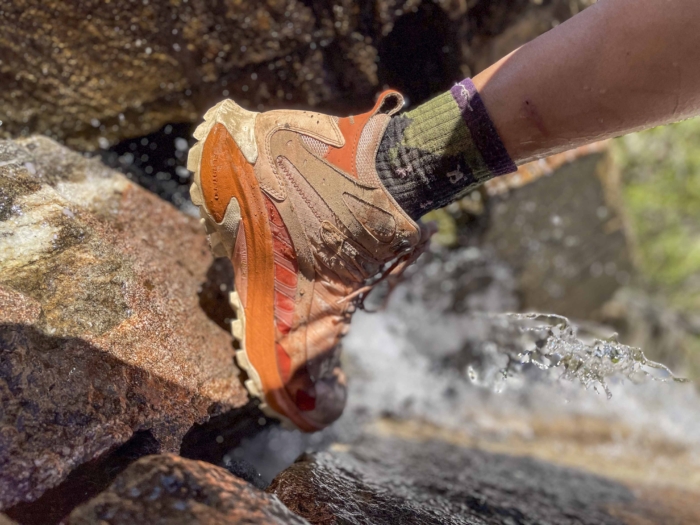
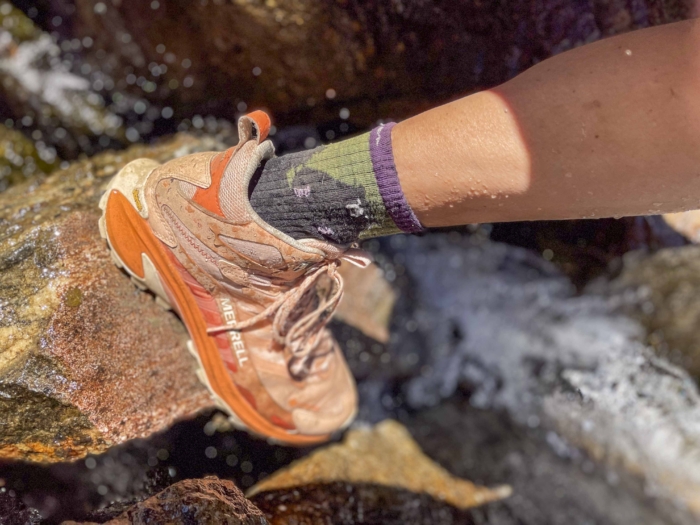
The Merrell Moab Speed 2 Mid GTX kept our feet dry on hikes with creek crossings or snow; (photo/Elk Raven Photography)
-
-
Specifications
Pros & Cons
Pros
- Comfortable
- Super waterproof
- Great energy return means less fatigue
- Lightweight and sleek
- Excellent traction
Cons
- Not the most breathable
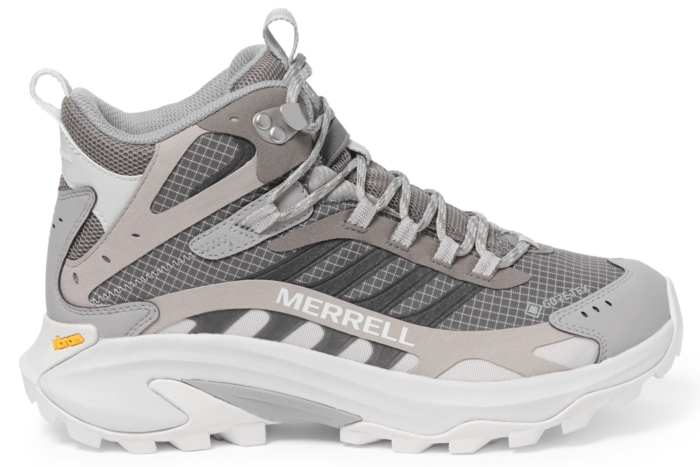
Somewhere between a trail runner and a true hiking boot, the Merrell Moab Speed 2 Mid GTX ($185) lands in a very appealing sweet spot. It feels light, energetic, and comfortable right out of the box, yet offers enough protection and waterproofing for wet spring trails, rocky day hikes, and fast-moving mountain miles. It isn’t the best choice for blistering hot weather or long hauls under a truly heavy pack, but for hikers who want sneaker-like comfort with more coverage and trail protection, it’s a strong pick.
The Tech: Merrell gave this boot a GORE-TEX membrane, a FloatPro foam midsole, a protective toe bumper, a bellowed tongue, and a Vibram TC5+ outsole with 4 mm lugs. On trail, that combination translates to reliable waterproofing, a smooth and cushioned ride, and a secure grip on loose dirt, wet rock, mud, and mixed spring terrain. The FlexPlate adds some torsional rigidity, helping the boot feel more stable than a trail runner without pushing it into heavy-duty boot territory.
Fit & Feel: The Moab Speed 2 Mid GTX fits true to size in length and has a roomy toebox that lets feet spread naturally on long hikes. Right out of the box, it felt comfortable and supportive on a steep 5-mile hike up a rocky canyon, with no break-in needed. Underfoot, the ride feels light, springy, and responsive, and the added foam gives it a smoother, more energetic feel than many traditional hikers. The heel can feel a little loose, though, and we found ourselves wanting a bit more structure and a tighter cinch at the ankle when carrying more weight or moving across rougher terrain.
What We Like: This boot feels fast and easy underfoot, unlike many mids. We also loved the traction and waterproofing. It stayed planted on slick terrain and kept our feet dry through creek crossings, wet trails, snowy hikes in the Tetons, and sloppy spring conditions.
What We Don’t: Breathability isn’t a strong suit. On a hot 10-mile desert hike in St. George, Utah, our feet got noticeably warm, and while the boot handled moderate terrain well, it felt a little less grounded on uneven, rocky, or off-camber trails. We also have some early durability questions after seeing slight fraying in the lace loops and minor outsole wear after weeks of testing.
Should You Buy It? If you want a lightweight waterproof hiker for fast day hikes, mountain miles, wet spring trails, and light overnights, yes. Hikers who want a more dialed, performance-oriented fit should look to the Salomon X Ultra 5 Mid GTX. And if waterproofing isn’t a priority, the Teva Grandview Max Vent is a great alternative for warm-weather hikes, with more airflow and a similarly easygoing ride. But if comfort, traction, and a nimble feel top your list, the Moab Speed 2 Mid GTX carves out a very appealing middle ground.
La Sportiva Ultra Raptor 3 Mid GTX
-
-
(photo/Elk Raven Photography)
-
(photo/Elk Raven Photography)
Specifications
Pros & Cons
Pros
- Excellent grip on steep, rocky terrain
- Secure, precise fit
- Lightweight and flexible underfoot
- Reliable waterproof protection
Cons
- Runs small and won’t work well for wide feet
- Not supportive enough for very heavy loads
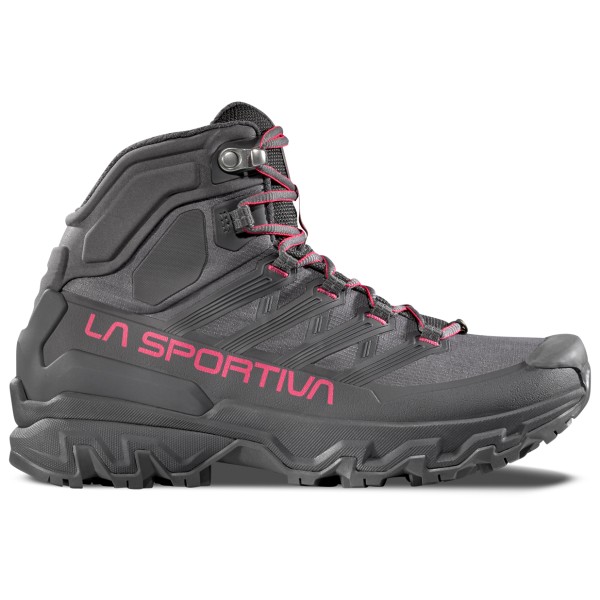
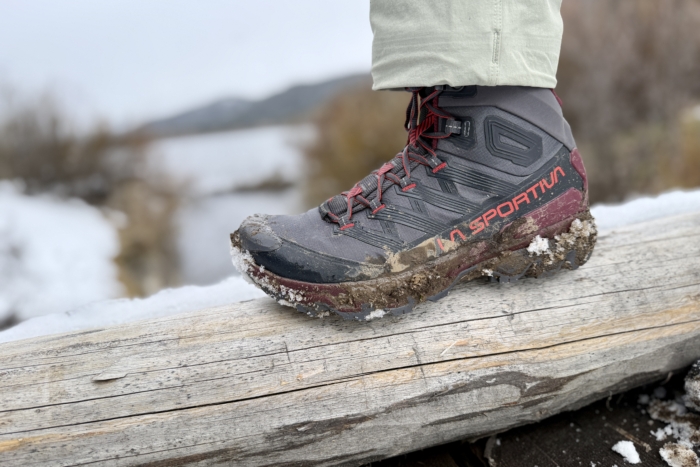
For steep, rocky hikes that demand confident footing, the La Sportiva Ultra Raptor 3 Mid GTX ($219) delivers excellent traction, a secure fit, and enough protection for more technical terrain. It feels lighter and more flexible than a traditional hiking boot, but still offers stability for talus, exposed approaches, and scrambling.
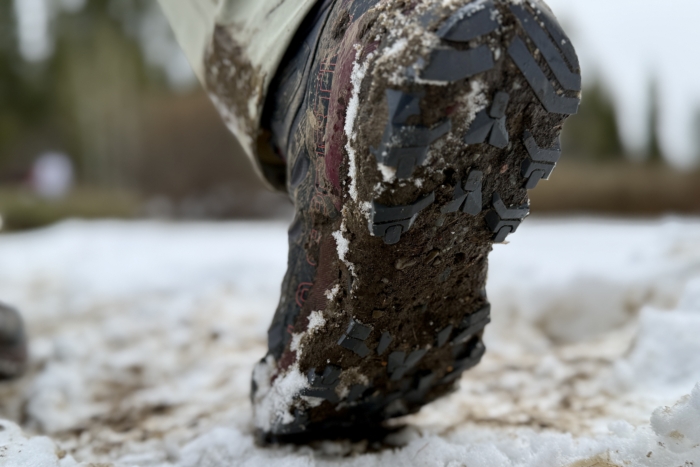
The Tech: La Sportiva combines a high-tenacity ripstop mesh upper with a GORE-TEX Extended Comfort membrane, dual-density EVA cushioning, and a FriXion XF 2.0 rubber outsole. Protective rands wrap the toe and heel, while the angled lug pattern improves grip and braking on steep climbs and descents. The result feels more substantial than a trail runner without becoming stiff or cumbersome.
Fit & Feel: The Ultra Raptor runs small, so we recommend sizing up at least a half size. This version has more overall volume than earlier models, but the forefoot still works best for narrow- to medium-width feet. A secure heel, adjustable lacing, and flexible ankle collar hold the foot in place while allowing the mobility needed for uneven terrain and scrambling.
What We Like: We tested these on 10 outings in the Tetons, including day hikes, a backpacking trip, and climbs involving Class 3 and 4 scrambling. The outsole held confidently on steep rock, loose trail, and uneven surfaces, while the close fit helped us place our feet precisely through technical sections. They also stayed comfortable over longer days and moved more naturally than heavier hiking boots. Compared with The North Face Offtrail Hike LT Mid GORE-TEX, the Ultra Raptor feels lighter and more agile, while the Offtrail offers a more reinforced, protective build.
What We Don’t: The small-running, relatively narrow fit won’t suit wide feet, and getting the sizing right may require trying on more than one pair. The flexible construction also lacks the rigid support we’d want for consistently carrying very heavy backpacking loads.
Should You Buy It? Choose the Ultra Raptor 3 Mid GTX if your hikes regularly involve steep approaches, talus, scrambling, or rugged mountain terrain. It delivers technical control, strong traction, and long-day comfort without the bulk of a traditional alpine boot.
Other Women’s Hiking Boots Built to Tick Off the Miles
Specifications
Pros & Cons
Pros
- Supportive
- Durable
Cons
- Overbuilt for day hikes and shorter outings
- Heavy
- Expensive
Read Review: A Boot That Goes the Extra Mile
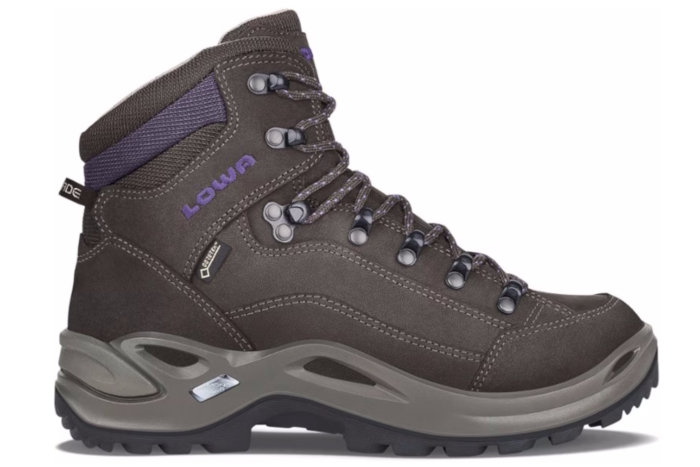
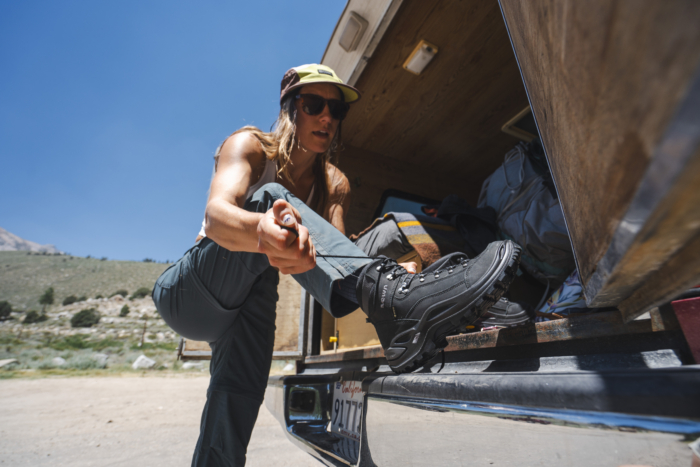
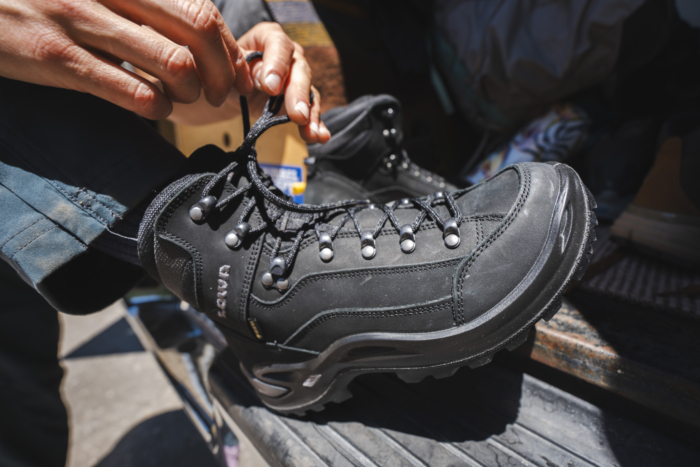
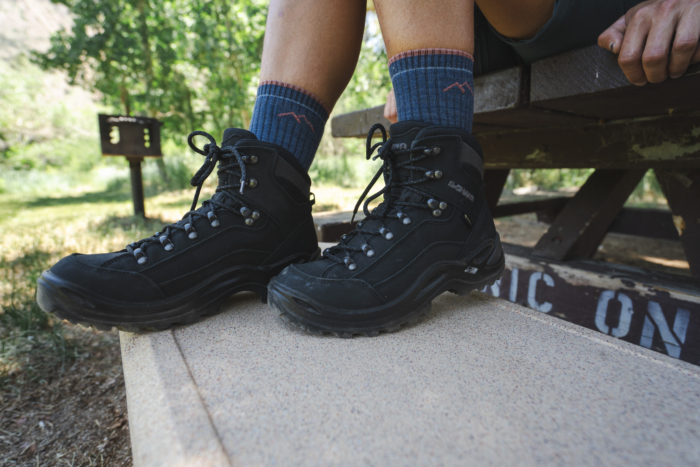
A lot of boots are chasing the trail-runner trend. The Lowa Renegade GTX Mid ($280) is old-school in the best way. It leans on sturdy leather, serious support, and the kind of stability that still matters when your pack is heavy and the trail gets rough. It’s heavier, pricier, and warmer than many newer boots, but for backpackers who still want a traditional leather build, it remains a standout.
The Tech: The Renegade relies on a sturdy nubuck leather upper, GORE-TEX waterproofing, and a full-length nylon stabilizer to create a boot that feels protective and planted on rugged trails. That build helps reduce foot fatigue over long, rocky miles and keeps the boot feeling secure when the ground gets loose, uneven, or off-camber. The waterproofing also holds up well for stream crossings, wet brush, and sloppy mountain conditions.
Fit & Feel: During heavy-haul testing in California’s High Sierra, we appreciated just how supportive this boot felt under a loaded pack. The mid-cut collar acts almost like an ankle brace on loose talus, helping keep missteps from turning into ankle rolls. For a boot this substantial, we were surprised at how well it fits all different feet. And, it doesn’t need the kind of brutal break-in period some traditional leather boots do.
What We Like: It delivers the kind of unwavering support, protection, and long-haul durability that serious backpackers still want. When the miles are rocky and the load is heavy, this boot feels calm, sturdy, and trustworthy.
What We Don’t: It runs hot in summer and feels noticeably heavier and less agile than synthetic models. The premium price will also give some hikers pause.
Should You Buy It? If you want a traditional leather backpacking boot for rugged trails, heavier loads, and long-term durability, this is a great choice. Hikers who want a lighter, faster, more breathable option should look to the SCARPA Rush 2 Pro Mid GTX. But for backpackers who still value all-in support and proven durability, the Renegade remains a classic for good reason.
Specifications
Pros & Cons
Pros
- Lightweight
- Comfortable
- Nimble
- Supportive for a sneaker-like boot
- Offers great protection in rocky terrain
Cons
- Pricey
- Less arch support than some other hikers
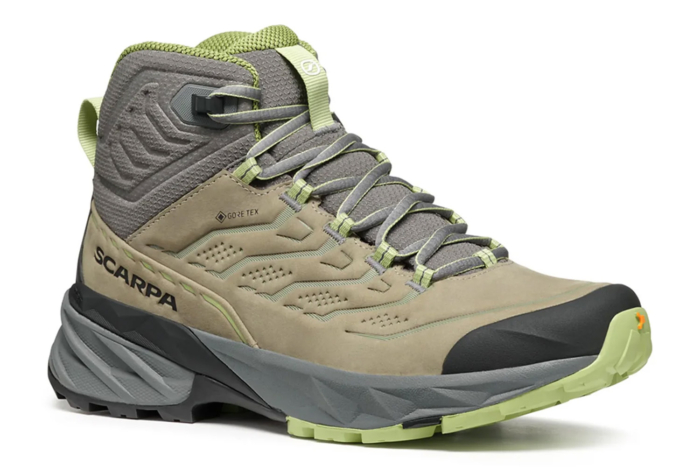
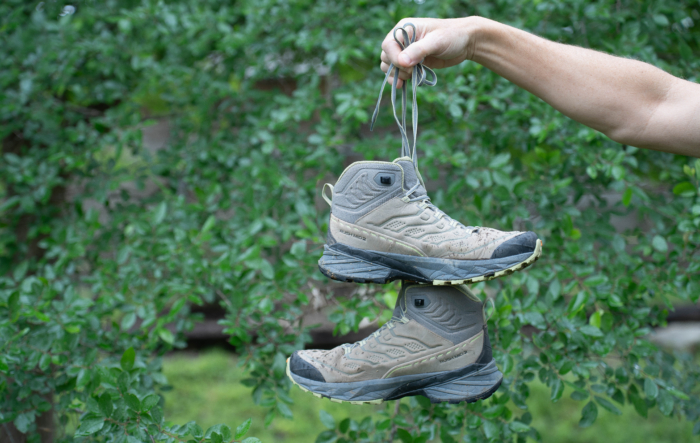
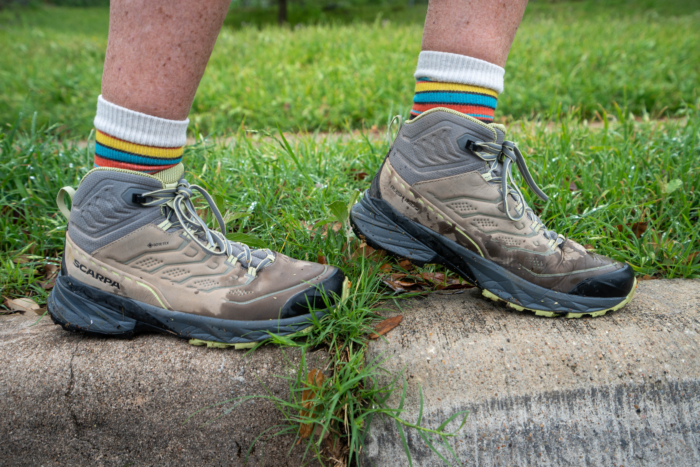
The SCARPA Rush 2 Pro Mid GTX ($199) barely feels like a hiking boot at all. This mid-height hiker brings trail-runner-like quickness to the trail without sacrificing the protection and support most hikers still want underfoot, making it a favorite for fast-moving day hikes, travel, and lighter mountain missions. It isn’t the stiffest or most protective option in the guide, but when we want to move quickly without feeling under-gunned, it’s an easy one to reach for.
The Tech: SCARPA built the Rush 2 Pro Mid GTX with a Dynamic Stabilizer Torsion insert, a GORE-TEX membrane, a reinforced toebox, and a Vibram outsole. On trail, that mix gives the boot a nice blend of structure and agility. The torsion insert helps steady the heel and adds support on uneven ground, while the waterproof membrane keeps feet dry during creek crossings and in damp conditions without turning the boot into a total sauna.
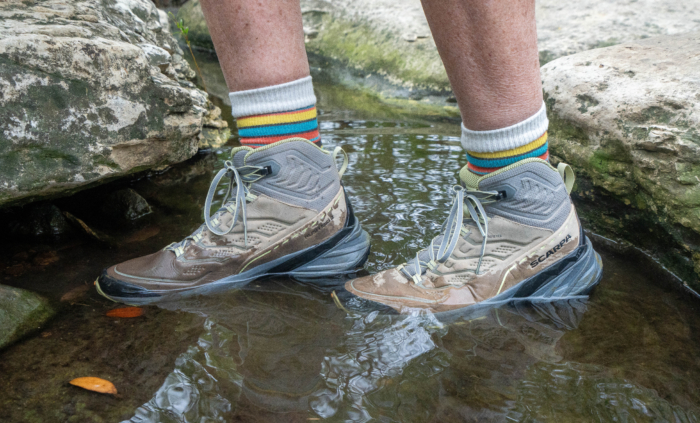
Fit & Feel: The fit runs true to size and works especially well for narrow to medium feet. It feels secure right away, with no break-in period to speak of, and the padded ankle cuff adds confidence without making the boot feel bulky. We tested it on the Lost Mine Trail in Big Bend National Park, where it let us move quickly over smooth rock, loose gravel, and steep terrain in the dark before sunrise. It also performed well on steep hikes in Torres del Paine, where it stayed planted on wet rocks, on wobbly footing, and through sharp ups and downs.
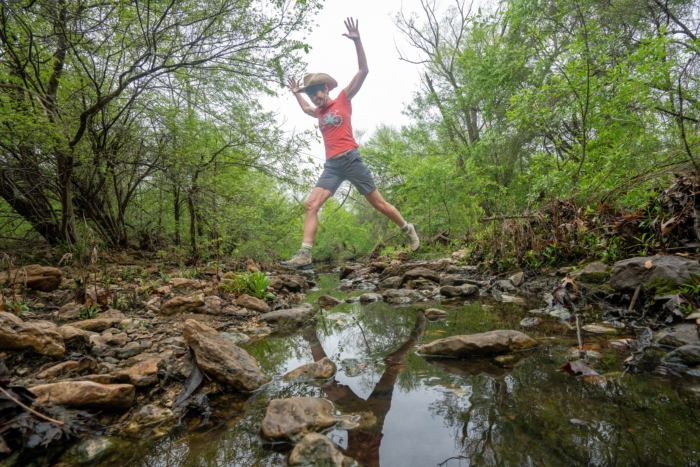
What We Like: This boot hits a really appealing middle ground. It feels nimble enough to hop creeks and pick up the pace, but still protective enough for rougher trail days. We also liked how confidently it handled slick surfaces and uneven terrain.
What We Don’t: The waterproofing is good, but it isn’t perfect. After fully immersing the boots in Barton Creek while exploring a 12-mile greenbelt in Austin, a little water did creep in from the top, and our socks stayed damp longer than we’d like. It also doesn’t bring the stiff arch support or tank-like feel of a more traditional hiking boot.
Should You Buy It? If you want a lightweight, agile hiking boot for fast day hikes, mixed terrain, and trails where you still want some ankle support, yes. Hikers who want a roomier fit and a plush, max-cushioned ride should look to the HOKA Kaha 3 GTX instead. But for hikers who like a more precise feel and want trail-runner energy with a bit more protection, the Rush 2 Pro Mid GTX is a really compelling option.
Specifications
Pros & Cons
Pros
- Lightweight and responsive
- Excellent cushioning
- Extremely comfortable
- Waterproof yet breathable construction
- Grippy outsole performs well on mixed terrain
Cons
- Toe box may feel tight for wide feet
- Less supportive under heavy loads
- Pricey
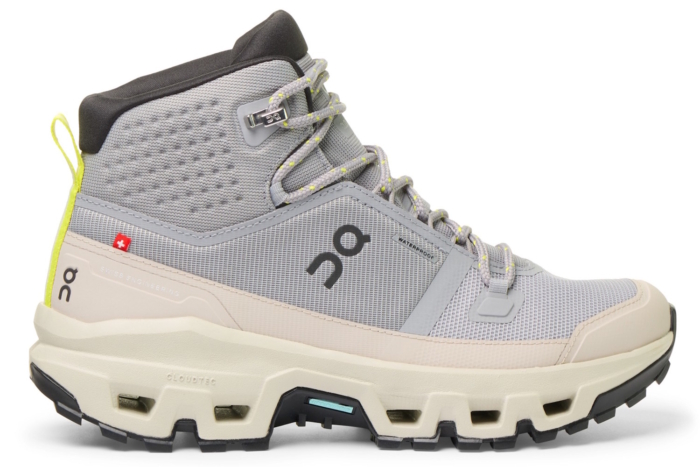
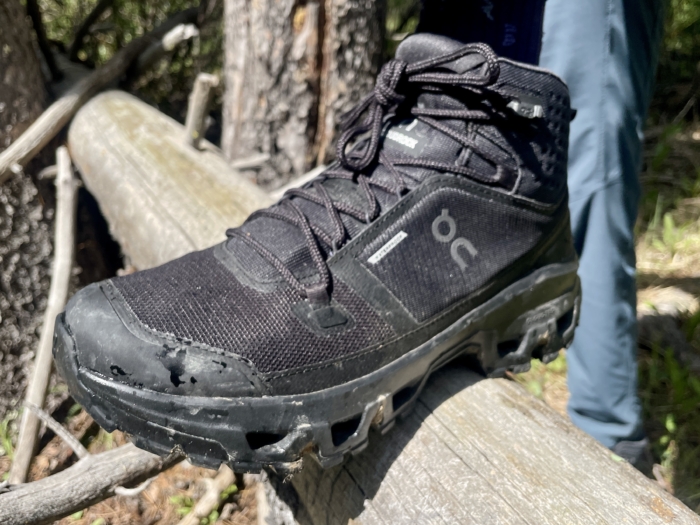
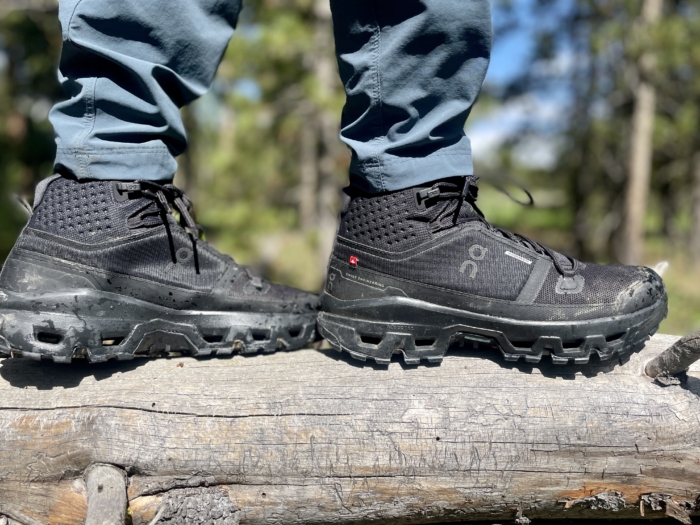
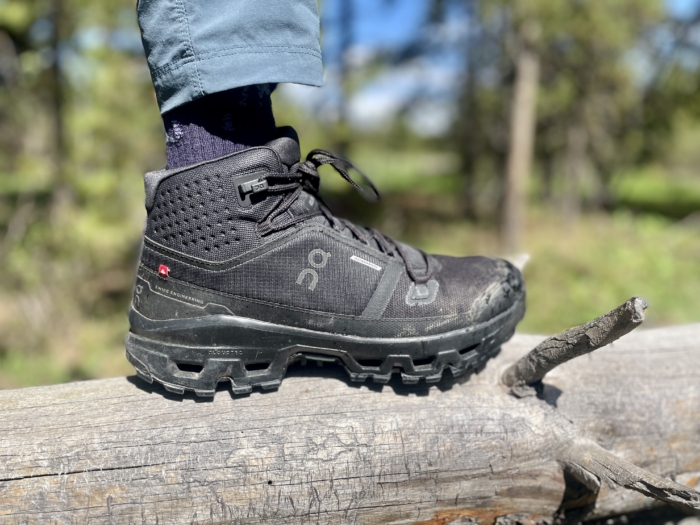
For hikers who want a boot that feels fast, springy, and surprisingly fun underfoot, the On Cloudrock Mid Waterproof ($240) brings a very different energy than a traditional hiker. It blends sneaker-like comfort with enough support and protection for long day hikes and quick-moving mountain missions, and it feels especially appealing for hikers coming from a running background. It isn’t the burliest boot in the lineup, but when the pace stays quick, this one absolutely flies.
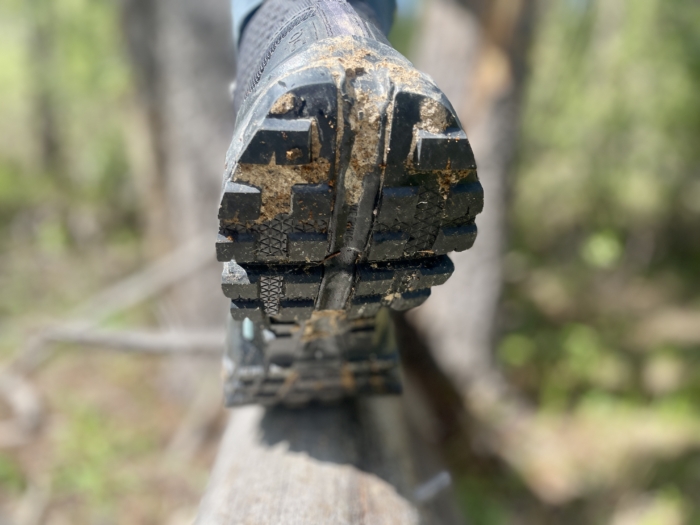
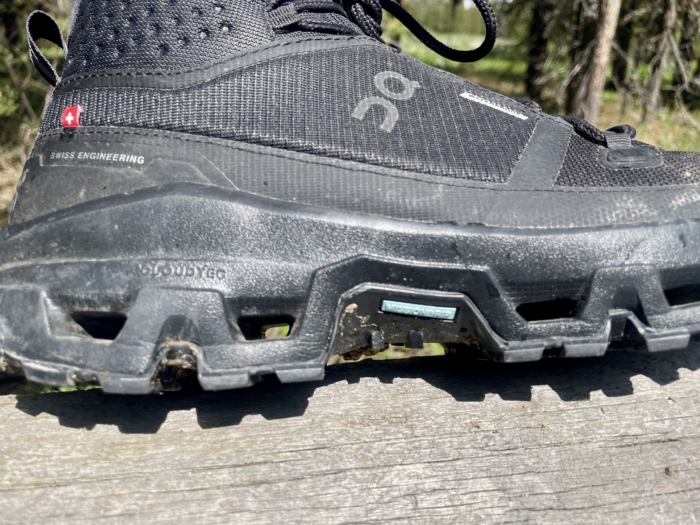
The Tech: On built the Cloudrock Mid Waterproof around a lightweight upper, a high-rebound superfoam midsole, a waterproof yet breathable membrane, and a grippy outsole meant to handle mixed terrain. In practice, that setup gives the boot its personality: a soft, energetic ride with excellent cushioning, plus dependable traction on everything from gravelly trail to wet rock. The waterproofing also held up well when conditions turned sloppy, without making the boot feel overly swampy.
Fit & Feel: The fit runs a bit small and has a snug, sock-like shape that works best for narrow to medium-width feet. We’d recommend sizing up or trying it on first, especially if you like more room in the forefoot. On trail, it feels lightweight, responsive, and extremely comfortable, with a high-cut collar that adds ankle support without much bulk. We put it to the test scrambling up an exposed, steep ridge with lots of loose rock on Buck Mountain in Grand Teton, and also hiking around Yellowstone Lake, where it felt cushioned, agile, and secure over varied terrain.
What We Like: This boot has a lively, responsive ride that stands out right away. We also loved the excellent cushioning, all-day comfort, waterproof yet breathable build, and the way the outsole held its own on mixed terrain.
What We Don’t: The toebox may feel too tight for wide feet, and the support starts to fall off once packs get heavier, or terrain gets more demanding. It’s also pricey for a boot that leans more light-and-fast than all-around burly.
Should You Buy It? If you want a lightweight, waterproof hiking boot for fast day hikes, mixed terrain, and a more energetic, sneaker-like feel, yes. Hikers carrying heavier loads or wanting a burlier, more supportive boot should look to the Salomon Quest Echo GTX instead. But for quick-moving hikers who prioritize cushioning, comfort, and responsiveness, the Cloudrock Mid Waterproof is a very compelling option.
Specifications
Pros & Cons
Pros
- Recraftable (Danner can resole and recondition your boots)
- Comfortable right out of the box
- GORE-TEX lining is made of 45% post-consumer recycled materials
Cons
- A bit on the heavy side
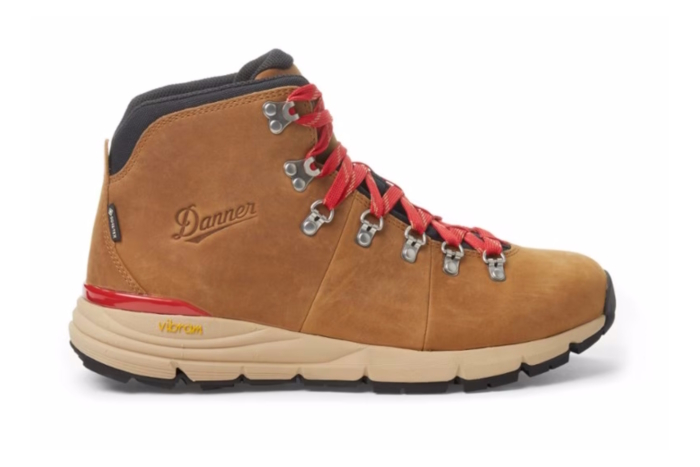
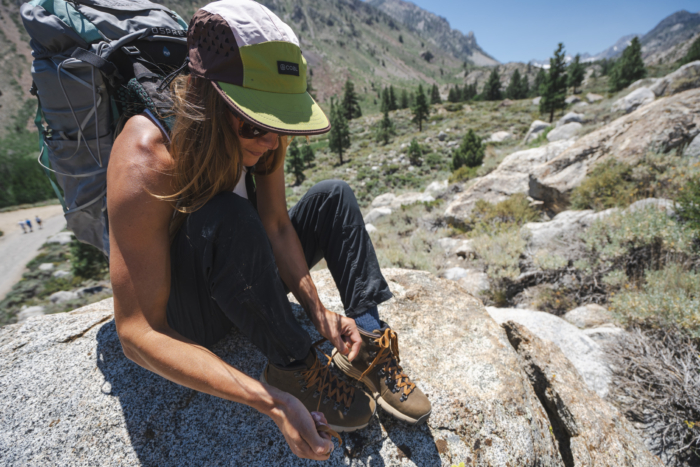
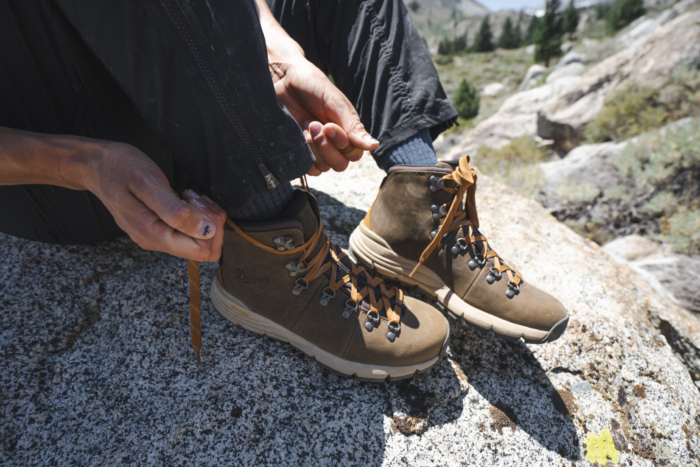
Not every hiking boot needs to look like it belongs in a trail-running lineup. The Danner Mountain 600 Leaf GTX ($250) leans into classic leather style. However, it still backs that heritage look with real on-trail performance, waterproof protection, and one of the more appealing long-game details: it’s recraftable, which means Danner will resole your well-worn Danner boots with new components at a factory in Portland, Ore. It’s a bit heavier than synthetic rivals, but for hikers who want one boot that can move from trail to town without looking out of place, this is a very appealing crossover.
The Tech: Danner updated this version with a full-grain leather upper, a GORE-TEX lining made with 45% post-consumer recycled materials, a Vibram SPE midsole, and a Vibram Fuga outsole with MegaGrip. On trail, that adds up to a boot that feels cushioned, supportive, and steady underfoot, with dependable traction on slick rock, muddy trails, wet brush, and puddle-soaked paths. The recraftable build is a real selling point, too, since Danner can resole and recondition the boot instead of sending you back to square one.
Fit & Feel: The fit runs true to size, and we found it comfortable right out of the box, with no painful break-in phase. The flexible lacing system helps fine-tune the fit, while the OrthoLite footbed and stable midsole keep the ride cushioned without feeling sloppy. In testing, we found these were best suited to more mellow trails, and they felt especially at home on the Rainbow Trail near Salida and on Game Creek and Cache Creek near Jackson. They aren’t especially quick or nimble, but they feel planted and supportive, and they transition easily from those kinds of trails straight into town.
What We Like: We like how easily this boot bridges everyday wear and trail use. It delivers real out-of-the-box comfort, solid waterproofing, and a timeless look that won’t feel dated in a year. We also love that it looks just as natural grabbing coffee after a hike as it does out on the trail.
What We Don’t: It’s a bit heavy, and the leather and GORE-TEX construction can run warm on hot days.
Should You Buy It? If you want a stylish leather hiking boot for everyday use, wet-weather hikes, and moderate trail miles, yes. Hikers who want a lighter, faster, more trail-focused boot should look to the Merrell Moab Speed 2 Mid GTX instead. But for hikers who value comfort, recraftability, and classic style as much as trail performance, the Mountain 600 Leaf GTX stands out.
Specifications
Pros & Cons
Pros
- Comfortable
- Very grippy
- Good waterproofing
Cons
- Pricey
- Bulky feel
Read Review: Bantamweight Boots for Nimble Hikes
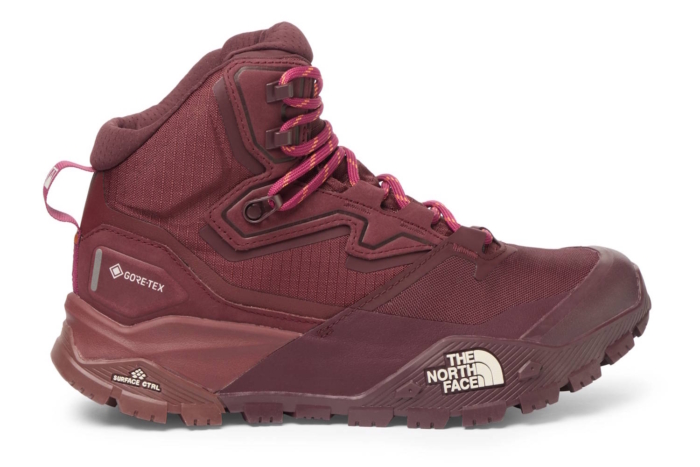
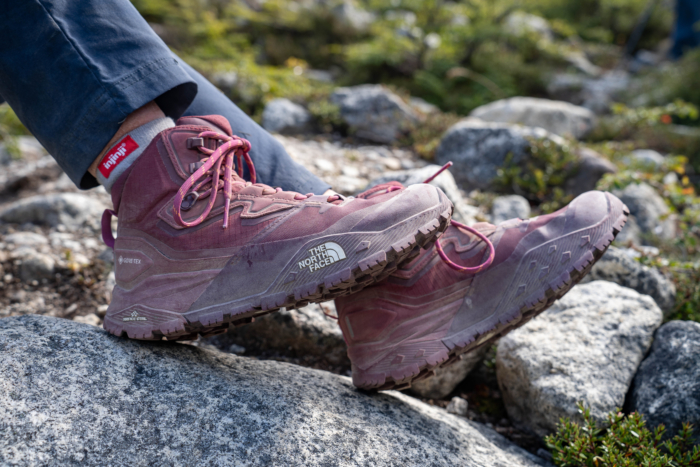
If your hikes regularly veer into loose rock, boulder fields, and rougher trails, The North Face Offtrail LT Mid GORE-TEX ($220) makes a strong case for itself. This is a protective, confidence-inspiring boot that feels built for sharp, rocky terrain, where toe protection, grip, and underfoot security matter more than outright speed. It can feel a bit bulky on mellow trail days, but when the route gets rough, that extra structure starts to make a lot of sense.
The Tech: The Offtrail LT Mid pairs a PFAS-free GORE-TEX membrane with a Cordura forefoot, TPU overlays, an integrated rock guard, a ballistic rubber toe cap, and 5 mm lugs. On trail, that setup gives the boot a sturdy, reinforced feel that shrugs off rock strikes and wet conditions better than lighter, less protected hikers. It also strikes a nice balance between protection and trail feel, so you stay connected to the ground rather than feeling totally cut off.
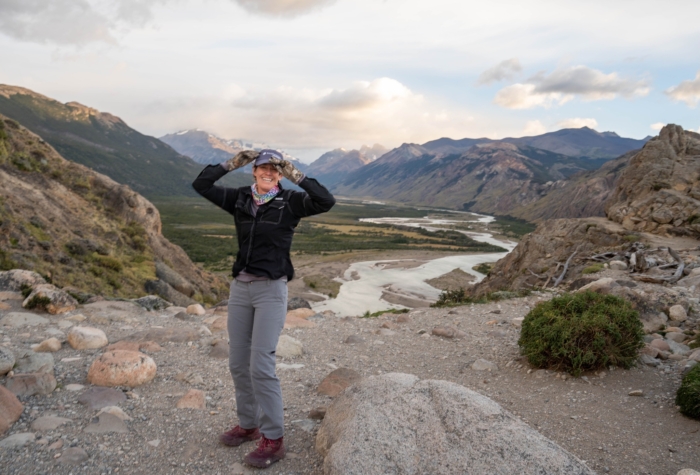
Fit & Feel: The fit runs slightly narrow, though the traditional lacing system and upper metal eyelets give you enough adjustability to dial in a snug, secure hold. Our tester with average-width feet still had enough toe wiggle room, but wide feet may feel cramped up front. We tested these over hundreds of miles in Patagonia’s Torres del Paine and Los Glaciares National Parks, where they felt surefooted on slick boulders, drizzle-soaked logs, and loose scree. We also tested them on hikes ranging from 4 to 12 miles in Utah’s Swell, Colorado’s San Isabel National Forest, and on BLM land near home, where they felt notably nimble and secure after a short break-in period.
What We Like: These are comfortable, very grippy, and impressively waterproof. We especially liked the reinforced toe protection, which saved our tester’s foot more than once while rock-hopping, and the way the boot stayed composed in technical, uneven terrain.
What We Don’t: They do feel a bit bulky on smoother, easier trails, and the price isn’t insignificant. The slightly narrow shape also won’t be the best match for every foot.
Should You Buy It? If you spend most of your time on technical trails, rocky terrain, and wetter mountain routes, yes. Hikers who want a lighter, more agile, trail-runner-like feel should look to the SCARPA Rush 2 Pro Mid GTX instead. But for hikers who value protection, waterproofing, and confidence on rough ground, the Offtrail LT Mid GORE-TEX is a very capable pick.
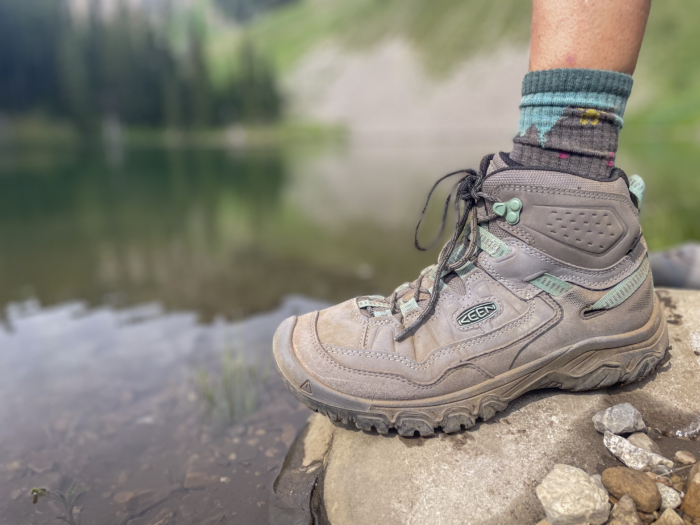
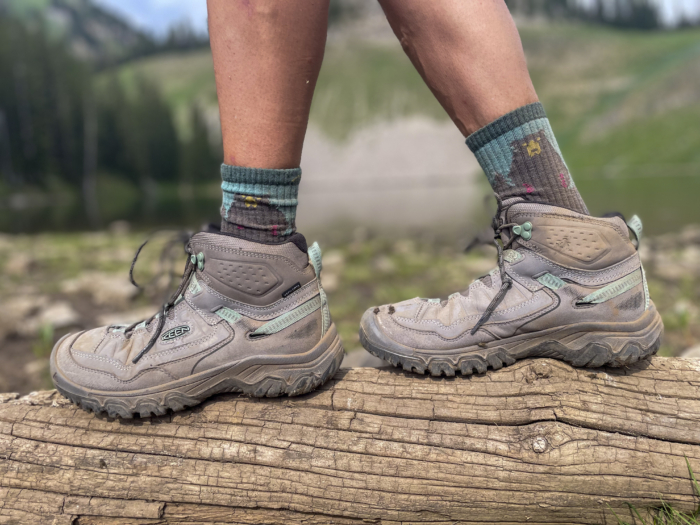
Specifications
Pros & Cons
Pros
- Comfortable out of the box
- Great value
- Supportive and stable without feeling clunky
- Roomy forefoot
- Durable
Cons
- Narrow feet swim and move around
- KEEN’s waterproofing is not as effective as other options
- Traction is not aggressive
Read Review: PFC-Free, Comfortable, Durability Guaranteed
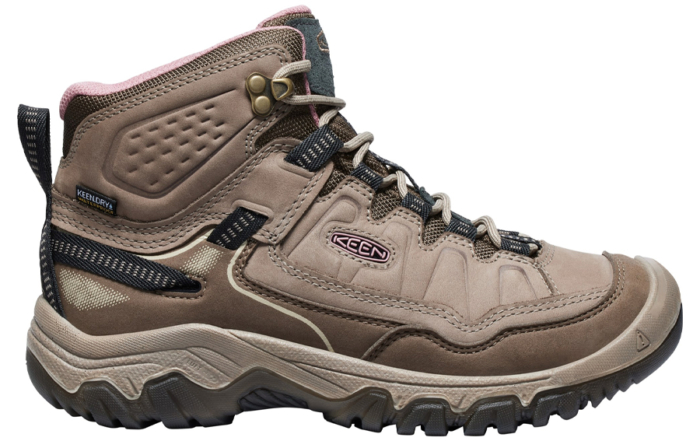
Certain boots win people over with speed or sleekness. The KEEN Targhee IV Mid Waterproof ($180) earns its place by solving a very real problem: it gives wide-footed hikers a comfortable, dependable, no-fuss boot that feels good from the start. It isn’t the most aggressive or precise option in the guide, but for hikers tired of cramped toe boxes and punishing break-in periods, this one is a welcome relief.
The Tech: KEEN built the Targhee IV with a light leather upper, glue-free KEEN.FUSION construction and PFC-free waterproofing, which gives it a more eco-minded edge than a lot of competitors. The outsole is moderately aggressive and works well for everyday trail miles, puddles, slush, and shoulder-season messes. KEEN’s lifetime guarantee against delamination is a bonus, and pairs nicely with the boot’s whole dependable-workhorse identity.
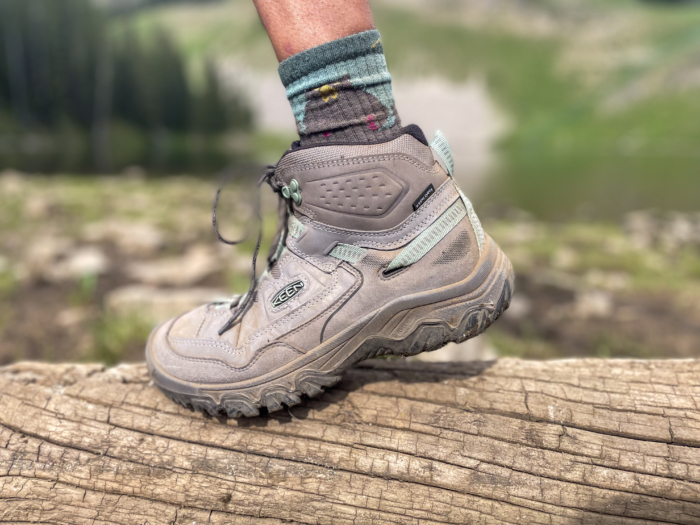
Fit & Feel: The Targhee IV feels plush underfoot right away, with soft cushioning and a roomy forefoot that makes long hikes much more comfortable for wider feet. On our first hike, we noticed how nicely the heel stayed locked in place despite the generous fit up front. Narrower-footed testers found it a bit too spacious, and some hikers may even want to size down, since the boot can run quite large. Overall, it feels supportive and easygoing rather than nimble or dialed in.
What We Like: We wore these on dry summer trails, slushy spring hikes in the Tetons, and plenty in between, and they handled it all with very little drama. The out-of-the-box comfort is excellent, and the boot seems especially well suited to cool-to-warm weather and shoulder-season swings.
What We Don’t: Traction is solid, but it isn’t top-tier. On a rainy hike to Lake of the Crags, the outsole slipped a few times on slick, wet stone, and the roomy fit won’t work as well for narrow feet. We also noticed occasional tongue pressure that may bother some hikers until the boot breaks in a bit.
Should You Buy It? If you want a comfortable, midweight hiking boot for spring-through-fall trail miles, especially if you have wide feet or carry modest loads, yes. Hikers who want a similar all-around boot with a slightly more traditional fit and feel should look to the Merrell Moab 3 Mid Waterproof instead. But for roomy comfort, reliable all-around performance, and a fit that solves real problems for wider feet, the Targhee IV is an easy boot to recommend.
-
(Photo/La Sportiva)
-
(photo/Elk Raven Photography)
-
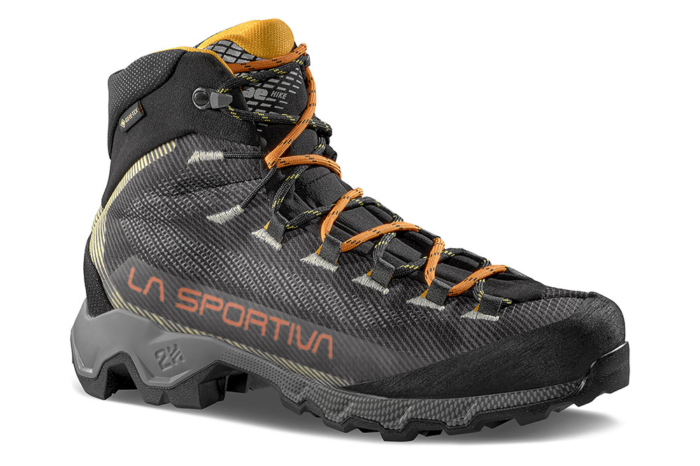
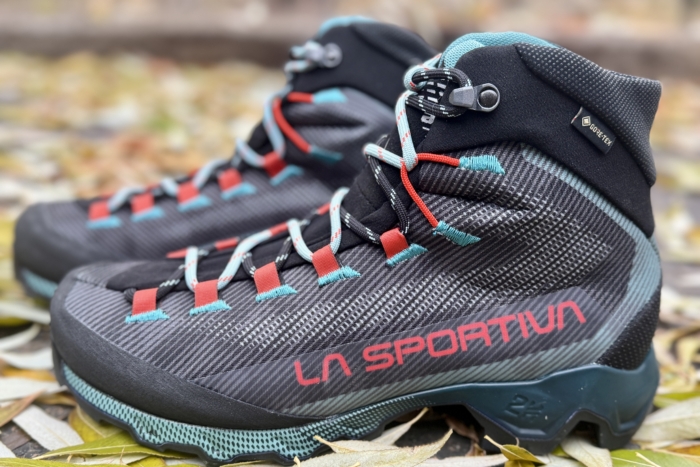
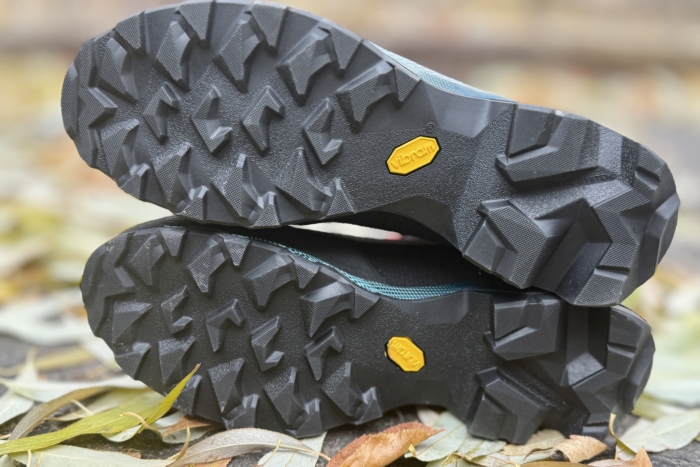
Specifications
Pros & Cons
Pros
- Light
- Supportive
- Comfortable
- Grippy
Cons
- Lower height requires gaiters for off-trail, wet use
Technical boots can feel planted but plodding. The La Sportiva Aequilibrium Hike GTX ($279) somehow manages to feel light, flexible, and almost sneaker-like while still bringing the traction and mountain confidence you want when the trail turns steep, loose, and ugly. It isn’t the best choice for consistently soaked off-trail bushwhacks, but on rocky scrambles and fast-moving alpine missions, this thing is seriously impressive.
The Tech: La Sportiva built the Aequilibrium around a Vibram outsole, GORE-TEX waterproofing, and the brand’s 3D Flex System EVO, which allows the ankle to move naturally without sacrificing too much support. On trail, that combination gives the boot its whole personality: soft enough to stay comfortable for long hours, but grippy and supportive enough to bite into roots, mud, wet granite, and steep sidehills.
Fit & Feel: The fit runs true to size but on the narrow side, which tracks with La Sportiva. Once we got it dialed, the boot felt snug, secure, and impressively agile. We tested it in the Tetons and the Rockies, including sloppy September conditions with an inch of slush underfoot, and also on a scramble up toward Middle Teton, where it felt quick, supportive, and ready to move on steep, rocky terrain.
What We Like: The traction is exceptional, especially for a boot this pliable. We also love the smooth ankle articulation and the way it helps keep foot fatigue low on long, rugged days.
What We Don’t: The soft cuff is the weak link. In normal creek crossings and intermittent moisture, it did fine, but after hours in wet grass and early-season slush, moisture crept in from the top. Gaiters help, but that’s worth knowing up front.
Should You Buy It? If you want a light, agile boot for steep trails, rocky scrambles, and technical mountain terrain, yes. Hikers who prefer the unyielding stiffness and traditional support of a classic leather boot should look to the Lowa Renegade GTX Mid instead. But for hikers who want serious mountain traction without dragging around a tank, the Aequilibrium Hike GTX hits a very sweet spot.
Women’s Hiking Boots Comparison Chart
| Boot | Price | Overall Rating | Best For | Fit Profile |
|---|---|---|---|---|
| Salomon X Ultra 5 Mid GTX | $190 | 9.2 | Fast hiking / Mixed terrain | Standard / Slightly narrow |
| Moab 3 Mid Waterproof | $170 | 7.1 | Budget / Everyday hiking | Wide / High arch friendly |
| Salomon Quest Echo | $220 | 8.8 | Heavy loads / Backpacking | True to size / Locked-in |
| Teva Grandview Vent | $165 | 8.0 | Hot weather / Mellow trails | Wide forefoot / Relaxed fit |
| Lowa Renegade GTX Mid | $280 | 7.9 | Traditional backpacking | True to size / Standard |
| HOKA Kaha 3 GTX | $240 | 7.5 | Max-cushion / Joint relief | Runs small (Size up) |
| Merrell Moab Speed 2 Mid GTX | $185 | 7.8 | Lightweight day hikes | Roomy forefoot / Loose heel |
| La Sportiva Ultra Raptor 3 Mid GTX | $219 | 8.4 | Technical terrain, scrambles | Standard/Slightly narrow |
| SCARPA Rush 2 Pro Mid GTX | $199 | 7.9 | Fast packing & versatility | Medium to narrow |
| On Cloudrock Mid WP | $240 | 7.4 | Sneaker-feel / Fast pace | Snug / Runs small |
| Danner Mountain 600 Leaf GTX | $250 | 7.3 | Heritage / Casual-to-trail | True to size |
| The North Face Offtrail LT | $220 | 7.0 | Rocky, technical scrambling | Medium / Snug forefoot |
| KEEN Targhee IV Mid WP | $180 | 7.4 | Wide feet / All-purpose | Very wide / Roomy |
| La Sportiva Aequilibrium Hike | $279 | 8.2 | Steep alpine / Technical | Narrow / Precision fit |

How We Tested the Best Women’s Hiking Boots
Our Expert Testers
Over the last five years, GearJunkie’s women-led testing team has worn 75 pairs of hiking boots to narrow the field to the best options available. Editor Chris Kassar led this update, logging more than 300 miles across the Tetons, the Colorado Rockies, and Patagonia. Having climbed most of Colorado’s 14ers, summited Denali and Mount Logan, and guided backpacking trips across Denali, the Grand Canyon, Canyonlands, and Rocky Mountain National Park, she brings a sharp eye for truly dependable footwear.
Contributor Miya Tsudome brought years of testing experience from Bishop, Calif., exploring rocky desert slopes, sandy washes, and alpine trails in the Eastern Sierra. Pam LeBlanc and Senior Editor Morgan Tilton added long-term feedback from Texas to Colorado’s San Juan Mountains, helping us assess comfort, support, traction, and durability across a wide range of terrain and conditions.

Our Testing Process
We test hiking boots where they’re actually used. For this update, our team put 10 new models through a gauntlet of spring mud, alpine snow, loose scree, and wet granite. We evaluate boots with and without packs — hauling overnight loads up to 35 pounds — and mandate a strict 30-mile testing minimum per pair before forming an opinion.
We pay special attention to break-in time, heel hold, and grip in changing conditions. We refresh this guide regularly, meaning longtime favorites either keep earning their place or get bumped by better technology and execution. For more options, check out our guides to the best hiking shoes for women, the best winter hiking boots, and the best men’s hiking boots.

Our Hiking Boot Rating System
We rate boots on a 1-to-10 scale. The overall score isn’t a simple average; it reflects how the boot performs as a complete package across four core metrics:
Durability: Materials, construction quality, and resilience against rough abuse.
Comfort: Cushioning, fit, break-in period, breathability, and all-day feel.
Support: Ankle security, midfoot stability, and structure on uneven ground.
Traction: Grip and braking power on wet rock, mud, gravel, and snow.

Buyer’s Guide: How to Choose the Best Hiking Boots for Women
Why Hiking Boots?
The right hiking boots can completely change your experience on the trail. Compared to low-cut shoes or trail runners, boots offer more stability, protection, and support — especially when you’re carrying weight, moving through rough terrain, or dealing with changing weather. They inspire confidence on loose rock, muddy descents, wet trails, and long days when tired feet can lead to sloppy foot placement.
The best boot for you depends entirely on where and how you hike. For shorter outings on smooth trails or in dry climates, a lighter, more agile boot feels cooler and easier to move in. For alpine terrain, multiday trips, or wet conditions, a supportive, waterproof boot adds vital protection, durability, and security underfoot. Some hikers prioritize lightweight speed, while others want plush comfort or technical precision. Ultimately, the best boots match your feet, your terrain, and the kind of days you actually spend outside.
For all-around versatility, the Salomon X Ultra 5 Mid GTX remains one of the most balanced options in our lineup. Hikers who prefer a classic leather build should look to the Lowa Renegade GTX Mid, while those chasing max comfort will appreciate the plush cushioning of the HOKA Kaha 3 GTX. And for those who want the fast, energetic feel of a sneaker with the added coverage of a boot, the Merrell Moab Speed 2 Mid GTX hits the ultimate sweet spot.

Comfort and Fit
The single most important factor in any boot is comfort. Women’s boots are designed on a last that accounts for narrower heels, higher arches, and smaller volume, but every brand fits differently. Try boots on in the afternoon when your feet are slightly swollen, wear your usual hiking socks, and pay attention to both length and width.
Your heel should stay secure without lifting, and your toes should have room to splay. Break-in time should be minimal — a well-fitting boot should feel comfortable right away. The Merrell Moab 3 Mid Waterproof is known for its generous toe box and cushioned midsole, while the Salomon X Ultra 5 Mid GTX provides a snug, performance-oriented fit that feels stable on technical trails.

Your boot should feel snug at the heel without lifting and allow your toes to move freely without grazing the front. Bring your hiking socks when trying on boots and walk on an incline if possible to test heel hold and toe space.

Support and Stability
A good hiking boot should feel stable without being overly rigid. Support keeps you upright on uneven ground and prevents fatigue on long days. Look for a firm midsole, a solid heel counter, and a structured collar that cradles your ankle without pinching. Mid-cut boots offer a nice balance of mobility and protection, while high-cut models give the most confidence under load.
Backpackers often favor boots like the Salomon Quest Echo, which are built for hauling heavy packs through steep terrain. Day hikers or those who move fast and light may prefer the SCARPA Rush 2 Pro Mid GTX, which combines stability with a more flexible feel for agile movement.

Weight
Weight can make or break a long hike. Heavy boots provide exceptional protection and durability but can tire your legs faster, while lighter models feel faster and less restrictive. Consider how much support you truly need for your hiking style.
If you’re chasing summits or covering big mileage, a lightweight design like the Merrell Moab Speed 2 Mid GTX offers speed and comfort in equal measure. For those who prioritize stability and longevity, the Lowa Renegade GTX Mid delivers a more traditional feel and solid build that holds up over years of use.

Traction and Grip
Good traction means confidence on every step. The outsole — the rubber bottom of the boot — determines how your boot grips different surfaces. Lug depth, spacing, and pattern all play a role: deeper lugs grip better in mud or snow, while flatter patterns perform best on rock or hard-packed dirt.
For all-around versatility, the KEEN Targhee IV Mid Waterproof offers dependable traction on a wide range of terrain. If you spend time on slick or alpine trails, the La Sportiva Aequilibrium Hike GTX provides deep Vibram lugs that bite securely into loose rock and steep terrain.

Upper Materials
The materials that make up a boot’s upper—the part that wraps over your foot and connects to the sole—play a big role in comfort, protection, and longevity. The upper is the part of the boot that wraps around your foot and connects to the sole. It influences breathability, flexibility, and durability. Leather uppers are tough, weather-resistant, and long-lasting but take more time to break in. Synthetic materials, such as nylon or mesh, are lighter and more breathable but wear out faster.
For a rugged, classic look and proven durability, full-grain leather models like the Danner Mountain 600 Leaf GTX are hard to beat. If breathability and weight are higher priorities, the Teva Grandview Max Vent uses synthetic textiles that balance airflow and quick-drying performance for long-distance comfort.

Waterproofing
Waterproof membranes like GORE-TEX or proprietary liners keep your feet dry when the trail turns wet. These barriers allow vapor to escape while blocking rain or puddle splashes. However, they also reduce airflow, so think carefully about when you’ll need true waterproofing.
In wet and cold environments, the The North Face Offtrail LT Mid GTX holds up beautifully against steady rain and shallow stream crossings. For drier climates or hot summer hikes, the Teva Grandview Max Vent trades waterproofing for far better airflow and a cooler, more comfortable feel.

Breathability
Breathability matters most when hiking in warm or humid conditions. The more air that moves through your boot, the less likely your feet will overheat or blister. Mesh panels and lighter materials help keep airflow steady, but they also tend to absorb more dust and debris.
For desert treks or summer adventures, the HOKA Kaha 3 GTX balances waterproof protection with impressive ventilation through its mesh-lined collar. The Salomon X Ultra 5 Mid GTX also stands out for its ability to manage heat, keeping feet comfortable during high-output climbs.

Durability
Durability determines how long your boots will last before the sole wears thin or the upper starts to fray. Leather models naturally outlast synthetics, but modern blends can hold up surprisingly well. Look for double stitching, quality rubber, and solid rand protection around the toes.
The La Sportiva Aequilibrium Hike GTX is built for technical terrain and mountain traction, while the Danner Mountain 600 Leaf GTX remains one of the most enduring options for hikers who value craftsmanship and longevity.

Arch Support and Insoles
Strong arch support reduces fatigue and prevents pain over long distances. Most boots come with removable insoles, so you can upgrade to custom orthotics if needed. The right amount of support depends on your foot shape, arch height, and hiking goals. The Merrell Moab 3 Mid Waterproof offers zonal arch support for all-day comfort. For hikers who prefer a more natural, ground-feel stride, the La Sportiva Aequilibrium Hike GTX provides a firm, contoured midsole that enhances precision on uneven terrain.
If you prefer customized support, most models have removable insoles so you can swap in orthotics or aftermarket footbeds. Adding insoles can improve comfort, reduce pain, and extend the life of your boots. We recommend taking your hiking boots to a store where you can try on different types of insoles so you find the best fit for your foot and your boot. Hiking boots are typically high-volume, so they can accommodate a variety of insoles and arch sizes, but you won’t know for sure until you try them out for yourself.

Price & Value
A good hiking boot isn’t just about the lowest price tag. Real value comes down to how well it fits your foot, protects you on the trail, and holds up over time. The right pair saves you from blisters, sore arches, wet socks, and a whole lot of frustration.
As prices climb, you’re usually paying for better materials, a more refined fit, stronger support, and extended durability. Spend less, and you still get a very capable boot, but you might trade away some precision, weight savings, or trail feel. The sweet spot depends entirely on where you hike and how much boot you need.
Budget
Most budget-friendly hiking boots now fall between $160 and $180. At this price, you get dependable waterproofing, solid traction, and enough support for day hikes and light overnights. The tradeoff is usually a bulkier feel, a less refined fit, or reduced technical performance on rough terrain.
The Teva Grandview Max Vent ($165) is a great option if breathability matters more than waterproofing. Meanwhile, the Merrell Moab 3 Mid Waterproof ($170) remains one of the best values in the category for its out-of-the-box comfort and approachable price. The KEEN Targhee IV Mid Waterproof ($180) is another strong pick, especially for hikers who need a roomier fit.

Mid-Tier
The middle of the market, roughly $185-240, is where things get more specialized. Here, you start seeing lighter builds, energetic midsoles, better traction compounds, and boots designed for specific use cases — whether that’s fast hiking, backpacking, or max-cushion comfort.
The SCARPA Rush 2 Pro Mid GTX ($200) stands out for its agility and precise feel, while the Salomon Quest Echo GORE-TEX ($220) gives backpackers serious support and protection for heavier loads. If joint protection is the priority, the HOKA Kaha 3 GTX ($240) delivers some of the softest cushioning in the lineup.

Premium
Premium hiking boots generally range from $250 to $280. At this tier, you’re paying for highly durable materials, substantial support, and distinctive construction. These boots cater to hikers who spend heavy mileage on rough terrain, carry massive loads, or simply want a boot built for years of heavy use.
The Danner Mountain 600 Leaf GTX ($250) stands out for its recraftable leather build and everyday versatility, while the Lowa Renegade GTX Mid ($280) remains the benchmark for traditional leather support and long-haul durability. Finally, the La Sportiva Aequilibrium Hike GTX ($280) earns its premium status with exceptional mountain-ready traction in a surprisingly agile package.
Frequently Asked Questions
Everyone’s foot shape and foot health needs differ, so there’s not a “most comfortable” boot for every hiker.
The most comfortable women’s hiking boots are ones that feel good when you put them on before your hike — and still feel good when you take them off at the end of your hike.
A soft boot might feel great to slide into at home, but it might not have enough support or protection to leave you feeling great after a long day on the trail.
Ultimately, some hikers might prefer a boot with more rigid and firm support versus a plush and cushioned design. Also some hikers might prefer a narrower, athletic, precise-fitting hiking boot for more freedom of movement versus a bulkier, sturdier, and higher-tread boot.
Buy boots that fit and wear them with only one pair of high-quality socks. Take your most-used hiking socks with you to try on the boot. Make sure you’re choosing the best hiking sock for the trip you plan to take and according to the season. Do not buy hiking boots a size bigger.
You do, however, want to leave enough room that your toes do not feel smushed and do not graze the top end of the toe box. Your heel should not slip up and down. If it does, choose another boot or you’re bound to end up with blisters.
Whether you hike in boots is a personal preference and influenced by your surrounding terrain.
Hiking boots are a great option if you plan to carry more weight on your back, travel big miles, or venture through rocky or variable terrain where you need the protection and support of a built-out boot. If you are likely to travel through a range of weather conditions, such as snow and rain, or creek crossings, a boot can serve as a strong shield.
While trail runners are having a massive moment, nothing beats the locked-in ankle support, weather protection, and heavy-load stability of a dedicated hiking boot.