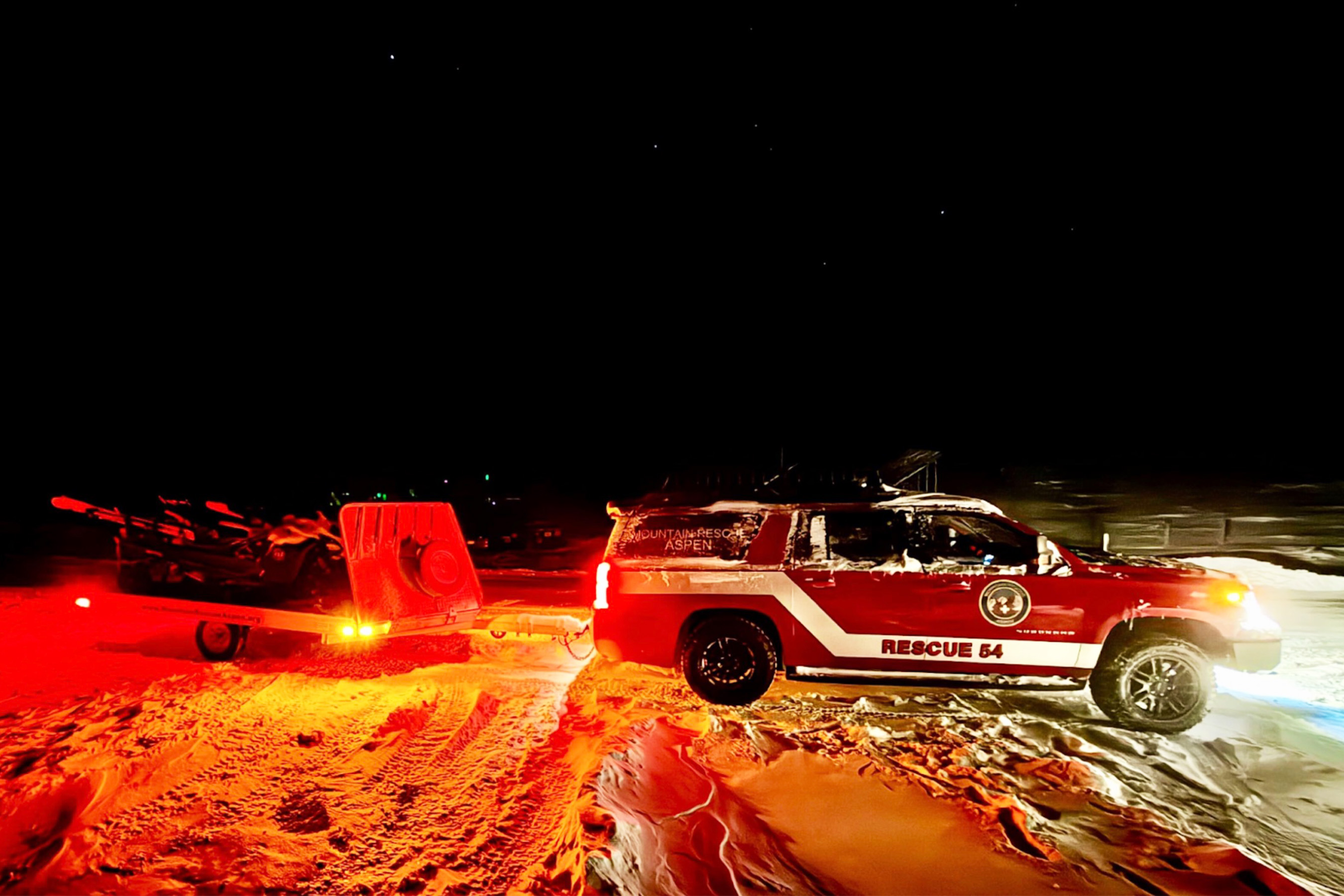
In less than 24 hours, search-and-rescue teams had to fly to the same location in Colorado’s remote Elk Mountains four times to rescue the same group of backcountry skiers in two separate incidents.
Temperatures across the state plummeted over the weekend. They dropped into the single digits and even negative degrees as a winter storm passed over the region. The frigid temperatures posed serious health risks. The entire party of seven skiers showed signs of frostbite, with four requiring medical evacuation and treatment at local hospitals. One was reportedly in critical condition.
The First Call: Sunday, Jan. 25. — 9:40 p.m.
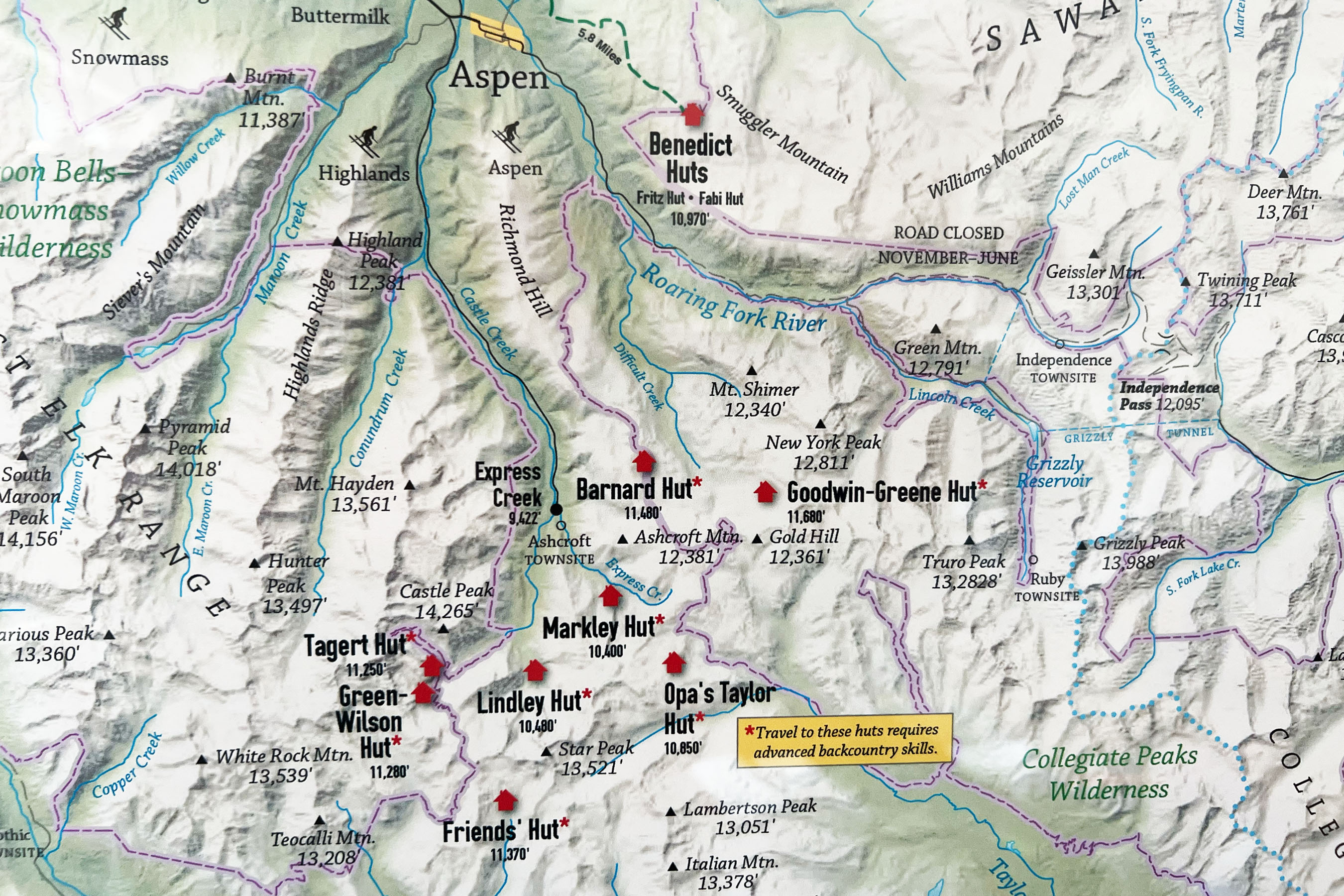
The skiers were traveling along the Alfred A. Braun Hut System, a series of remote huts south of Aspen in the Elk Mountains, part of the Colorado Rockies.
The group was traveling to the Goodwin Greene hut, located at an elevation of 11,700 feet. They were still en route to the hut when search and rescue (SAR) received the first call for help. Temperatures had become bitterly cold, reaching lows of -22 degrees.
According to a press release from the Pitkin County Sheriff’s Office, the local dispatch center received an emergency SOS alert at 9:40 p.m. on Sunday, Jan. 25. Two members of the seven-person group were injured to such a degree that they could not reach the hut.
Mountain Rescue Aspen (MRA) deployed, but strong winds posed a significant challenge. It took three helicopter flights to successfully land the aircraft and deposit an SAR team.
“They were able to find the two hypothermic subjects, one non-responsive and in critical condition, and the second, who was also hypothermic,” the sheriff’s office said. Both individuals were placed on the helicopter and transferred to a local hospital.
The MRA members finally left the field by 3:45 a.m. on Monday, Jan. 26.
The Second Call: Monday, Jan. 26 — 11:53 a.m.
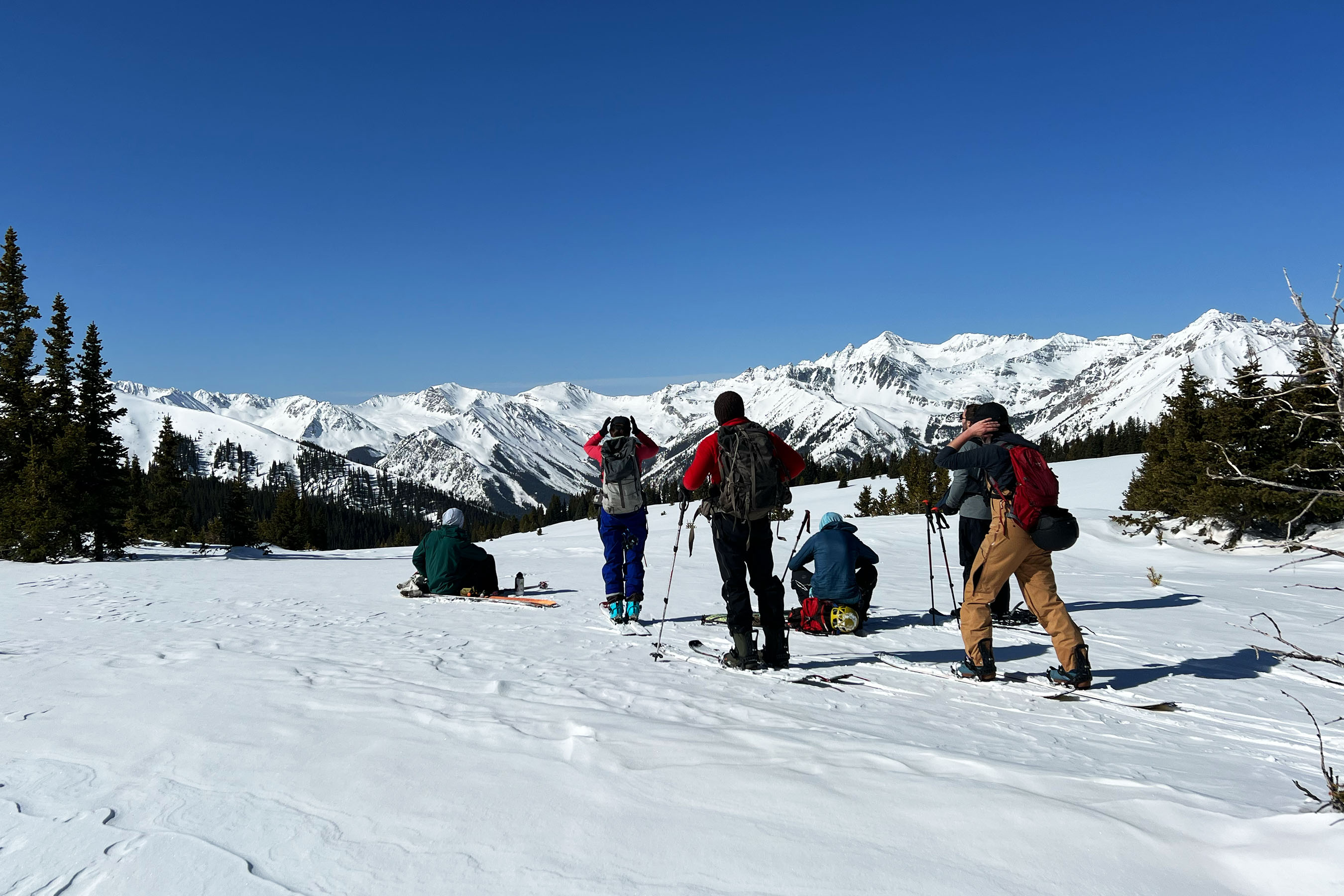
Less than 12 hours later, on Monday at 11:53 a.m., local dispatch received another emergency SOS alert. It was from the same group. According to a press release, “The remaining five members of a seven-person party were reported as all having cold-related injuries of varying degrees, including one person suffering from loss of eyesight.”
MRA members arrived at the scene via helicopter and provided care to the remaining group members. “Two additional seriously injured patients with cold injuries” were flown to a hospital. The remaining three skiers, who had only minor cold injuries, “were left behind per their own request.”
Dangers of Backcountry Skiing
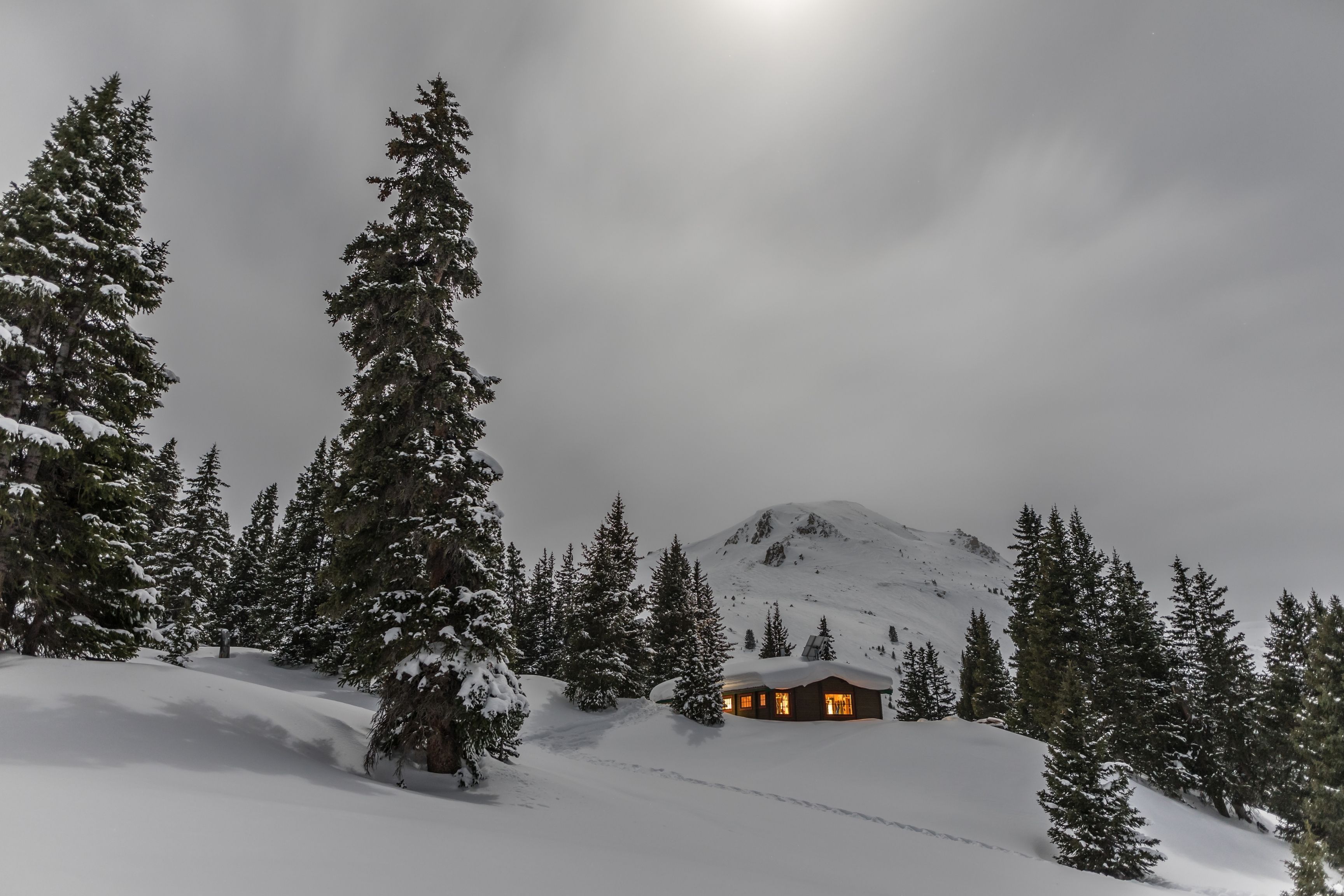
Colorado’s 10th Mountain Division Hut Association explains that incidents in backcountry huts are rare, but can be quite serious. It states, “About half of all search and rescue incidents within the hut system are searches for overdue skiers or snowshoers who get lost or underestimate travel time and don’t arrive at the hut as planned.”
The other half are injuries or altitude sickness.
In a Facebook post, MRA reminded the public, “When embarking on a hut trip, your group must be prepared and equipped for a bivouac, self-rescue, evacuation, or handling of other challenges and misfortunes that may be encountered in the backcountry.
“If a member of your group is injured or becomes ill at a hut or along the trail, or doesn’t make it to the hut, you cannot rely on immediate outside help.”
According to the National Institutes of Health, hypothermia and frostbite can set in within 30 minutes of exposure in temperatures below -15 degrees. Hypothermia can lead to health problems like heart attacks, kidney problems, liver damage, and death. The Cleveland Clinic explains that severe complications of frostbite can include nerve damage, amputation, gangrene, and damage to muscles, tendons, and bones.
Always check the weather and avalanche conditions before heading into the backcountry. Ensure that you are prepared for the winter conditions you’re likely to encounter. Being adequately prepared makes you safer and reduces risks for responding rescue teams.