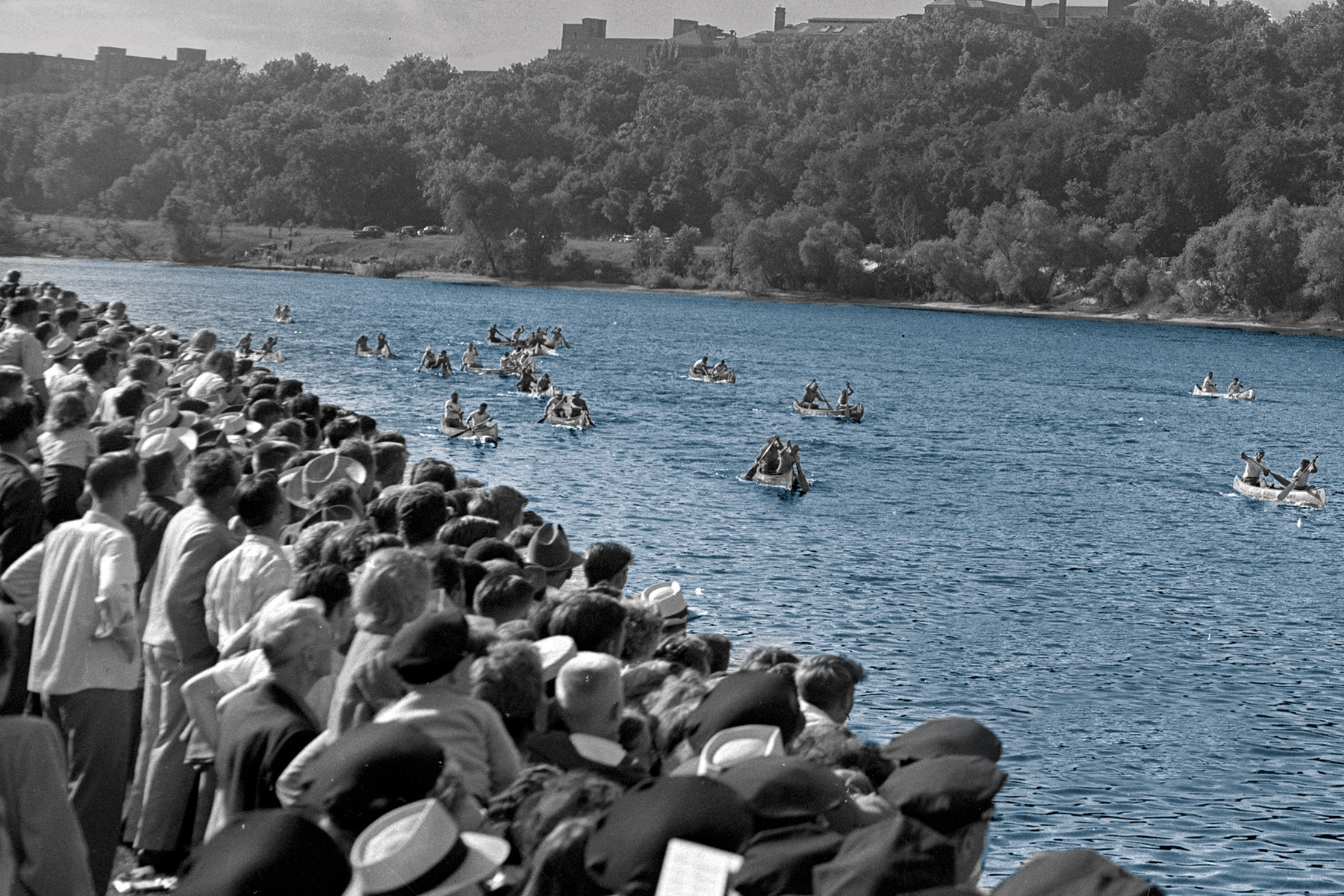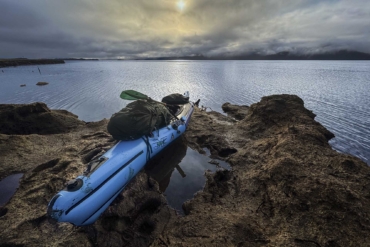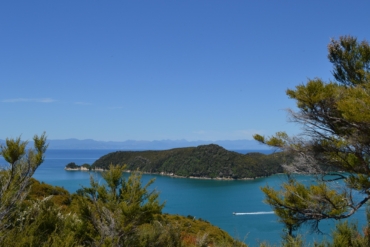
The Boundary Waters Canoe Area Wilderness (BWCAW) in Minnesota is a popular spot with paddlers, hikers, and anglers. Soon, it may be opened for nearby mining, which critics argue will damage its pristine nature. On Wednesday, Jan. 21, the House of Representatives passed a bill to overturn a 20-year ban on mining in the area.
The Area
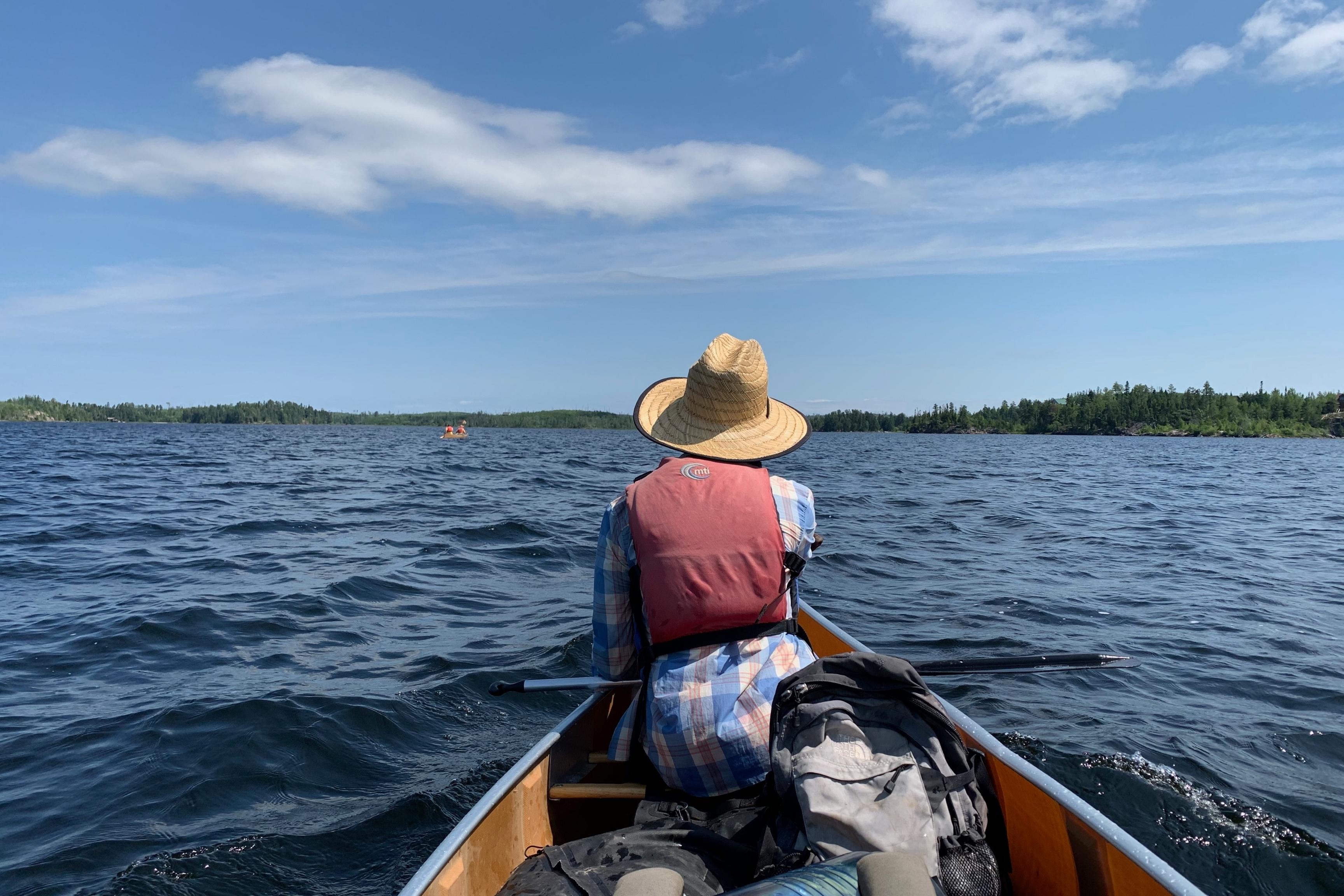
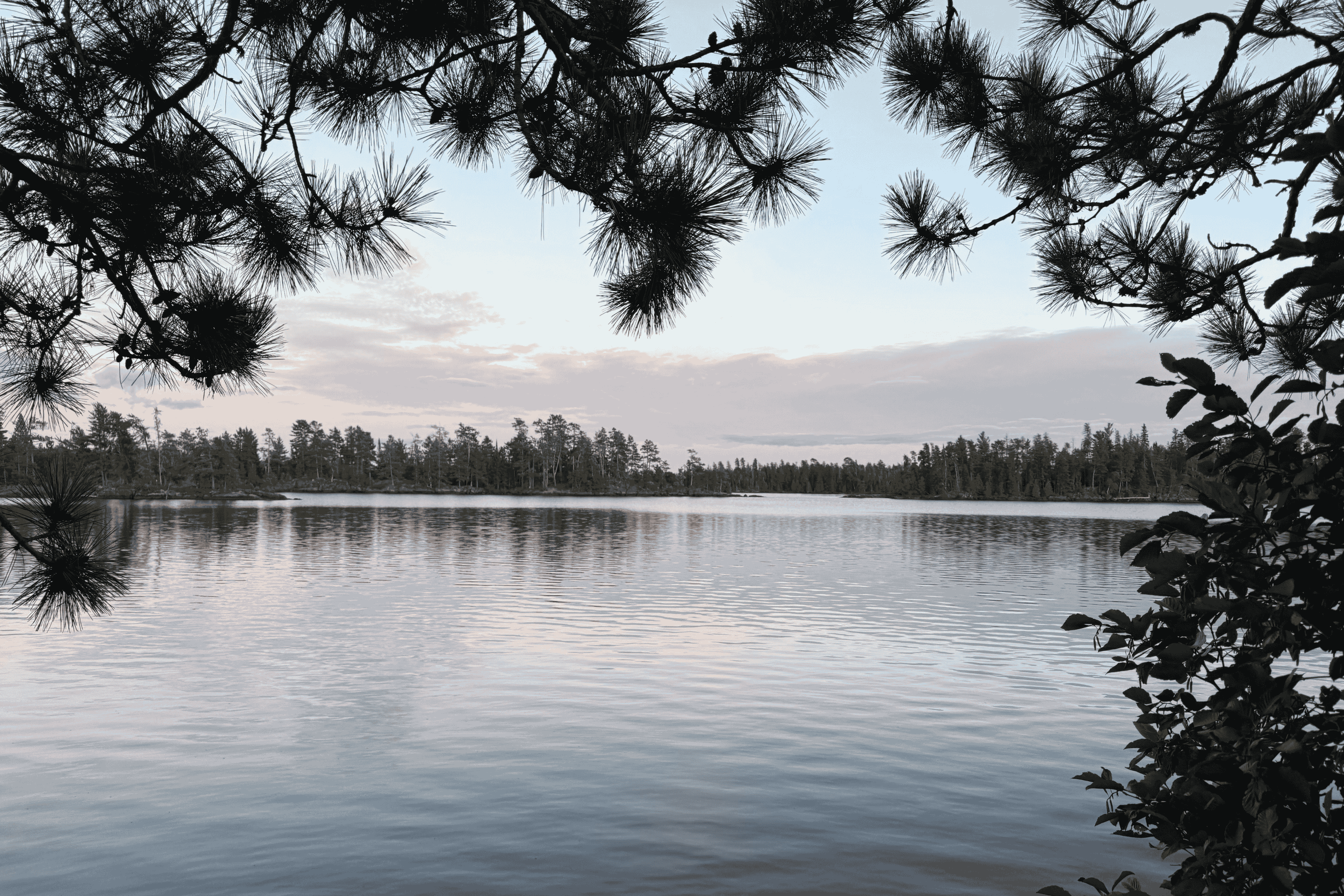
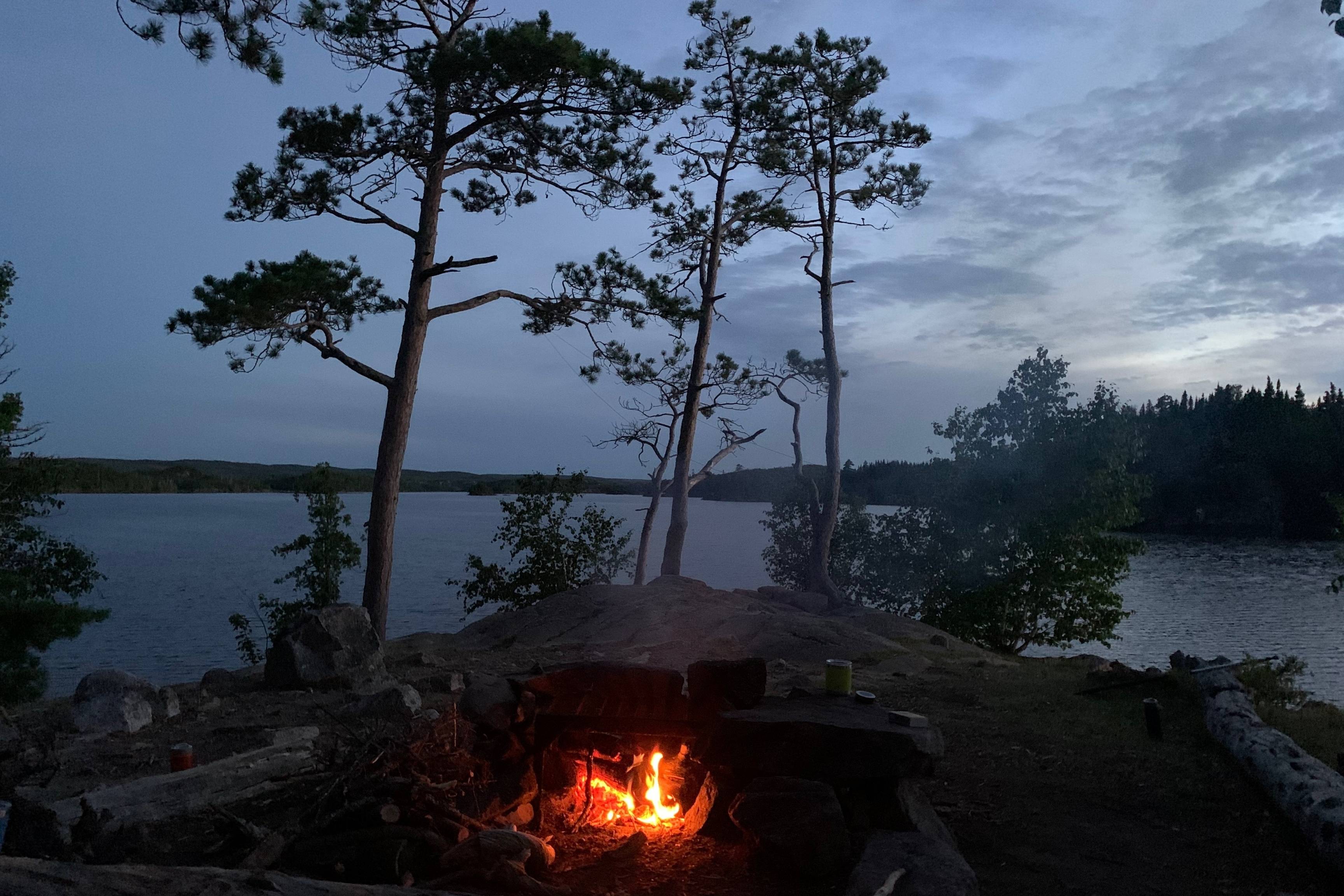
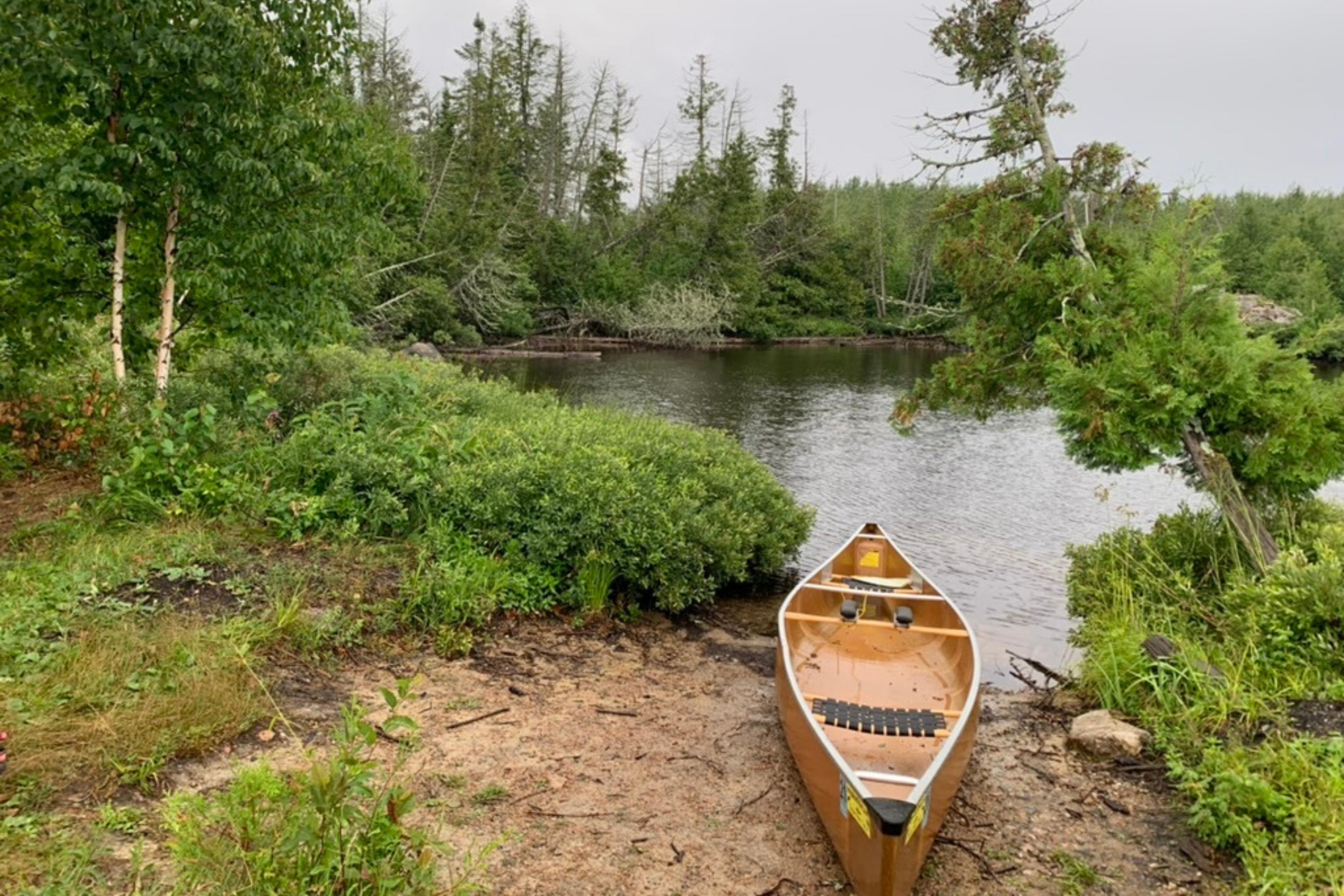
The BWCAW is a 1.1-million-acre area of land in northern Minnesota, close to Voyageurs National Park. It is located within the larger 3-million-acre Superior National Forest. It is home to 1,200 miles of canoe routes, 12 hiking trails, and 2,000 designated campsites. It is a popular outdoor recreation destination, and, according to a study, it contributed $77 million to the local economy in 2016.
U.S. Forest Service Data notes that 776,000 visitor permits were issued between 2020 and 2024. World-class fishing, paddling, and nature attract visitors to the area, which largely restricts motorized use. Wildlife such as loons, moose, northern pike, smallmouth bass, and ruffed grouse team in the area.
However, the nearby land is also rich in minerals. Twin Metals, owned by a Chilean mining company, has been pushing to open a copper mine in the Superior National Forest on the fringe of the BWCAW. Conservationists say it could contaminate the watershed.
The Ban
The ban on mining was enacted during the Biden administration. In 2023, Secretary of the Interior Deb Haaland signed Public Land Order 7917, withdrawing 225,504 acres in the Superior National Forest from potential leasing for mining or geothermal energy purposes.
The Federal Land Policy and Management Act allowed Haaland to do so for a maximum of 20 years, and only Congress can counteract the action.
In a press release at the time, Haaland said, “Protecting a place like Boundary Waters is key to supporting the health of the watershed and its surrounding wildlife, upholding our Tribal trust and treaty responsibilities, and boosting the local recreation economy.”
The Vote
The House voted 214 to 208 to overturn the ban. The vote fell along party lines, with all Republican members except one voting in favor, and all Democratic members but one voting against.
When Rep. Pete Stauber (R-MN) introduced the bill, he stated in a press release, “The Biden Administration’s decision to enact its illegal mining ban in Northern Minnesota was not only an attack on our way of life and cost countless good-paying, union jobs, it also put our nation’s mineral security at risk.
“By locking up the Duluth Complex — the world’s largest untapped copper-nickel deposit — President Biden cemented our nation’s reliance on foreign adversarial nations like China for critical minerals that will be necessary for the United States to compete and win in the 21st Century.”
In a statement opposing the effort, Rep. Betty McCollum (D-MN) explained her view: “The federal mineral withdrawal put in place under the Biden administration prevents toxic sulfide ore mining in the headwaters, and it was the result of years of comprehensive and scientifically-sound environmental analysis. The repeated efforts by the Trump administration and Congressman Stauber to overturn this withdrawal are anti-science and ignore the public input which overwhelmingly supported these protections.”
The Reaction
Conservation and wildlife nonprofits were quick to express their disapproval and disappointment over the measure passing.
Marc Fink, a senior attorney for the Center for Biological Diversity, said in an email to GJ, “This heartbreaking vote shows that under the Trump administration, no place in America is safe from toxic mining, including the spectacular Boundary Waters wilderness.”
“Rep. Stauber and everyone who voted for this reckless, unprecedented attack have completely ignored the Forest Service’s own science and the overwhelming public support for protecting the Boundary Waters from copper mining.”
Friends of the Boundary Waters Wilderness, a local nonprofit, strongly condemned the action on Facebook. “They voted to put the most polluting industry in America at the edge of our cleanest water. They voted to disregard protections for a national treasure.”
Next Steps
Next, the bill will head to the Senate. If it passes there, Trump will likely sign it into law, opening up about one-quarter of the BWCAW to mining leases.