From daily road runs to steep trail climbs, we rack up plenty of weekly miles. All those meters matters because a good pair of women’s running shorts can make or break a workout.
The best shorts for women strike a balance: They don’t ride up, stay comfortable no matter how long you’re out there, stash the essentials, and dry quickly after long, sweaty workouts. Durability, sustainability, and price all factor in, too. We also want them to look as good as they feel.
Since every woman’s body is different, you’ll never find a pair of running shorts that work perfectly for everyone. If you’re looking for the best do-it-all women’s running shorts, the Oiselle High Rise Long Roga Shorts is the top pick with nice aesthetics and maximum comfort. The wallet-friendly Decathlon Kiprun Run 500 Dry Shorts shows that you don’t have to drop a lot of cash to get ‘er done on a the run.
Editor’s Note: Updated October 15, 2025, we’ve added the Oiselle High Rise Long Roga Shorts, Decathlon Kiprun Run 500 Dry Shorts, Oiselle Pockito 6” Shorts, On 3″ Performance 2/1 Shorts, and Norrona Senja Flex1 shorts to our lineup. We also added added detailed rating metrics to each pair of running shorts, explaining how we came up with our numerical scores.
The Best Women’s Running Shorts of 2026
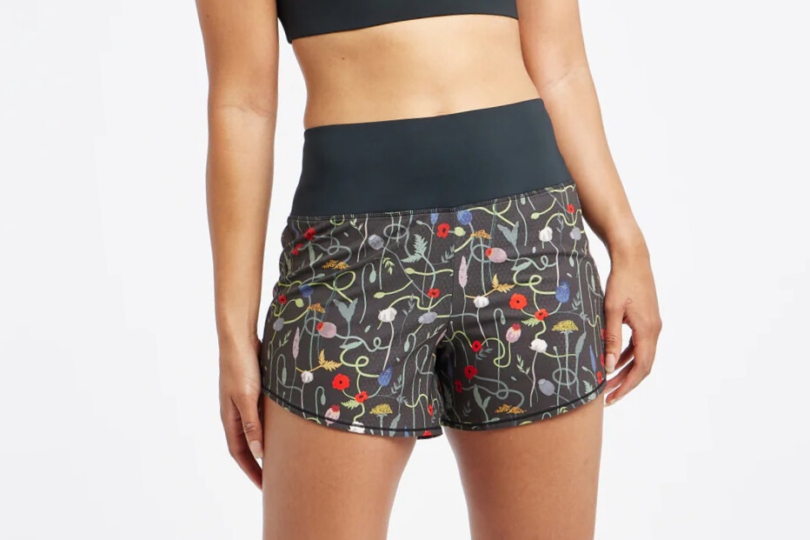
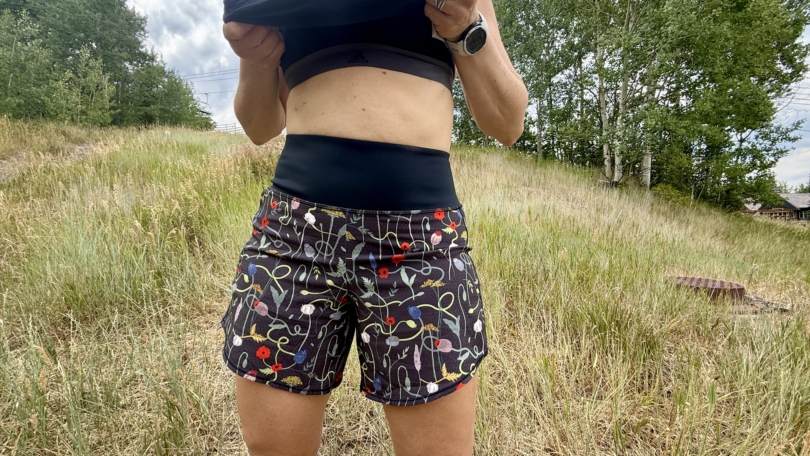
Oiselle High Rise Long Roga Shorts

-
Value
7.0
-
Durability
9.5
-
Breathability
8.0
-
Performance
8.8
- Inseam: 6"
- Pockets: 3
- Liner: Yes
- Material: 86% polyester, 14% spandex
- Weight: Unknown
- Size range: 2-26
Pros
- Comfortable waistband that doesn't dig
- Plenty of functioning storage
- Non-irritating liner
- No riding up or bunching
Cons
- Lack of sustainability transparency
- Premium price point
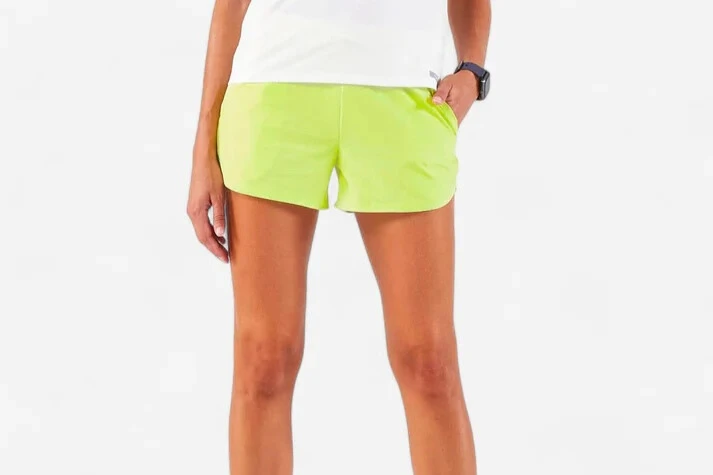
Decathlon Kiprun Run 500 Dry Shorts
-
Value
9.0
-
Durability
8.0
-
Style
6.5
-
Performance
7.0
- Inseam: 3"
- Pockets: 4
- Liner: None
- Material: 91% polyester, 9% elastane
- Waterproof: No
- Weight: 5.2 oz.
- Size range: XS-2XL
Pros
- Good value
- Doesn't ride up
- Fast-drying fabric
Cons
- Moderately short rise in the fit
- Only one useful pocket
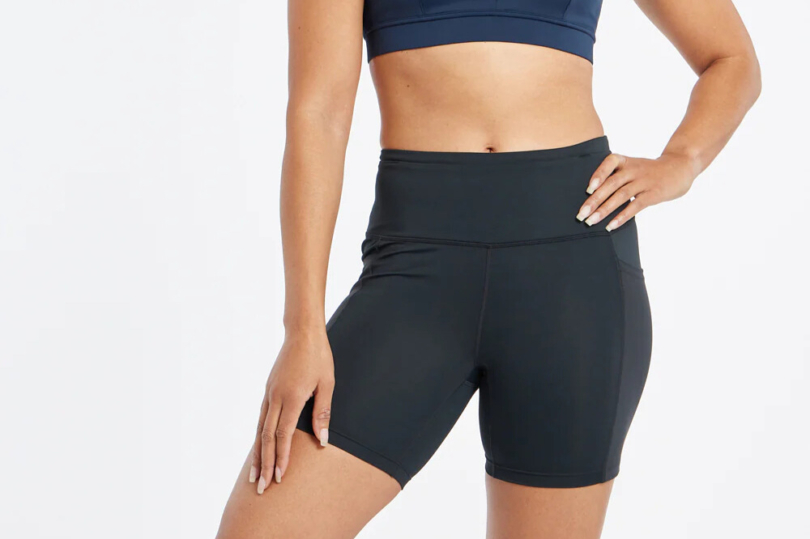
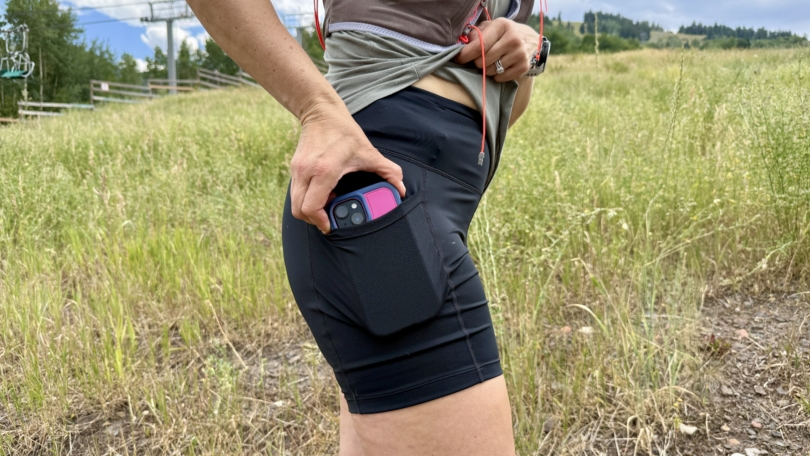
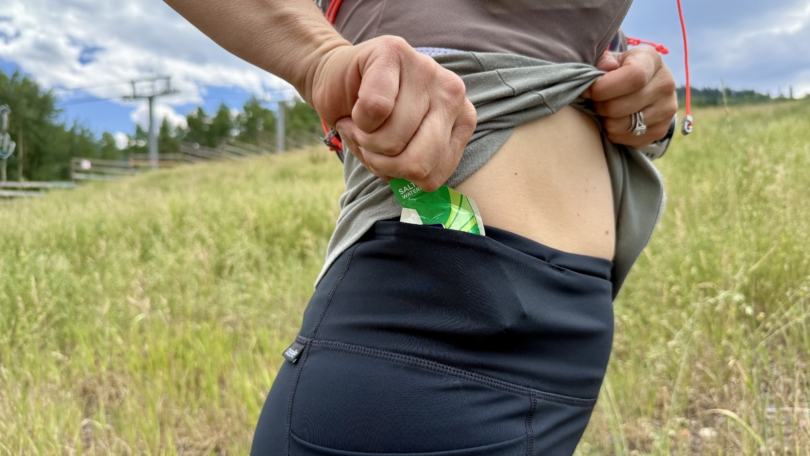
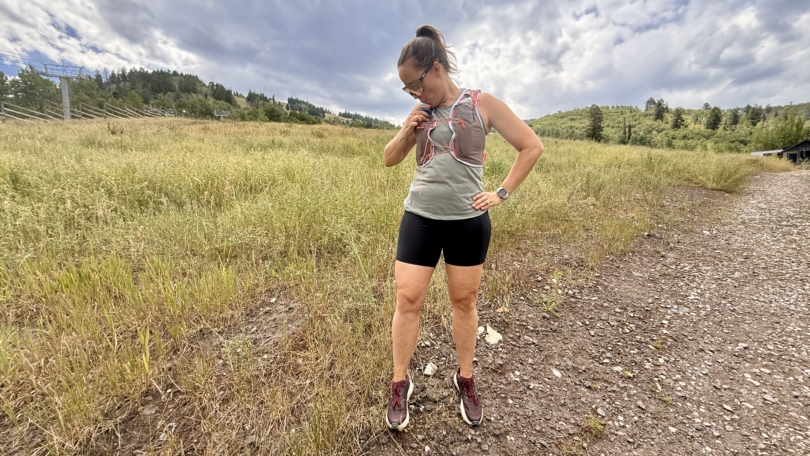
Oiselle Pockito 6″ Shorts
-
Value
7.0
-
Durability
8.5
-
Breathability
7.0
-
Performance
8.5
- Inseam: 6"
- Pockets: 4
- Liner: No
- Material: 76% polyester, 24% spandex
- Weight: Unknown
- Size range: 2-14
Pros
- Tons of useful storage
- No chafing or rubbing
- Supportive, comfortable fit
- Lightweight compression that isn't tight or constrictive
Cons
- Very expensive
- Biker short-style may not be for everyone
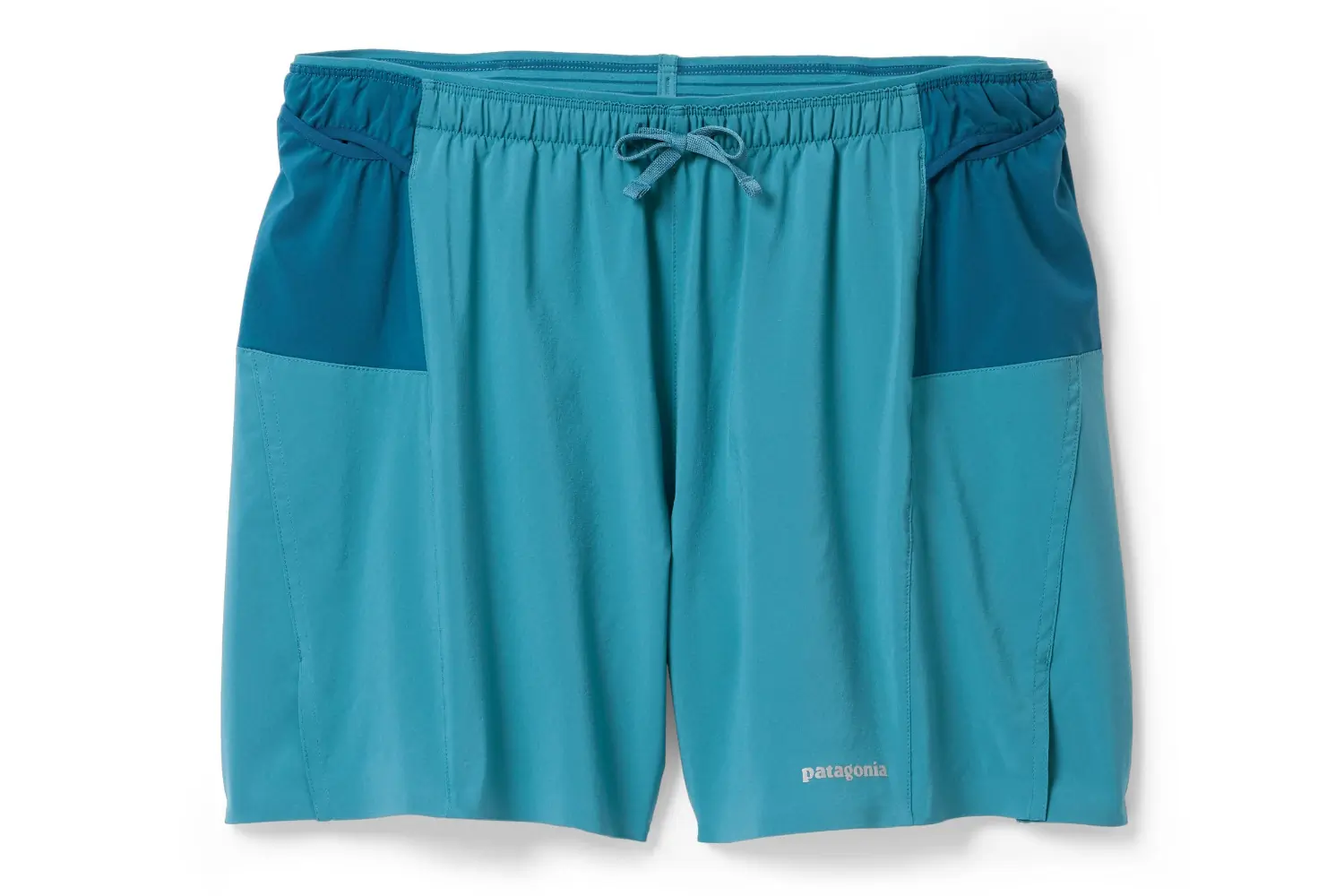
Patagonia Strider Pro Shorts
-
Value
7.5
-
Durability
9.5
-
Breathability
9.0
-
Performance
9.5
- Length: 5” and 7"
- Shell: 90% recycled polyester, 10% spandex
- Liner: Brief (100% Recycled polyester double knit)
- Pockets: One rear zipper, four envelope enclosure drop-in
Pros
- Newly added four-way stretch
- Carrying capacity
- Comfortable waistline
- Breathable and quick-drying
- Great storage
Cons
- Back pocket smaller than before
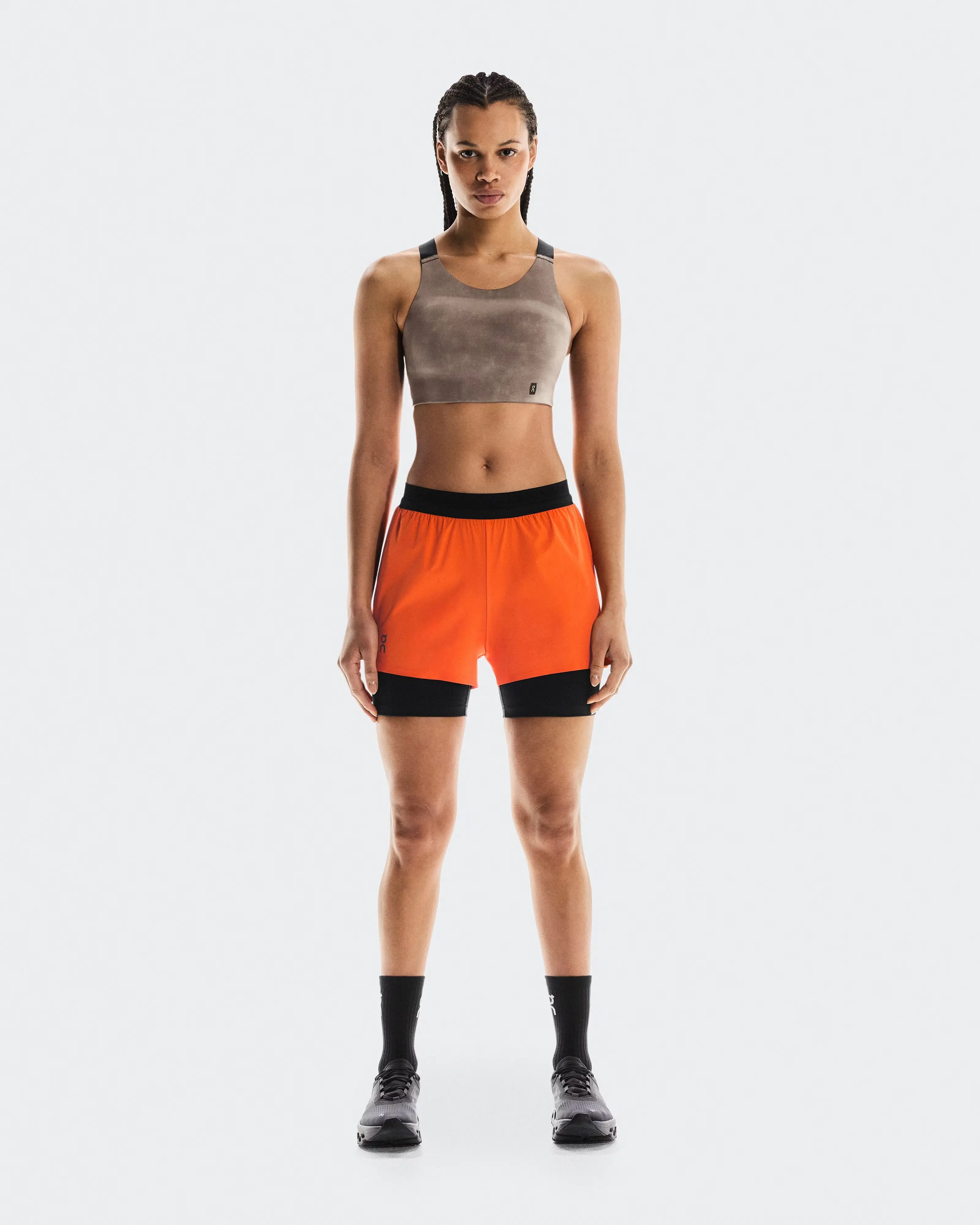
On Performance 2/1 Shorts
-
Value
8.0
-
Durability
8.5
-
Breathability
9.0
-
Performance
8.0
- Inseam: 3"
- Pockets: 2
- Liner: Yes
- Material: Recycled polyamide, recycled polyester, and elastane
- Weight: N/A
- Size range: XS – XXL
Pros
- Incredible all-around comfort
- Breathable and quick to dry
- Secure fit with no bounce or riding up
Cons
- Not the most flattering fit
- Limited storage
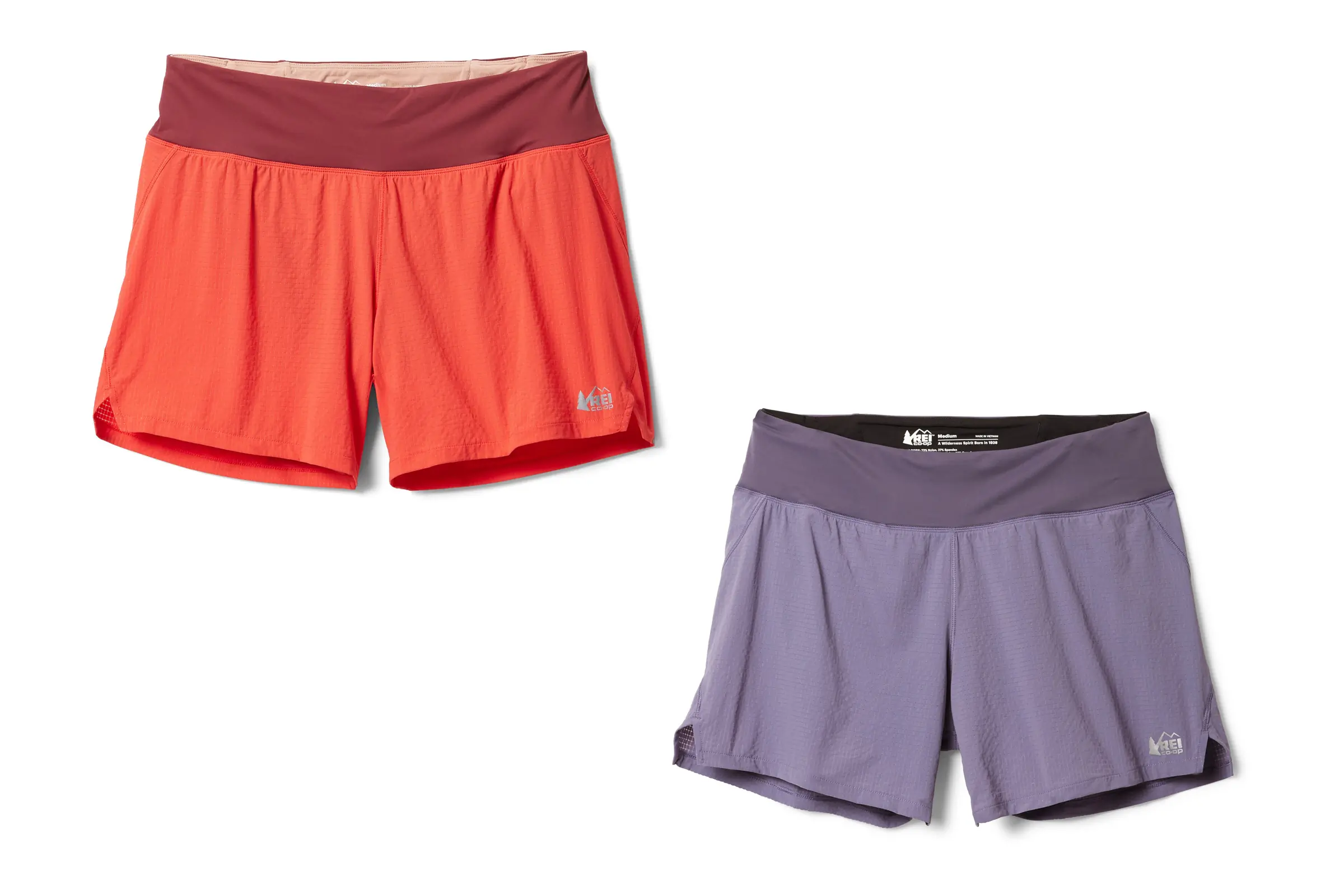
REI Co-op Swiftland 5″ Shorts
-
Value
9.0
-
Durability
8.8
-
Breathability
8.0
-
Performance
8.5
- Inseam: 5”
- Pockets: 4
- Liner: Yes
- Material: 73% nylon, 27% spandex
- Weight: Unknown
- Size range: XS-3X
Pros
- Excellent value
- Secure, comfortable waistband
- Stays in place on the move
- Light fabric
Cons
- Most pockets are too shallow to trust
- Short rise may fit awkwardly for some
- Not as quick-drying as others
More Run-worthy Shorts, Field Tested
While the following shorts didn’t podium, we’ve put plenty of miles on them and they’re worthy of your consideration.
-
Value
8.0
-
Durability
7.0
-
Breathability
7.5
-
Performance
7.0
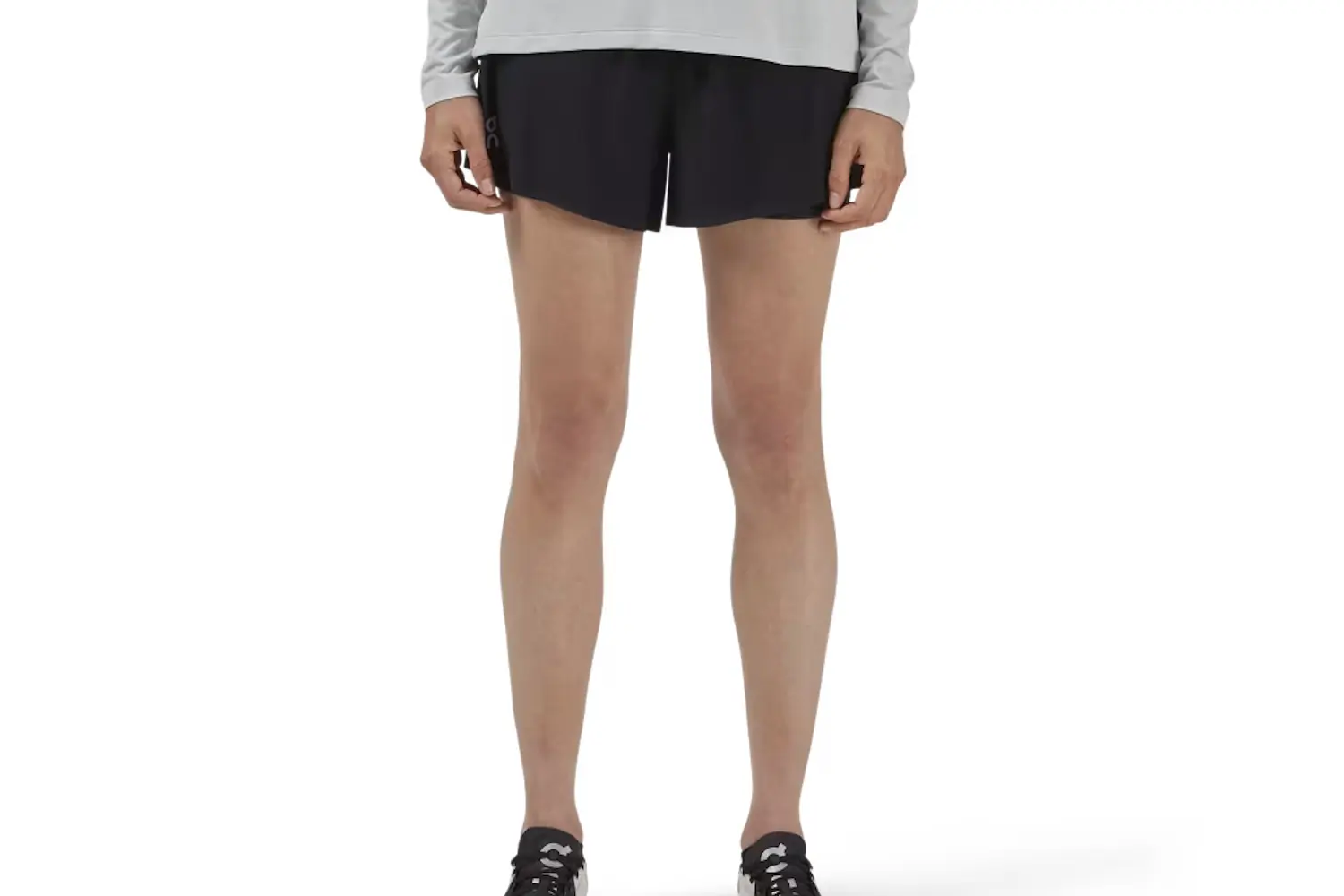
- Inseam: 1.58” – 3.94”
- Pockets: 1
- Liner: Yes
- Material: 87% Polyamide 13% Elastane Inner brief: 65% recycled Polyamide 35% Elastane
- Weight: 4.76 oz.
- Size range: XS-XL
Pros
- Provides excellent coverage
- Comfortable waistband
- Reflective detailing
- Key loop
Cons
- Liner slightly rides
-
Value
4.0
-
Durability
7.0
-
Breathability
8.0
-
Performance
8.0
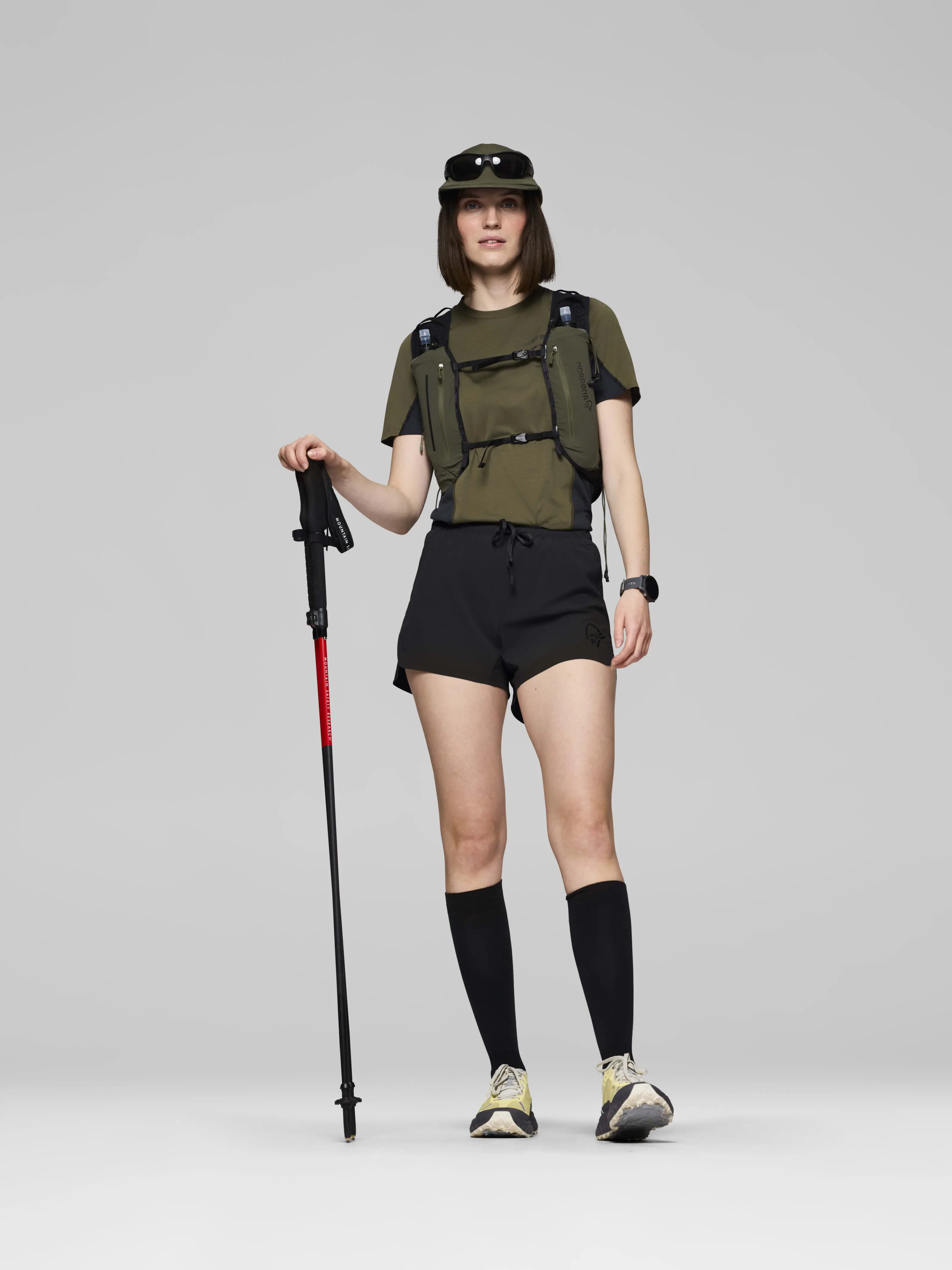
- Inseam: 4"
- Pockets: 3
- Liner: None
- Material: 86% recycled nylon, 14% elastane
- Weight: 3.5 oz.
- Size range: XS- L
Pros
- All-around sustainable business practices
- Ultralight and breathable
- Plenty of useful pockets
Cons
- Very expensive
- LImited size range
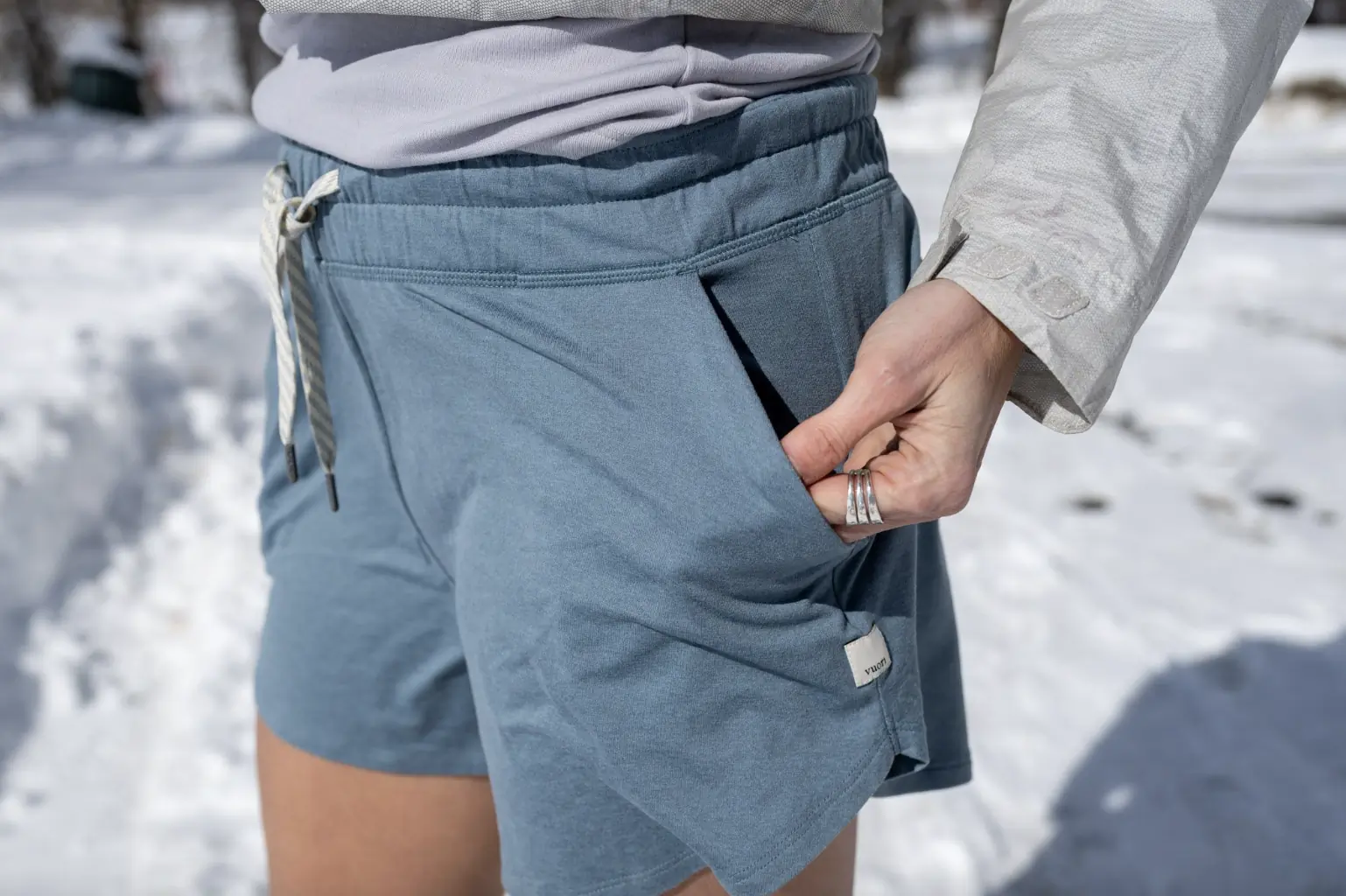
-
Value
7.0
-
Durability
6.5
-
Style
7.5
-
Performance
6.5
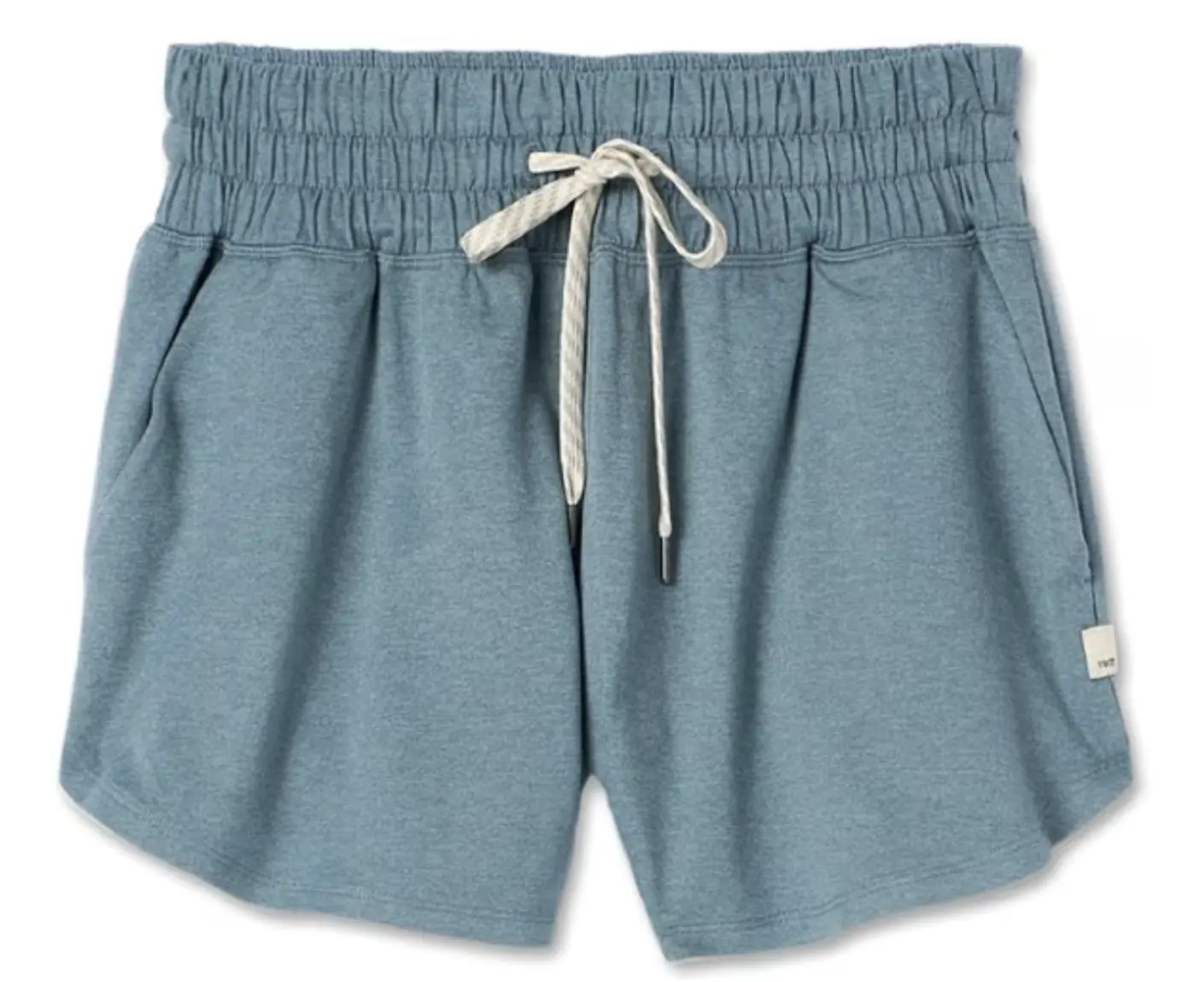
- Inseam: 3"
- Pockets: 2
- Liner: No
- Material: 89% Recycled Polyester, 11% Elastane
- Weight: 5 oz
- Size range: XXS-XXL
Pros
- Super Comfortable
- Drawstring
- Relaxed fit
Cons
- Thicker fabric
- Shows sweat
- Heavy
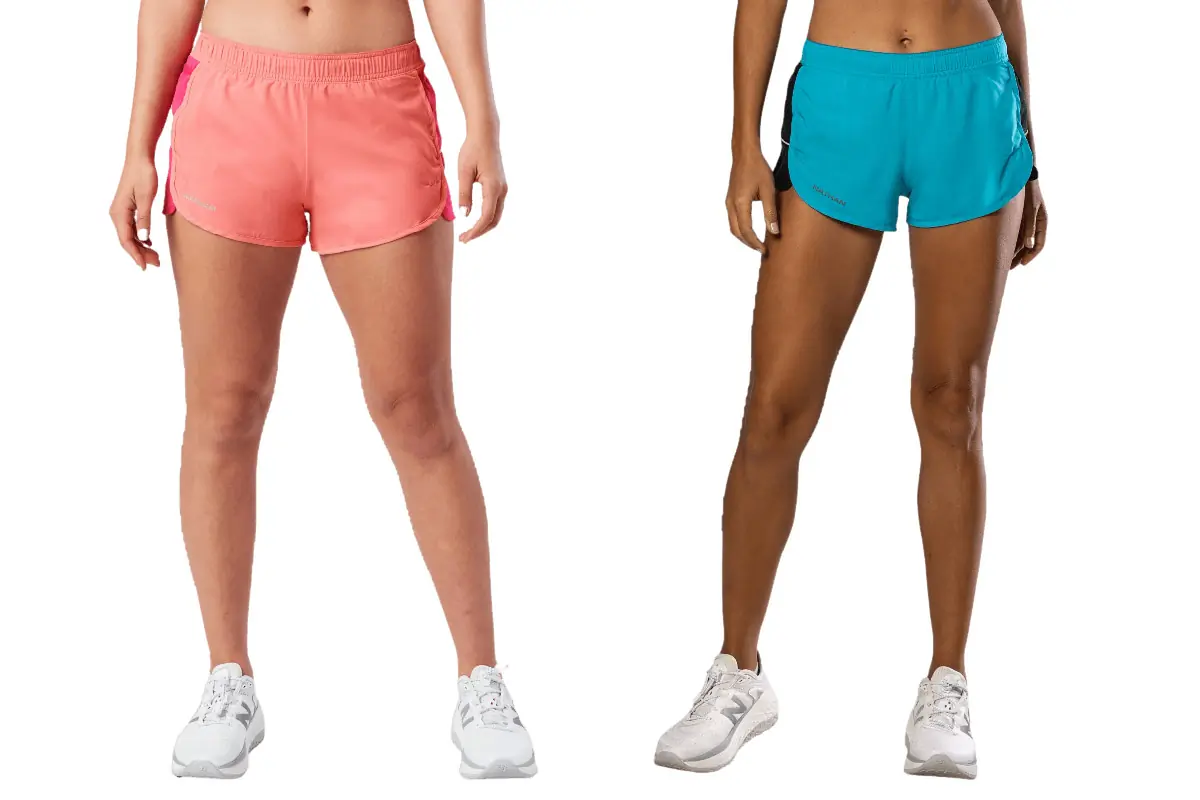
-
Value
7.0
-
Durability
8.0
-
Breathability
8.0
-
Performance
7.0
- Inseam: 2.5"
- Pockets: 3
- Liner: Yes
- Material: 88% polyester, 12% elastane
- Weight: 4 oz.
- Size range: XS-XL
Pros
- UPF 30+
- Lightweight
- Reflective detailing
Cons
- Rides low on some
- Not the best waistband
- Back zippered pocket will not fit bigger phone

-
Value
5.0
-
Durability
8.0
-
Breathability
7.0
-
Performance
7.0
- Inseam: 7"
- Pockets: None
- Liner: N/A
- Material: 65-72% nylon, 28-35% Lycra
- Weight: Unknown
- Size range: XS-S
Pros
- Superb compression
- Wide waistband that doesn’t dig
- Flatlock seams that don’t chafe
- Aerodynamic
Cons
- Not everyone’s cup of tea
- Costly
- Limited Sizing
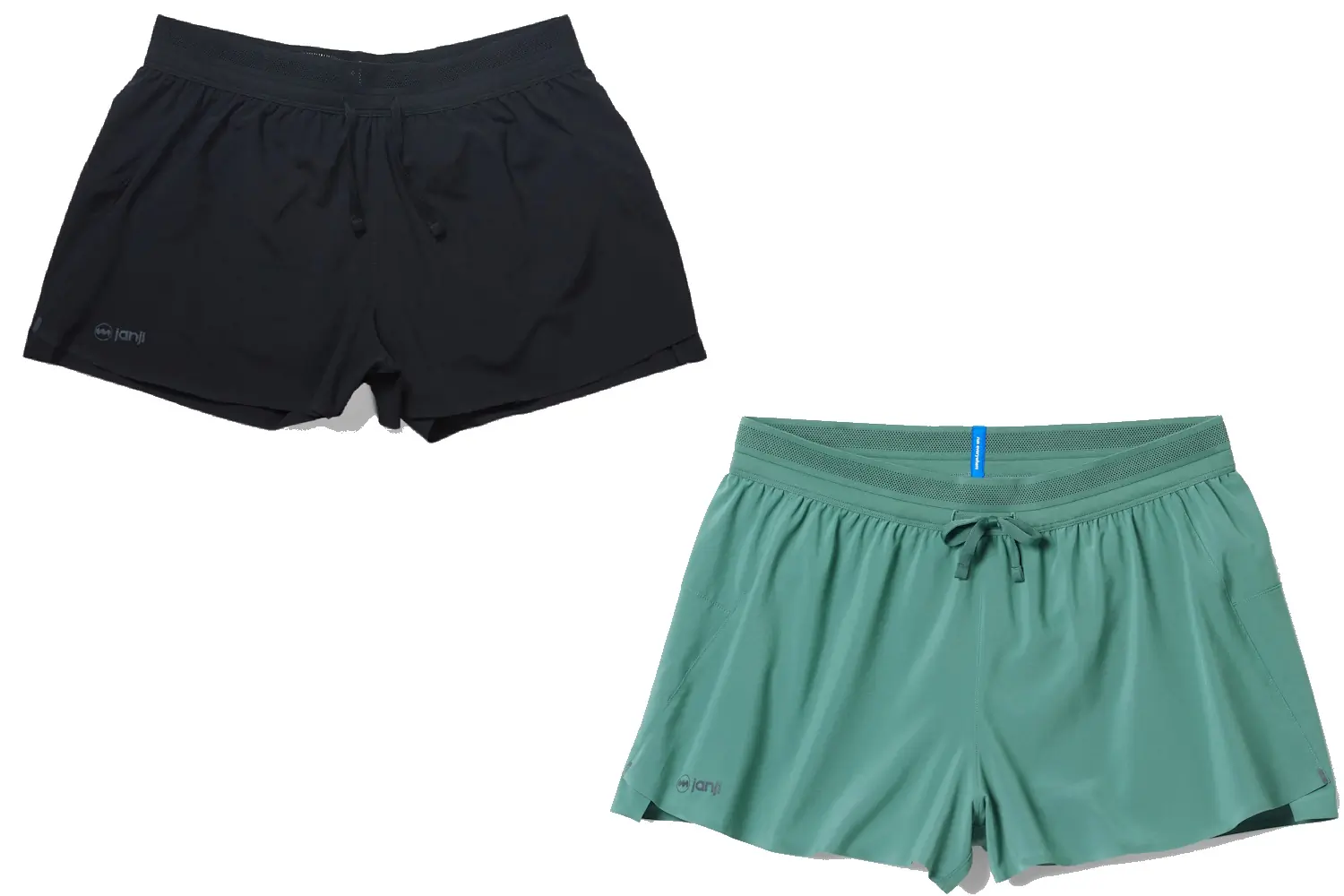
-
Value
7.0
-
Durability
8.0
-
Breathability
7.0
-
Performance
8.0
- Inseam: 3"
- Pockets: 1
- Liner: Yes
- Material: 88% recycled polyester/12% spandex with four-way stretch
- Weight: 3.1 oz.
- Size range: XS-XL
Pros
- Comfortable, loose fit
- Weightless feel
- Bonded hems for zero chafing
- Cool, bold prints
Cons
- May cling when wet
Women’s Running Shorts Comparison Chart
| Running Short | Price | Weight | Number of Pockets | Inseam | Liner |
|---|---|---|---|---|---|
| Oiselle High Rise Long Roga Shorts | $79 | N/A | 3 | 6″ | Yes |
| Decathlon Kiprun Run 500 Dry Shorts | $30 | 5.2 oz. | 4 | 3” | No |
| Oiselle Pockito 6″ Shorts | $86 | N/A | 4 | 6″ | N/A |
| Patagonia Strider Pro Shorts | $79 | 3.5 oz. | 3 | 3.5″ | Yes |
| On Performance 2/1 Shorts | $80 | N/A | 2 | 3″ | N/A |
| REI Co-op Swiftland 5″ Running Shorts | $60 | N/A | 4 | 5″ | Yes |
| On Running Shorts | $80 | 4.76 oz. | 1 | 1.58” – 3.94” | Yes |
| Norrona Senja Flex1 Shorts | $99 | 3.5 oz. | 4 | 4″ | No |
| Vuori Halo Performance Short 2.0 | $68 | 5 oz | 2 | 3″ | No |
| Nathan Essential 2.0 Shorts | $65 | 4 oz. | 3 | 2.5″ | Yes |
| 2XU Compression Shorts | $70 | N/A | 0 | 7″ | N/A |
| Janji 3″ AFO Middle Shorts | $64 | 3.1 oz. | 1 | 3″ | Yes |

How We Tested Women’s Running Shorts
Our Expert Testers
Our female testers at GearJunkie do a whole array of activities — but one of the most popular is running. Whether trail running, adventure racing, road running, or speed hiking, we’ve worn, washed, sweated in, and tested eons of shorts.
Heather Balogh Rochfort is a once-upon-a-time ultrarunner who has enjoyed distances ranging from mellow 5Ks up to 40-mile trail adventures. These days, her cranky hips don’t love the big miles, but she still loves to explore the backcountry on foot, whether it’s trail running or traipsing along an unknown mountainside. She also recently got a rescue pup who — for better or worse — really needs his daily miles.
Constance Mahoney is an experienced runner who has completed distances from local 5Ks to trail ultramarathons. In 2021, she founded and continues to lead the Trail Sisters Crested Butte, Colorado chapter. Constance has been a GearJunkie contributor since 2019, after she reviewed outdoor gear for FitnessTravelGear.com for two years.
GearJunkie Senior Editor Morgan Tilton started dabbling in mountain ultra trail running races in 2016, rotating through the Leadville Race Series including the Leadville Trail 100 Run, among other incredible events. While she still stacks miles on foot, her favorite adventures involve a mix of scrambles, alpine lakes, and ridgelines.

Our Testing Process
For many, style is a preference, which is why we made sure to test and include running shorts of different lengths, coverage, and compression — and even a running skirt. We chose the best running shorts in these categories by weighing their fit, performance, fabrics, price, and more.
We tested these shorts on trails in Oregon, Colorado, California, Florida, New Mexico, Utah, and beyond — in all sorts of temperatures, humidity, and conditions. Aside from our editors and testers, we also gathered input from other women on staff to make sure we didn’t miss a short.
For our latest update, GearJunkie Contributor Heather Balogh Rochfort tested these shorts on runs in southern Utah and her home outside of Aspen, Colorado.
Our Running Shorts for Women Rating System
When evaluating women’s running shorts side by side, we break down the ratings into four important categories. This helps us find a balance between all the variables and determine which shorts truly should come out on top.
Value
Value considers how much performance and quality you’re getting for the price. A good pair of running shorts for women doesn’t have to be the most expensive, but it should deliver dependable comfort, thoughtful design, and longevity that justifies the cost. We look at construction, materials, and versatility across different running conditions to determine which shorts truly earn their price tag.
Durability
Durability measures how well a pair of shorts holds up to real-world use: repeated washes, long training cycles, and high-mileage days. We examine the strength of stitching, fabric integrity, and how well elastic waistbands and liners maintain their shape over time.
Style
While performance comes first, style matters to all of us. We evaluate how flattering the fit is across a range of body types, how colors and cuts align with current trends, and whether the design transitions easily from workout to everyday wear. The goal: shorts that look as good as they feel.
Performance
Performance is the heart of any running short. We assess comfort during movement, breathability, moisture management, and freedom of motion. Pocket design, liner comfort, and waistband stability all factor into how well a pair performs in training or on race day. The best running shorts should almost disappear once you start moving, with nothing to distract you from your run.
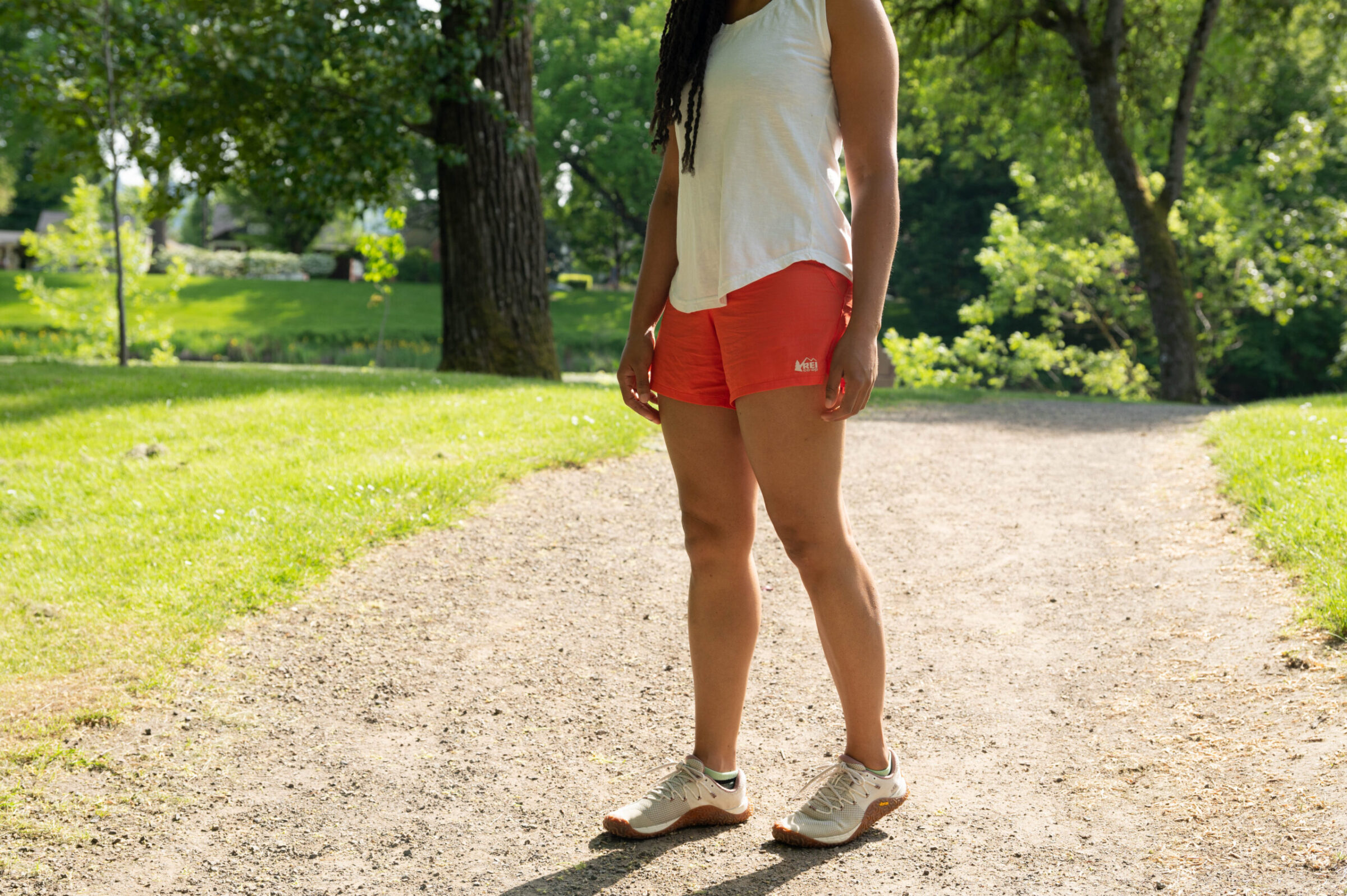
Buyer’s Guide: How to Choose Running Shorts
You can run in just about anything, but having a comfortable pair of shorts sure does make pounding the pavement more enjoyable. Here are some things to consider when looking for the best running shorts.
Loose vs. Fitted
Choosing between loose versus fitted running shorts is more of a personal preference. However, there are a few things to consider when deciding.
Those who want to ensure a full range of motion or who want that bare minimal feel should aim for something flowy and loose like the Norrona Senja Flex1 shorts. A looser fit is also ideal in warm weather, allowing for more air circulation.
Fitted shorts that tend to hug the body often have more stretch to them. Although there is a potential for chafing, especially on ultra runs, make sure the seams are flat and designed to mitigate chafing. An option would be the Oiselle Pockito Shorts or the 2XU Compression Shorts. Another benefit of fitted shorts is that they tend to provide more storage room to hold your items.
One other option is going for a hybrid approach, like the On Performance 2/1 Shorts. You get the loose comfort and modesty with the outer shorts, but they still won’t chafe or rub thanks to the inner liner short.
Ultimately, the fit depends on what works for you and how confident you will feel while running in it.

Liner or No Liner?
First, decide if you want a liner or not. A perfectly fitting liner will tend to be less chafe-inducing over long miles than inappropriate underwear. Thus, a liner eliminates the need to change undies before a run. Just throw on your shorts and go! Many of the running shorts on our list come with a liner (like our favorites, the Oiselle High Rise Roga Shorts) with the exception of the compression shorts like the Oiselle Pockito Shorts and the Vuori Halo Performance Short 2.0. Also, budget-friendly options like the Decathlon Kiprun Run 500 Dry shorts do not come with a liner.
For many runners, a lined short is just simpler to deal with. But some runners find choosing the perfect underwear for their shorts works better. Look for underwear with laser-cut seams to prevent chafing in sensitive areas. However, it really is based on trial and error, so you may have to try several pairs before you find your perfect match.
Some shorts have a skintight inner liner, and others have a looser, brief-style liner. Try on a few and see what you prefer.

Feel & Weight
When you run, weight is an enemy. You want the lightest shorts you can find, and that starts with materials. Options we recommend that are lightweight and strike that nice balance are the Janji Middle Shorts and the Patagonia Strider Pro Shorts. But you may want to avoid super-wispy fabrics that can bunch or stick to skin or snag, as they can be annoying on long runs.
Choose synthetic shorts for their quick-drying properties. Cotton is nice and soft but will get bogged down with sweat.
Consider antimicrobial treatments, as many brands add a silver salt to their product to minimize odor-causing bacteria. Most brands have swapped over to ensure their liners are antimicrobial as well.
Finally, many running shorts have a small amount of reflectivity built in, like Nathan Essential 2.0 Shorts and the On Running Shorts — whether on the logo, rear, or pull tabs. It’s a nice touch and helps you stay a little safer at night.
Material
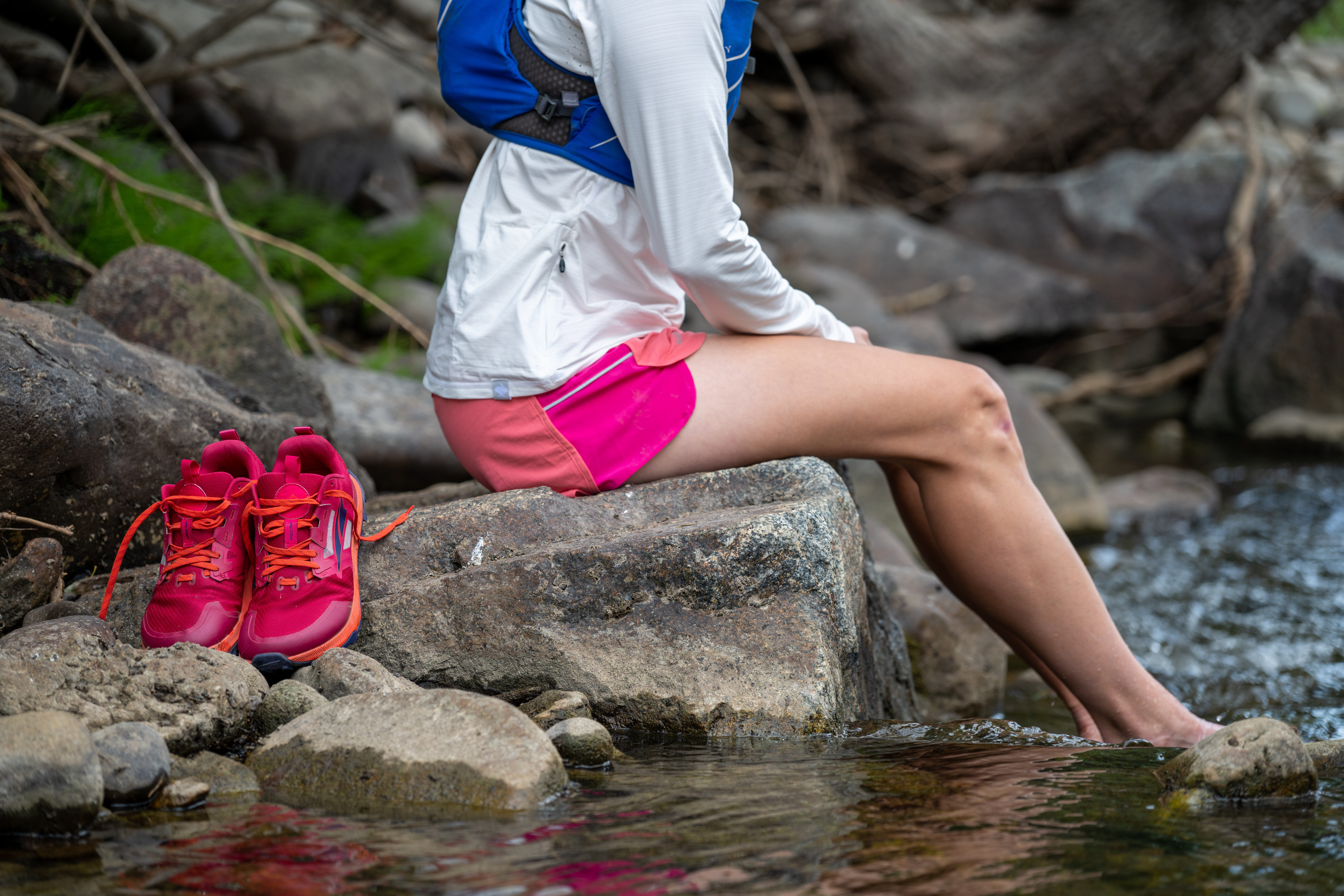
As we said earlier, we boast about shorts being water-repellent, water-resistant, and quick-drying. If you go outside in erratic weather, you’ll want something that doesn’t retain moisture and can even resist it.
The majority of running shorts have the aforementioned material characteristics; two excellent examples are the Oiselle High Rise Roga Shorts and the Norrona Senja Flex1 shorts.
Breathability is another aspect you should take into account. Once more, most shorts today are made with breathable material, but some are specially designed to add even more ventilation.
SPF protection, four-way stretch, anti-microbial (which we highly recommend), and snag and tear resistance are additional qualities to think about but are not necessary.
Pockets
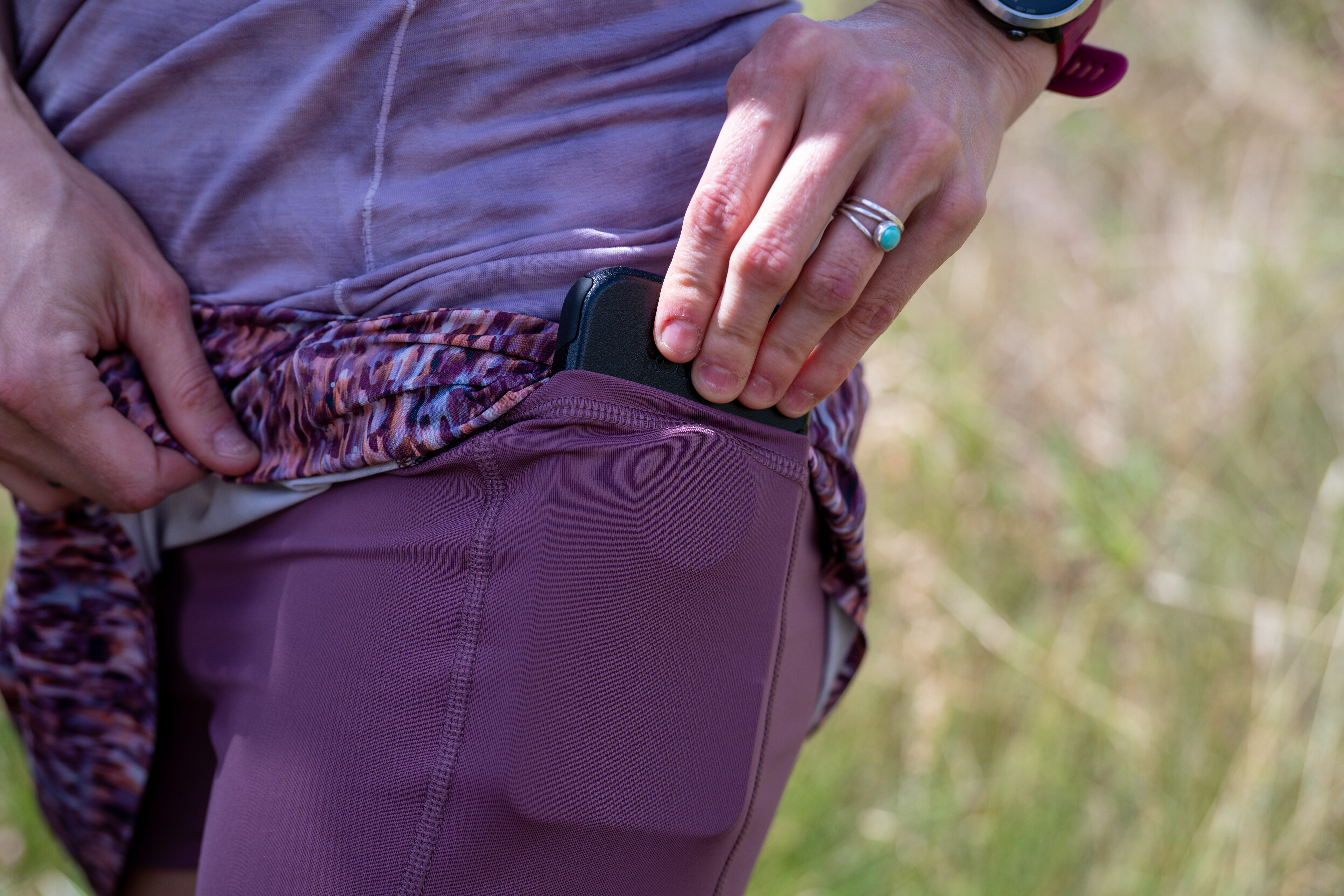
Even if you carry a vest pack, pockets can really set a pair of shorts apart. Consider first any waist-belt-style pockets like with the Oiselle High Rise Rogas or the Oiselle Pockito shorts. When executed well, a good waist pocket will allow you to leave a pack at home for many runs. And for shorter runs, it’s nice to toss your keys and phone in your shorts and go.
Consider if pockets have zippers or other fail-safe measures for security. Can you access them on the go? Zip pockets are great, but also consider the zipper quality or zipper pull, as this is a possible failure point.
Larger thigh pockets are great for daily wear, but they become useless while running. Who wants a bunch of stuff bouncing off their legs? So don’t worry much about big pockets on the thighs. They usually don’t hurt, and do come in handy for post-run life like a stop in a coffee shop. But you won’t use them while running. Unless — here’s the kicker: it’s a loose pair of shorts with built-in compression shorts underneath and pockets. The more elastic, the more compression, the better those pockets are.
Waistband
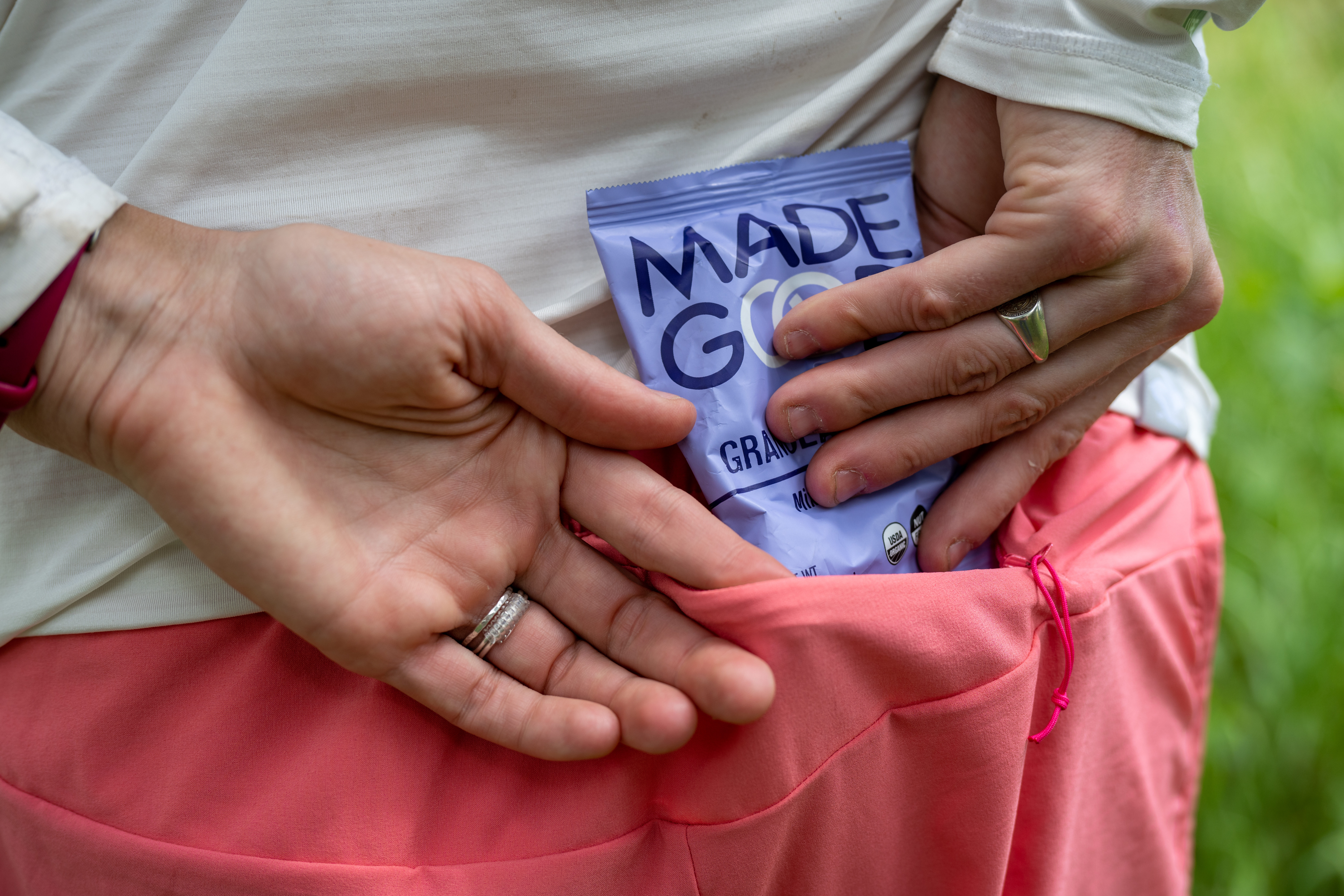
The waistband needs to fit your body perfectly. Too tight, and it’s going to hurt. Too loose, and your pants fall down. Some waistbands are made entirely of elastic and are bonded to the short; some have an internal elastic band that you can adjust or tighten as needed.
You’ll want to find one with the right fit, but also look for a band that lays flat against the skin. We particularly liked the waistband on the Oiselle High Rise Roga Shorts, REI Co-op Swiftland, Hoka women’s 4″ Shorts, and even the On Performance 2/1 Shorts. Cheap shorts will often bunch at the waistband. You want a smooth, continuous layer of fabric against the skin. Quality shorts will not behave like a scrunchie on your waist.
Length
The preferred length of running shorts depends on the wearer. Would you prefer something with a long inseam like the 7” inseam found on the 2XU Compression Shorts? Or do you prefer a short inseam that makes it feel like nothing’s there, like the Decathlon Kiprun Run 500 Dry shorts and its 3″ inseam?
Additionally, taking individual choice into consideration, a person’s height will affect where shorts will fall on them. A 5″ inseam could feel too lengthy on a petite person, and vice versa. Shorts with a 2” inseam will feel more like underwear on you if you’re tall. We like shorts that come with inseam options because they work for a wider variety of women.
Price & Value
Budget
For the budget price of $20 to $45, you’ll be giving up some durability and features, but there are still some great shorts to be found in this price range. At $30, the Decathlon Kiprun Run 500 Dry shorts sit on the low end of this price range, and it is heavier than a lot of the shorts on this list. But it still offers some solid features like a liner, mesh side vents, and quick-drying capabilities.
Mid-Tier
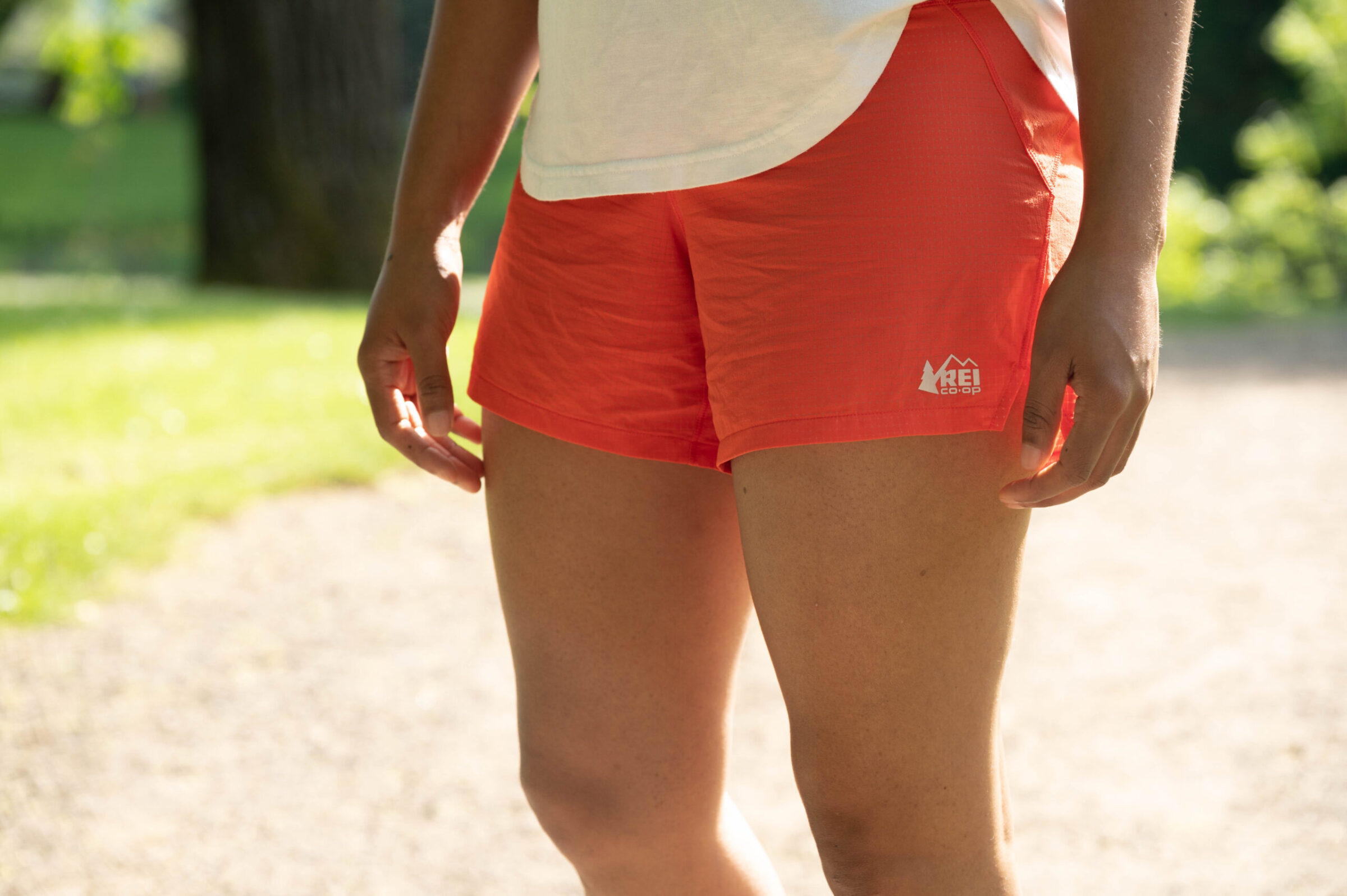
Spending a little more gets you into the $45 to $65-ish range, which will deliver lighter shorts like the 4-ounce Nathan Essential 2.0 Shorts ($65). Or if you are looking for both comfort and performance, you have the option of Vuori Halo Performance Short 2.0 ($68) or the REI Co-op Swiftland 5″ Running Shorts ($60). This also gets you into the special features category, like the 2XU Compression Shorts ($70) for those who want more support.
Premium
Those willing to shell out $70 or more will find top-end materials like those you’ll find in the high-end Oiselle High Rise Rogas ($79), the Norrona Senja Flex1 Shorts ($99), or the On Performance 2/1 Shorts ($80). You’ll also be in range of high-end compression shorts like the excellent Oiselle Pockito Shorts ($86).
Frequently Asked Questions
We’ve mentioned a lot of the big factors above, but it bears repeating: for running — whether trail or race or road — you want something that fits well, isn’t restrictive, moves with you, and is lightweight. Running shorts made from a synthetic blend or wool with added elastane for stretch are some of the best we discovered in testing.
So, what shorts should you wear? Consider a few personal preferences. Do you want a liner? Do you want a longer or shorter inseam? Do you want a pocket? Then, check out our best picks above — there are different styles and something for everyone! But at the end of the day, they all felt great and worked great for running.
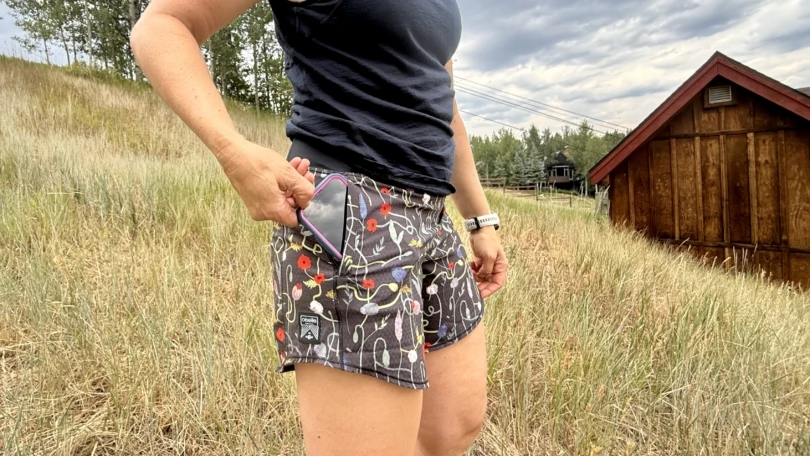
Many women’s running shorts have a built-in brief, or liner, so that underwear is not required. Liners both provide coverage underneath your shorts and are usually made of a thin, highly breathable, and wicking fabric.
For women, they can also provide some support and compression. Most liners are sewn in. A good liner won’t restrict motion, will wick well, and keeps you cool.
This varies by preference, but most runners will say that their most comfortable shorts fit well, don’t restrict motion, and are comfortable against skin — in other words, they are soft.
Some of our favorites on the list went it came to fit and soft feel include the Janji Middle Shorts, Patagonia Strider Pro shorts, and REI Co-op Swiftland.
Another factor that determines if a short is comfortable is the waistband. This has a little to do with sizing and fit, but also a lot to do with the material. Choosing a short that has a nice wide, flat, elastic waistband is always a safe bet.
This boils down to personal preference, but it also depends on where you are running. If you are running in a very hot and humid environment, looser shorts with lighter fabric and more breathability will be a better option.
If you are competing or racing, you may want to choose tighter compression shorts for comfort and aerodynamics. Ultimately, choose the style that is most likely to keep you comfortable, happy, and running.
For women, running short inseams vary wildly. Most shorts are either in the 2- or 3-inch inseam range or the 5-7-inch range. Some compression shorts and a few regular shorts are breaking into the longer range of 7+ inches (largely thanks to ultrarunning superstar Courtney Dauwalter!)
Compression shorts can come in shorter or longer lengths, but will not have an additional liner. Because of the tight fit, a liner is essentially already built into the shorts. But most shorter inseam shorts will have a liner.
If you are taller, or prefer more coverage in your running wear, we’d suggest looking for a short with at least a 5-inch inseam.
Our staff members have tested lower-budget shorts whose elastic waistband has disintegrated within a year, and we’ve tested other shorts that have lasted more than 6 years. When purchasing running shorts, it’s a good idea to check the durability of the fabrics they are made of, and also check fabric care.
Washing and hanging or air-drying running shorts immediately after sweating is always a good way to keep your shorts lasting as long as possible.
As mentioned above, most women’s running shorts are designed with a built-in liner that replaces underwear. If you buy a pair like this, then no, you can ditch your underwear and never look back. These liners are designed to wick away sweat and minimize chafing. Plus, you don’t want to double up, as that will cause bunching, discomfort, and more hot spots than you can handle.
However, compression shorts and women’s running shorts without liners are a different story. Here, it really comes down to personal preference. If you want to wear underwear, go right ahead. Just be sure that they are breathable, wick sweat away, and don’t cause chafing. If underwear feels too bulky or you prefer to go commando and let your bits breathe, that is also totally fine. One word to the wise, though: mind your manners. If you’re wearing a loose pair of shorts with no liner or even a running skirt, make sure your nether regions aren’t flashing everyone as you run by.

The Best Running Shorts of 2026
Our experts compiled a list of the best men’s running shorts available today, including options from Patagonia, Adidas, and more!

The Best Trail Running Shoes for Women in 2026
From burly mountain scrambles to forested singletrack, we highlight the best women’s trail running shoes from Hoka, Salomon, Brooks, and more.