The best all-mountain snowboards are true quiver-killers — built to charge corduroy, float powder, catch air, and weave glades. While every all-mountain board excels across the entire resort, variations in shape, flex, and profile give each deck its own distinct feel.
Throughout our 5-month testing window, snowboard expert Eric Phillips hammered out 130 hours on five snowboards at Crested Butte Mountain Resort. GearJunkie’s SnowSports Senior Editor Morgan Tilton tested snowboards at Crested Butte Mountain Resort and RED Mountain Ski Resort for 117 hours — narrowing down one that was up to snuff.
If you’re looking for a fun, edge-holding directional board that responds quickly in the glades, check out the Stranda Descender. For more flex, forgiveness, and play, go for the Rome Ravine. Or, if you prefer the balance of a true twin, scope out the Never Summer Proto Type 3.
Editor’s Note: We updated our All-Mountain Snowboards buyer’s guide on August 20, 2026, to include the Jones Howler, Burton Custom Flying V, Salomon High Path, as well as Nidecker’s Mosquito, Merc, and Venus Plus.
The Best All-Mountain Snowboards of 2026


Stranda Descender Snowboard — Men’s & Women’s
Specifications
Pros & Cons
Pros
- Traverses with a champion grip
- Easy to steer through tight terrain
- Stout yet poppy for variable or deep snow
Cons
- Directional shape doesn’t excel at riding switch
- Huge sweeping turns aren’t as fun with this shape
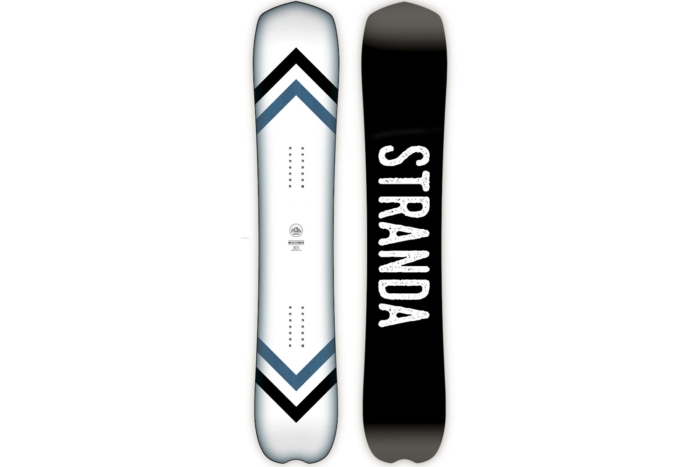
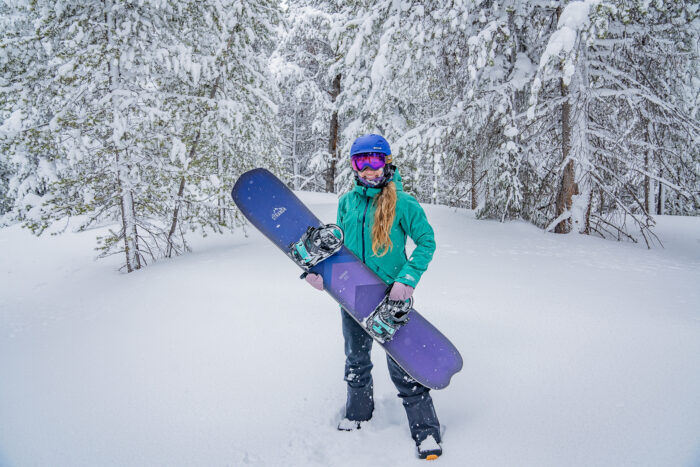
For confidently charging all over the mountain in a myriad of conditions, the Stranda Descender ($749) remains at the top of our favorite rides. There’s also the Men’s Descender for the dudes. Hard pack, ice, groomers, chopped pow, tight trees, deep snow — this board does it all with play and bite.
On the slightly stiffer end of the spectrum yet built with a paulownia-ash-poplar core, Stranda found an excellent harmony between stout dependability and pop. We have a blast ollieing off small cliffs and through the park’s jump line, yet don’t worry about washing out or squirrely carves under pressure.
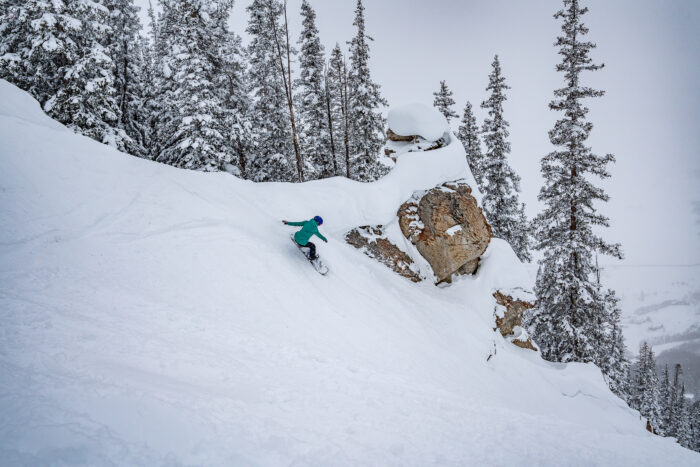
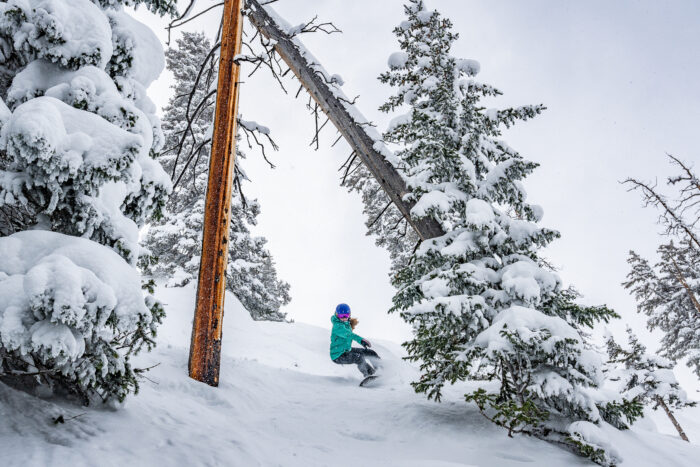
Maneuverability? Gold. Senior Editor Morgan Tilton and on-snow tester Eric Phillips both equally loved ripping this whip. It’s Tilton’s favorite board through tight glades and on dense days underfoot at Crested Butte Mountain Resort or in British Columbia. Edge to edge, the board transitions fairly quickly and easily without being catchy or too aggressive.
The top-notch edge hold and directional power particularly stands out while cutting across hardpack or 40-degree slopes. We are able to carry speed and energy without losing security. No fall zones? No problem (as long as it’s not truly bulletproof ice on a 45-degree slope. Then, an ice axe could be essential regardless of the board). Traverse city? The Descenders got you, and you can even take a more relaxed stance as you stride.
While the sidecut radius isn’t the most prolific on this board — favoring moderate to hugged turns versus mega sweeping arches — and the directional shape makes riding switch second fiddle, the Descender Snowboard is one of the most fun, dependable all-mountain sticks in our quiver.
Rome Ravine — Men’s & Women’s
Specifications
Pros & Cons
Pros
- Very stable
- Maneuverable
- Carries speed well
Cons
- Not top choice for switch
- Softer boards are out there if that's the preference
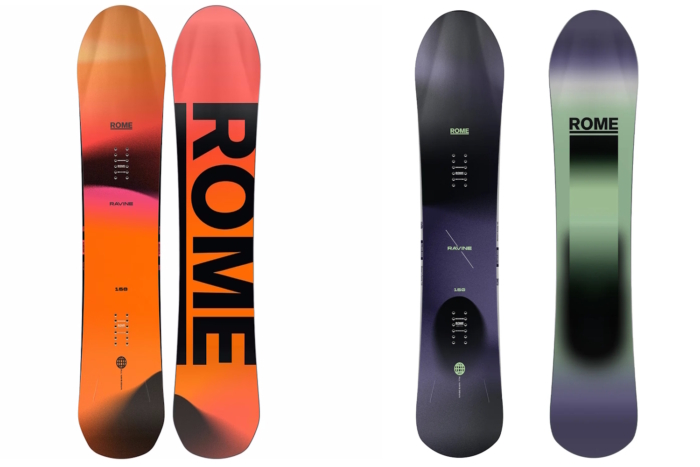
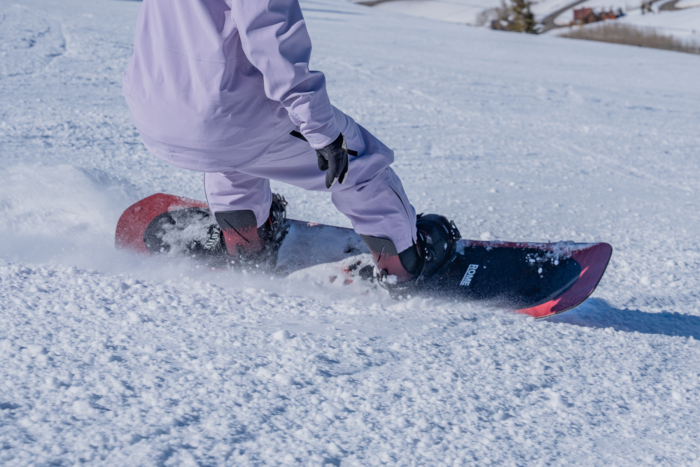
Hands down, the Rome Ravine ($580) is one of the most fun, forgiving, and stable all-mountain boards on the market for ladies and gents who like to drop moderate descents and take speedy turns. Guys can scope out the Men’s Ravine ($600). With a tapered directional shape and a slight spoon-shaped nose, this board floats and lands super well through powder. Beyond groomers, the Ravine also manages to navigate chunder and choppy snow conditions. It’s an ideal all-around tool for most days throughout the season. With the same nature and overall touch-points,
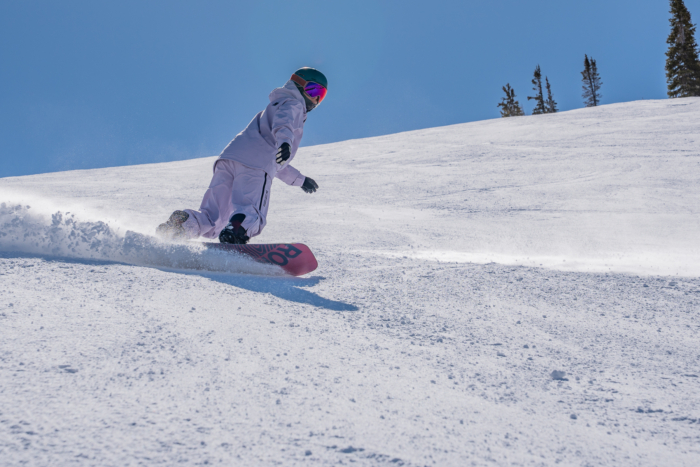
The Ravine is anything but loose or whippy. In the tail, there are thin rods of carbon for targeted pop and rigidity — and Senior Editor Morgan Tilton loves popping ollies to catch air with this ride. The powerful carbon rods add power in each turn, making moguls and fast tree laps that much more stoke-worthy. While you could steer this board through the park, Tilton found it really thrives on unpredictable snowpack, side hits, and cliff drops. It’s a plow yet is easy to direct and follows your lead.
With a flex that felt more like a 7 to us, this board provides stability yet is forgiving. Under the back foot, the camber grounds the board, while the rocker under the nose and the poppy core add a taste of playfulness. There’s also a torsional flex that enhances the adaptable nature.
From pow slashes to choppy, steep slopes and chattery days, this board kept us amped to ride through any conditions — except pure ice. The versatile Ravine plows ahead like a boat yet remains nimble and maneuverable.
Jones Howler — Men’s & Women’s
-

-
(Photo/Riley Kaczmarek)
Specifications
Pros & Cons
Pros
- Full-camber profile for exceptional pop, edge hold,
- Stability across terrain
- Built with sustainability in mind
- Great at absorbing high-speed chunder and chatter
Cons
- Not a shape for beginners
- This board comes alive at high speed, not good for mellow riding
- Too stiff for park jibs
- Not a full powder board
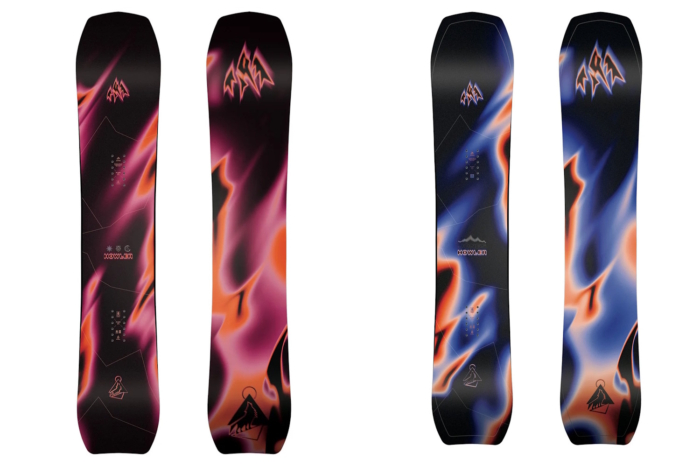
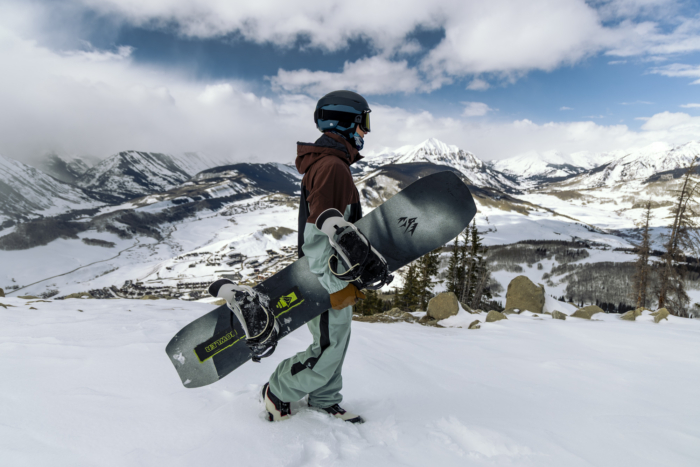
The all-new Jones Howler ($700) was designed by some of the best riders in the world to be Jones’s top-of-the-line, hard-charging freeride board, equally at home on steep technical terrain or blasting spins at the park. An abstract top sheet and eye-catching yellow-green help this board stand out visually. Decades-long rider and tester Eric Phillips had the chance to put it through its paces across various conditions at Crested Butte Mountain Resort, from steep and deep powder days to icy chunder and slushy spring park laps, all on the 160W Howler.
While riding, the Howler wants to go fast and inspires the confidence to do so. High-speed carves down groomers or fresh powder on this board are a dream. And the stiffer flex lets you bite the edge into the terrain when needed — it’s a trustworthy teammate for the steeps and extremes.
The Howler is a directional board with a wide shovel nose and tapered tail. The significantly wide waist width provides great float in deep snow. The tail is broad enough for switch landings in pow, and its stiff flex helps to absorb impacts and chatter. The key to its hard-charging ability and pop lies in its camber-heavy profile. On deep carves, you can really press the camber into the snow before springing out for fast edge changes. The camber also helps spring-load ollies — Phillips found it to be a perfect design for sending 360s and backflips in the park or clearing cliff bands in the steeps.
Durability is packed into the Howler with ingredients like the synthetic Koroyd core and carbon stringers, which help the board turn chunder into smooth butter. It also provides confidence in maintaining high speeds across a range of conditions. Recycled sidewalls and edges bring the sustainability Jones is known for, along with bio-based epoxy resin and Wend natural wax. During our testing, we hit numerous rocks while charging in adverse, shallow conditions. Yet, the Howler’s base, edges, and topsheet all held up surprisingly well.
But on the flip side, this board doesn’t really like to go slow. We recommend this model to riders who dig riding aggressively enough to match the stiffness. Additionally, Jones tags it as a 9 out of 10 for park: while it thrives on jump takeoffs and landings, it’s too stiff to hold presses on rails or butters. We wouldn’t recommend this board to park-focused riders; it’s more of an all-mountain freeride design that you can take into the park.
If you want to emulate the big-mountain freeriding of professionals like Victor De Le Rue or Elena Height, look no further than the Howler. This design is for riders drawn to hard-carving, extra poppy, and dampened boards. It’s an ideal match for charging lines, stomping airs, or competing on the Freeride World Tour.
Never Summer Nokhu 161 DF
-
-
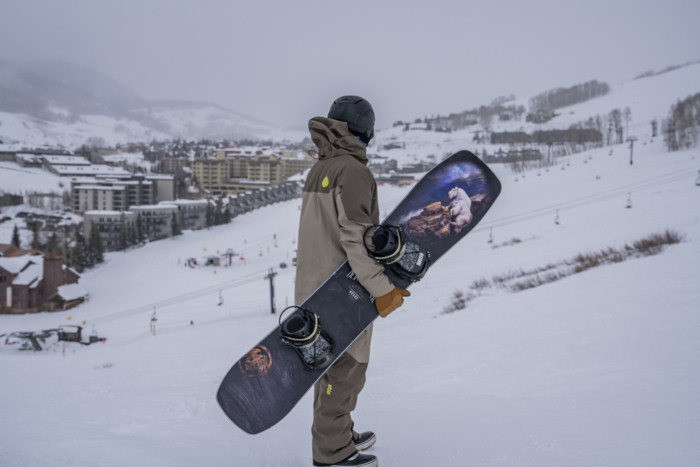
We tested the Neversummer Nohku across a range of conditions, from carving groomers to steep, powder-filled descents; (photo/Eric Phillips)
-
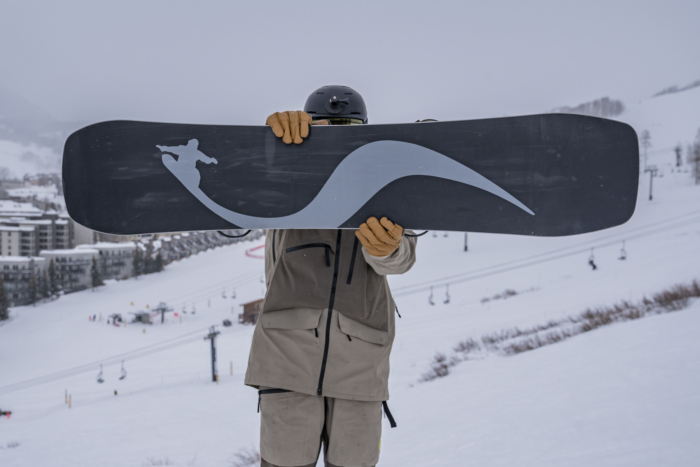
With a wide waist, setback stance, and a unique hybrid camber profile, the Nohku carves hard and stays afloat in deep snow; (photo/Eric Phillips)
-
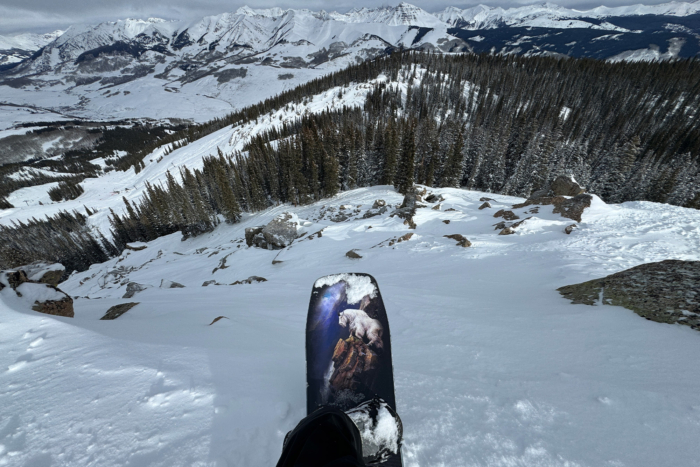
A blend of Paulownia and Poplar wood, carbon stringers, and a dampening system give the Nohku a stable yet responsive feel; (photo/Eric Phillips)
Specifications
Pros & Cons
Pros
- Wider than normal including Drag Free for large-footed riders
- R.I.P. Edge Hold technology provides excellent grip
- All-mountain shape and medium flex for diverse riding conditions
Cons
- Extra width can feel heavy
- Triple camber can feel hooky
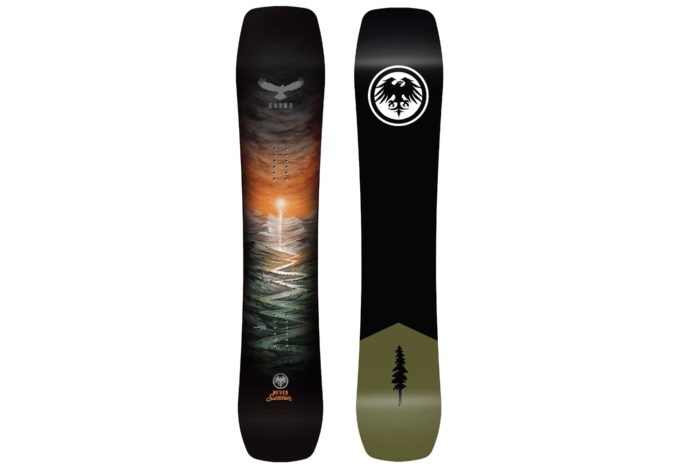
Recently launched, the Never Summer Nokhu ($690) sets the bar for a wide and stable all-mountain snowboard. The Nokhu is extremely versatile in all sorts of terrain — from leaving trenches on a fresh groomer to playful side hits, steep mountain riding, and even deep powder. This directional shape is meant for charging in the steeps, but an extra-wide, flat nose and tail provide great float in powder and enough real estate to land switch. Matched with a medium flex and damping, this board feels at home just about everywhere.
What really sets this board apart from others is how wide it is compared to its length. Most boards dubbed “W” or wide start at a 26 cm waist width and are usually only offered in longer lengths. The regular 152 Nokhu has a waist width of 26.1 cm making it wider than most wide boards. Additionally, Never Summer offers a DF or drag-free version with a whopping waist width of 28.1 cm!
That’s one of the widest production snowboards available on the market — meaning even a size 12 or 13 snowboard boot should be able to lay trenches without dragging heels or toes. Expert on-snow tester Eric Phillips has a size 11 boot and has often struggled to avoid dragging even on other “wide” snowboards. The Nokhu truly stands out as a properly wide board meant for big-footed riders.
The versatility comes from the unique triple camber design, wide shape, and moderate-flex profile. The triple camber design is shaped like a W, with camber near the tip, tail, and center of the board with rocker in between. This design helps with edge hold and stability in chunder. However, we noticed that when straight-lining, it had a tendency to feel hooky, where the camber profile wanted to snag the snow and throw us off balance. This was avoided by keeping the board on edge as opposed to riding fully flat.
Ultimately, the brand new Nokhu is an impressive board for its price point that thrives across various snow conditions while remaining fun, playful, and stable. The unique mountain goat top sheet graphic inspires one to get steep, while the board provides the tools to cruise, huck cliffs, and even take ‘er over ice.
Jones Rally Cat — Men’s & Women’s
-
-
Testing the Stio Women's Environ Pant; (photo/Morgan Tilton)
-
Testing the Stio Women's Environ Pant; (photo/Morgan Tilton)
-
Testing the Stio Women's Environ Pant; (photo/Morgan Tilton)
Specifications
Pros & Cons
Pros
- Very playful feel
- Easy turn initiation and forgiving edges
- Nice pop for riding park and side hits
Cons
- Edge hold is not a match for carving in firm, icy conditions
- This isn't your hard-charging whip
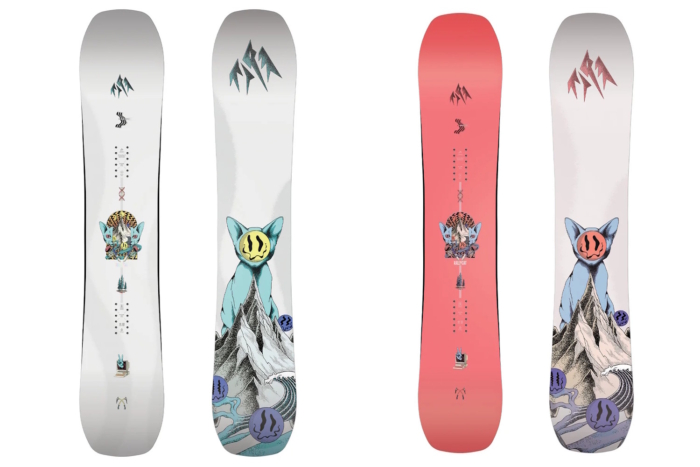
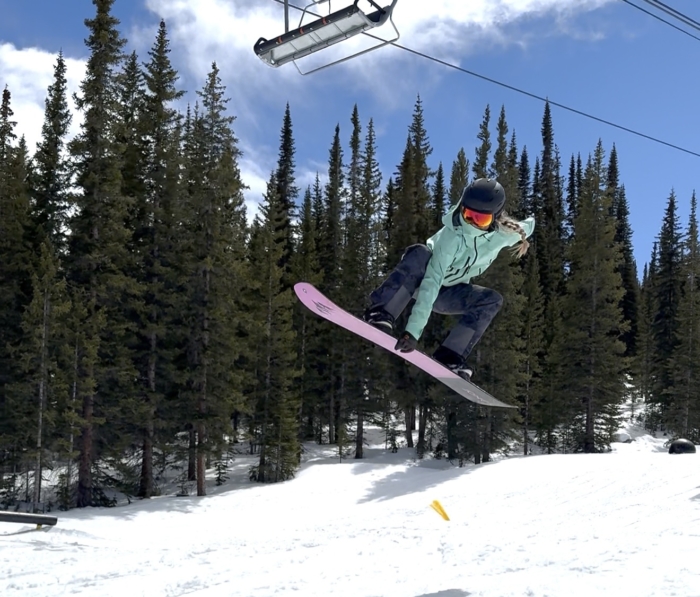
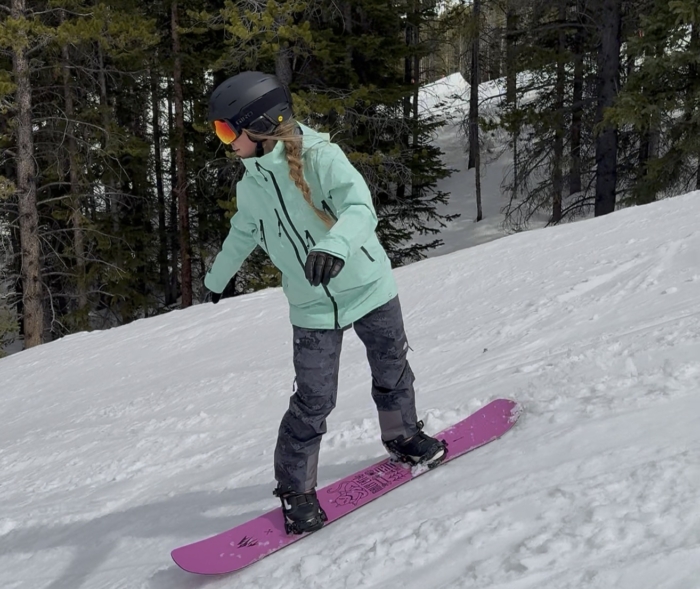
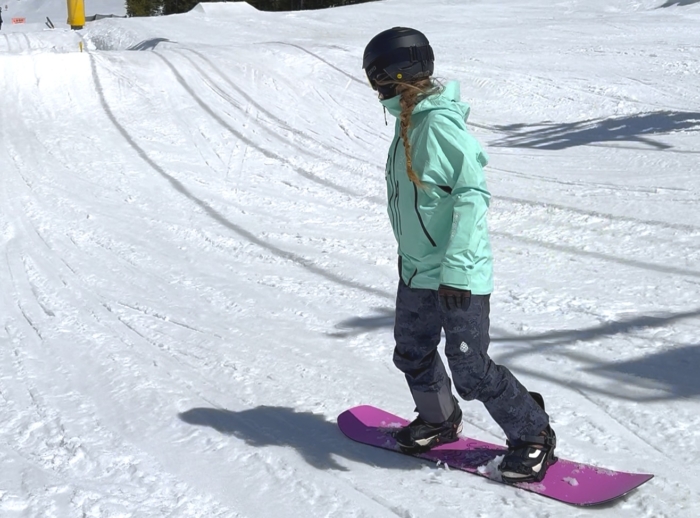
If your vibe is to cruise the whole mountain with a grin or pop off every side hit and check off park laps, the Jones Women’s Rally Cat ($480) should be at the top of your list. Recently launched, this directional twin is built for trickery progression. The construction blends top-tier materials with an easygoing feel that makes it ideal for riders looking to build confidence or rip around with style. We tested this board from mushy spring conditions at Copper Mountain to variable, firm conditions at Utah’s Snowbasin Resort, and loved its sprightly, forgiving nature across seasonal shifts. There’s also the Jones Men’s Rally Cat at the same price.
While the tip and tail are mirrored with the same width, and the flex and sidecut are symmetrical, the nose length is a hair longer than the tail, and the stance inserts are slightly setback. This creates a mostly twin yet slightly directional feel. With a soft flex rating of 4/10, the Rally Cat has a forgiving bend and edge bite for beginner riders, yet still holds its own thanks to a camber profile. Our intermediate and most experienced riders found that this board delivers ample entertainment and a solid pop. The edge hold didn’t provide a spine on icy patches, didn’t love carving around hardpack moguls, and wasn’t stout for hard-charging top to bottom. But this bright board was fun for wiggles, slashes, and nomming air.
Most noteworthy are the nose and tail, which are constructed in the shape of a spoon. A subtle 2 mm bevel is located at the contact points to lift the edges off the snow gradually. Called the 3D Contour Base, the design makes transitioning into turns more nimble with less resistance and increased glide. The Rally Cat is built with the mild 1.0 version, while other boards are made with more aggressive 2.0 or 3.0 iterations. Simultaneously, short sidecut supports smooth, more effortless turns from the initiation and transition through the flow. Jones uses Traction Tech 2.0 here, which places subtle contact points between the feet and just outside the bindings. This creates edge hold without making the board feel grabby. The board’s core — made from full poplar wood — offers lively response with enough dampening to keep things stable when you pick up some speed. Biax fiberglass layers help give it a snappy feel. Basalt stringers help reduce chatter and offer control as you move edge-to-edge.
Sustainability gets a thoughtful nod with factory-applied plant-based Wend natural wax, recycled ABS sidewalls and edges, eco-plastic topsheet, and bio-resin. Rather than petroleum-based carbon, the bio-based epoxy is made with 27% plant-based carbon — co-products or waste products of plant-based industrial processes, which requires 33% less greenhouse gas emissions to produce than conventional epoxy. For a friendly all-mountain rig, the Rally Cat is a directional twin that’s intuitive to drive. This board encourages playful, confident riding even while testing out new skills. It’s easy to turn and fun to steer. For a true directional stick, check out the Rome Ravine.
K2 Passport
-
-
-
Morgan Tilton testing the Patagonia Women's PowSlayer Jacket; (photo/Jeff Cricco)
-
-
Testing the K2 Passport while snowcat skiing with Irwin Guides near Crested Butte, Colorado; (photo/Morgan Tilton)
Specifications
Pros & Cons
Pros
- Extremely stable board
- Handles power and speed through powder, cliff drops, or on groomers
- Edges aren't grabby
Cons
- Not your narrower choice if you prefer quicker edge transition
- Flexier boards are out there
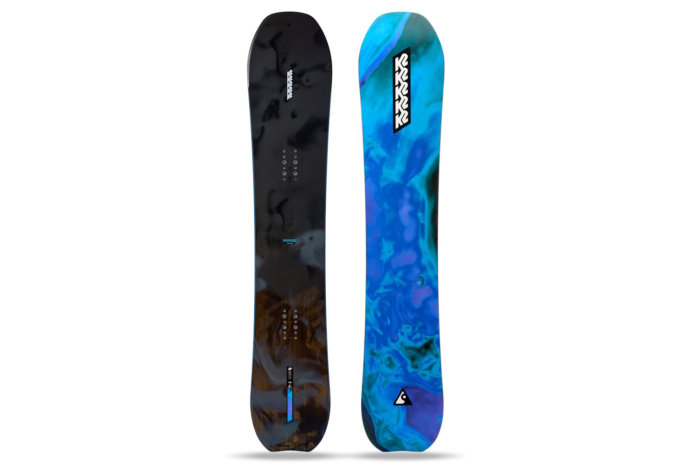
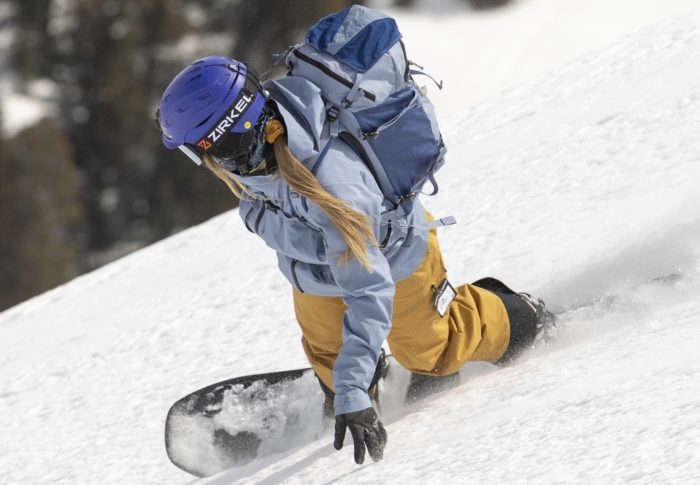
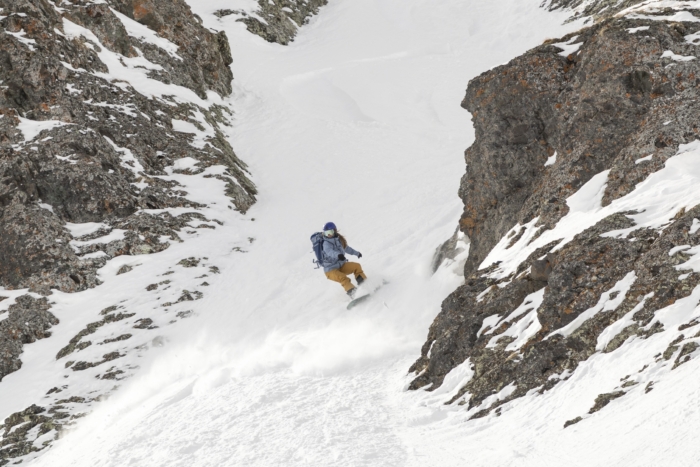
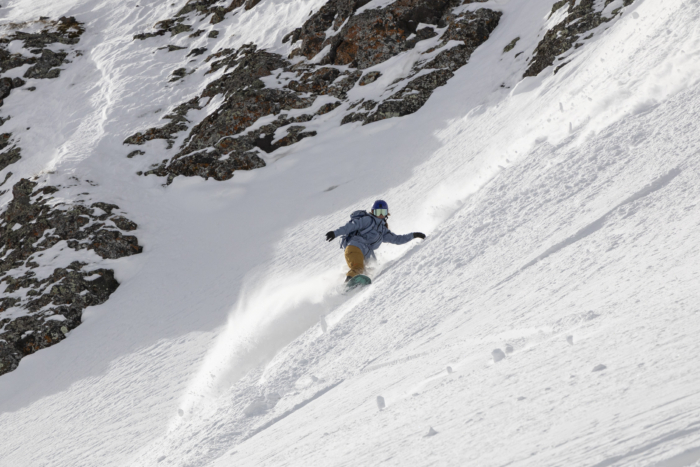
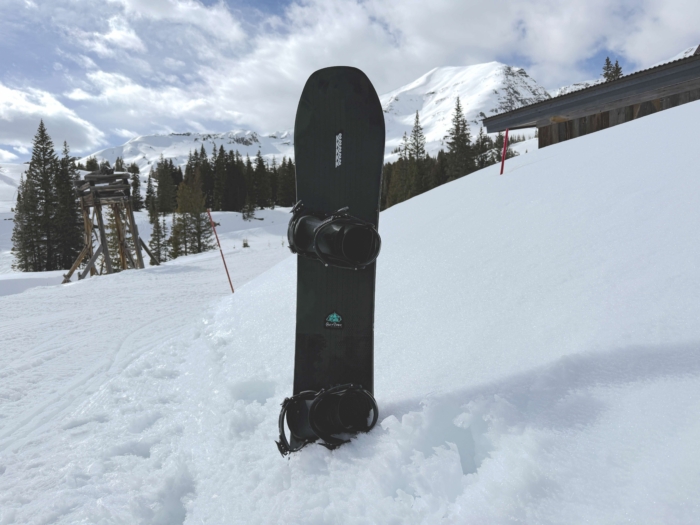
Wide, stable, stout: That about sums up the K2 Passport ($600), a no-nonsense, go-anywhere snowboard that became our default for deep days, variable conditions, and cliff hucks alike. What really makes this boat stand out is the feel underfoot. It’s not heavy yet very sturdy, thanks to the A1 Core built from bamboo, aspen, and paulownia. There’s a boosted edge pressure, sans snappiness. We wouldn’t describe it as nimble and fast-swishing through tight trees. But it’s not stiff or rigid.
When limited by checked luggage, Senior Editor Morgan Tilton packed only this board for a shred trip at Big Sky Resort — where she met a surprise 11-inch storm in 0-degree temps. She also leaned on this K2 for variable conditions at British Columbia’s Whitewater Ski Resort and Red Mountain, and while backcountry cat skiing in the Selkirk mountains at Baldface Valhalla. The Passport is a steady friend in most conditions and situations all over the mountain, making her reach for it time and time again.
We love how the design floats through powder and cuts clean lines in variable terrain. That’s thanks to a slightly wider waist combined with an elongated nose rocker. The rocker starts just after the front insert pack, so not right at the contact point, but a bit inside of it. From there, it gradually rises through the entire nose, providing float and forgiveness. The board runs with camber between the feet for grip and power, and just enough tail lift to keep things a bit playful but not squirmy. Wrapped in triax fiberglass with carbon stringers, the board delivers pop when it’s called and holds an edge like a boss.
Aimed at intermediate to expert riders, this unisex design is a tapered directional. Meaning it’s slightly narrower in the tail than the nose, with 8 mm of taper. Turns are easy to initiate and exit, and the board rolls smoothly, especially through longer-arched carves. Yet the board doesn’t whip as it transitions. That’s thanks to a multi-radius sidecut: A tighter radius in the tip and tail helps the board initiate turns, while a longer radius between the feet helps to make the center of the turn feel smooth and substantial. This board also integrates K2’s unique Hybridtech Construction: There’s no sidewall material along the metal edge of the tip and tail. Instead, the material tapers, which is called a 3D capped edge, to help keep the swing weight down.
While this board performs well in deep carves, long descents, deep landings, and at speed, it’s not our first pick for the park. For that, we’d rather grab the Jones Rally Cat, a softer and playful-centric board. But with the Passport on our feet, we feel like we’ll always land. From the big mountain terrain of Silverton Mountain to the technical steeps of Crested Butte Mountain Resort, continuous vertical of Telluride Ski Resort, and backcountry Snowcat Skiing with Irwin Guides, this board is the ticket we always wanted on hand.
Burton Family Tree Hometown Hero Camber Snowboard
-
-
Morgan Tilton testing the Burton Hometown Hero snowboard; (photo/Jason Hummel)
-
Morgan Tilton testing the Burton Hometown Hero snowboard; (photo/Jason Hummel)
-
Morgan Tilton testing the Burton Hometown Hero snowboard; (photo/Jason Hummel)
-
Morgan Tilton testing the Burton Hometown Hero snowboard; (photo/Jason Hummel)
-
Morgan Tilton testing the Burton Hometown Hero snowboard; (photo/Jason Hummel)
-
Morgan Tilton testing the Burton Hometown Hero snowboard; (photo/Jason Hummel)
Specifications
Pros & Cons
Pros
- Traditional camber feel for stability
- Tons of size options including wide widths
Cons
- Channel mounting system could be a drawback depending on your binding choice
- If you're looking for a rockered tail, look elsewhere
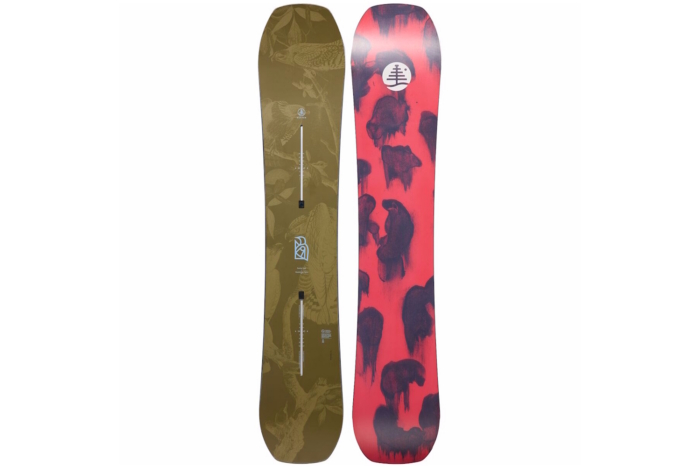
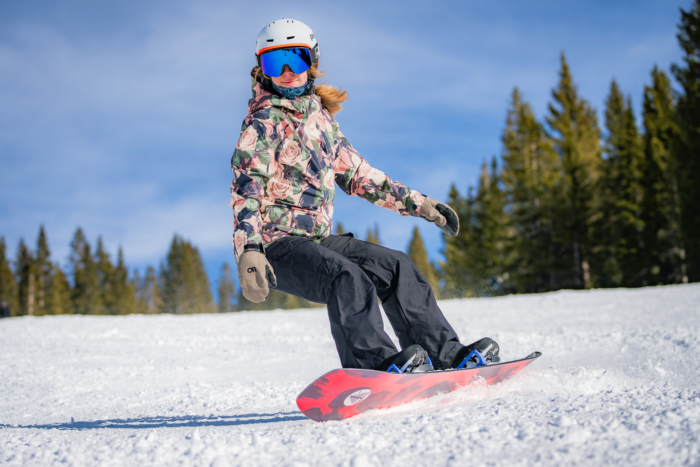
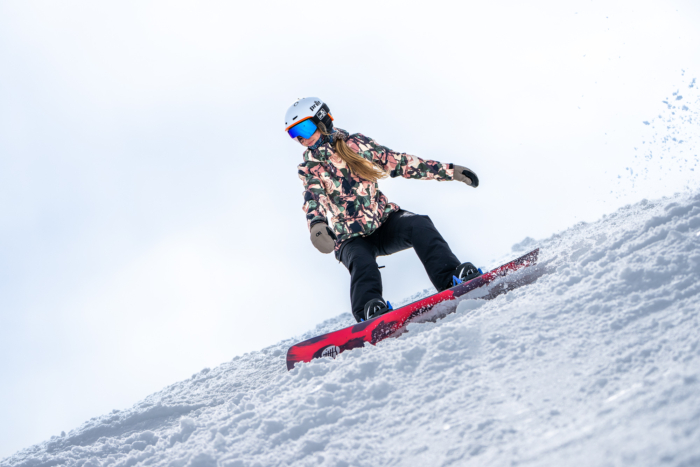
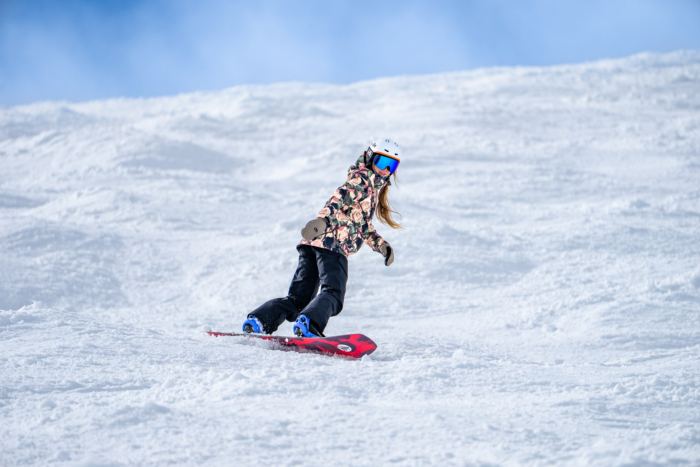
A superb daily driver, the Burton Family Tree Hometown Hero Camber Snowboard ($680) excels all over the mountain with a slightly stiffer flex and less aggressive sidecut. Built for icy conditions, chunder, powder, groomers, and a bit of park, the Hometown can handle it all. While other boards might have more pop, this silhouette delivers excellent edge hold and a stable ride.
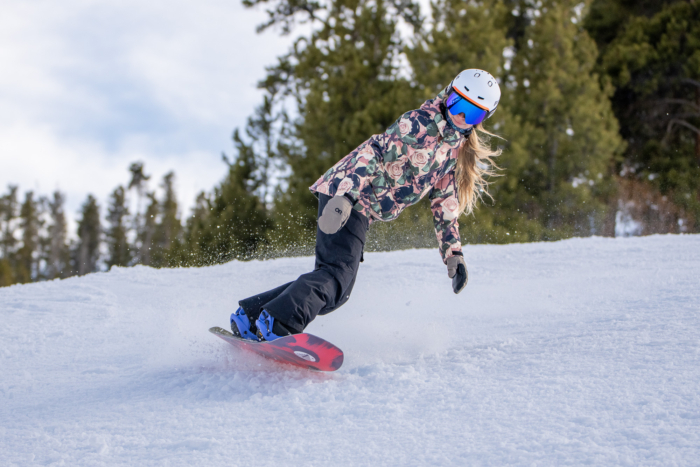
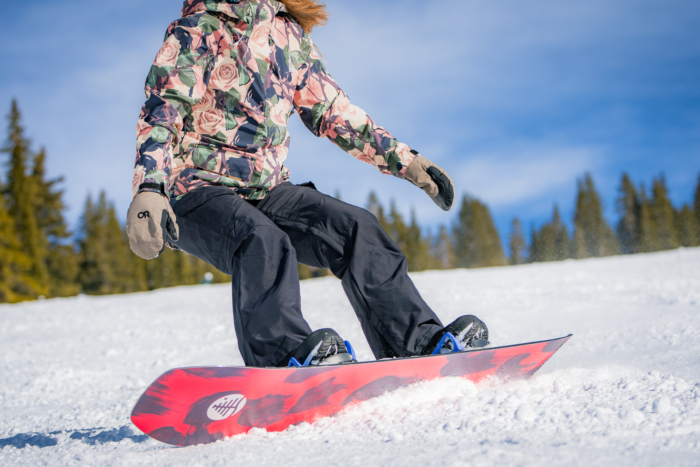
While taking lift laps in firm, chalky snow conditions, Senior Editor Morgan Tilton found the Hometown to be really balanced and easy to maneuver while driving heel to toe. With a directional freeride construction, the stance has a 20 mm setback that places the bindings in the middle of the camber profile, enhancing a balanced feel. The camber is under the feet with a slight rocker in the nose after the contact points, which helps riders initiate turns in powder. With a twin flex, the longitudinal tip-to-tail stiffness is more rigid for pop, and the torsional flex between the feet is on the softer side. There’s a 12 mm taper.
This Hero rides fairly well through the moguls. There’s a longer nose and the build is a bit stiffer, but the torsional flex increases the maneuverability, so you can stay in the trough at moderate to slow speeds even when the conditions are firm. That slight nose rocker isn’t noticeable on firm snow, only in pow. And the tip and tail have a tapered thickness, intended to decrease the swing weight, increase agility, and increase float.
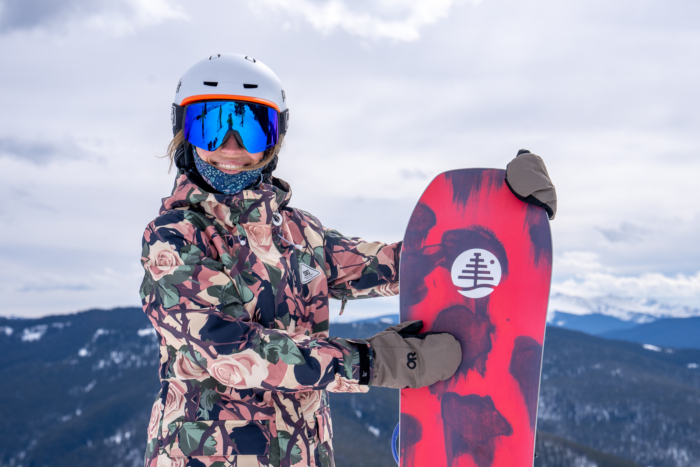
Resembling botanical illustrations, we love the new top sheet design of birds and trees with a moody, tie-dye-esque base. As for the core, the Hometown has Burton’s Dualzone design: Slices of wood grain are laid perpendicular to the core, along the toe and heel sides, to increase edge hold and responsiveness. There’s also a full tip-to-tail stitched carbon layer. And the recycled base, dubbed the Sintered WFO, is infused with wax for durability. Ultimately, with spine twist between the binders and pop from crown to root, the Hometown Hero is a legacy design for freeride shralpers.
Other All-Mountain Snowboards We Field Tested and Love to Shred
These seven snowboards may not wear a badge but received honorable mention and a spot in our garage.
-
-
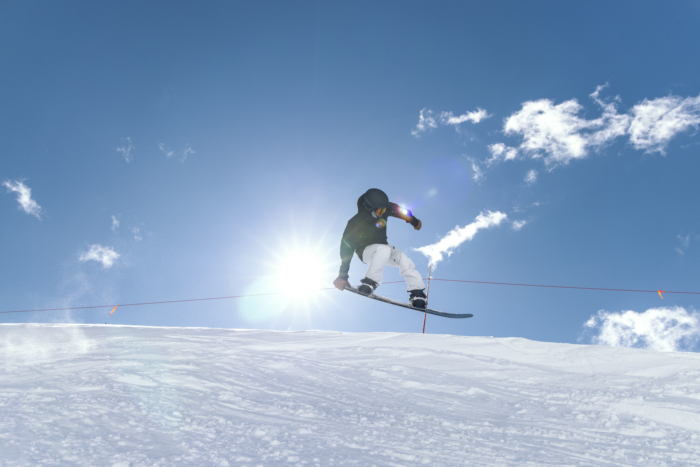
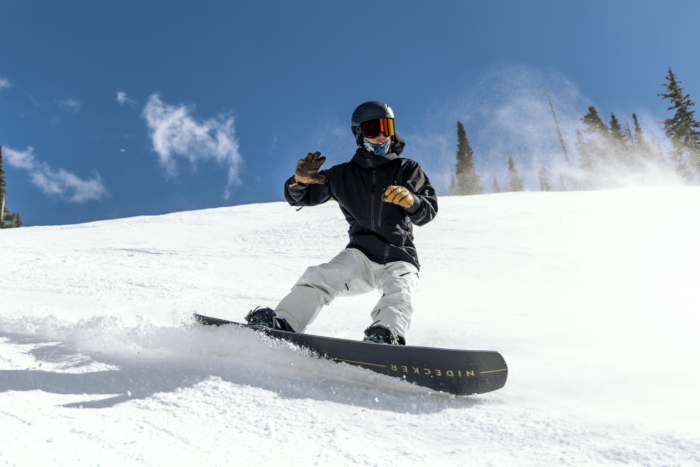
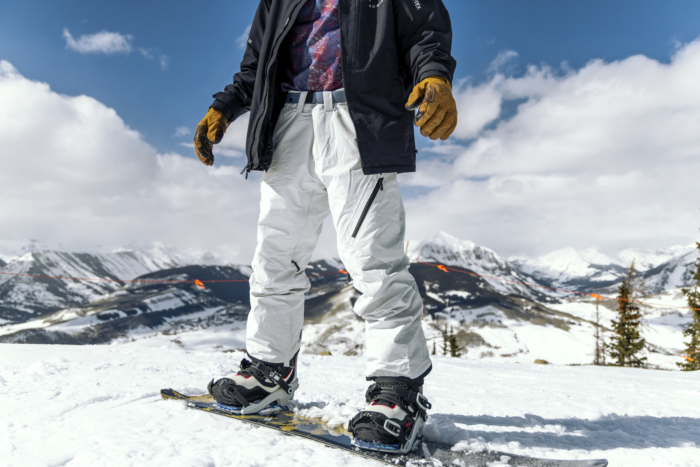
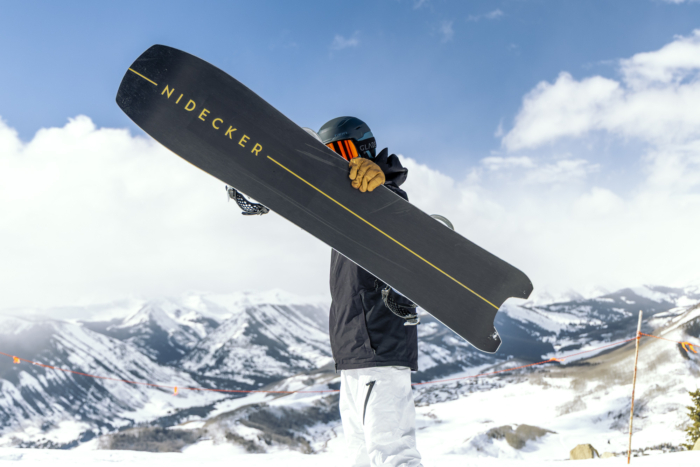
Eric Phillips testing the Nidecker Mosquito; (photo/Reilly Kaczmarek)
-
Eric Phillips testing the Nidecker Mosquito; (photo/Reilly Kaczmarek)
-
Eric Phillips testing the Nidecker Mosquito; (photo/Reilly Kaczmarek)
-
Eric Phillips testing the Nidecker Mosquito; (photo/Reilly Kaczmarek)
-
Eric Phillips testing the Nidecker Mosquito; (photo/Reilly Kaczmarek)
-
Eric Phillips testing the Nidecker Mosquito; (photo/Reilly Kaczmarek)
Specifications
Pros & Cons
Pros
- Volume-shifted means you can down size
- Snappy and reactive for fast slashes
- Gloss finish and shape feel like a custom board at factory price
Cons
- Not a shape for beginner or even intermediate riders
- Gloss finish topsheet scratches easily
- Volume shift can feel heavy for its size
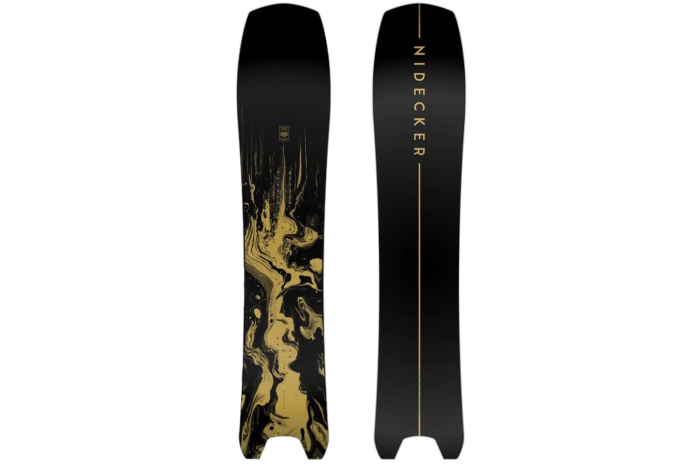
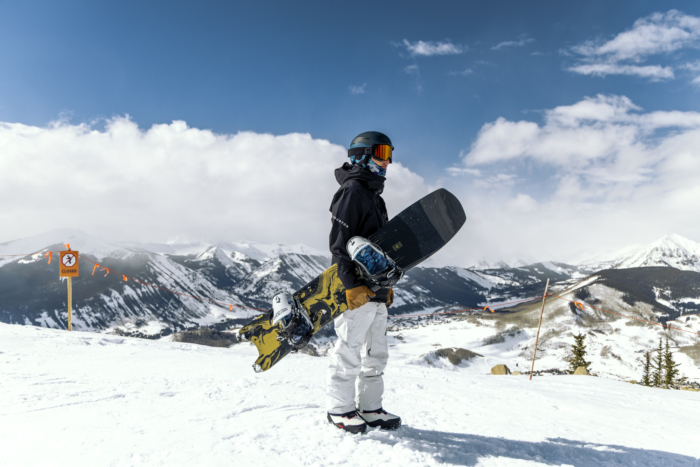
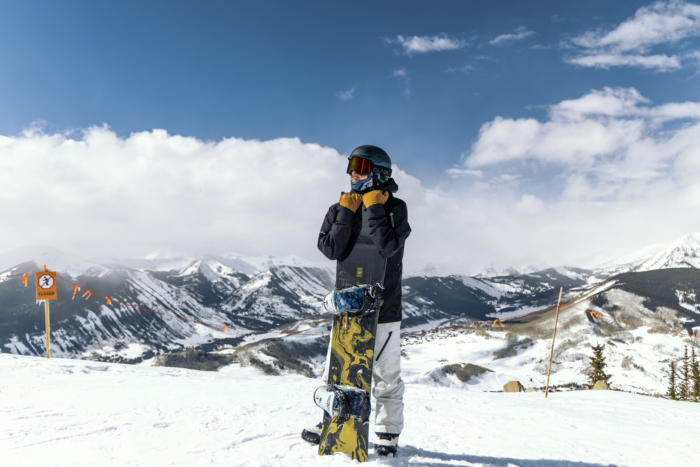
Surf and snowboard communities have long been intertwined with folks actively exploring both modalities. While many all-mountain snowboards claim to have a surf-inspired flavor, the volume-shifted Nidecker Mosquito ($680) truly feels like a surfboard for the slopes. That wave-like energy starts with its gloss finish, rarely seen on a factory snowboard, and one that’s earned many lift-line compliments. But beware: that artistry scratches easily.
Mosquito is a volume-shifted board, meaning you can ride 10cm shorter than your typical length. A volume-shifted design has a shorter length and a wider waist, while maintaining the same surface area, volume, and float as its longer sibling. This style supports the board’s snappy responsiveness and is perfect for surf-inspired cutbacks or lip lashes, all without reducing its float in powder.
This snowboard loves powder: Field-tester Eric Phillips managed to get a few powder days at Crested Butte Mountain Resort and post-storm backcountry snowmobile laps. High speed and large turns in untouched terrain feel incredible on this Nidecker whip. The shorter length and swallow tail let us initiate turns with the back foot, perfect for tighter tree riding. Even on non-powder days, we still loved the playful, surfy feel, whether that meant deep carves on groomers or searching for side hits to slash or pop off.
With a Surfy Cam-Rock profile, this board has a large nose and extended rocker. That’s paired with a short, rockered tail for easier float. The rest of the board, including underfoot, is traditional camber, which you can feel during deep high-speed carves or popping ollies. The board is a 4 out of 5 in stiffness, best for aggressive riders who want maximum responsiveness. Beginner or even intermediate riders may want a more forgiving snowboard, as its niche is hard-charging, surfy-inspired riders. We paired this board with Nidecker Orbit Pro bindings, a ⅘-stiff-rated binding, to really get the snappy responsiveness out of the Mosquito.
Ultimately, the Mosquito rips — especially for surf-inspired boarders seeking a pow-centric yet versatile design with a deep sidecut, rigidity, and a powerful response.
Specifications
Pros & Cons
Pros
- Fun and forgiving ride
- Great one board quiver
- Rides great without needing to charge
Cons
- Jack of all trades, master of none
- Not a good choice for very aggressive carving or riding
- Channel board mount requires specific pucks to work with non-Burton bindings
- Lightweight feel and softer flex induce chatter in chunder
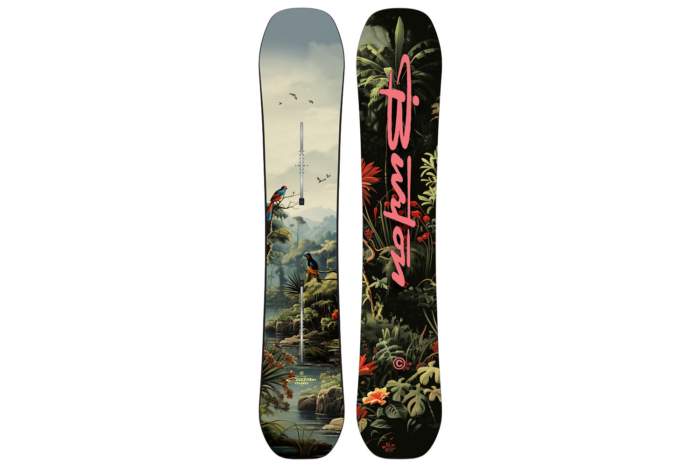
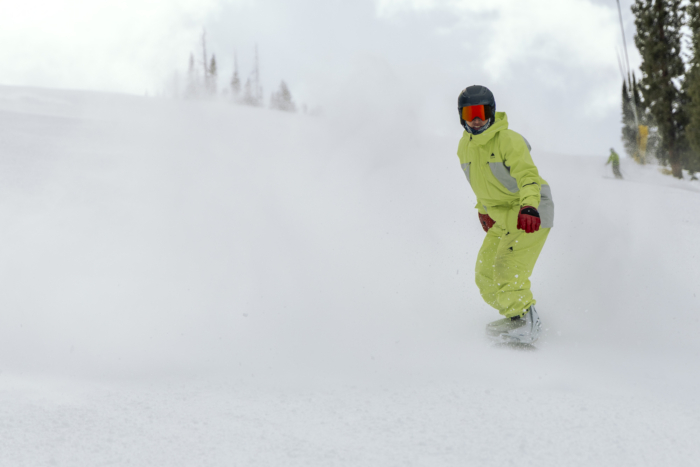
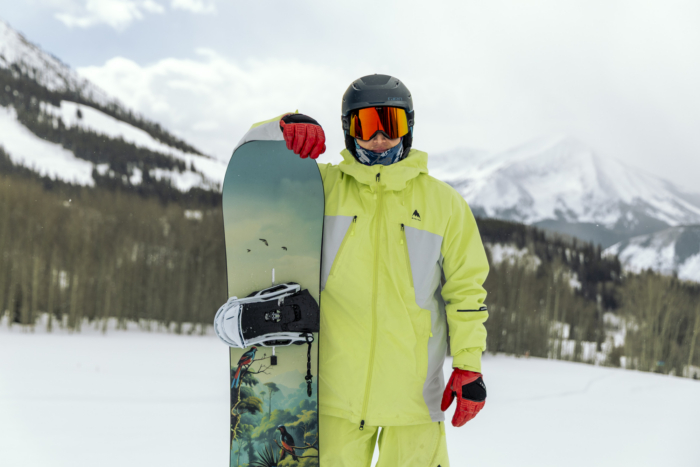
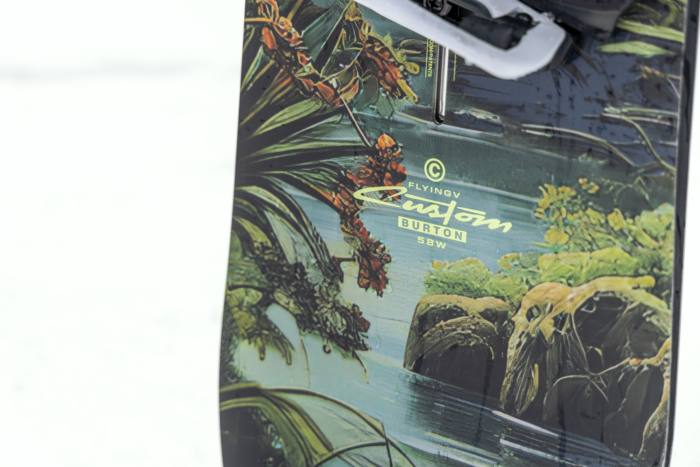
For greener riders looking to expand their skills and confidence across the mountain, the Burton Custom Flying V ($680) is an incredibly versatile, playful, and forgiving board. This jack of all trades encapsulates fun across a spectrum of conditions. Beyond beginners, it’s a great choice for any rider who wants to explore the entire mountain with one board.
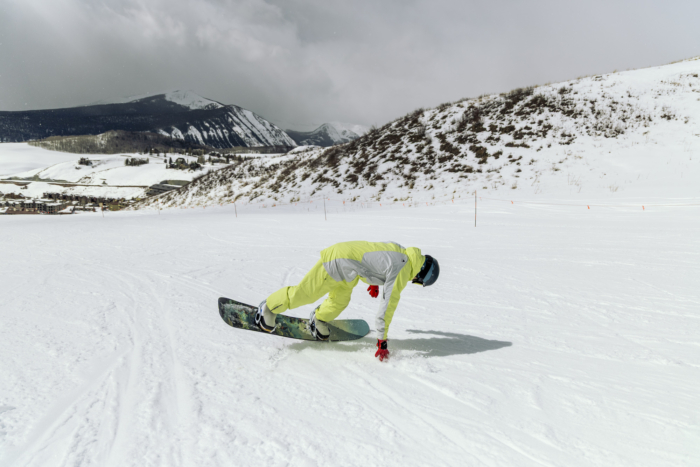
Flying V refers to this directional board’s profile with rocker under both the tip and tail, camber beneath each binding, and a V rocker section in the middle. When viewed from the side, you can see the Flying V profile. With a mid flex — 4 out of 10 — on-snow tester Eric Phillips found it to be a perfect tool for learning butters, carves, or moguls. Although, at higher speeds in chundery snow, that moderate flex starts to chatter.
This Burton design is perfect for riders who want to maximize creativity through every turn — it’s not a hard-charging board. It’s not damp enough to handle high-speed chunder or deep carves but it descends best at a more leisurely pace. Don’t get us wrong — this board is still a tool for advanced riders. You just don’t need to be pushing to the max to get the most from this snowboard. The board uses a sintered base, carbon highlights, and Burton’s channel mount system that pairs perfectly with Step On bindings. Riders can still mount traditional snowboard bindings to the channel system with channel-compatible packs, which most bindings come with or you can pick up a set at your local board shop.
While the V handles all snow conditions and terrain fairly well, it does feel like a master of none. It’s not a park board, not a pow board, and not an all-mountain charger. Though it delivers enough confidence to progress across any of those marks. Ultimately, the Flying V is a great choice for riders looking for that one-board quiver, or newer riders who want a board that’s forgiving for progression. It’s got great pop, carves and butters well, and is just pure play to ride all over the mountain.
-
-
Tester Eric Phillips testing the Nidecker Merc; (photo/Reilly Kaczmarek)
-
Tester Eric Phillips testing the Nidecker Merc; (photo/Reilly Kaczmarek)
-
Tester Eric Phillips testing the Nidecker Merc; (photo/Reilly Kaczmarek)
-
Tester Eric Phillips testing the Nidecker Merc; (photo/Reilly Kaczmarek)
Specifications
Pros & Cons
Pros
- Affordable price point
- Non aggressive side cut perfect for intermediate riders
- Tons of size options including wide widths
Cons
- Relaxed side cut not tailored to advanced or expert riders
- Top sheet prone to chipping
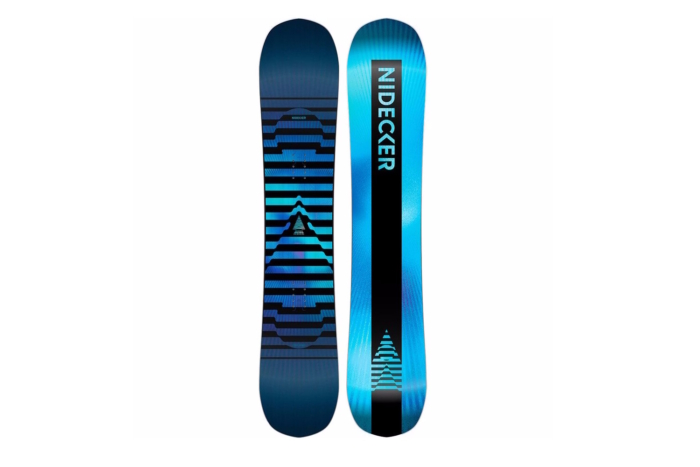
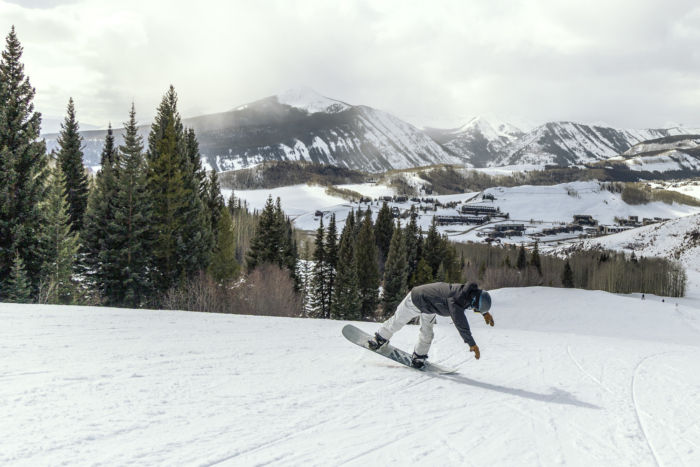
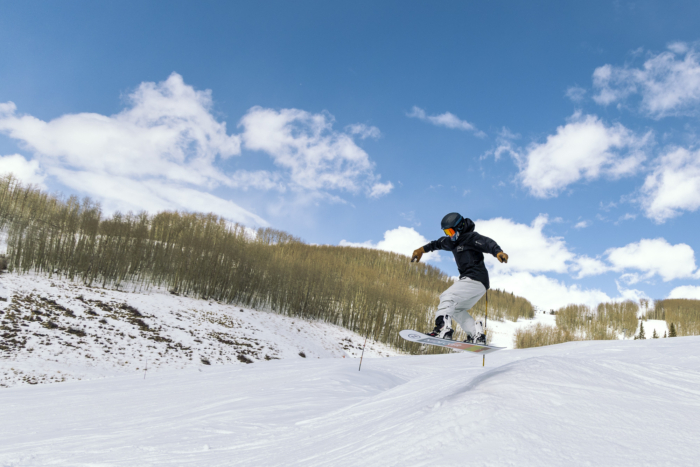
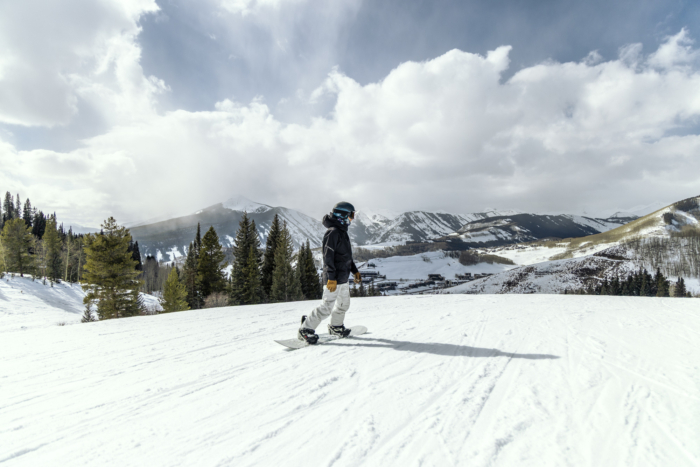
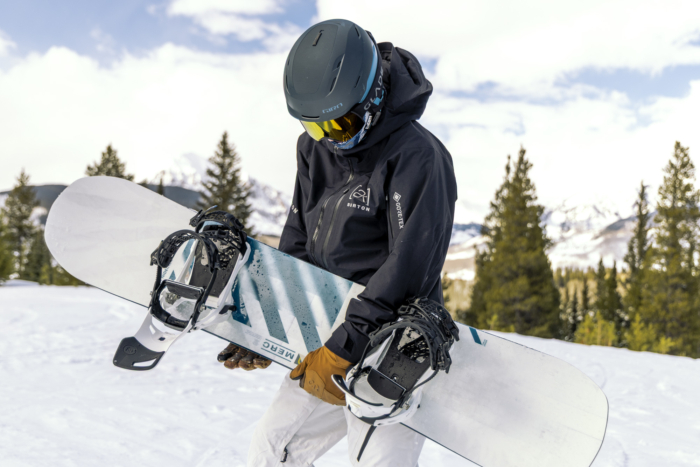
For experienced boarders who ride fast and enjoy hitting the park and pow, all on a board that isn’t too aggressive, look no further than the Nidecker Merc ($460). The Merc finds a balance between a playful, relaxed feel and stability for progression, letting us claim speed, jump higher, and turn smoothly. Plus, the model offers three sizes in wide to help bigger booters avoid heel drag: the 159, 162, and 165.
Nidecker claims the board is “The Best Value Quiver Killer. Period.” With a sub-$500 price point and the ability to ride both pow and park with the same stick, it’s very hard to come to a different conclusion. A lot of all-mountain snowboards, like the Jones Howler, really shine when paired with an aggressive riding style. The Merc performs at a more relaxed pace thanks to a shorter contact edge and a longer turn radius. This means it is quick edge-to-edge, but being on edge also feels incredibly stable.
Expert rider and gear tester Eric Phillips put a wide version of this board through its paces at Crested Butte Mountain Resort, finding that the Merc loves going fast and straight with plenty of responsiveness underfoot. However, deep carves are not its strong suit. When it comes to ollies at the park or on side hits, the traditional camber — which is situated between the bindings — provides plenty of pop. Rocker at the nose and tail helps it float well enough in powder. As a twin, the shape is great for landing switch. After only a few days of riding, Phillips started to see chips in the top sheet, but the base held up surprisingly well against rocks in the low tide.
With a forgiving nature and attractive entry-level price, Merc is a fantastic choice for a first snowboard.
This all-mountain board can handle all terrain — from steeper slopes to carving and floating in pow — and is a great tool for progressing riders, whether that’s working on butters, tricks in the park, or learning to carve. For an even better experience, Phillips recommends pairing it with the step-in Nidecker Supermatic OG bindings for the ultimate supportive yet easy setup.
Specifications
Pros & Cons
Pros
- Volume shifted so you can size down
- Extra width for float in powder
- One of the most sustainable snowboards
Cons
- Not good for beginner or park riders
- Can be catchy at slow speeds
- Feels best when ridden at speed
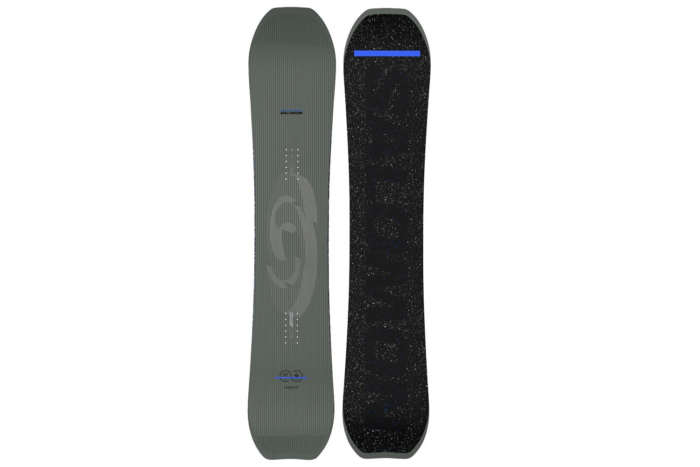
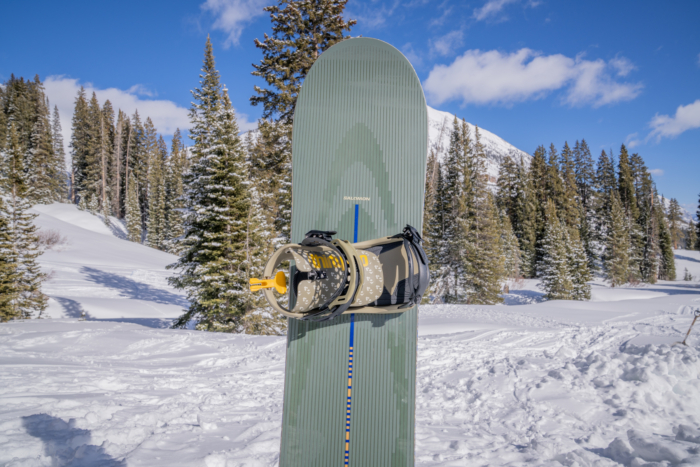
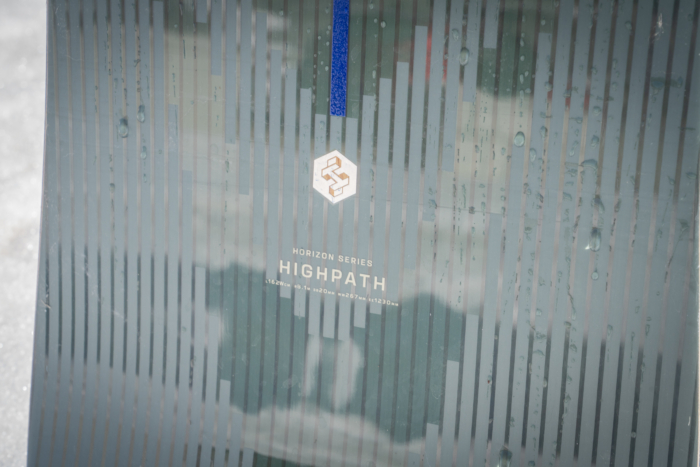
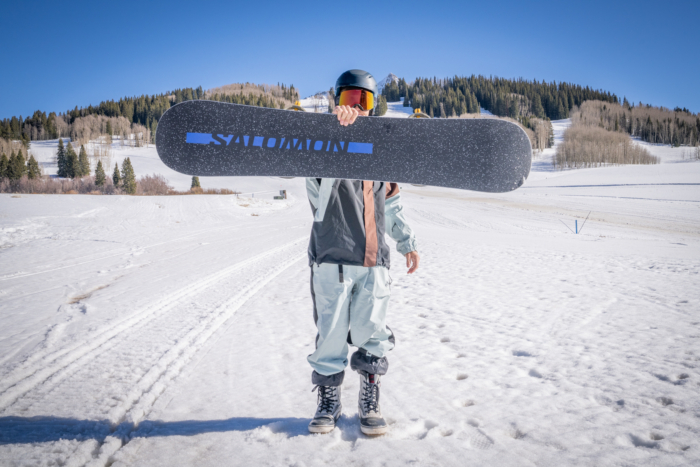
The 2026 Salomon Highpath ($700) is a unisex, eco-friendly, all-mountain snowboard that loves deep carves on groomers as much as it digs deep powder days. Stability and speed are two words we would use to describe the Highpath as it dampens chatter and provides stability through chunder, though the board really rides best at medium to high speeds.
Highpath is a directional board with a tapered nose and a slight swallowtail. It has a 20cm setback, which gives it great performance in pow, but the large tail still feels pretty good riding groomers or even landing switch. It has rock out camber, meaning a rockered tip and tail, camber underfoot, and flat between the feet. The rocker helps its float, and the camber gives it okay pop, found on-snow rider Eric Phillips — but you really have to preload it and put your energy in when approaching a jump or side hit. Riding the board, it really comes alive at mid and high speeds. During slower speed riding, Phillips found himself catching the nose. We wouldn’t call the board playful, and it is best ridden with effort and intention. It preferred straight run-ups to side hits and jumps, rather than more playful last-minute jibs.
What sets the Highpath apart from other boards is its sustainability, starting with its use of an FSC-certified wood core, recycled ABS sidewalls, 20% recycled edges, and 50% recycled base. Instead of using traditional fiberglass, it uses a bio-based resin and an ABC wrapper topsheet. All of these sustainable attributes aren’t just for show and come with the high performance you expect for a top-of-the-line construction.
This design takes the spotlight in a few places: deep, drawn-out carves on groomed runs at higher speeds, powder float, and powering through adverse chunder. But in other places, like the park or on moguls, the board doesn’t catch our favor and lacks a playful vibe. For intermediate and advanced riders who want a board for carving, all-mountain shenanigans, and powder — and don’t take park laps — this could be a one-board quiver.
-
-
Morgan Tilton testing the Nidecker Venus Plus snowboard; (photo/Jason Hummel)
-
Morgan Tilton testing the Nidecker Venus Plus snowboard; (photo/Jason Hummel)
-
Morgan Tilton testing the Nidecker Venus Plus snowboard; (photo/Jason Hummel)
-
Morgan Tilton testing the Nidecker Venus Plus snowboard; (photo/Jason Hummel)
-
Morgan Tilton testing the Nidecker Venus Plus snowboard; (photo/Jason Hummel)
-
Morgan Tilton testing the Nidecker Venus Plus snowboard; (photo/Jason Hummel)
Specifications
Pros & Cons
Pros
- High-speed stability
- Outstanding vibration damping
- Powerful pop and energy
- Powder float
Cons
- Demanding, stiff flex
- Poor tight-tree agility
- Unsuited for park jibbing
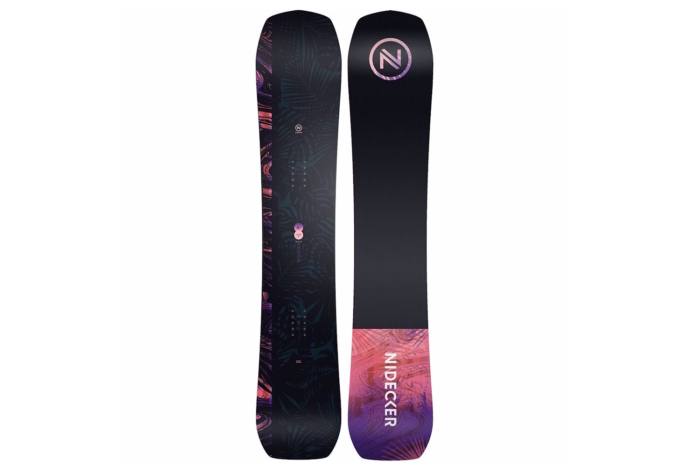
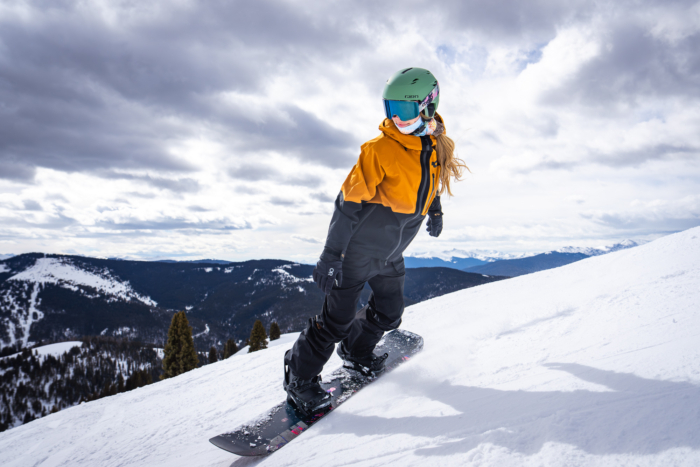
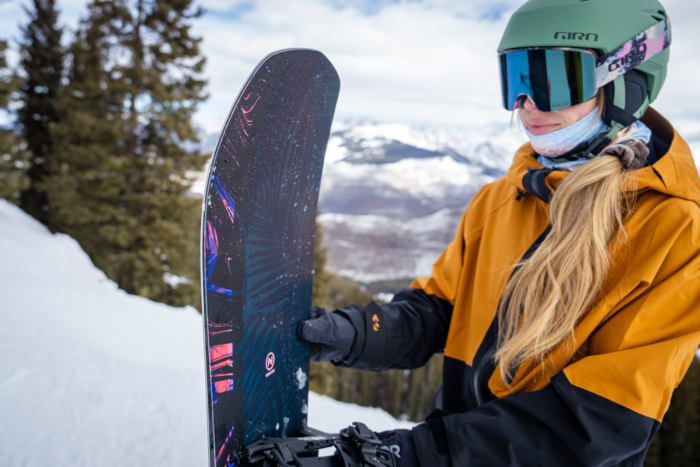
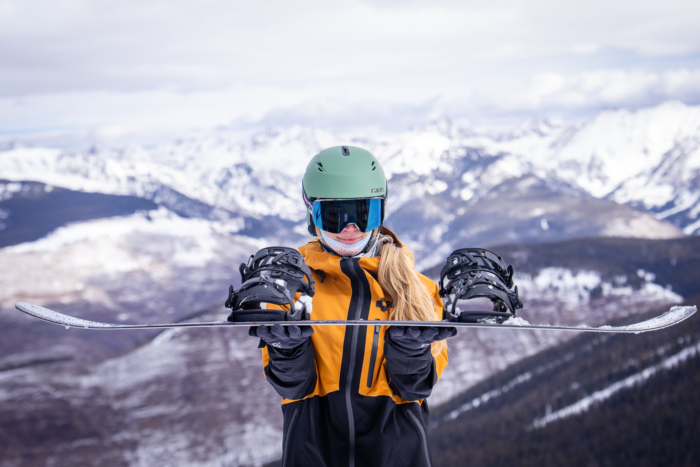
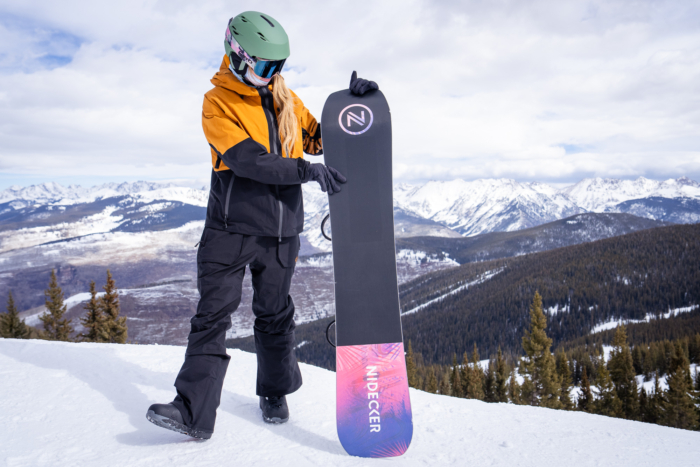
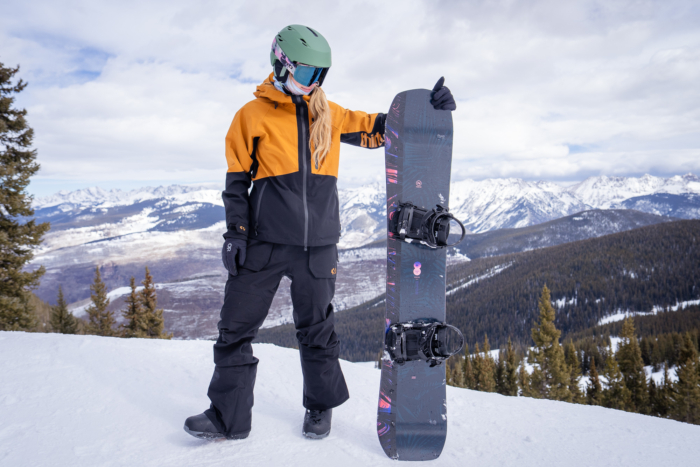
For shred purists, this Nidecker Venus Plus ($530) is a love letter to the pure power of a camber profile. This high-performance powerhouse is designed for advanced riders who need a board that can keep up with an all-in mentality.
Venus’s heart lies in its directional camber silhouette and mid-stiff flex (we thought it was closer to stiff than medium). While standard boards might chatter when you open up the throttle, the Venus P stays damp and composed, found Senior Editor Morgan Tilton while riding Crested Butte Mountain Resort.
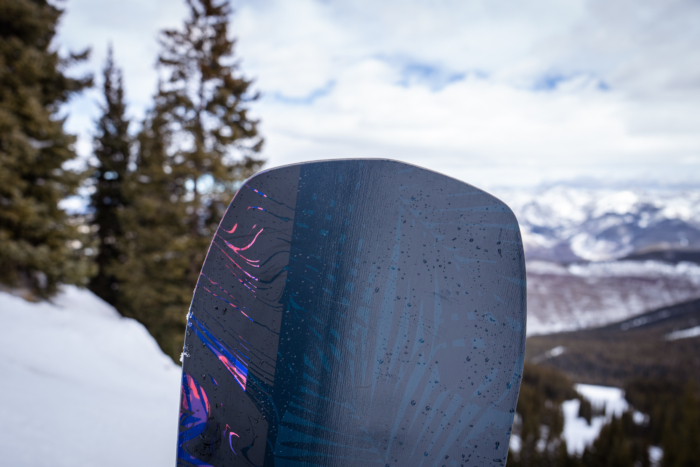
Absorbnid — what the topsheet is made out of — is a proprietary top layer designed specifically to help soak up high-frequency vibrations. The bulk of the core is lightweight poplar and paulownia wood plus durable beech and spruce. The triax plus fiberglass makes the board feel reactive and adds torsional stiffness, while the tip-to-tail stringers of carbon add pop when you want to lift off.
The Venus Plus naturally wants to make medium-to-tight turns, due to the 7.1m radius, on the shorter end of the all-mountain spectrum (which usually ranges from 6 to 10m). At a 246mm waist, the width is pretty standard, and the board is relatively easy (without being snappy) to maneuver edge to edge. With a 10mm setback, your float is enhanced in the deep stuff.
Overall, this board isn’t the hookiest or a deep carver but offers a solid lean and aids commitment. While it wouldn’t be Tilton’s first choice for tight tree riding, firm moguls, or jibbing in the park, it’s stout enough to handle most everything else. Whether you are carving into crisp corduroy or taking powder lines, the Venus Plus is a strong all-mountain ride.
-
-
(Photo/Eric Phillips)
-
The clean white topsheet stands out against the snow, while the bold base graphic turns heads in the air; (photo/Eric Phillips)
-
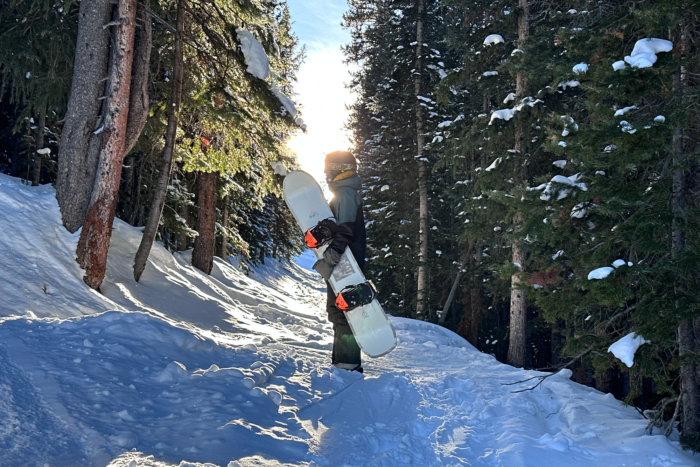
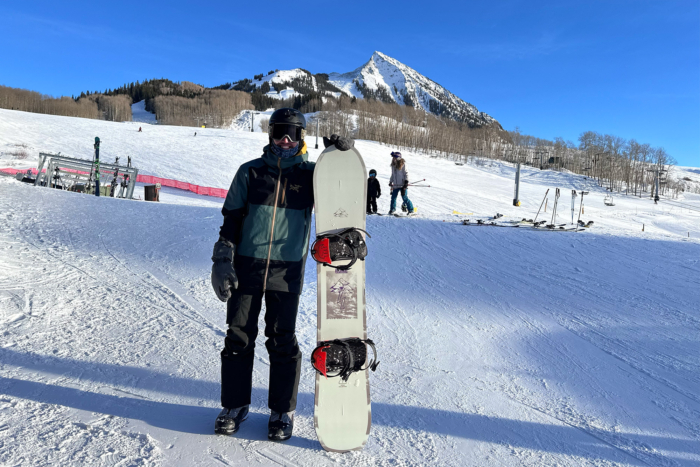
The Rome Stale Crewzer isn’t ideal for deep carves—its narrow waist width can cause toe or heel drag; (photo/Eric Phillips)
Specifications
Pros & Cons
Pros
- Excels in the park and on side hits
- Stable in the steeps
- Impact plates for additional impact absorption
Cons
- Not the best in powder
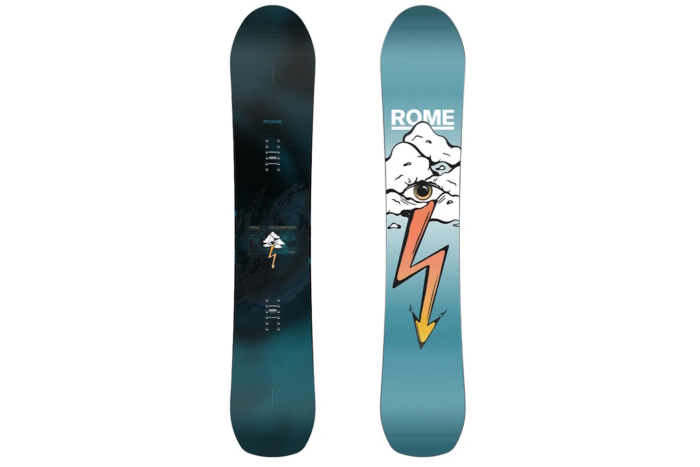
Stale Sandbech is known as one of the best park and freestyle snowboarders of all time. His 10-year anniversary pro model board, the Rome Stale Crewzer ($600), lets you ride with his style underfoot. Most recently, this model was redesigned with a more directional shape, plus a larger rounded nose and smaller rounded tail, delivering a more comfortable shape for all-mountain riding.
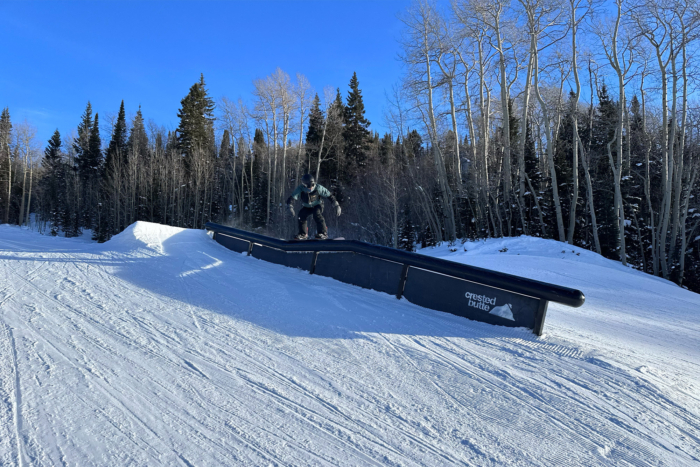
While this board is a little more home in the park than in powder, it really shines when things get steep. That’s thanks to a unique fusion camber profile of rocker in the tip and tail — for extra float and smooth transitions — and a healthy amount of camber underfoot for railing carves or popping off jumps. Additionally, there are Flax Impact Plates underneath both feet which help absorb impacts so you can send it as big as Stale.
Though a beginner could learn to love this board, especially with it being geared toward a do-everything design, expert snowboarder and tester Eric Phillips determined it’s best for intermediate or advanced riders. Its true performance comes out when things get fast and steep, he found while testing at Crested Butte Mountain Resort.
Our verdict? The Stale Crewzer is a hard-charging, directional board aimed at handling a diverse range of snow conditions while balancing a playful yet precise feel. We found that it doesn’t hold up in powder like a true powder board, but it will still be plenty of fun charging around most days at the resort.
Specifications
Pros & Cons
Pros
- Balanced board with true twin design
- R.I.P. Edge Hold Technology adds waves to base for enhanced edge control
- Innovative stitched carbon allows for meticulous carbon layup
Cons
- If you want a more freestyle park board, check out other options
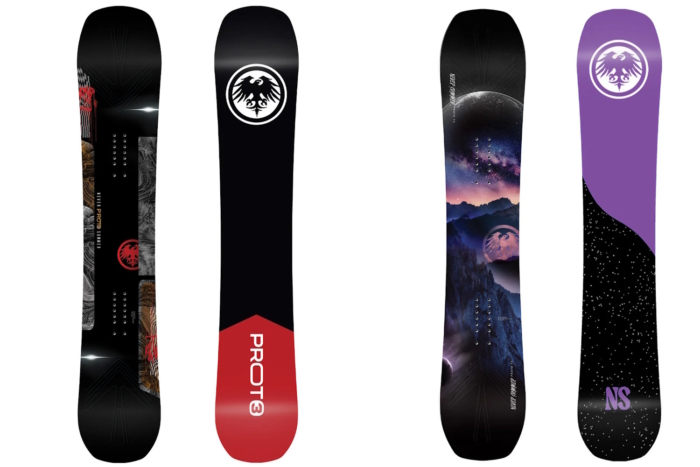
Tackling runs at Crested Butte Mountain Resort, Senior Editor Morgan Tilton loved the new Never Summer Proto Type 3 ($650), a strong yet maneuverable sidekick for runs like The Last Steep to Phoenix Chutes. Laced with the brand’s innovative technology, this playful all-mountain board is topped off with the new Precision Stitched Carbon Matrix (PSCM).
Taking a page from Volkl’s book, Never Summer is placing meticulously designed sheets of stitched carbon onto the board’s nose, tail, and torso. Each sheet is tailored to a board, and the designs are printed from a machine in a North Carolina factory, making Never Summer the only ski industry brand to do so in the U.S. and the first-ever snowboard brand to debut the technology. For guys, there’s the Never Summer Men’s Proto Type 3, too — including wide and extra-wide sizes denoted with X and DF (drag-free), respectively.
What’s the benefit of PSCM? Each strip of carbon can be a more precise shape, width, and have tapered ends. Meaning, the location of each board’s power and snap can be minutely tailored. In the Proto Type 3, the specific carbon layup — on the tip and tail only — supports the edge to edge transfer, placement of the stiffness, and transferring energy into the board’s contact points. The carbon mapping is a true twin with an equal placement and design on each end. The carbon strips visibly extrude within the topsheet art, which is pretty cool.
We found that the Proto Type 3 is smeary with easy edge transfer and pretty effortless initiation and exit. The tail and nose feel short and poppy. The edges feel anything but grabby or aggressive. With a twin shape, the board is balanced with a centered stance (zero setback) and is fun for catching air time. The profile is Never Summer’s Triple Camber: camber between the feet and on the exterior of the bindings with a segment of rocker on the interior side of each binding. The nose has an early rise, where the profile transitions to a flat section as it moves out of camber.
At a slightly softer build, the dampening (beneath and on the inside of each instep) likewise sits at a 6 out of 10, meaning this board won’t be the most rigid chomper of chatter in the closet but handles most conditions across the mountain well. It’s also not your first choice for a powder board. We love the feel of the poplar wood core construction. And the sidecut radius is deepest toward the nose and tail, creating power and nimbleness.
The R.I.P. Edge Hold Technology, which stems from the triple camber design, results in waves that are in the base. The result is an enhanced edge control. Hands down, we repeatedly reached for the new Proto Type 3 as a king all-arounder. This board quickly became a favorite for slashing pow stashes, weaving moguls, and cruising on groomers.

All-Mountain Snowboard Comparison Chart
Scroll right to view all of the columns: Price, Profile, Shape, Flex, Sizes.
| Snowboarad | Price | Profile | Shape | Flex | Sizes |
|---|---|---|---|---|---|
| Stranda Descender | $749 | Camber, rocker | Directional | 7 (medium) | 152, 148 |
| Rome Ravine | $580 | Rocker to camber | Directional | 7 | 144, 147, 150, 153 |
| Jones Howler | $700 | Directional freeride | High power camber | Stiff | 152, 155, 157w, 158, 160w, 161, 163w |
| Never Summer Nokhu 161 DF | $690 | Hybrid triple camber | Directional | 5 (medium) | 152, 155, 158, 161, 161DF |
| Jones Rally Cat | $480 | True camber (with a moderate 2.0-level 3D contour base) | Directional twin | 4/10 friendly flex | 142, 145, 148, 151, 154 |
| K2 Passport | $600 | Hybrid camber between the feet, directional rocker on the ends (with more rocker in the nose than the tail) | Directional | 7/10 | 146, 149, 151, 154, 157, 159W, 160, 162W, 163, 151W, 154W, 157W |
| Burton Family Tree Hometown Hero Camber | $680 | Directional camber | Freeride directional | Twin | 144, 148, 152, 156, 160, 156W, 160W, 165W |
| Nidecker Mosquito | $680 | Surfy Camrock | Volume Shifted Directional Swallow tail | Stiff | 148, 152 |
| Burton Custom Flying V | $680 | Camber, rocker | Directional twin | 3 (soft) | 150, 154, 154W, 156, 158. 158W, 162, 162W, 166W 158W, 162, 162W, 166W |
| Nidecker Merc | $460 | CamRock | Directional Twin | Mid-soft | 149, 152, 156, 156W, 159, 159W, 162W, 165W |
| Salomon Highpath Snowboard | $700 | Rock out camber | Tapered directional | Stiff | 146, 150, 153, 156, 159, 159W, 162, 162W, 165W |
| Nidecker Venus Plus | $530 | Directional Camber | Freeride Directional | Directional Mid-Stiff | 139, 143, 147, 151, 155 |
| Rome Stale Crewzer | $600 | Fusion Camber / Rocker – Camber – Rocker | Directional twin | 6 (Medium hard) | 152, 155, 158, 159w, 161, 162w |
| Never Summer Proto Type 3 | $650 | Triple Camber Hybrid | True twin | 6 out of 10 | 139, 142, 145, 148, 151 |
How We Tested All-Mountain Snowboards
Our GearJunkie snowboard lab has collected professor-grade notes from four expert snowboarders since this guide’s inception four seasons ago, in 2022.
Our Expert Testers
- Contributing photographer and lead tester Eric Phillips is a formerly certified Level II PSIA-AASI instructor, year-round search and rescue volunteer, and big mountain pow surfer when he’s not at the resort or on splitboard tours. In the 2025-2026 ride season, Phillips tested boards for a total of 130 hours across 30 days at Crested Butte Mountain Resort, in temps ranging from 9 to 48 degrees Fahrenheit.
- Leading the on-snow tests, SnowSports Senior Editor Morgan Tilton has been snowboarding since 2002, when she switched from two planks to one. She started sliding on snow at age 4 on the steeps of Telluride Ski Resort, where she grew up riding in her hometown. In the 2025-2026 winter season, she tested snowboards across 53 days, 378 miles, and 388,716 vertical feet of descent. Here’s her historic test data:
- 2025: 126 hours, 34 days, 690 miles, and 195,000 vertical feet
- 2024: 135 hours, 38 days
- 2023: 104 hours, 34 days
- Wyoming-based Austin Beck-Doss has contributed to this guide.
- Crested Butte-based shredder Will Martinez has likewise contributed field testing notes for our snowboard reviews.

Our Testing Grounds
Our crew tests snowboards all over the world, across all types of terrain and in all conditions. To date, Tilton has tested snowboards across North America:
- Crested Butte Mountain Resort
- Whitewater Mountain Resort
- RED Mountain Ski Resort
- Telluride Ski Resort
- Silverton Mountain Ski Area
- Big Sky Resort
- Copper Mountain Ski Resort
- Baldface Valhalla
- Irwin Cat Skiing
- Vancouver Island
The GearJunkie team meets for on-snow test weeks to grind out turns and swap notes, including two previous gatherings at Crested Butte Mountain Resort, which is known for its expert terrain, and a recent meet-up at Vail Ski Resort.

Our Testing Process
While testing all-mountain snowboards, we consider:
- Edge Hold & Carving: How securely the edges grip on hardpack or icy groomers, and how cleanly the board lays down, holds, and exits a turn at varying speeds.
- Flex & Torsional Stiffness: The board’s longitudinal (tip-to-tail) bend and side-to-side flex, which determine how forgiving, playful, or aggressively demanding it feels underfoot.
- High-Speed Stability & Damping: How well the board absorbs high-frequency chatter and vibrations when opening up the throttle through variable snow, chunder, or rough terrain.

- Maneuverability & Agility: How quickly and effortlessly the board transitions from edge to edge in technical terrain like tight trees, mogul fields, and steep chutes.
- Powder Float: The board’s natural buoyancy in deep snow, driven by its nose shape, surface area, profile, directional taper, and setback stance.
- Pop & Playfulness: The energetic response, snap, and rebound the core provides when launching off side-hits, ollieing over obstacles, buttering, or jibbing in the park.
- Versatility (Quiver-of-one Factor): How seamlessly the board adapts across different snow conditions, terrain types, and riding styles.
We also take into consideration the most novel, style-specific, popular, highly rated, and legacy products across a range of price points.

Our All-Mountain Snowboards Rating System
We score each all-mountain snowboard on a 1–10 scale for Shape, Flex, Profile, as well as Core and Construction.
Shape: Directional twin is the most common all-mountain board shape, followed closely by a true twin. The shape influences how the board feels! There are plenty of playful shapes for pow riding but, for most days and conditions, we tend to need a more traditional or directional shape for riding everywhere on the mountain.
Flex: The sweet spot for flex is 5-8 for variable conditions. A softer flex allows easier turns and a more playful feel under boot. A stiffer flex prevents fatigue and helps you charge through chunky snow or hold an edge in tough terrain. It provides stability.
Profile: Most boards have a unique variation of a hybrid profile, blending camber and rocker (reverse camber). This allows a happy medium between grip, pop, and float, as well as edge hold and stability.
Core and Construction: Various materials influence how the board feels. A wood core — often poplar, paulownia, or bamboo — offers strength and responsiveness. Adding carbon or basalt stringers increases reactivity, pop, and dampening without a weight penalty.
The Overall Rating is based on contextual, editorial judgment, and the complex user experience across various scenarios and conditions.

The Best All-Mountain Snowboards: A Buyer’s Guide
What Is an All-Mountain Snowboard?
All-mountain snowboards are designed to handle various riding styles and types of terrain. A true all-mountain snowboard will perform relatively well on groomers, powder, hardpack, and everything in between.
If you’re the kind of rider who likes to mix it up and hit the park on one run and a powder stash on the next, an all-mountain snowboard is the right choice for you.
All-mountain snowboards are also well-known for their value. Instead of owning multiple specialist boards for different styles and conditions, a single all-mountain board can be your answer to everything — kind of like a Swiss Army knife.
Because these boards aren’t specialists, they generally make some compromises in order to work well all over the mountain. For example, a good all-mountain board should ride well in the powder, but it probably won’t perform quite as well as an aggressively directional powder surfing specialist.

Types of All-Mountain Snowboards
On this list, we’ve included many types of all-mountain snowboards. Each leans toward a certain style of riding. For example, our pick for the best powder-leaning all-mountain snowboard will certainly rip all over the mountain, but it will truly shine when riding pow.
We’ve also included freestyle-leaning all-mountain snowboards and hard-carving all-mountain snowboards.
Powder-Leaning All-Mountain
Powder-leaning all-mountain snowboards are the perfect tool for the deepest of days. Generally, snowboards in this category have a directional shape with a large, wide nose and a tapered-down tail. This is the ideal shape for maximum float in untouched snow.

Additionally, powder-leaning all-mountain snowboards usually have a rockered or hybrid rockered profile, which creates lift and keeps you happily afloat.
Freestyle-Leaning All-Mountain
Freestyle-leaning all-mountain snowboards will display their full potential in the terrain park. Designed with jumps, rails, and side hits in mind, these boards feature ample pop, skate-like snap, and stability to stick the landing in style.
Most freestyle-leaning snowboards have a true twin or slightly directional twin shape. Boards in this category tend to have relatively flat or mildly rockered profiles, though there are some exceptions to this.

Snowboard Profile & Shape
A snowboard profile is the silhouette of a snowboard when viewed from the side if you were to set the board flat on a table and look at it lengthwise.
The profile is technically separate from the snowboard’s overall shape, but it’s also an ingredient that influences the shape category a board lands in — like adding cilantro or jalapeño to guacamole.

Imagine looking straight down at a snowboard that’s flat on the ground. The board’s shape is literally its outline, which is defined by the width from any side-to-side point, as well as the frame of the nose and tail.
Together, the board’s shape and profile create a unique feel underfoot. The various shape categories for snowboards listed below (directional, true twin, directional twin, asymmetrical, asymmetrical twin) are based on the profile and shape as well as the core materials and the flex they create.

Types of Snowboard Profiles
Camber
This is the most traditional, old-school snowboard profile. With a cambered design, the center rises, and the far ends of the board meet the ground where the nose and tail upturn. The sides curve upward a bit, too.
Boards with camber offer excellent edge control and a precise, aggressive, stable ride.

Rocker
Rocker is the opposite of camber, and it’s often called reverse camber. Lib Tech started this revolution with the original Skate Banana rocker board, so some folks refer to this feature as banana technology. It is a banana shape!
Instead of camber, the belly of the board presses into the ground, so it’s a convex or U-shape. The result is a superb float in powder, a more forgiving edge-to-edge experience, and a more surf-life experience in carves.

Flat
Flat boards are exactly what they sound like: flat. But without the camber and upturned edges, those can more easily catch. But a flat segment of a board does provide a loading zone for popping as well as a great surface connection for rails or other jibs.
Hybrid Rocker/Camber
Some riders prefer the stability of camber or flat with the playfulness of rocker. There are countless combinations of these two profiles across nearly every brand.

One hybrid, for instance, is to have rocker between the feet, camber underfoot, and rocker on the nose and tail — a mustache, if you will. Others have a dual combo of flat or camber underfoot followed by a healthy dose of rocker throughout the nose and tail (or vice versa). But some have a tiny bit of rocker toward the tip and tail.
These incremental differences give each board a unique personality on the mountain and plenty of options for riders.

Types of Snowboard Shapes
Directional Snowboards
With a directional design, the nose is a different shape than the tail and has unique attributes. Generally, this means the tail is more rigid, providing an anchor when cruising fast. And the nose more easily lifts through clouds of powder.

True Twin Snowboards
If you were to draw a line across the centermost width of the board and fold it in half, each side would be the same. This design has a symmetrical shape (including the nose and tail and sidecut radius), flex pattern, and profile. The stance is completely centered.
A twin setup is an ideal choice for riding switch, which lends itself to freestyle terrain or park tricks but can also be a very balanced feel for all-mountain terrain.

Directional Twin Snowboards
A directional twin is when there’s a slight variation on a twin design. So, the shape is nearly completely symmetrical with the same sidecut, flex, and profile for the nose and tail — except there’s a spin on an ingredient or two.
For instance, the profile could slightly differ between the nose and tail. The tail might have a stiffer core and flex compared to the nose. Possibly, the stance is setback rather than completely centered. Or, the nose could have a bit more rise for nice float.

Asymmetrical Snowboards
You know how the front of your body is proportionately different from its backside? An asymmetrical snowboard aims to help balance the human body, and it certainly feels different and fun to ride.
There are two ways asymmetry can be introduced in a board. A snowboard can have an asymmetrical sidecut, meaning the heel side is shorter and deeper. In contrast, the toe side is longer and shallower. This allows for easier, more balanced edge transfer between the toes and heels.

Some snowboard designs alter the core with softer materials beneath the heels along the backside of the board, compared to firmer materials along the toeside portion. Other designs blend both an asymmetrical sidecut and core.
Asymmetrical Twin
This design combines asymmetrical design features with twin features. The nose and tail will have the same shape, profile, and flex. But the toeside and heelside sidecut will differ, or the flex of the core material will differ between the toe and heel edge, or both.

Core Construction & Materials
A snowboard’s construction and materials fundamentally affect its riding ability and performance. Everything from flex to pop is a result of the various components the board itself is made from.
Perhaps the most foundational part of every snowboard is the core. Most cores are made from strips of poplar, bamboo, birch, or aspen wood. These strips are laid out from tip to tail and are pressed into a structural length of flexible plywood.

Materials, including carbon and fiberglass, are added above and below the core to elevate or reduce characteristics such as pop, snap, flex, chatter, and dampness.
The price of every snowboard is a product of the quality of its materials. For example, carbon fiber is considered a premium material, and snowboards with carbon components are known for their stability, power, relatively low weight, and relatively high price tag.
On this list, all of the included snowboards are built from industry-leading, high-quality materials.

Snowboard Length
Though some riders believe in hard and fast rules for selecting the correct snowboard length, it’s ultimately a matter of personal preference. Board shape, rider height, rider weight, and riding style are all factors that should play into your decision about board length.
Most snowboards come in multiple lengths. Generally, longer boards offer a more aggressive ride and are preferred for hard, large-radius carves. If you’re the kind of rider who likes to absolutely bomb down groomers, we recommend a longer board.
On the other hand, shorter boards are often lighter, better for tight turns, and excellent for floating through powder.

Waist Width
Waist width is the width of a snowboard at its narrowest point. Width preferences vary from rider to rider, though there are a few general rules that are good to keep in mind as you choose a board.
Ideally, the waist width of your snowboard will allow your boots to just slightly hang over the edges of the board when placed in your bindings. When fitted properly, you’ll be able to use the minor overhang of your boots to apply leverage to the board and control your steering and speed.
If your board’s waist width is too narrow, your boots will overhang excessively, and your toes may scrape the snow while carving. To determine the ideal waist width for you and your foot side, always check out your board, boot, and binding manufacturers’ sizing charts before purchasing.

Flex & Dampness
The flexibility of a snowboard defines its riding experience. There are two primary kinds of snowboard flex. Longitudinal flex refers to how much the board bends along its length. Torsional flex refers to how much the board bends side to side across its width.
On this list, we’ve given every recommended snowboard a flex rating between 1 (soft and flexible) and 10 (stiff and rigid).
Snowboards on the soft and flexible end of the spectrum are generally geared toward beginners and freestyle riders. These boards require less force to turn and maneuver and are often described as playful. If you’re going to regularly press into butters, you’ll be glad to have a board you don’t have to fight against.

Stiff boards are better for hard-charging and aggressive carving at high speeds. When you’re riding fast, stiff boards will feel more stable as they’re less likely to vibrate and chatter.
Dampness is a positive trait that refers to a board’s ability to cruise at high speeds without sending uncomfortable vibrations into your feet and lower body. As a tradeoff, stiff boards require more work to turn and maneuver and thus should be avoided by beginners.
Many all-mountain snowboards fall somewhere in the middle of the flexibility spectrum. Not too soft and not too stiff is a good place to be for boards that aim to perform reasonably well on all kinds of terrain.

Boot & Binding Compatibility
Most snowboards are compatible with most snowboard boots and bindings, but there are a few key factors to consider when rounding out your setup. Your boots and bindings should match your riding style and the performance characteristics of your board.
In the same way that some snowboards are designed to thrive in powder, boots and bindings are each uniquely crafted to perform best in certain conditions. If your snowboard is a stiff and aggressive hard-charging monster, you don’t want a pair of soft and flexy boots that are made for the terrain park.

In other words, we recommend you match your board with boots and bindings with similar rigidity. When purchasing boots and bindings, be sure to select sizes that are compatible with the width of your board. You don’t want a binding base or a snowboard boot that hangs off the edge of your snowboard.
Furthermore, make sure that the attachment pattern for your bindings is compatible with your snowboard. Here are several general hole patterns:
- 4×4: two rows of holes that are 4cm apart plus each hole is 4cm apart and three holes per row
- 2×4: two rows of holes that are 2cm apart plus each hole is 2cm apart and six holes per row
- 3-hole: the holes are in a triangular pattern, and three screws are used to mount bindings
- Channel system: this is Burton’s specific mounting system where the bindings are mounted to and slide along a track

Effective Edge
This is the portion of the edge that connects with the snow while in a turn, which influences how a board feels. Typically, the effective edge is up to 35 cm shorter than the entire length of the board.
Sidewalls
The sidewall is the material along the edge of a snowboard. Generally, it’s a plastic that protects the sides of the sandwiched core layers. Or, the fiberglass and topsheet layer could be extended to conceal the edge. The sidewall could also be a hybrid construction.

Sidecut & Sidecut Radius
Each side of the board is curved along the edge. The depth and curvature of that sidecut influence the type of turn the board will make as well as how the ride feels. A shallower sidecut makes a wider turn, and a deeper sidecut creates a tighter turn.
To measure the depth of a sidecut, examine the width of the board at its centermost, narrowest point. Then compare that waist to the widest width measurement of the tip and tail.
To conceptualize the complete turn of a snowboard, you can visualize the sidecut extending to create a full 360-degree circle. The sidecut radius is half of that imaginary circle. When riding, each full turn is only as long as the sidecut radius, which usually ranges from 20 to 33 feet.

Snowboard Base
A snowboard’s base is the layer of material that makes contact with the snow as you ride. In order to get the best performance out of your board, it’s important to take good care of your base, repair it when necessary, and wax it regularly.
There are two kinds of snowboard bases. Each has its own pros and cons.

Extruded Base
Extruded bases tend to be found on entry-level and park-leaning snowboards. Made from melted polyurethane pellets, these bases are essentially one large piece of flat plastic. Because of this unified structure, extruded bases are durable and not very porous.
The main benefit of extruded bases is that they require minimal maintenance. These bases are less likely to suffer gouges from riding over rocks or trees, and they usually only need to be waxed a few times per season.
Most extruded bases come pre-waxed when purchased new.

Sintered Base
Sintered bases are found on most midlevel to high-end snowboards. Unlike extruded bases, sintered bases are highly porous.
To keep sintered bases functioning at their best, frequent waxing is essential. Riders with sintered bases should be especially aware of thin spots and obstacles, as the porous material is relatively fragile and can be easily gouged or damaged.
Repairing a sintered base tends to be more expensive than repairing an extruded base. When properly maintained, sintered bases offer a faster ride — especially in wet, sticky snow.

Backcountry Snowboarding & Splitboarding
All of the snowboards on this list have been designed with in-bounds resort riding in mind. With that said, many of them would work in certain backcountry situations if you do not have a splitboard or your tour doesn’t require split-skis. For instance, if you plan to enter a sidecountry gate (a.k.a. slackcountry) at a ski resort, be dropped off at the top of a route via vehicle, if you can follow a bootpack up, or if you plan to snowshoe to a slope.
If you’re considering riding in the sidecountry or backcountry, it’s extremely important to be well-prepared. A beacon, shovel, and probe are non-negotiable gear, and an AIARE 1 avalanche safety training course is essential, too.
While strapping a snowboard to your ski pack and hiking through the backcountry in snowshoes is a reasonable short-term plan, most backcountry riders will eventually want to transition to a more efficient splitboard.
Splitboards divide in half and can be used with skins just like backcountry skis. Once you’re ready to descend, the splitboard snaps back together and is ready to ride.
Though splitboarding can be a wonderful way to express your riding skills in the backcountry, the significant learning curve and financial investment required are barriers for many snowboarders.

Eco-Friendly Design Features
Some snowboard designs incorporate sustainable, eco-friendly materials. For example, Jones has incorporated recycled plastic for the sidewalls. And Lib Tech manufactures snowboards in the U.S.
A leader in the realm of sustainability is Arbor. For instance, the brand has used recycled steel edges, sustainably harvested bamboo, and bioresin from waste products that replaces petroleum-based resin in boards. At large, the brand sources materials from highly renewable, well-managed forests.
Arbor’s wood and bamboo cores and the majority of their top sheets are certified by the Forest Stewardship Council, a third-party nod that the materials are derived from responsibly managed forests. Its entire production line is solar-powered, too.

Price & Value
Budget: $400-540
Snowboards that are more flexible and forgiving typically lack materials that drive up the cost. These boards can also be more squirrel-y on ice, in the steeps, and not offer as much rebound and power if you’re whipping at a top rate — so they’re more ideal for beginners and those who want to keep the shredding to mellower terrain or park riders that want a lot of spring. One example is the Jones Rally Cat ($480).

Mid-Tier: $550-675
The majority of our picks are in the neighborhood of $600. You’ll typically find higher-end materials and more complex profiles and construction. Examples include the GNU Ladies Choice ($630). These boards usually offer a sweet spot of power and forgiveness while also being able to hold an edge, keep down chatter, and be maneuverable underfoot.
Premium: $680+
Reaching towards $700, you’ll find the Stranda Descender Snowboard ($749), Burton Family Tree Hometown Hero Camber ($680) and Never Summer Nokhu 161 DF ($690) — the most premium builds. These boards have even more durability, complexity, and unique materials like algae-derived oils or volume-shifted construction.

Frequently Asked Questions
An all-mountain snowboard is designed to ride in a wide variety of styles and conditions. While some snowboards are purpose-built for a certain kind of riding — such as park or powder — all-mountain snowboards can handle both and more!

The Burton Custom Flying V is a great all-mountain snowboard for beginners. It’s progression-oriented, relatively easy to control and maneuver, yet it offers high-quality construction and details that will support you as your riding improves.

When you choose a board, the brand will have a recommended size chart based on weight and boot size. You want to be sure to not have any boot drag off the side of the board!
You’ll also want to consider your height and the type of riding you want to do. Back in the day, folks would stand the snowboard next to themselves and if the board reached between the chin and nose, that indicated the correct size. You can get an idea of the snowboard size with that method, but be sure to consider your weight and boot size, too.
Generally, if you want to ride more aggressively and in steeper, faster, rugged conditions, a longer board can help drive more control, damping, and power. A shorter board will be snappier, quicker to steer, and easier to ollie. It’s often a good choice for riding through the park, tight glades, and moguls.
Ultimately, the best size comes down to personal preference, so try to demo or rent a few boards before buying your own.

No all-mountain setup is complete without a good set of boots and bindings. The boots and bindings you choose should be aligned with your riding style and ability.
Just like boards, boots and bindings exist on a spectrum from soft and flexible to stiff and aggressive. Softer boards generally pair well with softer boots and bindings. Similarly, stiff boots and bindings are commonly paired with a stiff board to create the ultimate aggressive and stable riding experience.

Often the biggest differences between men’s and women’s snowboards are sizing and shape. This includes the length, width, and sidecut ratio. Another big difference is the materials sandwiched in the core. Often, brands choose softer woods or laminates to better match the average woman’s stature.
Smaller men might find women’s boards compatible with their ride needs, and taller women also often opt for men’s boards. Ultimately, sizing is about choosing the right board for you and your shred style.

Would you drive your rig without an oil change? Snowboard maintenance is important! Make sure to wax your snowboard on the regular — every few times you ride — with wax that’s temperature-specific to your climate and conditions.
After finishing laps, it’s ideal to wipe down the snowboard, secure the bindings, and hang the board to store it. Make sure the edge stays deburred and sharpened with a whetstone and file.
If the base gets a gouge, you can fill and fix it with P-tex. For larger repairs or general maintenance, take your snowboard to a local shop for a base grind or a full tune.