Most people associate bird flu, or avian influenza, with spikes in egg prices, but the effects of the deadly disease also impact public lands. Multiple state and federal recreation areas have reported animal deaths from bird flu, and not just in birds.
Here’s what you need to know about the ongoing infections in California.
Where Is It?
Año Nuevo State Park
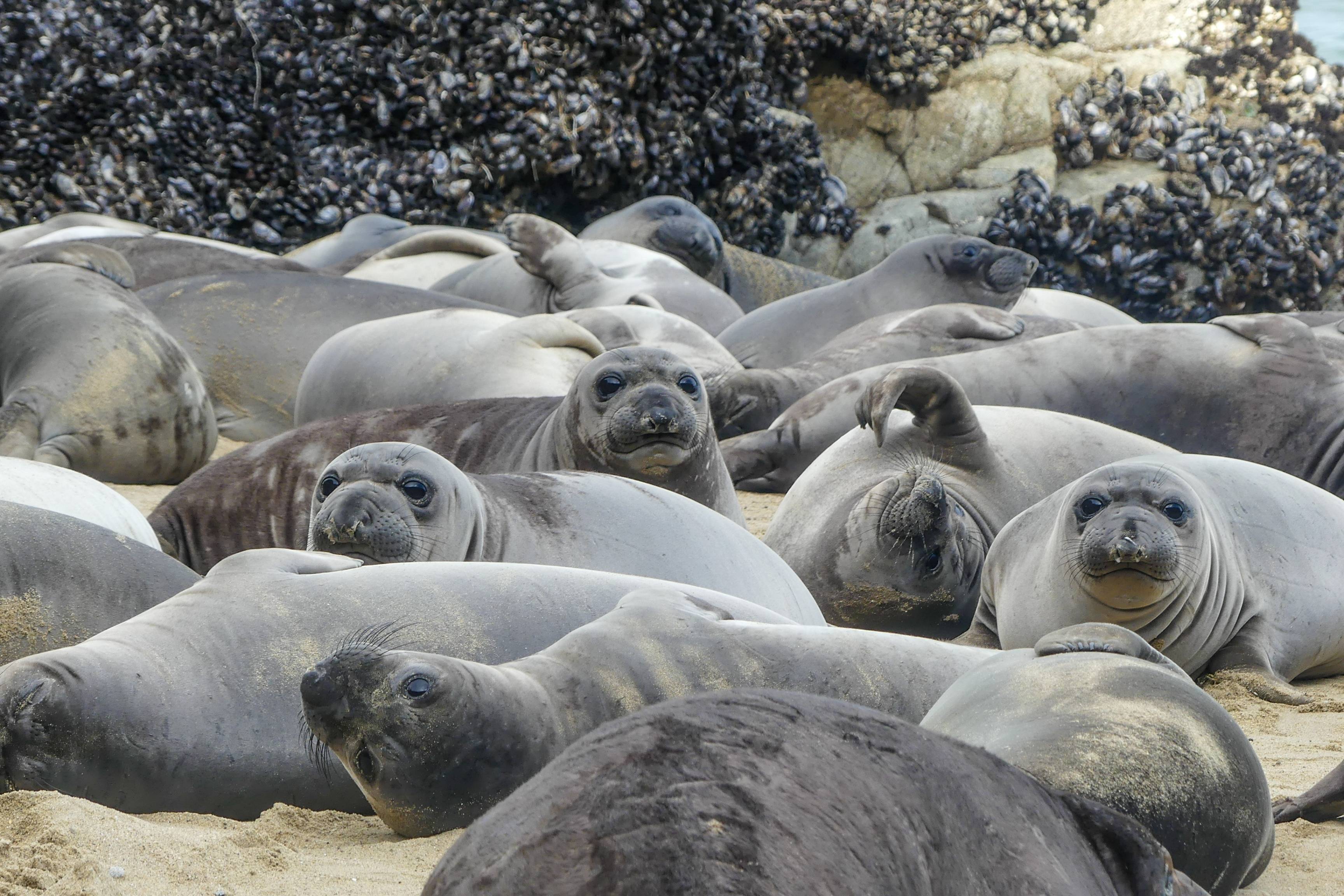
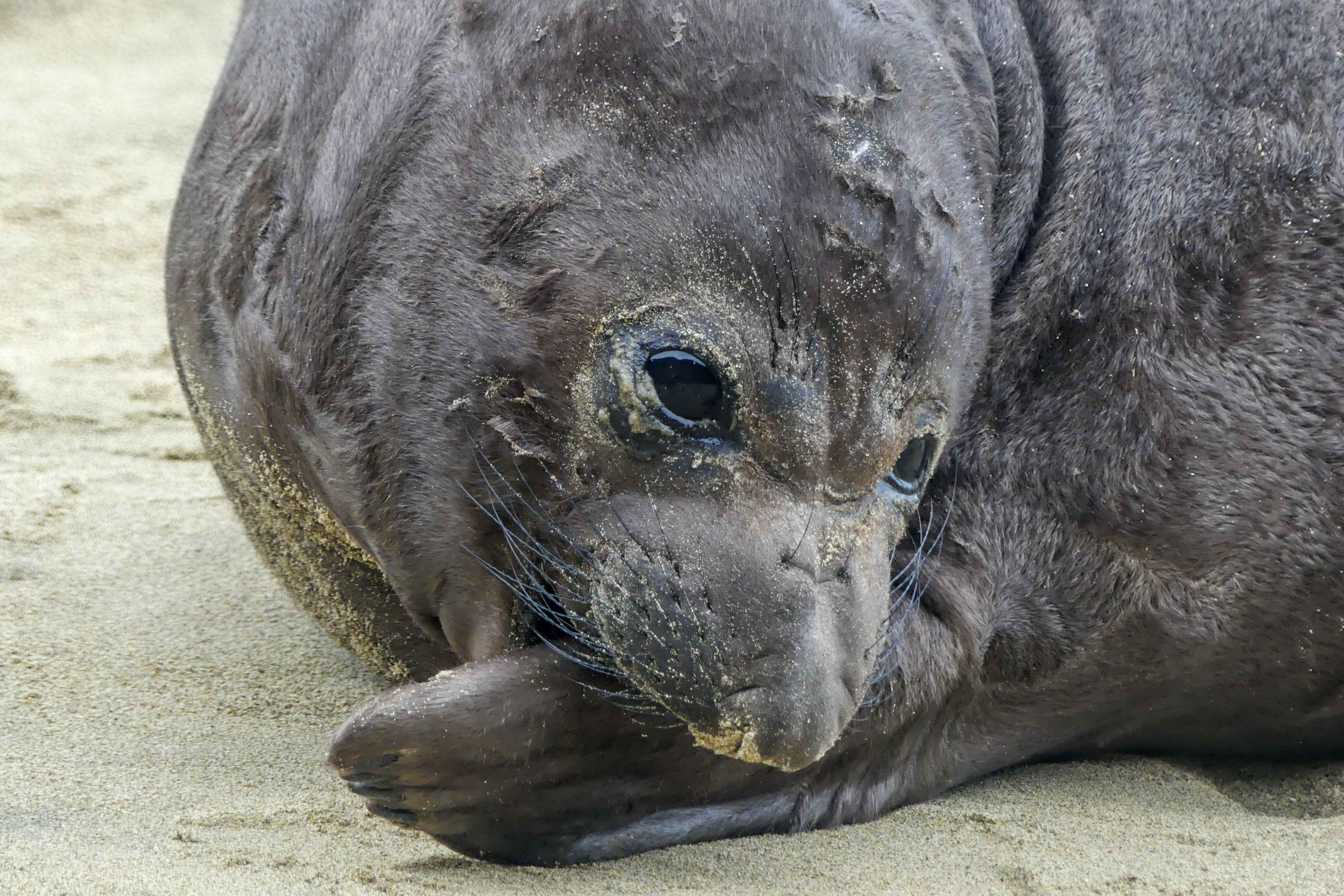
In February, staff at this park in San Mateo County, near Santa Cruz, noticed dead and ill elephant seals. According to a press release from California State Parks, scientists noted that some seals were displaying symptoms including “abnormal respiratory and neurological signs, including weakness and tremors.”
Officials tested sick and deceased seals, and found that they were positive for avian influenza. This was the first time that marine mammals in the state had tested positive for bird flu. Around 1,350 seals were living at the park when the outbreak began. Staff shut down trails to the seal viewing area and cancelled guided tours.
According to a virtual press briefing on March 12, 47 seals have died. They have found carcasses on public beaches slightly north and south of the state park. The deaths have come from weaned pups and large adult males. The mortality rate for pups is four times higher than it was at this time last year.
Since the initial outbreak, it has spread to other marine mammals. A deceased sea otter and a deceased sea lion both tested positive on March 6 and 10, respectively.
Point Reyes National Seashore
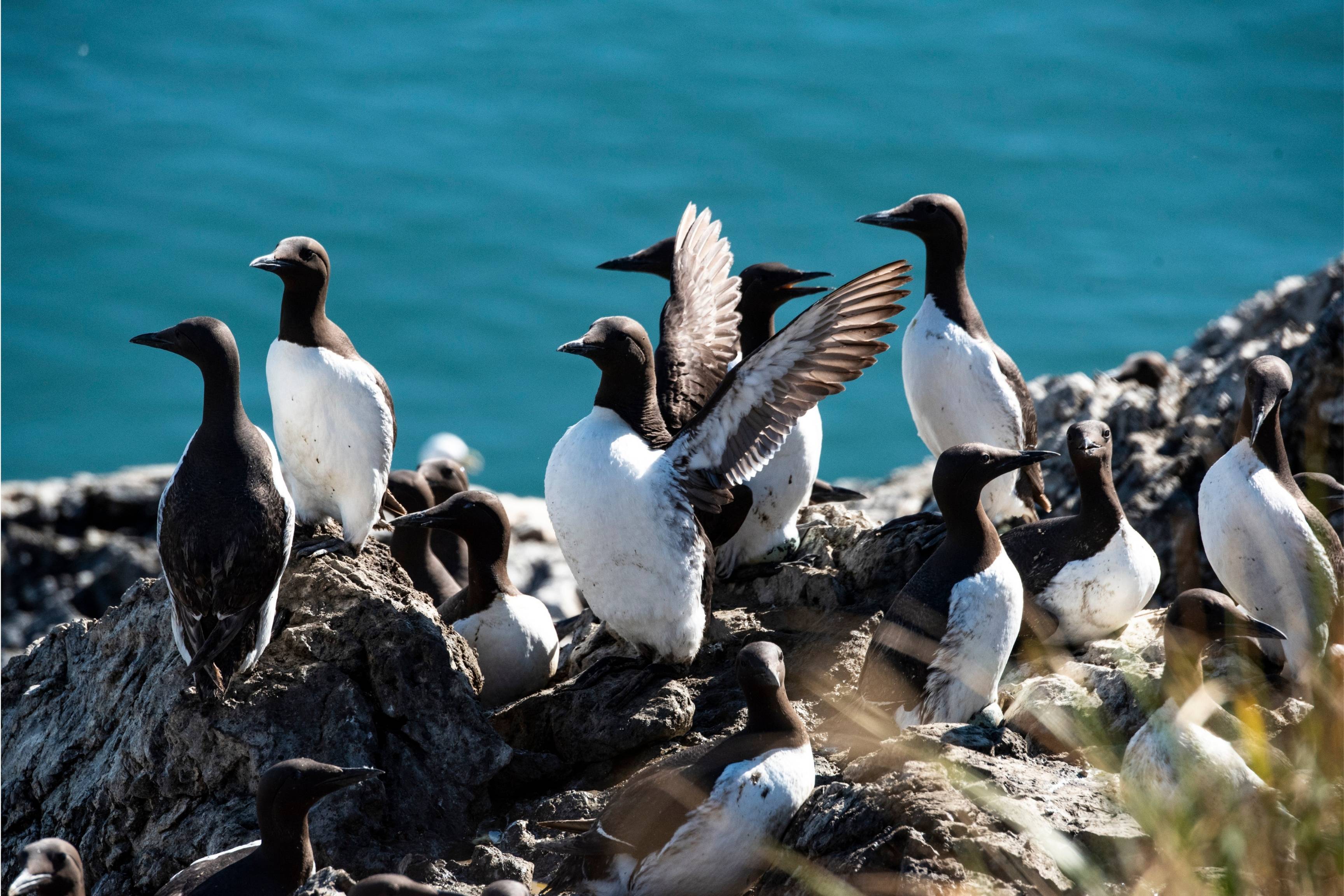
About 115 miles up the coast, another outbreak is taking place. According to a press release, on March 10, scientists found that three dead birds at Point Reyes National Seashore that tested positive for the disease. The birds were common murres, a penguin-like seabird.
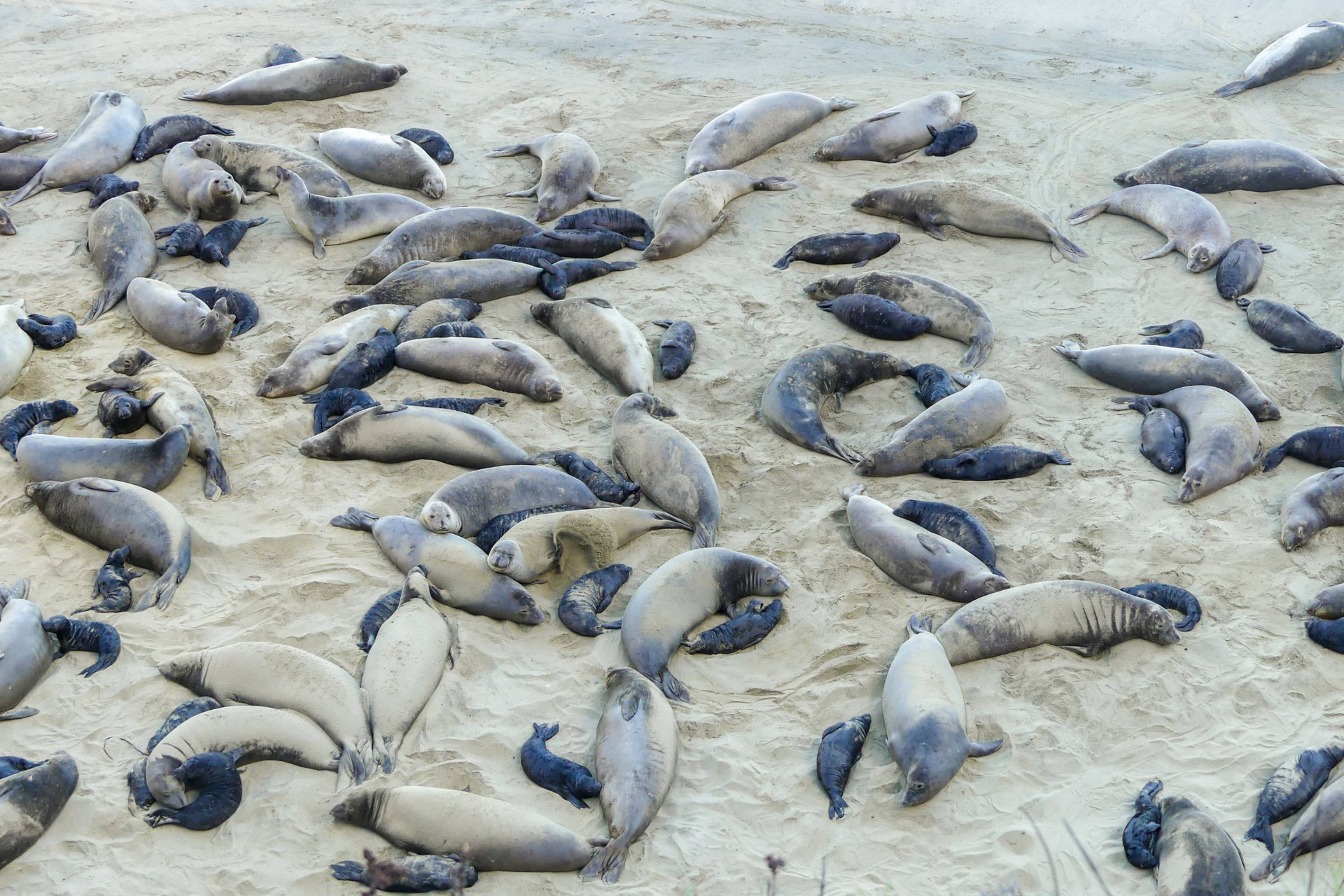
Point Reyes is also home to a large elephant seal colony, and park staff is actively monitoring them for disease. So far, they have found no cases.
Authorities’ Response
Scientists at UC Davis and UC Santa Cruz are closely monitoring and testing the seal colony at Año Nuevo. Patrick Robinson from UC Santa Cruz said that the results from testing have been relatively consistent, with about two new dead animals and two new symptomatic animals per day.
Luckily, the population present at the time of the outbreak was far below its maximum population of 5,000.
“We are cautiously optimistic, as most of the adult females had already departed the beach for their routine migrations before the outbreak began, and most seals on the colony seem healthy,” Roxanne Beltran, a professor in Ecology and Evolutionary Biology at UC Santa Cruz, said in a press release.
It is unclear whether the virus is transmitting from seal to seal or only from birds to seals, a subject scientists are monitoring.
The National Park Service (NPS) at Point Reyes said it is continuing to observe and assess the situation.
Across the board, authorities recommend keeping your distance and refraining from touching any birds or marine mammals or their waste. It’s also important to keep your pets leashed and close by. If you see a sick or dead marine mammal in California, Oregon, or Washington, call the NOAA Fisheries West Coast Region Stranding Hotline at (866) 767-6114.
How Does Bird Flu Spread?
Bird flu, or H5N1, is dangerous, in part, because it is so highly contagious among animals. It can easily spread among birds, and is found in their feces, saliva, and mucus, according to information provided by Harvard Medical School.
There are two types of bird flu: low pathogenic, which may cause no symptoms or only mild ones like lower egg production in domestic poultry; and highly pathogenic, which causes severe symptoms and higher death rates. H5N1 is highly pathogenic.
It is not uncommon for the virus to spread from birds to marine mammals. Seals contracted it from infected birds in Maine in 2022 and in Washington state in 2023. An outbreak in Russia in 2023 killed 3,500 northern fur seals, and the one in Maine killed 330 harbor and gray seals.
Why Does It Matter?
While the risk of infection to the general population is low, bird flu can also spread to humans. In 2024, the U.S. reported 67 cases, according to the Centers for Disease Control. Some scientists suggest that this number may actually be higher, since not every infected person showcases symptoms.
The more human infections that happen, the greater the chance the virus mutates into a more dangerous pathogen.
“The more exposure humans have to bird flu, the more chances the virus has to develop mutations that allow easier spread,” Harvard Medical School explained.
Christine Johnson, Director of the Institute for Pandemic Insights, urged caution and restraint. “This is of concern, of course, because of the multi-species context and because it is H5N1, and that virus is so opportunistic and what it can do as it evolves in each new sort of epidemiologic event in this new ecology that it now has,” she said. “It’s of concern, but it hasn’t spread much so far, and it’s been a very limited outbreak, thank goodness.”