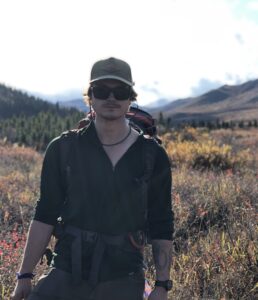
Hikers and runners face many of the same risks when venturing into the wilderness, but according to new research, their levels of preparedness differ vastly. A study published in Wilderness & Environmental Medicine in March 2026 surveyed over 1,000 trailgoers. It assessed their experience, gear, and preparation levels to compare how these groups approach outdoor recreation.
The results were surprising in more ways than one.
“The vast majority of these groups thought they were adequately prepared,” John Lambert, the study’s lead author, told GearJunkie. “But both groups vastly overestimated their level of preparedness.”

As participation rates in both hiking and trail running continue to rise, this issue is becoming increasingly important to address. Pressure is mounting on search-and-rescue (SAR) crews who are responsible for saving lives when someone gets into trouble. Highlighting easy ways to help people improve their recreational outdoor preparedness can go a long way toward reducing the risks they expose themselves to. At least, that’s what Lambert said he hopes this information will help to accomplish.
Who Is More Prepared? Hikers vs. Trail Runners

Lambert began this research after speaking with rangers at Rocky Mountain National Park (RMNP) about the information gaps they faced. Data specifically on trail runners and trail running was a big one, they said.
So Lambert decided to compare preparedness between trail runners and hikers. He developed a cross-sectional survey, identified four areas of RMNP where he would work, and asked groups and individuals coming off the trails to participate. He spent 2 to 4 days a week throughout the summer of 2024 polling 1,714 hikers and runners. It was a massive undertaking for one person, but for Lambert, filling this knowledge gap made the effort worth it.
“This is the first study of its kind examining wilderness preparedness in recreational trail runners,” he said.
Differences in Wilderness Preparedness
The study defines “Wilderness Preparedness” as having adequate hydration for the hike or run, having the “10 Essentials of Hiking” with you, being able to orient yourself (with either a physical or digital map or compass), and having the ability to signal for help and/or having some kind of first-aid kit.
Among other questions, how experienced they were in the outdoors, how many days a year they spend on the trail, whether they’d ever had a wilderness injury, and whether they had a first-aid kit.

According to the results, hikers generally spend fewer days in the wilderness per year than trail runners do, though they’re more likely to spend consecutive days on the trail. Trail runners also reported higher rates of wilderness injuries and close calls (narrowly avoiding an injury). Trail runners were, by and large, younger and traveling in smaller groups than hikers, often alone.
“One of the big takeaways for me was that more than a quarter of trail runners reported going significantly off-trail during their run,” Lambert said. A lot of that is cutting switchbacks or taking shortcuts. But some of it was venturing way off designated trails just to explore RMNP’s alpine.
If you fall, twist an ankle, or otherwise get injured away from the trail, Lambert points out, good Samaritans and helpful bystanders are far less likely to find you. Hopefully, in that case, you’d at least be prepared with the right gear.
What People Were Carrying
The 10 Essentials of Hiking Gear vary from source to source. However, it’s generally considered a baseline gear checklist for wilderness preparedness. Lambert used this list (and added a few extra items) for his survey of hiker and trail runner gear.
Despite the vast majority of hikers (87.7%) and trail runners (88.2%) considering themselves “adequately prepared,” by Lambert’s definitions, very few actually were. Just 15.7% of hikers and 25% of trail runners met the qualifications. Lambert said that extra layers were one of the most common items that both groups carried.
The results below compare the two groups and everything they reported carrying.


More hikers were prepared with first-aid kits, Lambert pointed out, while trail runners were more likely to have GPS communication or SOS devices. Hikers were also more likely to have navigation tools and survival equipment (firestarters, emergency shelters, etc.), while trail runners were generally better equipped to handle changing weather conditions.
In both groups, almost all respondents reported having cellphones.
Takeaways
Lambert admits this study isn’t comprehensive or perfect. It’s limited in that he only looked at RMNP, and the sample sizes for hikers and runners were vastly different. His data includes responses from 712 day hiking groups and just 89 trail running groups.
Tell Someone Where You’re Going
Still, he said there was a lot to learn from what he discovered. Most of it revolves around easy ways to improve safety and reduce risk.
“About a quarter of hikers hadn’t told anybody where they’re going or when to expect them back. For runners, it was about 16% hadn’t told anybody,” he said. “That’s something that doesn’t cost anything, and you don’t have to carry anything, but it makes a massive difference if search and rescue is needed.”
He also noted that over half of the survey respondents didn’t have a map with them, not even one downloaded on their phones. Sure, a lot of people were probably locals who knew the trails well, he said. But having no map at all seems like a needless risk (especially when almost everyone had a phone).
“It’s really easy to improve your safety if something goes wrong,” Lambert said.
That was the one thing he wanted people to take away from his research. You can often improve your preparedness for no cost or cheaply by adding simple survival tools to your pack or running vest — because how much is an emergency mirror or SOS whistle really going to weigh you down in the long run?
If you’re interested in learning more about the differences in preparedness between runners and hikers, or in digging deeper into the findings highlighted here, you can find the full paper, titled, “Know Before You Go! A Field Survey of the Preparedness of Wilderness Day Hikers and Trail Runners in Rocky Mountain National Park,” here.