Most down jackets become liabilities once steady rain or wet snow enters the forecast. The Mountain Hardwear Storm Whisperer ($600) takes a different approach, pairing high-loft down with a waterproof, seam-sealed shell. It effectively combines the warmth of a puffy with the protection of a hardshell in one streamlined layer.
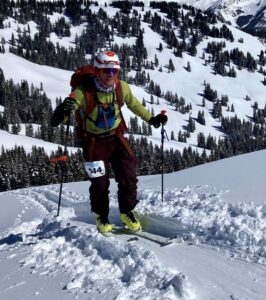
I tested the Storm Whisperer for 6 months on more than 20 outings in the Tetons. I wore it for backcountry and Nordic skiing, riding lifts, snowshoeing, walking the dog, and running errands. Through heavy snow, wind-driven rain, and cold winter storms, the down stayed dry and lofty.
In short: The Mountain Hardwear Storm Whisperer combines dependable down warmth with impressive protection in wet winter weather. It breathes well, includes useful features like pit zips and interior pockets, and it has held up through 6 months of regular use. It’s expensive and not as protective as GORE-TEX during prolonged, multiday rain.
Compare the Mountain Hardwear Storm Whisperer to others tested in our guide to the best down jackets and the best down jackets for women.

Specifications
Pros & Cons
Pros
- Fully waterproof down insulation
- Excellent breathability for a waterproof jacket
- Durable construction
- Functional features including pit zips and interior pockets
Cons
- Expensive
- Not as bombproof as GORE-TEX in prolonged multiday rain
Mountain Hardwear Storm Whisperer Review

Waterproof Protection in Heavy Snow and Rain
The Storm Whisperer’s weather protection separates it from a conventional puffy. Its seam-sealed shell sheds heavy snow and sustained precipitation without requiring an additional layer.
During one particularly wet day of lift-served skiing in the Tetons, wind-driven rain continued long enough that I expected moisture to work its way through. It never reached the insulation. The down retained its loft, and I stayed warm without the heavy, flattened feeling that can develop when a standard down jacket gets soaked.
The Storm Whisperer isn’t quite as burly as a traditional GORE-TEX hardshell, but it also avoids much of the stiffness and crinkly feel. That makes it more comfortable to leave on as conditions shift throughout the day.
A separate puffy and shell still provides more flexibility when temperatures rise or the storm clears. The Storm Whisperer favors simplicity, allowing me to manage fewer layers when cold precipitation remains in the forecast.

Breathability From the Skin Track to the Descent
Waterproof insulated jackets can become hot and clammy once the pace picks up. The Storm Whisperer manages heat better than I expected, especially given how protective the shell feels.
I wore it while skinning uphill, skiing downhill, and transitioning between them. It performed well when temperatures were chilly and conditions stayed stormy, providing enough warmth on slower stretches without immediately becoming stifling on climbs.
The breathable shell lets some excess heat escape, while the pit zips offer a faster way to dump warmth when effort increases. I opened them while moving uphill, then closed them when the wind picked up or my pace slowed.
The jacket still holds more heat than an uninsulated shell. On warm, sunny days, it was simply more insulation than I needed. In cold, unsettled weather, though, it handled both movement and downtime surprisingly well.

Functional Fit and Durable Construction
The Storm Whisperer fits true to size. My usual size left enough room for a midlayer without feeling bulky, boxy, or awkward.
Its waterproof shell gives it more structure than a typical puffy, but the jacket still moves well while skiing, skinning, and snowshoeing. The fit favors weather protection and layering room over sleek minimalism.
Adjustable cuffs seal over gloves and help keep snow and rain from working into the sleeves. Interior drop pockets provide useful storage for gloves, skins, and other items that need to stay warm and accessible.
After 6 months and more than 20 outings, I haven’t noticed meaningful wear in the shell, seams, zippers, or insulation. The fabric has handled regular contact with pack straps, chairlifts, and the routine abrasion of winter use without showing notable damage.

Less Packable Than a Traditional Puffy
The Storm Whisperer is less supple and compressible than a traditional down jacket, such as the Rab Microlight Windstopper. The difference is noticeable when stuffing it into a pack or wearing it beneath another layer.
Its waterproof shell takes up more room than the lightweight fabric found on most puffies. For trips where minimal weight and packed volume matter more than sustained storm protection, I’d choose a lighter down jacket and carry a separate shell.
When the forecast already calls for snow, rain, or mixed precipitation, that tradeoff feels reasonable. The Storm Whisperer can stay on through changing conditions instead of repeatedly moving in and out of a pack.
Room for Improvement
The Storm Whisperer isn’t as bombproof as a traditional GORE-TEX hardshell during prolonged, multiday rain. Its face fabric can eventually become saturated, causing the jacket to grow heavier and breathe less effectively, even if moisture hasn’t reached the down.
The $600 price is the larger obstacle. The jacket can replace both an insulated layer and a shell in certain conditions, but it still requires a substantial investment. Anyone who already owns dependable versions of both may have trouble justifying the cost.

Mountain Hardwear Storm Whisperer: Who Is It For?
The Storm Whisperer is best for skiers, backpackers, climbers, and other mountain travelers who regularly encounter cold precipitation and want to simplify their layering system. It works especially well during heavy snow, wet winter storms, and chilly days that involve a mix of climbing, descending, and standing around.
It makes less sense for warm weather, dry climates, or trips where packability matters more than all-in-one protection. When temperatures stay cold and the weather turns ugly, though, the Storm Whisperer delivers reliable warmth and protection without requiring two separate jackets.