A very specific dampness rolls through the North Cascades right around 5 a.m. The calendar might have said mid-July, but as I lay in my tent tucked beneath Sahale Peak this past summer, the condensation dripping from my rainfly told a different story. I reached a hand out just long enough to fire up my camp stove in the vestibule, immediately retreating into the plush cocoon of the REI Co-op Radiant 20 Sleeping Bag ($210) while I waited for the water to boil.
When you test outdoor gear, you spend a lot of time wrapped in ultra-premium, 900-fill goose down bags that cost more than a month’s car payment. They are undeniably lovely. But they aren’t always realistic for the average camper’s budget.
That’s why I was so eager to spend this summer putting the Radiant through the wringer. It promises legit three-season warmth and down insulation at a price point that won’t make you hyperventilate at checkout.
In short: Over 3 months of scrambling around Washington’s high alpine, navigating soaking rains, and dealing with plummeting nighttime temps, this bag proved it’s got serious chops, even if it isn’t the lightest or warmest.
Looking for a new sleeping bag? Check out GearJunkie’s Best Backpacking Sleeping Bags Buyer’s Guide for more of our favorites.
-

-
(Photo/Nick Belcaster)
-
(Photo/Erika Courtney)
-
(Photo/Nick Belcaster)
-
(Photo/Nick Belcaster)
-
(Photo/Nick Belcaster)
-
(Photo/Nick Belcaster)
-
(Photo/Nick Belcaster)
-
(Photo/Nick Belcaster)

Specifications
Pros & Cons
Pros
- Price for down
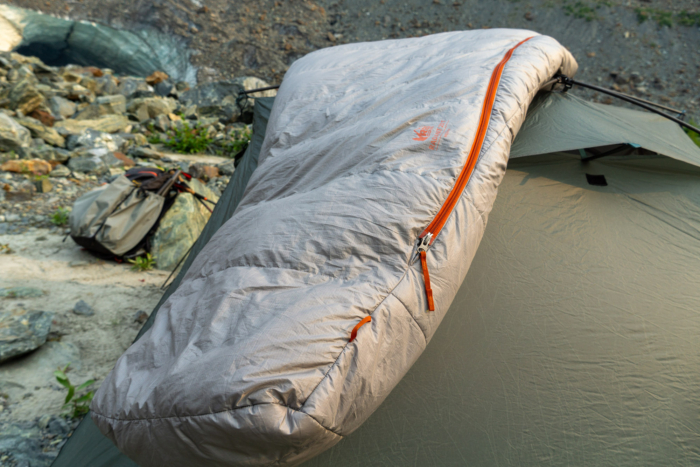
- Snag-free zippers
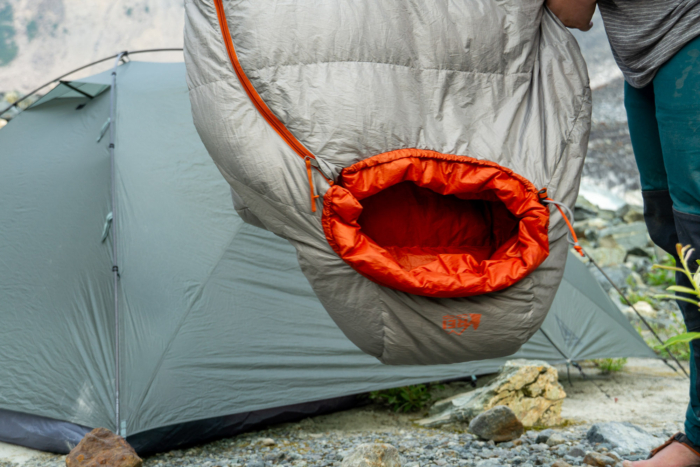
- Added synthetic fill in footbox protects against tent dampness
- Offered in nine different sizes
Cons
- Heavier for the temperature rating due to durable build
- Not as packable as some higher-fill down bags
REI Co-op Radiant 20 Sleeping Bag: Review

Field Testing
I dragged the Radiant 20 everywhere from early-season, soggy car camping to multi-night backpacking trips deep in the Cascades. Let me tell you right out of the gate: Washington weather is downright disrespectful to sleeping bags. The high humidity means if your bag can’t handle a little moisture, you’re going to be sleeping in a clump of wet feathers by night two.
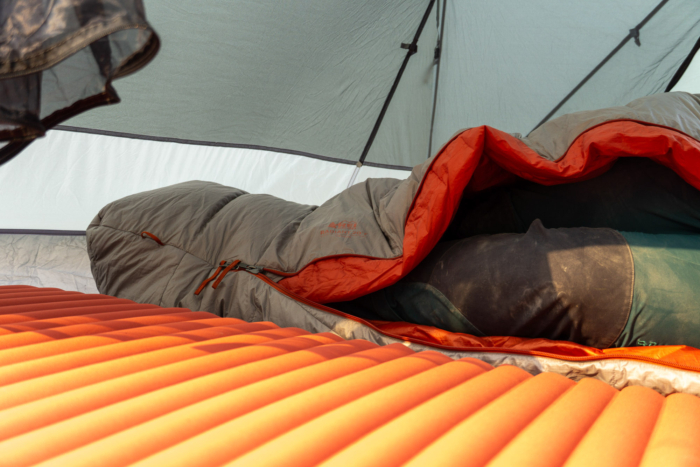
Thankfully, REI treated the 600-fill power down in this bag with a water-repellent finish. During a particularly nasty squall near Mount Baker, my feet ended up pressing against my tent for hours. I woke up expecting a soaked footbox and freezing toes, but the durable water repellent (DWR) coated shell had shed the worst of the condensation, and the small amount of synthetic insulation tucked in the footbox didn’t wick any inside the bag.
As a side-sleeper who tosses and turns, I found the mummy cut to be surprisingly forgiving. It’s not quite as expansive as the spoon-shaped NEMO Disco (a gold standard for starfish sleepers), but I never felt completely constricted, either. I could draw my knees up slightly without blowing out the baffles or compressing the insulation too much.

Warmth to Weight
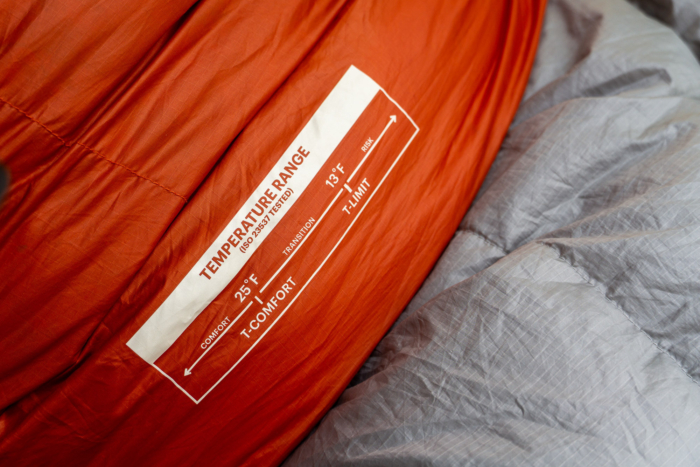
Let’s talk numbers. The Radiant 20 is rated for, shocker, 20 degrees Fahrenheit. But as any seasoned backpacker knows, the lower limit rating is the temperature at which a warm sleeper survives, not thrives. The comfort rating sits closer to 30 degrees, in my opinion.
On nights when it dipped into the upper 30s, I was toasty wearing just a standard base layer. When it dropped closer to 28 degrees, I had to toss on a fleece and a beanie to keep the shivers at bay. It performs exactly as a 20-degree budget bag should, directly mirroring the warmth profile of its biggest rival, the Kelty Cosmic Down 20.
Where the Radiant 20 makes its compromise is in the weight and packability department. Weighing in at roughly 2 pounds, 12 ounces (for the regular size), it is no ultralight darling. Because it utilizes 600-fill down rather than the loftier, lighter 800- or 900-fill found in something like the REI Magma 15 or the Therm-a-Rest Parsec, it requires more feathers to achieve the same warmth. That means it’s heavier on your back and takes up a larger chunk of your backpack’s real estate.

Camp-Savvy Features
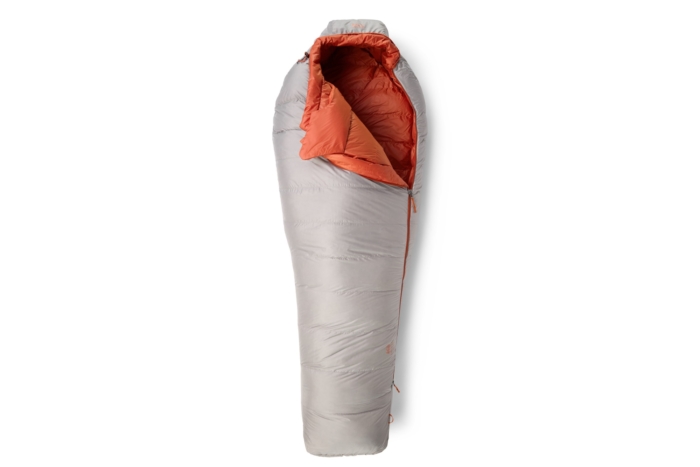
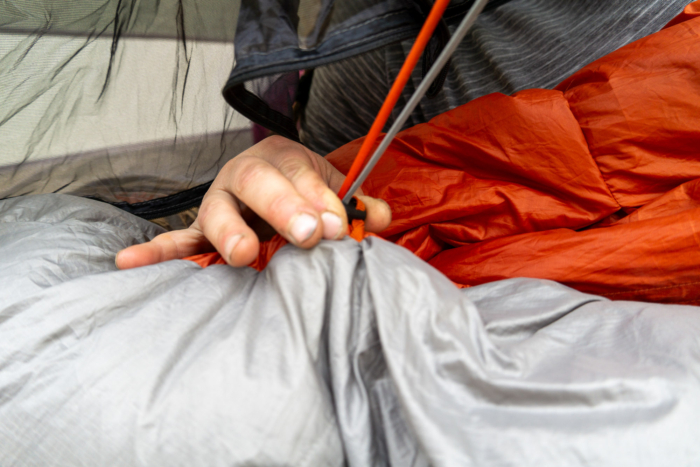
REI didn’t skimp on the creature comforts, proving that a mid-tier price tag doesn’t mean you have to sleep like a thru-hiker. The contoured hood is a big highlight. It pulls snugly around the face with a single, easy-to-find drawcord that doesn’t leave a hard plastic toggle digging into your cheek while you sleep.
The insulated draft collar is another huge win. When you cinch it down, it effectively traps all that precious heat radiating off your body, preventing it from escaping every time you shift positions. It’s a feature frequently left off budget bags to save weight, and I was thrilled to see it here.
There’s also a surprisingly roomy zippered stash pocket located right at the collar. It is perfectly sized for keeping your smartphone warm (so the cold doesn’t kill your battery overnight) or stashing a headlamp for middle-of-the-night bathroom excursions.

Long-Haul Durability
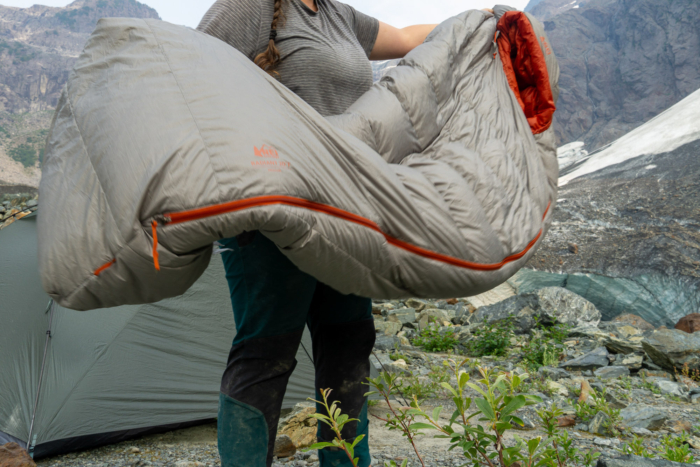
I am not gentle on my gear. I aggressively stuff bags into tight packs, let my dog trample across my sleep system, and routinely eat crumbly snacks in bed. The Radiant 20’s ripstop nylon shell has taken all of this abuse without flinching. The fabric feels noticeably more robust than the whisper-thin 10-denier fabrics used on ultralight bags, giving you serious peace of mind when you’re sleeping in a rustic shelter or cowboy camping.
After months of heavy use and one careful trip through a front-loading washing machine with some Nikwax Down Wash, the bag still looks fresh out of the box. Down leakage has been practically nonexistent, and I’ve maybe spotted three stray feathers the entire summer, which is exceptional for a bag in this class.
What Could Be Better?
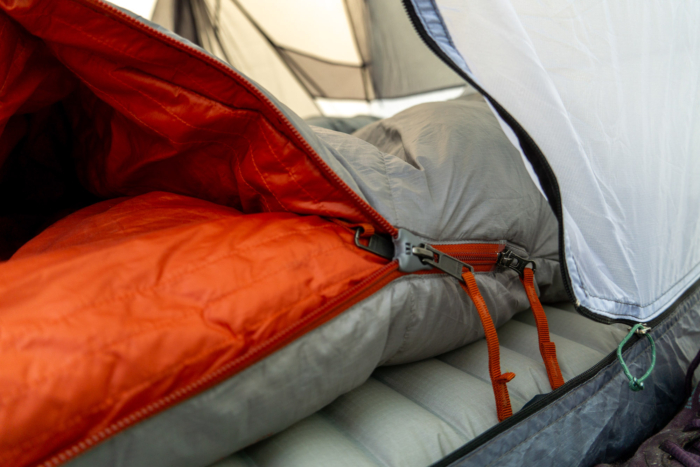
No gear is perfect, and the Radiant 20 has a couple of quirks. First, the main zipper. While it has an anti-snag guard that mostly works, I still found myself wrestling with fabric jams during frantic, half-awake midnight exits. It requires a slow, deliberate pull, which isn’t always what you want when nature calls at 2 a.m.
Second, the bulk. If you are aiming for fast-and-light weekend mileage, the packed size of this bag is going to frustrate you a bit. It dominates the lower compartment of a 50L pack, forcing you to be strategic with the rest of your kit. If packability is your primary concern, you’ll either need to step up your budget for a higher-fill down bag or switch to a high-end quilt.

REI Co-op Radiant 20 Sleeping Bag: Conclusion
The REI Co-op Radiant 20 hits the sweet spot. It doesn’t break new ground in outdoor technology, nor does it weigh as little as some quilts or bags. What it does do is offer incredibly reliable, damp-resistant warmth, a durable build, and thoughtful features at a price that leaves you enough cash to actually buy the gas to get to the trailhead.
If you are a hardcore gram-counter, keep walking. But if you’re a weekend warrior, a summer road-tripper, or a budding backpacker looking for a trustworthy sleep system, the Radiant 20 is an absolute steal. It kept me warm, dry, and happy through the unpredictable mood swings of the Cascade Mountains. Frankly, you can’t ask for much more than that.