Oregon is home to over 250 state parks spanning 113,000 acres. With so many worthwhile destinations, it can be hard to pick and choose. Luckily, GearJunkie gathered on-the-ground intel to help you make the most of your time in the Pacific Northwest.
In June, I backpacked 100 miles through Oregon as part of the Oregon Coast Trail (OCT), a 400-mile thru-hike through the state. On my journey, I walked through and camped in many gorgeous state parks. I also sourced info from members of the GearJunkie team who live in the Pacific Northwest to create this list of the Oregon State Parks that have got to be on your to-do list, along with info on camping, reservations, and fees.
Ecola State Park

Oregon has both amazing coastline and forests, and Ecola State Park showcases the best of both, with trails through massive groves of Sitka spruce and high grassy bluffs. It spans 9 miles of coastline and is prime territory for surfing, wildlife viewing, and tide pooling.
Things to note: The road that leads up to the park is quite narrow and twisty, making it unsuitable for RVs or those towing trailers.
Must-do activity: Hike the 2.5-mile Clatsop Loop trail to follow in the path of Lewis & Clark and access stunning vistas of the ocean below.
Trails: There are over 12 miles of interconnected trails here, including 8 miles of the OCT. Another great option is the 2.1-mile trail from Indian Point to Ecola Point.
Camping: There is no camping in the park. The nearest state park with camping is Fort Stevens State Park, 23 miles away.
William M. Tugman State Park

Oregon’s beaches can get crowded during the summer, so if you need an escape, head to this lesser-known state park. It lies next to the 355-acre Eel Lake. This body of water has small, narrow arms that radiate out from the main lake, allowing you to explore small inlets and hidden coves.
Things to note: With largemouth bass, crappie, rainbow trout, steelhead, and coho salmon, the lake is an angler’s paradise. You can fish from boats or from the designated fishing dock.
Must-do activity: Whatever is your preferred method, get out on the water. The park is a popular spot for boating, swimming, canoeing, and SUPs.
Trails: On the south end of the lake, there is the 6.4-mile Eel Lake Trail that passes along the shoreline and through old-growth forest.
Camping: The park has 93 electrical sites and 16 yurts, half of which are pet-friendly ($32-90/night). Reservations are required for stays in yurts.
Beverly Beach State Park

For some people, an ideal vacation is a week spent chilling by the beach. If that’s you, be sure to put Beverly Beach State Park on your itinerary. The campground is just steps away from the beach, which is free from development. Thanks to Oregon’s 1967 Beach Bill, the public has access to all 362 miles of the state’s coastline.
Things to note: Each campsite allows one vehicle free of charge and one additional vehicle for an extra $10 per night. No more than two cars are allowed per site.
Must-do activity: Make the park your home base to access six nearby whale-watching sites. From late December to mid-March, trained volunteers will help you spot gray whales as they migrate past the coast.
Trails: There is a 1.7-mile loop through the forest near the park, as well as miles of beach for easy walking.
Camping: Beverly Beach has one of the biggest campgrounds in the state, with 53 full hook-up sites, 76 electrical sites, 128 tent sites, and 13 yurts ($25-91/night). Sites book up fast, so be sure to reserve in advance. There is a first-come, first-served hiker–biker camp for those traveling by foot or bicycle ($7-15/night).
Humbug Mountain State Park

Oregon can’t compete with California’s Sierra Nevadas, but Humbug Mountain State Park shows that it’s no slouch. At nearly 1,800 feet, the mountain is one of the highest headlands in the state and contains lush forests with impressive views of the Pacific Ocean.
Things to note: Certain sections of the beach ban dogs in order to protect western snowy plover nesting sites.
Must-do activity: Hike the 5.5-mile hike to the summit of Humbug Mountain for some of the best vistas in the state.
Trails: The Oregon Coast Trail passes through the park, and staying in the park is a great opportunity to do a small portion. Try the 6.1-mile section from Battle Rock Wayside Park to Humbug Mountain, which passes alongside the Redfish Rocks Marine Preserve.
Camping: The park is home to 39 electrical sites and 56 tent sites ($25-32/night). Reservations open online 6 months in advance. There is also a hiker–biker camp.
Hat Rock State Park

Most people associate Oregon with lush forests, but the state also has desert topography that is equally beautiful. Located in the eastern part of the state, Hat Rock State Park is on the shore of Lake Wallula, an oasis in an otherwise stark desert. The lake means the park is home to a variety of waterfowl, making it a prime bird-watching spot.
Things to note: Dogs are allowed, provided they are on a leash no longer than 6 feet at all times.
Must-do activity: Hike the 0.9-mile Hat Rock Trail to the base of the namesake rock to learn about the area’s unique geology.
Trails: A short spur trail from the park connects to the 10-mile Umatilla County Lewis and Clark Commemorative Trail and Lake Wallula overlook.
Camping: There is no camping in the park.
Smith Rock State Park

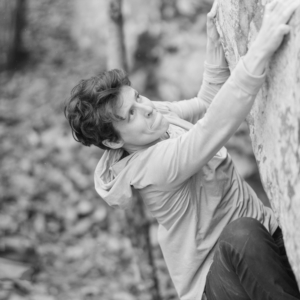
If you’re a climber, you simply have to go to Smith Rock State Park at some point in your life. It’s the birthplace of modern sport climbing after all. In the 1980s, some bold climbers, led by Alan Watts, started placing bolts in the wall to climb routes that couldn’t be protected with trad gear. Climbers from all around the world come here to test their technical mettle on over 2,000 routes. If you’re not a climber, there are plenty of worthwhile hikes here as well.
Things to note: Some climbing areas are closed or have limited access from January to August to protect golden eagle and falcon nesting areas.
Must-do activity: Grab your shoes, harness, and ropes, and get up on the wall. If you’re not a climber, check out a local guiding service.
Trails: The park is home to over 12 miles of hiking trails that wind through the park’s massive canyons. If you’re looking for a challenge, try the strenuous Misery Ridge Trail (3.8-mile loop). For a more relaxed option, check out the 4.2-mile River Trail.
Camping: Sleeping in vehicles or RVs is not permitted at the park. Only tent camping is allowed. It is not reservable, and costs $12 per night.
Valley of the Rogue State Park

The mighty Rogue River is one of the state’s most iconic waterways, and this park is a great home base to explore it from. It shares 3 miles of shoreline with the river and has plenty of campsites. It’s also close to Crater Lake National Park and Oregon Caves National Monument. There’s an easy 1.25-mile guided walk along the river that is perfect for an early morning or twilight stroll.
Things to note: There are ample opportunities for fishing here, including trout and salmon. Be sure to obtain a proper license and follow all regulations.
Must-do activity: The river has rapids ranging from Class II to Class IV. Book a single- or multiday trip with a local outfitter for an adrenaline rush.
Trails: Walk or bike part of (or the entire) 7.1-mile Rogue River Greenway Trail, a paved, multi-use path that stretches from the park to the town of Rogue River.
Camping: The park is home to 92 full-hookup sites, 58 electrical sites with water, and 13 yurts ($38-74/night). Reservations can be made online up to 6 months in advance.
Fees
Those arriving at parks by car must pay a day-use fee, which costs $10 per day for Oregon residents and $12 for non-residents. If you plan on visiting multiple parks, an annual pass is a better value. It costs $60 for residents and $75 for non-residents, and can be purchased online. Hikers accessing state parks on foot do not need to pay the day-use fee.
Campsites cost 25% more for out-of-state visitors. In addition to the nightly fee for reservations, there is also a $10 transaction fee.