Since its founding in 2006, YETI has been synonymous with one thing: coolers built to handle outdoor adventures. Over time, it’s branched out to drinkware, packs, and even dog gear.
This week, it launched into another new sector that represents a major expansion: apparel. YETI now makes down jackets, rain shells, fleeces, and base layers, many of them with high-quality materials — and a high price tag to go with them. Let’s take a closer look.
YETI Apparel: The Products
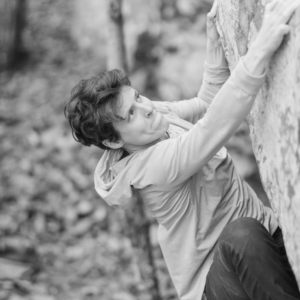
The brand’s new line-up of apparel focuses on jackets and versatile layers for fall and winter. The warmest piece is the Tensleep Hooded Hybrid Down Jacket ($400). It’s made with quick-dry down and Lavalan wool for insulation that’s meant to be warm, packable, and odor-resistant. The exterior is water-resistant, and the jacket also has an adjustable hood and hem.
In wet conditions, you can layer the Tilloo Rain Jacket ($350) on top. The jacket “combines a waterproof microporous membrane, fully taped seams, a YKK AquaGuard Zipper, and a PFAS-free DWR finish to keep rain out while allowing excess heat and moisture escape,” the brand said online. It has a 40,000 mm waterproof rating.

Base layers and fleeces are must-have pieces for many outdoors activities. YETI aimed to design “dependable” versions of these popular items. The options include:
- Hueco Merino 310 Full-Zip ($280): A durable, heavy-weight jacket. It can go underneath a shell or be used as a standalone jacket in shoulder season.
- Caprock Merino 250 Quarter-Zip ($200): A soft, mid-weight layer that you can wear year-round.
- Sansaba Fleece 260 Full-Zip: ($180): A breathable, quick-dry layer for high-output activities.

YETI says that the wool in these products is Nuyarn merino, which “delivers more stretch and shape retention than traditional merino to give you a full range of motion and a lasting fit over time.” The Sansaba Fleece is made with recycled PrimaLoft Bio Fleece that the brand calls “exceptionally soft.”
When it comes to sizing, the items are available in S to XXL for men and XS to XL for women. The colors for each item are limited to basic, neutral hues like black, white, forest green, and dark blue.
Part of the Brand’s Evolution
For nerds like us GearJunkies who follow the outdoor industry closely, YETI’s jump into apparel doesn’t come as a surprise. The brand has sought to expand its reach for years. It’s grown from coolers to produce a variety of outdoor-focused kitchen items, including pans, bowls, and French presses.
In 2024, it bought backpacking brand Mystery Ranch, and then began producing YETI-branded packs. In 2025, it teamed up with popular apparel brand Howler Brothers to release a capsule collection of water bottles and merch.
GearJunkie reached out to YETI for additional information about the apparel, but didn’t hear back as of this writing.
How Does YETI Stack Up?
The world of jackets and fleeces is a crowded market, and YETI will face some stiff competition, especially at that high of a price point. Patagonia’s Down Sweater Hoody is our favorite down jacket; our reviewer gave it 9.3/10, an unusually high score. This fan favorite jacket is $55 cheaper than YETI’s Ten Sleep puffer, and comes from a brand synonymous with quality and durability.
The $350 price tag of the rain jacket may be the hardest pill to swallow. Our pick for best rain jacket — the Patagonia Torentshell 3L — is $140 cheaper than the YETI model. Even more premium, technical jackets like Outdoor Research’s Foray 3L ($260) are less expensive.
Fleece jackets are a dime a dozen; every outdoor brand makes multiple versions, and it’s unclear what makes YETI’s stand out. Other brands use more technical fabrics. The North Face’s Future Fleece, for example, employs octagonal-shaped yarn to improve the jacket’s warmth-to-weigh ratio. There are also small details that might turn off a potential customer; none of the three mid-layers, for example, have a hood.
Perhaps the biggest obstacle to YETI winning over converts to its apparel may be the lack of information available about the products. Nowhere on the product descriptions does it list the weight of the jackets (a must-know stat for backpackers). Other brands (like Patagonia) also offer more information about how it sources fabrics and manufactures its products.
So we’ll have to get our hands on these for real-world testing to find out if they live up to expectations — and their high price tags.