
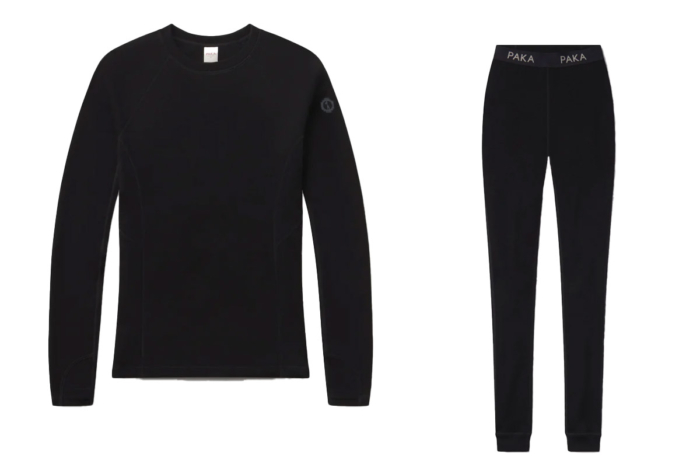
Paka is a sustainable Peruvian outdoor apparel brand that crafts natural clothing using fine Royal Alpaca wool and recycled materials. It’s the kind of company that feels cool to conservation-minded folks. But I wondered how the brand’s surprisingly soft thermal base layers would perform when the stakes are high and the abuse is real.
I put these pieces through the wringer during a week at deer camp during the whitetail rut. That meant hasty pre-dawn hikes and cold, all-day sits layered under hunting pants to see if they could manage moisture, keep me warm, and fight the infamous deer camp funk.
In short: If you think merino is itchy, but still want wool’s odor-resistant, warm-even-when-wet performance, alpaca might just be your new best friend. Paka Thermal Baselayers bring all of the warmth without adding any itch factor.
Shopping for hunting-specific base layers? Check out our buyer’s guide to help find the pair that’s right for you.
Specifications
Pros & Cons
Pros
- Softer and less itchy than 100% merino
- Comfortable flat, overstitched seams
- Slim fit that layers easily
- High warmth-to-weight ratio
- Odor-resistant for multiday hunts
- Available in men’s and women’s sizes
Cons
- Expensive
- Not dryer-friendly
- No reinforced panels or added protection in high-abrasion areas
Paka Thermal Baselayer Review
First Impressions

I’m one of those people with sensitive skin who thinks wool, even merino, feels like wearing a cactus. So I expected the usual itch. But right out of the box, these felt different. The rib knit is soft and smooth, like something I would reach for on a lazy Sunday morning. Pulling them on felt like slipping into comfortable pajamas instead of technical hunting gear.
The rib knit stretches and snaps back clean. Twisting, stretching, and squatting feel natural. The fit leans thin without that stuffed-in-a-sausage squeeze. It’s the kind of profile that slides under hunting pants without bunching or making you feel like the Michelin Man. That alone feels like a small victory.
Before I ever stepped into the woods, I figured these would excel during long, quiet sits where comfort matters more than style points. They felt warm in hand but surprisingly light, which had me wondering how they’d perform once the temperatures dropped and the wind started to bite.
Field Testing During the Whitetail Rut
I ran these base layer pieces through their paces during North Carolina’s whitetail rut. Mornings started with fast pre-dawn hikes that had me pushing hard and breaking a sweat even though the mercury sat in the 20s.
With the wind sometimes playing hardball, those beads of sweat that formed on the trek in became a real gamble, especially since everything slowed down once I was settled in a treestand, where the goal is staying still. My body cooled fast. Blood flow dropped. That early sweat could have wrecked the day if the base layer didn’t manage moisture well.
Some mornings came with a light rain that soaked outer layers and made warmth a moving target. By mid-afternoon, the temperature sometimes swung into the 60s and sometimes low 70s on the hike back to the truck.
Those big swings can turn a lot of base layers into the swampy river bottoms I was hunting, but these Pakas stayed comfy even when damp. The rib knit breathes well enough that I didn’t feel like I needed to peel it off halfway through the walk.
The rut doesn’t leave much time for laundry, so I wore this base layer for a solid week. Sweat happens, and so does camp funk, but these held up better than I expected. By day seven, they still didn’t knock anyone out of the truck cab, and more importantly, they didn’t give a doe any extra reason to blow the hunt.
This setup held its own without feeling heavy or clammy, which is exactly what you want during the rut when you never know how long you’ll be in that stand.
Fit and Comfort

The Thermal Crew fits close enough to stay out of the way but never feels glued on. Thermal pants have a wide waistband that stays put and doesn’t roll or pinch. Everything ran true to size for me. The flatlock seams help the whole system stay comfortable under safety harness straps or when stacked with other layers.
The Tencel component of the fabric blend provides a nice amount of stretch and helps it dry fast when you start cooking on the hike in. It also adds a slight cooling effect. That sounds strange for a cold-weather hunt, but it comes in handy when you’re grinding uphill and doing everything you can to avoid sweating yourself into trouble.
The fabric feels soft at first touch, though it’s not some fantasy silk number. There’s a hint of prickliness in a few spots. I noticed it behind the knees, inside the elbows, and in the armpits, mostly when I moved around. It practically disappeared when I was sitting still. But once I was parked 20 feet up a pine for a 5-hour sit with nothing but squirrels for entertainment, my brain found plenty of time to poke at that tiny itch.
Durability
These base layers held up well over a week of hunting without a wash, which is exactly what you want when the rut doesn’t leave time for laundry. That said, they are not dryer-friendly. You need patience and a flat surface to lay them out and let them dry.
I got careless, mostly because I’m impatient and somewhat irresponsible when it comes to laundry. I like to toss all of my hunting clothes into one load. The trip through the dryer didn’t kill them, but they did stretch out just a bit. It’s not a total deal breaker, and they aren’t destined for the trash can, but it’s disappointing when a high-end base layer starts sagging after a single mistake.
I’m also slightly disappointed with the lack of reinforced panels in high-abrasion areas like the knees, elbows, and between the legs. Sitting in a treestand doesn’t put much stress on those spots. I worry these might not hold up as well on hunts that require crawling over rough terrain or through heavy brush. For stand-hunting, though, they should last plenty long (as long as they avoid the dryer).
Where They Excel

These base layers shine in situations where comfort and warmth matter. Long, motionless sits in a treestand seems to be their jam. The rib knit also stretches and recovers nicely, so they don’t feel restrictive, even during the climb into the stand.
They’re soft against the skin without the pesky itch of traditional wool. While there is the slightest bit of prickliness against soft body parts, it’s still a major win for anyone with sensitive skin. The slim fit is perfect for multi-layers, and they slide under hunting pants without the typical bunching or bulky feel.
Moisture management and breathability were also impressive. Even after a sweaty hike in near-freezing temps, the fabric handled dampness like a champ and kept me cozy even as my body cooled fast in the stand. And they resisted odor for a week straight without a trip through the wash.
In short, if you’re looking for a warm, comfortable base layer that wicks moisture when you’re active and helps regulate body temperature when you’re sitting still for hours in cold weather, these are tough to beat.
Where They Fall Short
These baselayers aren’t perfect. They’re pricey, for starters. They also require a little forethought on wash day. You can’t just move these from the washer to the dryer with your other hunting gear. They need to be dried flat. or you risk losing their shape. I learned the hard way, and while it didn’t ruin the set, I was bummed that they didn’t fit as they did straight out of the package.
Durability in high-abrasion areas, like the knees, elbows, and between the legs, could be a problem on active hunts. Sitting in a treestand doesn’t stress those spots, but if your idea of a good time involves crawling over brush and rocks, these might not be your best option.
In short, they shine for sitting-still comfort but aren’t designed for rugged, high-movement hunts or anyone who prefers ultra-low-maintenance laundry.
Final Thoughts
Paka’s Thermal Baselayer pieces aren’t cheap. But the soft, stretchy material delivers warmth, comfort, and odor control that works on long, cold, motionless sits in a deer stand. You’ll need to remember to treat it right on wash day. These may survive a trip through the dryer, but they won’t fit quite the same. For anyone who’s tired of itchy merino or heavy synthetic layers, alpaca might just be the upgrade your base layer drawer has been itching for.


