The best base layers are unsung heroes of hunting and outdoor adventure. No, they don’t get the headlines as often as shells and puffys. Generally, only your closest companions see them. But the apparel you wear next to your skin has as much impact on your comfort as any other piece of clothing, maybe more.
Over the years, the hunters at GearJunkie have put dozens of base layers through extensive, heavy use. The base layers that float to the top over and over again are included here, and while some are more hunt-specific than others, all will keep you warmer and dryer than any cotton apparel sitting around your house.
Because base layers encompass both bottoms and tops, I’ve included several packages of both in our selection. A few shirts stand out on their own and don’t have a matching leg layer, but are still listed among the products below. You’ll find light, medium, and heavy layers and my favorite styles from a few brands.
If you’re a new hunter, please understand that you don’t need a special base layer to hunt. If you own good long underwear made of synthetic or wool materials, they’ll serve you well for hunting purposes. In most cases, hunting base layers are very similar to their counterparts in the skiing, hiking, or camping markets.
For hunters looking for hunt-specific features, the base layers found here are the cream of the crop. They have hunt-friendly colors, odor protection, and a fit that favors mobility.
Editor’s Note: We updated this guide on December 4, 2025, by adding the Kings Camo Foundation 150 Merino base layers, a budget merino set, and the Badlands Pecora Heavyweight Merino 1/4 Zip.
The Best Base Layers for Hunting of 2026


KUIU ULTRA Merino

Specifications
Pros & Cons
Pros
- Lightweight but durable Nuyarn merino sets high bar for performance
- Maintains warmth when wet
- Dries fast
- Zip-off bottoms removable with boots and pants on
Cons
- Not as fast drying as synthetics
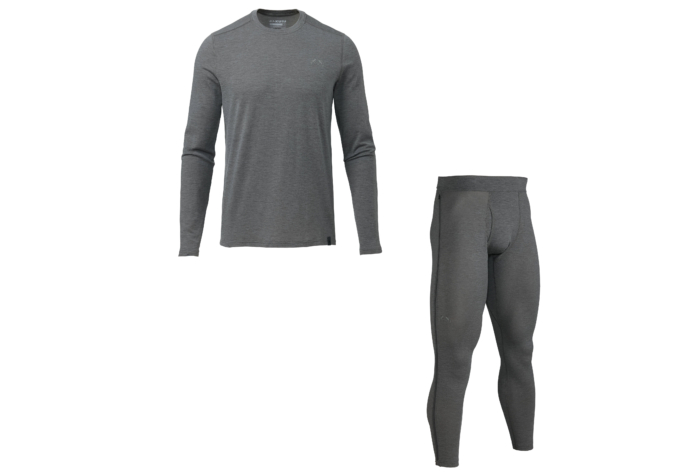
The KUIU ULTRA merino base layers ($89 top, $109 bottom) are my favorite next-to-skin layers for hunting in 2026. Amazingly comfortable, soft, and quick drying, these 70% merino layers are pretty much perfect.
But the bottoms stand out from the crowd with a fabulously effective zip-off system that allows you to remove (or put on) your base layer without removing your pants or boots. This is super handy for Western hunters who spend the morning in colder conditions, and then move through the hotter midday hours. To remove them, just pull down your pants and zip the two side zippers off to separate the front from the back. Boom, you’re ready for hours of hiking and still have dry socks.
While the top has a simple design, it uses top-tier Nuyarn, one of our favorite materials for base layers, thanks to its durability and odor resistance.
Our team of testers has used the KUIU ULTRA Merino 120 crew top and zip-off bottoms in both men’s and women’s models. None of the testers have any complaints. These are the top-shelf base layers. They’ll hit your wallet a bit, but I’d argue that if you can afford them, these are worth every penny.
RedHead Elite Midweight Base Layer
Specifications
Pros & Cons
Pros
- Quick-drying fleece-grid polyester
- Smooth texture easy to layer
- Warm enough for colder conditions
Cons
- Too warm for active hunting
- No SPF rating or zip-off features
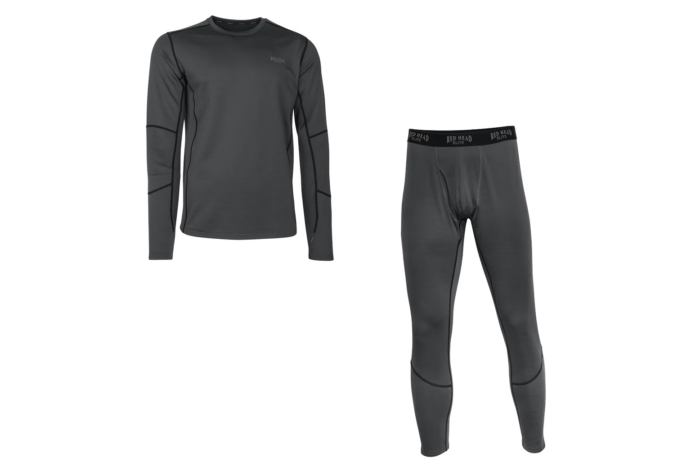
These synthetic tops and bottoms from Bass Pro Shop’s in-house brand RedHead ($50 top, $55 bottom) are a lot easier on the wallet than some of the premium selections here. But they still function as excellent synthetic base layers. Quick-drying, warm, and odor-resistant, they will keep you warm while on a deer stand in the Midwest or glassing point on a high mountain peak.
And there are some benefits of these more affordable synthetic layers. They will dry quickly, usually faster than their merino wool counterparts. So those hunting in wet conditions may want to consider them even if budget isn’t a concern.
While they do have an anti-odor treatment, synthetic layers tend to pick up and hold scents more than merino. So it’s worth considering a good anti-odor wash when using these over a long hunting season.
Kings Camo Foundation 150 Merino Base Layers
Specifications
Pros & Cons
Pros
- Excellent breathability
- Comfortable next to skin
- Lightweight
- Often on sale for a great price
- Top comes in camo colors
Cons
- Wish the bottom had zippers
- No SPF protection
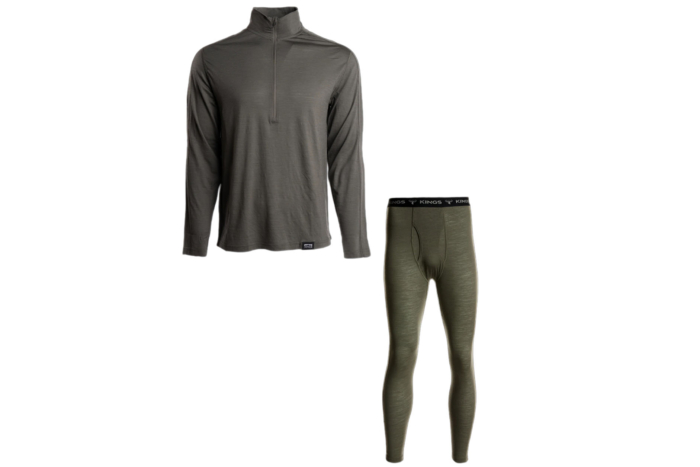
Kings Camo is one of the best in the industry at providing high-value products, and the brand did it again with the Foundation 150 Merino Base layers ($109 top, $79 bottom). The bottoms specifically are a great bargain, and they’re the least expensive Merino bottoms on this list. The top is a little pricier, but it’s still a great deal, especially since it’s a quarter-zip and functions as a great standalone top.
Somehow, the performance doesn’t suffer despite the lower prices. The 150-gram 90 percent merino, 10 percent nylon blend provides the perfect amount of warmth for active hunters. When things heat up, the pieces breathe well, and they’re quite comfortable for all-day wear.
GearJunkie Contributor Morgan Nowels wore them on a day that began with sitting in a frigid duck blind and ended with a five-mile hike in pursuit of upland birds. The pieces never came off, and at the end of the day, they weren’t caked in sweat or smelly. Editorial Director Sean McCoy also loves this value-priced layer, having worn it elk hunting, pheasant hunting, and even as a base for downhill skiing. He believes the Kings Foundation layers compete toe-to-toe with more expensive models.
They don’t have fancy features like zippered legs or UPF protection, but very few pieces on this list do. In the grand scheme of things, they’re a great deal, and you can’t go wrong with them.
First Lite Kiln Midweight 250
Specifications
Pros & Cons
Pros
- Zip-off bottoms removable while wearing boots/pants
- Warm when wet
- Soft and comfortable on skin
Cons
- Slightly less durable than nylon-infused merino
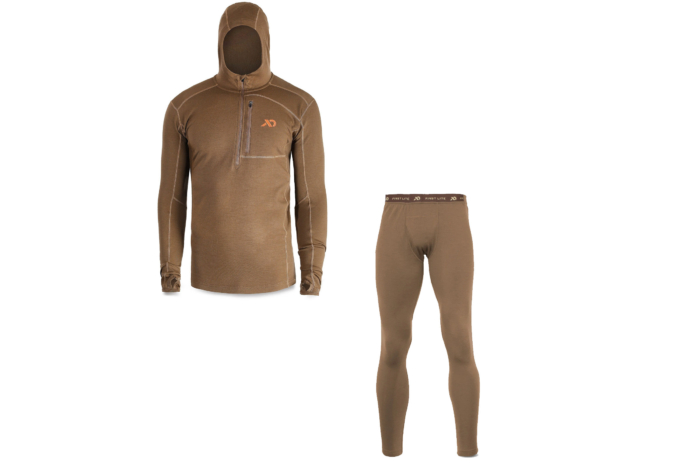
When the temperatures plummet, reach for the First Lite Kiln Midweight 250 ($150 hoody, $110 bottoms) Hoody or Long Johns. These heavier base layers are mostly merino wool blended with just a bit of spandex for stretch. And goodness, do they keep you warm.
They keep you so toasty, in fact, that two testers said they will only use them on really cold days or when they know they won’t be moving much. In those situations, like tree stand hunting or long sits for waterfowl, the hefty warmth of the First Lite Kiln 250 forms the perfect close-to-skin layer to trap warmth and keep you cozy under all your layers.
First Lite also makes the Kiln without a hood. It’s worth considering if you want a heavy hood on a base layer like this. While they can add a lot of warmth, too many overlapping hoods can lead to a lot of extra fabric around your neck. If you plan to wear the First Lite Kiln Midweight 250 under several layers, you may want to opt for the hoodless Quarter Zip instead.
Sitka Core Merino 120
Specifications
Pros & Cons
Pros
- Light but insulating
- More durable than most merino
- Comfortable for days on end
Cons
- Lacks SPF rating
- No zip-off feature
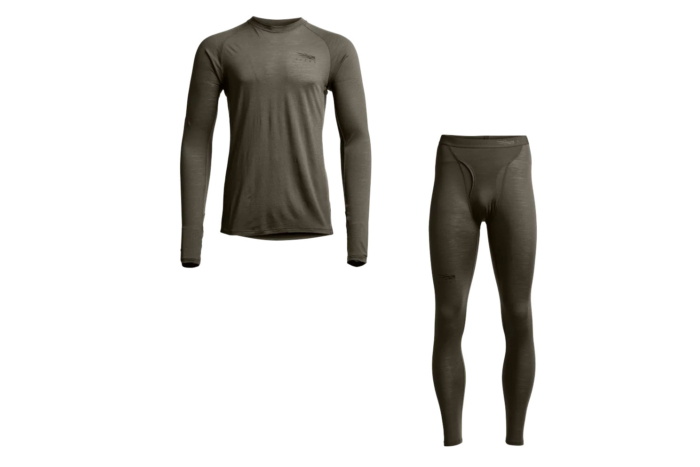
The Sitka Core Merino 120 ($119 top, $119 bottom) is the perfect base layer for the active hunter who doesn’t want bells or whistles. It’s a simple layer with no zippers that is dreamy and comfortable against the skin. It does just what a base layer should and nothing more.
I recently tested this layer during a four-day turkey hunt in variable weather in Colorado. With nights down to about 20 degrees and snow, and days up to the mid-60s, it was a classic reflection of western spring and fall weather.
These base layers were the perfect companion. In four days, I never removed the bottoms other than to change my underwear. I slept in them at night and layered pants over them in the daytime for hunts.
From sitting in the rain and hail to hiking in cool spring weather, they never chafed and kept me cozy. I would not hesitate to wear these for other outdoor activities, like skiing or hiking, as well.
SITKA Equinox Guard Hoodie
Specifications
Pros & Cons
Pros
- Light yet protective
- Quick drying
- Insect repellence is great in warmer weather
- Built-in face cover
Cons
- Expensive
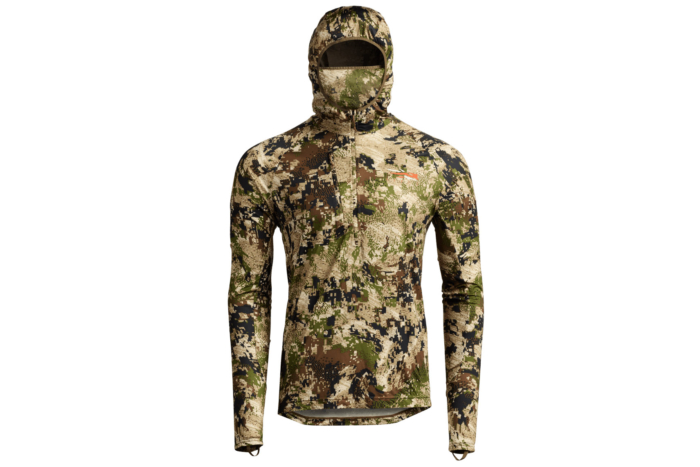
The Equinox Guard Hoodie ($159) barely qualifies as a base layer. But with polyester and elastane, this light layer can be worn against the skin or over another light layer or T-shirt. And its magic comes in its versatility.
Wear it as a base layer, and the Equinox Guard will keep you dry and comfortable. But pull up the hood, and you instantly engage stealth mode. That’s thanks to the wonderfully easy-to-use and comfortable mesh face mask that covers the lower half of your face right up to the eyes.
A couple of testers (including the roughest abuser of gear) have been using this layer for two years now. All have been blown away by its durability, comfort, and usefulness. This layer hits a ton of high marks across the board.
As a bonus, it has Insect Shield repellent built in and is treated with a Polygiene odor eliminator. This would be high on the list if I had to pick just one base layer for most of my warm-weather hunting.
First Lite Furnace Base Layers
Specifications
Pros & Cons
Pros
- Very warm
- Warm when wet
- High wool content
- Fleeced inner lining
Cons
- Too heavy for active hunting
To be blunt, the hunters at Gear Junkie don’t wear heavyweight base layers very often. But when the temps get really low, and you have to spend a lot of time sitting still in a blind or tree stand, you want every bit of warmth you can get.
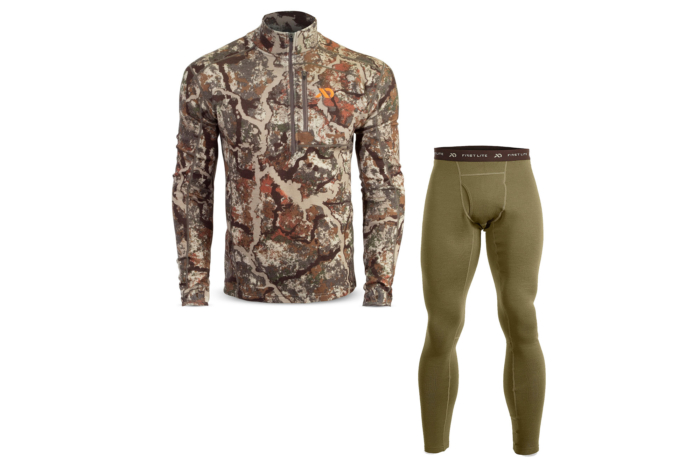
That’s when I reach for the Furnace Base Layers from First Lite ($180 top, $130 Bottom). At 350 g/m², they are the warmest in my kit. They’re also super soft, with a fleecy inner layer that feels good against the skin.
With a high wool content, they will stay reasonably warm even if wet, which is helpful in humid, damp environments. They’re too warm for active hunting, even in cold conditions. But for those days when you need to stay put and wait patiently, these are the toasty goodness.
Badlands Pecora Heavyweight Merino 1/4 Zip
Specifications
Pros & Cons
Pros
- Serves as an excellent standalone top on high output hunts
- Doubles as a very warm base layer on winter hunts
- Fit is excellent
- Quarter zip allows for increased airflow
- Badlands Unconditional Lifetime Warranty
Cons
- Price
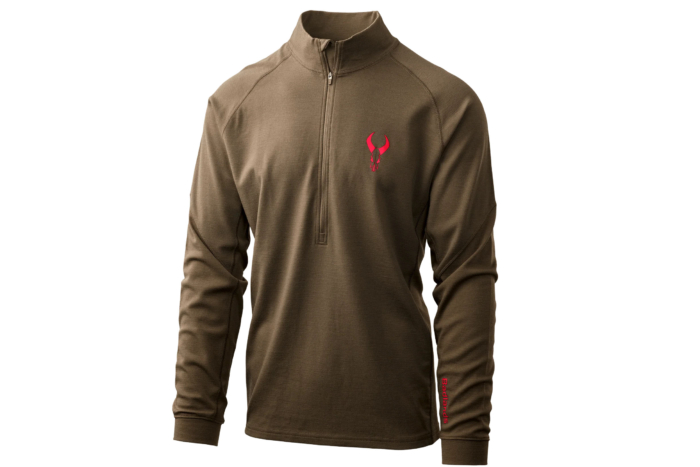
Some hunters don’t like wearing base layer bottoms unless temperatures hit extreme lows. Yes, they’re great when you’re crawling out of the tent, but the second you start climbing up a hill, a sweat-filled, claustrophobic sensation around your legs takes over. If that sounds familiar, you’ll still benefit from a good base layer top, and the Badlands Pecora Heavyweight Merino 1/4 Zip ($149) has become a favorite of GearJunkie contributor Morgan Nowels.
He himself avoids leggings like the plague, but this top is on almost every hunt with him. The heavy 250-gram Merino blend, in combination with the large quarter zip, makes it so versatile. During the hottest part of the day on mid-season hunts, this top, unzipped, performs flawlessly as a stand-alone shirt. It keeps brisk air away, but allows for excellent breathability when it’s time to hike to the next ridge. Since it’s made from a merino/nylon blend, it’s also fairly durable and can withstand abuse when worn alone.
When the late season comes, and temperatures start to drop, the heavier merino is far superior to thinner options, and the added material makes a noticeable difference. It’s the perfect base layer top for winter hunting, and the lack of a hood is nice when throwing layers over it. For those really frigid hunts, you can also buy the matching bottom, if that’s your stick.
The fit is athletic and contours to your body just like you want a base layer to do, yet it’s not so trim that it looks ridiculous when worn alone. Outside of September hunts, when you wouldn’t want a base layer anyway, the Badlands Pecora heavyweight is an exceptional addition to your kit.
Other Hunting Base Layers Tested
Specifications
Pros & Cons
Pros
- Quick-drying
- Versatile, works as base layer or outer layer in warmer conditions
- Great, sun-protective hood
Cons
- Not available in camouflage
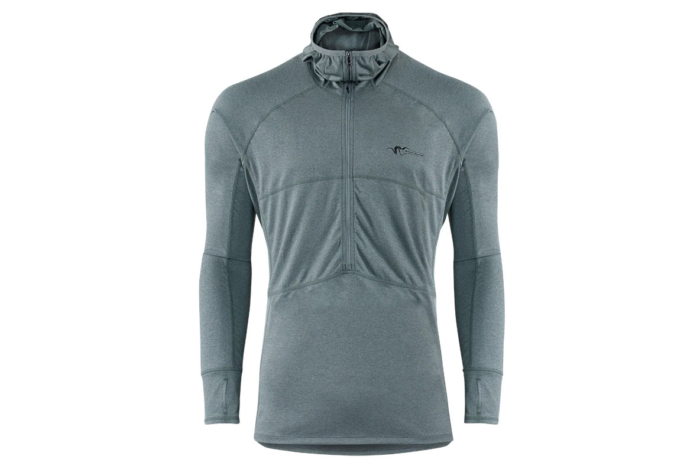
The Stone Glacier Avro ($99) is a lovely layer for all-around wear. I use it all the time, often donning it for chilly winter workdays in my office or quick hikes around town. But it has good technical chops and also works well in the field. Quick drying, soft, and with a deep V-neck that allows you to dump heat quickly, it’s a very versatile layer for hunting or, as I’ve found, fishing.
Rated to UPF 43+, it blocks the sun well, especially with the head-hugging hood. The only negative of this comfortable and affordable layer is that it doesn’t come in camouflage. But if you’re OK with solid gray or brown, it could become your go-to hoody.
Specifications
Pros & Cons
Pros
- CoolTouch fabric uses sweat to cool you down
- Built-in facemask
- Doesn't smell
- Price
- Warranty
Cons
- No insect protection
- Not the best facemask design
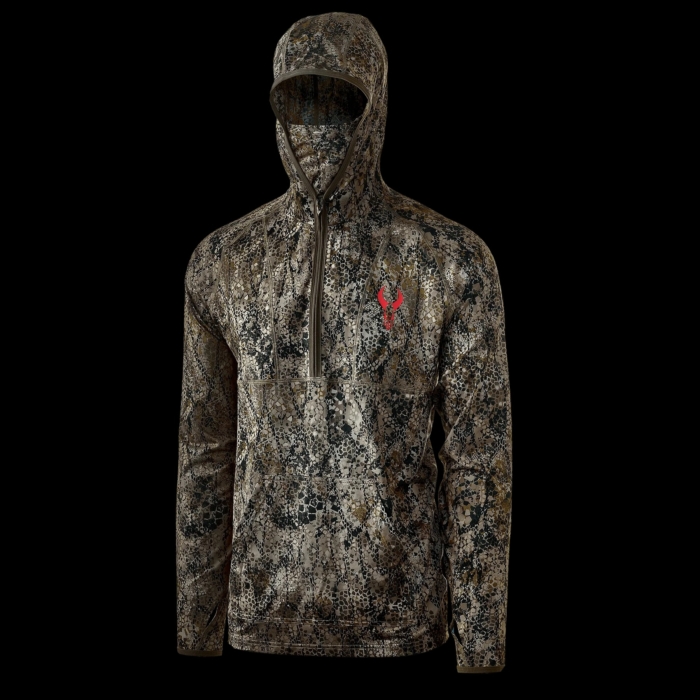
If you don’t have the money to spring for the Equinox, the slightly more budget friendly Badlands Stealth CoolTouch hoody ($99) is a great option, and is a solid early-season top in its own right. They’re both excellent breathable early-season tops for archery season and high-output hunts, and after wearing both, Gear Junkie tester Morgan Nowels thinks each has their respective strengths and weaknesses.
The Stealth stands out because it does, in fact, cool your body very, very well. This is due to the CoolTouch material the brand uses, which is designed to utilize your sweat to drop your temperature. After three days of setting trail cams in the steep bluff country of middle Tennessee in awful humidity and 95 degree temps, he noticed that the Stealth provided a chilling touch to his chest and body when things started to get sweaty. It was a huge relief.
You would think that a product that uses sweat to cool you down would get really stinky. But, after that three days of hiking in the hills, the shirt didn’t smell at all, a testament to the effectiveness of the antimicrobial treatment.
However, there are a few downsides to this top. The integrated face mask is nice to have when stalking game, but the design could use some work. Unfortunately, it’s sewn into the chest on each side of the quarter zip. So, if you unzip the top, there’s still a layer of material there, preventing you from opening it up to really breathe well. It also sits a little uncomfortably around the neck. Morgan found he got used to it within a few minutes though.
This top also doesn’t feature any form of insect shield, and when Morgan forgot his Thermacell one day, he ended up absolutely covered in mosquito bites. The Equinox gets the leg up there.
But, this top is 60 bucks cheaper, which is a significant amount percentage wise. It’s also backed by the phenomenal Badlands warranty. That’s pretty nice when it comes to lightweight tops built from thin materials that can get chewed up in thick brush.
Hunting Base Layer Comparison Chart
| Base Layer | Price | Material | Protection | Weight |
|---|---|---|---|---|
| KUIU ULTRA Merino | $89 top, $109 bottom | 70% Merino, 30% nylon | UPF 50+ Rating, Naturally Odor Resistant | Light (120 g/m²) |
| RedHead Elite Midweight Base Layer | $50 top, $55 bottom | 94% polyester, 6% spandex | 4MOST Inhibit treatment fights odors | Midweight |
| Kings Camo Foundation 150 Merino | $109 top, $79 bottom | 90% Merino, 10% nylon | Naturally odor resistant | Light |
| First Lite Kiln Midweight 250 | $150 hoody, $110 bottom | Merino-X (95% merino, 5% spandex) | 37.5-infused anti-microbial | Medium (250g/m) |
| Sitka Core Merino 120 | $119 top, $119 bottom | Armorspun merino (85% merino, 15% nylon) | Naturally odor resistant | Light (120 g/m) |
| SITKA Equinox Guard Hoodie | $159 top only | 82% polyester, 18% elastane | Polygiene odor control, SPF 50+, Insect Shield | Light |
| First Lite Furnace Base Layers | $180 top, $130 Bottom | Merino-X (95% merino/5% spandex) | Naturally odor resistant | Heavy (350 g/m) |
| Badlands Pecora Heavyweight Merino 1/4 Zip | $149 | 85% Merino, 12% core spun nylon, 3% spandex | Naturally odor resistant | Heavy |
| Stone Glacier Avro Synthetic Hoody | $99 | Polyester | Polygiene odor treatment, UPF 43+ protection | Medium (145 g/m) |
| Badlands Stealth CoolTouch Hoody | $99 top only | 92% polyester, 8% spandex | Cooltouch fabric, odor-resistant antimicrobial Silvadur | Light |
How We Tested Hunting Base Layers

The GearJunkie hunting crew is a passionate group. Between myself and the other hunters on the team, we spend months in the field each fall hunting everything from whitetail deer to elk to upland game to waterfowl. And we’ve been doing it for more than 60 collective years. So we’ve spent a lot of time in really good and bad base layers. And we know that long underwear can make or break your trip.
I’ve taken all these years of knowledge and packed them into this buying guide because I want you to have a great experience on your next hunt. All the recommendations here are the same that I’d make to my best friends, family, and hunting partners. Indeed, when they ask which ones to buy, I’ll likely forward this article. It’s the best advice I have for buying base layers for hunting.
If you’re raring to go, here’s the bottom line:
Just buy these: The KUIU ULTRA Merino 120 LT Zip-Off bottom is simply the best long underwear for hunters, and it’s a very reasonable price. Hunters can remove the simple, lightweight merino layer with long side zippers; there is no need to take off boots or pants. It’s a huge bonus in the field, and at about $100, these are tough to beat.
For tops, pick up the Sitka Equinox Guard Hoodie, a light, synthetic layer with a built-in hood and camo mesh to cover your face. Or, if you’re looking for a more traditional, hoodless base layer, the First Lite Wick Quarter Zip blends light merino wool with supercharged nylon for a breathable, fast-drying layer you can wear on its own or under many other layers in cooler weather.
If you don’t require hunting-specific coloration, check out GearJunkie’s general guide to the best base layers for men and women. Many of these would serve you (and have served me) well in the hunting arena, too.
Buyer’s Guide: Choosing the Best Base Layers for Hunting
Above, you’ve seen a selection of tried and true base layers that I love. Choose the weight and style that fits your needs, and you should be set.
However, there are thousands of good base layers on the market. How should a hunter pick base layers from the crowded market? I break it down into a few attributes: materials, weight, design, and special features.
The Best Materials for Base Layers
The best base layers use either merino wool or synthetic materials such as polyester to provide soft, warm layers that dry quickly.
Of the materials available, merino wool (and sometimes alpaca) is the best material for base layers meant for hunting. That’s because it is soft, fast-drying, and warm when wet. Even more importantly for hunters, it’s naturally anti-microbial, which helps it remain odor-free for longer than most synthetic base layers. Many brands blend merino with a small percentage of synthetic material, usually nylon, to add durability. The only downside of merino is it’s expensive.

Synthetic base layers are also a great choice for hunting. They dry even faster than merino wool. And with anti-odor treatments such as Polygiene, synthetic layers are much less smelly than the synthetics of olden days. As an added benefit, synthetic polyester base layers tend to be much less expensive than merino wool. So they’re a great choice for those on a tighter budget.
Weight
The “weight” of a base layer refers to the weight of the fabric used in production. Most of the base layers tested range from 120 grams per square meter (g/m²) to 350 g/m². On the lighter end of that spectrum, you’ll find versatile layers that you can wear under other layers in cold weather or alone in hot weather. Heavier base layers are suited only for cold weather use and will be too hot when worn alone in warm weather.
Base Layer Design
The seams are the first thing you should look at beyond materials and weight. Many high-quality base layers (and most of the selections above) use flatlock seams to provide a smooth, chafe-free surface against your skin. While some stretch fabrics use other seam styles, the flatlock is often a sign of high-quality manufacturing in the base layer space.

Hoods are another important design consideration. A hood adds both warmth and concealment to a base layer. But if you plan to wear several layers, too many hoods can stack up on one another, leading to a lot of fabric around your neck. For next-to-skin base layers, I usually recommend no hood if you plan for multiple layers over it.
Special Features
Base layers for hunting have a few notable features. First, some bottoms have side-zipper panels that allow you to remove the base layer without taking off your pants or boots. This is awesome for those who need to strip down during the heat of the day. My top long john choices have zippers for this reason.

Face masks for concealment are another useful feature. The Sitka Equinox Guard Hoody, for example, has a hood with a built-in face cover that works perfectly for turkey or big game hunting. I love the design that keeps your face hidden any time you raise the hood.
Finally, many hunting base layers have some kind of anti-odor treatment. This is an important consideration for big game hunters, who must manage scent as much as possible.
Price and Value

In the grand scheme of hunting apparel, base layers aren’t all that expensive. What’s more, they’re rarely exposed to the outside world, meaning they won’t take the abuse that shortens the life of outer layers. Any base layer you purchase should last for years. Here’s a breakdown of the price differences.
Budget
The cheapest set of base layers on this list, the RedHead Elite Midweight Base Layer, retails for 50 bucks per piece. You can also find some slightly more affordable than that. Budget base layers are almost always made from synthetic materials. While lower in price, synthetics aren’t a bad option as they dry quicker than their wool counterparts. However, you may not find them as warm as wool, and they may retain a smell after a few days in the field.
Budget layers also may not have flat-lying seams. While that may seem like a minor complaint, bulky seams can become very annoying after rubbing against your skin all day. Still, budget layers do the job just fine, and sometimes hunters on the Gear Junkie team use cheaper, synthetic base-layers over their more expensive options.
Mid-Tier
Most base layers that cost $80-$120 could be considered the cream of the crop. You’ll find Merino wool blends that will keep you toasty, well thought out seams, and even zippered legs on the KUIU Ultra Merino bottoms.
In this price range, you’ll find some of the best options on the market that will provide excellent performance for just about every hunting situation out there. For most people, mid-tier base layers will offer everything you could ask.
Premium
Many base layers exceeding $120 are made for extreme warmth. Like mid-tier layers, you’ll find merino construction, just in greater quantities.
This is one of those situations where paying more money doesn’t necessarily benefit you. Thick base layers are awful for hunters on the move. In short order, you’ll find yourself sweating in them and having to stop to take them off. If that’s you, stick to the less expensive merino options.
However, if you plan on sitting in a tree stand in the winter, or sitting in frigid duck blinds, it’s probably worth the investment.
You’ll also find technical early-season pieces that can serve as a standalone outer layer. The Sitka Equinox Guard Hoodie is a prime example. It’s breathable, lightweight, and packed with useful features, including a facemask.
Frequently Asked Questions
KUIU, First Lite, Stone Glacier, and Sitka make our favorite base layers for hunting. But other brands like Patagonia and Black Diamond also make great base layers that work wonderfully for hunting.
Merino wool is the best base layer material for hunting. However, synthetic polyester also works great in base layers and has the advantage of drying faster and being less expensive
When talking about layers, there are a whole lot of terms that get thrown around. Base layers, long underwear, long johns, long janes, thermals, tops, and bottoms: They all refer to the same product category, which we generally refer to as base layers. “Thermals” usually describe heavier base layers worn in cold weather.