Nothing can spoil a hunt like foot problems. But great, condition-appropriate hunting boots will keep feet happy and hunters moving through mountains, marshes, forests, or fields. Apart from being burly and weatherproof, the best hunting boots have focused qualities for specific environments. If you’re chasing elk across mountains, you’ll want very different footwear from duck hunters hunkering in a cold, wet blind.
To build this list, a team of hunters and I tested more than 25 pairs of boots over eight years. For this round of testing, we collectively spent over three months trekking through steep elk country in Colorado, whitetail hunting in Tennessee and Oklahoma, and pursuing upland birds in three states.
We’ve put hundreds of miles on these boots, and our favorite overall hunting boot is the Crispi Nevada GTX. The Danner Recurve stood out as the best option for hunters on a budget.
Editor’s note: This guide was updated on August 31, 2026, to include the Meindl Boa Speed Hunter and the Crispi Alpine Lite, an excellent lightweight boot for early season.
The Best Hunting Boots of 2026


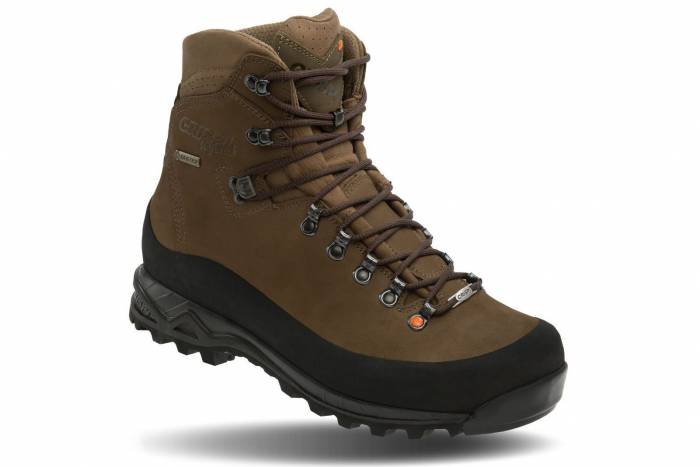
Crispi Nevada GTX

Specifications
Pros & Cons
Pros
- The rugged sole provides great traction
- Short break-in period
- Very durable
Cons
- Expensive
Read Review: The Crispi Nevada GTX
The reviews are in, and the Crispi Nevada GTX ($450) holds the coveted “best overall” spot for 2026. Available in either an uninsulated or insulated (200g) model, the Nevada GTX is a longstanding favorite in the hunting community.
The ankle bone support structure (ABSS) is touted as top-notch by hunters with ankles prone to rolling, and reviewers continue to praise this boot as “out-of-the-box comfortable”.
These boots do have some flex, making them a great all-around boot for hiking, backpacking, long days on your feet, and hitting the trail with a load of meat in your pack. A huge plus — these boots can be resoled — meaning once they’re yours, they’re yours for as long as you’re willing to care for them properly.
For the price of two midlevel hunting boots, you’ll save cash in the long run with this investment. These versatile boots are comfortable, sturdy, weatherproof, and durable, once again making them our top pick for the best hunting boots of 2026.
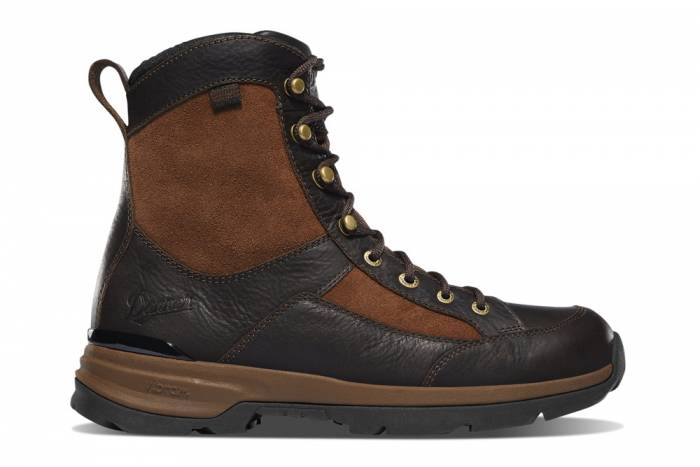
Danner Recurve
Specifications
Pros & Cons
Pros
- Light
- Mid-flex sole great for everything from mountain stalking to plains hiking
- Available in insulated or uninsulated models
- Great price
Cons
- Not as durable as some heavier boots
- Sole a little soft for extremely steep terrain
Read Review: Danner Recurve Hunting Boots: 2 Years of Use & Abuse
Can one pair of hunting boots do everything? No. But from scree fields in the Rocky Mountains to the brushy plains of South Dakota, the Danner Recurve ($260) took us through two busy hunting seasons full of elk, waterfowl, deer, and upland bird hunting. And our tester never really wished he had anything else.
The Danner Recurve is on the lighter end of the hunting boot spectrum. And at $260, it isn’t exactly cheap. But with exceptional versatility at a very fair price, this boot packs the best value for the dollar. It weighs in at 45 ounces per pair or about 1.9 pounds per boot. It has a fairly pliable sole and moderate ankle support with a 7-inch height. They use a “Danner Dry” waterproof breathable membrane, and it works quite well. What that ultimately means is it’s a comfortable boot out of the box. And from our experience, that comfort lasted for literally hundreds of tough miles.
The Danner Recurve comes in insulated and uninsulated versions. We tested the uninsulated boot, which proved capable from temperatures in the low 60s down to the teens. Any colder and you’d definitely want insulated boots. Any warmer, and, well, any full-grain leather boot is going to be hot.
The Recurve reminds us a lot of a midweight hiking boot. Its softer sole is nice on long days with big miles but doesn’t provide the support or protection of stiffer, heavier boots. If you’re a lighter hunter who likes slightly lighter boots in exchange for less support, this one should be a top choice for covering big miles.
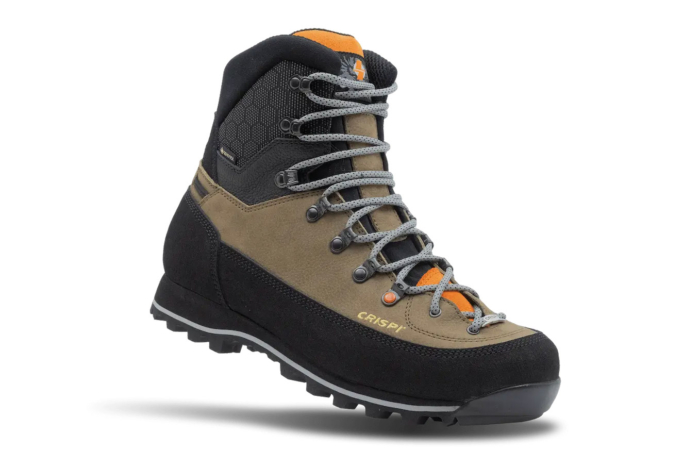
Crispi Lapponia III
(Photo/Crispi)
Specifications
Pros & Cons
Pros
- Powerful yet light
- Excellent traction
- Short break-in period
- Nice compromise of sole stiffness
Cons
- Slight heel slip on steep terrain
The Crispi Lapponia III ($350) is a lightweight yet powerful, protective boot perfect for moving quickly through mountains or forests in moderate temperatures.
With a flex rating of two out of five, these strike a nice balance between stiffness and pliability. That means they sidehill nicely and can kick steps into steep soil, yet are soft enough to roll along on flat terrain without clomping.
I tested these during a spring turkey hunt in Colorado. There, they proved excellent in a range of conditions, from below-freezing snowstorms to balmy spring afternoons. On muddy, snowy, slippery slopes, they gripped wonderfully with a high-quality Vibram outsole. They kept my feet dry and comfortable during full days on my feet.
The Crispi Lapponia III is an excellent lightweight boot for mountain hunters or those who put in big miles off-trail. It’s not insulated, so this one is a good choice for early-season big game hunting at higher elevations. Think September through October elk hunting, or midwestern whitetails through early November. These do run a little large, so consider sizing down a half size.
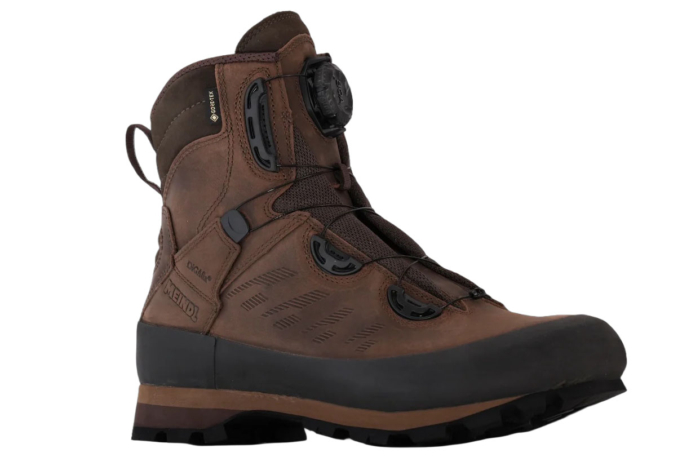
Meindl Boa Speed Hunter
-

-
(Photo/Morgan Nowels)
-
(Photo/Morgan Nowels)
-
(Photo/Morgan Nowels)
-
(Photo/Morgan Nowels)
Specifications
Pros & Cons
Pros
- BOA system makes for easy on and off
- A fantastic blend of lightweight and supportive
- Extremely comfortable underfoot
- Durable build from the outsole up
Cons
- Can't fine-tune the lacing system
- Too soft for extreme hunts (goats, sheep, etc.)
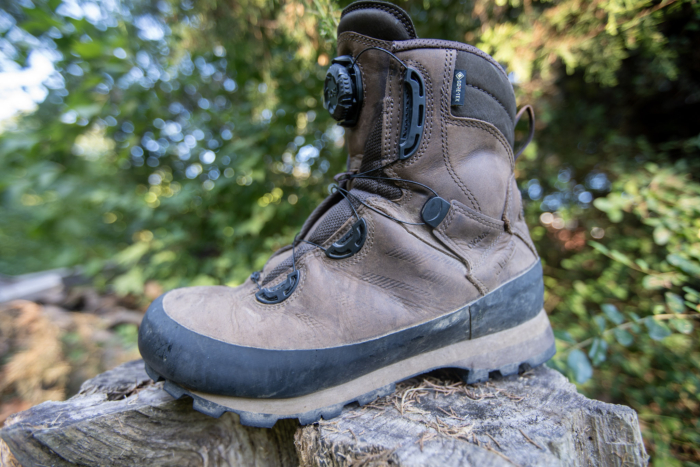
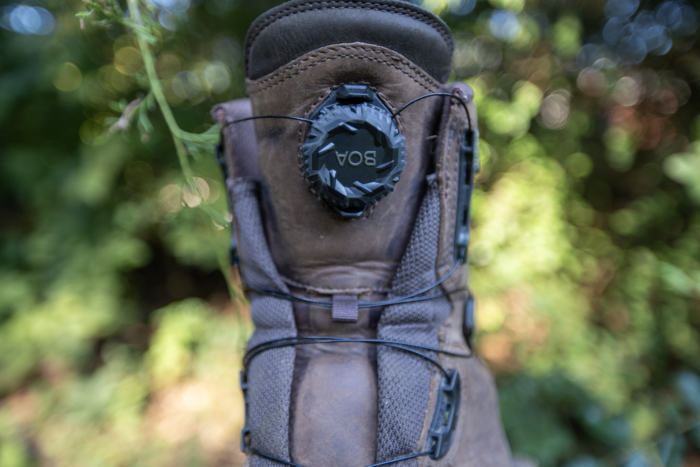
On the surface, it’s easy to focus on the futuristic lacing system of the Meindl Boa Speed Hunter ($460). But after a few months of grinding out miles in these boots, GearJunkie contributor Morgan Nowels found they offer much more than easy removal and a micro-tune dial for a secure fit.
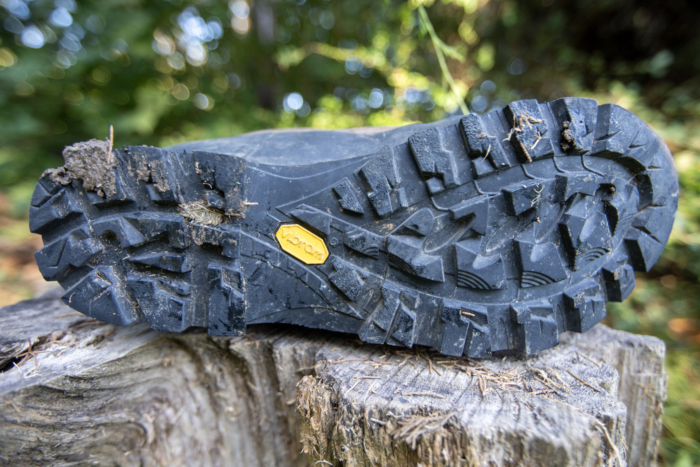
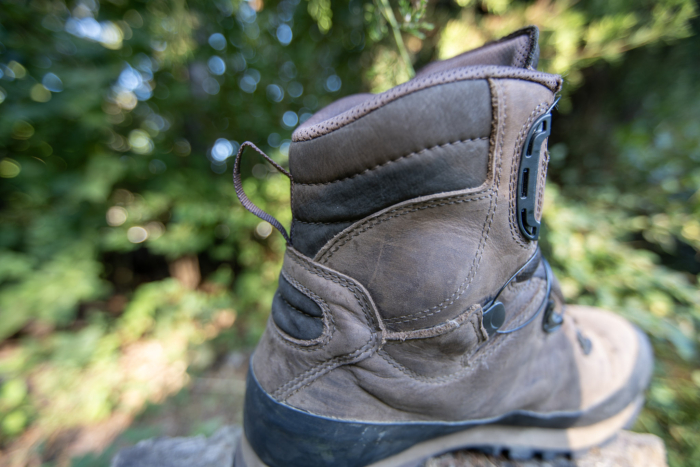
The Speed Hunters are legit mountain boots with a rugged, waterproof build that’s more than capable in harsh, steep terrain. While scrambling up near-vertical, limestone-covered hillsides, the boots offered Nowels plenty of ankle support and enough stiffness to get the job done. The outsoles grip slippery terrain, and the upper is impervious to water penetration.
These boots are some of the lightest full-sized leather boots tested, with a single size 10.5 (UK) boot weighing in at a scant 1lb., 12.4 oz on Nowels’ home scale. Paired with a roomy toebox, a medium stiff flex, and a Comfort Fit insole, the result is a boot that nearly eliminated foot fatigue after a long day in the field. These bad boys are noticeably more comfortable than others on this list.
The only downside to the Boa system is that it doesn’t let you fine-tune the tightness in different areas of the boot. As you tighten it, the Speed Hunter tends to tighten significantly only in the upper third of the boot. You can’t really lock them down in the ankle and the top of the foot. Because of that and the softer flex, hunters in the gnarliest terrain, like Dall sheep hunters, may want to look elsewhere.
Despite that, for Western elk and deer hunters, they provide more than enough support and can hang with the best of ’em. Compared to most lightweight Boa hunting boots, these are absolute tanks, much better suited to the rigors of hunting. Just be sure to order a half size down.
Zamberlan Sawtooth GTX RR WL
Specifications
Pros & Cons
Pros
- Seemingly impervious to water, yet very breathable
- Comfortable out of the box
- Astounding traction
- Warm, yet comfortable for hard exertion
Cons
- Very expensive
- Roomy last may not fit narrower feet
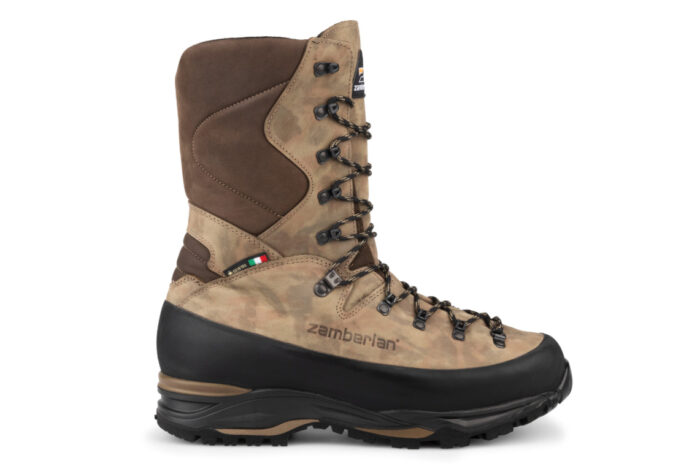
The Zamberlan Sawtooth GTX RR WL ($550) is an astounding boot. It performs better in cold weather than any other hiking-capable boot I’ve ever used.
Available in both standard and wide lasts, the Sawtooth GTX has an aggressive Vibram outsole that locks into the most slippery, treacherous terrain. I thanked my lucky stars for choosing this boot while clambering over hundreds of yards of ice and snow-covered deadfalls in the Rocky Mountains during a second-season elk hunt. It was a dangerous and spooky place to cross, and the boots kept me safe even as I teetered six feet off the ground on slippery tree trunks.
During three tough backcountry winter hunts, the Zamberlane Sawtooth GTX blew me away with its warmth, water resistance, and comfort. And they bring all this performance at a relatively light weight of just 2.08 pounds per boot.
During a hunt in the Flattops in Colorado, two of my partners struggled with wet feet daily due to deep mud and wet snow. Meanwhile, my feet were bone dry the entire time. After four days in the backcountry, I never even needed to change my socks.
Yes, these are pricey boots. But they seem very durable and should last for several years. And if you hunt rugged terrain in cool to cold conditions, you’ll be grateful for those dollars spent with every step. For big mountain elk hunters, sheep hunters, or others who walk long miles in cold, rough country, the Zamberlane Sawtooth GTX is one of the very best boots I could recommend.
LaCrosse Alphaburly Pro
Specifications
Pros & Cons
Pros
- Provides excellent ankle support
- Outsole has fantastic traction
- Durable outsole
- Gusseted upper fits wide range of calf sizes and layers
- Rubber extends high up the boot for durability
Cons
- Price
- Strap is too long and can be noisy
- Difficult to remove
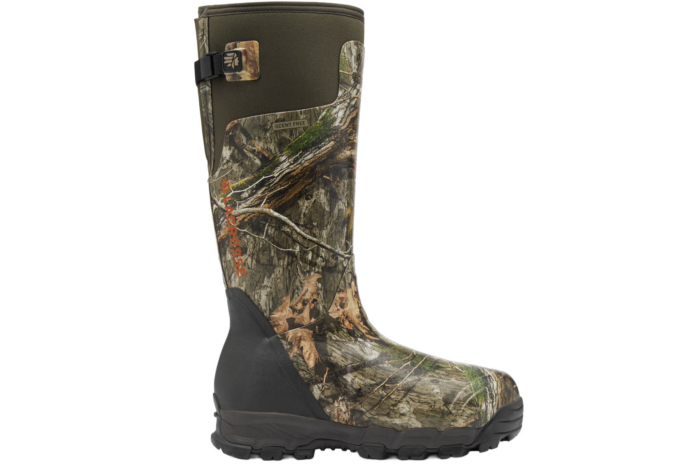
When you need scent control, the Lacrosse Alphaburly Pro ($235) is a solid choice. A staple among hunters for years, Lacrosse offers some of the best rubber boots on the market, and these are no exception.
These boots were extensively tested, and several features stood out to us. They provide phenomenal support, similar to that of a leather boot, and are very ergonomic. There’s nothing worse than climbing up questionably placed climbing sticks to get into a stand with clunky rubber boots. These don’t feel clunky and provide sure footing.
Over the years, our tester found the “burly” outsole on these boots to perform exactly as advertised. Whether on slick rocks in a creek crossing, mud, or a light dusting of early-season snow, the Alphaburly gripped well. On top of that, the outsole outlasted the rest of the boot. After five years of hard use, the neoprene upper had fallen apart, and the rubber was delaminating, but the sole remained functional.
With no insulation in the model contributor, Morgan Nowels tested, they weren’t too hot for September treestand sits. They are rubber boots, so your feet will get sweaty on a long hike into the woods, but they aren’t unbearably hot like other insulated boots. If you need warmth, there are Alphaburly Pros available with up to 1600 grams of insulation.
Nowels loved the gusseted upper, which allowed for a range of adjustability to fit for large calves or different levels of layering. However, the strap to cinch down the upper is a bit long and has a tendency to clap against the boot, resulting in excessive noise. Due to the ergonomic feel and ankle support provided, they can be difficult to remove. Aside from those annoyances, these are great boots that Nowels has relied on for years in the whitetail woods.
Irish Setter Wingshooter 9″
Specifications
Pros & Cons
Pros
- Great for walking long miles
- Flexible sole ideal for fields
- Light
Cons
- Not very supportive
- Traction only OK on steeper slopes
Read Review: The Irish Setter Wingshooter Upland Hunting Boot
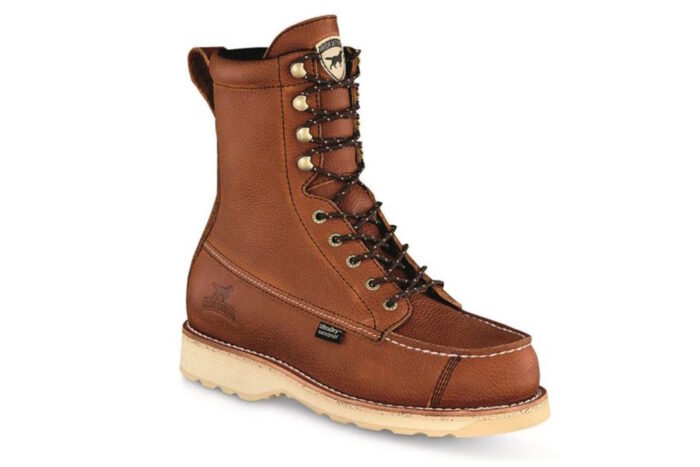
The Irish Setter Wingshooter ($220) line is a longstanding favorite for upland hunters. The boot’s classic look is stylish enough for a trip to the city, but it’s designed to pound the prairie rather than concrete.
A 9-inch height keeps grass and gravel from settling into the boot, and the waterproof outer keeps feet dry in all sorts of conditions. And it’s also available in a 400g insulated model for those of you who hunt birds in more dire conditions.
We tested the Irish Setter Wingshooter for two full seasons of upland bird hunting. During that time, they hiked through miles of deep, ice-covered grass in South Dakota, trudged over thorny high plains in Colorado, and stomped over wheat fields, corn rows, sorghum, and wild prairie.
For the relatively flat plains faced by upland hunters, this mid-weight boot’s soft, pliable sole and protective leather are ideal. When the grass gets tall, add gaiters for extra protection.
Even better, the classic look of these boots makes them ideal for all-day use, from the farm to the brewery and back again. With a tried and true design and optional insulation for cold weather, these are the best hunting boots for upland game hunters that we’ve tried yet.
Other Great Hunting Boots We Tested
-
-
The Crispi Alpine Lite is built to handle early and mid season hunts where a good boot can make or break your time in the backcountry; (photo/Josh Kirchner)
-
The Alpine Lite is compatible with Crispi Gaiters for a strapless setup that stays attached to the boot; (photo/Josh Kirchner)
-
(Photo/Josh Kirchner)
Specifications
Pros & Cons
Pros
- Lightweight
- Full rubber rand
- Comfortable (bottom conforms more to what you’re walking on, making them more ideal for stalking game with a bow)
Cons
- Not ideal for most late-season hunts
- EVA midsole is comfortable, but not known for longevity
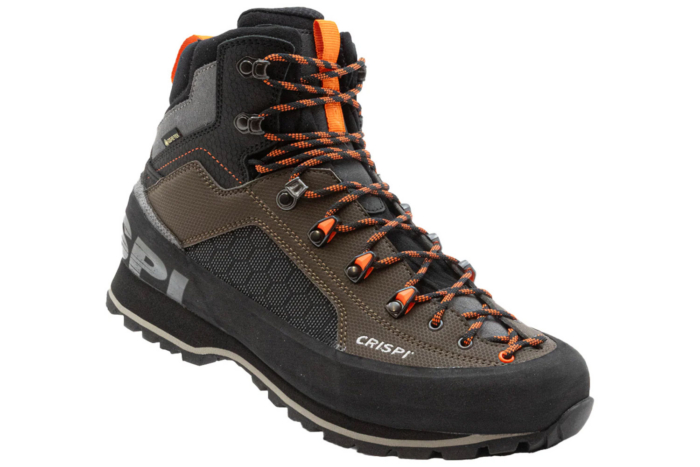
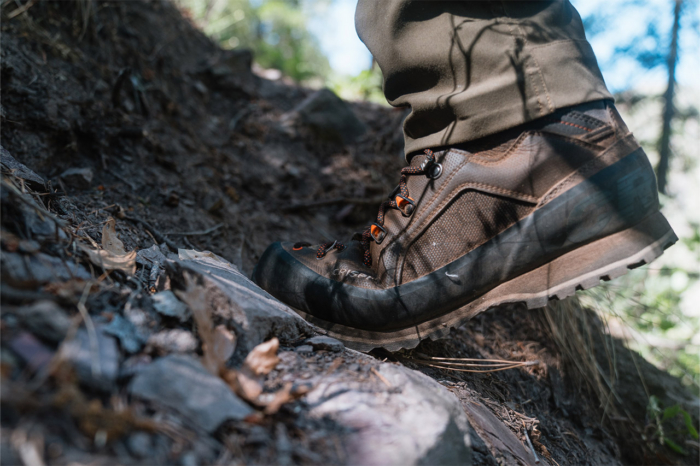
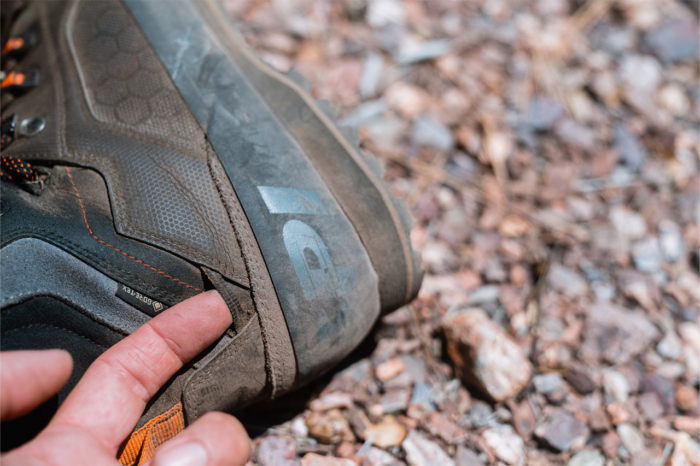
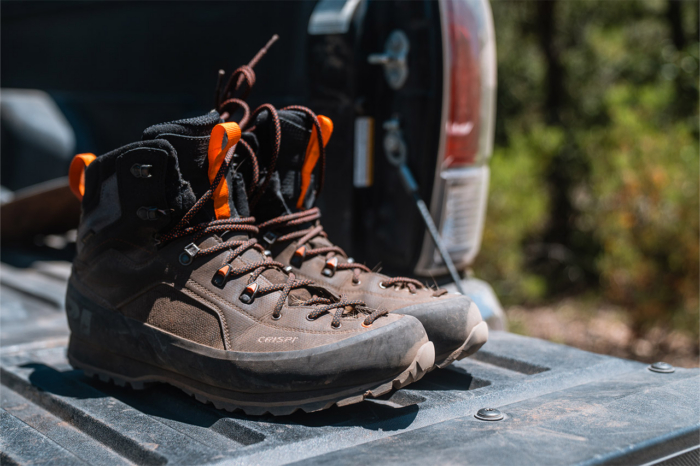
In the realm of specialty, purpose-driven boots, the Crispi Alpine Lite ($385) is one of the best in this test. They’re a featherweight, ridge-climbing, elk stalking set of kicks that don’t sacrifice too much in terms of support, which is common for boots in the lightweight category.
Much of the support comes from the Asymmetrical Lacing system Crispi included in this boot, plus an additional loop just above the lace lock at the ankle. Gear Junkie contributor Josh Kirshner, who tested these boots, says it’s a rock-solid lacing system all the way around. You can lock these boots in for some of the best support you’ll find in a 6″ boot.
The Alpine Lite also sports a Crispi CLAW outsole, which improves ground feel and offers a quieter approach when stalking game in close quarters. With a stiffness rating of 2 on Crispi’s 1-5 scale, they’re very comfortable and less harsh on your feet while running and gunning.
Since these boots have no insulation and are relatively soft, they’re not the best choice for hunters in cold environments or for those entering the steepest, toughest terrain while carrying heavy loads. A boot like the Crispi Nevada GTX is a much better option.
But for early- to mid-season hunters, these are clear winners. They’re capable of comfortably covering big backcountry miles.
Specifications
Pros & Cons
Pros
- Excellent waterproofing and cold-weather insulation
- Lock-tight fit with zero heel slip
- Great traction in steep, wet, or rocky terrain
- Shorter-than-expected break-in for an alpine boot
Cons
- Heavy compared to lighter backcountry options
- Too stiff for flatland or mild terrain
- A high price point for casual users
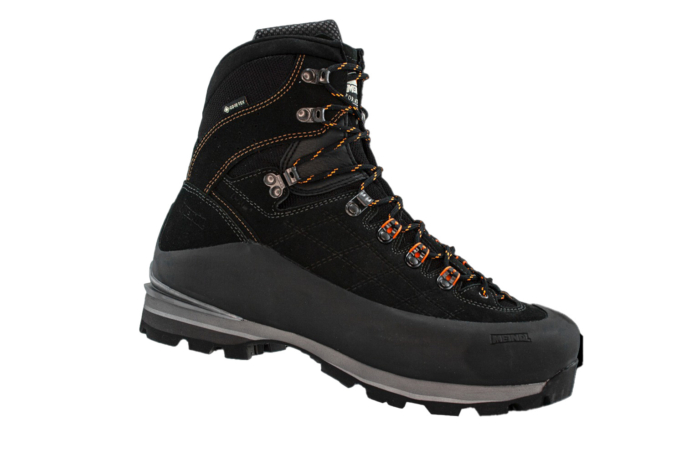
GearJunkie contributors Morgan Nowels and Dalton Heyer tested the Meindl Air Revolution Alpine Pro 200 ($515) this past year, and the results are in: this is one hard-charging boot for the most extreme hunters. If gnarly terrain in terrible conditions is on the docket, it’s the boot for you.
One of the best features of the boot is the DiGAfix lacing system. It allows hunters to cinch the boot down perfectly to their foot. In conjunction with the 9-inch height and Nubuck leather build, these boots lock down like a vise and provide some of the best ankle support out there.
With a GORE-TEX lining and 200 Grams of insulation, they kept Heyer’s feet warm and dry while trudging through some of the worst terrain imaginable in Alaska. While wearing them across multiple states, Nowels also noticed how impervious they are to the weather. Nothing penetrates them, and they’re certainly built to last for many years.
That build, however, is the downfall of the Air Revolution Alpine Pro 200. If you buy them, you’ll likely never feel like you don’t have enough boot. But at times, you can certainly feel like you have too much boot. They weigh a hefty 4.6 lbs, and while the Air Revolution venting system helps them breathe a bit, they can get hot during early-season hunts.
So, if you need a boot that can tackle steep goat country, the nastiest elk hidey holes, or harsh terrain in Alaska, they’re a great option. But if “hardcore” isn’t how you’d describe your hunting, they may be too much.
Specifications
Pros & Cons
Pros
- Comfortable
- Lightweight
- Double as a great hiking boot
Cons
- No lace lock system
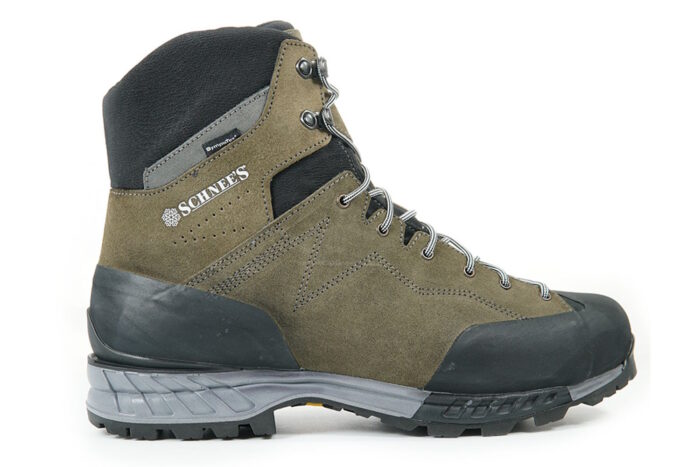
For western big game hunters who like to chase pre-rut elk, the Schnee’s Kestrel ($400) is about as good as it gets. These uninsulated, lightweight hunting boots are perfect for early September archery hunts when you need to move fast and light. They feel more like a hiking boot than a mountain boot, but still offer the support needed for side hilling and inclines.
The Flex-0 chassis means this boot has the least rigid sole build of any of Schnee’s hunting line. That flexibility is what gives this boot the lightweight comfort that you might not find in a dedicated Schnee’s mountain boot, like the Mission Alps or Granite Pro.
We’ve run the Kestrels for a few years now, and for the majority of elk chasers, this is a perfect choice. When temps drop, a good pair of insulated wool socks can extend your field time with these boots well into rifle season. It’s exactly the right amount of boot to get the job done without being overkill.
Specifications
Pros & Cons
Pros
- Ultra-athletic feel
- Great traction
- Lightweight
- Still offers ankle support while being light
Cons
- Stiffer out of the box than you'd think
- Not enough support for true mountain hunting
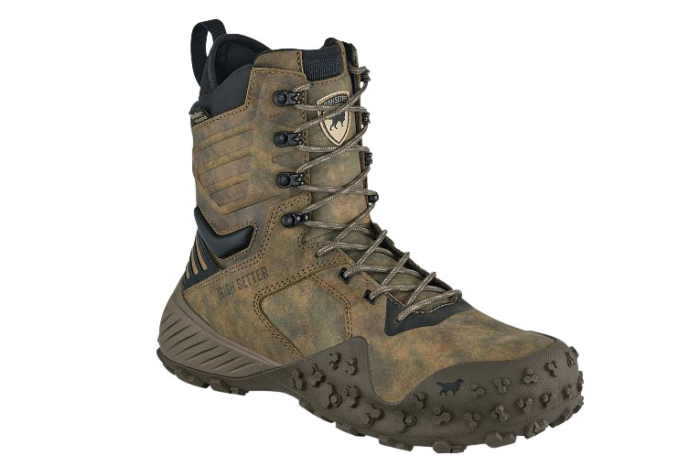
The Irish Setter VaprTrek ($230) is the antithesis of the Meindl Alpine Air Revolution Alpine Pro 200. They’re less “hunting boot” and more “hunting shoe.” At a scant 2.75 lbs. per pair, they’re extremely lightweight and breathable.
Gear Junkie Contributor Morgan Nowels wore them last fall and into this year’s spring turkey season and says they truly feel like a set of waterproof tennis shoes with a touch of ankle support. Due to the lightweight build, they are noticeably quieter than mountain hunting boots when moving through the woods.
Due to that, they’ve become his go-to while hunting farm land in middle Tennessee. They aren’t overkill when hiking through fields, provide excellent weatherproofness, and just enough support for those times he hikes into the “big woods” country on the property. And they don’t get hot and sweaty like other boots.
Additionally, they’re an excellent choice for spot-and-stalk hunters in mild terrain. In a past life, Nowels hunted desert Mule deer with his bow in Utah every year, and says these would be the perfect boots for the task because of how silently you can move in them.
However, the soles aren’t very thick, and you can feel rocks through them when walking. And, support for real mountain hunting is lacking. If harsh terrain and steep hikes are part of your hunting, these ain’t it. But for mild terrain and early-season hunts, it’s tough to find something with more comfort.
Specifications
Pros & Cons
Pros
- Great support-to-weight ratio
- Excellent traction
- Value price for such high-quality boots
Cons
- The sole is overkill for flat terrain
Read Review: AKU Superalp NBK GTX Review: A Premium Boot for Mountain Hunts
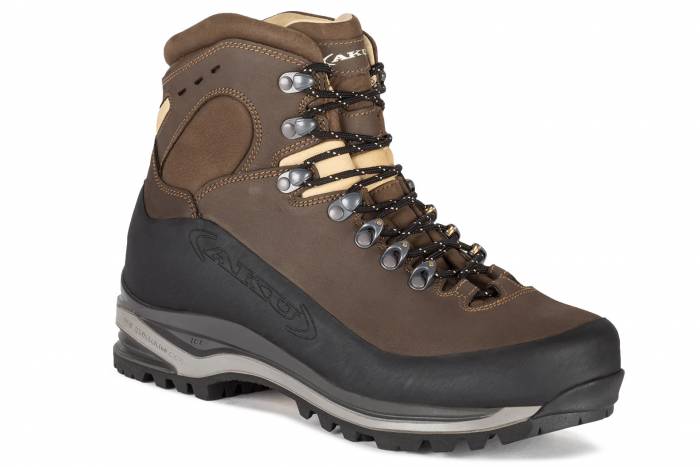
The AKU Superalp NBK GTX ($425) makes a strong case for best elk hunting boot, or even best boot overall. It has a relatively stiff sole and stout treads. The rugged and supportive nubuck leather upper provides excellent ankle support, but stretch zones allow for good mobility. Made in Italy using 100% European-sourced materials, this boot has top-quality hardware like eyelets with bearings and rollers.
The short of it is this boot looks great and hikes even better. I tested this boot elk hunting in Colorado and came away very impressed with its comfort, durability, and support. Elk hunting throws a wide variety of challenges at a boot — water, sidehills, mud, snow, rutted trails, and heavy packs. The AKU Superalp NBK GTX handled all of it in style.
If this boot fits your foot well, it is as good as any I’ve tested. After more testing, it may claw its way up these rankings. But for now, be assured that if you’re looking for a boot that can handle big weight and steep, off-trail mountain terrain, the AKU Superalp NBK GTX will fit the bill.

Specifications
Pros & Cons
Pros
- Light
- Quiet
- Versatile
Cons
- Soft sole not good for steeps
The Pronghorn ($300-320) might not be your late-season high-alpine hunting boot, but it can do just about anything else. It’s a comfortable and well-cushioned boot on Danner’s Terra Force Next platform, designed for stability in tough terrain.
This is one of the more athletic-fitting boots on this list, with a bit of tennis shoe feel and some added support. That being said, it’s not a stiff boot, so it wouldn’t help too much on steep inclines or mountainous terrain.
A Vibram SPE midsole offers support without sacrificing flexibility, and a Vibram Pronghorn outsole provides diverse traction through varied terrain. As an all-around hunting boot, it’s a good deal. And it’s offered in insulated options as well.
Specifications
Pros & Cons
Pros
- Excellent traction
- Very supportive
- Helps those with foot problems carry heavier loads
Cons
- Too much support for most hunters, can be restrictive
- Overkill for many types of hunting
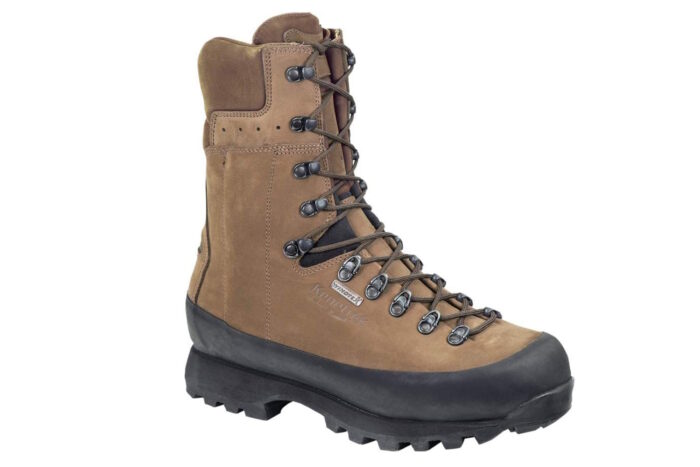
The EverStep ($580-600) is the most expensive boot on our list, but it’s also the only AFI-classified boot that can be prescribed to help offset cost should you have difficult foot or ankle issues.
These boots have all of the key features of the best hunting boots: Windtex waterproofing, 2.8mm full-grain leather uppers, 10″ height, and a highly durable K-Talon outsole. An additional brace system and a 19-degree toe rocker combine to take the pressure off your feet and ankles so you can move with less pain and stress.
This boot helps keep active military and veterans on their feet in the field, and hunters with ankle issues say this boot has allowed them to continue hunting when they otherwise couldn’t.
If you’re prone to ankle issues, or simply prefer ergonomic stability to prevent injuries, give the EverStep a try.
The Best Hunting Boots of 2026 Comparison Chart
| Compare |
|
|
|
|
|
|
|
|---|---|---|---|---|---|---|---|
| Price |
$450
|
$260
|
$350
|
$460
|
$550
|
$235
|
$220
|
| Height |
8"
|
7"
|
8"
|
8.25"
|
11"
|
18"
|
9"
|
| Weight per pair |
3.8 lbs. (size 10)
|
3 lbs. (average)
|
2.6 lbs. (size 9)
|
3.16 lbs. (average)
|
3.4 lbs. (size 42)
|
4.8 lbs.
|
4 lbs. (average)
|
| Insulation |
Uninsulated or 200g
|
Uninsulated to 400 g
|
Uninsulated
|
Uninsulated
|
GORE-TEX Insulation Comfort Membrane
|
Non-insulated, up to 1,600 grams available
|
Uninsulated or 400g
|
| Upper material |
Nubuck leather
|
Leather
|
Water-repellent Nubuck leather and breathable PUtek Spider Fabric
|
Nubuck leather
|
Hydrobloc Nubuck leather
|
Neoprene and natural rubber
|
Leather
|

Why You Should Trust Us
Hunting boots can make or break your trip. And the team of testers in this guide wants you to have a good hunt. Our recommendations come based on literal decades of experience in the field. Sean McCoy, the lead author of this article, began hunting at the age of 12 and is now well into his 40s. Morgan Nowels also contributed to this guide. He began hunting at a young age in the Western U.S. and is now located in Tennessee, where he has become our resident whitetail expert. Our team meets with brands many times a year to learn about new technology and design in the footwear space.
I also talk with hunters, hikers, and mountaineers to learn which boots best suit their needs and comb through consumer reviews to learn about the pros and cons of every boot I can find. I learn about the brands and what makes them unique from each other.

Finally, I and our team put these boots to the test in person. We’ve used the boots everywhere from Alaska to Montana, Colorado, Nebraska, and more. Our goal in this article is to help you find the best hunting boots for your specific needs — just as we would for our friends.
This testing process is as rigorous as your hunts, because they probably are pretty similar. I’ve spent hours crossing sketchy sections of snow-covered deadfall. I’ve lugged 100-pound packs of meat miles out of the woods. And like most hunters, I’ve stood silently in bitter cold, wishing my toes weren’t slowly freezing into chunks of ice. All this real-world experience is exactly what we try to share here.
Our Hunting Boot Rating System

Our overall scores are just that: a score of the boots’ overall performance. It is not an average of the sub ratings used to assess the boot.
That’s because the sub ratings aren’t necessarily a score. They’re there to show you how a boot performs in four different areas, and what works for one hunt, may not work for another.
Support: Ankle support and stiffness of the upper and sole of the boot. Boots rated high in this score are great for steep, rocky terrain, while boots with a lower score are better for more mild hunts in farm country.
Warmth: Insulation provided in the boot tested. Lower ratings are best for early season hunts, and higher ratings will keep you toasty on those late season, icy hunts.
Breathability: Analyses of how well breathable membranes work in the boot. For early September archery hunts, a high rating in this category is essential.
Durability: Overall construction, materials used, and how much abuse the boots can take over a full season of hunting.
Buyer’s Guide: How to Choose the Right Hunting Boot

Choosing the best hunting boots comes down to your style of hunting. If you’re waterfowl hunting from a marsh blind in the South, you’re probably not going to wear a pair of insulated Kenetrek boots. Upland hunting in rattlesnake country? Snake boots might be a necessary evil.
Weather, terrain, and habitat challenges are the three dictators of which boot you’ll pull on. Here are a few things that can help you find the best boot for your foot. And if you need more detailed info, check out our 20 tips on buying the perfect boot.

Know Your Size & Boot Fit
Remember those weird metal slide things that you’d step into for sizing? They’re still a helpful tool. Feet can change and grow as we get older, and getting precise measurements at your local REI, Scheels, or sporting goods store can help you choose the right pair.
You might wear a 9 in one brand and a 10 in another or need a narrow or wide size. Be open to trying something outside of your size range.
If you plan on doing long days in your new boots, some foot swelling is probably in your future. Try on boots at the end of the day, as feet tend to be bigger then.
If a boot feels snug all around, a half-size up is probably your better bet. And if they’re tight in the toebox on day 1, you don’t want to experience day 2 in them.
Avoid Hot Spots & Get Your System Down Early

Don’t try on boots with socks you wouldn’t wear while hunting in them. Make sure your socks are seasonally appropriate and fit well with your boot. Take a look at our guide to the best hunting socks for our top recommendations. If you’re looking for a boot to get you through a late-season elk hunt, then focus on insulation and waterproofing.
If you’re looking for an early-season archery boot, put on your lightweight hiking socks and make sure they’re breathable. The biggest thing here is to avoid hot spots that can lead to blisters. You’ll want to nail down your system before heading into the woods.
Is the fit still a bit off? Another thing that can help correct fit is finding an insole that you like. Superfeet is a favorite, and the brand has a plethora of insoles to choose from for various scenarios. Additionally, you can try multiple lacing systems to get the fit of your boot just right.
Where Are You Going?

Are you planning to move fast in steep, rocky, desert terrain? Think breathability, traction, and stiffer ankle support. Something like the Crispi Alpine Lite would be a solid bet. Going on a winter hunt with a heavy pack in the Northwest? Think waterproofness, stability, and warmth. The Zamberlan Sawtooth GTX RR WL is an excellent choice. Not sure what types of terrain you’re getting into? An all-around boot, like the Meindl Boa Speed Hunter, with solid stability and comfort without being too heavy, might be your best bet.
Above all, wherever you’re going, break in your boots before you go. Wear them around the house, to the store, and on some local short trails. Find the hotspots before you’re committed to a major outing. You do not want blisters during a backcountry hunt!
Break-in time can vary from boot to boot. Read reviews. Know what your break-in goal is for your pair of hunting boots, and make sure that boots feel comfortable before hitting the hills. Your feet will thank you in the long term.
Price & Value
Most hunters agree that footwear will make or break your hunt. Hunting boots are not a great place to save a few bucks.
Budget

While there are some hunting boots available for less than $200, most of them just aren’t cut out for the rigors of hunting. Our budget entry, the Danner Recurve, comes in at a little over $250, and for that, you get a pretty good leather boot that will last for a couple of seasons. And most likely, you’ll start seeing other signs of wear. But you won’t get a Vibram sole. Most of these boots are produced in Asia. There’s nothing wrong with that fact; it’s just a reality.
In this category, you’ll also find some of the best rubber hunting boots on the market. Our favorite for whitetail hunting, the Lacrosse Alpha Burly Pro, is available for just over $230. Rubber boots are cheaper to manufacture, so you can get the perfect boot for scent control and warmth at a pretty low price.
Mid-tier
Step up to the mid-range boots at around $300, and better soles and lighter midsole materials will become common. But things like grommets and eyelets will still be pretty basic. Or, you’ll find lighter-weight, but still very high-quality early-season boots like the Crispi Alpine Lite.
Premium
In the $425 and up price range, you’ll find premium hunting boots. And if you plan for big miles, hard mountain hunts, or very severe weather, you’ll thank yourself for not pinching pennies. Premium boots, often made in Italy or Germany, use advanced sole materials with exceptional traction. They use pully-like grommets that reduce lace friction. Midsoles are light yet stiff. And upper materials are extremely durable. At this level, you find brands like Crispi, Kennectrek, Zamberlane, and many more that build boots meant for years of hard abuse.

If you plan to spend a lot on any single piece of hunting gear, make it your boots. Your feet will thank you later.
Frequently Asked Questions
All hunting boots use various materials in their construction. The best boots use leather or nylon uppers attached to a supportive midsole, often with some sort of foam for support. Finally, a brand-name outsole like Vibram made from rubber compounds provides a very reliable connection to the ground. Some boots contain insulation like Thinsulate to keep feet warm in cold weather, so consider if you need extra heat during your hunt.
Several brands offer extremely warm boots. Among the warmest hunting boots, the Korkers Neo Arctic, listed above, are rated to -60 degrees F and among our favorites for treestand hunting in cold weather. The Baffin APEX and LaCrosse Alphaburly Pro 18″ 1600G are also great choices for extremely warm hunting boots.
In short, many leather or hiking-oriented boots should fit very comfortably yet be lightly snug when new. That’s because most of these will loosen up as they break in over the first few weeks of use. Plan to buy boots in your regular street shoe size and wear them for several short hikes before your first big days in the field to break them in and find any hotspots before you’re committed to a hunt.
Yes, many hunting boots can be resoled. In fact, many top brands allow you to resole the boots while maintaining the original factory warranty. Many brands offer the service in-house for a fee. Other brands, like Crispi and Zamberlan, let you have your boots resoled by a trusted partner. Both of those brands allow your boots to be resoled with Gary’s Shoes in Richfield, UT, without voiding your warranty.