From first chair to campfire rings and grabbing groceries, the right fleece never needs a wardrobe change. The best women’s fleece jackets span cozy lounge layers to mountain midlayers, bringing warmth, comfort, and versatility along for the ride.
Lead tester Chris Kassar put dozens of jackets through the wringer over hundreds of miles of trails and skin tracks from the Tetons to the Rockies and the High Sierra to find the absolute best.
Our top choice for a durable, do-it-all layer for active mobility and all-day comfort is the Arc’teryx Kyanite. If you’re shopping on a budget, the REI Co-Op Flash Hyperstretch punches above its price tag. And when you want a fleece that looks as good around town as it does on the trail, the versatile Patagonia Better Sweater Hoody is our favorite for casual wear, thanks to its comfort and crossover appeal.
Beyond fabric, pile, and aesthetic, these modern fleece designs each deliver different levels of breathability, stretch, and durability.
Editor’s Note: On November 17, 2026, we refreshed the intro, added bottom-line summaries and signposts to our reviews, and created an all-new comparison chart.
The Best Fleece Jackets for Women in 2026


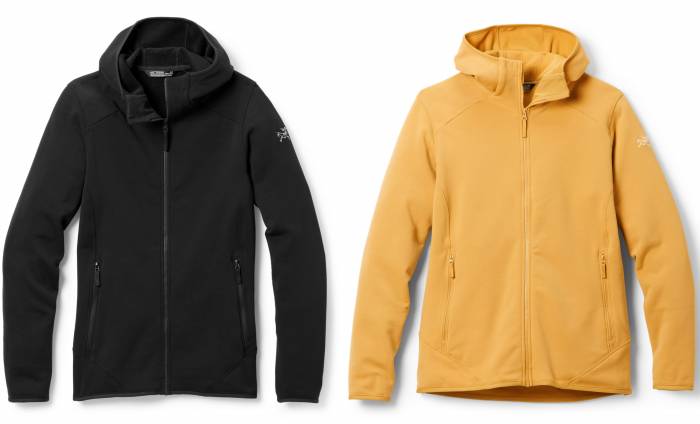
Arc’teryx Kyanite Hoodie – Women’s
-

-
Eric phillips

Specifications
Pros & Cons
Pros
- Wind-resistant fabric
- Stretchy
- Attractive cut that’s easy to layer
Cons
- No thumb loops
- Fabric retains body odor
- Hood might be a no-go for some
Bottom Line: A soft, stretchy, do-it-all fleece that perfectly balances comfort with active breathability. It tends to hold onto body odor after heavy use, and notably lacks thumb loops.
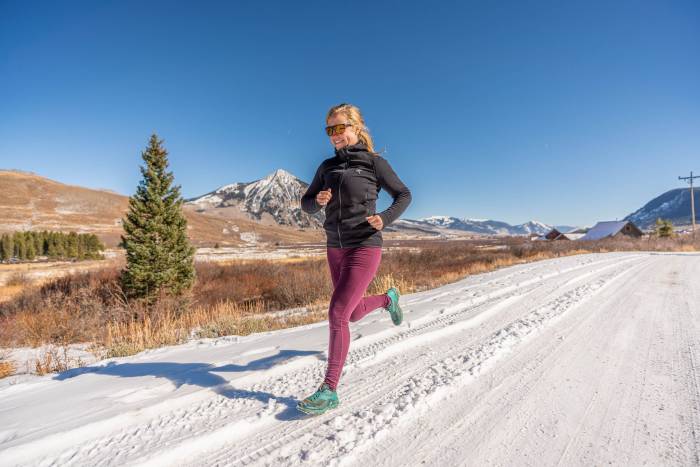
With a cozy, soft, brushed interior liner and air-permeable construction that lets the fabric breathe while you sweat, the Arc’teryx Kyanite Hoodie ($200) remains our favorite overall fleece jacket. This design truly balances warmth, comfort, and breathability, and after testing dozens side by side, our team found that it sets the benchmark as the most comfortable and versatile.
The Tech: Nylon in the weave helps guard against wind and abrasion. A redesign for the winter of 2024-2025 means a little more than half the jacket’s fleece comes from recycled materials. The soft, stretchy fabric at the hem and cuffs pulls on smoothly over watches or jewelry, the fabric around the hips easily expands, and four-way stretch fabric around the underarms doesn’t restrict movement. The cut is fitted and trim, and the jacket weighs 12.2 ounces. It has two zippered hand pockets, and there are no thumbholes.
What We Like: The jacket exemplifies the Goldilocks of thickness, with enough to be cozy and durable but not so much that it’s bulky under layers. It has a surprising resilience to extreme cold and strong wind, and it helped shield gales while worn as an outer layer during fall and winter trail runs at 9,000 feet in the Colorado Rockies. Senior Editor Morgan Tilton tested it in 20 to 40 degrees F plus windchill. In more moderate temperatures (40 to 50 degrees F), the jacket helped tester Kylie Mohr stay warm backpacking and camping in gusty Glacier National Park in the early fall. She liked how it didn’t snag on bushes around camp, packed down relatively small, and was easy to throw on as nighttime temperatures plummeted. The fabric did a great job wicking sweat and moving moisture away from the body to help keep us dry while running at a brisk pace. We love the length of the arms, which cover our wrists and can stretch to cover our whole hand if we don’t want to carry glove liners. The trimmer pattern is meant to hug the body for performance and is easy to layer over a base layer. Throw it on under a down jacket while you’re walking your pup around town, or layer it underneath a ski shell or climbing harness. Compared to the Patagonia R1 Air Full-Zip, the Kyanite is warmer and better in the wind, though it’s less breathable and about 1.3 ounces heavier.
What We Don’t: The interior lining on the two zippered hand pockets is a mesh akin to gym shorts and less like the sleek design Arc’teryx is known for. We wish it were lined with a slightly softer fabric, though that might knock the packability and weight a bit. The fabric also retains body odor, so wear deodorant. If you like a roomier, relaxed fit, size up or go with a different fleece.
Should You Buy It? If you want one fleece that can handle trail runs, camping, and everyday layering, the Kyanite Hoodie is the one to beat. We love every detail of this fleece jacket, with a few small quibbles.
REI Co-Op Flash Hyperstretch Fleece Jacket
-
-
Testing women's fleece jackets; (photo/Kylie Mohr)
-
(Photo/Kylie Mohr)
-
(Photo/Kylie Mohr)
Specifications
Pros & Cons
Pros
- Stretchy
- Slightly longer length with drawcord hem
- Affordable
- Hood stays on while running
Cons
- No thumbholes
Bottom Line: The budget-friendly champion for layerable, year-round use with incredible stretch and low bulk. It is light on features, though, and we are still wishing for thumbholes.
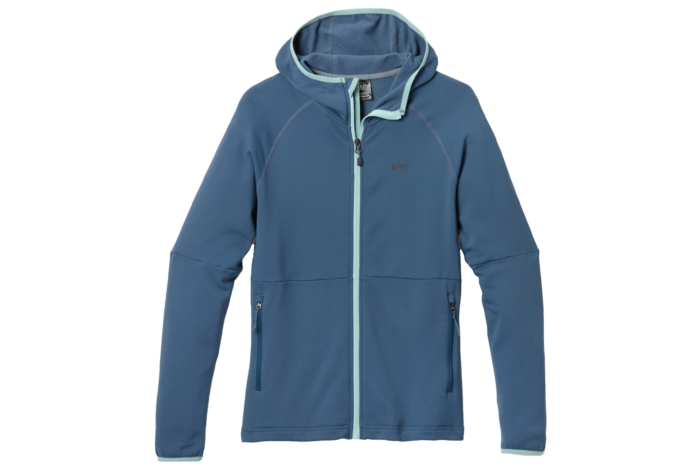
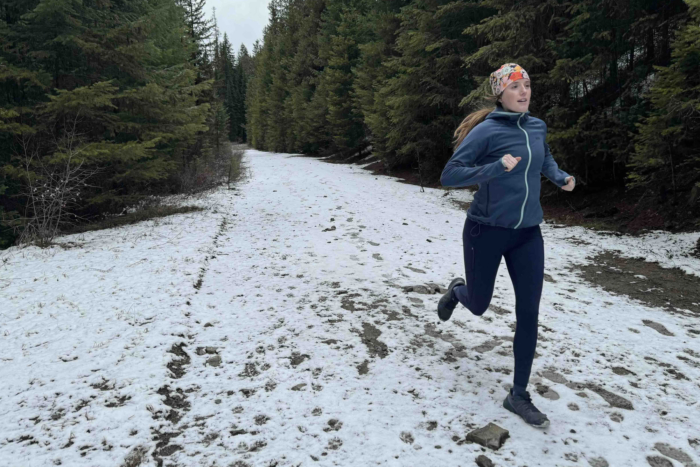
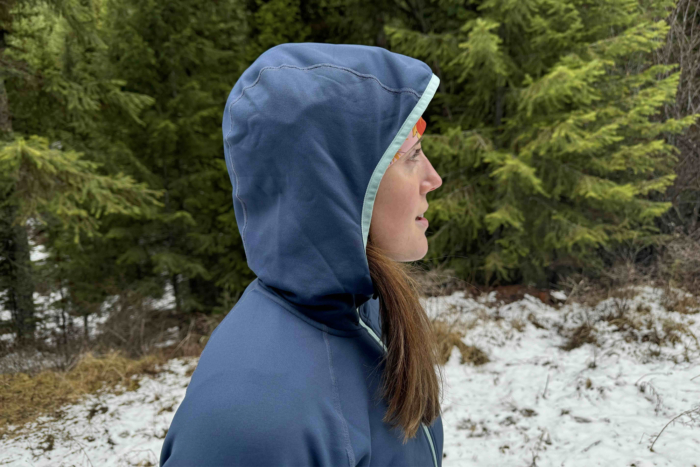
In a closet full of fleece jackets, we found ourselves reaching for the REI Co-op Flash Hyperstretch Fleece Jacket ($75) over and over, all year round. This versatile jacket is a good choice for skiing, trail running, outside chores, shoulder-season mountain biking — you name it.
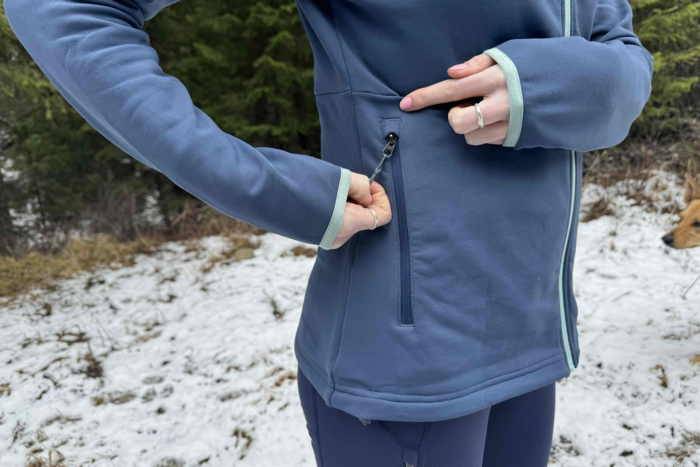
The Tech: A smooth outer fabric steers clear of snags, and the fleece interior feels cozy on the skin. The jacket has a slightly longer length, a drawcord hem, a sleek hood that circles your head like a storm hood used in chilly water sports, zip pockets, and stretchy cuffs. The fit is athletic, and it weighs 11 ounces.
What We Like: One of our favorite features is, unsurprisingly, the stretch. The jacket allows lots of movement and doesn’t feel constrictive at all. It’s easy to pack down and doesn’t add unnecessary bulk under a rain jacket, shell, or puffy. The slightly longer length keeps the jacket from riding up while we’re taking layers or packs on and off, and the drawcord hem cinches the fit down to your body, keeping warmth in and gusts out. The zip pockets keep your objects on you instead of falling out all over the trail. The stretchy cuffs keep your hands free. Compared to the Arc’teryx Kyanite Hoodie, the Flash Hyperstretch costs half as much and is about an ounce lighter, though it’s less warm and lacks the Kyanite’s wind-fighting nylon weave.
What We Don’t: We sometimes miss thumbholes when we forget to pack gloves.
Should You Buy It? For $75, we really can’t find much we’d change. Bring it on a backpacking trip for multipurpose warmth, layer it under your preferred puffy for a cold day in bounds, or take it running and get caught in a spring shower. You’ll be warm but barely notice you’re wearing a jacket at all.
Patagonia R1 Air Full-Zip Hoody – Women’s
-
-
A solid fleece jacket is an integral part of your layering system on any adventure; (photo/Chris Carter)
-
(Photo/Katie Griffith)
-
(Photo/Katie Griffith)



Specifications
Pros & Cons
Pros
- Highly breathable
- Sleek fit makes layering easy
- Form-fitting hood doubles as a hat
- Great feel against skin
Cons
- Doesn't block the wind
Read Review: Your Favorite Fleece Takes a Deep Breath
Bottom Line: A legendary, high-output midlayer with elite breathability designed to dump heat fast during intense alpine climbs. Wind blows right through the zigzag knit, so you will absolutely need a shell in breezy conditions.
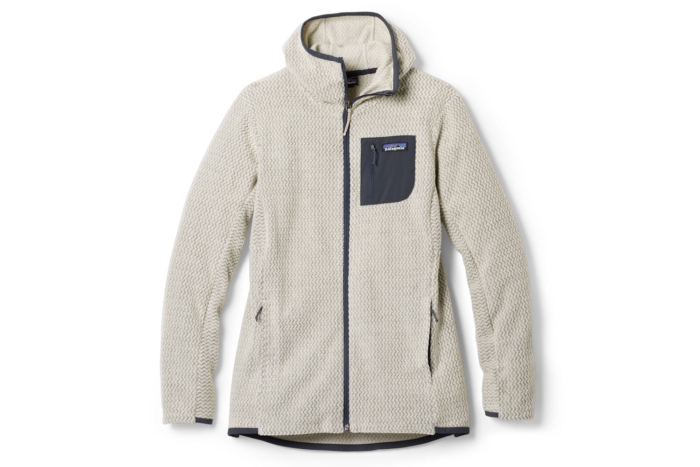
Excellent breathability and a sleek fit make the Patagonia R1 Air Full-Zip ($199) an ideal layer for getting after it on cold days. We tested it during an unseasonably cold spring climbing season at Smith Rock, spring ski touring in the North Cascades, and hiking in Central Oregon in temps down to 30 degrees.
The Tech: The jacket is made of a jacquard fleece with hollow-core yarns. It has a full zip, a form-fitting hood, and multiple zip pockets. The fit is sleek, and it weighs 10.9 ounces.
What We Like: This jacket moves and breathes with you and fits seamlessly under other layers. On winter hikes up the boot pack at Teton Pass and long skins in Grand Teton National Park in spring, its epic breathability cut down on our need to take layers on and off. The full zip makes venting easy, and we appreciated having multiple zip pockets for stashing chapstick, phones, and snacks.
What We Don’t: The trade-off for the R1’s high level of breathability is lower weather resistance. It offers a tiny bit of wind resistance, but a strong wind cuts right through it, so it’s best paired with a light wind layer in gusty conditions. If you want something fleecy and a bit more weather-resistant, the Patagonia R1 Thermal or R2 CrossStrata will be a better choice. The R1 Air is also most effective as an active layer, so bring along a puffy jacket to trap your heat in while belaying or taking a lunch break during your ski tour.
Should You Buy It? For cold-weather hiking and climbing, ski tours, or ice climbing, the R1 Air Full-Zip Hoody is a layer you won’t need to take off when the temperature rises. If your days are windy or involve a lot of standing around, pair it with a shell or look at a warmer, more weather-resistant option.
Arc’teryx Delta Jacket
-
-
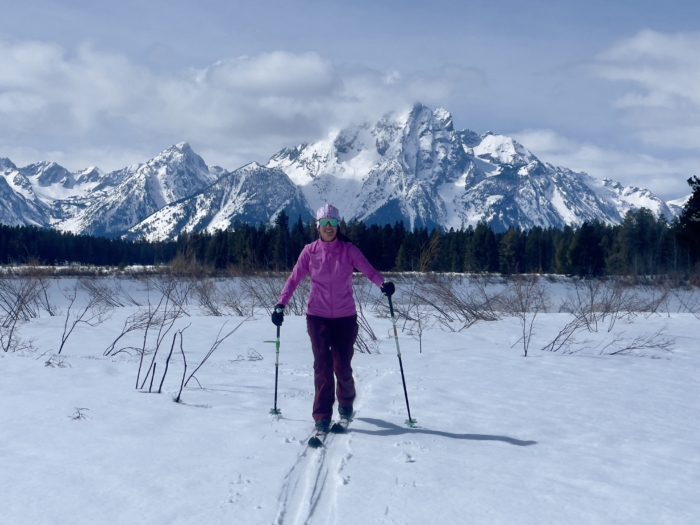
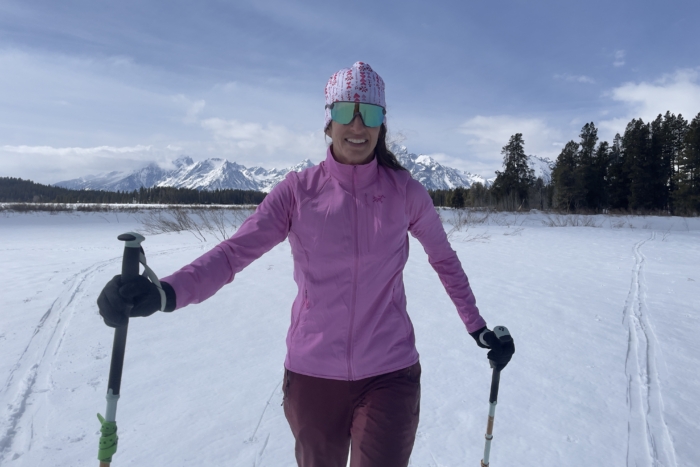
(photo/Elk Raven Photography)
-
The Arc'teryx Delta fleece jacket allows full mobility and is made of 100% polyester; (photo/Elk Raven Photography)
Specifications
Pros & Cons
Pros
- Highly breathable
- Excellent warmth-to-weight ratio
- Trim fit layers cleanly
- Lightweight and packable
Cons
- Minimal wind resistance
- No hood option
Bottom Line: A hyper-efficient, trim-fitting technical fleece built specifically for fast-and-light mountain missions. It has a very specialized fit, however, and minimalist storage with just one pocket.
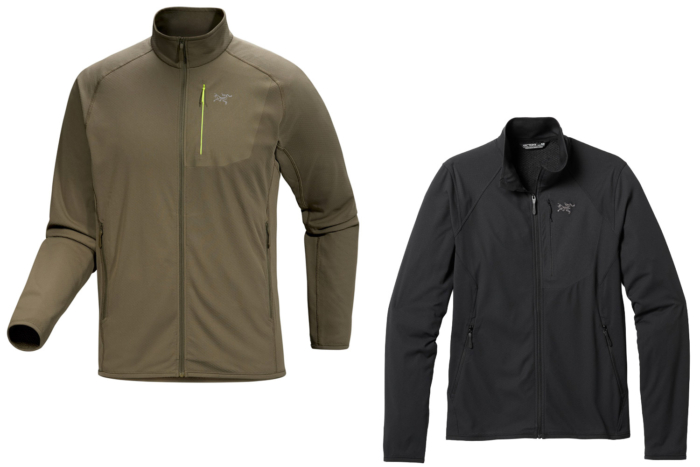
The Arc’teryx Delta Jacket ($200) is a technical fleece jacket built for efficiency in the mountains. We tested it on alpine ascents and ski tours where temperature swings were constant.
The Tech: The Delta is made with Polartec Power Dry grid fleece. It has a trim fit, a stretch fabric, and a single chest pocket that adds just enough function without disrupting its minimalist design. It weighs 6.9 ounces.
What We Like: The jacket delivers excellent warmth-to-weight performance while maintaining breathability during high-output pursuits. The grid construction traps enough heat in cold conditions but releases excess warmth during steep climbs, making it a reliable piece for long, demanding days. The trim fit and stretch fabric allow for excellent freedom of movement, whether climbing, skinning, or backpacking in technical terrain. Compared to the Patagonia R1 Air Full-Zip Hoody, the Delta weighs about 4 ounces less, though it’s lighter on warmth.
What We Don’t: This is not a fleece for casual wear or maximum coziness.
Should You Buy It? For technical missions where weight, breathability, and mobility matter most, the Delta Jacket remains one of the most capable fleeces in Arc’teryx’s lineup. If you want something to lounge in, look at a warmer, softer option.
Patagonia Better Sweater
Specifications
Pros & Cons
Pros
- Unmatched crossover appeal for everyday & casual outdoor wear
- Cozy, 100% recycled knit-fleece construction
- Highly durable & holds its shape well over years of use
Cons
- Heavy compared to true technical mountain fleeces
- Subpar wind resistance
- Tight sleeves
Bottom Line: The undisputed king of casual coziness, offering a polished look with reliable warmth for the office or around town. It is heavy, bulky, and lacks the breathability needed for intense cardio or steep hikes.
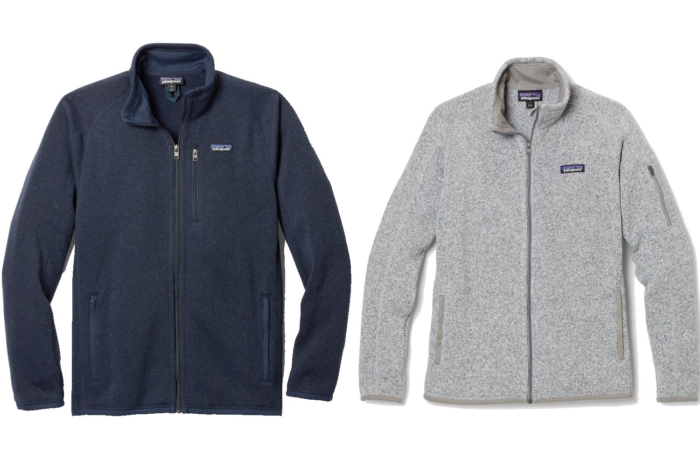
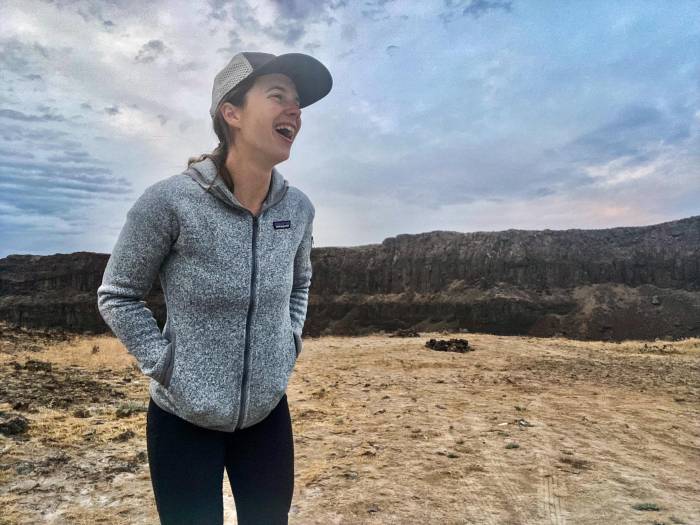
We love the cozy yet stylish vibe of the Patagonia Better Sweater Hoody ($169). The sweater-knit exterior fabric combined with the fuzzy fleece interior kept us looking and feeling good on cool-weather hikes, spring camping in Central Oregon, and hosting clients at an outdoor event.
The Tech: This medium-weight fleece has a sweater-knit exterior, a fuzzy fleece interior, a hood, and multiple zip pockets. It’s made of 100% recycled polyester with Fair Trade Certified sewing and bluesign approval. The fit is athletic, and it weighs 16.9 ounces.
What We Like: Though it looks as nice as a sweater, it’s low maintenance: you can throw it in the laundry with the rest of your clothes, with no need for dry cleaning. It traps heat well, and we stayed comfortable in temperatures down to 30 degrees with this jacket as a midlayer under a medium-weight puffy. We like all of the zip pocket options, and the hood adds some extra warmth in chilly conditions. Compared to the Cotopaxi Teca Fleece Full-Zip Jacket, another casual favorite, the Better Sweater Hoody costs $39 more and weighs about 4 ounces more, but it’s warmer and has a more athletic fit.
What We Don’t: It’s not the most breathable or lightest option on the market, and we wouldn’t recommend using it for strenuous activities or backcountry travel.
Should You Buy It? If you want a layer that will keep you comfortable on a camping trip but is easy to wear on a casual night out, the Better Sweater Hoody is a great choice. It’s also a better choice for the planet.
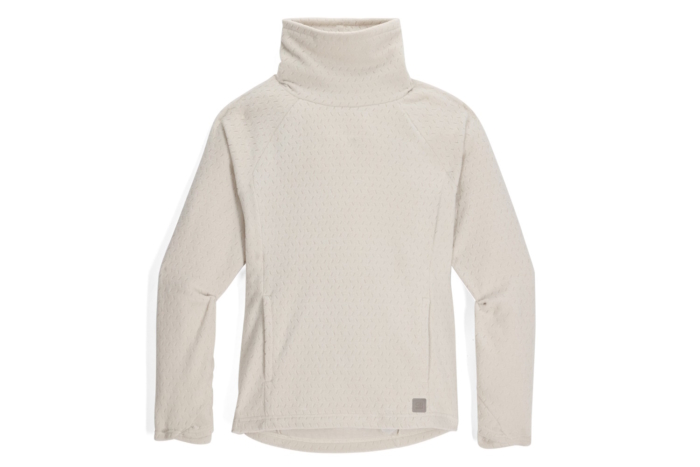
Outdoor Research Trail Mix XT Fleece Cowl Pullover
-
-
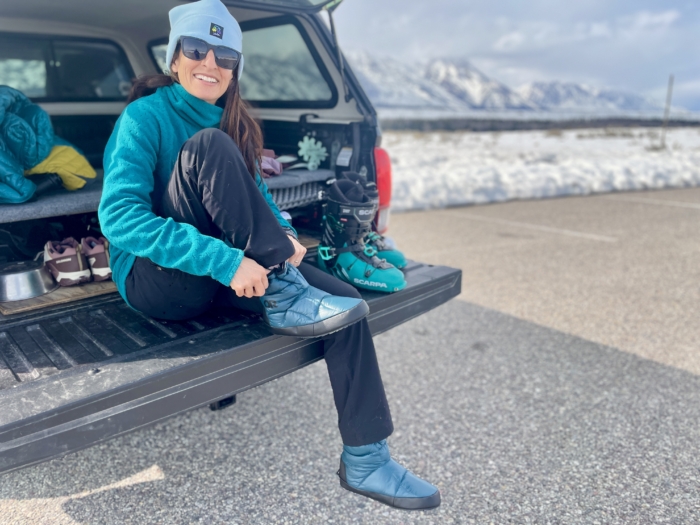
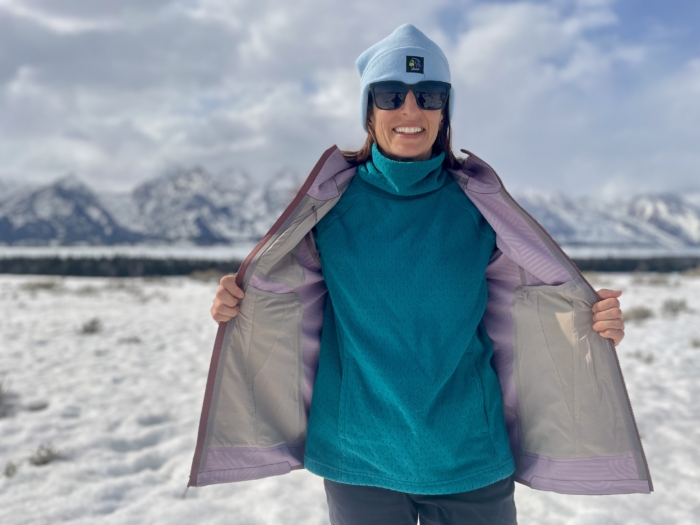
The unique cowl neck on this super fun, functional and stylish piece from Outdoor Research adds warmth without bulk; (photo/Elk Raven Photography)
-
The Outdoor Research Trail Mix XT Fleece Cowl Pullover is ideal for layering; (photo/Elk Raven Photography)
Specifications
Pros & Cons
Pros
- Extremely warm
- Unique cowl neck adds coverage without bulk
- Stretchy, comfortable fit with thumbholes
- Versatile for trail or everyday wear
- Extremely stylish
Cons
- Not wind- or water-resistant
- Semi-breathable
Bottom Line: A ridiculously cozy, stylish pullover that transitions perfectly from camp to the coffee shop. It is easily overwhelmed by wind and rain, however, and runs too warm for strenuous efforts.
The Outdoor Research Trail Mix XT Fleece Cowl Pullover ($120) is a cozy, do-it-all fleece designed for everything from trail outings to lounging around town. It adapts to your effort level whether you’re hiking, skiing, or running errands on a chilly morning.
The Tech: The pullover is built with OR’s thermo-regulating ActiveTemp fleece, and its standout feature is a relaxed cowl neck. The fit is casual yet functional, with enough stretch to layer over a light base layer. Thumbholes and a kangaroo-style pocket with an integrated mesh pocket for your phone or small items add everyday practicality. It weighs 12.0 ounces.
What We Like: The fleece balances warmth and breathability, and the cowl neck provides extra coverage and a comfortable alternative to a standard hood. It keeps bulk down while adding a touch of style, and you can move freely on the trail. It layers easily under a shell when conditions turn. Durability is solid for daily wear, and the soft fleece feels just as comfortable against the skin after long use. We especially loved how well it moved from adventure to town: we could wear it while Nordic skiing and not need to change to meet friends for coffee or to go to a work meeting. Compared to the Patagonia Better Sweater Hoody, the Trail Mix XT costs $59 less and weighs about 5 ounces less, and it swaps the hood for a cowl neck.
What We Don’t: Warmth is comparable to a light fleece hoodie, and it won’t block wind like a shell.
Should You Buy It? For those who want a pullover that can double as an active layer and a casual around-town piece, the Trail Mix XT Cowl Pullover is a versatile, affordable option. It blends technical function with lifestyle comfort in a way that makes it easy to grab day after day.
More Field-Tested Women’s Fleece Jackets To Keep You Cozy
-
-
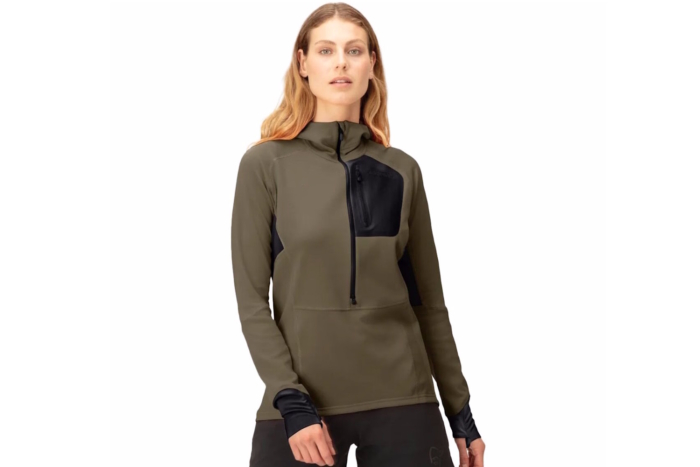
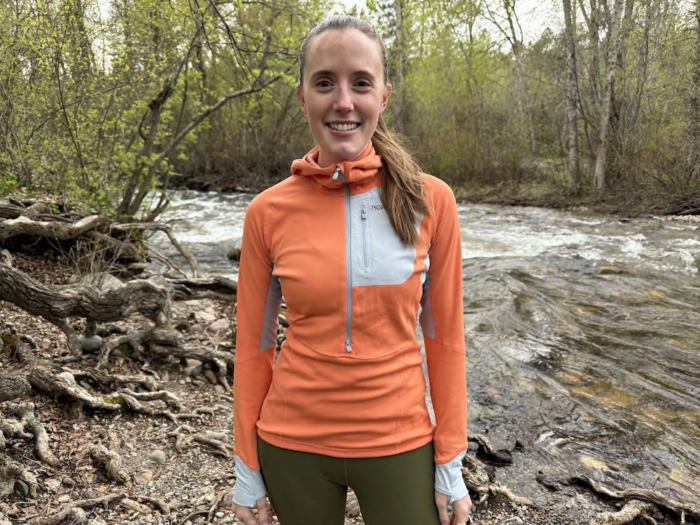
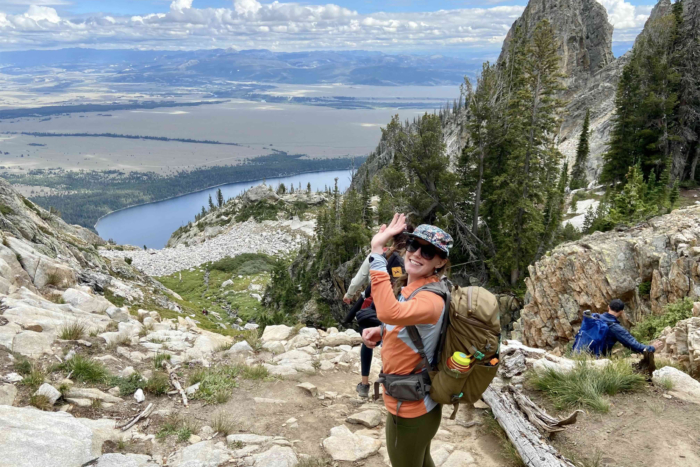
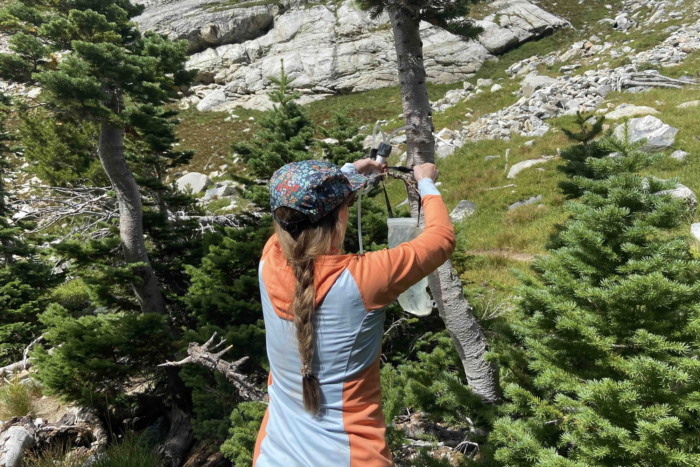
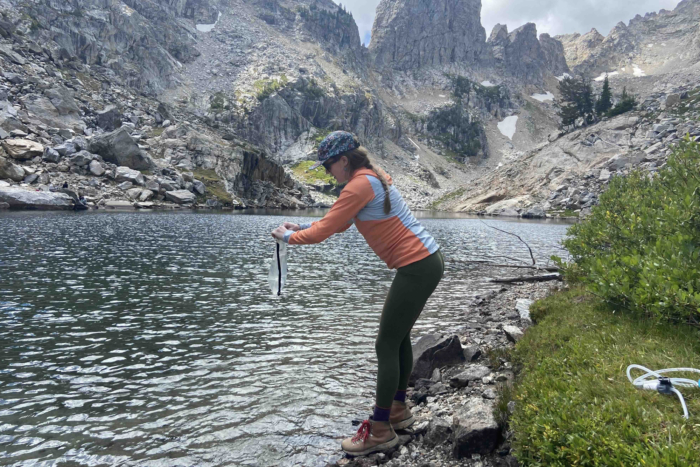
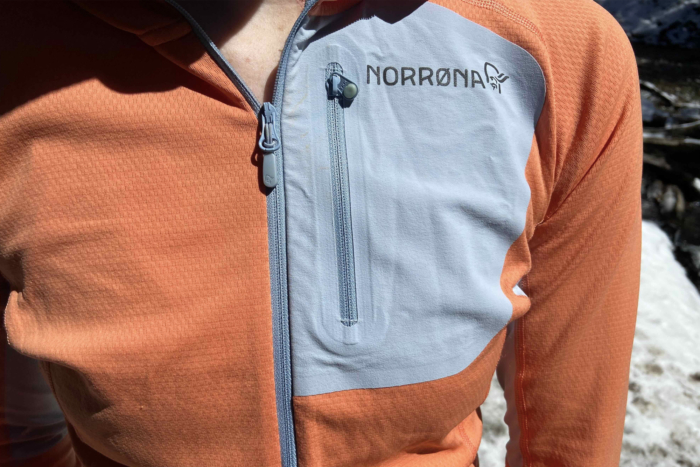
We tested the Norrøna's Senja Warm1 Hood and found its a great midlayer for summer adventures; (photo/Kylie Mohr)
-
(Photo/Kylie Mohr)
-
(Photo/Kylie Mohr)
-
(Photo/Kylie Mohr)
-
(Photo/Kylie Mohr)
-
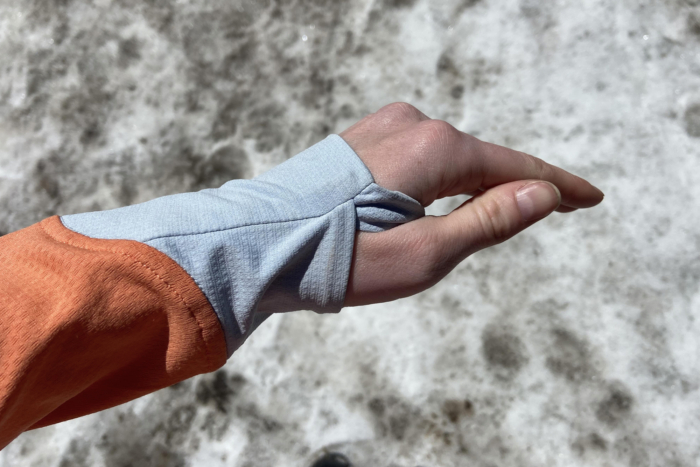
Thumb loops on a fleece jacket for women; (photo/Kylie Mohr)
Specifications
Pros & Cons
Pros
- Breathable
- Anti-stink fabric
- Long Anorak-style zipper for regulating heat
Cons
- Tight thumb loops
Read Review: My Favorite Chilly Trail Running Layer: Norrøna Senja Warm1 Hood Review
Bottom Line: A hyper-breathable, quick-drying machine purpose-built for freezing trail runs and winter cycling. The thumb loops are awkwardly tight against GPS watches, so consider your accessories wisely.
The Norrøna senja warm1 Hood ($199) has a place in our lineup all year round. We loved it for everything the high alpine Montana weather threw at us, and we tested it as a base layer during ski touring in the middle of winter, as a light jacket hiking in the high alpine in late summer, and everywhere in between.
The Tech: The slim cut means you can wear it as a base layer or layer it under a wind or rain shell. The lightweight, quick-drying recycled polyester fabric has an anti-odor treatment, a UPF rating of 50+ on the bulk of the fabric, and UPF 30 on the back and underarms. An extra-long quarter-zip (more like a half-zip) runs down to the belly button, and there’s a fitted hood, a chest pocket, and cuffs with hand gaiter capability. It weighs 9.1 ounces.
What We Like: This midlayer offers versatile warmth in a variety of activities, and its quick-drying fabric is ideal for trail running in variable conditions. The long zip makes it relatively easy to take on and off and dumps heat when necessary, and the fitted hood is a nice touch if you start to get cold or need to block a little wind. The UPF rating means that if you forget sunscreen, you won’t get roasted. The chest pocket keeps small items, like earbuds, chapstick, or an extra hair tie, close at hand. The anti-odor treatment really works: we wore this jacket on multiple adventures, even leaving it crushed up in a pack or car afterward, and didn’t smell anything the next time we put it on. Compared to the Patagonia R1 Air Full-Zip Hoody, the senja warm1 Hood costs $10 less and weighs about 2 ounces less, though it’s lighter on warmth.
What We Don’t: Our least favorite feature was the abnormally tight cuffs with hand gaiter capability. It’s hard to comfortably wear a Garmin or other smartwatch underneath them.
Should You Buy It? If you want a warm, breathable, lightweight midlayer for running, mountain biking, hiking, and other high-output activities, this jacket is for you. Its thin fabric almost feels like a base layer, but with more features and insulation, making it a trusty companion in fickle weather.
Specifications
Pros & Cons
Pros
- Stylish
- Very warm
- Fairly weather-resistant
- Has a number of cool features for a non-technical fleece
Cons
- Heavy & bulky
- Slightly cropped
- Not breathable
Bottom Line: A burly, retro-styled icon that provides fantastic weather resistance and durability for casual winter days. It is heavy, bulky, and completely lacks the breathability needed for active use, so save it for mellower outings.
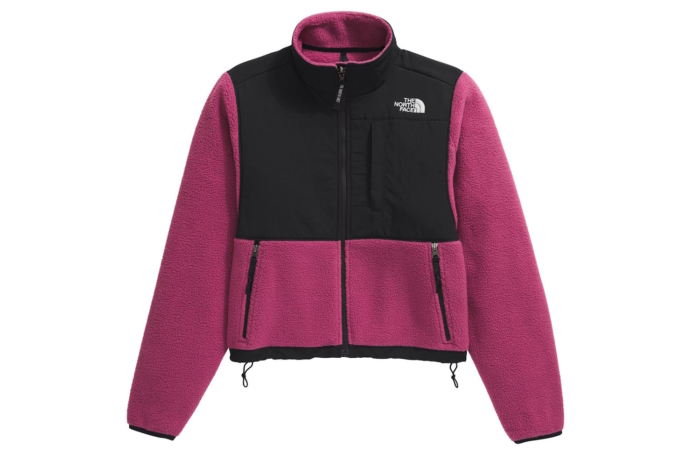
We all want that cozy fleece that keeps the cold at bay but also looks sweet enough to meet up with friends at the coffee shop or take a casual dog walk on a local trail. The iconic The North Face Retro Denali Fleece Jacket ($200) meets and exceeds all our needs for a stylish, fun, everyday fleece with surprising features.
The Tech: The Retro Denali has a heavyweight fleece construction with nylon panels on the chest, back, and sleeves that block wind and shed water. It also has pit zips and three zipped pockets. The fit is relaxed.
What We Like: This jacket has endured and remained popular for decades thanks to its stylish look, heavyweight fleece warmth, comfort, and versatility. The nylon panels add durability and weather resistance, the pit zips help us dump heat, and the zipped pockets are convenient for storing essentials like snacks, a phone, and dog bags. It’s awesome for trail-to-town adventures, hours of standing outside watching wildlife, or mellow hikes where you’re not counting ounces.
What We Don’t: This is the warmest and bulkiest option we tested, so it limits mobility more than stretchy, light options like the Patagonia R1 Air. It’s also a bit heavy to pack for a backcountry ski tour or a backpacking adventure. This version feels shorter than the one we had 10 years ago, and we wish The North Face had kept the length. The men’s version comes down 4 inches further, so that may work better for you depending on body type and how active you plan to be while wearing it.
Should You Buy It? If you want a stylish, everyday fleece with real warmth and weather resistance, the Retro Denali is hard to beat. It’s the one to grab for cold days outdoors where comfort matters more than weight.
-
-
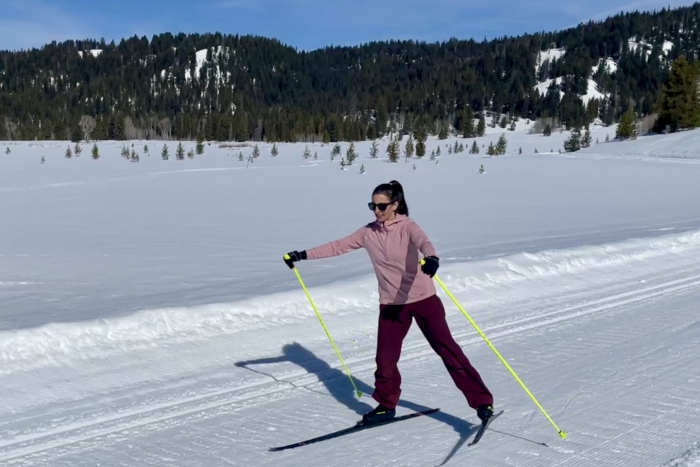
The Stio Turpin Fleece Half Zip is excellent for active pursuits like Nordic skiing; (photo/Elk Raven Photography)
Specifications
Pros & Cons
Pros
- Recycled materials
- Snap cuffs, curve front add style and a touch of Western flair
- Thick and soft feel
- Microfleece wicks moisture, dries quickly
Cons
- No hood (also pro, depending on your preferences!)
- Not wind resistant
Bottom Line: A luxuriously soft, quick-drying half-zip that excels as a daily driver or an easy midlayer for resort skiing. It offers zero wind resistance, though, so add a shell on stormy days.
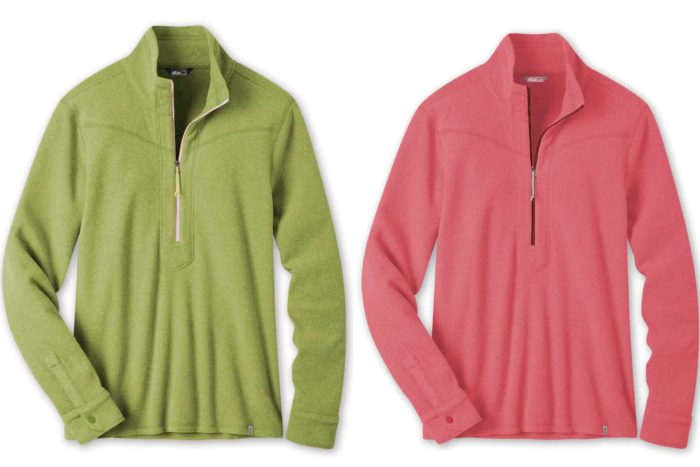
Made with Western durability and flair, the Stio Turpin Fleece Half Zip ($99) is equally at home on a chilly fall run and at your favorite brewery, providing lightweight warmth in the elements and looking good while doing so.
The Tech: The Turpin has button snap cuffs, a nod to the Jackson, Wyoming brand’s heritage, and a curved back yoke that emulates the appearance of a classic wool shirt. A rope pull on the half-zip adds a splash of contrasting color. There’s no hood. The fit is athletic, and the jacket weighs 7.8 ounces. All products in the Turpin Collection, including this fleece, are made with recycled performance fibers created from recycled plastic water bottles.
What We Like: We enjoyed the Turpin’s versatility and found ourselves grabbing it to meet friends after work, hop on Zoom calls, walk our dog on nippy winter mornings, or rip groomer laps at the local ski hill. The snap cuffs keep sleeves from sliding onto our hands, and the rope pull is easy to slide. The jacket has that soft, fuzzy, traditional fleece look and feel without being too bulky to function as an adaptive midlayer, and the lack of a hood lets it layer nicely. We also appreciate Stio’s variety of stewardship initiatives: the brand offsets the carbon footprint of every order, has a trade-in program for used gear, and reports that more than 50% of products use organic cotton, recycled materials, and responsibly sourced down. Compared to the REI Co-op Flash Hyperstretch Fleece Jacket, the Turpin costs $11 less and weighs about 3 ounces less, and it’s warmer.
What We Don’t: Like lots of fleece, this layer is permeable enough to feel the wind. If it’s an extra gusty day, or you run cold, make sure to layer appropriately under and over the jacket. We recommend a shell on wet and windy days. Hood or no hood is a personal preference, but you won’t find one here.
Should You Buy It? If you’re looking for a traditional fleece that looks sharp at meetings, on the streets, and down the slopes, the Turpin Fleece Half Zip is the jacket for you.
Specifications
Pros & Cons
Pros
- Modern, sporty design
- Affordable price
- Warm and comfortable
Cons
- Some reviewers found the fabric a tad rough
- The zipper sometimes snagged, according to users
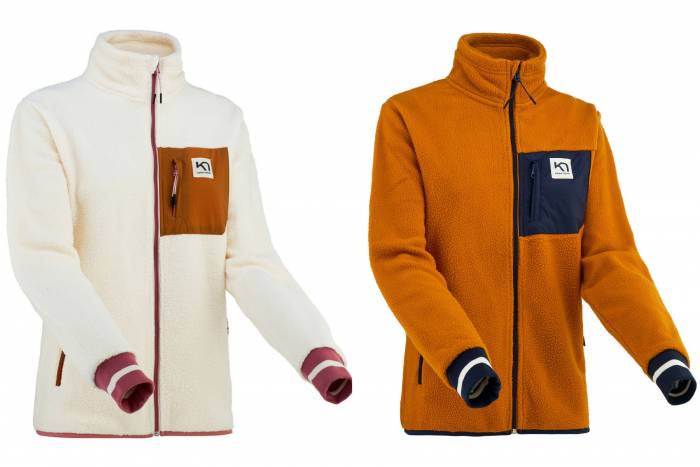
Bottom Line: A stylish and highly affordable sherpa-style fleece perfect for running errands or casual winter lounging. The fleece texture can feel a bit scratchy, however, and the main zipper is prone to sticking.
On the search for an affordable, casual fleece that also works great as a winter layer? Look no further than the Kari Traa Rothe Midlayer Fleece Jacket ($79), an insulated zip-up with two zippered hand pockets and a mock turtleneck.
The Tech: The Rothe has a casual, relaxed fit with ribbed cuffs, a high collar, a chest pocket, and an elastic hem. The 100% recycled polyester fleece fabric has a higher pile than most fleeces on the market, and the jacket weighs 14.1 ounces.
What We Like: We loved the jacket’s level of warmth in testing. The distinctive colors and color-blocked pockets and cuffs popped, and they were easy to find among our friends’ black jackets. Compared to the Cotopaxi Teca Fleece Full-Zip Jacket, the Rothe weighs about 1 ounce more, and it’s warmer.
What We Don’t: The distinctive colors and color-blocked pockets and cuffs might not be everyone’s style.
Should You Buy It? If you want an affordable, casual fleece that doubles as a warm winter layer, the Rothe is an easy pick. It’s especially good if you like a bold look that’s easy to spot on the slopes or in a crowd.
Women’s Fleece Jacket Comparison Chart
| Compare |
|
|
|
|
|
|
|
|
|
|
|---|---|---|---|---|---|---|---|---|---|---|
| Price |
$200
|
$75
|
$199
|
$200
|
$169
|
$120
|
$189
|
$180
|
$99
|
$79
|
| Weight |
12.1 oz.
|
11 oz.
|
10.9 oz.
|
6.9 oz.
|
16.9 oz
|
11.1 oz.
|
7.8 oz.
|
21.8 oz.
|
7.8 oz.
|
14.1 oz.
|
| Fit |
Athletic
|
Athletic
|
Athletic
|
Fitted
|
Relaxed
|
Standard
|
Athletic
|
Relaxed
|
Regular
|
Relaxed
|
| Fabric |
Polartec Powerstretch Pro: 53% recycled polyester, 38% nylon, 9% elastane
|
54% recycled polyester, 35% nylon, 11% spandex
|
100% recycled polyester
|
100% polyester
|
100% recycled polyester
|
100% recycled polyester
|
100% recycled polyester
|
100% recycled polyester
|
Recycled heather microfleece, 65% REPREVE recycled polyester, 35% polyester
|
Polyester
|
| Density |
Midweight
|
Light to Midweight
|
Lightweight
|
Lightweight
|
Heavyweight
|
Midweight
|
Lightweight
|
Heavyweight
|
Midweight
|
Midweight
|
| Special features |
Helmet-compatible hood
|
Zippered hand pockets, drawcord hem
|
Slim-fit hood and chest pocket
|
Two zippered hand pockets, 1 chest pocket, chin guard
|
Zippered shoulder pocket
|
Stylish, cowl neck, kangaroo pocket w/internal mesh pocket
|
UPF 30-50+ hybrid fabric protection
|
Stylish, pit zips, weather-resistant panels
|
Half-zip for temperature regulation, shirt-style cuffs and yokes
|
Zippered chest pocket
|


How We Tested Women’s Fleece Jackets
We tested every fleece jacket for women in a wide range of conditions and activities, putting them through the wringer across environments, seasons, and weather conditions. From shoveling snow to jogging and running errands, we used them for activities you will encounter in daily life.
Our Expert Testers
Lead tester Kylie Mohr has lived in a four-season mountain climate for nearly 3 decades. Mohr tested these fleeces for their warmth, durability, and packability, throwing them on for alpine skiing, ski touring, trail running, shoulder season hiking and mountain biking, and simply just walking the dog on chilly mornings.
Over the last year, she spent over 75 hours wearing the five new fleeces she tested for this guide, seeing how they compared with each other and other favorites in her closet. Fleeces journeyed with her to multiple national parks and even Japan.
Former GearJunkie editor Chris Kassar, who lives in Jackson, Wyoming, took over the guide, adding a few of her favorites and expanding some reviews based on further testing.
Managing Editor Morgan Tilton grew up in the Colorado Rockies and lives in the Gunnison Valley, one of the coldest places in the U.S. She pulls on a fleece year-round, from camping to yard work and downhill skiing or snowboarding. Fleece midlayers have rotated through her closet for her entire life.
A range of skilled outdoor experts worked with Tilton throughout the guide’s seven iterations since 2021. That list includes an AMGA-certified rock guide, sugar beet harvester, ski patrol trail guide, and a professional wildlife photographer-rancher.
Our Testing Grounds
These fleece jackets accompanied us while alpine skiing and on backcountry tours in Idaho, Wyoming, Montana, and Colorado. They proved their durability and heat retention while rowing Idaho’s wildest whitewater working the land in North Dakota farmlands, and ascending cracks in Utah’s Indian Creek. We used these pieces rock climbing Colorado’s high-elevation peaks and limestone walls.
Temperatures stretched from splitting cold at sunrise to scorching beneath the sun during fieldwork. These layers protected us while glassing for animals and trail running. Other designs helped keep us warm while we cleaned farm machinery, pedaled cruisers around town, and cooked meals at the campsite.
Our Testing Process
Using first-hand experience and research, we narrowed down this season’s best fleece for women who work and play outside regularly. While field testing our fleece, we consider overall fit, warmth, density, weight, quality, durability, comfort, stretch, odor resistance, breathability, and value. We also take a close look at the features, including the zippers, zip pulls, hems, hood, seams, and pockets.
Before narrowing the selection, we take into account the most innovative, sustainable, novel, objective-specific, popular, highly rated, and legacy products across a range of price points. We’re confident this list includes the best women’s fleece jackets on the market that serve a variety of budgets and end uses.

Our Rating System for Women’s Fleece Jackets
For each women’s fleece jacket we tested, we scored it from 1 to 10 in four key performance areas: breathability, durability, wind and water resistance, and packability. Breathability reflects how effectively the fleece moves heat and moisture away from the body during activity. Durability measures how well it stands up to repeated use, pack abrasion, and washing, including pilling or snagging. Wind and water resistance shows how much protection the fabric and construction provide from gusts or light precipitation. Packability indicates how small and light the fleece compresses for stashing in a pack or travel bag.
The overall score is not a simple average of those numbers. Instead, it represents our testers’ editorial judgment of the full user experience —warmth, comfort, versatility, and performance in the field — after weeks of real-world use. A jacket that feels exceptional in daily wear or performs far better in wind may receive a higher overall score than its category scores alone might suggest.

Buyer’s Guide: How to Choose the Best Fleece Jacket for Women
Fleece is a human-made fabric that is soft, fuzzy, and imitates wool fleece Most brands use it to make a variety of insulating midlayers and lightweight jackets or vests that often have a full or partial front zipper.
Synthetic materials like polyester or a polyester blend typically makeup fleece.
It’s not to be confused with wool fleece, which comes from a variety of animals including sheep, alpacas, and goats.
For this guide, we focused on fleece jackets rather than vests.
Fleece Jackets for Women: History
Modern fleece was born out of a collaboration between Patagonia and a company called Malden Mills Industries, now Polartec.
Maiden Mills developed the first-ever synthetic fleece textile in 1981. Patagonia wanted to mimic and tweak wool, which rock climbers and backpackers were wearing at the time, and make something lighter and quicker to dry.
Designers found synthetic pile at a fabric shop, then worked to soften initial stiff prototypes: made from material intended for toilet seat covers. An initial catalog description for the result, the “Patagonia Climbing Jacket,” called the jacket “very warm, wind and water-resistant” — qualities fleece jackets from all brands are loved today. In 1985, the iconic Synchilla Fleece pullover was born.
Benefits of Fleece
Fleece is generally breathable, wicks moisture, and is quick-drying. Those qualities can be good for cardio activities like backcountry skiing, trail running, backpacking, or hiking.
Designs vary based on their warmth-to-weight ratio, wind and water resistance, bulkiness, and features like thumbholes, pockets, or hoods.
Fleece vs. Wool
Wool, on the other hand, regulates temperature well, shields wind, and carries anti-odor properties. Wool is also naturally water-repellent due to the lanolin that coats the fibers. Comparatively, fleece wets quicker than wool but dries faster.

High-Pile Fleece
High-pile fleece is that plush, blanket-like fleece jacket. It looks cozy, cuddly, and sometimes, like a teddy bear. It’s also known as sherpa fleece because it has the feel and resemblance of a sheep’s coat. The prAna Polar Escape Snap Jacket is a super soft example of the sherpa look and feel, as is the Kari Traa Rothe Midlayer Fleece Jacket.
High-pile fleece can give off a throwback, retro vibe, since it’s reminiscent of early designs.
Warmth & Insulation
Fleeces offer varying levels of warmth and insulation from the cold, based on the type of fabric, weight, and any fabric liners. We classify all of our picks as midlayers, though some are warmer and more weather-resistant than others. In some conditions, these fleece work perfectly fine as an outer layer.
Lightweight
The lightest fleece jackets are around 100 gsm. These layers are great for high-aerobic activities like nordic skiing or running. They are generally more breathable and less bulky. An example of the best fleeces in this category is the Patagonia R1 Air Full-Zip Hoody and the Norrøna senja warm1 Hood.

Midweight
Moderate-weight midlayers are a bit thicker at 200 gsm but still could be used while active at colder temperatures. They offer good insulation and can be integrated into a complete layering system underneath a protective wind or rain shell. The REI Co-Op’s Flash Hyperstretch Fleece Jacket is a good example of a midweight option.
Heavyweight
The thickest fleece layers are around 300-400 gsm and are great for layering up at the campsite. They tend to be a bit bulkier and warmer than light or midweight fleeces. They typically aren’t as comfortable or breathable during high-output activities. The Patagonia R1 Thermal Full-Zip Hoody, prAna Polar Escape Snap Jacket and Icebreaker RealFleece Merino High Pile Long Sleeve Zip Jacket were among the heaviest-weight fleeces we tested.

Layering Systems
Some of our favorite fleece jackets for women can be used as a standalone layer in adverse weather, though many are designed to be integrated with other jackets as part of a layering system. Using several layers allows you to stay comfortable as the conditions change or as your level of activity increases or decreases.
For example, if you are hiking uphill and start to sweat, you can shed your insulating layer (maybe it’s a fleece) and keep hiking in a base layer. Read more about base layers in our best baselayers for women guide. If the wind starts to howl, zip a wind shell or ski jacket over your fleece to trap heat. Learn more about outermost layering in our best ski jackets guide.

Wind & Water Resistance
Modern fleece designs often feature water-repellent treatments on the surface to prevent your fleece from absorbing moisture if weather conditions deteriorate. This means they do a much better job keeping you warm when it’s wet outside than, say, a cotton sweatshirt.
Some technical fabric with a DWR coat can do well with wind and water resistance like the Patagonia R2 CrossStrata. Most fleeces are not truly waterproof, however, and it’s still a good idea to bring a rain jacket as part of a complete layering system.
Some fleece jackets also have a fabric weave or outer coating that offers protection from the wind, like the Arc’teryx Kyanite Hoodie. These features are most useful when you intend to use your fleece as a standalone outer layer, as compared to an insulating midlayer.
Similarly, abrasion-repellent treatments on the outside of your fleece can enhance durability. This is especially useful for climbing, moving around equipment like a snowmobile, lifting objects, or other activities during which your jacket may be scraping against rough surfaces.

Materials
Polyester
Polyester, a synthetic fabric that’s derived from petroleum, is the classic fleece material used in light, medium and heavyweight jackets. Most of the fleece jackets in this guide are made from polyester; many brands use some or all recycled polyester from those pesky plastic water bottles, like the Patagonia Better Sweater Hoody or the Helly Hansen Daybreaker Fleece Jacket. Virgin polyester requires more energy and water to make than recycled polyester, but both still shed microplastics.
Stretchier options, like the Arc’teryx Kyanite Hoodie or the REI Co-Op Flash Hyperstretch Fleece Jacket, add a small percentage of spandex or elastane to give their polyester some give.

Cotton
Cotton has steep pros and cons. It’s more breathable than synthetic fabrics — yay! — but also extremely absorbent. Cotton can hold over 25 times its own weight in water. Doing high-output, sweaty activities in cotton can be uncomfortable and even dangerous, keeping you cold and wet.
Cotton is mostly used in fleeces as a lining to make high-pile fleece jackets comfortable on the skin, like the inner lining of the prAna Polar Escape Snap Jacket. Cotton is a fine material for lifestyle and casual pieces, but we wouldn’t recommend taking cotton materials into the backcountry.
Wool
Wool regulates temperature well, shields wind, and carries anti-odor properties. It is also naturally water-repellent due to the lanolin that coats the fibers. Comparatively, fleece wets quicker than wool but dries faster.
The downside of wool? It tends to be heavier, so keep that in mind when considering a wool versus polyester fleece for long treks where every ounce matters. Other considerations for wool include the treatment of the sheep it comes from. Many companies will share where their wool comes from and what practices they follow.
The only jacket in this guide made with 100% Merino wool is the Icebreaker RealFleece Merino High Pile Long Sleeve Zip Jacket, which is lined with a combination of 60% Lyocell and 40% Merino wool. The Norrøna Trollveggen Powerstretch Pro Zip Hood has a polyester and wool blend on the side panels.
Wood Pulp: Bamboo or Lyocell
Lyocell is a plant-based fiber made from the wood pulp of mostly eucalyptus, but also oak and birch trees. This fabric feels smooth to the touch, like the liner of the Icebreaker RealFleece Merino High Pile Long Sleeve Zip Jacket, and is often used in activewear because it’s 50% more absorbent than its cotton counterparts.
While no products in this guide contain bamboo, bamboo is somewhat similar — just another plant, also known for being breathable and stretchier than cotton. Bamboo and lyocell are made into clothes in a similar way — by dissolving their cellulose material in chemicals to produce a pulpy viscous substance that is then spun into fibers. The chemicals used in this process are often hazardous and can’t be removed — sometimes complicating the “eco-friendly” claim frequently attached to bamboo fabrics.

Breathability
If you’re going to be running, skiing, biking, or generally moving in your fleece, breathability is essential.
Fleece is typically made with materials that are designed to draw or “wick” moisture away from the body. Light or midweight layers are best for active pursuits. The dense fabric of heavyweight fleece tends to be less breathable and agile.
Among our winners for the breathability category is the Patagonia R1 Air Full-Zip Hoody, which is constructed with a unique zigzag pattern that combines breathable channels with lofty fleece. These channels let heat escape from areas where you are likely to sweat the most, but they offer little respite from the wind.
Another choice with excellent aeration but heat-holding power is the Norrøna Falketind Alpha 120 Zip Fleece.
Other fleece designs even integrate wool fibers for odor control while keeping your warmth in.

Packability
You’ll want to think about your fleece jacket’s intended use when considering what to buy and bring for different activities. Some of the fleece jackets on this list are streamlined, meant to offer warmth in a thin package that’s perfect for stuffing into a backpack as temperatures shift or layering on and off during ski tours. We found lightweight fleece, like the Norrøna senja warm1 Hood, packs down super small, even stuffing into our running vest and mountain biking hip pack.
Others, especially those in the high-pile fleece category, don’t fold nicely into a small size. Since the material is often warmer and bulkier than other polyester fleece, it’s best when packability isn’t a concern — think car camping.
Durability
A good fleece jacket needs to stand the test of time. Some additional design details help these midlayers do just that. Elbow patches offer reinforcement to lessen wear and tear in the elbow area.
Tasian nylon fabric adds durability. We also like some designs that have nylon panels on the chest, arms, and across the shoulders like The North Face Retro Denali Jacket. Adding a tough material helps prevent abrasion where backpack straps might rub. The prAna Polar Escape Snap Jacket has nylon on the shoulders and back too, always a nice touch.

Thumb Loops
Thumb loops, also known as thumbholes, are small openings directly underneath a shirt’s cuffs at the end of the sleeves. A shirt cuff is a layer of fabric that demarcates the edge of a garment at the wrist, and is made up of an additional piece of fabric that’s sewn on to help prevent fraying and increase comfort.
The lengths and elasticity of sleeves and cuffs can vary. Some sleeves are meant to go up to your knuckles and cover your palms, and include thumb loops to facilitate. Thumb loops are often found on fleece meant for athletic activities that are a thinner, flatter material. Bulkier, high-pile fleece, and fleece meant to be worn as an outer layer often go with traditional cuffs rather than thumb loops.
We love thumb loops for fleece worn during athletic activities when layering without bunching is helpful, or when we don’t want the elements getting up our sleeves. Well-designed thumb loops can keep the arms of fleece jackets in place while doing farm chores, and kept wind from getting in on gusty testing days. Other thumb loop designs, like ones that are a thin string of fabric, can become uncomfortable after long periods of time.
The stretch cuffs on the Patagonia R2 CrossStrata are a solid alternative to keep fabric from getting in the way of your fingers when thumb loops aren’t a feature.

Pockets
Fleece jackets come with all different pocket configurations. How many and where you want them is personal preference.
Zip chest pockets on jackets like the Kari Traa Rothe Midlayer Fleece Jacket or the Patagonia R1 Air Full-Zip Hoody are great for keeping small items like chapstick organized and close by. All full-zip fleece jackets on this list have larger side zip pockets on the lower half of the jacket.
Other types of pockets to look for in fleece are kangaroo pockets — open on both sides to fit both hands — and inner zip pockets for items you don’t want to lose and don’t anticipate taking in and out, like a car key. If you’re going to wear a harness with your fleece, make sure pockets sit higher so they’re still accessible.

Hoods & Collars
Think about your intended activities when choosing fleece with a hood versus a collar. Hoods are ideal if inclement weather pops up, so a good feature for something you plan on wearing without another shell or layer on top. Slim-fitting hoods can fit under some helmets, while roomier cuts can stretch on top.
But if all of your layers are hooded, those hoods can pile up. Think about how a fleece factors into your existing base layers, puffy, and other jackets. Learn more about down jackets (with and without hoods) in our buyer’s guide.
Collars are great for keeping wind out and sun off your skin, especially when they’re fully zipped up. They can add warmth and hug-like comfort without the bulk of a hood. If it’s not cold enough for a hood, or you have a hat to wear, a hood won’t be needed and a collar does enough. A collar is especially appreciated on midlayers that you’d like to stack next to layers with a hood.

Size & Fit
Women’s-specific fleece jackets consider the shape of the female body, including the hips, chest, and shoulders, as well as the length and width of the torso.
Many of the athletic-fit fleeces we tested are also tailored and gusseted in the arms and shoulders to be more form-fitting yet allow a range of movement. We especially liked the curved hem fit on the Stio Turpin Fleece Half Zip.
Alternatively, there are also plenty of relaxed-fit fleece jackets for women on the market. One of our favorites for everyday wear is the The North Face Retro Denali Jacket.
Sustainability
Recycling
A trade-in program is a great way to keep waste out of the supply chain if you’re itching for something new. Patagonia’s Worn Wear program and Arc’teryx’s ReGEAR programs allow consumers to trade in and buy used gear. REI members can also trade in gear for a gift card.
Some materials are partially or fully recycled. The Stio Turpin Fleece Half Zip is made up of 65%Repreve Recycled Polyester from post-consumer water bottles. The polyester in the Patagonia Better Sweater Hoody is also recycled. According to Patagonia, recycled polyester now costs roughly the same as its virgin counterpart, making the switch easier. The recycled materials often stem from sources like plastic bottles, cafeteria trays, and old clothing.
Patagonia also uses some recycled wool in its fleece. The wool comes from factory scraps and returned garments, which are then mechanically shredded and re-spun into new yarn. Recycled wool is often combined with recycled polyester to increase strength and durability. In the spring of 2023, 9% of the company’s wool products were made with recycled wool.

Bluesign & Oeko-Tex
Some jackets, like the Arc’teryx Kyanite Hoodie and the Helly Hansen Daybreaker Fleece Jacket are made with fabrics that meet the criteria of Bluesign, an organization that works to keep chemicals out of the supply chain for the health of humans, wildlife, natural resources, and the earth. Factories approved by the group must meet standards for pollution control and safety protections for workers. Products can meet those standards partially or as a whole, which is identified in labels and online descriptions.
The Jones Snowboards Women’s Flagship Recycled Grid Fleece Pullover also meets Oeko-Tex standards, which means the textiles and fabrics are certified free of chemicals that are harmful to human health.
Climate Neutral
Companies are also taking matters into their own hands. Patagonia is renowned for its environmental activism. The brand supports more than 1,000 groups that support a range of initiatives from biodiversity loss to climate action and also has a self-imposed “Earth Tax” called 1% for the Planet. Smaller companies such as Stio are third-party certified climate neutral, and work to reduce offset by investing in comparable renewable energy.
Microplastics
Unfortunately, fleece jackets are a major source of microplastics: tiny (under 5 mm in length) pieces of plastic debris that come from the breakdown of consumer products. Microplastics end up in the environment, from the depths of the ocean to our bloodstreams. One study found that a single fleece garment can shed up to 250,000 microfibers in a single wash.
So what can be done? First, hold onto your fleece as long as possible. Pick something that you’ll like for years to come and that will hold up for the activities you plan to wear it during.
Also, try to wash your fleece as little as possible, as washing encourages the shedding of microplastics into your local water supply. You probably don’t need to wash your fleece very frequently, especially if you aren’t sweating in it. If you get dirt or a stain on your jacket, try a spot treatment rather than throwing the whole jacket in the laundry. If you do need to wash it, consider installing a filter on your washing machine that catches microfibers and microplastics.
How to Mend
Agh! You’ve ripped your fleece on an errant branch or sharp ski edge. No need to fret.
Some brands have services for fixing apparel. Patagonia’s repair program will take your clothing and repair it for you, within reason. Make sure to check their list to know if your gear fits the bill (nothing extensively damaged or threadbare, for example).
We’ve also had luck with The North Face’s repair program for a broken zipper on a ski shell. But keep in mind some brand repairs can take two or more months, depending on demand. A nearby seamstress might have a shorter waiting list.

Price & Value
If a wool fleece includes cashmere, a super-soft and fine goat hair, its price increases considerably.
Otherwise, the majority of fleece and wool falls in a similar price range, plus a handful of budget-friendlier fleece options.
Budget
The most economical choices in our guide are below $100. The cheapest options are the Kari Traa Rothe Midlayer Fleece Jacket ($79) and the Helly Hansen Daybreaker Fleece Jacket ($80). The Stio Turpin Fleece Half Zip ($99) comes in at just under a hundo. If you’re looking for a midlayer that provides warmth first and foremost, a roughly $100 option will give you everything you need and nothing that you don’t.
Mid-Tier
At a moderate price, the majority of our favorite fleeces are between $100 and $200. This step up in prices includes more complex fabric mixtures — sometimes with nylon ripstop for durability, UPF fabric to provide sun protection, or a DWR coating to help barricade the elements — as well as jackets with more features like zippered pockets, thumbholes, and hoods.
That collection includes options like the Jones Snowboards Women’s Flagship Recycled Grid Fleece Pullover ($130) and the Patagonia Better Sweater Hoody ($169).
Premium
Pricier fleece jackets that rank high on our list exceed $200. These higher-end jackets are geared for more technical adventures where weather resistance and breathability are essential, and in some cases, also include pricier sustainable fabrics like wool. Those tags include the Arc’teryx Kyanite Hoodie ($200).
Frequently Asked Questions
Fleece is an insulating midlayer or lightweight outer jacket.
Across countless brands, their fleece blends are each unique and created from synthetic materials, typically polyester or a polyester blend. The human-made fabric is soft, breathable, and quick-drying. It imitates wool fleece.
These jackets are long-sleeved, often with a full or partial front zipper. The material needs an additional exterior treatment in order to be wind- or water-resistant.
The blend is not to be confused with wool fleece, a natural fiber used to create apparel. Wool fleece is sourced from a variety of animals including sheep, alpacas, goats, and bison.
Fleece jackets are a key insulating midlayer for cooler and cold seasons or when the temperatures drop each evening.
As a midlayer, a fleece is a solid addition beneath a snow or rain jacket. Typically, they fit well over a trim synthetic T-shirt — especially if you tend to run hot — or a thinner long-sleeve base layer.
These jackets can be breathable and moisture-wicking for high-output activities like hiking, biking, running, skiing, and snowboarding at the resort or in the backcountry.
If the temperature or environmental conditions are fickle, a fleece treated with additional weather protection — like the wind-blocking Patagonia R2 CrossStrata — can help protect against gusts or snowfall while skinning uphill or traversing a ridgeline.
The density and thickness of fleece vary. You’ll need to consider the temperature range of your environment, how cardio-intensive your activity is, and your personal health needs.
Check out our insulation and weight section above to learn more about fleece weights.
A fleece jacket is an excellent midlayer for cold temperatures and wintry weather. Many fleeces are designed with an athletic, slender fit to pair beneath a snow jacket. Fleece also offers great crossover in the fall, spring, and summer seasons.
Some designs are roomy. Others have a fluffier surface called pile, which is also known as high-pile, high-loft, sherpa, or faux shearling. Pile fleece can still be technical, but it’s generally bulkier. Some recreationists don’t prefer thicker fleece if they’re traveling far and limited on backpack space.
Designs without a fabric treatment to guard against wind or snow work well for dry, cold, sunny, and cloudy conditions.
A handful of technical fleece jackets are constructed to withstand wind and snow and even drizzle or rain. They won’t replace the protection of an outer layer, like a rain jacket or ski shell. But they are great for high-output activities like climbing, backcountry skiing, and splitboarding when extra protection and functionality counts.
The warmth of a fleece jacket varies based on the material’s density, which is measured in grams per square meter (gsm). This can range from lightweight layers that are great for high-aerobic activities to heavyweight jackets perfect for layering up at the campsite.
For more details, check out our section on warmth and insulation above.
In a word, yes, fleece is better than cotton — if we’re talking about managing precipitation, turbulent weather conditions, perspiration, and overall safety during outdoor activity.
Though some folks enjoy the touch of cotton, fleece is a hydrophobic fiber that repels water and dries relatively fast. Cotton absorbs moisture, doesn’t dry quickly, and can chafe when wet.
Recreationists should avoid fabric that holds sweat and stays damp, which can potentially increase the risk of hypothermia and discomfort.
Fleece attracts dust, lint, pet hair and more. But, good news! Fleece jackets are generally safe to be washed in a washing machine. Turn the jacket inside out to reduce pilling (which may happen over time as is) and wash on its own.
Cool water and a gentle cycle are good ideas, too. Be careful drying for too long or on too high of heat, and if your fleece is matted, a soft-bristle brush can help fluff. Always check the tag on your garment for more specifics. Launder your fleece sparingly, as microplastics from the jacket can get into waterways when washed.
It can! Fibers fall out in every wash, which reduces a jacket’s insulating ability.