Whether your focus is self-shuttling steep trails, carrying groceries, or speeding up your daily commute, today’s electric bikes offer unmatched capability across every category.
Motor-intrigued trail riders looking for their first-ever full-powered e-MTB will gravitate toward the well-valued Aventon Current ADV. And commuters will be delighted to discover the Cadillac-status cruiser Tenways Wayfarer. Regardless of the aim, we’ve got a range of proofed electric bikes to fill your garage.
Over the past six months, professional athlete and trail builder Dane Tudor and Senior Editor Morgan Tilton have tested seven electric bikes on thousands of miles of singletrack, bike park jumps, doubletrack, and pavement in Colorado and British Columbia.
Editor’s Note: We updated this guide on August 14, 2026, with Bottom Line summaries, signposts, and a more scannable service section. We added seven field-tested electric bikes including the most economic full-suspension e-MTB, the Aventon Current ADV, the Tenways Wayfarer plush commuter, and the downhill-oriented Santa Cruz Bullit X0 AXS RSV.
The Best Electric Bikes of 2026


Specialized S-Works Turbo Levo 4
-

-
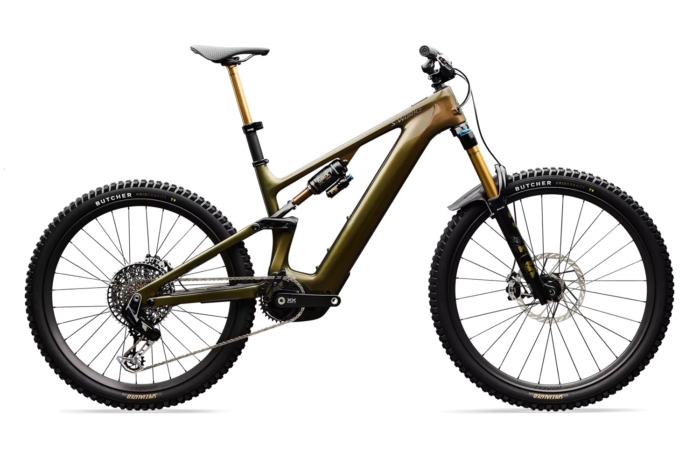
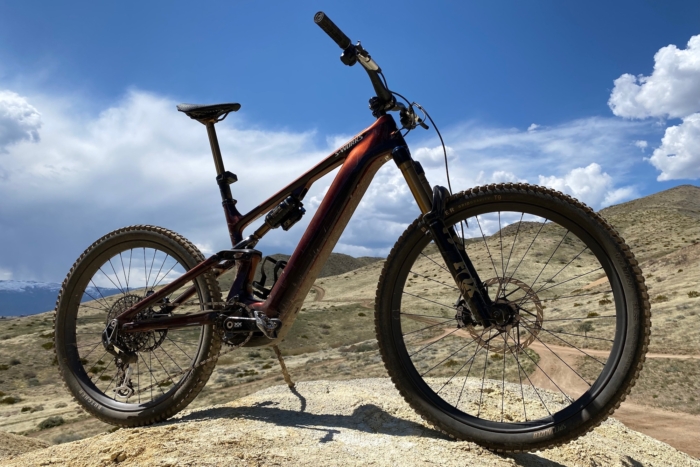
The S-Works build will cost you, but it doesn't get much better; (photo/Jeremy Benson)
-
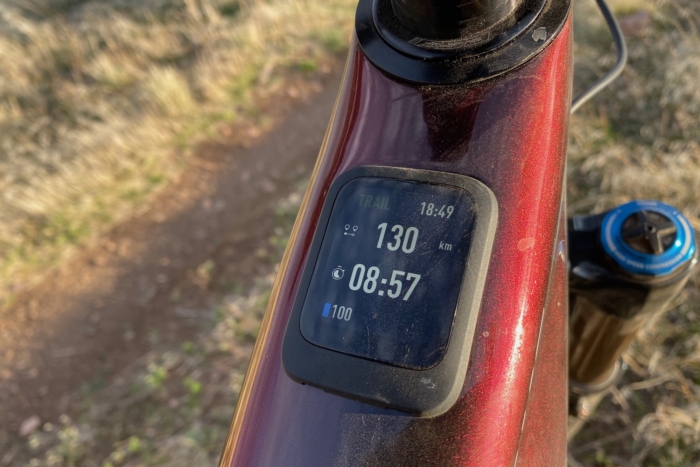
The MasterMind display is easy to read and fully customizable; (photo/Jeremy Benson)
-
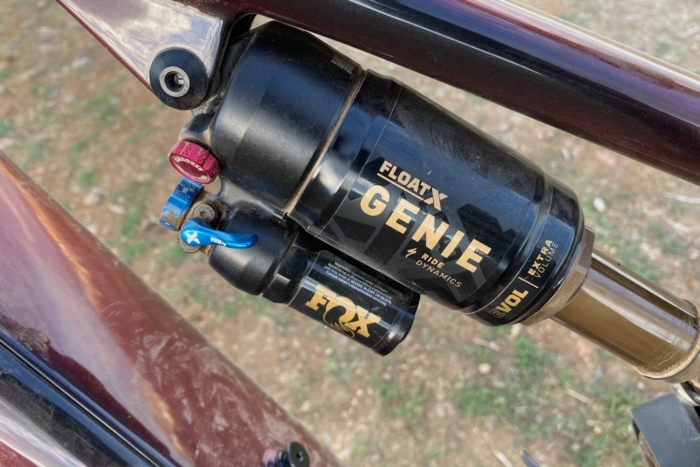
Fox and Specialized teamed up to create the custom Genie shocks on the Turbo Levo 4; (photo/Jeremy Benson)
-
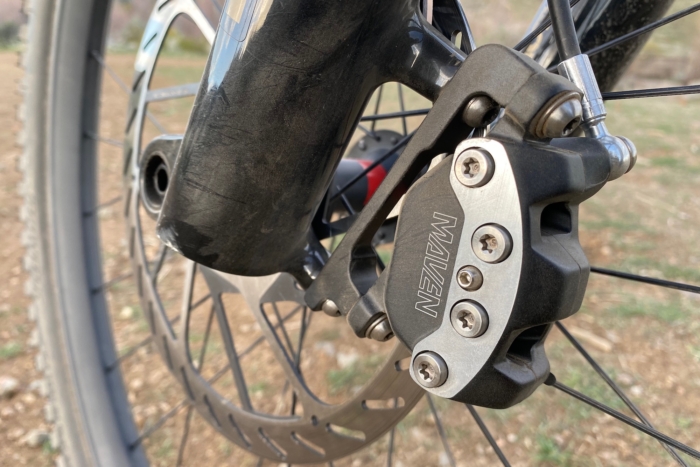
No lack of stopping power with the latest Maven brakes from SRAM; (photo/Jeremy Benson)

Specifications
Pros & Cons
Pros
- Quiet motor
- Highly and easily tunable pedal assistance
- Numerous meaningful geometry adjustments
- Massive battery, great range
- In-frame storage
Cons
- Heavy-ish
- Expensive (especially the S-Works version)
Bottom Line: A benchmark full-power e-MTB that delivers pristine tuning and range. The Levo 4 is ideal for technical trail riders who want high-output power and modular frame geometry.
The Specialized Turbo Levo 4 ($5,000–$12,000) builds off a solid foundation and improves on its predecessor in nearly every metric. With an updated motor system, larger battery, intuitive controls, and seamless app integration, it remains one of the most powerful and tuneable e-MTBs available. Former GearJunkie Editor Jeremy Benson spent months pushing the S-Works build through technical singletrack, steep climbs, and long alpine loops in Truckee, California, to test its limits. Compared to hardtail models like the Aventon Ramblas ADV, the Levo 4 provides a more capable, plush, and fully customizable platform for aggressive terrain.
The Tech: The 3.1 S-Works motor pushes up to 720 W of peak power and 111 Nm of torque (non-S-Works models receive a slightly detuned version with 101 Nm). Power delivery remains whisper-quiet under heavy load. Specialized pairs this with a frame-integrated 840 Wh battery, with the option to run a 280 Wh range extender ($700) for 1,120 Wh of total capacity. The top-tube-mounted MasterMind color display is easy to read, while the frame features SWAT storage inside the downtube and a SRAM Transmission drivetrain hardwired into the main battery.
What We Like: The level of customization on this build is exceptional. Using the swappable headset cups, flip chips, and adjustable chainstay mounts, Benson easily altered the head tube angle between 63.5 and 65.5 degrees, tweaked bottom bracket height, and shifted overall handling characteristics to suit different trails. The specialized app made fine-tuning motor support simple, and the custom Fox Genie shock provided incredible mid-stroke support and bottom-out control. With 160 mm front and 150 mm rear travel on a mixed-wheel (mullet) setup, the S4 size weighed in at a competitive 52 pounds.
What We Don’t: Accessing the internal SWAT storage requires removing the main battery, which makes grabbing gear mid-ride less convenient. The S-Works build sits at a staggering price point, and while lower-tier builds are available, the Levo 4 lineup remains a serious financial investment.
Should You Buy It? Riders seeking a versatile, full-suspension e-MTB will be thrilled with how this bike balances raw power, extended battery life, and trail-tuned handling. The Levo 4 is a king investment. It offers more adjustability and range than most competitors, making it a reliable workhorse for aggressive trail riding and big mountain days.
Aventon Current ADV E-MTB
-
-
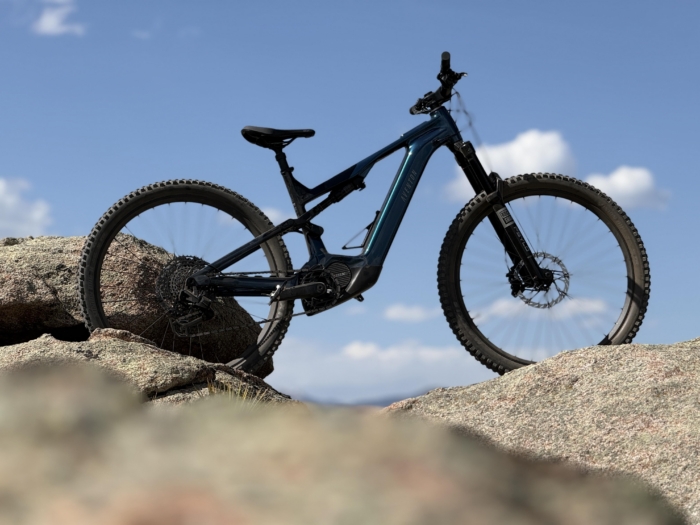
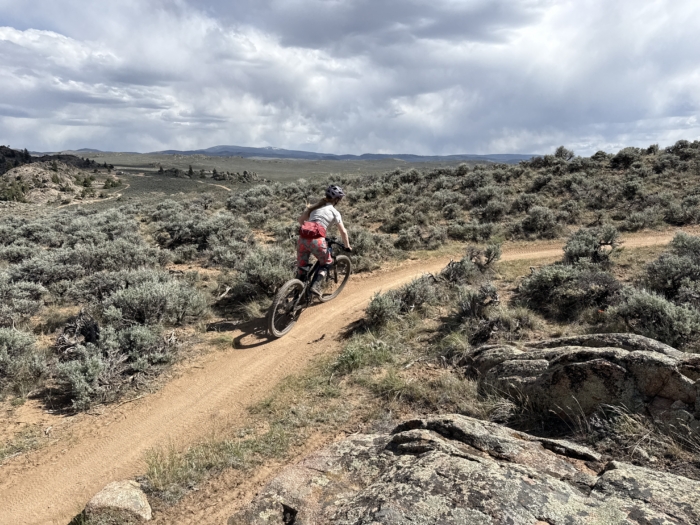
Testing the Aventon Current ADV e-mountain bike; (photo/Dane Tudor)
-
-
-
-
-
-
Specifications
Pros & Cons
Pros
- Full suspension
- Economic price
- Up to 120Nm torque
- Huge range
Cons
- Font size on screen display is small and hard to scan
- Tire casings are thin
Bottom Line: A full-power, full-suspension e-MTB that delivers aggressive singletrack capability, a quiet motor, and high-torque climbing at a fraction of the price of legacy brands. The Current ADV is ideal for trail riders seeking high-end power output and integrated anti-theft tech.
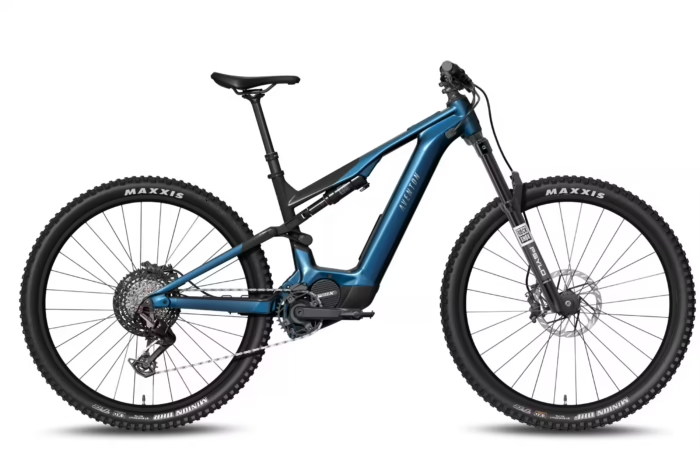
The Aventon Current ADV ($3,999) marks the brand’s debut in full-suspension electric mountain bikes, pairing punchy trail performance with accessible value. Built on a 6061 aluminum 29er frame with 150mm front and 140mm rear travel, it maintains a stable, grounded ride position on fast descents and technical climbs. Pro athlete and trail builder Dane Tudor evaluated the Current ADV across sandy singletrack, rock drops, and steep rock faces, highlighting its silent motor execution, natural weight distribution, and balanced suspension feel. Compared to direct-to-consumer hardtails like the Aventon Ramblas ADV, the Current ADV absorbs heavy chatter and features a full-suspension link to keep traction glued to loose ground.
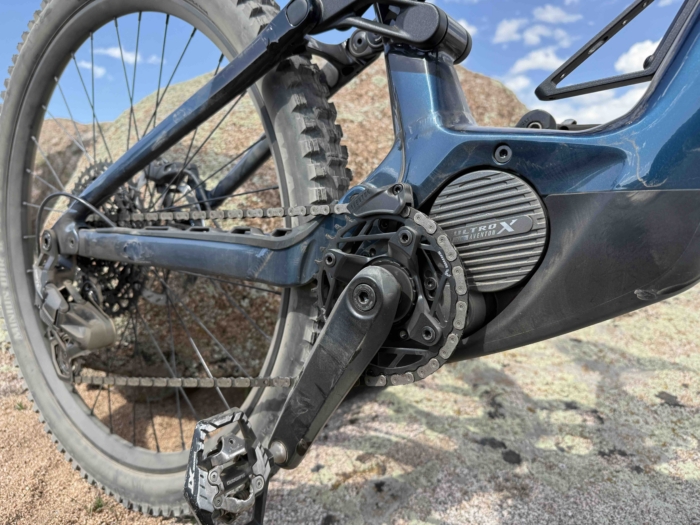
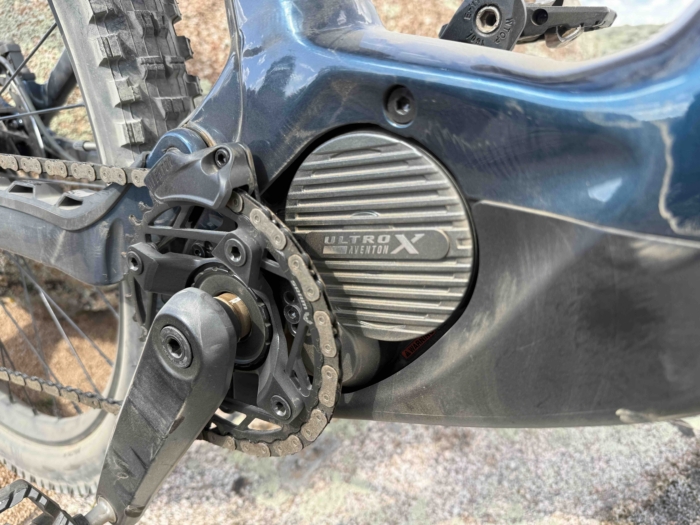
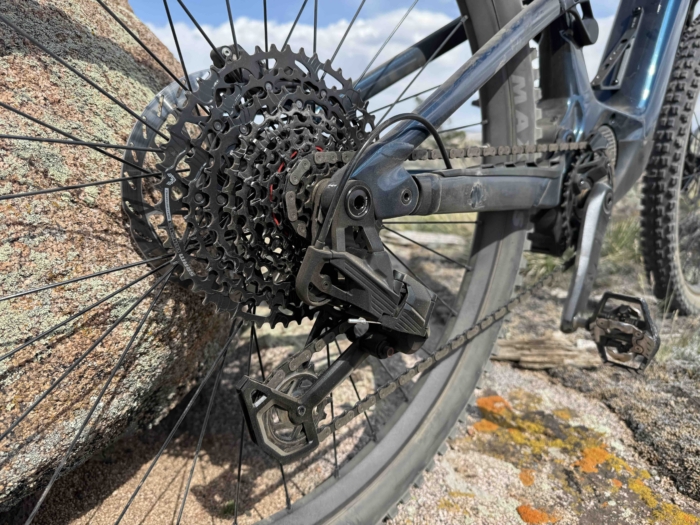
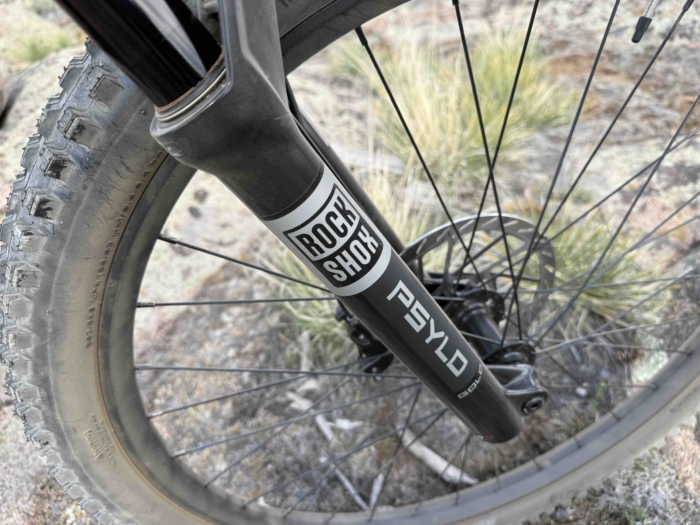
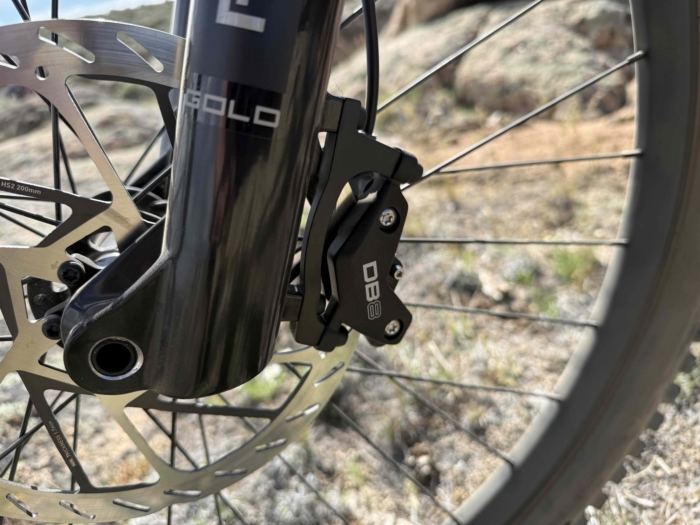
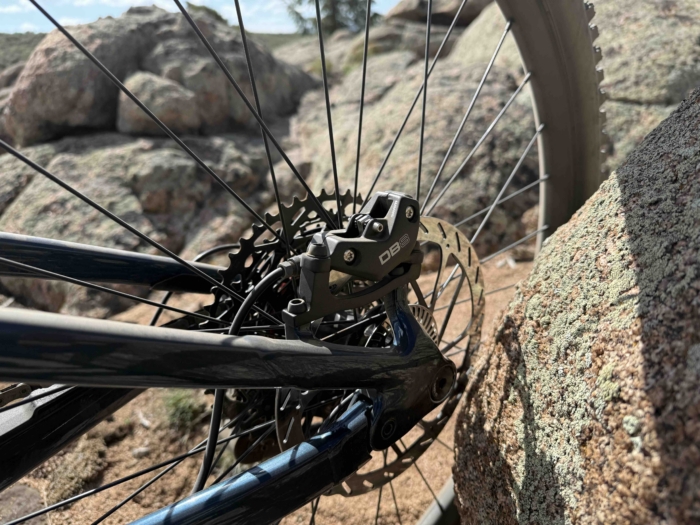
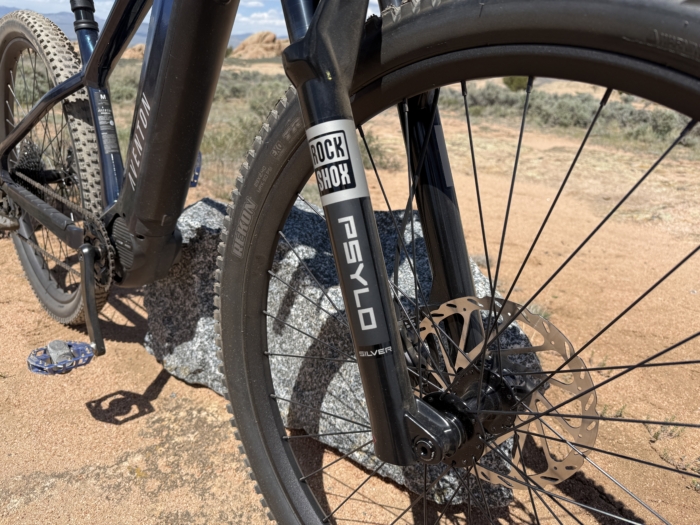
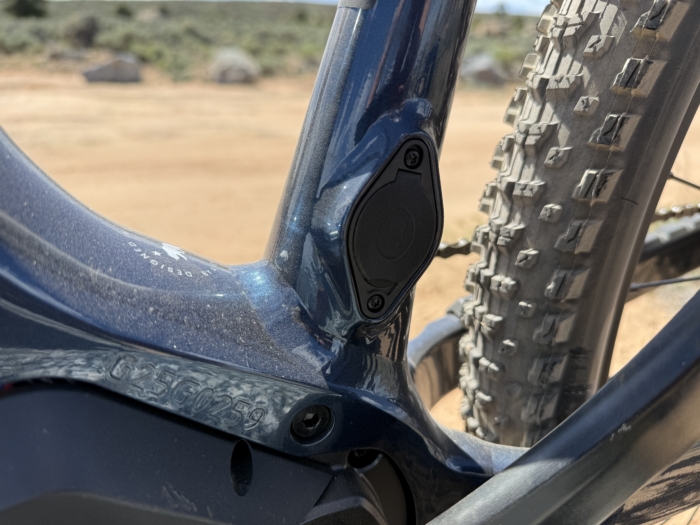
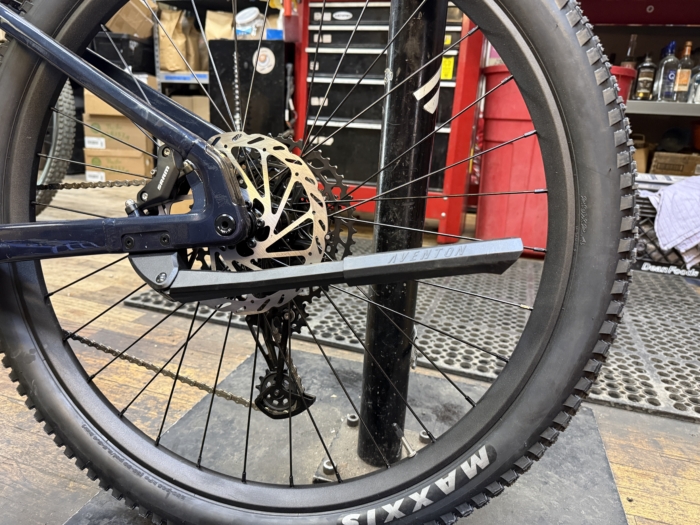
The Tech: Aventon’s proprietary Ultro X mid-drive motor churns out 110 Nm of torque (boosting to 120 Nm) and 750 W of peak power (850 W in Boost), backed by an 800 Wh down-tube battery. The component spec features a RockShox Psylo Gold 150mm fork, RockShox Deluxe Select+ rear shock, SRAM DB8 4-piston hydraulic brakes, and a 12-speed SRAM Eagle 70 Transmission. Built-in 4G connectivity adds top-tube touchscreen controls, GPS tracking, and remote battery deactivation.
What We Like: The Ultro X motor is virtually silent on the trail while delivering muscle that out-paces many high-end motors capping out at 85 to 90 Nm. Setting the Auto Mode lets the power delivery match terrain changes seamlessly, allowing you to focus purely on line choice. We also value the integrated security suite, which lets riders track location and remotely disable the motor via smartphone if stolen.
What We Don’t: Tipping the scales at 56 pounds, it requires extra physical effort to unweight over high-speed features or load onto vehicle racks. Additionally, the small font size on the top-tube touchscreen display makes scanning ride metrics difficult while moving.
Should You Buy It? For mountain bikers that are new to motorized rides, this full-power e-MTB offers strong climbing, generous suspension, and top security without paying a top-shelf price. Aventon’s Current ADV provides a playful, trail-ready build that opens up bigger days in the mountains at a solid value.
Santa Cruz Bullit X0 AXS RSV
-
-
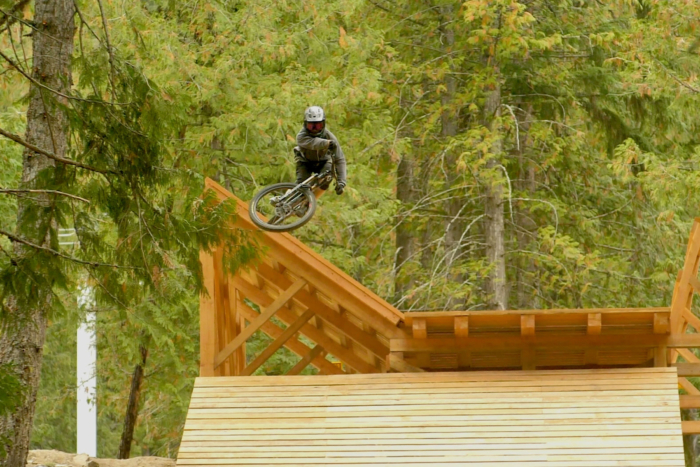
The author testing the Santa Cruz Bullit on the 30-foot Obsidius wall ride at RED Bike Park; (photo/Kristine Tudor)
-
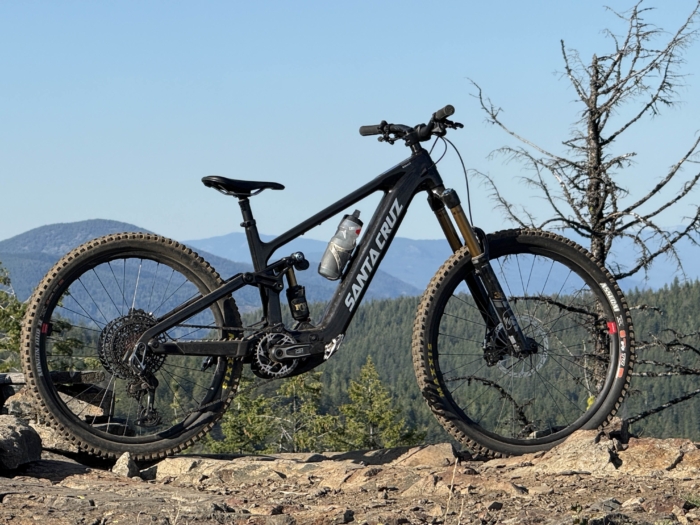
(Photo/Dane Tudor)
Specifications
Pros & Cons
Pros
- Mullet design creates maneuverability and stability
- Lightweight frame while being full-powered
- Quiet and zero rattle
- Excellent brake power with the SRAM Maven Silver
Cons
- Not for mellow terrain
- Expensive
- Entry level bikers look elsewhere — not a starter ride
Bottom Line: Downhill-focused carbon e-MTB that balances full-power motor assistance with a remarkably nimble, airborne chassis. The Bullit is ideal for expert freeriders wanting maximum big-hit absorption and cornering maneuverability on steep, technical descents.
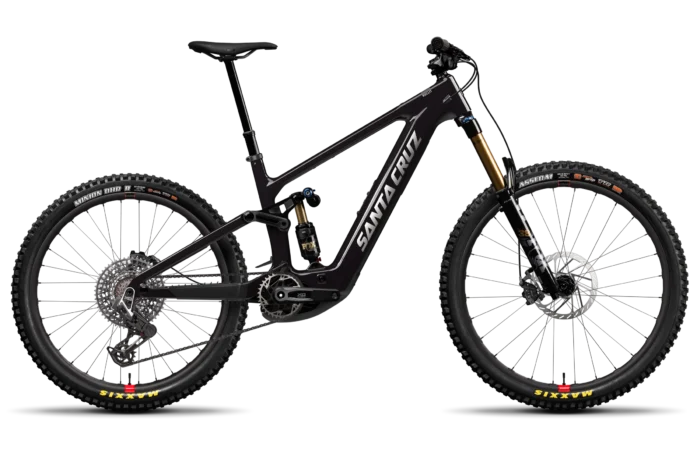
The Santa Cruz Bullit X0 AXS RSV ($12,349) brings downhill-grade capability to self-shuttled mountain terrain. Built on a CC carbon frame with Reserve carbon wheels and a mixed-wheel configuration, it maintains a grounded feel while enabling rapid direction changes on tight, technical singletrack. Pro skier, gear analyst, and trail builder Dane Tudor evaluated the Bullit at the RED Mountain Resort bike park in British Columbia, testing it across 30-foot wood drops, steep rock faces, and high-speed alpine loops. He emphasized its quiet chassis, extreme drop-post clearance, and planted stability through harsh washboard corners. Compared to heavier gravity platforms like the Specialized Levo 4 EVO Pro, the Bullit trims weight down to 48.4 pounds, offering a noticeably livelier, more whippable feel in the air.
The Tech: A Bosch Performance Line CX motor provides 85 Nm of torque (upgradable via the Bosch Flow app to 100 Nm and 750 W of peak power) paired with an internal 600 Wh Bosch PowerTube battery. Suspension is handled by a 170mm Fox 38 Factory fork and Fox Float X2 Factory rear shock, utilizing Santa Cruz’s VPP suspension layout with a flip chip set to a slack 64-degree head tube angle. Component highlights include SRAM Maven Silver 4-piston hydraulic disc brakes, a wireless SRAM X0 Eagle Transmission drivetrain, and carbon Reserve wheels wrapped in Maxxis Assegai/Minion DHR II tires.
What We Like: Tipping the scales under 49 pounds while retaining full-power motor torque, this build feels agile through aerial maneuvers and tight, rompy switchbacks. The VPP suspension eats massive feature impacts and high-speed chatter without bottoming out or transferring rattle into the pedals. We also appreciate how deeply the dropper post inserts into the frame, keeping the saddle completely out of the way on steep downhill drops.
What We Don’t: The internal 600 Wh battery is relatively modest for a full-power motor, requiring thoughtful mode management or a 250 Wh Bosch range extender on multi-hour alpine climbs. Additionally, riders who prefer slow-cadence pedaling in high gear may find the updated motor firmware demands higher pedaling effort to sustain peak motor assistance.
Should You Buy It? Gravity riders and bike park enthusiasts who prioritize freeride agility, whisper-quiet operation, and big-hit absorption over high-capacity battery range will find this model hits a special tier. The Bullit delivers a downhill animal that tackles steep terrain with playfulness and composure. This is the closest model we’ve found to capture the essence of downhilling.
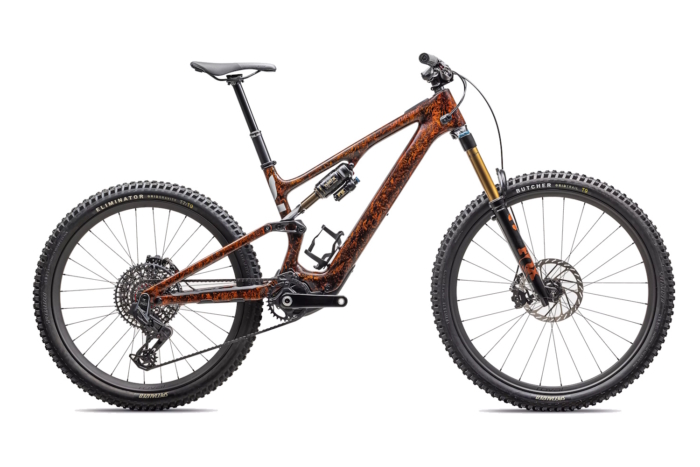
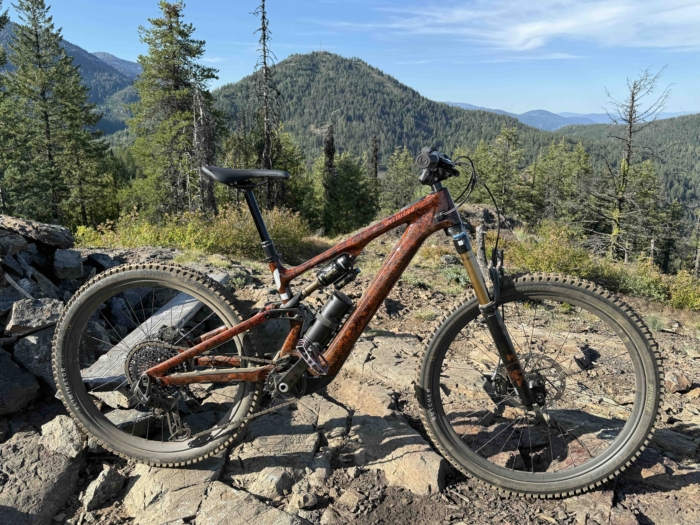
Specialized Turbo Levo SL 2 Pro
Specifications
Pros & Cons
Pros
- Super-lightweight motor, battery, and frame
- Nimble in tight corners
- Compatible with battery range extender
Cons
- Not a good match for riding with full-powered e-bikes on steep or big rides
- Range extender’s connecting mechanism and lock have a learning curve
- Range extender has muted assist on steep, punchy climbs compared to bike's battery power
Bottom Line: Featherweight, highly maneuverable e-MTB that blends analog trail agility with refined pedal assistance. The Levo SL 2 Pro is ideal for aggressive trail riders seeking a natural-feeling bike that easily carves tight, technical terrain.
The Specialized Turbo Levo SL 2 Pro ($11,000) redefines the mid-power e-MTB category by trimming mass to deliver an exceptionally spry, acoustic-like ride quality. Built on a FACT 11m carbon frame with a mixed-wheel (mullet) configuration, 160mm front, and 150mm rear travel, it executes fast directional changes with minimal effort. GearJunkie Senior Editor Morgan Tilton evaluated the Levo SL 2 Pro across technical, root-laden singletrack and tight, zigzagging descents in Rossland, British Columbia, highlighting its natural handling and cornering precision. Compared to full-power e-MTBs like the Aventon Ramblas ADV, the Levo SL 2 Pro trades raw torque output for a significantly lighter 40-pound chassis that handles like a traditional trail bike.
The Tech: Specialized’s SL 1.2 mid-drive motor yields 50 Nm of torque and 320 W of peak power, backed by an integrated 320 Wh downtube battery with optional 160 Wh range extender compatibility. The suspension package pairs a Fox Float 36 Factory fork (Grip X2 damper) with a custom Fox Float X GENIE dual-stage air shock. Component highlights include SRAM Maven Silver 4-piston hydraulic disc brakes, an X0 Eagle Transmission wireless 12-speed drivetrain, and a MasterMind TCU top-tube display with micro-tunable assist modes.
What We Like: Tipping the scales at a mere 40 pounds, this platform offers incredible agility, making it easy to unweight over roots, flick through switchbacks, and lift over obstacles. The custom Fox GENIE shock technology provides a supple, ground-hugging feel over small chatter while resisting hard bottom-outs on big hits. We also appreciate the customizable six-way frame geometry and the seamless electronic actuation of the wireless SRAM Transmission drivetrain.
What We Don’t: With 320 W of peak output, it cannot match the raw climbing pace of full-powered e-bikes on steep, punchy ascents. Additionally, the external range extender battery shows a slight drop in assist power under sustained high-torque climbing compared to internal battery draw.
Should You Buy It? Experienced trail riders who prioritize nimble handling, low weight, and subtle pedal amplification over brute motor power will find this model to be a solid bike to add to the quiver. For downhillers who don’t mind modified — but not eliminated — endurance training, the Levo SL 2 delivers uncompromised singletrack performance for technical descents and playful, flowy trails.
Tenways Wayfarer Commuter E-Bike
-
-
-
-
-
-
-
-
-
-
-
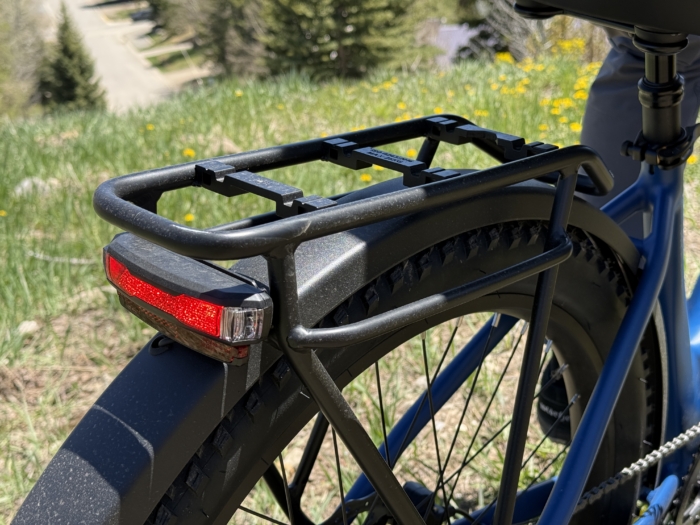
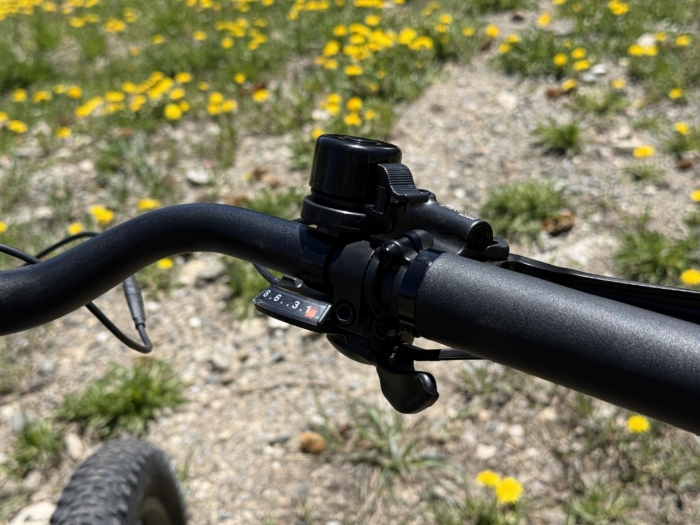
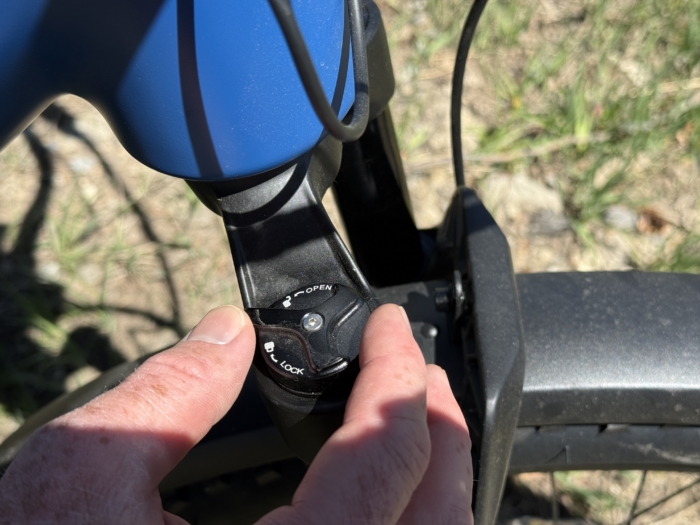
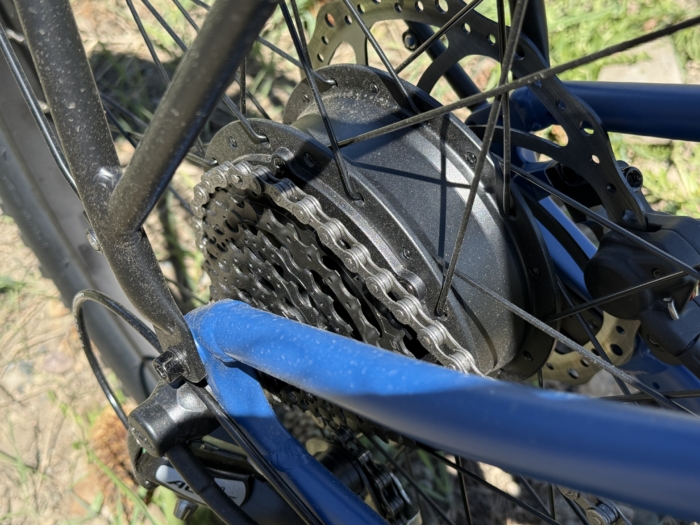
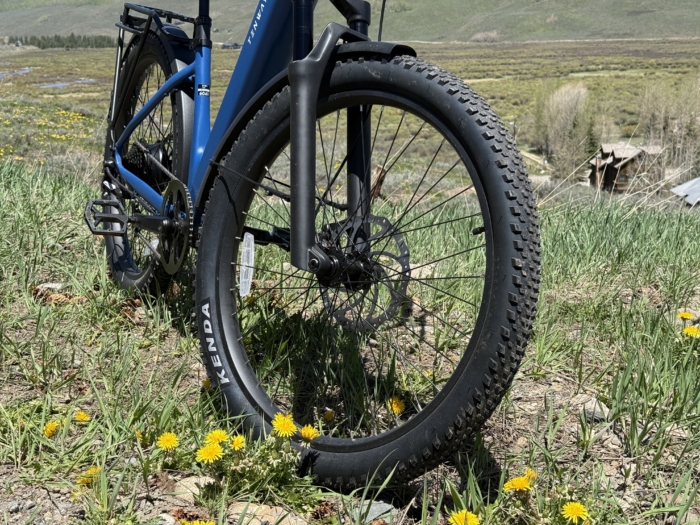
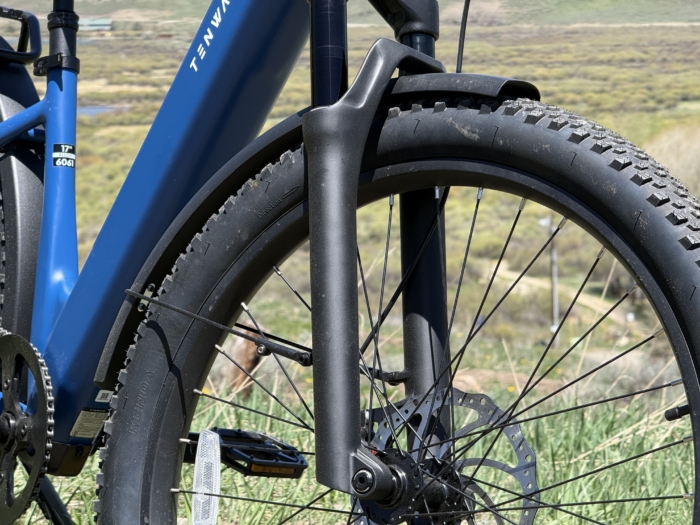
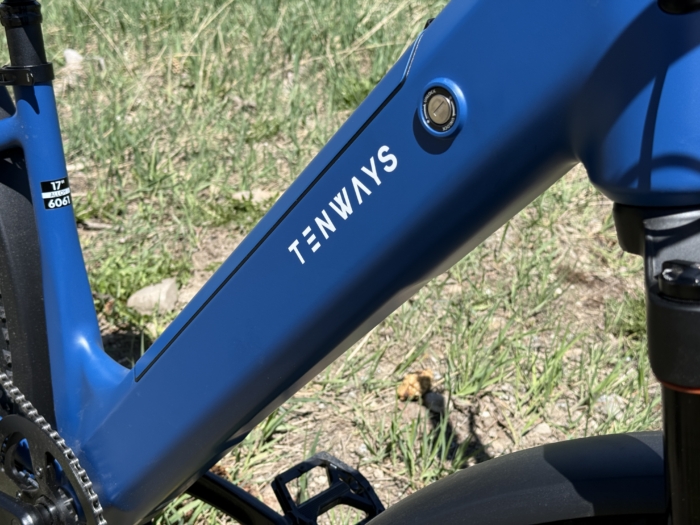
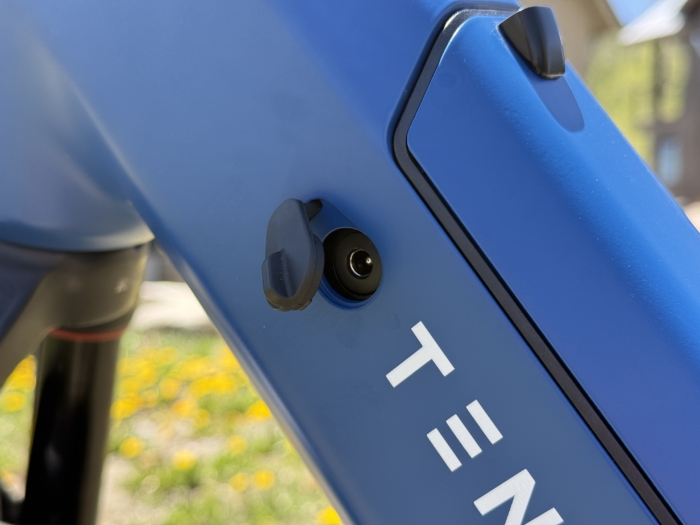
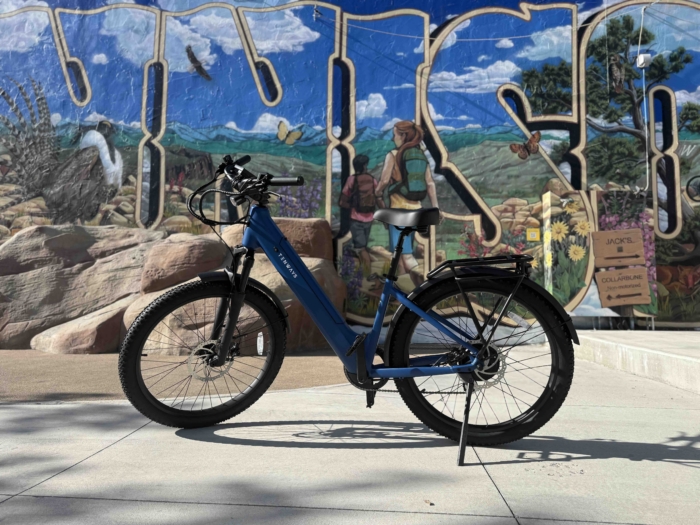
Testing the Tenways Wayfarer; (photo/Morgan Tilton)
Specifications
Pros & Cons
Pros
- Plush comfort package
- Weatherproof construction
- Autoswitch between efficient cadence and punchy torque
- Impressive 80 miles per charge (in pedal assist mode)
Cons
- Limited payload capacity (265 lbs.)
- Heavy footprint
- Limited throttle
- Range drops to 35 miles in pure-throttle assist
Bottom Line: Plush, tech-forward step-through commuter that delivers CAD-level smoothness and all-weather capability. The Wayfarer is ideal for comfort-minded riders seeking seamless power transitions and integrated safety tech for daily urban transportation.
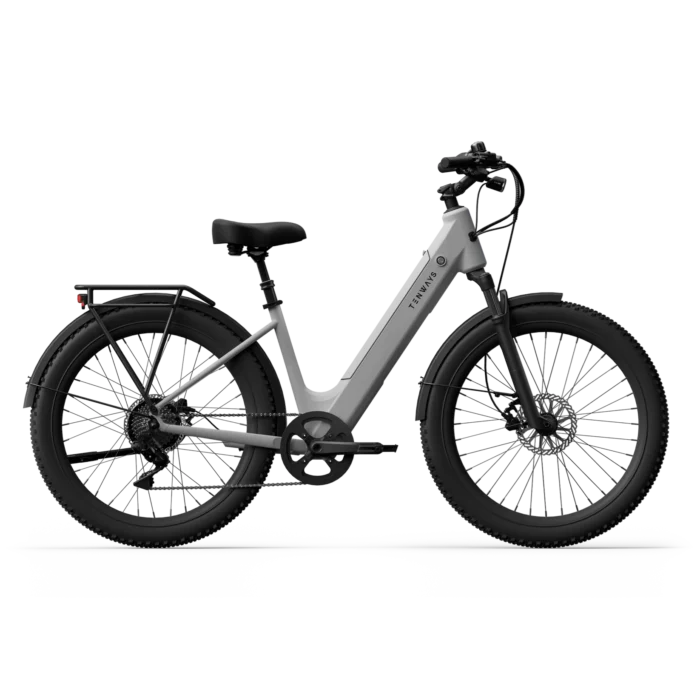
The Tenways Wayfarer ($2,199) brings Cadillac-level plushness and progressive technology to the step-through commuter category. Built on an aluminum frame with 27.5×2.6-inch high-volume tires and an upright seating position, it floats over potholes and rough roads with effortless stability. GearJunkie Senior Editor Morgan Tilton tested the Wayfarer across spring weather conditions on double-wide dirt roads, gravel paths, and paved streets around Crested Butte, Colorado, highlighting its cushiony, strain-free ride quality. Compared to fat-tire options like the Aventon Aventure.2, the Wayfarer scales back bulk at 66 pounds while offering a far smoother, auto-switching power assist.
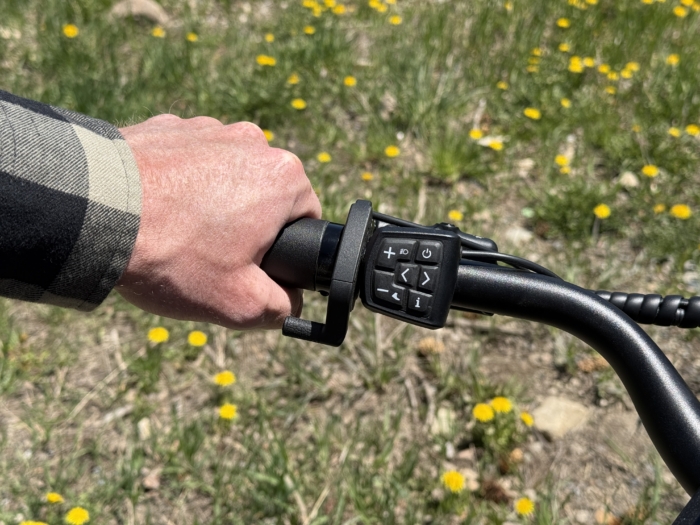
The Tech: A 500 W Bafang rear hub motor (peaking at 750 W and 65 Nm of torque) pairs with smart auto-switching sensor technology that transitions between responsive torque sensing on hills and efficient cadence assist on flats. The IPX6-waterproof 720 Wh battery delivers up to 80 miles of pedal-assist range. Modern touches include Apple Find My tracking integration, a 4-digit password-protected LCD display, a 55-Lux headlight, and integrated rear turn signals built directly into the rear cargo rack.
What We Like: The auto-switching motor configuration eliminates awkward power surges or lag, mirroring pedal force on launches and climbs before settling into a smooth glide. The comfort package — featuring an extra-wide saddle, suspension seatpost, and high-volume Kenda tires — turns rough terrain into a floating ride. Safety features are top-notch, including bright directional lighting, hydraulic disc brakes, reflective sidewalls, and digital theft prevention.
What We Don’t: Carrying a 66-pound total footprint makes lifting the bike into a truck bed or carrying it up stairs challenging. Additionally, while the 265-pound total payload limit handles standard commuting gear, it restricts heavy cargo hauling compared to dedicated utility platforms.
Should You Buy It? City and around-town riders that prefer cushiony comfort, seamless acceleration, and high-end security tech, will find that the Wayfarer is a standout option. This cruiser delivers an ultra-smooth, weatherproof commute with reliable range and premium touches.
Buzz Cerana 2 Commuter E-Bike

Specifications
Pros & Cons
Pros
- Budget-friendly price point
- Unique manual dropper seatpost
- Stock accessories (front/rear racks, fenders, integrated lights, safety bell)
- Low step-thru access
Cons
- Basic mechanical brakes
- Modest battery capacity (500Wh)
- Cadence-only power (ramps up power)
- Heavy at 68 lbs.
Bottom Line: Affordable, approachable commuter that pairs step-through accessibility with mid-drive pedal assistance. The Cerana 2 is ideal for daily urban riders who want smooth, natural-feeling power.
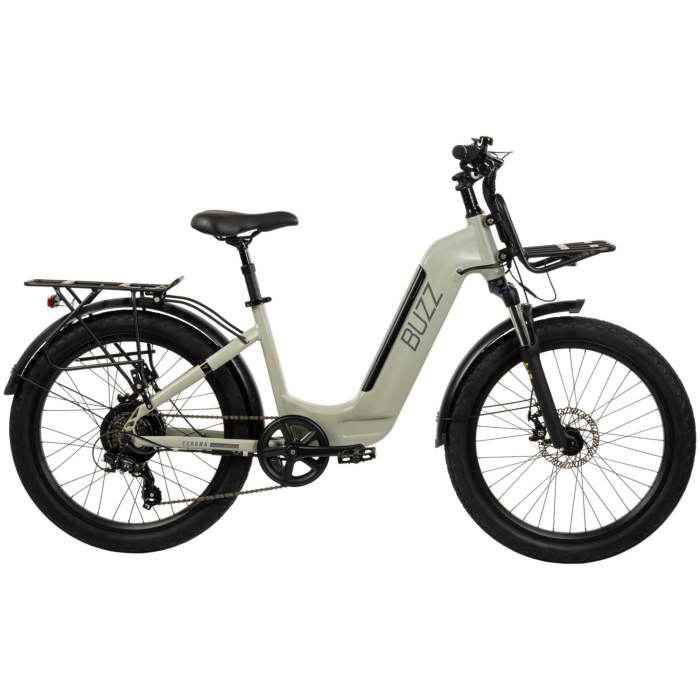
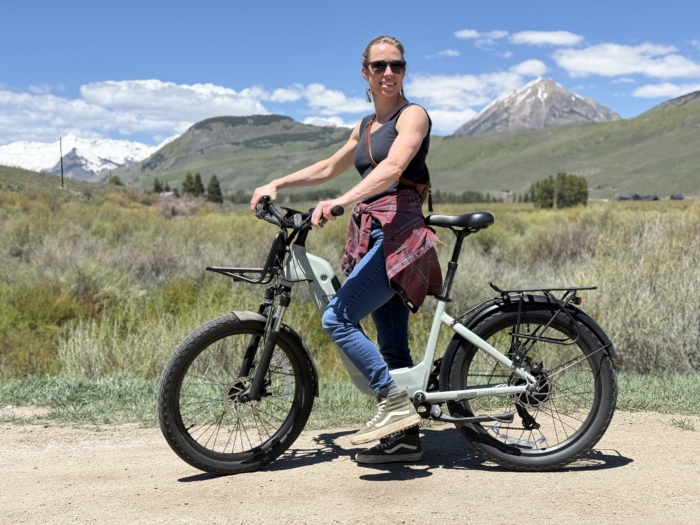
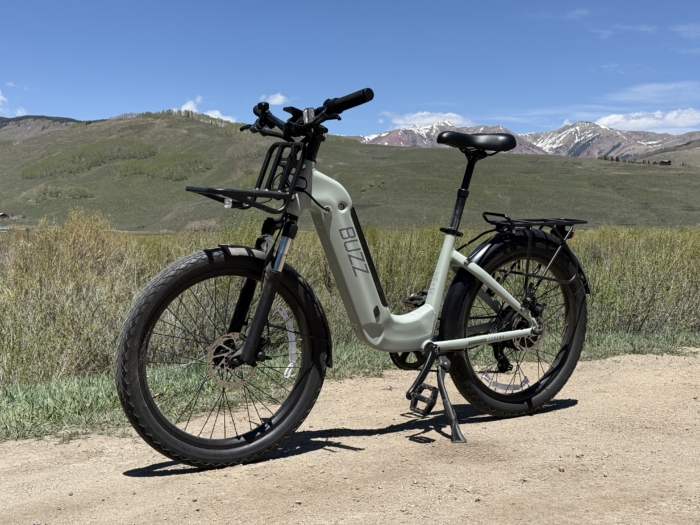
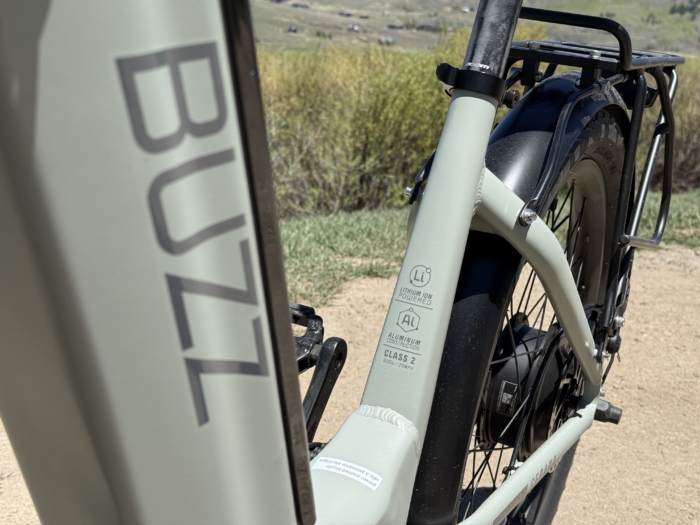
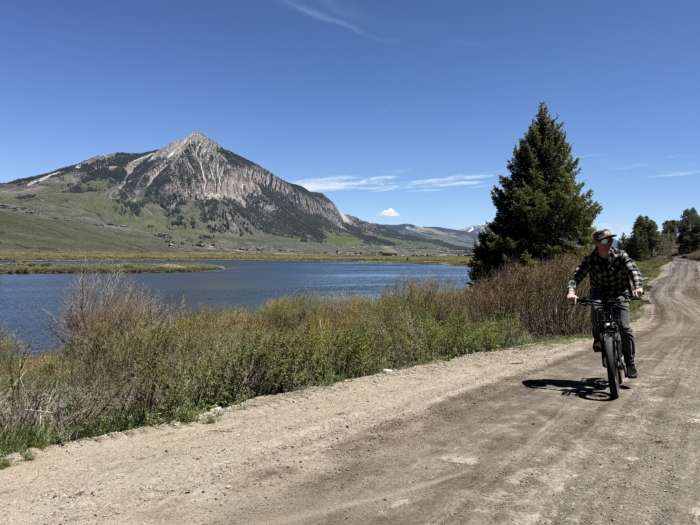
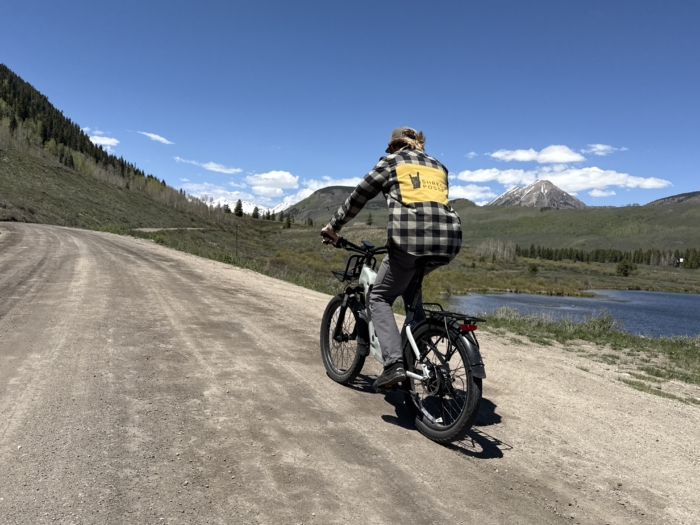
The Buzz Cerana 2 ($1,499) brings mid-drive performance down to an entry-level price point, making refined pedal assist accessible to everyday commuters. Built around a step-through aluminum frame with 24-inch wheels, it offers an upright, confidence-inspiring ride position that accommodates a wide range of rider heights. GearJunkie Senior Editor Morgan Tilton tested the Cerana 2 across months of neighborhood errands, bike path cruising, and daily town commutes, evaluating its stability, battery range, and hill-climbing power. Compared to larger hub-drive commuters like the Rad Power Radster Road, the Cerana 2 delivers a far more natural pedaling feel while remaining much easier to mount and dismount.
The Tech: A 350 W mid-drive motor utilizes a torque sensor to match your pedaling input, providing smooth power delivery across four assist levels up to 20 mph. Energy comes from a removable 500 Wh frame-integrated battery that yields 35 to 45 miles of real-world range. The setup includes a 7-speed Shimano Tourney drivetrain, mechanical disc brakes, double-wall alloy rims clad in 24×2.35-inch city tires, and an front suspension fork to soften road chatter.
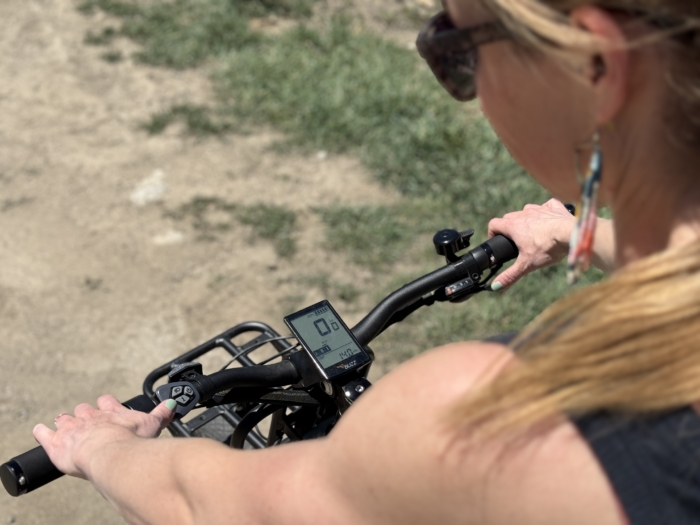
What We Like: The inclusion of a mid-drive motor with a torque sensor at this price point is remarkable, offering seamless assist without the abrupt lurching common in cadence-based hub systems. The smaller 24-inch wheels lower the center of gravity, which improves stability when loaded with cargo or navigating busy streets. Out of the box, it comes well-equipped for utility riding, featuring front and rear cargo racks, full-coverage fenders, integrated LED lighting, and a kickstand.
What We Don’t: Mechanical disc brakes require more hand force and frequent adjustment compared to hydraulic options, especially when carrying heavy cargo downhill. Additionally, the 350 W motor power is adequate for rolling terrain, but it struggles to maintain momentum on steep, extended hills under heavy loads.
Should You Buy It? This comfortable, fully equipped city commuter delivers mid-drive smoothness at a budget price. We found that the Cerana 2 offers excellent utility, clean aesthetic integration, and easy step-through handling for daily town transportation.
Specialized Levo 4 EVO Pro
-
-
-
Athlete and gear tester Dane Tudor riding the Specialized Levo 4 EVO Pro; (photo/Morgan Tilton)
-
-
-
-
-
-
-
-
-
-
-
-
-


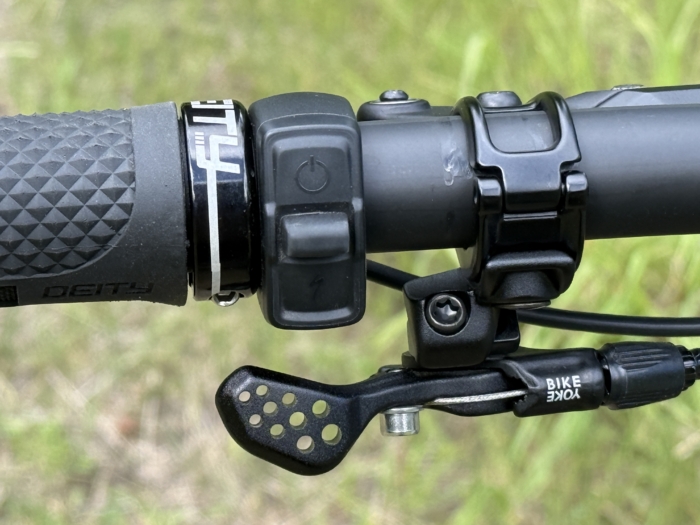
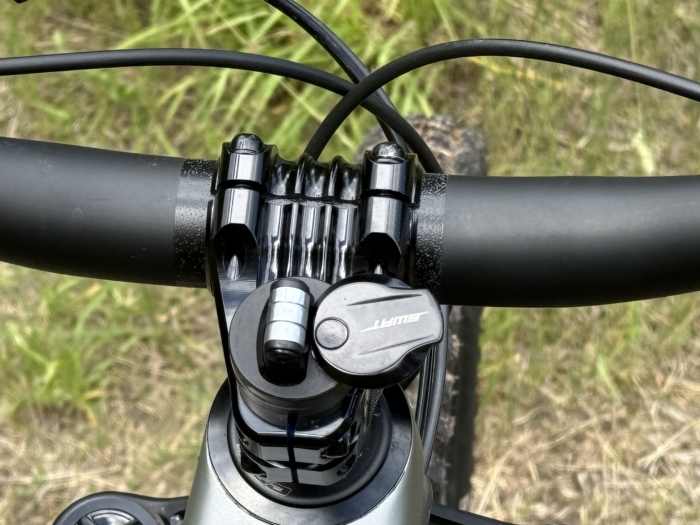
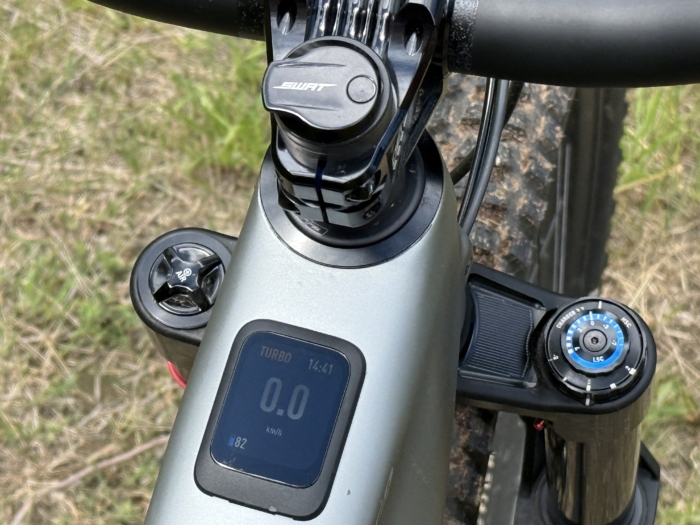
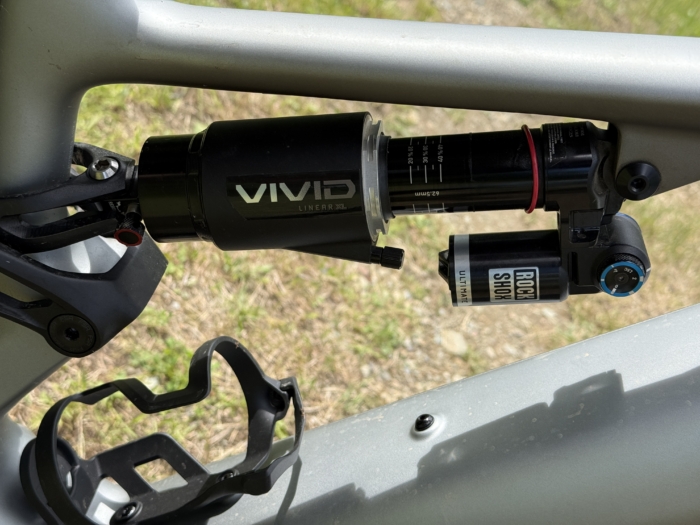
Specifications
Pros & Cons
Pros
- Outfitted with travel for downhilling, drops, and jumps
- Carbon frame
- Carbon wheels
- Integrated frame storage
Cons
- Beefier aesthetic
- Heavy
Bottom Line: Here’s another benchmark — for a high-capability, downhill-focused carbon e-MTB that delivers relentless full-power torque and gravity suspension. The Levo 4 EVO Pro is ideal for aggressive riders tackling steep rock rolls, heavy drops, and technical descents.
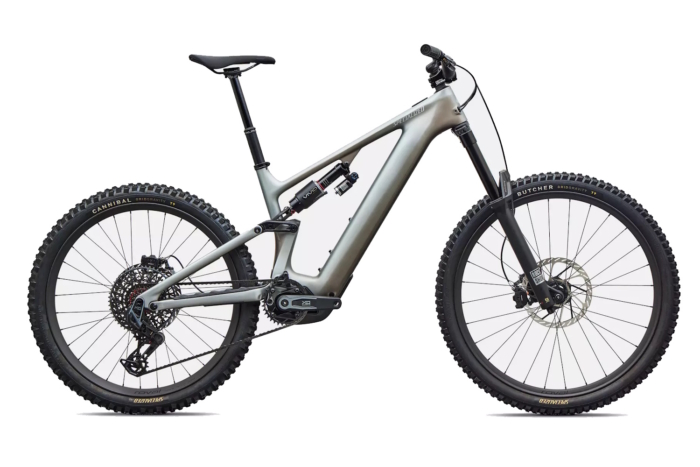
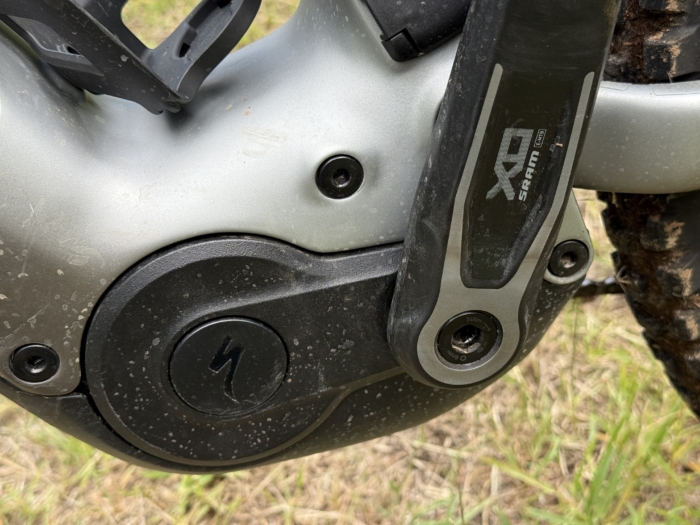
The Specialized Levo 4 EVO Pro ($10,500) transforms full-power e-MTB performance with a gravity-centric design built for high-speed composure. Engineered on an FACT 11m carbon frame with a mixed-wheel (mullet) configuration, it pairs 180mm of front travel with 170mm in the rear to soak up big features and steep chutes. Pro athlete and trail builder Dane Tudor evaluated the Levo 4 EVO Pro across steep rock slabs and loose talus descents in Rossland, British Columbia, highlighting its smooth power delivery, stiff frame tracking, and confidence on massive 15-foot rock drops. Compared to lighter, mid-power trail platforms like the Specialized Turbo Levo SL 2 Pro, the Levo 4 EVO Pro packs double the peak wattage and a far punchier motor setup for crushing technical ascents between downhill laps.
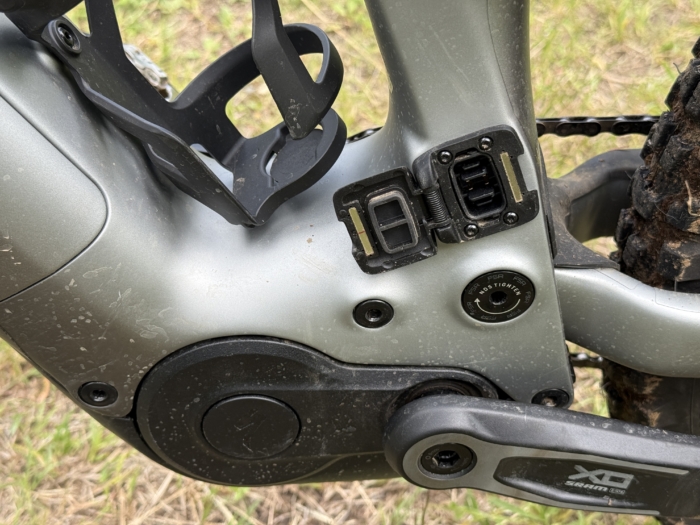
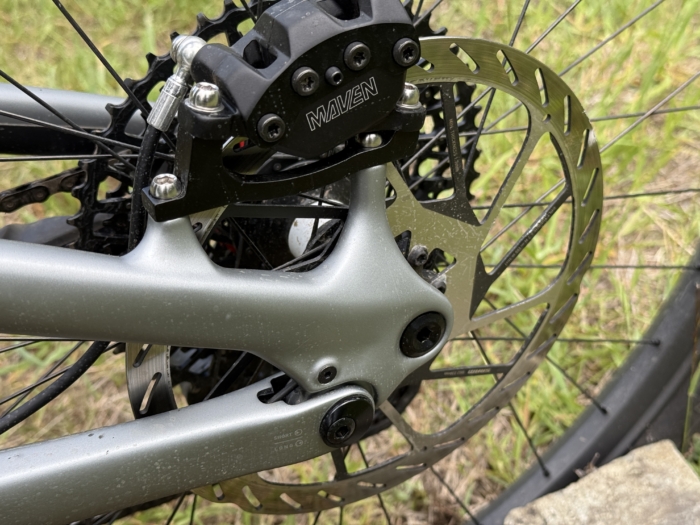
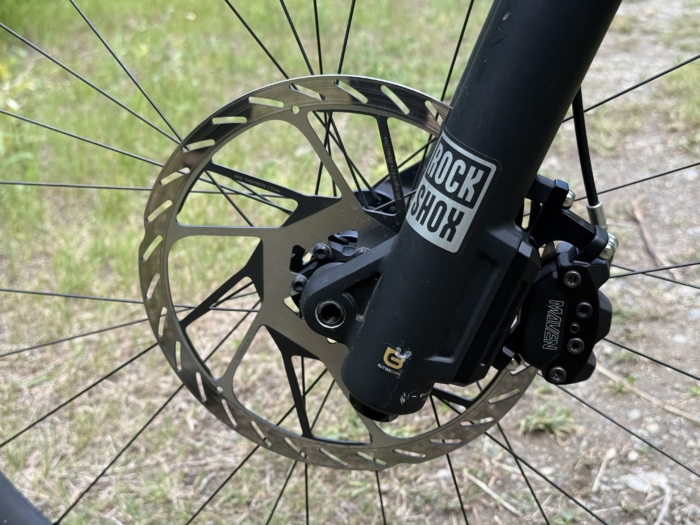
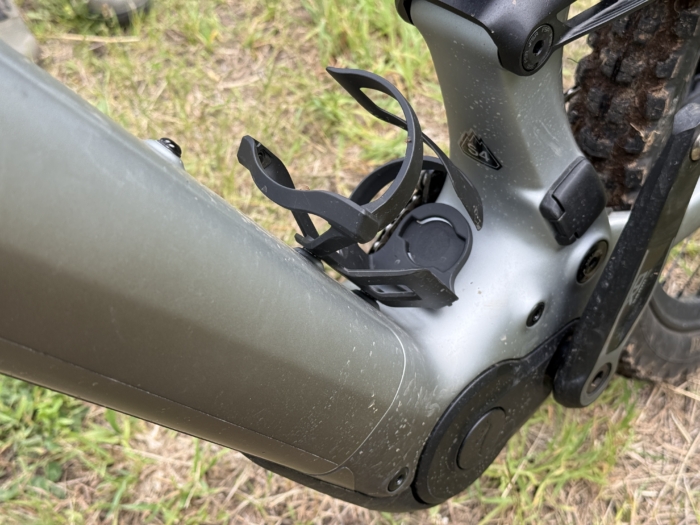
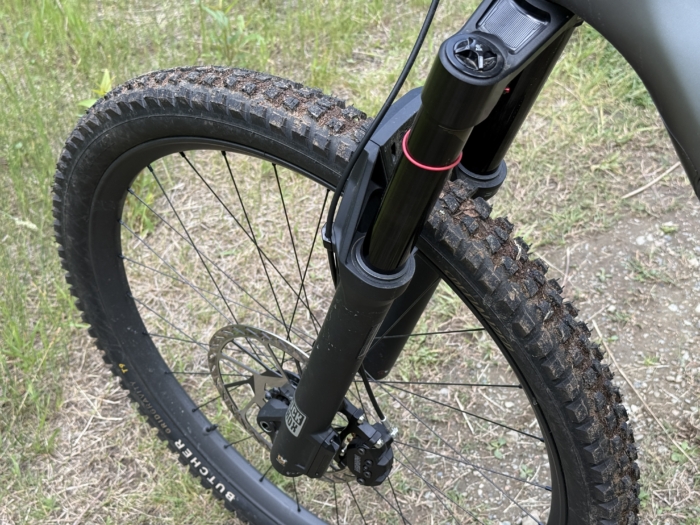
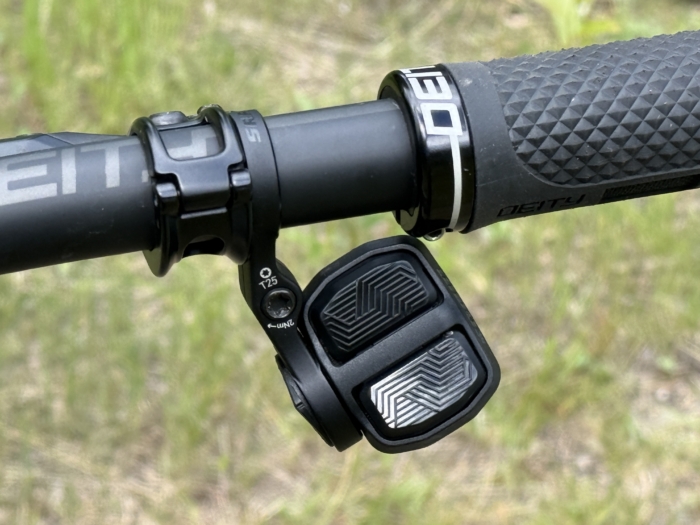
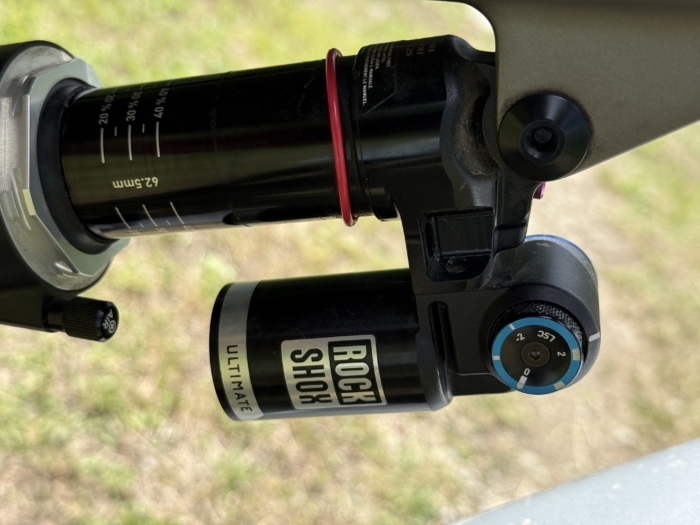
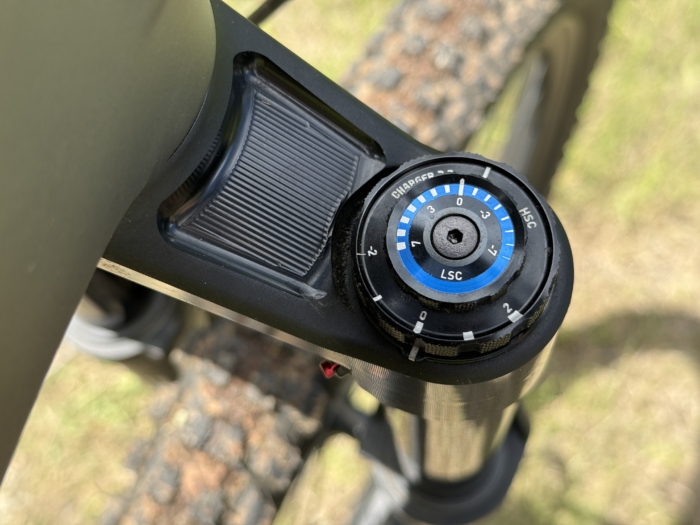
The Tech: Specialized’s Turbo 3.1 mid-drive motor pumps out 105 Nm of torque and 810 W of peak power, backed by a high-capacity 840 Wh downtube battery. The gravity-focused suspension spec features a RockShox Zeb Ultimate 180mm fork and a RockShox Vivid Ultimate Air rear shock, both equipped with number-labeled clicker dials for simple tuning. Component highlights include SRAM Maven Silver 4-piston hydraulic brakes with massive 220mm rotors, an X0 Eagle Transmission wireless drivetrain, traverse HD carbon wheels, and SWAT integrated frame storage.
What We Like: The Turbo 3.1 motor delivers exceptionally smooth, predictable power that accelerates cleanly on steep climbs without unwanted surging or lurching. RockShox’s simplified damping controls make dialing in suspension straightforward compared to traditional multi-click setups. We also appreciate the slacker 63.6-degree head tube angle, generous 840 Wh battery range, and integrated top-tube display that seamlessly interfaces with the Specialized smartphone app.
What We Don’t: With a 53.8-pound total build, the chunky frame footprint requires extra physical effort to maneuver through tight, low-speed switchbacks or lift over vehicle tailgates. Additionally, the long top-tube reach can feel slightly stretched out when seated and pedaling on flatter trail sections.
Should You Buy It? Downhillers wanting uncompromised full-power shuttle performance, massive battery capacity, and elite gravity suspension can finally have their match. This model is a machine — it delivers an extremely capable, aggressive platform that thrives on technical descents and big mountain lines including the entire climb…again and again.
Field Tested & Approve: More Electric Bikes Empowering Our Miles
While these seven electric bikes didn’t receive accolades, each one is a solid choice for motorized miles and reserves a spot on our bike rack.

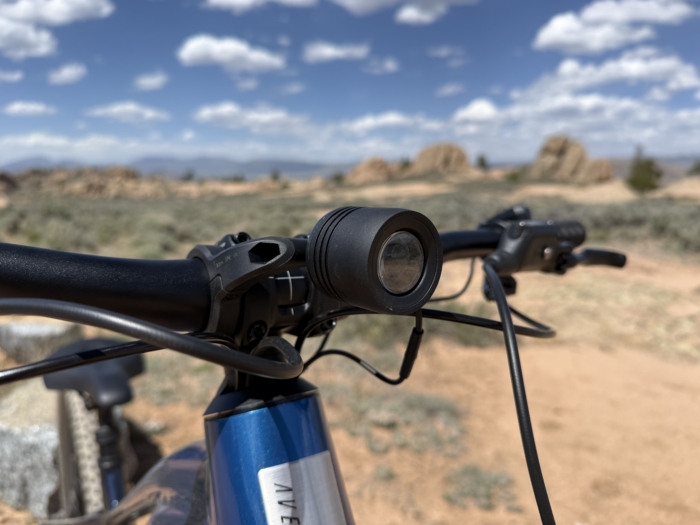
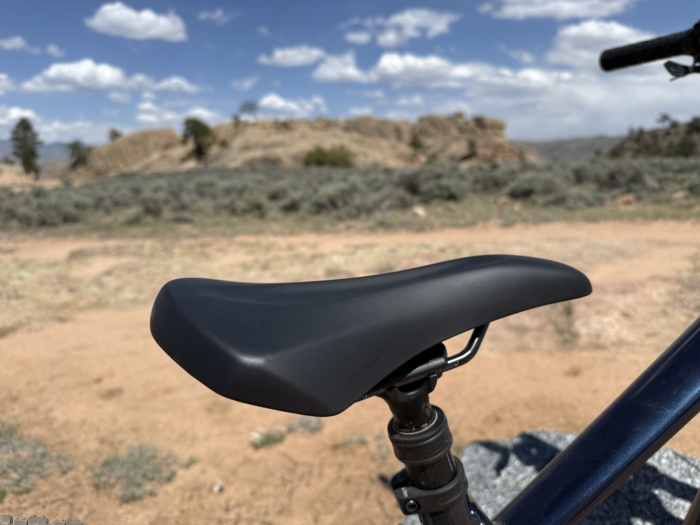
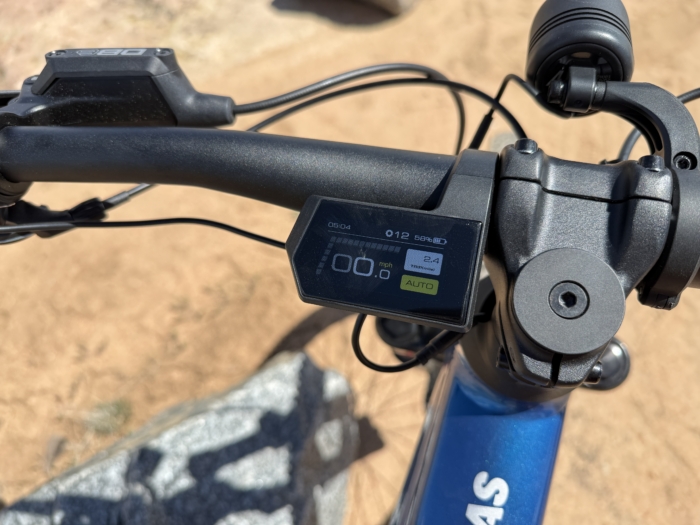
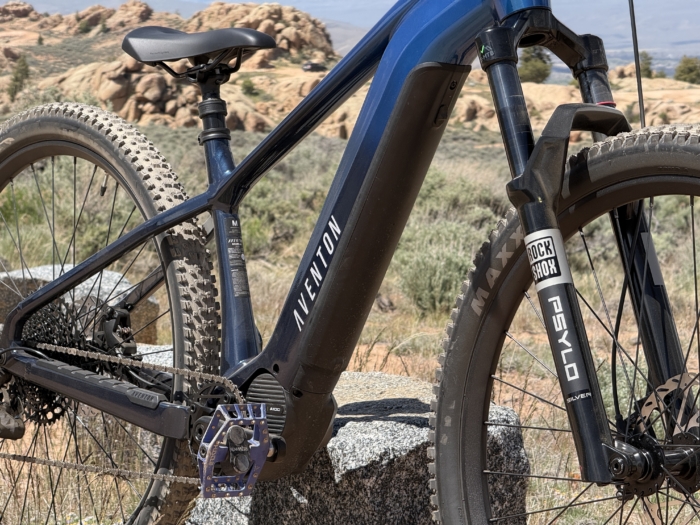
Specifications
Pros & Cons
Pros
- New muted motor architecture
- Updated A100 mid-drive motor pumps out an impressive 100 Nm of torque
- Equipped with tubeless-ready 29" wheels
- Ride Tune app controls torque, pedal response, and power acceleration
Cons
- One-size-fits-all front fork
- Fixed motor overrun
- Hardtail feels erratic over rock gardens
Bottom Line: A mid-drive electric hardtail that combines trail-ready geometry with customized motor tuning at a hard-to-beat price point. The Ramblas is ideal for riders seeking an approachable, off-road capable e-MTB that punches above its weight class on singletrack, providing more speed than a full suspension ride.
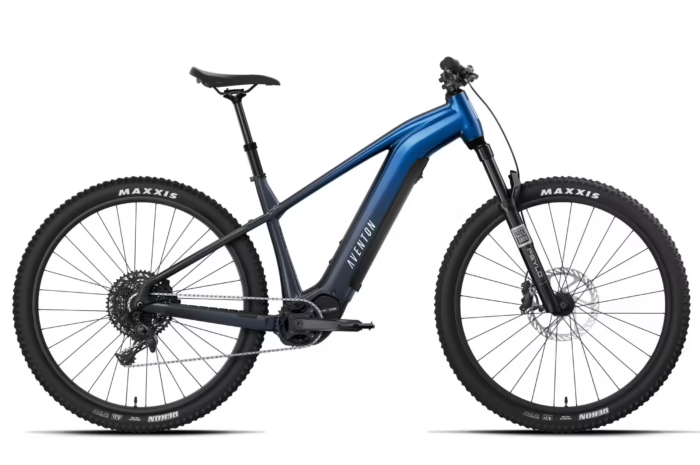
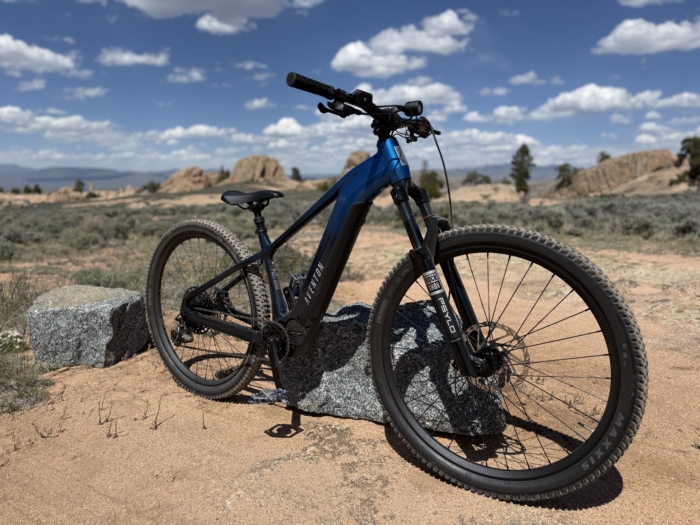
The speedy and near-silent Aventon Ramblas ADV ($2,899) represents the brand’s first foray into dedicated electric mountain bikes, bringing mid-drive performance and refined control to budget-minded trail riders. Built on an aluminum hardtail frame around a 130mm RockShox Recon Silver RL fork, it strikes a balance between stability and playful handling. GearJunkie Senior Editor Morgan Tilton evaluated the Ramblas across rocky Colorado singletrack and steep, rocky doubletrack climbs, noting its natural power delivery and impressive traction on loose terrain. Compared to heavy-duty hunting platforms like the QuietKat Apex XD, the Ramblas is far more agile, lighter, and distinctly tuned for flowy singletrack rather than heavy cargo hauling.
The Tech: Aventon’s proprietary A100 mid-drive motor churns out 100 Nm of torque and a peak power of 750 W, backed by an integrated 708 Wh LG-cell battery that delivers up to 80 miles of claimed range. A 12-speed SRAM Eagle drivetrain manages power transfer, complemented by SRAM DB8 4-piston hydraulic disc brakes and a 31.6mm dropper seatpost with internal routing. The full-color Ride Control screen pairs with the Aventon app, allowing riders to customize torque, acceleration, and pedal assist profiles across three ride modes.
What We Like: Developing their own mid-drive motor paid off, delivering a smooth, responsive pedal assist that mimics natural leg power without feeling jerky on technical climbs. The inclusion of a 12-speed SRAM drivetrain and 4-piston hydraulic brakes offers legitimate mountain bike performance out of the box. We also appreciate the sleek frame integration, bright headlight, and the ability to tune motor behavior via the mobile app to conserve battery or boost climbing torque. Also, Aventon’s engineers successfully muted the noticeable motor whine of the OG, making it significantly quieter and giving the pedal-assist engagement an incredibly natural, seamless surge. The updated, second-generation Aventon A100 mid-drive motor pushes out the same hill-crushing 100 Nm of torque and 750W of peak power — but with acoustic refinement.
What We Don’t: As a hardtail, the rigid rear end transmits trail chatter directly to the rider on rough, rooty descents, requiring active leg dampening. Additionally, while 56 pounds is relatively light for an entry-level e-MTB under $3,000, it remains heavy compared to high-end full-suspension carbon builds.
Should You Buy It? Motor-curious trail riders will find this as their ticket into the e-MTB world without spending five-figure sums. And it performs just fine, too! This model delivers incredible value and genuine singletrack ability. It’s a well-equipped hardtail that handles everything from flow trails to steep mountain climbs with confidence and a very quiet motor.
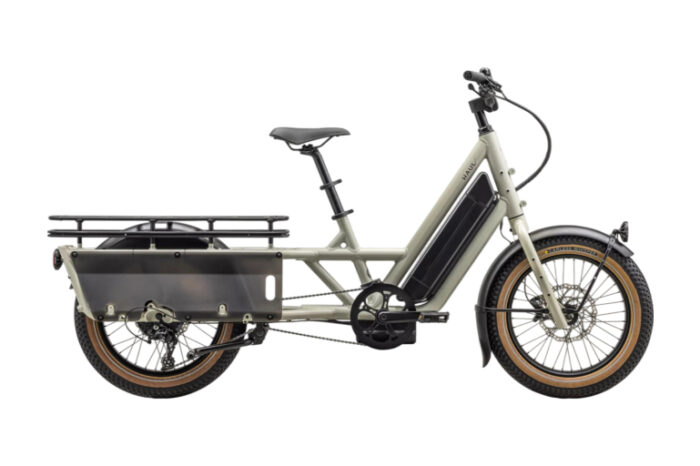
Specifications
Pros & Cons
Pros
- Large carrying capacity
- Can haul three kids comfortably
- Has throttle for easier stop and go riding
- Fits multiple sized riders
Cons
- Long for even a longtail cargo bike
- Heavy
- More expensive than hub drive competition
Bottom Line: A heavy-duty cargo e-bike engineered to replace a secondary vehicle for passenger and gear transport. The Globe Haul LT is ideal for urban families needing maximum payload capacity without sacrificing low-speed stability.
The Specialized Globe Haul LT ($3,800) is built around utility, easily replacing a small car for urban trips and school drop-offs. Capable of transporting three passengers plus gear with a 441-pound total payload limit, this long-tail platform remains confidence-inspiring under heavy loads. GearJunkie tester Seiji Ishii evaluated the build over several months of family outings in Bend, Oregon, carrying kids, sand toys, and full picnic setups to local river beaches. Compared to standard commuter builds like the Rad Power Radster Road, the Globe Haul LT provides double the rear deck space and a significantly higher weight rating for heavy utility hauling.
The Tech: A 700 W rear hub motor propels the bike up to Class 3 speeds of 28 mph via pedal assist or throttle. Power comes from an integrated 772 Wh battery, providing ample energy for multi-stop errand runs. The setup includes a telescoping seatpost and dual-stage quill stem to fit riders from 4’10” to 6’4″, 3.5-inch wide street tires, a 1,500-lumen headlight, and a heavy-duty dual-leg center kickstand.
What We Like: The low center of gravity and wide tires deliver remarkably predictable handling, even when fully loaded with passengers. The throttle provides immediate acceleration from a complete stop, which helps when launching uphill or navigating busy intersections. We also appreciate the high-output 1,500-lumen headlight for autumn evening rides, along with the dual-telescoping cockpit adjustments that allow multiple family members to share the same frame.
What We Don’t: The extended long-tail wheelbase requires more garage storage space than standard frames and makes vehicle rack transport difficult. Furthermore, while the base price includes the rear deck and kickstand, essential passenger add-ons — like the passenger seat ($60), wheel covers ($40), and cargo rails ($275) — quickly drive up the total investment.
Should You Buy It? Families and urban commuters will find a solution in this design as a true automobile alternative. This long-trail model is capable of carrying two kids and full grocery loads. If you prefer a more compact footprint, the shorter Globe Haul ST ($2,700) offers the same motor and electronics on a trimmed-down chassis.
Specifications
Pros & Cons
Pros
- Smooth, stable handling
- Great range
- Capable of Class 3 speeds up to 28 mph
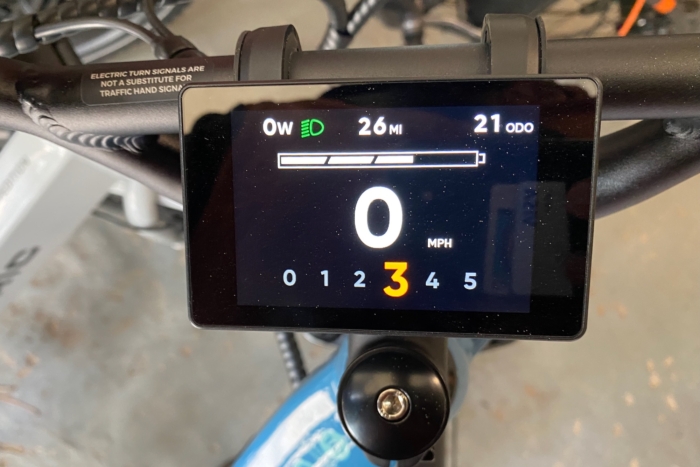
- Great e-bike controls and display
- Comes with rear cargo rack, lights, and fenders
- Reasonable price
Cons
- Very heavy
- Affordable but still not cheap
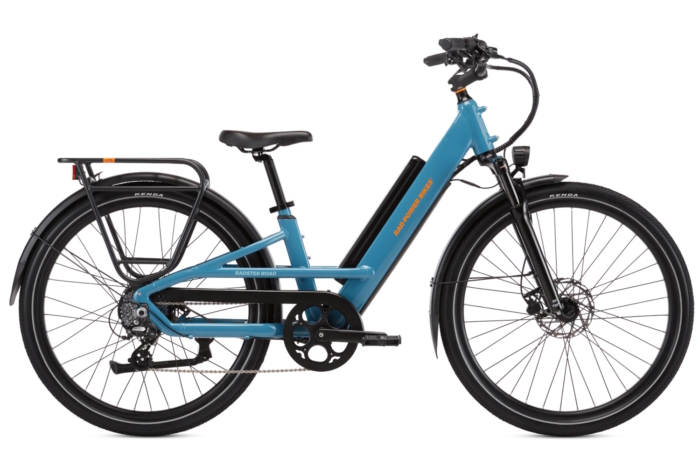
Bottom Line: This feature-packed commuter brings Class 3 speeds and refined torque sensing to a budget tag. The Radster Road is ideal for urban riders seeking smooth power delivery and built-in safety tech without spending mid-tier money.
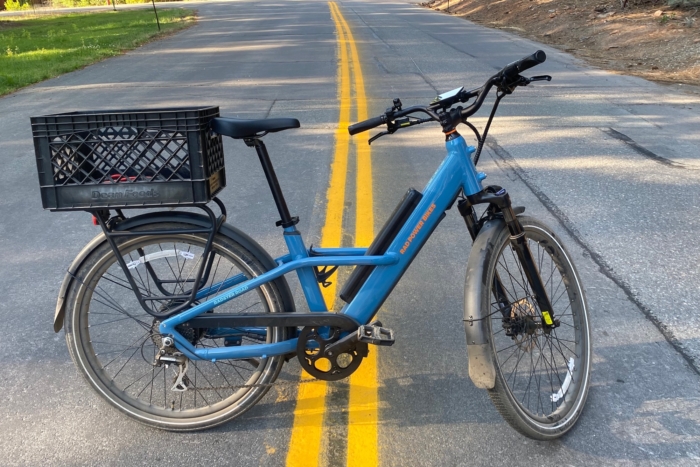
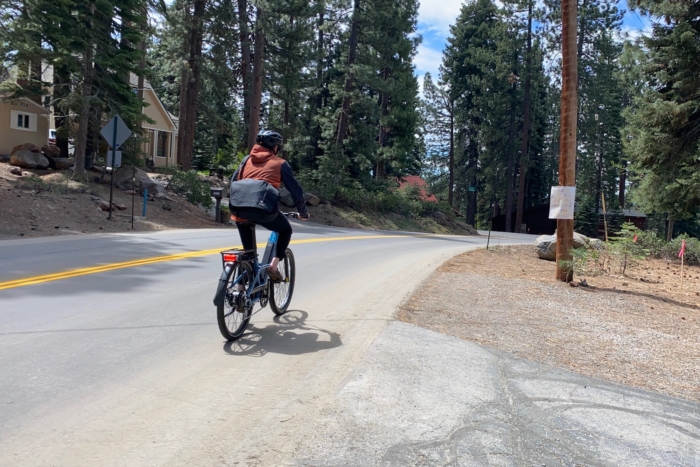
The Rad Power Radster Road ($1,999) marks a major step forward for the brand, elevating its commuter line into a higher performance class. Built from the ground up, this frame features updated styling, two size options fitting riders from 4’11” to 6’4″, and larger 29-inch wheels wrapped in street tires that roll smoothly over broken pavement. GearJunkie tester Jeremy Benson logged several hundred miles on urban roads, bike paths, and steep city commutes in Lake Tahoe, California, finding the 80 mm suspension fork and stable handling remarkably comfortable over long distances. Compared to smaller-wheeled options like the folding Rad Power RadExpand 5 Plus, the Radster Road offers a far smoother, faster ride at speed.
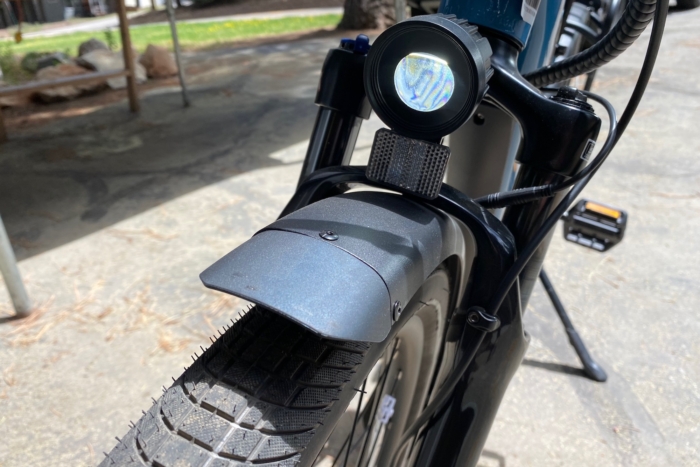
The Tech: A 750 W rear hub motor propels the bike to Class 3 speeds up to 28 mph on pedal assist, complemented by a new torque sensor that delivers power naturally as you press on the pedals. The semi-integrated 720 Wh Safe Shield battery is UL 2271 certified and thermal-potted to reduce fire risks. Handlebar controls operate a large color display along with integrated front and rear lights, built-in turn signals, a brake light, and a horn.
What We Like: The shift from a basic cadence sensor to a responsive torque sensor makes a massive difference in ride quality, mimicking the smooth assist of far more expensive mid-drive motors. The larger 29-inch wheels provide natural, intuitive steering and excellent high-speed stability. We also appreciate the complete out-of-the-box commuter setup, including full-coverage fenders and a rear cargo rack rated to haul up to 55 pounds.
What We Don’t: Tipping the scales at 74 pounds, this bike is exceptionally heavy. Lifting it onto a car rack, carrying it up apartment stairs, or pedaling home with a dead battery requires considerable effort.
Should You Buy It? For daily commuters looking for speed, range, and advanced safety features at a fair price point, this model is a top-tier option. It delivers the speed and smooth pedal response of mid-grade commuters while keeping the total cost well under $2,000.
Specifications
Pros & Cons
Pros
- Very reasonable price
- High weight capacity
- Comes with fenders and a rear rack
- Step-over and step-thru frame options
Cons
- Pedal assistance is a little jumpy compared to mid-drive systems
- Shorter range than some other options
Bottom Line: Versatile, stout fat-tire e-bike that delivers smooth all-terrain power and all-weather utility at a reasonable price. The Aventure.2 is ideal for riders looking to transition seamlessly from pavement to gravel paths and light dirt trails.
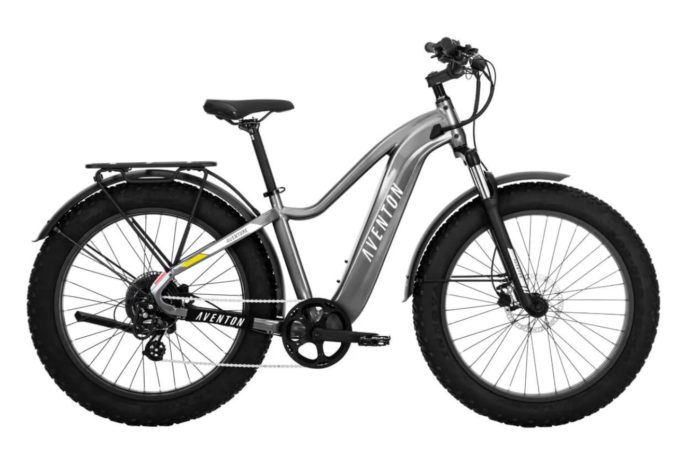
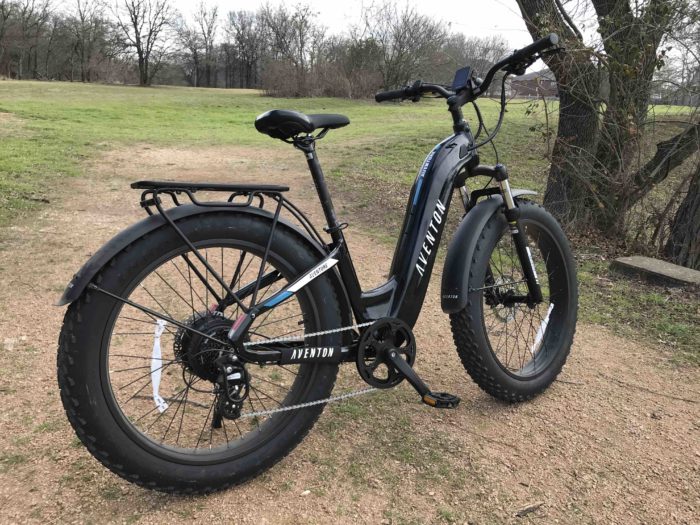
The Aventon Aventure.2 ($1,999) combines off-road capability with easy cruising comfort. Shipped directly with minimal assembly required, it comes in step-over and step-through frames in two sizes to accommodate riders from 4’11” to 6’4″. GearJunkie tester Mark Wilson evaluated the step-through model across paved roads, gravel paths, and light singletrack,finding the upright seating position, plush saddle, and ergonomic grips comfortable for extended riding. Compared to street-focused commuter options like the Rad Power Radster Road, the Aventure.2 offers significantly wider tire clearance and cushion over loose, unpaved terrain.
The Tech: Powered by a 750 W rear-hub motor (1,130 W peak) paired with an integrated torque sensor, this bike responds smoothly to pedaling effort. It ships as a Class 2 model capped at 20 mph via pedal assist or thumb throttle, but unlocking Class 3 settings through the Aventon app bumps assist speeds up to 28 mph. The 720 Wh battery sits flush in the downtube, supported by a 26×4-inch fat-tire wheelset, an 80 mm suspension fork with lockout, an 8-speed Shimano drivetrain with trigger shifters, and hydraulic disc brakes.
What We Like: The move to a torque sensor elevates ride quality, making motor output feel far more intuitive than traditional cadence setups. Four-inch-wide knobby tires absorb chatter over rocks, roots, and potholed streets, while the suspension fork adds extra forgiveness. We also appreciate the complete commuter feature set included out of the box, featuring full-coverage fenders, a rear rack, and integrated LED lighting with active turn signals and brake lights.
What We Don’t: At 77 pounds, this build is undeniably heavy. Hauling it up apartment stairs or securing it onto a standard vehicle bike rack takes significant muscle. While the torque sensor delivers smooth assist, it lacks the raw,natural responsiveness found in mid-drive motors.
Should You Buy It? Overall, this e-model is a dependable battery-powered ride for multi-surface commuting, beach cruising, and weekend gravel adventures. For riders seeking a comfortable, all-surface e-bike that bridges urban transport and off-road exploration, the Aventure.2 provides excellent performance and a gentler hit to the purse.
-
-
(Photo/Rachelle Schrute)
Specifications
Pros & Cons
Pros
- Super powerful motor
- Front suspension
- Integrated rear rack carries up to 100 lbs.
- Dropper post for better handling
- Internal drivetrain reduces potential for mechanical issues
- 2 battery size options
- 2 frame style options
Cons
- Heavy
- Expensive
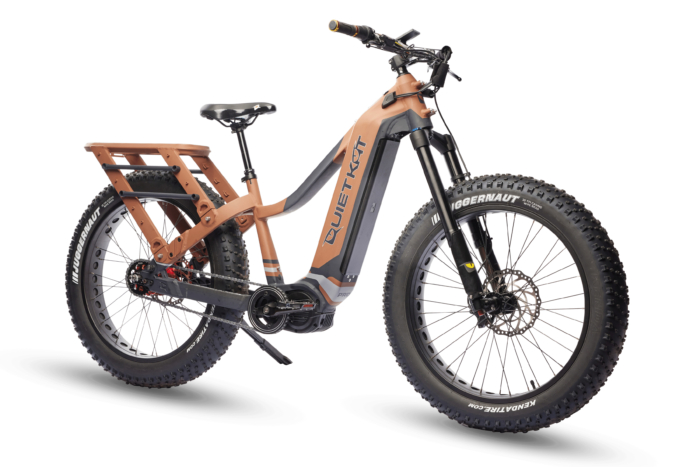
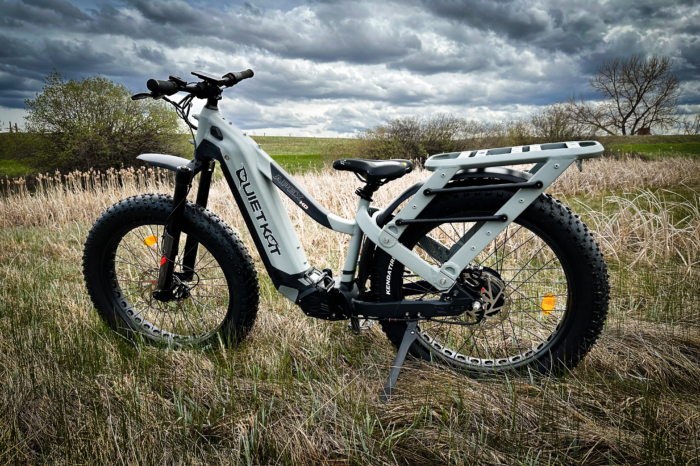
Bottom Line: Rugged, high-torque hunting e-bike that combines backcountry capability with a low-maintenance internal drivetrain. The Apex XD is ideal for hunters and outdoorsmen who need to haul heavy payloads across rough terrain without the noise or fuel demands of an ATV.
The QuietKat Apex XD ($6,350–$7,000) represents a top-of-the-line evolution in electric hunting transportation, offering a quiet, clean alternative to traditional gas-powered side-by-sides. GearJunkie Editor Rachelle Schrute put the Apex through field trials across rugged backcountry tracks, testing its load capacity, motor torque, and new twist throttle mechanics under real hunting conditions. Compared to full-suspension trail bikes like the Specialized Turbo Levo 4, the hardtail Apex XD sacrifices high-speed singletrack agileness in exchange for heavy-duty payload stability and utility rack options.
The Tech: Driven by a 1,000 W VPO mid-drive motor pushing 200 Nm of torque, this bike effortlessly scales steep inclines. It features a 5-speed internal hub drivetrain, an inverted 120 mm suspension fork, and 4.8-inch knobby fat tires.Riders can choose between a 15 Ah (720 Wh) battery or a 30 Ah (1,440 Wh) option, yielding up to 90 miles of claimed range. The motor operates across Class 1, 2, 3, or Unlimited modes, including specialized Climb and Stealth power settings.
What We Like: Sealing the gearing inside an internal hub is a massive upgrade for backcountry navigation, eliminating the fragile derailleur and preventing trail debris, brush, and mud from jamming the drivetrain. The massive 325-pound total weight capacity — supported by an integrated rear rack rated for 100 pounds — makes hauling heavy gear manageable. The inclusion of a dropper seatpost and step-over/kick-through frame options simplifies mounting while wearing bulky gear.
What We Don’t: Tipping the scales at 70 pounds without the battery (and pushing over 100 pounds when outfitted with front racks and the dual battery), this machine is exceptionally heavy to transport or lift into a truck bed. The motorcycle-style twist throttle provides smoother modulation than older thumb throttles, but it requires an adjustment period for riders used to traditional pedal assist.
Should You Buy It? If you’re a backcountry hunter or outdoor enthusiast that needs a heavy-duty workhorse to replace a gas vehicle, this model is an excellent tool. The Apex XD delivers raw climbing torque, massive hauling capacity, and quiet field access that traditional off-road vehicles simply cannot match.
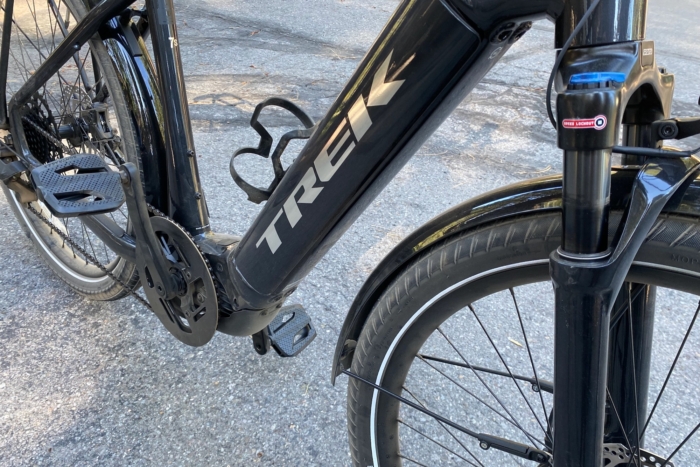
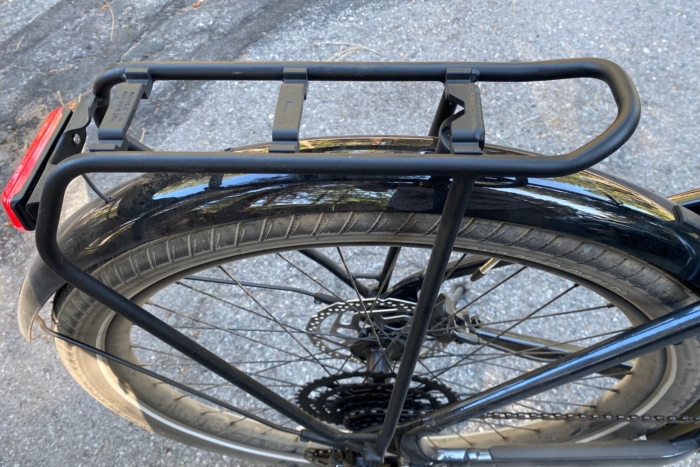
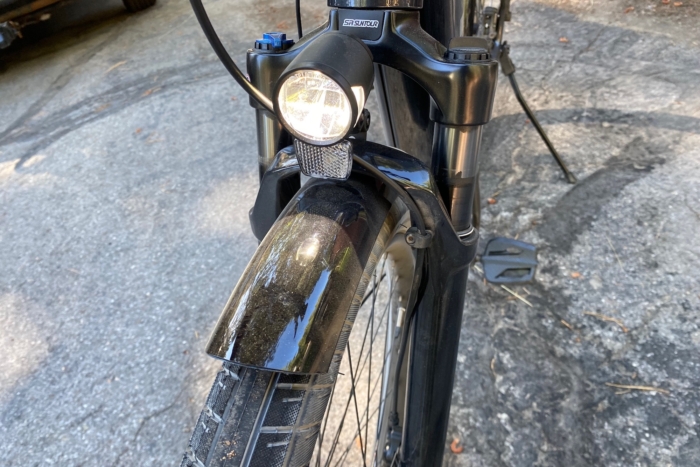
Specifications
Pros & Cons
Pros
- Excellent component specification
- Smooth, refined power delivery from mid-drive motor
- Smooth, stable ride
- Supension fork, fenders, lights, and rear rack included
Cons
- Higher price
- Smaller battery than some
Bottom Line: Refined Class 3 commuter that pairs speed and premium mid-drive hardware with an exceptionally stable ride quality. The Allant+ 7S Gen 2 is ideal for daily urban travelers seeking 28mph capability backed by a nationwide dealer network.
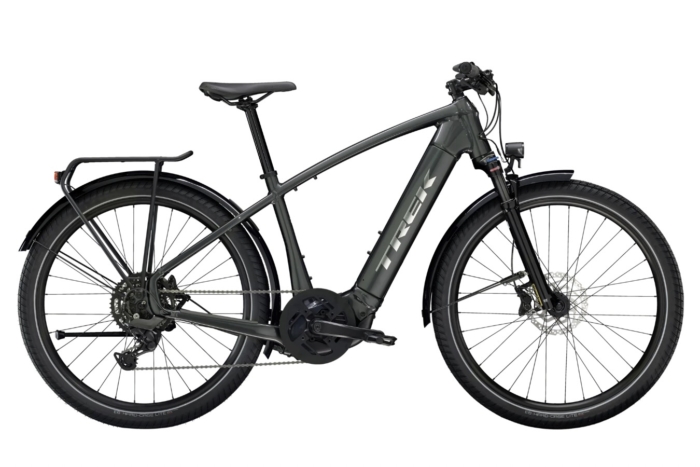
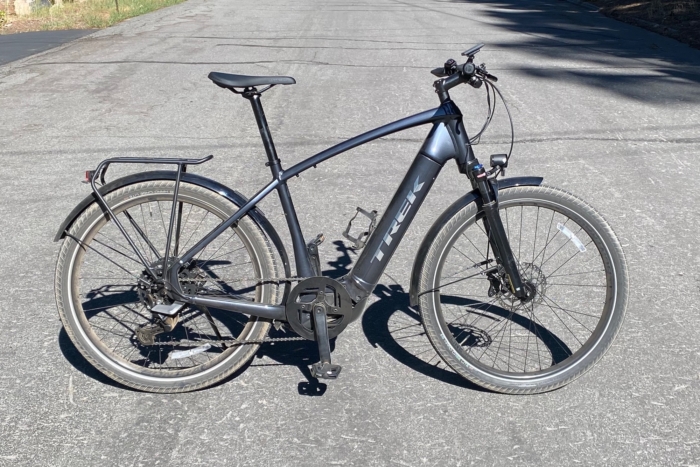
The Trek Allant+7S Gen 2 ($3,850) delivers an exceptionally polished, fast-paced ride for urban transportation and daily fitness. Built on a hydroformed aluminum frame with 27.5×2.4-inch street tires and a 63mm suspension fork, it glides across cracked asphalt and maintains a planted feel at high speeds. Compared to lower-priced hub-drive models like the Tenways Wayfarer, the Allant+ 7S utilizes a mid-drive motor that responds directly to pedaling force while offering Class 3 speed headroom up to 28 mph.
The Tech: A Bosch Performance Line Speed mid-drive motor pumps out 85 Nm of torque, drawing power from a 500 Wh Bosch PowerTube battery integrated cleanly into the down tube. Control is managed via the compact Bosch Purion 200 handlebar display, which connects to the Bosch eBike Flow smartphone app for custom motor tuning, navigation, and digital lock functions. Component highlights include a 9-speed Shimano CUES Linkglide drivetrain, 4-piston hydraulic disc brakes, an integrated headlight/taillight system, full-coverage fenders, and a rear cargo rack.
What We Like: The Bosch mid-drive motor provides proportional assistance that feels like natural human power, effortlessly sustaining speeds up to 28 mph on open stretches. Its rigid aluminum frame architecture and wide street tires deliver sharp, predictable handling through urban traffic. We also value the integrated commuter package — including bright lighting powered directly by the main battery, durable fenders, and the peace of mind that comes with local Trek shop support.
What We Don’t: Lacking a thumb throttle, this platform requires constant pedaling effort to engage motor support, which may not suit riders seeking a moped-style cruiser. Additionally, while the 500 Wh battery yields high efficiency on low assist modes, riding continuously in Turbo mode at 28 mph will drain range significantly faster than standard Class 1 commuters.
Should You Buy It? Commuters who demand Class 3 speed, top-tier engineering, and long-term durability over budget DTC hardware will delight in this e-model. This Trek provides a reliable, high-speed solution for trips around town.
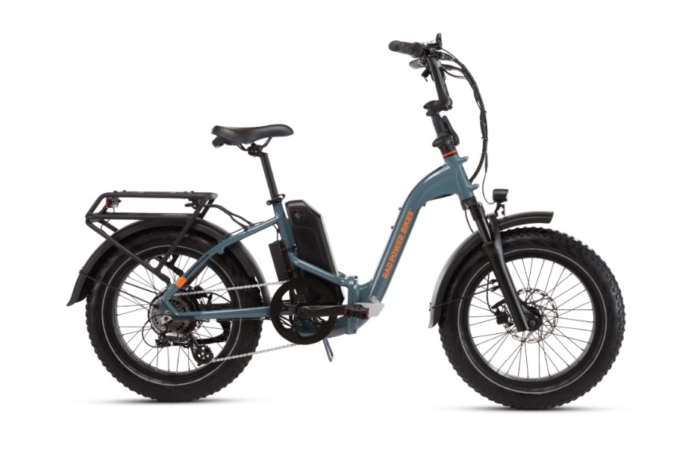
Specifications
Pros & Cons
Pros
- Smooth, comfortable ride
- Great handling for a folding bike
- Power delivery is smooth
- Safe Shield battery
- Good controls and display
- Wide knobby tires can handle a wide range of surfaces
Cons
- Heavy
- Not suitable for riders over 5'10"
- Lower cargo weight capacity
Bottom Line: A refined folding e-bike that delivers smooth torque sensing, added front suspension, and reliable all-weather utility. The RadExpand 5 Plus is ideal for travelers and apartment dwellers seeking a capable, space-saving ride for mixed-terrain commutes.
The Rad Power RadExpand 5 Plus ($1,899) brings major comfort and component updates to the brand’s popular compact platform. Built on a low-step aluminum frame with wide handlebars, 20×4-inch fat tires, and a new 50mm suspension fork, it steers with confident leverage and cushions rough road chatter. Compared to full-sized commuter options like the Rad Power Radster Road, the RadExpand 5 Plus folds down via heavy-duty frame and stem clamps to fit inside vehicle trunks, RVs, and tight closets.
The Tech: A 750 W rear hub motor operates alongside a responsive torque sensor that delivers smooth, natural power matching your pedal input up to 20 mph. The UL 2849 and UL 2271-certified 720 Wh Safe Shield battery uses thermal-resistant resin to isolate individual cells and offers 20 to 60 miles of range per charge. Tech upgrades include a full-color LCD display with USB-C device charging, integrated rear turn signals, a 200-lumen headlight, hydraulic disc brakes, and a 59-pound capacity rear cargo rack.
What We Like: Wide handlebars provide far superior steering control and leverage compared to typical narrow-bar folding bikes. The addition of a torque sensor eliminates jumpy motor engagement, giving the 750 W hub drive a predictable boost from a stop. We also value the practical utility touches — like full-coverage fenders, simple two-step folding latches, and an upright step-through geometry that fits riders from 4’10” to 5’10”.
What We Don’t: Tipping the scales at 72.5 pounds, hoisting it into a tall trunk or carrying it upstairs requires significant effort. Additionally, while the low-step frame accommodates shorter users exceptionally well, taller cyclists over 6 feet will find the stock seatpost height limiting without an extended post option.
Should You Buy It? Need space-saving convenience without compromising on ride stability? This folding e-bike is for you. It’s battery safety and offers great stopping power. The RadExpand delivers a versatile, detailed package for easy travel and daily commutes.
Electric Bikes Comparison Chart
| Electric Mountain Bike | Price | Bike Type | E-Bike Class | Motor | Battery | Range (claimed) | Throttle | Weight | Surfaces |
|---|---|---|---|---|---|---|---|---|---|
| Specialized Globe Haul LT | $3,800 | Cargo | 3 | 700 W rear hub | 772 Wh | up to 60 miles | Yes | 88 lbs. | Paved, smooth gravel |
| Tenways Wayfarer | $2,199 | Commuter, urban | 1 or 2 | 500 W rear hub (750 W peak, 65 Nm torque) | 720 Wh | up to 80 miles | Yes | 66 lbs. | Paved, smooth gravel, dirt path/roads |
| Buzz Cerana 2 | $1,499 | Commuter, utility | 1 | 350 W mid-drive | 500 Wh | 35–45 miles | No | 57 lbs. | Paved roads, bike paths, smooth dirt |
| Specialized Turbo Levo SL 2 Pro | $11,000 | Lightweight E-MTB | 1 | Specialized SL 1.2 mid-drive (320 W peak, 50 Nm torque) | 320 Wh (Range Extender compatible) | up to 5 hours (Eco mode) | No | 40 lbs. | Singletrack, technical mountain trails |
| Specialized Levo 4 EVO Pro | $10,500 | Full-Power Gravity E-MTB | 1 | Specialized 3.1 mid-drive (810 W peak, 105 Nm torque) | 840 Wh | Up to 4 hours (50+ miles with range extender) | No | 53.8 lbs. | Steep singletrack, rock slabs, bike parks, downhill trails |
| Santa Cruz Bullit X0 AXS RSV | $12,349 | 1 | 1 | Bosch Performance Line CX (750 W peak, 100 Nm torque) | Bosch PowerTube 600 Wh (Range Extender compatible) | 25-35 miles | No | 48.4 lbs. | Bike parks, steep singletrack, rock drops, technical DH trails |
| Aventon Current ADV | $3,999 | Full-Suspension E-MTB | 1 (App-unlockable Class 3) | Aventon Ultro X mid-drive (750W / 850W Boost, 110-120 Nm) | 800 Wh (UL 2271 certified) | up to 105 miles | No | 56 lbs. | Singletrack, rock gardens, fire roads, loose trail |
| Trek Allant+ 7S Gen 2 | $3,850 | Commuter | 3 | Bosch Performance Line mid-drive | 500 Wh | not specified | No | 58 lbs. | Paved |
| Aventon Ramblas ADV | $2,899 | E-MTB, hardtail | 1 (app-unlockable Class 3) | 250 W mid-drive (750 W peak, 100 Nm torque) | 708 Wh (TÜV/UL certified) | up to 90 miles | No | 54 lbs. | Singletrack, fire roads, gravel, pavement |
| Rad Power Radster Road | $2,000 | Commuter | 3 | 750 W rear hub | 720 Wh | 65+ miles | Yes | 74 lbs. | Paved |
| Specialized Turbo Levo 4 | $5,000-12,000 | MTB | 1 | Specialized 3.1 | 840 Wh | 30-45 miles | No | 52.2 lbs. | MTB trails |
| Rad Power RadExpand 5 Plus | $1,899 | Folding | 2 | 750 W rear hub | 720 Wh | 20 to 60 miles | Yes | 72.5 lbs. | Paved, gravel, smooth dirt trails |
| QuietKat Apex XD | $6,350 | Hunting, fat tire | 1, 2, 3, unlimited | 1,000 W VPO mid-drive | 720 or 1,440 Wh | up to 90 miles | Yes | N | All |
| Aventon Aventure.2 | $1,999 | Fat tire | 3 | 750 W rear hub | 720 Wh | up to 60 miles | Yes | 77 lbs. | All |

How We Tested the Best Electric Bikes
Our team of seven testers has spent over a decade testing and reviewing bicycles across every category — including cargo, commuter, e-MTB, fat-tire, hunting, and folding models.
We continually field test and update our lineup to ensure this guide highlights only the best electric bikes on the market.
Our Expert Testers
- Dane Tudor: Professional athlete and bike park builder who contributes field testing notes from regional trips to trailheads and larger-scope test laps for Gravity Logic bike park builds across North America.
- Morgan Tilton: Senior Editor, mountain biker, and bike commuter based in Crested Butte, Colo., who road trips across North America on mountain bike trips, racking up thousands of miles.
- Chelsey Magness: An adventure racing champion, former 24-hour mountain biking world champion, and mother of two who spearheaded this review alongside a network of local trail and commuter riders.
- Jeremy Benson: Former GearJunkie Editor who has professionally reviewed bikes for over eight years and personally tested more than 50 e-bikes, analyzing everything from out-of-the-box assembly to long-term power delivery, comfort, and handling.
- Mark Wilson: Texas-based gravel rider, mountain biker, and cross-country racer.
- Seiji Ishii: Texas-based GearJunkie contributor.
- Rachelle Schrute: GearJunkie Editor and hunter.
Our Testing Grounds
Our field testing miles have covered ground and pavement in:
- Bend, Oregon
- Crested Butte, Colorado
- Austin and Wimberley, Texas
- British Columbia
- Montana
- Truckee, California
We’ve covered hundreds of miles of singletrack trails, dirt roads, gravel paths, and urban bike lanes plus everyday demands:
- Overloaded grocery runs & school drop-offs
- Trail rides & gravel grinding
- Night-time commuting & urban pub crawls
- Geocaching adventures & casual utility riding
How We Rated Electric Bikes
- Ride Quality: Evaluates frame geometry, suspension performance, cornering stability, braking power (hydraulic vs. mechanical), tire traction, and overall comfort over pavement, bumps, and singletrack.
- Power & Range: Measures motor torque (Nm), assist smoothness (torque vs. cadence sensor feedback), hill-climbing acceleration, throttle responsiveness, and battery life during real-world distance testing.
- Capacity: Evaluates total payload weight limits, passenger accommodations, frame/rack weight-bearing capabilities, and towing/hauling balance.
- Accessories: Assesses out-of-the-box features, stock integration, and tech specs including integrated front/rear lighting, fenders, racks, digital displays, app connectivity (like 4G/GPS tracking or motor tuning), and battery security.

Buyer’s Guide: How to Choose the Best Electric Bike
Electric bikes — with their batteries, motors, and throttles — give bikers a lot to consider. Here we dive into the design elements you’ll want to consider.
For hauling your e-bike, check out our hitch bike racks buyer’s guide.
What Is Pedal Assist?
Pedal assist (PAS) combines traditional cycling with an electric motor boost. Rather than replacing your effort, the motor engages automatically as you pedal, making long rides and steep hills feel like riding with a constant tailwind.
How It Works
- Sensors: A sensor monitors your pedaling motion and signals the motor to supply power.
- Selectable Levels: Most e-bikes offer multiple assistance settings. Lower settings preserve the feel of a standard bike, while higher settings let the motor take over most of the heavy lifting.
- Battery Trade-off: The higher your assistance level, the faster your battery drains.

What Is a Throttle?
A throttle lets your e-bike propel itself under full electric power without any pedaling — working just like a motorcycle or electric scooter. They are typically controlled via a thumb paddle or twist-grip on the handlebars.
Key Benefits
- Easy Starts: Helps kickstart momentum from a complete stop, especially when managing a heavy bike or carrying cargo.
- Effortless Cruising: Allows you to rest your legs and cruise purely on battery power when you don’t feel like pedaling.
Note: The inclusion of a throttle is a key factor in determining an e-bike’s legal Class classification.

Understanding E-Bike Range
An e-bike’s range is the total distance it can travel on a single charge before the battery dies.
Expectation vs. Reality
Most e-bikes rarely match their advertised range in real-world conditions. Manufacturers often cite maximum ranges (e.g., 80–90 miles) that are only achievable under optimal, best-case scenarios.
Key Factors That Affect Range
Your actual mileage depends heavily on how much work the bike does versus how much you pedal:
- Capacity & Weight: Larger, heavier batteries hold more energy, but they also add weight — making range a constant balance for manufacturers across cargo, commuter, and gravel designs.
- Rider Input: Continuous, high-effort pedaling drastically extends range; heavy reliance on the motor or throttle drains the battery fast.
- Assist Level & Throttle: Higher pedal assist settings and throttle usage draw power rapidly.
- Environment & Terrain: Hills, head winds, and extreme temperatures reduce battery efficiency.

Controls & Display
An e-bike’s display acts as its dashboard, keeping you informed about your ride status and performance metrics.
What You’ll Find
- The Control Unit: Typically located near the left handlebar grip for easy thumb access. It allows you to toggle pedal-assist levels, operate integrated lights or turn signals, and navigate settings (such as top speed limits and speed units).
- The Display Screen: Usually a small 1–3 inch screen mounted on the handlebars that shows current speed, active pedal-assist level, and remaining battery life.

Types of Electric Bikes: Finding Your Match
Just like traditional bicycles, e-bikes are built around specific riding styles. A bike’s intended purpose dictates its frame, tires, and overall design.
Common E-Bike Categories
- Commuter: Built for urban riding, paved paths, and daily travel.
- Cargo: Designed with heavy-duty frames and racks to carry kids, groceries, or gear.
- Mountain (e-MTB): Equipped with suspension and rugged tires to tackle off-road trails and steep climbs.
- Folding: Compact and portable, making them ideal for apartment living or multimodal transit.
- Fat Tire: Wide tires provide stability and traction over sand, snow, and loose gravel.
- Hunting: Heavy-duty, high-torque builds tailored for rugged wilderness, stealth, and hauling gear.
Note: Many e-bikes are versatile enough to handle several tasks outside their main category.

Electric Cargo Bikes
With rising fuel costs and improved e-bike reliability, many families use electric cargo bikes as complete car replacements. These heavy-duty models handle daily errands with ease — allowing you to pick up groceries, run to the laundromat, or drop off your kids at school.
Standout Models
- Specialized Globe Haul LT & Lectrc XPedition: Top options for family hauling, both offering modular accessory systems. You can customize them with everything from multi-seat child setups to extra-large front racks to fit your daily needs.
Key Trade-offs & Features
- Dual-Battery Capability: Because cargo bikes are inherently heavier, many feature dual-battery setups to help maintain long-range riding when hauling heavy loads.
- Purpose-Built Design: Cargo bikes prioritize stability and utility over top speeds or off-road trail performance.

Electric Commuter Bikes
Designed primarily for paved roads and paved paths, commuter e-bikes are built to get you smoothly from point A to point B. They prioritize rider comfort, utility, and streamlined, relatively lightweight frames.
Standout Models
- Trek Allant+ 7S Gen 2 and the Rad Power Radster Road: Top-tier commuter choices equipped with multi-speed drivetrains (8+ gears), comfortable saddles, integrated utility racks, and fenders ready for all-weather commuting.
Key Features & Design
- Multiple Gears: While not strictly mandatory on motor-assisted bikes, gears maximize motor efficiency, extend overall battery range, and make climbing steep city hills far easier.
- Utilitarian Styling: Defined by durable, reliable components made specifically to handle daily urban pavement use.
Electric Mountain Bikes
Electric mountain bikes (e-MTBs) prioritize off-road performance over utility. Built specifically for tearing through singletrack and conquering steep climbs, standard features include full suspension, dropper seatposts, and aggressive, high-traction tires.
Standout Models
- Specialized Turbo Levo 4: A top-tier e-MTB featuring high-end components, a frame-integrated battery, and a powerful mid-drive motor that delivers up to 111 Nm of torque.
- Aventon Ramblas ADV ($2,899): A budget-friendly entry point for riders looking to get into trail-capable e-MTBs without the premium price tag.
Key Benefit
If you love technical singletrack but want extra assistance on grueling uphill climbs, an e-MTB delivers full trail performance with far less exhaustion on the ascents.

Folding Electric Bikes
Folding e-bikes feature jointed frames and collapsible handlebars that allow them to shrink down to less than half their assembled size for storage and travel.
Key Benefits
- Compact Storage: Easily fits into tight spaces like closets, sheds, apartment corners, or vehicle trunks and RVs.
- Versatile Transport: Great for multi-modal commutes (e.g., train plus bike) or road trips without requiring a dedicated bike rack.
Standout Model
- Rad Power RadExpand 5 Plus: A top-performing folding option that manages to fold down small without sacrificing ride quality on pavement, gravel, or dirt.
Trade-offs to Consider
- Smaller Wheels: Typically equipped with smaller (around 20-inch) wheels, which can make the steering feel twitchier compared to full-sized bikes.
- Weight: Despite their compact size, they remain relatively heavy to lift into a high trunk or carry up stairs.

E-Bikes for Hunting
Electric bikes are rapidly replacing traditional ATVs and side-by-sides in the hunting community. Compared to gas-powered off-road vehicles, hunting e-bikes are quieter, lighter, less expensive, and allow hunters to access backcountry territory with far less physical effort.
Key Features & Design
- Rugged Builds: Engineered with heavy-duty frames and extra-high weight capacities to haul hunters, heavy packs, and game trailers.
- All-Terrain Capability: Equipped with high-torque mid-drive motors and ultra-wide fat tires to handle mud, snow, and steep terrain.
- Stealth & Utility: Feature low-visibility camouflage or matte finishes, near-silent motor operation, and integrated accessory mounts for bows or rifles.
Leading Brands
QuietKat & Bakcou: Purpose-built brands leading the market with high-torque, heavy-duty fat tire options designed specifically for wilderness navigation.
Classes of Electric Bikes
Electric bikes are categorized into three standard legal classes based on their top speed and motor engagement. Local regulations, trail access, and path permissions often depend on these classifications.
Note: Many modern e-bikes let you switch between Class 1, 2, or 3 settings directly through their controls or a smartphone app.
Class Breakdown
- Class 1 (Pedal Assist Only): Motor assists only while pedaling up to 20 mph. Ideal for riders wanting a traditional cycling feel and the broadest access to multi-use paths and singletrack trails.
- Class 2 (Pedal Assist + Throttle): Motor assists via pedaling or throttle up to 20 mph. Great for effort-free cruising, though some jurisdictions restrict throttle access on non-paved paths.
- Class 3 (Speed Pedal Assist): Motor assists up to 28 mph (throttles, if included, remain capped at 20 mph). Popular for fast road commutes and replacing car trips, but often subject to age minimums, helmet mandates, and trail bans.
Tip: Always check local trail and municipal regulations before riding, as legal access varies significantly by e-bike class.

Types of Motors: Rear Hub vs. Mid-Drive
The vast majority of electric bikes are powered by either a rear hub motor or a mid-drive motor. Generally speaking, rear hub motors are found on more affordable bikes, while mid-drive systems cost more and tend to be found on higher-end models.
Rear Hub Motors
A rear hub motor sits in the center of the back wheel and delivers direct power to the tire, creating a sensation of being pushed from behind.
Pros
- Affordable & Simple: Cheaper to produce and maintain than mid-drive motors, making them standard on budget and entry-level e-bikes.
- Throttle Compatible: Most throttle-equipped e-bikes rely on rear hub motors because the design easily accommodates them.
- Refined Power: Modern models equipped with advanced torque sensors deliver smooth, responsive acceleration rather than sudden jolts.
Cons
- Tire Maintenance: Removing the rear wheel to fix a flat or service the drivetrain is more complex due to integrated wiring and extra motor weight.

Mid-Drive Motors
Mounted directly in the frame at the pedals (the bottom bracket), mid-drive motors transfer power through the bike’s chain and drivetrain rather than directly to the wheel.
Pros
- Natural Ride Feel: Advanced torque sensors deliver power proportionally to your pedaling effort, creating a smooth and natural boost.
- Optimal Balance: Placing heavy motor weight centrally and low on the frame improves overall stability and handling.
- Standard Wheel Removal: Fixing a flat tire or swapping wheels is no different than on a traditional bike.
Cons
No Throttle: The vast majority of mid-drive systems do not support throttle operation.
Higher Cost: Complex design makes them significantly more expensive than rear hub motors — typically found on premium commuters, e-MTBs, and high-end cargo bikes.
Increased Wear & Tear: Direct power delivery places extra strain on the bike’s chain and cassette gears over time.
Portability & Transport
Because e-bikes are heavy, portability design features make transport significantly easier:
- Vehicle Racks: Heavy e-bikes often require heavy-duty, platform-style hitch racks rated for extra weight rather than standard bike racks. (Check out our guide to the best hitch bike racks for top options.)
- Folding Frames: For those short on storage or rack space, folding e-bikes shrink into a trunk-sized footprint — a major asset for apartments, RVs, and road trips.
Standout Model: The Rad Power RadExpand 5 Plus pairs a low-step frame with a space-saving fold without compromising ride quality.

Fat Tire E-Bikes & Winter Riding
With wide, aggressive tires and the right accessories, fat-tire e-bikes offer true four-season transportation — tackling everything from pavement, gravel, and dirt to snow and sand.
Key Requirements for Winter Riding
- Tires: Look for tires that are 4 inches wide or broader with deep, knobby tread to maximize traction and flotation over snow and ice.
- Essential Winter Gear: Equip your bike with studded pedals for foot grip and extra-bright lights to handle short winter days.
Standout Model
- Aventon Aventure.2: A versatile fat-tire option built with 4-inch puncture-resistant tires that handle snow, sand, and rough trails with confidence.
Cold Weather Warning: Lithium battery capacity drops significantly in sub-freezing temperatures, so expect a shorter riding range during winter.
Understanding E-Bike Specs: Power & Battery
E-bike performance comes down to two main components working together as a system: the motor and the battery.
1. Motor Power: Watts & Torque
Motor power determines how fast the bike accelerates, climbs, and hauls weight.
- Watts (W) — Hub Motors: Measures total power output. Most rear hub motors range from 250W to 750W. Higher wattage means higher potential top speeds and stronger assistance.
- Torque (Nm) — Mid-Drive Motors: Measures rotational pulling force. Most mid-drives range from 60 to 100 Nm of torque (though high-end hunting models like the QuietKat Apex XD hit 200 Nm). Higher torque makes it far easier to climb steep hills or carry heavy cargo.
Rule of Thumb: Match motor power to your riding style. Casual flat-pavement commuters do fine with less power, while heavy cargo, steep hills, or high speeds demand higher wattage and torque.
2. Battery Capacity: Watt-Hours (Wh)
Batteries are rated by Voltage (V) and Amp-Hours (Ah):
Voltage (V)×Amp-Hours (Ah)=Watt-Hours (Wh)
- Watt-Hours (Wh) represent the battery’s total fuel tank size. The higher the Wh, the longer the battery lasts on a single charge.
- Dual-Battery Options: If long range is essential, look for bikes that allow you to mount a second battery.
System Balance: Higher motor power drains battery capacity faster — using maximum assist or throttle requires a larger Wh rating to maintain range.

Accessories & Features
E-bikes vary widely in their stock setups. While some models come fully equipped out of the box with lights, horns, racks, and fenders, others require aftermarket additions before you can carry cargo or transport kids.
Essential Stock Add-Ons
- Utility Upgrades: Front and rear cargo racks, child seats, and pannier bags expand what your bike can carry.
- Safety & Convenience: Integrated front/rear lights, fenders for wet weather, built-in horns, and kickstands improve daily commute readiness.
Smart Budgeting & Accessories
- Aftermarket Upgrades: Most stock e-bikes require a few post-purchase upgrades (such as an upgraded saddle, suspension seatpost, or cell phone mount). Be sure to factor an extra $100–$300 into your overall purchase budget.
- Look for Bundles: E-bike brands often bundle popular accessories during promotions. Opting for included or bundled packages up front usually saves money compared to buying individual parts later.

Price & Value: E-Bike Price Tiers & What You Get
E-bikes range dramatically in price — from around $1,000 for entry-level models to $10,000+ for high-end builds. How much you should spend comes down to three things: intended use, frequency of rides, and performance expectations.
Best Budget E-Bikes ($1,000–$2,000)
While premium e-bikes command top dollar, the entry-level market offers impressive value. Lower-cost e-bikes typically utilize simpler rear-hub motors and entry-level components to cut costs, resulting in slightly heavier or clunkier builds. However, performance remains remarkably strong across the board.
- Aventon Aventure.2 ($1,999): A high-speed, highly versatile fat-tire bike powered by a 750W rear-hub motor. Equipped with 4-inch tires, it handles everything from pavement to snow without demanding a premium price tag.
- Rad Power RadExpand 5 Plus ($1,899): A folding e-bike that combines a space-saving frame with premium-feeling upgrades, including an advanced torque sensor, Safe Shield battery tech, and responsive hydraulic brakes.
Best Mid-Tier E-Bikes ($2,500–$4,000)
Priced between $2,500 and $4,000, mid-tier e-bikes deliver a significant jump in overall build quality, refined components, and attention to detail. This range includes both high-output rear-hub motors and smooth, efficient mid-drive systems.
- Aventon Ramblas ($2,899): An outstanding, budget-friendly entry point into electric mountain bikes (e-MTBs). Featuring a hardtail design and an in-house mid-drive motor, it costs roughly half as much as competing trail models while providing genuine singletrack performance.
- Specialized Globe Haul LT ($3,800): Our top pick for a full-featured electric cargo bike. It uses a powerful 700W rear-hub motor — allowing for throttle support — paired with best-in-class handling and heavy-duty cargo versatility capable of replacing a family car.
- Trek Allant+ 7S Gen 2 ($3,850): A premium commuter bike powered by a responsive Bosch mid-drive motor system. It offers top-tier ride quality, excellent component integration, and reliable performance for daily high-speed urban travel.
Best Premium E-Bikes ($5,000+)
Starting at $5,000 and scaling to $15,000+, premium e-bikes feature high-torque mid-drive motors, top-tier components, advanced frame materials, and seamless system integration.
Top Standout Models
- Specialized Turbo Levo 4 ($5,000–$12,000): A benchmark full-suspension e-MTB equipped with a powerful mid-drive motor, frame-integrated battery, and highly adjustable geometry built for aggressive trail performance.
- QuietKat Apex XD ($6,350–$7,000): A heavy-duty hunting e-bike featuring a burly overbuilt frame, 1,000W mid-drive motor, 4.8-inch fat tires, and a 5-speed internal drivetrain designed for rugged backcountry transport.
Frequently Asked Questions
Like regular bikes, electric bike prices vary wildly. In recent years, increased competition has created some excellent budget options. The models on this list range from $1,000 to about $10,000.
If you’re seeking a simple commuter bike, a $1,500-2,000 budget is a good place to start. In the cargo bike category, expect to spend $2,000+. Performance mountain, road, and gravel e-bikes cost upwards of $3,000.
Class 1, 2, and 3 e-bikes are legal in most parts of the U.S. There are exceptions, including certain trails, paths, national parks, and other public lands. Before you buy an electric bike, research local laws and regulations to be sure you’ll be allowed to use it.
An infinite stretch of downhill cruising will take you as fast as you can safely manage. As for pedal assist modes, e-bikes have a top speed of 20 mph (classes 1 and 2) or 28 mph (class 3) at which point the motor will disengage. If a bike is equipped with a throttle it has a top throttle assisted speed of 20 mph.
For everyday commuters, we recommend class 3 bikes. For casual grocery runs and leisurely cruising, classes 1 and 2 work just fine — depending on your preferences.
Many factors affect an electric bike’s range including battery size, motor output, air temperature, type of terrain, and rider fitness. Though brands advertise bikes with a specific (often impressive) range, the answer is “it depends.”
Larger batteries will get you more range than smaller ones and using lower pedal assist modes will prolong battery life compared to using higher levels of pedal assistance. Likewise, the more effort you put into pedaling, the farther you can go.
Potentially. If you’re seeking daily short or mid-distance transportation, an electric bike can handle it. If you need something to manage short runs to the grocery store or to pick up the kid from school, an electric cargo bike can do that too.
It really depends on where you live, how far you need to ride, and what you need to bring with you.