The best women’s climbing pants balance unrestricted stretch with rugged durability, keeping you comfortable under a harness from the gym to the crag.
Bishop, California-based climber and GearJunkie contributor Miya Tsudome spent the past 12 months evaluating six new and updated models everywhere from the sharp granite of her local Eastern Sierra crags to global expeditions in Yosemite, Madagascar, and New Zealand. Drawing on years of experience with classic designs, she rigorously assessed each pair for mobility, abrasion resistance, and all-day harness compatibility.
We crowned the Patagonia Caliza Rock Pants as our best overall pick for their rare mix of comfort, stretch, durability, and flattering fit. Meanwhile, the Black Diamond Women’s Sequence Pants earned our best budget award for delivering versatile crag-to-multipitch performance, roomy mobility, and a casual straight-leg fit at a reasonable price.
Over the past six years, our team of three expert climbers has thoroughly tested 40 pairs of women’s climbing pants.
Editor’s Note: We updated our Women’s Climbing Pants guide on May 8, 2026, adding the straight-leg Black Diamond Women’s Sequence Pants as our new best budget pick, and the rugged North Face Summit Series Off Width Pants for trad climbing. We also refreshed our awards, added detailed ratings, and updated the comparison chart and price and value analysis.
The Best Women’s Climbing Pants of 2026


Patagonia Caliza Rock Pant
-

-
Testing the Caliza Rock Pant at the local gym; (Photo/Jason Cornell)
-
-


Specifications
Pros & Cons
Pros
- Impressive stretch
- High durability for long-lasting use
- Snap ankle closures for zero interference
- Comfortable enough to wear all day
Cons
- Front pockets don’t close
- Pockets are too shallow
Read Review: Patagonia Caliza: First Look at a Go-To Crag Pant
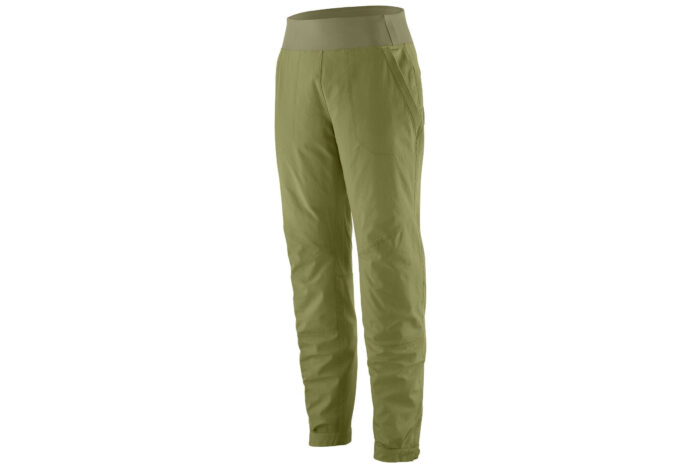
The Patagonia Caliza Rock pants ($115) are the answer to the female climber’s prayers. There are so many reasons why these were deemed our best overall climbing pants. For starters, we were immediately impressed by how well they molded to the body.
Unlike other climbing pants that are either too baggy or too tight in the wrong areas, these seem to have the perfect amount of stretch in all the right places. Plus, these organic cotton-blend pants earn high marks for durability.
We also found the wide elastic waistband to be comfortable and perfectly placed for your harness to fit over. And let’s not forget the snaps on the bottom cuffs that can be adjusted to fit your ankle.
The pockets — both in the front and the back — are so flat and low-key that we didn’t even know they were there until we looked in the mirror. With that said, open shallow pockets like these don’t hold much or keep items from falling out. We wouldn’t use them while climbing to ensure the safety of others below.
Overall, the Patagonia Caliza Rock pants are remarkably versatile for all types of climbing and are comfortable enough for all-day leisurewear. And with five colors to choose from, you might not want to wear anything else. We’re quite confident they’re the best women’s climbing pants available today.
Black Diamond Women’s Sequence Pants
-
-
Black Diamond Sequence Pants; (photo/Miya Tsudome)
-
Black Diamond Sequence Pants; (photo/Miya Tsudome)
-
Black Diamond Sequence Pants; (photo/Miya Tsudome)
-
Black Diamond Sequence Pants; (photo/Miya Tsudome)
-
Black Diamond Sequence Pants; (photo/Miya Tsudome)
-
Black Diamond Sequence Pants; (photo/Miya Tsudome)
-
Black Diamond Sequence Pants; (photo/Miya Tsudome)
-
Black Diamond Sequence Pants; (photo/Miya Tsudome)
-
Black Diamond Sequence Pants; (photo/Miya Tsudome)
-
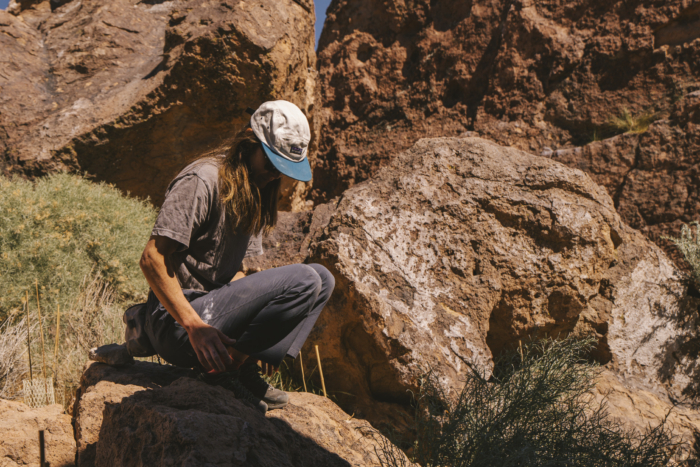
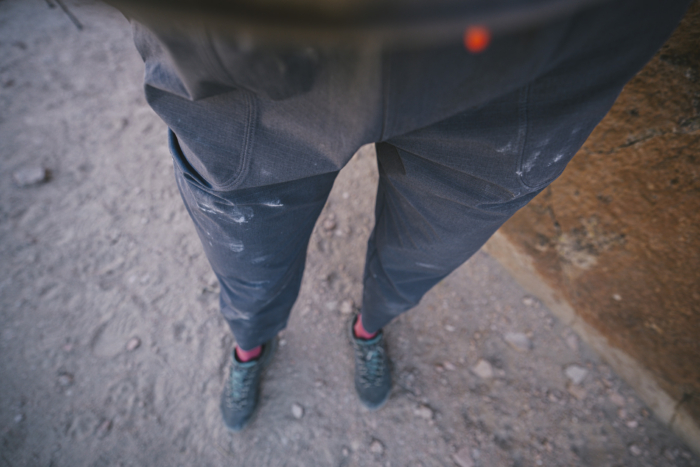
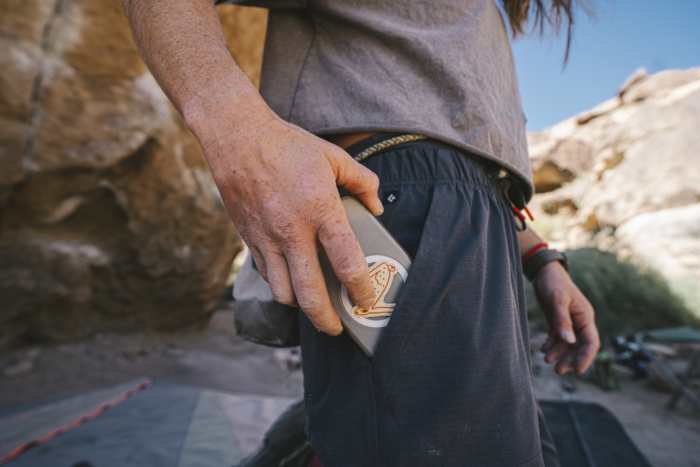
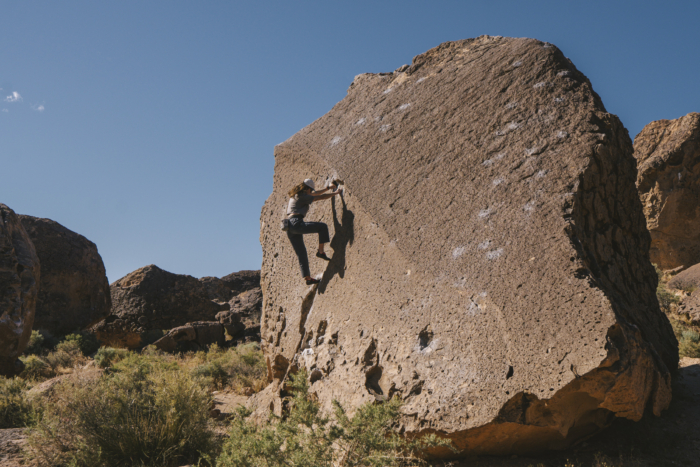
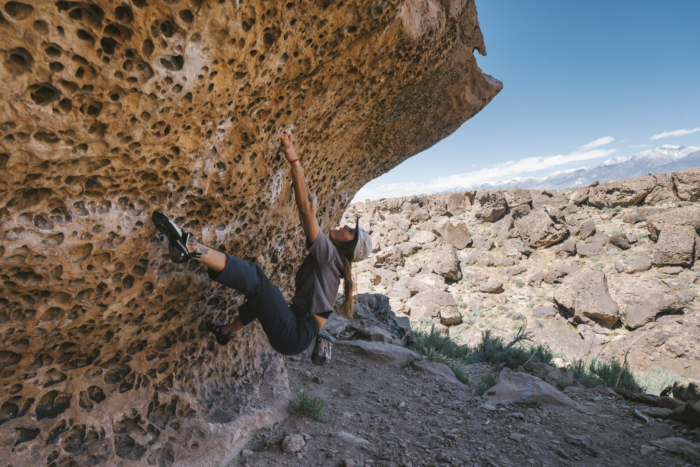
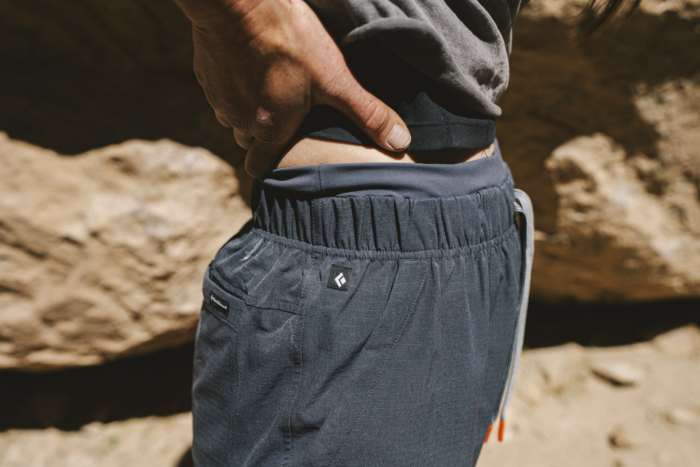
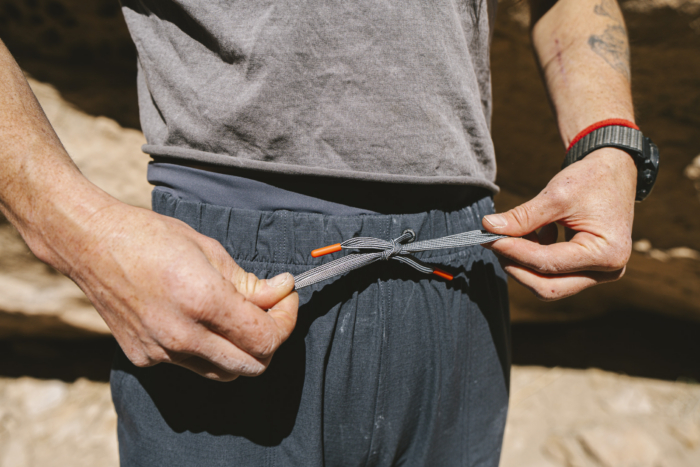
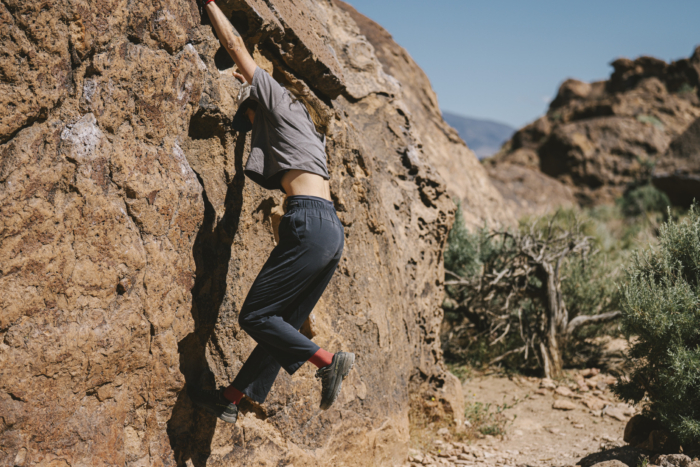
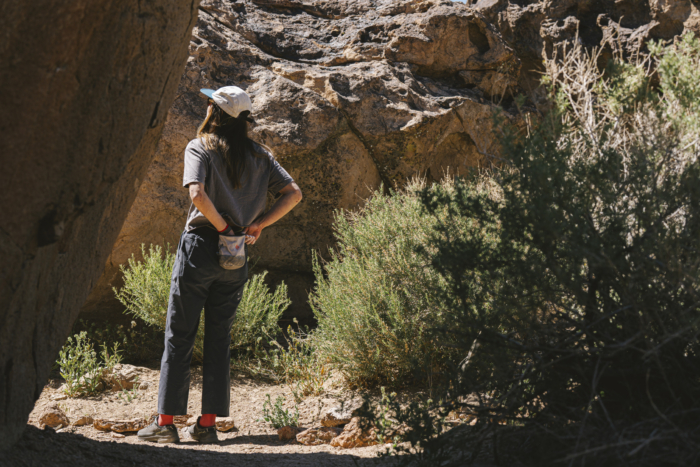
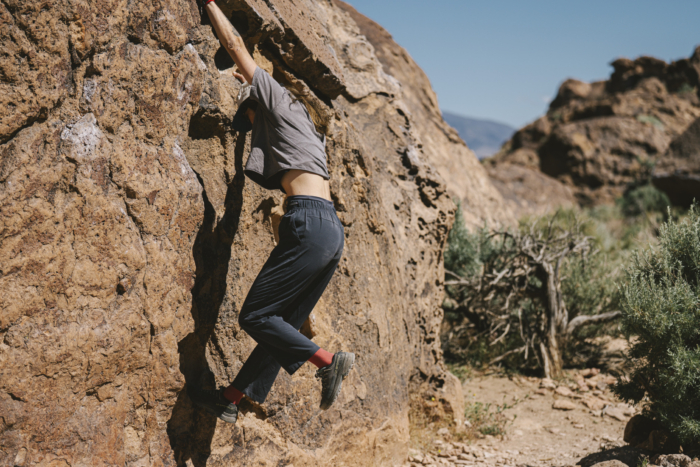
The Black Diamond Sequence pants deliver comfort and mobility; (photo/Miya Tsudome)
Specifications
Pros & Cons
Pros
- Comfortable, stretchy fabric moves well
- Soft waistband sits comfortably under a harness
- Casual straight-leg style works on and off the wall
- Affordable
Cons
- Holds odor after long days
- Pockets lack zippers
- Long-term durability may be a concern with heavy use
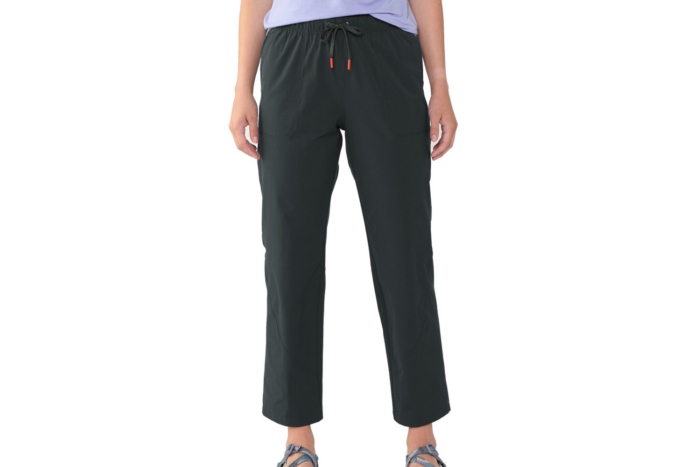
The Black Diamond Women’s Sequence Pants ($99) will be your next go-to bouldering or cragging pant. With a straight-leg fit that’s stylish enough to turn heads at the crag and roomy enough for unrestricted movement, these are an affordable and versatile pick for everything from boulders to multipitches.
The relaxed, straight leg fit is flattering but also allows for incredible ease of movement. Deep front pockets stash phones and small accessories. Not only does the pull-on waistband have a convenient drawstring closure for personal adjustment, but it also boasts a soft, stretchy fabric that keeps the pants put and feels great against the skin.
The 27-inch inseam means the Sequence are slightly short for taller women and just below ankle length for others. But they can easily be cuffed if you like to see your feet while climbing. They fit true to size, and the straight leg makes them look casual and not too technical.
However, we found that the 100% synthetic material does get smelly after a few days of climbing. This was somehow more noticeable than other synthetic pants we’ve worn, like the Patagonia Terravia. Although the ripstop is durable, we’ve also managed to poke some holes in it while scraping against gritty rock faces. But, points for fairness: This can happen with any pant.
As long as you don’t skip laundry day, you’ll be stoked by the affordability and versatility of these comfortable climbing pants.
The North Face Summit Series Off Width Pants
-
-
The North Face Summit Series Off Width Pants; (photo/Miya Tsudome)
-
The North Face Summit Series Off Width Pants; (photo/Miya Tsudome)
-
The North Face Summit Series Off Width Pants; (photo/Miya Tsudome)
-
The North Face Summit Series Off Width Pants; (photo/Miya Tsudome)
-
The North Face Summit Series Off Width Pants; (photo/Miya Tsudome)
-
Testing The North Face Summit Series Off Width Pants; (photo/Miya Tsudome)
-
The North Face Summit Series Off Width Pants; (photo/Miya Tsudome)
-
The North Face Summit Series Off Width Pants; (photo/Miya Tsudome)
Specifications
Pros & Cons
Pros
- Durable
- Cinch cord for ankles
- Lightweight and weather resistant
- Stretchy
Cons
- Runs a little big
- Expensive
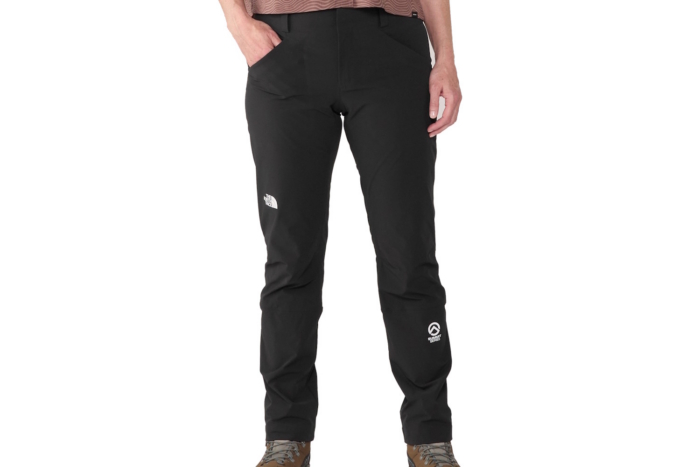
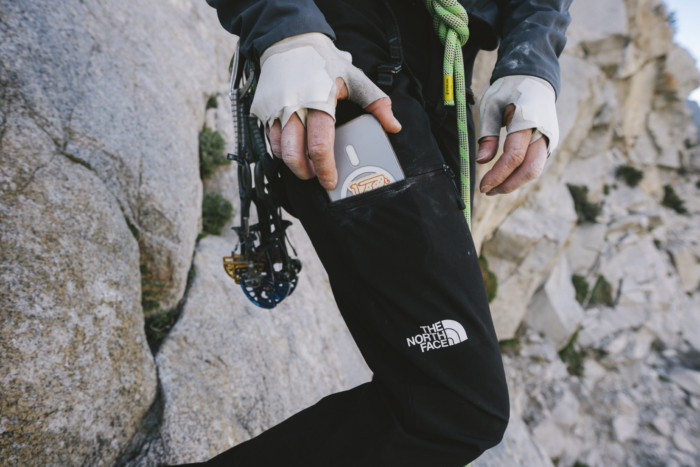
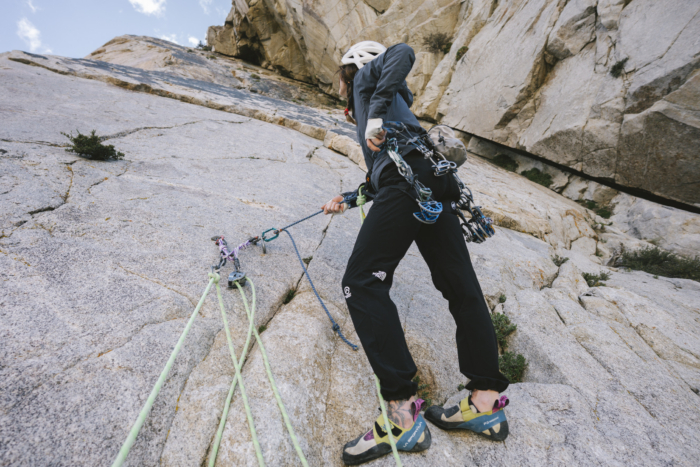
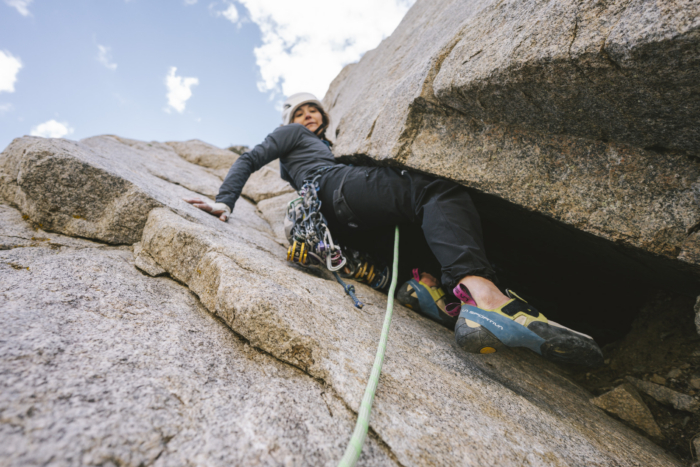
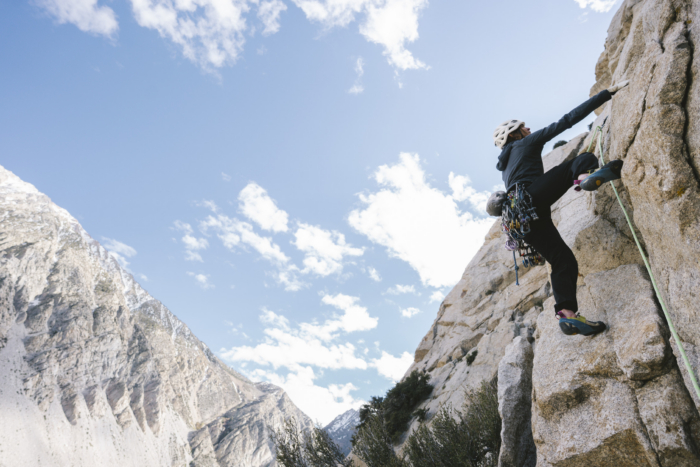
The North Face Summit Series Off Width Pants ($210) are the go-to choice for trad and multipitch rock climbing. Sleek and lightweight, these pants shouldn’t be underestimated. They’re also some of the most durable we tested.
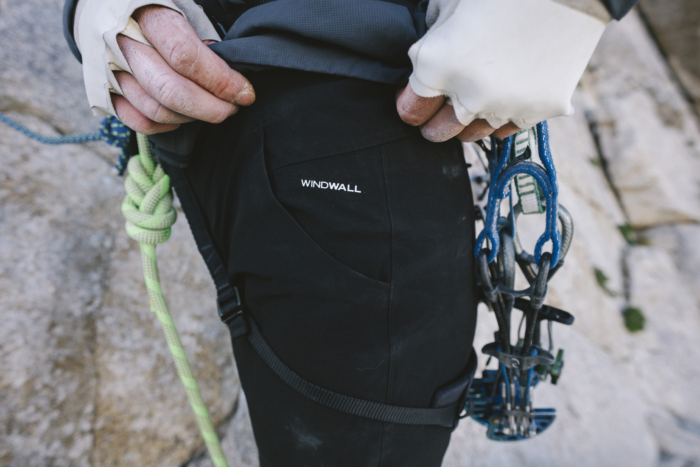
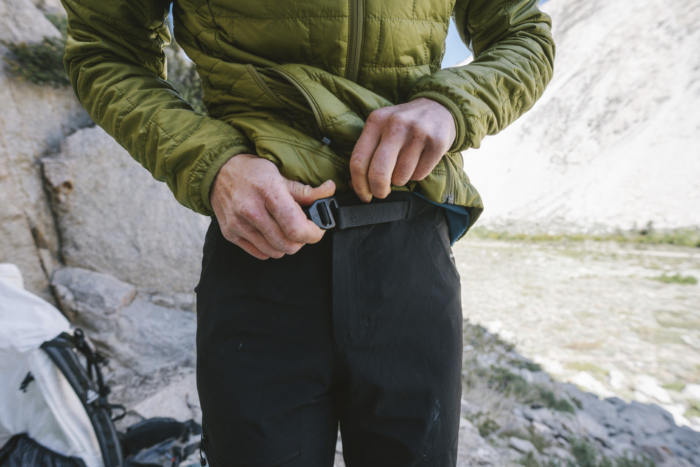
An integrated belt allows you to dial in your fit and stays above your harness. An ankle cinch system lets you see your feet while you dance up granite cracks. The material contains 11% elastane for ideal stretch and features a DWR finish to block out wind and rain.
These pants come in a slim fit. But in our testing, we found they run slightly big. But there is an upside: The larger fit lets you adapt them for colder-weather climbing by wearing a pair of long johns underneath on brisk days.
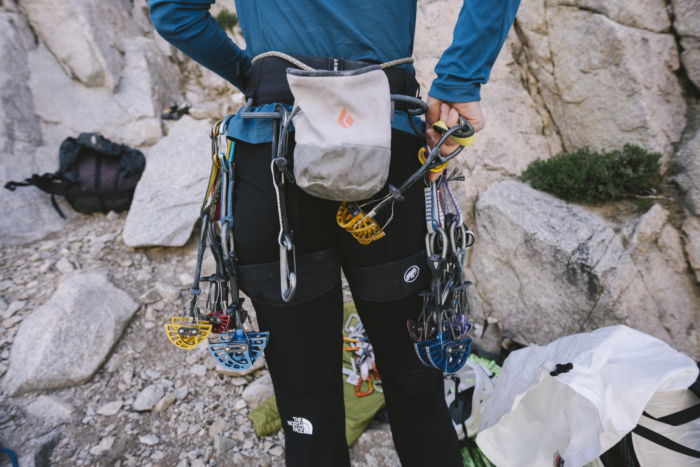
The Off Width pants only come in one color: black. This isn’t a deal breaker, but it does make them a little less fun than other options. They’re also pricey, but the high ticket comes with high durability. We took them on a 6-pitch trad climb in Pine Creek Canyon outside of Bishop and were impressed by how well they held up on the gritty granite. They were also comfortable under a harness full of gear.
They are very similar to the Patagonia Terravia pants, which have a slightly thicker material to make them better suited for alpine environments. Overall, the Summit Series Off Width Pants thrive in trad and multipitch scenarios where durability is key. If you want a stretchy, long-lasting climbing pant, they’re worth a look.
Arc’teryx Gamma Pants
Specifications
Pros & Cons
Pros
- Excellent weather resistance
- Highly durable
- Great stretch
- Three zip pockets
Cons
- High price tag
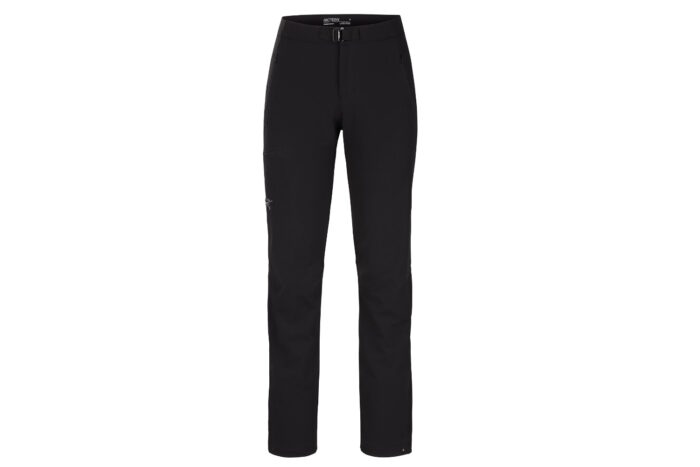
Need pants for your next big mission? The Arc’teryx Gamma Pants ($200) will carry you deep into the mountains. The high-performing fabric cuts the wind and sheds moisture while moving with you through high steps, heel hooks, and stems.
We tested these while climbing on some of the windiest, coldest days of the winter in Joshua Tree. The Gammas kept us as comfortable as we could expect in gusts of up to 45 mph. During a particularly windy stretch in January, we wore these pants day after day; none of our other climbing pants offer the same amount of protection.
In our experience, the Gamma pants are unrivaled in durability. The smooth softshell fabric resisted snags from spiky desert plants and the coarse granite of Joshua Tree. After weeks of climbing, boulder scrambling, and desert bushwacking, they showed almost no wear. For warm-weather climbing, we’d probably opt for slightly lighter fabric, like that of the Terravia Alpine pants, but the fabric is breathable enough for a wide range of temperatures.
The features are exactly where we want them; the side zip pocket is just big enough to secure a phone and the ankle drawcord makes it easy to adjust the length. While we tend to prefer an elastic waistband for climbing pants, the built-in belt is sleek and easy to use.
At $200 a pair, they’re on the higher end of the climbing pants in our review, but if you expect a lot out of your apparel, you won’t be disappointed. With exceptional durability and perfect features, the Arc’teryx Gamma Pants will soon be your go-to alpine and cool-weather climbing pants.
Black Diamond Notion
Specifications
Pros & Cons
Pros
- Elastic waistband and cuffs
- All-around comfort
- Perfect for multiple activities
Cons
- Material isn’t breathable
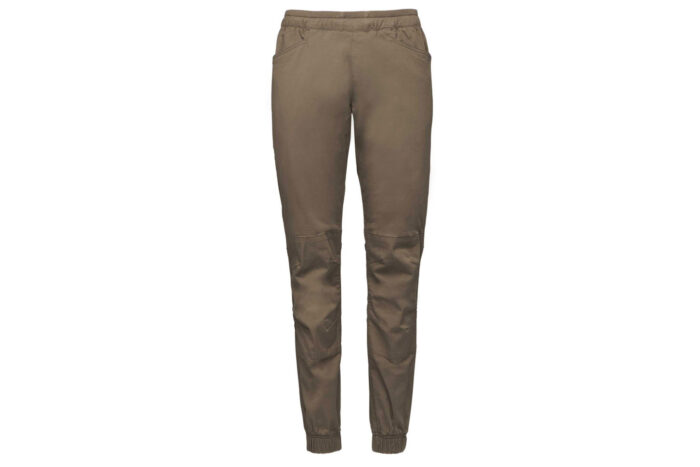
These Black Diamond Notion Pants ($99) warranted our attention due to their comfort while belaying and overall awesomeness for single-pitch sport climbing. Reinforced knees make them withstand tough routes, while the stretchy fabric allows the mobility that’s required to assist you to the top.
Newly revised for 2024, the Notion gets a few key updates that we were stoked on, and unfortunately loses a pocket on the backside (that we will miss sorely). Even still, the newest version is top-notch, and still retains all of the comfort we loved about these pants previously.
The cozy drawstring waistband now adjusts from the inside of the pants as opposed to the outside, cleaning up the front profile and keeping clutter down when wearing a harness. This waistband is an easy fit for ladies who don’t like hugging on the midsection. Two hand pockets and one back pocket also make these pants useful for carrying extra items to the crag.
“If you’re sensitive to heat and humidity, and have a tendency to sweat a ton, this fabric — which is mostly cotton — isn’t really breathable for super long or sun-bearing days on the wall,” said one tester. But they’re a go-to climbing pant for moderate temps and mild weather conditions.
Super comfortable on the wall, but also while camping, hiking, bouldering at the gym, and traveling, the BD Notion Pants will keep up with all your activities.
Mountain Hardwear Women’s Dynama/2 Ankle
Specifications
Pros & Cons
Pros
- Pocket that zipped for added security
- Incredibly lightweight
- Feminine look
- UPF 50
Cons
- Pockets unable to carry heavy items
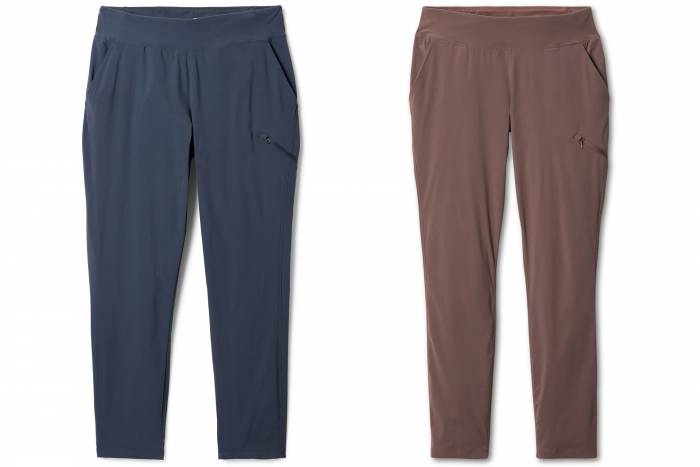
The Women’s Dynama Ankle pants ($95) from Mountain Hardwear are arguably the most comfortable climbing pants we’ve tested. These pants are incredibly lightweight, breathable, and provided the kind of outstanding stretch we needed to accomplish our climbing objectives.
The Dynama Ankle pants are not only so comfortable that we found ourselves wearing them multiple days in a row (without odor thanks to their odor-resistant technology), but they also proved plenty durable for bushwhacking to the crag. And if comfort and durability weren’t enough, we couldn’t help but delight in the sleek, attractive feel and look of these pants in action — they fit perfectly underneath a harness.
We liked how light these pants were, weighing only 8.4 ounces. However, we didn’t love how the pockets felt almost useless due to the thin material; items like a cellphone were too heavy and caused them to sag. Unless we needed instant access to minor items like chapstick, cards, or a key, we frequently neglected our pockets altogether.
These Mountain Hardwear Women’s Dynama Ankle pants are the perfect option for anyone looking for a pair of pants that are suitable for everything, including grabbing drinks post-climb, traveling, hiking, and most definitely bouldering or topping out at your local climbing gym.
They balance supreme comfort with exceptional performance without sacrificing style, making them one of the best women’s climbing pants around. You’ll want them in every color available.
Wondery Isabel 3.0 Pants
Specifications
Pros & Cons
Pros
- Available in extended sizing (XXS-6XL)
- A variety of color options
- Plenty of pockets to store your snacks
Cons
- Lacking full range of motion
- Minimal weather resistance
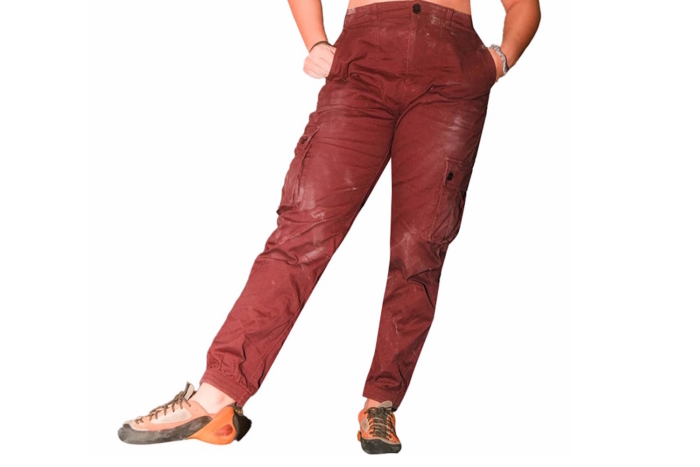
After the Wondery Isabel 3.0 Pants ($125) had been recommended to us countless times, we had to give them a try. What we found was a stylish pair of multi-purpose pants we could take from the crag to the after-party, wherever that may be.
The best part of the Isabel 3.0 pants is how well they fit diverse body types and styles. With extended sizes and three length options to choose from, we were impressed with our ability to dial in a perfect fit. Plus, you get to select from eight bold colors to further express your personal style. We also like how the adjustable belt adds another color pop against the pant’s fabric.
The fabric is mostly cotton, and we noticed a slightly more limited range of motion compared to high-stretch pants. But we were still able to move well on our projects without noticing much resistance. We liked the cargo pockets for stashing snacks or chapstick on the go, but we usually look for a zipper when securing our phone high on a route.
While these aren’t our first choice for technical missions or hard climbing requiring a full range of motion, the Wondery Isabel 3.0 Pants are a unique and playful option for diverse body types and styles. We recommend them for multi-adventure days that end in a night out with friends.
More Women’s Climbing Pants That Crushed It
Specifications
Pros & Cons
Pros
- Has a built-in belt
- Great amount of stretch for mobility
- Cuffs adjust with shock cord and cord lock
- Secure, functional pockets that lie flat.
Cons
- The inseam may be too long for shorter legs
- Expensive
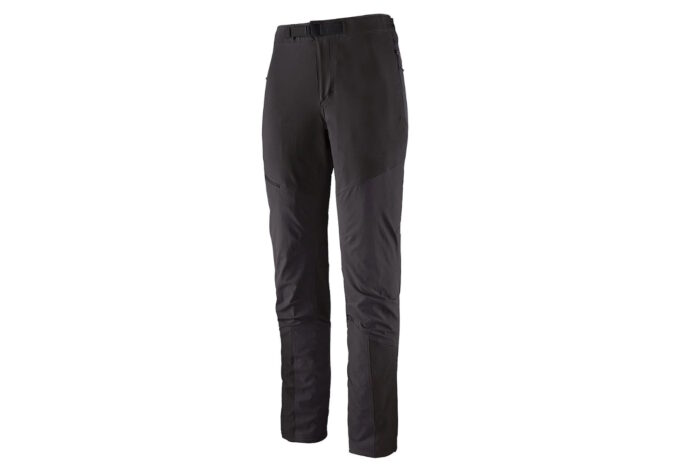
Patagonia’s Terravia Alpine Pants ($155) have everything you would ever need for technical climbing and scrambling above the treeline. We labeled these the best technical pant for several reasons.
Their lightweight recycled polyester and spandex blend enables climbers to be ultra mobile. And the reinforced paneling on the knees, butt, and inside the calves gives an added dose of protection in all the right areas.
After taking a closer look, we appreciated all the little details, like the adjustable cuffs keeping pants out of the way. And the zippered flat pockets do not interfere with a harness. Plus, a low-profile waistband with an integrated adjustable belt makes these our top choice for big pursuits.
Aside from the hefty price tag, the other issue with these pants is with their inseam — those needing a shorter inseam may need to utilize the pants’ adjustable cord lock on the cuff. This is a slight downside considering all the other bells and whistles these pants offer. Additionally, after extended use, the zippers have proven less durable than those of the Arc’teryx Gamma pants.
There’s little to complain about because these pants have a lot to offer. When planning your big alpine missions this summer, consider the Terravia Alpine as your go-to climbing pants — they’ll undoubtedly live up to their name.
Specifications
Pros & Cons
Pros
- Bluesign approved fabric
- Great mobility and stretch
- Highly breathable
- UPF 50+
Cons
- Less durable than other softshell pants
Read Review: OR Ferrosi Versatile Workhorse Tested Hundreds of Days
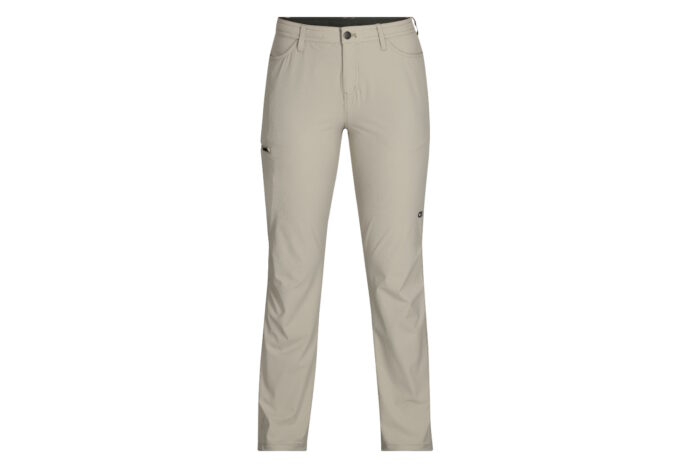
For a lightweight pair of softshells with great stretch, look no further than the Outdoor Research Ferrosi Pants ($110). The fabric is what really makes these pants shine; it’s wind-resistant enough to withstand some blustery weather while still shedding heat as temperatures start to rise.
Anyone who has climbed in the desert knows that the temperatures fluctuate drastically between the sun and shade. We took the Ferrosi Pants on a couple of missions deep into Joshua Tree National Park, which involved hiking under a hot sun to climb classic pitches that were in the shade. We were impressed with the Ferrosi’s breathability in the heat and comfort in cooler temps. The UPF 50+ rating is another plus for long, exposed approaches on sunny days.
We did notice a few snags in the fabric after brushing past scrub oak and other abrasive plants. So for those hiking in burlier environments, the Ferrosis are not the most durable or wind-resistant pants on the market.
We also struggled a bit with the fit; they seemed baggier around the waist and ankles compared to other pants of similar sizes. However, we do appreciate that the Ferrosis are offered in plus sizes and varying inseam lengths. We trust that most will find a good fit with some trial and error.
The Ferrosis include the key features we look for in climbing pants; a side zip pocket and ankle drawcord round out the design. Falling in a similar category to the prAna Halle Straight Pants II but offering more stretch, the Outdoor Research Ferrosi Pants are a classic choice for hikers and climbers alike.
Specifications
Pros & Cons
Pros
- Strong weather resistance
- Large zip pockets
- PFC-free DWR finish
Cons
- Belt buckle a little bulky
- Too heavy for the hottest days
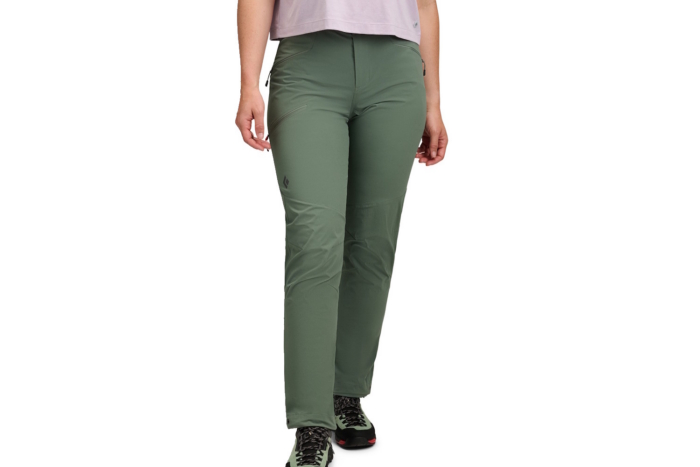
Mountain weather can be unpredictable, but the Black Diamond Alpine Pants ($150) have got you covered. The durable softshells offer a solid DWR finish that sheds precip and light wind while still maintaining a full range of motion for technical climbing objectives in the alpine.
Our tester wore them while guiding a mountaineering trip in the North Cascades and during cool-weather alpine rock climbing objectives. She found the zippered thigh and hand pockets helpful for easy phone navigation and quick access to SPF chapstick on the glaciers. The ankle drawcord was also handy for keeping snow out of her boots and neatly stowing her extra crampon straps.
While the fabric was ideal for chillier temps and windy conditions, our tester switched to shorts once she was off the snow and back on trail. These softshells aren’t insulated, but they are a bit heavier than the Arcteryx Gamma LTs or the Mountain Hardwear Alpine Light Pants. As a result, they’re a little toasty for warmer weather alpine rock climbing. Pack the Alpine Pants for early to mid-summer mountaineering trips or pair them with wool base layers for ice season, and they’ll serve you well.
Specifications
Pros & Cons
Pros
- Light and packable
- Great mobility
- More affordable technical option
Cons
- Less durable material
- Too hot for warm-weather climbing
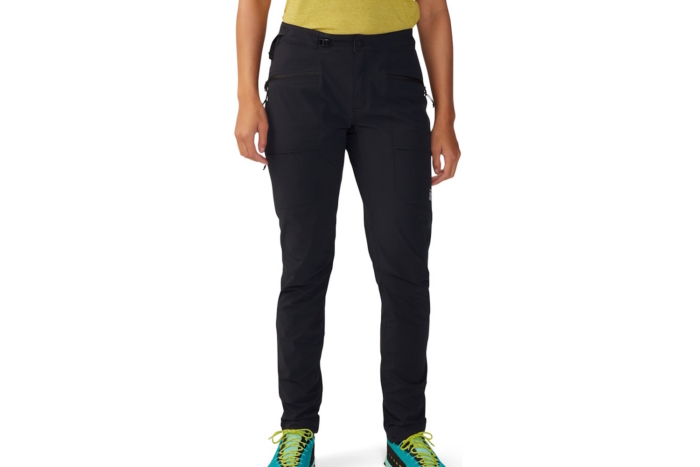
The Mountain Hardwear Chockstone Pants ($145) hold up well during big alpine and multi-pitch routes. Made with four-way stretch softshell fabric, they offer weather and abrasion resistance while still being relatively lightweight. At $165, they are also more affordable than some of the competition in this category.
We tested these pants on car-to-car missions in the mountains, multi-pitch rock routes, and cool-weather cragging days. They were quite comfortable on breezy, high-elevation alpine routes, even in the sun. Our tester found them to be too hot for lower-elevation climbing during the summer, even during evening sessions. They would work better for multi-pitch climbing and cragging in the fall and winter. After lots of climbing on coarse granite, the fabric was also starting to get a little fuzzy in some places.
With essential technical features like zip pockets and an adjustable waist, the Chockstone Alpine Light Pants check all of our boxes without going overboard. The stretchy fabric offers excellent range of motion, so you’ll be high-stepping, jamming, and stemming through pitch after pitch of alpine rock.
Specifications
Pros & Cons
Pros
- Waistband stays in place during activity
- High range of motion
- UPF 30
Cons
- Some pilling on seams after climbing on coarse rock
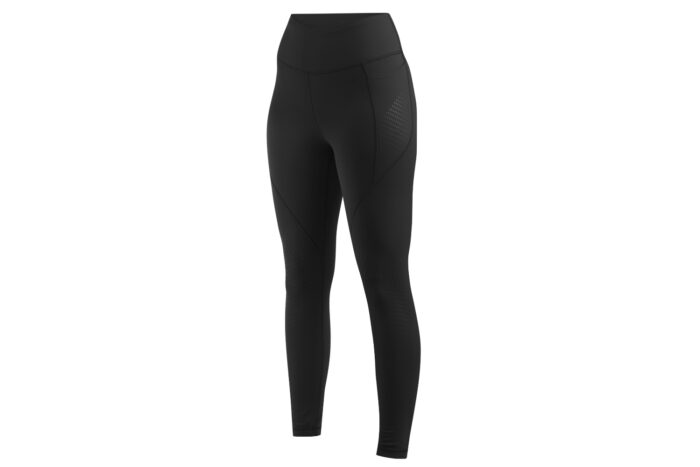
Designed in partnership with world-cup competitor Quinn Mason, the Outdoor Research Ad-Vantage Leggings ($99) were built specifically for climbing. The movement-mirroring stretch fabric includes a 16% blend of Lycra and flexes with you in every direction, whether you’re high-stepping, drop kneeing, or heel hooking.
We put these tights through the wringer during several cragging days on the tacky granite of the Index Town Walls in Washington State. The knees and hips are reinforced to improve durability with DuraPrint technology, which is a 3D-printed silicone-like material that overlays areas of high abrasion. The result? We didn’t notice any wear on the fabric after plenty of scraping up the coarse rock — in fact, the only pilling we did notice was along the seams after a handful of routes. Safe to say, the added overlays certainly help shore up what is often a struggle for climbing tights.
The waistband on the Ad-Vantage Leggings is constructed with ⅝-inch interior elastic to help prevent sagging, and we were pretty impressed with the result. During an approach with a heavy pack, these tights stayed put better than similar products we’ve used, though we still noticed some sagging during longer hikes.
Leggings are undeniably functional for climbing, and the Ad-Vantages are no exception. Also, their uses don’t end at the crag: We kept wearing these tights for hikes, workouts, runs, and everything in between.
Specifications
Pros & Cons
Pros
- Abrasion resistance for durability
- Cuffed legs that are flattering and won’t get in the way
- Plenty of pockets
Cons
- Lacks waist drawstring for staying power
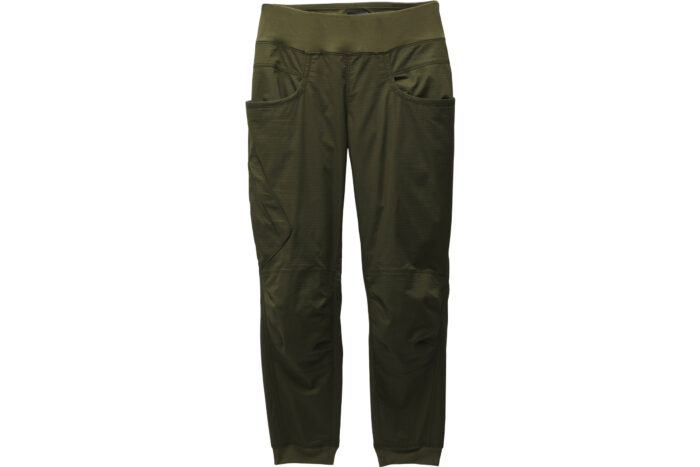
The prAna Kanab Ripstop Pants ($95) have everything we look for in the best climbing pants — they’re durable, comfortable, and stretchy. The organic cotton canvas blend holds up to abrasions, and the double-walled knees give an added dose of protection.
And while built for heavy use, they manage to also be incredibly breathable. Cuffed bottoms and the midrise waistband also make them quite stylish and comfortable.
We also appreciate the deep, usable pockets. We’re easily able to stash a phone or snacks comfortably.
To make these pants ideal, we would have valued a hidden drawstring in the waist for more security and to ensure that they fit different waist sizes — a feature these pants are currently lacking.
Overall, we included the Kanab in our best of the rest because of their practical use for climbing and everything that follows. They’re ideal for camping, hiking, and Sunday morning hangouts.
Women’s Climbing Pants Comparison Chart
| Pant Model | Price | Best Use | Fit | Standout Feature |
| Patagonia Caliza Rock Pant | $115 | All-around climbing | Body-mapped, stretchy, flattering fit | Wide elastic waistband and adjustable snap cuffs |
| Black Diamond Sequence Pants | $99 | Budget cragging and multipitch | Relaxed straight leg, true to size | Soft pull-on waistband with drawstring |
| The North Face Summit Series Off Width | $210 | Trad and multipitch climbing | Slim fit, runs slightly big | Integrated belt and cinchable ankles |
| Arc’teryx Gamma Pants | $200 | Alpine and cool-weather climbing | Technical softshell fit | Wind-resistant, moisture-shedding fabric |
| Black Diamond Notion Pants | $99 | Gym climbing and bouldering | Relaxed, comfortable fit | Reinforced knees and internal drawstring waistband |
| Mountain Hardwear Dynama/2 Ankle | $95 | Crossover climbing, hiking, and travel | Lightweight ankle-length fit | Ultra-light, breathable stretch fabric |
| Wondery Isabel 3.0 Pants | $125 | Fit options and crag-to-town style | Extended sizing with 3 length options | Adjustable belt and bold color options |
| Patagonia Terravia Alpine Pants | $155 | Technical alpine climbing | Low-profile technical fit | Reinforced knees, seat, and inner calves |
| Outdoor Research Ferrosi Pants | $110 | Lightweight climbing and hiking | Roomier fit with multiple inseams | Breathable softshell fabric with UPF 50+ |
| Black Diamond Alpine Pant | $150 | Mountaineering and cool alpine routes | Durable softshell fit | DWR finish with zippered thigh and hand pockets |
| Mountain Hardwear Chockstone Alpine Light | $145 | Alpine and multipitch routes | Stretchy technical fit | Four-way stretch softshell fabric |
| Outdoor Research Ad-Vantage Leggings | $99 | Climbing tights and gym-to-crag | Legging fit with secure waistband | Reinforced knees and hips with DuraPrint overlays |
| prAna Kanab Ripstop Pants | $95 | Casual cragging and everyday climbing | Comfortable midrise fit | Durable organic cotton ripstop with double-walled knees |

How We Tested Women’s Climbing Pants
Our Expert Testers
Our women’s climbing pants testing is led by GearJunkie contributor Miya Tsudome, a Bishop, California-based climber who boulders, sport climbs, trad climbs, and scrambles throughout the Eastern Sierra. For this update, Tsudome tested six new and updated pants during our 2026 cycle, wearing them in the gym, on local bouldering days, cragging laps, and long multipitch routes.
This guide is also backed by previous testing from a team of three climbers, including professional rock guide Katie Griffith, who spends more than 110 days a year guiding in the field. Since 2020, our team has evaluated 40 pairs of women’s climbing pants across gym climbing, bouldering, sport climbing, trad climbing, alpine climbing, mountaineering, and ice climbing.

Our Testing Process & Grounds
We test women’s climbing pants where they’re meant to perform: on rock, under a harness, and across full days of movement. Over the past 12 months, Tsudome wore contenders on volcanic boulders in the Tablelands, granite routes around Pine Creek Canyon, and climbing trips through Yosemite Valley, Madagascar, and New Zealand. Some pairs saw quick gym sessions or local climbing days, while others were worn on 20-plus routes across multiple countries.
We focused on how each pant moved through high steps, heel hooks, stems, drop knees, scrambles, and approaches. We also tracked waistband comfort, pocket usability, cuff design, breathability, weather resistance, and abrasion from gritty granite, volcanic rock, desert scrub, and repeated harness wear.
Each pair must be worn for at least five climbing sessions before we consider it for the guide. Testing continues after publication, and we update this guide seasonally as products change, new models launch, and long-term durability becomes clearer.
Our Women’s Climbing Pants Rating System
Mobility & Comfort: Stretch, articulation, breathability, fabric feel, and freedom of movement while climbing.
Durability & Protection: Abrasion resistance, reinforced panels, stitching, weather protection, and how well the fabric handles rock, brush, and harness wear.
Fit & Harness Compatibility: Waistband comfort, rise, inseam, cuff design, sizing consistency, and whether the pants stay put under a harness.
Features & Versatility: Useful pockets, integrated belts, ankle cinches, adjustable cuffs, DWR finishes, and crossover comfort for cragging, gym sessions, travel, and everyday wear.
Note: The overall score reflects extended real-world use and is not a simple calculation from the category scores.

Buyer’s Guide: How to Choose the Best Climbing Pants
First, take a few moments to imagine your climbing habits. Do you plan to mostly use these pants climbing indoors or in the elements? If outside, will it normally be hot and muggy or cool and breezy? Do you prefer body-hugging clothing or a bit more room?
There’s no right or wrong answer, but having a clear idea of how you’ll use these pants will help determine the best option. For more guidance on choosing the best climbing pants for your needs, keep reading to understand the functions that differentiate them from non-climbing pants.
Identify Your Climbing Style

One of our favorite things about climbing is that there are so many ways to participate. Maybe you dig getting deep in the mountains, climbing remote peaks in the backcountry. Or perhaps you prefer staying closer to the ground, puzzling out cryptic sequences with your crew. Depending on your style, the demands you put on your clothing will vary, requiring different features.
When weather conditions are a factor, you’ll want materials that shed moisture and cut the wind. Softshell pants, like the Arc’teryx Gamma, typically provide weather protection for alpine climbing, ice climbing, and mountaineering. Some come with a Durable Water Repellent (DWR) coating, which causes moisture to bead and run off of the fabric. Softshells are also available with different levels of insulation, so you can further fine-tune your kit for the conditions.
Your pants will take a beating when trad and crack climbing on coarse rock. In crack climbing areas like Joshua Tree, Vedavoo, or Moab, durability is essential. Not only will your pants last longer, but heavier-weight fabrics protect your skin from abrasion when you shove your knees into off-width cracks or scum your hips against the sides of chimneys.
If your goal is to try hard on your project, range of motion and comfort are key. We look for high-stretch materials and a fine-tuned fit, so we can move with ease. When the weather is toasty, breathable, lightweight options (like the Mountain Hardwear Dynama/2 Ankle pants) can also increase comfort and improve performance.
Any comfortable pants can work for indoor climbing and casual cragging. If you’re just getting into climbing and are overwhelmed by mounting gear costs, there’s no need to shell out for technical pants. Leggings, hiking pants, and other multi-purpose pants like the Aphrodite 2.0 Capris from The North Face will all work great.

Climbing Pant Materials
Climbing pants are often a blend of synthetics, sometimes cotton, and typically elastane (sometimes called spandex). The higher percentage of elastane, the more stretch the pants will have.
The added stretch will also result in a more skintight feel, much like the Outdoor Research Ad-Vantage Leggings with their impressive stretch capabilities (16% Lycra).
It’s not only the amount of elastane that makes climbing pants outperform regular pants. Other essential factors include breathability, reinforced areas that add durability, and design that allows fluid mobility, like the Patagonia Terravia Alpine Pants. A decent amount of stretch allows climbers to high-step, stem, and heel hook without restriction.
Other factors, like moisture-wicking properties, sun protection, and the ability to dry quickly, are not vital for indoor climbing. However, they are necessary for long, strenuous alpine or multi-pitch climbs.

Fit
There are a few things to consider when finding the right fit for climbing pants. A loose-fitting pant provides a comfortable, relaxed fit designed for maximum movement. However, the material is often heavier.
If the pants are too loose and flowy, they can obscure your vision for when you need to hone in on technical footwork. On the other hand, tight-fitting pants like leggings and tights allow total freedom without feeling weighed down.
The downside to a tight fit is less durability against abrasions. Tight, thin leggings don’t provide as much buffer between your skin and the rock.

Pockets
Insufficient pockets — or the lack thereof — tend to make it on our cons list more than other features on climbing pants. The pockets that often work best are those that don’t interfere with a harness, are deep enough to be useful, and have a zipper to keep your stuff in place.
A standout in our line of pants is the Patagonia Terravia Alpine Pants. These pants offer zipped flat pockets that don’t interfere with a harness. We also love that the Arc’teryx Gamma Pants only feature zip pockets, ideal for getting high off the ground. If you find yourself climbing indoors or at a local single-pitch crag, you’ll be able to get away with climbing pants that offer a more basic pocket design.

Weight
Generally speaking, the more technical the pant, the more they weigh. Credit: a slew of features that allow them to withstand various elements and terrain. The Patagonia Caliza Rock Pant, for instance, weighs 12 ounces and has several features that make it more durable.
The known lightest on our list is the Patagonia Chambeau Rock Pants, weighing only 7.9 ounces. These pants are breathable and lightweight — perfect for warm-weather excursions. Don’t count out tights for climbing, though. The Outdoor Research Ad-Vantage Leggings bring supreme flexibility to the table, and sport a tough enough weave to keep going without snags.

Weather Protection
Some climbing pants are treated with a DWR (Durable Water Repellent) coating. This water-resistant coating helps you stay dry by preventing light precipitation from saturating the fabric. While the DWR won’t protect you from a heavy downpour, it will keep light rain beading off the pants and allow them to dry quickly.
Several pants in our lineup have a DWR finish, including the Topo Designs Mountain Boulder Pants and the Arc’teryx Gamma Pants. This feature is particularly helpful for those undertaking long alpine ascents or navigating unpredictable weather.
It’s important to note special instructions to care for your DWR-treated pants to make the coating last longer. Dirt and oils can impede the coating’s moisture-repelling ability, and frequent washing can help maintain its water-repellency.

Thickness & Durability
Beyond choosing a silhouette that complements one’s ergonomics, an important component of a pair of pants are that they are durable. They’ll need to withstand walks through abrasive brush, scrambles up and down steep spur trails, grinding against granite, and rubbing against rough sandstone.
For long-lasting pants, look for thicker fabric, an anti-abrasive or abrasive-resistant overlay or material, and reinforced high-wear areas like the knees.
Climbing pants that received our high praise for durability are the Patagonia Caliza Rock Pants and the Arc’teryx Gamma Pants. They withstood beatings against rock and off-trail travel. Although pants designed for rugged use tend to be warmer, so keep that in mind if you climb in hot temperatures.
Articulated Knees & Gussets
A climbing pant’s ability to stretch extensively makes them different from slacks and most everyday jeans. Beyond elastane material, climbing pants are designed to extend the range of motion by having articulated knees and gussets. The gusseted crotch and four-way stretch of the Topo Designs Mountain Boulder Pants makes high stepping a breeze.
Pants with articulated knees provide the same natural range of motion as a knee while walking and bending. These features are helpful, especially on pants with less elastane that need a flexibility boost. As for gussets, the diamond-shaped piece of extra fabric sewn into the crotch makes pants more breathable and allows greater freedom of movement.

Price & Value
Climbing-specific pants are worth paying for when stretch, durability, harness comfort, and secure cuffs make a real difference. The trick is choosing the right level of performance for the climbing you actually do.
Budget
The Black Diamond Women’s Sequence Pants ($99) take our Best Budget award by offering a relaxed, crag-to-multipitch straight leg and a soft, harness-friendly waistband without breaking the bank. For even less, the Mountain Hardwear Dynama Pants ($95) provide an ultra-light, breathable, and highly stretchy option perfect for gym sessions, travel, and warm crag days.
Mid-Tier
Our Best Overall winner, the Patagonia Caliza Rock Pant ($115), lives in this sweet spot, delivering a flawless mix of stretch, rock-ready durability, and all-day comfort under a harness. Alternatively, the Outdoor Research Ferrosi Pants ($110) add technical crossover appeal with excellent wind resistance, UPF 50+ sun protection, and an ankle drawcord.
Premium
For alpine missions and abrasive trad routes, you pay for specialized, weather-resistant fabrics. The North Face Summit Series Off Width Pants ($210) dominate long multipitch days with unbeatable durability, an integrated belt, and cinchable ankles. Meanwhile, our top alpine pick, the Arc’teryx Gamma Pants ($200), provides unmatched wind and moisture protection for cold, high-mountain objectives where failure isn’t an option.
Frequently Asked Questions
The best climbing pants are the ones that make you feel comfortable and allow you to move freely. Our best overall pant is the Patagonia Caliza Pant because they are not overly loose or too tight. They also have a wide elastic waist that’s perfect for a harness and adjustable ankles that can go higher or lower based on preference. Comfort, style, and practicality make these pants excellent for climbing.
It depends. If you are brand new to climbing and testing the sport out for the first time, consider using what you already own — attire you would typically wear to work out. Once you have established that climbing is something you wish to pursue, investing in climbing pants can provide you with unique benefits.
Pant attributes like wide elastic waistbands designed for harnesses, pockets placed for easy access, cuffs that cinch above climbing shoes, and extra material stretch for movement are great assets when climbing regularly.
Most climbing pants offer a range of features that make them multipurpose pants — ideal for walking, hiking, and backpacking. Elements of climbing pants that can apply to hiking are sun protection, DWR, abrasion-resistant material, and functional pockets.
A favorite of ours is the Outdoor Research Ferrosi Pants; their breathable fabric and high UPF rating makes them a great option for hiking. You’ll find us wearing most of the pants on this list beyond rock climbing at the gym and crag.
This can depend on the style of climbing and rock type. When climbing on coarse granite, like the rock found in Joshua Tree or Vedavoo, many climbers prefer to wear pants over shorts, even when it’s hot out. If the style of climbing requires sticking your legs in wide cracks or chimney moves, pants will protect you from scraping your knees.
For sport climbing or bouldering that requires less full-body contact with the rock, shorts can be fine in hot weather. Ultimately, this is a personal preference, and you’ll figure out what you like the more you climb in different areas and conditions.