Among motorcycle jackets, adventure sheaths are the ultimate travel tool. These adaptable, modular designs excel across diverse conditions, weather, and terrain.
On the premium end, the Alpinestars AMT-10R Drystar XF offers versatility, smart pockets, style, and weatherproofness, plus CE Level 2 armor for protection. It’s CE-certified to the AA protection standard. For less than half the price, the REV’IT! Tornado 4 H2O has targeted CE Level 2 armor and a removable waterproof-breathable layer — but it lacks high-end abrasion materials, laminated membranes, and airbag readiness. Most of our favorite moto jackets pass the minimum EU standards for slide and impact, while some go well beyond.
Our most recent annual field tests were led by adventure motorcyclist Sean Galaway. He tested five jackets across tens of thousands of miles throughout California, Oregon, Baja, Eastern Europe, and Turkey.
Editor’s Note: We updated our Motorcycle Jackets buyer’s guide on August 14, 2026, with the Iron and Resin Scrambler, Bottom Line summaries, and signposts.
The Best Motorcycle Jackets of 2026


Alpinestars AMT-10R Drystar XF Jacket

Specifications
Pros & Cons
Pros
- Hydration sleeve and storage in rear panel
- Converts to a half-mesh jacket for summer rides
- Spine, shoulder, and elbow armor with leather reinforcements in slide zones
Cons
- Heavy
Bottom Line: A highly adaptable all-weather jacket that transitions seamlessly from fully waterproof armor to high-airflow mesh. It is an ideal investment for long-distance ADV tourers who demand elite modularity and massive ventilation on demanding rides.
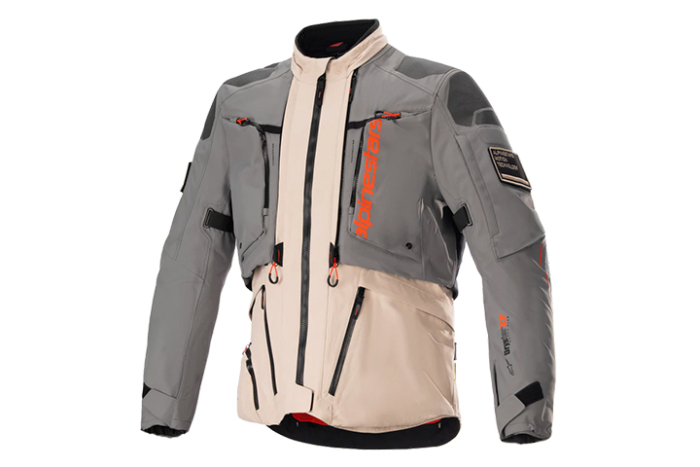
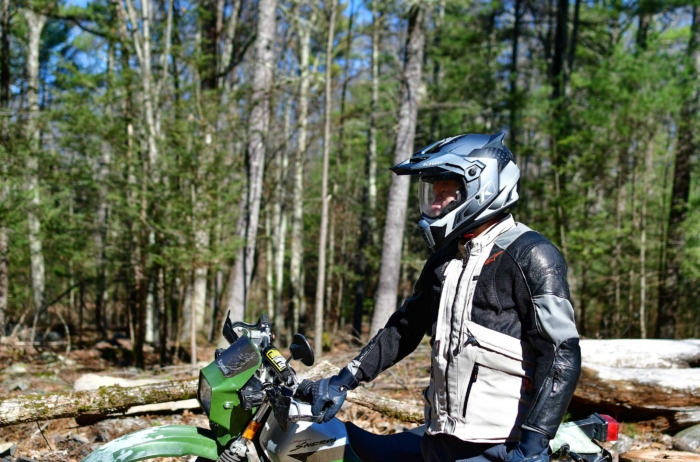
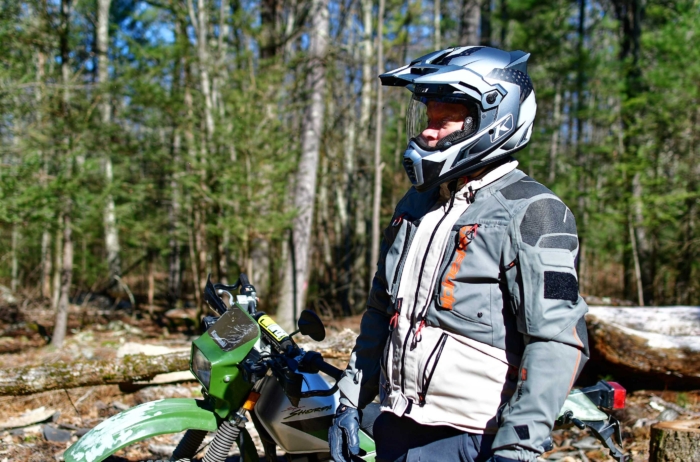
Versatility, protection, and style? Triple-check for the Alpinestars AMT-10R Drystar XF Jacket ($995), which is expensive but one of our favorite designs to date. Field tester Michael Frank put this jacket through a full year of rigorous testing across summer heatwaves, heavy thunderstorms, and off-road mud fests. Compared to fixed-membrane options like the Shoei GT-Air II or standard adventure shells, its unique modular design allows it to morph as fast as high-alpine conditions shift.
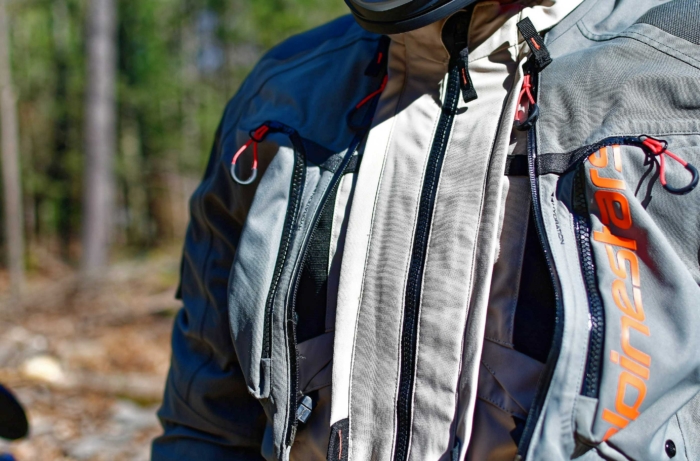
The Tech: Engineering centers around a 2.5-layer Modular Laminated Drystar XF waterproof-breathable membrane that zips out entirely and packs into a dedicated rear waist pocket. Removing this outer shell exposes an extensive mesh body, delivering direct airflow across the chest, back, and underarms. An internal waist wrap distributes the jacket’s weight to prevent shoulder strain, while back stretch panels maintain mobility when maneuvering on technical terrain.
What We Like: Ventilation is top-tier once the rain panel is stowed. The upper back houses an integrated hydration reservoir sleeve with hose routing over the shoulder — a feature that proved invaluable when carrying a liter of ice water during hot dirt exploration on a Kawasaki dual-sport. Storage is everywhere, including internal and external pouches at the chest and hips, plus a dedicated waterproof pocket for cash or a passport. The heavy-duty zippers feature oversized pulls that glide effortlessly, even when wearing thick winter gloves.
What We Don’t: The jacket is undeniably heavy-set, and its physical bulk can feel substantial when carrying all liner layers. Additionally, accessing the full array of modular features requires stopping to unzip and stow panels rather than simply opening a quick slider vent.
Should You Buy It? For multi-season adventure tourers who demand uncompromised airflow in summer heat without sacrificing full storm protection, this versatile design delivers outstanding utility for full days in the saddle.
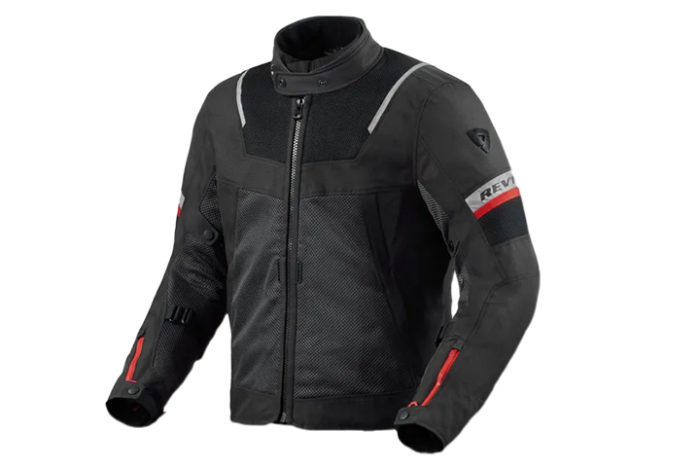
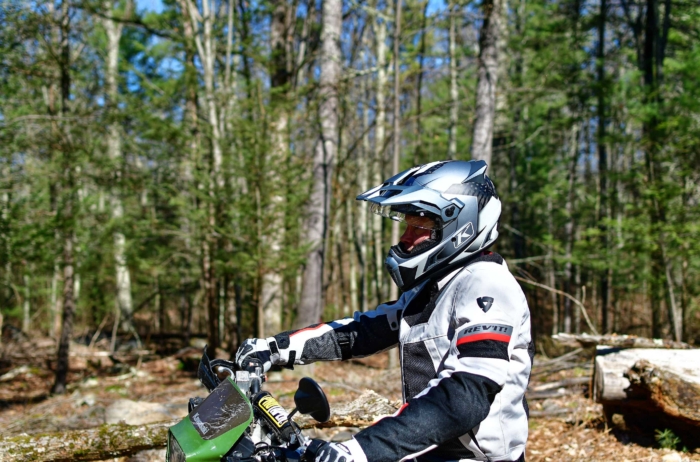
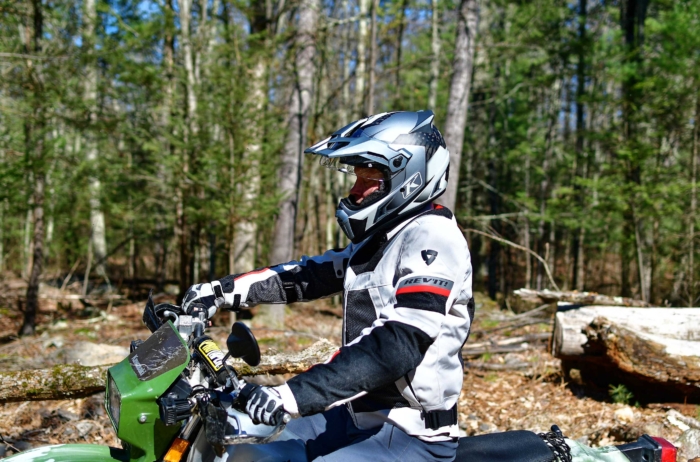
REV’IT! Tornado 4 H2O
Specifications
Pros & Cons
Pros
- 3-in-1 jacket
- Insane breathability with both interior layers removed
- Comfy piece no matter the configuration
Cons
- Relatively heavy
- Spine protector not included (but there is a sleeve for one)
Bottom Line: A highly breathable mesh jacket that relies on a clever 3-in-1 layering system for three-season adaptability. The Tornado 4 H2O is a smart choice for riders who want maximum summertime airflow paired with modular weatherproofing.
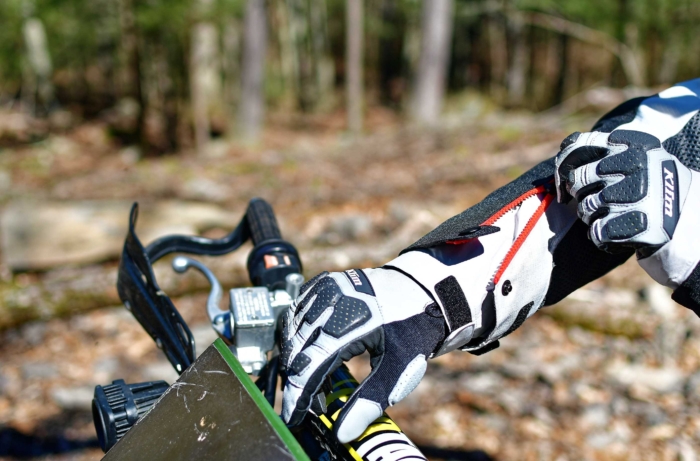
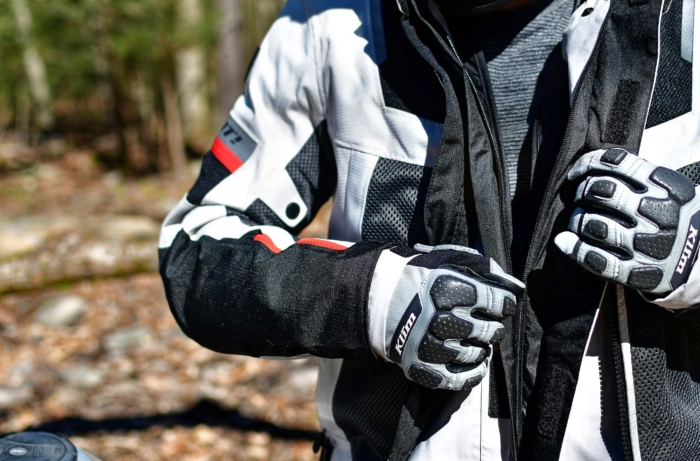
Our wallet and our checklist are happy with the REV’IT! Tornado 4 H2O ($400). This design takes notes from the Alpinestars AMT-10R Drystar XF ($995), given that it is also waterproof-breathable and utilitarian. However, the Tornado 4 H2O is a mesh jacket first, constructed for maximum breathability across the entire torso and back panel. Moto expert Michael Frank put this jacket through its paces across variable temperatures, testing its airflow performance, adjustable armor positioning, and multi-layer configurations.
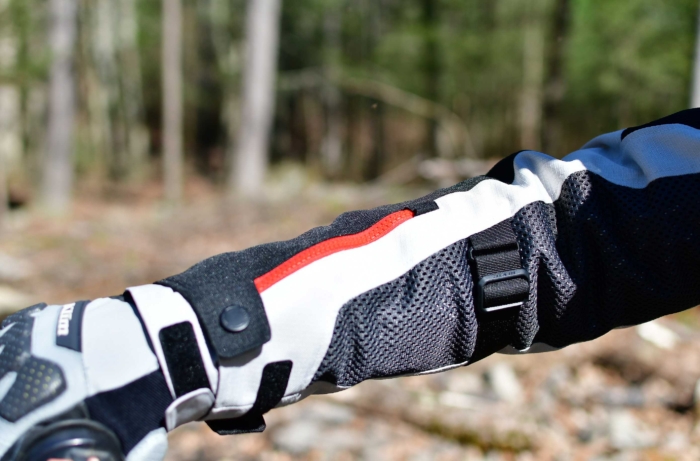
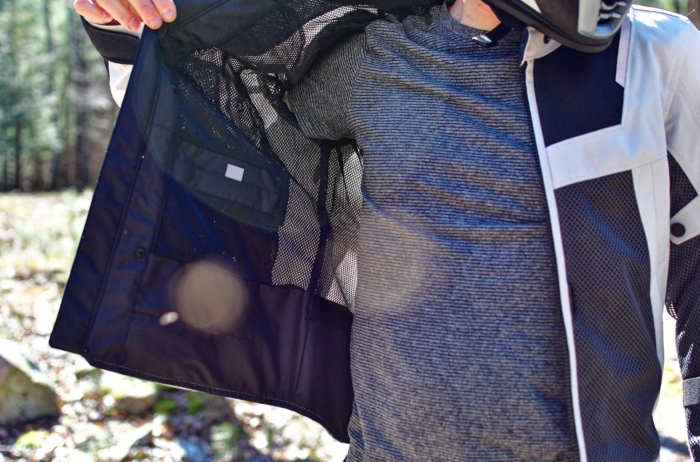
The Tech: Engineering centers around a high-tenacity mesh chassis paired with two separate removable liners: an insulated thermal layer and a waterproof Hydratex 3L membrane that can be worn inside or over the outer shell. Protection includes CE Level 2 SEEFLEX armor at the shoulders and elbows, with three internal sleeve positions and forearm adjustment straps to lock the armor precisely over your joints.
What We Like: Airflow is incredible, allowing this jacket to breathe nearly as well as the KLIM Marrakesh. The layering modularity offers exceptional versatility. Wearing the waterproof membrane over the outer jacket prevents the exterior fabric from soaking during heavy downpours, while combining both inner liners creates the warmest arrangement for cold starts. Dialing in the fit is straightforward thanks to an adjustable collar slider — essential when wearing a neck gaiter — as well as waist adjustment straps and ample storage spread across four primary pockets and dedicated liner pockets.
What We Don’t: Managing two separate internal liners can feel tedious when shifting between rapidly changing ambient temperatures. While the wind-blocking liner works well for early morning rides, keeping it installed becomes overly warm once afternoon temperatures climb.
Should You Buy It? Budget-conscious riders seeking a high-airflow mesh chassis capable of adapting to unexpected rain and cold snaps will find this versatile jacket delivers.
KLIM Women’s Artemis Jacket
Specifications
Pros & Cons
Pros
- Plenty of ventilation
- Comfortable
- Great adjustability
Cons
- Waterproof vent zips can be hard to operate while riding
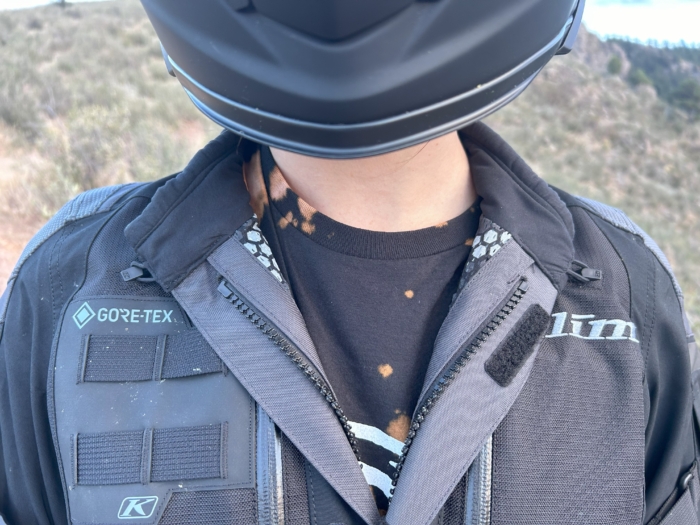
- Velcro at the neck can nag if not perfectly placed
Bottom Line: A refined, female-specific adventure touring jacket that pairs robust storm protection with exceptional mobility. The Artemis is an ideal pick for riders seeking an adaptable, top-tier shell that excels across both paved highways and rugged dirt trails.
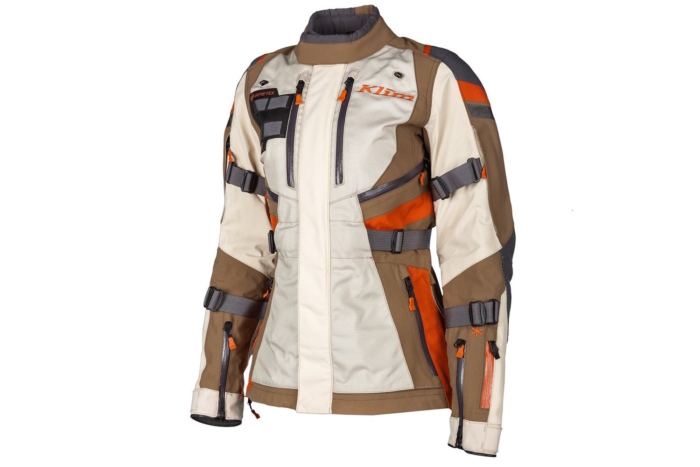
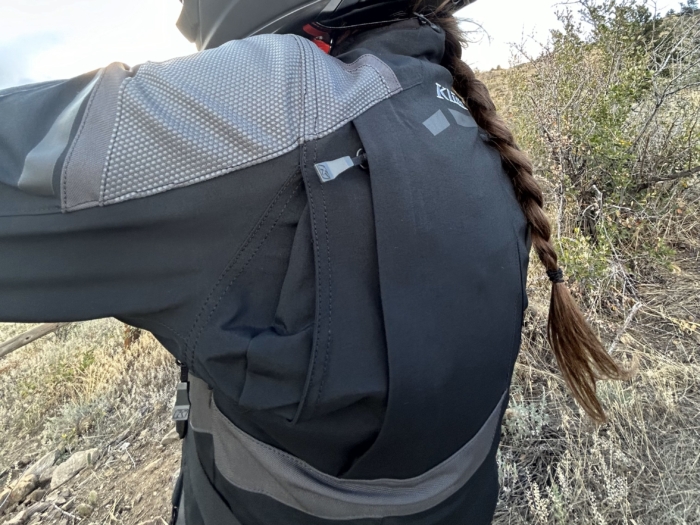
As soon as you slip into the KLIM Artemis ($616), we feel confident it will become one of your favorite riding jackets. The technical features and high-quality materials and construction are specialized for ADV, but the great fit and style make it our go-to choice for just about every type of riding. Moto expert Hilary Arthur put this jacket through extensive testing across variable trail conditions and highway stretches, evaluating its storm resistance, articulated mobility, and cuff ventilation during multi-day dual-sport tours.
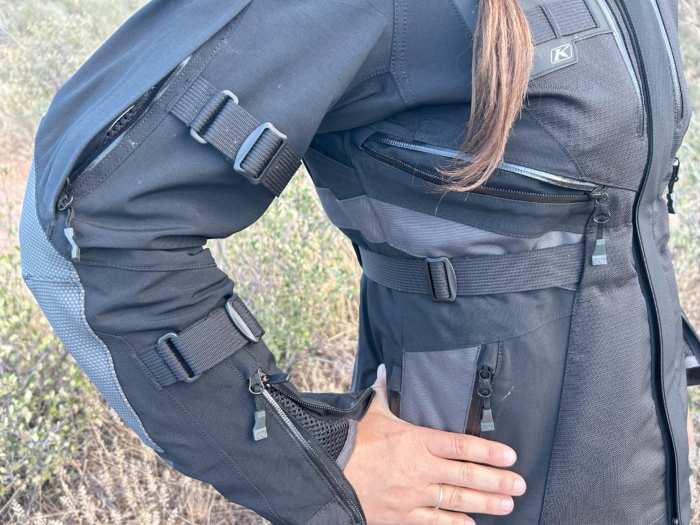
The Tech: Built around a direct-laminated GORE-TEX real-weather shell, it keeps you dry without absorbing external water. Internal protection relies on limb and back armor meeting CE Level 1 impact standards, contributing to an overall CE AA safety rating. Upfront, a supple mesh liner creates a soft interior barrier, while a two-way wrist cuff zipper allows you to dump excess heat without allowing the sleeve fabric to flap in high-speed wind.
What We Like: Craftsmanship shines through every panel of the patchwork-like assembly. Tailoring options abound, with waist cinch straps, arm adjusters, shoulder gussets, and dual zippered hip gussets to ensure full movement without restrictive binding. Storage is exceptional, offering a generous array of fully waterproof internal and external pockets. Compared to bulkier adventure options like the Alpinestars AMT-10R Drystar XF ($995), its supple hand-feel and flattering cut deliver a remarkably natural wear experience both on and off the bike.
What We Don’t: Without a removable thermal liner, cold-weather riding requires precise base layering beneath the shell. Furthermore, while the forearm and torso vents flush out warm air effectively, high-temperature summer days can still feel warm when idling at a complete stop.
Should You Buy It? For women who want a dependable, top-tier adventure shell that balances robust impact protection with a precise, customizable fit, this jacket provides incredible overall utility.
REV’IT! Stratum GTX
Specifications
Pros & Cons
Pros
- 2-jackets in one
- Premium materials
- Fantastic fit
Cons
- Very expensive
- Bulky shell layer
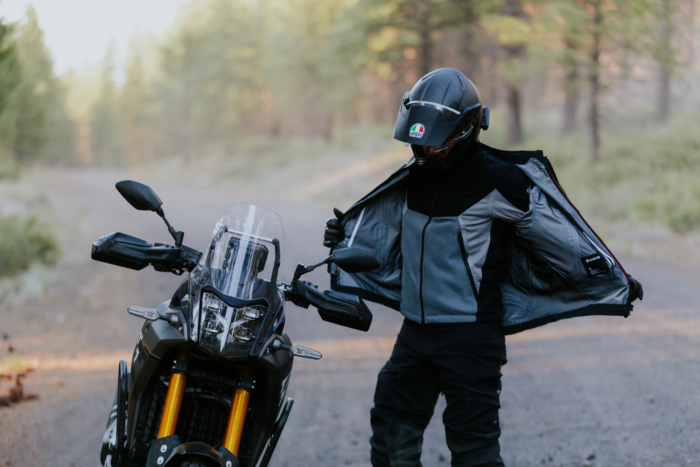
Bottom Line: An elite two-piece jacket system that pairs a fully armored summer mesh layer with a heavy-duty waterproof outer shell. The Stratum GTX is an outstanding investment for long-haul adventure riders seeking a single complete outfit for global touring.
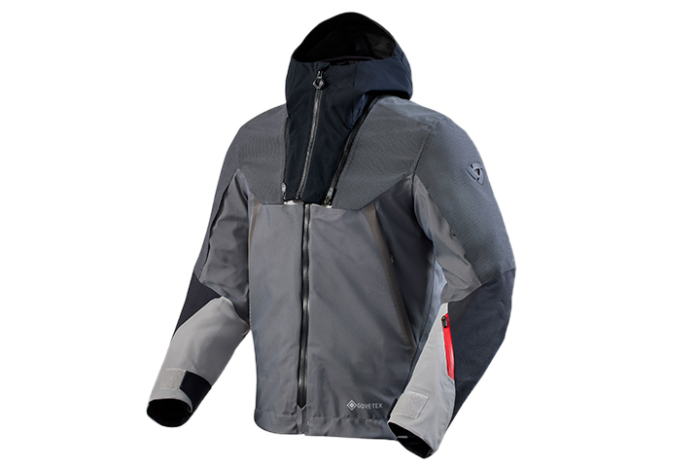
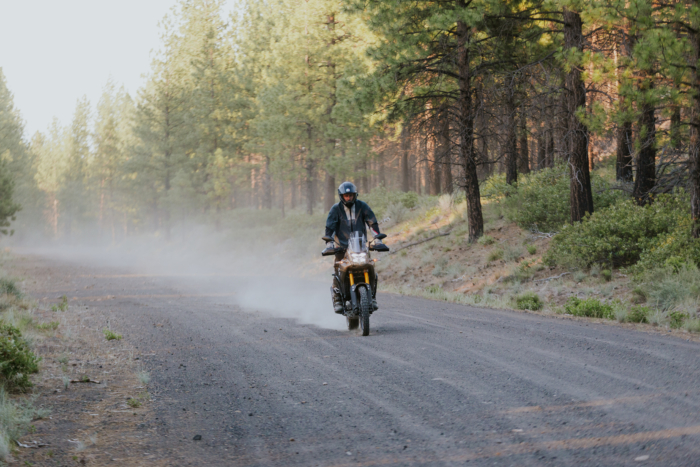
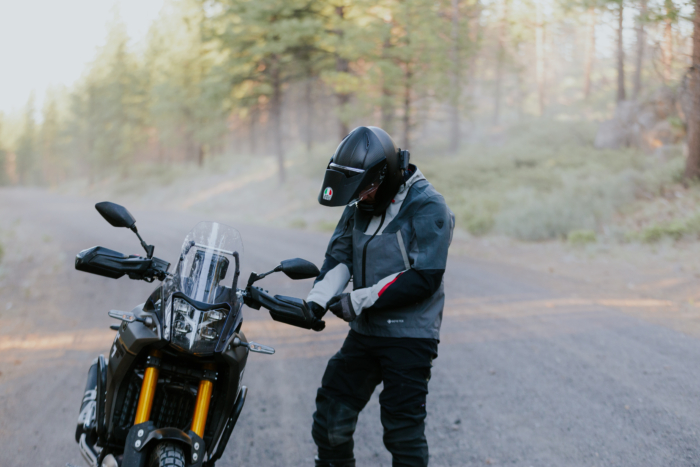
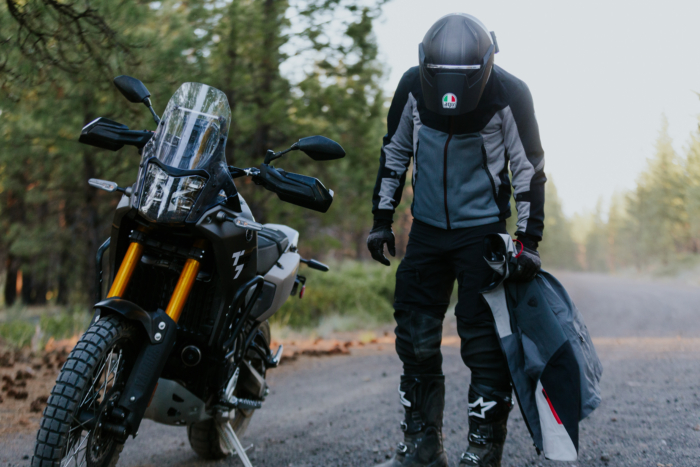
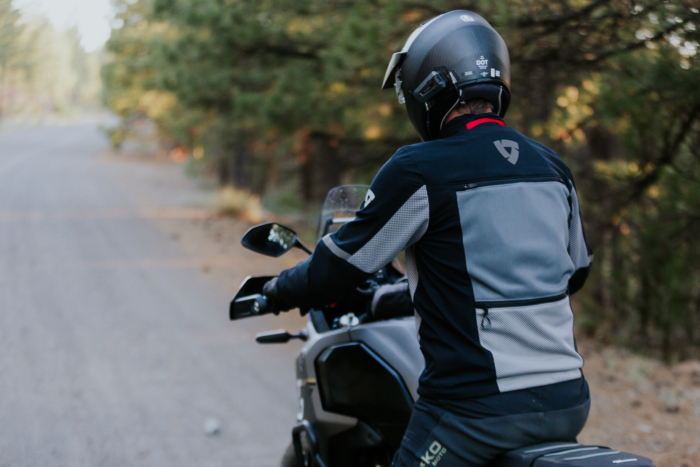
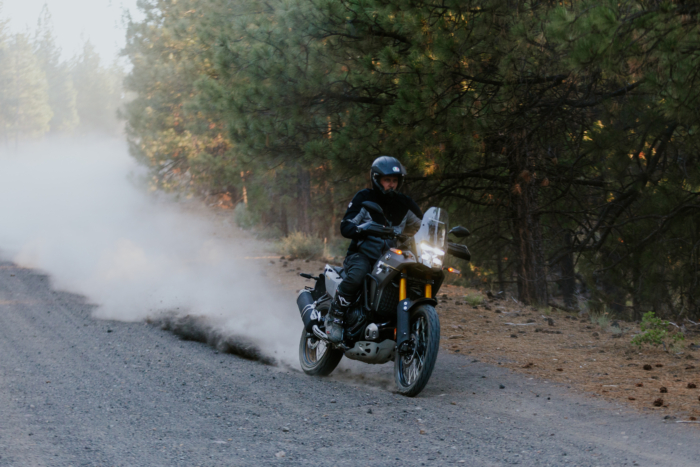
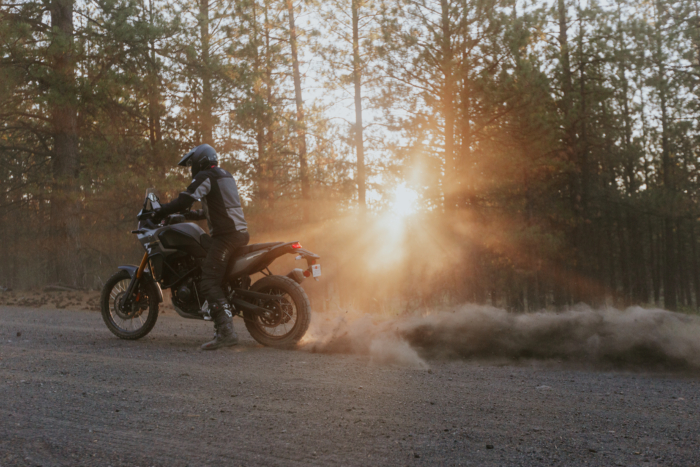
The REV’IT! Stratum GTX ($1,400) is a culmination of the company’s know-how and expertise in building quality motorcycle apparel for the ADV rider. Let’s get this out of the way: It is costly, but you are getting two distinct jackets built as a unified system. Lead international moto gear tester Sean Galaway put this jacket through rigorous evaluations during multi-day adventure trips, testing its climate versatility, hydration routing, and overall weight distribution across long saddle hours.
The Tech: Engineering centers around a standalone inner Air Mesh jacket fitted with full SEEFLEX CE Level 2 armor, a detachable kidney belt, and a dedicated hydration reservoir pocket. When conditions turn wet or cold, a heavy 400D 3-layer Gore-Tex outer shell zips over top. The outer shell hosts adjustable front, back, and upper-arm intake vents that can be easily operated while riding.
What We Like: Breathability on hot trail days is superb when running just the inner mesh layer, giving you total impact protection without heat buildup. Despite an intimidating hanger weight right out of the box, the ergonomic tailoring distributes weight across your torso so effectively that the jacket disappears while riding. Storage is expansive, featuring rear lumbar pockets and internal organization that eliminate the need to carry a separate backpack. Compared to minimalist shells like the REV’IT! Component 3 H2O ($530), this system delivers a complete all-in-one setup capable of handling a round-the-world expedition.
What We Don’t: The heavy 3-layer GORE-TEX outer shell is physically bulky, taking up significant pannier space when stowed during warm weather. Additionally, the premium price point represents a substantial upfront investment for casual riders.
Should You Buy It? Serious adventure tourers who want an uncompromising two-piece outfit that transitions seamlessly from scorching deserts to freezing downpours will find solace with this flagship system. This design offers incredible utility.
Alpinestars Pro-Dura Jacket
Specifications
Pros & Cons
Pros
- Detachable sleeves
- Hydration compatible
- Great fit
Cons
- No armor included
- No stretch
Bottom Line: A purpose-built off-road rally shell that converts into a high-airflow riding vest in seconds. The Pro-Dura is an exceptional choice for hard-enduro and trail riders who need durable abrasion protection without the heft of a heavy touring coat.
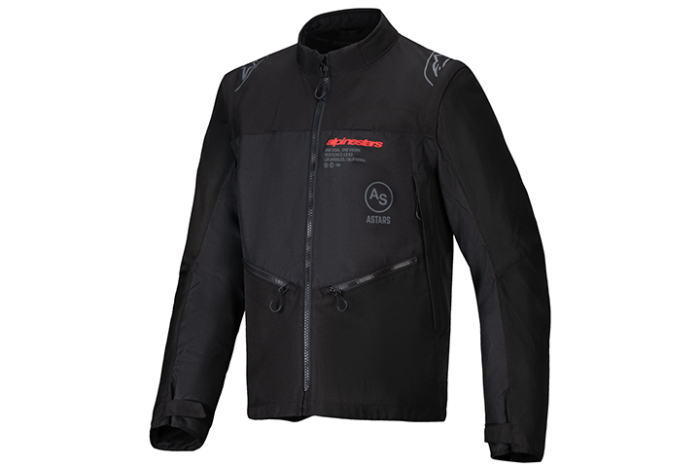
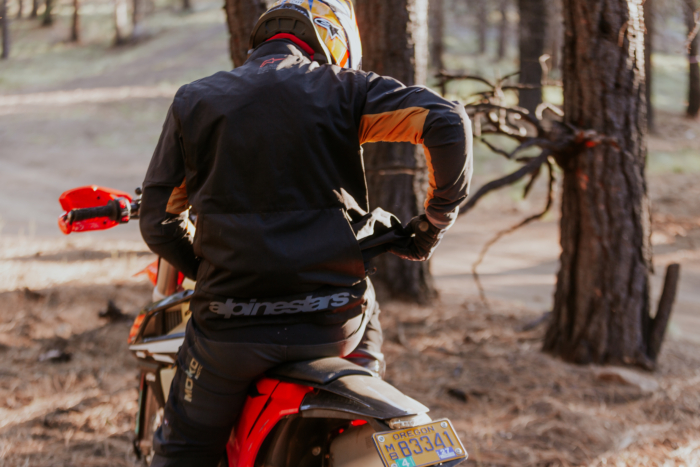
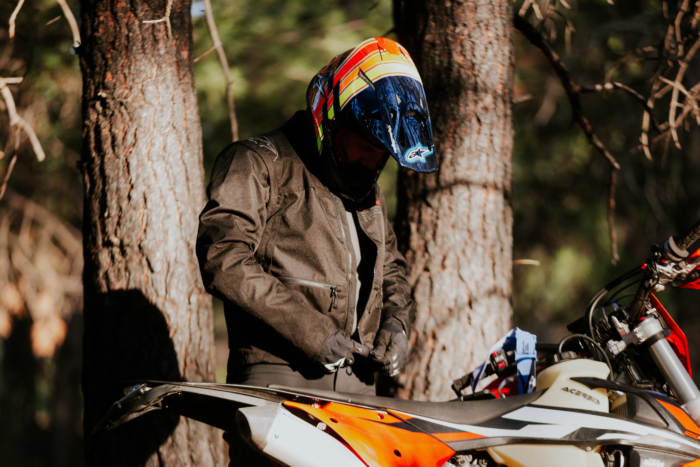
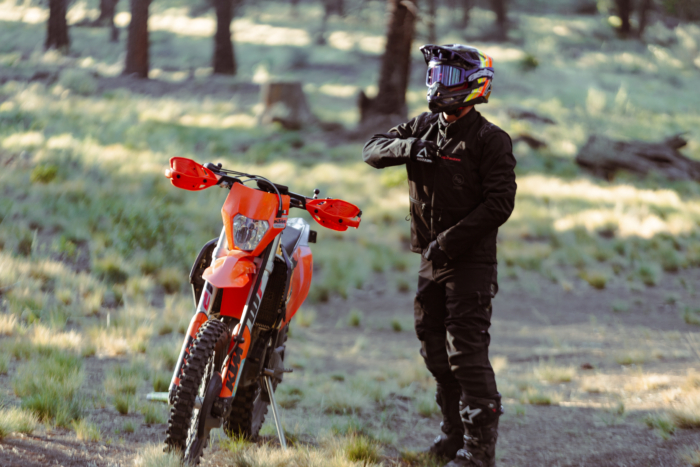
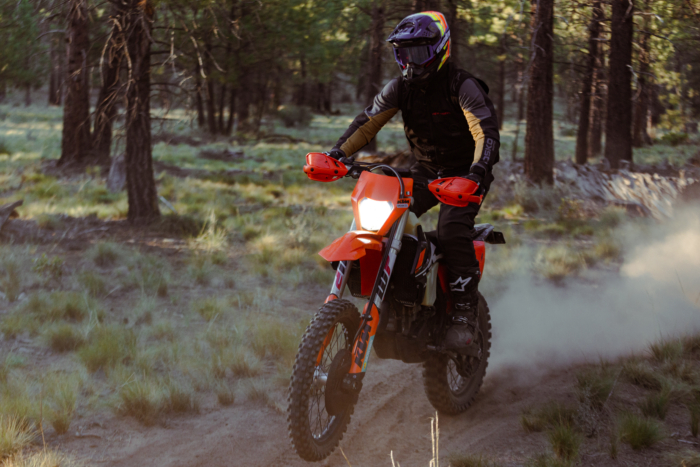
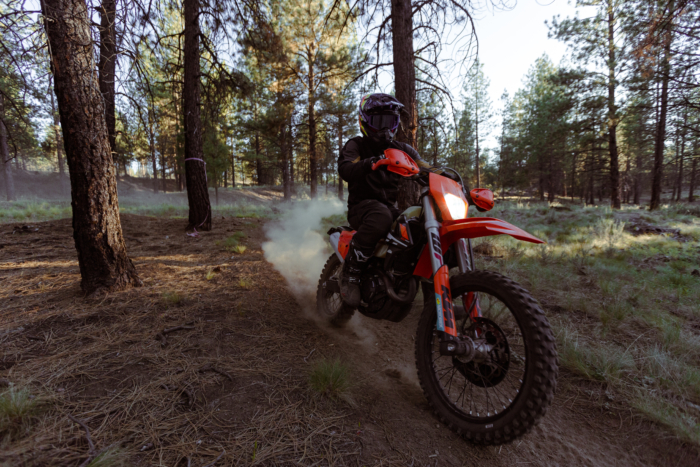
We are big fans of the Alpinestars Pro-Dura Jacket ($273). As far as off-road moto jackets go, this kit is reasonably priced, purpose-built, and functions precisely as marketed. International motorcycle adventurer Sean Galaway put this rally-inspired shell through demanding off-road trail evaluations, testing its conversion mechanisms, riding ergonomics, and climate control across high-exertion dirt rides.
The Tech: Drawing directly from Alpinestars’ Dakar Rally apparel, the chassis is built from heavy-duty 600D poly-fabric for high abrasion resistance. Pre-curved arms compensate for the non-stretch fabric to reduce arm pump, while a drop-tail rear hem prevents riding up when seated. Key features include zip-off sleeves that stow into a massive rear lumbar pocket, strategic ventilation zips, and an internal hydration sleeve that accommodates a 2-liter bladder.
What We Like: Removable sleeves massively expand its operational range, keeping your core protected while giving your arms complete freedom of movement during technical singletrack efforts. Thoughtfully designed inverted hand pocket zippers allow quick, hassle-free access while seated on the motorcycle. Compared to fully integrated touring suits like the Alpinestars AMT-10R Drystar XF ($995), this lightweight off-road shell provides rugged trail protection without overwhelming weight or bulk.
What We Don’t: Because it uses a stiff, durable 600D main fabric without integrated elastane stretch, overall flexibility relies heavily on the pre-curved tailoring. Additionally, the jacket acts strictly as an unarmored outer shell, requiring riders to wear a separate elbow and torso armor suit underneath.
Should You Buy It? For off-road enthusiasts looking for a durable, rally-tested jacket that transitions effortlessly into a ventilated vest, this budget-friendly option delivers incredible performance and utility.
Mosko Moto Surveyor Soft Shell Jacket
Specifications
Pros & Cons
Pros
- Lightweight and packable
- Incredibly comfortable
- Surprisingly durable
Cons
- No armor included
Bottom Line: A purpose-built softshell jacket that solves the overheating trap during technical dirt riding. The Surveyor is the ideal mid-layer piece for off-road riders who rely on a modular armor-and-shell layering system.
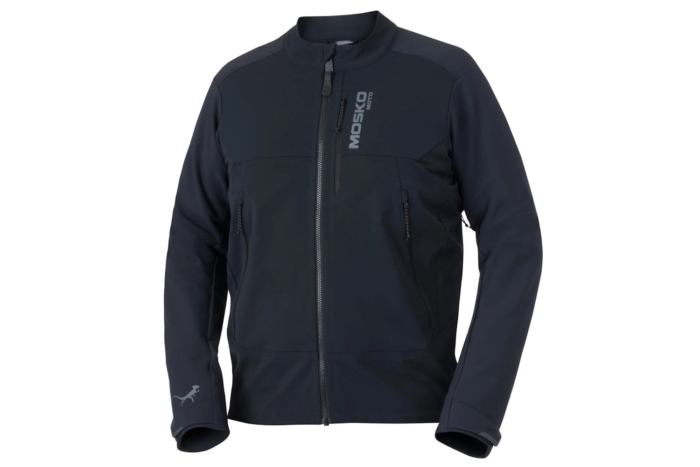
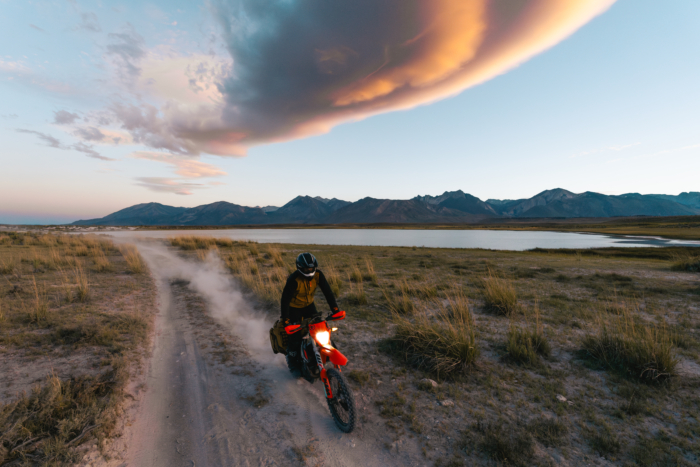
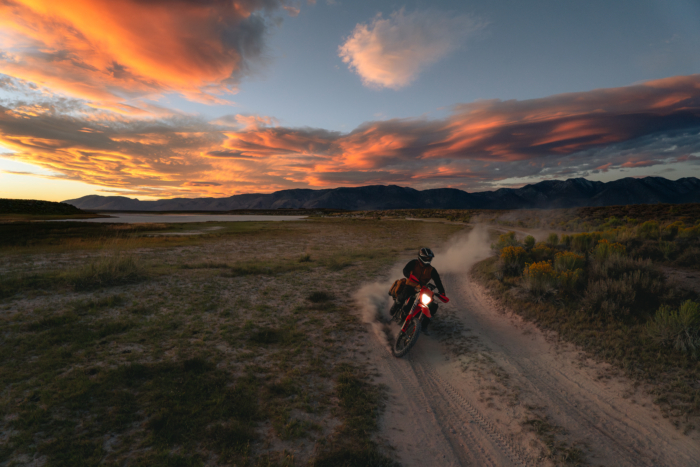
The Mosko Moto Surveyor ($279) is the one we’ve been searching for. Over the last few years we’ve spent hundreds of hours testing various jacket systems — from heavy armored shells to complicated multi-liner setups — only to find them sweltering or slow to adapt. Global motorcyclist Sean Galaway put this softshell through rigorous field testing on demanding ADV routes, evaluating its performance as a breathable thermal barrier over body armor during hard off-road efforts.
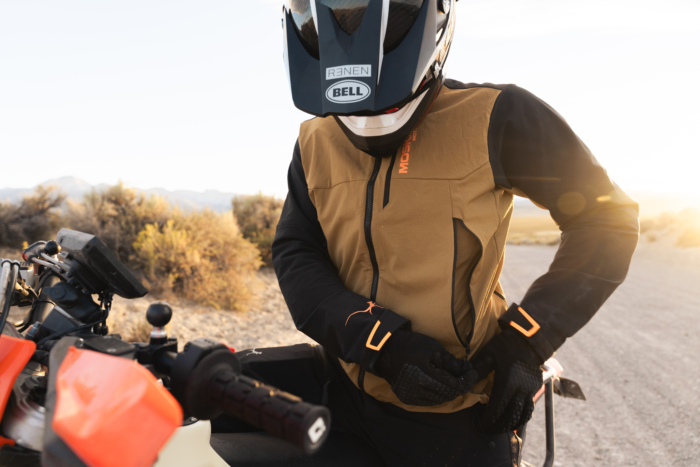
The Tech: Constructed from a durable four-way stretch CORDURA blend, the jacket has an articulated cut explicitly designed to fit over standalone off-road armor suites. A durable water repellent (DWR) coating sheds light moisture and roost, while zippered core vents allow direct heat dumping when working hard on technical singletrack.
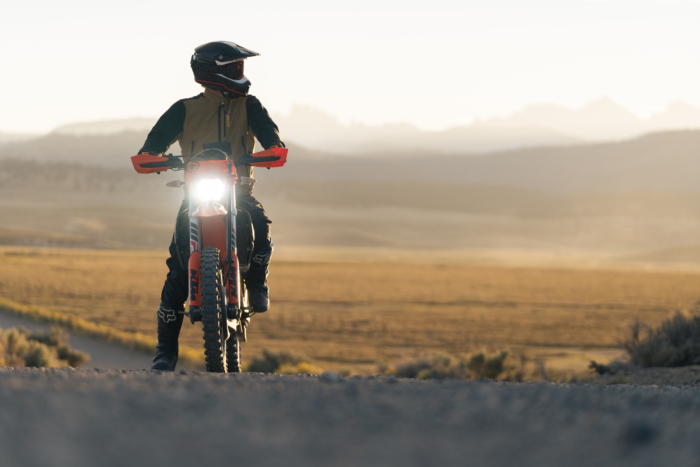
What We Like: Breathability is exceptional, filling a crucial gap by keeping you warm in cold, dry conditions without causing sweat buildup during high-exertion riding. It integrates seamlessly into a four-part layering strategy — baselayer armor, jersey, Surveyor jacket, and an emergency rain shell. Compared to all-in-one armored shells like the REV’IT! Tornado 4 H2O ($400), this softshell packs away easily when temperatures rise and looks sharp off the bike around camp. Generous pockets keep trail essentials accessible, and the flexible stretch fabric moves naturally through active standing postures.
What We Don’t: It is not a standalone rain jacket, meaning you must pack an additional outer waterproof shell when persistent storms roll in. Additionally, because it lacks built-in impact pads or internal armor pockets, you are required to wear a separate armor rig underneath.
Should You Buy It? For hard-enduro and adventure riders who prioritize off-road agility and tailored temperature regulation over heavy, built-in armor shells, this versatile jacket perfects the ultimate trail layering system.
Aether Mulholland
Specifications
Pros & Cons
Pros
- Beautiful tailoring makes it perfect for city riders
- Lined pockets won’t scratch shades
- Muted color palette looks street casual
Cons
- CE Level 1 rather than Level 2 armor
- Could breathe better
Bottom Line: This refined urban riding jacket seamlessly blends casual style with functional moto protection. The Mulholland is an exceptional choice for daily city commuters who want low-profile armor in a comfortable, everyday garment.
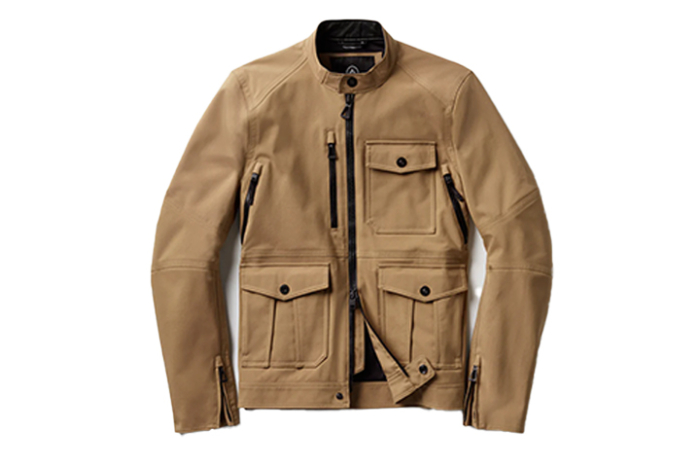
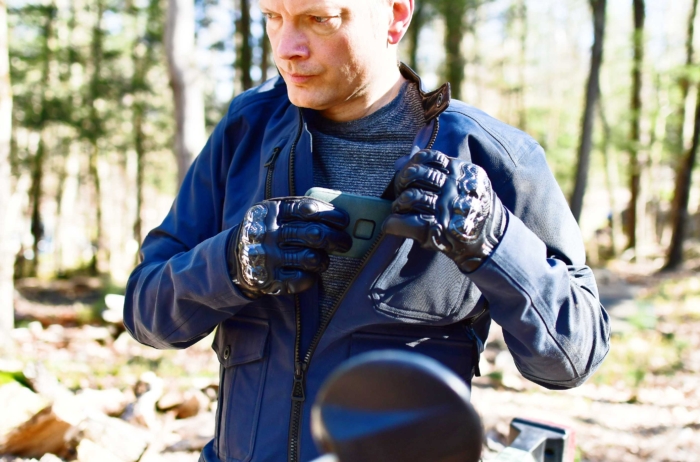
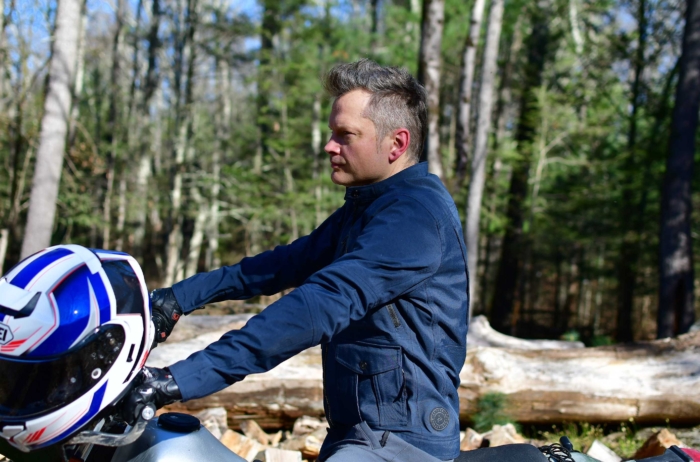
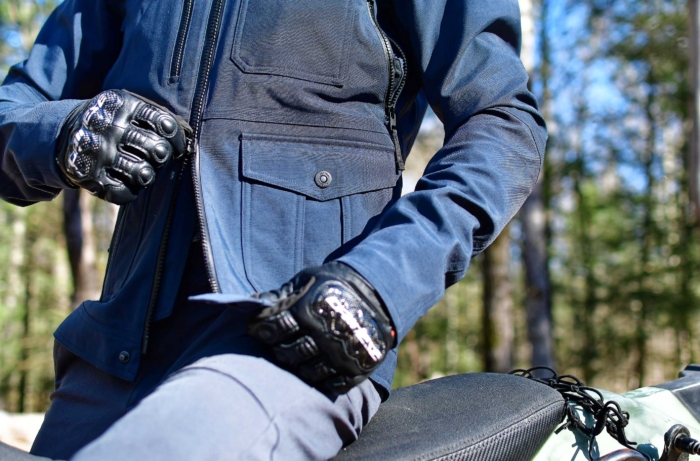
We’ve tested a bunch of Aether products over the years, and these designers really pay attention to the details. The Aether Mulholland ($650) is a city piece for commuters that looks urban and is ridiculously comfortable. Moto expert Michael Frank put this jacket through daily urban commutes, evaluating its flexible fabric movement, easy glove operation, and off-the-bike versatility while testing how quickly the interior armor can be removed for everyday wear.
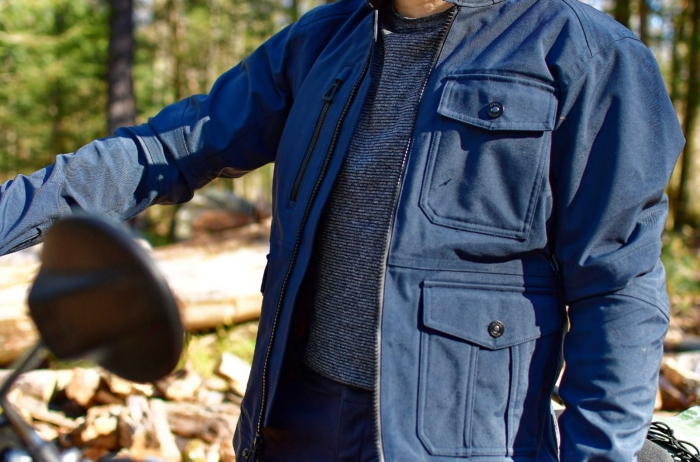
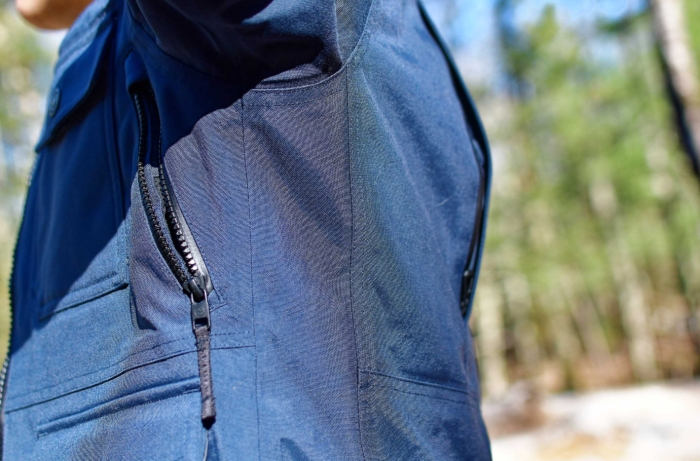
The Tech: Crafted from a heavy-duty Japanese nylon with a canvas-like texture, the shell delivers abrasion resistance while maintaining soft flexibility. Removable D3O limb and back armor slide easily into interior sleeves, allowing the jacket to transition from protective riding gear to a casual wardrobe staple. Up front, a heavy-duty two-way zipper allows you to unzip from the bottom for extra seating room and airflow.
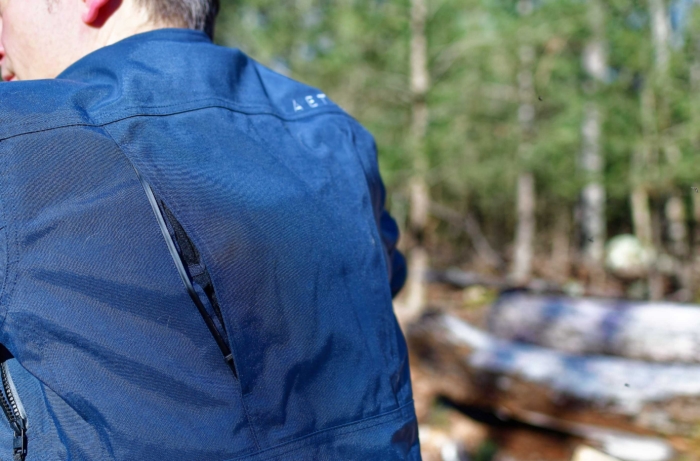
What We Like: Style and versatility are off the charts, offering a refined workwear aesthetic that looks totally natural off the bike. The oversized zipper pulls operate effortlessly with gloved hands. Functional storage includes two top-entrance flap pockets, a zippered chest pocket, and a roomy internal security pocket sized for modern smartphones. While it provides decent ventilation through dedicated chest ports and back shoulder vents, those needing maximum airflow for extreme heat should look toward the REV’IT! Tornado 4 H2O ($400) or KLIM Marrakesh ($400).
What We Don’t: Ventilation is limited compared to fully meshed options, as it lacks longer underarm pit zips to dump high amounts of heat. In addition, the premium Japanese nylon construction comes with a steep price tag for a city-focused shell.
Should You Buy It? For urban riders who prioritize off-the-bike casual aesthetics, plush comfort, and easy-to-remove armor over pure mesh airflow, this stylish jacket is a go-to daily option.
Other Motorcycle Jackets We Accelerate With
Specifications
Pros & Cons
Pros
- Best breathability
- Six sizes available
- Smart Napoleon pocket design
Cons
- You’ll be cold if the temps drop
- Could use a two-way front zip
Bottom Line: An incredibly plush, high-airflow mesh jacket that wears with the relaxed drape of everyday workwear. The Marrakesh is an outstanding option for hot-weather riders who prioritize unrestricted movement and rapid-drying performance.
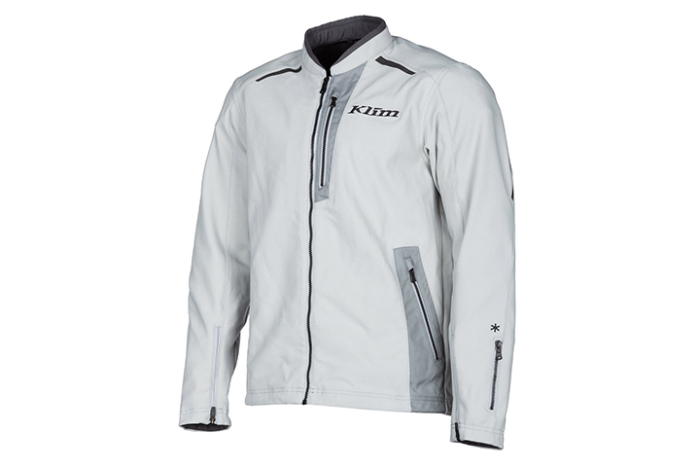
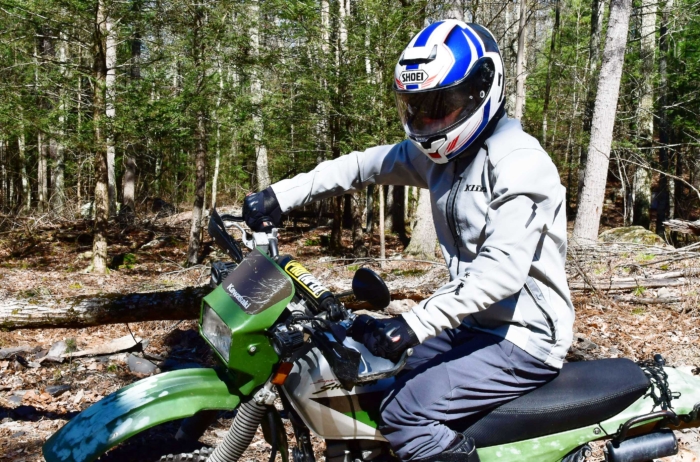
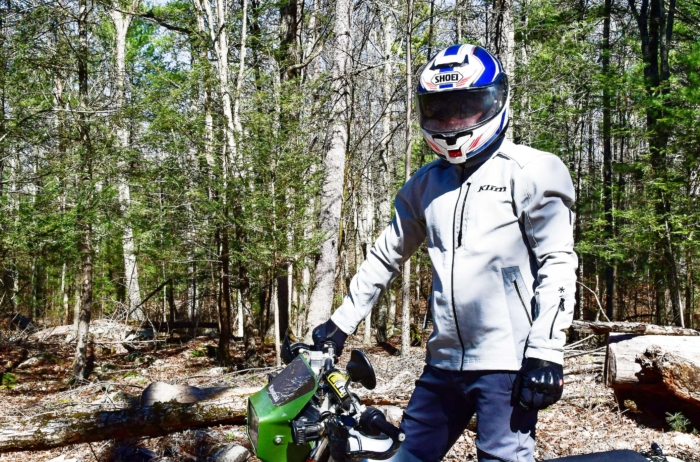
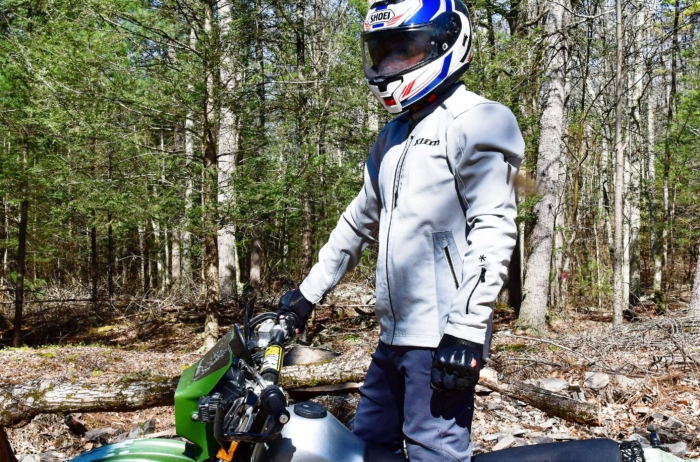
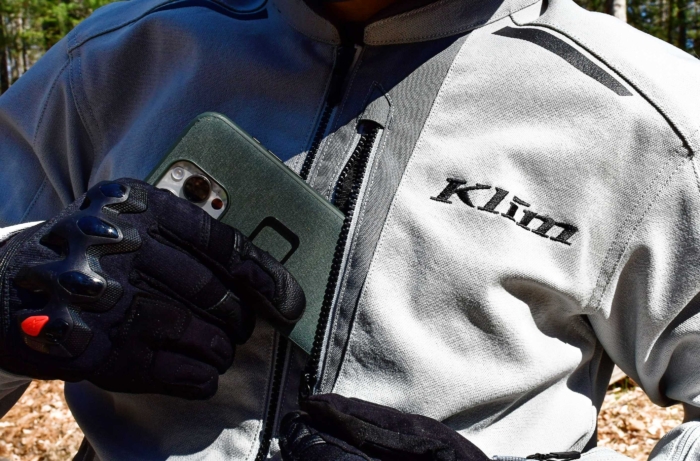
Coming in hot, today’s steadfast KLIM Marrakesh ($420) provides a slightly softer mesh material than its predecessor, and it looks a little more natural. The silhouette has a drape and hand feel that is more like a workwear piece. Moto gear tester Michael Frank put this redesigned jacket through field evaluations in hot-weather environments, assessing its four-way stretch mobility, glove-cuff integration, and rapid-drying capabilities across daily street rides.
The Tech: Constructed from a fully perforated Karbonite Micromesh and 1000D Cordura stretch chassis, the entire shell allows unhindered airflow while maintaining high abrasion resistance. A hydrophobic coating helps the fabric shed light moisture and dry quickly when paired with a technical synthetic or merino base layer. For protection, it comes fitted with low-profile D3O IP Ghost armor at the shoulders and elbows alongside a D3O Level 1 back protector.
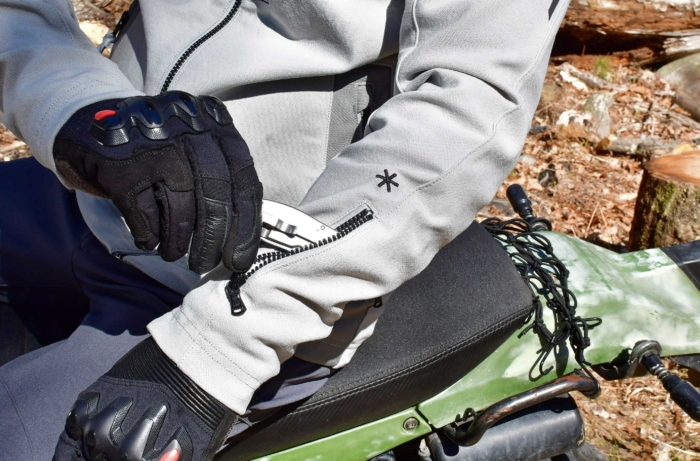
What We Like: Breathability and comfort are exceptional, moving fluidly with your body both on and off the bike. Storage is well-conceived, featuring deep waist pockets, a left forearm ID pocket, an internal security pocket, and a chest Napoleon pocket placed at the ideal height for a smartphone or wallet. Zippered forearm expansion gussets make it simple to slide glove gauntlets underneath before cinching down to prevent air tunneling up your arms. Compared to structured urban options like the Aether Mulholland ($650), its pliable stretch mesh delivers far greater airflow on scorching summer rides.
What We Don’t: The cut runs slightly long in the torso, leading to fabric bunching up at the lap when seated on a motorcycle. Without a two-way front zipper to relieve tension at the waist, sitting in an aggressive position can feel a bit cramped. Additionally, because the entire chassis is fully perforated, it offers virtually zero wind blocking for cold weather.
Should You Buy It? If you’re operating in hot climates and want maximum airflow without sacrificing armor protection or casual workwear styling, this updated stretch-mesh jacket is a good pick.
Specifications
Pros & Cons
Pros
- Extremely durable
- Lightweight
- Fully waterproof
Cons
- Light armor
Bottom Line: A rugged, waterproof off-road shell engineered specifically for unpredictable trail conditions and hard dirt riding. The Component 3 H2O is an outstanding choice for adventure riders who prefer a lightweight outer layer designed to fit over standalone body armor.
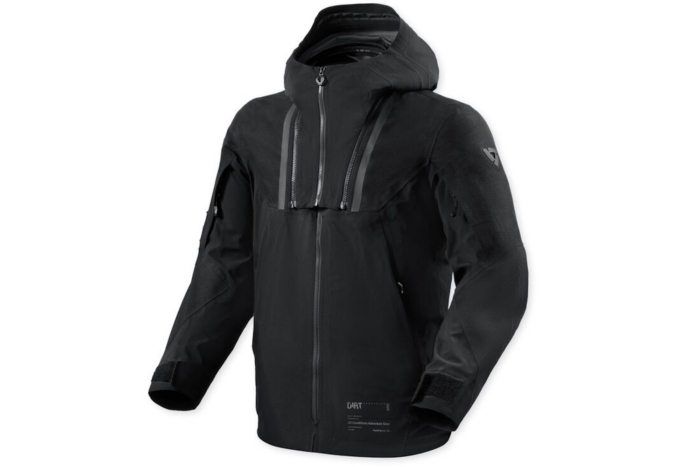
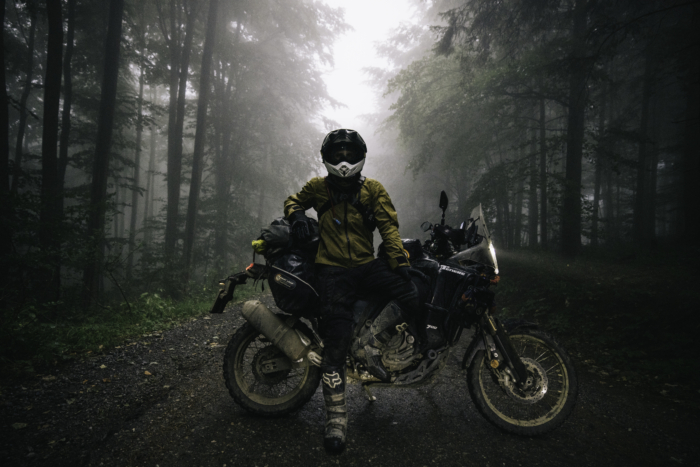
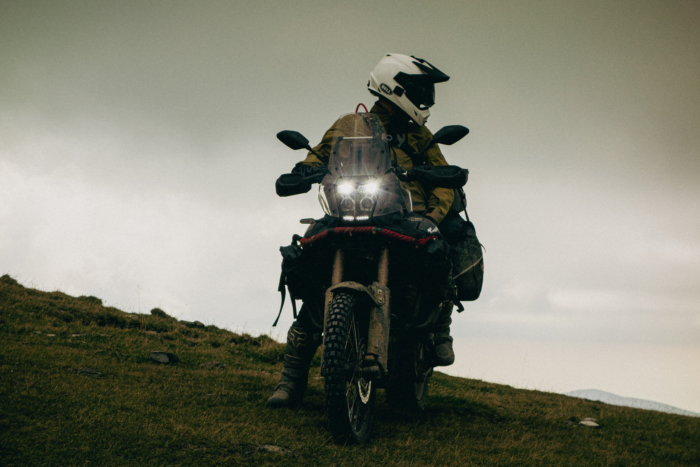
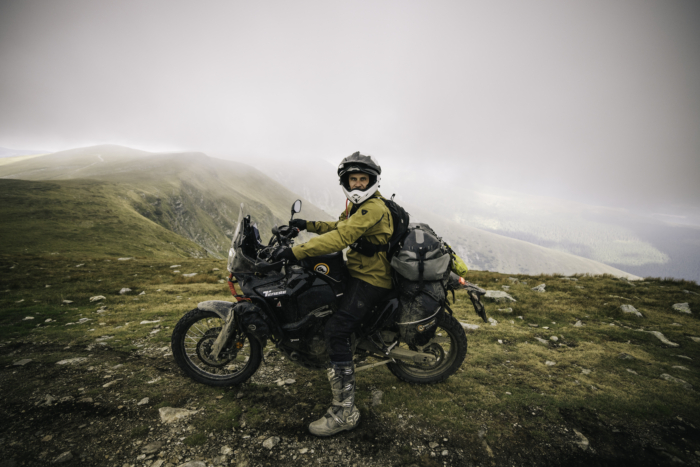
The REV’IT! Component 3 H2O Jacket ($530) is purpose-built for off-road adventuring. We’ve tested this jacket from the forests of Bulgaria to the deserts of Baja, and it hasn’t let us down yet. Lead tester Sean Galaway evaluated this shell across months of dirt-focused ADV rides, wearing it through all-day rainstorms and singletrack thickets where cacti threaten exposed arms, proving its durability and climate adaptability on demanding terrain.
The Tech: Constructed from a three-layer Hydratex 3L stretch ripstop material, this shell provides full waterproofing while maintaining flexible mobility. Built-in ventilation includes a central Rally Flap zipper that exposes an underlying mesh strip to dump chest heat while keeping the jacket closed, alongside forearm and upper-arm intake vents. The design includes removable SEESMART CE Level 1 armor at the shoulders and elbows, plus an internal pocket for an optional back protector.
What We Like: Breathability and weather resistance work in tandem. The reshaped, detachable hood cinches tightly to minimize wind catch and stashes neatly inside the rear lumbar pocket when unneeded. Outward-facing pocket openings make access straightforward while wearing heavy riding gloves. Unlike zip-off options such as the Alpinestars Pro-Dura jacket, its streamlined chassis packs down small when stowed, cleans up like new after muddy outings, and offers a timeless aesthetic that avoids looking like a Dakar race costume.
What We Don’t: Because it functions primarily as a weatherproof shell rather than a heavy, multi-season armored coat, cold-weather expeditions require wearing dedicated thermal layers underneath. Additionally, riders who prefer built-in, heavy-duty impact pads may find the low-profile stock armor minimal for aggressive high-speed riding.
Should You Buy It? If you gravitate toward off-road and dual-sport adventures, and you need a durable, packable rain shell that integrates seamlessly over body armor, this refined jacket ranks as an all-time favorite.
Specifications
Pros & Cons
Pros
- High-end details
- Top-notch Construction
- Great style
Cons
- Vents inoperable while riding
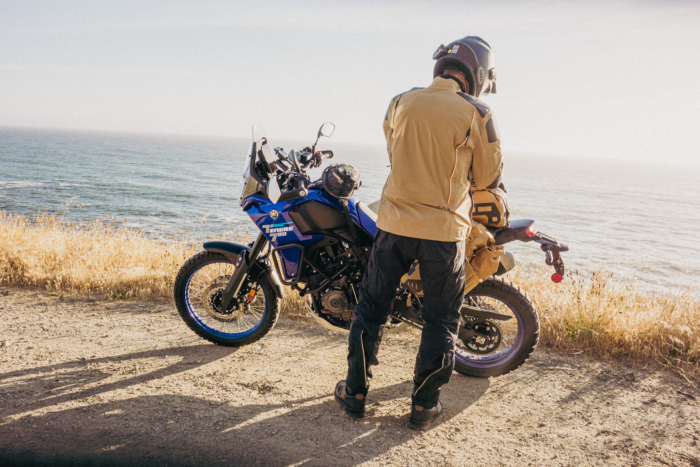
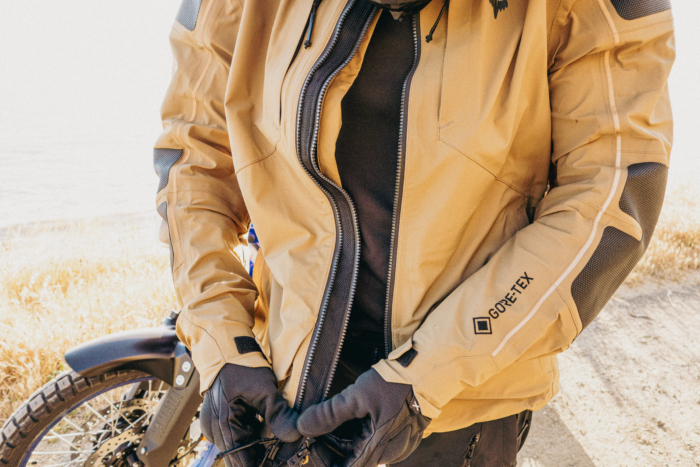
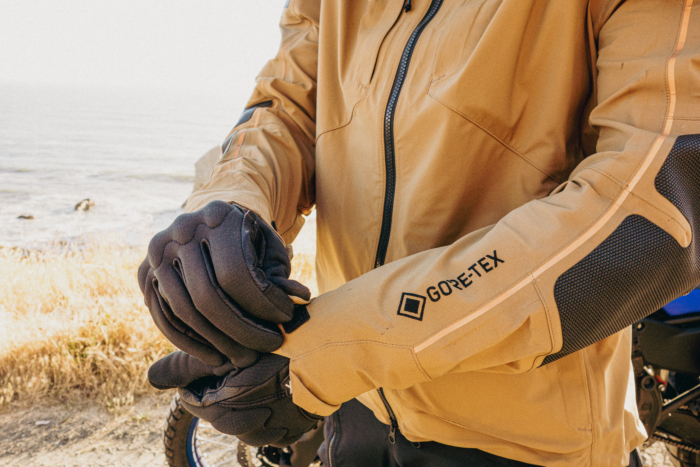
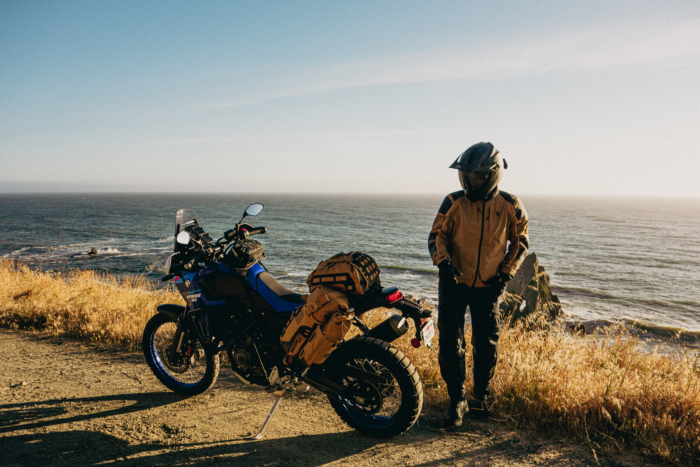
Bottom Line: A lightweight, minimalist 3-layer GORE-TEX shell that sacrifices unnecessary bulk to deliver uncompromised protection and mobility. This kit is a fantastic investment for adventure riders who prefer a light-and-fast approach on long-distance tours.
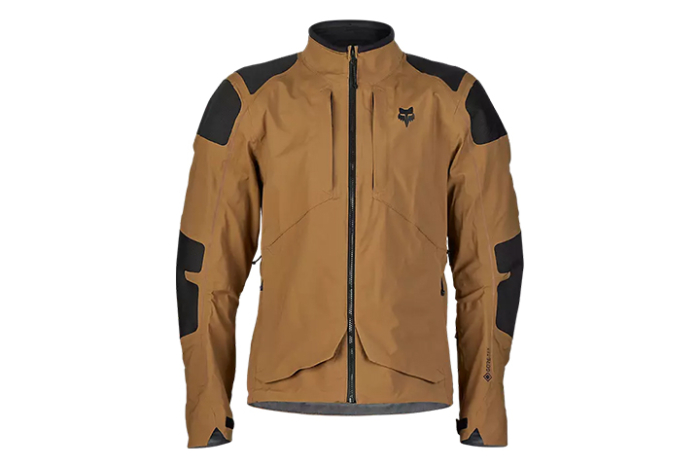
The Fox Racing Recon GORE-TEX ADV ($1,050) is a high-end offering worth a close look if you’re searching for one of the best ADV jackets available today. Lead international motorcycle traveler Sean Galaway evaluated this jacket across a 1,200-mile adventure ride up the California coast and home to Central Oregon, testing its streamlined fit, weatherproofing, and temperature range across long 14-hour days in the saddle.
The Tech: Engineering centers around a 3-layer GORE-TEX stretch construction reinforced with ceramic-coated SuperFabric panels at high-abrasion impact zones. Internal protection features integrated D3O Level 2 armor at the back, shoulders, and elbows. Ventilation relies on underarm intake ports, dual rear exhaust vents, and a full-length secondary front zipper vent, while a universal jacket-to-pant attachment system locks out cold drafts.
What We Like: Stripping away superfluous gimmicks keeps total weight low, significantly reducing rider fatigue over long distances. Tailored adjustment points at the collar, hem, and cuffs hold their settings reliably without constant adjustment. Unlike jackets with loose, floating mesh liners, the armor pockets are built directly into the chassis, making it simple to slide the garment over mid-layers. While serving a different riding style than technical softshells like the Mosko Moto Surveyor ($279), this shell provides a streamlined, highly functional barrier against the elements.
What We Don’t: Our primary gripe is that none of the ventilation zippers can be operated safely while riding. Experiencing sudden ambient temperature shifts along coastal highways requires pulling over completely to open or close the core vents, which becomes a nuisance on long trips.
Should You Buy It? This jacket is a solid contender for tourers. If you’re seeking a top-tier waterproof jacket that trades heavy, cluttered features for lightweight comfort and premium impact protection, put this refined shell at the top of your list.
-

-
Rider Sean Galaway testing motorcycle jackets; photo credit Josh Wray
-
Rider Sean Galaway testing motorcycle jackets; photo credit Josh Wray
-
Rider Sean Galaway testing motorcycle jackets; photo credit Josh Wray

Specifications
Pros & Cons
Pros
- Timeless style
- Feature packed
- Extreme durability
Cons
- Can run hot
Bottom Line: A timeless waxed canvas jacket that conceals modern weatherproofing and armor behind rugged, classic styling. The Scrambler is a standout choice for riders seeking heritage craftsmanship that handles highway speeds and unexpected dirt detours.
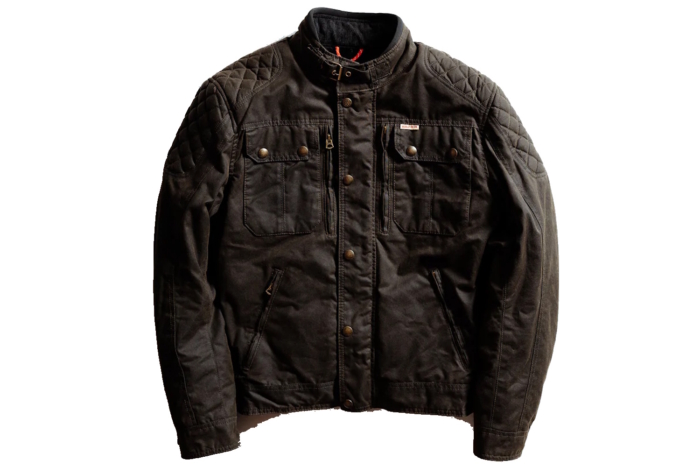
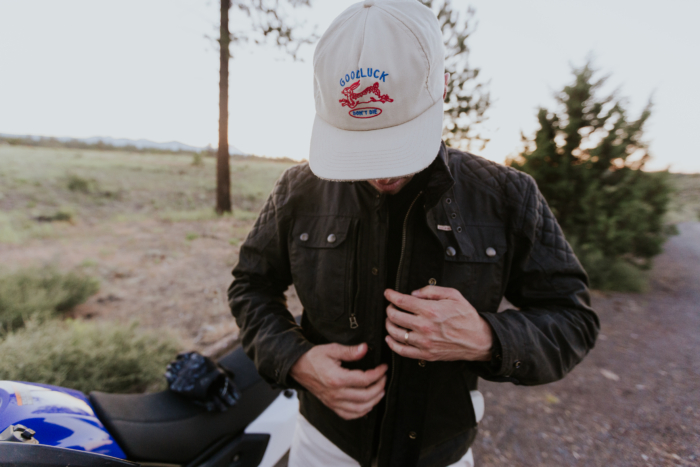
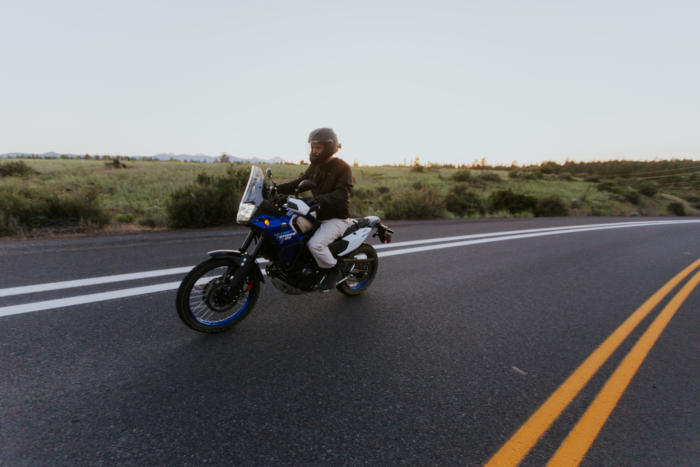
The Iron and Resin Scrambler ($529) from Iron & Resin looks amazing. It is one of those products that you know you will own for decades and pass down as a legacy piece, but there is far more here than meets the eye. Globetrotting motorcyclist and field tester Sean Galaway evaluated this jacket across highway miles, urban commutes, and impromptu dirt road rides, testing its heft against wind buffeting, flannel-lined comfort, and thermal adaptability.
The Tech: Built from Halley Stevensons waxed cotton canvas sourced from Scotland, the shell provides natural water repellency backed by a fully waterproof interior membrane. Internal impact protection includes removable D3O CE Level 1 shoulder and elbow armor alongside a CE Level 2 back protector. Temperature management is a removable quilted thermal liner, zippered body vents, and corduroy lining at the collar and cuffs to prevent chafing.
What We Like: The substantial weight of the heavy waxed canvas keeps the garment stable at highway speeds, eliminating the annoying fabric buffeting common in lightweight shells like the Fox Racing Recon GORE-TEX ADV ($1,050). Dual zippered vents provide effective airflow, while flannel-lined pockets, a below-the-beltline cut, and hook-and-loop hem adjusters ensure a comfortable fit. Backed by a lifetime guarantee, it combines real-world protection with a timeless aesthetic that looks completely natural off the bike.
What We Don’t: Heavy 12-ounce waxed canvas retains heat in high humidity, making it less ideal for scorching mid-summer singletrack. In addition, keeping the waxed outer shell in top water-repellent condition requires occasional re-waxing treatments over years of hard use.
Should You Buy It? For riders who want heirloom quality, substantial highway comfort, and covert armor protection without looking like an alpine skier, this durable coat is a worthy investment.

Motorcycle Jackets Comparison Chart
Scroll right to view all of the columns: Price, Materials, Protection, Best Use.
| Motorcycle Jackets | Price | Materials | Protection | Best Use |
|---|---|---|---|---|
| Alpinestars AMT-10R Drystar XF | $995 | Kevlar slide protection; laminated 2.5L DrystarXF waterproof-breathable membrane | CE Level 2 armor, AA rating | Touring, ADV |
| REV’IT! Tornado 4 H2O | $400 | Hypalon with Hydratex waterproof-breathable membrane liner; thermal liner | CE Level 2 armor at shoulders and elbows, AA rating | Touring |
| REV’IT! Component 3 H2O | $530 | 3L CORDURA 750D ripstop, PWR Stretch ripstop, Hydratex waterproofing | CE Level 1 (shoulder, elbows) | Off Road, ADV |
| KLIM Women’s Artemis | $616 | GORE-TEX Performance waterproof membrane, Cordura reinforcements, SuperFabric ceramic print overlays in elbows and shoulders | CE Level 1 D30 armor, AA rating | ADV, Touring |
| Mosko Moto Surveyor Soft Shell | $279 | 4-way stretch Cordura softshell, flow-through ventilation, articulated fit over armor, anti-microbial anti-stink treatment | Over-armor fit | Off Road, ADV |
| Aether Mulholland | $650 | Nylon and waterproof-breathable membrane | CE Level 1 D3O Ghost armor at shoulders, spine, and elbow; A rating | Touring, City |
| KLIM Marrakesh | $420 | 1000-denier Karbonite CORDURA stretch-woven with hydrophobic coating | CE Level 1 D3O armor at shoulders, spine, and elbow; AA rating | City, Touring |
| Iron and Resin Scrambler | $529 | 12 oz Halley Stevensons waxed canvas, waterproof liner, removable quilted liner | D30 Armor (back, shoulders, elbows); CE level 1 and 2 | City, Off-Road |
| Alpinestars Pro-Dura | $273 | Ripstop 600D fabric, DWR coating, soft lined collar, shock cord adjuster at hem | Airbag compatible | Off Road, Enduro, Trail |
| Fox Recon GORE-TEX ADV | $1,050 | GORE-TEX 3-layer stretch, SuperFabric at high impact zones, D30 protection | D30 back, shoulder, elbow (CE certified to EN 17092-4:2020 “A”, EN 1621-1, and EN 1621-2) | Off Road, ADV |
| REV’IT! Stratum GTX | $1,400 | 3L GORE-TEX nylon 400D, PWR Shell stretch mesh, 3l GORE-TEX Pro Armacor Fabric, 3L nylon 200D Gore-Tex fabric. | Shell: level B CE-certified. Air Mesh layer: level AA CE-certified. (Back, elbow, and shoulder armor) | ADV |

How We Tested Motorcycle Jackets
Our Expert Testers & Testing Grounds
GearJunkie contributor Sean Galaway leaned on his experience riding across continents to evaluate jackets in the off-road end of the spectrum. He focused on ADV and enduro-style jackets that work as a key part of a layering system for maximum versatility during multi-week off-road adventures.
Rider Hilary Arthur took a 1,100-mile trip through Southern Colorado, putting the KLIM Artemis to the ultimate touring test. The varied conditions of mountainous and highway riding allowed abundant time to assess the features and functionality of a riding jacket.
Tester Michael Frank pulled on these motorcycle jackets over the course of hundreds of miles of canyon carving, city crawls, and Interstate blasts. Throughout our testing, the weather ranged from chilly and freezing to muggy. Frank also rode at various paces and scored the usability of the pockets and zippers. He also checked the ventilation and insulation systems for each jacket, as well as the fit and adaptability across temperature ranges.

How We Rate Motorcycle Jackets
Beyond the overall rating, we rate these four variables of motorcycle jacket performance on a scale of 1-10:
- Protection: For each motorcycle jacket, we confirm the CE Certification Class (A, AA, or AAA) for abrasion resistance and the armor benchmark (Level 1 vs. Level 2). We look for additional levels of protection, such as being Airbag Ready or built with reinforced materials like SuperFabric or CORDURA Ripstop.
- Weatherproofing: We test how well the garment withstands rain, wind chill at highway speeds, and mud. Jackets with 3-layer laminated GORE-TEX or modular waterproof layers score highest here, while water-resistant shells are rated based on how long they keep the rider dry before soaking through.
- Ventilation: We rate how effectively a jacket moves air through the chest, back, and arms. We prioritize jackets with mesh panels, Rally Flaps (that transform the main zipper into a massive intake), or detachable sleeves that allow for maximum cooling during technical, low-speed off-road sections where airflow is hardest to come by.
- Value: We weigh the price tag against the overall design, including the protection, durability, fit, and style. A $1,000 jacket isn’t necessarily a bad value if it replaces three other pieces of gear and lasts a decade. Conversely, a budget-friendly jacket earns high marks if it offers high-end safety ratings (such as Class AA) without a premium markup.

Our Testing Process
Testing Criteria & Key Features
- Comfort & Fit: Flexible fabrics prioritize freedom of movement, with softer, non-restrictive armor (like D3O Ghost in the Aether Mulholland) selected over bulkier options.
- Armor & Protection: Jackets feature built-in Level 1 or Level 2 impact protection.
- Versatility & Adjustability: Evaluated on layer compatibility, removable liners, and rider-friendly zippers and snaps that can be operated while wearing gloves.
- Storage Capacity: Every pocket was tested to ensure room for ride essentials: sunglasses, wallet, keys, phone, ear protection, earbuds, and snacks.
Selection Process
- Rejected Options: Jackets were excluded if they were overly bulky, insufficiently protected, or uncomfortable.
- Top Recommendations: Field testing and riding experience informed the best choices for hot weather, rain, and all-around daily use.

Buyer’s Guide: How to Choose a Motorcycle Jacket
Types of Motorcycle Jackets
The type of motorcycle jacket you need greatly depends on the terrain you ride. If you’re commuting on the Interstate, your needs will differ from someone riding technical single track off-road.
Our focus here is largely on jackets that can be the most versatile. Our guide comprises motorcycle jackets for everyday street/cruiser, sport, touring, and adventure/dual-sport rides. These jackets lean more into textiles than leather.

Adventure (ADV) Jackets
Adventure jackets are the most versatile motorcycle jackets on the market.
The best designs have a suite of features that can cover you on any type of terrain: from highway miles to technical offroad riding. ADV jackets have a ton of features: from waterproof exterirois, to ample vents, to separate integrated layers that either zip or snap into the exterior layer to help keep you warm.
Those layers can be removed depending on the weather conditions and season. Adventure jackets allow for modification as the weather shifts, including ventilation ports. You will appreciate that versatility if you’re touring on a multiday trip.
A couple of great examples of jackets in this category include the Alpinestars AMT-10R Drystar XF, KLIM Artemis, and the REV’IT! Tornado 4 H2O.

Cruiser/Street Jackets
Cruiser or street jackets tend to be lighter weight, like the Aether Mulholland, and we like using these on city rides.
These designs are still armored and include weather protection so you don’t get soaked on your commute. These jackets typically have a robust outer layer to protect against falls on tarmac.
This type of jacket is also discreet and streamlined, so you can walk around town and not look like you’re in the middle of riding across a continent. You don’t really want a bulky ADV coat for this duty.

Use-Case Specific Motorcycle Jackets
While a single do-it-all jacket sounds appealing, a customized layering system is far better — especially for long adventure rides.
Layering-Focused Jackets
- Best Example: Mosko Moto Surveyor
- Ideal Setup: Pair with base-layer armor and a lightweight waterproof shell rather than relying on a standalone jacket.
- Best For: Chilly, dry mornings (e.g., Baja) or multi-week tours across varied terrain.
Climate-Specific Options
- Wet & Cold Weather: Integrated waterproof jackets work best for rainy climates like Portland or Boston.
- Hot & Humid Weather: Ultra-breathable jackets like the KLIM Marrakesh are ideal for hot commutes in places like Phoenix or Miami.
Pick a jacket — or a combination of layers — tailored specifically to where and how you ride.

Pockets
Pocket placement is key for easy access and overall functionality. The ergonomics and shape of the pockets also influence how easy it is to use them with moto gloves on.
Here are a few examples of common pocket placements:
- Exterior chest pockets: these can be great for storing your phone for quick and easy access when riding.
- Interior chest pockets: we typically keep our ID and/or credit cards stashed in interior pockets so we always have these essentials on hand and tucked away.
- Exterior front pockets: These are found on any jackets, like the Aether Mulholland. We dump a beanie, hat, or snacks in these large style pockets for quick access when getting off the bike.
- Lumbar pockets: Many jackets offer lumber pockets with a zip or snap closure (we like zips in the back). We’ve stashed gloves, rain layers, and hydration bladders in this style of pocket.
- Pockets on the arms: Some jackets even have zippered pockets in the arms — another great place to stash an ID or credit card.

Zippers & Adjusters
The beefier the zippers, the better. The last thing you want is a broken zipper when you’re riding. The REV’IT! Tornado 4 H2O zips are oversized with big teeth, for instance. We found that these zippers engage well, stay put, and set a benchmark for durability.
For single-layer designs that provide integrated waterproof protection like the KLIM Artemis, the zippers themselves are waterproof. This allows for a reduction in flaps and closures, or separate waterproof layers, but they can more difficult to operate while riding.
On jackets like the REV’IT! Tornado 4 H2O and KLIM Artemis, you’ll find sliding adjusters on the forearm, which cinch down the sleeves. That integrated arm belt alters the volume. When you’re gripping the handlebars, a streamlined fit can help reduce fatigue, because the fabric isn’t shifting around. An athletic fit also holds the armor at the elbows and shoulders in place during a crash.
Lower on a sleeve, some jackets have zippers that tighten up the circumference of the cuff, too. That detail prevents wind from blowing up your sleeve or opens up to allow more in if you’re needing some airflow.

Integrated Layers & Waterproofing
If you need to wear a waterproof layer at all times, we prefer moto jackets with waterproof-breathable membranes to internal waterproof liners.
Often motorcycle apparel companies design jackets with internal rain protection. The idea is that you zip a waterproof liner inside your jacket, and it rests atop a base layer. During testing, we found this usually leads to a soaked exterior, which becomes heavy and the inside of the jacket becomes clammy. We suggest purchasing a motorcycle jacket with an external layer that is waterproof and not the other way around.
With that said, unless you are riding in consistently rainy or cold weather, employing a layering system will keep you more comfortable than running a waterproof shell 100% of the time.

Two jackets with integrated and removable layers include the Alpinestars AMT-10R Drystar XF and the REV’IT! Tornado 4 H2O. The Tornado 4 H2O includes a rain layer that can be zipped inside the jacket for windproofing or on top of the exterior face fabric for waterproofness. We dig that type of versatility, but it’s unique in this apparel category.
Otherwise, we tend to pick a jacket that’s built to fit aftermarket layers beneath. You might want midlayers for warmth or to invest in an airbag vest.
When trying on the coat or buying one online, think about layering before selecting the size.

Breathability & Ventilation
We also prefer fabrics with a waterproof-breathable membrane because they breathe while providing protection. Typically, zip-in liners do not breathe as well.
Jackets with zippered pits, chest vents, and back or exit vents behind the shoulder blades like on the Aether Mulholland are great choices for breathability. Some zippers have a mesh overlay inside, including the Alpinestars AMT-10R Drystar XF and KLIM Artemis.
We see it as a downside when a jacket doesn’t have venting, but that style of jacket is also made to be a beast for rainy, cooler weather. You likely wouldn’t find that jacket comfortable in rainy and warmer weather like the monsoon season in Mumbai.
In contrast, the KLIM Marrakesh is like wearing a screen door: It’s all mesh.
Ultimately, ventilation and breathability are crucial for hot-weather motorcycle rides, so we suggest making a purchase based on your most common use case versus buying the most expensive option with bells and whistles that aren’t applicable to your riding style and environment.

Safety Certifications
The European Union rates armoring and slide protection in motorcycle jackets via CE, which stands for Conformité Européene. For apparel, the CE includes three categories of classification for apparel that has protection against impact and abrasion: A, AA, and AAA.
- Class AAA: Highest level of protection for impact and abrasion; potential limitations regarding ergonomics, weight, and thermal power
- Class AA: Mid-tier protection from impact and abrasion; better ergonomic and weight than Class AAA garments
- Class A: Meet the minimum protection requirements for impact and abrasion; more malleable and lighter than other classes
Class B classifications offer protection against abrasion, while Class C includes exterior and interior impact protection.
The impact protectors are also rated at Level 1 or Level 2, with the latter being stronger.
The EU measures tear strength and abrasion resistance, as well as the impact force.
That testing also includes tear resistance and seam strength.
The elbows, shoulders, knees, and sections of the back need to be built to withstand a slide for up to four seconds without structural damage for Level 1 ratings and up to seven seconds for the Level 2 cert.
You’ll want certified slide and impact protection for a motorcycle jacket because that shield is critical to being as safe as possible on the road.

Pads & Armor
Many jackets come with safety features that you hope you never use, but if you’ve ever crashed on your motorcycle – then you know how vital these features are when you need them. Abrasion-resistant outer materials are key to protecting you from road rash, regardless of if you’re actually riding on the road.
Pads and armor have come a long way over the last decade. We are glad that the days of hard and uncomfortable armor are long gone. Current armor from leading companies like D30 and Seesmart provides an excellent solution that is integrated into many jackets in our guide. This type of armor is perforated for airflow which is welcomed on warm days and helps to cut down on weight.
Our favorite part? This type of armor remains extremely flexible until you need it – when it stiffens under impact. With specific pads for your spine, shoulders, elbows, and chest – we recommend wearing all the gear all the time because if you haven’t crashed on your motorcycle yet, you will one day.

Women’s Motorcycle Jackets
Lucky for the female rider the breadth of women’s specific riding gear is growing. Many companies are making men’s and women’s versions of the same models, and coming out with unique styles for women. In this guide the KLIM Artemis was tested in the women’s fit, but the same model is also available in men’s sizing.
The REV’IT! Tornado 4 H2O and KLIM Marrakesh are both available in women’s versions as well, while the other jackets on the list have comparable women’s models on the brand’s sites.
Women’s jackets often incorporate more tailored sizing or an hourglass shape to accommodate wider hips and larger busts. We love the KLIM Artemis and its perfectly placed chest vents, designed to funnel air directly to the right place.
For any rider with long hair, make sure you check for Velcro closures and anything that might snag your mane near the collar. Our biggest gripe is that women’s sizing tends to run small, limiting the choices for some riders.

Price & Value
Budget: $200-$490
Economic choices typically settle around the $200 zone. These types of jackets, like the Mosko Moto Surveyor Soft Shell ($279) are less built-out with no integrated protection or Level 1 — not Level 2 — armor. But if that’s suitable for the riding and road risk you’re rolling on, this is a great jacket. Plus, this level of construction is typically lighter weight.

Mid-Tier: $500-$850
Hitting the halfway mark to a grand, the Aether Mulholland ($650) is nylon and has a waterproof-breathable membrane. This is the tier of jacket you’ll want to check out if you’ll be road-tripping through a myriad of weather conditions, including precipitation.
Premium: $900+
All the way up there is the Alpinestars AMT-10R Drystar XF ($995). This build dishes out the higher level of protection and quality of materials: Kevlar slide protection, a laminated 2.5L DrystarXF waterproof-breathable membrane, and CE Level 2 armor certification plus an AA rating. If you ride your motorcycle often, it could be worth investing in a premium jacket like this one.

Frequently Asked Questions
Motorcycle jackets need to be made specifically for riding. We advise finding a jacket with a CE Level 1 or 2 certification for armor plus an A or AA overall safety rating, at a minimum.
We suggest looking for a design that offers a range of weather protection. You should be able to fit layers of insulation beneath the jacket, or those layers should be integrated and included in the jacket design.
Look for jackets with a waterproof-breathable membrane to prevent you from getting soaked in a downpour without causing overheating on warmer days. Find jackets with ventilation, as well as enlarged zipper pulls for easier use and oversized pocket openings, so you can grab items while still wearing motorcycle gloves.

Leather is a popular choice for racing jackets. Often, Kevlar or other hard composites are integrated into a moto jacket for slide resistance. Other highly resistant materials include Cordura and Dyneema, which are developed to not reach a melting point during a motorcycle slide.
Your motorcycle jacket’s fit should be roomy enough for you to put layers on underneath. Some designs include arm adjusters.
Jackets with tons of armor can feel stiffer, which is why racers tend to wear those built-out designs, and more casual riders opt for a more flexible jacket.
Motorcycle airbags are becoming more common. If you intend to wear one beneath an armored jacket, look for a roomy coat to accommodate that extra layer and safety system.

The answer to this question will depend on many things, such as the type of riding, the yearly weather variations where you live and ride, and your personal preferences. Our testers in Colorado see big seasonal swings and recommend a super breathable summer jacket for those 100-degree days around town, and a touring-style jacket for the other seasons that can be coupled with adequate layers.
For extreme cold, you may even want to incorporate heated layers. It can be nice to have a stylish city jacket as well, but now we’re just being gluttons.
If you need to stick to a single jacket, we suggest something high-quality and versatile. Focus on aspects such as breathability, waterproofness, ample ventilation that can also be sealed, and the ability to layer insulation.