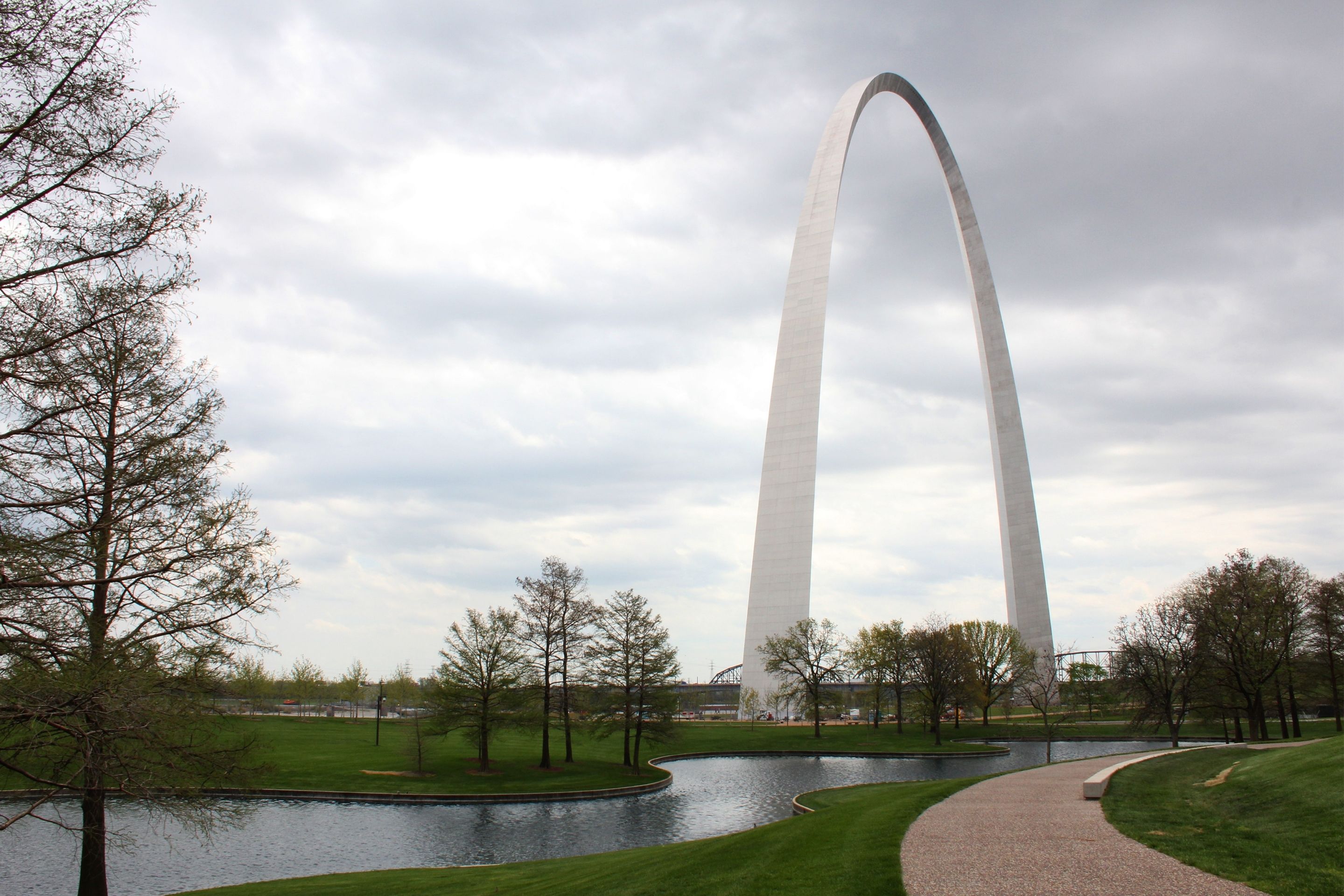
As someone who’s lived in St. Louis, Mo., for nearly a decade, I’m a ride or die for this underrated city. It’s got a diverse, thriving food scene, lovely urban green spaces, and top-tier hiking and climbing within an hour or two drive. One thing I can’t defend, however, is the fact that we have a national park.
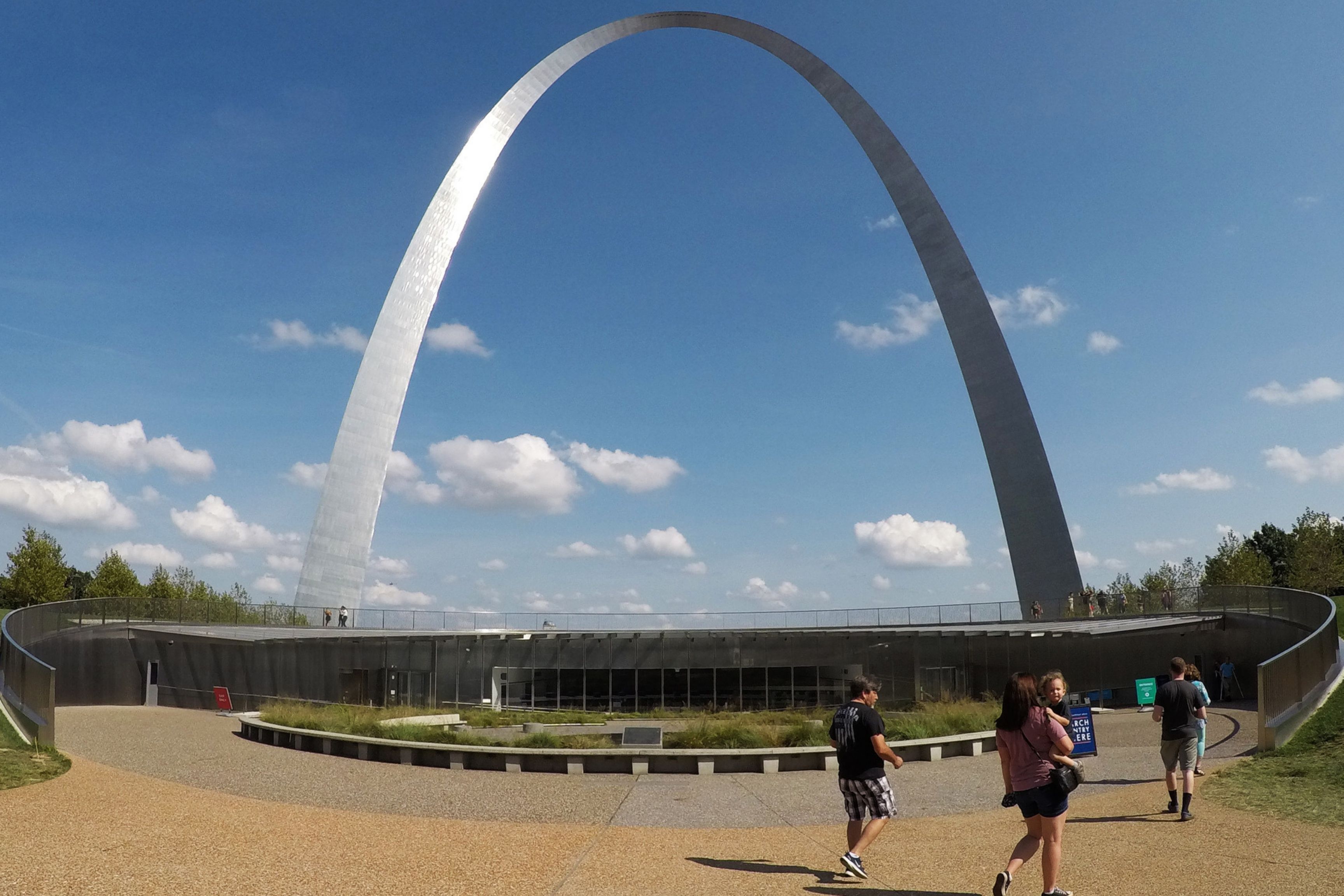
The famous Gateway Arch became a national park in 2018. Compared with the majesty of places like Yosemite and Glacier, the idea that this nature-less, urban area has that status is ridiculous. And now, thanks to the efforts of local Congresspeople, it’s about to get even more absurd.
A new bill introduced into the House would expand Gateway Arch National Park onto the other side of the Mississippi River in Illinois. Here’s what is behind the effort, and why it means doubling down on an existing mistake.
The Bill
All efforts to establish or expand national parks must go through Congress. This measure comes from a bipartisan group of local lawmakers: Nikki Budzinski (D-IL), Mike Bost (R-IL), Wesley Bell (D-MO), and Ann Wagner (R-MO). The bill, entitled the “Gateway Arch National Park Boundary Revision Act of 2026,” would legally allow the revision of the park’s borders.
Gateway Arch National Park currently lies on the riverfront on the Missouri side of the Mississippi River. According to press releases, lawmakers are primarily looking to add Malcom W. Martin Memorial Park, an approximately 30-acre green space on the riverfront on the Illinois side in East St. Louis.
Other neighboring vacant parcels would also be added for a total of about 50 acres. If the legislation passes, the National Park Service (NPS) would make a deal to buy the land from its owner, the City of East St. Louis.
In press releases, representatives spoke of the project’s potential economic benefits. “Since arriving in Congress, fighting for economic development opportunities across the Metro East has been a top priority. That includes doing whatever I can to keep the doors open at Granite City Works and reinvesting in the East St. Louis waterfront,” Representative Budzinski said. “This introduction today represents the first and most important step Congress can take to enable the expansion of Gateway Arch National Park and bring renewed opportunity and energy to our area.”
The measure also has the support of the nonprofit arm that supports the national park, the Gateway Arch Park Foundation.
“Make no mistake, this is the kind of partnership that moves the St. Louis region forward. Think of the example that it sets when Gateway Arch National Park sits on both sides of the Mississippi River. Think of what that example can do for the future of our region and the generations to come, and we’ve seen this, the power of these partnerships before,” Ryan McClure, the organization’s executive director, said in a press conference.
Other supporters include local government agencies like Metro East Park and Recreation District and the Madison County Board. The NPS had no comment, as this is pending legislation.
Why Not Expand?
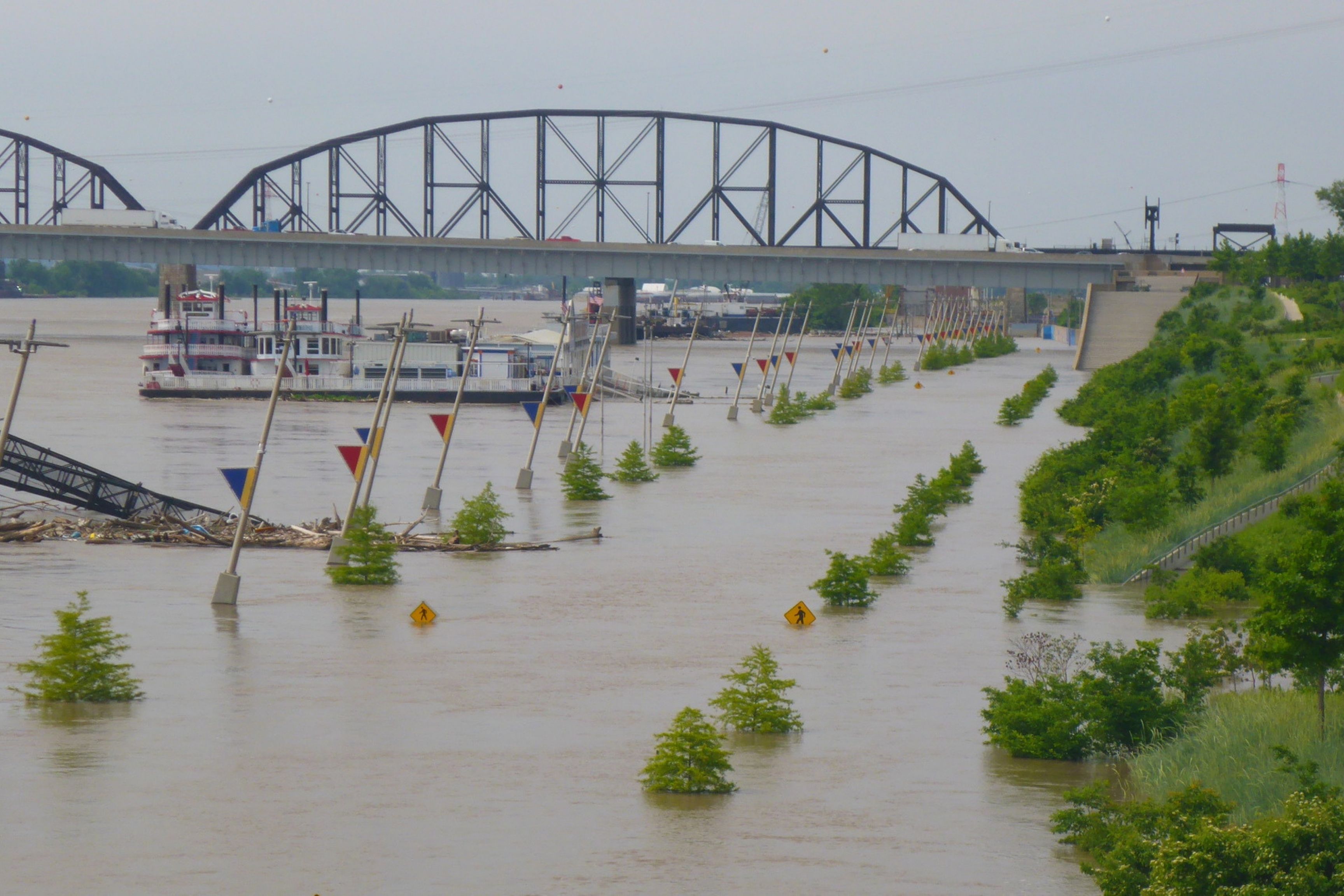
There’s an elephant in the room when it comes to expanding the Gateway Arch National Park into Illinois, and it’s a big one at that: the Mississippi River. Approximately 2,000 feet of water would divide this new section in Illinois from the old one in Missouri.
It is not unheard of for national parks to have noncontiguous areas (Saguaro and Zion both have distinct, separate sections, for example), but typically in those cases, the areas preserve different natural features or offer different visitor services.
In this case, both parts offer the same thing: An urban green space with a view of the Arch and some downtown buildings. Whether people will make the drive over the river for essentially the same thing is unclear.
The primary transportation between these two halves would likely be the Poplar Street Bridge, a nine-lane commuter bridge that is already inundated with traffic, carrying around 100,000 vehicles a day. The interchange to get on the bridge on the Illinois side is a quagmire, with a bunch of lane shifts and exit-only ramps. The last thing people who drive in from Illinois to St. Louis for work need is more traffic, or more confusion caused by additional off-ramps.
An expansion isn’t going to fix the fundamental issue of Gateway Arch National Park: It sticks out like a sore thumb. It has no natural resources or rare species it’s protecting, and doesn’t offer any significant outdoor recreation activities like hiking, camping, climbing, or boating.
The park does bring in money for the region (at least $572 million in 2024, according to a study from the nonprofit Gateway Arch Park Foundation), but a small expansion into the same terrain likely won’t boost that by much. An extra 50 acres won’t solve the issue that even when visitors come to the park, they don’t stay long.
No one plans a week-long vacation around the Arch as they do for Yellowstone, Acadia, or Bryce Canyon. And once you visit the Arch once, there’s no real reason to return. Visitor numbers are also declining. In 2025, 2.2 million people visited, down from 2.5 million in 2024 and 2.4 million in 2023.
As with every governmental project, there’s the question of money. It is not clear how much this project will cost, and, in an email to GearJunkie, the Gateway Arch Park Foundation did not list an exact cost. It will be raising money to go toward pre-development.
The government will only ever appropriate so much money to the NPS, though, and the agency has lost 25% of its staff since Jan. 2025. Many parks are struggling to rebuild from intense flooding and wildfires.
In my mind, whatever federal funds that are spent on expanding the Arch would be better spent on staff, safety, clean-up, research, and wildlife management in other parks. In a time when the state of parks seems so dire, it is worth asking how best to allocate resources to this beloved American system.