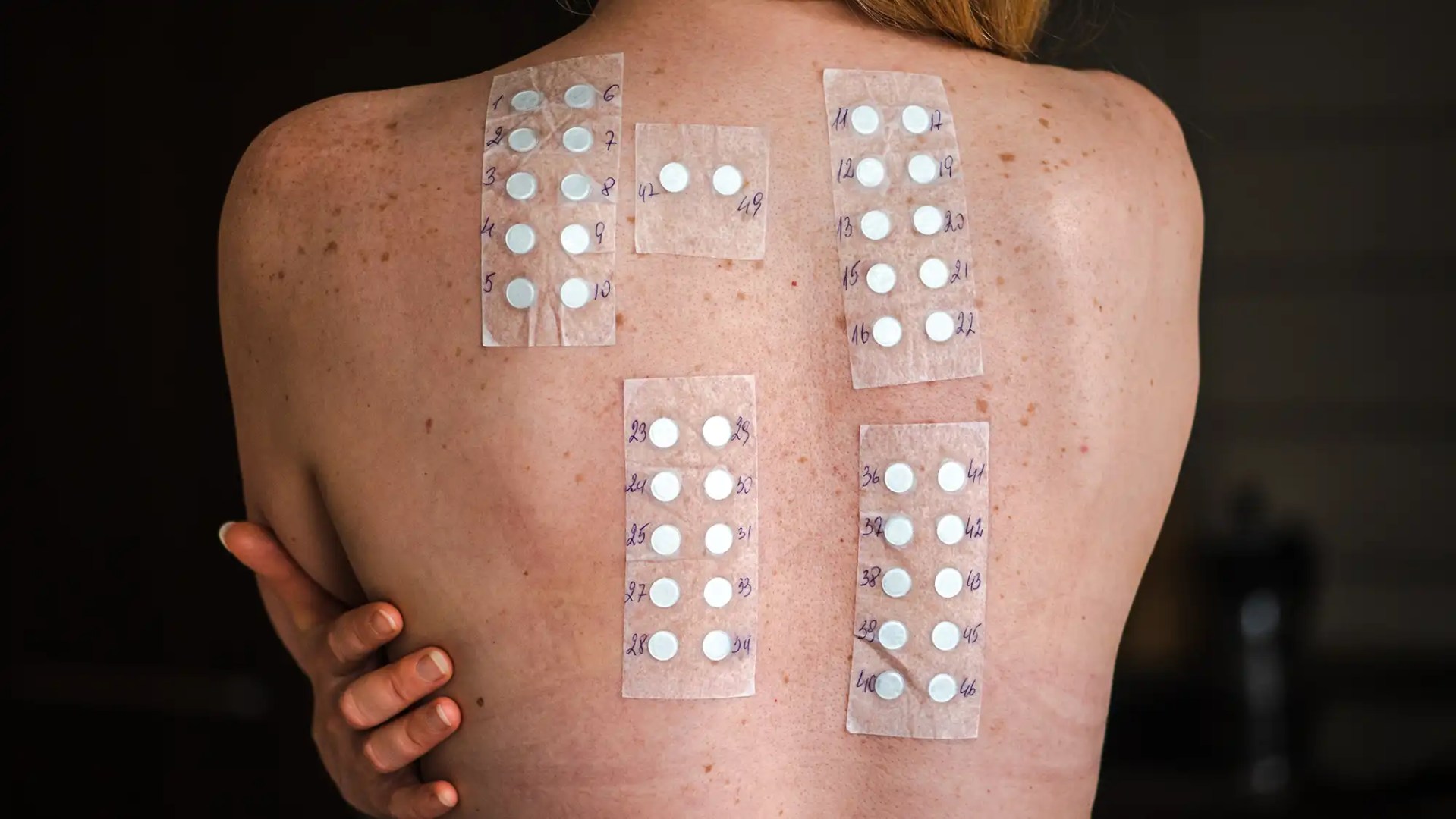
Until December 2024, I never imagined that a skin rash could send me into a panic. My burning skin had become so severe that it woke me in the middle of the night and sent me rushing into the bathroom, where I took a cold shower and slathered my body with various creams in an attempt to quell the maddening itch.
It started months earlier when I was still living in Medellin, Colombia. Now back in Atlanta, the malady had only grown worse. Dermatologists in both Colombia and the United States were convinced that I had contracted a parasite or fungus.
As medications for those diagnoses failed, I was prescribed high doses of steroids. Those drugs managed to quell the itch and most of the symptoms, but also caused side effects arguably worse than the skin rash.
I experimented with various lifestyle changes to solve the problem while cycling through half a dozen skin specialists. I now have three permanent scars where doctors performed biopsies, slicing off chunks of my skin in an attempt to find the culprit.
Nothing solid could be determined — until this summer. In May, another round of allergy testing confirmed what I had begun to suspect over a year ago: My rash is an allergy to the dyes used on synthetic fibers.
This discovery led me to investigate the chemicals in our clothes — and the consequences of ignoring them.
Check GearJunkie’s apparel recommendations for sensitive skin.
Fabric Dye Allergies Facts
- Dye allergies: It’s unclear how many people have allergies to the dyes used in synthetic fabrics, but research suggests it could be millions of people in the U.S. alone. The allergy causes itchy rashes that spread across the body, and it can be difficult to diagnose.
- Which dyes? Azo dyes and disperse dyes are two types of dyes that can be toxic. They’re found in most synthetic clothing and remain among the most commonly used dyes in the world, even as many specific colors have been banned for their toxicity.
- How can you avoid them? Opting for natural fibers, rather than synthetic ones, is a good start. In addition, many people with sensitive skin opt for lighter colors, like white or gray, that are less likely to have toxic dyes.
- Why it matters: While private companies like Oeko-Tex help buyers find less-toxic apparel, the world of fabric dying is remarkably opaque. Beyond choosing natural materials and avoiding dyed garments, it’s incredibly difficult to trace textile chemicals, given the global supply chain of most apparel.

A Long Road to Diagnosis
Why did it take 2 years to figure out what was actually happening to me? It’s a question I have spent a lot of time trying to answer.
Ultimately, the allergy diagnosis came from patch testing. This is when dermatologists place dozens of common allergens against your skin. You keep them on for a few days, and then the doctors peel them off to see if anything caused an allergic reaction.
I was patch-tested by an Atlanta dermatologist early on. But patch-testing requires you to abstain from preventative drugs (including the steroids). After just a week of going off the steroids, my skin was so inflamed that the patch test was inconclusive.
Fast-forward a year, and I was patch-tested again, during a period when my skin wasn’t nearly as inflamed. This time, I finally got the Eureka moment I needed. I tested positive for an allergy to “disperse dyes,” which are used to color synthetic fabrics like polyester and nylon.
The results confirmed a long-time hypothesis of mine: that this chronic problem was actually caused by the performance apparel I’d been testing for the last several years. I reached that conclusion mostly through logic. I’d never had a skin allergy in my life, so why was I experiencing one now? What had changed? The biggest change, I reasoned, was access to much more performance apparel as an outdoor gear-tester.
Even before the official diagnosis, I had tried solving the problem by avoiding synthetic clothing as much as possible. But it didn’t work — mostly because I didn’t realize how many clothes contain allergenic dyes.
Why Am I Allergic Now?
I had never thought about dye allergies until I was diagnosed with one. That’s probably true of most people — but most people don’t review gear for a living.
I did own some synthetic clothing prior to starting at GearJunkie nearly 4 years ago. But my wardrobe expanded to include much more polyester and nylon as I began testing more gear. Have I always had this allergy? Did I develop it later in life, as often happens? It’s hard to know. I certainly never had any issues like this until summer 2024.
Living with this chronic medical problem hasn’t been easy. A single reaction to these dyes causes a rash that stays on my body for weeks, even without repeat exposure. So if I go for a run with a polyester shirt, I end up with an itchy rash that lasts for several weeks — assuming I manage to completely avoid dyes during that time.
It’s been a tough lesson for me. At 39 years old, I’ve been healthy for most of my life — a lucky roll of the dice that I now view as a privilege. Dealing with an undiagnosed illness for 2 years forced me to confront realities that were previously just theoretical: America’s dystopian healthcare system, a dearth of government regulation, and the difficulty of investigating what chemicals end up in the clothes we wear.

How Prevalent Are Dye Allergies?
It’s not clear how many people are negatively affected by the dyes used in synthetic fabrics, but conservative estimates suggest that millions of Americans could have a sensitivity to them.
Most of the world’s clothing is now made with synthetic fibers derived from petroleum, and continues to increase. Simply put, polyester and nylon are plastics. And if you think about what it might take to “dye” a plastic bag, then you’ll begin to understand why the dyes used on synthetic fibers can cause allergic reactions: They’re chemicals made for plastic — not human skin.
There’s still a dearth of research on these dyes, despite their ubiquity. Some European studies have found that as many as 25% of people who underwent patch testing showed allergic reactions to at least one textile dye. However, other studies have found far lower rates of 1% or less.
But even if only 1% of people share my allergy, that would still be 3.4 million people in the U.S. alone. And if you want an idea of just how awful my rashes look, this case study will show you.
On one hand, it’s a relief to finally have a name for my predicament.
On the other hand, I realized that avoiding this problem will require a level of diligence I’ve never had to face. In the United States, there’s little regulation of the chemicals used in clothing. As a result, toxic chemicals have become prevalent in nearly every aspect of our lives — and the burden of avoiding them is almost entirely on us.
Growing Concerns Over Dyes
When I tested positive for an allergy to “disperse dyes,” my first question was: What the heck are disperse dyes? This seemingly simple question led me down another rabbit hole.

I would have loved a long, in-depth conversation with a dermatologist or other specialist about this allergy. But I quickly realized that wasn’t going to happen.
If you’ve had experience with the American healthcare system, then you probably understand why. I’ve never had a specialist spend more than 10 minutes in a room with me. And they never seem to actually hear half the things I say. So rather than spending another 6 months on a waiting list for a one-sided “conversation,” I realized that I’d have to figure things out on my own.
Thanks to the successful patch testing, I finally had hard data to help me get started. I tested positive for an allergy to several dyes, but that could also mean I’m allergic to many more dyes that weren’t included in the patch test. I soon discovered that I would need to avoid all synthetic fibers — and even many natural ones.
After all, trying to avoid specific dyes is a fool’s errand. Even most brands don’t know what specific dyes are used in their apparel. I asked many brands about this over the last few months, and few were able (or willing) to give hard answers.
But existing research identifies two categories of dyes known to cause allergies: azo and disperse dyes. They are the most commonly used dyes worldwide for synthetic fabrics. They’re also the most likely to cause allergies, yet most of us know nothing about them.
Azo Dyes & Disperse Dyes
Disperse dyes were engineered for water-resistant fabrics. So instead of working through solubility or dispersion in water, they color fabrics like polyester, nylon, and polyamide via “molecular dispersion.” Chemistry isn’t my strong suit, but you can find more information about this process from Alfa Chemistry, a New York–based research organization.

These dyes have existed in clothing for decades. The American Contact Dermatitis Society named Disperse Blue Dyes as the “allergen of the year” back in 2000 (something they do every year, it turns out). As ongoing research shows that large numbers of people are allergic to disperse dyes of many different colors, more and more of them have been added to standard allergy testing.
And disperse dyes aren’t even the most harmful dye. That dubious distinction goes to azo dyes. These synthetic, nitrogen-based dyes have wider application than disperse dyes and are used on both synthetic and organic fibers.
Azo dyes produce bright colors and maintain their vibrancy even after repeated washing. But they’ve also been shown to cause dermatitis and even cancer, and are a “significant source of water pollution,” according to researchers.
Many specific types of azo and disperse dyes have been banned in the textile industry. Despite the growing awareness of their toxicity, both of these dye categories remain dominant within the global textile industry. Azo dyes still account for at least half of all dyes used worldwide in textiles. And disperse dyes are present in at least 35% of the global garment industry.
‘Toxic Fashion’
It’s only in recent years that more consumers have begun questioning whether petroleum-based fabrics are truly safe to wear. Alden Wicker is one of the few journalists who has delved into the obtuse world of toxic fashion. I’d highly recommend her book: To Dye For: How Toxic Fashion is Making Us Sick — And How We Can Fight Back.
In this well-researched expose, Wicker tracks down fashion industry workers and others who ended up with the same symptoms as me — just from wearing toxic clothing. She notes that government regulation has lagged for years behind the industry.
It’s also harder to track apparel’s manufacturing cycle. In the context of a global supply chain — where clothes often begin their lifespan on the other side of an ocean before finally arriving in the United States — plausible deniability becomes the norm.
“While beauty and cleaning products and packaged foods come with an ingredient list, fashion does not,” Wicker wrote. “How could it be that we know so little about something that plays arguably the most intimate role of any consumer product in our daily lives?”
Oeko-Tex Certification
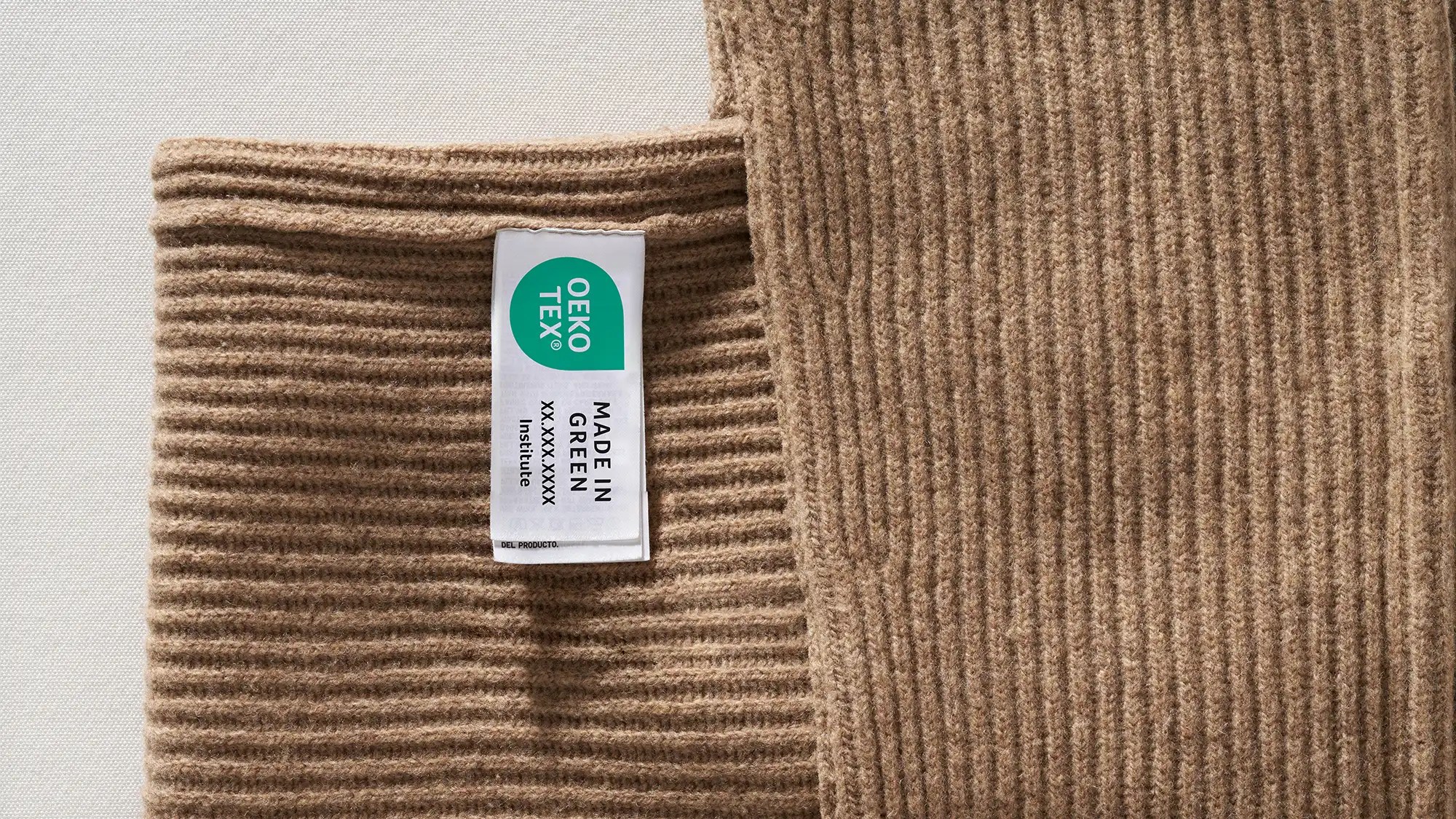
As more Americans seek help understanding how clothes are made, two organizations (Bluesign and Oeko-Tex) have gained significant influence. They’re both based in Europe — Bluesign is Swiss, and Oeko-Tex is based in Germany — and they both test a range of consumer products.
But there’s an important difference. Oeko-Tex tests the final product to ensure that it’s safe to wear or use. Bluesign, on the other hand, focuses on auditing the entire manufacturing chain to see whether a product was made sustainably.
That makes Oeko-Tex more salient for those of us trying to find clothing that won’t cause skin rashes or other health problems. Founded in 1992 by the Howenstein Research Institute and the Austrian Textile Research Institute, it has now tested products from tens of thousands of businesses around the world.
You’ll find many outdoor brands now tapping Oeko-Tex to earn Standard 100 certification for gear and apparel. Paying for this certification means “every thread, button and accessory have been tested against a list of over 1,000 harmful substances,” according to Oeko-Tex.
However, it’s important to note that this is a voluntary action, and Oeko-Tex is still a private organization. Outdoor brands pay Oeko-Tex to test their products, leading to self-selection of brands that earn approval. Moreover, Oeko-Tex doesn’t even have laboratories located in the U.S., said Ben Mead, a representative for the American office of the Howenstein Research Institute.
“There’s not a lot of regulatory pressure that’s forcing companies to do this. The ones that are doing this are going above and beyond,” Mead told GearJunkie. “We see a lot of interest from U.S. brands that are startup brands or private label brands competing with well-known brands. The well-known brands tend to rely on their customer goodwill rather than saying ‘We need to prove something’.”

Just Wear Cotton?
So, can you just buy Oeko-Tex certified products and be sure you’re safe from dermatitis? Not really, though it’s a good start. Some disperse dyes are still not considered allergenic by Oeko-Tex, which relies on a combination of medical research, toxicological assessments, and government regulations to determine what is actually toxic.
In my experience, many shirts and other Oeko-Tex-approved apparel have still caused skin rashes. That means they contain dyes or other chemicals that are allergenic — at least for me. And therein lies the problem: Am I the weird one? After all, not every allergy on the face of the planet is common enough to warrant an industry-wide prohibition.
Perhaps the only thing we know for sure is that there’s too much we don’t know.
“To give somebody a list of what is in their product is challenging,” Mead said. “There are going to be things that could have been used in manufacturing that may not show up in the product… People are so different. Your reaction to a product may be different than mine. That poses a challenge to the whole thing.”
For dermatologists, the answer becomes simpler: Just wear “light-colored” cotton, linen, or wool instead of synthetic fibers. This approach has mostly worked for me. But what about apparel that I can use for outdoor activities? Finding those solutions required a lot of (very itchy) trial and error. Check out my recommendations in the follow-up story linked below.