Nothing ruins a hot hike or a freezing morning faster than a lukewarm drink. The best insulated water bottles reliably keep ice water frigid, coffee steaming, and hydration effortless.
Lead tester Meg Carney and GearJunkie Editor Chris Kassar put six of our top insulated water bottles through a rigorous 9-month testing cycle. To directly compare temperature retention, lid usability, and leak resistance, we logged over 150 hours on the trail, 3,000 multi-state road trip miles, and hundreds of daily office hours. These bottles weathered continuous, real-world use across scorching Colorado foothill hikes, hot-weather gravel rides, and the daily commute.
This year, we crowned the Hydro Flask Wide Mouth Travel Bottle as our best overall pick for its dependable insulation, rugged build, and highly flexible straw-or-chug lid system. Meanwhile, the Owala FreeSip Vacuum Water Bottle earned our budget award for delivering a clever hybrid spout and impressive cold retention at an approachable price.
Since 2021, our team of five experts has vetted more than 40 insulated water bottles.
Editor’s Note: We updated our Best Insulated Water Bottles guide on May 16, 2026, adding newly crowned best overall and budget picks, refreshed reviews, updated performance ratings, and a revised comparison chart.
The Best Insulated Water Bottles of 2026


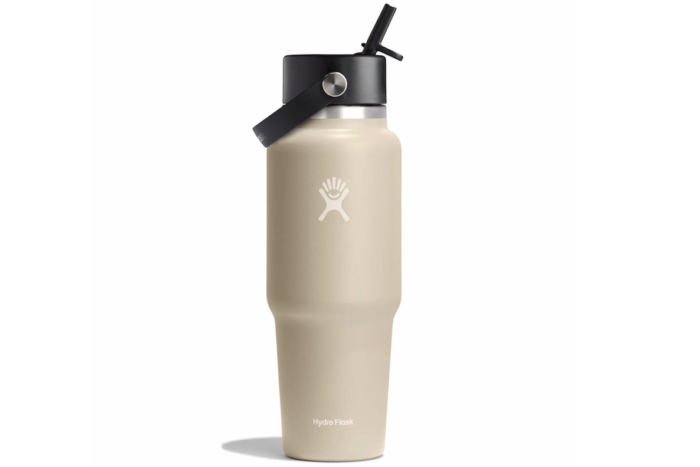
Hydro Flask Wide Mouth Travel Bottle
-

-
(Photo/Elk Raven Photography)

Specifications
Pros & Cons
Pros
- Excellent insulation
- Works with both straw and chug caps for flexibility
- Durable and well-built
- Easy to clean and add ice
Cons
- Heavy when full
- Too wide for some cup holders
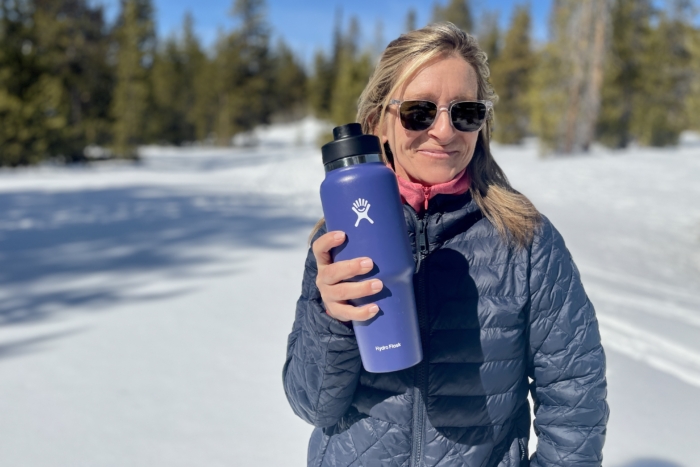
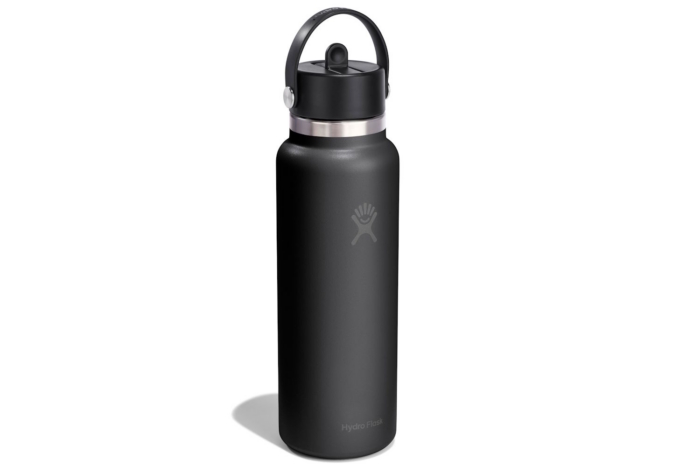
For everything from long hikes to road trips to office days, the Hydro Flask Wide Mouth Travel Bottle ($50) is the do-it-all insulated container we grab first. It takes Hydro Flask’s reliable insulation and durable build, then adds a more versatile drinking setup with both straw and chug cap compatibility.
The Tech: This stainless steel bottle uses double-wall vacuum insulation to keep drinks cold or hot for hours. The wide mouth makes it easy to clean and load with ice. The big advantage here is the lid flexibility, as it works with both the Flex Straw Cap for easy sipping and the Chug Cap for faster drinking. The powder coat finish adds grip, and the size options let you choose your preferred capacity.
What We Like: Testing the 32-ounce version on multi-state road trips and scorching summer day hikes in the Colorado foothills, Kassar found it hit a nice balance of capacity and usability without feeling overly bulky. It kept ice intact for a full 24 hours. We have also dropped it on rocky trails without denting it, despite some outside reviews raising durability concerns.
What We Don’t: The 32-ounce size gets heavy when full. The tapered shape is a huge improvement over the original, but it can still feel awkward in smaller car cup holders.
Should You Buy It? Anyone needing one reliable insulated bottle for daily hydration, travel, and general adventure use will find this to be a fantastic choice. Compared to the Stanley Quencher, the Hydro Flask is more pack-friendly and leak-resistant, while the Stanley is better for straw sipping in the car. It stands as a strong all-around pick with dependable insulation, tough construction, and plenty of lid flexibility.
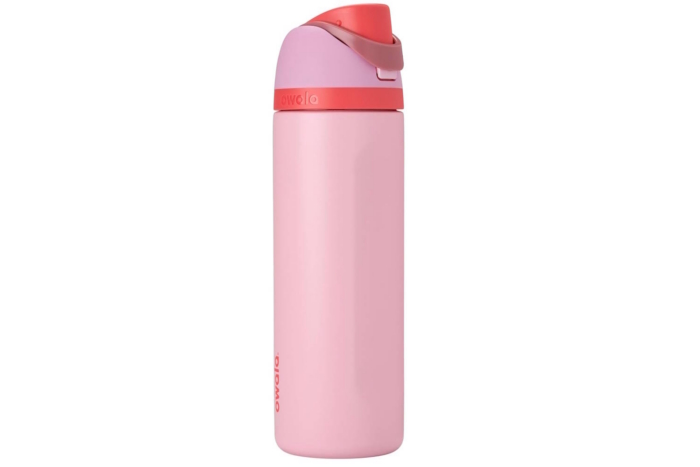
Owala FreeSip Vacuum Water Bottle
Specifications
Pros & Cons
Pros
- Well constructed flip top lid
- FreeSip spout for sipping or gulping
- Tough powdercoating
Cons
- Handle doesn't lock out
- Not for use with hot liquids
Proving that an affordable insulated bottle doesn’t have to feel basic, the Owala FreeSip Vacuum Water Bottle ($30) is a brilliant daily driver. Its standout spout design makes it one of the easiest bottles to drink from, whether you are sipping casually at your desk or gulping water after a workout.
The Tech: The big draw is its hybrid lid, which combines a built-in straw for upright sipping with a wider opening for chugging. The push-button flip-top cover keeps the mouthpiece protected, and the carry loop doubles as a lock. Its triple-layer vacuum insulation keeps water cold all day, giving it far better temperature retention than cheaper plastic bottles.
What We Like: This bottle proved effortlessly easy to use during sweaty indoor climbing sessions and long office days, according to Belcaster. You do not have to tilt it back if you do not want to, but you can still chug when you need more water fast. For the price, the insulation, lid design, and daily usability are hard to beat.
What We Don’t: Because of the built-in straw, this bottle is not meant for hot liquids. The carry loop also flops around when left in the up position, which is a small but annoying detail.
Should You Buy It? Grab this if you want an affordable, easy-sipping insulated bottle for everyday carry, workouts, commuting, or office use. Compared to the CamelBak Eddy+ Water Bottle, the Owala is cheaper and offers a much better flow rate, though it lacks the hot-drink compatibility of standard wide-mouth bottles. For daily cold-water use, it is a standout value.
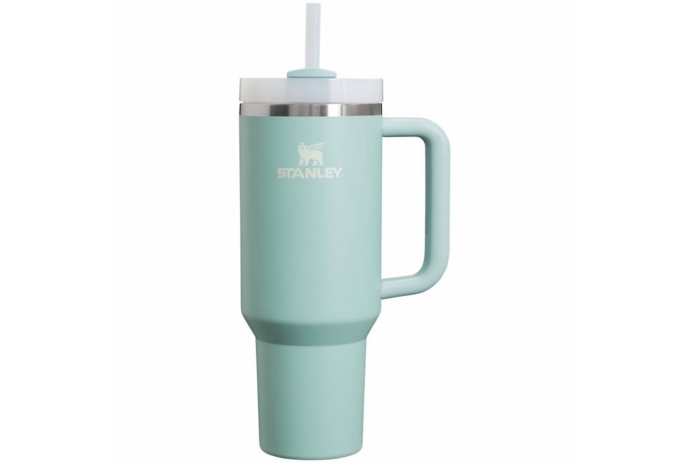
Stanley Quencher H2.0 Flowstate Tumbler
Specifications
Pros & Cons
Pros
- Car cup holder compatible even in larger sizes
- 3-position lid including reusable straw
- Large handle improves grip
Cons
- Lid is not leak-proof
- 40 fl. oz. size is quite heavy
At larger volumes, many insulated bottles become too bulky for the car, but the Stanley Quencher H2.0 Flowstate Tumbler ($45) solves that problem beautifully. It acts as the ultimate bottle-tumbler hybrid for anyone who wants big capacity, easy sipping, and dependable cupholder fit.
The Tech: The Quencher uses double-wall vacuum insulation and a three-position lid with a reusable straw, a wider drinking opening, and a partial cover. The handle makes it easier to carry than most large-capacity bottles. Furthermore, the narrow base fits in car cup holders better than many traditional insulated bottles this size.
What We Like: Belcaster brought the Stanley Quencher on a drive into the mountains for an overnight backpacking trip. He left it half full in the car overnight and still had ice-cold water the next afternoon after the vehicle had been baking in the sun. The straw is especially nice while driving because you can drink without tipping the tumbler back.
What We Don’t: The rotating lid does not seal. We tested it with food coloring, turned it on its side, and it leaked almost immediately. This is not the bottle to toss into a backpack or duffel.
Should You Buy It? This is a perfect match if your bottle mostly lives in a car cup holder, on a desk, or around the house. Compared to the YETI Rambler Chug Water Bottle, the Stanley is easier for all-day sipping while driving, but the YETI is the much better choice if you need a leakproof bottle for packs and rough travel. For road trips and desk work, the Quencher is incredibly easy to love.
YETI Rambler Chug Water Bottle
-
-
-
(photo/Nick Belcaster)


Specifications
Pros & Cons
Pros
- Retains temperature very well
- Fits in most cup holders
- Available in a wide variety of colors, sizes, and lid types
Cons
- Standard issue Chug cap isn’t for everyone
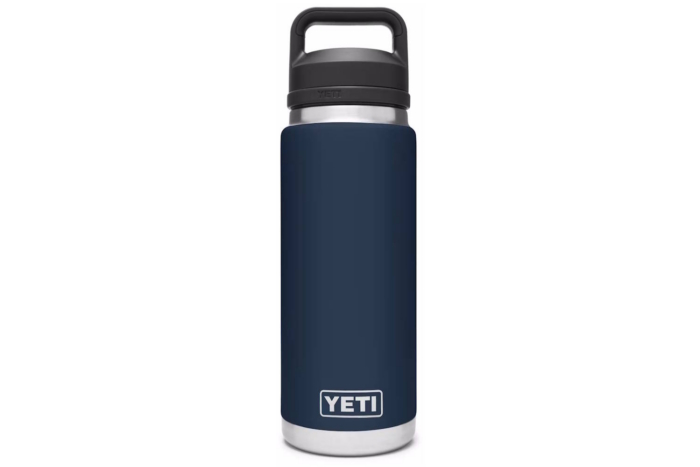
The YETI Rambler Chug Water Bottle ($40) is the bottle we grab when durability matters more than shaving ounces. It is a little heavier than some competitors, but that extra heft gives it the tough, knockaround feel YETI is known for.
The Tech: This 26-ounce bottle uses stainless steel construction, double-wall vacuum insulation, and a shatter-resistant Chug Cap. The two-part cap gives you a narrow drinking spout, so you can take big gulps without dumping ice down your face. The bottle is also compatible with several other YETI lids, adding versatility if you want to customize it for commuting, camp, or daily use.
What We Like: While guiding climbing trips in Joshua Tree, Belcaster dragged this bottle through dirt and banged it against rocks. It shrugged off drops and dings that would have beat up lighter bottles. The insulation was also excellent in desert heat, keeping water cold when we wanted every gulp to count. It feels overbuilt in the best way possible.
What We Don’t: The Rambler is heavier than bottles like the Hydro Flask Wide Mouth Travel Bottle, and that weight is noticeable when it is full. It is not the most streamlined option for lightweight hiking or travel.
Should You Buy It? Rugged outdoor users who are hard on gear and want a bottle that can take real abuse will appreciate this build. Compared to the Stanley Quencher, the YETI is less convenient for casual straw sipping but far better for tossing in a pack, truck bed, or climbing kit. It remains the durable, leak-resistant workhorse of the lineup.
Bivo Trio Insulated Water Bottle
Specifications
Pros & Cons
Pros
- Easy one-handed on-the-go hydration
- Keeps water super cold & delicious all-day
- Leak proof & grippy
- 100 % recyclable
- Lightweight
- Quiet, great fit in most bike cages
Cons
- Cap requires separate purchase
- Shows scratches and dings
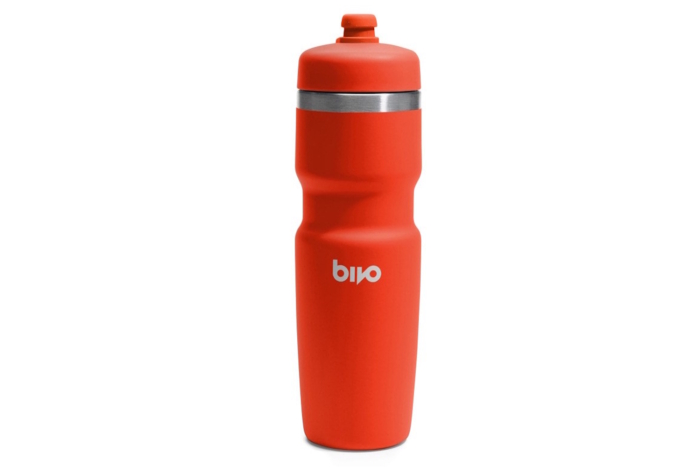
Built for riders who want cold water without the plasticky taste or squeeze-bottle hassle, the Bivo Trio Insulated Water Bottle ($49) redefines cycling hydration. Instead of forcing you to squeeze, the gravity-fed nozzle delivers a fast, steady flow with a simple tip of the bottle.
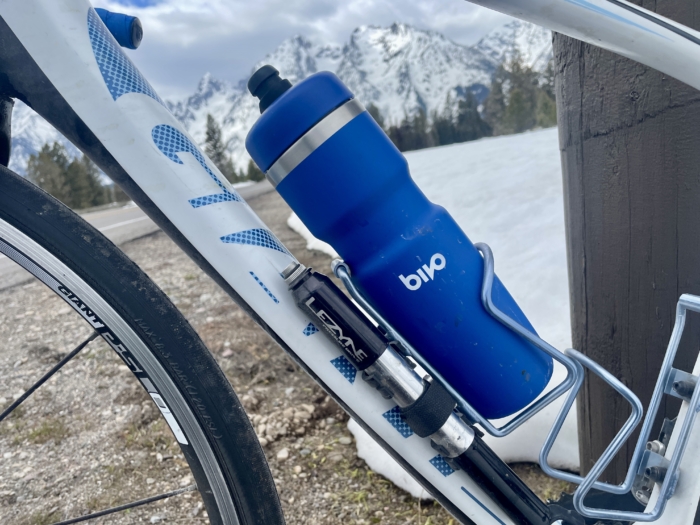
The Tech: This 21-ounce insulated bottle uses stainless steel construction, a high-flow sports nozzle, and a grippy silicone coating that helps reduce cage rattle. It is designed to fit standard bike cages seamlessly. The double-wall insulation keeps drinks cold for over 12 hours, making it a better hot-weather option than most plastic cycling bottles.
What We Like: Kassar found the Bivo Trio kept water noticeably colder than plastic bottles like the CamelBak Podium Big Chill while bombing down washboard gravel roads in peak summer. In side-by-side testing, the stainless steel build also made the water taste much cleaner. The flow rate is excellent, the bottle is easy to grab with sweaty hands, and the quiet cage fit is a nice bonus on rough roads.
What We Don’t: We wish it came with the Dusty the Dirt Cap instead of requiring a separate purchase. The silicone coating can also show scratches and dings over time, though that does not affect performance.
Should You Buy It? Cyclists wanting a premium insulated bottle specifically for gravel riding, road riding, or hot-weather training should invest in this model. Compared to the CamelBak Podium Big Chill, the Bivo requires a larger upfront investment, but it delivers unmatched temperature retention and a far cleaner taste. It truly earns its premium price tag.
Thermos Funtainer Bottle With Straw
Specifications
Pros & Cons
Pros
- Perfect size for lunch boxes and backpacks
- Built-in straw is easy to manage for kids
Cons
- Can leak from air hole if not closed properly
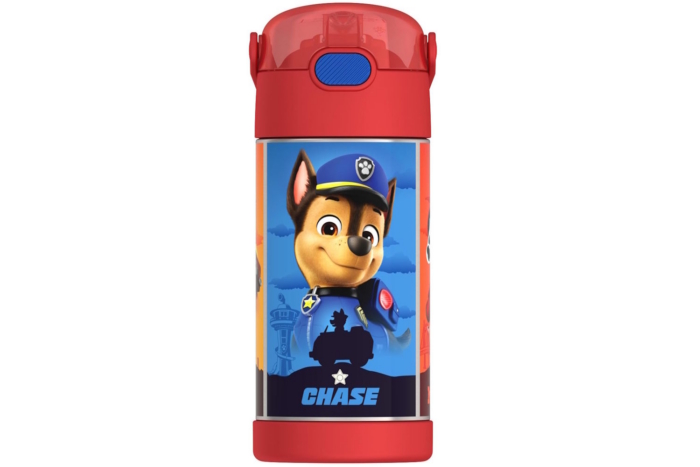
Making it easier for children to stay hydrated, the Thermos Funtainer Bottle With Straw ($20) is a small, durable, kid-friendly insulated container. It is affordable, easy for small hands to manage, and comes in enough colors and patterns to make it more exciting than a plain stainless steel bottle.
The Tech: This 12-ounce bottle relies on BPA-free stainless steel and vacuum insulation to keep drinks cold for up to 12 hours. The push-button lid pops open to reveal a soft built-in straw for quick sipping. The compact shape fits easily into crowded school bags, lunch boxes, and kid-size packs.
What We Like: The Funtainer held up remarkably well while rolling around in playground backpacks and surviving the normal chaos of kid use, as Belcaster can attest. The size is just right for younger kids, and the straw lid makes it easy to drink from without unscrewing a cap. For the price, the cold retention and durability are highly impressive.
What We Don’t: The 12-ounce capacity is small, especially for bigger kids or longer days. The lid also has to be fully clicked shut to prevent leaks. If it is left partially open and tips over, water can easily leak from the internal air hole.
Should You Buy It? Parents needing an affordable, durable insulated bottle for school, daycare, short outings, or lunch boxes will find this to be a dependable pick. Compared to the Owala FreeSip, the Thermos is smaller and more kid-specific, while the Owala is better for adults or older kids who need more capacity. For little hands and everyday school use, it is a clear winner.
More Insulated Water Bottles to Quench Your Thirst
Specifications
Pros & Cons
Pros
- Filter has a built-in flow indicator
- Membrane Microfilter has a lengthy lifespan for the size
- Dual filters are replaceable
- Stainless steel design is durable and easy to clean
Cons
- Frequent carbon filter replacements
- Filter can not remove chemicals from water
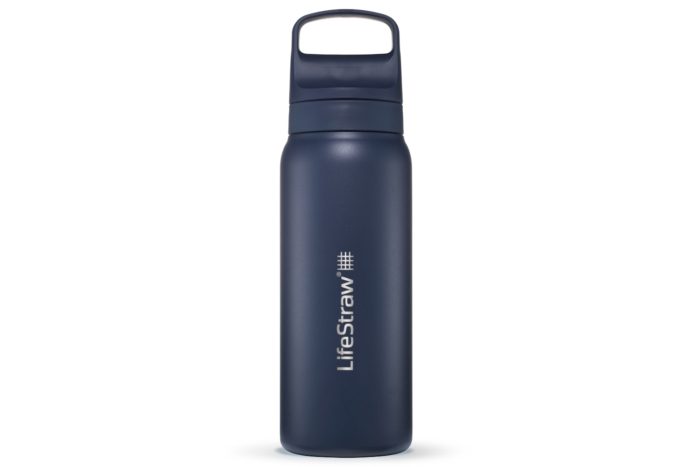
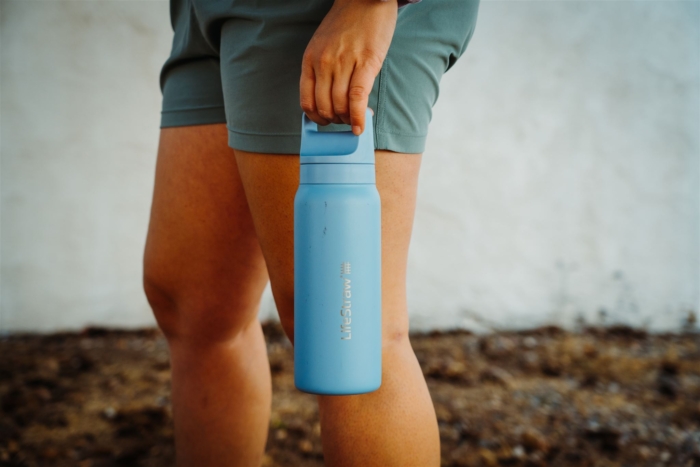
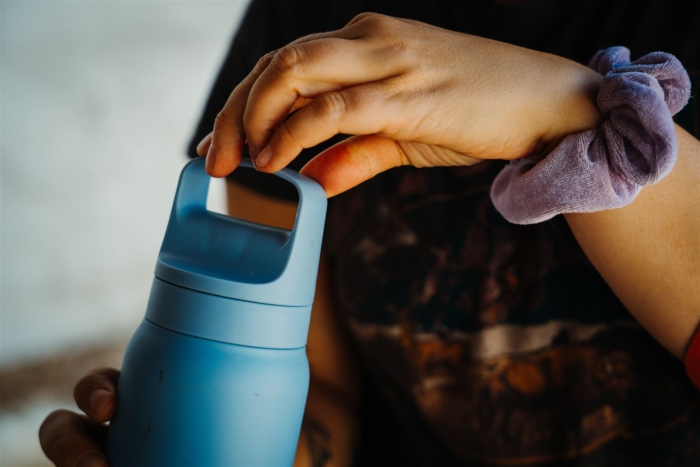
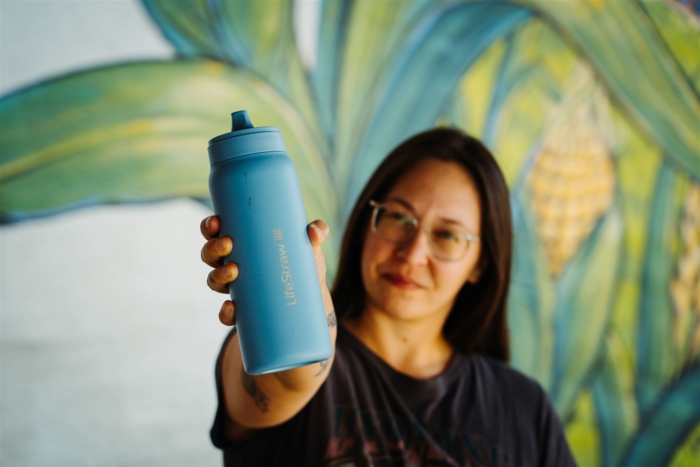
When clean water matters as much as cold water, the LifeStraw Go Water Bottle ($60) stands out as a brilliant choice. It serves as a smart pick for travel, long hikes, and adventures where refilling from questionable taps or natural water sources is part of the plan.
The Tech: This stainless steel bottle utilizes double-wall vacuum insulation and a built-in two-stage filtration system. The Membrane Microfilter removes bacteria, parasites, microplastics, sand, dirt, and cloudiness. Meanwhile, the activated carbon filter helps improve taste by reducing chlorine and some organic chemicals. The microfilter can last up to 1,000 gallons, but the carbon filter needs more frequent replacement.
What We Like: Carney put the stainless steel version to the test on long hikes and international travel. Having the ability to safely refill from natural sources and sketchy airport taps made hydration completely stress-free. The insulation kept water refreshingly cold on hot days, and the metal build felt much more durable and easier to clean than an uninsulated plastic filter bottle. We also appreciate that both filters are replaceable, which extends the usable life of the vessel.
What We Don’t: The carbon filter requires replacement every couple of months, which adds upkeep and cost. It also does not remove harmful chemicals like PFAS, so it is not the right tool for heavily contaminated industrial water sources.
Should You Buy It? Travelers and hikers looking for an insulated bottle with built-in filtration will get immense value from this setup. Compared to the Klean Kanteen Insulated TKWide, the LifeStraw Go adds slightly more maintenance with its filter replacements, but it provides crucial water purification the Klean Kanteen lacks. For clean-tasting water on the move, it remains a highly practical adventure companion.
Specifications
Pros & Cons
Pros
- Leakproof design is effective
- Option to lock the lid
- Taste-free bottle
- Fits in versatile cycling setups
- Affordable price
Cons
- Insulating is just okay and doesn’t last long in summer
- Cap is hard to clean
- Internal cap plug can easily be lost
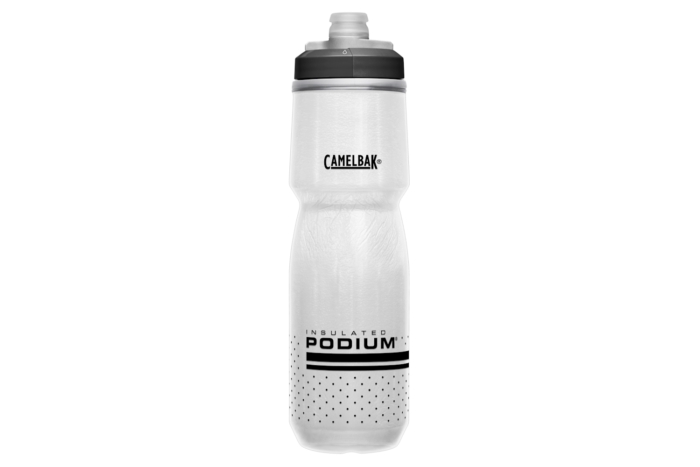
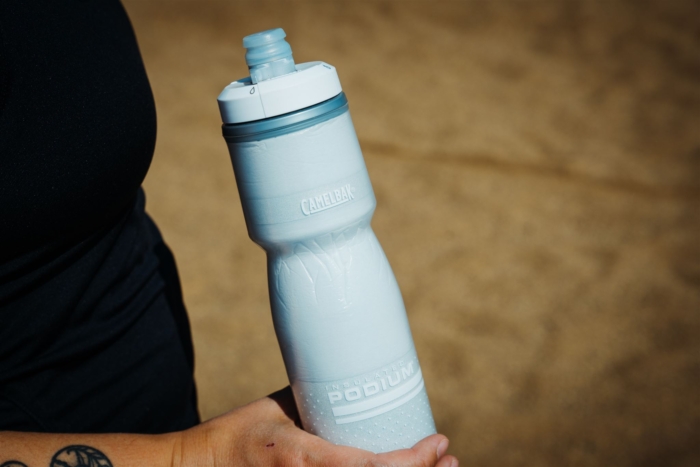
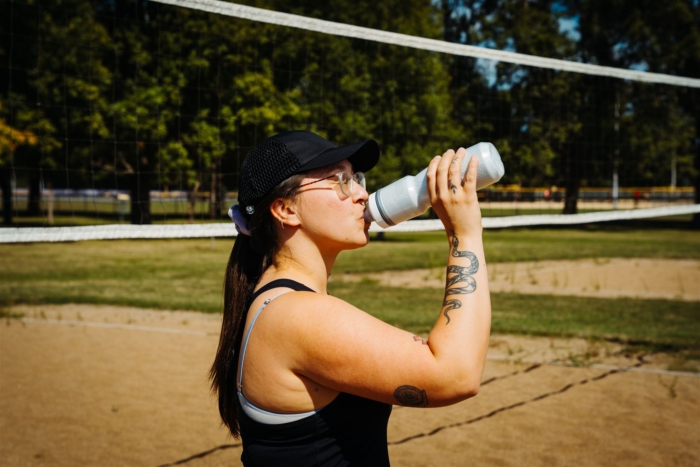
Riders wanting easy hydration and a good cage fit without jumping to a pricey stainless steel option will appreciate the CamelBak Podium Big Chill ($20). This lightweight, affordable cycling bottle keeps water cooler longer than a standard squeeze bottle.
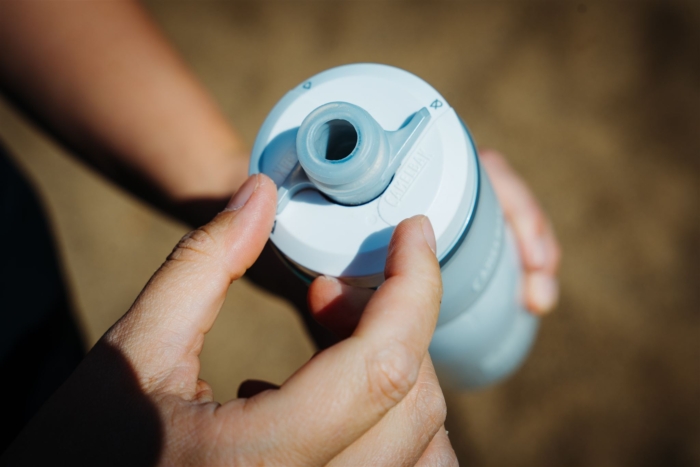
The Tech: This 24-ounce bottle uses double-wall plastic construction to slow warming. It relies on CamelBak’s self-sealing cap and a positive lockout for leakproof transport. The squeeze design delivers a high flow rate while riding, and the shape easily slides into most bike cages and cycling setups.
What We Like: During sweaty summer gravel rides, the Podium proved incredibly easy to drink from, squeeze, and secure in every bottle cage we tried, according to Carney. We loved that it did not leak, even when left in the open position while bombing down rough roads, and the water did not pick up a plasticky taste in the sun. For the low price, it represents a solid upgrade over a basic cycling bottle.
What We Don’t: The insulation is only average. It keeps drinks cooler than a standard single-wall bottle, but water eventually reaches ambient temperature on long, hot rides. The cap is also fussy to clean, and the internal plug can easily go missing when disassembled.
Should You Buy It? Budget-minded cyclists and gym-goers who want an affordable squeeze bottle for warm-weather workouts will love this reliable standby. Compared to the Bivo Trio, the Podium is cheaper and lighter, but it does not keep water cold as long or taste as clean as metal. It absolutely gets the job done for high-heart-rate efforts.
-
-
(photo/Nick Belcaster)
-
Staying hydrated on the trail is easier with our overall top pick from Hydro Flask.


Specifications
Pros & Cons
Pros
- Long-standing cold and heat retention
- Slim profile fits into many pockets and cupholders
- Wide mouth accommodates ice cubes
Cons
- Not impervious to dents
Sometimes, you just want the original standby. The Hydro Flask Wide Mouth Bottle ($50) remains one of the most dependable insulated containers we have tested, packing excellent temperature retention and the kind of everyday usability that makes it easy to reach for over and over again.
The Tech: Double-wall vacuum insulation and pro-grade stainless steel construction help keep drinks cold for up to 24 hours and hot for up to 12. The wide mouth makes it easy to add ice, scrub the interior, and fill it quickly. The powder-coated exterior adds secure grip, and the bottle comes in a wide range of sizes, including 20, 24, 32, 40, and 64 ounces.
What We Like: In side-by-side testing on hot summer days at the crag, Belcaster reached for the Wide Mouth more often than the Standard Mouth because loading it with block ice was so much easier. The 40-ounce size works perfectly for all-day outings, and the slimmer profile still fits many pack pockets. We also love the massive color lineup.
What We Don’t: It is highly durable, but it is not completely dent-proof. Dropping it onto hard concrete from a good height can leave dings, especially if you treat your gear rough.
Should You Buy It? Everyday adventurers needing a proven insulated bottle for road trips, hikes, and hot or cold drinks will find exactly what they need here. Compared to the Hydro Flask Lightweight Wide Mouth, this standard version is heavier but keeps drinks cold longer and feels much more durable. It earns its status as a classic for a reason.
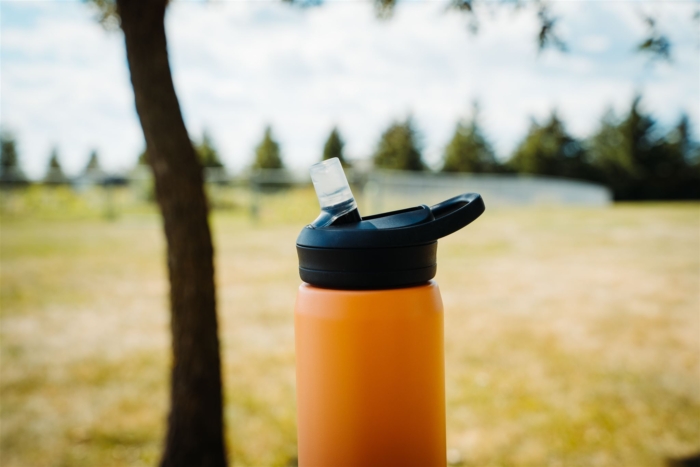
Specifications
Pros & Cons
Pros
- Actually leak and spill proof
- Dishwasher safe for easy cleaning
- Compatible with other CamelBak products
Cons
- Can be difficult to get valve clean
- Straw takes some force to suck water through
- No real stand out features to justify the price
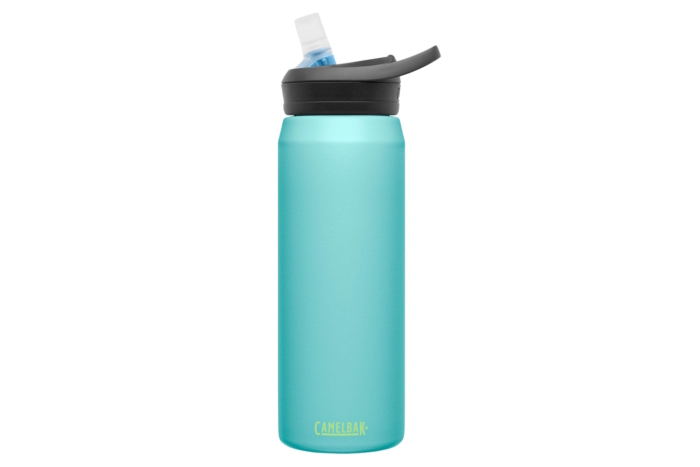
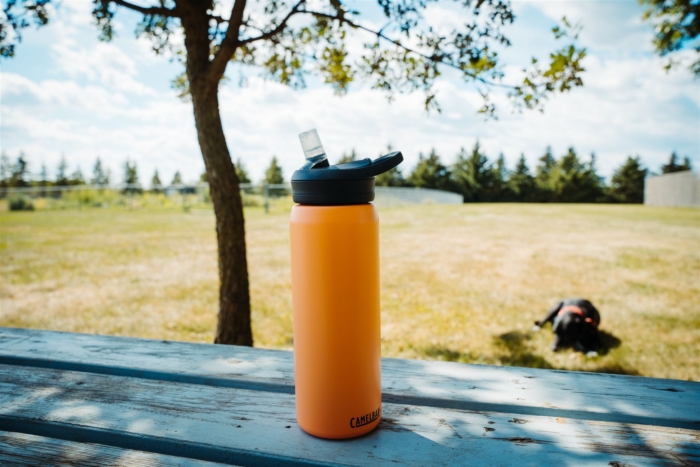
Built for work, school, road trips, and camping, the CamelBak Eddy+ Water Bottle ($33) is an insulated straw bottle made for everyday use. It is completely leakproof, easy to carry, and dishwasher-safe, though its straw design takes more effort to drink from than we generally prefer.
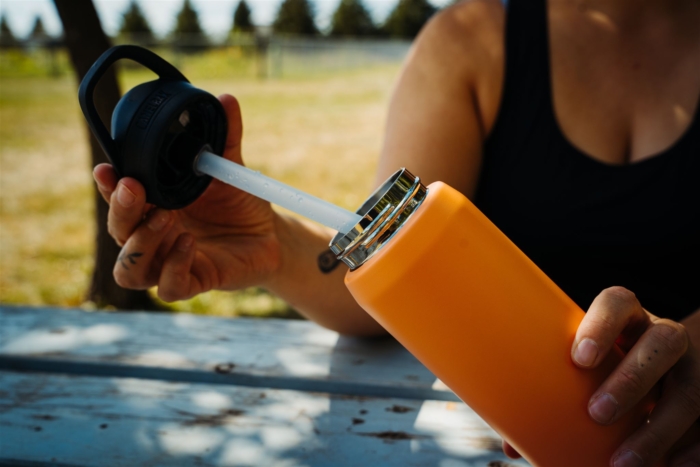
The Tech: This stainless steel bottle uses double-wall vacuum insulation and CamelBak’s redesigned bite valve, which is meant to deliver more water per sip. The design is spillproof, leakproof, dishwasher-safe, and compatible with other CamelBak lid products. It also prevents condensation, making it ideal for protecting wooden desks, canvas bags, and car seats.
What We Like: Carney appreciated the Eddy+ most during daily office use and warm-weather car camping. In those settings, a totally sealed straw bottle simply made sense. It kept drinks cold for a solid stretch and did not leak or spill, which makes it easy to toss into a duffel bag with confidence. Cleaning the bottle itself is also simple since it goes right in the dishwasher.
What We Don’t: The straw takes a noticeable amount of suction force to drink from, making it less ideal for high-heart-rate active use. CamelBak claims up to 32 hours of cold retention, but we found it lasted closer to half that in hot outdoor conditions. The bite valve can also be tricky to clean thoroughly.
Should You Buy It? Office workers and travelers prioritizing a leakproof carry and upright straw sipping will find a lot to like in this dependable daily bottle. Compared to the CamelBak Podium Big Chill, the Eddy+ is better for commuting, while the Podium is much easier to drink from during intense workouts. It stands as a highly reliable option for the desk or the campsite.
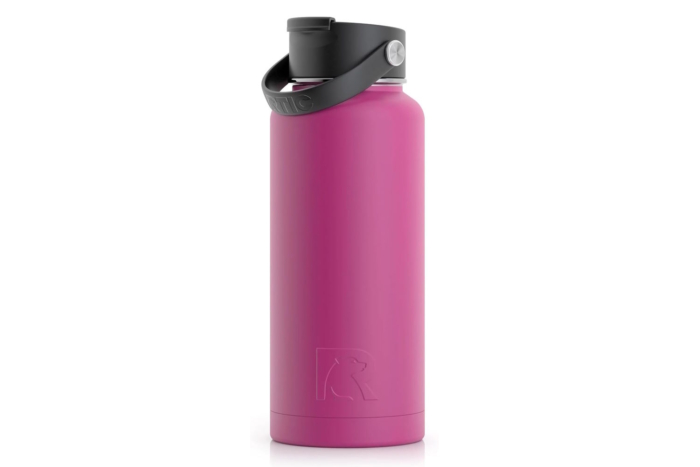
Specifications
Pros & Cons
Pros
- Affordable Price
- Good heat and cold retention
- Flip-up lid allows drinking without removing the whole lid
- Available in over a dozen colors
Cons
- Not as heavy-duty as some other models
Delivering a lot of insulated-bottle performance for the money, the RTIC Vacuum Insulated Bottle ($31) is a fantastic value pick for daily hydration and casual adventures. It looks and performs remarkably like more expensive stainless steel bottles but costs significantly less.
The Tech: The RTIC utilizes stainless steel construction, double-wall vacuum insulation, and a sweat-free powder-coated finish. Its flip-up lid lets you drink without removing the entire cap, which helps reduce the odds of accidental spills. It comes in 32-, 36-, and 40-ounce sizes alongside a wide range of colors.
What We Like: Belcaster appreciated the flip-top lid far more than expected after months of using this bottle at home, in the office, and in the car. It is far less risky than drinking from a fully open wide-mouth bottle while driving. The heat and cold retention are rock-solid, and we have not experienced any durability issues in our testing.
What We Don’t: It does not feel quite as heavy-duty or indestructible as comparable bottles from YETI. The lower price point does come with a slightly less premium hand-feel, and it can leak if the lid is not firmly snapped shut.
Should You Buy It? Bargain hunters wanting a simple, insulated stainless steel bottle at a better price than the biggest brand names should grab this model. Compared to the YETI Rambler Chug, the RTIC does not feel quite as rugged, but it gives you excellent insulation and everyday usability for less money. It provides great performance without overpaying.
-
-
-
(photo/Nick Belcaster)
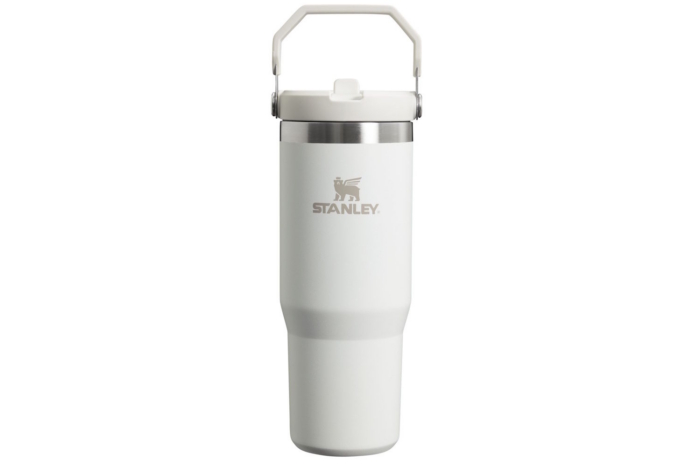


Specifications
Pros & Cons
Pros
- One of the better straw-drinking lids
- Bottle shape fits well in your hand
Cons
- Only smaller volumes are available
- Can be difficult to clean
Bringing Stanley’s insulated drinkware know-how into a smaller footprint, the Stanley IceFlow Flip Straw Water Bottle ($35) is a highly portable, easy-carry straw bottle. It excels during walks, commutes, errands, and anytime you need an everyday cold drink.
The Tech: This stainless steel bottle incorporates double-wall vacuum insulation and a flip-up straw lid designed specifically for cold liquids. The contoured shape fits perfectly in hand, while the oversized bail handle makes it easy to grab and carry on a walk. It comes in smaller 17- and 22-ounce sizes, which keeps it highly portable.
What We Like: The straw lid is one of the better versions we tested, quickly becoming a favorite for Belcaster. It is simple, comfortable to drink from, and great for walking the dog or keeping nearby during errands. The contoured bottle shape is also a major win, as it feels much more secure in hand than wider insulated bottles, and the handle is large enough to grab quickly.
What We Don’t: Because it has a built-in straw, this bottle is only meant for cold liquids. The smaller size options will not be enough for long hikes or big travel days, and the deep rubber seal inside the lid can be quite hard to scrub clean.
Should You Buy It? Anyone seeking a smaller, highly portable insulated straw bottle for casual daily use will love this convenient pick. Compared to the Owala FreeSip, the Stanley has a superior hand feel and a simple flip-straw design, but the Owala gives you both sipping and chugging options in one lid. For short outings, it is an exceptionally comfortable option.
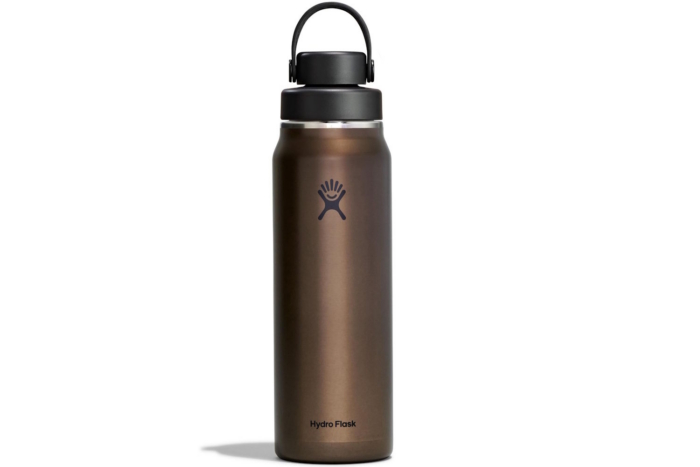
Specifications
Pros & Cons
Pros
- Lightweight construction
- Same Hydro Flask build quality
Cons
- Higher price
- Temperature retention somewhat compromised by low weight
Hikers, backpackers, and ounce-counters who still want ice-cold drinks on the trail will appreciate the Hydro Flask Lightweight Wide Mouth ($50). It keeps the core Hydro Flask feel but trims the weight in a way that actually matters when you carry everything on your back.
The Tech: This bottle uses double-wall vacuum insulation and an innovative, lighter stainless steel design with tapered walls. The bottom is thicker for durability, while the upper walls are thinner to save weight. The perforated strap also cuts grams, and the wide mouth easily accommodates most backcountry water filters.
What We Like: At just 12.6 ounces in the 32-ounce size, this bottle is noticeably lighter than standard insulated stainless steel options. This bottle became a fast favorite for Belcaster during steep day hikes and fastpacking. In those scenarios, a standard insulated bottle feels too heavy, but a plastic option fails to keep water cold in the summer sun. It still maintains the excellent Hydro Flask build quality and is incredibly easy to fill with ice.
What We Don’t: It costs a premium, and the thinner, lighter construction slightly compromises temperature retention. Compared to the standard Hydro Flask, it simply does not keep drinks cold for quite as many hours.
Should You Buy It? Trail athletes who want an insulated bottle but strictly care about pack weight will find this to be the perfect compromise. Compared to the standard Hydro Flask Wide Mouth, this lightweight version is much easier to carry on grueling hikes, while the standard version is better for maximum insulation and dent resistance. For ounce-conscious adventures, this one truly delivers.
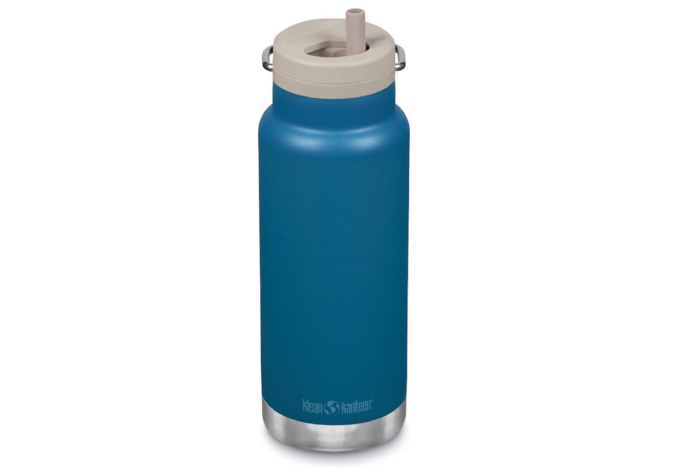
Specifications
Pros & Cons
Pros
- Fully insulated cap increases temperature retention
- Stainless steel cap bottom means there’s a full steel interior
Cons
- Lid can be a bit hard to grasp
While not the flashiest option on the market, the Klean Kanteen Insulated TKWide With Twist Cap ($47) is a thoughtful stainless steel bottle for anyone who cares about clean taste and strong insulation. The unique cap design and impressive temperature retention make it stand out from the pack.
The Tech: This 32-ounce bottle uses double-wall vacuum insulation and a unique TK Closure, which replaces traditional internal threads with low-profile ridges that are far easier to clean. The fully insulated cap has a stainless steel bottom, meaning your water only touches steel inside the bottle. It is built to keep liquids piping hot for up to 24 hours and iced for an incredible 83 hours.
What We Like: Belcaster was especially impressed by the thoughtful lid design during long camping trips. Because it has fewer nooks and crannies, backcountry cleaning is much easier, and the stainless steel cap bottom helps preserve a perfectly clean taste without any plastic odors. The fold-down carry handle is useful, and the bottle handles both morning coffee and afternoon ice water with ease.
What We Don’t: Some testers did not love the lid ergonomics. It is slightly narrower and shorter than other wide-mouth lids, which can make it harder to grasp and twist off when screwed on tight. It is also quite expensive.
Should You Buy It? Campers and daily commuters prioritizing a clean taste, strong heat retention, and a steel-lined cap will appreciate this eco-friendly pick. Compared to the YETI Rambler Chug, the Klean Kanteen has a more thoughtful steel-lined cap interior, but the YETI offers a slightly better ergonomic grip. For pure construction and long-lasting temperature retention, the TKWide is an excellent investment.
Insulated Water Bottle Comparison Chart
| Product | Price | Available Volumes (oz.) | Lid Style | Ideal Use |
| Hydro Flask Wide Mouth Travel Bottle | $50 | 24, 32, 40 | Flex Straw and Chug Cap compatible | Versatile daily hydration and hiking |
| Owala FreeSip Vacuum Water Bottle | $30 | 19, 22, 32, 40 | Hybrid straw and chug spout | Commuting, workouts, and daily use |
| Stanley Quencher H2.0 Flowstate Tumbler | $45 | 14, 20, 30, 40, 64 | Three-position lid with straw | Cup holders, road trips, and desk use |
| YETI Rambler Chug Water Bottle | $40 | 18, 26, 36, 46, 64 | Two-part Chug Cap | Camping and rough travel |
| Bivo Trio Insulated Water Bottle | $49 | 17, 21 | High-flow sports nozzle | Cycling and clean-tasting water |
| Thermos Funtainer Bottle With Straw | $20 | 12, 16 | Push-button straw lid | School lunches and small hands |
| LifeStraw Go Water Bottle | $60 | 18, 24, 34 | Built-in filter straw | Travel and questionable water sources |
| CamelBak Podium Big Chill | $20 | 24 | Self-sealing squeeze nozzle | Cycling and budget gym workouts |
| Hydro Flask Wide Mouth Bottle | $50 | 20, 24, 32, 40, 64 | Wide-mouth screw cap | Reliable ice retention and all-around use |
| CamelBak Eddy+ Stainless Steel | $33 | 25 | Bite-valve straw lid | Leakproof desk use and commuting |
| RTIC Vacuum Insulated Bottle | $31 | 32, 36, 40 | Flip-up drinking lid | Value-conscious everyday adventures |
| Stanley IceFlow Flip Straw Water Bottle | $35 | 17, 22 | Flip straw lid | Errand running and casual sipping |
| Hydro Flask Lightweight Wide Mouth | $50 | 21, 24, 32 | Lightweight wide-mouth cap | Backpacking and ounce-conscious trails |
| Klean Kanteen Insulated TKWide | $47 | 12, 16, 20, 32, 64 | Twist cap with steel base | Clean taste and hot drink retention |

How We Tested the Best Insulated Water Bottles
Our Expert Testers
Contributing writer, Meg Carney leads this guide alongside GearJunkie editor Chris Kassar. Based in Washington, Carney brings years of experience testing gear across hiking, biking, and international travel. Kassar operates out of Jackson, Wyoming, where she puts bottles through high-elevation trail days, mountain commutes, and multi-state road trips. We also rely on long-term data from Senior Editor Nick Belcaster and contributor Katie Griffith, who contribute expertise from desert climbing in Joshua Tree, bike commuting, and daily office use.
Our Testing Process & Grounds
For this update, Carney and Kassar evaluated six insulated water bottles over a 9-month cycle. We used these bottles during scorching summer hikes in the Colorado foothills, indoor climbing sessions, and hot-weather gravel rides. Our team assessed specific performance based on ice retention, lid security, and how easily each model fits into car cup holders or backpack side pockets. Every insulated water bottle sees at least five outings before inclusion, though many have months or years of use behind them.
Since 2021, our team of five experts has vetted more than 40 insulated bottles through ice trials, leak tests, and trail use. Some products have years of use behind them to ensure they withstand the rigors of the field. Products remain in ongoing testing after publication, and we update this guide seasonally as new models arrive, old models change, and long-term durability becomes clearer.

Our Insulated Water Bottles Rating System
Value: We evaluate performance against price while considering insulation quality, materials, and lid design.
Temperature Retention: We measure how long a bottle keeps liquids hot or cold in real-world travel and outdoor environments.
Taste: We check if the interior materials preserve clean flavors or pick up metallic or plastic notes over time.
Durability: We track how well coatings and lids resist dents, scratches, and leaks over months of repeated use.
The overall score reflects extended real-world use and is not a simple calculation from the category scores.

Buyer’s Guide: How to Choose an Insulated Water Bottle
Style of Insulated Bottle
Insulated bottles come in many shapes and sizes. Some closely resemble other plastic sports bottles like the Bivo Trio Insulated Water Bottle and CamelBak Podium Big Chill with spill-proof, screw-top lids. The best overall bottle, Hydro Flask’s Wide Mouth, falls into this category. These are often the most versatile options and may replace your Nalgene when weight isn’t a big factor.
Beyond the standard water bottle, this list also includes tumblers, can coolers, and growlers. A tumbler more closely resembles a cup with a lid than a water bottle. The Stanley Quencher H2.0 Flowstate Tumbler is great for all-day hydration, but the lid is not spill-proof. You can’t pack it in a backpack like other water bottles.
Other styles are even more specialized, like the MiiR Growler. This insulated container is designed specifically for storing carbonated beverages like beer or kombucha. The lid functions to seal in carbonation and freshness; you wouldn’t need this for your daily beverages.
We also have a separate gear guide for the best thermoses for when the temperatures dip, and a hot drink is needed. You may also want to read up on the best backpacking water filters.

Volume
Pick a water bottle with enough volume for all your activities. If you really love one particular insulated bottle, consider getting two sizes — one for daily use and one with more volume for longer trips or travel. (Also consider if the bottle you’ve chosen will work with a water filter or in your pack pocket if you know you’ll be taking it with you on the trail.)
Or, get one with a built-in water filter like the LifeStraw Go and you won’t have to worry about it. If you spend a lot of time driving, note that after a certain volume, fitting into most cup holders isn’t going to happen.
Most bottles we tested are available in volumes from around 12 to 64 ounces. A 12- or 16-ounce bottle is ideal for morning coffee or tea, while you’ll likely want a 24- or 32-ounce bottle like the CamelBak Podium Insulated Water Bottle to stay hydrated. For all-day, outdoor activities, bringing at least two liters of water is typically recommended, which would translate to about 64 ounces of capacity. We find that two 32-ounce bottles fit easier in a backpack than one 64-ounce vessel.
Make sure the bottle you choose lists how long it keeps water (or other liquids) cold. The standard is 24 hours, but we’ve noticed in many of these bottles the contents will stay colder for longer. You’ll want to know how good the insulation is, especially if you live in a hotter climate.

Materials
What are the interior and exterior materials? Most insulated bottles use some form of stainless steel double-wall insulation, but not all, like the triple-wall build of the Owala FreeSip. Also, look at the exterior material: Is there a powder coating? Does it reduce condensation? Is there a rubber grip or protective design on the base? Some like CamelBak Podium Insulated Water Bottle is made of plastic, which means they’re light, easy to drink from and can fit into bicycle cages, but they aren’t as durable or long-lasting.
Once you find a bottle that works for you, pick out a fun color while you’re at it! Colors are mainly just a preference but can also help identify your bottle in a crowd.

Temperature Retention
One of the most important aspects of an insulated bottle, temperature retention is how well it keeps the hot things hot and the cold things cold. The majority of insulated bottles will use some type of vacuum insulation to achieve this.
Heat energy needs mass to travel through, so by removing the air in between the two layers of the bottle, the liquid inside is able to retain its temperature for longer. We’ve found that most bottles are able to keep hot liquids hot for around 12 hours and cold liquids cold for about 24.
An insulated water bottle is basically a thermos with different design features. Most thermoses are also built with vacuum insulation, but they typically come with a lid designed for pouring hot liquid and a cap that doubles as a small cup for sipping tea or coffee.
Lids on thermoses can also be more effective at keeping liquids hot or cold. The lids on insulated water bottles focus on hydration, with straws like the Stanley Quencher H2.0 Flowstate Tumbler or open tops like the Hydro Flask Wide Mouth.
Don’t get us wrong; the insulated bottles we tested are still great at temperature retention. We filled the Stanley Quencher halfway with half-inch ice cubes and no water. After 24 hours in a 65-70 degree room, we found some water, but most of the ice cubes had shrunk only 50%.

Taste
Metal bottles can sometimes impart a metallic taste to water, often after being left for a long period of time. Bottles like the Bivo Trio Insulated Water Bottle implement a silicon dioxide coating on the interior of the bottom to create a glass-like barrier. This can greatly reduce the metal taste that is imparted to water.
Keeping insulated bottles clean is also important to limit any off-tastes. Pay attention to how easy the bottle might be to clean. Look at the threads on the lid as well as how easy it is to remove any gaskets for cleaning. Many bottles are marked as dishwasher safe on the top rack but not all.
A quick tip for cleaning your insulated bottle: Mix 2-3 tablespoons of baking soda and warm water and shake inside your bottle. Let sit for a few hours and then rinse out with water.

Lids & Handles
A bad lid can ruin an insulated bottle. Manufacturers understand consumers have many uses for their bottles and produce a number of different lids to fit them. The most basic will be a simple screw cap. But, there are also lids that incorporate straws, flip closures, and even magnets.
Lids will also have a good bit to do with the mouth style of the bottle. Narrow-mouth bottles can make sipping directly from the bottle nice and easy. But, a narrow mount will limit your ability to put ice into the bottle. Wide-mouth bottles can accept things like water filters with ease. But, without a steady hand, they can lead to some spillage.
Some lids are designed to be leak-proof when closed, and some are not. YETI’s 26-ounce Rambler Bottle, for example, features a secure lid that doesn’t allow spillage when screwed on correctly. The Stanley Quencher is not leak-proof and doesn’t claim to be. What it sacrifices in spillage, it makes up for in ease of sipping with the reusable straw. The rotating cover helps reduce leaking but doesn’t prevent it.
Our tester performed a leak test on the Quencher by adding food coloring to water inside the bottle, screwing it shut, turning it on its side, and timing both types of covers for ten seconds. The Quencher was nearly full during the test. With the rotating cover closed, a small blue puddle formed on a paper towel within a short time. With the straw still in place, a big puddle spilled over a paper towel almost immediately.
At their most basic, insulated bottles are sleek cylinders, which aren’t the most stable. Having a lid that you can clip a carabiner to can ensure it won’t make an escape. Others will sport a layer of silicone to improve grip or a contoured shape that fits your hand. We found the Stanley IceFlow Flip Straw Water Bottle to be one of the nicest to handle.

Price & Value
Insulated water bottles in this guide range from $20 to $60. While they all hold water, spending more typically buys you superior temperature retention, more durable coatings, or specialized tech like built-in filtration.
Budget
In this entry-level tier, bottles are functional and reliable for daily use, though they occasionally compromise on specialized durability or long-term heat retention. The Owala FreeSip Vacuum Water Bottle ($30) stands out as the value champion because it provides a high-end lid design and tough powder coating at a fraction of the cost of premium brands. For athletes, the CamelBak Podium Big Chill ($20) offers a lightweight squeeze design and reliable bike cage fit that is hard to beat for the price.

Mid-Tier
The under $50 range is the sweet spot for durability and performance. Here, you get professional-grade stainless steel and insulation that can truly keep ice for a full day. The YETI Rambler Chug Water Bottle ($40) brings legendary toughness and a reliable drinking spout at a competitive price. For cyclists who want to avoid the plasticky taste of squeeze bottles, the Bivo Trio Insulated Water Bottle ($49) provides a cleaner experience and a high-flow nozzle.
Premium
When you hit the $50-plus mark, you are paying for specialized performance or maximum versatility. The Hydro Flask Wide Mouth Travel Bottle ($50) earns our top overall pick in this tier for its rugged build and adaptable straw-or-chug lid system. At the top of the price scale, the LifeStraw Go Water Bottle ($60) justifies its cost with an integrated filtration system that is essential for international travel or backcountry refilling.

Frequently Asked Questions
On this list, we have selected the Hydro Flask Wide Mouth 40-ounce bottle as the best overall insulated water bottle. This option provides a useful blend of quality insulation and heavy-duty construction. We also like that it fits easily in most cup holders.
Still, the best-insulated water bottle is the one that meets your needs. If you are looking for a bottle with smaller volume, you may want to go with the 26-ounce YETI Rambler or 32-ounce Owala FreeSip.
All of the bottles on this list will do a great job at keeping your hot liquids hot and your cold liquids cold for impressively long periods. That said, the YETI Rambler Chug Water Bottle performs exceptionally well when filled with hot contents. It’s a lightweight bottle that keeps liquids piping hot and is thoroughly leakproof.
It is important to regularly clean reusable water bottles to prevent the growth of bacteria. Many insulated water bottles are dishwasher safe, and others can be easily cleaned with dish soap and hot water.
On this list, many of the bottles are made from easy-to-clean materials such as stainless steel and linings such as glass or copper. After cleaning, it is a good idea to take the cap off of your bottle and let it fully air dry.
Generally, it is safe to fill insulated water bottles with contents other than water. For coffee and tea, an insulated water bottle can allow you to enjoy a hot drink all through the morning.
However, it is especially important that you clean your bottle thoroughly after filling it with anything other than water. Because of the different shapes of insulated bottles, some are easier to clean than others.
For food like hot soup or oatmeal, you’re going to be better off with a food-specific thermos. These are similar to insulated water bottles, but their short and stout shape makes them easier to use and clean. A good thermos can keep hot food at a safe temperature for hours — an excellent counterpart to an insulated bottle!
Yes, many insulated water bottles are dishwasher-safe. Always double-check the manufacturer’s directions before washing your bottle. If your bottle is not dishwasher-safe, it can be cleaned with hot water, a little dish soap, and a thorough rinsing.
Always check to see what the manufacturer suggests. Many insulated water bottles can be washed in the dishwasher, which is an effective way to thoroughly remove any bacteria that may be present.
If washing by hand, scrub the inside and outside of the bottle with hot water and dish soap. Be sure to fully clean out the threads on both the cap and bottle. After cleaning, let all parts fully air dry.
Thanks to hardy stainless steel or ceramic construction, a good insulated water bottle should last many years — or potentially decades for the careful owner. We’ve all seen those old green Stanley bottles that are three decades old and still going strong.
The biggest threat to insulated water bottles is puncturing. If the double or triple-walled insulation of your bottle is punctured, it will lose its ability to insulate. To prevent this, avoid dropping your bottle onto jagged or hard surfaces. Plastic insulated water bottles are less prone to dents and punctures, but they are generally not as rugged overall.
If an insulated bottle becomes punctured, it will lose its vacuum and be replaced by air molecules. Since there is now matter in between the inner and outer bottles, heat transfer occurs much quicker.
To test if your bottle still has its vacuum sealing: Carefully fill the bottle with boiling water and wait five minutes. Then feel for any hot spots, which would indicate loss of insulation.