The Safety Detail
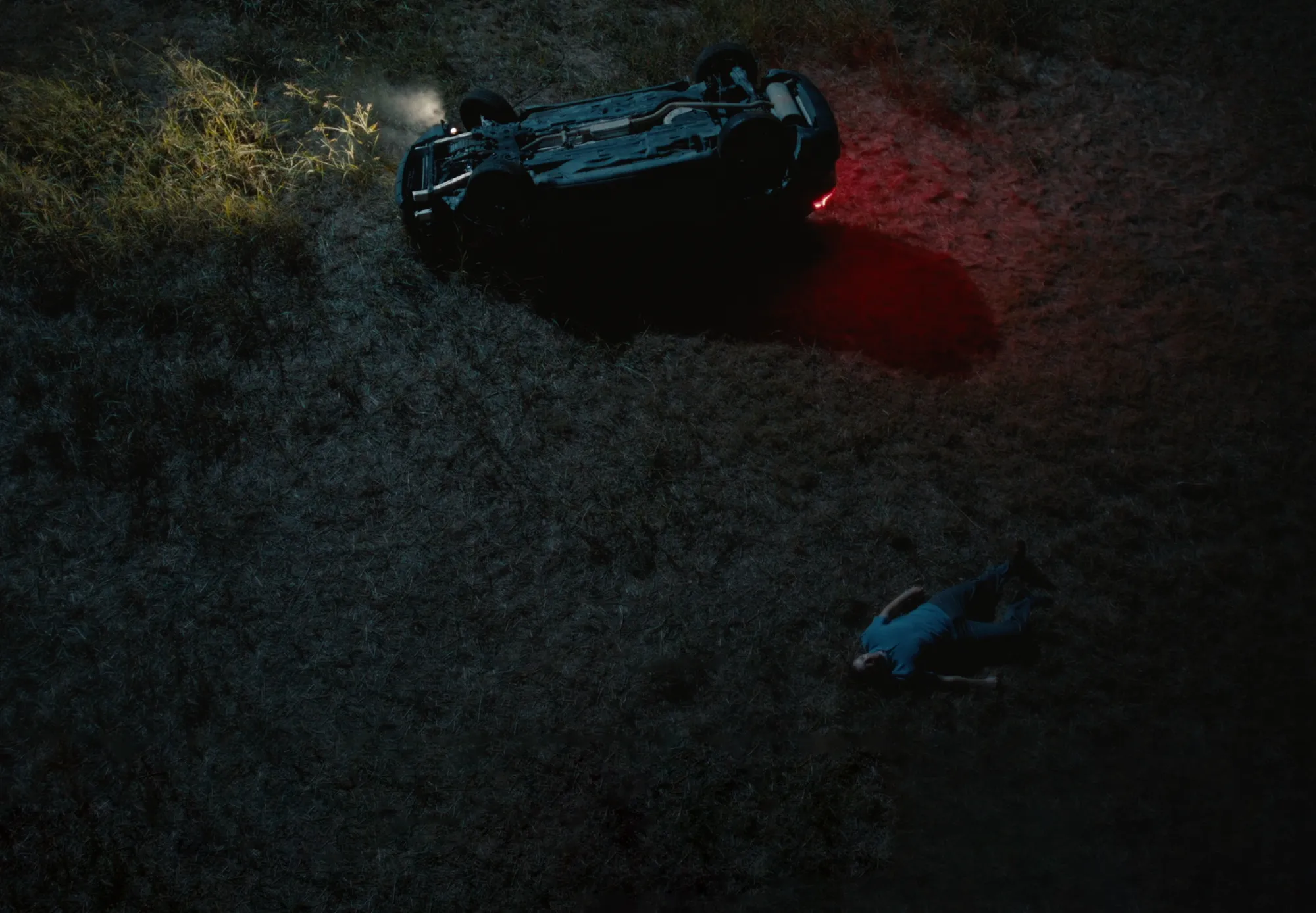
Every outdoor activity has some degree of danger — that’s part of the appeal. Attention to detail makes all the difference. Follow our guide to the best safety practices for surviving and thriving outdoors. Start your adventures with the most critical rule of the road. Put on your seat belt. Click It or Ticket.
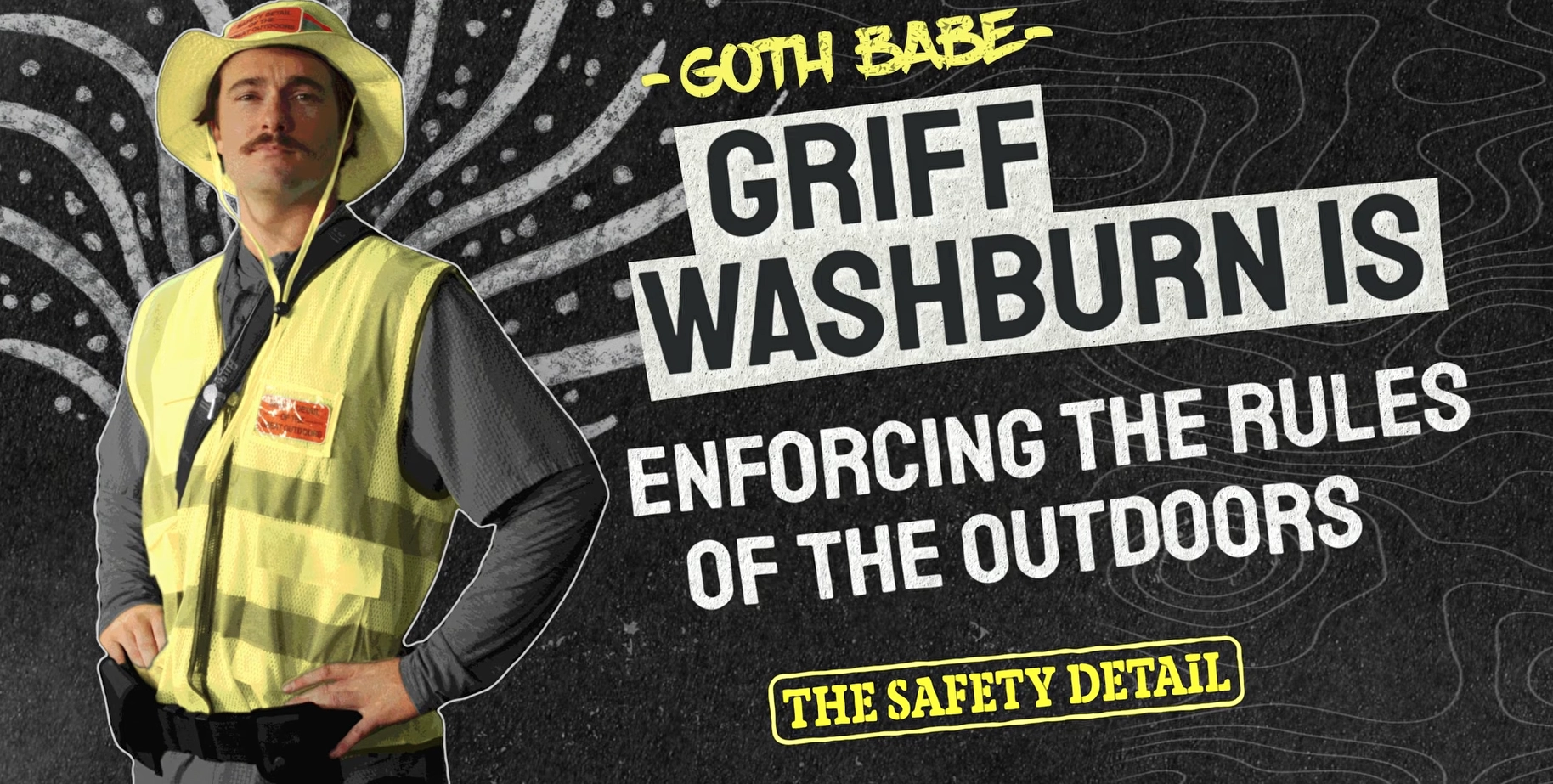
Follow our fearless enforcer Griff Washburn, aka Goth Babe, as the famed indie rocker and committed outdoor adventurer travels from errant campfires to offensive fishing holes, making sure all are prepared to abide by the rules of adventure — or pay the price.
The Safety Detail: Episode 1
Meet our enforcer of The Safety Detail, who’s taken it upon himself “to uphold the laws of the trail and beyond,” sniffing out illegal campfires, offensive anglers, climbers, and hikers, plus a few noisy campers listening to wrong song at the wrong time.
The Safety Detail: Episode 2
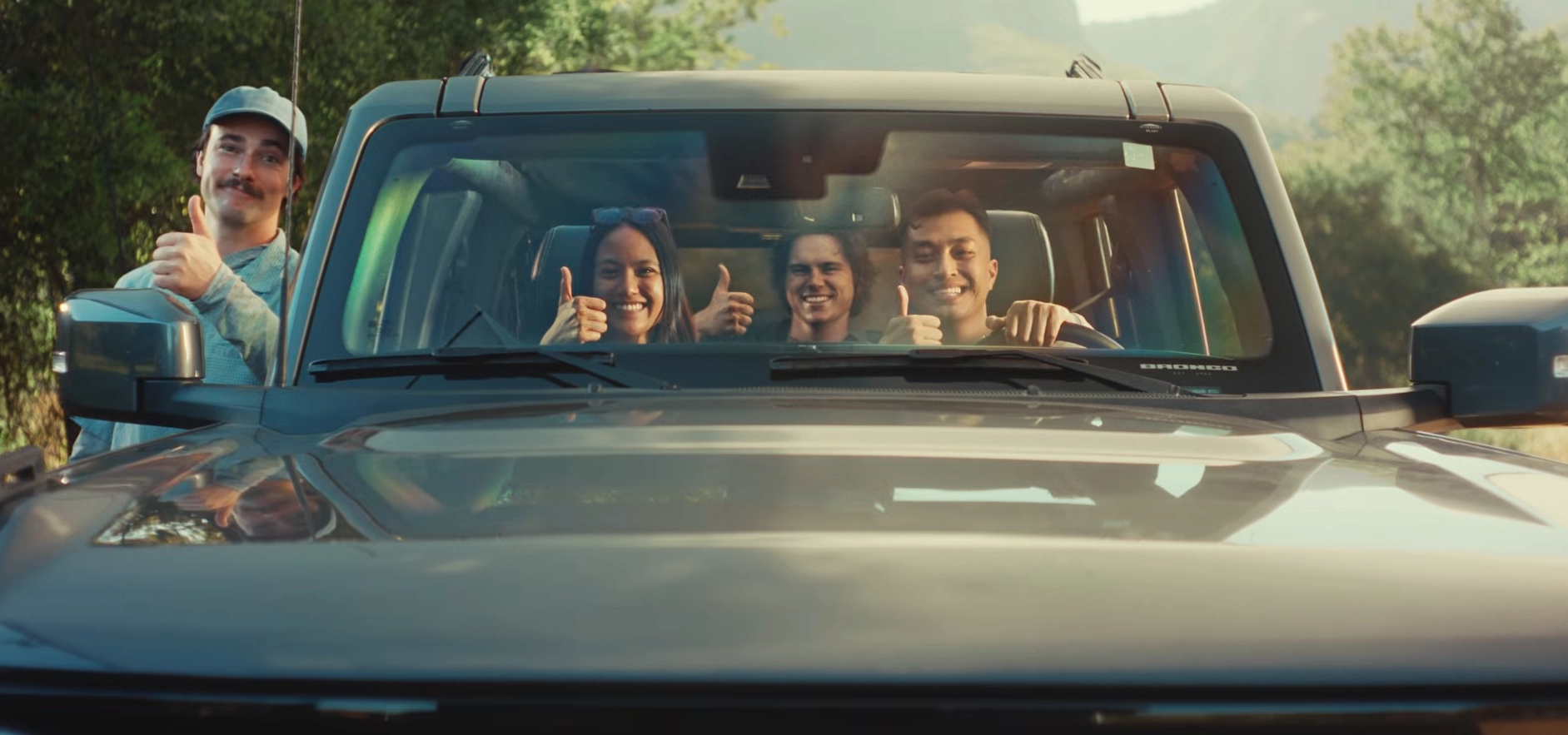
“Enforcing the Rules of the Outdoors” has the Safety Detail heading to new heights, from undesignated campsites and dangerous waters to cliff-top consequences — though following the rules still applies when you leave the adventure.
Stay Safe and Alive Outside
To thrive and survive outdoors, safety extends beyond the drive to etiquette and execution, planning and preparation. Whether you are new to your favorite sport and traveling NEAR, or are comfortable with more experience and distance FAR, minding these best safety practices will help you come home alive.
Camping
A few friendly tips to help you crush your trip—no matter how far the drive.
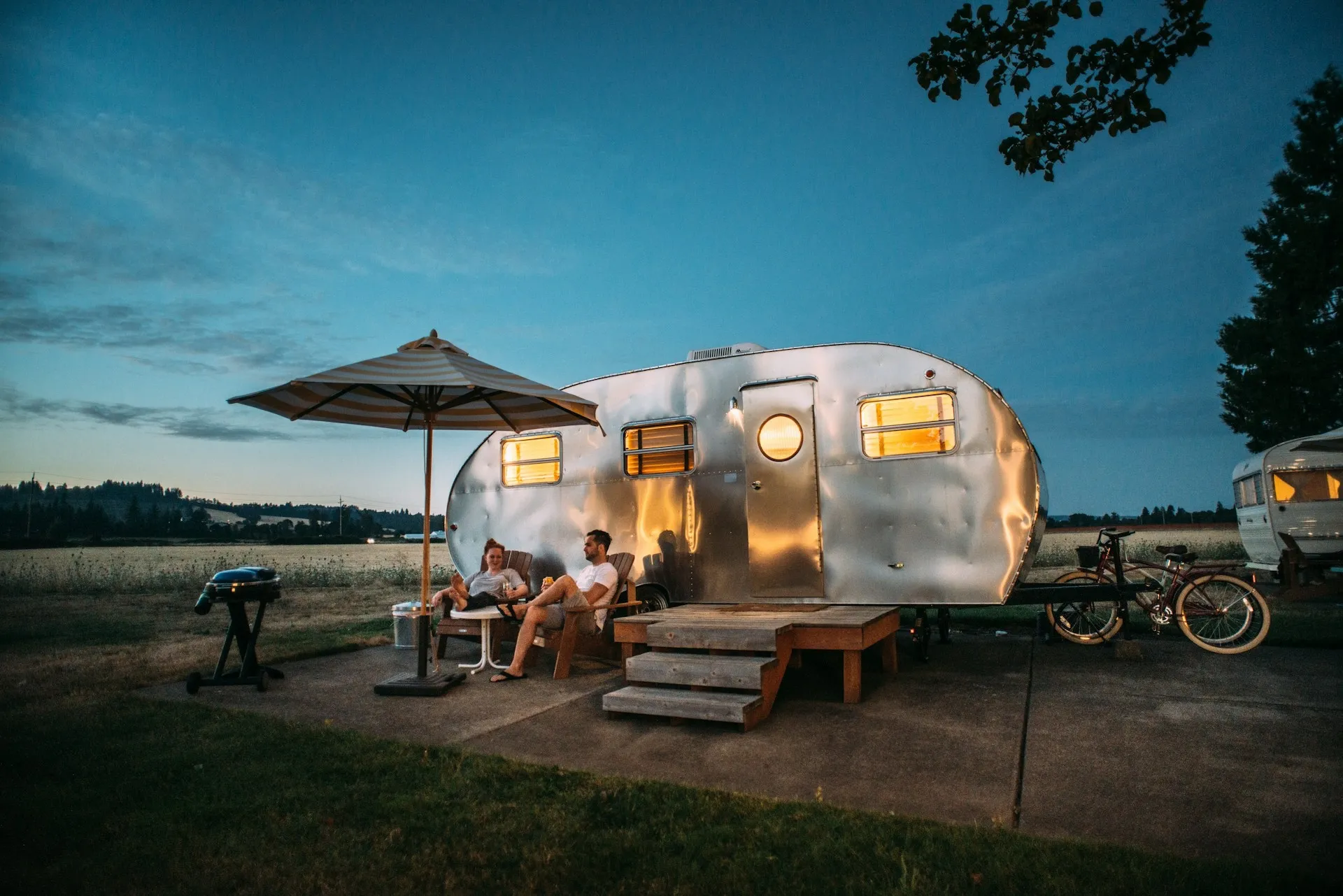
NEAR
Buckle that seat belt.
Deer love last-minute crossings, and blind turns plague mountain roads.
Be a good neighbor.
Say howdy, leash your pup, and keep the tunes down.
Mind the bears.
Yogi and Boo Boo want your snacks. In bear country, use a bear locker, canister, or hang.
Bring the essentials.
The right packing list can make or break a trip. Yours should keep your crew warm, fed, hydrated, lit—and at least moderately clean.
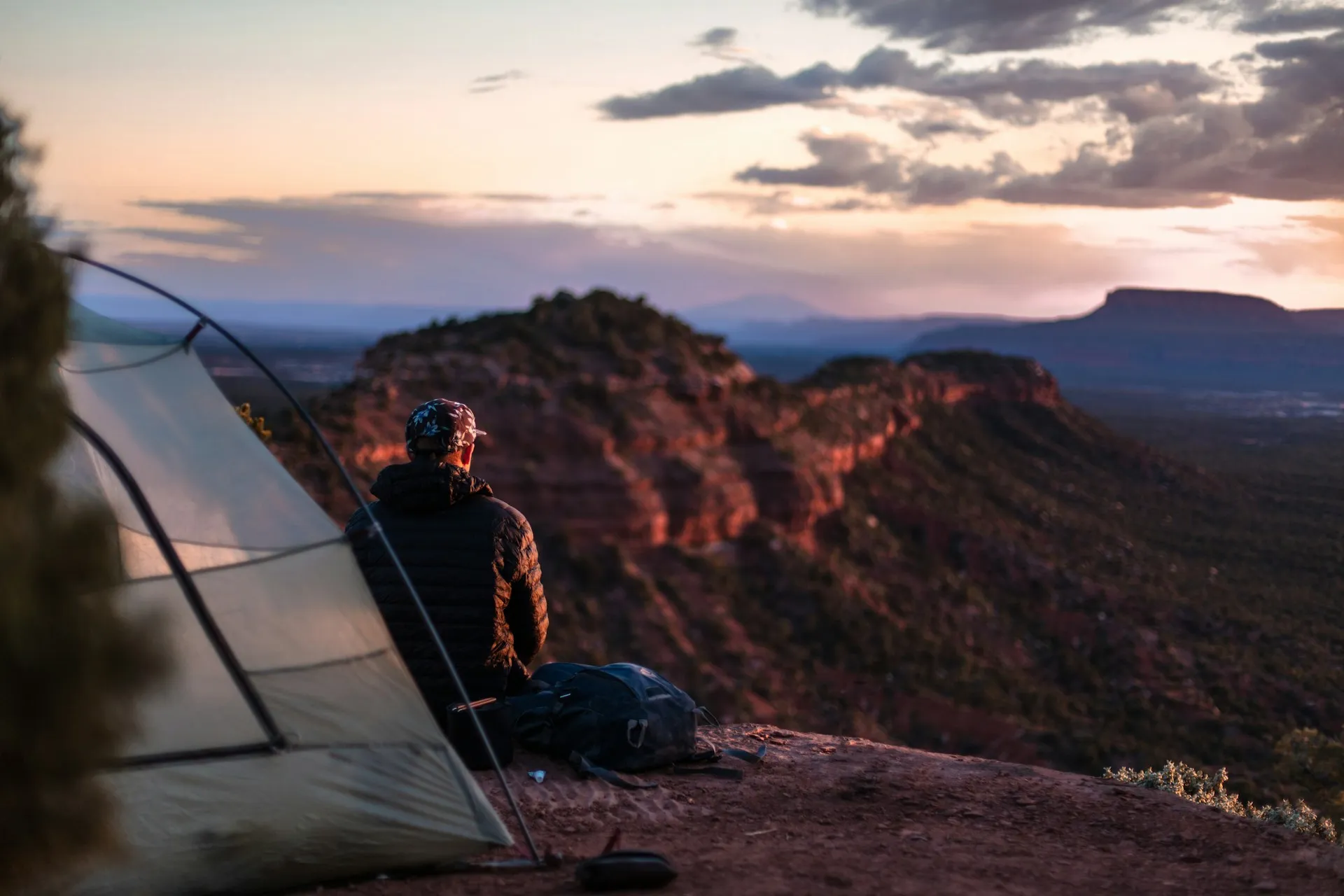
FAR
Get off-grid ready.
It’s wild out there. Keep your adventuremobile stocked with a spare tire, jack, jumper cables, water, and first aid.
Bring extras.
Lighters. Batteries. Chocolate. Socks. Undies. Chocolate. Meds. Chocolate. If your comfort depends on it, pack a spare.
Think like a realtor.
Pay as much attention to your campsite location as you do to your Zillow homepage. Ideal tent spot: slightly elevated, out of the wind, 200 feet from water, and on a durable surface.
Plan for rain.
Nothing lays waste to morale like wet socks. Bring enough gear to waterproof everything—from your tent and backpack to your feet.
Trail Running & Hiking
Come prepared and keep yourself safe on journeys of any mileage.
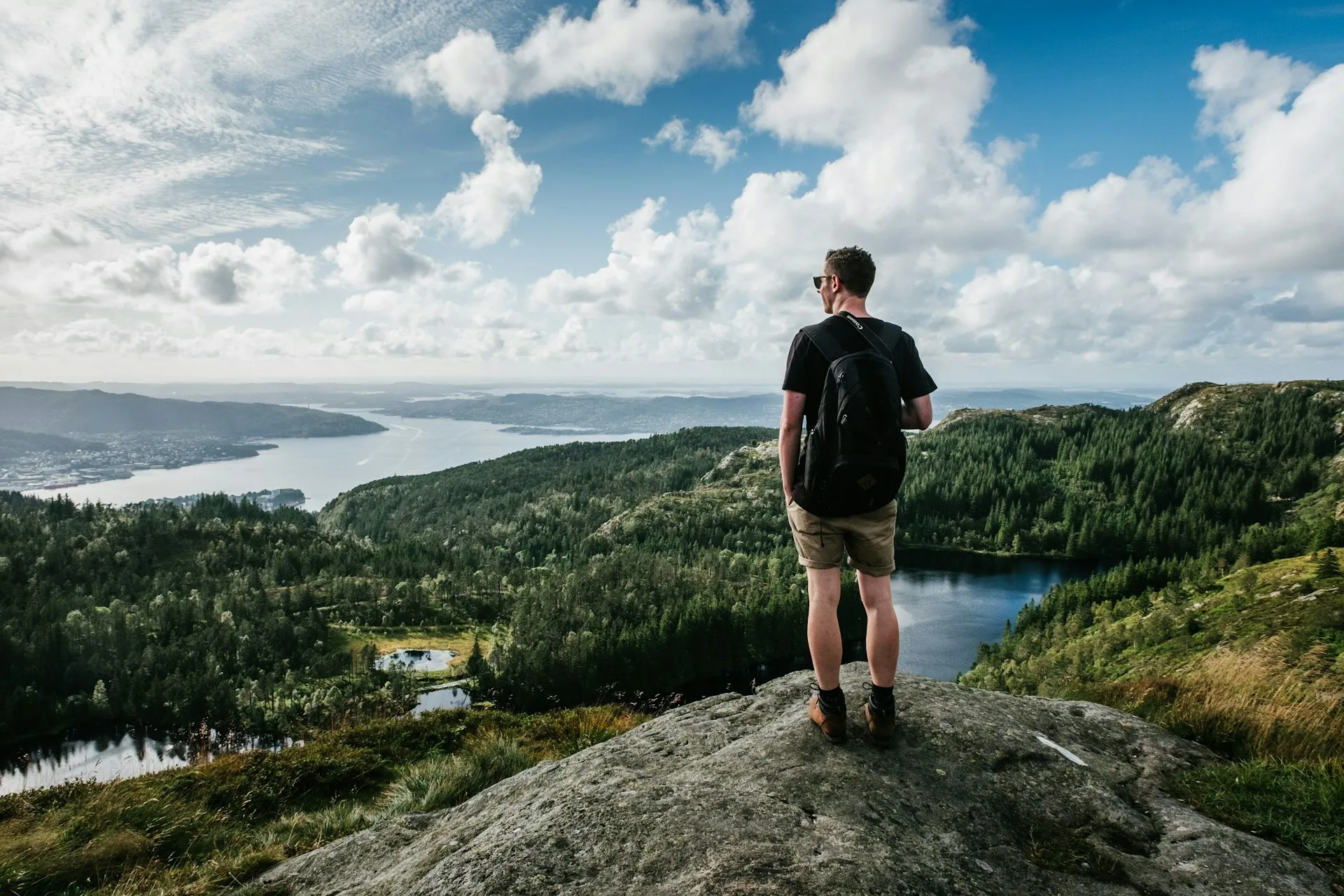
NEAR
Wait your turn.
On multi-use trails, cyclists yield the right of way to runners and hikers, and everyone yields to horses. If you’re descending, step aside for uphillers (they deserve it).
Camel up.
Your partner told us you get grumpy when you’re thirsty. Pack at least two liters per day minimum, and a gallon per person in hot weather.
Stay on trail.
Spot a puddle or some mud? Run through it. It protects the environment from erosion (and it’s more fun than you think.)
Pack it in, pack it out.
Sorry, but that includes used toilet paper, as well as orange peels, flyaway wrapper fragments, and dog waste.
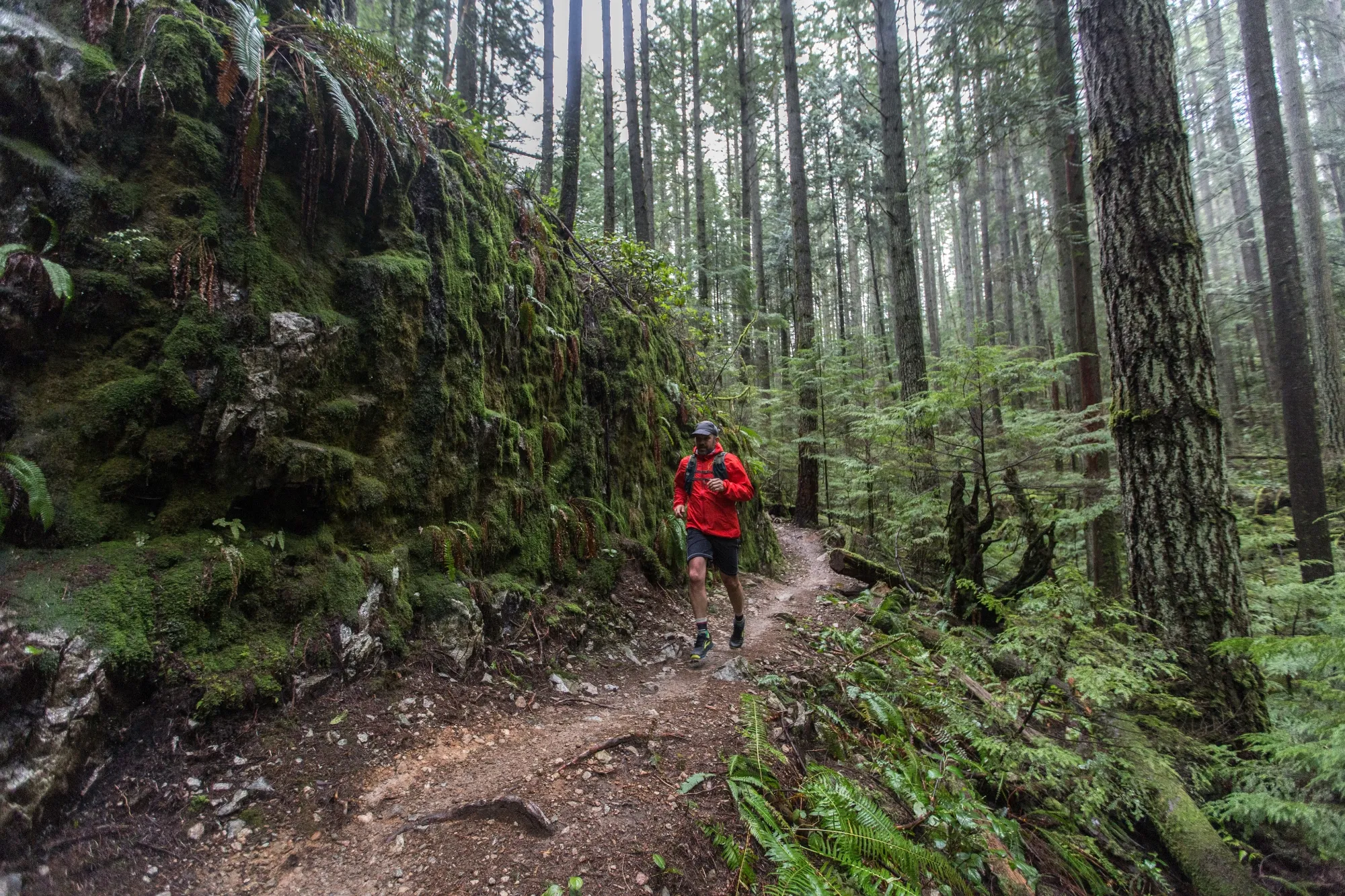
FAR
Leave word.
If you’re going solo, tell a buddy where you’re headed, when you’ll be back—and when they’re allowed to start worrying.
Check the weather.
This includes forecasts as well as trip reports. Lingering snow, high water crossings, and missing bridges can all derail a mission.
Have a nav plan.
All trips deserve a cool map, but remote and unfamiliar trails make it critical. Bring a paper guide, a compass, and a GPS app as backup.
Bring your med kit.
You probably won’t get hurt out, but the extra ounces will be worth it if you do. Painkillers, medical tape, gauze, and allergy meds top the list.
Fishing
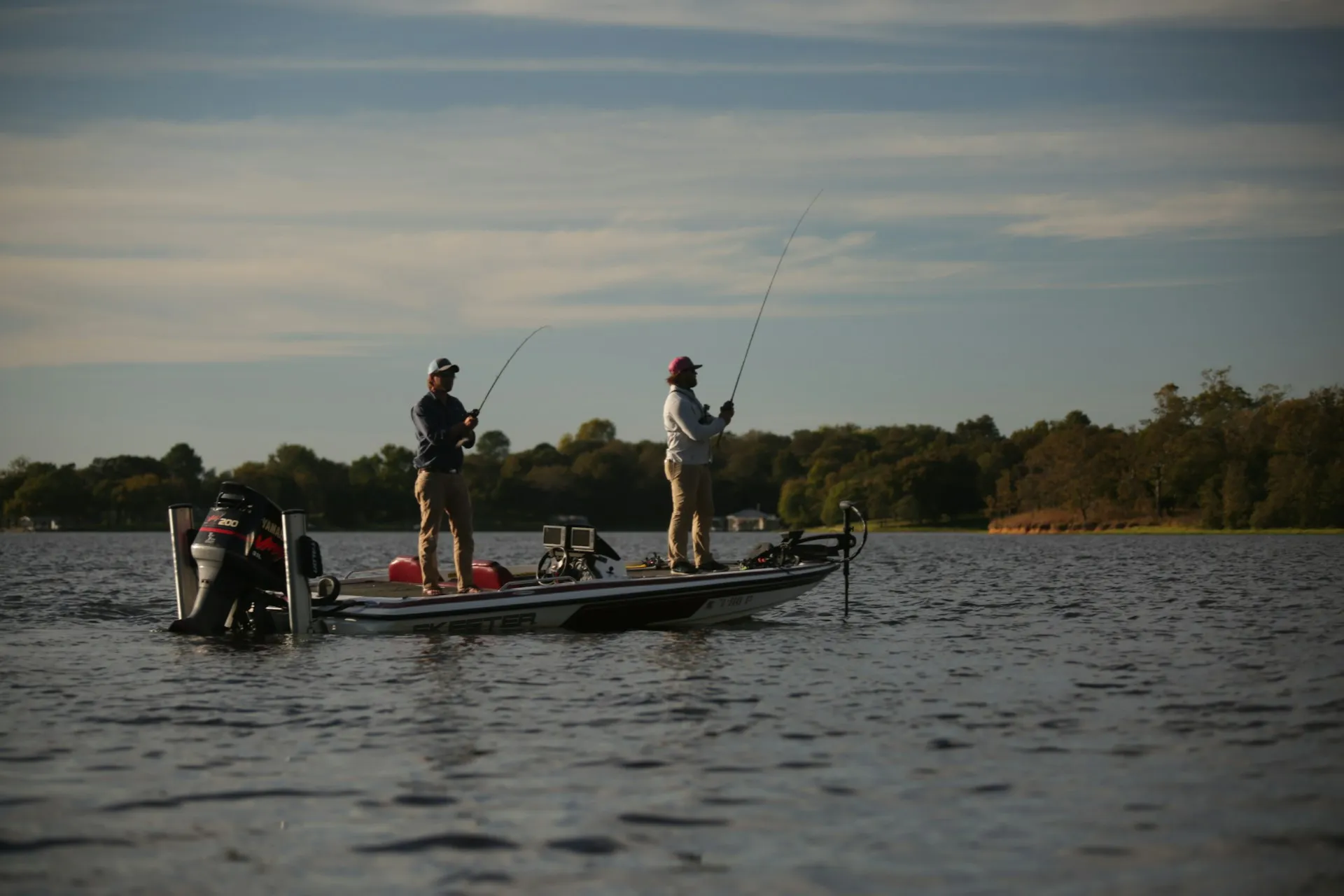
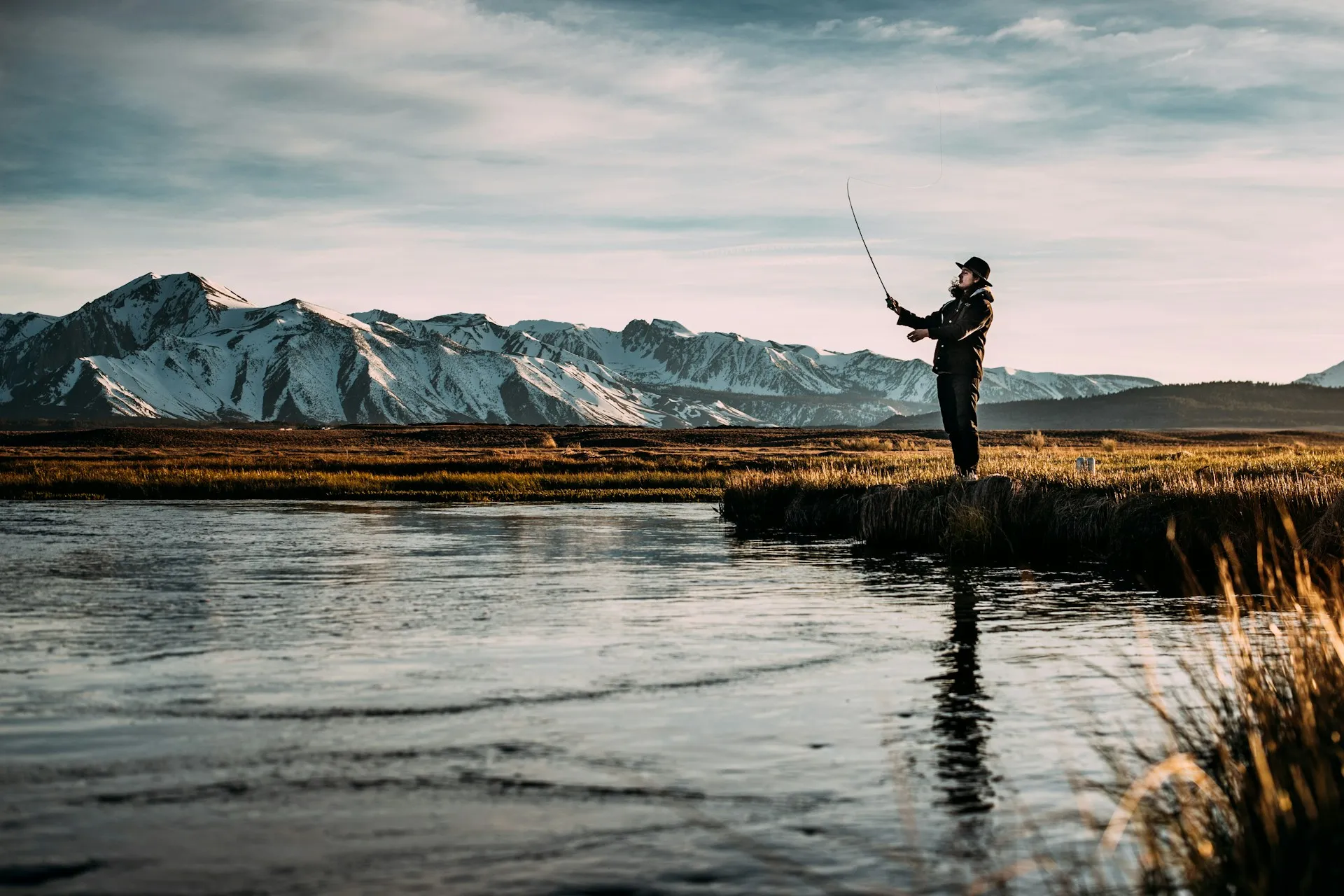
How to make the most of your day on the water—and leave the fishery better than you found it.
NEAR
Check the regs.
A fishing license is just the start. National parks and marine sanctuaries have special rules, and some public waters have hook and bait restrictions. Do a little homework before you start casting.
Pick your kit.
Research your waterway to see if you’ll need waders or boots, plus a USCG-approved life jacket if you’re fishing off a boat or paddle-craft. Also check what’s permitted; felt-soled boots can spread fungal infections and are banned in some places.
Keep it clean.
Pack out fishing line, hooks, and sinkers so they don’t tempt local wildlife. Ditto for bait cups, beer cans, and other evidence of a day well spent.
FAR
Mind the current.
No need to get carried away: If you’re boating or wading, check water levels then orient to currents and eddies before you step in.
Catch and release.
Getting caught stresses the fish. Don’t battle it to exhaustion. And keep it in the water while you gently free the hook.Kill ’em with kindness. If you’re catching to keep, knock out your catch with a quick, humane blow. Mind your knife safety, and check local rules before dumping fish entrails in the water.
Climbing
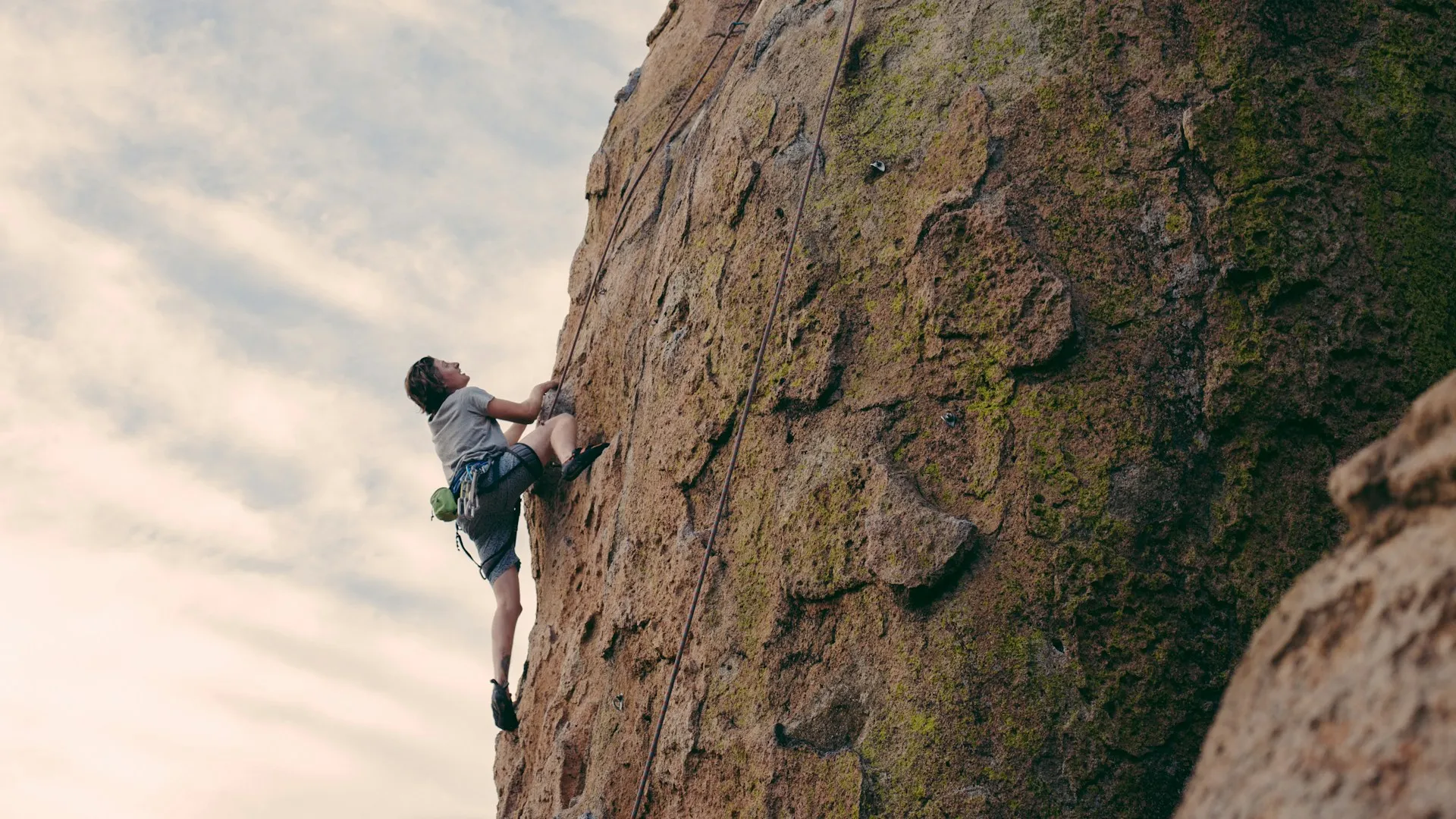
Preserving climbing access is all about being a good steward. Here are the best ways to care for the crag.

NEAR
Leash your pup.
Canine companions aren’t as rockfall-aware as we’d like them to be. Make sure your doggo is leashed, especially when your hands are full belaying.
Share the route.
Feel free to bring your whole crew, but be mindful of other groups. Offer to share ropes or let other climbers work in.
Turn down the volume.
We know you have great taste, but some climbers find music distracting. Ask your neighbors before you crank the T-Swift.
FAR
Watch your noggin.
Helmets are always a good idea, but they become a must when you’re leading in remote environments.
Respect the local ethic.
Every crag has its rules when it comes to ticking holds, bolting, leaving draws, and stashing gear. Check with locals before you make yourself at home.
Pack it out.
In places without a ton of moisture, buried deposits don’t decompose. If you’re climbing in an alpine or desert environment, Wag Bag your waste.
Surfing
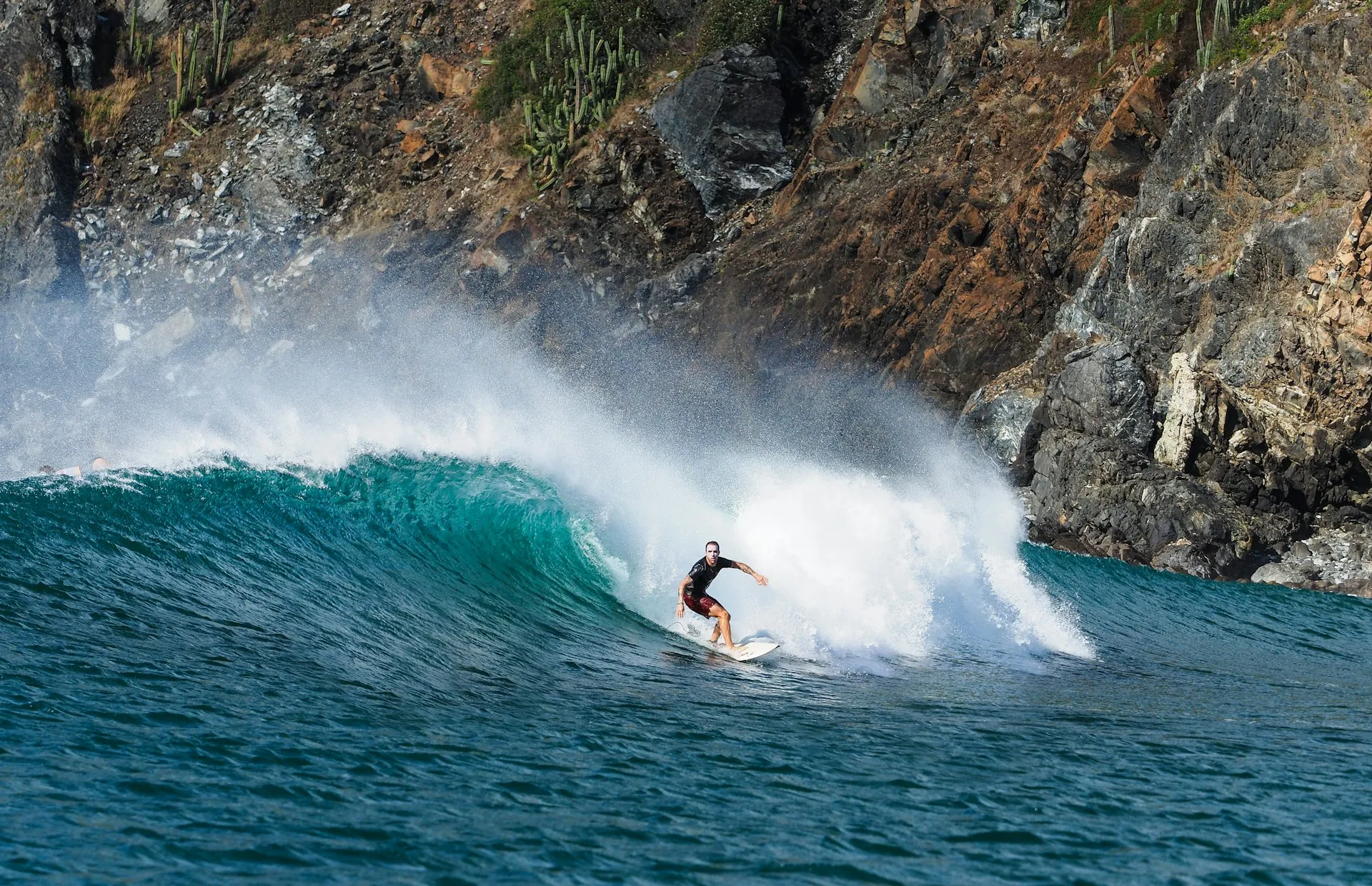
Stay safe, warm, on your board and within your limits.

NEAR
Pick the right board.
Pop into your local surf shop to get fitted for a board that suits your ability level, and leash up before you head out. Err on the side of longer and softer boards to get comfortable.
Bundle up.
Gauge what the locals are wearing for long sessions (rashguard, shorty, or full wetsuit? booties?) and follow suit.
Watch for rips.
Sections of still water between sand bars can indicate hidden rip currents. Learn to read the signs at your local beach.
Find a friend.
Surfing alone is boring. (It’s also dangerous.) Here, the buddy system reigns supreme.
FAR
Get local permission.
Poaching waves is a big point of contention for the surf community. Make sure to get an invite before you crash a new spot.
Stay close.
Gut check: How far are you from the beach? Leashes don’t often snap, but if yours does, you’ll need to be close enough to swim to safety.
Mind the shallows.
Flop flat instead of diving in shallow water. If you get stuck in the spin cycle, keep your arms crossed overhead to protect that pretty face.
Get insured.
If you’re abroad on a surf trip, your health insurance probably won’t cover you. Lock in a travel plan before you board the plane.
Paddling
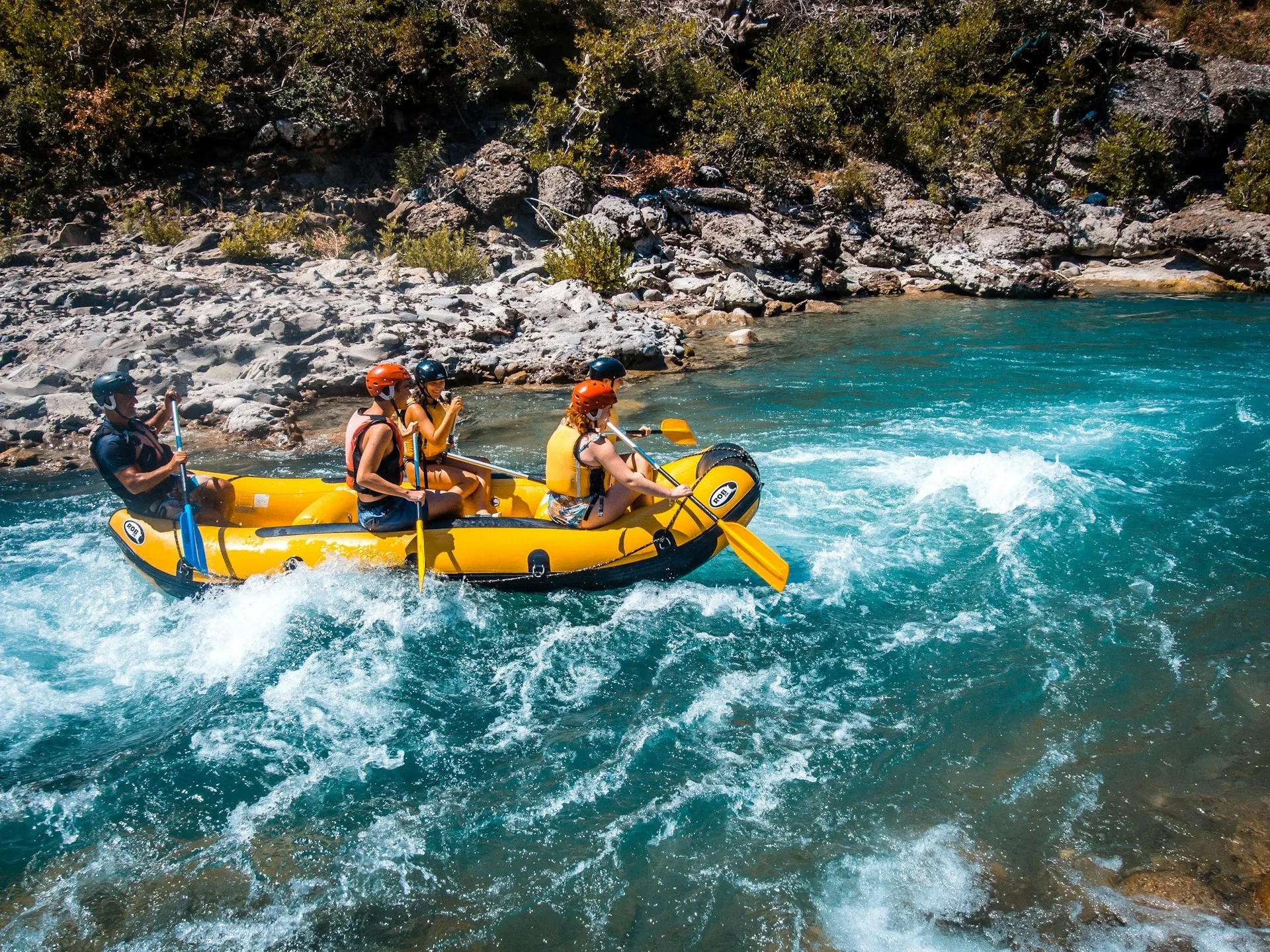
Paddle like a pro, no matter how far out you go.
NEAR
Choose your vessel wisely.
Kayaks and standup paddleboards are often sized to the user. Too small, and they’ll sit low. Too big, and they’ll be unwieldy.
Embrace the PFD.
Find a Coast Guard-approved option that fits, then keep it on and buckled. It’ll save your life if you unexpectedly end up in the water.
Mind the weather.
Storms kick up quick over the water. Check currents, keep an eye on the horizon, and treat the wind forecast with due respect.
Stick to seltzer.
Paddling impaired isn’t exactly a new concept, but it is one that claims lives every year. Party as hard as you want—just do it on the shore once you’re done for the day.
FAR
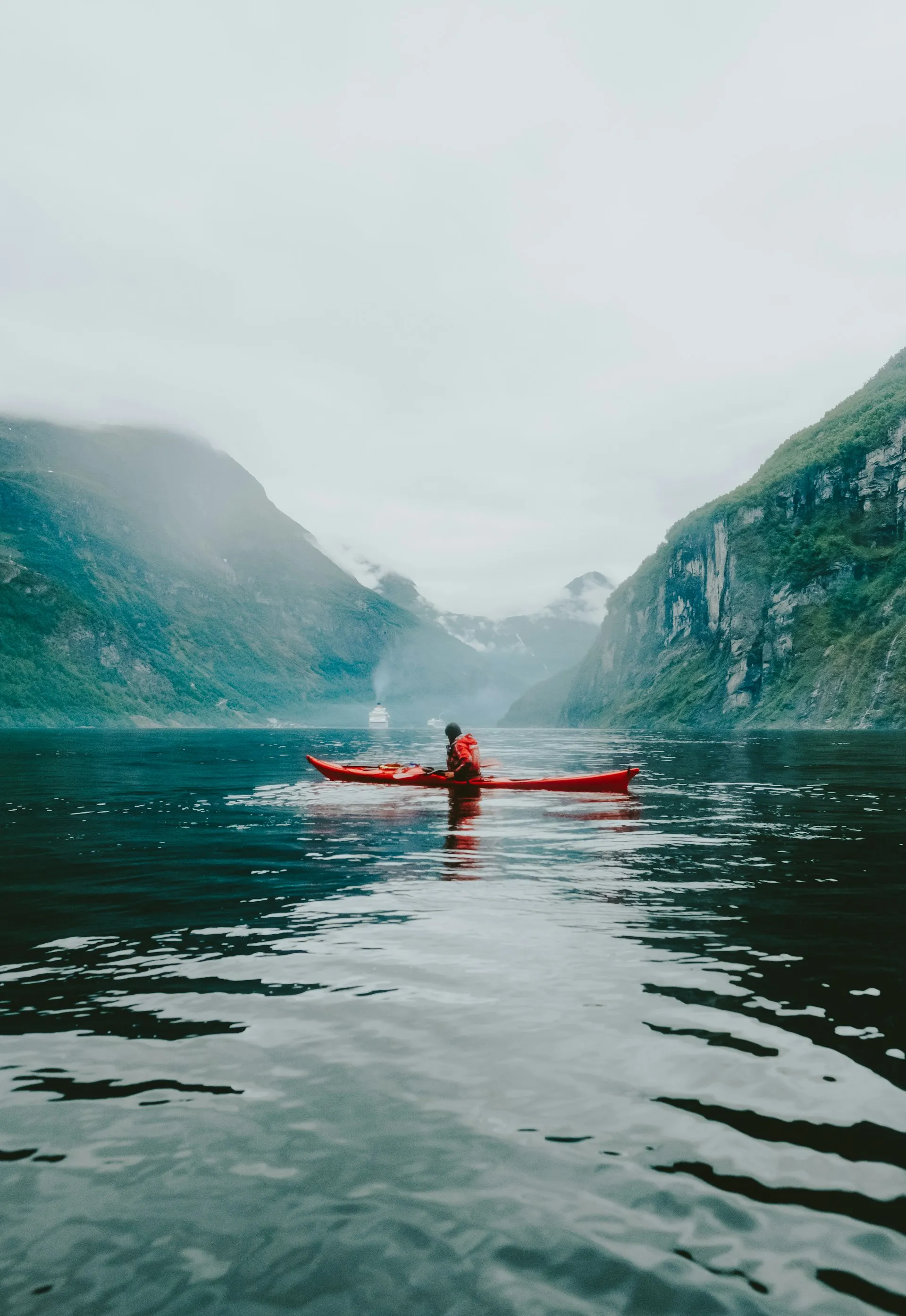
Don’t layer up based on the air temperature.
It’s the water temps that matter most. Dress for the worst-case scenario—i.e. falling in.
Accessorize.
In more demanding conditions, complete your kit: a leash for your SUP, a skirt for your kayak, and a helmet for anything involving whitewater.
Roll practice.
At some point you’re going to take a spill. Sign up for a roll class at your local pool or lake to make sure you can get back on your boat or board
Make a friend.
Selfies get old. Bring a buddy to safety check, heckle—and, of course, take photos of you getting rad.
Biking
Life is good on two wheels. It’s even better with a little pre-ride prep.
NEAR
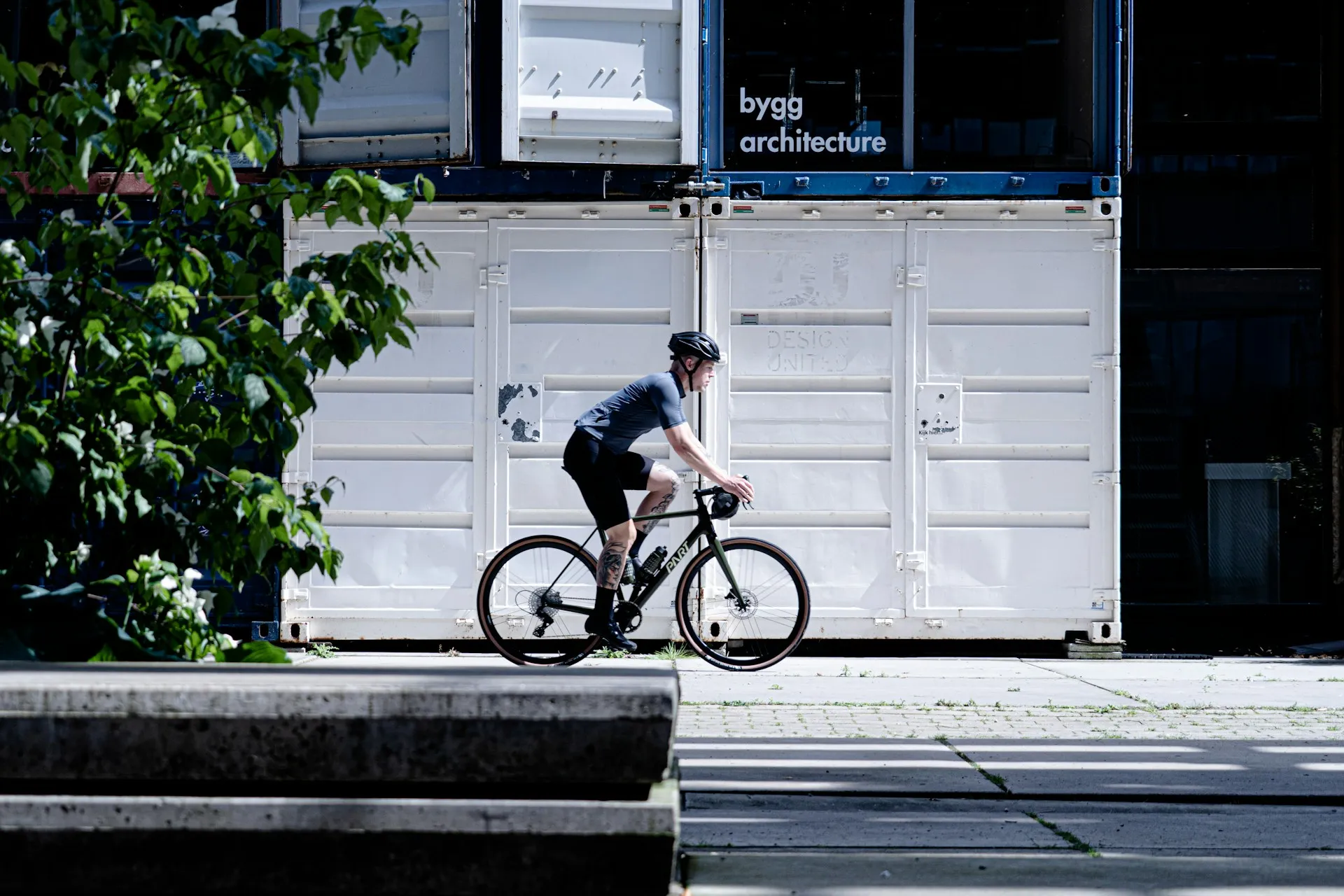
Put a lid on it.
You’ve invested a lot in the contents of your brain. We’d hate to see it smeared on the side of the road. This one is an obvious and simple investment.
Watch for traffic.
Motorists like to say they’re watching for you, but we’re not so sure. Look both ways and cross with caution.
Glow up.
Deck yourself out with reflective gear and lights for maximum visibility. (Glitter doesn’t count, but we won’t stop you.) Don’t be afraid to use a bell or battery-powered horn to alert pedestrians and other cars, either.
Yield to foot traffic.
Sorry, but the sidewalks are not for you. Stick to the right-hand shoulder, signal assertively, and mind our friends on two feet.
FAR
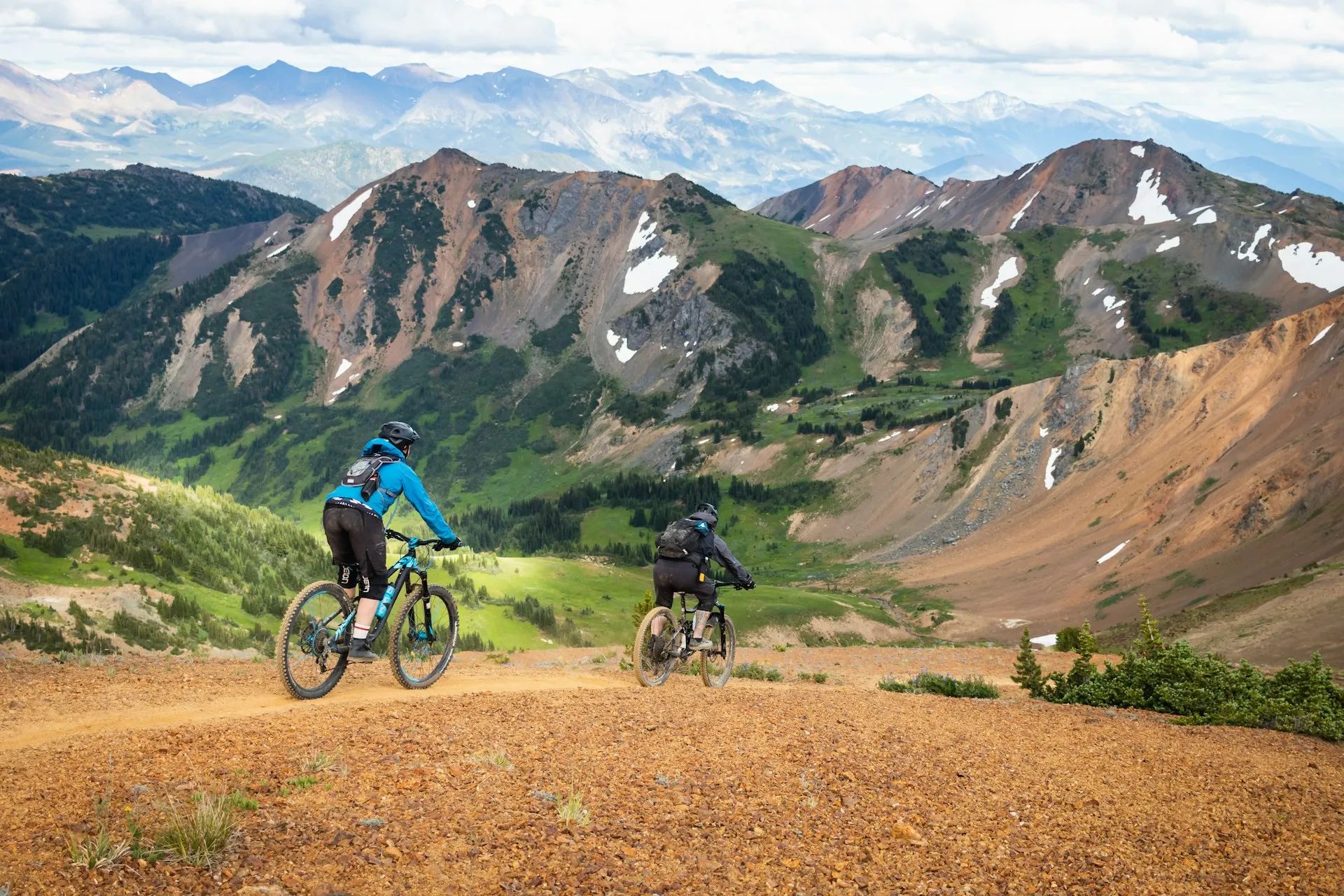
Tune up.
Pump your tires and lube your chain every few rides. Also take a glance at your brake pads: They’re cheap to fix but wear out fast.
Practice changing flats.
Any time you roll out for a longer ride, pack a patch kit—and know how to use it. (Local bike shops are a godsend for free and low-cost classes.)
Take high-vis pit stops.
If you pull over to snack or fix a flat, do it somewhere well-lit and easy to see; hiding yourself in a blind turn could be hazardous.
Driving
Life is good on two wheels. It’s even better with a little pre-ride prep.
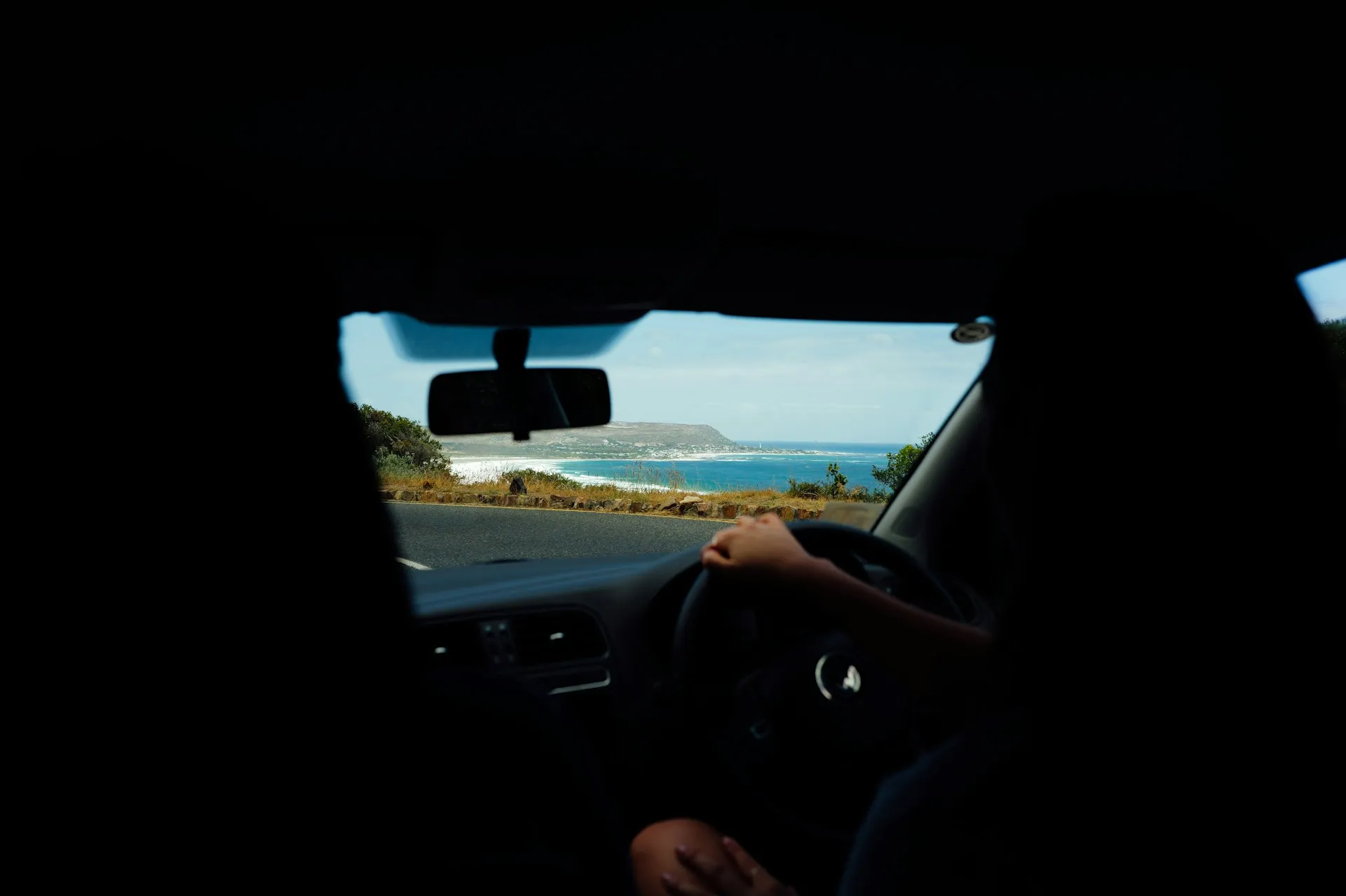
NEAR
Buckle that seat belt.
Deer love last-minute crossings, and blind turns plague mountain roads.
Be a good neighbor.
Say howdy, leash your pup, and keep the tunes down.
Mind the bears.
Yogi and Boo Boo want your snacks. In bear country, use a bear locker, canister, or hang.
Bring the essentials
The right packing list can make or break a trip. Yours should keep your crew warm, fed, hydrated, lit—and at least moderately clean.
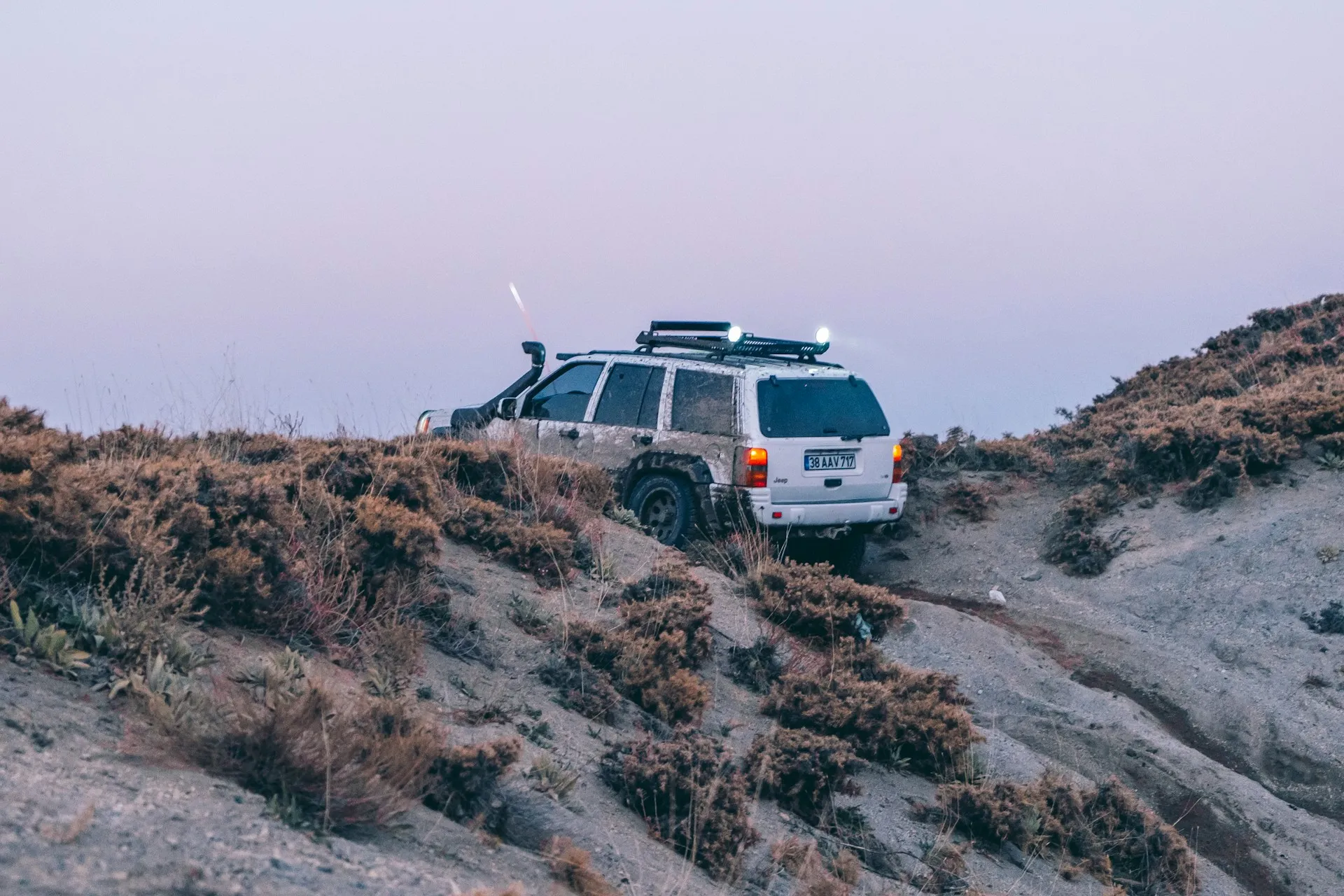
FAR
Get off-grid ready.
It’s wild out there. Keep your adventuremobile stocked with a spare tire, jack, jumper cables, water, and first aid.
Bring extras.
Lighters. Batteries. Chocolate. Socks. Undies. Chocolate. Meds. Chocolate. If your comfort depends on it, pack a spare.
Think like a realtor.
Pay as much attention to your campsite location as you do to your Zillow homepage. Ideal tent spot: slightly elevated, out of the wind, 200 feet from water, and on a durable surface.
Plan for rain.
Nothing lays waste to morale like wet socks. Bring enough gear to waterproof everything—from your tent and backpack to your feet.
Drive Safe on the Road to Adventure
While the sports we love each involve a degree of risk, driving is the most dangerous part of any outdoor trip if you don’t buckle up. The chance of a fatality due to a car crash while not wearing a seat belt on the drive to your launch point — whether a trailhead, campsite, boat launch, empty beach or remote crag — is often higher than that of the activity itself. Dive into the numbers and follow some sage advice to avoid becoming the next statistic.
433
Official units managed by the National Park Service, encompassing over 1,000 miles of paved and unpaved roads and transportation trails, including dedicated national parkways primarily managed for scenic driving. The leading cause of unintentional fatalities? Motor vehicle crashes.
65
The percentage you can reduce your risk of moderate to severe injury in a light truck if you buckle up in a light truck. Stay safe driving in the variable road conditions of the fall and spring seasons by following key advice to: understand your vehicle; equip correctly; know the terrain; and avoid driving alone or unprepared on unknown roads.
42,000+
The number of traffic fatalities annually in the U.S. – 10,484 of which were passenger vehicle occupants killed not wearing seat belts.
12
Gear essentials for your winter car safety checklist, beyond the single-most effective way to protect yourself in a crash against impaired, aggressive, and distracted drivers (wearing your seat belt).
56
The percent of vehicle passengers killed at night (6 p.m.–5:59 a.m.) not wearing their seat belts. Buckle up on adventures that push beyond dawn-to-dusk, and that extend travel onto rural back roads at low-light hours, which only up the risk for unbelted drivers.
47
The average number of minutes in the U.S. between every fatality in a car crash due to an unbuckled passenger vehicle occupant.
