As an avid group of outdoors people, GearJunkie has had the chance to put hundreds of sunglasses to the test in harsh conditions. We have tested literally hundreds of sunglasses. Over the years, the cream has really risen to the top, producing this list of the best sunglasses for outdoor pursuits.
One of the lead testers, Sean McCoy, has been kind of crazy for sunglasses ever since he had corrective LASIK eye surgery in 2016. After a lifetime of corrective lenses, LASIK opened up a new reality in which Denver’s 300 yearly sunny days became a remarkable opportunity to wear shades regularly.
Our lead women’s sunglasses tester, Rebecca Parsons, lives in Oahu, Hawaii, where the sun regularly shines, making sunglasses an essential piece of her wardrobe. She wore them hiking, running, standup paddling, kayaking, biking, and more, and she put these glasses through the wringer to bring you the best of the best.
Below, you’ll find a selection of the best sunglasses you can buy. We also include some good budget sunglasses and pursuit-specific eyewear for fishing, boating, running, mountaineering, and more. Finally, we feature a few models that meld fashion and function.
If you don’t have time to shop and just need the best sunglasses for general outdoor use, we recommend the Costa del Mar Fantail Pro or, for smaller faces, the Mainsail. For women, we recommend the Smith Optics Wander — or check out the Tifosi Swank if you’re looking for a more budget-friendly option.
Editor’s Note: We updated this guide on January 13, 2026, with the addition of more women’s specific sunglasses.
The Best Sunglasses of 2026


Costa Del Mar Fantail Pro

Specifications
Pros & Cons
Pros
- Top-quality, scratch-resistant glass lenses
- Excellent polarization
- Customizable nosepiece
- 10% light transmission
Cons
- Expensive
- A little heavy for running due to glass lenses
All in all, Costa del Mar is one of the best sunglasses brands on the market, particularly for outdoor use. While the brand focuses on water sports and fishing, the durability and lens quality are second to none.
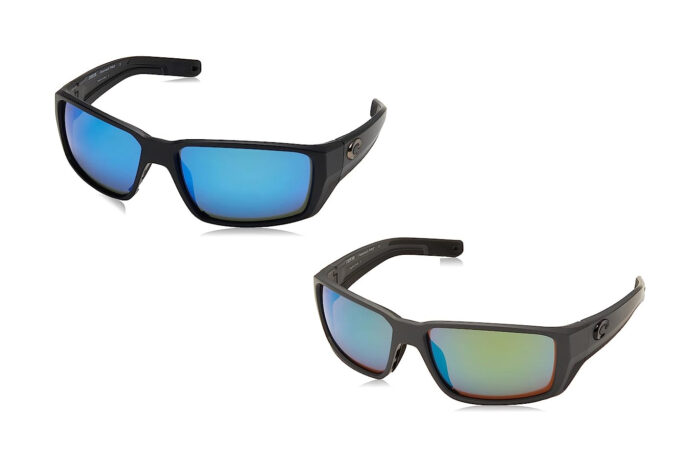
One of its pinnacle products, the Fantail Pro ($309), packs in performance like no other pair of sunglasses. It takes the top slot of our best sunglasses of 2026. Now three years into testing, these glass lenses are still in nearly pristine condition even after regular outdoor use.
In testing, we adored the crystal clear vision afforded by the Premium Polarized 580 Lenses on our test model sporting Green Polarized Mirror Glass. On bright days, the slightly amber lens provides a perfect blend of contrast and brightness reduction, with 10% light transmission.
The lenses are certainly the star of the show with Costa. But the frames also pack a punch. The Fantail Pro has an excellent customizable nosepiece that makes these glasses both secure and comfortable. The rubberized arm ends add a comfortable grip and aid in stability.
Whether you’re relaxing on a boat or trudging up a peak, these sunglasses’ performance and customization make them some of the best for any outdoor pursuit.
A note on fit, though: The Fantail Pros are relatively large sunglasses and fit larger faces best. If you have a smaller face, there are many options with the same premium lenses on Costa’s website.
Smith Optics Wander
Specifications
Pros & Cons
Pros
- Polarized
- Comfortable for everyday wear and activities like running
- Great style
Cons
- Don’t come with a hard carrying case
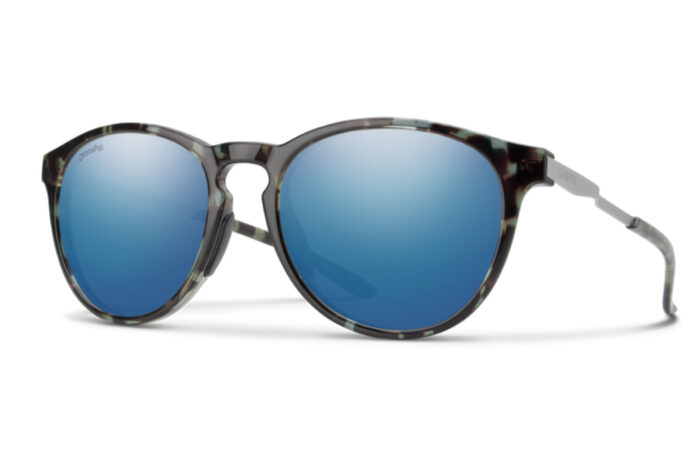
Smith’s Wander sunglasses ($205-215) are a little pricey, but after testing them for a few weeks, they quickly found their way onto this list as our top-rated women’s sunglasses.
They boast quality construction, fit well, provide polarized protection against UV rays, and don’t slip or slide around the face. We’ve worn these glasses casually from day to day, but also tested them while hiking and running. They fit into a unique category, as they’re stylish enough to wear from a day hike to apres at the brewery without looking out of place in either setting.
The Smith Wander shades have Smith’s Chromapop lenses that enhance color and boost contrast — there are actually five different polarized options to choose from (VLT from 10% to 18% based on your preference).
These sunglasses have a lightweight bio-based frame and stainless steel temples. The bridge width is 18 mm, putting these shades in the category of a medium fit.
Finally, the clarity of the Wander lenses is fantastic. No matter how bright the sun gets where our travels take us, these shades haven’t let us down yet.
Read Review: The Harmonic Convergence of Fashion and Function
Knockaround Sunglasses
Specifications
Pros & Cons
Pros
- Affordable
- Fun colors and styles
- Protect eyes from UVA and UVB rays
Cons
- Lower build quality
- Lenses are not nearly as good as more expensive brands
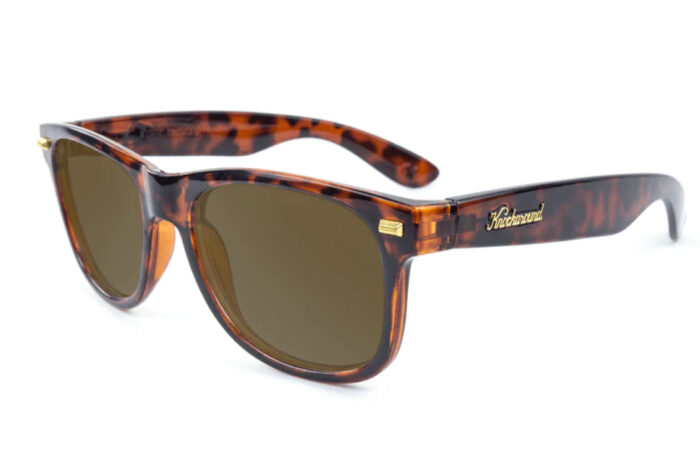
Okay, we won’t even call out a “best” from this brand, because there are numerous styles with a wide range of customization options. During our testing, we found that all the styles worked very well for a fair price. When it comes to decent sunglasses at a great price, Knockarounds (about $35-38 per pair) are hard to beat.
No, they won’t stack up with a pair of Costas or Maui Jims. But let’s face it — those brands don’t come cheap. And if you can’t afford them, or just happen to be someone who loses or abuses sunglasses, a more affordable pair makes a lot of sense.
At $35, these are about as cheap as quality sunglasses come these days. Don’t know where to start? Read our full review here, and then head on over to the Custom Design Shop and go wild.
Goodr Sunglasses
Specifications
Pros & Cons
Pros
- Super-affordable
- Lightweight and comfortable
- Stable on the face
- Lots of frame colors and other styles to choose from
Cons
- Not the most durable
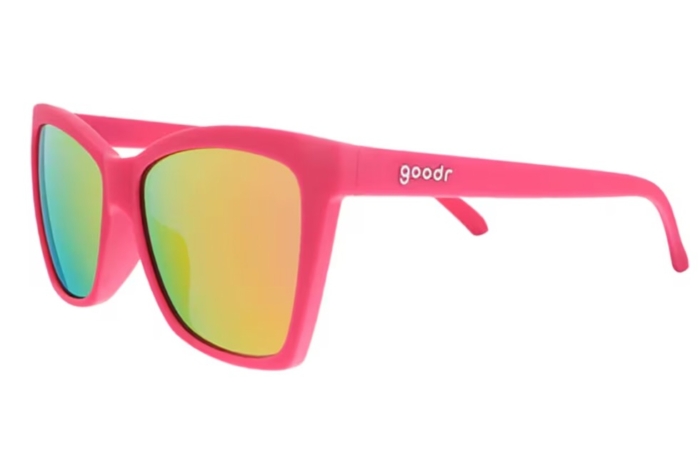
At just $25 to $35 for a pair of polarized sunglasses, we were initially quite skeptical of Goodr’s quality. But after spending a couple of months testing the Goodr Pop Gs ($25), it’s safe to say that we are fans of these budget-friendly shades.
Those who are careless about sunglasses may question spending a lot of money on scratchable optics. So $25 a pair for polarized sunglasses makes Goodr sunglasses makes sense for some. Plus, you can get roughly eight pairs for the price of some other brands, so it’s not as painful if you do scratch them.
The Goodr Pop Gs are lightweight and comfortable. The frame fits snugly (but not too tight), and the grip coating on the frame helps prevent slipping. The polarized lenses block 100% of harmful UVA and UVB rays, and the pink frames we tested are head-turners. We wore these sunglasses for running, hiking, kayaking, and stand-up paddling and loved how comfortable and secure they felt during every activity.
Goodr makes the Pop Gs in a range of frame color options (other styles come in almost too many to count) and offers numerous lens colors and tints. In addition to the Pop Gs, they also make a number of different frame styles to suit varying preferences, head shapes, and activities — all of which are sold at very reasonable prices.
Now, you won’t confuse Goodr sunglasses for a much more expensive pair of sunglasses. The optics are good, but they aren’t on par with the best of the best. The frames and lens coatings also feel a little cheaper compared to glasses that cost six to eight times as much. However, unless you’re comparing them back to back with higher-end glasses, we doubt that’s something most people will notice.
If you’re forgetful, rough on your gear, or just tired of ruining your expensive $200 glasses, check out Goodr’s reasonably priced shades. They look good, work well, and won’t make you cry when you inevitably scratch, lose, or break them.
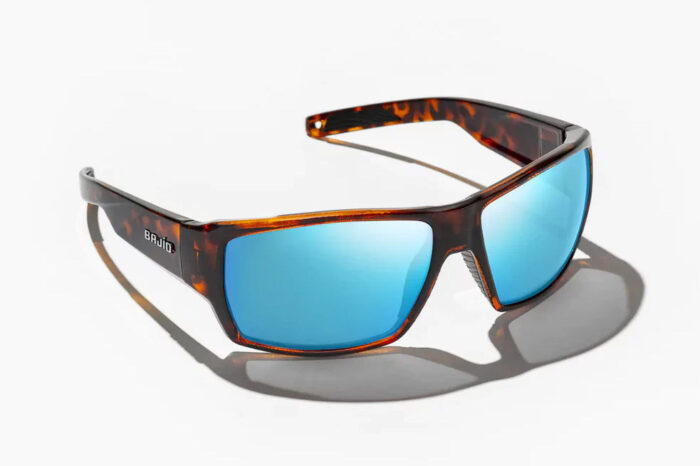
Bajío Vega
Specifications
Pros & Cons
Pros
- Insane clarity
- Customizable lens options
- Aggressive wrap style for increased coverage
- Lightweight
- Eco-friendly
Cons
- Big. Might be too large for smaller faces
- No adjustable nosepiece
Bajío is relatively new to the fishing sunglasses market, but it is already crushing it. Among its options, the Vega ($209) stands out as an all-around performer. The brand’s most significant advantage over the competition? Clarity.
Unlike most other sunglass manufacturers, Bajío is focused on blue light. Cutting the blues by 95% results in less eye fatigue and a crazy crisp view. When our tester put on a pair for the first time, they just sat and stared at the mountains. It’s like they make the real world just a bit more HD.
The lens color options are tailored to fit your specific fishing environment. We don’t know much about fishing the salt flats, but the rose mirror lens makes fish pop out of mountain streams. They’ve become our go-to daily wearers for clarity and an obvious choice for the river.
If you like to hike up to mountain streams and lakes to fish, these are hard to beat. Check out some of the other best fishing sunglasses here.
Costa Del Mar Catherine
Specifications
Pros & Cons
Pros
- Durable, scratch-resistant lenses
- Polarized & 100% UV protection
- Glass lenses have excellent optics
- Bio-based frame material
- Wide fit
Cons
- Heavier weight - not great for impact activities
- Not a great fit for narrow faces
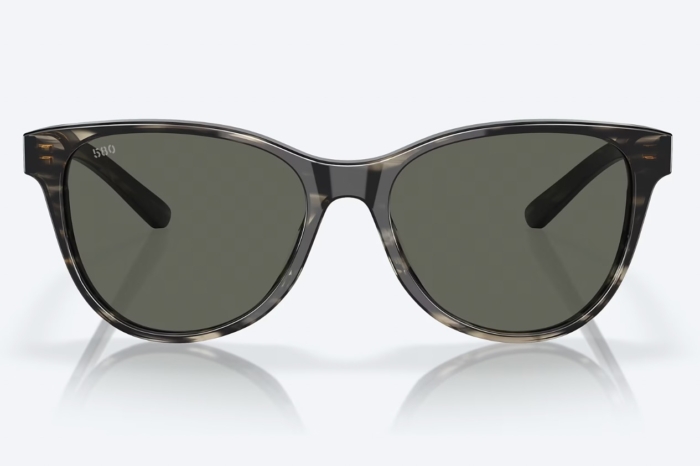
Based in Daytona Beach, Florida, Costa Del Mar makes sunglasses for life on the water. The Costa Del Mar Catherine ($269) is no exception. While these may be the best women’s sunglasses we tested for use on the water, Costa sunglasses also top our charts for the best fishing sunglasses — they work well in most other places, too.
The Catherines have a wider fit, meaning they have larger lenses and cover more of the face. We found that a wider fit can offer more sun protection and ensure that your eyes are completely protected, but they generally work better for those with larger facial structures. If you have a narrower face, you might be better off with shades that come in smaller sizes.
The Catherines have premium 580G polarized glass lenses with 100% UV protection and super-crisp optics. Given Costa’s water focus, they only make sunglasses with polarized lenses. While most brands use polycarbonate for their lenses these days, Costa still uses glass for many of its lenses, and they are very clear and reduce glare as well, or better, than any other polarized lenses we’ve tried. They are treated with a C-Wall coating for extra scratch resistance and have a barrier that repels water, oil, and sweat, making them easy to clean and keeping your vision clear.
We wore the Catherine sunglasses while hiking, kayaking, and standup paddling. The glass lenses add a bit of weight, which is comparatively noticeable for high-intensity or impact activities like running. That said, they worked very well for slower-paced adventures like paddling and hanging at the beach. Plus, the cat-eye lenses and subtle patterning on the frames make for a cool aesthetic.
The Costa Del Mar Catherine sunglasses certainly aren’t cheap, but if you’re looking for the best women’s sunglasses for fishing, paddling, or life on the water, we think they’re among the best you’ll find.
Ombraz Armless Sunglasses
Specifications
Pros & Cons
Pros
- Stay secure on your face during activity
- Extremely durable. We’ve seen the brand founder put them in a soft case and stomp on them with no issue!
- No arms to break. See above.
- Great lenses
- Look good
Cons
- Armless sunglasses require you to remove them over your head
- Can trap dirt while dangling off face
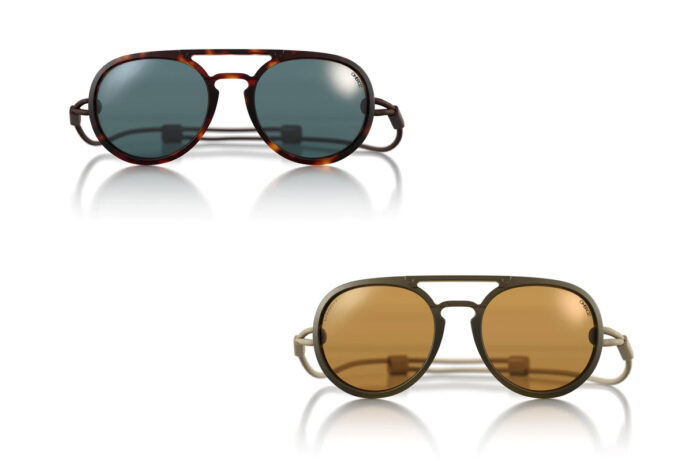
The brand Ombraz launched some of the most unique sunglasses ($160) on the market in 2018, and we’re glad to see they’re getting attention from retailers.
What makes them unique? They have no arms! Instead, a fabric strap holds the sunglasses over the ears. This means they have no arms to break, so you can stow them in a jacket pocket or pack without worrying about crushing them.
Our Editorial Director put them to the test for several months and was consistently impressed with the utility and quality of these sunglasses. They also look great, which was surprising considering the innovation.
Read Review: Sunglasses Without Arms Are Surprisingly Awesome
Smith Bobcat Sport Sunglasses
Specifications
Pros & Cons
Pros
- Large coverage for smaller faces
- Great protection from wind, dust debris
- Photochromic lens tested adapts to ambient light conditions
- Chromapop enhances contrast
- Comes with hard case and space clear lens
- Lots of frame and lens options
Cons
- Expensive
- Photochromic lens may not be for everyone – there are plenty of options
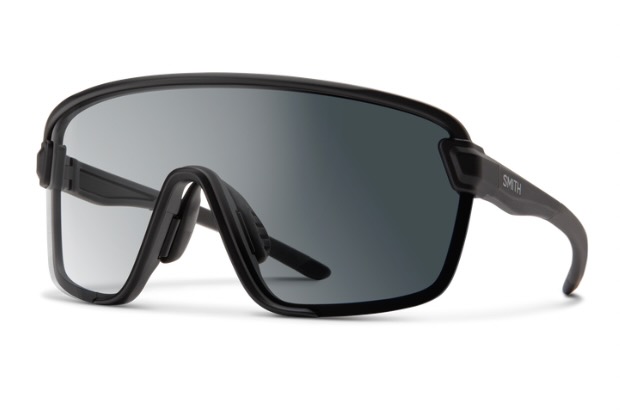
For activities like mountain biking, running, or skiing, more coverage is often preferred to protect the eyes from the wind, dust, bugs, etc. While there are plenty of large-coverage sports sunglasses on the market, the Smith Bobcat ($215-245) stands out for providing loads of coverage with a medium fit that works better for smaller faces. These awesome sunglasses still shield the eyes very well without being ridiculously oversized on a woman’s face.
Everyone’s face is different, of course, but in general, the average woman’s face is slightly smaller than a man’s. Therefore, many of the large-coverage performance sunglasses on the market are often too wide, which can result in reduced stability, slipping, or simply looking too big. So, Smith essentially based the Bobcat off of the wildly popular Wildcat model but reduced the overall size of the lens and frame. Even then, on a small to medium face, the Bobcat’s cylindrical 135 mm wide x 59 mm tall lens provides a goggle-like shield for the eyes.
The Bobcat’s frame is made from Smith’s Evolve partially bio-based material which keeps them relatively light at just 28 grams. Combined with the Megol rubber on the temples and nose pads, these lightweight shades stay in place well when jogging or mountain biking over rough terrain. And, unlike some other glasses we’ve tried, the rubber on the arms never grabbed on our hair. The nose pad also has two positions, so you can adjust it for the width of your nose bridge — although it still may be a bit too narrow for those with low or notably wide nose bridges.
We tested Smith’s latest photochromic lens, which now includes the Chromapop enhancement. While preferences vary, we’re big fans of the self-adjusting photochromic lens for mountain biking as it adapts to ambient light conditions and avoids getting too dark. The addition of Chromapop is great as it really does improve contrast and makes color pop a little bit more. That said, for truly bright light conditions, you may want to consider one of the regular, darker Chromapop lenses — they come with a spare clear lens for low light anyway. Fortunately, there are 10 frame and lens combinations to choose from.
If you’re looking for performance sunglasses for outdoor sports that offer great coverage and a more proportional fit for women’s faces, the Smith Bobcat is our favorite. They are a little spendy, but they’ll keep the wind out of your eyes so you can see clearly no matter the activity. We also like that they come with a zippered case to keep things organized and protect our investment.
Wiley X Founder
Specifications
Pros & Cons
Pros
- Light and comfortable
- Excellent lens clarity
- Good durability for polycarbonate lenses
Cons
- No hard case included
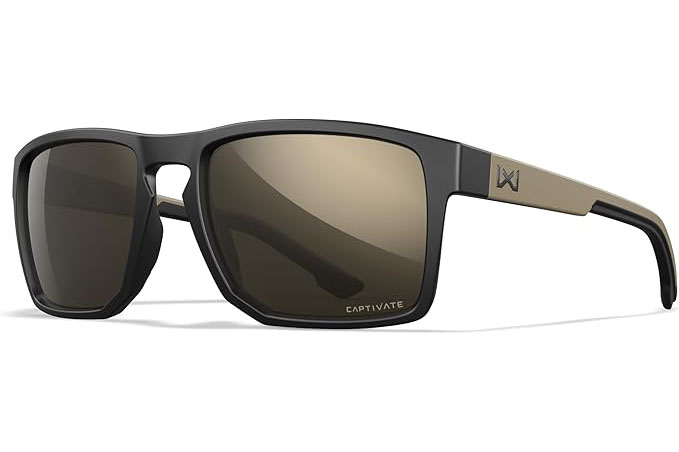
Wiley X is a brand with eye protection as its foundation. Founded as Protective Optics in 1987 by U.S. Army Veteran Myles Freeman Sr., the brand’s goal is to make the pinnacle of protective eyewear. After nearly a year of testing the Wiley X Founder, we’re convinced that it has achieved that goal.
The Founder ($140-206) is a stylish, bold, medium-to-large pair of sunglasses. It uses excellent polycarbonate lenses that meet ANSI Z87.1 safety standards for optical clarity and high-mass/high-velocity impact protection. And while that’s all nice, it doesn’t mean much unless they perform.
Thankfully, they really do! While not quite as clear as glass lenses, the Wiley X Founder has the best polycarbonate lenses we’ve tested. And for protective eyewear, that’s a must. Better yet, they’ve proven very scratch-resistant. We’ve tested these while backpacking, hunting, fishing, and driving across the Midwest and Colorado. They’ve become a go-to pair for any time a little extra eye protection is a bonus. The only negative is that they don’t come with a hard case, which is somewhat disappointing at a relatively high price.
But if you’re like us, you probably have several cases already. So don’t hesitate to grab these if you want top-tier sunglasses with a bit of extra eye protection.
Julbo Fury
Specifications
Pros & Cons
Pros
- Very light
- REACTIV lenses work from near darkness to bright sun
- The protective shape keeps the wind at bay
Cons
- Super-athletic styling is not great for wear around town
- Expensive when coupled with REACTIV lenses
Read Review: Julbo ‘Fury’ Are My Favorite New Sunglasses for Endurance Sports
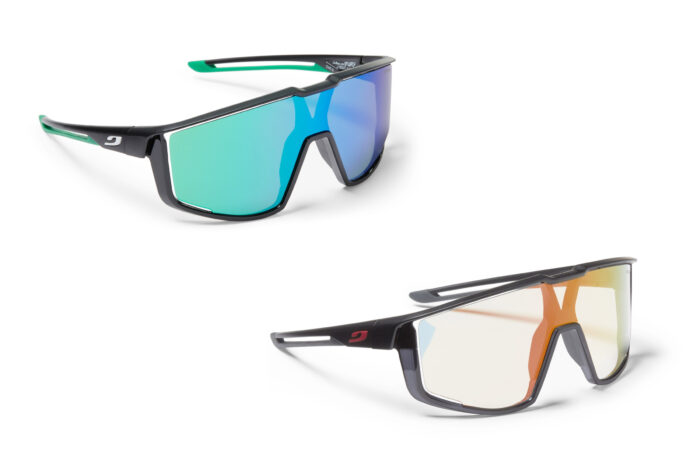
The Julbo Fury ($140-230) is one spectacular pair of sunglasses for athletes. We’ve been testing a single pair for more than three years and still reach for them every day for our morning run or post-work ride.
But let’s be real — off the bike or trail, they’re pretty dorky. These are some sport-specific shades and they’re great while in the saddle.
These sunglasses are light, comfortable, protective, and have the best adaptable, light-adjusting lenses on the market. Julbo calls its tech “REACTIV” and it’s an appropriate name. In low light, they become nearly clear. This is awesome during winter morning runs before sunrise as they protect eyes from freezing winds.
And as the sun rises, they darken to block the rays. They’re also great for post-work bike rides, as you can wear them into the night, maintaining protection without blocking light.
Julbo designed these sunglasses for cycling. We wear them for nearly any sport, from running and biking to backcountry skiing. If they were a bit more stylish for everyday use, they’d be our best sunglasses on this list, as they really are fantastic.
Ray-Ban Erika Classic
Specifications
Pros & Cons
Pros
- Lightweight
- Cute style
- Polarized and non-polarized lens options
- 20 color choices
Cons
- Slide around a tad during exercise
You’d be hard-pressed to find a more timeless sunglasses brand than Ray-Ban. Founded in 1937, Ray-Ban has been in the business longer than almost any other sunglass manufacturer, and its quality sunglasses are a testament to its experience.
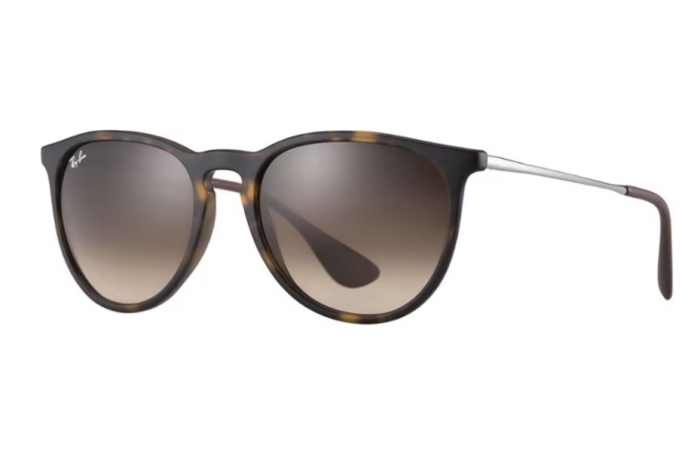
The Ray-Ban Erika Classic ($166-186) blends style and performance, making them a pair of shades that you can wear virtually everywhere. To the beach, on a hike, out to dinner, you name it. These shades fit right in. Thanks to the sleek metal arms coupled with the minimalistic frame design, the Erika Classic sunglasses are incredibly lightweight. They’re so light, in fact, that you’ll barely notice them on your face.
The Erika Classic shades come in 20 different color options, so you can be sure to find an option that works for you. They are also sold with polarized or non-polarized lenses in a range of different tints. The polarized lenses set you back an additional $20 but may be worth the added expense for many people. We liked the look of the polarized brown lenses, which worked well in medium light conditions. We found that it provided ample protection without making the world seem too dark.
We felt that these glasses fit well for the most part. However, they did slide down the nose a bit when exercising and generating sweat — likely due to the lack of rubber nose pads. These shades lean more toward the casual side of the spectrum compared to the Smith Wildcat, for example, which is a bit more stable on the face.
The timeless style of the Ray-Ban Erika Classic makes it an excellent option for hanging at the beach and cruising town, while the lightweight design and quality lenses make it equally well-suited for lower-impact outdoor activities.
Revo Daphne
Specifications
Pros & Cons
Pros
- Frame made from 100% biodegradable materials
- Provides a sharp optics
- Great color boost and contrast
Cons
- Too large for narrow faces (a petite option is available)
- Scratch easily
Innovation has always been at the core of Revo’s ethos. In 1985, NASA astrophysicist and optical engineer Dr. Mitch Ruda was working on a project for NASA when he began wondering if the coating used on satellites could also be used to shield our eyes from the sun. He used the coating on a pair of sunglasses, creating a pair of polarized lenses. And just like that, Revo was born.
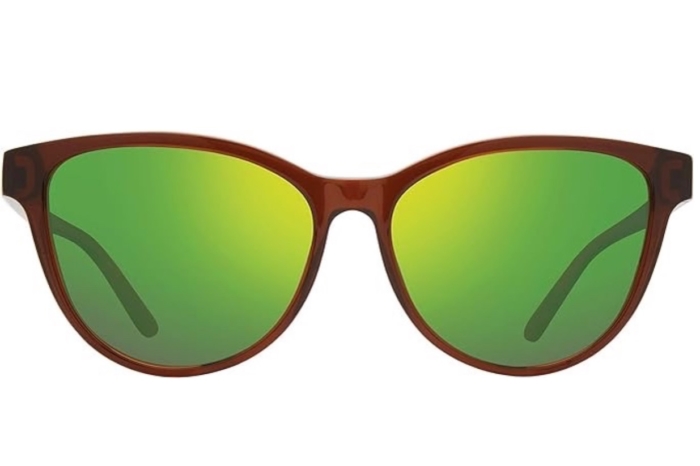
To this day, Revo is focused on delivering the latest in lens and frame technology. To that end, the Revo Daphne ($199) sunglasses sport a modern, cat-eye shape and high-quality lenses, but they are sustainably made with plant-based bio-acetate frames made from 100% biodegradable materials.
On our narrow-faced tester, we found that the regularly-sized Daphnes were a little on the large side for her face. Luckily, Revo sells a petite version of the Daphne for those with smaller facial structures. Additionally, the nose pads and temple tips are comfortable and grippy to help prevent the glasses from sliding around.
The Daphne sunglasses come in three frame colors, each with a different polarized lens. The lenses are available in either evergreen, champagne, or graphite. We had the opportunity to test the brown/green Evergreen lenses, which deliver a boost of warmth, contrast, and high-definition colors while outdoors. We wore the Daphnes for both hiking and standup paddling and were impressed with their quality construction and sharp optics.
Sunglasses Comparison Chart
| Sunglasses | Price | Fit | Frame Material | Lens Options | Special Features |
|---|---|---|---|---|---|
| Costa Del Mar Fantail Pro | $309 | Large. Designed to fit those with an average-sized head. 6-base curvature. | Bioresin | 580 G lightwave glass or 580 P polycarbonate | Rx available, adjustable nose pads. |
| Smith Optics Wander | $227 | Medium | Bio-based | ChromaPop polarized lenses | Flexible stainless steel temples, non-slip nose pads |
| Knockaround Sunglasses | $35 | Average; varies by style | Plastic | Polarized and non-polarized lenses available | Customizable colors |
| Goodr Sunglasses | $25-35 | Medium | Copolyester | Multiple color/tint options, mirrored reflective lenses | Stylish and affordable |
| Bajío Vega | $219 | Large; 8-base curvature for greater wrap and side coverage | Bio-based nylon | Polarized glass and polarized polycarbonate available, plus many color options | Integrated leash compatibility, readers available |
| Costa Del Mar Catherine | $269 | Medium, wide | Bio-Acetate | Polarized Glass (580G) and non-polarized options | 20% Thinner And 22% Lighter Than Average Polarized Glass |
| Ombraz Armless Sunglasses | $160 | Varies by frame shape, though most frames are medium sized | Bio-based nylon. | Three colors of Zeiss polarized polycarbonate | Armless, easily adjustable cordage |
| Smith Bobcat | $247 | Small to medium fit, large coverage | Evolve bio-based | ChromaPop lenses, interchangeable lenses | No-slip fit details, slight wraparound fit |
| Wiley X Founder | $140-206 | Medium to Large | not specified | 5 polarized and non-polarized polycarbonate options | ANSI Z87.1+ certified, removable Side Shields |
| Julbo Fury | $140-230 | Wide, large lenses | Polymer | SPECTRON 3 CF, Photochromic REACTIV PERFORMANCE 1-3 | Shock-absorbing nose bridge insert, wraparound panoramic lens |
| Ray-Ban Erika Classic | $176 | Wide | Plastic (not specified), metal temples | Polarized, mirrored, customizable tints, super hydrophobic | Prescription eligible, anti slip |
| Revo Daphne | $219 | Medium | Bioacetate | Polarized UV protection, multiple tint options (Champagne, Graphite, Evergreen) | Prescription eligible, NASA lens tech |
How We Tested Sunglasses
GearJunkie editors have spent years learning about outdoor products, including sunglasses. We meet with brands to learn about the latest technology. Then, we research and test the best products on the market to ensure they perform in their intended environment.
Our goal is to help you find the best products for your outdoor pursuits. And we’ll do our best to find them within your budget, too.

The lead author of this article, Sean McCoy, has worked in the outdoor gear testing industry for nearly 15 years. He began his career serving customers as a rock climbing specialist at Midwest Mountaineering in Minneapolis. He then worked at newspapers to hone his reporting and research skills.
As GearJunkie’s former Editor-in-Chief, he tested hundreds of pairs of sunglasses over his 10 years at the helm. Today, he oversees editorial production across multiple websites, and he still loves testing gear.
Mary Murphy also contributed to this article. A former managing editor at GearJunkie, Murphy put optics to the test as an avid hiker, paddleboarder, and skier. GearJunkie editors Adam Ruggiero and Rachelle Schrute also contributed testing notes for this article.

Our lead women’s sunglasses tester is Rebecca Parsons, an avid outdoorswoman living in Oahu, Hawaii. Rebecca has been a freelance writer for over a decade and has spent the last two years exclusively testing and reviewing gear, so she knows quality when she sees it. Rebecca spends every hour that she isn’t on her computer outside hiking, running, surfing, and standup paddling, among other things.
To test the women’s sunglasses on our list, she spent a few weeks in each of the shades, doing multiple activities in each to see how they fared across the board. Throughout her testing, Rebecca noted how stylish each pair of sunglasses was, how comfortable they felt, how they fit, the lens color, optical quality, and how secure they felt during both high and low-intensity activities. She hit the trails and the water and wore the sunglasses when it was sunny, cloudy, and misty to see how they performed in a wide range of conditions.
Buyer’s Guide: How to Choose the Best Sunglasses
If you’re shopping for sunglasses, we’re here to help. Below, find our best advice for choosing sunglasses for any budget. If you’re searching for women’s sunglasses specifically, be sure to check out our guide to the Best Sunglasses for Women. How about fishing, running, cycling, and driving? Don’t worry, we’ve covered the Best Fishing Sunglasses, running sunglasses, cycling sunglasses, and driving sunglasses, too.
Best Sunglass Brands
What are the best sunglasses brands? After in-depth testing and research, our team agrees that Costa del Mar makes the best sunglasses you can buy, period. We base that judgment on lens quality and durability, which we’ve found to be unrivaled even by other top sunglasses.
But if Costa isn’t your jam, don’t worry. There are many great premium sunglasses these days. The other best brands for sunglasses, according to our testing and research are Maui Jim, Bajío, Smith, and Spy. Roka makes great sunglasses for athletes, as do Julbo and Dynafit. Ombras and Shwood are both remarkably good for small brands.
Among the classics, Ray-Ban and Oakley are still excellent brands, and some of their classic styles are among the most popular on the planet.
If you want some party sunglasses on a budget, don’t forget about Pit Viper, the bombastic brand that builds wild styles with quality lenses.
As an outdoor publication, we do not consider fashion-first sunglasses from designer or fashion-first brands. In our opinion, they do not match the quality of more focused sunglasses. If you’re looking for styles from Chanel or Versace, you’ll need to look elsewhere.

Frames
When choosing sunglasses, frame material helps dictate both appearance and weight. Among our favorite models, you’ll see recycled plastic from fishing nets and even titanium used for the frames.
Titanium makes an exceptionally light frame material we prize for its durability, but you’ll pay a premium price for it. Other metal frames include Monel, Flexon, and aluminum. Most of our test glasses for outdoor use do not use metal frames.
The majority of the frames we test are made from various types of plastic. Common plastics include zyl (zylonite or cellulose acetate), nylon, epoxy, and cellulose acetate propionate.
These are durable, light materials but have questionable sustainability. We look for brands that use recycled plastics when possible, such as the Costa Del Mar Pescador above.

Fit
Fit is important, especially if you plan on wearing your sunglasses while you work out. Many of the sunglasses on our list include sizing guidelines on their website, which are worth checking out if you don’t have the opportunity to try on your sunglasses in person. Whenever possible, we recommend trying glasses on to ensure that they will fit your face.
Our tester has a narrow face and found that most of the medium frames were a little big on her face and slid down her nose while working out. Glasses like the Revo Daphne also come in a petite size, which is great for those with a narrow face.
Similarly, the Tifosi Swank comes in an XL size for larger faces and an SL version for lighter weight and smaller facial structures. For individuals with a wider face, wider glasses like the Costa Del Mar Catherine could be a great fit.
Bridge Width
The bridge width refers to the distance between the two lenses. It’s the part of the sunglasses where the frame rests on your nose. The bridge width affects the overall fit and comfort of the sunglasses depending on the width and profile of your nose bridge.
Lens Height/Width
Lens height refers to the distance from the top of the lens to the bottom, while lens width is the distance from the left side of the lens to the right side. These measurements help you determine how large the glasses will look on your face and how much coverage they provide.

Temple Length
This measurement refers to the length of the temples, or arms, of the sunglasses. This measurement is taken from the hinge to the tip of the temple. This measurement is important as it helps ensure that the sunglasses are long enough to extend behind your ears without poking too far out.
Lens Material and Tint
For optical clarity, there are no better lenses than mineral glass. They also provide excellent scratch resistance, so they’re a top choice when clear vision is a priority. However, glass lenses have some flaws. They are heavy, expensive, and more prone to shattering than plastic lenses.
Next down the scale for optical clarity are lenses made from a material called CR-39. It performs nearly as well as glass but weighs about half as much and is less prone to shattering.
Polycarbonate and Trivex are two other materials popular for their impact resistance. While both have less optical clarity than glass or CR-39, polycarbonate and Trivex lenses are much more impact-resistant than other types of plastic and thus popular with cyclists, shooters, and others who put a premium on physical eye protection.

Sunglass lenses come in many different tints. You may think the lens tint is simply for style, but different tints serve different purposes. Additionally, different lenses allow varying amounts of light to transmit through them for use in different lighting conditions. Similarly, lenses come in both polarized and non-polarized options, so you can choose what works best for your needs.
Gray/Black
A neutral choice, gray and black lenses are one of the most popular sunglass lens options. The subtle tint minimally alters the outside world and provides true color perception with more of a cooling effect. They can also help minimize glare off the water and help reduce eye fatigue with their dark tint. They are a good pick for a wide array of uses but are especially popular for driving as they provide a balanced view of the road while reducing glare.
Brown/Amber
Brown and amber lenses work to enhance contrast by blocking blue light. They amplify contrast and depth perception, making them a good pick for overcast conditions. Where gray lenses tend to provide a cooling effect, brown and amber lenses are more warming. They are a popular pick for hiking, fishing, and skiing.
Rose/Red
If you spend a lot of time on your computer or your phone outside, rose/red lenses could be a good pick for you as they filter out blue light. They also help filter out natural blue light rays emitted by the sun, so they’re a popular driving option.
Finally, they improve visual depth, reduce eye strain, and offer more contrast than any other lens color. For this reason, they are often a good choice for doing activities in lower-light situations and are popular with mountain bikers and others who spend time in the forest in mixed-lighting conditions

Blue/Purple
Blue and purple lenses have the unique ability to filter out the infrared spectrum of light. They also can help reduce glare, define contours, and enhance color perception. They also tend to work well in areas with lots of blue hues, making them a popular choice for water sports.
Yellow
Yellow lenses work well in low-light conditions such as dawn, dusk, or foggy/stormy weather. They help enhance depth perception and visibility where there is minimal natural light. They are popular for snow sports like skiing and snowboarding and for precision sports like hunting, shooting, and mountain biking.
Green
Green lenses strike that happy medium between color accuracy and contrast enhancement. They have a soothing effect on the eyes and can help reduce eye strain and help your eyes feel more comfortable during long periods exposed to sunlight. They are a popular pick for sports like tennis, golf, and cycling.

Shape & Design
Beyond style (and let’s face it, style is important), the shape of sunglasses has a big impact on performance. Wider, larger sunglasses will offer more optical and physical eye protection.
Wraparound styles will protect eyes from the sides as well as directly in front. But larger sunglasses do not fit every face well. Those with smaller faces will want sunglasses that stay secure when moving the head up and down and side to side.
Similarly, those with larger heads and faces should favor larger shapes and designs. Smaller sunglasses will not protect the eyes well here, and too snug a fit can cause headaches for the wearer.

Polarized Lenses
Many sunglasses can be purchased with either polarized or nonpolarized lenses. For fishing, watersports, or other activities where glare reduction may be beneficial, polarized lenses are a much better choice. By cutting down on glare, polarized lenses allow the wearer to see into the water much better than non-polarized lenses.
They also tend to make blue skies pop more vividly. Some prefer nonpolarized lenses for driving, as they can cause strange aberrations with some windows.

Visible Light Transmission (VLT)
The amount of visible light that a lens allows to pass through it is known as the Visible Light Transmission, or VLT. This is typically expressed in a percentage, with higher numbers allowing more light through and vice versa. What works best for you depends on your eyes’ sensitivity to light, the light conditions, and possibly the activities that you’re doing.
Most, but not all, manufacturers post the VLT percentages for their lenses so you can easily find the best option to suit your needs. Smith Optics is a good example, as they have a VLT scale on their website that shows the percentage for each lens option along with the conditions for which it is best suited.
For bright conditions, a lens with a lower VLT — in the 10-15% range — will block more light but may be too dark in dimmer lighting. A lens with a higher VLT may be preferred for activities in mixed light or dimmer conditions but may not be dark enough for super bright conditions.
For example, many mountain bikers will use rose or yellow-tinted lenses with VLTs in the 40-60% range while riding in the forest. Many will even opt for totally clear lenses on cloudy days or when riding around dusk.


Photochromic
When purchasing sunglasses, photochromic lenses are often available as a lens option, particularly for sports sunglasses. These lenses adapt to ambient light conditions and automatically transition from light to dark and vice-versa. The lens tint does not change instantly, mind you, but in a handful of seconds, the lenses will get darker or lighter to suit the current light conditions.
For example, the Chromapop Photochromic lens we tested with the Smith Bobcat changes between 12% and 67% VLT. So, they will darken for bright and sunny conditions, and the tint will get lighter when it’s overcast or you’re out past sunset. This eliminates the need to swap lenses for varying light conditions.

Price & Value
There is a wide range of prices for sunglasses. The models we tested cost between $25 and $269. What’s the difference, and are more expensive shades worth the extra cost? We’ve found that when it comes to optics, the more established brands have put more time and money into creating excellent lenses.
What are we buying? Well, we’re GearJunkies, of course. We generally prefer the premium optics and feel of brands like Oakley, Smith, Costa Del Mar, and Ray-Ban. That said, we also love great value and that brands like Goodr, Tifosi, and Knockaround exist for those who aren’t willing or able to shell out the big bucks for high-end shades.
Budget
Since we don’t all have $200+ to spend on high-end shades, we covered a few budget-friendly models above. Several brands are disrupting the market by offering sunglasses at dirt-cheap prices. Goodr, Tifosi, and Knockaround are good examples of brands that are undercutting the competition by selling good sunglasses at a fraction of the cost of the premium brands.
While the optics and longevity of more affordable sunglasses aren’t quite up to par, the models we’ve tried from brands like Tifosi and Knockaround are pretty darn good for the price. Budget-conscious shoppers or those who are prone to scratching, losing, or breaking sunglasses will find a lot to love here. And, in many cases, you aren’t giving up much, if anything, in terms of style.
For just $35-38, Knockaround sunglasses come in a huge range of frame styles with polarized and non-polarized lenses in a variety of tints and reflective coatings. The optics are decent, they look more expensive than they are, and they will barely make a dent in your bank account balance. Heck, at that price, you can buy several pairs and stash them in the car, backpack, and around the house, so you’re always prepared.
Tifosi glasses also stand out for their impressive value. At $60, the Tifosi Swank with polarized lenses provides a clear step up in optical clarity and frame quality. The brand also offers a huge range of frame styles and lens options from $25 non-polarized casual shades up to $80 performance models that come with three interchangeable lenses.

Mid-Tier
As we climb above the $100 mark, we see glasses from more established brands along with notable improvements in optics, durability, and models designed to meet more specific performance demands. In general, we find lenses that provide a better visual experience by enhancing color and contrast and reducing glare. Often, the lenses are also more durable, with more resilient protective coatings.
In the mid-price tier, an interesting newcomer is Ombraz, with its unique Armless Sunglasses ($160). This brand has done away with frame arms in favor of an adjustable cord that wraps around the head for a secure, stable fit. This design choice dramatically reduces the chances of them slipping off your face or breaking them in your pocket or backpack. On top of that, they come in six different frame styles with your choice between three colors of high-quality Zeiss polarized lenses.
Another standout is the Julbo Fury. These sporty shades might not be the best for casual wear, but they became Sean McCoy’s go-to for activities like running, biking, or backcountry skiing. With loads of coverage and a light-on-the-face feel, these glasses shield the eyes well and have excellent lenses. The Spectron CF lens will set you back $140, or you can upgrade to the self-adjusting REACTIV lens for a $60 bump in price — but you’ll be prepared for any light condition.
Premium
While it may sound absurd, we’ve found that when you shell out $200 or more, you can expect greatly improved durability and optical quality. Our top-rated sunglasses from brands like Costa Del Mar have proven themselves over years of testing, and they still look almost new today. That’s why the brand’s sunglasses are consistently some of our favorites — they work very well and last a long time.
Lenses are the primary reason you’re paying more for premium sunglasses. Brands like Costa Del Mar, Oakley, Smith, and others have invested lots of money and time into research and development to create lenses that are crisp and clear and enhance your ability to see the world around you. We are particularly fond of Costa’s Polarized Glass lenses we tested in the Fantail Pro ($292), which are stellar for use on and around the water but are surprisingly durable, too. On top of that, Costa uses an eco-friendly but tough Bioresin for its frames, which has helped our test pair stand up to over 4 years of regular use.
While the performance differences between the premium models and the budget options may not be that important to many users, we’ve found that they are noticeable and typically worth the added expense, in our opinion. Getting your money’s worth is another story, and your ability to treat your sunglasses with care should be considered when choosing what sunglasses are right for you.
Frequently Asked Questions
Most sunglasses are unisex, so assuming they fit you and you like the style, you can wear any sunglasses you want. Most sunglasses that are made for women, however, often have styling and shapes that are more “feminine” and come in colors that may suit ladies’ preferences better.
Additionally, many women’s sunglasses have been made to fit slightly smaller head and facial structures due to the fact that women’s heads and faces are generally smaller than those of men.
Polarized sunglasses have a specialized construction that reduces reflected light, or glare. Because they reduce, and in some cases nearly eliminate, reflected light, they are a top choice for fishing and water sports because they allow you to see into the water better than with nonpolarized sunglasses or the naked eye.
Polarized lenses also cut glare from car windows and reduce reflected light from the sky, resulting in blue skies looking darker through them. We generally recommend polarized lenses, although they can cause aberrations when looking through some car windows.
While we have a soft spot for cheap sunglasses, spending more on expensive sunglasses is worth it if you have the money. You will immediately notice the better lens quality, sturdier frame, and hinges of expensive sunglasses.
But where you’ll really notice the difference is in durability. High-end sunglasses will last much longer than cheap sunglasses as long as you care for them well.
Take care not to scratch your investment! Clean sunglasses by first running them under warm water to remove any potentially abrasive material like sand or dust.
You can use a little mild liquid dish soap to remove sunscreen or other oils too. Just put a dab on your clean fingers and gently work the soap across the wet lenses and rinse.
Once clean, shake off excess water and dry with a soft cotton cloth or, better yet, a microfiber cleaning cloth. The main point here is to not rush the job, and don’t scratch the lenses with a rough or dirty cloth.
Once clean and mostly dry, polish out any imperfections with a microfiber cloth. And there you go, crystal clear vision restored!
If you wear prescription sunglasses, you’ll want to double-check that the brand/style you are choosing has a prescription option. If it does, you can report your exact prescription so that the manufacturer can swap out the lenses for your prescription. Prescription lenses cost more but are worth it. Most premium brands have a prescription option for those who don’t want to or can’t wear contact lenses.