In ultralight backpacking, ounces make pounds. But you’ll still need a pack to carry gear. To find the best, lead tester Nick Belcaster and our team of veteran thru-hikers have logged over 15,000 lifetime miles on the most demanding long trails. Most recently, Belcaster re-hiked all 75 miles of Section J of the PCT to test three new packs for 2026, ensuring our selection is dialed.
Our team’s testing highlighted current standouts, including the rugged Hyperlite Mountain Gear Southwest 55 and the high-performance value of the Outdoor Vitals Shadowlight Carbon 60. From frameless bags to 100-liter load-haulers proven in the Alaskan backcountry, we have vetted the packs that actually support your pace.
This guide is built on eight years of continuous field testing and standardized measurement. We’ve sifted through the noise to curate the definitive list of ultralight (UL) packs available today. Check them out (and more) below.
Editor’s Note: We updated our Ultralight Backpacks guide on August 31, 2026, to add the Gossamer Gear Skala 38 and Six Moon Designs Swift X Pack, plus an updated Comparison Chart that allows you to go side-by-side with your pack choices.
The Best Ultralight Backpacks of 2026


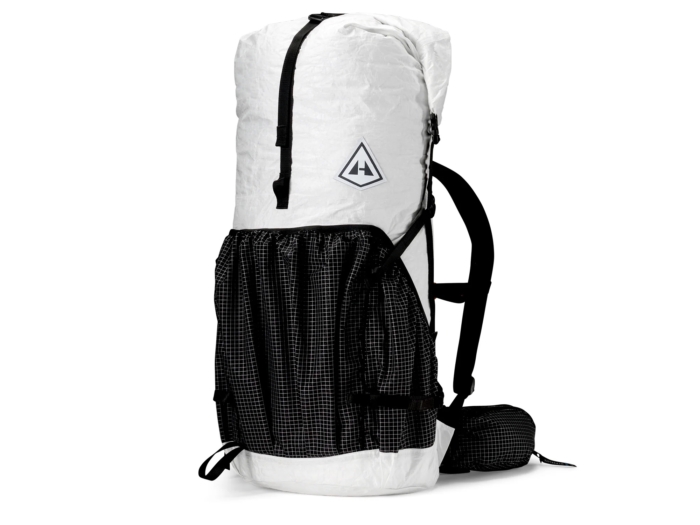
Hyperlite Mountain Gear Southwest 55
-

-
(Photo/Erika Courtney)
-
(Photo/Erika Courtney)
-
(Photo/Erika Courtney)
-
(Photo/Erika Courtney)

Specifications
Pros & Cons
Pros
- Quite durable given its ultralight construction
- Stable and comfortable compared to other ultralight models
- Side and front external pockets have drain holes and reinforced bottoms
- Can be stripped down to a frameless version for quick and light missions
Cons
- Minimal features
- Expensive
Bottom Line: A weather-resistant roll-top built with woven DCF for better-than-average durability in rough terrain. It handles moisture well, though the simple suspension and solid back panel can feel stiff and sweaty on hot days.
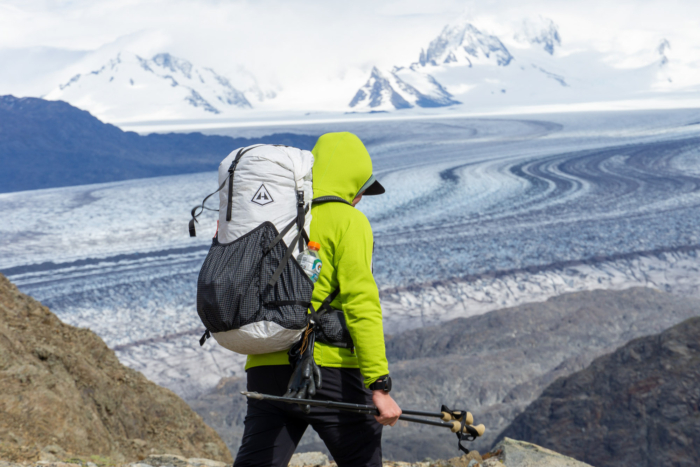
After multiple thru-hikes now, I’ve settled on the Hyperlite Mountain Gear Southwest 55 ($420) as just about the best ultralight option from the brand — and it’s now one of the most durable out there.
Newly redesigned, the Southwest, along with the other two legacy packs from the brand — the Windrider and the Junction — are now all impressively skinned in a new blend of woven DCF that boasts a 10x abrasion resistance compared to Hyperlite’s previous white DCF 3.8 material. This new material has a fully woven face fabric and is now a serious competitor for Ultra textiles.
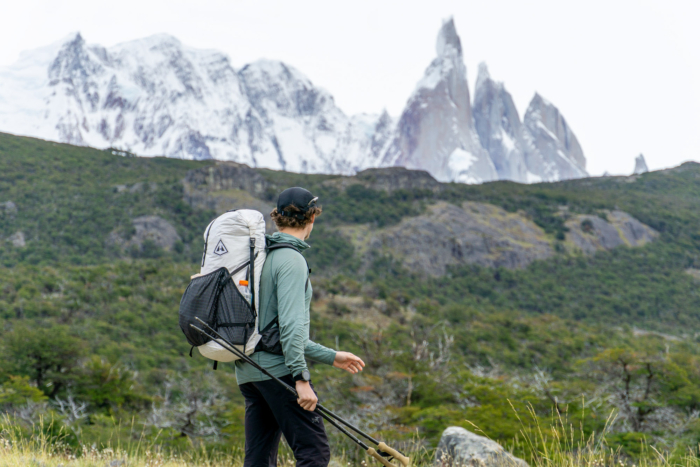
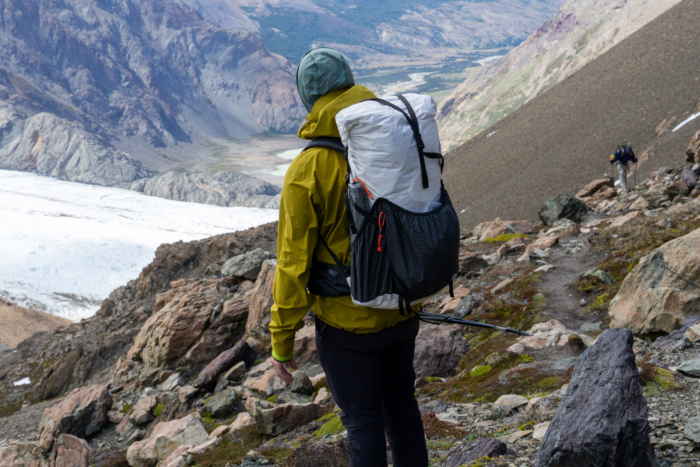
I took the updated Southwest to Patagonia last winter to break in the new version and compare it to the older Southwest I’ve put a few thousand miles on. The verdict? This is one tough pack. After 50 miles of off-trail scrambling, Tyrolean traverses, and glacier travel, the pack still looked brand new. I’m still using the pack to judge long-term durability, but signs are good that this new material is the real deal.
The new pack also gained significantly in other ways: the external strap system is now fully removable, allowing you to strip it down or reroute it to better secure oddly shaped items like a packraft. The large Dyneema Hardline front pocket is now deeper, and the side bottle pockets have a lower opening, making it easy to grab bottles while wearing the pack. Besides this, the shoulder strap design has been tweaked, and the back panel is now fully sewn through, securing the foam pad in place.
Available in three different volumes (40, 55, and 75 L), the 2-ounce penalty between the 40L and 55L volumes makes the middle child an easy recommendation for anyone setting out on anything from a long weekend to an entire long trail. Otherwise, this pack is basic: It has one main compartment, a large stash area in the front, two side pouches, and an ice axe loop. The design is a near paradigm at this point.
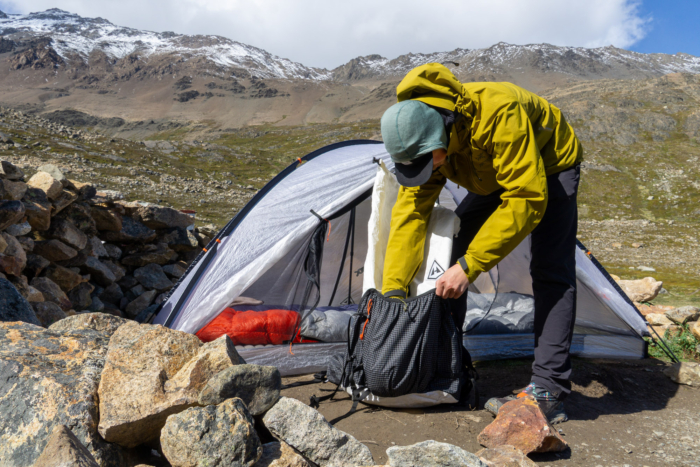
The roll-top closure keeps water out, and the whole pack compresses down easily with a strap. The overall volume of the pack can be adjusted significantly by rolling or unrolling it to the desired level, and four side compression straps aid in the cause (as well as wrangling tall kit stashed in the side pockets, like trekking poles or umbrellas).
It’s pricey, but that’s what you pay for ultralight materials and innovation, and with careful use (and some Dyneema repair tape), you can get many more miles out of this pack. For the thru-hiker or weight-conscious weekend warrior looking for top-of-the-line ultralight performance that doesn’t skimp on durability, the Southwest 55 may just be the perfect pack.
Outdoor Vitals Shadowlight Carbon 60
-
-
(Photo/Bergen Tjossem)
-
(Photo/Bergen Tjossem)
-
(Photo/Bergen Tjossem)
-
(Photo/Bergen Tjossem)
-
(Photo/Bergen Tjossem)
Specifications
Pros & Cons
Pros
- Comfortable carry and weight transfer
- Tons of external pockets
- Under 2 lbs.
- Competitively priced
Cons
- Not waterproof
- Pack doesn’t sit upright on the ground
- Back panel deforms with overstuffing
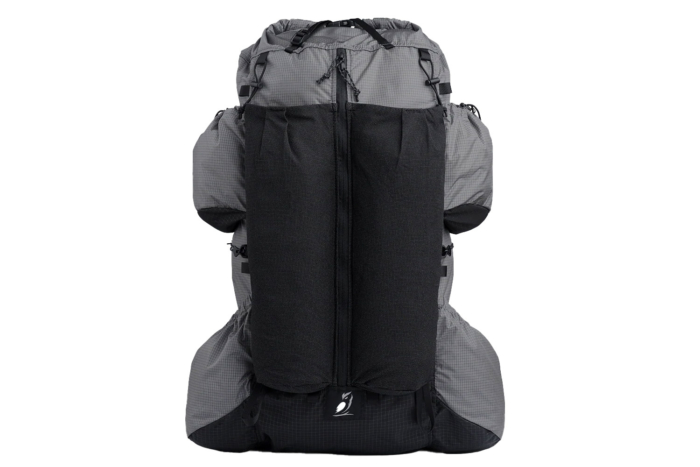
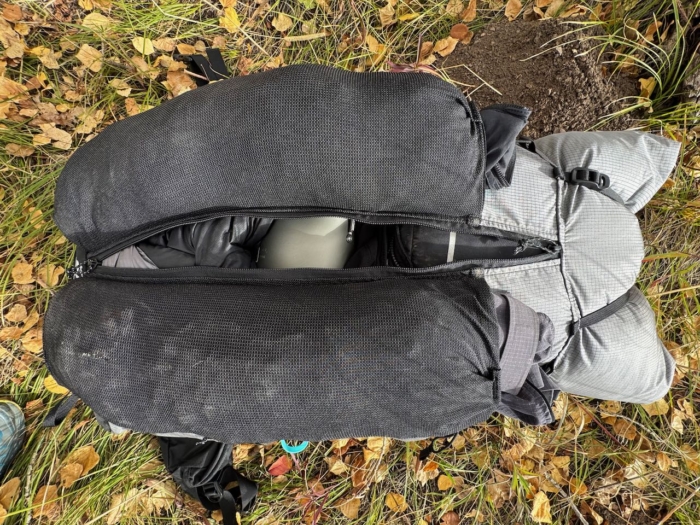
Bottom Line: A sub-2-pound workhorse that offers 60 L of volume for under $300. It hosts a unique 18-inch vertical zip for instant main-compartment access and a carbon-stay suspension system that punches well above its weight class in terms of carrying comfort.
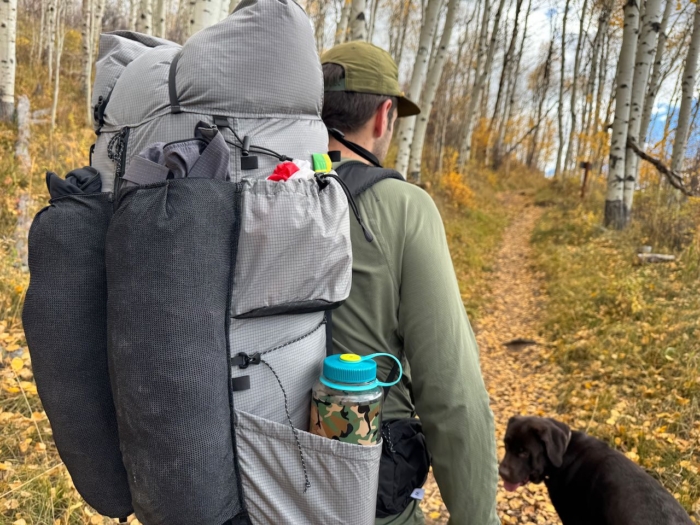
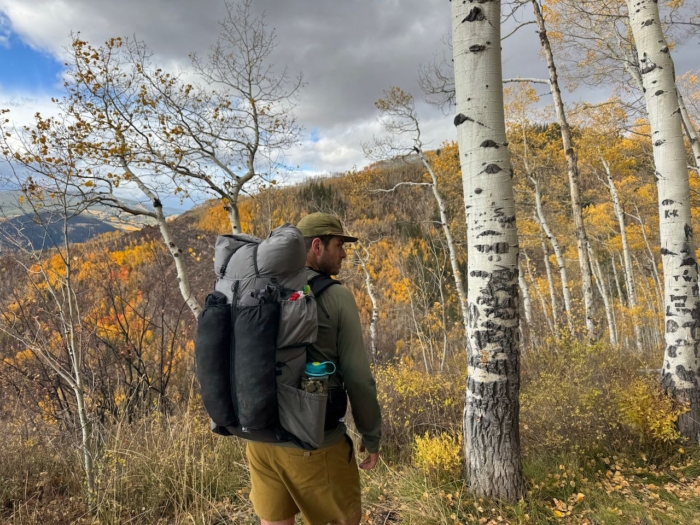
While many ultralight packs lean into a minimalist tube design, the Outdoor Vitals Shadowlight Carbon 60 ($290) is for the backpacker who refuses to choose between a low base weight and high-end organization. The pack is absolutely covered in pockets, with the six external compartments adding a massive 15 liters of storage. During our testing in Colorado’s Gore Range, this meant rain gear and layers stayed immediately at hand, preventing the dreaded trailside pack explosion when the weather turned.
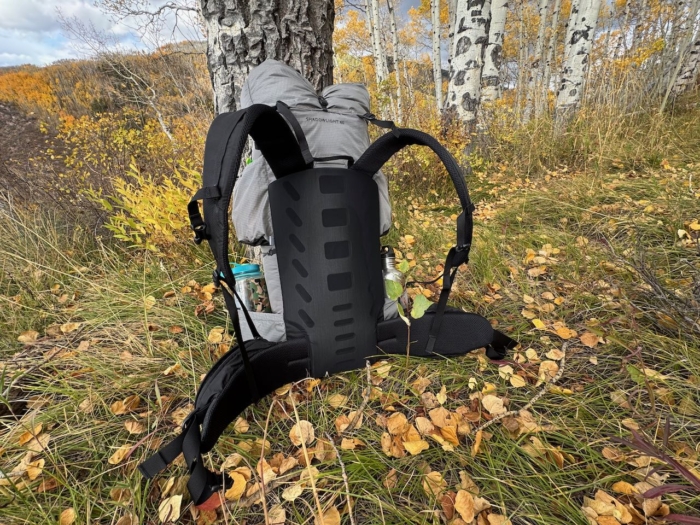
The standout feature, however, is the carry. Despite its featherweight 31.5-ounce build, the Shadowlight uses two vertical carbon stays and surprisingly plush hip padding to transfer weight efficiently. It’s rated for loads up to 40 pounds, making it a viable option for those moving from traditional heavy packs or those hauling high-volume winter gear. With 15 different torso and hip belt sizing combinations, the fit feels more like a custom garment than a mass-produced rucksack.
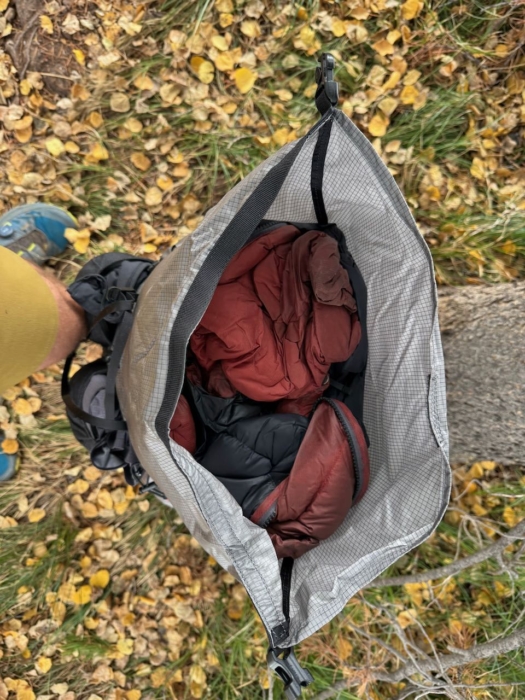
That said, the lightweight build does come with a few quirks. The back panel is non-rigid, meaning it can barrel if you overstuff it, occasionally poking you with a stove or bear canister if you aren’t careful with your packing. Additionally, the curved ‘self-compressing bottom’, designed to funnel weight toward your back, means the pack aggressively refuses to sit upright on the ground. It’s a small annoyance every time you stop for a snack.
For $290, the Shadowlight 60 is a great ultralight pack. It isn’t fully waterproof like more expensive DCF options, but when paired with a simple liner, it’s one of the most comfortable and value-driven 60L packs on the market. If you need a high-volume hauler for thru-hiking or shoulder-season treks, this is a top-tier contender.
Durston Kakwa 55
-
-
The Durston Kakwa 55 may be the most well-balanced ultralight pack available today; (photo/Ian Atkinson)
-
(Photo/Ian Atkinson)
-
(Photo/Ian Atkinson)
-
(Photo/Ian Atkinson)
Specifications
Pros & Cons
Pros
- Impressive load carrying for the UL pack weight
- Ultra 200X material is supremely tough, while still being light
- Cottage industry attention to detail and frequent design updates driven by feedback
- Easy-to-access shoulder strap pockets
Cons
- Not the lightest UL pack out there, and 55 L is a lot for some summer load-outs
- No stretch bottom pocket for snacks
- Availability can sometimes be tough
Bottom Line: A highly functional load-hauler that manages up to 45 pounds well for a sub-2-pound pack. The Ultra 200X fabric is remarkably abrasion-resistant, though the 55L volume can feel excessive for minimalist summer trips.
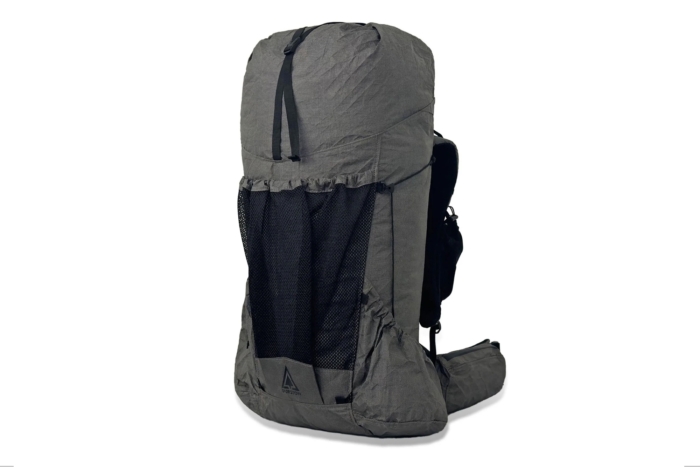
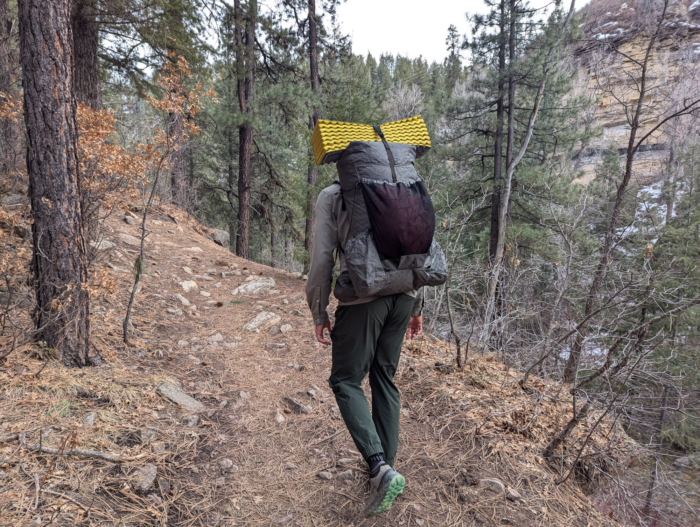
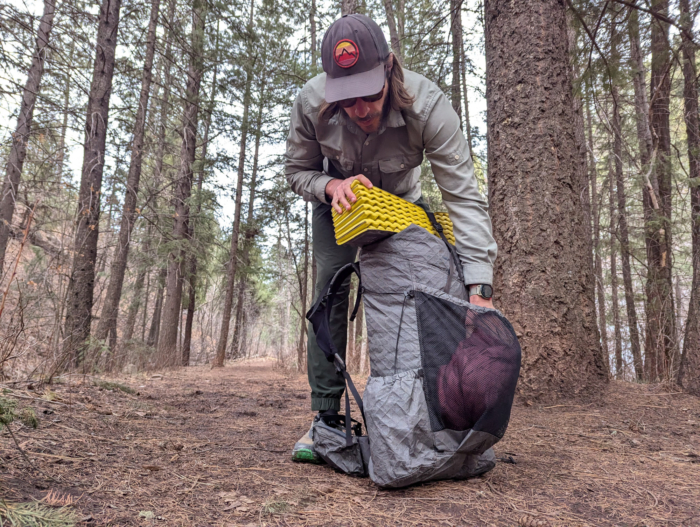
The Durston Kakwa 55 ($279) is just about the best balance in long-distance ultralight packs in 2026. It’s an ounce shy of 2 pounds, but has enough of a frame to support long water carries on the PCT or CDT. The Ultra200X is also one of the latest and greatest in pack fabrics, and we’ve seen these packs at the end of Washington and Maine that still look like they’ve got miles left in them.
To start, the Kakwa is designed with a hollow aluminum frame that integrates with the hip belt and load lifters. This allows for excellent load distribution, and thru-hiker and tester Ian Atkinson found the load capacity could hit 45 pounds — perfect for folks who are lugging gallons of water or who have 8+ days without resupply ahead of them. It’s also great for those who are easing into the ultralight transition.
Next is the build quality, which you can spot right out of the box. Double stitching with folded seams is exactly what you want for longevity. This isn’t necessarily the best way to save weight, but for the extra ounce or two, you’re getting a pack that will last for years. Combine this with the Ultra 200X fabric, which is exceptionally abrasion-resistant, and you have a package that is ready to bushwhack for days on end.
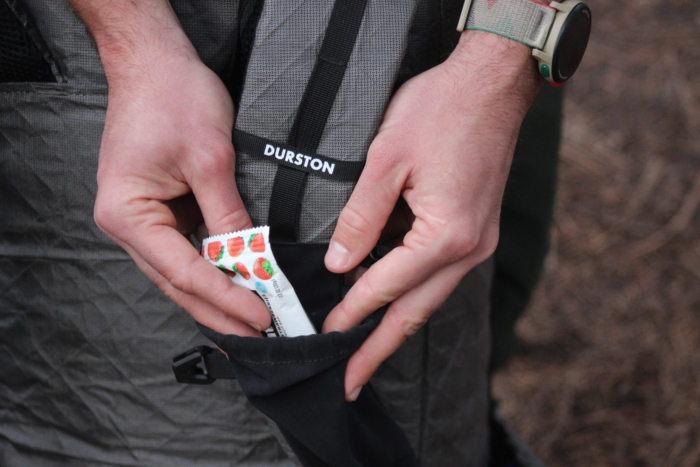
The small, thoughtful features really bring the Kakwa full circle: Cinchable shoulder strap pockets, waterproof zips for the hip belt pockets, a V strap for extra secure top loads, ergonomic S-curve shoulder straps, a reverse-pull hip belt, asymmetrical water bottle pockets with one having a quick access zip, and even the smooth-action buckle selection — Durston has really gone the extra mile with the small details.
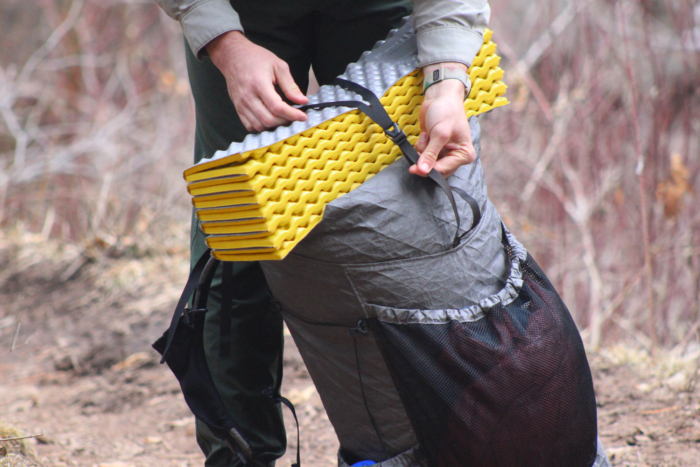
One of the only major cons we could find on the Kakwa was that it didn’t have a pre-configured ice axe haul loop, although you can certainly rig one yourself with the conveniently located tabs. The 55 L of space may be a bit difficult to fill if you’ve been doing this ultralight thing for a while, and the Kakwa also comes in a 40L version for those folks.
REI Co-op Flash Air 50 Pack
-
-
(Photo/Samuel Martin)
-
(Photo/Samuel Martin)
-
(Photo/Samuel Martin)
-
(Photo/Samuel Martin)
Specifications
Pros & Cons
Pros
- Pre-curved frame provides excellent comfort
- UHMWPE fabric is uber tough
- Water bottle pockets are front-angled and easy to snag
- Top Y-strap wrangles bulky items like bear canisters
- Compatible with REI Packmod accessories
Cons
- Back panel doesn't have the best ventilation
- Not fully waterproof design — will need other waterproofing solution
- Not the lightest option out there at nearly 2 pounds
Bottom Line: An accessible entry point for hikers moving away from traditional heavy frames. It offers reliable organization and a fair price, though the back panel lacks the high-end ventilation of more expensive technical packs.
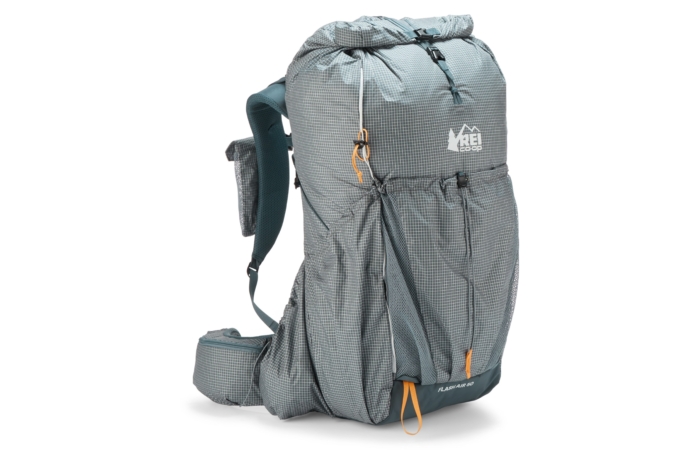
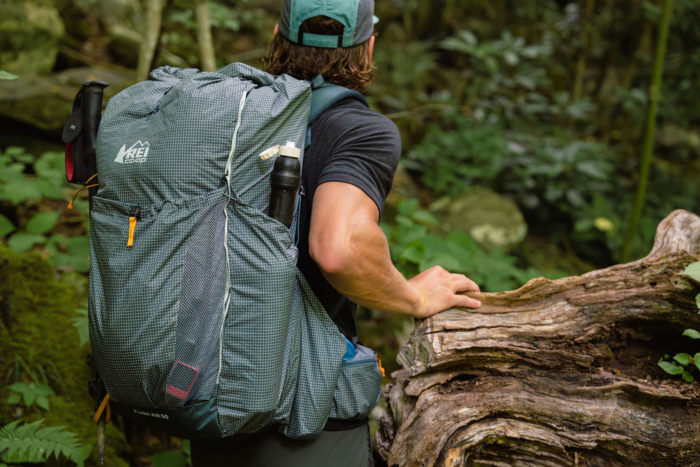
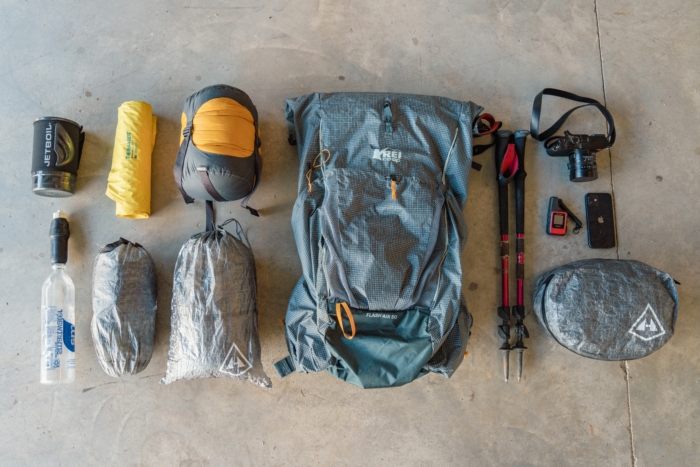
A spur on the Flash series, the REI Co-op Flash Air 50 ($299) is the industry old guard’s foray into the UL scene. At almost 2 pounds, is it truly ultralight? Not quite, but with niceties typically seen on mainstream packs, this is the ideal bag to dip your toe into lightweight hiking.
Essentially a Flash pack cut from UHMWPE cloth, the Flash Air trims a pound from the original while retaining a spring steel frame, ventilated back panel, and load lifters. Similar to the Gossamer Gear Mariposa, this pack offers comfort for hikers without demanding that they drastically cut base weights.
PCT alumnus Samuel Martin dubbed it “ultralight for the masses” after testing. “It’s a misconception that you must trade comfort for weight,” says Martin. “Even climbing 1,000 feet in 2 miles, the Flash Air 50 felt secure on my hips.”
The Flash Air follows a standard recipe: a single-compartment tube with a large front stash pocket. The unique side pockets are split into four sleeves: two tall for water bottles and two short for on-the-go snacking.
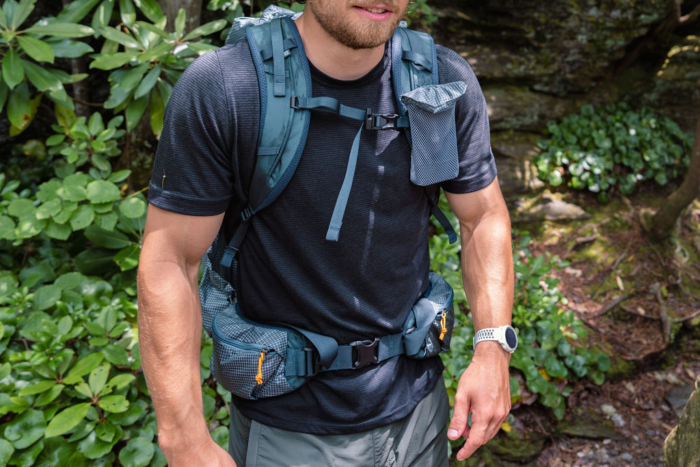
Don’t expect it to be 100% waterproof; Martin found the UHMWPE fabric isn’t impervious to rainstorms, so we recommend a pack liner. The REI Pack Mod accessories feel a bit gimmicky, and the shoulder-strap phone pocket isn’t as nice as integrated options like those on the HMG Contour 35.
The Flash Air 50 is a compelling stepping stone into ultralight hiking. While the Gossamer Gear Mariposa is another option, you will pay more, making the Flash Air our recommendation for an entry-level UL pack.
Pa’lante V2
-
-
(Photo/Ian Atkinson)
-
(Photo/Ian Atkinson)
Specifications
Pros & Cons
Pros
- Insanely ultralight
- Bottom pocket for easy access on the go
- Durable mesh
- Great shoulder strap pocket design
Cons
- Requires careful packing to balance load
- Not the best for heavy base weights
- Tight fit for bear cans
- Regularly out of stock
Bottom Line: A streamlined, frameless pack favored by experienced hikers for its on-the-go pocket access. It rewards those with very low base weights, but its minimalist suspension offers little margin for error if you overpack.
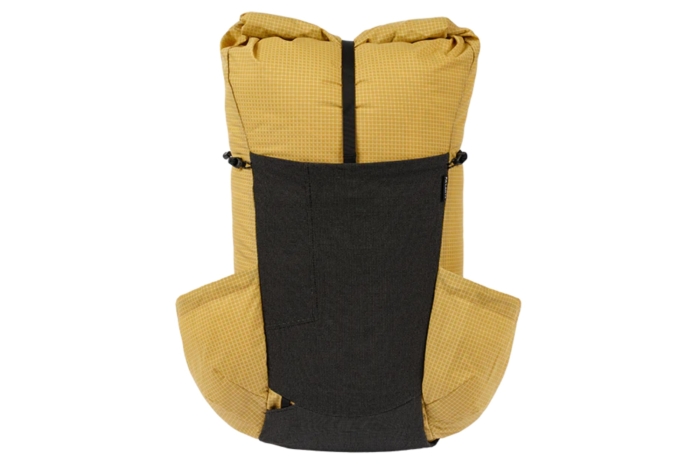
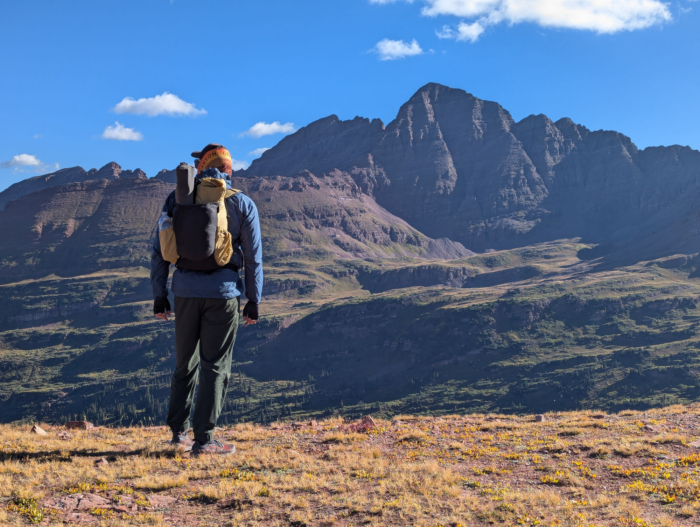
When it comes to frameless packs, the Pa’lante V2 ($240) is hands down one of the best we’ve used. With several thoughtful design features, the V2 is a perfect fit for ultralight thru-hikers with sub-10-pound base weights, minimalists who enjoy poring over their spreadsheets, and fastpackers who like having quick access to a full day’s worth of snacks.
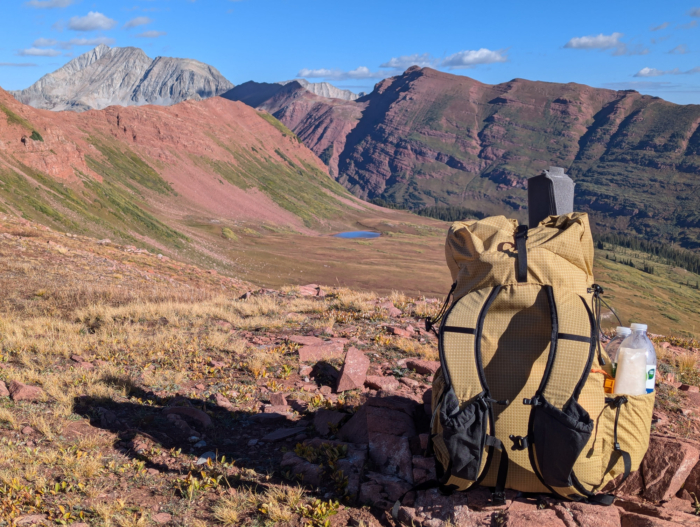
The V2 hosts the innovative bottom pocket: a durable mesh stash spot for snacks, wind jackets, trash — you name it. A spot previously unutilized on other packs, this external storage can easily be reached with the pack still riding on your shoulders. Combine this with the ample shoulder strap pockets and reachable side water bottle pockets, and you’ve got a pack that is ready to go the distance.
On the trail, the V2 is a favorite among experienced thru-hikers with dialed-in kits on the Pacific Crest Trail and Continental Divide Trail. The snap-button roll-top closure is quick and simple, the haul loop allows you to strap on top loads, and the ice axe attachment means you’ll have the tools necessary to tackle snowy mountain passes.
Tester Ian Atkinson loved his time on trail with the V2, tackling desert brush and high alpine excursions. He found the 210-denier gridstop fabric and grid mesh quite durable for the weight, the build quality exceptional with bar tacking done in all the right spots, and the shoulder straps ergonomically designed.
All this being said, a frameless pack will always have the limitations of being… frameless. The weight is going to be riding on your shoulders, even while utilizing the stashable hip belt strap. The V2 has no rigidity, so you need to have intention when packing your pack so it rides comfortably. And if you need to pack a bear can, it’s going to take up an exceptional amount of room.
If you’re trying to rock an 8-9–day section in the High Sierra, Pa’lante also makes a slightly larger (and tougher) model called the Desert Pack, which we’ve reviewed. It’s a great pivot for those needing just a bit more space.
Gossamer Gear Mariposa 60
-
-
Gossamer Gear Mariposa 60; (photo/David Young)
-
(Photo/David Young)
-
(Photo/David Young)
-
(Photo/David Young)
Specifications
Pros & Cons
Pros
- Phenomenal organizational features
- Approachable price point
- Made with durable but light Robic nylon
- Excellent fit and adjustability
Cons
- Not the best ventilation
- Zippered top pocket difficult to use when pack is fully loaded
Bottom Line: A high-volume pack that excels at keeping gear organized via seven distinct external pockets. It’s a solid choice for those needing extra space for bear canisters, though the top closure can be finicky when fully stuffed.
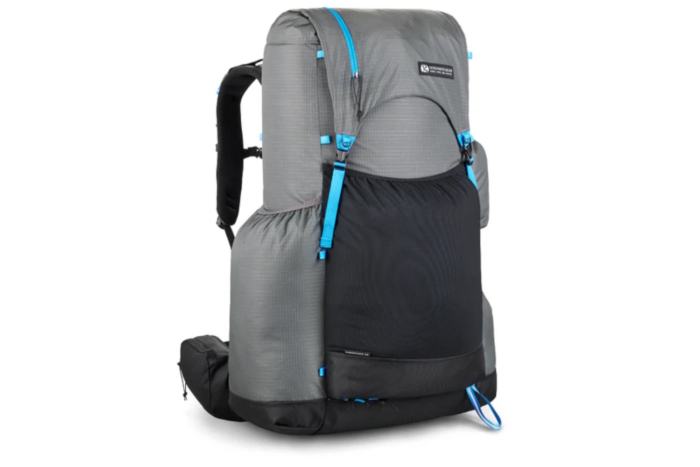
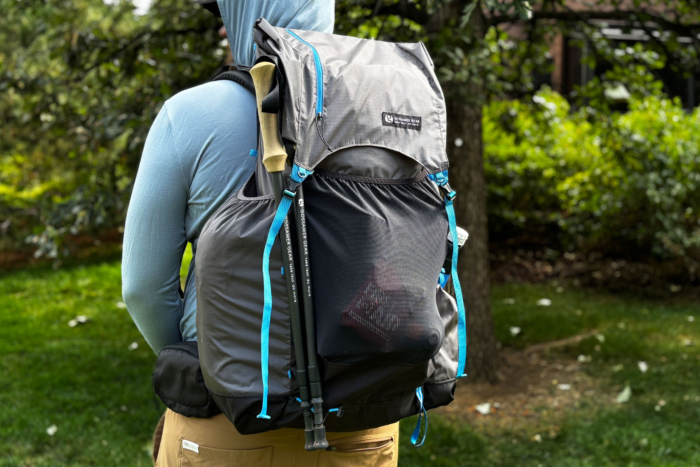
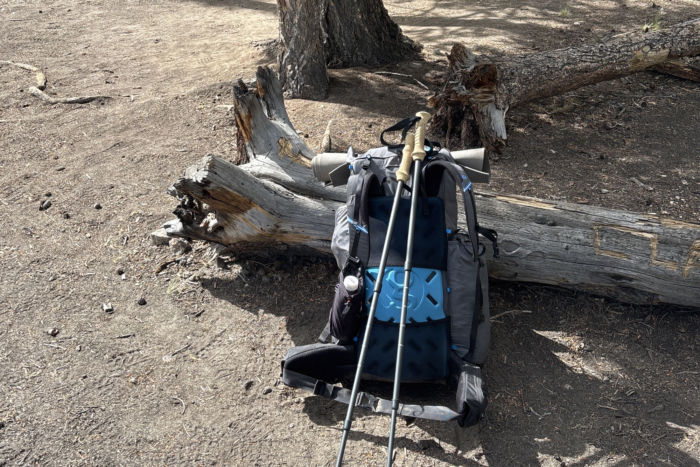
Well known for its lightweight but still comfortable packs, the Gossamer Gear Mariposa 60 ($315) is the darling of the lineup and weighs just over 2 pounds. As a brand, Gossamer Gear has typically steered away from the space-age textile race and instead focused on carrying comfort, and after some good miles under the Mariposa, we think it’s a solid option.
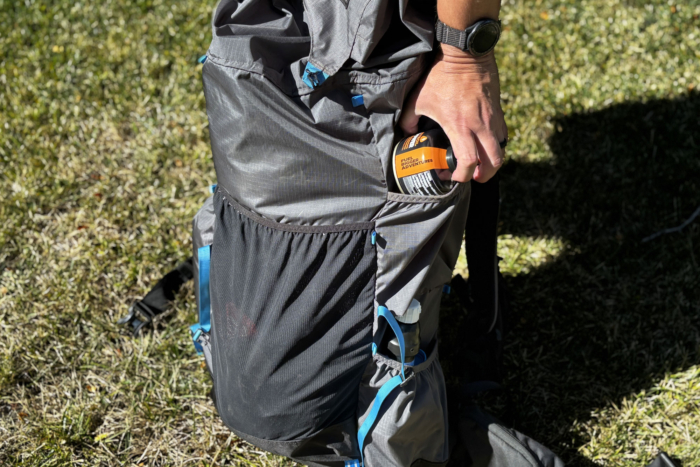
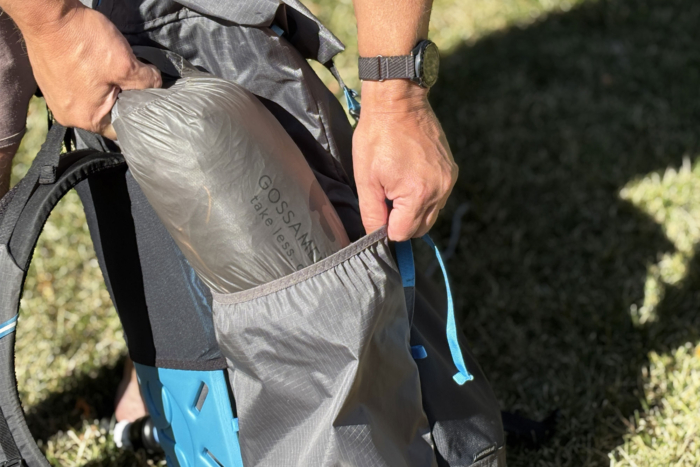
Newly spec’d out in 100D and 210D Robic nylon, this pack is remarkably durable for its weight. It also hits a modest price point compared to packs made with more expensive Dyneema Composite fabrics, and instead puts those dollars to work in the organization. Like most other packs, you’ve got the classic stretch-mesh stuff pocket, but the Mariposa takes a different tack with the side pockets, with one tall (perfect for umbrellas or your tent) and two staggered for bottles and rainwear.
Fit, too, has been dialed in, or rather, you can dial it in, with two different styles of hip belts available (as well as five sizes across those options). This is a welcome departure from the ‘get-what-you-get’ of packs, and coupled with the load lifters, Atkinson felt that this was one of the most accommodating packs out there currently.
The biggest negative he noticed was its ventilation. Compared to some other models in its weight and price category, the foam sheet on the back is somewhat breathable, but it left him wishing for greater airflow. The ability to strip the pack of the pad is a handy feature, however, and the placement on the exterior of the pack means you can pop the pad out for a lunch break.
The Mariposa 60 has plenty of the hallmarks of being an excellent budget pick — save for the price, which, while still on the lower end, carries the overhead of being from a smaller brand. Instead, the pack is a killer option for those who want an ultralight pack, but don’t want to get dinged with the wild prices.
Seek Outside Unaweep 6300
-
-
(Photo/Chris Anders)
-
(Photo/Nick Belcaster)
-
(Photo/Nick Belcaster)
-
(Photo/Chris Anders)
Specifications
Pros & Cons
Pros
- Incredible weight-to-load capacity, with 103 L of internal space
- Revolution frame carries weight exceptionally well
- Ultra 400 material is rugged and lightweight
- Super-versatile strap system for creating your own load-lashing solutions
Cons
- Price
- Can be tough to size without trying on first
Bottom Line: A specialized external-frame pack built for carrying the heavy, awkward loads required for packrafting or long expeditions. While impressively capable, its weight and complexity are overkill for standard thru-hiking.
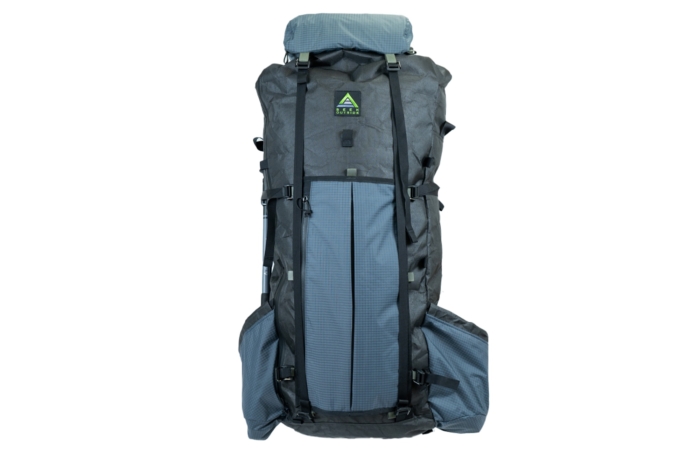
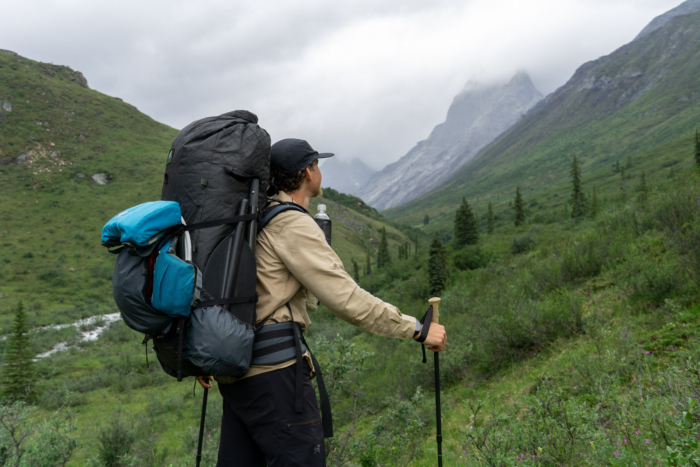
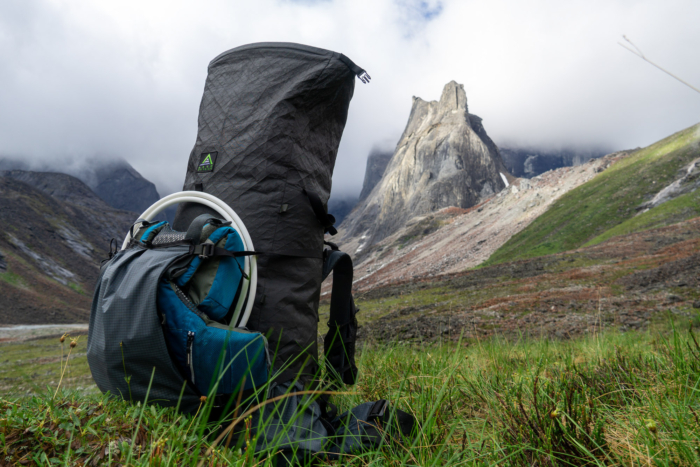
I recently used the Seek Outside Unaweep 6300 ($621) to carry 50 pounds of packrafting and backpacking gear during a 100-mile traverse of the Brooks Range. At only 3 pounds, 11 ounces, it carried the weight as few other packs could. For ultralight load haulers, I think the Unaweep is just about the best out there.
Leave it to the hunters to drum up a pack that will not only carry some serious weight but also do it without crushing you on the way out of the bush. The Revolution Frame is tubular 6061 aluminum and functions similarly to an external frame pack, with two different frame extensions to adjust for heavier loads. This frame ties in perfectly with the shoulder straps and hip belt, and after 8 days of tough terrain, my shoulders never felt better.
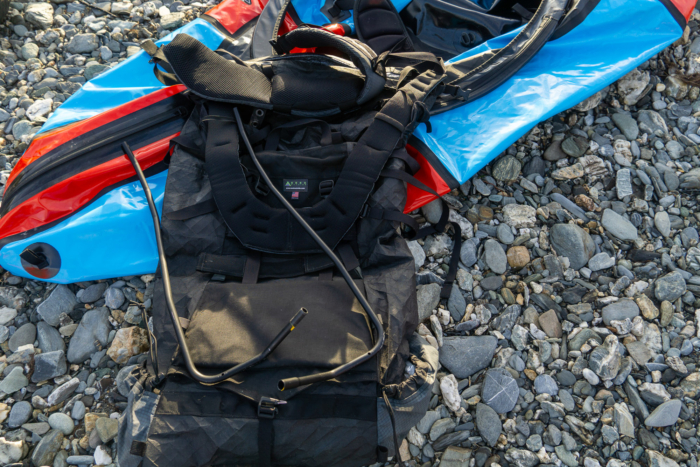
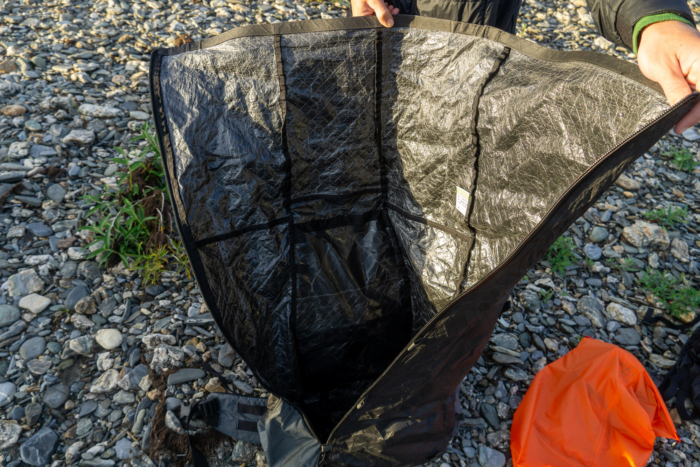
This frame can also be field stripped, which I did multiple times to get the pack inside my packraft for paddling on the Alatna and Noatak Rivers. The pack body is made from Ultra 200X, a woven UHMPWE laminate with impressive durability specs at low weights, while the side pockets use Ultra Stretch.
I opted for the optional full-length side zipper on his pack, which, while reducing waterproofing, does allow for easier rifling around in the bottom of the pack — a necessity in a 103L backpack. Otherwise, this is a simple pack, with two side bottle pockets and a gargantuan roll-top collar. The large ‘Talon’ floating pocket on the front of the pack works as daily storage for essentials and also compresses anything placed between it and the pack — even a full PFD.
$621 for the base pack (you can trick it out a few different ways that’ll add some spend) is a high price, but for the durability I experienced, this is a buy-once, cry-once purchase. I have no issues believing that this pack couldn’t haul everything you’d need to summit Denali, or pack out an elk deep from the backcountry.
It’s all about the hauling ability on the Unaweep, and it’s hard to convey just how capable this pack is. Other packs to consider in the same realm are the Seek Outside Big Wild 95 or Stone Glacier Terminus 7000, both heavy-duty haulers at light weights. The frame on the Seek Outside pack, however, is what earns my ultimate recommendation.
Other Ultralight Packs We Dig
We’ve logged some serious miles in the packs above, but we’ve also spent some time in other stellar UL packs. Check out the alternates below.
-
-
(Photo/Nick Belcaster)
-
(Photo/Scott Wilson)
-
(Photo/Scott Wilson)
Specifications
Pros & Cons
Pros
- 100D Riptide ripstop fabric is durable
- Smart feature set
- Sit pad frame can be removed for mid-day rests
- Affordable price due to ripstop fabrics
Cons
- Only one size available
- Side bottle pockets are a bit difficult to use with the pack on, and don't stretch
Bottom Line: A trusty frameless ripstop pack that can be used with Gossamer Gear’s Sitlight pad for a frame. Not overly burdened with features, and besides some issues with the bottle pockets, it’s a great option at an affordable price.
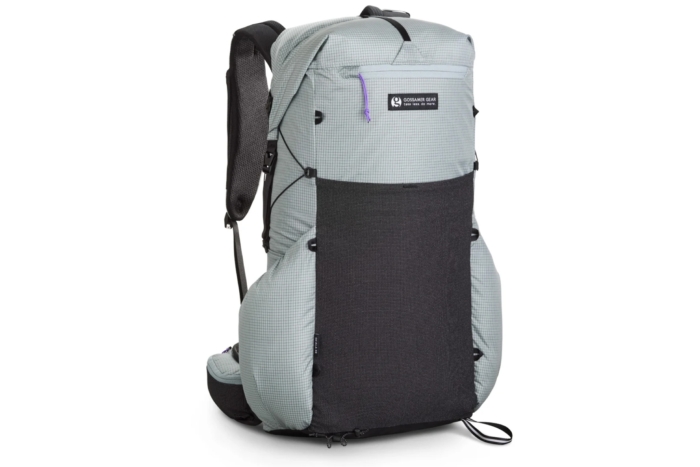
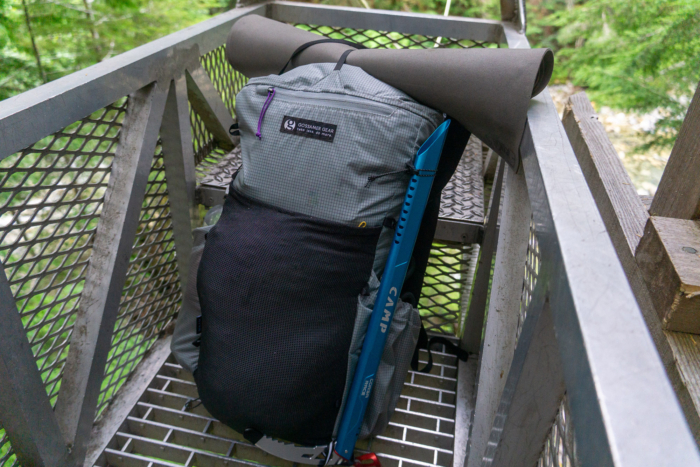
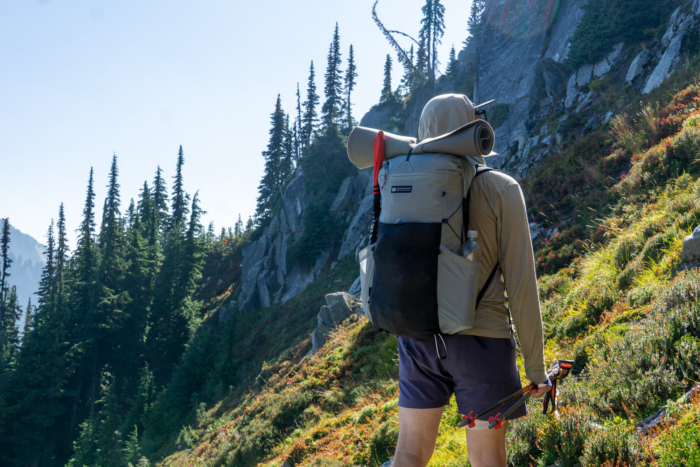
High on an off-trail traverse in the Alpine Lakes Wilderness, the Gossamer Gear Skala 38 ($225) makes a convincing case for stripping your kit down. I dragged this rig across miles of rough Cascadian granite and found its slim profile kept a 10-pound weekend load glued to my back. Even on Class 3 scrambles where a wider pack easily throws off your balance, the Skala stays agile.
With a total weight of 1 pound, 5 ounces (including the removable SitLight back pad), its plush shoulder straps comfortably manage sub-10-pound base weights without pulling on your neck. Gossamer Gear opted for a tough 100D Riptide recycled nylon rather than ultra-expensive composites, keeping the cost under $250 while holding up well against overgrown brush and sharp rocks.
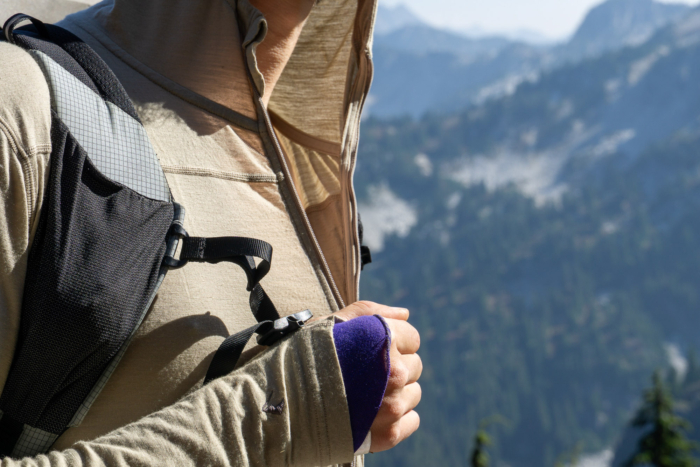
The main compartment opens via a flexible roll-top closure, expanding or cinching down depending on how many days of food you’re carrying. You also get handy stretch-mesh harness pockets right on the shoulder straps, making it easy to stash a phone, soft flasks, or energy gels without stopping to unbuckle.
However, that lower entry price introduces a couple of design headaches. The biggest dealbreaker is sizing: Gossamer Gear only produces the Skala in a single torso length (18 to 21 inches). If you fall outside that window, you’re out of luck. On top of that, the dual side pockets are cut a bit tight with no stretch. Trying to grab a standard 1-liter water bottle on the go isn’t the easiest.
The Skala 38 strips out the internal frame, load-bearing hip belt, and massive volume of Gossamer Gear’s classic Mariposa 60, shedding over half a pound in the process. And, compared to boutique fastpacks like the Pa’lante V2 ($240), it misses out on a bottom stash pocket and that supple, body-hugging wrap, but it counters with a friendlier price tag. If your torso matches the single size and your gear list is dialed, the Skala is a high-value option.
-
-
My fully stocked pack; (photo/Mary Andino)
-
(Photo/Mary Andino)
-
The running vest-style of the pack; (photo/Mary Andino)
-
The criss-cross strap didn't feel too secure; (photo/Mary Andino)
Specifications
Pros & Cons
Pros
- Durable fabric
- External pockets hold large amount of gear
- Customizable
Cons
- Not comfortable with heavier loads
- Expensive
Bottom Line: A highly customizable pack that can be tricked out with different fabrics and suspension strap systems. It isn’t the best load hauler, however, so a low base weight is essential to making this pack work.
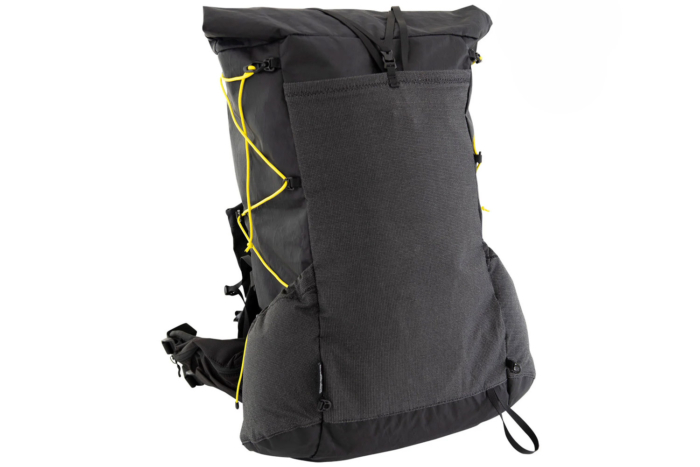
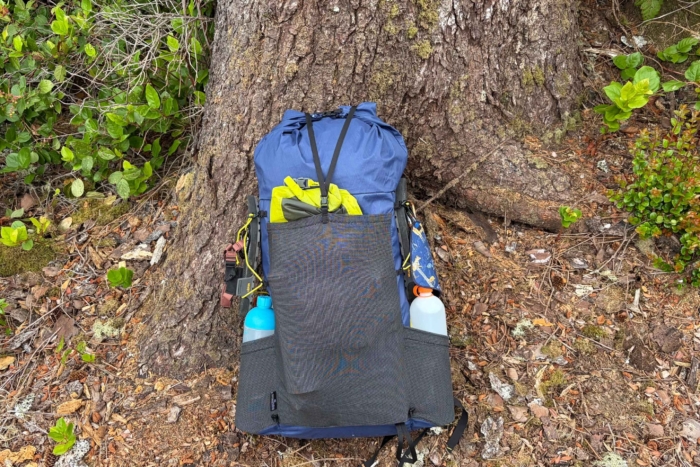
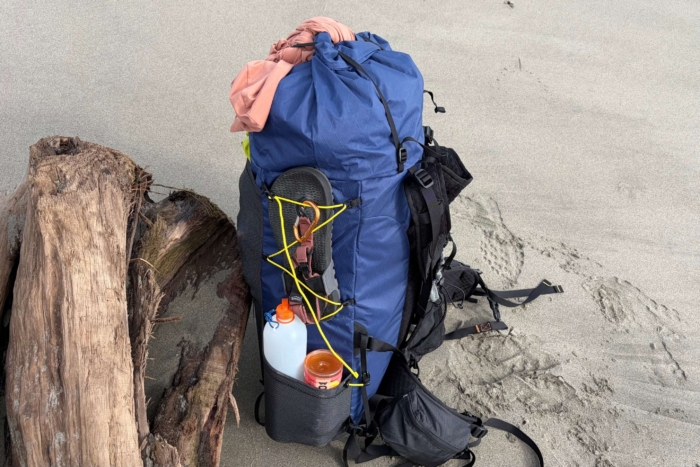
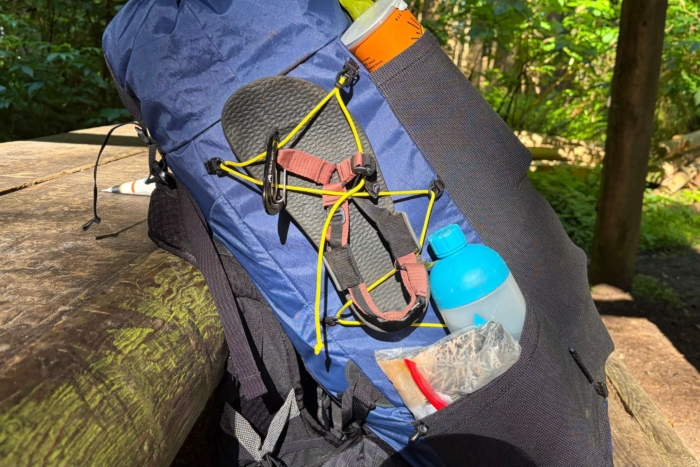
On a 96-mile section hike of the Oregon Coast Trail, GearJunkie’s Mary Andino discovered that the Six Moon Designs Swift X ($375) bridges the gap well between conventional packs and strict ultralight minimalism. Over seven days of bushwhacking, enduring 36 hours of continuous rain, and scrambling over coastal outcroppings, the Swift X’s tough VX21 material brushed off serious abuse without a scratch.
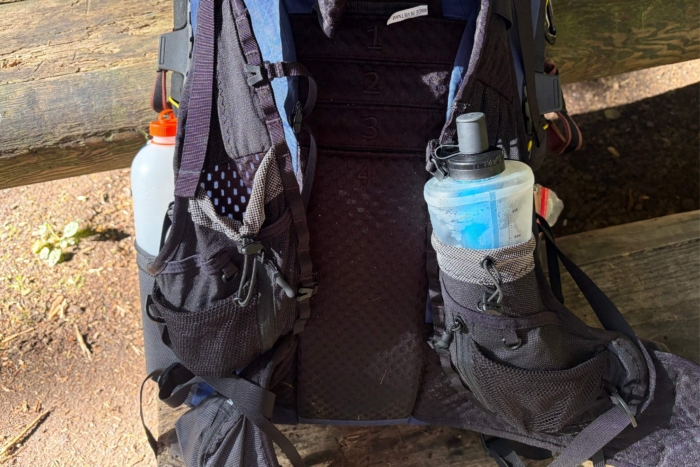
The real magic, however, lies in its customizable harness options. Andino opted for the running-vest-style harness, which solved one of backpacking’s biggest annoyances: access to water. By storing a 750mL soft flask in the vest’s large bungee pocket, she stayed hydrated without breaking stride or wrestling with awkwardly placed side pockets.
While its running vest harness is a major win for organization (easily securing a phone, snacks, and Garmin inReach), the pack’s suspension system struggled when pushed to its limits. The Swift X is rated for up to 35 pounds with its removable Delrin hoop frame stay installed, but Andino noted that hauling that much weight quickly became unpleasant. It’s clear that while the Swift X is highly capable for weekend trips, you’ll need to keep your base weight low to stay comfortable on extended treks.
When comparing weights, the Swift X lands in the middle ground. At 38.8 ounces, it’s significantly lighter than traditional packs but heavier than pure ultralight competitors. For instance, the Durston Kakwa 55 comes in at a mere 30.3 ounces, and the Hyperlite Southwest 55 weighs 31 ounces. However, the Swift X justifies those extra ounces by offering robust, customizable organization and a massive exterior mesh pocket made from durable Sailcloth Ultra Stretch that handled overgrown coastal trails far better than typical mesh.
The Swift X’s $375 price point places it on the higher end of the lightweight pack spectrum, sitting above budget options like the Outdoor Vitals Shadow Light 60 ($300) and the popular Gossamer Gear Mariposa 60 ($315). But for those willing to pay a premium for custom-fit options, it’s a solid investment.
(Photo/Outdoor Vitals)
Specifications
Pros & Cons
Pros
- Comfortable
- Lightweight
- Perforated foam back panel and hip belt
Cons
- Expensive
- Only comes in 40L size
Bottom Line: This pack’s carbon fiber frame provides high-end support at a weight typically reserved for frameless packs. The Ultra 200 fabric is durable and water-resistant, though the zippered top lid may not appeal to fans of traditional roll-tops.
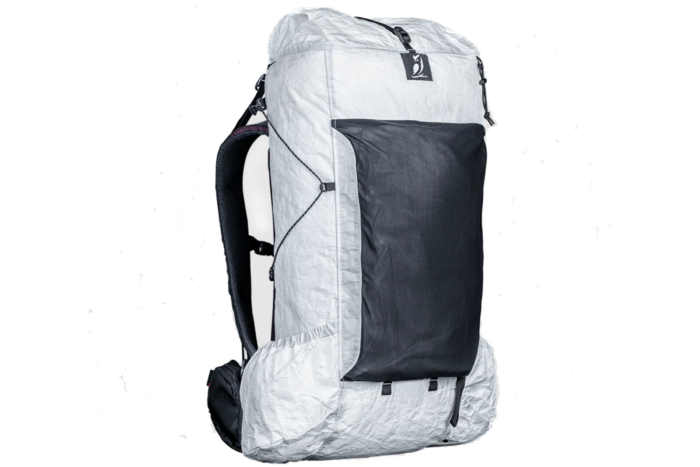
Aiming to avoid the pitfalls around minimal ultralight packs that don’t carry a load well, the Outdoor Vitals CS40 Ultra ($330) focused on the frame, and on-trail feedback from thru-hiker Sam Schild says it all: “I’ve worn over 20 backpacking packs in the past year, and the CS40 Ultra ultralight backpack carries weight the best.”
The 27-ounce CS40 Ultra is built around two carbon-fiber frame stays that are tall enough to support load lifters, something missing in many UL packs. Around this is a foam back panel shaped in a large U, which provides space for ventilation, and a wide hip belt that transfers the load quite well.
Schild reported that the taller frame and load lifters were really the game changer, noting how the load specifically shifted when tightening up the straps. He also gave praise to the suite of UL pack essentials: a stretch mesh rear stash pocket, deep bottle sleeves, and notably the Ultra 200 material used on the CS40, which is more abrasion resistant than the Dyneema Composite Fabric used on Hyperlite packs he’s hiked with previously.
Time has shown that the initial durability claims for Ultra fabrics fell a bit flat over the long term, which led to the production of Ultra ‘X’ fabrics (with an added internal crossply to stop delamination). The CS40 Ultra still uses the UltraWeave 200 material, which is an area this pack could easily improve in.
The CS40 is similar to the Durston Kakwa in design, but we like that pack more for a few reasons. First, the frame is a hoop style that provides some horizontal stability and prevents barreling when loaded full. The Kakwa also uses the more durable 200X Ultra material, and is $70 cheaper.
For most ultralight hikers, we think the Durston is the better choice, but the CS40 does make a compelling case when it comes to carrying weight, and it’s even 2 ounces lighter than the Kakwa.
-
-
(Photo/Erika Courtney)
-
(Photo/Erika Courtney)
-
(Photo/Erika Courtney)
Specifications
Pros & Cons
Pros
- Wide and cushioned shoulder straps support the frameless design well
- Pack weight just under a pound
- Side bottle pockets can fit two 1 liter bottles side by side
- Bottom stretch pocket is a great place for snacks on the go
- Seam tape on all internal vertical seams
Cons
- Grab loop on back of pack is fairly lightweight
- Internal volume will require either careful packing or fast hiking on long stretches
Bottom Line: A streamlined, frameless pack with a close-to-body fit intended for fastpacking. The integrated shoulder pockets are highly functional, but the 35L capacity is for those with compact summer kits.
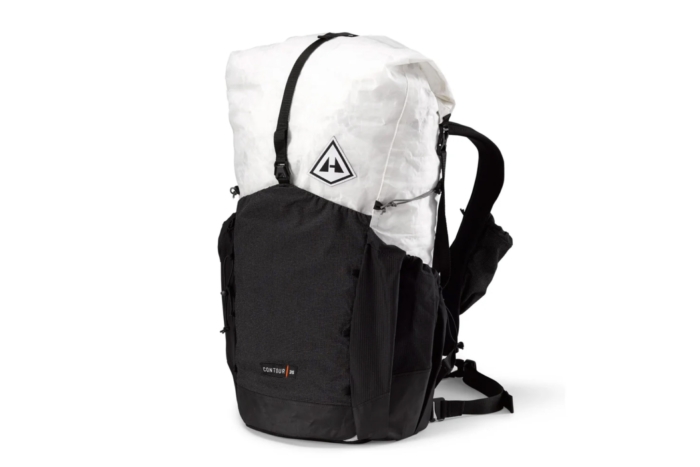
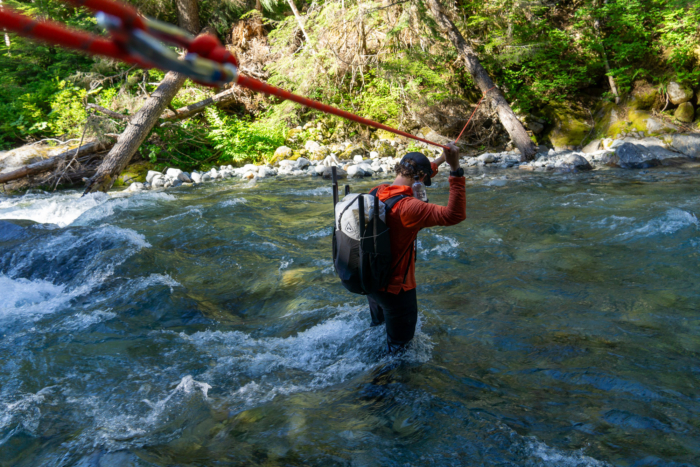
After using a Southwest 40 for a thru-hike of the PCT, I was keen on getting some miles under the new Hyperlite Mountain Gear Contour 35 ($350), which required me to cut some luxuries and focus on the bottom line. After having now used the pack for sections of long trails and alpine packraft bushwhacks, I can say that this pack feels like Hyperlite hitting its stride.
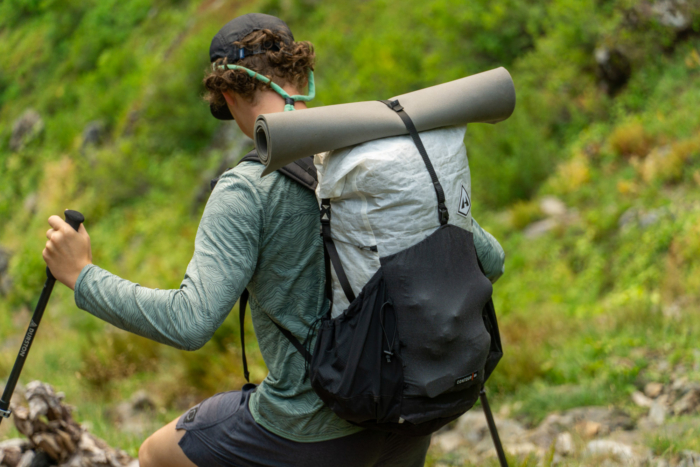
So what’s different? For one, the bag is Hyperlite’s first dedicated frameless overnight pack, which is mated up to a redesigned set of shoulder straps that are a full 3.25″ inches wide. This puts the pack a cut above the brand’s Unbound, which sports a single aluminum stay and removable hip belt. On the Contour, you’re locked into minimalism, and I found the suspension to be quite comfortable at fully-packed weights.
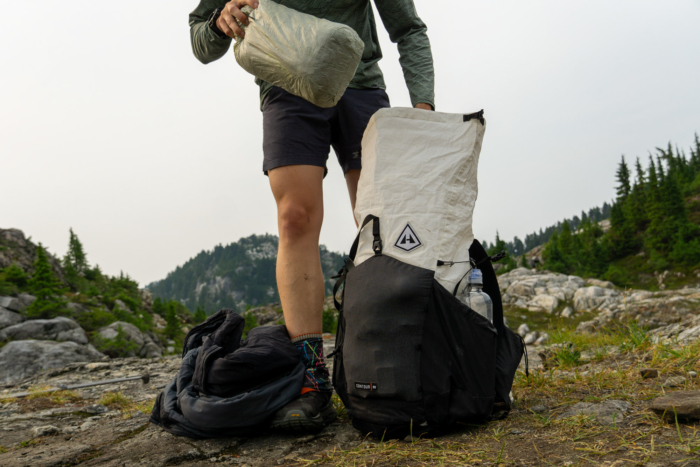
The classic DCF build is a constant, and it’s a hardwearing textile that my miles of trail use are still trying to get to fail. Mated to that is a front Dyneema Stretch Mesh stuff pocket that wrangled my water filter, rain shell, and bathroom kit easily. The side water bottle pockets are pleated to add a good bit of material, and will accommodate two 1L bottles, in our experience. Besides this, there’s little else adorning the Contour, save for two paracord side lashings, where I like to dry our socks.
The stretch bottom pocket — a feature we’ve grown to love on other packs like the Pa’lante V2 — makes an appearance here, complete with the corner cutout to slip your garbage into. Imitation/flattery and all that aside, the addition raises all boats here, and I loved stashing our day’s worth of snacks in the pocket every morning.
Like the Pa’lante, you probably already know if the Contour is right for you. At 35 L of internal storage, this pack is squarely in the “single-hiker shelter, 30-degree quilt, maybe-cold soaks” camp, and will necessitate putting down bigger mileage days to avoid packing too much food. Thankfully, the 6.5 L of external storage is easy to use. During my testing, I also felt a bit uneasy fully hefting the pack by the grab loop, as it felt a bit flimsy.
But as they say, light is right, and if your base weight is consistently south of 10 pounds (and you hit that 3 mph pace on the regular), the Contour 35 can be an excellent UL pack to carry it all with. The internal volume will challenge some to really trim the fat, but on well-supplied long trails, you could get away with a lot wearing this pack.
Specifications
Pros & Cons
Pros
- Minimalist ultralight design
- Comfortable and cushy shoulder straps with built-in pockets
- Removable sit pad allows for customization of back panel space
- Pocketed removable hip belt with two height settings great for dialing in fit
Cons
- Fabrics are on the less durable side
- Stretch mesh will loosen over time
- Non-traditional lid closure
- Not the best for heavier base weights
Bottom Line: A frameless choice for those with established, sub-15-pound base weights. The shoulder straps are well-padded for this weight class, but the Robic nylon is susceptible to snags in dense brush.
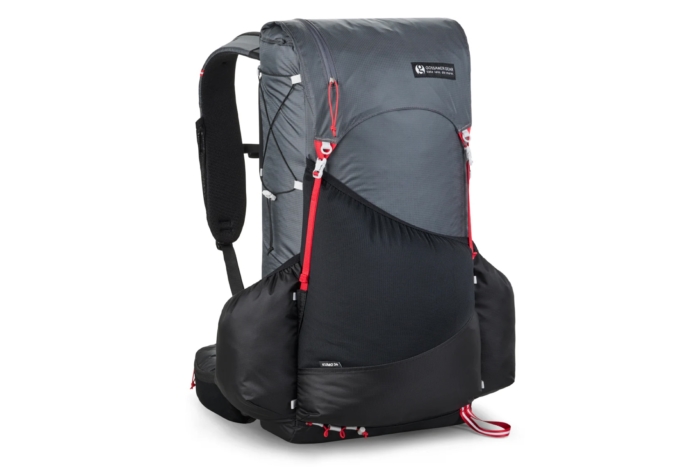
Named after the Japanese word for ‘cloud’, the Gossamer Gear Kumo 36 ($180) is a pack that rides like a dream and well qualifies as the best cheap frameless pack. A unique over-the-top closure system with two color options gives the Kumo a personalized look in a package that will make folks stop and second-guess whether you’re on a day hike or a thru-hike.
Our favorite feature is the thickly padded shoulder straps — perfect for a frameless pack where most of the weight rides on your shoulders. Not only are they a memory foam-like material, but they are a bit wider than the industry standard, allowing the weight to distribute more evenly. Combine this with the built-in stretch mesh pockets that can accommodate 500 ml water bottles, and you’ve got a system built for crushing miles.
The other sporty feature of the Kumo is the external pad sleeve with a removable ‘SitLight’ pad. The accessibility allows you to sit in comfort on your breaks in a matter of seconds without undoing any buckles or straps. You can also replace the standard sit pad with any other pad or foam of your choice. And if you decide to roll in the most ultralight style, you can simply remove the standard pad and shave 2.3 ounces off your pack weight.
On the flip side, the Kumo just isn’t that durable compared to some of our other options. It’s made with 70 and 100D Recycled Robic nylon which, while sustainable, lightweight, and affordable, isn’t the best for adventures that require bushwhacking or large swaths of time spent around cacti.
The stretch mesh has insane stretch for packability but will loosen over time and droop, in addition to also being prone to snags and tears. And this wouldn’t be the pack you want to push to the edge in terms of load — we’d recommend maximum carries of 25 pounds to reduce the stress on the stitching.
Overall, though, the Kumo is an excellent budget ultralight pack choice for cruisy trails and long-distance adventures with sub-6-day carries between resupplies. It has even been tweaked recently into a Fast Kumo version ($190) that sports a running-vest-style strap setup with dual-layered pocket storage if moving fast is your jam.
-
-
(Photo/Jackson Sims-Myers)
-
(Photo/Jackson Sims-Myers)
-
(Photo/Jackson Sims-Myers)
-
(Photo/Jackson Sims-Myers)
Specifications
Pros & Cons
Pros
- Very durable water-resistant ULTRA 400X and 200X fabric
- Super comfortable and highly adjustable
- Customizable ordering for personal sizes — shoulder straps in particular
- Roll top with Y strap that can be replaced
- Roll top buckles clip both ways
- Fits bear cans both inside and on top
Cons
- Not seam taped/waterproof
- Strap connections aren't secured completely; can come off
- Expensive
Bottom Line: A reliable, high-volume workhorse now constructed with lightweight, nearly indestructible Ultra fabric. It offers a familiar carry for those transitioning from traditional packs, despite its more utilitarian, old-school aesthetic.
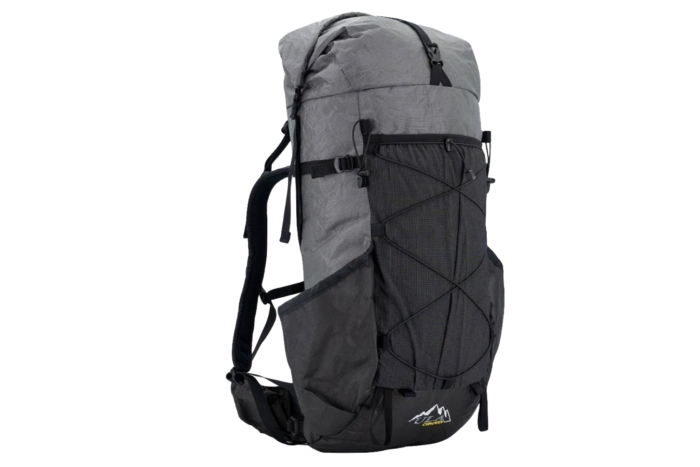
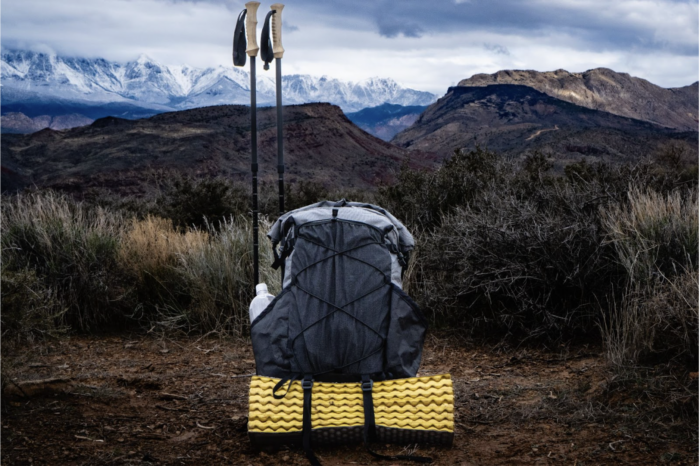
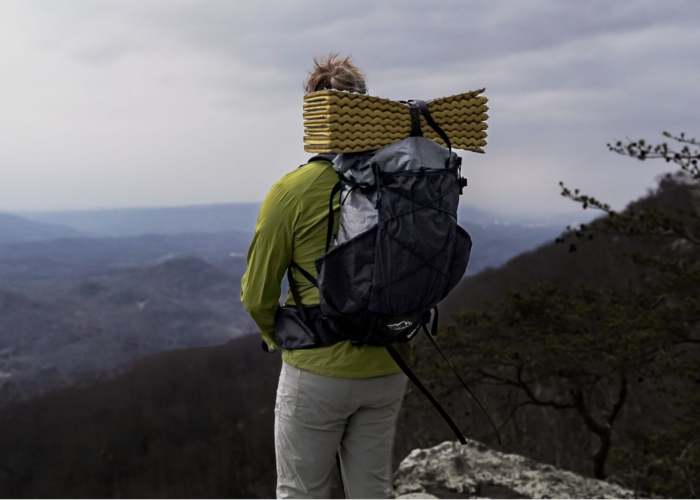
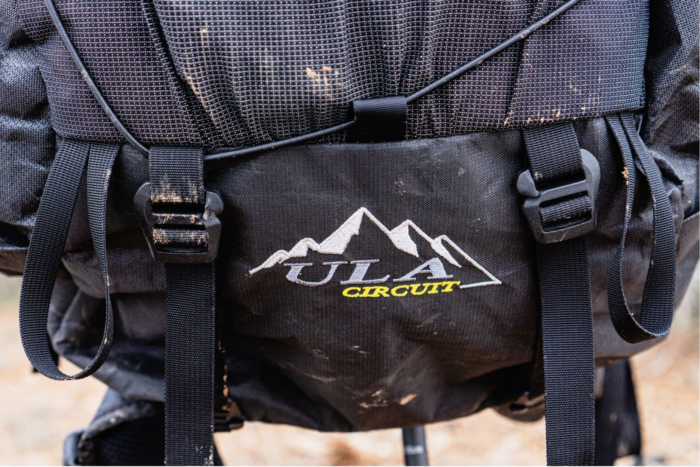
The Circuit has a well-worn groove in the UL scene, with near-constant rankings in annual post-season long trail surveys and a name for itself as an already overbuilt bag. Now trimmed out in Ultra fabric, the ULA Equipment Ultra Circuit ($380) is even burlier, and if you need something for bushwhacks, canyon trips, or just wailing on, this is the ultralight pack for you.
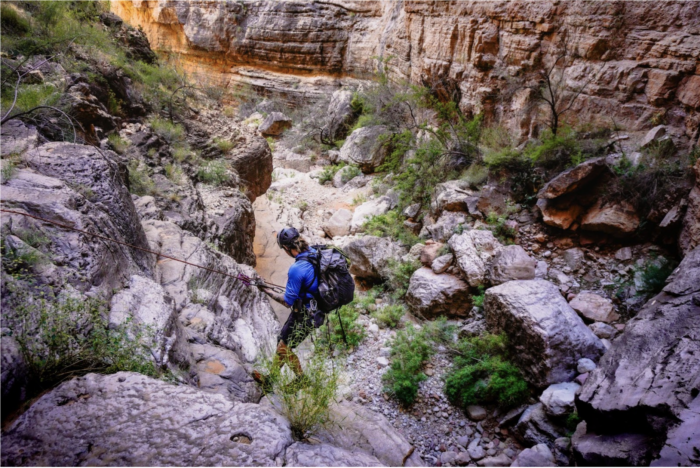
Thru-hiker Jackson Sims-Myers has around 7,000 miles notched on his hip belt, with a not small number of those completed using another ULA pack, the CDT. Now a canyoneering nut, Sims-Myers needed something with a bit of a thicker skin to endure the abrasive nature of sandstone canyons, and the Ultra Circuit was just the ticket.
“I was honestly surprised by how well the Ultra fabric held up, considering the bag wasn’t designed to withstand this particular experience,” Sims-Myers said after thrashing the pack down (and back out of) the Grand Canyon. Ultra is the new hot-ticket in pack design right now, and while there’s a weight increase, it does a good bit better than Dyneema Composite Fabric when it comes to abrasion, with UHMWPE fibers running in three directions instead of two with DCF.
Beyond the textile difference, the Ultra version shares many features with the classic Circuit, including two side water bottle pockets, two zippered hip-belt pockets, ice axe/trekking pole retention loops, and a large front shove-it pocket. The pack carries heavier loads comfortably with its contoured shoulder straps and padded back panel.
The pack carries extremely well, featuring a 1.2-ounce carbon fiber and Delrin suspension hoop coupled with a dense foam frame and single aluminum stay. This unique design provides great load control, rigidity, and back support without compromising on weight. It’s no meat-hauler like the Stone Glacier or Seek Outside packs, but compared to many ultralight packs, the Ultra Circuit doesn’t shy away from weight.
While the Ultra fabric is inherently waterproof (and the pack uses a roll-top closure and waterproof zips), we did notice that the body itself isn’t taped, meaning water ingress can still be a problem. Price, too, should be considered, as this is one spendy pack at $380. You’re undoubtedly paying for access to the Ultra textile here, so if you don’t quite need that level of burl, consider the regular ULA Circuit — a standby pack.
Though not the lightest of ultralight packs, the ability to carry larger loads while still cutting down on weight makes the Ultra Circuit an ideal option for those heading into unkind environments for long trips.
-
-
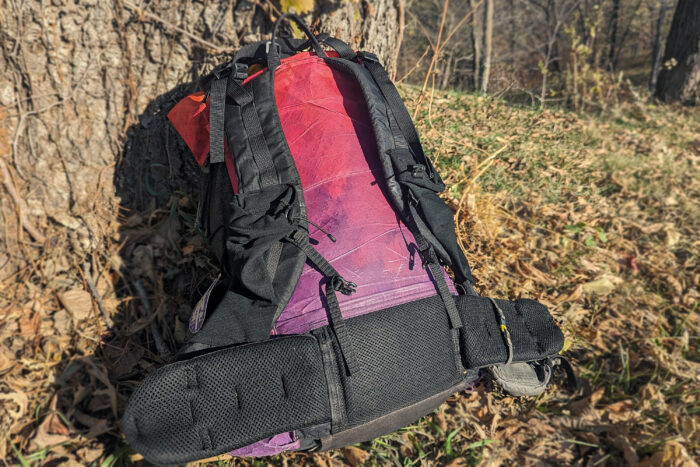
A custom pack from LiteAF; (photo/Emily Malone)
-
(Photo/Guinevere Drabik)
Specifications
Pros & Cons
Pros
- Crazy lightweight, yet durable enough for a thru-hike
- Tons of loud colors to choose from to spice things up on trail
- Long front shove-it pocket affords a good deal of external storage
- Ability to totally customize your own pack
Cons
- Need to purchase hip belt separately
- Pretty low 20-pound weight limit
- Long custom pack lead times (upward of 8 weeks)
Bottom Line: A boutique frameless pack offering a customizable aesthetic and a comfortable, ergonomic fit. It excels for minimalist weekend trips, but the lack of structure and long lead times are notable trade-offs.
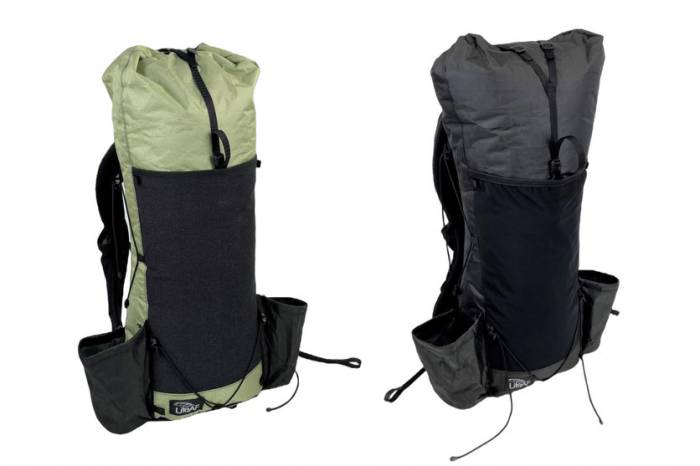
With this pack, it’s all in the name. Starting at 13 ounces, the frameless LiteAF ECOPAK 30L Curve ($235) seems to float when you pick it up. Are people are really thru-hiking with this?
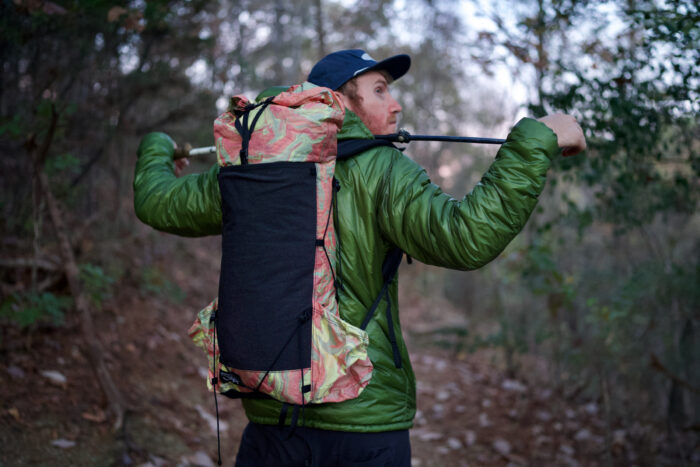
More of these funky-shaped packs can be seen trotting down the PCT, AT, or anywhere fast and light adventurers get after it. As a true cottage brand, LiteAF offers a variety of custom-building options, from torso and hip belt sizing to tweaking colors.
Available in three materials, the ECOPAK version is the cheapest, but that doesn’t mean the EPLX200 can’t hang. This recycled polyester uses a waterproof film and weighs 5.9 ounces/yard — heavier than 200-denier Ultra, but a more economical option that supports various printed patterns.
As a frameless bag, you’ll need to be smart to lend it structure and avoid contents poking your back. We had success using a Thinlight Foam Pad as a back panel. We found the load carry was as good as the MLD Exodus or Pa’lante V2, and the narrow profile aided in keeping it clear while we hiked.
With 30L of internal capacity, your kit needs to be dialed for long-distance trips. This Curve is for those with base weights under 10 pounds looking to lighten their setup even more (think: your tarp is also your rain gear).
Despite the low weight, this pack is featured enough for comfortable travel, and they offer add-ons like a mesh bottom pocket to increase storage. While it doesn’t ship with hip belts, you can separately order 1-inch webbing or a padded belt if needed.
For the fastest adventures, LiteAF’s 30L Curve is as streamlined as they come. Pack it wisely, and it could be the ticket to that next FKT you’ve been eyeing.
Specifications
Pros & Cons
Pros
- Accommodates a bear bin
- Built with ultralight but durable material
- Thoughtful, streamlined design
Cons
- Side pockets are quite tight
- Hip belt is pretty short
Bottom Line: A simple, lightweight 50L tube that has been a mainstay in the thru-hiking community for over a decade. It is a durable, failsafe design, though it lacks modern amenities like load lifters or internal stays.
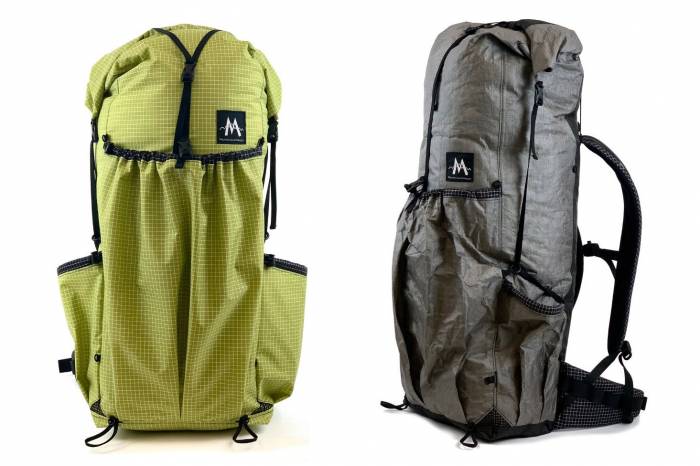
Serious ultralight backpackers heap praise on the Mountain Laurel Designs Exodus 55L ($245-325), and for good reason. The frameless pack carries a load of 20-25 pounds and weighs in at a scant 18 ounces. The brand calls it the “lightest full-size, full-featured, frameless pack made.”
It’s a popular design for thru-hikers or others doing big, lightweight miles who may be carrying a bear bin to protect their food from bruins. At 12 inches wide, 7 inches thick, and 35 inches high, it will fit a small bin with room to spare for other gear.
True to its cottage industry roots, the Exodus is always changing for the better. The most recent pivot is to offer the pack in two different varieties of Challenge Ultra fabric: UltraGrid and Ultra X. The former is a double UHMWPE ripstop grid mated to recycled nylon, and the latter is the most cutting-edge stuff currently out: a 200D Ultra weave with an additional two plies of UHMWPE. The high-test stuff will run you $325 a pack, but for the money, it’s incredible stuff.
The Exodus has a very supportive, cushioned hip belt, especially for an 18-ounce pack. The SuperWick Mesh-lined waist belt wings with 1.5-inch webbing, and the buckle adjusts from about 28 to 45 inches.
It’s a simple design that serves the needs of ultralight hikers with no unnecessary features. Customers can add a lid or hip belt pockets and shoulder pockets if they so desire. The most glaring issue may actually be finding a proper use for all 55 L of space: frameless packs have a definite weight limit, which means you’ll be limited to bulky — but lightweight — kit, which makes this pack pretty niche. For most folks, a better all-arounder is likely the Durston Kakwa or Hyperlite Southwest, or, if you want to stay frameless, the Pa’lante V2.
For the lightest and fastest hiking missions where weight and efficiency are the biggest concerns, the Exodus has proven to be one of the best ultralight backpacks out there.
Specifications
Pros & Cons
Pros
- Feature-rich design
- Removable frame sheet and hip belt
- Ample daisy chain customization
- Comfortable running style shoulder straps
Cons
- Excessive branding
- One size fits all, not great for short and tall folks
- Stretch mesh will loosen over time
Bottom Line: A fastpack built around a vest-style harness with a high volume of external pockets for easy access on the move. It is designed for high-mileage days, but its lack of a frame limits comfort if base weights exceed 15 pounds.
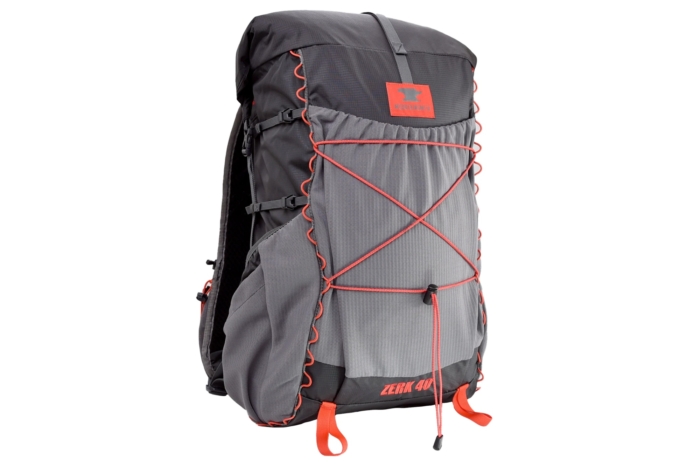
At the confluence of running vests and ultralight packs lies the Mountainsmith Zerk 40 ($225). This roll-top bag has four accessible dual-layered pockets, a shoulder strap design with ample padding and surface area, and a hydration sleeve with an external port, meaning you’ll be riding comfortably and quickly when fastpacking out on the trail.
The most appealing design feature of the Zerk 40 is its running vest-style build. The shoulder straps are padded with some extra width at the bottom, where the dual-layered stretch mesh pockets reside. You could seriously fit a full day’s worth of snacks and an oversized smartphone here comfortably. Combine this with the cinchable water bottle pockets on either side, and you’ll truly be able to move quickly with everything you could ever want in reach.
The Zerk 40 also hosts a removable frame sheet for some rigidity and comfort, a removable 1.5-inch hip belt strap to reduce bounce on the downhill, and a hydration sleeve and port to really round out its water carrying capacity. The daisy chain setup also encircles basically the entire pack — if you enjoy messing around with cord and compression strategies, this is certainly the pack for you. Dual ice axe loops also mean you’ll be ready for snowy mountain passes or even climbing couloirs if that’s your jam.
On the flip side, the Zerk 40 is a bit heavy for its capacity and hauling ability, weighing in at almost 2 pounds. The polyester stretch mesh is everywhere — great for expanding to store gear, but it will sag over time. And the most unfortunate flaw of the Zerk 40 is that it only comes in one size for folks with 16” to 19” torsos. Taller folks could probably order one if they never plan on utilizing the hip belt strap, but shorter folks will want something a bit more custom-made for their size.
Ultralight Backpack Comparison Chart
| Compare |
|
|
|
|
|
|
|
|
|
|
|
|
|
|
|
|
|---|---|---|---|---|---|---|---|---|---|---|---|---|---|---|---|---|
| Price |
$420
|
$290
|
$279
|
$299
|
$240
|
$315
|
$621
|
$225
|
$375
|
$330
|
$350
|
$180
|
$380
|
$235
|
$245
|
$225
|
| Volume |
55 L
|
60L
|
61L total – 46 L internal, 15L external (medium)
|
50 L
|
43 L total – 31 L internal, 12 L external (16”)
|
60 L (36 L main compartment, 24 L exterior pockets)
|
103 L internal, 21 L external + side pockets
|
38 L
|
50 L
|
53 L (41L main, side pockets 2L each, stretch pocket 6L, hip belt pockets 1L each)
|
35 L
|
40 L total – 32 L internal (maxed), 8 L external (medium)
|
68L total; 39L internal, 21L external
|
30L, plus an extra 15L external capacity
|
58 L
|
51 L total – 40 L internal (maxed), 11 L external
|
| Material |
Dyneema Woven Composite 3.9
|
100D Robic nylon w/ 200D Spectra ripstop
|
Ultra 200X with a heavy-duty polyester knit mesh
|
UHMWPE ripstop nylon (87% nylon/13% polyethylene)
|
210D UHMWPE gridstop with a UHMWPE grid mesh
|
100- and 200-denier Robic high-tensile strength nylon
|
UltraPE 400 with a heavy-duty polyester face, and UltraGrid pockets
|
Riptide ripstop, 100D recycled Robic nylon, UHMWPE stretch mesh
|
VX21 and Sailcloth Ultra Stretch
|
Challenge UltraWeave 200
|
DCH50 main body and DCH150 bottom, 100D Dyneema Gridstop pockets, and Dyneema Stretch Mesh
|
70 & 100D Recycled Robic Nylon
|
ULTRA 400X/ULTRA 200X Fabric + UltraStretch Mesh
|
ECOPAK EPLX200
|
UltraGrid 200D, or Ultra X 200/100D
|
210D recycled Extreema ripstop with a nylon stretch mesh
|
| Outside storage |
2 side pockets, 2 zippered hip belt pockets, ice axe attachment, front shove-it pocket
|
6 pockets
|
Two zippered hip belt pockets, two cinchable shoulder strap pockets, two side water bottle pockets, one front stash pocket
|
Two zippered hip belt pockets, two side water bottle pockets, two exterior side pockets, one front stash pocket, ice axe/trekking pole tether
|
Two side water bottle pockets, two cinch-able shoulder strap pockets, one front stash pocket, one bottom stash pocket
|
Two zippered hipbelt pockets, three side pockets, front mesh shove-it pocket, ice axe attachment
|
Two side water bottle pockets, one front stash pocket
|
2 side pockets, 2 zippered hip belt pockets, ice axe attachment, front shove-it pocket
|
One in front, two on side, two on hip, six on running vest harness
|
Two zippered hip belt pockets, two side pockets, front mesh shove-it pocket
|
Two side water bottle pockets, front stretch front pocket, two shoulder strap pockets, one stretch bottom pocket
|
Two side water bottle pockets, two shoulder strap pockets, one front stretch pocket, one zippered lid pocket, one ice axe attachment
|
Two zippered hip belt pockets, two adjustable side water bottle pockets, front shove-it pocket, ice axe/trekking pole attachments
|
Two side water bottle pockets, large front shove-it pocket, ice axe attachment (optional), bottom stretch mesh pocket (optional)
|
Two side water bottle pockets, front shove-it pocket, trekking pole and ice axe attachment
|
Two dual layered side water bottle pockets, two cinch-able shoulder strap pockets, one front stash pocket daisy chains, two ice axe attachments
|
| Hip belt |
Non-removable
|
Padded
|
Fully integrated with pockets
|
Non-removable
|
Stashable minimalist hip strap with no pockets
|
Removable with different shaped options
|
Fully removable and dual-adjusting
|
Removable
|
—
|
Padded, non-removable
|
Removable webbing
|
Removable minimalist hip belt with two height settings
|
Removable
|
Removable (not included)
|
Non-removable hip belt wings (can be cut off)
|
Removable minimalist hip belt with small pockets
|
| Frame type |
Two aluminum stays and thin foam pad
|
Carbon stays
|
Removable aluminum stay connected to hip belt and load lifters
|
Spring steel stays
|
Frameless
|
Aluminum hoop with foam sit pad
|
Removable tube aluminum U connected to hip belt and load lifters
|
Foam sit pad sleeve
|
—
|
Two carbon fiber stays
|
Frameless
|
Removable sit pad (essentially frameless)
|
1.2 oz carbon fiber and Delrin suspension hoop, plus aluminum stay
|
Frameless
|
Frameless
|
Removable frame sheet
|
| BV500 bear can fit |
Vertically internally, or on top under V-strap
|
Vertically internally
|
BV450 and smaller fit inside horizontally, or can be V-strapped on top
|
Inside vertically or strapped on top
|
Very tight – can fit vertically or smaller cans strapped on top
|
Vertically
|
BV500 will fit upright
|
Barely in vertical position
|
—
|
Vertically
|
Not feasible, BV450 will fit vertically
|
Tight, fits inside vertically or packed under lid
|
Vertically
|
Very tight vertically
|
Vertically
|
Tight, fits inside vertically or packed on top with top load strap
|
| Weight |
1 lb., 15 oz.
|
1 lb., 15.5 oz. (Size M/M)
|
1 lb., 14.3 oz. (medium)
|
1 lb., 15 oz.
|
1 lb., 1.7 oz. (16”)
|
1 lb., 13.2 oz. (small); 1 lb., 15.2 oz. (medium); 2 lbs., 1 oz. (large)
|
3 lbs., 11 oz.
|
1 lb., 4.4 oz.
|
38.8 oz.
|
1 lbs., 11 oz.
|
15.9 oz.
|
1 lb., 4 oz. (medium)
|
2 lbs., 1.8 oz.
|
13 oz. without any accessories
|
1 lb., 2 oz.
|
1 lb., 13 oz.
|


Which Backpack Is for Me?
When shopping for backpacks, begin with your intended use. Be honest with yourself about how you intend to use the pack. This should direct your purchase.
GearJunkie has several pack buyer guides for specific use cases. Travel the world with the best travel backpacks, discover durable hunting packs for the wilderness, and gear up with robust tactical backpacks for rucking and preparedness enthusiasts.
How We Tested the Best Ultralight Backpacks

Our Testing Process & Testing Grounds
To evaluate the next generation of ultralight gear, we don’t just weigh packs on a kitchen scale. Instead, we subject them to a slate of field and lab tests designed to find the point of failure. Our 2025-2026 testing cycle involved a fleet of veteran thru-hikers logging over 500 combined trail miles. From the humidity of the Appalachian Trail to the volcanic dust of the Icelandic Highlands, we pushed these packs until only the winners remained.
- Volume Verification: To cut through the ‘marketing volume’ provided by manufacturers, we utilize a modified version of the ASTM F2153-07 standard. Using 20mm plastic spheres (similar to ping pong balls), we measure the precise internal displacement of the main compartment and external pockets separately. This allows us to provide a true volume that accounts for the irregular shapes of ultralight packs, ensuring you can accurately plan your gear layout without guesswork.
- The Overload & Suspension Stress Test: While UL packs are engineered for sub-10-pound base weights, real-world hiking involves heavy water carries and seven-day food hauls. We intentionally load every pack to 20% past its manufacturer-rated capacity, often pushing frameless packs to 30 pounds and framed models to 45 pounds. We then hike a 3-mile ‘stress loop’ with 1,000 feet of vertical gain. We monitor for barreling (where a pack rounds out against the spine), hip belt slippage, and seam stress at the shoulder yokes.
- Bushwhack & Abrasion Trials: Technical laminates like Ultra 200X and DCF (Dyneema Composite Fabric) are touted for their strength-to-weight ratios, but abrasion is their primary enemy. We take these packs off-trail into high-friction environments to test the puncture resistance of the face fabrics. We specifically look for delamination in the laminate films and pilling on the stretch-mesh side pockets, which are often the first points of failure.
- The Comfort Assessment: A pack that feels good standing in a living room can fail after 15 miles. Our testers evaluate the effectiveness of load-lifter geometry (aiming for a 45° angle to the frame) and the compression of dual-density foams under sustained sweat and movement.

The Ultralight Backpack Rating System
To provide an objective ranking, we evaluate every pack across four critical pillars of performance. Each metric is weighted to reflect the priorities of a long-distance hiker, ensuring that a top-rated pack isn’t just light on the scale but functional on the ridge.
- Weight (30%): In the ultralight world, every gram is an investment. Our 10/10 benchmark for weight is strict: a frameless pack must weigh under 16 ounces, and a framed model must remain under 28 ounces. We look for weight efficiency; the ratio of the pack’s empty weight to its total volume. We penalize over-built UL packs that exceed 3 pounds, as these often cross into traditional backpacking territory without providing a significant increase in capacity.
- Load Carriage & Comfort (30%): A light pack is a liability if it causes physical pain. To achieve a perfect score, a pack must facilitate a 35-pound carry with zero shoulder pinching or hip belt slippage. We look for technical ergonomics, specifically anatomically curved straps that follow the contours of the chest and high-functioning load lifters that shift the center of gravity toward the spine. If a pack’s suspension “bottoms out” or causes the back panel to barrel against the user’s spine during our stress loop, its score is heavily docked.
- On-the-Go Access (20%): We grade based on the ‘No-Stop’ Rule: a hiker should be able to access their hydration, calories, and a weather shell without ever unbuckling their pack. A 10/10 score is reserved for packs with reach-through side pockets that don’t require the shoulder flexibility of a gymnast, plus integrated storage on the shoulder straps or the bottom of the pack. We reward designs that prioritize efficiency.
- Technical Durability (20%): We prioritize materials that offer the best strength-to-weight ROI. A top-tier rating requires the use of 200D+ technical fabrics, such as Ultra 200X or woven Dyneema (DCF), in high-wear zones. We look for reinforced boots on the bottom of the pack and snag-resistant mesh on the exterior. A pack earns a 10/10 if it survives our bushwhack trial with zero structural punctures and shows no signs of delamination after sustained exposure to moisture and UV.

Our Expert Testers
Ian Atkinson is our newest lead tester, based in the Four Corners region of Colorado, bringing years of ultralight gear development and long-distance hiking experience to his pursuits of summer high-altitude mountaineering and winter desert rock climbing and canyoneering. Atkinson often finds himself bushwhacking, navigating cross-country, and carrying heavy, gear-laden loads, making him the perfect candidate to push ultralight packs to their limits.
I, Senior Editor Nick Belcaster, round out our testing team. I am an alumnus of the Pacific Crest Trail. I’m also a multisport athlete, and apply the ultralight ethos to much of what I do, with my testing taking me across the West to places like the Hoh Rain Forest and on long traverses of the North Cascades.
Triple Crown thru-hiker Chris Carter has added significantly to our testing team, and his travels continue to take him around the world. He’s navigated the sinking sadness of a mid-hike pack failure and knows the importance of choosing a model that fits your needs and will last the distance. His gear testing is near nonstop, and he’s most recently taken packs to the Himalayas for some extended treks.
Editorial Director Sean McCoy led the charge with this guide back in November 2020, curating our initial selection of nine packs. A life-long hunter, backpacker, and all-around outdoorsman, McCoy knows the importance of balancing weight with function on ultralight objectives in the backcountry.

Buyer’s Guide: How to Choose the Best Ultralight Backpack
A reliable ultralight kit starts with a functional, solid backpack. With so many options on the market, it can be hard to decide which to choose. Think about the elements you will encounter on your trip and the level of comfort you want before making a decision. Below, we’ve broken down several factors to consider when choosing the best ultralight backpack for your adventure, which hopefully streamlines the process.
Ultralight Volume Strategy: Calculating Internal vs. External Capacity
In the pursuit of a sub-10-pound base weight, selecting the correct volume is a technical balancing act. For most three-season adventures, a total capacity of 35L to 45L represents the target for most UL hikers, providing enough space for a standard kit and a 5-day food haul without the unnecessary weight of excess volume.
- The 40L Benchmark: A 40Lr pack is the industry standard for a well-dialed thru-hiking kit. This volume comfortably accommodates a compact quilt, a lightweight shelter, and a mid-sized bear canister. However, adaptability is key, and modern technical packs like the Durston Kakwa 55 utilize roll-top closures and compression systems, making them more versatile than fixed-volume designs.
- The Sub-30L Threshold: Truly committed minimalist backpackers can often whittle their kits into 25L to 30L packs. Reaching this level generally requires compromises in camp comfort, such as transitioning to a stoveless diet or swapping a tent for a flat tarp. For those not ready to make these sacrifices, the 40L tier remains the most practical choice for long-distance efficiency.
- The Listed Volume Difference: One of the most critical nuances in gear selection is distinguishing between internal displacement and total capacity. For example, the Mountainsmith Zerk 40 is marketed as a 40L pack, yet its internal compartment is actually 32L, with the remaining eight liters distributed across massive external mesh pockets. When evaluating a pack, always verify the manufacturer’s volume breakdown. If you hike in wet or humid climates, you’ll want more internal space; if you prefer on-the-go access, a pack with a higher external-to-internal ratio is superior.
- Managing Center of Gravity: Proper volume distribution is essential for balance on technical terrain. High-density items should always be stored internally, as close to your spine as possible. External volume should be reserved for low-density, high-bulk items like a wet rainfly, sit pads, or a bathroom kit.
Tester’s Tip: “When calculating volume, don’t forget about your load of food. A 40L pack might feel spacious without it, but it can quickly hit its limit when you’re carrying a bear canister and 6-day resupply. Lean toward a model with a long roll-top collar. This allows you to overstuff for the first day out of town, then roll it down as you eat through your rations.” — Nick Belcaster, Lead Gear Tester

Suspension Architecture: Framed vs. Frameless Packs
As the “Big Three” (shelter, sleep system, and pack) have evolved into ultralight options, hikers now face a critical choice: do you need a structural frame, or has your gear reached a volume where a frame is simply dead weight?
- Internal Framed Packs: Modern framed UL packs, such as the Durston Kakwa 55, Gossamer Gear Mariposa 60, and REI Co-op Flash Air 50, utilize lightweight aluminum or carbon fiber stays to create a rigid back panel. This structure is designed to transfer 70–80% of the pack’s weight onto the iliac crest (the shelf of your hips), sparing your shoulders. A framed pack handles the shifting weight of a 5-day food haul or a heavy water carry with far more stability than a frameless bag.
- Frameless Packs: For backpackers who have dialed in a sub-10-pound base weight, a frame can become redundant. Frameless models like the Pa’lante V2 or the Hyperlite Mountain Gear Contour 35 prioritize maximum weight savings and unrestricted range of motion. However, these packs demand a higher degree of packing skill. Without a frame to maintain the bag’s shape, the hiker must build a frame using their gear, often by placing a folded closed-cell foam pad against the back panel.
- Hip Belt Dynamics: The distinction between these two styles is most apparent at the waist. Framed packs use padded hip belts integrated directly into the frame to manage load distribution. In contrast, frameless packs often utilize a simple 1-inch webbing strap (or no belt at all) designed to prevent pack sway or bounce during hiking. Some hybrid options, like the Gossamer Gear Kumo 36, offer a removable padded belt, allowing you to customize the pack based on the specific requirements.

Textiles: Engineering Durability & Weather Resistance
To survive a 2,000+ mile thru-hike, a pack must be constructed from textiles that provide high tensile strength and abrasion resistance. For 2026, the industry has shifted toward high-performance laminates and UHMWPE (Ultra-High-Molecular-Weight Polyethylene) fibers, which offer superior strength-to-weight ratios.
- Dyneema Composite Fabric (DCF): Formerly known as Cuben Fiber, DCF remains the benchmark for gram-counting purists due to its incredibly high strength-to-weight ratio. Because it is a non-woven laminate (essentially Dyneema fibers laid in a grid between two layers of Mylar), it is naturally waterproof and cannot wet out. While it is unmatched in tensile strength (it won’t stretch or sag under load), it is more susceptible to abrasion and pinhole punctures than woven Ultra fabrics. However, for a pack like the Hyperlite Mountain Gear Contour 35, DCF is key to maintaining a sub-1.5-pound weight while remaining stiff enough to carry 35 pounds comfortably.
- The Rise of Ultra and ECOPAK: While Dyneema Composite Fabric was the longtime king of the UL world, we’ve seen a massive pivot toward Challenge Outdoor’s Ultra and ECOPAK series. These fabrics utilize a woven face of UHMWPE (branded as Ultra or Dyneema) laminated to a waterproof film. Unlike the crinkly nature of pure DCF, Ultra fabrics like Ultra 200X offer higher abrasion resistance. Plus, they’re less prone to the pinholes that plague older laminates.
- The Role of Technical Nylons: Tried-and-true materials like Robic Nylon and CORDURA remain staples for a reason. While they are not inherently waterproof and will wet out (absorb water weight) during sustained rain, they offer a level of suppleness and puncture resistance that laminates struggle to match. Brands like Gossamer Gear often favor these for their balance of cost, durability, and a quicker break-in period.
- X-Pac and Structural Rigidity: X-Pac (developed by Dimension-Polyant) is easily identified by its signature X-Ply reinforcement grid. This laminate is incredibly stable and water-resistant, making it a favorite for hikers who want a pack that maintains its shape even when under-loaded.

Load Management: The Art of Packing a UL Bag
Because UL packs utilize thinner foams and lighter-weight textiles, the way you distribute your gear directly dictates the pack’s structural integrity. A poorly loaded UL pack will barrel or sag, while a correctly loaded one feels like a natural extension of your body.
- Accessibility (Top & External): The top of the main compartment should be reserved for midlayers and items you might need during a long break. However, true UL efficiency relies on the external pockets. Items like your water filter, trowel, snacks, and rain jacket should live in the exterior mesh or shove-it pockets. This prevents you from having to break the compression of your main load during the day.
- The Foundation: Begin by stuffing your high-loft, low-density items (like your down quilt and sleep clothes) into the bottom. These items should be compressed just enough to create a stable shelf. This base acts as a shock absorber for your lumbar and provides a platform for the heavier gear to sit on.
- The Center of Gravity: Your heaviest items, typically your food bag, water reservoirs, and tent, must be positioned in the center of the pack, as close to your shoulder blades as possible. By keeping the mass tight against your spine, you minimize the leverage the pack has on your shoulders, preventing it from pulling you backward. In a frameless pack, this is where you must be most careful; ensure your cooking pot or bear canister is buffered by soft items to prevent hard edges from poking through.
- The Virtual Frame: If you are using a frameless model, your first step is actually creating structure. Sliding a folded closed-cell foam pad (like a Therm-a-Rest Z-Lite) into the internal sleeve or against the back panel creates a ‘virtual frame.’ This provides the rigidity needed to transfer some weight to the hip belt and protects your back from the irregular shapes of your gear.
Tester’s Tip: “The biggest mistake I see with frameless packs is under-stuffing. Because there is no rigid frame, a loose load will collapse into your lumbar. If your gear doesn’t fill the volume of the pack, let your quilt ‘loft up’ and expand. This creates a solid shape that ensures the weight stays exactly where you placed it.” — Nick Belcaster, Lead Gear Tester

Price & Value
Going ultralight doesn’t mean you have to lighten your wallet. But typically, more specialized kits, like ultralight packs, cost a bit more than conventional backpacking packs. That’s why it’s worthwhile to dial in exactly what you get for the money.
Budget ($140–220)
This tier is dominated by high-quality nylon-based packs. While they may not use the latest laminates, materials like 100D to 210D Robic nylon offer exceptional puncture resistance and a softer hand than technical films. Packs in this range, such as the Gossamer Gear Kumo 36 ($180), provide a reliable entry point into ultralight trekking. They are ideal for hikers who prioritize a lower initial investment and don’t mind using a pack liner for weather protection.
Mid-Tier ($220–330)
This is the price range where we see the introduction of technical laminates like X-Pac or ECOPAK and more sophisticated frames. Standouts like the Durston Kakwa 55 ($279) and the Gossamer Gear Mariposa 60 ($315) offer professional-grade weight transfer at a competitive price. You are paying for a quicker trail experience: better on-the-go pocketing and frames that can handle the occasional 35-pound water haul without sagging.
Premium ($330–450+)
At the top of the market, you are investing in elite-grade UHMWPE textiles (like Ultra 200X/400X) and artisan construction. Brands like Hyperlite Mountain Gear and Pa’lante command a premium for their near-indestructible laminates and weight-obsessed designs. These packs are built for long-distance thru-hikers for whom gear failure on a remote stretch of the CDT isn’t an option. Here, the value is found in the longevity and weather-resistance of the materials.

Frequently Asked Questions
Ask 100 hikers about their favorite ultralight pack, and you’ll get a dozen different answers. But like all backpacks, the most important aspect is that it fits your body perfectly and is adjusted properly! If you don’t know how to fit a pack, it’s worth a trip to an outdoor shop to talk with a qualified salesperson.

Yes, an ultralight backpack is worth the investment for many hikers if you can keep your packing weight low. However, it’s worth noting that ultralight packs require the user to pack efficiently — usually less than 25-30 pounds.
If you expect your gear to weigh more than that, an ultralight backpack will probably not be a good choice since many won’t support heavy loads very well.
Your base weight is the total weight of all your gear, excluding consumables such as water and food. It includes things like your stove, but does not include the food you cook.
Most ultralight backpackers consider a base weight of 10 pounds to be a good measure of ultralight backpacking. Get it down to 5-6 pounds and you’re in the superlight backpacking range. For more casual lightweight backpacking, you can stretch the weight up to about 15 pounds. The first step though is getting your gear out, weighing it, and putting it in a spreadsheet so you can truly visualize your backpacking setup as a whole.

This ultimately depends on which fabrics and mesh are used on an ultralight pack and the type of terrain you’re hiking in. Some packs like the Pa’lante V2 sport 200+ denier grid fabrics which can take quite the beating, and other packs like the Gossamer Gear Murmur are constructed with a 30 denier Robic nylon which is almost transparent given how thin it is.
If you’re bushwacking often or dealing with ample amounts of cactus, you’ll want something in the 200+ denier range, but if you’re hiking on cruisy single track without any pokey tree limbs, you can get away with some superlight fabric choices.
The answer can be wrapped up in one simple word — gradually! Going ultralight is not only a matter of purchasing ultralight backpacking gear, but choosing what you can leave behind and do without. Are you able to sleep with a smaller sleeping pad? Use extra clothing as a pillow? Take the time to plan every ounce of food? Go without a cook kit? Pare down your electronics? Dial in your first aid kit to the realistic potential emergencies?
Going ultralight is a give-and-take scenario. You’ll need to take a few trips to find out what kit features are most valuable to you and find out what you don’t even end up using. Over time, you’ll start learning what you want out of your ultralight gear, and what you don’t even need to bring in the first place.