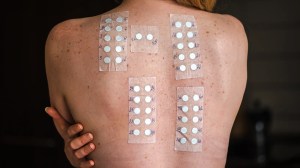
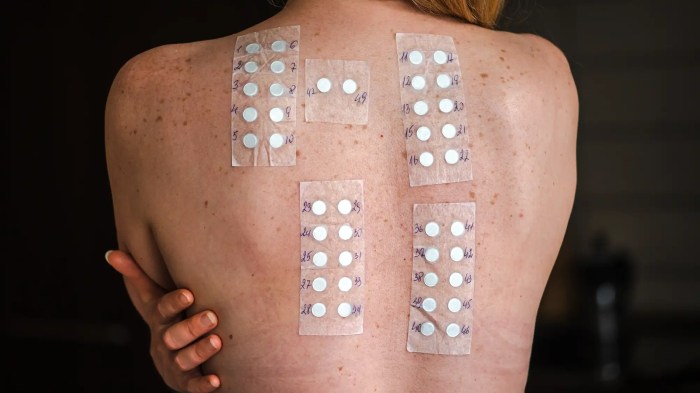
I now have some small inkling of what it feels like to be a lab rat. After getting diagnosed with a skin allergy to certain dyes, the last 5 months have been… interesting, to say the least.
Because I love getting outside. And I love getting sweaty and chasing big goals in mountains, rivers, and forests. But outdoor apparel has become largely synonymous with synthetic fabrics — the primary cause of the itchy dermatitis that can spread across my whole body when triggered by dyes used in polyester and nylon.
The basic idea is this: Sweating opens up our pores and makes the chemicals and dyes in fabrics more likely to leech into our skin. So I’ve spent a lot of time since my diagnosis trying to find outdoor apparel that lets me do what I love — without triggering my allergy. So far, I’ve been able to make a few big-picture conclusions:
- Synthetic fabrics should be avoided. That’s especially true of the polyester and nylon that dominate all apparel, and especially outdoor gear. But there are exceptions to this. Mainly because skin reactions are usually caused by chemicals and dyes used on synthetics, rather than the fibers themselves.
- Natural fibers can be toxic, too. Even cotton can have harmful dyes or chemicals. If you have sensitive skin like me, it’s helpful to wash any new clothing at least once or twice before wearing it. But in general, merino wool has emerged as a better option than any synthetic fiber.
- Look for Oeko-Tex Certification: Many outdoor brands ask Oeko-Tex, a Europe-based organization that tests apparel for toxic chemicals, to approve their products. Again, this doesn’t guarantee that the apparel will be hypoallergenic for everyone. But it’s a good start.
Other than that, we just have to try clothing and see what happens. After testing dozens of brands over the last few months, I’ve compiled a list of the apparel that works for me. I tried to find gear that offers at least some of the benefits of synthetic fibers (moisture-wicking, quick-drying, thermoregulation) without the itchy side effects. Most of these picks have become my favorite things to wear and have helped keep my skin (mostly) clear.
If you’re like me and get skin rashes from certain apparel, then I hope this list may help you.
Read the full story about uncovering my dye allergy.
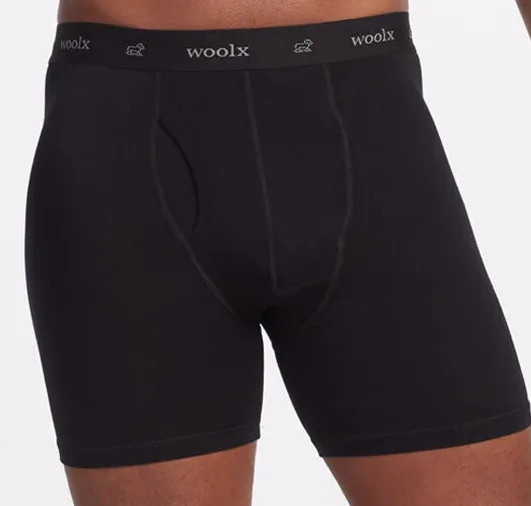
Best Boxers/Underwear: Woolx
(Photo/Woolx)
Specifications
Pros & Cons
Pros
- Super-comfy
- Quick-drying
- Odor-resistant
Cons
- Not cheap
I’m starting with the base layers for reasons that should be obvious: They’re the biggest culprits of skin issues. Anything that’s against your skin while sweating is the most likely to cause issues. That’s why natural fiber-based alternatives to polyester underwear have become more popular in recent years, whether you do outdoor sports or not.
Merino wool has emerged as the top choice, as it offers the same benefits of synthetic apparel. Backpackers like to say that “cotton kills” because it makes you cold when wet, which is a life-threatening situation if you’re stuck in the wilderness.
As an animal fiber, merino wool keeps you warm even when wet. Unfortunately, after testing lots of merino wool apparel, most of it still causes an allergic reaction for me. But that can even be true of cotton underwear, usually because of the elastic waistbands that use spandex or other synthetic fibers.
So after testing a half-dozen merino wool boxer brands, I was elated to find these boxers from Woolx, a New York-based merino brand. I’ve used them prolifically over the last few months across several sports. They even worked decently as swimming trunks, which are nearly all polyester and very problematic for me. I love these boxers. They’re not just hypoallergenic — they function better as workout boxers than anything else I’ve tried.
Runner-up: Manmade: Though made from synthetic fibers, the boxers from Manmade don’t seem to cause me problems. They’re also extremely comfortable.
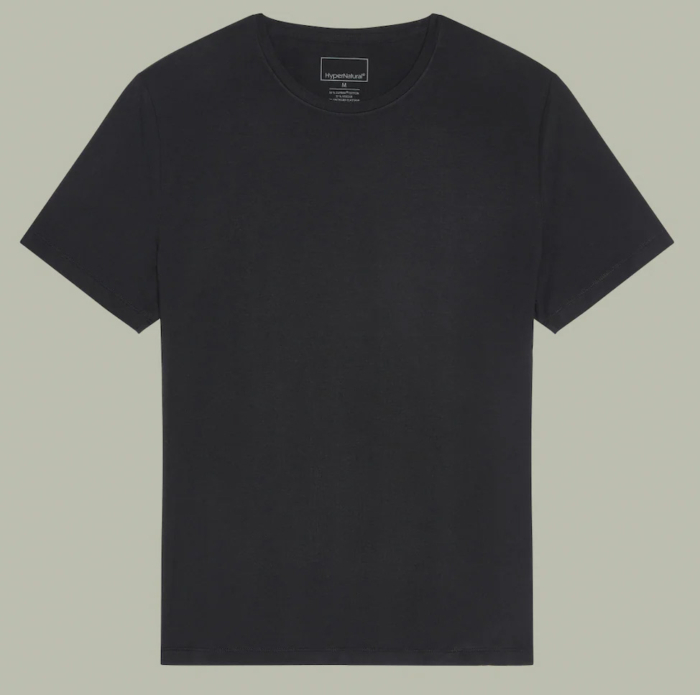
Best Outdoor Shirt: HyperNatural
Specifications
Pros & Cons
Pros
- Very comfortable
- Highly breathable
- Odor-resistant
- Stretchy and durable
Cons
- Doesn't dry quickly
- Won't maintain warmth when wet
I really wish I could recommend a merino wool shirt here. I wanted one to work so badly. But my skin just won’t allow it. I’ve tested around 10 different merino wool shirts over this summer, and I got an itchy rash from all of them. Some were 100% merino wool. Some weren’t. I think part of the problem is that the skin on my upper body and groin seems to be the most sensitive. It’s where the rashes nearly always start for me.
So I was happy to find that the unique cotton blend from HyperNatural (which includes crab shells and jade dust to prevent odor and improve breathability) gives me some of the same benefits of merino — but without the itch. To be fair, you still wouldn’t want these as a backpacker. It’s better to try to find a merino wool shirt that works for you. I’m still looking.
But for any outdoor activity other than multiday backpacking, the shirts from HyperNatural are a solid alternative to either polyester or merino wool.
Best Running Shorts: Smartwool
Specifications
Pros & Cons
Pros
- Comfy merino wool liner
- Doesn't ride up
- Several pockets
Cons
- Dries more slowly than some alternatives
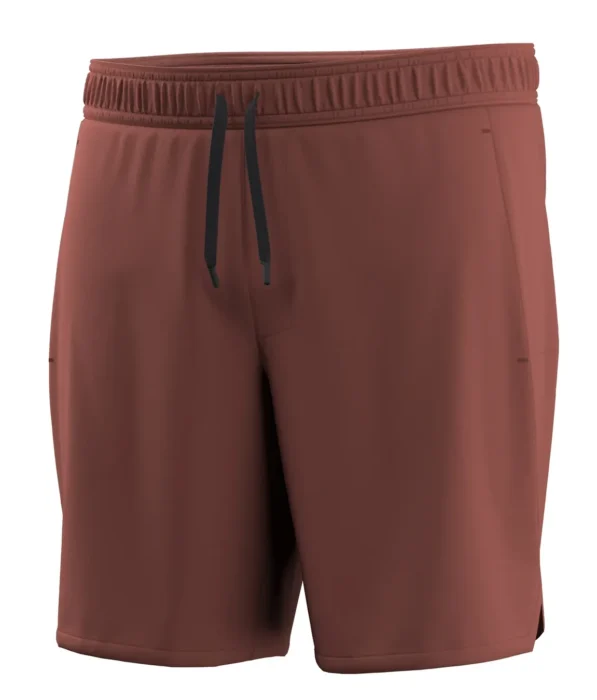
There are two categories of outdoor apparel that remain problematic for me: running shorts and running vests. Nearly all running shorts are made from petroleum-based fibers (a.k.a. plastic). Same goes for hydration vests. That’s a big bummer for me, because I’ve discovered in the last few years that I really enjoy trail running.
Currently, I just end up running in cotton shorts with merino wool boxers. Cotton shorts are far from ideal, but at least they don’t cause rashes. If I were going to do another trail run somewhere a bit more remote — like the Benton–MacKaye Trail in Northern Georgia — then I’d bite the proverbial bullet and use a pair of synthetic shorts. (If I get injured and have to spend a night on the trail, I’d rather be itchy than hypothermic.)
In that case, I’d tap the Smartwool Men’s Active Lined 7″ Short. They combine a polyester body with a liner made from a blend of merino wool and Tencel, a proprietary fiber made from wood pulp. Though these did make me slightly itchy after prolonged sweating, they’re still far less allergenic than the completely synthetic shorts that dominate the market. They’re also currently sold out in most sizes — so I’m clearly not the only fan of these shorts.
Runner-up: Ciele Athletics: Another option for me is to use a synthetic, liner-less short like the Ciele Athletics TRNShort 7″ Linerless 2, and layer merino wool beneath. It’s still a bit risky for me, but these shorts are comfy and quick drying, so sometimes I’ll take the rash and just deal.
Best Midlayer: PAKA Hoodie
Specifications
Pros & Cons
Pros
- Comfortable fit
- Very warm for the weight
- Flexible use
Cons
- Sometimes feels coarse with too much pressure against the skin (e.g. elbows on a table)
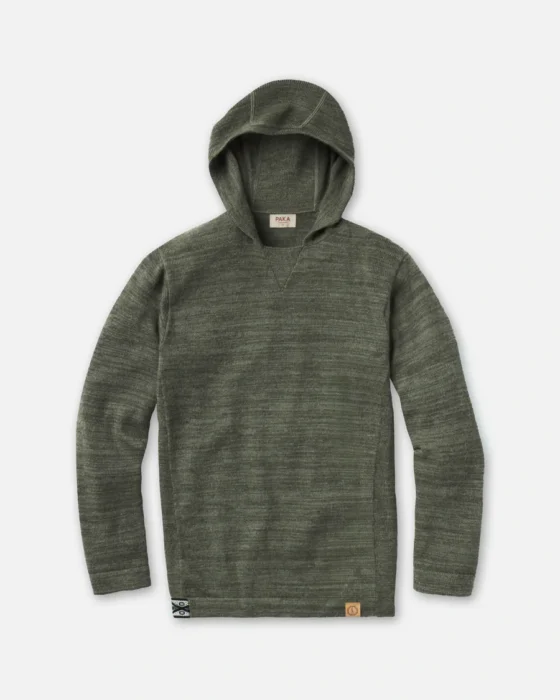
Man, I love this hoodie. PAKA calls it The Hoodie, and I’m inclined to agree. I’ve had this thing for 2 years, long before I finally got the allergy diagnosis and figured out what was causing my constant skin rashes. It has been one of my favorite pieces of apparel ever since.
It’s made from 65% alpaca, a fiber that’s even warmer, softer, and more hypoallergenic than merino wool. That’s certainly proven true for me, as this hoodie has never caused me any problems, despite the rest of its fibers coming from recycled nylon. PAKA’s apparel consistently earns high praise from GearJunkie reviewers, and this hoodie is no exception.
Runner-up: Inselberg Pascal Fleece Hoodie: A much more technical jacket, this midlayer from New Zealand–based Inselberg is a top performer for me. Despite being made of nylon, polyester, and spandex, the Inselberg Pascal Fleece Hoody hasn’t caused any rashes, likely because I always have a base layer beneath it. Regardless, this jacket has lots of external and internal pockets, a great fit, and is easy to roll up in a pack.
Best Adventure Pants: prAna Stretch Zion
Specifications
Pros & Cons
Pros
- Original Stretch Zion material has perfect blend of give and durability
- Wide size range available
- PFAS-free DWR finish
- Roomy fit doesn't constrict motion
Cons
- Pants will pill eventually with enough climbing
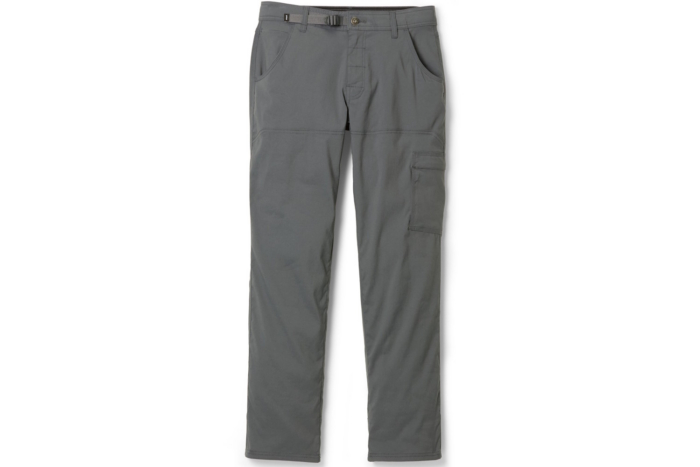
Most synthetic pants end up causing me skin problems — with a big exception. prAna’s Stretch Zion Pant is made almost entirely from nylon. But they’ve never caused me any skin problems in 14 years of wearing them.
My review of these pants says it all. They were my favorite outdoor pants before my allergy diagnosis, and they’re my favorite outdoor pants now. Comfy, full of pockets, and insanely durable, they’re aimed at climbers, but have served me well in basically every outdoor activity. REI, Patagonia, and other brands may get more name recognition these days, but in my opinion, prAna still makes the best adventure pants.
Best Outdoor Socks: Minus33
Specifications
Pros & Cons
Pros
- Supportive but not overly thick
- Highly breathable
- Highly durable
Cons
- Sometimes feels too tight on the foot
- Not cheap
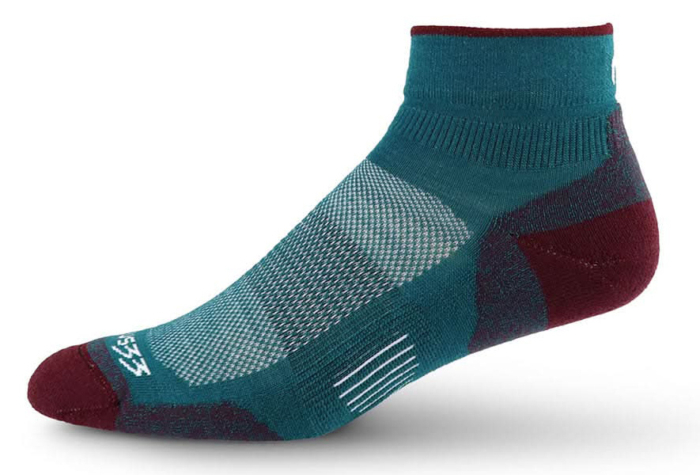
Minus33 doesn’t just make fantastic merino wool apparel: They’re also a historic brand with more than 100 years of history right here in the USA. Based in New Hampshire, the brand makes lots of apparel that’s 100% merino wool. That’s a rare find in outdoor apparel, which will often have only a small percentage of actual wool in its so-called “merino wool apparel.”
Minus33 socks have become my go-to choice for running and hiking. They’re snug, supportive, and breathable, and I challenge any runner not to fall in love with these. To be fair, they blend a majority of merino wool (over 50%) with nylon and spandex. In my case, however, they don’t cause an allergic reaction, for whatever reason. And I’m grateful for that, because these stellar socks are odor-resistant, durable, and quite comfy. The trail running socks are my favorite.
Runner-Up: Woolx: Once again, Woolx delivers the goods. Woolx merino wool socks offer serious comfort and hypoallergenic fibers. They’re just as good as Minus33, but with a little extra thickness. So they’re arguably a bit better for hiking, whereas Minus33 hits a sweet spot for runners.
Best Daypack: Waterfield Canvas Backpack

As I wrote in this ode to gear simplicity, canvas is vastly underrated. A natural fabric that’s been used to repel water for hundreds of years, canvas remains functional and classy. And now I realize that it often has the additional benefit of being hypoallergenic, depending on the chemicals used in the production process.
The canvas pack from San Francisco–based Waterfield Designs has spent more time with me over the last 2 years than any other piece of gear. And it has kept lots of camera equipment safe from moisture along the way. If only I could find a canvas hydration vest, I’d be good to go for my long-distance trail runs.
Best Lifestyle Clothing: Outerknown
Specifications
Pros & Cons
Pros
- Versatile yet thick layer
- One of the few completely cotton options on our list (providing priority softness)
- More than 20 vibrant color and pattern choices
Cons
- Density is not very compressible for packing away
- Bigger investment
- Only two size options: XS/S and M/L
My allergy diagnosis hasn’t just affected my life in the outdoors. I have to remain vigilant about everything I wear, all the time. That’s been a tough change, and I’ve thrown out much of my wardrobe as a result. And while we often equate “outdoor gear” to “technical apparel,” we often overlook natural fibers as an equally valid choice for many outdoor activities.
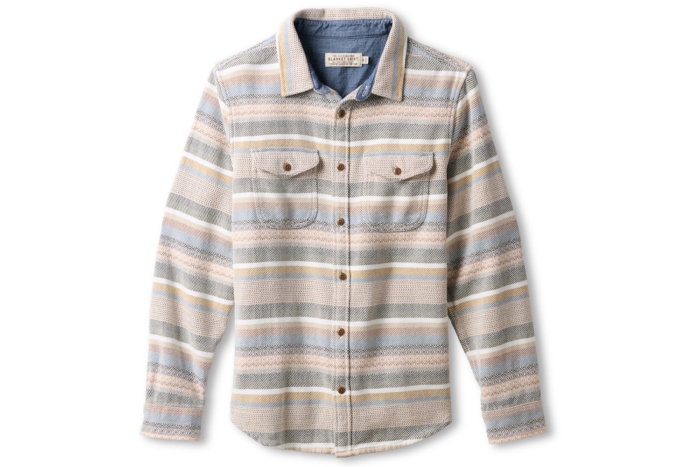
I’ve tested quite a few brands this summer focused on cotton-based apparel, and Outerknown has emerged as my absolute favorite. Founded by surfing legend Kelly Slater, the brand makes lots of stellar apparel made with 100% cotton. The Blanket Shirt, the brand’s flagship product, is an extra-heavy flannel shirt that actually lives up to its marketing as “the coziest damn shirt ever made.”
And I’ve practically been living in The Field Pant. Also made from 100% cotton, they’re some of the comfiest pants I’ve ever owned. Most of the other comfy ones I had to toss because they caused skin problems, even though they only had small amounts of synthetics. Moreover, Outerknown’s gear looks classy, and I’ve gotten lots of compliments while wearing it.
Best Cycling Wear: Pinebury Merino Wool Cargo Bib Shorts
Specifications
Pros & Cons
Pros
- Very cozy to wear
- More breathable than polyester
Cons
- Still has a lot of synthetic fibers
- Less durable than many alternatives
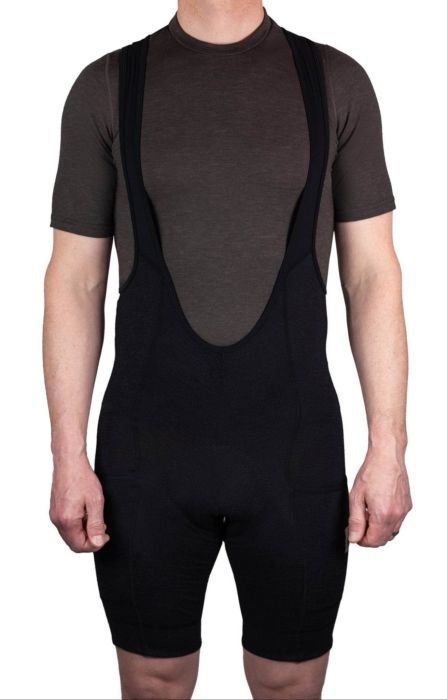
When Pinebury, a cycling brand based in Portland, Maine, debuted these in 2025, they were the first bib shorts to use Nuyarn, a blend of merino wool and synthetic fibers that has been embraced by many outdoor brands and increasingly sought after by consumers. Nuyarn shows up in many GearJunkie-approved apparel, like our Best Base Layers for Men guide.
For me, the Pinebury Merino Wool Cargo Bib Shorts fall in the same category as the Smartwool running shorts. They’re a big improvement over most cycling wear, which is almost entirely made from synthetic fibers. But there’s also still a lot of elastane and spandex that are necessary for elasticity.
To avoid excessive skin exposure to the synthetic parts of the shorts, I’ve learned to wear a shirt with them, along with some trusty merino wool boxer briefs. It’s not a perfect solution, but if I’m looking toward a long day of riding, I want the groin support of a good pair of bib shorts, and there’s not much on the market that’s better for skin-sensitive people than these.
They’re definitely a bit pricey, and not as durable as purely synthetic options. But they also feel better than any bib shorts I’ve tried, and I can (mostly) avoid skin issues through layering, so I call that a win.
Final Thoughts
As I wrote in my investigation of toxic fashion, most textiles have tons of chemicals, many of which have never been adequately tested for safety. Despite a cultural change in our attitudes about healthy food, we remain less concerned about clothing. And that’s despite the fact that textiles have way more chemicals in them than our food, yet have little to no regulation by the U.S. government.
But there are signs of positive change, and many outdoor brands are embracing natural fibers and testing their products for safety. But it’s going to happen slowly. We’ve been reliant on petroleum-based fibers for too long to solve the problem overnight. In the meantime, let’s keep getting outside however we can. If consumers continue to demand change, the textile economy will eventually shift to accommodate it.