Backpack coolers keep getting cooler. They’re more comfortable, powerful, and decked out than ever.
Over the past six months, gear expert Constance Mahoney tested four backpack coolers for 48 days with her family to narrow down our new top picks. From fly fishing and soccer games to trail running races and road trips, Mahoney spent a minimum of 10 days with each pack on adventures throughout southwest Colorado.
Transportable, insulated coolers are useful when you have your hands full or live in a hot city. Options like the YETI Hopper M12 Backpack Cooler scored exceptionally for ice retention. Other designs are great for commuters carrying groceries like the ICEMULE Recycled Jaunt. Built-out, back-supporting designs serve well on day hikes. The most robust chests can be strapped down to a motorcycle, SUP, or raft for multiday or whitewater adventure, such as the premium ICEMULE BOSS.
Editor’s Note: We updated our Backpack Coolers guide on August 14, 2026, with the budget-oriented EVERFUN Frost Cooler Backpack, our freshly vetted pick.
The Best Backpack Coolers of 2026


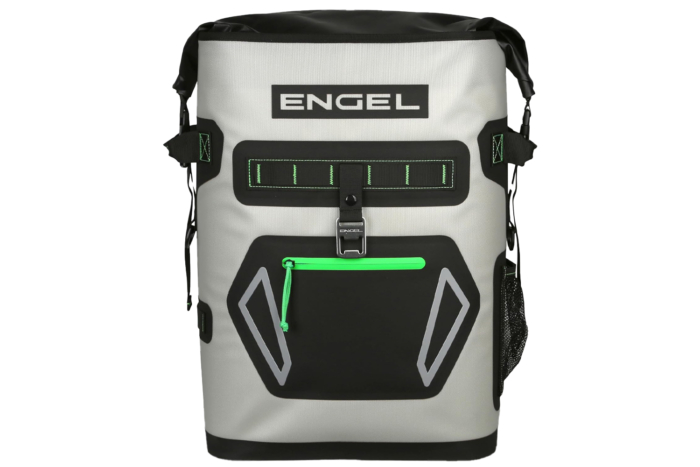
Engel Roll-Top High Performance Backpack Cooler
-

-
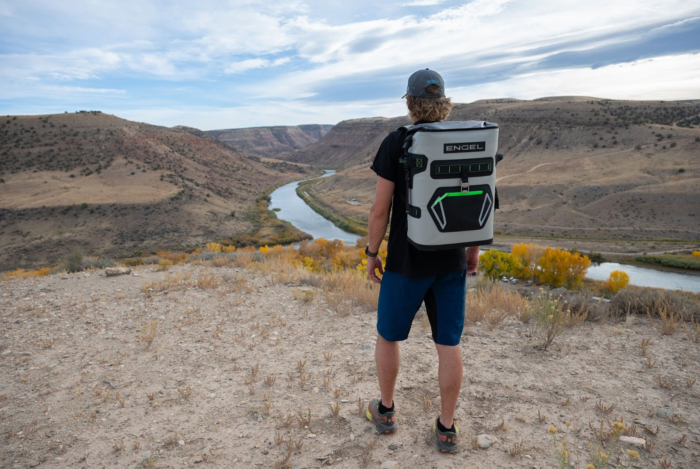
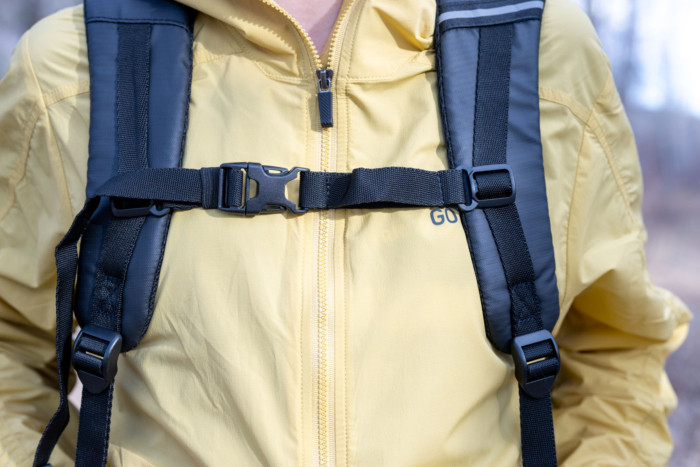
Padded straps and a chest strap made carrying heavy loads comfortable on long trips; (photo/Constance Mahoney)
-
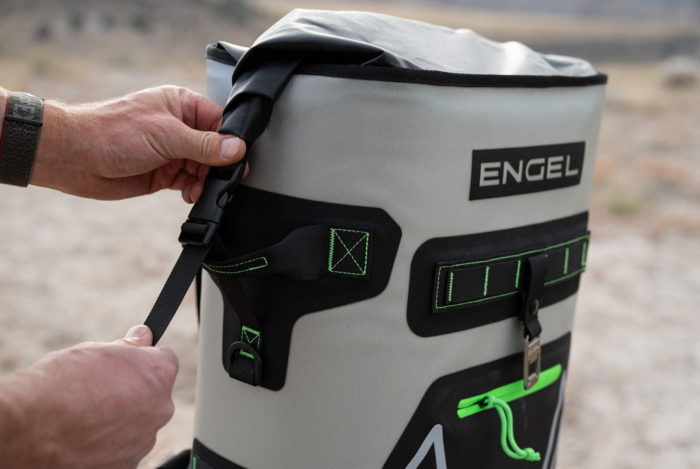
Durable 840-denier fabric withstood heavy use during rugged outdoor trips; (photo/Constance Mahoney)
-
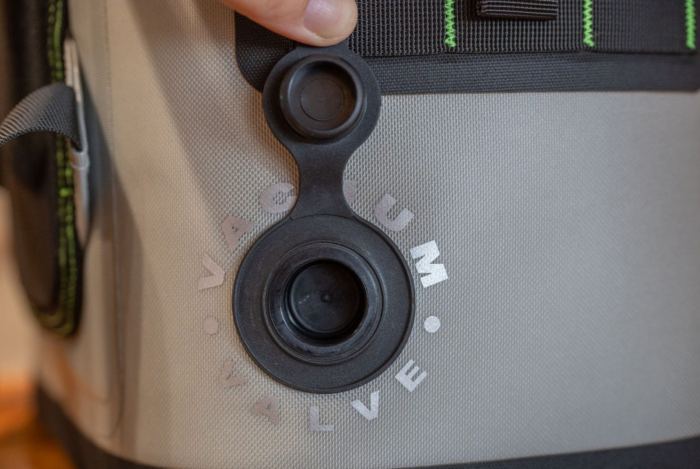
The vacuum valve and closed-cell foam insulation help keep contents cold for up to 4 days; (photo/Constance Mahoney)

Specifications
Pros & Cons
Pros
- Large capacity
- Multiple carry methods
- Durable
Cons
- Heavy when packed full
- Expensive
Bottom Line: A bombproof, vacuum-sealed powerhouse designed for high-impact environments like hunting and overlanding where durability is just as important as ice retention. This leakproof, stackable gear-hauler can survive being tossed in an ATV and hosed down at the end of the week.
The Engel Roll-Top High Performance Backpack Cooler ($190) is a true heavyweight in the world of soft-sided coolers. Weighing in at 3.5 pounds, this midweight pack is one of the most robust and durable options we have tested. It solves the biggest problem with traditional soft coolers: the vulnerability to punctures and leaks when things get rough. If you want a cooler that feels more like a piece of tactical gear than a picnic basket, the Engel is the clear winner.
The Tech: Constructed with 840-denier material, this pack offers elite abrasion resistance. The exterior is fortified with laminated thermal plastic urethane (TPU) film, which provided an extra layer of puncture protection that did not sustain a single scratch during a weeklong archery hunting trip in the Colorado Rockies, reported lead field tester Constance Mahoney. The secret sauce is the patent-pending vacuum valve. By using an at-home vacuum hose to suck out trapped air between the 1-inch closed-cell foam and the TPU shell, you significantly enhance the thermal efficiency, keeping your food and drinks cold for up to 3 days in harsh conditions.
What We Like: The real winner here is the rugged versatility. Even when packed on its side for hours on rough, muddy 4WD roads, the roll-top closure and secure clips remained 100% leakproof. We also found a new appreciation for the rectangular silhouette; unlike rounded dry-bag-style coolers, this one stacks perfectly with standard plastic storage bins in the back of a truck. The carrying system is equally well thought out, featuring padded back and shoulder straps and a chest strap that fits a wide range of body sizes. If it is too heavy for a solo trek, the reinforced side handles make a two-person carry easy.
What We Don’t: It is not a quick-access cooler. The roll-top and clip system, while incredibly secure and leakproof, takes longer to open and close than a standard zipper. This means you are less likely to grab a single drink frequently, which helps with ice retention but can be a hassle for social events. Additionally, while it features a front water-resistant pocket and a mesh side pocket, the storage is somewhat limited compared to budget models with many pockets, like the Titan by Arctic Zone 24 Can Backpack.
Should You Buy It? For those who prioritize raw durability and leakproof performance in the backcountry, this is a top-tier choice. It is a pro-grade cooling solution that offers better puncture resistance than many of its more expensive competitors. If you need a reliable workhorse for hunting, fishing, or remote off-roading, the Engel Roll-Top provides incredible ruggedness and utility.
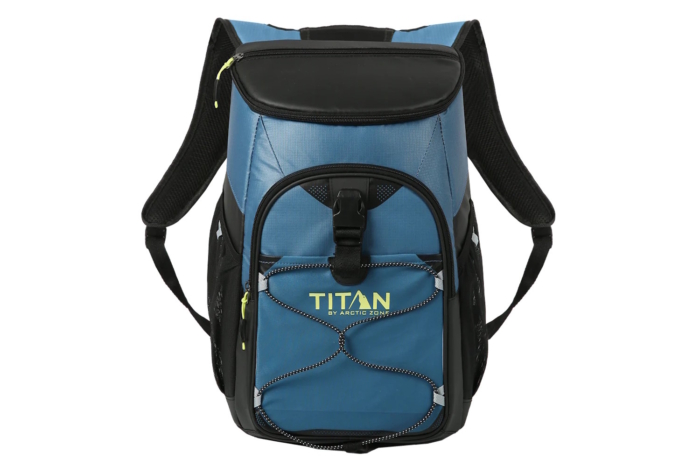
Titan by Arctic Zone 24 Can Backpack Cooler
Specifications
Pros & Cons
Pros
- Great value
- Ample pockets and storage
- Titan Ice Wall ice packs included
Cons
- Lacks durability
- Lacks adjustment for longer hikes
Bottom Line: An organizational powerhouse that punches well above its weight class in storage and ice retention. The Titan by Arctic Zone is the ideal choice for the sun-seeking beachgoers or weekend picnickers who need dedicated spots for gear, snacks, and snacks — without the triple-digit price tag.
The Titan by Arctic Zone 24 Can Backpack Cooler ($53) is an excellent value pack that proves you do not have to spend a fortune for professional-grade performance. It solves the biggest frustration with entry-level coolers: the lack of organization. With five distinct pockets and a front bungee system, it acts as a hybrid between a high-performance icebox and a functional daypack. If you want a cooler that keeps your keys dry while keeping your drinks frosty for an entire weekend, this is a top-tier contender.
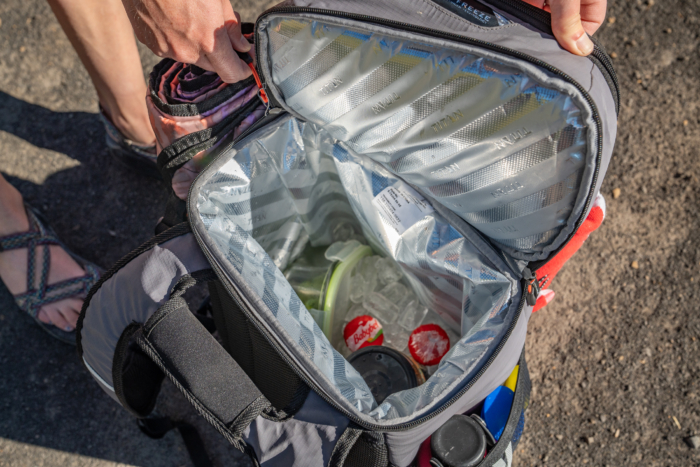
The Tech: Performance-wise, the numbers stand out for this price bracket. In our controlled testing, the Deep Freeze insulation retained ice for 80 hours. This secret sauce is the combination of Deep Freeze performance insulation and a Therma-Flect radiant barrier that reflects heat rather than absorbing it. It also comes with two Titan Ice Walls — custom-shaped ice packs that slide into specialized zippered pockets on the sides. This ensures the main compartment stays cold while keeping condensation away from your sandwiches or dry goods.
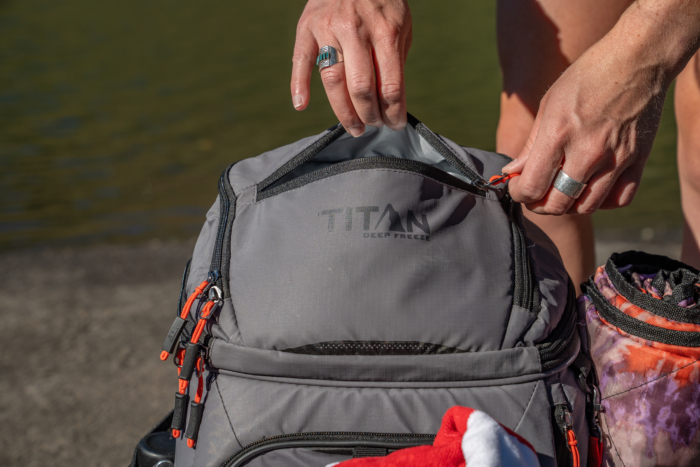
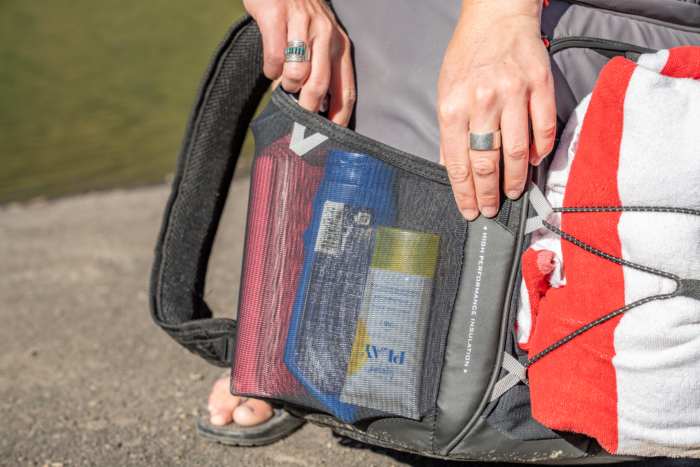
What We Like: The real winner here is the sheer utility of the storage. The side mesh pouches are wide enough to fit a large water bottle plus two bottles of sunscreen with room to spare. Plus, the top zippered pocket is perfect for small valuables like keys or a blister kit. We also found a new appreciation for the Microban antimicrobial lining, which makes the interior incredibly easy to clean. After a messy ultramarathon weekend that tester Constance Mahoney spent in the Sawatch mountains of Colorado, a simple wipe-down with a wet cloth was all it took to remove sticky nutrition spills.
What We Don’t: It is not a one-size-fits-all carrying system. While the padded shoulder straps are comfortable for short hauls, the system lacks the technical customization of more expensive hiking packs. Specifically, the adjustable chest strap sits too low for testers with a 5-foot-4 frame or a bustier build, though it fits a 6’2 tester perfectly. We would not recommend this for high-mileage backcountry trekking, but it is excellent for stationing at a base camp or supporting athletes at a race.
Should You Buy It? For those who prioritize organization and value over technical trail ergonomics, this is a top-tier choice. It is a highly functional cooling solution that offers more pocket space than almost any other pack in the guide. If you need a reliable workhorse for beach days, sporting events, or car-camping weekends, the Titan 24 Can provides incredible bang for your buck. For those seeking a more eco-friendly alternative, the Titan Eco ($50) offers a recycled exterior and similar features in a slightly smaller 24-can capacity.
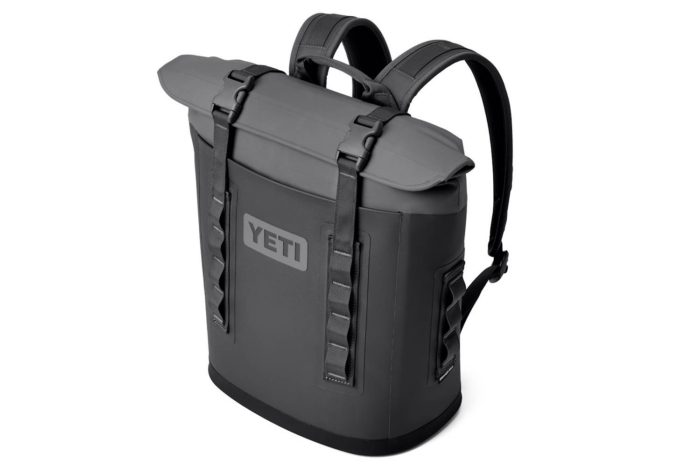
YETI Hopper M12 Soft Backpack Cooler
Specifications
Pros & Cons
Pros
- Ice retention of YETI pack coolers is tried and true
- Magnetic closure is very powerful
- Very sleek aesthetic
- Easy to clean
Cons
- Magnet strip and narrow opening of cooler isn't the easiest for grab and go
- Back panel isn't the most padded
- No side mesh carries for water bottles
Bottom Line: A sophisticated dynamo that delivers elite ice retention and a magnetic closure for ease of use and long-term durability. A premium, sleek, leakproof hauler that is at home on a sailboat as it is on a remote trail.
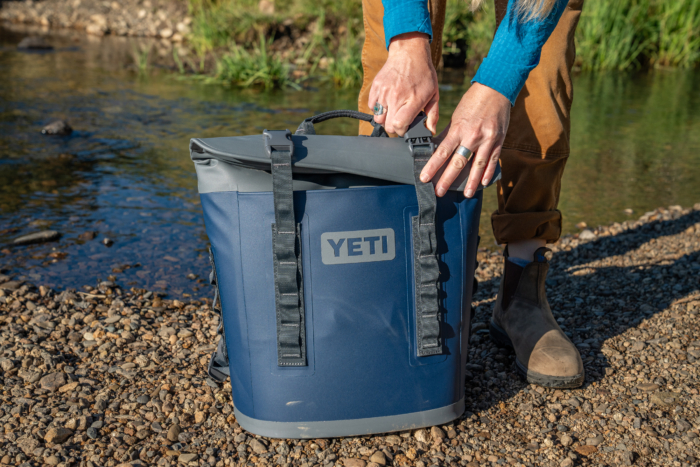
The YETI Hopper M12 Backpack Cooler ($275) is the entry-level titan of the Hopper lineup. Weighing in at 4.5 pounds, this compact pack solves the biggest headache of soft-sided coolers: the struggle with stiff, toothy zippers. By replacing zippers with a high-performance magnetic strip, YETI has created a bag that is as easy to access as it is to seal. If you want a cooler that feels indestructible and keeps your food fresh for days, the M12 is the gold standard.
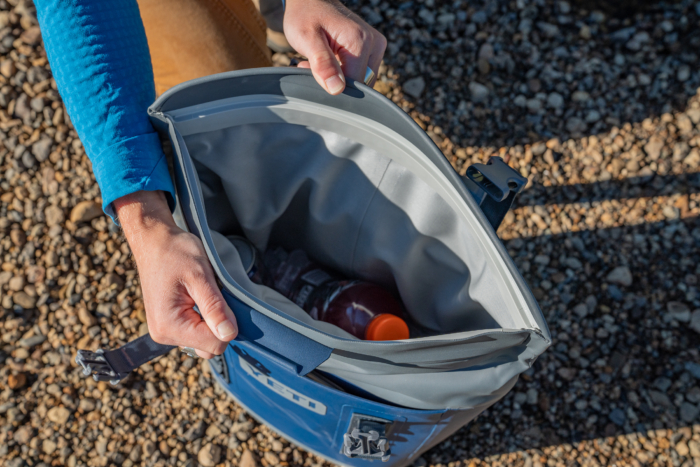
The Tech: Performance-wise, YETI remains the benchmark for soft-sided insulation. The ColdCell insulation — a thick, closed-cell foam — held ice for up to 4 days in our testing, maintaining a consistent internal temperature of 35 degrees. The secret sauce is the MagShield Access top. These ultra-strong magnets create a nearly airtight, leakproof shield that stays open when you need it and snaps shut with a gentle push. The exterior is wrapped in a DryHide shell, a high-density fabric that resists punctures, UV rays, and mildew.
What We Like: The real winner here is the sophisticated design and ease of maintenance. The magnetic closure is far more user-friendly than the previous generation of zippers, and the strip of magnets fully blocks water from leaking in or out. Senior Editor Morgan Tilton also found a new appreciation for the elongated height, which allows the pack to comfortably fit a standard bottle of wine alongside 20 cans. The exterior is easy to wipe down. And, Tilton loved the wide grab handle and supportive shoulder straps, which made carrying a full load feel surprisingly balanced while biking to the riverside park.
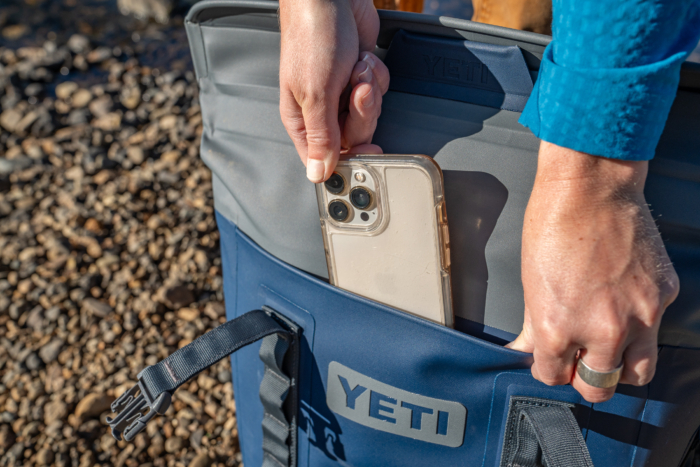
What We Don’t: It is not designed for heavy grocery hauls or bulky food containers. The tapered, narrow opening and rigid silhouette are best suited for drinks and smaller snacks; stacking wide items is difficult. Additionally, the two top buckles can be a bit short and stubborn when engaging with the rigid fabric. We found it was often easier to kneel on the cooler to clip them. While the front Kangaroo Pocket is useful for a phone or wallet, the lack of a zipper or Velcro means it is strictly for quick-access items.
Should You Buy It? For those who prioritize ice retention and a premium, leakproof build, this is a top-tier choice. It is a pro-grade cooling solution that offers a much better user experience than cheaper, zippered alternatives. If you need a reliable, stylish workhorse for day trips, beach missions, or wine-and-cheese outings, the Hopper M12 provides incredible longevity and performance.
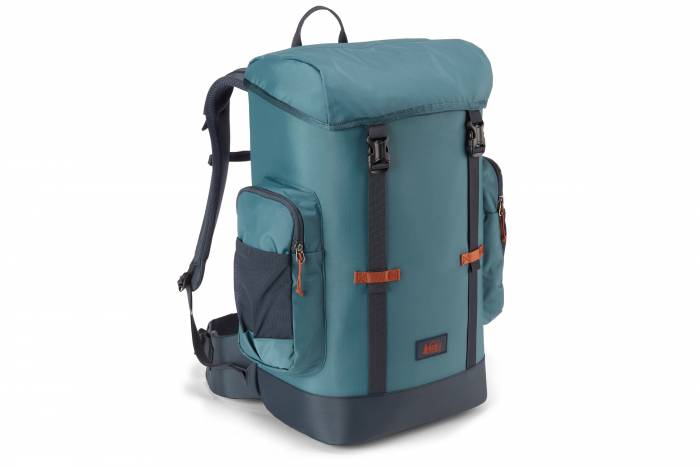
REI Co-op Cool Trail Pack Cooler
Specifications
Pros & Cons
Pros
- Helpful cooler tips are listed inside the pack’s lid
- Two-in-one design allows for non-cooler day pack conversion
- Retains ice well
Cons
- Pack does not easily stay upright when set down
- Zipper to cooler compartment is not waterproof
- Clips and zippers aren’t high end but get the job done
Bottom Line: A clever, high-value hybrid that transitions from a leakproof cooler to a fully functional 30-liter daypack in seconds. The REI Co-op Cool Trail Pack is the ideal choice for the multi-sport adventurer who wants one piece of gear that can handle a lakeside picnic on Friday and a hike on Saturday.
The REI Co-op Cool Trail Pack Cooler ($100) is one of the most adaptable designs in our guide. It solves the single-use problem of most backpack coolers by featuring a removable cooler insert, allowing you to drop the insulation entirely when you just need a traditional daypack. At this price point, you are essentially getting two packs for the price of one, making it a standout value for those who do not want to clutter their gear closet with specialized items.
The Tech: While you trade away the rigid structure of a heavyweight like the ICEMULE BOSS, the performance remains surprisingly high. In our controlled testing, the Cool Trail retained ice for nearly 77 hours, far exceeding the manufacturer’s claims. The secret sauce is the removable PEVA liner paired with an exterior made from recycled ripstop nylon. Because the materials are Bluesign-approved, this is also one of the most eco-friendly options on our list, utilizing recycled polyester to minimize its environmental footprint.
What We Like: The overall win is the technical carrying system, which feels more like a dedicated hiking pack than a cooler. Field tester Eric Phillips most appreciated the padded back panel and the contoured hip belt, which effectively elevated the load off his back during a day of boating on a Wisconsin lake. Even when stuffed with 20 cans, the bag was easy to carry over long distances. The pocket layout is equally utilitarian. The two mesh bottle holders easily swallow 32-ounce Nalgenes, while the side zippered pockets provide secure storage for sunscreen and small essentials.
What We Don’t: The tradeoff for such a flexible design is a lack of specialized ventilation. While the back panel is slightly suspended to allow for some airflow, the material does not wick sweat particularly well during high-exertion scrambles. Additionally, the top handle is basic compared to the reinforced grips on premium models. But it’s still functional for short hauls. If you require a completely rigid foundation that will not tip over on uneven ground, a stouter build like the RTIC 30 Can might be a better fit.
Should You Buy It? For those who prioritize versatility and trail-ready comfort over brand prestige, this is a top-tier choice. It is a highly adaptable cooling solution that offers better weight distribution than almost any budget competitor. If you need a reliable crossover pack for weekend getaways or varied outdoor missions, the Cool Trail Pack offers incredible utility for exactly $100.
ICEMULE BOSS
-
-
(Photo/Constance Mahoney)
-
(Photo/Constance Mahoney)
-
(Photo/Constance Mahoney)
Specifications
Pros & Cons
Pros
- Winning cooler backpack for ice retention
- Three waterproof, insulated exterior cargo pockets
- Great weight distribution
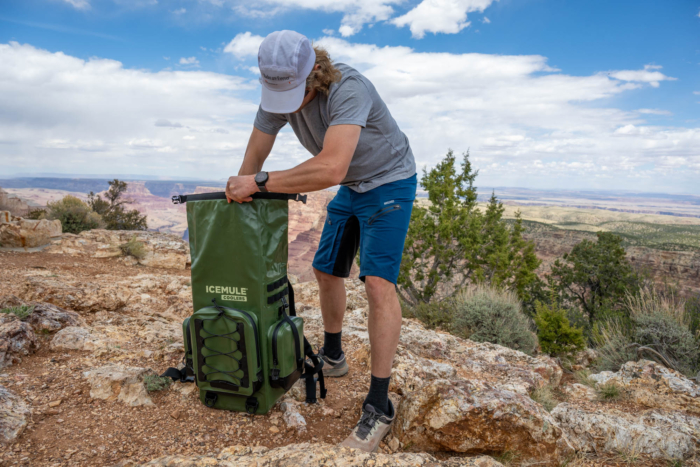
- Secure roll-top design keeps water in and out
- It floats!
Cons
- The tall, narrow cooler column makes nutriments harder to access
- Waterproof zippers on pockets are hard to open and close
- Pricier
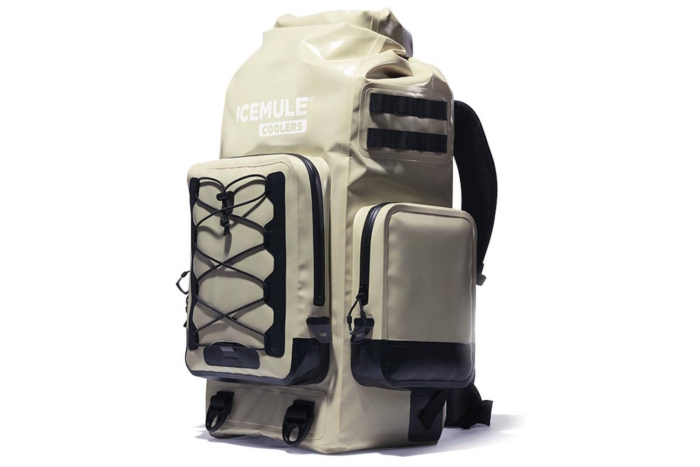
Bottom Line: The Boss is the undisputed heavyweight champion of ice retention. The ICEMULE BOSS is the ideal choice for the hardcore trekker or river runner who needs a tactical, floating cooler that keeps their goods chilled for up to a week.
The ICEMULE BOSS ($380) is a serious backpack cooler built for the most demanding environments on earth. It solves the biggest limitation of soft coolers — lackluster ice retention — by outperforming every other pack we have ever tested. During our evaluation, the BOSS kept ice frozen for an incredible 133 hours (more than 5 days). If maximum cooling power and technical trail comfort are your non-negotiables, this is the definitive gold standard.
The Tech: This pack’s elite performance is driven by 3-centimeter PolarLayer XT insulation and a unique IM AirValve. By adding air to the insulation layer, you achieve a level of thermal efficiency unmatched by traditional foam. The exterior is wrapped in MuleSkin 1,000-denier fabric, a burly, technical material that can be dragged through brush or strapped down to a whitewater raft without sustaining a scratch. Its fully welded seams mean the pack is not only leakproof but also floats, making it a favorite for kayakers and boaters.
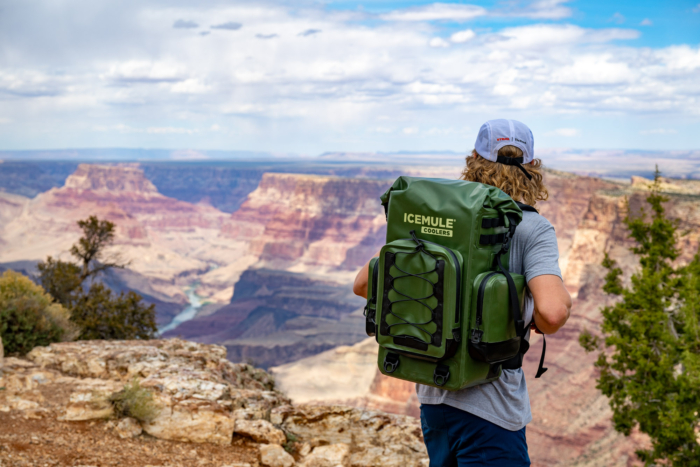
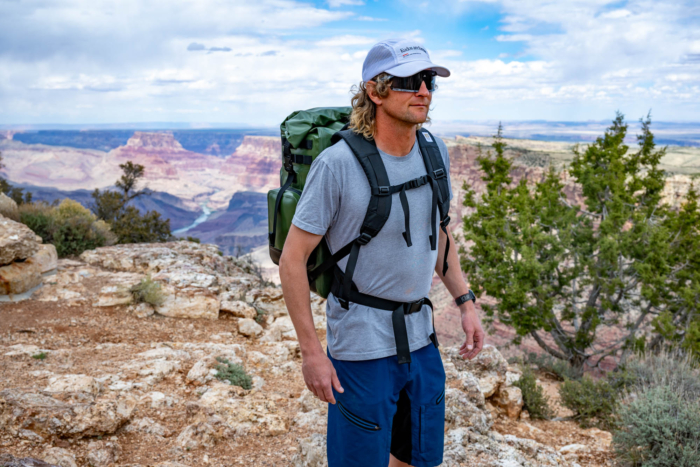
What We Like: The real winner here is the sophisticated suspension system. Despite its 10-pound dry weight and massive silhouette, it is one of the most comfortable packs to carry. It features double-padded mesh shoulder straps, cushioned hip pads, and a sternum strap that distributes heavy loads effectively across your frame. During treks in the Grand Canyon, airflow across the back panel was better than almost any other pack in the lineup. We also loved the three oversized exterior pockets with waterproof zippers. They provide excellent organization for gear that needs to stay dry and separate from the ice.
What We Don’t: It is an enormous piece of equipment with a surprisingly snug interior. While it fits 24-34 cans (depending on your ice ratio), the internal food storage space feels a bit tight given the overall external bulk. The waterproof PakShield zippers on the exterior pockets are exceptionally stout, which means they can be a bit stiff and difficult to pull. Additionally, the wide, tactical shoulder straps are snug and supportive but may feel less ergonomic for smaller-framed users compared to a more traditional hiking pack like the REI Co-op Cool Trail.
Should You Buy It? For those who prioritize multi-day ice retention and rugged, waterproof durability, this is a top-tier choice. It is a pro-grade expedition tool that functions as both a tactical backpack and a high-performance freezer. If you need a reliable workhorse for long-distance hiking, multi-day river trips, or extreme heat, the ICEMULE BOSS provides unmatched performance for a premium price.
Under Armour 25-Can Sideline
-
-
(Photo/Constance Mahoney)
-
(Photo/Constance Mahoney)
-
(Photo/Constance Mahoney)
Specifications
Pros & Cons
Pros
- Integrated hang hooks
- Coated base
- Crush-proof
Cons
- Zippers are not leak-proof
- Smaller pull tabs
Bottom Line: A high-performance gameday specialist that prioritizes athlete-focused utility and clever organization for the sidelines. An ideal choice for coaches, parents, and athletes who need a crushproof cooler that can hang off a fence and survive a full weekend of tournaments.
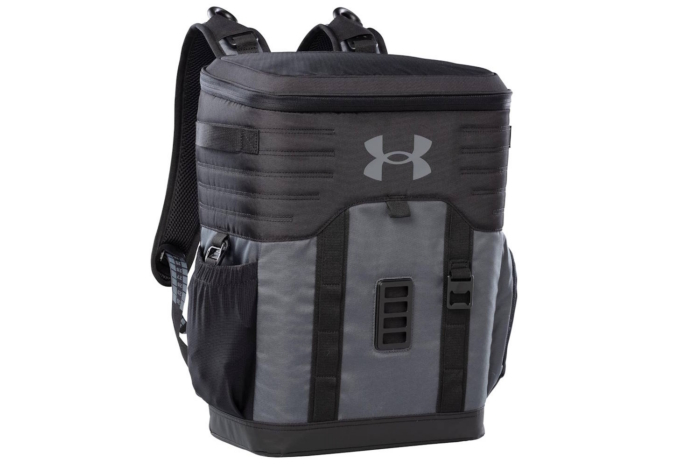
The UA Sideline 25-Can Cooler ($134) genuinely stands out as a feature-garnished teammate in the world of backpack coolers. It solves the biggest headaches of the sports field: keeping gear out of the mud and managing trash on the go. Between soccer tournaments and park meetups, this pack has become a staple in our rotation. If you want a cooler that is as functional in a dugout as it is on a road trip, the Sideline is a top-tier contender.
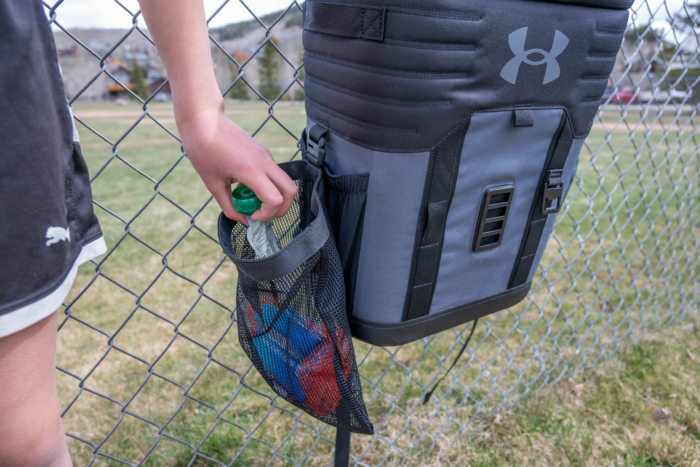
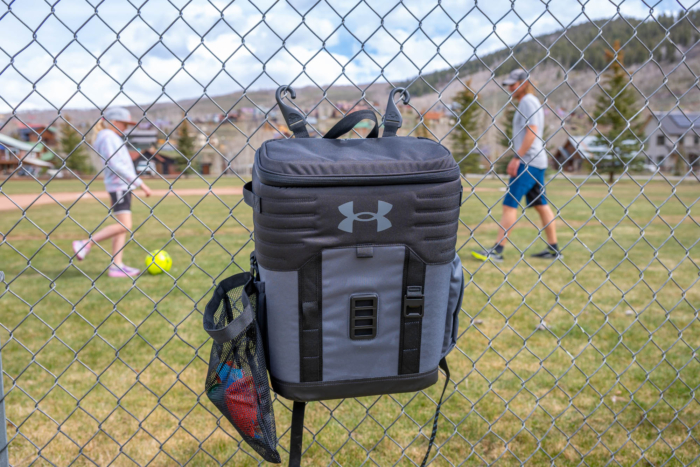
The Tech: This pack is built to withstand the chaos of a trunk full of gear. It features an internal hardliner that provides a crushproof structure, ensuring your sandwiches do not get flattened by heavy equipment bags. Performance-wise, the insulation is dialed for all-day chilling. It consistently kept drinks cold through long, multi-game days in the sun. The exterior is wrapped in a durable, water-resistant fabric that wipes clean easily, while the integrated fence hooks on the back allow you to hang the pack off chain-link fences to keep it upright and out of the dirt.
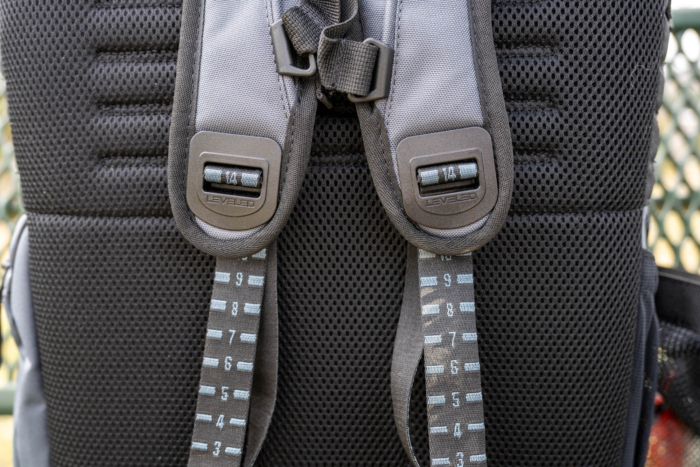
What We Like: The champion here is the accessory ecosystem. It comes with a detachable mesh bag that serves as a perfect mobile waste bin for wrappers or snack debris. This was a lifesaver when trash cans were nowhere to be found, reported tester Constance Mahoney after using this cooler at her kid’s soccer game. She also found a new appreciation for the clamshell lid, which offers a wide-open view for quick grabbing (great for thirsty kids), and the snack pocket on the underside of the lid that keeps granola bars from getting soggy. The numbered strap system is a thoughtful touch, allowing you to perfectly balance the weight across the padded back panel and cushioned shoulder straps.
What We Don’t: While the hardliner provides excellent protection and structure, it makes the pack more rigid and bulkier to store when empty than malleable options like the RovR TravelR. Additionally, the fence hooks are specialized for specific environments. If you are primarily using this for hiking or beach trips where there are no fences, they essentially become extra weight. We also found that while the front daisy-chain attachment points are great for clipping on gear, the pack can become front-heavy and unbalanced if too much is strapped to the exterior.
Should You Buy It? For those who prioritize sideline utility and organizational extras over long-distance trail ergonomics, this is a top-tier choice. It is a highly specialized cooling solution that offers more practical gameday features than almost any other pack on the market. If you need a reliable, crushproof workhorse for sporting events and family outings, the UA Sideline provides incredible real-world utility.
BrüMate MagPack 24-Can Backpack Cooler
Specifications
Pros & Cons
Pros
- Great ice retention
- Puncture-proof shell
- Includes chest strap
- Easy-to-clean exterior and interior
Cons
- Heavy — even when empty
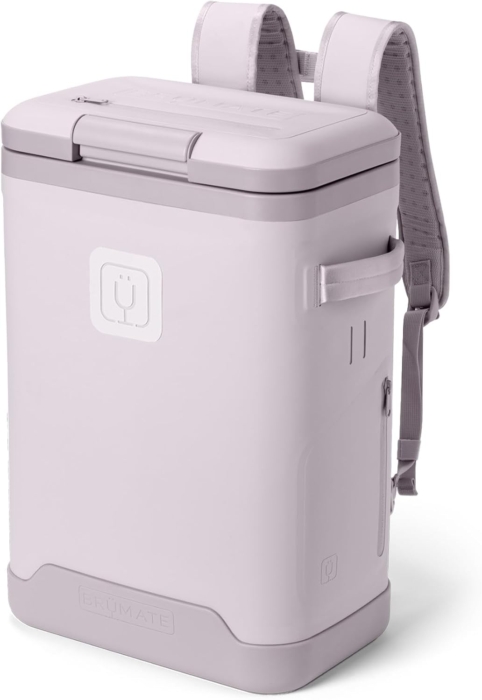
Bottom Line: A rigid, zipper-free portable vault for your beverages. The BrüMate MagPack is a key player for anglers and picnickers who prioritize a leakproof, magnetic seal and a crushproof build that can double as a sturdy seat.
The BrüMate MagPack 24-Can Cooler Backpack ($200) is a highly structured, zipper-free solution designed for those in-between days when you need to stay mobile but require maximum protection. It solves the primary frustration of soft coolers — sagging and collapsing — by offering a rigid shape that remains upright whether it is stuffed with ice or empty. If you want a cooler that feels like a hard-sided chest with straps rather than a backpack, the MagPack is a standout contender.
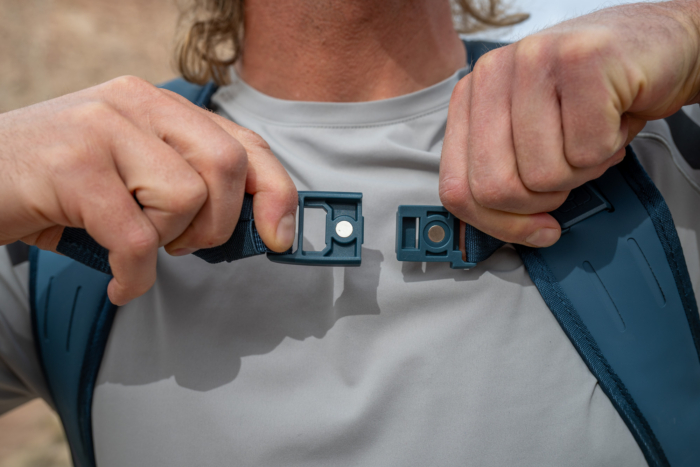
The Tech: Performance-wise, the MagPack is a serious overachiever. In our controlled testing, it retained ice for nearly five full days in a 68-degree environment, putting it right on the heels of much more expensive, specialized gear. The secret ingredient is the pivot-pro hinge lid and a magnetic, zipperless seal that creates a reliable, leakproof barrier. The exterior is wrapped in a Repel shell, which is puncture-proof and exceptionally easy to wipe down after a day in the mud.
What We Like: The ease of access is superior. Tester Constance Mahoney found that she much preferred the latch-style magnetic lid when dealing with wet hands or gloves. It snaps shut with a satisfying and secure seal that a zipper simply cannot match. One unexpected perk of the stiff construction is that the cooler doubles as a sturdy stool. It also held a 180-pound tester without buckling, as Mahoney noted after a family fishing trip on the Gunnison River. While the RovR TravelR has a flexible, body-hugging structure, the MagPack’s rigidity ensures the center of gravity never shifts or sags as the ice melts.
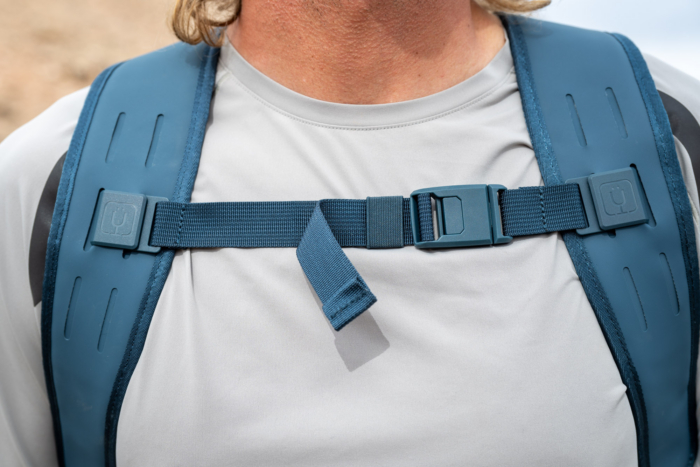
What We Don’t: It is a massive physical presence on your back. Weighing nearly 8 pounds empty, it is significantly heavier than most other 24-can packs in our guide, and it does not contour to your body like a technical hiking bag. Storage is also somewhat limited. While the two zippered waterproof pockets are excellent for protecting a phone or keys, they lack stretch and cannot accommodate much more. This pack may not be the best fit for those who are sensitive to heavy loads or need to trek long distances.
Should You Buy It? For those who prioritize durability, easy access, and long-term ice retention over lightweight portability, this is a top-tier choice. It is a pro-grade cooling solution that offers the ruggedness of a hard cooler with the convenience of a backpack. If you need a reliable, puncture-proof workhorse for multi-day road trips or long weekends by the water, the BrüMate MagPack provides incredible staying power and utility.
Other Chill-Worthy Backpack Cooler Bags We Keep in the Pantry
These seven honorable mentions deliver a host of benefits from good ice retention to competitive carry systems and remain on our short list.
Specifications
Pros & Cons
Pros
- Fun colors
- Several pockets
- Lightweight
- Casual-looking
Cons
- No chest strap
- Not easy to clean inside
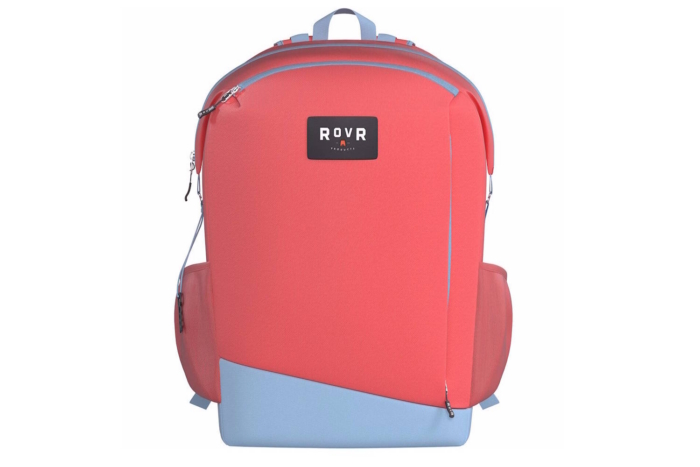
Bottom Line: A backpack-first hybrid that prioritizes ergonomic comfort and daily organization over the rigid, bulky structure of traditional coolers. The RovR TravelR 24L is a best friend for the casual hiker or urban traveler who wants a comfortable daypack that just happens to keep a 24-can load cold for up to three days.
The RovR TravelR 24L ($150) is for anyone wanting a daypack that doubles as a cooler. While most backpack coolers feel like rigid refrigerators strapped to your back, this one carries much more like a traditional technical pack, determined pack-cooler expert Constance Mahoney. It solves the comfort gap in the cooler market by utilizing a flexible structure that moves with your body rather than fighting against it. If you want a functional bag that is versatile enough for both breweries and trailheads, the TravelR is a standout contender.
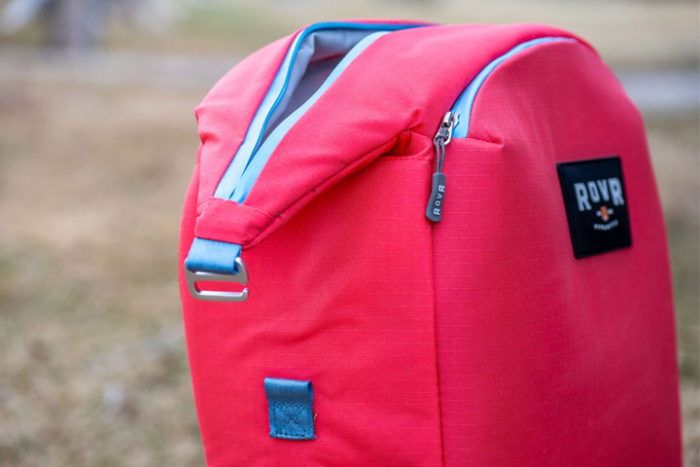
The Tech: Performance-wise, this pack delivers respectable cooling power for a soft-sided design. In our controlled testing, the TravelR held ice for 3 days, providing more than enough retention for an afternoon at the beach or a hike to the hot springs. The exterior and interior are crafted from durable, water-repellent ripstop fabric that resists brush snags and UV wear. The secret sauce is the quick cinch latch system, which allows the lid to open wide while maintaining a secure seal when on the move.
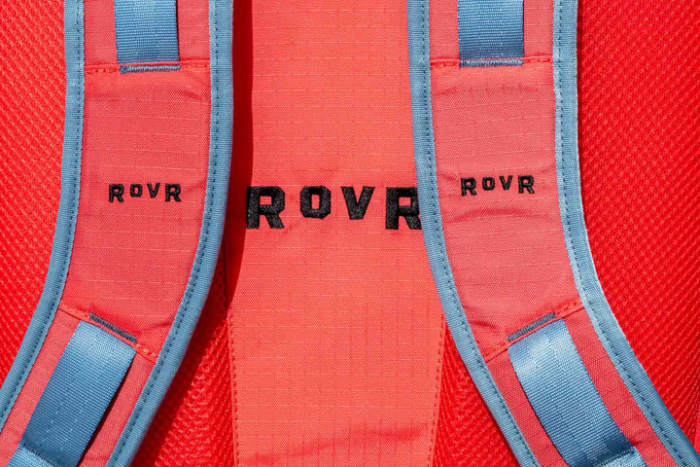
What We Like: The backpack-first ergonomics take the crown. This pack’s plush shoulder straps and breathable back panel provided such a natural fit that Mahoney never needed to adjust the harness during a hot springs hike. She also found a new appreciation for the everyday organization. The fleece-lined top pocket keeps sunglasses and keys safe from scratches, while the vertical front pocket is perfectly sized for a book or tablet. The two large side mesh pockets are equally functional, easily handling oversized water bottles or sunscreen.
What We Don’t: The lack of a chest strap is a noticeable miss for a pack of this volume. When the bag was fully loaded to its 24-can capacity, we wished for a sternum strap to help stabilize and balance the weight on longer treks. Additionally, while the interior liner is durable, it has a bit of extra material that can make deep cleaning after a spill more challenging than with slick, taut liners from brands like ICEMULE.
Should You Buy It? For those who prioritize carrying comfort and multi-use utility over extreme ice retention, this is a queen pick. It is a highly versatile cooling solution that functions better as a standard backpack than almost any other model we tested. If you need a dependable, comfortable day bag for casual outings and weekend adventures, the TravelR provides excellent flexibility and style for $150.
-
-
(Photo/Constance Mahoney)
-
(Photo/Constance Mahoney)
-
(Photo/Constance Mahoney)
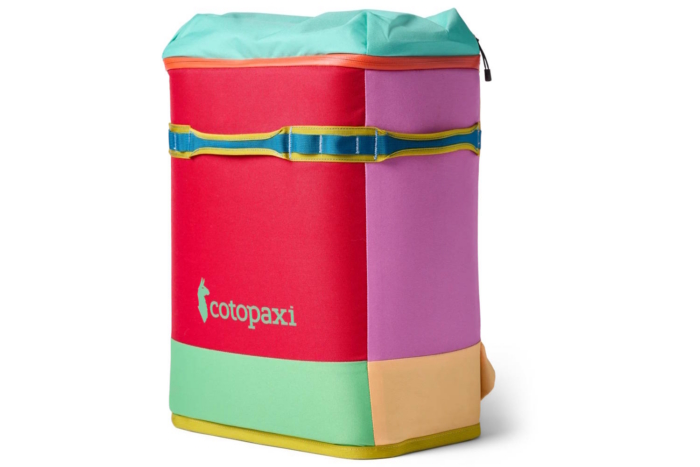
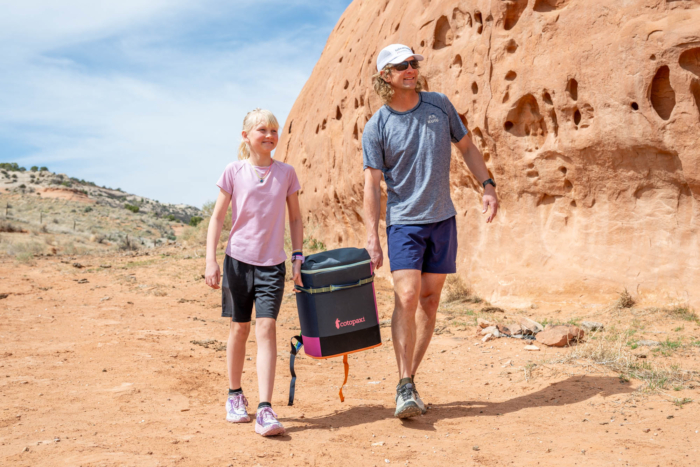
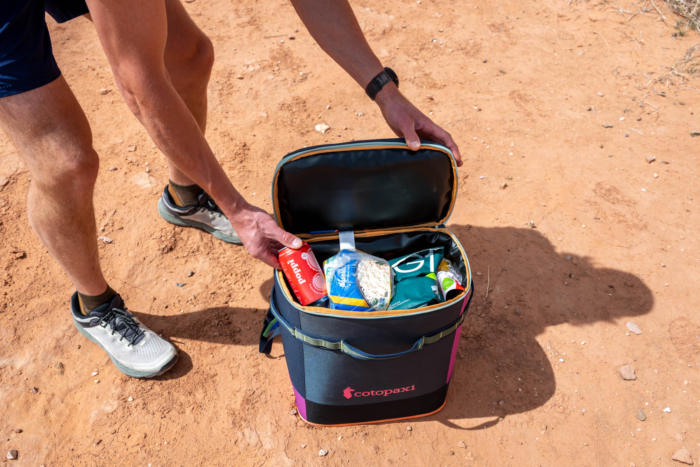
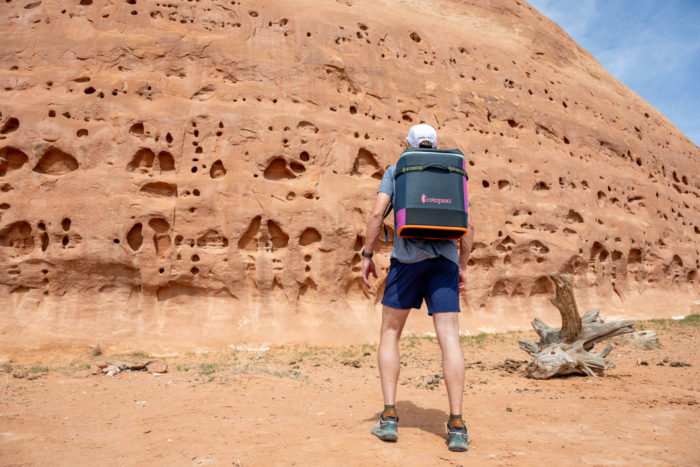
Specifications
Pros & Cons
Pros
- Fun colors
- Great storage
- Body fabric made with 100% repurposed nylon-polyester
Cons
- Not the most comfortable when loaded up
- Expensive
Bottom Line: A vibrant, eco-conscious daypack that prioritizes personality and easy access for short-range adventures. The Cotopaxi Hielo is the ideal choice for the stylish hiker or picnicker who wants a one-of-a-kind, repurposed gear bag for day trips.
The Cotopaxi Hielo 24L Cooler Backpack ($200) is a functional work of art. True to the brand’s Del Día style, each pack is constructed from repurposed materials, meaning no two colorways are exactly alike. It solves the boring aesthetic of traditional coolers by bringing a pop of color to the trail while maintaining solid performance for active use. If you want a conversation starter that can also keep lunch for three people fresh in the desert, the Hielo is a top-tier pick.
The Tech: Performance-wise, this is a dedicated day tool rather than a multi-day freezer. In the hot, dry conditions of Moab, the recycled nylon shell and insulation kept drinks and snacks cold for over 8 hours with frequent access. While it does not offer the multi-day retention of a heavy-hitter like the Engel Roll-Top, the roomy 24L compartment is perfectly insulated for full-day outings. The secret sauce is the clamshell lid design, which provides a sweeping, bird’s-eye view of your contents. This makes packing and unpacking remarkably efficient, according to tester Constance Mahoney.
What We Like: This medalist here is the combination of convenience and portability. We most appreciated the sturdy grab handles located on the front, back, and sides, which made maneuvering a fully loaded pack in and out of a vehicle effortless. The zippered brain pocket is a thoughtful addition, providing just enough space for small essentials like utensils, a phone, or a wallet. Additionally, the padded back panel offers good support, and the adjustable chest strap helps keep the load secure while navigating uneven terrain.
What We Don’t: There are significant trade-offs regarding moisture control and long-distance comfort. The cooler is not leakproof. As the ice melts, water can seep out if the pack is laid on its side. To avoid a wet back or car seat, we highly recommend using ice packs instead of loose cubes. Furthermore, while the back panel is supported, the shoulder straps lack significant cushion and can become a grind on longer, high-heat hikes when the pack is maxed out at its 30-can capacity.
Should You Buy It? For those who prioritize sustainability and unique aesthetics for day-long adventures, this is a top-tier choice. It is a functional, fun cooling solution that offers more personality than any other pack in the guide. If you need a reliable, eye-catching bag for park picnics, beach days, or short desert hikes, the Cotopaxi Hielo provides incredible charm and daily utility.
Specifications
Pros & Cons
Pros
- Simple and sleek design
- Sustainable design
- Waterproof closure
- Zippered front pocket for valuables
- Impressive ice retention
Cons
- Expensive
- No back support
Bottom Line: A lightweight, waterproof specialist designed for watersports and minimalist day trips where simplicity and sustainability are the priorities. An ideal choice for the packrafter, SUP enthusiast, or beach-goer who needs a floating, leakproof cooler that is easy to rinse and impossible to sink.
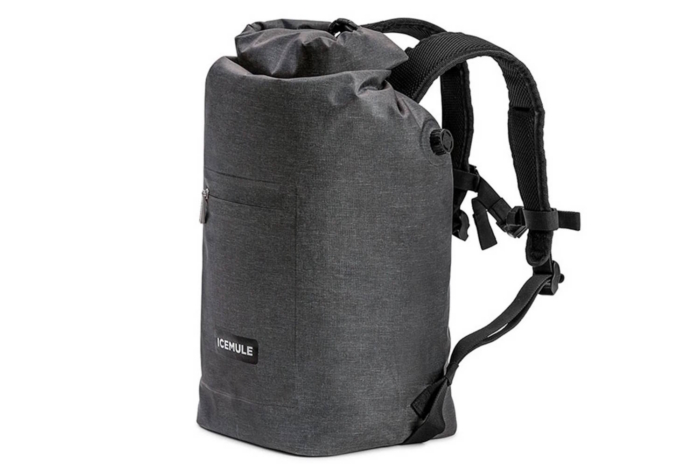
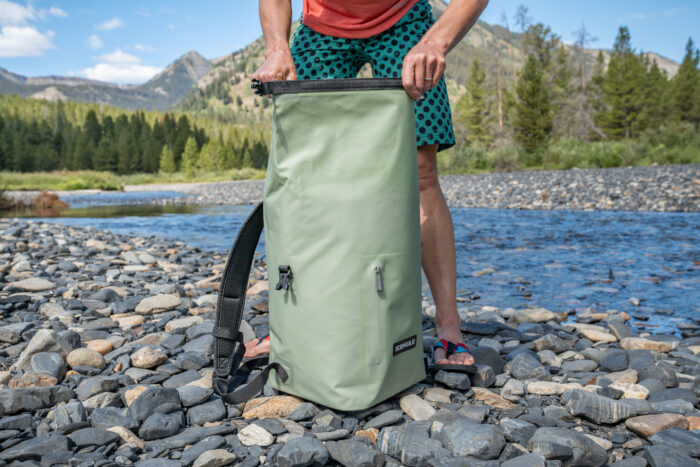
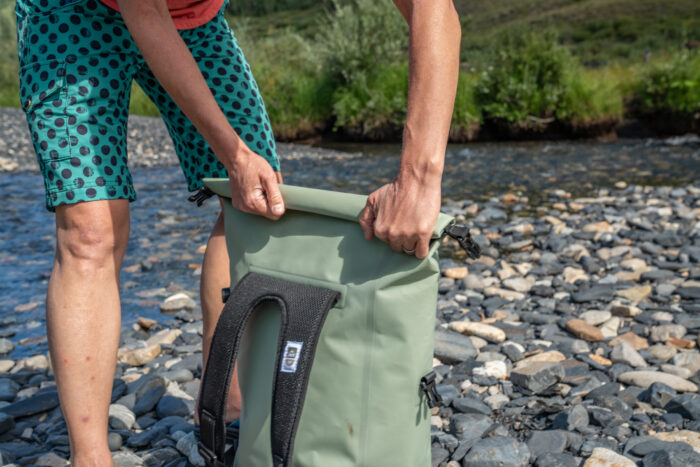
The ICEMULE Recycled Jaunt ($110) is the one we reached for time and again when the mission involved water. It solves the biggest problem with traditional zippered coolers: the inevitable failure of moving parts in sandy or salty environments. By using a waterproof roll-top closure, ICEMULE has created a nearly indestructible bag that provides total peace of mind in the back of a packraft or on the deck of a paddleboard. If you want a no-frills, sustainable hauler that is as simple as a dry bag but keeps your drinks frosty, the Jaunt is a leading contender.
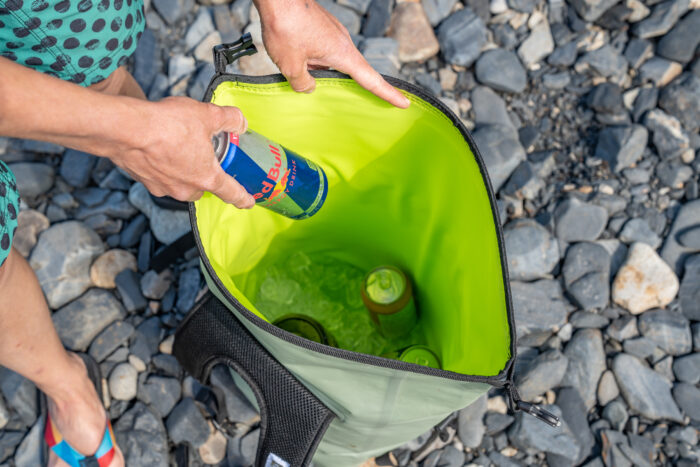
The Tech: Performance-wise, the Jaunt punches above its weight class. In our controlled testing, it retained ice for 75 hours — a standout result for such a lightweight design. This secret sauce is PolarLayer insulation, which allows the bag to remain flexible while effectively trapping cold air. The exterior is crafted from recycled materials that are both durable and eco-friendly, while the interior features a slick, high-visibility finish, similar to that of a whitewater raft. This makes it incredibly easy to see your contents and rinse out spills.
What We Like: Field tester Kylie Collins put this cooler through its paces on packrafting and SUPing trips in the Elk and Sawatch mountains of Colorado. The steal here is the streamlined, waterproof construction. During testing on packrafting trips in the Sawatch mountains of Colorado, we appreciated that the cylindrical design and minimal seams made it rugged enough for heavy use. The textured, rigid base is a thoughtful touch, allowing the pack to stand upright on the sand or uneven riverbanks without toppling. We also loved the bright interior, which prevents that black-hole effect when searching for a snack at the bottom. The front zippered pocket provides just enough secure storage for a phone and keys.
What We Don’t: It is not a feature-rich organizer. Aside from the single front pocket, you will not find any extra compartments or daisy-chain attachment straps, which can make solo missions challenging if you have a lot of extra gear to carry. While the lightly padded shoulder straps are comfortable for short trips to the shoreline, they lack the robust support needed for high-mileage hiking. If your priority is maximum storage, the Titan by Arctic Zone 24 Can offers far more pockets, though it weighs more than twice as much as the Jaunt.
Should You Buy It? For those who prioritize waterproof reliability and sustainable manufacturing for water-based adventures, this is a top-tier choice. It is a highly functional, minimalist cooling solution that is essentially a high-performance dry bag for your beverages. If you need a reliable, easy-to-clean workhorse for river trips, beach days, or casual lake outings, the Recycled Jaunt provides incredible utility in a compact 22-can capacity.
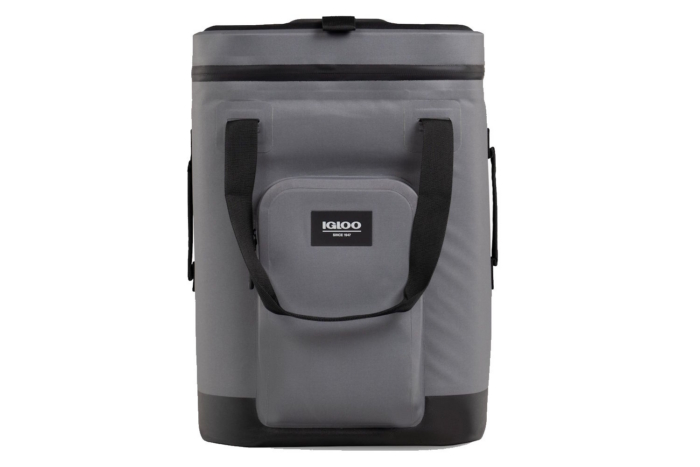
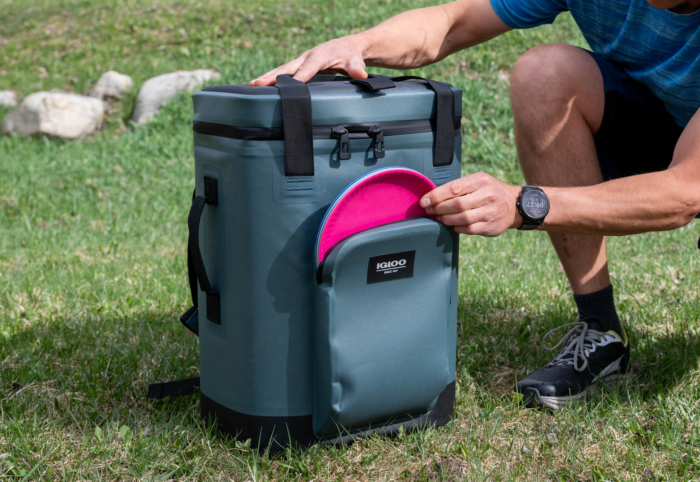
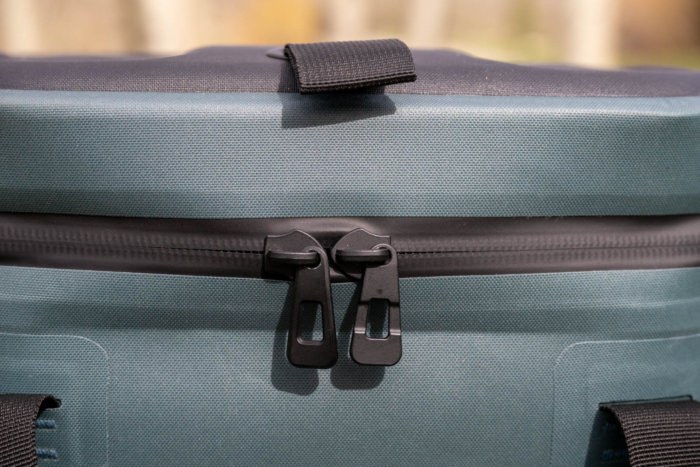
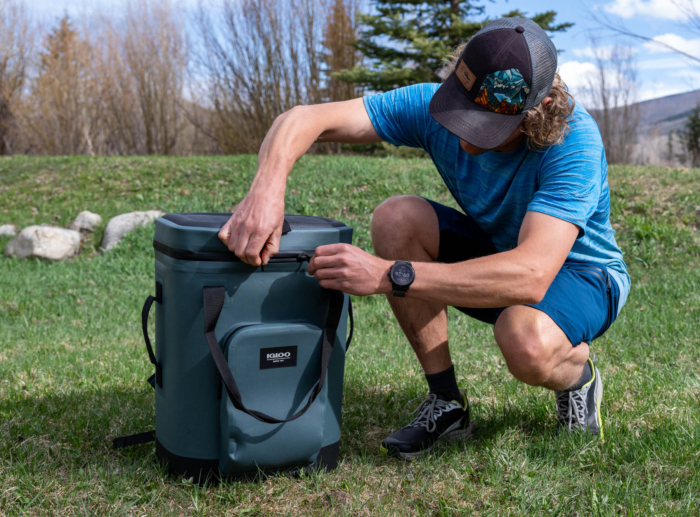
Specifications
Pros & Cons
Pros
- Large opening and compartment
- Multiple carrying options
- Easy to clean
Cons
- Water leaks through zipper
- Not the most comfortable shoulder straps
Bottom Line: A spacious, wide-access workhorse that excels at hauling large food containers and bulky provisions for group outings. The Igloo Trailmate is an excellent companion for desert campers and tailgaters who want impressive ice retention and a crush-proof lid without the premium price tag.
The Igloo Trailmate ($129) is a practical, high-volume design that solves the primary frustration of narrow backpack coolers: fitting square food containers. Thanks to its wide lid and roomy main compartment, packing larger provisions is a breeze. If you want a cooler that maintains its structure even when empty and offers a variety of ways to haul it, the Trailmate is a top-tier contender.
The Tech: Performance-wise, the numbers are standout for a mid-range pack. The MaxCold Ultra insulation utilizes 20mm of high-density foam, which helped the pack rack up a whopping 3.5 days of ice retention in our controlled tests. During field evaluations in Utah’s high desert, it kept drinks and snacks cold through a full day of 90-degree Fahrenheit heat, reported Constance Mahoney. The exterior is crafted from coated 600D polyester, a durable, welded material that stood up to dirt, sand, and water during our desert outings.
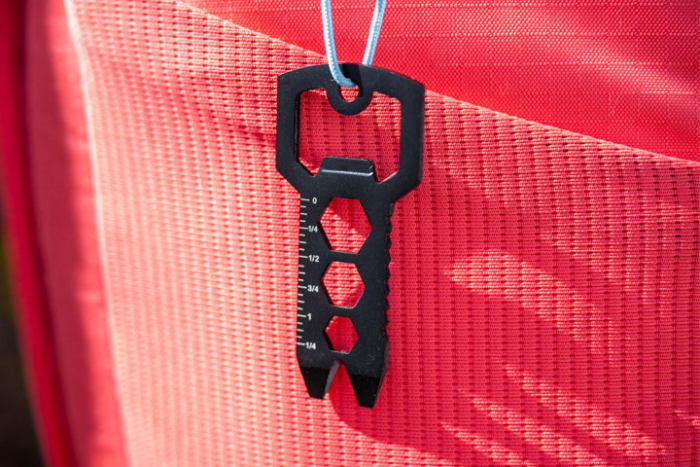
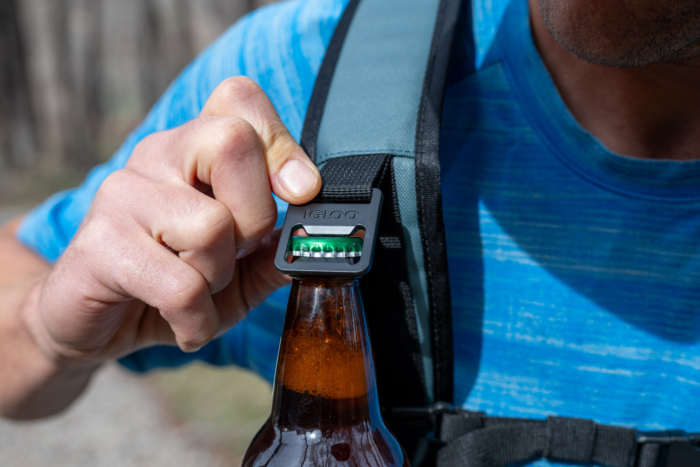
What We Like: The champ detail here is the versatile carry system. Mahoney most appreciated the plethora of handles, including side grab handles that double as tie-down points for securing the pack in a truck bed. The dual webbing top straps snap together with a padded closure, making it easy to carry like a tote. She also found a new appreciation for the crush-proof lid and the built-in bottle opener attached to the shoulder strap. The water-resistant zippers include oversized pull tabs, which glide smoothly even with wet or sandy hands.
What We Don’t: There are limitations regarding waterproof security and long-distance ergonomics. The zippers are water-resistant, not waterproof. Mahoney noticed ice melt seeping through the teeth when the cooler tipped over in the back of a truck. To avoid leaks, you are better off using ice packs. Additionally, while the mesh-lined back panel adds breathability, the narrower shoulder straps began to dig in after about an hour of hiking. It is comfortable for short hauls, but not our first choice for high-mileage trekking.
Should You Buy It? For those who prioritize interior space and easy access for day-long desert trips or picnics, this is a top-tier choice. It is a highly practical cooling solution that balances storage and ease of use better than many more expensive competitors. If you need a reliable, spacious workhorse for car camping or beach days, the Igloo Trailmate provides incredible value and daily utility.
Specifications
Pros & Cons
Pros
- Two compartments for separation of food/drink and different kinds of ice
- Comfortable back panel
- Waterproof closures on both compartments
Cons
- Limited ice retention
- Few accessories and pockets
Bottom Line: A specialized day-use cooler that excels at organization through its unique dual-compartment design. This cooler-pack is a top choice for anglers and picnickers who want to keep their food dry and separate from their iced-down beverages.
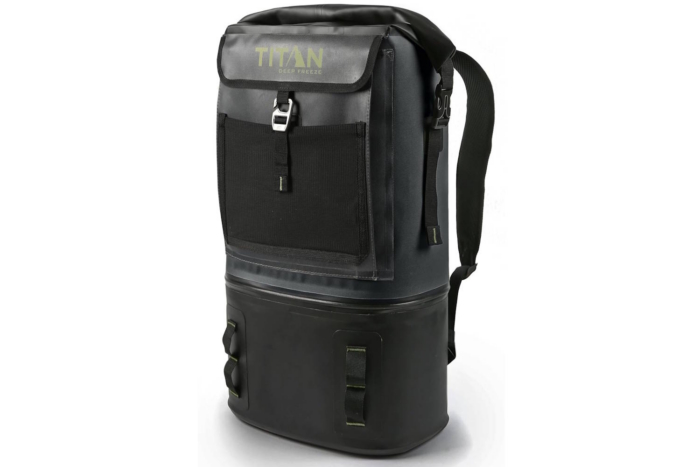
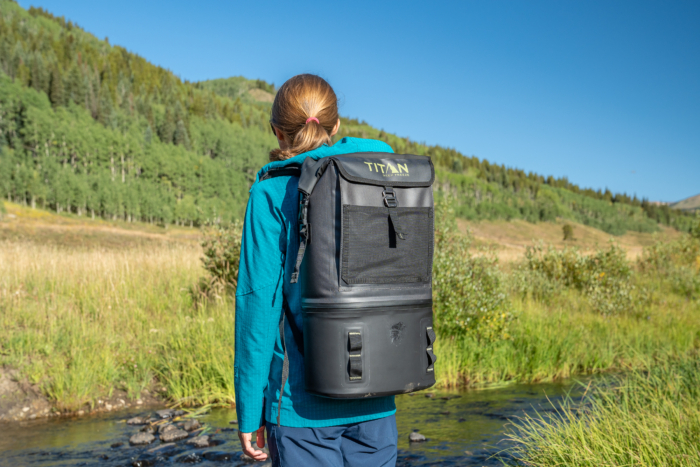
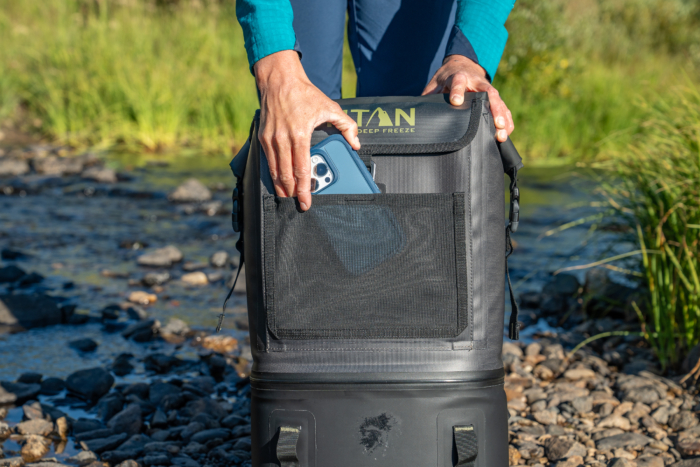
The Titan by Arctic Zone Deep Freeze Welded Backpack Cooler ($165) is a clever solution for shorter day trips where organization is the top priority. It solves the biggest frustration of traditional backpack coolers: the soggy sandwich. By offering two distinct insulated compartments, it allows you to manage different types of cooling for different items. If you want to keep your drinks on cubed ice in one section while your fragile food stays chilled by an ice pack in another, this is a standout option.
The Tech: This pack is built for durability and environmental resistance. Both compartments feature waterproof closures, providing peace of mind whether you are hiking along riverbanks or tossing the bag into the back of a truck. The secret sauce is the Deep Freeze insulation paired with a welded, leakproof construction that ensures no moisture escapes the pack. In our controlled testing, the cooler retained ice for 40 hours in the bottom compartment and 48 hours in the top section.
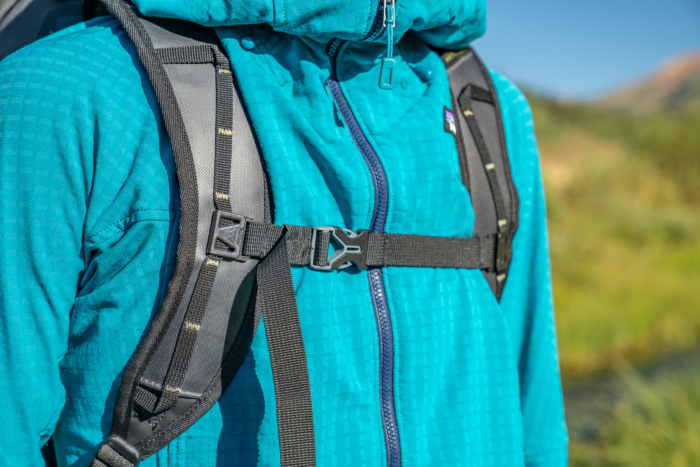
What We Like: Field tester Kylie Collins loved this pack’s ability to separate gear and food. She tested this pack on a full-day fishing trip on Colorado’s Taylor River and found the dual-zone system to be a game-changer. The rigidity and durability of the build were impressive for exploring rugged river banks and high country fields. She also found a new appreciation for the high-sitting strap system, which pulls the weight up and off the tops of your shoulders, while the padded back panel provides decent airflow during summer heat.
What We Don’t: Performance and comfort are limited to shorter durations. The ice retention suffered noticeably when exposed to direct sunlight and high temperatures, making it less suitable for multi-day expeditions. Additionally, while the straps are padded, the overall placement of the zippers and handles can become uncomfortable to carry for long stretches. If you need a pack for high-mileage trekking or extreme ice retention, a more ergonomic specialist like the ICEMULE BOSS would be a better fit.
Should You Buy It? For those who prioritize organization and dry food storage for day-long outings, this is a top-tier choice. It is a highly functional cooling solution that offers more separation than almost any other pack on the market. If you need a reliable, rugged workhorse for fishing trips, picnics, or casual beach days, the Deep Freeze Welded provides excellent utility in a 20-can capacity.
Specifications
Pros & Cons
Pros
- Major bonus of waterproof top zipper
- Pull handles help with closing zipper
- Excellent ice retention
Cons
- The adjustable chest strap needs a lower setting
- Excess shoulder straps could use an elastic attachment so they don’t dangle
Bottom Line: This refined, ergonomic specialist excels in carrying comfort and waterproof security for long-distance day hikes. An ideal choice for the hiker who wants a buttery yet bombproof pack that stays comfortable for miles while keeping a massive 36-can load icy for days.
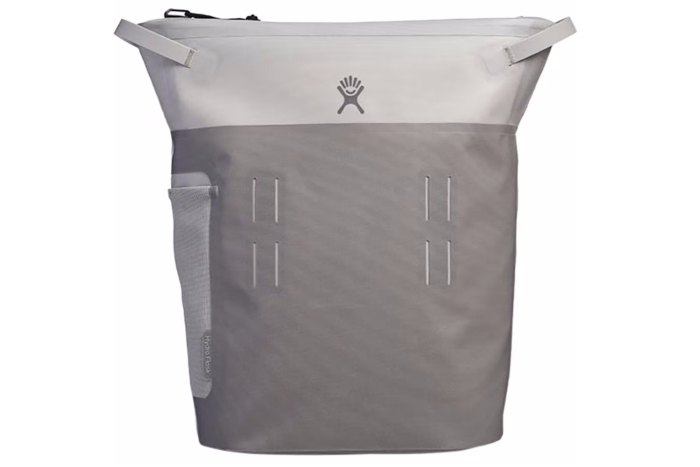
The Hydro Flask Day Escape Soft Cooler Pack ($200) is a premium, high-capacity solution for those who refuse to sacrifice comfort for cooling power. It solves the biggest problem with large soft coolers — the awkward, boxy carry — by utilizing malleable walls and an ergonomic harness. During a double-date hike in Colorado’s Elk Mountains, it easily hauled everything from champagne and strawberries to lunchmeat without feeling like a burden. If you want a silent, waterproof closure and a pack that feels like a high-end technical daypack, the Escape is a top-tier contender.
The Tech: Performance-wise, this cooler rewarded us with nearly 60 hours of ice retention in our controlled testing, outperforming the manufacturer’s claims. The secret sauce is the TRU Zip technology — a toothless, silent, and 100% waterproof zipper that is arguably the most durable closure on the market. The exterior is wrapped in a 600-denier polyester waterproof material, providing a lightweight yet structurally sound shell that resists tears while remaining flexible enough to contour to your back.
What We Like: The real winner here is the carrying experience. Unlike many rigid competitors, the Day Escape features buttery, lean walls that make the pack feel less like a cooler and more like a hiking bag. We were happy to wear the padded shoulder straps for extended periods, and the adjustable chest strap does an excellent job of stabilizing the load. We also found a new appreciation for the stretch mesh side pocket, which is deep enough to securely fit a 1-liter bottle or a bundle of utensils.
What We Don’t: The trade-off for a truly watertight seal is the effort required to access your gear. The TRU Zip is so secure that it typically takes two hands and a bit of muscle to pull open, which can be a hassle for quick-access snacking. Compared to a roll-top design like the ICEMULE Jaunt, this zipper is faster to seal but requires more physical force. Additionally, while the walls are malleable for comfort, they provide less impact protection for fragile items compared to a hard-lined pack like the UA Sideline.
Should You Buy It? For those who prioritize long-distance ergonomics and a premium waterproof seal, this is a top-tier choice. It is a highly refined cooling solution that carries more weight with less strain than almost any other pack in its class. If you need a reliable, high-capacity workhorse for multi-person day hikes or long days on the water, the Day Escape provides incredible comfort and security for $200.
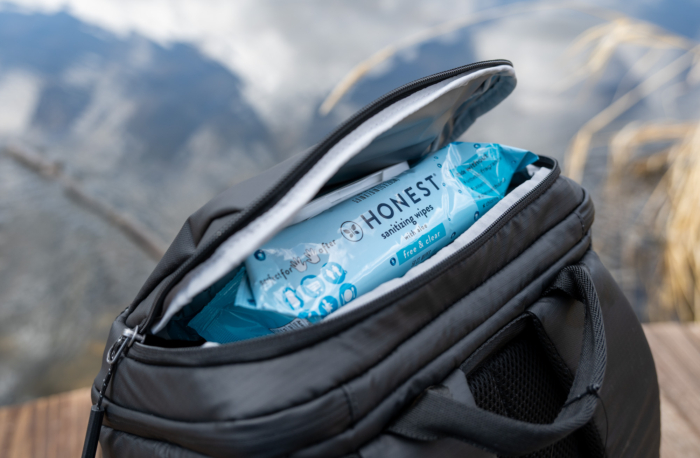
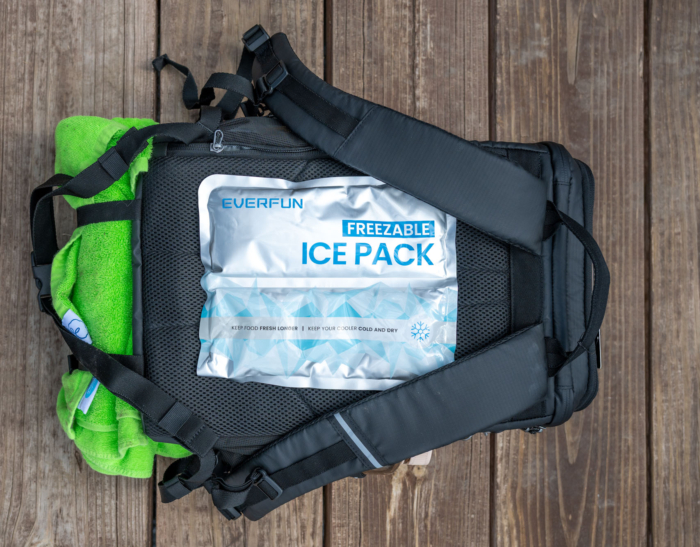
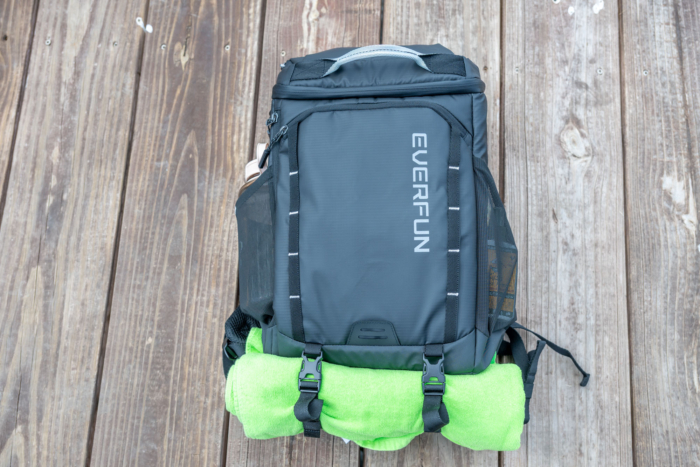
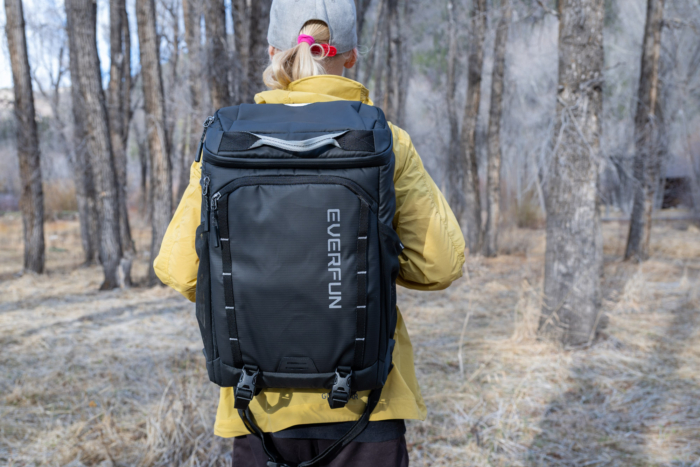
Specifications
Pros & Cons
Pros
- Collapsable
- Comes with reusable ice packs
- Lightweight
- Lots of pockets
Cons
- Top zippers get in each others way
Bottom Line: A budget-friendly, hands-free cooling solution that delivers excellent daily utility for short outings. It provides smart pocket organization and a compressible design for casual users who want to keep gear lightweight without sacrificing basic insulation.
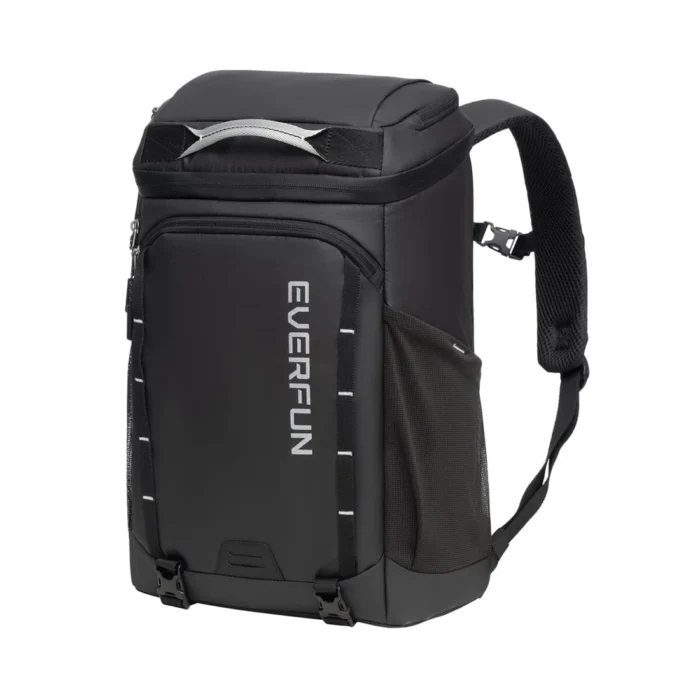
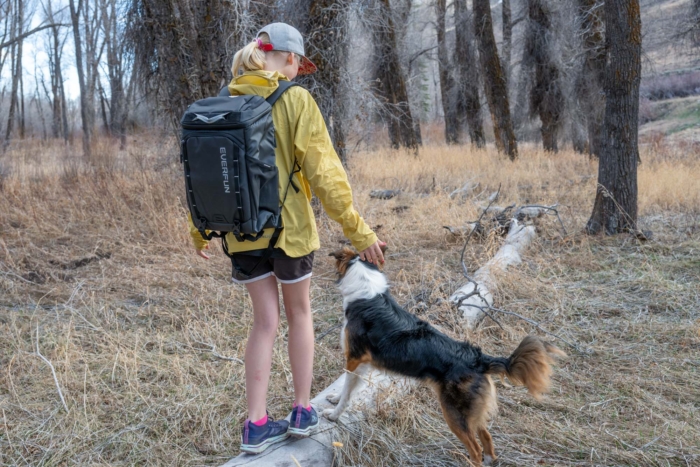
The EVERFUN Frost Cooler Backpack ($95) is an accessible option for those who want cooler convenience without paying a premium price. Built with high-density foam and a polyester shell, it keeps total weight down to 1.98 pounds when empty. During field testing around Colorado mountain lakes, GearJunkie tester Constance Mahoney evaluated how the pack handled gear organization and casual day trips. While options like the REI Co-op Cool Trail Split Pack Cooler offer a true split-compartment layout, this backpack excels as an everyday pick for beach trips, sports practice, or work lunches.
The Tech: Performance-wise, the thermal build relies on a PEVA interior lining welded with hot-pressing technology to create a leakproof barrier against melting ice. The lower insulated compartment holds 22 liters of food and beverages, supported by an interior mesh lid pocket that keeps delicate items dry. Additionally, the exterior includes dedicated front and rear sleeves designed specifically to hold the two included reusable ice packs, while an integrated bottle opener built into the shoulder strap adds quick trailside utility.
What We Like: Practical organization is where this pack carries momentum. Exterior side mesh sleeves and a front loop lash system make it easy to carry essentials like sunscreen, water bottles, and rolled towels. The ergonomic padded shoulder straps, chest strap, and cushioned back panel provide comfortable load distribution during walks. Once empty, integrated hook-and-loop straps allow the soft structure to fold down flat for easy storage in a closet or car trunk.
What We Don’t: Because it uses soft-sided foam rather than a rigid frame, the back panel lacks structural support under maximum payloads. The overall insulation density is tailored for shorter day trips and less weight, meaning ice retention tapers off over extended heat exposure. Furthermore, the singular main compartment requires strategic packing to prevent soft foods from getting crushed beneath heavy drink cans.
Should You Buy It? For budget-conscious users who need a lightweight, comfortable pack for short half-day outings, sports events, or work lunches, this is a practical choice. It trades multi-day ice retention for easy storage, smart pocketing, and low carry weight. If you want a hands-free cooler pack for casual use, it delivers solid utility for under $100.

Best Backpack Cooler Comparison Chart
Scroll right to view all of the columns: Price, Size, Capacity, Weight, Ice Retention Test.
| Backpack Cooler | Price | Size (H x W x L) | Capacity | Weight | Ice Retention Test |
| Engel Roll-Top High Performance | $190 | 14″ x 9″ x 20″ | 24 L | 3 lbs., 8 oz. | ~4 days |
| Titan by Arctic Zone 24-Can | $53 | 12″ x 10″ x 20″ | 32 L | 4 lbs., 15 oz. | ~3.5 days |
| YETI Hopper M12 | $275 | 17″ x 8″ x 16″ | 34 L | 4 lbs., 8 oz. | ~4 days |
| REI Co-op Cool Trail Pack | $100 | 17″ x 9″ x 22″ | 30.5 L | 3 lbs., 4 oz. | ~3 days |
| ICEMULE BOSS | $380 | 17″ x 11″ x 24″ | 30 L | 7 lbs., 8 oz. | ~5.5 days |
| Under Armour Sideline | $134 | 17.5″ x 13″ x 8.5″ | 17.5 L | 3 lbs., 4 oz. | ~3 days |
| BrüMate MagPack | $200 | 13.5” x 9” x 20” | 19.7 L | 7 lbs., 12 oz. | ~5 days |
| RovR TravelR | $150 | 13.5” X 10” X 19” | 24 L | 2 lbs., 3.4 oz. | ~3 days |
| Cotopaxi Hielo | $200 | 20″ x 14″ x 9″ | 24 L | 2 lbs., 14 oz. | ~3.5 days |
| ICEMULE Recycled Jaunt | $110 | 10” x 9.5” x 18” | 20 L | 2 lbs. | ~3 days |
| Igloo Trailmate | $129 | 15″ x 12″ x 19″ | 8.5 L | 3 lbs., 14 oz. | ~3.5 days |
| Titan by Arctic Zone Deep Freeze Welded | $165 | 15.5″ x 8″ x 22″ | 20 L | 3 lbs., 5.9 oz. | ~1.75 days |
| Hydro Flask Day Escape | $200 | 13″ x 8″ x 18″ | 20 L | 3 lbs. | ~2.5 days |
| EVERFUN Frost | $95 | 11.5″ × 8.5″ × 18″ | 22 L | 1 lb., 15.7 oz. | ~3 days |

How We Tested the Best Cooler Backpacks
Senior Editor Morgan Tilton developed this backpack coolers buyer’s guide in 2022, with the help of five outdoor experts testing backpack coolers in the field. She’s worked with a range of athletes including Erica Nelson, a professional fly fishing and whitewater raft guide, adventure photographer Eric Phillips, as well as ultra trail runners such as Nick Couts.
We examine the most popular, highly acclaimed, and bestselling backpack coolers with diverse capacities, ice retention ability, and a wide price range.
Our Expert Testers
- Crested Butte’s Trail Sisters run club founder and lead tester Constance Mahoney spent more than 1,152 hours testing backpack coolers over the past six months. From Grand Junction to Fruita and Buena Vista, Colorado, the temperatures ranged from 30 to 88 degrees while van-lifing, camping, and hot springs soaking with her family. A GearJunkie contributor since 2019, Mahoney frequently crews 100-mile races: She knows when to invest in high-quality gear and when budget-friendly options will do the job.

- A GearJunkie contributor since 2019, gear tester Kylie Collins helped lay the groundwork for this guide. Collins is an avid outdoorswoman who believes that high-quality gear makes outdoor adventures all the more fun. She has lived in the Elk Mountains of Colorado since 2010 and enjoys pack rafting, fly fishing, and mountain biking.
- Professional athlete and gear analyst Dane Tudor is a manager for Gravity Logic, where he designs mountain bike trails and operates machinery when he’s not big mountain freeskiing. For the heavy lifting, Tudor takes along soft coolers and backpack coolers, carrying thousands of calories into the woods for 12-hour days building bike parks throughout North America.

Our Extended Ratings for Cooler Backpacks
We calibrate four extended ratings for each backpack cooler based on our field testing — these scores range from average to exceptional, and perfection is rare. The overall rating is separate from these pillars, as it’s a comprehensive, bird’s-eye view of our favorite backpack coolers.
1. Ice Retention & Thermal Efficiency
Prevention of ice melt is the primary metric of success. While many budget packs struggle to last 24 hours, top-tier backpack coolers now push into the 3- to 5-day range. A score of 8 or more signifies a pack that can survive a hot afternoon picnic or campout. Backpacker coolers with a score of 8.4 use high-density closed-cell foam for exceptional ice retention. Those top-tier packs have an airtight seal, like a TRU Zip or heavy-duty roll-top. They still can’t match the thermal power of a rotomolded hard cooler, but do very well.
2. Hauling Comfort & Ergonomics
A backpack cooler is only as good as your willingness to carry it two miles to the secret swimming hole. We look for design details borrowed from technical backcountry packs: load lifters, sternum straps, and breathable mesh back panels. A score of 7.5 indicates the pack handles 20–30 pounds of ice and beverages comfortably for moderate distances. It loses points if the boxy nature of the cooler pulls it away from the shoulders or if it lacks a supportive hip belt, a common omission in this category that prevents most backpack coolers from reaching 8.5 or higher.
3. Ruggedness & Bushwhack Durability
Our packs are rarely pampered: They get tossed into truck beds, dragged through sand, and scraped against sandstone. This rating focuses on the burly factor, specifically, the exterior fabric’s denier (look for 840D or higher if you’re going into rugged terrain) and the quality of the TPU lamination. A pack can score 8 or higher if it’s durable enough to handle a week-long hunting camp and looks new after a quick rinse. For that upper-level score, a backpack cooler design needs additional reinforcements, such as multiple durable pull handles and a puncture-resistant base.
4. Utility & Field Versatility
This category measures whether the backpack cooler serves well as a lifestyle and everyday bag, or whether it can be used as a day pack. Useful design attributes range from integrated bottle openers to daisy chains or dry storage pockets for a phone and snacks. A middle-tier score of 7.2 reflects a solid, functional design that covers the basics. A cooler pack remains in the mid-7s if it lacks many exterior stash pockets or if the main zipper is too difficult to operate with one hand.

Our Testing Grounds
Our crew put these cooler packs to the grindstone across a gauntlet of environments and activities. Testing spanned from sun-drenched high-alpine hikes in Colorado and pontoon boating in Wisconsin to rugged camping trips in Wyoming’s Teton Range.
To test long-term durability and utility, we hauled them to bike park construction sites in British Columbia’s Monashee Mountains and used them for mobile athlete support while crewing 100-mile ultramarathons in the Crazy Mountains of Montana and across the Colorado Rockies.
Our Testing Process
Beyond field testing on land and water, we verify manufacturer claims with a controlled, in-house ice retention test on every model. We fill each cooler to 70% capacity with fresh, frozen cubed ice and place them in a shaded, climate-controlled indoor space at approximately 65 degrees Fahrenheit.
Throughout the experiment, we monitor and record the melt rate while checking for leaks and external condensation. The reported retention time represents the exact duration it took for 100% of the ice to convert to water.

Ice Retention: Controlled Performance Testing
In our standardized ice retention tests, performance varied significantly across the lineup. The Titan by Arctic Zone 24-Can maintained ice for 48 hours, while the expedition-grade ICEMULE BOSS led the pack with a staggering 133 hours of cooling power. Despite this wide range, the majority of our favorite models — including the Hydro Flask Day Escape — consistently preserved ice for 2 to 3 days.
Stepping into the higher-tier options, the REI Co-op Cool Trail Pack held ice for over 3 days, while the most premium coolers in our guide pushed that limit to 4 to 5.5 days. Generally, we found a direct correlation between price and performance: the higher the investment, the more impressive the thermal longevity.
Our Testing Methodology: To ensure a level playing field, each backpack was stationed in a shaded, indoor environment held at a steady 65 degrees Fahrenheit. We used identical ratios and types of ice for every model, monitoring them around the clock until the final cube melted.
A Note on Real-World Use: While these controlled figures offer a baseline for comparison, your actual results in the field will vary. Factors such as ambient temperature, direct sunlight exposure, and how frequently you unzip the lid will all influence how long your ice lasts on the trail.

Ice Retention Test Results: Top Backpack Coolers Including YETI, BrüMate & ICEMULE
Our in-house test results range from 133 hours — more than 5 days — to 48 hours.
- ICEMULE BOSS — 133 hours
- BrüMate MagPack — 120 hours
- YETI Hopper M12 Soft — 96 hours
- Engel Roll-Top High Performance — 96 hours
- Cotopaxi Hielo 24L — 82 hours
- Igloo Trailmate — 81 hours
- Titan by Arctic Zone Deep Freeze Welded — 80 hours
- REI Co-op Cool Trail Pack — 77 hours
- ICEMULE Recycled Jaunt — 75 hours
- RovR TravelR — 72 hours
- UA Sideline 25-Can — 68 Hours
- Hydro Flask Day Escape — 60 hours
- EVERFUN Frost — 60 hours
- Titan by Arctic Zone 24-Can — 48 hours

Buyer’s Guide: How to Choose a Backpack Cooler Bag
When selecting a cooler, your choice should be dictated by the size of your group and the type of back support required to haul the load. As a general rule, the larger the crowd, the more cargo volume you will need to prioritize.
Storage Capacity: Finding the Right Volume
The backpack coolers in our guide cover a broad spectrum of sizes:
- High-Capacity Haulers: Models like the 30L ICEMULE BOSS are designed for maximum volume and heavy-duty outings.
- Standard Daypacks: The majority of popular options fall within the 20 to 29L range, which serves as the sweet spot for most users.
To put these numbers into perspective, we found that a 29L pack provides ample space for a two-person, full-day fishing trip. For larger groups, the Hydro Flask Day Escape offers enough room to store meals and drinks for a four-person hiking party. Always consider that as capacity increases, the weight grows exponentially — making a supportive harness system essential for the larger models.

While exterior dimensions provide a general idea of a pack’s footprint, the actual storage space is dictated by the interior dimensions, which are often smaller due to the thickness and rigidity of the insulation.
A backpack cooler often serves as a highly mobile companion to a larger, stationary setup. For extended road trips or camper excursions, a hybrid approach works best — using a hard-sided chest for basecamp and a soft-sided backpack for daily hikes and excursions. If your plans involve stationary camping for several days, a wheeled unit, or catering to a massive picnic, you may find more success with a traditional hard cooler.

Compartments & Pockets: Organization vs. Simplicity
The layout of a cooler can drastically change your experience on the trail. Our top picks range from pocket-heavy organizers to sleek, minimalist haulers, and while extra storage didn’t necessarily make or break a cooler’s performance, it certainly dictated its best application.
The Multi-Pocket Approach: For solo missions or day trips where you want to carry only one bag, models like the Titan by Arctic Zone 24 Can are a dream. These packs are loaded with interior and exterior stash pockets, making it easy to organize a picnic, a beach towel, and electronics in one place.
The Minimalist Approach: On the other end of the spectrum, some adventurers prefer a streamlined, no-frills silhouette. The ICEMULE Recycled Jaunt is a favorite in this category — it remains sleek and lightweight, offering just one essential zippered pocket for a phone and keys.

Key Considerations for Storage:
- Dry Storage: Many packs include non-insulated pockets for items like books, wallets, or tablets. The ICEMULE BOSS, for example, has side pockets large enough to stash a paperback or small gear.
- Environment Matters: For water-based trips, non-waterproof or open mesh pockets are less helpful as they leave your gear exposed. However, for a hike, a mesh side pocket for a water bottle is often considered a must-have.
- Application: If you’re crewing a race or fishing, having quick-access spots for sunscreen and tools is invaluable. If you’re just hauling drinks to a bonfire, a simple, pocket-free design might be all you need.

Number of Pockets & Attachment Systems
While the ICEMULE BOSS has fewer overall pockets than the 24-Can Titan by Arctic Zone, it’s the only design with three zippered pockets. The Titan by Arctic Zone takes the lead with five total pockets plus a front bungee gear-grabber.
Here are the pouches in each backpack cooler from the greatest quantity to the leanest:
- EVERFUN Frost — 4 zippered pockets, 2 mesh pockets, 1 envelope mesh pocket, two daisy chains, lash tab, adjustable webbing straps with release buckles along the base
- Titan by Arctic Zone 24-Can — 2 zippered pockets, 2 mesh pockets, 1 envelope pocket with buckle, front bungee cord
- ICEMULE BOSS — 3 zippered pockets, front bungee cord, daisy chain
- REI Co-op Cool — 2 zippered pockets, 2 mesh pockets
- UA Sideline — 2 zippered pockets, 1 mesh pocket, detachable mesh bag, daisy chain
- RovR TravelR — 2 zippered pockets, 2 mesh pockets
- BrüMate MagPack — 2 zippered pockets
- Engel Roll-Top High Performance — 1 zippered pocket, 1 mesh pocket, daisy chain
- Titan by Arctic Zone Deep Freeze Welded — 1 flap pocket with hook-and-loop closure, 1 mesh pocket, daisy chain
- YETI Hopper M12 — 1 envelope pocket, extensive daisy chain
- Cotopaxi Hielo — 1 zippered lid pocket
- Igloo Trailmate — 1 zippered pocket
- ICEMULE Recycled Jaunt — 1 zippered pocket
- Hydro Flask Day Escape — 1 mesh pocket
Zippered pockets are more secure than mesh or envelope pockets. Most of the zippered pockets are external — on the pack’s side or brain — but some are interior, such as on the underside of the lid.

Straps & Handles: Ergonomics & Portability
While every backpack cooler features shoulder straps, their carrying performance varies wildly depending on the harness system. Unlike technical hiking packs that come in multiple torso sizes, cooler packs typically offer a one-size-fits-all design, meaning the fit can vary based on your body shape and torso length.
Choosing the Right Harness: When selecting a pack, consider your typical mileage. For longer treks, prioritize padded, adjustable shoulder straps and a sternum strap to stabilize the load. If your adventures are limited to short walks from the car to the beach or riverbank, complex strap systems become less critical.

Finding the Middle Ground: The Titan by Arctic Zone 24 Can serves as a great example of a mid-range suspension system. It features lightly padded shoulder straps and an adjustable sternum strap, though it lacks a waist belt. We found this setup sufficiently comfortable for moderate bike rides or hikes to a mountain lake, even when the cooler was fully loaded.
The Importance of Grab Handles: Beyond the shoulder straps, we highly value integrated grab handles. These are especially useful on coolers that lack waterproof zippers, as they allow you to lift and maneuver the bag into a vehicle or onto a boat while keeping it upright to prevent leaks. Sturdy handles turn a heavy, awkward box into a much more manageable piece of luggage during transit.


Attachment Points: Customizing Your Load
Backpack coolers are designed with versatility in mind, and many models come equipped with a variety of external attachment points — including hard clip points, daisy chains, webbing straps, and bungee cords. These features allow you to expand your carrying capacity by securing extra gear that doesn’t need to stay chilled.
Expanding Your Gear Capacity: These external systems are ideal for securing awkward or bulky items like trekking poles, extra water bottles, or even a lightweight tent. By utilizing modular attachments, you can customize your setup for specific missions — whether that’s clipping on hand sanitizer for a soccer tournament or strapping down a rain shell for a mountain hike.
Technical Add-Ons: Beyond simple loops, many of these packs are impressively built out with specialized utility features:
- Utility Pockets: Integrated spots to keep small essentials within easy reach.
- Specialized Extras: Features such as built-in bottle openers, waterproof covers, and reflective logos for low-light visibility.
These details transform a simple insulated box into a tactical gear hauler, allowing you to tailor the pack to the unique demands of your adventure.

Weight: Balancing Portability & Performance
Backpack coolers are generally more compact and constructed from softer, lighter materials than traditional hard-sided chests, making them significantly easier to transport. However, there is a direct trade-off to keep in mind: as capacity, durability, and insulation thickness increase, so does the pack’s dry weight.
The Weight Spectrum: The coolers in our guide span a wide range of weights to suit different needs:
- Ultralight Options: Some of our favorite minimalist designs weigh as little as 1.4 pounds (635 g), making them ideal for quick trips and light loads.
- Heavy-Duty Haulers: On the beefier side, premium performance packs like the ICEMULE BOSS can weigh up to 7.5 pounds (3,402 g) before you even add ice.
Managing the Load: Be mindful that your choice of fare will have the biggest impact on the final weight. A 30L pack stuffed with canned beverages will be exponentially heavier than one filled with sandwiches and vegetables.
Expert Tip from Lead Tester Morgan Tilton: If you plan on maxing out a high-capacity cooler, we recommend testing the load on a short walk first. For long-distance treks with a fully loaded pack, ensure you are wearing supportive footwear, such as hiking boots, to handle the added strain on your joints and keep the weight manageable.

Hip Belts: Stabilizing the Load
While almost every backpack cooler features shoulder straps, a high-quality hip belt is a game-changer for heavy loads. A padded, wide belt shifts the weight of the cooler from your shoulders to your hips, making a fully loaded pack feel significantly lighter and more stable.
Performance Leaders:
- Heavy-Duty Support: The ICEMULE BOSS sets the standard with thick hip pads and a wide, adjustable strap system designed to handle expedition-level loads.
- Ergonomic Integration: The REI Co-op Cool Trail Pack Cooler also features a well-articulated, padded hip belt that effectively buoys the pack’s weight during long approaches.
- The Sternum Strap Standard: Many popular designs, including the Hydro Flask Day Escape, utilize only a sternum strap for stability. While this helps keep the shoulder straps from sliding, it offers no actual weight-bearing support. For coolers with moderate-to-high capacities, the lack of a hip belt means your shoulders and back must absorb the entire load.
Who Needs a Hip Belt? If you frequently fill your cooler to its maximum capacity with ice and cans, or if you struggle with back, shoulder, or neck pain, prioritizing a design with an integrated hip belt is essential. It transforms a cumbersome refrigerator on your back into a much more manageable and ergonomic piece of gear.

Materials: Durability, Insulation, & Comfort
A cooler’s construction is a complex puzzle involving the exterior shell, insulation type, interior liner, and hardware like zippers and buckles. The quality of these materials directly dictates how well the pack holds ice, resists punctures, and manages moisture. High-grade materials also determine the level of breathability in the back panel and the long-term support of the shoulder pads.
Premium Shells and Insulation: Investing in premium materials usually yields a product that can withstand years of abuse. The ICEMULE BOSS is a prime example, utilizing 3cm thick Polar Layer XT Insulation — a proprietary closed-cell foam — alongside a 1,000-denier tarpaulin exterior. This material is as tenacious as a bouldering crash pad and completely waterproof. In contrast, many entry-level coolers use high-density superfoam with a heat-reflective foil exterior. While lightweight, these are far more prone to tears and degradation over time.

Key Technical Specs: When comparing materials, keep an eye out for these high-performance features:
- Waterproof Lid Zippers: Essential for preventing spills if the pack tips over in your vehicle.
- Welded Seams: Unlike stitched seams, welded construction creates a leakproof bond that prevents melted ice from seeping into the insulation.
- Condensation Resistance: Higher-quality face fabrics are designed to remain dry to the touch, whereas cheaper materials can sweat, leaving a puddle on your car seat or a damp spot on your lower back.
While these features often come at a higher price point, they ensure you won’t be caught off guard by unexpected leaks or a cooler that fails after a single season of heavy use.

Comfort: Shape, Rigidity, Support
As a rule, backpack coolers are rarely as ergonomic as technical trekking packs. Because they prioritize thick insulation and a leakproof seal, they often lack the sophisticated suspension systems found in high-end daypacks. However, models like the Hydro Flask Day Escape and ICEMULE BOSS prove that with the right design, a cooler can be comfortable enough for significant mileage.
The Shape & Access Trade-Off: There is a constant tug-of-war between accessibility and ergonomics. Narrow, tall coolers carry beautifully because they align with the human torso, but they create a deep dark hole that makes reaching the bottom difficult. Conversely, wider coolers offer a bird’s-eye view of your snacks but can feel boxy and cumbersome on the move. The key is to be strategic with your packing: keep heavy drinks low and centered, and place fragile food on top.

Rigidity vs. Malleability: The firmness of a pack is usually a sign of its cooling power; the thickest insulation creates the most rigid structure, which boosts ice retention and provides a stable base. However, this rigidity can be a double-edged sword. While some testers appreciated the structure, others found that rigid designs without a padded hip belt pressed uncomfortably into the sacroiliac (SI) joint. Softer, more malleable packs tend to contour better to the body but may offer less impact protection for your contents.
Harness & Stability:
- Shoulder Straps: The width and placement of straps are critical. Overly stiff or broadly set straps can rub against the neck or limit your range of motion. The REI Co-op Cool Trail Pack takes the crown here, offering one of the most ergonomic strap sets we tested, allowing for a completely natural stride.
- Stabilization: Sternum straps are essential for preventing the load from swaying, while padded hip belts are the gold standard for long-distance comfort, effectively redistributing the weight from your shoulders to your skeletal system.
If you plan on hauling a full 24-can load for more than an hour, prioritizing a pack with a supportive back panel and a functional hip belt will make the difference between a great adventure and a literal pain in the neck.

How to Properly Pack a Backpack Cooler
Maximizing the performance of your cooler starts long before you hit the trail. To keep your contents frosty for as long as possible, follow this strategic layering method:
1. The Foundation: Ice First
Start by placing frozen ice blocks, reusable ice packs, or a thick layer of cubed ice at the very bottom. Ideally, ice and cooling agents should take up roughly two-thirds (66%) of your total cooler volume.
2. Layering for Success
- Heavy Items: Place pre-chilled or frozen beverages and heavy proteins directly on top of the bottom ice layer.
- The Sandwich Method: Add another layer of cubed ice over the heavy items to — lock in — the cold.
- Delicate Fare: Save the top of the pack for lighter, more fragile items like sandwiches, fruit, or greens. To prevent these from getting crushed or soggy, store them in rigid, separate containers.
3. Eliminate the Air Gap
Air is the enemy of ice retention. Fill any remaining empty space with extra cubed ice or chilled beverages. If you have gaps you cannot fill with food, use crumpled paper or small towels to insulate the dead space and slow the melt rate.
4. Finish with a Top Layer
Heat rises, and warm air enters every time you open the lid. Adding a final thin layer of cubed ice at the very top creates a — cold cap — that protects your more sensitive items from the ambient temperature.
5. External Organization
Keep your cooler closed as much as possible. Use external pockets or dedicated dry compartments for essentials that do not require refrigeration — such as utensils, phones, keys, or sunscreen. This ensures you are not letting cold air escape every time you need to grab your sunglasses.

How to Clean a Backpack Cooler
Keeping your backpack cooler clean is essential for maintaining its performance and extending its lifespan.
- Empty and Rinse: Start by removing all contents and emptying any melted ice or liquid. Rinse the interior with cold water to remove loose debris.
- Wash With Mild Soap: Use a mild detergent mixed with warm water and a soft sponge or cloth to gently scrub the interior and exterior. Avoid harsh chemicals that can damage the materials.
- Pay Attention to Stains: For stubborn stains, use a mixture of baking soda and water to gently scrub the affected areas. Rinse thoroughly to ensure all residues are removed.
- Dry Thoroughly: After cleaning, wipe the interior and exterior down with a dry cloth. Leave the cooler open in a well-ventilated area to air dry completely, preventing mold and odors.
- Clean Accessories: Don’t forget to wash any detachable parts, like removable liners or straps, according to the manufacturer’s instructions.
Regular cleaning will keep your cooler fresh, free of stains and odors, and keep it in peak condition.

Price & Value: Top Backpack Coolers
Our top-rated backpack coolers span a wide financial spectrum, ranging from $45 to $359. This significant price gap is primarily driven by three factors: insulation quality, material durability, and the technical complexity of the harness system.
Budget ($100 or Less)
Coolers in this category are excellent options for short trips, casual picnics, and anyone shopping on a strict budget. While they offer great utility, they generally involve a few trade-offs regarding materials, thermal performance, and ergonomics.
Lower-cost packs often utilize less durable face fabrics and may omit premium features. For example, the REI Co-op Cool Trail Pack ($100) lacks a 100% waterproof zipper on the lid, meaning it must stay upright to avoid leaks. These models typically do not retain ice as long as more expensive counterparts, and some budget materials are prone to — sweating — or creating external condensation on humid days.
Furthermore, you will find fewer design details like specialized lumbar support, high-end back panels, or a plethora of grab handles. Because they often lack advanced ergonomic support, they are generally not the first choice for high-mileage hiking. These are great options for short trips, grocery runs, and picnics, such as the ICEMULE Recycled Jaunt ($95).

Mid-Tier ($100-$300)
Mid-range coolers represent the bridge between budget-friendly bags and high-end expedition gear. These designs offer a significant step up in quality, typically providing 100% waterproof options, advanced feature sets, and reliable ice retention for — at least — two to three days, all while staying under the $300 mark.
In this price bracket, you are investing in better ergonomics and more robust seals. A standout example is the Hydro Flask Day Escape Soft Cooler Pack ($200), which balances a lightweight, buttery exterior with a bombproof waterproof zipper. With excellent ice retention, the YETI Hopper M12 ($275) is built with high-density fabric and a heavy-duty magnetic closure to ensure the pack remains leakproof and structurally sound.
For most adventurers, the mid-tier offers the best return on investment, delivering pro-level cooling and carrying comfort without the extreme price tag of specialized heavy-duty models.

Premium ($300+)
The most expensive coolers in our guide — priced at $300 and above — are engineered for maximum thermal longevity and extreme durability. These are the models you can trust for multi-day river trips, rugged expeditions, and environments where gear failure is not an option. At this level, you are paying for specialized materials that are often puncture-proof, 100% waterproof, and built to withstand the harshest elements.
High-end construction is the hallmark of this category. For example, the ICEMULE BOSS ($350) utilizes MuleSkin 1,000-denier fabric, a tenacious material designed to survive abrasions and heavy use.
These top-tier models typically offer larger capacities and reinforced seals that prevent water from escaping, even if the bag is tossed around or submerged.
While these premium coolers tend to be more rigid and supportive, it is important to remember that a higher price tag does not always guarantee a perfect fit. While the materials are superior, the overall comfort is still heavily influenced by the specific design of the back panel and shoulder straps. If you need a portable vault that can keep ice for nearly a week, these high-performance investments provide the reliability and over-engineered quality required for serious outdoor missions.

Frequently Asked Questions
To maximize thermal performance, fill your pack approximately 66% with a mix of frozen ice blocks, reusable packs, and cubed ice. Layer with intention by placing the heaviest frozen items and blocks at the very bottom, followed by a sprinkle of cubed ice and your pre-chilled food or drinks. Finish with a final layer of ice at the very top to create a thermal barrier against rising heat and ambient air.
Always eliminate internal air pockets, as dead space is the primary culprit behind accelerated ice melt. If you have gaps you cannot fill with food or drinks, stuff them with extra ice, crumpled paper, or small towels to keep the interior dense. Finally, utilize external pockets for items that do not require refrigeration — such as sunscreen or utensils — to ensure the main compartment remains sealed and frosty for as long as possible.

The market is currently flooded with backpack coolers, but our rigorous testing confirms that the models in this guide represent the gold standard for construction. For instance, our best all-around choice is the Engel Roll-Top High Performance Backpack Cooler, the most robust backpack cooler is the ICEMULE BOSS, and the YETI Hopper M12 Backpack Soft Cooler boasts an innovative magnetic closure.
These top-tier options are leakproof, offer impressive ice retention, and feature diverse builds tailored to different needs — ranging from minimalist, pocket-free silhouettes to utility-heavy haulers equipped with dry cargo storage and integrated bottle openers.
Ultimately, the best backpack cooler is the one that aligns with your specific demands. Whether you are prioritizing trip duration, cargo volume, or a specific price point, selecting a pack based on your intended use ensures your gear supports your adventure rather than hindering it.

Ice retention varies significantly across models, a performance gap typically reflected in the price tag. During our side-by-side testing in a shaded, 65-degree Fahrenheit environment, the ICEMULE BOSS led the pack by holding ice for a remarkable 5.5 days.
In real-world conditions, melt rates will fluctuate based on how often the lid is opened, the duration it stays unzipped, ambient heat, and exposure to direct sunlight. Several other variables also dictate thermal longevity — including the type and quantity of ice used, the amount of dead air space left in the compartment, and whether the cooler was pre-chilled before packing.
For most backpack coolers, dry ice will burn the interior materials. Instead, you should use freshly frozen cubed ice, ice blocks, or reusable ice packs.

To achieve maximum cooling longevity, aim for a 2-to-1 ratio of ice to contents. Pre-chilling your cooler is equally essential, especially if it has been stored in a warm garage or vehicle; you can lower the internal temperature by bringing the pack into a cool room the night before or by using a sacrificial bag of ice for a few hours before final loading.
The quality of your ice also dictates performance, as dense blocks or fresh cubes from a freezer last significantly longer than the porous, chipped ice found in commercial machines. For a strategic advantage, use a mix of block ice to provide a long-lasting frozen core and cubed ice to quickly chill the surrounding air and contents.
Once you are in the field, keep the melted ice water inside the pack to help the remaining ice stay cold. Minimize thermal loss by limiting how often you open the lid, and always seek out the shade during breaks. If you are stuck in the sun, covering the pack with a towel or jacket can serve as a crucial extra layer of insulation against direct solar heat.
At their simplest, backpack coolers are soft-sided insulators equipped with shoulder straps for superior mobility. If your adventure takes you further than the car to a nearby picnic table — or if you are juggling gear, children, or a dog leash — these straps provide an invaluable hands-free carrying solution.
Even on short trips, a backpack cooler streamlines the process by reducing the number of trips back and forth to your vehicle. By shifting the weight to your back, you not only free up your hands for other tasks but also make heavy loads significantly easier to manage than they would be with a traditional hand strap or side handle.

When traveling with a backpack cooler, it is essential to check your airline’s specific policies first. Most carriers permit smaller models as a personal item, provided they comply with weight limits and can fit comfortably under the seat in front of you or in the overhead bin. If you plan to stock the cooler before your flight, remember that liquids or gels must adhere to TSA rules — each container must be 3.4 ounces (100 mL) or less and fit within a single quart-sized bag — and be prepared for potential secondary screening at security checkpoints.
If you are using ice packs, ensure they are solidly frozen when passing through security to avoid being flagged as restricted liquids. Alternatively, you may choose to check your backpack cooler as luggage; if you do, consider placing it inside a durable duffel bag to protect the straps, buckles, and exterior fabric from damage during transit.