The best climbing pants move with you. They hold up to rough rock and brushy approaches, and stay comfortable through long days of hiking, climbing, and hanging around camp.
For this update, seasoned climber and lead tester Rob Simpson put three new pairs through a three-month winter-and-spring testing cycle in Colorado. Logging at least five pitches, eight approach miles, and one indoor climbing session in every pair, he wore them on long approaches to backcountry climbing zones in Baja, on single-pitch sport and trad routes around Buena Vista, Colo., and on indoor climbing walls. Rain, snow, harsh winds, warm sun, rugged approach trails, and high-friction rock gave us a clear sense of how each pair handled mobility, durability, weather resistance, fit, and repeated wear.
The Black Diamond Alpine Light Pants earned our best overall pick for their standout balance of stretch, protection, durability, and all-day comfort. The REI Co-op Trailmade Pants took our budget award thanks to their easy-wearing fit, affordability, and proven versatility across hiking, climbing, scrambling, travel, and everyday use.
Since 2021, our team has tested more than 35 pairs of climbing pants across gyms, sport crags, trad routes, alpine approaches, desert travel, and everyday wear.
Editor’s Note: We updated our climbing pants guide on May 18, 2026, adding the Black Diamond Alpine Light Pants as our new best overall pick, the REI Co-op Trailmade Pants as our new best budget pick, and the Mountain Hardwear AP Pants, a durable office-to-crag option with a sharp fit and sturdy cotton build.
The Best Climbing Pants of 2026


Black Diamond Alpine Light Pants
-

-
(photo/Rob Simpson)
-
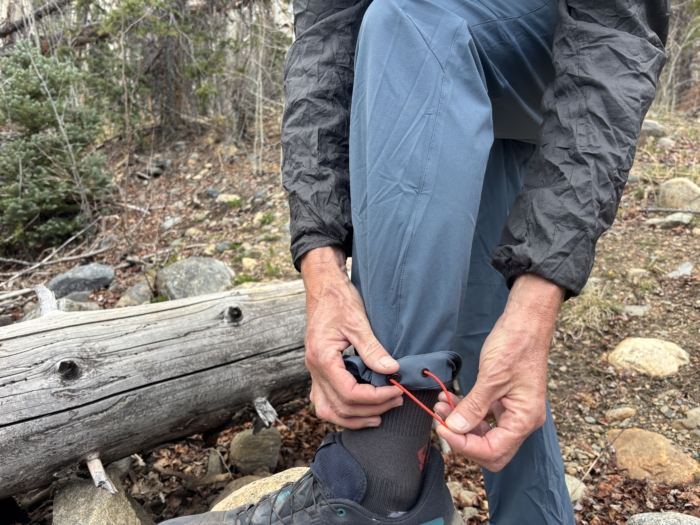
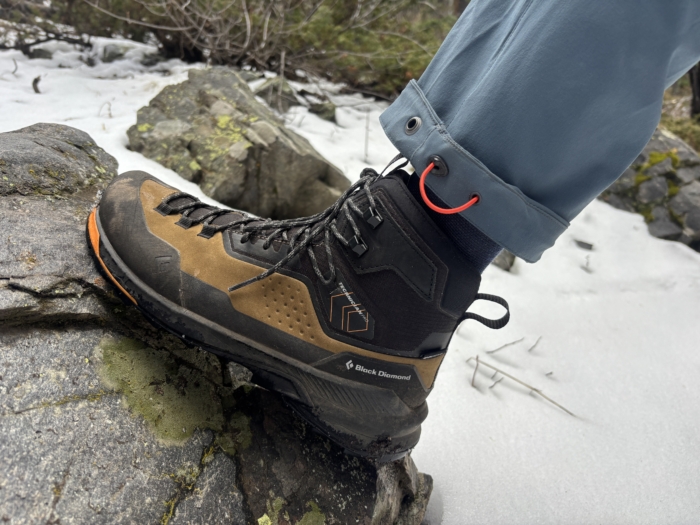
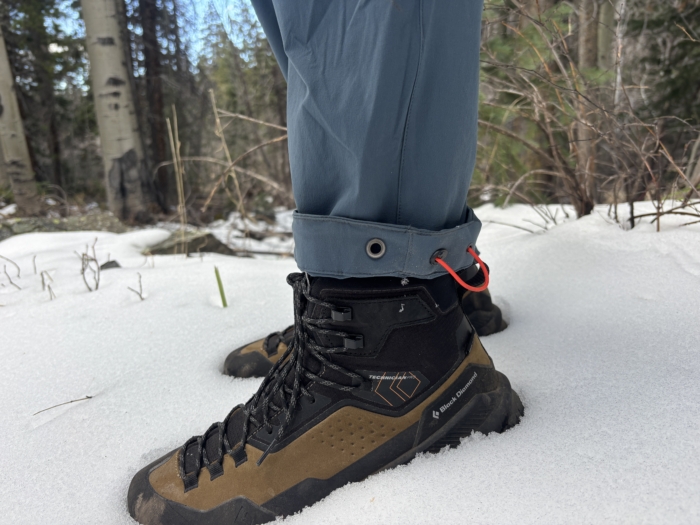
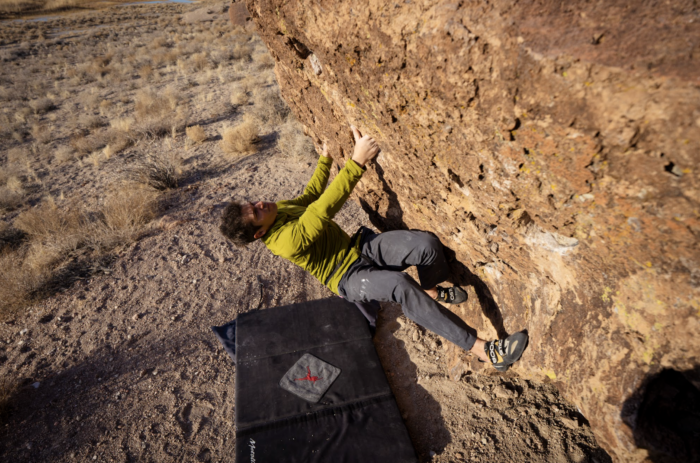
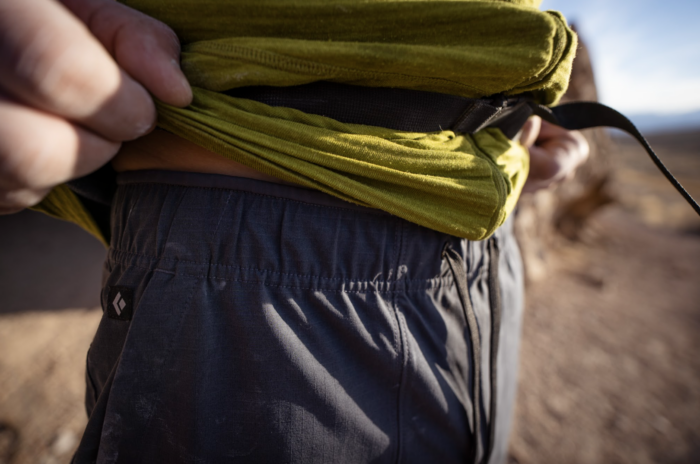
The cuff on the BD Alpine Light Pants is adjustable; (photo/Rob Simpson)
-
(photo/Rob Simpson)
-
(photo/Rob Simpson)
-
(photo/Rob Simpson)
-
(photo/Rob Simpson)
-
(photo/Rob Simpson)
-
(photo/Rob Simpson)
-
(photo/Rob Simpson)
-
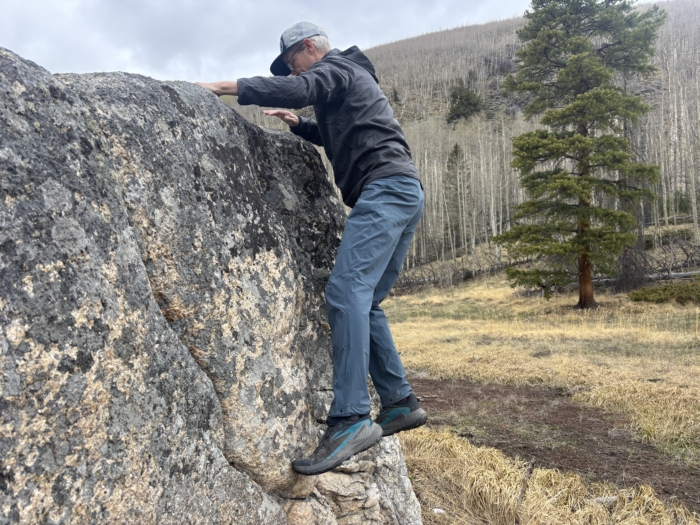
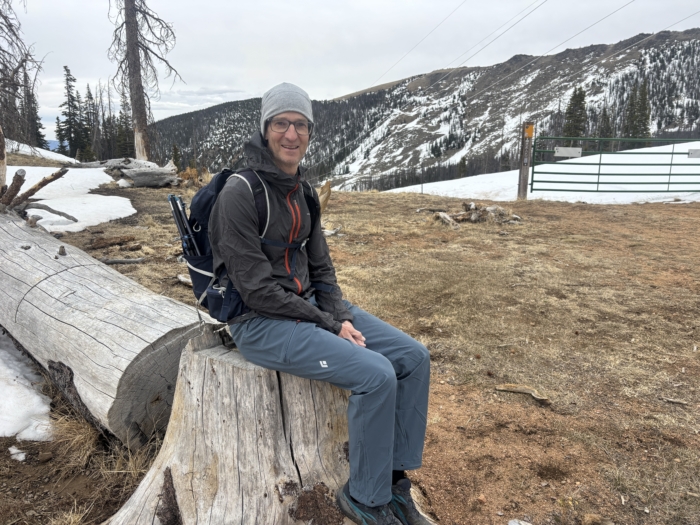
Testing the BD Alpine Light Pants; (photo/Rob Simpson)
Specifications
Pros & Cons
Pros
- Solid stretch and durability
- Comfortable
- Work in almost any temps
- Lightweight
- Pockets that are easily accessible even when worn under a harness
Cons
- Pockets are shallow
- No back pockets
Read Review: Trail Performance, Loungewear Comfort: Black Diamond Alpine Light Pants Review
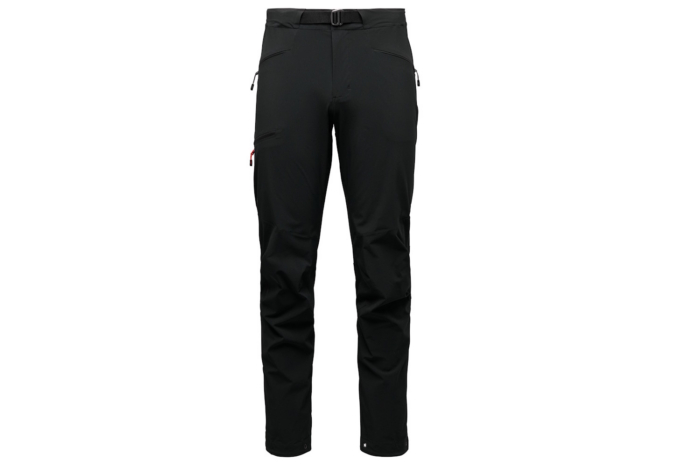
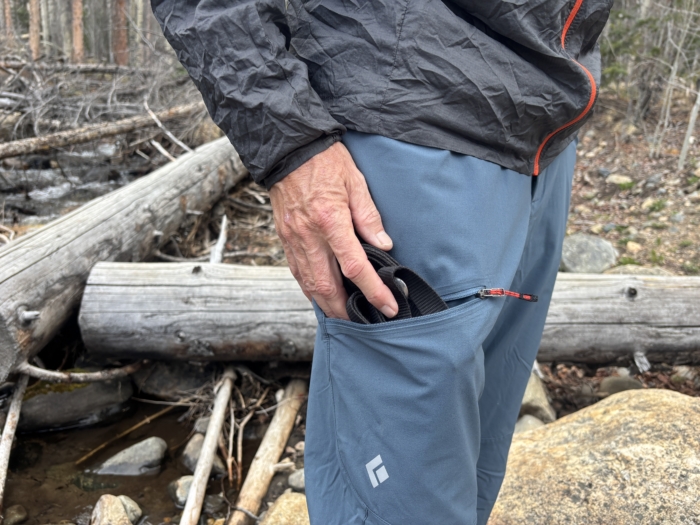
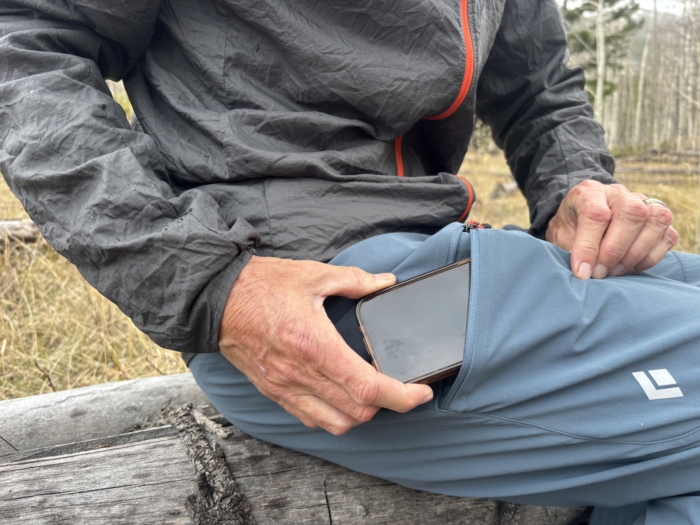
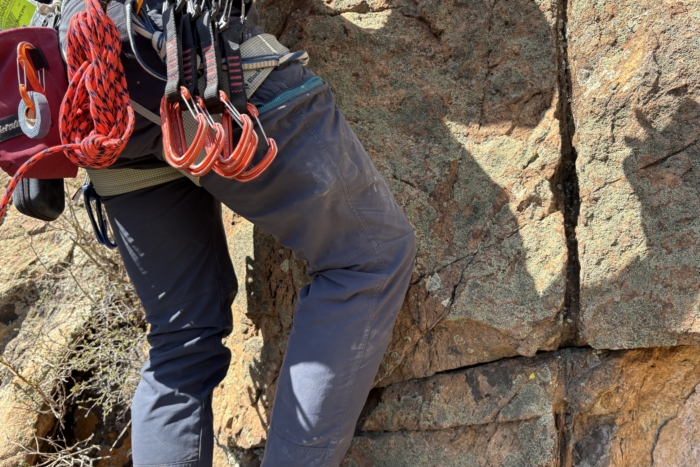
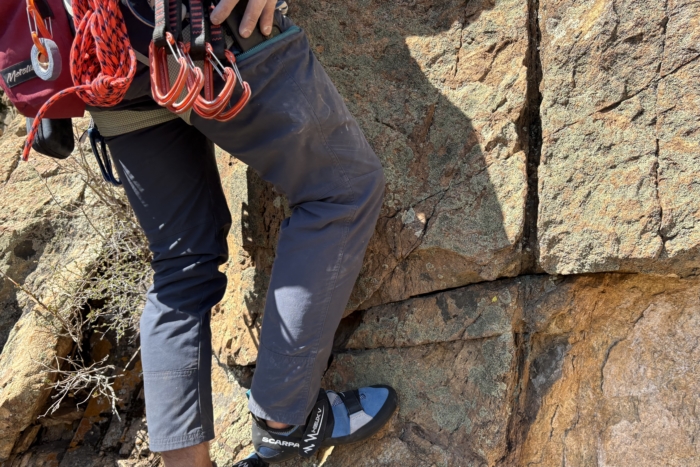
If you need a single pair of climbing pants that handles everything from local sport crags to three-season routes in the High Sierra, the Black Diamond Alpine Light Pants ($150) hit the mark. They use a lightweight nylon-and-elastane blend that prioritizes breathability and mobility over heavy-duty insulation. Black Diamond also nailed the pocket layout. Both front pockets and the zippered thigh pocket sit cleanly below a harness line, making it easy to grab a phone or topo while hanging at a cramped belay ledge. We do wish there were a couple of back pockets and that overall, they were a tad deeper to fit more.
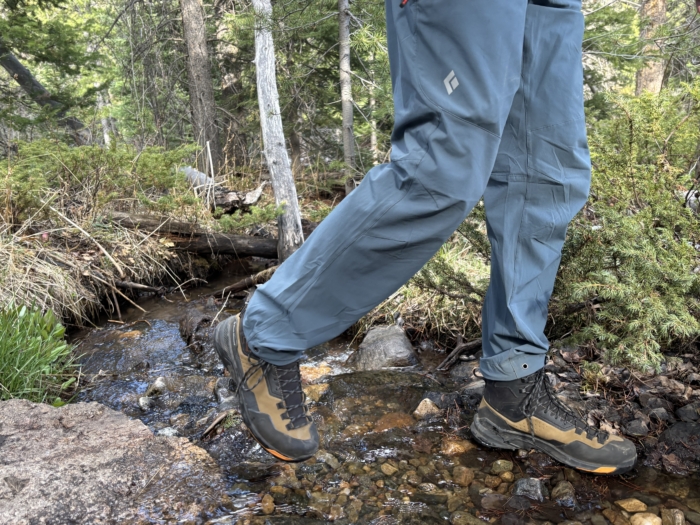
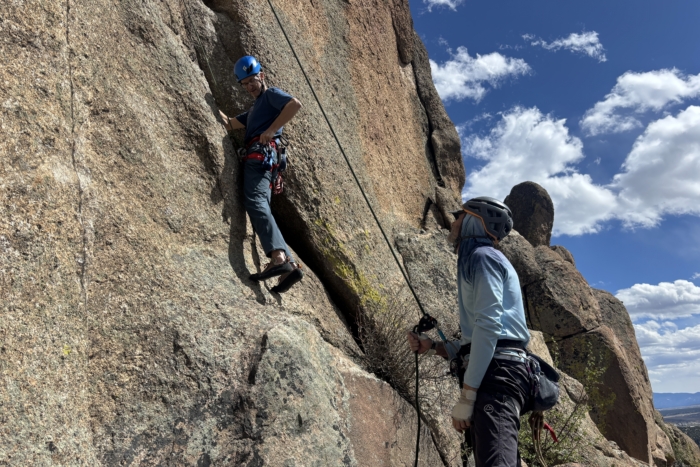
The slim, true-to-size cut tapers neatly down the leg to keep excess fabric clear of your climbing shoes. With 15% elastane, the four-way stretch provides total mobility for stemming and high steps without feeling baggy.
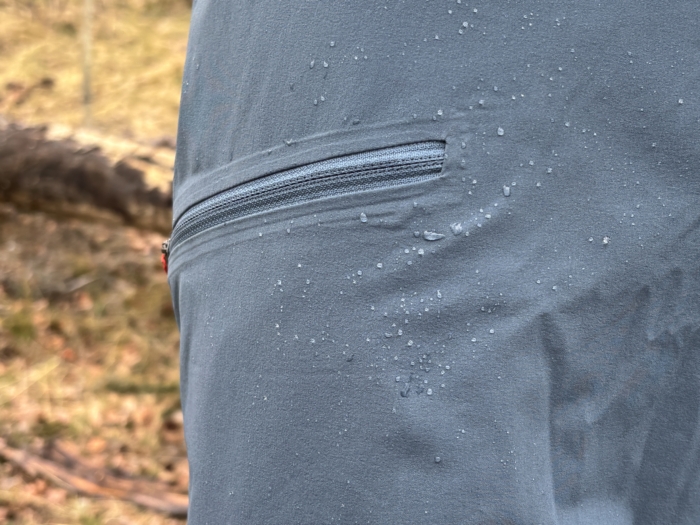
During an extended approach down from 10,000 feet in Colorado’s Rocky Mountains, we got caught in an hour of mixed rain and snow. The PFAS-free DWR finish repelled the light precipitation well, and the few damp spots dried almost instantly once the sun emerged. However, these are strictly light-duty softshells. The thin material has a distinct tipping point, and heavy, sustained downpours will eventually soak through to your skin.
If you regularly climb in volatile weather and need something with significantly more bulk and water resistance, the thicker Arc’teryx Gamma Pants are a better choice. Yet for climbers seeking a versatile, stretchy, and well-designed softshell that moves easily from the approach trail to the pitch, the Alpine Light is a stellar all-rounder.
REI Co-op Trailmade Pants
-
-
(photo/Rob Simpson)
-
REI Trailmade hiking pants; (photo; Rob Simpson)
-
The REI Co-op Trailmade pants tradeoff weather protection for breathability; (photo/Rob Simpson)
-
(photo/Rob Simpson)
-
REI Trailmade hiking pants; (photo; Rob Simpson)
-
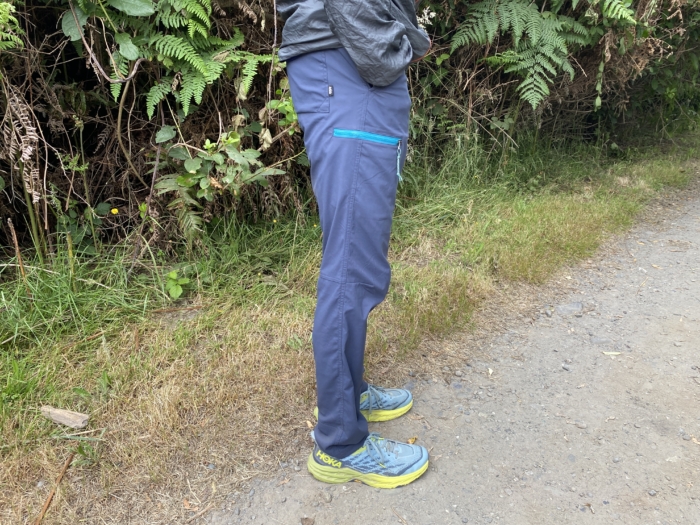
The pockets on the REI Trailmade hiking pants fit a phone;(photo; Rob Simpson)
-
(photo/Rob Simpson)
Specifications
Pros & Cons
Pros
- Lightweight
- Affordable
- Quick-drying
- Tapered leg is perfect for climbing
- Drawcord waist adjustment sits well under a harness
- Comfy fit
Cons
- Not weather resistant
- Small mesh front pockets
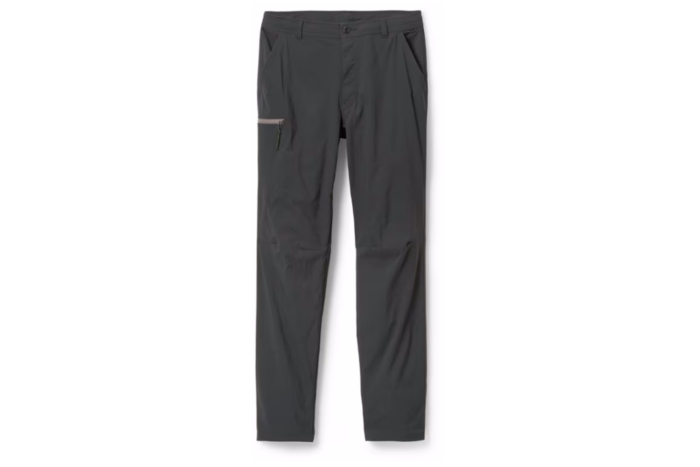
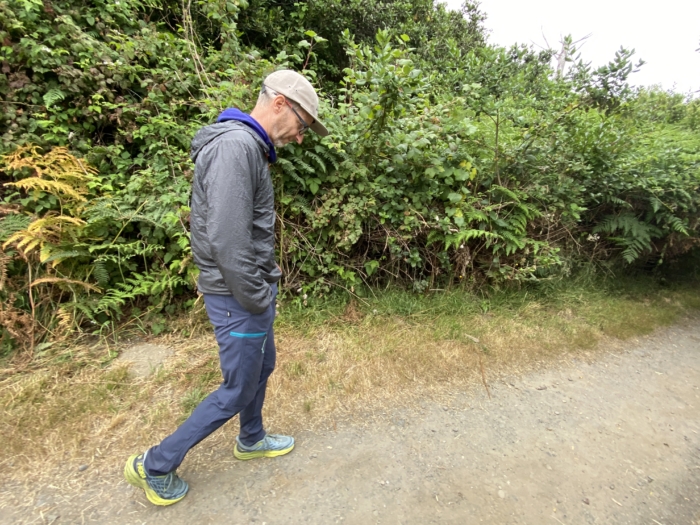
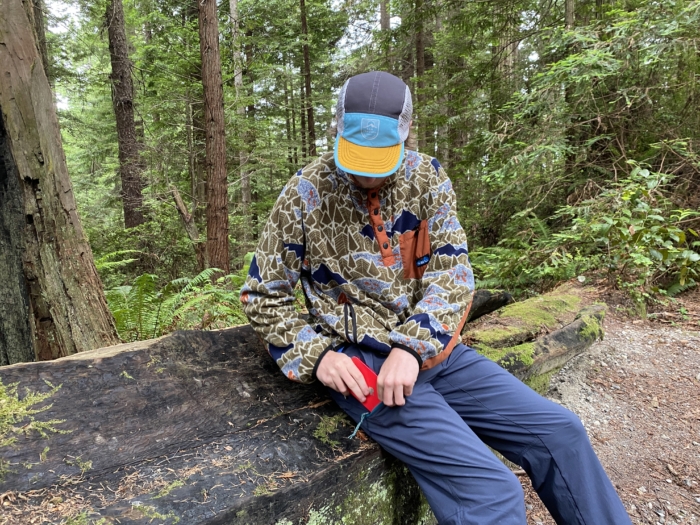
Finding a well-made pair of climbing pants for under a hundred dollars is difficult, especially if you want them to last more than a single season on the rock. The REI Co-op Trailmade Pants ($80) solve that problem by delivering pure function without unnecessary flash. Originally a top pick for hiking, they quickly earned a permanent spot in our climbing rotation thanks to their simple design and dependable mobility.
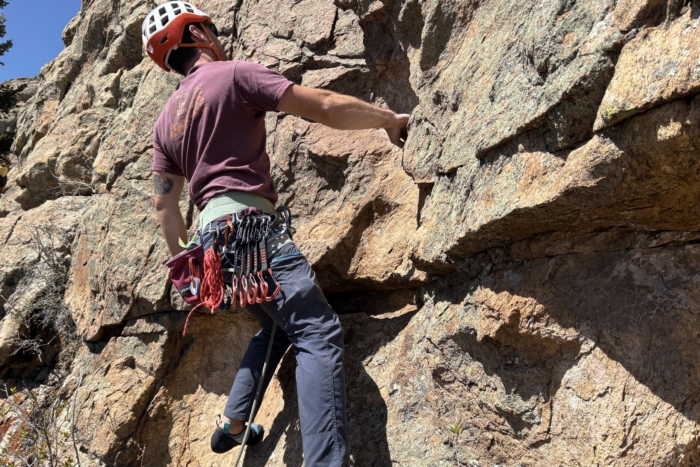
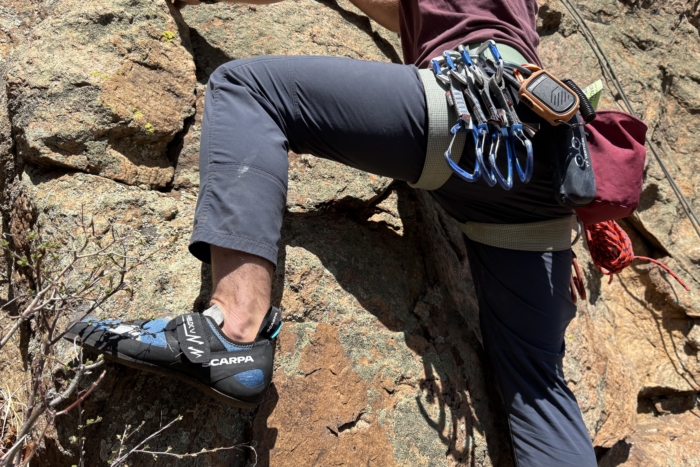
These pants offer a slim, streamlined fit with cleanly tapered legs that won’t interfere with delicate footwork. They slide comfortably under a harness without any frustrating fabric bunching, and the single thigh pocket sits in a great spot for easy access on the wall.
Over the last 18 months, we wore these pants all over the world, testing them on everything from rugged via ferrata routes in Europe to casual bouldering sessions in the Rockies. Despite their surprisingly lightweight feel, the nylon blend held up remarkably well against sharp rock and heavy abrasion. The trade-off for the affordable price and lightweight material is a lack of technical weather protection. They breathe adequately on warm days, but they will not block chilling winds or repel precipitation during a sudden mountain storm.
Compared with a premium softshell like the Outdoor Research Cirque Lite, the Trailmade lacks advanced stretch and alpine weather resistance. However, if you want a reliable, comfortable, and durable pair of climbing pants at an accessible price, this REI design easily outperforms the competition.
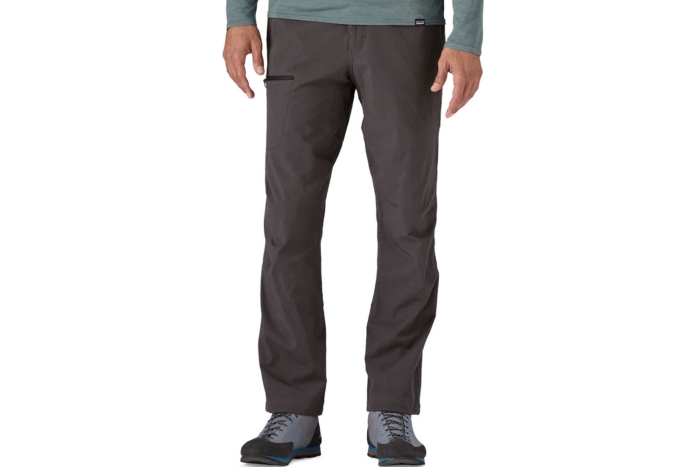
Patagonia Venga Rock Pants
-
-
(photo/Miya Tsudome)
-
(photo/Miya Tsudome)
Specifications
Pros & Cons
Pros
- Super comfy
- Durable
- Zippered thigh pocket
- Doesn’t restrict mobility in any way
Cons
- Cotton-poly blend won’t do for the alpine
- Waistband is a little too stretchy, you’ll want a belt
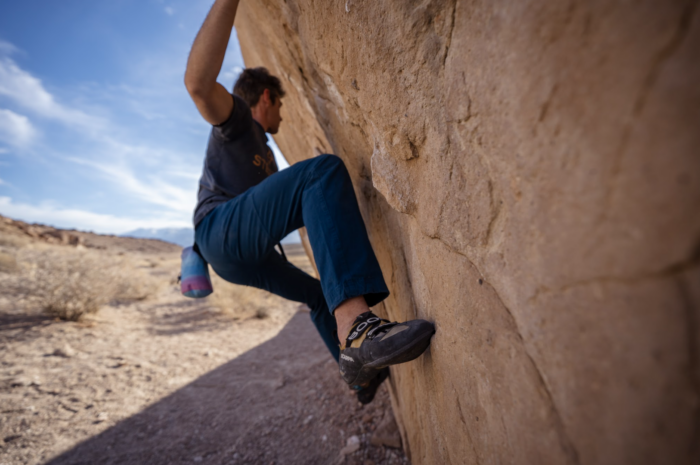
The Patagonia Venga Rock Pants ($115) have long been a staple at local crags, and the latest iteration strikes a great balance of comfort and durability. Moving away from the ultra-lightweight, easily shredded cotton of older versions, Patagonia nailed the modern material blend. The tough regenerative cotton holds up on rough rock, while a dash of spandex provides the flex needed for modern sport climbing.
These pants deliver a neutral, regular straight fit that frames athletic legs without looking baggy or clinging to the hips. A gusseted crotch and articulated knees ensure complete freedom of movement during high steps and heel hooks.
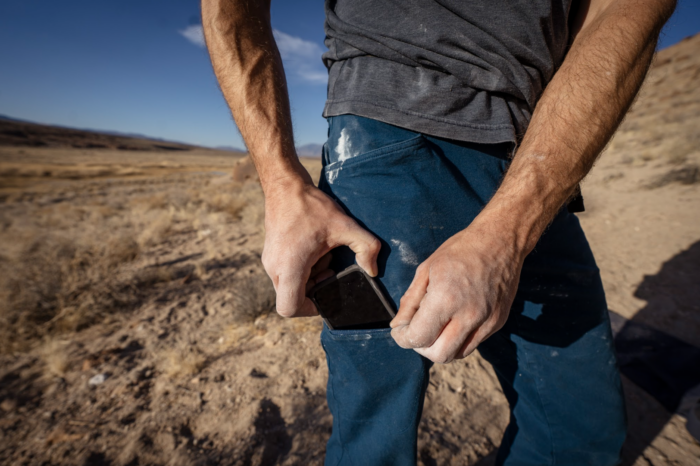
We spent months climbing in the Vengas from spring to fall, using them for everything from local bouldering circuits to hanging out at the cliff. The fabric proved durable enough to withstand occasional wide crack climbing and offwidths without tearing. The pocket layout is also smart, with two deep hand pockets oriented to stay clear of a harness and a zippered thigh pocket for securing a phone. A significant drawback is the stretchy waistband. While exceptionally comfortable out of the box, the elastic panels stretched out after a few washes and months of heavy use, ultimately requiring us to wear a belt to keep them up.
If you are heading into the mountains where volatile weather is a threat, a fully synthetic option like the Arc’teryx Gamma is a better call. But for bouldering, sport routes, and summertime multi-pitch days, the Venga is a classic, ultra-comfortable performer.
Black Diamond Sequence Pants
-
-
(photo/Miya Tsudome)
-
(photo/Miya Tsudome)
Specifications
Pros & Cons
Pros
- Stretchy
- Light but durable
- Athleisure styling
Cons
- No fly is inconvenient when wearing a harness
- All-synthetic material can start to smell after many days of continuous wear
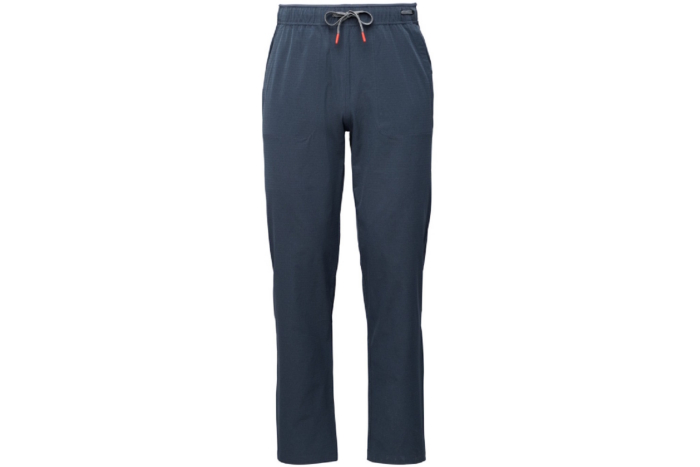
Stretchy and cozy, the Black Diamond Sequence Pants ($100) are practically built for bouldering and demanding gym training. Blending the relaxed feel of athleisure with the rugged demands of outdoor climbing, they use ripstop nylon and a DWR treatment to withstand sharp rock and unpredictable weather.
The fit runs relatively slim but remains deeply relaxed, with a comfortable elastic waistband and a jogger-style cut that stays clear of your climbing shoes. The material flexes naturally for aggressive, dynamic movements on the wall.
During a winter of testing in the Eastern Sierra, the material blend proved to be a major selling point. We subjected them to abrasive butt-scooting down quartz monzonite descents in the Buttermilks and aggressive, padless knee-barring in Bishop’s volcanic tablelands. They emerged with barely a scratch. When a sudden rainstorm rolled through, the DWR treatment gave us enough time to pack up the crash pads without getting soaked. While the exterior performs beautifully on the rock, the overall design lacks a front fly. This omission makes them annoying to wear on multi-pitch routes when a rope, belay device, and personal anchor all converge around your waist.
Compared to the Patagonia Hampi Rock Pants, the Sequence feels significantly more durable against sharp and rough rock. If you want a tough, ultra-stretchy pant that excels during intense training sessions and looks perfectly normal at dinner afterward, Black Diamond knocks it out of the park.
Arc’teryx Gamma Pants
Specifications
Pros & Cons
Pros
- Great warmth-to-weight ratio
- Suitable for cold weather climbing
- Durable
- Secure pockets
Cons
- Expensive
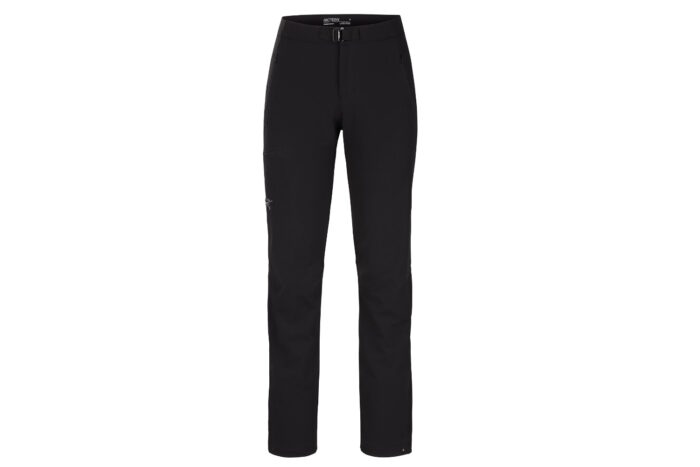
For cold-weather climbing missions and harsh mountain environments, the Arc’teryx Gamma Pants ($200) deliver an exceptional balance of warmth, mobility, and protection. They use a thicker softshell weave than most rock-specific bottoms, providing light insulation and blocking punishing winds while maintaining enough breathability to keep you from sweating out on a steep approach.
The Gamma offers a roomy, straight-legged regular fit designed to layer easily over thermal bottoms. An integrated, low-profile webbing belt lies flat under a harness, while adjustable shock-cord cuffs let you pull the fabric tight around your boots for a clear line of sight to your footholds.
We tested these pants during a series of blustery early-spring climbing sessions in Utah’s Little Cottonwood Canyon. Even when fully exposed to severe winds and sleet on the wall, our lower body remained warm and protected. During multi-pitch rock climbs, the zippered thigh pocket was easy to access while wearing a loaded harness. The four-way stretch fabric easily accommodated wide stems, splits, and high steps without any restrictive pinching. The obvious downside is the high cost, and the thicker material is simply too warm for midsummer cragging.
While the prAna Stretch Zion offers excellent versatility at a much lower price, it will not hack it when mountain weather turns truly severe. If your climbing involves ice, alpine rock, and unpredictable weather, the Gamma provides the premium weather resistance needed to keep moving safely upward.
prAna Stretch Zion Pant
Specifications
Pros & Cons
Pros
- Original Stretch Zion material has perfect blend of give and durability
- Wide size range available
- PFAS-free DWR finish
- Roomy fit doesn't constrict motion
Cons
- Pants will pill eventually with enough climbing
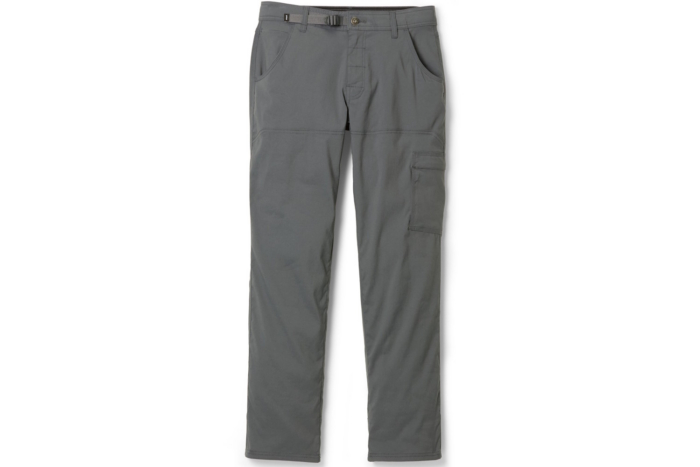
After a brief, widely criticized switch to a slicker, less-breathable material, the legendary prAna Stretch Zion Pant ($98) has finally returned to its celebrated original fabric. Climbers have relied on this exact 97% nylon and 3% elastane blend for two decades because it balances rugged durability with the breathability needed for long days in the sun.
These pants use a generous, slightly relaxed cut that provides ample room through the hips and thighs. An integrated webbing belt lets you dial in the waist, while snaps at the hem allow you to roll up the cuffs when the temperature spikes.
The pocket layout is smart for time on the rock. We love the two deep, mesh-lined side pockets that boost ventilation on hot approaches. The dedicated thigh pocket uses two zippers, one horizontal and one vertical, making it quick and easy to access your phone or topo while wearing a harness. While the features are dialed, the main tradeoff of returning to the softer original fabric is that the pants will eventually pill after extended exposure to sharp rock.
If you spend your weekends thrutching up burly, abrasive squeeze chimneys, you may want the heavier cotton fabric of the Topo Designs Dirt 5-Pocket Pants. However, for a breathable, stretchy, do-it-all climbing pant that thrives on a wide variety of rock types and works wonderfully as an everyday travel pant, the original Stretch Zion remains a timeless classic.
More Climbing Pants, Field-Tested
-
-
-
-
Mountain Hardwear Active Pants
-
-
-
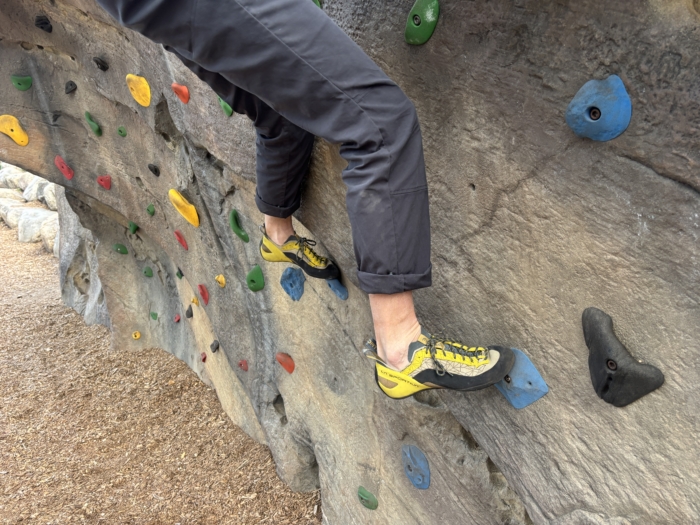
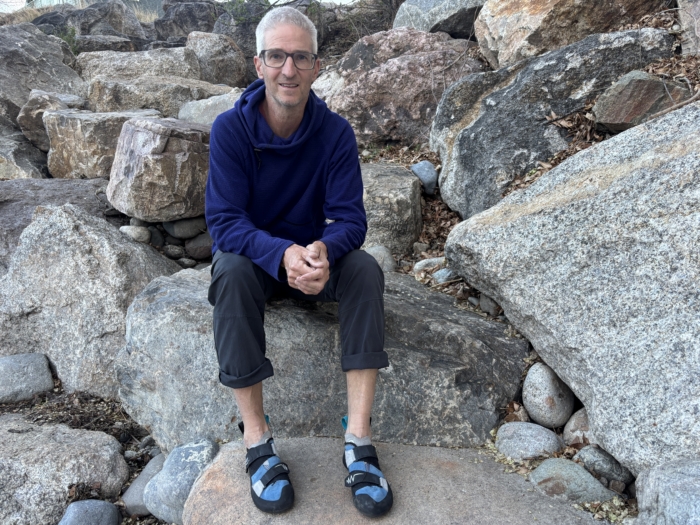
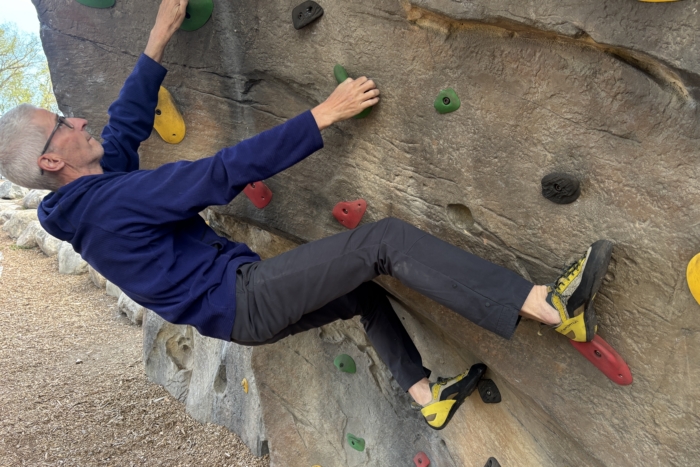
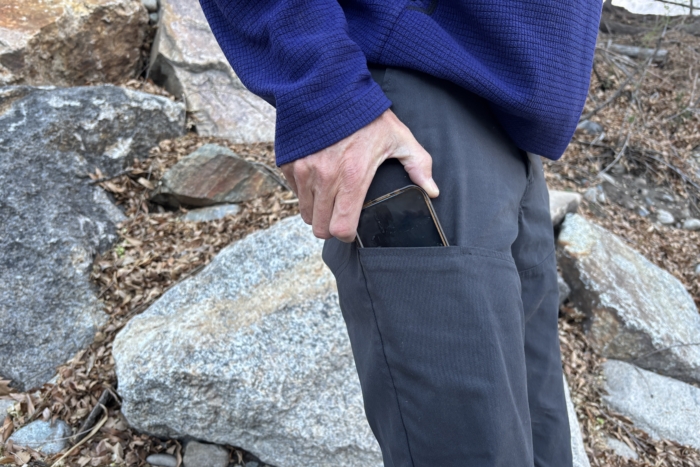
Made of cotton, the Mountain Hardwear Active Pants move well, but sacrifice weather-resistance; (photo/Rob Simpson)
-
Specifications
Pros & Cons
Pros
- Exceptional fit
- Heavy duty and durable
- Leg roll up secure snap is a nice feature
Cons
- Not weatherproof (cotton)
- Not stretchy
- Too hot for warm days
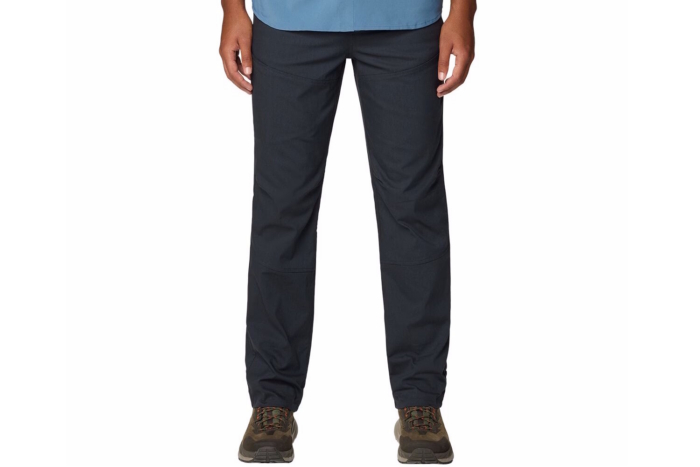
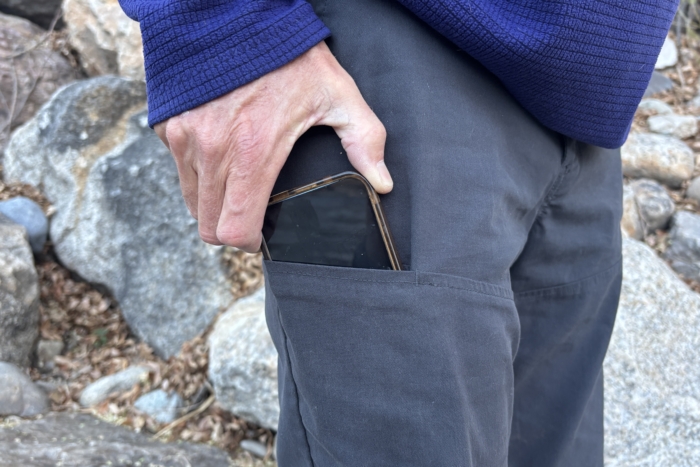
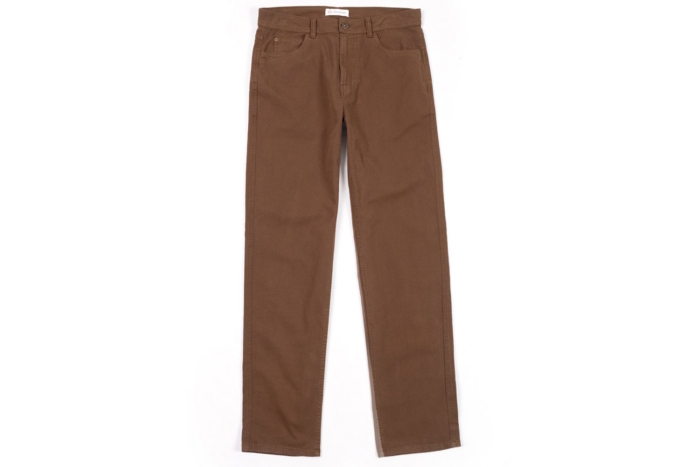
If you need a climbing pant that moves directly from the office to the local crag without looking out of place, the Mountain Hardwear AP Pants ($105) are an excellent choice. Built with a sturdy cotton blend, they prioritize rugged abrasion resistance and clean aesthetics over lightweight technical performance. The pocket layout is smart, utilizing an incognito cell phone pocket that keeps your device secure without adding bulk under a harness.
The fit is exceptionally dialed for slender builds. They provide a precise, tailored cut through the waist and thighs that is neither restrictive nor baggy, allowing them to function effortlessly as an everyday office or casual dinner pant.
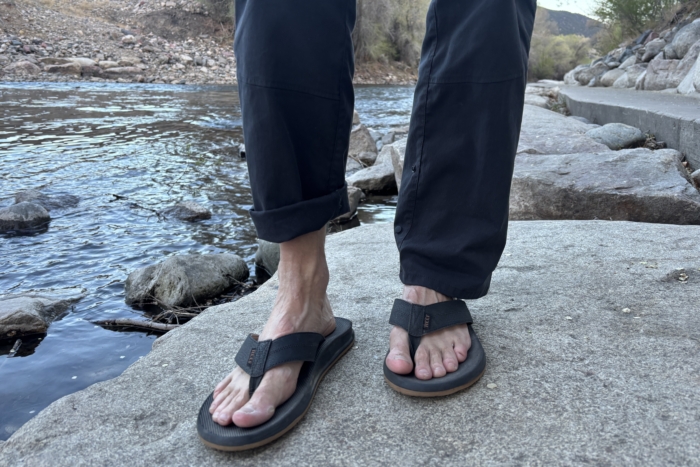
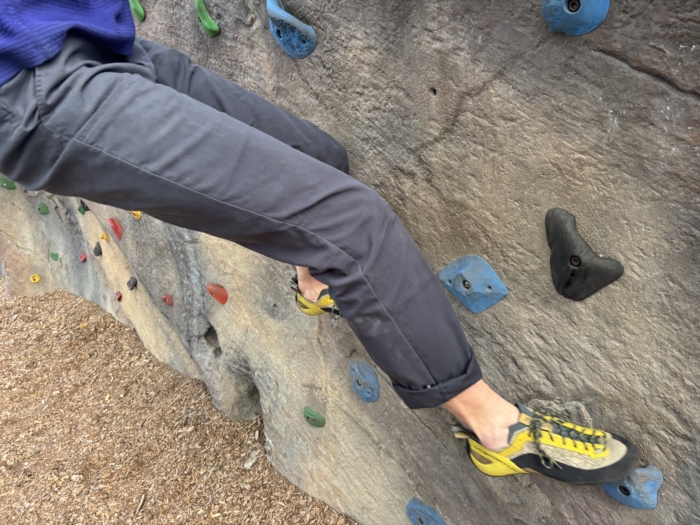
When our six-foot, 150-pound lead tester finally took them from his desk to the dirt in Colorado, they handled the rock beautifully. On steeper routes requiring precision footwork, the integrated leg roll-up system proved highly practical. The hem rolls up securely with a snap, clearing your line of sight so you can spot micro edges or lock in a tricky heel hook. When unrolled, the snap remains entirely inconspicuous, avoiding the goofy look common to convertible designs.
The primary drawback of this heavy-duty cotton construction is a noticeable lack of stretch. Compared to an ultra-flexible synthetic option like the prAna Stretch Zion Pant, the AP feels slightly stiff, sacrificing dynamic mobility for sheer toughness. However, the tradeoff is bombproof longevity. We feel confident these pants will easily survive a decade of crack climbing, rough chimneys, and heavy bushwhacking.
For climbers who want a sharp, structured, and highly durable everyday pant that still performs reliably on the wall, this Mountain Hardwear design is a top contender.
Specifications
Pros & Cons
Pros
- Burly work-wear inspired material
- Hidden zippered pocket locks down things like keys
- Just the right amount of stretch
Cons
- No thigh pocket for harness access
- Lacking cinchable cuffs
Blending classic workwear aesthetics with surprisingly capable trail performance, the Topo Designs Dirt 5-Pocket Pants ($120) deliver rugged durability for climbing. Built with a tight cotton weave, the exterior resists stains, snags, and the relentless abrasion of wide cracks and boulders.
These pants provide a close-fitting, slim cut that looks sharp around town without impeding mobility on the rock. They run notably long, as Topo typically defaults to a 32-inch inseam for a 32-inch waist, which works well for tall, lanky climbers but may require cuff rolling for shorter frames. A dash of woven-in spandex adds just the right amount of lateral flex.
We put the Dirt pants through 20 days of heavy use, tackling rough rock climbing, long hikes, and abrasive chores. Despite the abuse, they emerged looking completely new, with zero pilling, fraying, or ripped seams. Because they lack climbing-specific engineering, the standard front pockets sit directly beneath your harness leg loops, rendering them useless on the wall. Furthermore, dialing in the waist requires a traditional belt, which can dig uncomfortably into your stomach when you weight the rope. We did, however, love the hidden zippered closure inside the right rear pocket, which securely held our wallet during inverted bat hangs.
A purpose-built model like the Black Diamond Alpine Light pairs better with a harness. Yet for offwidth climbing, bouldering, and dirtbag road trips where you want maximum durability and casual street style, the Dirt pants are a fantastic choice.
Specifications
Pros & Cons
Pros
- Pajama-like comfort
- Very breathable
- Slightly stretchy
- Great fit for climbing
Cons
- Not durable enough for traditional climbing
- Absorbs water, takes more time to dry
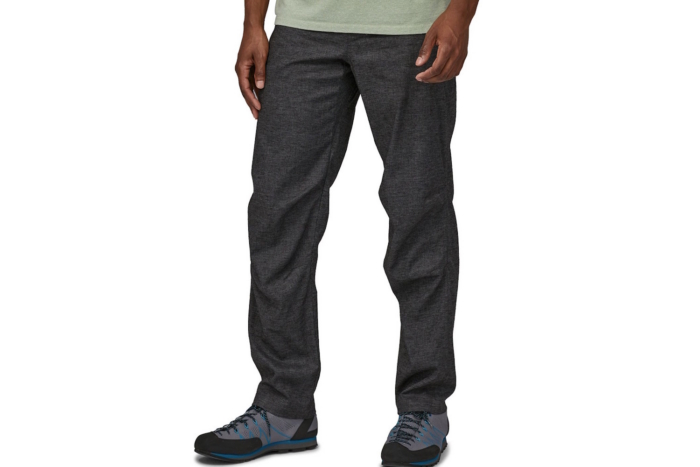
Climbing in the Patagonia Hampi Rock Pants ($100) essentially feels like climbing in high-performance pajamas. Constructed from a breathable blend of hemp, recycled polyester, and spandex, these pants prioritize airy, unrestricted comfort for warm-weather training and sun-baked cragging.
The fit is relaxed and generous, with a soft elastic waistband and tapered lower legs that let you clearly see your footholds. The ultra-stretchy material makes high steps, deep drop knees, and over-the-head heel hooks feel completely effortless.
We relied on the Hampi pants for warm summer sport climbing, indoor board training, and long bouldering sessions. The soft waist held up beautifully over months of testing, maintaining enough elasticity to stay securely in place even without tying the internal drawstring. However, the obvious tradeoff for such lightweight, pajama-like comfort is a distinct lack of rugged durability. The thin hemp blend will not withstand the harsh rigors of crack climbing, bushwhacking through dense approach trails, or scraping against sharp granite.
If you need pants that can handle abrasive rock and brush, the Patagonia Venga Rock Pants deliver far superior durability and versatility. Additionally, the Hampi offers absolutely zero protection against cold wind or rain, making it a liability on high-altitude routes. But for climbers who spend their time bouldering, training in the indoor gym, or clipping bolts in hot, humid weather, these pants offer unbeatable lightweight freedom on the wall.
Specifications
Pros & Cons
Pros
- Comfortable
- Perfect for bouldering
- Unrestricted mobility
Cons
- No zippered phone pocket
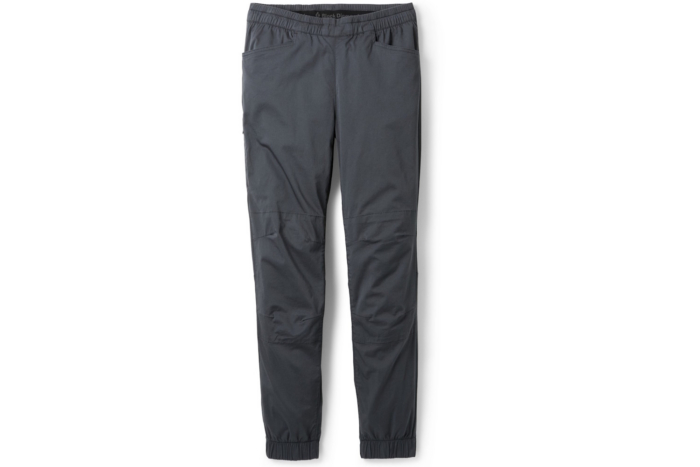
The beloved Black Diamond Notion Pants ($100) return with a few smart updates, preserving the extreme comfort that made them a staple in the bouldering community. Crafted from a soft cotton twill with a healthy dose of elastane, they prioritize indoor training and cool-weather cragging over strict mountain pursuits.
The jogger-style fits on the tighter side, but the generous stretch ensures nothing restricts your movement. They use a slightly shorter cropped leg with elastic cuffs, while the newly redesigned elastic waistband wisely moves the drawstring tie inside the pants, keeping it tucked safely away from your harness.
We tested the Notion across various climbing disciplines, but it truly excels while bouldering. The flexible construction easily handled extremely high steps, tricky mantles, and wide stemming on the wall. Because the thick cotton twill runs quite warm, they proved perfect for crisp autumn days bouldering outside or late-night sessions at the gym. The main drawback is their complete lack of moisture-wicking capability. If you wear them on a long, sweaty approach in the hot sun, the cotton will quickly become swampy and refuse to dry.
For high-output days or sweaty multi-pitch climbs, a breathable synthetic option like the prAna Stretch Zion performs vastly better. However, if you want a cozy, stretchy, and stylish climbing jogger that moves effortlessly on the rock and looks stylish while grabbing a beer in town afterward, the Notion remains a top-tier choice.
Specifications
Pros & Cons
Pros
- Light and breathable
- Well designed built-in belt
- Zippered pockets
- Reinforced panels match the rest of the pants
Cons
- Not good for snowy, inclement weather
- Material over thigh pocket is thin, quick to wear through
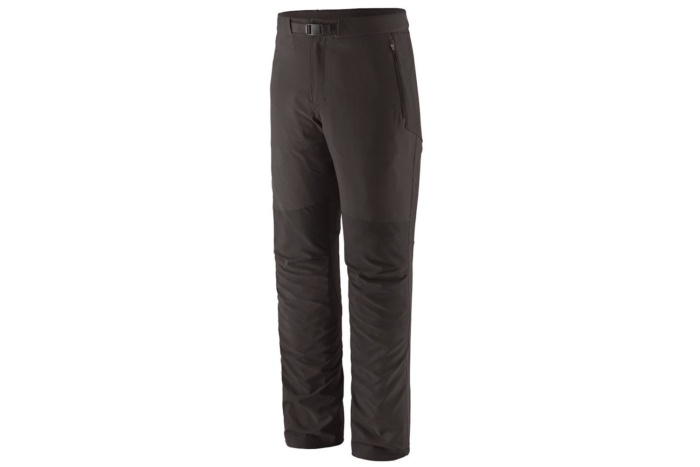
Designed for fast-and-light mountain missions, the Patagonia Terravia Alpine Pants ($165) deliver exceptional mobility and breathable comfort for long days in the sun. Utilizing a lightweight synthetic blend, they incorporate reinforced panels across the seat and lower legs to protect high-wear areas from rough stone.
These pants offer a slim, athletic fit that stretches generously to handle all manner of wild contortions on the rock. They sit comfortably under a harness, and the zippered thigh pocket is the perfect size to secure a smaller smartphone or a topo map.
During two free-climbing attempts on Moonlight Buttress in Zion National Park, the Terravia proved to be an excellent companion. With temperatures hovering in the mid-60s and the route entirely in the shade, the lightweight fabric breathed exceptionally well while taking the chill off the wind. However, the “alpine” name is slightly misleading. The thin material provides minimal weather protection, and while the DWR treatment handles light mist, it soaks through rapidly in heavy rain. Furthermore, after just a few days of grinding against rough sandstone, we managed to wear a small hole through the pocket. A misplaced crampon spike would easily shred the fabric.
If your alpine itinerary involves sharp ice, dense bushwhacking, or serious mountain storms, the Arc’teryx Gamma Pants offer significantly better defense against the elements. Yet, for long, steep approaches, sunny multi-pitch rock routes, and objectives where breathability and maximum stretch are your top priorities, the Terravia is a highly dependable climbing trouser.pair of climbing trousers
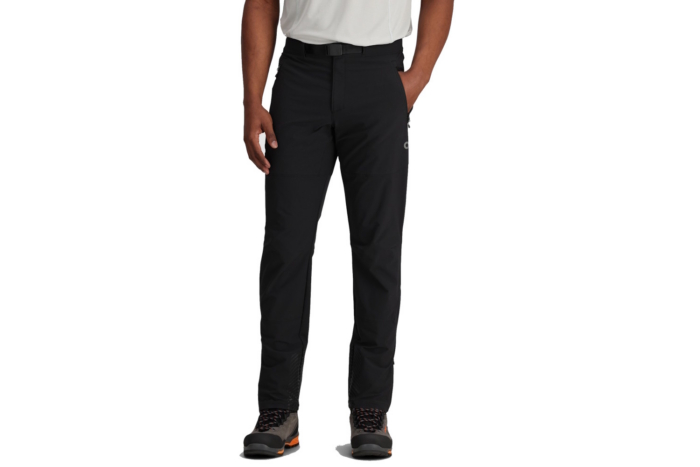
Specifications
Pros & Cons
Pros
- Stretchy
- Plentiful zippered pockets
- Versatile
Cons
- Not ideal for hot conditions
Elevating an already capable mountain pant, the Outdoor Research Cirque Lite Pants ($155) deliver a premium softshell experience trimmed down for rock climbing. By shedding the heavy insulation of the legendary original Cirque, this lighter iteration brings impressive breathability to steep rock pitches and fast-paced approaches.
The fit is cleanly articulated and athletic, integrating a low-profile belt that secures the waist without creating pressure points under a harness. With a massive 12% spandex blend, they offer seemingly endless stretch, moving effortlessly with your body during complex sequences.
We initially expected these pants to feel undergunned on an early-spring pilgrimage to Joshua Tree, but they genuinely surprised us with their rough-and-tumble durability. They handled the notoriously abrasive quartz monzonite with ease, and we loved that every pocket featured a zipper, ensuring our phone and snacks never plummeted from the wall. The expandable ankle gussets are a brilliant touch, featuring hidden loops that allow you to rig a shock-cord instep strap. This specific detail makes them ideal for early-season snow approaches, letting you securely wrap the cuffs over bulky mountain boots before transitioning to tight rock shoes at the base.
Compared to the Patagonia Terravia Alpine Pants, the Cirque Lite offers a slightly more robust ankle design suited for mixed-snow and rock days. For the climber who wants a light, rugged, and ultra-stretchy summer alpine pant that handles sharp rock and snowy approaches alike, this is a phenomenal choice.
Men’s Climbing Pants Comparison Chart
| Product | Price | Best For | Fit | Fabric / Feel |
| Black Diamond Alpine Light Pants | $150 | All-around climbing, long approaches, three-season routes | Slim, true-to-size, tapered | Lightweight stretch softshell with strong mobility and light weather resistance |
| REI Co-op Trailmade Pants | $80 | Hiking, climbing, scrambling, travel | Slim, streamlined, tapered | Lightweight nylon blend with dependable durability but limited weather protection |
| Patagonia Venga Rock Pants | $115 | Cragging, bouldering, sport routes, summer multi-pitch | Neutral regular straight fit | Durable regenerative cotton blend with comfortable stretch |
| Black Diamond Sequence Pants | $100 | Bouldering, gym training, casual cragging | Slim but relaxed jogger-style fit | Stretchy ripstop nylon with a cozy, athleisure feel |
| Arc’teryx Gamma Pants | $200 | Alpine climbing, cold weather, windy mountain routes | Roomy regular fit with layering space | Thicker softshell with warmth, wind resistance, and stretch |
| prAna Stretch Zion Pant | $98 | Crossover climbing, travel, warm approaches | Generous, slightly relaxed fit | Breathable nylon stretch fabric with a softer feel |
| Mountain Hardwear AP Pants | $105 | Office-to-crag use, durable everyday climbing | Tailored fit best for slender builds | Sturdy cotton blend with a structured, abrasion-resistant feel |
| Topo Designs Dirt 5-Pocket Pants | $120 | Offwidths, bouldering, road trips, casual wear | Close-fitting slim cut; runs long | Tight cotton weave with workwear-style durability |
| Patagonia Hampi Rock Pants | $100 | Hot-weather climbing, indoor training, bouldering | Relaxed, generous fit with tapered legs | Airy hemp blend with pajama-like comfort |
| Black Diamond Notion Pants | $100 | Bouldering, gym sessions, cool-weather cragging | Tight jogger-style fit with cropped elastic cuffs | Soft cotton twill with cozy stretch |
| Patagonia Terravia Alpine Pants | $165 | Sunny multi-pitch routes, long approaches, fast-and-light objectives | Slim, athletic fit | Lightweight synthetic blend with reinforced high-wear panels |
| Outdoor Research Cirque Lite Pants | $155 | Summer alpine climbing, snowy approaches, mixed rock days | Athletic, articulated fit | Light softshell with big stretch and rugged ankle details |

How We Tested Climbing Pants
Our Expert Testers
For this update, seasoned climber Rob Simpson led the most recent round of testing from his home base in Colorado. Simpson brings decades of experience across sport, trad, gym, and backcountry climbing, highlighted by his first big wall route on Liberty Crack in Washington’s North Cascades in 1999. He has guided climbing and mountaineering trips across the Western United States and knows exactly what gear needs to survive long alpine pushes, right down to the misery of sharing a one-person bivy sack after an epic on the North Ridge of Mount Stuart.
This guide is also backed by long-term research from GearJunkie contributors including Austin Beck-Doss and Matt Bento. Beck-Doss tests around Lander, Wyoming, where steep limestone and fast-moving summer storms quickly expose issues with mobility and weather resistance. Farther west, Bento evaluates pants across Bishop, California, from the sharp monzonite of the Buttermilks to the high alpine terrain of the Eastern Sierra.
Our Testing Process & Grounds
During the current testing cycle, Simpson evaluated three new pairs of pants over three months of winter and spring use. He wore them on long approach hikes to backcountry zones, single-pitch sport and trad routes around Buena Vista, Colo., and during indoor training sessions. Conditions ranged from rain and snow to high winds and warm sun. We deliberately chose rough, off-trail approaches filled with downed trees, thick brush, and abrasive rock to evaluate how fabrics, seams, and waistbands held up beyond clean trail miles.
The broader lineup in this guide reflects years of long-term testing, encompassing more than 35 pairs of climbing pants since 2021. We have scrambled rugged via ferrata routes in Europe, bouldered in the Rockies, scaled sandstone in Zion, and pushed into the High Sierra.
Every pair of climbing pants sees at least five outings before inclusion, though many have months or years of heavy use behind them. Products remain in ongoing testing after publication, and we update this guide seasonally as new models arrive, old models change, and long-term durability becomes clearer.

Our Men’s Climbing Pants Rating System
Mobility & Comfort: Stretch, articulation, breathability, fabric feel, and freedom of movement while climbing.
Durability & Protection: Abrasion resistance, reinforced panels, stitching, weather protection, and how well the fabric handles rock, brush, and harness wear.
Fit & Harness Compatibility: Waistband comfort, rise, inseam, cuff design, sizing consistency, and whether the pants stay put under a loaded harness.
Features & Versatility: Useful pockets, integrated belts, ankle cinches, adjustable cuffs, DWR finishes, and crossover comfort for cragging, gym sessions, travel, and everyday wear.
The overall score reflects extended real-world use and is not a simple calculation from the category scores.

Buyer’s Guide: How to Choose Climbing Pants
Though you don’t strictly need climbing-specific pants to climb, they do have many clear advantages. Climbing pants offer helpful and specific features other activewear pants do not — including harness-compatible pockets and crampon-ready durability.
In this handy how-to-choose guide, we’ll cover all of the major considerations for selecting the perfect pair of climbing pants. This article focuses specifically on the best climbing pants for men. If you’re looking for women’s-specific options, check out our article on the Best Climbing Pants for Women.
Climbing Pants & Various Climbing Disciplines
Climbing is an umbrella term that covers many different sub-sports and disciplines. For example, alpine scrambling and indoor bouldering are very different activities. Ideally, your apparel and overall kit should always be tailored to match the demands of the specific activity at hand. A pair of pants that’s great for one discipline of climbing may not be right for another.

Durability vs. Breathability
Climbing pants are guaranteed to make regular contact with rough and abrasive surfaces. For this reason, any pair of climbing pants worth its price tag will be abrasion-resistant and hardy.
In a climbing setting, durability is important. When you’re knee-jamming your way up a wide crack, you’ll want to know your pants won’t be completely shredded by the time you reach the anchor.
While durability is a priority for climbing pants, comfort, stretch, and breathability are important too. It’s not easy to design a pair of pants that is both abrasion-resistant and breathable. As a general rule, the lighter and more breathable pants become, the less durable they’ll be.
On this list, we’ve selected lightweight options like the Black Diamond Alpine Light Pants as an ideal choice for warm conditions and fast-moving three-season routes While these pants are supremely comfortable on light and fast summertime objectives, they’re also more vulnerable to rips and tears.
On the other end of the spectrum, the Topo Designs Dirt 5-Pocket Pants are incredibly durable. However, they do not breathe well and should be reserved for cool weather.

Materials & Stretch
To maximize mobility, climbing pants need to stretch. Most of the pants on this list are constructed from fabric blends that include stretchy materials such as elastane or spandex.
Pants with two-way stretch will stretch from side to side but not from top to bottom. Four-way stretch pants will stretch in both the side-to-side and top-to-bottom directions. The Outdoor Research Cirque Lite Pants are among the stretchiest styles, while the Patagonia Hampi Rock Pants offer the softest, most relaxed feel. For a more casual, workwear-inspired option, the Topo Designs Dirt 5-Pocket Pants offer excellent durability with enough stretch for climbing
In addition to elastic material, most climbing pants are made from a blend of cotton and synthetic fabric such as polyester or nylon. In most cases, pants that are mostly cotton will be heavier, less breathable, and more durable.
The Topo Designs Dirt 5-Pocket Pants are a heavy-duty, cotton-based pant that still allows for good mobility. Synthetic-based pants tend to be stretchier, less durable, and ideal for warm weather.

Features
There are a few key features we feel all good climbing pants should have: secure pockets, an adjustable waistband, and a gusseted crotch. Practical, purpose-built features are the difference between climbing-specific pants and all other options. On this list, we’ve included lots of great pants, and each pair offers a unique set of thoughtful features.
Adjustable Waistband
Wearing a belt with a climbing harness is uncomfortable and inconvenient. Instead, look for a pair of climbing pants that includes an integrated system for adjusting the waistband. If you choose a pair of pants that do not have integrated waist adjustment, there are some great, low-profile, active belts on the market that are worthy of consideration.
On this list, we’ve included pants with various styles of adjustment systems. Of these, the classic drawstring is probably our least favorite, as these tend to loosen easily on their own. We love the adjustment system of the Arc’teryx Gamma Pants, which use a super-secure piece of low-profile webbing to tighten or loosen the waist.

Drawstring Ankle Cuffs
Many climbing pants feature drawstring ankle cuffs — a simple feature that adds some extra utility. Tightening the cuffs of your pants can keep any excess material out of the way while climbing and hiking.
As an extra bonus, this feature also functions as a safeguard against mosquitoes and ticks. On this list, the Outdoor Research Cirque Lite is a nice lightweight option with drawstring ankle cuffs.

Harness-Compatible Pockets
While wearing a harness, it can be difficult to access traditional pants pockets. Many climbers bring a phone along on multipitch routes, and it can be nice to have an accessible and secure place to keep it.
Many climbing pants include thoughtfully placed zippered pockets where a phone or other essential items can be kept safe while climbing. On this list, we love the zippered pockets of the Arc’teryx Gamma for their easy-to-access zippered thigh pocket. It’s out of the way of harness leg loops and large enough to hold most modern phones.

Price & Value
Climbing pants in this guide range from $80 to $200. Spending more generally buys advanced stretch, technical weather resistance, and harness-specific features. However, plenty of climbers can get by with a simpler, highly durable pair for gym sessions, cragging, and dry-weather approaches.
Budget
Under $100, pants prioritize simple functionality and everyday durability over weather protection. The REI Co-op Trailmade Pants ($80) are the standout value here, offering a streamlined fit and lightweight nylon that easily handles dry approaches and casual cragging. For a bit more crossover appeal, the legendary prAna Stretch Zion Pant ($98) adds a roomier fit, an integrated belt, and roll-up cuffs, making it a dependable, do-it-all option without the premium price tag.
Mid-Tier
The $100 to $130 range introduces specialized fits and tougher, climbing-specific fabrics. The Patagonia Venga Rock Pants ($115) hit a sweet spot for comfort, blending durable regenerative cotton with enough stretch for sport climbing and bouldering. Alternatively, the Mountain Hardwear AP Pants ($105) trade a little stretch for a structured, office-to-crag aesthetic and a heavy-duty cotton blend that will survive years of abrasive crack climbing.
Premium
At $150 and up, you are paying for lighter technical fabrics, refined pocket layouts, and mountain-ready weather resistance. Our top overall pick, the Black Diamond Alpine Light Pants ($150), justifies its price by perfectly balancing breathability, harness-friendly storage, and light weather protection. At the top end, the Arc’teryx Gamma Pants ($200) utilize a thicker softshell fabric to provide the warmth and wind resistance required for harsh alpine routes. If you only boulder or gym climb, this tier is overkill, but alpine climbers will find the performance well worth the investment.
Frequently Asked Questions
The best climbing pants depend on how and where you climb. For most climbers, look for pants with enough stretch for high steps, stemming, and heel hooks, plus durable fabric that won’t shred the first time it brushes against rough rock. A gusseted crotch, articulated knees, and tapered or adjustable cuffs also help keep fabric out of the way while you move.
If you mostly climb in the gym or boulder outside, prioritize comfort, stretch, and breathability. For cragging, sport climbing, and casual multi-pitch routes, look for a tougher fabric blend, secure pockets, and a waistband that sits comfortably under a harness. For alpine climbing or long approaches, weather resistance, wind protection, and a more technical softshell fabric matter more.
Our top overall pick, the Black Diamond Alpine Light Pants, offers the best balance of stretch, protection, durability, and all-day comfort in this guide. For climbers on a budget, the REI Co-op Trailmade Pants deliver dependable mobility and durability at a more accessible price.
Climbing pants are built to move, resist abrasion, and work under a harness. Compared with regular pants, they usually have more stretch, a gusseted crotch, articulated knees, and a cut that won’t bunch or restrict movement during high steps, drop knees, stemming, or heel hooks. The material is also different. Climbing pants are almost always made with a blend of durable and elastic fibers, often combining nylon, polyester, cotton, elastane, or spandex. Many also include a DWR finish or light weather resistance to shed mist, light rain, or snow during approaches and exposed climbs. Climbing-specific details can also make a big difference. Harness-compatible pockets, low-profile waist adjustments, tapered cuffs, and reinforced high-wear zones all help pants perform better on rock than a standard pair of casual or hiking pants.
Climbing pants in this guide range from about $80 to $200. A budget pair under $100 will typically give you the basic stretch and durability you need for gym climbing or casual, dry-weather cragging.
As you move into the $130 to $200 range, prices increase due to advanced materials and specialized features designed for harsher environments. For example, a higher price tag gets you premium technical softshell fabrics that repel wind and weather, refined harness-friendly pocket layouts, and mountain-ready durability that is essential for long alpine routes.
On this list, we recommend the Arc’teryx Gamma Pant for ice climbing. These durable softshell pants are stretchy, warm, and well-appointed with lots of ice climbing-specific features.
For instance, on the inside of each ankle, these pants have a patch of burly abrasion-resistant fabric to prevent shredding from crampons. Also, these pants easily open up around each ankle to accommodate ice climbing and mountaineering boots.