These days, the best women’s hiking shoes pack mountain-ready protection and comfort into light, agile designs. This guide contains the best of the bunch, and to bring it to you, our team of five expert testers has worn and evaluated more than 40 pairs of women’s hiking shoes over the past three years,
To finalize the most recent rankings, lead tester Chris Kassar tested 10 pairs over 10 months. Across 400 trail miles and 30,000 feet of elevation gain, she wore them on everything from rugged trails in the Tetons to dry, technical terrain in Utah. The aim was to evaluate traction, waterproofing, comfort, and long-term durability — and provide our readers with the results.
We deemed the Salomon X Ultra 5 GORE-TEX Low the best overall women’s hiking shoe for its standout mix of agility, stability, and trail-ready protection. The Merrell Moab 3 earned the budget award for its reliable comfort, proven durability, and approachable price. In addition to those two standouts, we’ve included high-performing shoes for every type of hiker.
Editor’s Note: We updated this guide on November 6, 2026, with updated review formats and a new product comparison chart.
The Best Hiking Shoes for Women of 2026


Salomon X Ultra 5 GTX Hiking Shoe
-

-
-
Salomon XUltra
-
-
-
-



Specifications
Pros & Cons
Pros
- Secure, snug fit
- No break-in needed
- Durable yet lightweight and breathable
- Excellent traction and stability
Cons
- No backup if lacing system fails
- Runs a bit tight
Bottom Line: For hikers who want trail-runner agility backed by mountain-ready stability and control, this shoe is the gold standard. It’s versatile, comfortable, and reliable, despite its narrow fit and lacing that doesn’t work for every foot shape.
The Salomon X Ultra 5 GORE-TEX Low ($175) is a lightweight hiking shoe that’s as agile as a trail runner but has all the stability, grip, and waterproof protection needed for more technical terrain. We enjoyed its predecessor, the X Ultra 4. But in this iteration, Salomon addressed most of our concerns, elevating it from a hiking shoe we like to one we love.
The Tech: For the latest version of this shoe, Salomon improved the grip on the Contagrip outsole. We noticed more traction on rocky terrain and didn’t slip on wet, loose descents like we did while wearing the X Ultra 4 — a crucial improvement for tester Constance Mahoney, who felt planted and confident in the X Ultra 5 while descending the steep South Kaibab Trail into the Grand Canyon. Also new is the ultra-durable synthetic Matryx upper, which provides increased protection and support. Even after wearing the shoe all day without any break-in period, it still felt amazing on a spring hike in Grand Teton National Park. Regardless, It’s worth noting that the X Ultra 5 fits snugly. If you have wide feet, we highly recommend the wide version, as its toe box is narrower than most.
What We Like: This shoe is extremely supportive and stable, as lead tester Chris Kassar discovered during multiple alpine hikes in the Tetons and on mellower terrain at Point Reyes National Seashore. While wearing it, she maintained maximum control and never felt in danger of an ankle roll, even while pushing the limits of adventure on technical terrain. While the Merrell Moab 3 offers a more relaxed, roomy fit, the X Ultra 5 feels lighter, quicker, and more precise. Plus, the waterproofing kept our feet dry when needed, yet didn’t feel too hot on dry days.
What We Don’t: The unique lacing system tucks away, reducing the likelihood of the shoe untying. It offers a clean look, but there’s no backup option if anything goes wrong with the system. This is the one concern Salomon didn’t address in the upgrade.
Should You Buy It? Choose the X Ultra 5 GORE-TEX Low if you want a comfortable yet agile, breathable yet waterproof hiking shoe to carry you through challenging explorations with confidence and style. Really, the only reason we wouldn’t recommend this shoe is if it doesn’t work with your feet.
Merrell Moab 3 Hiking Shoes – Women’s
-
-
At $120, the Moab 3 leaves room in your budget for the rest of your gear list; (photo/Chris Kassar)
-
At $120, the Moab 3 leaves room in your budget for the rest of your gear list; (photo/Conni Mahoney)
-
-
-
-


Specifications
Pros & Cons
Pros
- Excellent grip and traction
- Durable
- Affordable
- Stellar shock absorption and support
Cons
- Can feel bulky
- Round shoelaces come untied
Bottom Line: If reliability and sticking to a reasonable budget are your top priorities for choosing a hiking shoe for everyday miles, this one is a classic for a reason. Just be aware that it feels heavier and less nimble than more modern options.
The Merrell Moab 3 ($145) is the latest entry in a venerable line of affordable hiking shoes. It’s rugged, durable, and comfortable for both day hikes and longer excursions. Featuring 5mm lugs, it provides excellent traction on a variety of terrains.
The Tech: The Moab 3 has even more supportive insoles than its predecessor, more cushioned midsoles, and grippier Vibram TC5+ outsoles. It offers a classic, roomy fit with a wide toe box and ample volume, making it ideal for hikers with wide feet or those who prefer a more relaxed feel. The padded heel and midfoot deliver solid support, while the overall fit is comfortable right from the start, requiring little to no break-in time. The Moab 3 runs true to size.
What We Like: We appreciate this shoe for its reliability, reasonable price, and durability, which often outlasts that of other hiking shoes. Unlike some newer models that resemble trail running shoes, the Moab 3 feels stable and secure. We particularly appreciated the breathable mesh upper, reinforced with a suede leather overlay, and tester Constance Mahoney shouted out the tongue for staying in place and feeling plush. This shoe is easy to lace up and tighten, and it feels long-lasting and trustworthy.
What We Don’t: It feels heavier and less energetic underfoot than the HOKA Speedgoat 7, but it offers a more traditional, planted ride that many hikers still prefer for total stability. However, if you’re looking for something lightweight and fast, this shoe has a bulkier, more traditional feel.
Should You Buy It? The Moab 3 is an excellent choice for anyone seeking a long-lasting, all-around functional, and stable hiking shoe that won’t drain their bank account.
HOKA Speedgoat 7
-
-
-
-
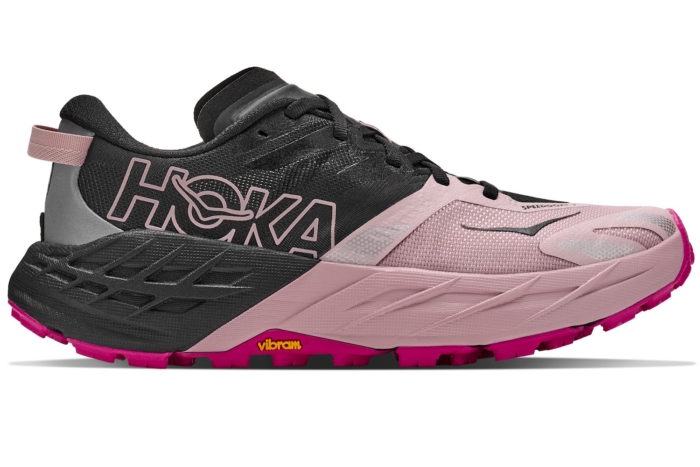
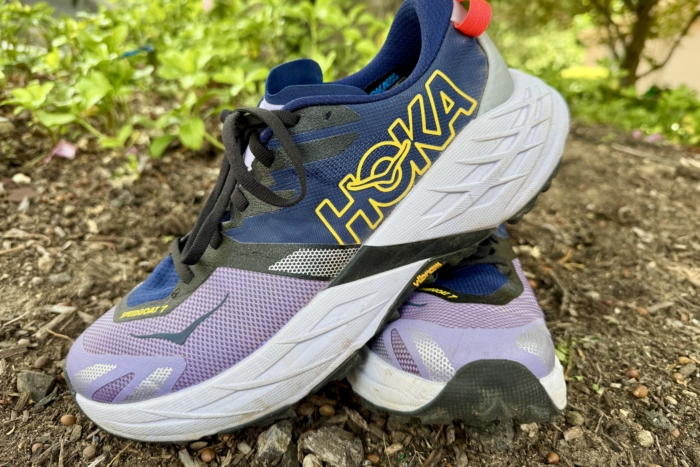
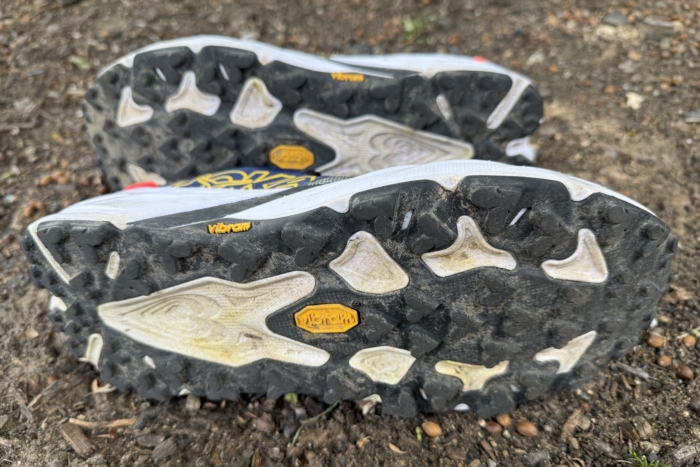
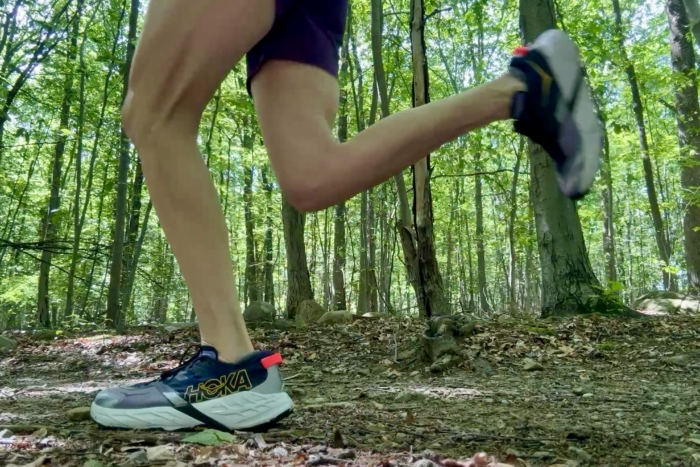
The HOKA Speedgoat 7 is one of the top-performing hiking shoe/trail runner crossovers; (Photo / TK)
Specifications
Pros & Cons
Pros
- Secure fit on technical terrain
- Livelier, more responsive ride thanks to new supercritical foam
- Strong traction on mixed surfaces
- Well-cushioned for long miles
Cons
- Fits a bit smaller than past versions
- Upper feels less breathable
Bottom Line: For hikers chasing max-cushion comfort, this shoe delivers a secure, energetic ride without the sloppy feel of previous versions. Be aware that the fit is snug and the upper runs warm.
The HOKA Speedgoat 7 ($165) is a return to form for one of the brand’s flagship designs. It delivers the thick, protective underfoot feel we want for long days without feeling cumbersome when the trail gets steep or loose. Instead, the ride feels more lively than its predecessor, with enough responsiveness to keep its tall stack of foam from feeling flat or overbuilt.
The Tech: The standout improvement is the redesigned upper, which provides a significantly more locked-in feel on off-camber terrain and rocky descents. While this burly construction adds welcome protection, it also means the shoe isn’t the most breathable option on high-heat summer days. Still, for hikers who want plush comfort and a trail shoe that can handle everything from casual local loops to big mountain objectives, the Speedgoat 7 is an easy favorite.
What We Like: In the Utah desert, we especially appreciated how the shoe’s cushioning took the sting out of repetitive impact on rocky trails. Combined with the Vibram Megagrip outsole, it offers dependable traction across dry dirt, wet rock, and loose gravel. Compared to the La Sportiva Ultra Raptor 3 GTX, the Speedgoat 7 feels softer and more forgiving over high-mileage days, though it sacrifices a bit of mountain-goat precision on truly technical, more vertical terrain.
What We Don’t: Because the new upper is more structured, the fit feels a touch snugger than earlier versions, so hikers between sizes should consider going up a half size.
Should You Buy It? Anybody who wants to put in long, fast miles without sacrificing underfoot comfort will enjoy the Speedgoat 7. Its redesigned form makes it one of the most pleasant hiking shoes to wear on the market.
Altra Lone Peak 9 – Women’s


Specifications
Pros & Cons
Pros
- Lightweight
- Natural fit with roomy toe box
- Zero drop promotes a natural stride
- Updated ripstop mesh upper improves durability
- New outsole provides greater traction
Cons
- Lacks cushioning for carrying a heavy load
- Zero drop takes some getting used to and isn't for everybody
Read Review: Zero-Drop Trail Runner Gets Durability Upgrade: Altra Lone Peak 9 Review
Bottom Line: Deserving of its iconic reputation, this is the go-to hiking shoe for a natural, zero-drop stride and a wide toe box. The minimal support can feel underbuilt if you’re carrying a heavy load, though.
The Altra Lone Peak 9 ($145) is a super-lightweight, zero-drop trail-running shoe built for moving fast on varied terrain. Moderate cushioning and a rock plate provide enough protection for this versatile model to double as a capable hiking shoe.
The Tech: The Lone Peak 9 brings welcome updates over the 8 with a redesigned upper, outsole, and midsole for greater durability and grip. The recycled ripstop mesh upper shows less wear so far, and the extended MaxTrac outsole coverage boosts traction on scrambles and descents, as noticed during winter training hikes in Colorado. Like past versions, it has Altra’s signature zero-drop platform and roomy toe box for a natural stride and reduced pressure on knees and hips. Fit is true to size with a slightly more secure midfoot and heel than past versions. Hikers with very narrow feet or those between sizes may want to size down for the best fit.
What We Like: It remains moderately cushioned but now feels even more comfortable on long days while maintaining a good feel for the ground. A Velcro tab at the heel makes it easy to add gaiters for sandy or snowy trails. Unlike the more cushioned and supportive HOKA Anacapa 2 Low, the Lone Peak 9 feels much lighter and more flexible, trading stability for a natural, ground-connected ride. It’s best for hikers who want minimal weight and maximum precision rather than the ability to carry heavy loads or plush cushioning.
What We Don’t: Zero-drop shoes are not for everyone and can feel strange at first, so ease in gradually if you are new to them. They also offer less support under a heavy pack, which makes them better for lighter loads and faster travel.
Should You Buy It? If you love to feel the ground under your comfortably splayed toes, are looking for a zero-drop shoe, and enjoy having almost no weight on your feet, the Lone Peak 9 will be right up your alley.
Danner Trail 2650 Hiking Shoes – Women’s


Specifications
Pros & Cons
Pros
- Stylish — doesn’t look like all the rest of the bulky hiking shoes
- Grippy lugs that keep you grounded but don’t feel enormous
- Comfortable, secure fit via external heel counters
Cons
- Not super cushioned
- Pricey
Bottom Line: This is an excellent quiver-of-one shoe for hikers who want style that transitions from the summit to the brewery, even though cushioning is firm and the heel can feel narrow.
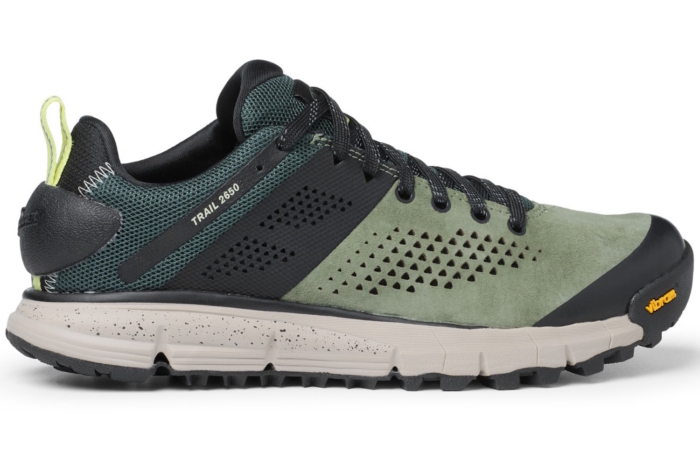
We’d wear the Danner Trail 2650 ($190) on the trail and with jeans while walking around town afterward. It doesn’t look like any of the other hiking shoes in this guide, which we count as a positive.
The Tech: The Vibram 460 outsoles have versatile lugs and a specially formulated Megagrip compound to increase resilience and grip in all kinds of weather. If you’ve ever hiked in Colorado, you know that the terrain can switch from sand to slick rock to pine needles in a matter of miles; we found that the Trail 2650 felt secure no matter what underfoot. The Trailguard TPU shanks are a nice addition. They provide stability and foot protection on rough, uneven terrain. We initially thought this was all for show, but we actually grazed a few trees and noticed the protection more than once.
What We Like: We can’t stop wearing the Trail 2650, even when we’re not on the trail. The suede upper seems to match everything and doesn’t feel too overbuilt for dog walking and running errands. We would take these shoes to Italy to hike the Dolomites and still feel adequately chic going to dinner, whether back in town or at a refugio. In the wild, it felt both durable and lightweight. The 2650 leans more toward everyday versatility than the technically precise La Sportiva Ultra Raptor 3 GTX, making it a more comfortable choice for those who want a crossover shoe.
What We Don’t: Unfortunately, the fit is a tad narrow, so you may want to try these on if you’re between sizes or have wider feet. The lack of a waterproof membrane means it might not be the go-to if you’re going to be hiking in the Pacific Northwest in wet conditions, but normal, variable weather shouldn’t trouble the Trail 2650.
Should You Buy It? If you need a go-to hiking shoe that performs on day hikes and hut-supported treks but also thrives back in civilization, give the Trail 2650 a try. It provides comfort, performance, and style in equal measure.
La Sportiva Ultra Raptor 3 GTX

Specifications
Pros & Cons
Pros
- Roomier for wider feet
- Comfortable, with great traction
- Waterproof GORE-TEX construction
Cons
- Stiff
- Needs breaking in
Bottom Line: For rough, loose routes, you need a protective tank of a shoe that won’t weigh you down. This is it. However, it starts out stiff and favors precision over plush comfort.
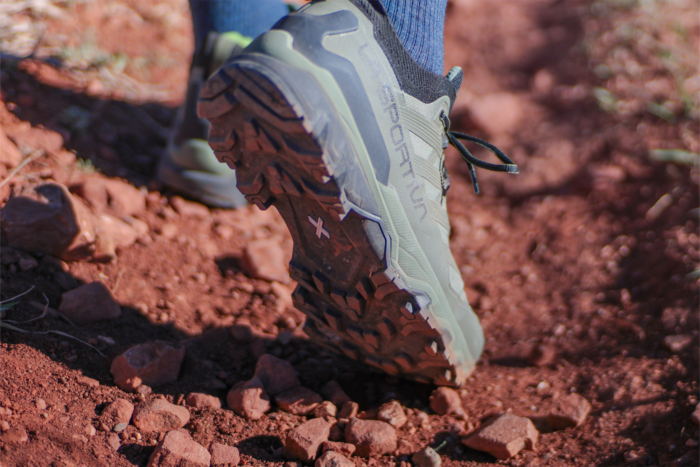
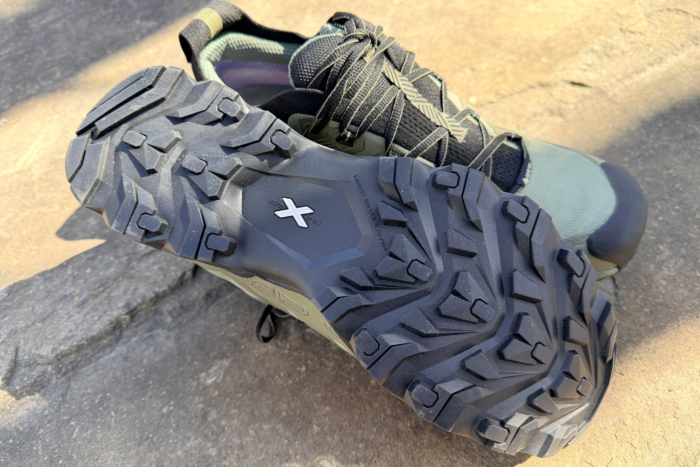
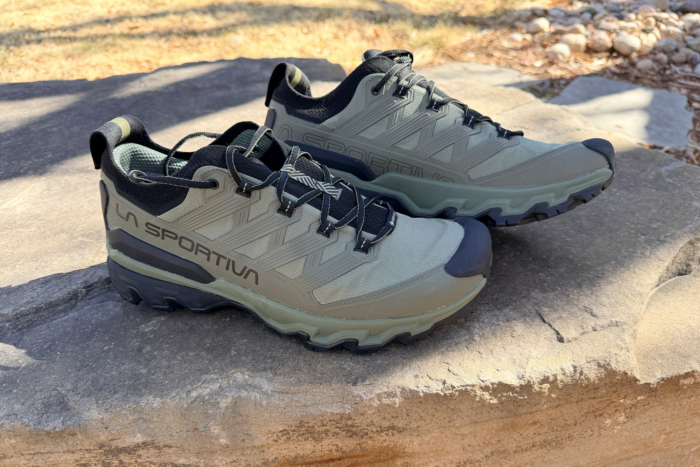
The La Sportiva Ultra Raptor 3 GTX ($199) offers confident grip, a locked-in feel, and much-needed precision on steep, rocky terrain. It’s our pick for a secure, protective hiking shoe that doesn’t suffer from the bulk of a backpacking boot.
The Tech: This updated version sharpens what made the Ultra Raptor line stand out in the first place. It pairs a durable ripstop mesh upper (tightly woven and resistant to tearing) with a supportive TPU lacing harness, a stable platform, and 4 mm-deep lugs that bite securely into loose rock, dirt, and uneven surfaces. A redesigned ankle collar helps seal out trail debris. The GORE-TEX membrane adds waterproof protection for wet trails, shallow water crossings, and muddy, variable conditions.
What We Like: La Sportiva shoes historically run narrow. However, the Ultra Raptor 3 GTX has a noticeably roomier forefoot than previous iterations. This makes it much more accommodating for wider feet and comfortable over long miles, all while maintaining the precise, locked-in heel this line is known for. Lead tester Chris Kassar put this shoe to work on steep, rocky terrain while climbing the Middle Teton and navigating loose scree fields and dirt around Delta Lake in Grand Teton National Park. What stood out most was how comfortable, planted, and secure the Ultra Raptor felt on unpredictable ground. While the HOKA Speedgoat 7 focuses on plushness, the Ultra Raptor is firmer and more precise, delivering better security when the trail turns loose, steep, and rocky.
What We Don’t: The trade-off for all that precision is that the Ultra Raptor is stiff and needs to be broken in. It lacks the immediately bouncy feel of some modern hiking shoes.
Should You Buy It? For women who prioritize grip and stability on demanding terrain, the Ultra Raptor 3 GTX feels purpose-built for big mountain days. If you like scrambling in the mountains and steep trails, it’s a great option.
SCARPA Rush 2 Pro GTX
-
-
(photo/Miya Tsudome)

Specifications
Pros & Cons
Pros
- Exceptionally stable and supportive
- High durability from the Nubuck leather upper
- Excellent waterproofing
- Confident traction on loose dirt and rock
Cons
- Firm underfoot (lacks plush cushioning)
- Lacks breathability on hot days
Bottom Line: If you want the agility of a trail runner backed by the durability and fatigue-fighting support of a traditional boot, this is your match. Its rugged leather build trades a plush, breathable ride for firm, waterproof protection.
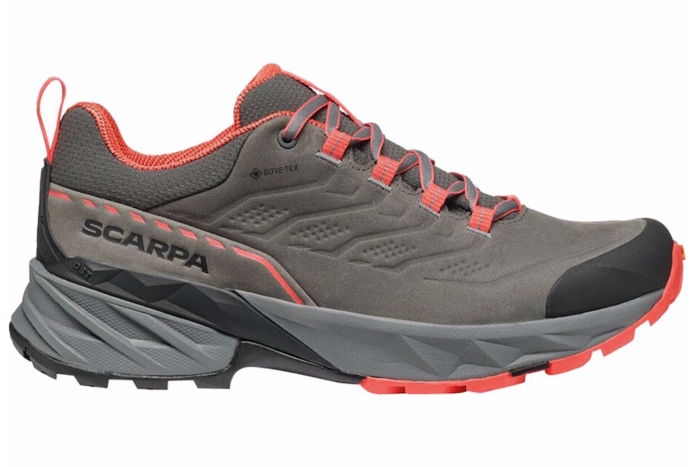
The SCARPA Rush 2 Pro GTX ($189) is an ideal match for hikers who want something lighter and nimbler than a traditional hiking shoe, yet still need real structure underfoot. With its precise fit and stable platform, it instills confidence on rough trails. For women prioritizing advanced support on uneven terrain, this is our top recommendation.
The Tech: This shoe has SCARPA’s Presa HIK-01 SuperGum outsole, which impressed us with confident traction on loose dirt, rocks, and steep descents, while the GORE-TEX liner provided reliable protection in wet grass and muddy, shoulder-season conditions. Thanks to the entirely Nubuck leather upper, it offers laudable durability and waterproofing against brush and wet trails, making it one of our favorite hiking shoes for wet conditions. This model provides more support and protection over long, rough miles than the HOKA Speedgoat 7, even if it feels heavier and less airy on warm trails.
What We Like: During testing, what impressed us most was how effectively the Rush 2 Pro kept our feet feeling fresh and protected over long distances. Chris Kassar wore it on hikes in the national forest outside Jackson, Wyoming, and during early season outings in Grand Teton National Park, logging 8- to 10-mile days on rocky, unpredictable trails. On those outings, the shoe felt stable but not cumbersome, and her feet didn’t experience the same fatigue or soreness as they might’ve in softer, less-structured shoes. The fit is key: It secures the heel and midfoot, limiting side-to-side movement that wears feet out, while leaving enough toe room to prevent cramping.
What We Don’t: The leather upper and overall burly construction mean breathability is not a strong suit on hot, dry days.
Should You Buy It? The Rush 2 Pro GTX combats fatigue for dedicated, high-mileage hikers. It deliberately trades a plush, cushioned ride for rigid reliability, giving your arches and ankles the structural reinforcement needed for deep backcountry loops.
Other Field-Tested Women’s Hiking Shoes to Take You There
Though not our top picks, these models will carry you confidently and comfortably down the trail.

Specifications
Pros & Cons
Pros
- Lightweight design with high energy return
- Waterproof
- Excellent grip across varying trail conditions
- Adequate toe space
- Rocker encourages a smooth stride
Cons
- Outsole may wear down quickly
- Less stable on technical terrain
Bottom Line: This poppy hybrid shoe shines for those who want a smooth, energetic ride without sacrificing waterproof protection. However, it trades some stability on technical terrain for that extra bounce.
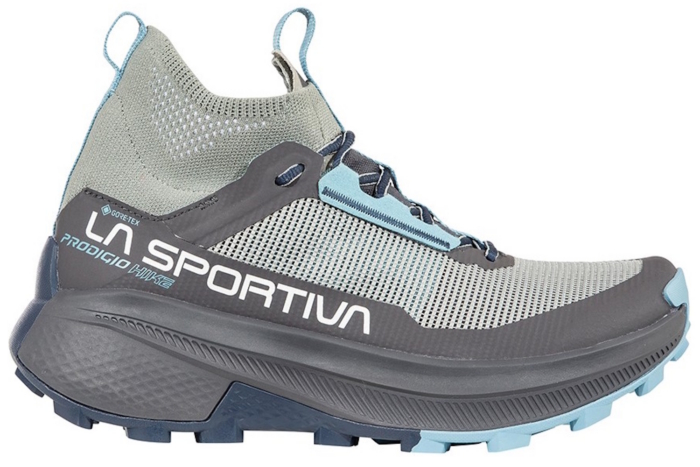
The La Sportiva Prodigio Hike GTX ($199) blends trail-runner comfort with mid-cut hiking-shoe protection, making it a great fit for fast-and-light hikers covering ground quickly in mixed conditions.
The Tech: A mesh upper, GORE-TEX Invisible Fit liner, and a built-in, sock-like mini gaiter at the ankle strike an impressive balance of breathability, weather protection, and debris control. The shoe’s Frixion outsole and 5mm lugs gripped well on wet rock, gravel, and packed snow, and it felt light and energetic throughout testing.
What We Like: On hikes ranging from 3 to 12 miles, its plush XFlow midsole felt springy, light, and impressively comfortable, while the women’s-specific fit locked down our heel and midfoot without squeezing our toes. If you want a supportive, bouncy option without the integrated gaiter, try the more traditional-looking La Sportiva Prodigio. Compared to The North Face Offtrail Hike, the Prodigio Hike feels softer and faster, but less planted when the trail gets steep and rough.
What We Don’t: The soft outsole and bouncy midsole don’t feel quite as confidence-inspiring on highly technical terrain. This shoe is better suited for dirt singletrack and more casual hikes.
Should You Buy It? For women who want comfort, speed, and waterproof coverage in one light, modern package, the Prodigio Hike GTX is a compelling option.
-
-
-
-
-
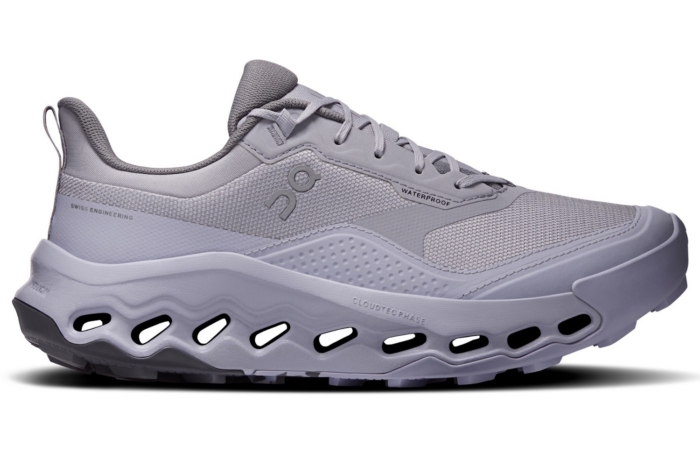
The ON Cloud Horizonas have stellar tread; (photo/Elk Raven Photography)


Specifications
Pros & Cons
Pros
- Super cushioned
- Made with 88% recycled polyester, reducing its carbon footprint
- Good waterproofing
Cons
- Can feel hot on toasty days
- Expensive
Bottom Line: When all-day softness is the only thing that matters on mellow weekend hikes, this luxe-feeling shoe is queen. The caveat is that it lacks the precision and breathability needed for technical, hot-weather missions.
On is well-known in the running sphere for its distinctive cushioning, and the Cloudhorizon 2 Waterproof ($200) brings that technology to hiking. Lead tester Chris Kassar took it to Colorado’s Mount Massive Wilderness while crewing the Leadville 100 and hiking to Halfmoon Lakes, and while she strode over rocks, downed trees, and creek crossings, it felt light, soft, and surprisingly protective. Best of all, it remained comfortable even after hours on her feet.
The Tech: The CloudTec Phase midsole absorbs impact from big steps and uneven terrain, creating a pillowy feel in an incredibly lightweight shoe. Fit is true to size, and the Cloudhorizon 2 has a relaxed toe box and a secure midfoot and heel. The flexible upper adapts to most foot shapes, making it ideal for average to slightly wide feet, though narrow-footed hikers may find it roomy.
What We Like: With a 6mm heel-to-toe drop, it lands in a sweet spot between low-drop options like the Altra Lone Peak 9 and more built-up shoes such as the HOKA Anacapa 2 Low. That balance gives midfoot, forefoot, and heel strikers a supportive, natural stride — an impressively wide range of satisfied customers.
What We Don’t: The waterproof membrane blocks rain effectively but can run warm on hot, dry days, so it’s better for cool or wet conditions rather than midsummer treks in Moab. It’s also not the best option for picking your way through scrambly terrain.
Should You Buy It? If you’re looking to go for a casual hike rather than charge hard, you might as well make your feet as comfortable as possible. This is where the Cloudhorizon 2 Waterproof shines, with a softer, more forgiving underfoot feel than many competitors.
-
-
(photo/Elk Raven Photography)
-
(photo/Elk Raven Photography)
-
The HOKA Anacapa 2 Low is a highly cushioned hiking shoe; (Photo/Elk Raven Photography)


Specifications
Pros & Cons
Pros
- Excellent traction
- Plush cushioning feels comfortable all day
- Stable, confidence-inspiring stride on mixed terrain
- Recycled materials in upper and laces
Cons
- Runs large
- SwallowTail heel adds downhill stability but can snag on tight terrain
- Heavier and pricier than others
Bottom Line: Long days on mixed terrain call for a rolling, stable gait and reliable waterproofing. This shoe delivers all of that and more, although the oversized heel can feel clunky in tight, rocky quarters.
We’ve always had a soft spot for gear that sparks conversation on the trail, and few brands do that better than HOKA. The brand’s Anacapa 2 Low GTX ($180) is no exception: This hiking shoe’s unconventional design divides opinion, but after miles on mixed terrain — from slick boardwalks to rocky climbs in the Tetons — we found it among the most capable low-cut hikers we’ve worn.
The Tech: HOKA’s late-stage Meta-Rocker creates a smooth, rolling stride that’s ideal for steady, deliberate hiking. On steeper climbs, we had to lean into the rocker for a quicker push-off, so it suits those who prioritize grounded confidence over speed. The Vibram Megagrip outsole bites into muddy and rocky surfaces, and the SwallowTail heel adds downhill stability (though it can catch on roots or tight boardwalks). Sizing runs large, so going down half a size is a good idea. Almost every component — mesh, overlays, even laces — uses recycled materials, a meaningful upgrade from the first Anacapa without sacrificing durability.
What We Like: Heavier and pricier than some competitors, the Anacapa 2 still offers better comfort, stability, and grip than most. The cushioning is classic Hoka: plush without feeling bouncy. After full days on the trail, our feet felt fresher than in many other low-cut hikers. It beats the Merrell Moab Speed 2 for long-day stability and plushness, even if it feels a bit clunkier on tighter terrain. If your hikes take you across wet meadows, slick rocks, and long stretches of mixed ground, it delivers stability and serious traction — making it a reliable companion for light backpacking trips and unpredictable trails.
What We Don’t: The cloudlike cushioning and extended heel mean that the Anacapa 2 won’t perform as well in rough terrain that requires a more nimble shoe, such as the La Sportiva Ultra Raptor 3.
Should You Buy It? Anyone who has experienced sore feet on a high-mileage day hike will feel grateful to pick up the Anacapa 2 Low. Its forward-thinking design will keep your pace consistent and your grip surefooted.
-
-
The North Face Offtrail Hike GORE-TEX shoes deliver excellent support and stability; (photo/Elk Raven Photography)
-
-
-
-


Specifications
Pros & Cons
Pros
- Excellent traction on varied and technical terrain
- Stable, supportive ride
- Keep feet dry in wet conditions
- Responsive cushioning
- Durable upper holds up well to rough use
Cons
- Runs narrow, especially in the toe box
- Longer break-in period than some competitors
- Not as plush as comfort-focused shoes
Bottom Line: When the trail gets steep, sloppy, and unpredictable, this rugged hiking shoe locks in. It does require a legitimate break-in period and caters to narrower feet, though.
Built for far-flung backcountry adventures, The North Face Offtrail Hike GORE-TEX ($200) combines all-weather protection with a confidence-inspiring, stable design.
The Tech: A full GORE-TEX membrane keeps feet dry through stream crossings and surprise downpours, while the sturdy outsole — made with The North Face’s proprietary Surface Cntrl compound — grips reliably on slick rock, loose dirt, and steep switchbacks. The Offtrail is also built with a rock plate under the forefoot to soften potentially bruising strikes. The fit runs slightly narrow, particularly in the toe box. If you’re in between sizes or have a wide foot, we recommend sizing up and/or trying the shoe on before buying.
What We Like: The cushioning feels firm but responsive — great for technical hikes where you want precision and control rather than the soft, pillow-like comfort of other models we’ve tested. If you prefer ground feedback over the maximum plushness of something like the On Cloudhorizon 2, this is the tool of choice. The Offtrail is secure and supportive, especially on uneven terrain. A burly upper and toe caps add a layer of durability that’s ready for bushwhacks or scrambles.
What We Don’t: As we would expect with a slightly stiffer, stable shoe, we needed to break in the Offtrail for a short time. After a few hikes, it molded to our feet with no issue, but it’s worth mentioning since so many more cushioned hiking shoes are ready to crush it out of the gate.
Should You Buy It? For those seeking a waterproof, tough-as-nails hiking shoe with a ready-for-anything vibe, the Offtrail Hike delivers. It may not feel as luxe as some competitors, but it can handle terrain most can’t.
-
-
-
Breathe easy when you're wearing the airy Merrell Moab Speed 2; (photo/Micah Ling)
-
-


Specifications
Pros & Cons
Pros
- Comfortable
- Vibram rubber and lugs work well on all surfaces
- Breathable
Cons
- A bit bulky
- Not very optimized for hiking fast
Read Review: Bestselling Outdoor Boot in the World Upgrades to a Shoe: Merrell Moab Speed 2 Review
Bottom Line: When you want a familiar, breathable hiking shoe that feels broken in right out of the box, this is an easy choice, even though it prioritizes traditional comfort over sporty trail-runner speed.
The Merrell Moab Speed 2 ($145) is the Subaru Outback of hiking shoes. It’s safe, trusted, comfortable, and reliable, and it’s reasonably priced compared to many other shoes on the market. While many hiking shoes trend toward a trail-runner fit and feel, the Merrell Moab Speed 2 sticks to the roots of hiking-boot design, but in a lower cut. It feels like a more supportive option, but it fits like a shoe.
The Tech: Lightweight FlexPlate technology provides torsional rigidity at the midfoot. Overall, this shoe has just the right amount of stability and forefoot flexibility. Many hiking and running shoes these days use a Vibram outsole, but the brand’s TC5+ outsole was specifically formulated for Merrell and provides excellent traction across a wide range of trail conditions.
What We Like: This shoe has many little details we appreciate. The padded collar and tongue are immediately comfortable and help keep debris out. As with all Merrells, we love the breathable mesh lining on the upper. It’s flexible, allows the feet to move naturally, and also dries quickly. We tried these in wet, grassy conditions, on steep slopes, and over chunky, rocky terrain, and found that the cushioning keeps your feet from getting tired or beat up and does not hinder maneuverability. The Vibram lugs are specifically designed for great footing, no matter the conditions. And they fit true to size and comfortably right out of the box. It trades the sleek, performance-driven feel of the Salomon X Ultra 5 for a more immediately comfortable and forgiving experience.
What We Don’t: Although its name implies otherwise, this isn’t really the shoe for getting your zoomies out. For that, you should opt for a model like (more accurately named) HOKA Speedgoat 7.
Should You Buy It? The Moab Speed 2 is a go-to for anyone looking for a solid, reliable hiking shoe that will last. It’s easy to recommend for many hikers, especially at this price.
-
-
The waterproof version of the Oboz Katabatic LT work well enough for walking through creeks; (photo/Elk Raven Photography)
-
-


Specifications
Pros & Cons
Pros
- Comfortable fit
- Lightweight and breathable
- Very stable
- Available in in a waterproof version
Cons
- Lightweight build doesn't deliver max protection
- Long-term durability concerns
- Average traction
Bottom Line: This lightweight shoe excels on hot-weather hikes where weight and breathability are the main priority, but it gives up the underfoot protection and traction found in burlier, mountain-ready competitors.
While navigating the transition from spring to summer in the Tetons, Chris Kassar discovered that the Oboz Katabatic LT Low ($155) is especially well-suited for warm-weather day hikes and fast-and-light missions, where breathability and agility matter. Oboz did well to pair the airy mesh upper with a responsive midsole for all-day comfort.
The Tech: The lightweight Katabatic (just over 10 ounces per shoe) could pass for a trail runner in appearance. Despite its streamlined design, it offers a structured heel cup and Oboz’s signature arch support for a secure, fatigue-reducing fit. The wide forefoot allows toes to wiggle while the heel keeps the foot locked in. If water resistance is a top priority, check out the Katabatic LT Low GTX ($190).
What We Like: This shoe is light and nimble enough for wearers to maintain speed without sacrificing too much support. The multidirectional lugs provide average traction in dirt, gravel, and even light mud, but Oboz’s proprietary rubber lacks the tenacious grip of the Vibram outsoles on competitors like the HOKA Speedgoat 7.
What We Don’t: This shoe isn’t our top pick for carrying heavy packs or technical scrambles. It also delivers less cushioning and protection from rocks and weather than burlier hiking shoes like the Salomon X Ultra 5.
Should You Buy It? Whether you choose the regular or waterproof model, the Katabatic LT Low hits the sweet spot between a trail runner and a hiking shoe, making it ideal for adventures where you want to move as fast as the winds the shoe is named after.
Women’s Hiking Shoes Comparison Chart
| Compare |
|
|
|
|
|
|
|
|
|
|
|
|
|
|---|---|---|---|---|---|---|---|---|---|---|---|---|---|
| Price |
$175
|
$145
|
$165
|
$145
|
$190
|
$199
|
$189
|
$199
|
$200
|
$180
|
$200
|
$145
|
$155
|
| Weight |
1 lb. 6 oz.
|
1 lb. 10 oz.
|
1 lb. 0.6 oz.
|
1 lb. 2.3 oz.
|
1 lb. 2 oz.
|
1 lb. 7.6 oz.
|
1 lb. 7.2 oz.
|
1 lb. 4 oz.
|
1 lb. 5.2 oz.
|
1 lb. 9 oz.
|
1 lb. 10.6 oz.
|
1 lb. 2 oz.
|
1 lb. 3.8 oz.
|
| Drop |
11 mm
|
11.5 mm
|
5 mm
|
0 mm
|
8 mm
|
8 mm
|
8 mm
|
6 mm
|
6 mm
|
10 mm
|
Not specified
|
10 mm
|
8 mm
|
| Category |
Hiking shoe
|
Hiking shoe
|
Trail runner
|
Trail runner
|
Crossover hiker
|
Hiking shoe
|
Hiking shoe
|
Hybrid / Fast hiker
|
Hiking shoe
|
Hiking shoe
|
Hiking shoe
|
Hiking shoe
|
Hybrid / Fast hiker
|
| Fit Profile |
Standard / Snug heel
|
Roomy / Wide version available
|
Slightly narrow / Wide version available
|
Wide
|
Slightly narrow
|
Standard / Narrow heel
|
Standard / Roomy toe box
|
Wide toe box / Narrow heel
|
Standard
|
Standard / Runs large
|
Narrow
|
Roomy
|
Wide toe box
|


How We Tested Women’s Hiking Shoes
Our Expert Testers
Over the past four years, GearJunkie’s team of expert testers has evaluated more than 40 pairs of women’s hiking shoes across diverse terrain and hiking styles.
The most recent additions to the guide were spearheaded by Chris Kassar, a veteran gear tester based in Jackson, Wyoming. Kassar tested the hiking shoes in her stable while peak bagging, scrambling, and backpacking throughout the Tetons and the Greater Yellowstone Ecosystem. The rugged terrain, with steep climbs, creek crossings, and rocky obstacles, quickly exposed the limits of any shoe.
This guide also builds on years of category development from expert tester Micah Ling, who brings deep experience in Colorado’s Sawatch Range and the high-mileage desert trail systems of the state’s southern reaches. Constance Mahoney, a wildlife photographer based in Crested Butte, also contributed crucial testing and knowledge.

Our Testing Process & Grounds
We never recommend a hiking shoe based on a few casual outings. Every model in this guide met a minimum testing threshold of 30 miles across multiple hikes before we considered it for a top spot. To make sure every shoe got its due, Kassar logged 400 miles and 30,000 feet of vert on early-season trails in Grand Teton National Park, national forest routes outside Jackson, and technical slickrock in Utah.
We focus on comfort over long days, support on off-camber ground, and how materials hold up after repeated water crossings and sustained climbing. Once a shoe earns a spot in this guide, it remains in our long-term testing rotation. We update our rankings and comparisons as new models hit the market and more trail time adds context.
Once you’ve perused the reviews in this guide, round out your kit with our guides to the best women’s hiking pants, socks, and down jackets. If you’re looking for sturdier hiking footwear, check out our guide to the best hiking boots for women.

Our Hiking Shoe Rating System
We rate every shoe on a 1-to-10 scale based on four performance categories that shape how the shoe feels on the trail, across a variety of terrain and trip types.
Comfort: This measures cushioning, fit, and flexibility over both short outings and high-mileage days.
Support: We evaluate stability through the heel and midfoot, focusing on how secure the shoe feels during rocky descents or while carrying a pack.
Traction: This reflects the shoe’s grip across various surfaces, including loose dirt, slabby rock, and muddy terrain.
Durability: We track how well the outsole and upper materials resist abrasion and maintain their integrity after hundreds of miles.
We factor in those component scores, the shoe’s value, how well it fills its niche within the category, and how it performs relative to competitors to determine each model’s Overall Rating. This rating is a holistic grade for the shoe, and not a simple average of the four criteria.

Buyer’s Guide: How to Choose the Best Hiking Shoes for Women
Hiking Shoes vs. Hiking Boots
While boots are the OGs of the outdoors, hiking shoes now match them for popularity. Opting for a shoe is a good decision if you want to make speedy miles but also retain some stiffness or support. Or perhaps you simply prefer a nimbler feel on casual hikes and don’t want to be weighed down by heavy footwear. A hiking shoe is typically low-cut, less rigid, and often more comfortable than traditional boots, which are bulkier and have higher cuffs.
On the other hand, while you can certainly backpack in low-cut shoes — many hikers do that nowadays — a hiking boot will usually provide better ankle support and stability under a load. Boots also provide more protection and better guard against water due to their height.
That doesn’t mean you can’t schlep weight or slop through mud in a hiking shoe. Burly options like The North Face Offtrail Hike handle a heavy pack, and models such as the La Sportiva Ultra Raptor 3 GTX perform well over creek crossings and in technical terrain.

Hiking Shoes vs. Trail Runners
As the category has evolved, hiking shoes these days tend to have much in common with their trail-running cousins, with lightweight designs, breathable uppers, and speed-focused features.
There are differences, though. Trail runners are typically lighter, more flexible, and even better for moving quickly — i.e., consistent running — especially on dry trails or in warm weather. Shoes tend to offer a more supportive platform, added protection, and a more planted feel on rocky or uneven terrain.
For fast pursuits, the HOKA Speedgoat 7 and the Altra Lone Peak 9 are two of the more trail runner-esque shoes in our lineup. They offer rugged, grippy tread paired with a flexible upper and breathable materials. If you want something heftier, the La Sportiva Prodigio Hike GTX is a hybrid model that merges the comfort of a trail runner with hiking boot features.

Fit
The main reason to buy a women’s-specific hiking shoe, rather than a men’s or unisex model, is the fit. Many women have narrower heels than men, as well as smaller and narrower feet overall.
But it’s not just about size. It’s also common for women to have higher arches, and women’s-specific hiking shoes are all built with these dynamic differences in mind. They’re actually designed to fit a woman’s foot better.
Of course, plenty of women also have wide, large, or flat feet. The length, width, and volume vary across each shoe brand, and you should always try on a pair of hiking shoes before you buy them. Some models, like the Merrell Moab 3 and the Altra Lone Peak 9, have a wider toe box area. Some, like the Salomon X Ultra 5, run narrow throughout the heel. Each has its own construction that will work with some feet but not others.

Arch & Heel Support
Support looks different from shoe to shoe. Some models offer a notably structured platform with noticeable heel hold and torsional stability, while others prioritize flexibility and ground feel. Hikers who want more underfoot support and a stable ride on rough terrain may gravitate toward options like the SCARPA Rush 2 Pro GTX or the Salomon X Ultra 5, while those who prefer a more natural feel may like shoes with a flatter platform and roomier forefoot.
It’s also worth understanding heel-to-toe drop. Zero-drop shoes like the Altra Lone Peak 9 place the heel and forefoot at the same height, which encourages a more natural foot strike, but if you are used to traditional shoes with elevated heels, they can cause Achilles and calf strain until your muscles adapt.

Traction
No matter what type of hiking you’re doing, reliable traction is a must. Our favorite hiking shoes boast heavily lugged outsoles made with sticky rubber compounds that grip a wide range of terrain, ensuring you can confidently navigate everything from dusty switchbacks to rocky ridgelines.
The Salomon X Ultra leads the way for technical traction with deep, aggressive lugs and a stable chassis that excels on steep, uneven ground. The La Sportiva Prodigio Hike GTX also delivers a confident grip, offering trail-runner agility with enough bite for alpine terrain. The Merrell Moab 3 Waterproof is a reliable choice for more casual or varied trails, and it costs far less than the previous two models.
Some shoes also have a special, shelf-like tread or brake system in the back, beneath the heel, that helps provide traction. The La Sportiva Ultra Raptor 3 GTX is built especially to avoid falls in slick conditions.

Breathability
When temperatures rise, or hikes extend into long, sweaty miles, breathability becomes just as crucial as support. Well-ventilated hiking shoes help regulate foot temperature and wick away moisture, reducing the risk of blisters and keeping your feet comfortable. If breathability tops your priorities list, look for shoes with mesh uppers and minimal overlays that allow your feet to aerate relatively freely without overheating. Waterproofing also makes a large difference (we’ll get to that below).
The Merrell Moab Speed 2 is a top performer in warm conditions, thanks to its lightweight mesh upper. And the La Sportiva Prodigio Hike GTX, which has a mid-cut cuff, provides solid ventilation for a GORE-TEX shoe.
If you want an extremely breathable option or expect to spend a lot of time walking in the water, take a peek at our guide to the Best Hiking Sandals for Women.

Waterproof vs. Non-waterproof
One of the biggest decisions when choosing hiking shoes is whether you want one with a waterproof membrane (such as GORE-TEX) or a non-waterproof upper.
Waterproof shoes are great for shoulder-season conditions, dewy mornings, muddy trails, shallow stream crossings, and hikers who regularly encounter wet ground. Models like the SCARPA Rush 2 Pro GTX and the On Cloudhorizon offer that extra protection and help keep feet drier when conditions are cool or variable.
The trade-off is breathability. Waterproof shoes tend to trap more heat and sweat, which can make them feel warm in hot weather or during high-output hikes. In dry climates or summer conditions, many hikers are better off in non-waterproof shoes like the HOKA Speedgoat 7, as their uppers vent better, drain faster, and dry more quickly after getting wet.

Stability
Stability is about how secure and supported your foot feels under pressure — especially on uneven terrain. Several design elements influence your sense of stability: the type and firmness of the midsole cushioning, heel-to-toe drop, outsole composition, lug pattern, and overall structure. A stable shoe helps prevent rolled ankles, reduces foot fatigue, and inspires confidence when the trail gets rough. Most hikers seek a shoe that feels planted and steady across varying terrain — even when carrying a pack — but not so stiff or overbuilt that it hinders their pace.
The Merrell Moab 3 remains a favorite in this area for its dependable, balanced ride. Its firm midsole, structured heel cup, and moderate drop provide solid underfoot support without feeling bulky. While relatively lightweight, the Danner Trail 2650 still delivers excellent ground feel and stability, thanks to a reinforced heel and grippy outsole.

Key Parts of a Hiking Shoe
Outsole
The underside of a hiking shoe is the outsole (sometimes called the tread), the surface that comes into contact with the ground. Outsoles are made of rubber and are produced by outside brands such as Vibram (widely regarded as the industry leader) or Continental. However, some in-house outsoles, such as La Sportiva’s Frixion compound found on the Prodigio Hike GTX, provide wonderfully tacky grip.

Each outsole has a lug pattern that improves traction in various conditions. Hiking shoes with shallower lugs work best on fairly flat or easy-to-moderately steep trails. They’re ideal for pavement, dirt, grass, crushed gravel, and fallen leaves, and shallow lugs also hold tight to rocky slabs. Moderate lugs offer the best traction on moderately steep trails with looser surfaces like mud, gravel, or scree. If you’re backpacking or mountaineering, you’ll want shoes with deeper lugs.

Midsole
When you think of midsoles, you probably think of cushion and comfort. This is the area between the upper, which goes over the top of your foot, and the outsole. The midsole plays the biggest role in how your hiking shoes feel. It is where shock absorption occurs and where the protection between you and the ground is provided. Midsole materials are typically EVA, which is plush and lightweight, or polyurethane, which is denser and provides better support. EVA tends to break down faster and costs less, but it’s more cushy.
Every shoe’s midsole is different, so consider how you like your feet to experience the terrain on a hike. Some people like a closer-to-the-ground feel, like on the Altra Lone Peak 9, and others like luxurious cushioning between them and the trail’s rocks and roots, as provided by the On Cloudhorizon.
Some midsoles aren’t just about pure comfort. The La Sportiva Prodigio Hike GTX‘s midsole delivers a high degree of energy return, so you don’t feel fatigue as quickly.

Upper
The upper is the area that covers the top of the foot and attaches to the materials beneath the foot, including the midsole and outsole. Upper construction can vary greatly, from rigid, waterproof builds that promote stability and protection to flexible mesh designed for speed and comfort.
Sometimes, upper materials include leather and are highly resistant to abrasion and weather, such as the SCARPA Rush 2 Pro GTX, and sometimes, they are synthetic and light, such as the HOKA Speedgoat 7. The former is more durable and less breathable, while the latter is a bit easier to move in but might not hold up as long.

Price & Value
Value in a hiking shoe is less about the lowest price tag and more about how easily and comfortably it helps you tick off miles in your preferred terrain. While entry-level shoes can offer fine performance, investing a bit more often nets you specialized outsoles like Vibram or GORE-TEX liners that keep you moving through sloppy conditions, as well as lighter weights and more durable materials.
Budget
Inexpensive hiking shoes perform well on light adventures and established trails, with our top picks in this range generally falling between $140 and $160. The trade-off is typically a bulkier, heavier feel and less precision on technical sections. However, you can usually get a reliable, comfortable model that doesn’t require a break-in period. The Merrell Moab 3 ($145) is a classic for its stability and durability, while the Altra Lone Peak 9 ($145) offers a much lighter, zero-drop experience at an approachable price.
Mid-Tier
The sweet spot typically falls between $160 and $185, where you see a jump in technical materials like GORE-TEX liners. The compromise here is usually a choice between specialized features: You often have to pick between a soft, energy-returning ride or a more rigid, supportive frame. In return, you get high-performance traction and reduced weight. There’s excellent value in category, with the poster child being the Salomon X Ultra 5 Low ($175). Our top overall pick delivers elite stability for those tackling technical mountain terrain.
Premium
Premium hiking shoes will run you $190 and above and are engineered for the most demanding off-trail environments. The only real compromise is the higher initial cost, but what you get is elite precision and rugged construction that won’t fail on sharp terrain or under a heavy pack. The Scarpa Rush 2 Pro GTX ($189) offers laudable protection for long, rough miles, while the La Sportiva Ultra Raptor 3 GTX ($200) provides the technical security for steep, rocky scrambles.
Frequently Asked Questions
There are several things to consider when choosing the right footwear for hiking. But generally, stability and breathability are the first things to consider. Do you want more structure on your feet because you’re carrying a huge pack on your back? Or would you rather have breathable shoes that are easy to pack and let your feet feel some air? Then, hiking shoes would be the better choice.
Other options are great for carrying more weight, traveling big miles, or taking on variable weather and terrain conditions. These might be the way to go if you’re doing a multi-day traverse with everything from mud to snow to creek crossings. However, certain hiking shoes like the Salomon X Ultra 5 GTX can also fit this bill.
But if you’re trying to hike a little faster, aren’t carrying a week’s worth of gear, and aren’t going to encounter every kind of weather or terrain in the book, hiking shoes are definitely more than adequate. Hiking shoes often offer more movement and can be a good crossover for trail running. They’re also easier to pack if you’re traveling.
If you’re going with a hiking shoe, one added feature is the ability to attach a gaiter to a shoe, like we see in the Altra Lone Peak 9. A gaiter usually clips or Velcros onto the upper of a shoe to add protection from sand, stones, and grit getting into a shoe. They’re often lightweight and can be easily added and removed.
Another feature that’s very common these days, but still a huge benefit, is hiking shoes with loops on the back so they’re easy to clip to a pack with a carabiner. We can’t count the number of times we’ve clipped shoes to a pack when they’re wet or there just isn’t room for them anywhere else. This is a total lifesaver.
Any hiking shoe that’s billed as a trail runner tends to be exceptionally lightweight. The Adidas Terrex Free Hiker 2, Altra Lone Peak 9 and the Hoka Speedgoat 6 are excellent hiking shoes in the lightweight camp. They’re made of vegan, breathable synthetic materials that make them wick sweat and dry quickly.
What materials are best for hiking shoes? The short answer, it depends.
It mostly depends on how you’re using your hiking shoes and what’s most important to you. Leather is very durable, but it tends to be heavier and requires waterproofing if you’re crossing creeks or encountering rain.
Synthetic materials tend to be less durable but often breathe better and are less expensive.
Sometimes, it’s all about tradeoffs. Be sure to choose the materials that will be most comfortable and durable for your use.
Most hiking shoes last roughly 300 to 500 miles, though that varies based on terrain, pack weight, and how rugged the shoe is. If the outsole is worn smooth, the midsole feels flat, or the upper is breaking down, it’s probably time for a replacement.
They can be, especially if you want extra support, traction, and durability for daily wear. More lifestyle-friendly options like the Danner Trail 2650 work especially well because they balance trail capability with all-day comfort and a look that doesn’t feel too technical off trail.
Usually, yes, or at least make sure you have a little extra room in front of your toes. Feet tend to swell over long hikes, especially in warm weather or on descents, so a slightly roomier fit helps prevent toe bang and hot spots.