Hunting success is most often attributed to time in the field. But hunters face harsh environments, which is where having the proper apparel, like a good hunting jacket, comes into play. The best will keep you in the field longer, hopefully leading to a notched tag.
For the latest round of testing, GearJunkie Editorial Director Sean McCoy and contributor Morgan Nowels hunted six states in pursuit of elk, deer, waterfowl, and upland birds. Through that and decades of hunting experience, they’ve tested well over twenty jackets and created this list.
We’ve found that hunters searching for the ultimate in versatility need to look no further than the SITKA Jetstream Jacket , and budget-conscious hunters will get everything they need for an entire season with the RedHead Silent Stalker Elite 3-in-1 Parka . But if neither of those quite fits what you’re looking for, check out our other award winners.
Editor’s Note: This guide was updated on September 2, 2026, to include the Kifaru Roam Crosslayer and a new and improved buyer’s guide section to better help you select your next hunting jacket.
The Best Hunting Jackets for Men in 2026


SITKA Jetstream Jacket
Specifications
Pros & Cons
Pros
- Windproof
- Good water resistance
- Versatility — great standalone piece or layer in cold weather
- Excellent hood cinches
- The perfect jacket for active hunts
Cons
- Price
- Not the warmest
Read Review: Unassuming, Yet Capable in Extreme Conditions: SITKA Jetstream Jacket Review
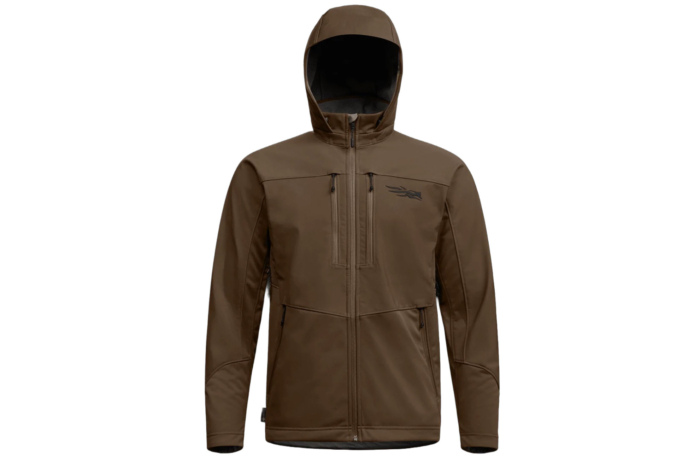
Is there one hunting jacket perfect for every hunt? Probably not, but when selecting a top choice for this list, GearJunkie contributor Morgan Nowels realized that the SITKA Jetstream Jacket ($375) was on more hunts last season than any jacket on this list, thanks to its impressive versatility. Whether he’s chasing deer, elk, waterfowl, or upland birds, the Jetstream is along for the ride, earning it the top award.
In the early season, it provided all the warmth that was needed as a solo layer without being too overbearing. On the flip side, it’s a fantastic layering piece in the late season.
At night during a late-November deer hunt, temperatures got too cold for this jacket to be used on its own. However, by adding a puffy jacket underneath, the cold was no longer a problem, and it served as an excellent outer layer. Thanks to the GORE-TEX Windstopper, the shell completely blocks wind from cutting through your lower layers and sending chills down your back. It also has just enough waterproofness to keep you dry in light rain or snow.
This jacket’s greatest strength lies in its use as an insulating layer during high-output hunts. While post-holing through waist-deep snow in pursuit of pheasants in South Dakota, it kept Nowels warm down to temperatures as low as -17! When high output is on the docket, unzip the pit zips, and you have the perfect jacket to fight the cold without leaving you coated in sweat.
If you’re a multi-season hunter, it really can’t be beat. You get just enough warmth and protection from the elements without it being overbearing. The Jetstream is flat-out nifty to have around, and it’s the perfect outer layer 80 percent of the time, and a critical layer on those hunts that require a bit more weatherproofness.
RedHead Silent Stalker Elite 3-in-1 Parka
Specifications
Pros & Cons
Pros
- Price
- Three jackets in one for a great price
- Waterproof membrane works well
- Extremely warm
- Pockets make it a great jacket for big game, or duck hunters
Cons
- Fit is large
- Bulky and heavy
- Overall not streamlined
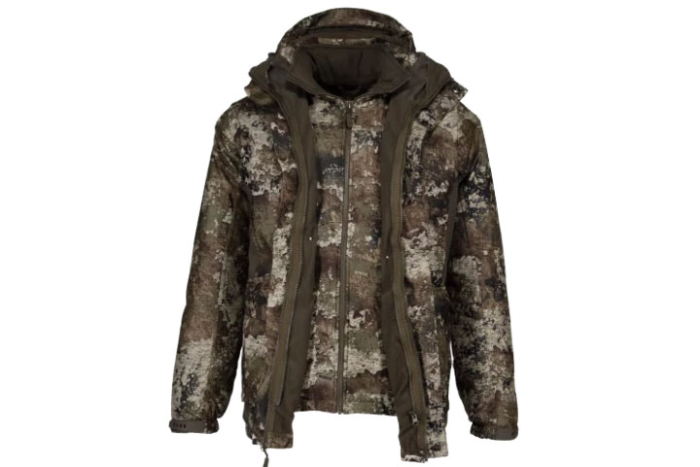
For under 200 bucks, you would be hard-pressed to find a better all-around hunting jacket than the RedHead Silent Stalker Elite 3-in-1 Parka ($170). Seriously, this jacket provides just about everything you could need for an entire season of different hunting pursuits, all because it’s two jackets combined that can be worn in three different ways. When you break it down, each coat comes out to $85, and they’re surprisingly high-quality.
The inner jacket is removable and provides most of the kit’s insulation. It has 200 grams of Thermolite Micro Insulation in the torso and 150 grams in the arms. Tester Morgan Nowels has found it to be very warm and says it can be relied on in extremely frigid temperatures. However, don’t let the ‘Micro’ in the name fool you; the insulation is bulkier than that of other, more expensive options on the market. But it’s crazy warm, and a fraction of the price.
Even more impressive, the soft inner jacket is also waterproof. There’s no hood on it, so in a rainstorm, you’ll want to bring the outer shell as well. However, if you get caught in some weather while only rocking the inner jacket, your body will stay dry.
If it’s too hot for insulating layers, pull out the inner jacket and wear the completely waterproof shell. Nowels wore it in a rainstorm and said it kept him completely dry. But, since it wasn’t a torrential downpour, he wanted to push it to the max. He threw it on in the shower and stood directly under the head for five minutes. Not a single drop got through, which is wildly impressive for a budget waterproof piece.
There are pockets galore in this thing, and whether you need to store snacks, shotgun shells on a duck hunt, or deer calls for the stand, you’ll have plenty of room. The only drawbacks to the jacket are that it fits very loosely, is somewhat bulky and heavy, and the pockets aren’t as streamlined as those of other jackets. But it’ll keep you warm and dry. What else do you really need?
KUIU Chugach TR Rain Jacket
Specifications
Pros & Cons
Pros
- Superb waterproofness
- Lightweight and packable
- More breathable than other rain jackets
Cons
- Price
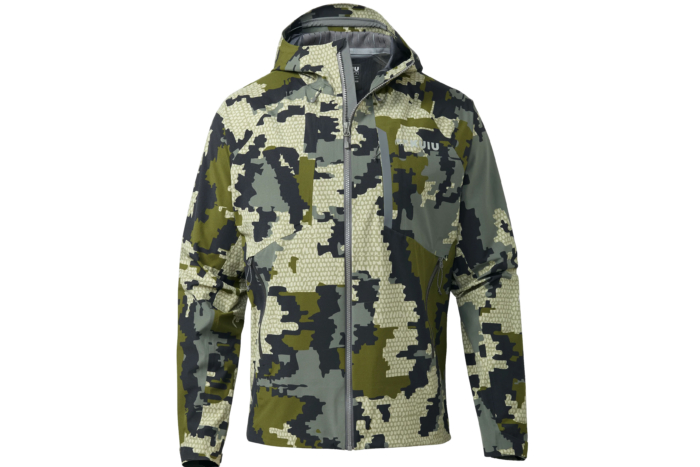
Storms can roll in fast in the autumn and early winter hunting seasons. So GearJunkie editor Sean McCoy was happy to be carrying the KUIU Chugach TR Rain Jacket ($319) through the Colorado elk archery and first rifle seasons. The lightweight (14 ounces) jacket took up very little space in his pack. However, when the weather turned bad quickly in a few high-mountain situations, this jacket was worth every gram.
This jacket utilizes Toray’s durable yet lightweight Torain Waterproof Technology. Unlike many waterproof fabrics, Torain combines spandex-free, stretchy fabrics with a highly breathable Dermizax HDM microporous hydrophobic membrane. The result is excellent breathability, lower water retention, increased hydrolysis resistance, and great long-term durability.
That means the jacket keeps water out and stays dry on the inside, even when you’re working enough to sweat lightly.
In the field, this meant it kept our editor dry when evening rainstorms rolled through. And when a blizzard struck unexpectedly during his remote rifle hunt in the Flattop Mountains, McCoy was able to layer the shell over his puffy down jacket for added weather protection when he needed it badly.
Stone Glacier Grumman Down Jacket
Specifications
Pros & Cons
Pros
- Very light and packable
- Super warm for weight
- Excellent hood
Cons
- Slightly fragile face fabric
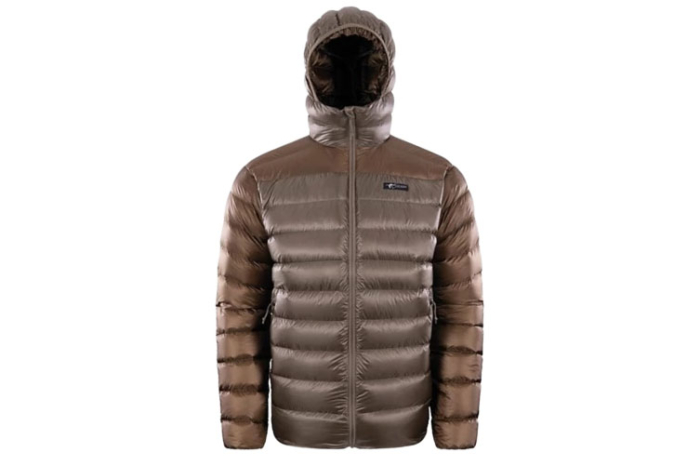
The Stone Glacier Grumman Down Jacket is one of the best puffy down jackets on the market, period. And among hunting jackets, it is the Valhalla of down jackets. You’ll certainly feel you’re in a hall of warmth once you throw it on. In three full seasons of testing, the Grumman Down Jacket has proven itself to pack an incredible warmth-to-weight ratio. That’s thanks in part to the 850+ fill power, DWR-treated, traceable, certified down.
It’s also partly due to the lightweight 15-denier Pertex Quantum shell material. But it has more than great ingredients. It utilizes time-tested yet perfected architecture to achieve something as close as we may come to the Platonic Ideal of a down jacket — well, at least in our lifetimes.
McCoy tested this jacket during three full seasons of big game hunting in Colorado. It became his go-to jacket for cold days, especially when weight was a factor. Extremely light and packable, the Grumman ($349) weighs 11.7 ounces. Then, it packs down into an 8 x 4 x 3.5-inch stuff sack. The jacket takes up almost no room in a pack. So on big hunts, like a four-day backpack hunting into the Gore Range, it proved incredibly valuable.
But pull it on, and it’s like wearing the most comfortable cloud that might also save your life on a very cold day. While wind whipped into camp during late rifle season, the jacket stood up against 10-degree cold and provided insulation below a shell. The incredible hood hugs the head, providing significant additional warmth in very cold weather. The pockets are sufficient for modest items, and the zippers are light but high-quality YKK models.
McCoy tested the jacket through much more than hunting. A dedicated skier, he also wore it as a layer for backcountry skiing, while waiting for ski races to begin on cold Rocky Mountain winter days, and even on spring and fall camping trips. And his verdict is that this is among the very best lightweight puffy down jackets. It’s wispy light, toasty warm, and keeps the wearer insulated with almost no weight. Just keep in mind that while it does have a water-resistant DWR, the jacket will eventually get wet in the rain. Make sure you also carry a shell to layer over this in windy or rainy weather.
Kifaru Roam Crosslayer Hoodie
Specifications
Pros & Cons
Pros
- Excellent waterproofness for midlayer
- Great breathability
- Stretch allows for mobility
- Versatile top that works standalone or as a layering piece
Cons
- Boxy cut in midsection
- Not odor-resistant
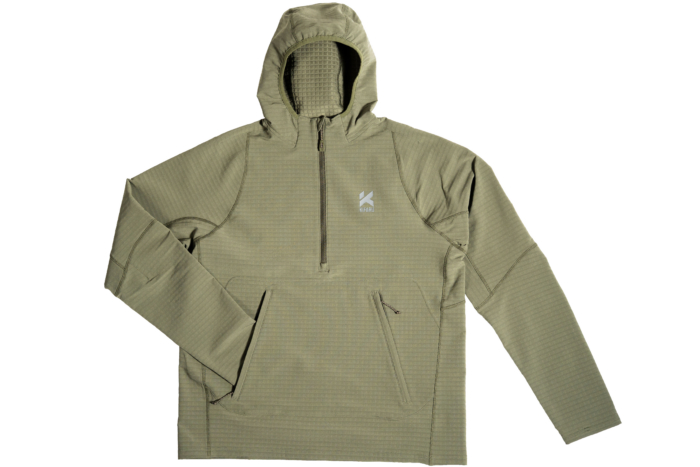
Most mid-weight hoodies are only good for fighting off slight chills and for layering in cold temperatures. The Kifaru Roam Crosslayer Hoodie ($180) steps it up with added breathability, durability, and a shocking level of water resistance.
The magic of this top comes from the blend of materials used in its construction. Kifaru patented the technology used in this top, which is made of a softshell material woven together with fleece. By weaving the two fabrics rather than knitting them, like many lightweight hoodies, the fibers are bound extremely tightly together.
In the field, this results in a super lightweight top that is surprisingly water-resistant. In light showers, you’d be surprised by how long the Crosslayer keeps you dry. Water beads off it well, and in short squalls, you won’t have to fumble into your pack for rain gear. However, in longer storms, water will eventually penetrate.
The micro grid fleece backer provides light insulation that’s great for early season or active hunting. It’s not as warm as other hoodies, but the breathability is phenomenal. When covering miles in Wyoming, tester Morgan Nowels never felt the need to pull it off, even during the hottest part of the day.
No, it won’t keep you warm on its own on an icy winter hunt. But for what hunters need in a lightweight hoody, the Crosslayer is the ultimate in functionality.
SITKA Stratus Jacket 2.0
Specifications
Pros & Cons
Pros
- Windproof
- Removable hood
- Breathable
- Smart pocket design
- Silent
Cons
- Price
- Removable hood
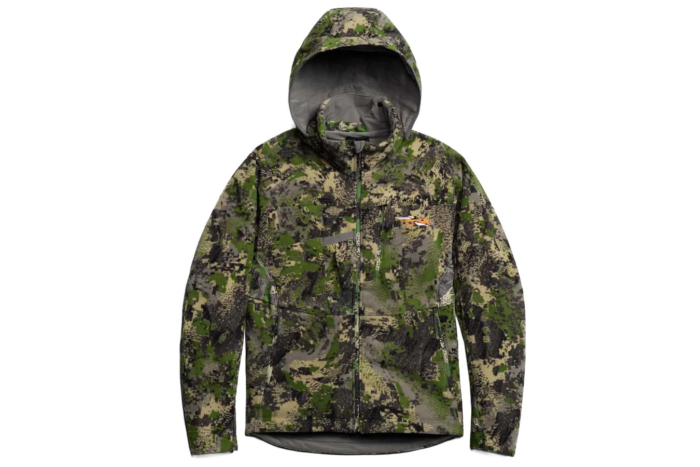
Breathability and insulation don’t go hand in hand very often, but the SITKA Stratus Jacket 2.0 ($400) is the impressive exception. It obviously won’t breathe as well as a dedicated early-season piece, but it has some innovative design elements that allow you to dump heat where you need it most.
The prior iteration of the Stratus had no pit zips on the underarm, and this one doesn’t either. It has something better: breathable vents that extend from the mid-rib cage down to the elbow on each sleeve. That portion eliminates the double fleece insulation found throughout the jacket and instead has an ultra-thin, near-seen-through layer of fleece and a breathable synthetic membrane. It breathes well without having to fumble with a pit zip, and surprisingly, it doesn’t allow cold air to penetrate from the outside.
In mid-season temps, the Stratus 2.0 works well on its own as a sole layering piece. In temperatures in the lower forties, you won’t need any other pieces. When temps drop into the 20s and below, you can stay plenty warm by adding a few layers underneath. Since it’s built with WINDSTOPPER, you won’t get chilled in even the strongest winds. It’s an excellent piece for all portions of the season.
If things are extra cold, you can wear the hood with vented ear pieces. Alternatively, if you plan to wear the jacket as a layering piece, you can remove the hood, which is a great option. However, tester Morgan Nowels has found the removable hood feature can get a little annoying, as it occasionally pulls off accidentally and isn’t nearly as easy to put back on.
Outside of that one complaint, this silent, brushed fleece exterior jacket is nearly perfect for whitetail hunters. There are plenty of pockets, including one for hands-free use of a grunt tube and a chest pocket with a tether for a rangefinder. For the ultimate whitetail setup, pair it with the Stratus Bib 2.0.
Drake Waterfowl LST CommandXT Primaloft 3-in-1 Insulated Jacket
Specifications
Pros & Cons
Pros
- Superb warmth
- Very durable outer jacket
- Magnetic closure pockets
- Comfortable fleece in hand pockets and hood
- Extra weather-resistant cuffs
Cons
- Heavy and bulky
- Hand warming pockets only have fleece on one side
- Wish it had shotgun shell holders
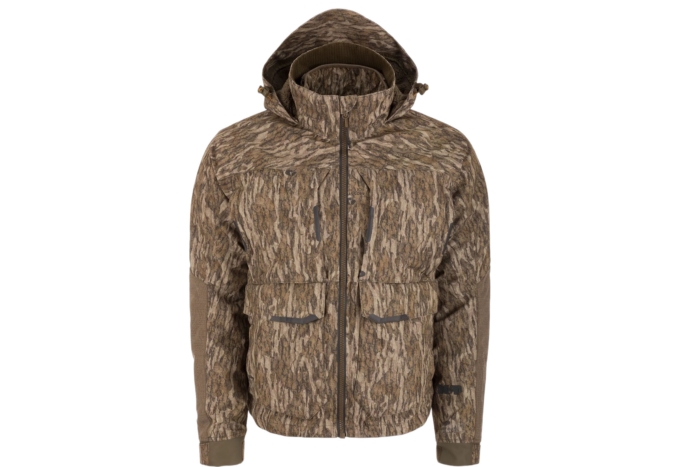
For waterfowlers, the Drake Waterfowl LST Command XT 3-in-1 Insulated Jacket ($369) is hard to beat in terms of price and performance. Sure, there are more expensive waterfowl jackets on the market, but this one performs fantastically.
While contributor Morgan Nowels was on a duck hunt in Nebraska, morning temperatures dipped to around 15 degrees. The LST Command XT provided all the warmth needed, thanks to both 100 GSM Primaloft insulation and fleece in the liner, as well as a sherpa fleece lining the hood and hand-warming pockets of the shell.
The rest of the shell is constructed with a heavy-duty, 250 GSM waterproof/windproof/breathable 3-layer T800 polyester. To put that in layman’s terms, it’s pretty much impossible for wind and water to penetrate. It’s tough as nails and has one of the most rugged finishes you’ll find on a jacket. With the shell stopping the wind, and the liner providing warmth, sudden bursts of the chills were non-existent in the blind.
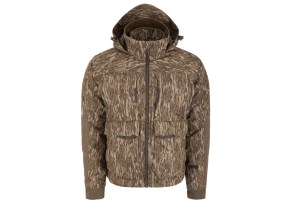
A few other features make this jacket really stand out, considering its price. The pockets use magnet closures, making them easy to access even when wearing thick gloves. It also makes them silent, and this jacket in the Mossy Oaks Bottomland color could serve as a crossover late-season whitetail jacket. On top of that, the forearms are reinforced with durable fabric, and the cuffs are adjustable with snug-fitting, internal waterproof cuffs that come in handy when picking up decoys.
It’s not all sunshine and rainbows, though. There are a few things that could be changed to make it absolutely perfect. First, the hand-warming pockets only have fleece on one side. They’re still plenty warm, but it would be nice to have a 360-degree fleece. And the pockets don’t have tabs for shells, so they tend to pile up in the larger pockets.
Due to the seemingly bombproof build, the jacket is very heavy and bulky. It doesn’t fit well in any backpack and takes up a lot of room wherever you store it. But honestly, it’s a good thing. When you’re up against freezing conditions on a waterfowl hunt, the warmth and weatherproofness will make you forget about the bulk.
Other hunting jackets, tested
Specifications
Pros & Cons
Pros
- Hood design keeps view unimpeded
- Breathability makes it an excellent choice for high output hunts
- Versatility — great as a standalone piece or layer
- Durable for a midweight top
Cons
- No DWR finish
- Tighter fit in torso
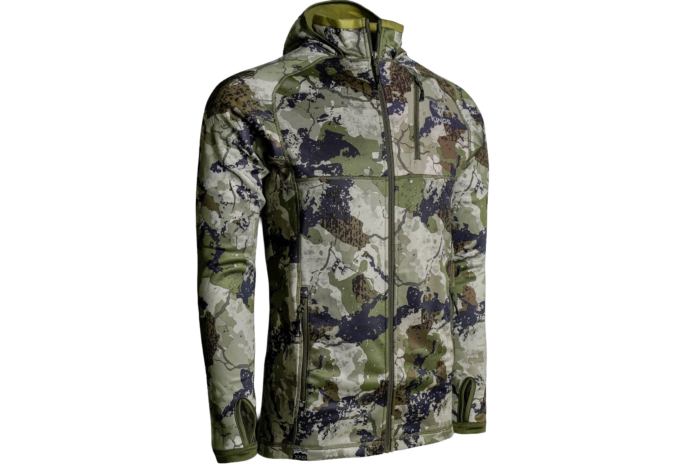
A mid-weight layer like the Kings Camo XKG Pinnacle Jacket ($139) is one of the most important pieces in a hunter’s kit. A good mid-weight top will likely go on every hunt with you, serving as a sole insulating piece for chilly evenings in the archery woods, a breathable outer layer while hiking in mid-seasons, and a critical layering piece on the coldest of hunts. You should probably make sure it’s a good one.
The Pinnacle is up to the task. It is the sole insulating layer Gear Junkie contributor Morgan Nowels will be taking on early-season whitetail hunts in Tennessee this year. After using it for a few weeks, he’s been impressed with its functionality in varying temps and noticed how it keeps him warm on cold mornings, but breathes well as the day heats up. The versatility of the jacket is impressive, and its the type of top you put on first thing in the morning and never feel the need to take off.
One of the standout features is the hood construction. It is smartly placed slightly further back from the front of the collar. That placement keeps your peripheral vision wide open when the hood is up, which is a huge benefit when looking for subtle movement. Nowels said that he has never used a hood that keeps his vision as unobstructed as this one. Additionally, the hood is insulated, albeit thinner, allowing for easier layering with other pieces.
The pockets are massive, the fleece interior feels great against your skin, and the polyester exterior is stretchy and breathable. The XKG Pinnacle jacket has Polygiene Odor Control Technology, which will fight the funky smell associated with synthetics. After a week of wear, the jacket had no smell.
Overall, the fit is solid, with two notable points. There is phenomenal mobility in the arms, making this piece great for dynamic movement. However, the fit in the torso is tighter than in other jackets. It’s not so tight that you should size up, but it is noticeable.
Specifications
Pros & Cons
Pros
- Lightweight
- Minimalist
- Not too warm for active hunting
- Cinch closure around hood and waist
Cons
- No pit zips
- Price
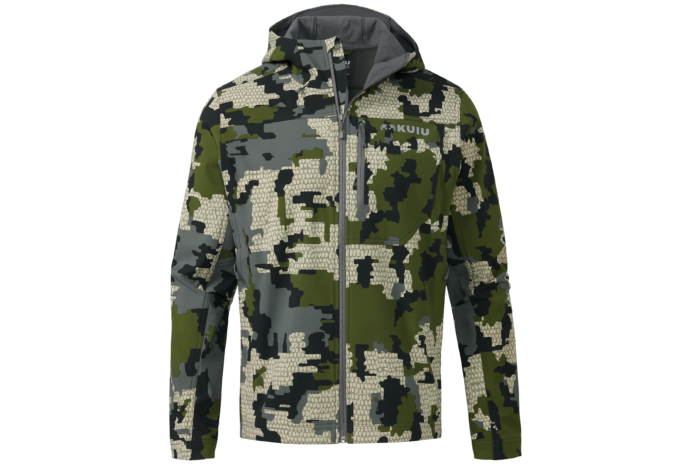
The KUIU Alpine Jacket ($259 hooded, $239 non-hooded) is the lightest of KUIU’s soft-shelled jackets. The lightweight nature makes it an excellent choice for weight conscious backcountry hunters.
Gear Junkie contributor Morgan Nowels wore the jacket as his main outer piece while in British Columbia and found it performed exceptionally well. The weather for the week varied greatly, with temperatures in the upper 40s to the 80s and constant drizzles to outright downpours. He found the jacket capable of a wide range of uses when paired with a good layering system.
Most impressive was the jacket’s performance in the rain. The Alpine is labeled as water resistant, not waterproof, but when exposed to light rain for hours at a time, water beaded off the jacket, and it kept him dry. Even in a short, intense squall, the interior of the jacket stayed dry. However, if you were exposed to heavy rain for hours at a time, water would definitely seep through. Still, it’s on the upper end of water resistance and should have enough protection to keep you from digging into your pack for rain gear in most situations.
As a standalone piece, it won’t keep you warm when temperatures really start to drop, like Morgan experienced in the early mornings. But if you put it on over a wool or fleece mid-layer, it can keep the chill at bay. Once temperatures hit the mid-50s and the sun was shining in B.C., there was no need for a mid-layer underneath.
With a slight amount of warmth, the Alpine is light enough to hike around in without excessive overheating. One of the only things that would make it better for that would be the inclusion of pit zips. However, zippers add more weight, which would defeat the jacket’s lightweight nature. Overall, though, it’s great for all-day wear when temperatures are in the 40s and lower 50s.
The cinch system around the hood and waist works well. The fasteners in the hood are concealed and sewn into the fabric. This makes it much more difficult for them to be accidentally pressed, resulting in a cinched hood rapidly un-cinching.
The Alpine Jacket is available in a hooded and hoodless version, as well as a myriad of colors, including both camo and solid options. It’s priced fairly high for what it is, resulting in a slight decrease in the rating, but it’s a quality product that will last. For a solid outer piece for mid-season, it passes the test.
Specifications
Pros & Cons
Pros
- Price
- Excellent removable hood design
- Quiet
- Odor-resistant
- Windproof membrane
Cons
- No pit zips or breathability functions
- Ample pockets, but none specifically for calls and rangefinder
- Warm, but not as warm as others
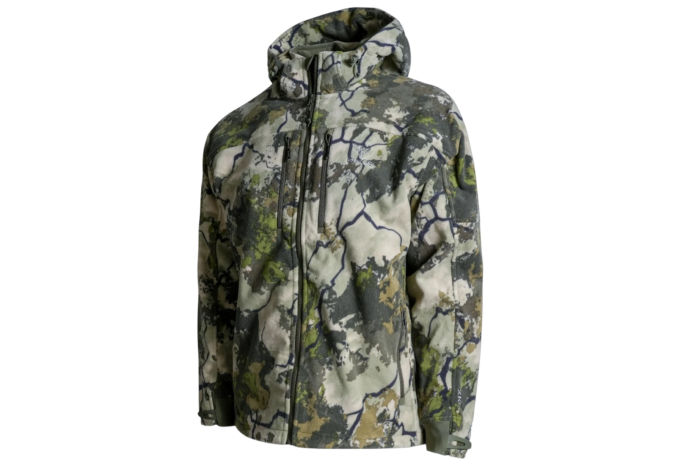
If the SITKA Stratus 2.0 is too expensive for your tastes, you’re not alone. Fortunately, you’re also not out of luck. The Kings Camo XKG Wind-Defender Shift Jacket ($210) performs nearly as well as the Stratus at almost half the price. It’s an excellent deal.
After spending time on back-to-back hunts in the Tennessee whitetail woods with each set, Morgan Nowels said that there are a few things that make the Stratus a bit better. But whether or not they make it two hundred dollars better is debatable.
First, there is a lack of breathability functions on the Shift. There are no pit zips or breathable panels. The pocket layout is also not as nice, with no specific pockets for calls and a rangefinder. You still get tons of storage with the Shift, though, with two zippered hip pockets and two zippered chest pockets — they’re just not as purpose-built as the Stratus.
The hood doesn’t have open ports on the ears, and Nowels noticed he felt the need to take the hood off on the Shift when he thought he could hear distant movement. And, although this is hard to prove since the weather wasn’t the exact same from one day to another, Nowels thought the Shift might be a touch colder by an almost imperceptible amount. But really, it’s a minimal amount, if any.
Outside of that, they’re pretty dang similar. The Shift can hold its own in terms of warmth and windproofness against the much more expensive jacket. It’s a great piece on its own in temperatures in the forties, and serves as a great outer layer when temperatures drop below freezing, just like the Stratus.
Surprisingly, when it comes to the removable hood design, Nowels said he liked the Shift more than the Stratus. It uses a zipper and two hidden buttons. It’s impossible to take off accidentally, which is his biggest complaint with the Stratus.
If you want the best, and budget is no concern, the Stratus is the better option, though. But if the thought of blowing four hundred bucks on a soft shell makes you sick, you can trust that this one will get the job done. It’s 90% of the jacket at 50% of the price.
Specifications
Pros & Cons
Pros
- All-in-one jacket
- Exceptional warmth to weight
- Waterproof
- Rangefinder pocket
- Treestand harness ready
- Warranty
Cons
- Too warm for active hunting
- Buttons on arms
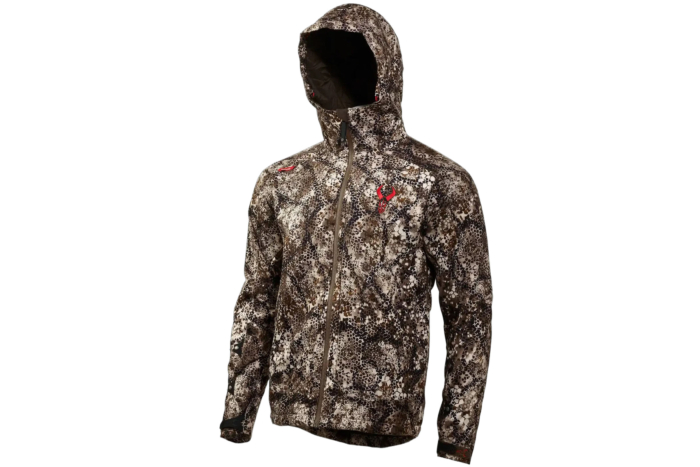
If you could only have one hunting jacket, the Badlands Venture Jacket ($349) would be your best choice. In an age of outerwear specialization and layering, it can seem like you need three different, multi-hundred-dollar jackets. While that type of system may be ideal, not everyone can afford that many jackets.
Hunters wear jackets to keep themselves warm and dry, and the Venture will do both. It gives off a waterproof, durable puffy jacket vibe.
It’s lined with Primaloft Gold insulation, which makes the jacket very warm without excessive bulk. However, there’s a trade-off to that insulation. It’s not ideal for active hunting. Yes, it’s labeled as “breathable,” but it still won’t take much to get sweaty in it. It’s best to use it for warmth when you are in a treestand, or sitting and glassing, or are hiking in very cold conditions.
Badlands claims the jacket to be fully waterproof, featuring sealed zippers, but we’re sort of taking the brand at its word on that. So far, Nowels has tested it in light rain, and it kept him dry. However, he’s concerned about true torrential downpours. The soft exterior fabric feels like it could absorb water over time. But overall, there hasn’t been any dampness yet, so really, there are no qualms with its waterproofness.
Aside from being a great catch-all jacket, it also sports some other cool features. It has a passthrough for a treestand harness at the back. On some jackets, the port is too large, allowing cold air to reach the back of your neck. The one on the Venture is tight, with just enough room for your harness to pass through without allowing cold air in.
There’s also a nifty internal tether in the chest pocket to retain a rangefinder for easy access. To top it all off, Badlands has an unheard-of warranty in the apparel industry. It will replace the jacket at any time, for any reason, no matter where you bought it. No questions asked. For life.
The Badlands Venture jacket is a great choice if you want one layer to keep you protected in cold, wet conditions.
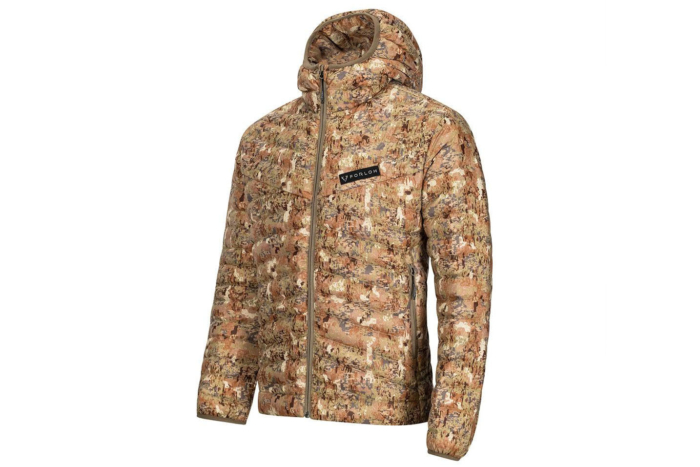
(Photo/Forloh)
Specifications
Pros & Cons
Pros
- More durable than most down puffies
- Relatively water resistant
- Fluorine-free DWR
Cons
- Heavier and less compressible than ultralight puffy jackets
One of the only down jackets entirely manufactured in the U.S.A., the Forloh ThermoNeutral Down Hooded Jacket ($399) is purpose-built for hunters. The jacket aims at improving durability and water resistance, the two biggest things hunters struggle with in a puffy jacket.
The jacket attains those qualities through the use of a 40-denier fabric, a mixture of PrimaLoft gold insulation and down, and a DWR treatment. Yes, the more durable fabric makes the jacket heavier and less compact than other puffies, but the tradeoff when crashing through brush is worth it. It’s still not as durable as a shell, but it could save you a few tears.
Gear Junkie Editorial Director Sean McCoy tested the water resistance in his shower and found that the jacket does indeed bead water away after a thirty second rinsing. On top of that resistance, the synthetic PrimaLoft will keep hunters warm in the event water does penetrate. Puffy jackets loaded solely with down will clump and lose warmth in the event they get wet, but this one will retain some of it’s warmth.
While ice fishing in the jacket in the midwest, Sean found the jacket to be perfect for temperatures ranging from 10-30 degrees. If things get colder than that, you may want to pair it with another layer on top, like he did on a frozen lake.
While the ThermoNetural Down Hooded jacket is a touch heavier and more expensive than other down jackets, it’s a great option for those looking for a touch of durability and water resistance in a puffy jacket.
The Best Hunting Jackets for Men Comparison Chart
| Compare |
|
|
|
|
|
|
|
|---|---|---|---|---|---|---|---|
| Price |
$375
|
$170
|
$319
|
$349
|
$180
|
$400
|
$369
|
| Materials |
WINDSTOPPER by GORE-TEX, recycled fleece, recycled polyester
|
Polyester, BONE-DRY waterproof/windproof/breathable membrane
|
4-way stretch Primeflex Nylon, Dermizax HDM Membrane
|
15 Denier Pertex Quantam Shell, Goose Down
|
Patented single-layer weave combining softshell and fleece
|
Recycled brushed polyester, polyester LMC fleece, GORE Windstopper
|
250 GSM waterproof membrane, Polyester shell, Nylon Liner
|
| Waterproofness |
DWR finish
|
BONE-DRY waterproof lining
|
Waterproof, 30,000mm H2O
|
Water resistant
|
Water-resistant (PFAS-free DWR)
|
DWR Finish
|
Fully waterproof with DWR Finish
|
| Type of Jacket |
Softshell
|
3-in-1 Outer shell, insulating puffy, parka
|
Outer Shell
|
Puffy
|
Midlayer hoodie
|
Whitetail softshell
|
Waterfowl Jacket
|
| Insulation |
Grid fleece
|
Thermolight Micro Insulation, 200-gram in torso, 150-gram in sleeves
|
None
|
850+ down
|
Grid back fleece
|
Two layers of polyester fleece
|
100 GSM Primaloft, Sherpa Fleece
|
| Colors |
Optifade Subalpine, Optifade Open Country, multiple solids
|
TrueTimber Strata, TrueTimber Kanati, Blaze
|
Valo, Verde, Vias, Ash, Black, Gunmetal
|
Tarmac, Granite Grey, Coyote, Stone Grey
|
Wallow, Steppe, Burr
|
Optifade Cover, Optifade Elevated II
|
Mossy Oak Bottomland, Green Timber, Mossy Oak Shadow Grass Habitat, Mossy Oak Original Shadowgrass
|
How We Tested the Best Hunting Jackets

Our Expert Testers
The main testers for this guide are GearJunkie Editorial Director Sean McCoy and contributor Morgan Nowels. McCoy is a lifelong hunter who started hunting at a young age in Minnesota. Now, based in Colorado, McCoy hunts from September through February, pursuing elk, deer, waterfowl, and upland birds.
Nowels spent almost his entire life bouncing around the Rocky Mountain West, where he also hunted deer, elk, upland birds, and waterfowl. About five years ago, he moved to Middle Tennessee, and now obsessively hunts whitetail deer with his bow, with the occasional trip back West.
We stay up to date with the latest offerings and meet and communicate frequently with different hunting jacket brands. Often, we have opportunities to test items well before release, which allows us to assess new gear honestly and fairly.
Our Testing Grounds

Both Nowels and McCoy hunt multiple states a year. Within the last two years, they’ve collectively hunted in Colorado, Wyoming, Tennessee, Oklahoma, Nebraska, South Dakota, Montana, and Illinois. Since they’ve hunted across the U.S., they’re attuned to hunters’ needs in different environments.
They’ve packed out elk in steep, rugged mountains in September, sat in tree stands on chilly November mornings in the hardwoods, and shivered in icy duck blinds on the plains. Chances are that they’ve hunted in the exact same conditions you plan on hunting this fall.
Our Testing Process and Rating System

In our testing process, we took each of these pieces into the field and focused on four qualities. Each of the pieces in this guide has been tested for at least one year.
Qualities Tested in the Best Hunting Jackets
- Warmth: Jackets with the highest warmth ratings are for frigid hunts in the teens and below, and may be too much for any sort of active hunting. Conversely, jackets with minimal insulation for early season scored low.
- Waterproofness: If a jacket is completely watertight, it scores high. Jackets with some form of DWR finish scored in the middle of the pack. Jackets with a low score generally had no waterproofness, but thanks to synthetic materials, still provided insulation while wet.
- Durability: Some hunts required real off-the-grid bushwhacking. If we found a jacket could withstand a few trips through armpit-high briar patches without damage, it scored well. Others, well… You may need to baby them a bit.
- Fit: Fit is tough to nail down with hunting clothes. It shouldn’t be so baggy that it affects your ability to draw a bow. Yet, it also shouldn’t be so athletic-fitting that you can’t layer underneath it if needed. The best products strike the balance perfectly.
A low score in one of these factors doesn’t mean a product is bad. It’s more of an indication of a product’s best-case use. Our overall score takes these factors, performance for intended use, additional features like pockets and zippers, and pricing into account.

Buyer’s Guide: How to Choose the Best Hunting Jacket for Men
If you plan on hunting throughout an entire season, there likely isn’t a singular hunting jacket that will solve all of your problems. Seasonality, terrain, and even the animal you plan to hunt can all affect which jacket is best for you. Here’s how our team builds a kit and selects which jackets to bring on any particular hunt.
Dial in Warmth with an Effective Layering System

Warmth is the most crucial part of selecting a jacket. If you don’t dress warm enough for the conditions you face, you’ll be cold and end up scurrying back to the truck earlier than you’d like. But, on the flip side, if you go too warm, you’ll end up sweating, which will ultimately get you to the same point: cold.
That’s why it’s crucial to develop a layering system. Multiple layers in your kit let you stay warm in varying conditions. With the following layers, you’ll be all set to stay toasty on almost any hunt you’ll encounter in the U.S.
Midweight Hoodies

This is a light jacket that goes right over your base layer and will likely get packed on every hunt. There are loads of options to choose from, but there are a few things to consider when selecting the best fit for you as they’re all a little different.
Stationary tree stand hunters may want a bit loftier mid layer that’s warmer than others. A great example is the Kings XKG Pinnacle Jacket. For a mid layer, it’s very warm, and thanks to its fleece construction, it will keep you warm even if it gets a bit damp.
On the flip side, western spot-and-stalk hunters may want to focus on a more breathable top. Our top choice, the Kifaru Roam Crosslayer, is a perfect fit. Its not quite as warm as the Pinnacle, but it breathes considerably better. Additionally, since a mid layer is often going to be the outermost layer you wear while hiking the mountains, the improved water repellency and durable fabric make it a clear winner.
You may have noticed that we didn’t include any merino wool midweight tops. We have tested them and do like them, as they’re some of the best insulators when wet. Unfortunately, the wool tops we’ve tested have seriously lacked durability. But if you plan on always wearing a layer over it, a wool midweight top may be a great option.
Soft Shell Jacket

A soft shell jacket is arguably the most versatile piece you can have in your kit, which is why the SITKA Jetstream took home our best overall award. It can be your outermost layer in moderate to cold weather or add extra protection in severe weather. Like a midweight hoody, a soft shell ends up on every hunt GearJunkie contributor Morgan Nowels goes on, from September to February.
The best soft shells will enhance your layering system by adding a bit more insulation and introducing windproof, water-resistant layers. Those last two pieces are critical.
Any soft shell you buy should be windproof. If you can keep the wind from cutting into your lower layers, you’ll be shocked at how warm you stay in frigid temps. Last December, Nowels hunted upland birds at -17 degrees wearing only a base layer, a midlayer hoodie, and the windproof Jetstream. At times, he was sweating.
And if a dusting of snow or a light rainstorm comes up, a softshell should be waterproof enough to keep you dry. It may not hold up to a real downpour, but it’ll do in a pinch.
When selecting a soft shell, you’ll need to decide whether you want a more waterproof option, like the Jetstream, or a brushed fleece option, like the Kings Camo XKG Wind Defender Shift. A brushed option is much quieter when moving; however, it won’t be as impervious to rain. A good rule of thumb: if you’re hunting out West with less predictable weather, go with a classic soft shell. If you’re hunting whitetail, lean towards a brushed soft shell.
Puffy Jacket

When the mercury drops and things get serious, a puffy jacket will save your hunt. If you plan to hunt in cold temperatures, it’s a vital piece of gear and the pinnacle of warmth.
There are a slew of options to choose from, and the best one for you comes down to the materials it uses. Puffy jackets are made from two different types of insulation: down or synthetic.
In our testing and years of experience, we’ve found natural down wins out in warmth compared to synthetics. As a general rule, it also packs down smaller, and it’s warmth to weight ratio is better, making it an excellent choice for backcountry hunters. However, down does lose its insulating properties when wet, so you have to keep it dry. In our eyes, the best puffy in existence is the Stone Glacier Grumman because it has DWR-treated down that helps maintain insulation in light moisture.
Synthetic puffy jackets are the reverse. They’ll still keep you warm when wet, but are a bit bulkier and not quite as warm. They’re still a great option as the warmest layer in your kit, and may be the best choice if you’re often in rainy or snowy conditions. If that sounds like you, check out Nowels’ review of the Kifaru Pointe Synthetic Hoody.
Waterproofness: How Much Does My Jacket Really Need?

A fully waterproof shell may or may not be necessary for your hunting. Our team tries to avoid fully waterproof shells whenever possible because they have drawbacks while hunting. Namely, they don’t breathe well, no matter what the marketing material says, and can leave you sweaty. Fully waterproof shells are also very noisy. That’s why, if only light precipitation is forecast, we opt for a soft shell as our outermost layer.
But if you’re hunting for multiple days in the backcountry where you can’t rely on forecasts, or hunting in a rainy environment, a waterproof shell is essential gear. And, unfortunately, “waterproof” doesn’t always mean the same thing. In the waterproof shell world, brands use a rating to gauge how waterproof a shell is.
The rating system is a measurement in millimeters. In simple terms, it refers to how many millimeters of water can be stacked on top of a fabric before it starts to seep through the material. A jacket with a 5,000 mm rating can withstand 5 meters of water pressing down on it before it starts to leak, while a jacket with a 20,000 mm rating can withstand 20 meters.
In a light rain, both jackets will suffice, but in multi-hour downpours, water will seep through a 5,000 mm rated “waterproof” jacket. Of course, the more waterproof the jacket, the more its going to hit your pocketbook.
Our top overall pick, the KUIU Chugach TR, took the top spot because it is a phenomenal value. We’ve worn it through some nasty weather, and it kept us bone dry with a 30,000 mm rating. Yet it only costs $319, which is a steal in the realm of bomber waterproof jackets.
Does Camouflage Matter on a Hunting Jacket?
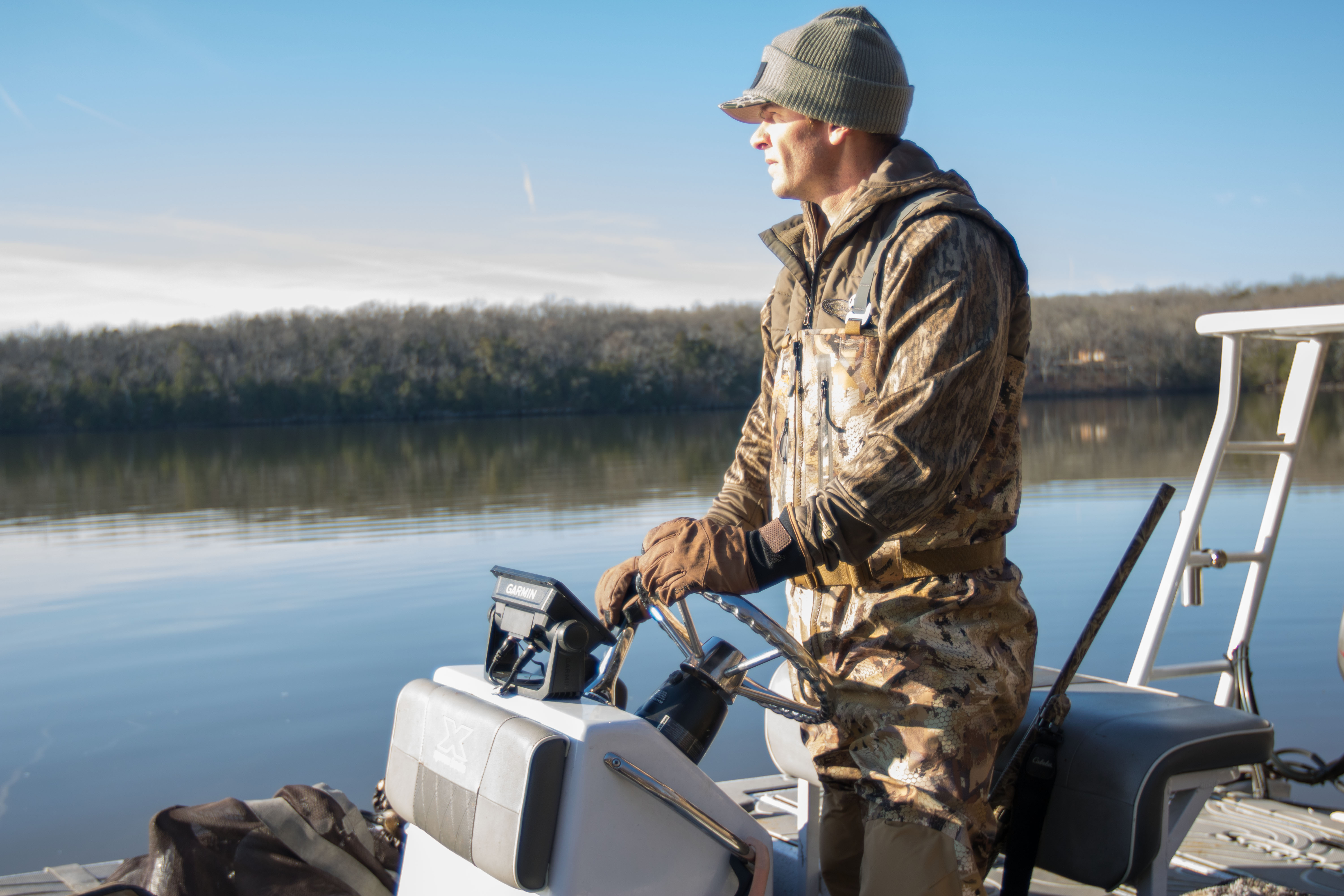
Some hunters place a massive emphasis on camouflage, while others don’t think it matters much. The real answer, of course, likely lands somewhere in the middle.
For rifle hunters, camo shouldn’t be a main factor in selecting a hunting jacket. Since most encounters with game happen at longer distances, drab-colored clothing is perfectly fine.
However, camo can be very important in spot-and-stalk bow hunting, turkey hunting, and hunting deer from a treestand. In those cases, camouflage clothing will absolutely pay dividends. The exact pattern itself probably doesn’t matter much, just be sure to select a pattern that roughly blends in with the vegetation you’ll be hunting in.
Price and Value

Going cheap for all of your hunting jackets could leave you headed back to the truck early rather than sticking it out in the field. Like anything in life, you get what you pay for.
Since hunting jackets are such a diverse category, it’s hard to say what exactly “budget, mid-priced, and premium” jackets will cost you. But, as a general rule, spending more money on any jacket, be it a mid-layer, insulating layer, or shell, will result in a better warmth-to-weight ratio, improved waterproofness, and increased breathability.
It goes without saying that it is nice to buy the best of the best in every jacket category. Still, you don’t have to spend big bucks on every piece in your hunting kit. Here are the areas it makes sense to save money on.
Budget
Base layers and light tops are a great place to save some coin. All they need to do is be moisture-wicking and provide some level of warmth. You won’t need to rely on these pieces in harsh conditions, so instead of forking over big money, save some cash for other pieces.
Honestly, a breathable next-to-skin layer and a drab flannel can work just fine.
Mid-Tier
Soft shells and other mid-level insulating layers can be a decent place to go into a mid-priced jacket. Many brands are offering great pieces in this bracket, like Kings Camo and Badlands. You’ll get good warmth-to-weight and water resistance, without shelling out the big bucks for the most expensive clothing on the market.
Premium
It makes the most sense to spend the big bucks on two types of hunting jackets: waterproof outer shells and highly insulated puffy jackets.
Yes, you can find budget rain gear. However, not every waterproof shell has the same level of waterproofness. In an outright downpour, a budget “waterproof” jacket can still leave you wet. A higher dollar jacket will be able to withstand the worst storms.
When you’re looking for the warmest jackets, going with a top-tier jacket also makes sense. Budget jackets need more fill to offer the same level of warmth and end up being very bulky. Often, that bulk still won’t provide the same level of warmth.
When conditions get horrible, your warmest and driest layers will save a hunt. You will not regret spending as much as you can on them.
Frequently Asked Questions

In today’s day and age, there are more companies than ever creating excellent hunting clothing. Some of the most popular brands are KUIU, Sitka, First Lite, Kings Camo, Badlands, and Stone Glacier. It’s pretty safe to say that most companies in the hunting textile industry are making great pieces.
Avoid cotton at all costs. Cotton isn’t all that warm and loses all insulating properties when wet. Opt for jackets made of merino wool, fleece, or other synthetic blends.
Your jacket choice should be based on the conditions you plan to hunt in. If you’re going to hunt in rain or snow, prioritize waterproofness. For those hunting in cold environments, warmth is the main factor to consider. If you hunt actively or in early seasons, breathability should be your first consideration when selecting a hunting jacket. Sometimes, you may need a combination of all three of those things.
Proper layering will ensure you stay warm in the field. In terms of jackets, having a base layer, a midweight top, a softshell, a down puffy, and a waterproof shell will enable you to hunt comfortably in almost any temperature.
A down or synthetic fill jacket will be the warmest hunting jacket available. Look for something with 800 fill down or equivalent rating. When paired with a waterproof and windproof outer shell, hunters can be warm in the coldest conditions.