When the temps drop and snow deepens, the last thing you want is cold feet. That’s true whether you’re running errands, walking to work, or shoveling. Senior Editor Morgan Tilton spent nearly 2,000 hours testing women’s winter boots across 6 months in Crested Butte, Colorado, and in British Columbia, and honed in on two guide-worthy additions.
Women’s winter footwear comes in a variety of styles, including various heights, insulation, outsoles, and closure systems. For a tall, stylish, and warm everyday winter boot for deeper, colder conditions, check out the Sorel Joan of Arctic. If you need an everyday winter boot for milder conditions — or get too hot in a calf-high option — take a look at the L.L.Bean Boots.
Editor’s Note: We updated our Women’s Winter Boots buyer’s guide on August 17, 2026, with the unique and new Xero Shoes Alpine — a minimalist, zero-drop winter boot for everyday wear — and the classy BOGS Hazel Chelsea.
The Best Women’s Winter Boots of 2026


Bogs Arcata
-

-
(Photo/Eric Phillips)
-
(Photo/Eric Phillips)
-
(Photo/Eric Phillips)

Specifications
Pros & Cons
Pros
- Attractive, slender silhouette
- Super-easy to pull on and off
- Warm
- Fully waterproof with excellent traction on variable surfaces
Cons
- If you're trudging through deep snow, consider a taller option
- Faux fur collar wouldn't easily slide under pants (but does fit beneath ski pants)
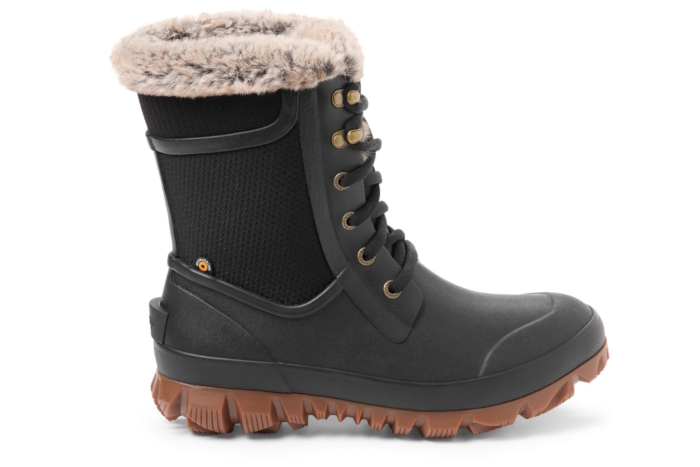
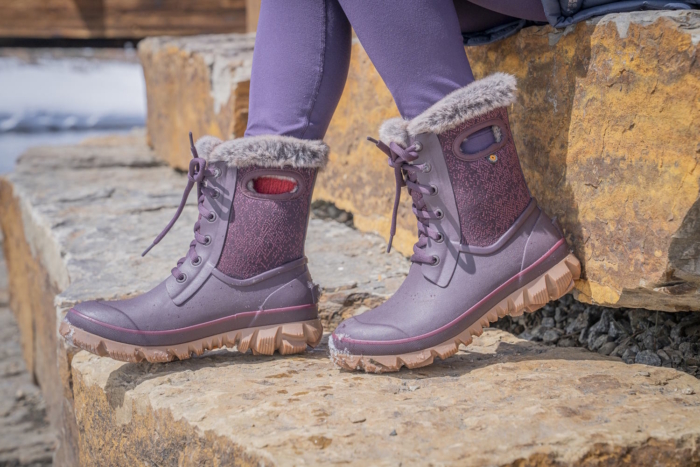
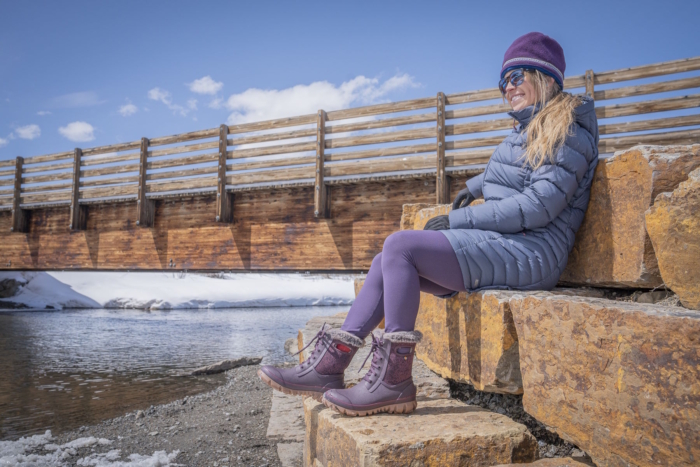
Despite carrying one of the most economic price tags among our choice winter boots, the Bogs Arcata ($185) feels anything but budget. When we pull on this pair — which is like a hybrid of rain boots, utility boots, and snow boots — our feet are warm, comfortable and stylish. We tend to get tons of compliments while wearing the Arcata, too.
These Faded boots are 100% waterproof, even with laces down the front, because the soft-knit tongue is fully attached and sealed to the upper. But we don’t spend time lacing these boots up anyway, because there are two wide, integrated grab handles on either side of the cuff, which make pulling on these boots so easy. We’d like to highlight the fact that this upper really is waterproof and rubber yet soft and malleable, upping the comfort. The gaps can even fit four fingers. Across the top, a lovely faux fur details can help catch stray snow flurries while adding a touch of warmth and style.
Inside, the Arcata are insulated by that plush faux fur, which coats 360 degrees of the boot, including underneath the removable footbed, which offers more arch support than the other standard footbeds we typically see in women’s winter boots. Beyond the interior, the full upper is 7mm thick, offering even more insulation. The rather squishy EVA footbed — which is made of an eco-friendly algae-based material that pulls pollution out of waterways — is super comfortable and supportive for walking through town and running errands.
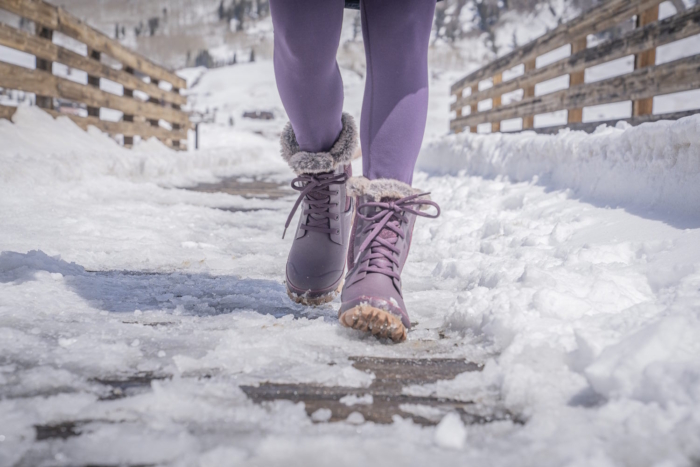
It can’t be overlooked that Bogs also thought to add their proprietary Max-Wick technology that helps to pull sweat out from inside the boot. We can say, our feet don’t typically get swampy even when we’re working up a sweat in this pair. Underneath, the tread mirrors that of the taller Bogs Whiteout Faded winter boot: It’s aggressive, deep lugs grab hardpack snow and ice like a boss.
One other difference between the two pairs: the Whiteout has DuraFresh technology to fight odors, which would be a nice addition to the Faded. Ultimately, when the snow isn’t extremely deep and the temps hover around freezing but out of the teens, this is the pair we pull on to head out the door, especially if slush and puddles are out.
BOGS Hazel Chelsea
-
-
Morgan Tilton testing the BOGS Hazel Chelsea; (photo/Jason Hummel)
-
Morgan Tilton testing the BOGS Hazel Chelsea; (photo/Jason Hummel)
-
Morgan Tilton testing the BOGS Hazel Chelsea; (photo/Jason Hummel)
-
Morgan Tilton testing the BOGS Hazel Chelsea; (photo/Jason Hummel)
-
Morgan Tilton testing the BOGS Hazel Chelsea; (photo/Jason Hummel)
Specifications
Pros & Cons
Pros
- Exceptional underfoot comfort
- Sleek, stylish design
- Reliable 100% weatherproofing
Cons
- Slippery on ice
- Modest tread depth
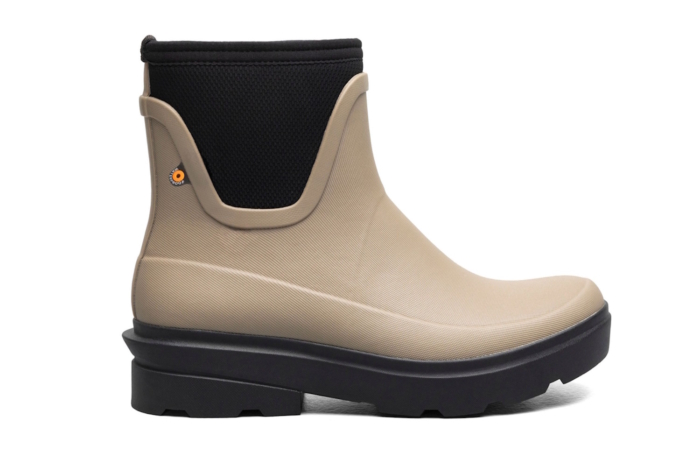
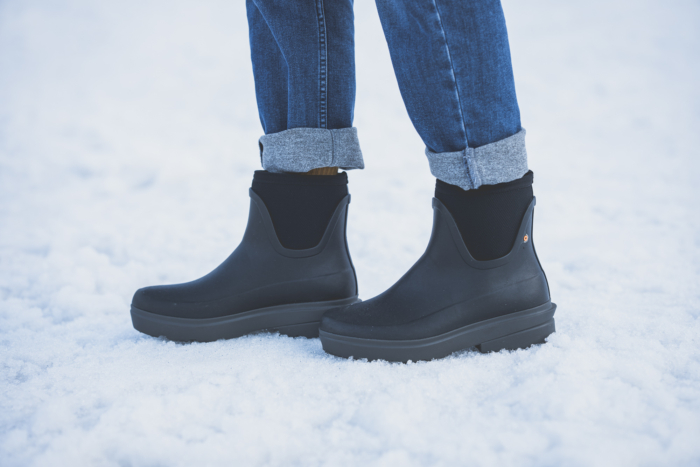
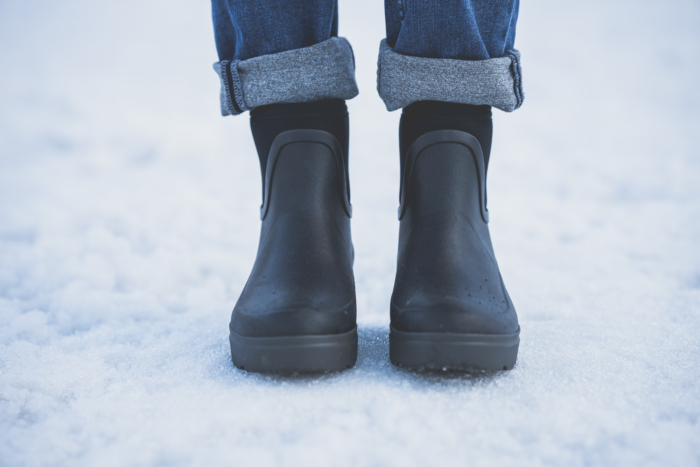
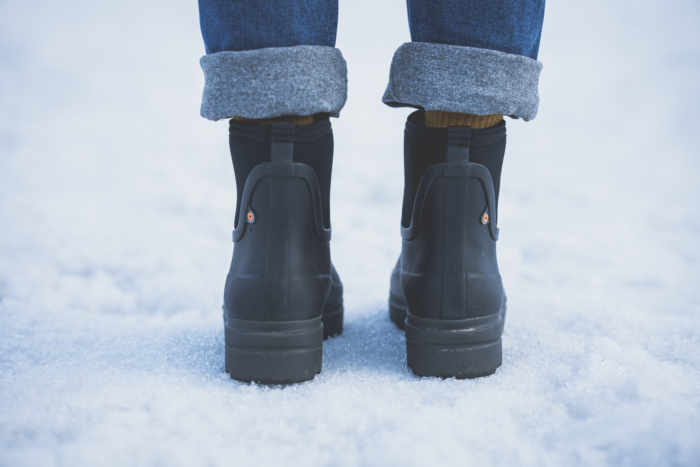
The Bogs Hazel Chelsea ($135) are where class meets comfort. With hip style, the Hazel blends rain boot powers with work boot looks, offering an above-ankle height and waterproof prowess for wet and mucky conditions. It’s also hard to find another snow boot that offers as much comfort underfoot as these.
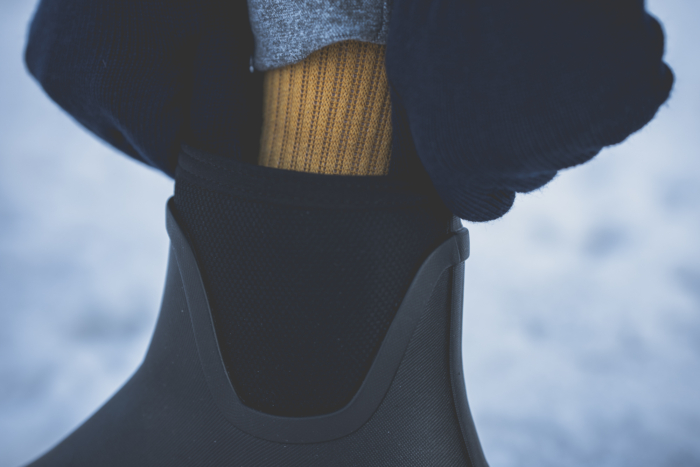
Senior Editor Morgan Tilton tested the Hazel during an erratic winter with several mid-season temp spikes that left the streets with deep puddles. The Hazel had no issue keeping her feet completely dry and water out thanks to the 100% waterproof, sturdy upper and the spongy Neo-Tech collar. Albeit easy to grab the neck, Tilton appreciated the soft pull-loop at the achilles, which seamlessly lays flat inside the boot.
We credit the Hazel’s comfort to the BioBased Rebound insole, which absorbs impact and feels slightly springy under the heel and arch. But Bogs made sure to include an internal steel shank for stability, providing support on longer around-town walks.
Despite the warm spells mixed with plenty of precip, Tilton was happy to find these boots never got smelly (she never even needed to put them on the boot dryer). The insole has an antimicrobial treatment, called Durafresh, while the breathable liner is treated to pull away sweat.
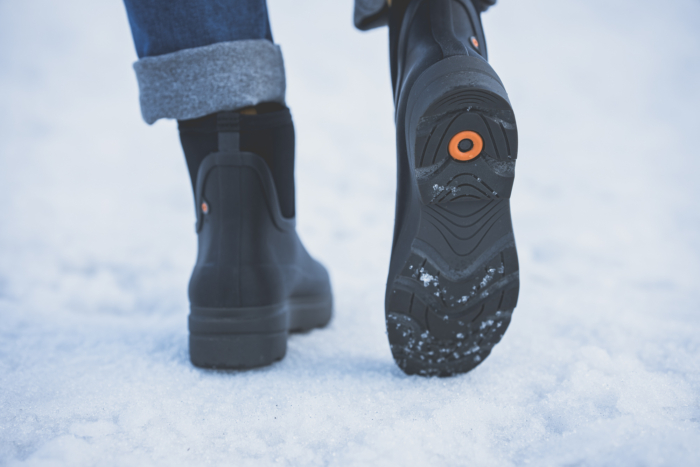
The tread isn’t aggressive and the outsole offers modest stability on slick surfaces (Tilton noticed some slippage on ice, so avoid a heel strike). For deeper, more complex lugs, check out the Sorel Women’s Joan of Arctic Boots or Caribou Boots. But in a sea of lace-ups, tall, and burlier picks, we love how the Hazel Chelsea looks. A demure heel adds a feminine touch, while the upper is sleek and the neck isn’t too tall for shoulder season. This is a boot we want to keep wearing after the snow stops.
Xero Shoes Alpine Lace-Up
-
-
Morgan Tilton testing the Xero Shoes Alpine Lace-up; (photo/Dane Tudor)
Specifications
Pros & Cons
Pros
- Excellent ground feel
- Freedrom of movement
- Set-and-forget lace system
Cons
- Height reaches 2 inches above ankle — not excellent for deep snow
- Upper does not offer impact protection from ice chunks or tools
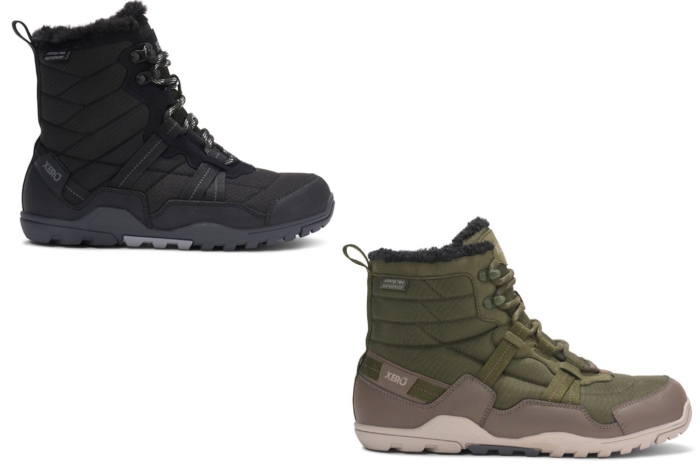
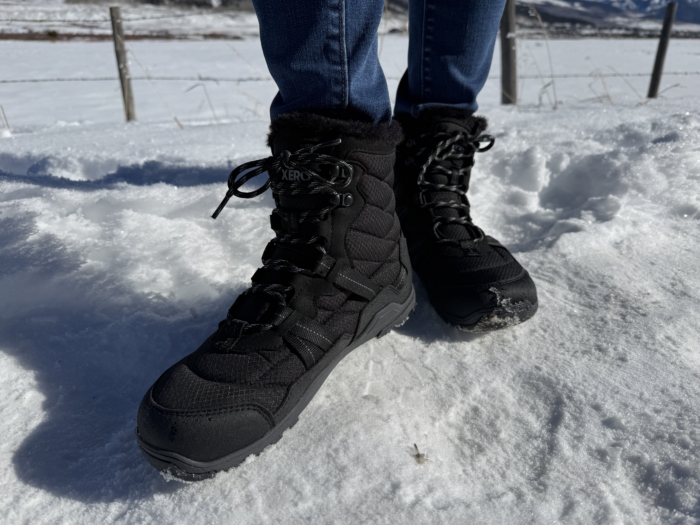
Honestly, we were skeptical of the Xero Shoes Alpine Lace-up ($185) — have you ever seen a zero-drop snow boot? We hadn’t either. Fortunately, Xero has changed the game. The Alpine Lace-up has an extra-wide toe box and level sole, which leads to a barefoot-style fit and feel. But the design is dressed with all the requisite qualities for wintry conditions.
While the Alpine Lace-up are geared toward everyday use, the boot is definitely suitable for wintry conditions. For starters, the waterproof upper is paired with a cozy fleece liner, which creates a fur collar and reaches 2.5 inches down inside the boot. Packed with 200g of synthetic insulation and heat-reflective insoles, Senior Editor Morgan Tilton was surprised at how warm her feet felt while walking during 15-degree sunsets in Crested Butte, Colorado.
One of our favorite details about these boots is the unique lace system. Four open hook-style eyelets sit on the shaft. Their wide openings let you drop the laces in without fully re-threading, while still allowing you to slide the laces through to fine-tune tension each time you slide the boots on. The result is a fairly quick entry and exit!
Clearly, there’s no heel counter on these winter shoes — they’re flat. However, the outsole is made of a rubber that’s pretty flexible, very durable and offers good grip on packed or loose snow. The base is decorated with fairly deep, aggressive lugs in a dual-chevron pattern. That said, these aren’t the best outsoles for icy conditions, so travel lightly on clear patches. For better traction on ice, check out the Bogs Arcata or Sorel Women’s Joan of Arctic.
Zero-drop footwear isn’t for everyone but these Alpine Lace-up winter shoes have certainly converted us. We’re on board with this boot’s hip style, ease of use, and liberating feel. As a lightweight winter boot, it’s one of the best contenders for travelers, too.
Blundstone Women’s All-Terrain Thermal Chelsea Boots
Specifications
Pros & Cons
Pros
- Convenient and quickly slip on
- Excellent outsole with ample support and traction
- Comfortable
- Stylish work boot that looks good with everything
- Perfect warmth for yard work and running errands or road trips
Cons
- Ankle-high means that fluffy deep snow is your worst enemy
- No faux fur will catch flurries that want to fly over
Read Review: Durable Outdoor Winter Slip-On: Blundstone Thermal Boots Review
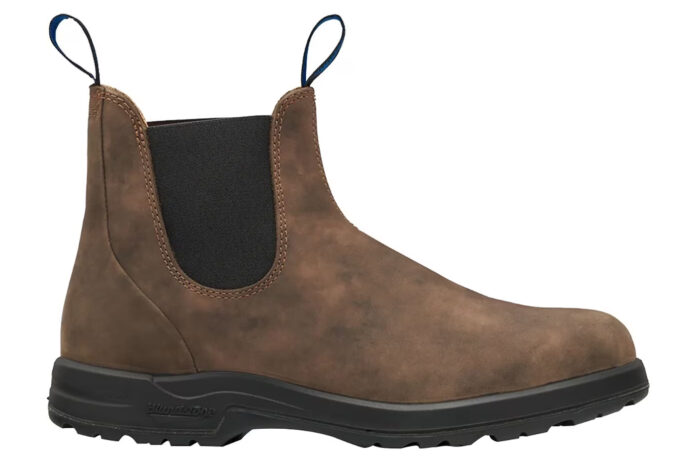
While not the tallest nor for Arctic temps, we encourage every woman to have a pair of the Blundstone Women’s All-Terrain Thermal Chelsea Boots ($285) in their closet.
Lined with an EVA sheepskin footbed, our feet are so happy when we pull on the Chelsea, which we can do in seconds thanks to the iconic pull tabs on these boots. Those tabs help us run to yoga, grab the door, help our partner unload, or quickly take the garbage out. Whatever you want to do fast, this all-terrain boot is there to do it well.
Blundstones are first and foremost a work boot with more than 150 years of backing — that’s a lot of farmers that’ve stood in these boots before mountain towns discovered how good they work for everyday alpine living. While we don’t like working on our snowmobile trailer with these on, our feet are plenty happy spending hours shoveling or laying mulch or lifting heavy loads with these boots on.
The most magic may very well be in that outsole. Beneath your foot, you’ll find unparalleled traction with a grippy Vibram rubber and lug pattern that feels steady. We’re not encouraging heel strikes or sprints on ice, but you can walk with more confidence. A steel shank and polyurethane midsole backs up your arch even more.
A waterproof outsole and leather liner means the moisture stays at bay — unless of course it sneaks its way into the top of the boot neck. Beware. In addition to the plush insole, the outer is also made with Thinsulate, which helps trap body heat. Hands down, we can’t live without the convenience, comfort, and fashion statement of this everyday winter workhorse — the Women’s All-Terrain Thermal Chelsea Boots.
Sorel Women’s Joan of Arctic Boot
Specifications
Pros & Cons
Pros
- Super tall to protect legs against deep snow
- So warm and cozy
- Stylish
Cons
- Might offer too much coverage and insulation for mild winter weather
- Takes more time to pull on and off than lower cuts
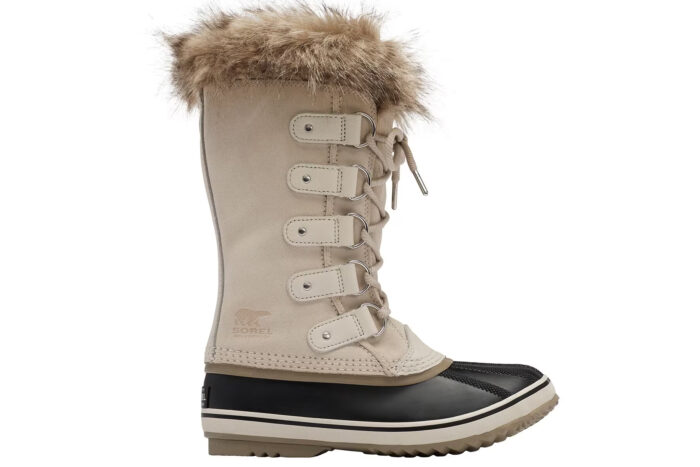
Serenity is here with deep snow and the Sorel Women’s Joan of Arctic Boots ($240), a 12-inch-tall tiger of a design that has taken care of all our winter feet woes.
The Joan of Arctic has a halo of fluffy faux fur that snagged any free-flying snow trying to make its way to our undergarments, keeping us warm and dry.
Made from a waterproof suede, the shaft is malleable yet sturdy and blocks out the elements. Underneath the feet, we found the rubber sole offers plenty of grip and adequate lift off the ice and hardpack snow.
Encompassing the foot is a vulcanized rubber shell that’s handcrafted and totally waterproof — it reminds us of a super durable rain boot that’s built for blizzards. We appreciate the roominess in the design, which allows thick socks and toe wiggles, and in turn keeps the warmth factor high.
For the ultimate foot oven, there’s a removable interior felt bootie that 6 mm thick plus a felt midsole that’s another 2.5 mm. Overall, we love the blend of style, function, and protection offered in the Women’s Joan of Arctic Boot, which tops our list for women’s winter boots.
Sorel Women’s Caribou Boot
Specifications
Pros & Cons
Pros
- Workhorse boot
- Super warm
- Stout base is great for whatever winter throws at you
- Roomier toe box allows for movement and extra warmth generation
- Cuff snags flying snowflakes
Cons
- Beefier boot isn't the most nimble
- Might be too overbuilt for some days and plans
- A tad heavier than other options — a small price paid for a durable snow boot
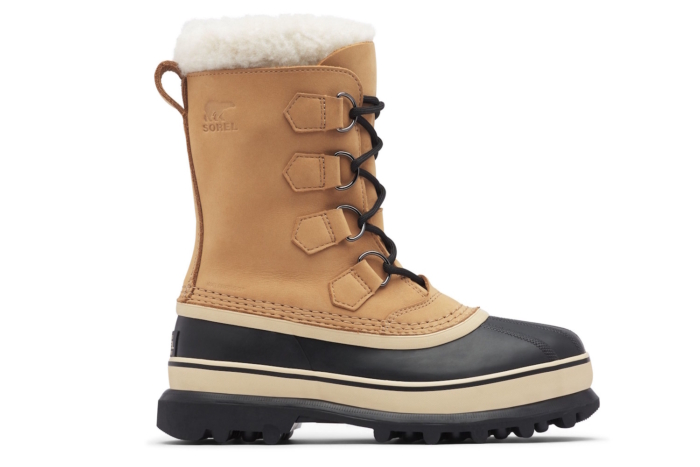
If you have yard work to tackle, shoveling to do, vehicles or animals to take care of, this is the boot for you. The Sorel Women’s Caribou Boots ($250) are a steadfast and classic nose-to-the-grindstone silhouette. And we love it.
If it’s deep out and we have shoveling tasks at hand, or we’re driving the snowmobile trailer to the trailhead in zero-degree temps at oh-dark-thirty, we wear these boots. For such a stout build, these boots are easy to pull on and lace up. The upper is waterproof nubuck leather that gently folds around your lower leg and ankle, and is completely seam-sealed.
It’s almost mysterious how these boots keep our feet so toasty. There’s a 9mm felt inner boot — which often gets stuck on our feet when we pull ’em out, which is a tad annoying but not close to a dealbreaker — and there’s also a dreamy cuff made of faux shearling that gracefully snags flying snowflakes before our socks do. The shaft height is ideal if it’s snowed overnight, reaching up to our mid-calf with an 8.5-inch neck.
Oh, praise that warrior of an outsole. The rubber is waterproof, vulcanized, and hand-built — it truly is made to last through storm after storm. We haven’t noticed any wear and tear on ours despite ample abuse. Below, the tread’s heel has more than an inch of lift, which helps with traction.
Any gal looking to round out her winter boot collection with a long-term tool that’s comfortable and classic, look no further than the Women’s Caribou Boot.
Bogs Whiteout Faded
Specifications
Pros & Cons
Pros
- Extremely comfortable under foot support
- Tall and fully waterproof
- Warm
- Excellent grippy outsole for ice and packed snow
Cons
- A more utilitarian look might not be everyone's cake
- Really tall boots require layering technique
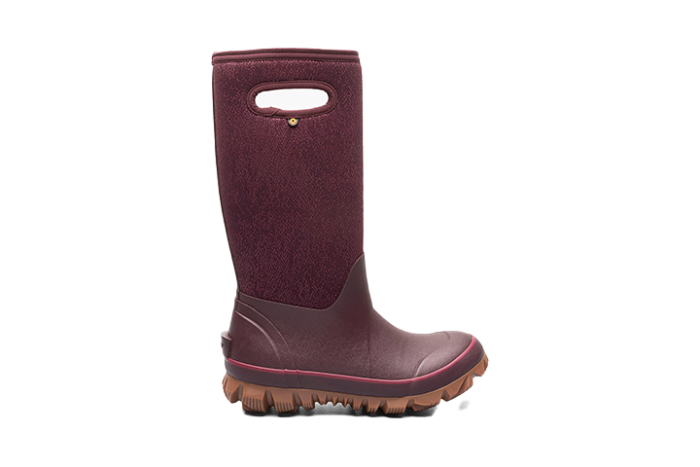
We absolutely dig the Bogs Whiteout Faded ($180) women’s winter boots for a no-frills, full protection and smooth booth that’s trustworthy in the deepest snow, swallowing puddles, slush, and icy faces. While these boots are not traditionally fashion forward, the utilitarian style offers an attractive shape, articulation, surface, and color — which has become a statement of its own in mountain towns. While this boot is built-out, it still feels rather lightweight compared to the heftier construction of other tall rubber winter boots like the Muck Women’s Arctic Sport II Tall Boot, which is a bit burlier and taller.
The Whiteout stretches to just a few inches below the back of the knee: that neck is tall, and this is the pair we reach for on the deepest days out. Those two smooth, embedded grab handles on either side of the calf — which are wide enough for four fingers — make these boots super easy to pull on and snug up. As for fit? These boots have an articulated zone that helps hug the Achilles and heel, keeping even the narrowest feet from sliding around and still offering enough room for thick socks.
Under foot, we fell in love with the comfort and absorption of this EVA footbed while walking around town. The footbed also happens to be an eco-friendly, algae-based design with the aim of cleaning out polluted water habitats, which we’re on board with. Against the ground, this burly outsole dishes out deep, triangular lugs that bite smooth, slippery surfaces: Oh, how we appreciate this stout tread on variable strolls. We also like that the boot is treated with DuraFresh biotechnology to squelch odors. The brand also integrated its Max-Wick technology into the interior, which helps pull moisture out of the body of the boot — we didn’t necessarily notice this effect but we like the concept.
The Whiteout Faded is one of the most functional and warm taller winter boots in our closet. It’s quick and easy to pull on and off, hugs our feet in the right places and provides comfort in addition to dependable traction and warmth. Though we haven’t tested these boots in -58 degrees Fahrenheit, we can say that this boot fully blocks moisture and wind, and that the streamlined fleece interior liner certainly provides great warmth while we’re on the move.
That said, this pull-on style also has a more slender toe box and lean exterior — which we like and helps keep the weight down — so we probably wouldn’t want to wear these while spectating a hockey game if the temps are down in the teens or lower. We’d grab a boot with a slightly roomier toe box like the Sorel Women’s Caribou Boot, which we know to be super warm.
Other Women’s Winter Boots We On-Snow Tested and Loved
While these seven pairs of women’s winter boots didn’t receive accolades, they each keep a spot in our mud room for their overall style, warmth, traction, ease of use, and comfort.
Specifications
Pros & Cons
Pros
- Well-suited for extreme temps
- Great traction
Cons
- Heavy
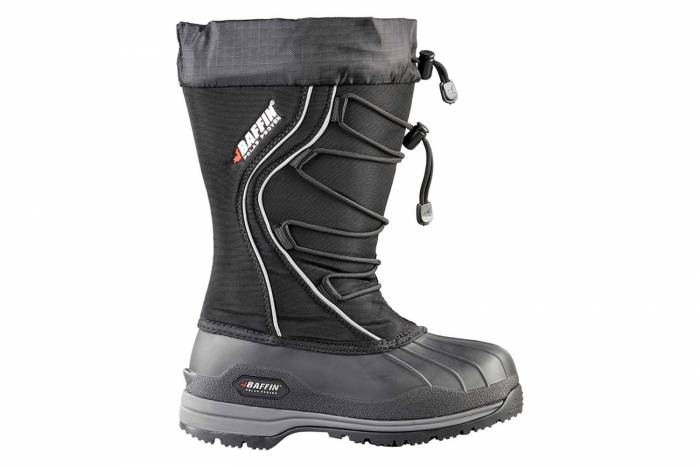
While pricey, the Baffin Icefield Insulated Boots ($276) deliver great value. They have a comfort rating of -148 degrees F. Yes, you read that right: -148. Part of the Arctic line, they’re designed for very extreme conditions.
Totally waterproof and complete with a seven-layer inner boot system, these beasts are ready for your next extreme winter adventure, whether in the American West, Upper Midwest, Canada, or beyond.
The cinchable top keeps snow out, and they provide plenty of traction in slippery conditions. The Icefield Insulated Boot is not light or sleek, but they are warm. If cold feet are your problem, these could be the answer you’ve been looking for. They run small, so we recommend sizing up.
Specifications
Pros & Cons
Pros
- Athletic and streamlined fit and feel, like a running shoe
- Well-fitted upper slides easily beneath stretchier pants or hugs tight pants
- Lightweight
- Unique eyelets have both holes (to thread the laces) or traditional hooks
Cons
- Fit is narrow, so consider sizing up if you prefer thicker socks or more room
- Shallow lugs are not ideal for icy conditions
- Not easy to slip on and off
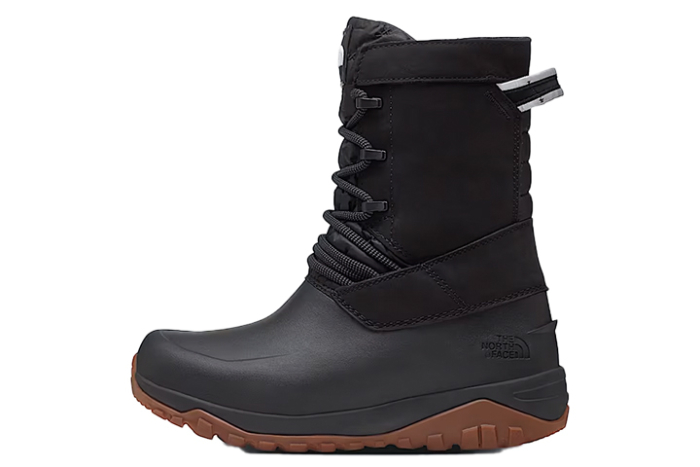
For a boot designed to handle slushy sidewalks and snowy morning commutes, The North Face Women’s Yukiona Mid Boots ($159) deliver a standout mix of modern style, fit, and warmth at a lower price point. With an athletic flair, the silhouette reminds us of running shoes from the streamlined hug to the underfoot support and aesthetic.
Ultimately, the bulk-free, well-fitted neck — with an 8-inch shaft height and 12.5-inch circumference — slides easily beneath the gaiters of snow bibs, baggy pants, or stretchy denim. Otherwise, the upper can tighten down to hug winter leggings or pencil jeans.
One of the most exclusive attributes of the Yukiona are the eyelets. In a hybrid design, you can opt to thread the laces through holes, allowing the laces to remain criss-crossed on the face of the boot. Or, you can go use the traditional hooks (at the outer edge of each eyelet) to lace up, instead. Either way, the streamlined fit means that pulling the boots on and off takes a few minutes, regardless of how you tighten the laces down.
The smooth lowermost part of the upper (that encapsulates the feet) is made of waterproof Nubuck leather. The malleable, baffled tongue is made out of recycled plastic, which is water-resistant and gently tucks around the shin.
For warmth, the boot is loaded with 200 g of Primaloft insulation. The combination of warmth and fit make this urban-inspired The North Face boot a great pick for around-town strolls and office commutes with stints of indoor time whether that’s a drive or grabbing a meal. We’d opt for a more utilitarian boot for outdoor tasks, like the Bogs Whiteout Faded; or pull on a roomier, more insulated boot for below freezing temps, like the Sorel Women’s Caribou Boots.
The integrated midsole, called Xtrafoam, adds moderate shock absorption beneath the heel and where the ball of the foot strikes, which we appreciated. The slender footbed makes sense for the boot’s athletic style but lacks arch support. (If you have a medium or higher arch, consider replacing it with an aftermarket option.)
While the outsole is made with the brand’s proprietary Winter Grip rubber and lugs that are dubbed as temperature-sensitive, we ultimately found that the lugs are shallow. If you tend to walk over a bunch of ice, consider a different pair of winter boots. Otherwise, these Yukiona Mid boots walk the line between technical and lifestyle footwear, and they do it well.
They’re stylish enough for après hangs or downtown errands but functional enough for winter use. Add in responsibly-sourced leather and recycled materials, and these supportive winter boots are a smart, sustainable option for women looking to approach snowy days in sleek footwear.
Specifications
Pros & Cons
Pros
- Stylish
- Faux fur catches snow
- Excellent tread with deep lugs
- Lightweight
Cons
- Interior tongue does not seamlessly sit flush — needs training
- Not top choice for extended periods in below freezing temps
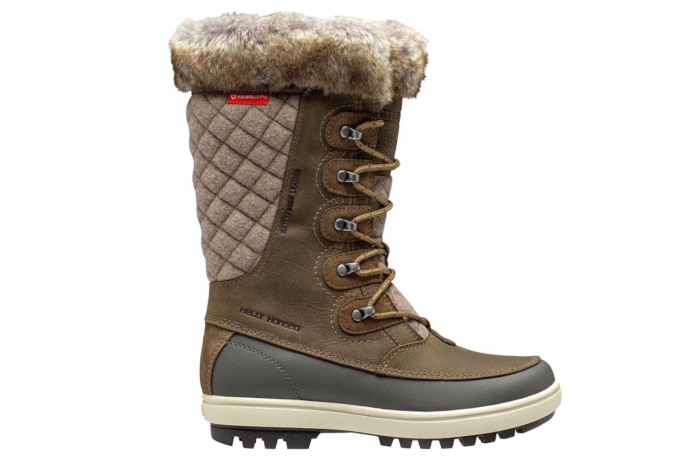
Aside from a stylish silhouette, what sticks out most about the Helly Hansen Women’s Garibaldi Vl Insulated Winter Boots ($225) is how lightweight and close to the ground they feel when we pull them on. Despite being little more than 1 pound, these snow boots deliver 100 grams of PrimaLoft insulation, as well as a dual-layered liner with 100% recycled polyester and a lightly shearling-lined footbed.
The malleable interior tongue tightens down beneath the laces, which thread the boot from the upper shin to the metatarsals. Laces are fashion-forward and look good, and the tradeoff is taking a few minutes on either end of your travel leg to complete the task versus slipping on a tall boot — like the Bogs Footwear Whiteout Faded — to run in and out. The good news is, while the Garibaldi provides insulation, it’s not overpowering heat or a roomy silhouette, so this is a pair we could sit down for dinner in without getting stuffy.
Underfoot, the outsole is caked with deep lugs that’re grippy and made of 100% vulcanized rubber, making it totally waterproof and adding a bit of barrier against cold temps. When we walk, we feel pretty confident taking this pair across packed snow, even with the modest heel that’s created by a gap beneath the arch. And HH certainly picnicked a variety of materials into the upper: following the rubber is a polyurethane layer, premium waterproof leather across the top of the foot and up the leg. Wrapped around the calf is a wool-recycled polyester patch that adds more unique flair.
While the faux fur around the cuff checks a feminine touch, the material also helps to snag falling snowflakes that would otherwise soak into our jeans. Inside, the liner against the leg is a very soft, lean faux fur. Now, the footbed and midsole are not the most supportive or plush. And these boots are not built out to be the warmest in our closet.
But for most commuters — say, if you’re walking to the office or dinner in Downtown Denver — the Garibaldi is not only fashion forward but streamlined, offering a sneaker-like feel around the foot without extra grams or bulk. This design still provides adequate warmth for temperatures that hover around freezing and enough weather resistance for fresh or melting snow.
Specifications
Pros & Cons
Pros
- Supportive and protective while doing work
- Waterproof
- Stylish
- Warm
Cons
- Can be too toasty for longer durations indoors like concerts
- Takes extra time to lace up compared to other looser-fitting styles
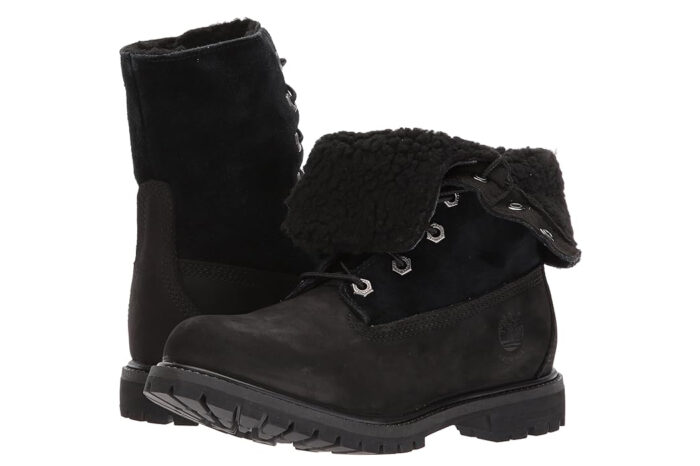
Guys and gals alike comment on how good these boots look and want a pair for themselves. The Timberland Authentics Waterproof Roll-Top Boots ($187) are hands-down one of our favorite winter boots. Even after all these years — we’re going on 7 — we love these boots.
The premium full-grain, waterproof leather upper is stalwart against weather and whatever your feet need to work their way through — we feel protected in these puppies. The deep lugs on the rubber outsole and raised heel haven’t worn out yet and offer excellent traction on icy, slick surfaces. The sole feels flexible yet stout.
The uppermost half switches to suede, which is malleable. As a result, when we lace up, the boot neck really hugs our entire ankle and lower leg. You can also fold the upper neck down, for style or to dump heat, though we’ve never opted to do so. Usually, we appreciate the extended protection from cold temps and deep snow.
Inside, the entire boot — including the tongue’s underside and the entire 7.5-inch shaft — is lined with soft, warm teddy fleece, which also wicks away moisture. Yes, these boots hold heat. So much so that we would not recommend wearing them to an indoor event like a concert or convention center. Still, these boots are certainly comfortable for walking in part thanks to the EVA midsole. Even the durable Taslan nylon laces haven’t worn out.
We highly recommend these boots to any ladies who are looking for a durable, foot-hugging shield — and don’t be surprised if your friends and partners might be a little jealous of how cool they look. One detail worth noting: The Authentics Waterproof Roll-Top Boots take a minute to lace up and down versus a looser slip-on style snow boot.
Specifications
Pros & Cons
Pros
- Streamlined fit
- Waterproof rubber outsole
- Excellent choice for mild to moderate conditions
- Pairs easily with jeans
Cons
- Not full waterproof for deeper puddles
- Shorter height not a good match for deep snow
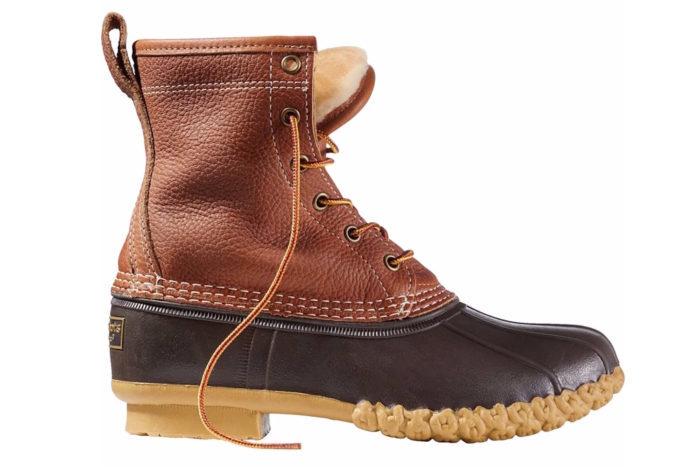
In a world of bulkier, taller winter boots, these L.L.Bean Women’s Bean Boots ($289) offer refreshing simplicity. With a short shaft, they easily pair with jeans or leggings while delivering just enough warmth for milder to moderate winter habitats. And while these aren’t puddle rompers, the entire underside is made of rubber for waterproofness, too.
The Bean Boots more closely follow the foot line, so our feet don’t feel like they’re swimming inside. The interior is lined with soft, plush shearling lamb fur, which is dyed to look slightly toasted — it’s lovely. In addition to felt-like insulation that’s integrated beneath the removable footbed, the shearling provides warmth. We also noticed that the included articulated footbed offer a bit more arch support than other stock footbed among our winter boot selection.
As a lace-up upper, the fit can be tightened down to your liking and the process doesn’t take long, because the neck only reaches 2.5 inches above the ankle bone. Of course, where the eyelets start, the boot stops being waterproof. But the entire underside of the Bean is made of rubber and fully waterproof if you walk through slush or a shallower puddle. For a more discreet boot, it feels surprising to have such solid support — thanks to a steel shank that sits between the insole and outsole.
A small heel — 1 cm in depth — adds a slightly more feminine touch without altering the boot’s overall support. L.L.Bean calls the pattern of the outsole “chain-tread” — a cute and on-the-point description for exactly how the lugs look: rows of chains line the outsole from toe to heel. It’s worth noting that the lugs are not very deep or aggressively shaped, and there’s no compound added to the rubber to enhance ice grip or slip: So if you live in a super icy place and plan on walking a lot on ice, perhaps consider a different choice.
Otherwise, the attractive and soft leather heel loop allows enough space for an index finger to help pull on these attractive, simple, and functional winter Bean Boots for women. We also appreciated that this pair is available in a wide silhouette, and the brand also runs a resoling wing if you need to get your boots re-decked.
Specifications
Pros & Cons
Pros
- Super tall boot
- Very built out for rugged conditions and work
- Easy and quick to pull on and off
Cons
- Not super fashion forward
- Heel pocket is medium to wide
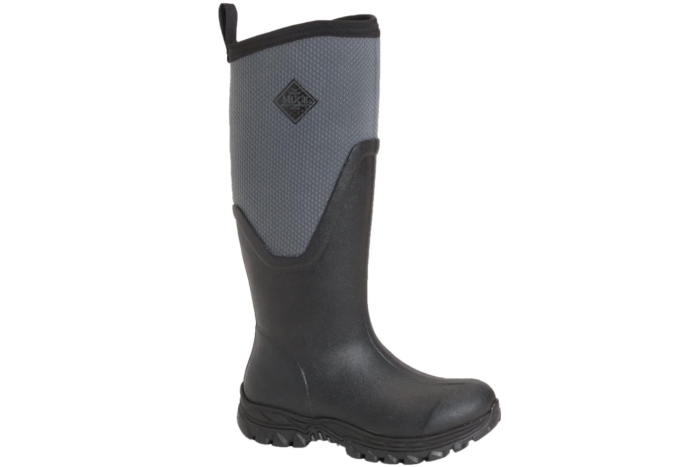
An ultimate workhorse, the Muck Women’s Arctic Sport II Tall Boots ($155) are the highest reaching and most task-oriented winter boot we’ve tested — and it’s perfect for the job. Whether you’re shoveling deep snow, cleaning the barn, checking on livestock, ice fishing, or walking the dogs through literal muck, this 100% rubber and fleece-lined is your wing woman.
Simply put, the Sport II are beefy. A dense rubber exterior — 5mm of flexible neoprene — is fully waterproof, comfortable, and lined with fleece. The removable footbed is simple and non-insulated, but the EVA midsole adds some comfort and lift off the ground. We also appreciated that the footbed has an antimicrobial treatment to help with odors: NZYM, which is microbes that produce enzymes to convert sweat into odor-free carbon dioxide and water. Neat!
The Arctic Sport II is surprisingly easy to pull on and off, using a fairly discreet pull tab behind the upper calf that can fit one or two fingers. The boot height sits only an inch below our knee cap and kneepit. We love that the cuff has an elastic seam that curves slightly inward, helping to keep layers taut and tidy. While these boots are certainly warm in freezing conditions, we did not have an opportunity to test ’em in the -40 degree range they’re stamped at. We can say with confidence, though, that a fully rubber body blocks windchill, so we wouldn’t be surprised if this puppies do super well to shield such extreme temps.
Providing excellent grip and traction, the deep lugs of the rubber outsole helped keep us grounded on slick surfaces. And there’s no other boot better for deep puddles and slush when the urbanscape is melting out post storm or come spring.
A couple of notes: Given the neck is fixed, be sure the circumference will pair well with your calves — it’s 38 cm. The insoles don’t offer the most arch support, but you can insert your own for a more custom fit. And the heel pocket is on the roomier side, which is great news for thick socks but our testers with narrower heels experienced lift with most steps. Not that you run the risk of slipping out of boots so high, just be aware.
There’s no other boot we’d rather pull on for the messiest and more labor-intensive winter days than these Arctic Sport boots.
Specifications
Pros & Cons
Pros
- Stylish
- Great hybrid snow shoe for damp, cold conditions
Cons
- No calf coverage for deep snow
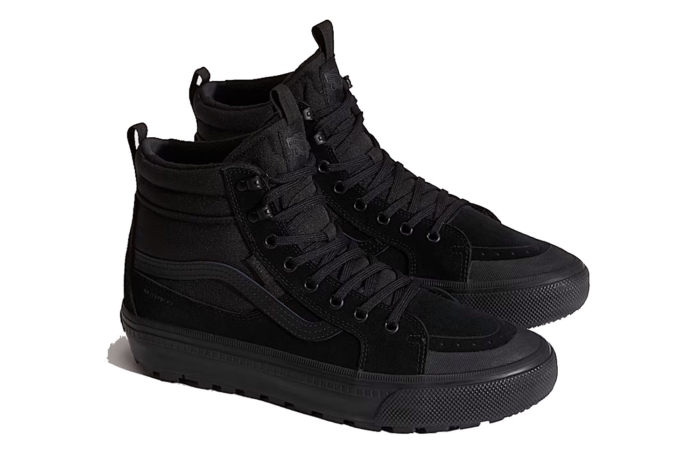
Sometimes you don’t need a burly knee-high snowboot and just want to give your toes some extra love when it’s cold, soggy, and damp out. Packaged with sweet classic style, the Vans Sk8-Hi Waterproof Insulated Shoe ($145) is a popular choice when light snow covers Colorado mountain towns and work well in the shoulder seasons.
The iconic brand created a lineup of footwear called MTE, which stands for Made for the Elements, built with water-resistant (or waterproof) and breathable materials, so you can walk through puddles and muck or stand around outside. The hip high-tops offer various levels of insulation using 3M Thinsulate and PrimaLoft: The SK8-Hi boasts 100 grams. There are three options for levels of protection and insulation offered across the lineup: MTE-2 offers the second tier of warmth and protection.
MTE-2 is the level we tested in the Sk8-Hi Insulated high-tops, which is waterproof, all-weather protection you can use if it’s sunny or if there’s snowfall or rain. The majority of the insulation is integrated around the toe and beneath the foot as well as around the top of the foot but doesn’t extend to the ankle. Underneath, the waffle lug pattern offers good traction. The sneakers have the brand’s proprietary All-Trac rubber that offers grip across variable conditions so you don’t slip, which we found to be true.
We found the shoes worked well on milder winter days, early in the spring, and into a chilly fall. They never felt too toasty and our feet haven’t gotten cold in them, either, or wet for that matter. The insulation can be too much in summer, so we don’t recommend this pair as a year-rounder despite the curb appeal. If it’s actively snowing, deep, or below freezing, we recommend a more protective pair.
Ultimately, we love the Sk8-Hi for casual winter days throughout the season. These shoes come in tons of fun color and pattern options, too. If you need a beefed-up version for even fouler weather, check out the slightly pricier Sk8-Hi GORE-TEX Insulated Shoe.

Women’s Winter Boots Comparison Chart
Scroll right to view all of the columns: Price, Insulation, Waterproofing, Outsole, Height.
| Women’s Winter Boots | Price | Insulation | Waterproofing | Outsole | Height |
| Bogs Arcata | $185 | 7mm Neo-Tech waterproof insulation, faux fur lining | Yes | Slip-resistant for ice and packed snow | 9.1” |
| Xero Shoes Alpine Lace-up | $185 | 200 g synthetic insulation with heat-reflective insole | Waterproof seam-sealed XeroTex membrane | FeelTrue rubber with 3.5mm dual-chevron lugs | 6.3″ |
| BOGS Hazel Chelsea | $135 | 3mm Neo-Tech neoprene insulation | 100% waterproof upper and seam-sealed construction | BOGS Grip rubber outsole with do-it-all tread | 7.5″ |
| The North Face Yukiona Mid | $159 | 200 g Primaloft | Waterproof nubuck leather upper | Proprietary rubber with temperature-sensitive lugs | 8″ |
| Sorel Joan of Arctic | $240 | 6mm recycled felt inner boot | Yes | Vulcanized rubber shell, herringbone outsole | 12″ |
| Sorel Caribou | $250 | Felt and faux shearling snow cuff | Yes | Handcrafted waterproof vulcanized rubber shell | 8.5″ |
| Bogs Whiteout Faded | $180 | 7mm Neo-Tech waterproof insulation, fleece lining | Yes | Slip-resistant for ice and packed snow | 12” |
| Blundstone All-Terrain Thermal Chelsea | $285 | 200 g | Yes | Winterized rubber | 7″ |
| Timberland Authentics Waterproof Roll-Top | $187 | Teddy fleece liner | Yes | Rubber | 7.5” |
| L.L.Bean Bean Boots | $289 | Shearling fur interior, insulation integrated into midsole | Rubber bottom is 100% waterproof (laces are not) | Rubber | 8″ |
| Vans Sk8-Hi Waterproof Insulated Shoe | $145 | PrimaLoft 100g | Yes | Multi-directional, deeper lugs | 4.5″ |
| Baffin Icefield Insulated | $276 | Synthetic | Yes | Polar rubber outsole | 7″ |
| Muck Arctic Sport II Tall | $155 | Fleece lining | Yes | Rubber | 16.5” |
| Helly Hansen Garibaldi Vl Insulated | $225 | 100g PrimaLoft, insulated 50/50 polyurethane-polyester liner | Yes | 100% rubber | 10.2″ |

How We Tested Women’s Winter Boots
Our team originally published this guide in 2020, and we’ve tested dozens of women’s winter boots over the six five winter seasons to select the top designs. The guide has been updated eight times to make sure we’re including the most innovative, comfortable, time-tested pairs.
Our primary winter boot testers live in cold winter climates. We put these boots to the grindstone in snowy, icy, and wintry conditions — everything from light snow to heavy blizzards.
Our Expert Testers
- After growing up in Southwest Colorado, Senior Editor Morgan Tilton is now based in one of the snowiest, coldest locals in the Lower 48: Crested Butte, Colo., where frigid temps, snow, and ice can stretch across six months. She tests women’s winter boots nearly every day from October through April — nearly 2,000 hours per season.
- Contributor Mary Murphy put in more than 500 testing hours to help find the best winter boots for women. Her top picks were a culmination of the best boots in terms of quality, traction, warmth, and durability.
- Tester Mallory Paige created the original iteration of this guide.

Our Testing Grounds
Tilton tests women’s winter boots in temperatures ranging from -15 to 40 degrees Fahrenheit. She pulls on boots for loads of shoveling, trailering to the trailhead for backcountry skiing, and running errands whether that’s by foot, bike, or truck.
Murphy is based in Denver and travels all over the state while testing winter boots.
Our Testing Process
While testing women’s winter boots we consider the insulation, ease of entry and exit, closure system, outsole, midsole, traction, tread, cuff, style, overall fit, comfort, durability, waterproofness, price, and value. We also consider the most popular, innovative, and legacy products available.
We make sure to include a variety of boot heights and insulation levels for different winter climates and use.
Each pair of boots is tested in below freezing temps (at least 0 to 32 degrees), across icy surfaces, during snowfall, and through slush and puddles. They are also tested on walks for support and comfort and while shoveling for heat generation.
Full disclosure: One test we do not complete is wearing our winter boots while sitting at our desk. But based on our previous experiences of committing to an office, we suggest wearing a shorter, less insulated boot if you plan on wearing them after your commute. Alternatively, you could keep a pair of office shoes at your desk to change into or carry a slender pair of slip-ons in a pack.

Check out more details in our Women’s Winter Boots Rating System section below.
Our Women’s Winter Boots Rating System
We score each pair of women’s winter boots on a 1–10 scale for Insulation, Closure System, Outsole and Tread, and Midsole.
Insulation is key — it’s what keeps your feet toasty and safe. A range of insulation types exist including synthetic, wool blend and felt liners, shearling, and faux fur liners. The quantity of insulation influences the warmth. Each boot is rated to be comfortable in a certain temperature range, which we test.
Closure systems vary greatly from boot to boot. You’ll find lace up, pull-on, zippers, BOA dials, and hook-and-loop straps. The design of the tongue, which can be gusseted, as well as the padding along the collar, can influence the comfort of the closure system. The closure design affects how easy and quickly you can pull on your snow boots. Durability can vary, too, across laces and hardware like eyelets.
Outsole and tread plays a role in how secure each step is across variable ground. Aggressive and deep lugs increases traction, and the type of rubber in an outsole can increase grip and durability.
Midsole quality and comfort is highly underrated — this can make or break our favorite winter boots.
The Overall Rating is based on contextual, editorial judgment, and the complex user experience across various scenarios and conditions.

Buyer’s Guide: How to Choose Winter Boots
Winter boots come in all sorts of shapes and styles. As our list of recommendations demonstrates, the winter boot market contains everything from extreme weather work boots to stylish formal footwear. With so many options, it can feel daunting to sift through the pile and select the perfect pair.
When choosing the best winter boots for you, it’s important to understand some of the key factors that differentiate one pair from the next. In this comprehensive buyer’s guide, we thoroughly explain each of these factors to help you make a confident and informed choice.

Insulation: Women’s Winter Boots
Any winter footwear worth its weight will offer plentiful warmth. Many winter boots come with a specific temperature rating. While these ratings can be helpful guidelines, the actual feel of a pair of boots will always be a better indicator of warmth than a manufacturer’s rating.
Often, boots claim to have very impressive temperature ratings well below zero. Because there is no standardized test for boot temperature ratings, always take these numbers with a grain of salt. The warmth of a boot comes from various factors, including sock thickness, activity level, personal cold tolerance, and much more.
A winter boot rated to -10 will likely feel warmer than a boot rated to zero made by the same manufacturer. Using temperature ratings to compare boots from different manufacturers is a less reliable practice. We certainly recommend trying boots on to get a real impression of their warmth and comfort.

Insulation Type
Winter boots utilize a variety of different insulation types to achieve the desired combination of warmth and comfort. The most common types of insulation are synthetic, felt, and sheepskin.
Synthetic Insulation
Most modern winter boots are equipped with synthetic insulation. Between the outer shell and the inner lining of the boot, synthetic materials provide lightweight and durable warmth. Perhaps the most important benefit of synthetic material is that it can insulate even when wet.
Popular name-brand synthetic insulation options include Thinsulate and PrimaLoft, though many other quality options are available. No matter the name brand, the total weight of synthetic insulation will always be a better indicator of warmth than the name brand.
Many manufacturers include the insulation weight in their boot specifications. Lightweight to midweight boots will usually have a fill rating between 200 and 400 g. If you are seeking heavy-duty boots for extreme cold, look for a fill rating of at least 300 g.

Felt & Sheepskin
Felt and sheepskin are materials that have long been used to insulate winter footwear. While synthetic insulation is by far the current norm, some manufacturers opt for classic and traditional materials.
The downside of felt and sheepskin insulation is they tend to be heavy and bulky. Still, these materials can be warm and comfortable.
Usually, felt and sheepskin are utilized in a boot’s lining where they can be in direct contact with the foot. While these materials provide warmth even when wet, they may become extra heavy when saturated and require lots of time to dry.

Weight: Women’s Winter Boots
As you might expect, heavier boots are usually built for the worst conditions, while lightweight winter boots are better for moderate temperatures and less demanding uses. As the thickness of outsoles and the fill rating of insulation increases, overall weight goes up. Lightweight winter boots are great for active use, but they often sacrifice some stability, grip, and warmth.

Height
Almost all winter boots are ankle-high or higher. Boot height is a major factor that determines the intended function of the boot.
Lower-cut boots are typically around 7 inches from the footbed to the top of the boot. Lower-cut boots are ideal for hiking, as they tend to be relatively light and flexible. The downside of lower-cut boots is they allow snow to seep in, especially when post-holing through deep snowpack. If you find yourself in bottomless snow with a pair of ankle-high boots, a pair of gaiters may offer a simple solution.
If you plan to use your boots in regions with lots of snow accumulation, you’ll probably want to pick boots at least 8 inches tall. Work boots and boots for extreme weather are designed to sit higher on the leg, keeping the elements out and the warmth in.

Waterproofness
Nothing beats a reliable pair of boots that keep your feet warm and dry no matter how bad the weather gets. Waterproofing is the difference between blissful comfort and soggy misery.
Waterproofing is ultimately a product of the materials incorporated into a boot’s design. Features such as rubber outer layers and an exterior water-resistant treatment are standards of most waterproof boots.

All of the boots we’ve selected are designed to keep water out as much as possible. Some of the more robust included models feature a two-piece system that includes an outer waterproof barrier and an inner removable liner.
One-piece boots typically feature a waterproof membrane sandwiched in between the outer material and the lining. While one-piece boots usually don’t have the fail-proof waterproofing of many two-piece styles, they tend to be lighter and more flexible.

Breathability
The downside of built-in insulation and waterproof membranes is decreased breathability. While boots that trap heat are certainly desirable, overheating can be a real concern, even in extremely cold weather. For this reason, a reasonable degree of breathability is an asset in winter boots.
Generally, lightweight hiking-style winter boots are more breathable than heavy-duty work boots or two-piece models that thrive in extreme cold. While hiking or performing other strenuous activities, breathability can help to prevent sweating and blisters.
Ultimately, breathability is a trade-off. Winter boots simply cannot be completely waterproof and extreme weather-ready and fully breathable at the same time. If you’re simply looking for top-notch warmth or waterproofing, breathability doesn’t need to be a major consideration when selecting boots. If you plan to wear your boots for active use in a wide range of conditions, be sure to select a breathable pair.

Exterior Material
A winter boot’s exterior material will significantly affect its waterproofing, breathability, and weight. Rubber and leather are the most common outer materials.
Rubber
The waterproof qualities of rubber boots are unbeatable. For decades, brands including Muck Boot and XTRATUF have been well-regarded for their nearly impenetrable rubber boots. In constantly wet and rainy regions such as the Pacific Northwest, rubber boots are a rightfully popular choice.
The downside of rubber as an outer material is its lack of breathability. In the same way that rubber boots successfully keep moisture out, they also keep moisture in. For long hikes and active use, rubber is not the ideal outer material.

Leather
Leather boots have been a popular winter footwear choice for hundreds of years. While leather does not provide the impenetrable qualities of rubber, it is a supple, durable, and relatively water-resistant material.
Compared to rubber boots, leather models tend to breathe slightly better. If you plan to wear your boots in a wide range of weather conditions, leather boots are an excellent, versatile choice.

Outsole & Grip
The outsole is the part of a boot that makes direct contact with the ground underneath. Good grip is essential to a winter boot’s value and performance.
True winter boots come with outsoles designed to provide reliable grip in cold and snowy conditions. To account for subfreezing temps, many winter boot outsoles feature soft rubber compounds that don’t overly harden in the cold. Additionally, thoughtfully designed tread patterns can prevent snow and mud from building up.

Outsole compounds and tread patterns vary wildly across the winter boot market. Generally, models geared toward hiking will have a deep tread and superior grip. Work boots typically come with heavy, bulky outsoles that prioritize durability above grip.
In severe conditions, you may want more winter traction than your boots can offer on their own. No matter how deep and sticky your tread is, chances are it won’t help on solid sheets of ice.
Traction devices such as Yaktrax and MICROspikes can be fixed onto the bottom of winter boots for improved grip on ice and hardpack. These devices have metal components designed to dig into ice and improve traction — just like tire chains on a car.

Fit & Sizing
Properly sizing winter boots can be a tricky process. Unlike with most footwear, you’ll likely wear extra thick socks with your winter boots, and it’s important to consider this when picking a size.
Ideally, your winter boots will be comfortable and free of major air pockets and hot spots. Of course, the best fit for you depends on the type of activity you’re using the boots for.
If you’ll be hiking or working on your feet, we recommend a snug fit for maximum performance. If you plan to use your boots for hanging out casually or simply wearing around town, a looser comfort-first fit is the way to go.
As always, there’s no substitute for trying on boots and shoes, and we highly recommend you do so if possible.

Price & Value
Budget
Typically, women’s winter boots hold a minimum price tag of $100-200. When footwear is built out with insulation, beefier tread, and technical rubber that’s grippy on ice or waterproof, footwear inevitably costs more than a classic pair of sneakers.
If you opt for a shorter design and moderate insulation, you can snag a rubber pair like the Bogs Arcata ($185) that keeps you grounded, dry, and warm across variable ground conditions. Utilitarian designs like the Muck Women’s Arctic Sport II Tall Boots ($155) offer ample protection with height and a durable, fully waterproof exterior, as well as ease of use with a pull-on style.
Mid-Tier
Sneaking at and above $200, synthetic pairs including the Baffin Icefield Insulated Boots ($276) or Sorel Women’s Caribou Boots ($250) both dish out the best insulation value among our collection. These boots are designed with a roomier toe box and nail the warmth with a removable liner: felt in the Sorel and two types of synthetic insulation (DiamondNet and B-TEK) in the Icefield’s interior and midsole.

Premium
The priciest women’s winter boots near the third Benjamin. Designs like the L.L.Bean Women’s Bean Boots ($289) and Blundstone Women’s All-Terrain Thermal Chelsea Boots ($285) are not necessarily taller or made for expeditions. Rather, these pairs are made with crafted leather that’s long-lasting, aesthetic, and waterproof. These boots also offer more and resilient support underfoot than others with a steel shank integrated into both. These boots are truly made for walking and being paired with a variety of apparel from jeans to snow pants.

Frequently Asked Questions
There are a few important things to consider. First are the overall weight and fit. A super-heavy boot will quickly become tiresome. And one that’s too loose will rub and cause blisters.
On the other hand, a slightly taller boot may be worth the weight, as it offers extra ankle support. Consider where you’ll be walking and your personal preference for high or low designs.
Second, good traction is a key consideration. Icy, slick conditions are a common winter occurrence. And you don’t want to spend your time outdoors worrying about slipping.

If you find yourself regularly heading out in icy conditions, we recommend the Baffin Icefield Insulated Boot. The Vibram Arctic Grip outsole is true to its name and delivers excellent traction. And the 15-inch height keeps out snow.
The Bogs Arcata provided excellent traction across variable snow. The tallest boots for the best protection in deep snow are the Bogs Footwear Whiteout Faded and Muck Women’s Arctic Sport II Tall Boots.

The best winter boot is subjective and depends on your needs. Sorel and Oboz all make excellent winter hiking boots for women.
For truly frigid conditions, you need a burly, super-warm boot. The Baffin Icefield Insulated Boots have a comfort rating of -100 degrees F. And they’ll keep you cozy down to -148 degrees F. Pair them with some extra-warm winter gloves, and you’ll be ready for whatever winter serves up.