Free your feet, and free your mind — the right pair of sandals is out there, and after multiple summers spent hanging ten in some of the best hiking sandals available today, we’ve pulled together the winners to keep cool with in 2026.
Included are options for every occasion: From adventure-ready sandals like our top pick, the Bedrock Cairn Evo 3D Pro, to casual kicks like the Teva Original Universals that pair with nearly anything. Our experts paddled miles of whitewater in them, scrutinized the horizon for waves in them, and toted them along on thru-hikes of the Pacific Crest Trail.
Rest assured, every set of sandals we considered underwent our rigorous testing regimen and was compared in terms of its traction, comfort, support, and adjustability. We spared no creative testing scenarios — or stubbed toes — in our quest to find the best sandals, and our trials included input from seasoned sandal enthusiasts across the spectrum. Below are the hiking sandals that made the grade in our books.
Editor’s Note: We updated our Hiking Sandals guide on March 18, 2025, to add the uber-classic Chaco Z/1 Classic, the protective (and stylish?) Bedrock Mountain Clog, and the super-comfortable Tread Labs Redway.
The Best Hiking Sandals of 2026



Bedrock Cairn Evo 3D Pro
-


-
(Photo/Erika Courtney)
-
(Photo/Rebecca Ross)

Specifications
Pros & Cons
Pros
- Super tough Vibram Megagrip outsole
- Highly adjustable strap system that stays put
- Pack down compact for travel
- Quick-drying nylon straps
Cons
- Top-dollar price
- Can be tough to find locally
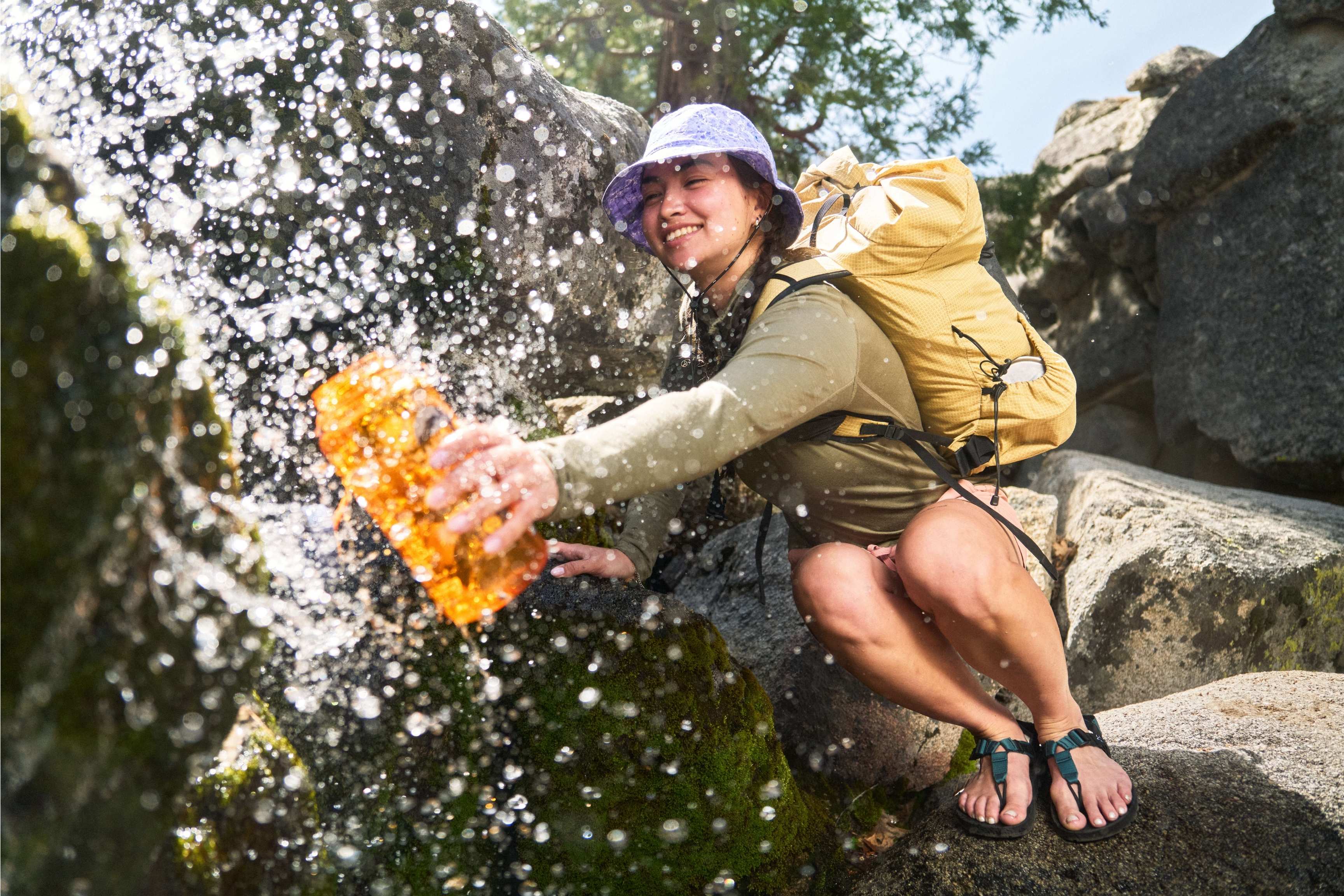
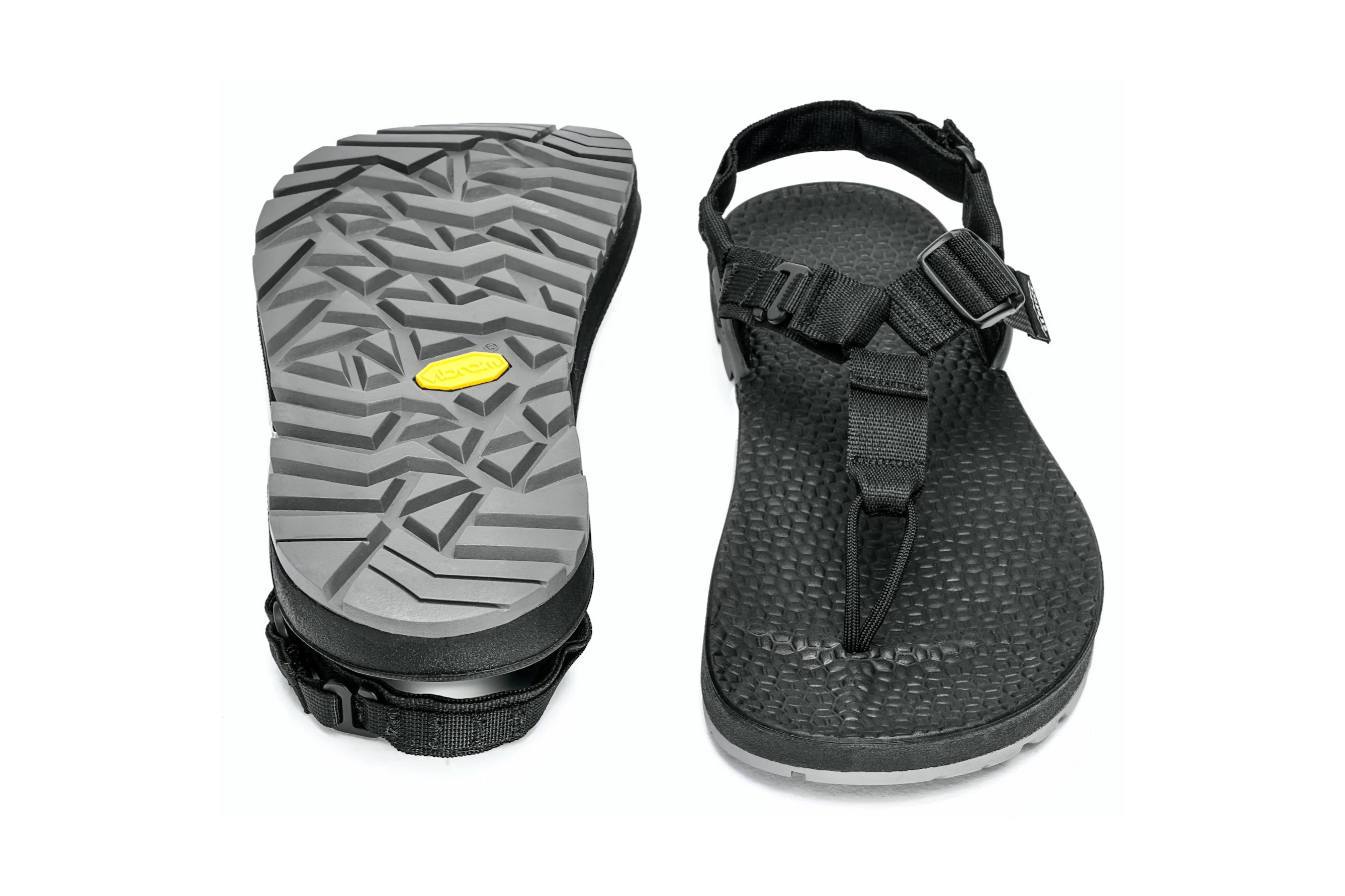
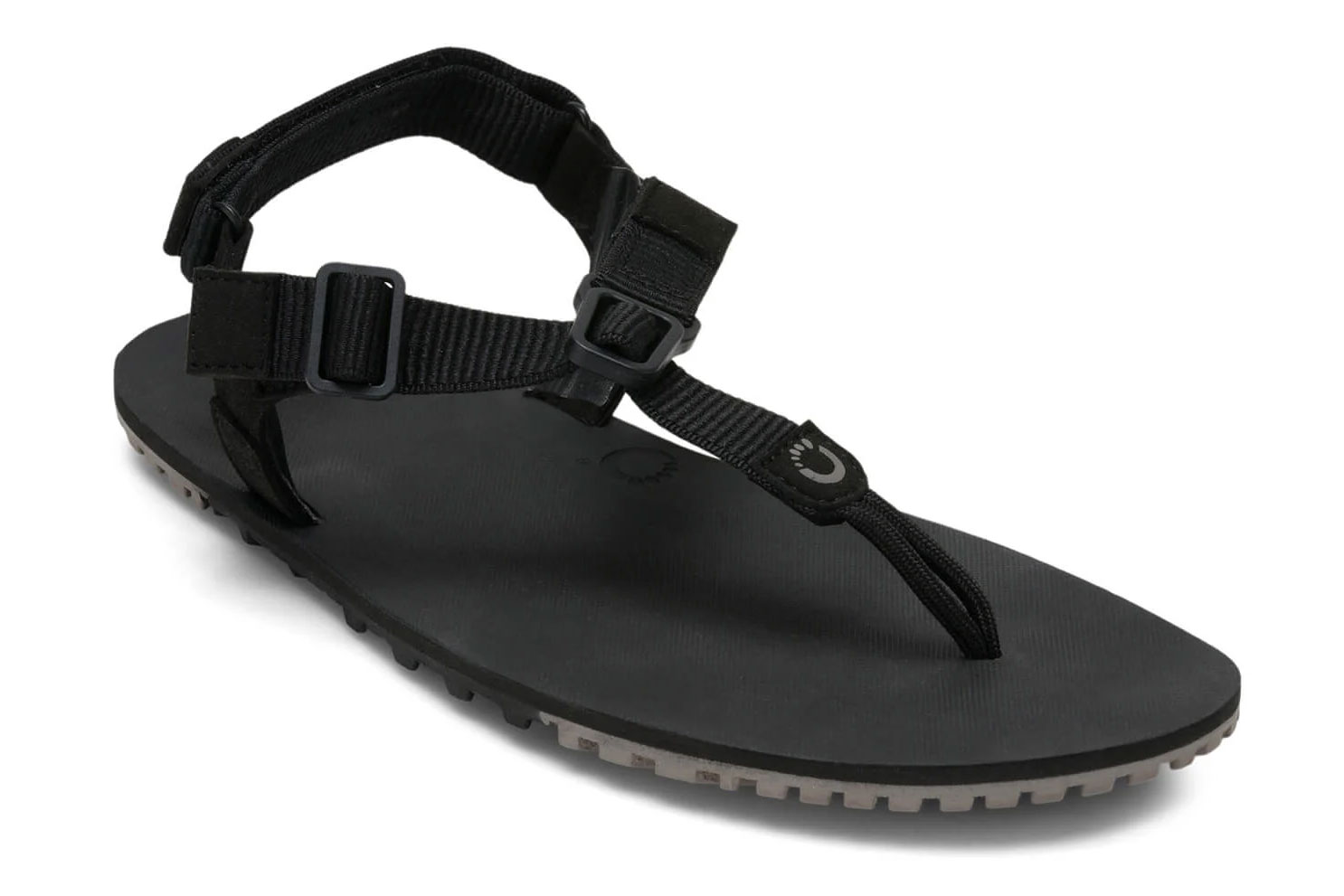
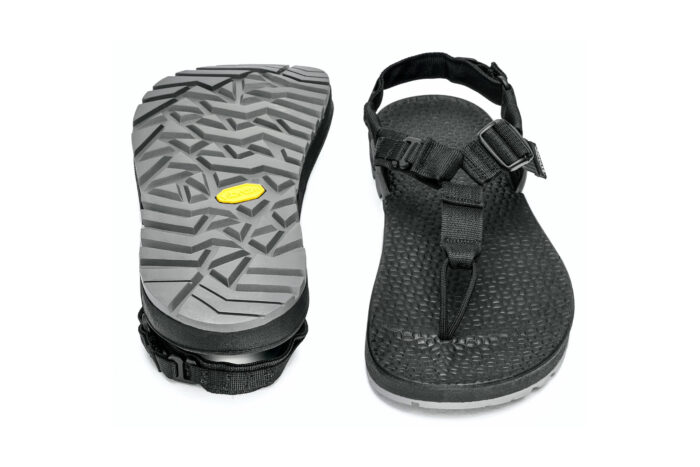
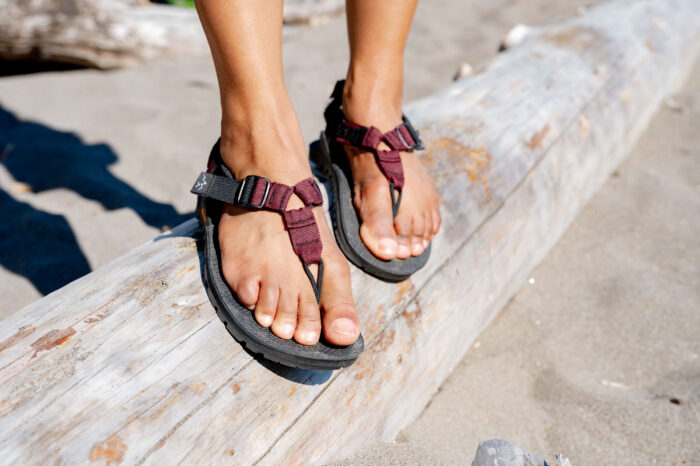
It isn’t often that sandals can tread into the performance realm, but with a burly harness system, thick-lugged outsole, and a 3D molded footbed, the Bedrock Cairn Evo 3D Pros ($140) saunter on in with ease, and were the best overall sandals in our review to-date.
When the soles of your mountaineering boots and sandals share a logo, traction isn’t going to be an issue. The Megagrip sole used on the Cairn 3D is Vibram’s recipe for wet and slippery conditions, and besides siped compounds like those used on the Astral PFD sandals, these gripped the best of any in our testing. This mates to a footbed that adds a few ridges beneath your toes, as well as an arch hump for all-day support.
From this base sprouts a T-style strap system of ¾-inch webbing that coalesces at a single post between your first and second toes. While this won’t be for everyone, those who jive with it will find a multi-adjustable harness that can be adapted for the heel, and in two directions across the instep. In practice, we found this to be set-and-forget easy, with metal G-hooks holding fast where we placed them.
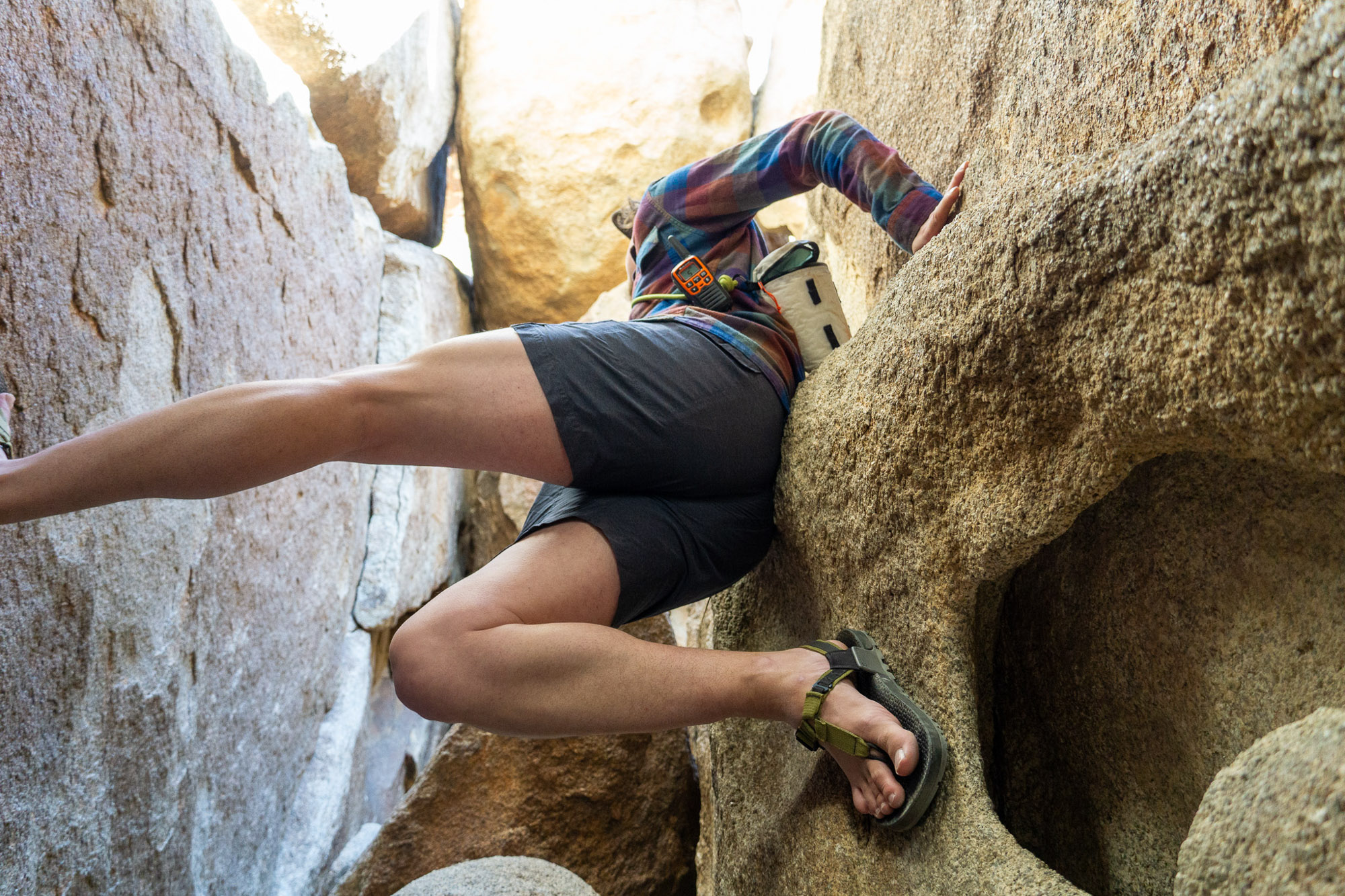
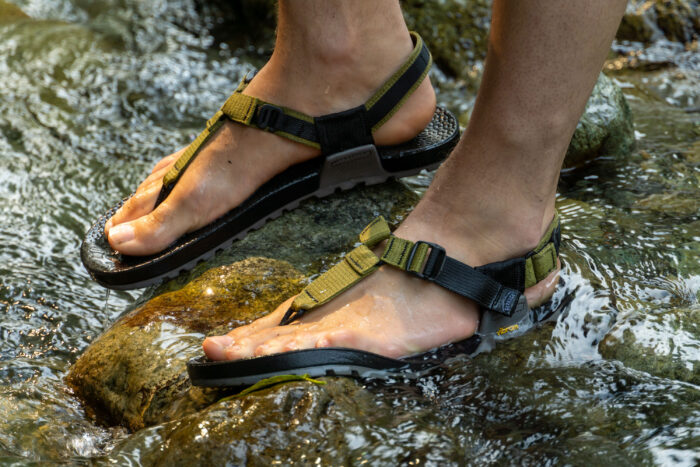
In action, these have been our go-anywhere, do-anything sandals for multiple years running, having taken us from climbing approaches to wet-wading tenkara fishing to portaging our packrafts. With time the nylon webbing becomes more supple, and the footbed molds to your foot a bit more. We’ve yet to run the tank dry on a pair, but when we do, Bedrock offers a ‘Resoul’ program that will slap a new sole on your trusty pair for a cool $55.
The sizing on Bedrocks used to be one of the only Achilles heels we could find on the sandals, as many in the GearJunkie circle agreed that sizing up one full size is the go-to for proper foot coverage. Thankfully the new Evo sizing amends that issue, and adventurers should assume that the same size as your streetwear will fly.
Made for full-tilt adventures, the Cairn Evo 3D Pro Sandals are the ones we reach for the most when we’re after open-toe ability and comfort.
Teva Original Universal
-
-
(Photo/Katie Griffith)
-
(Photo/Katie Griffith)
-
(Photo/Katie Griffith)
Specifications
Pros & Cons
Pros
- Affordable price
- Fun strap patterns
- Comfortable and cushioned footbed
- Sizing is right on
Cons
- Limited traction on outsole
- Midsole is soft foam that isn't the most durable
- Unpadded straps
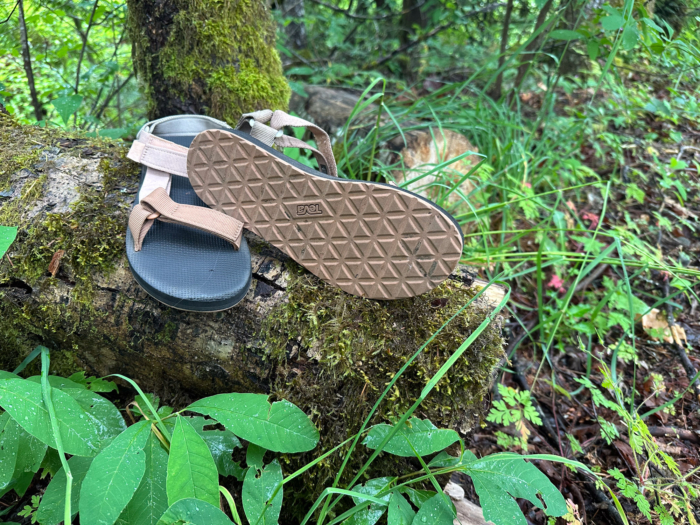
If your wallet is looking a little slim, pull yourself up by your sandal straps and slide into a pair of Teva Original Universals ($65). These budget-minded sandals have much of the Teva DNA of their more-expensive brethren, and only make a few concessions to hit the sub $60 mark.
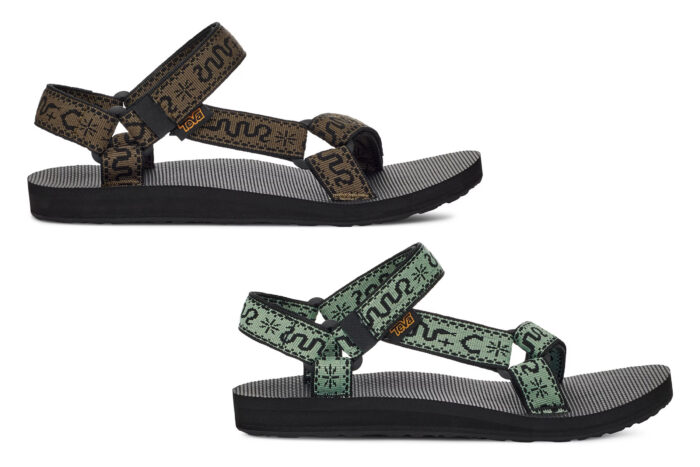
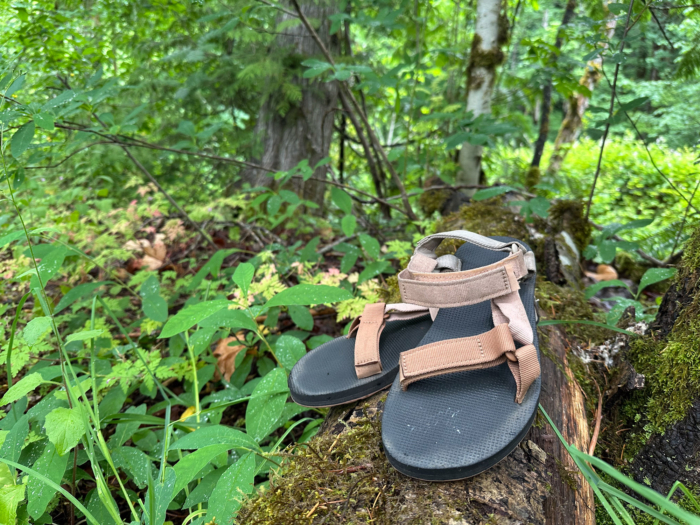
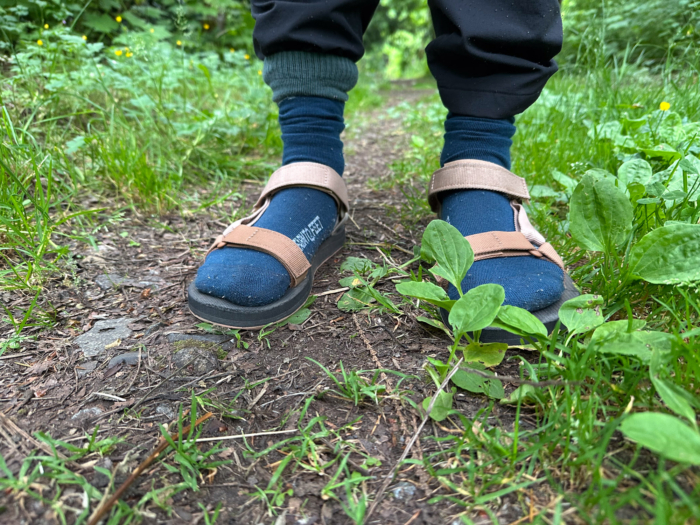
The Original Universals look a bit like a flip-flop body glommed on with the trusted Teva architecture of straps and Velcro. These adjustment points take in over the instep and front of the foot, and between the four anchor points, we found they held strong on our feet. Unlike some Teva sandals like the Hurricane XLT2 or Terra Fi 5s, however, the rear heel strap isn’t adjustable, so we suggest sizing them in person to ensure they’ll work with your feet.
Thankfully, Teva didn’t skimp out on the strap pattern choices on these budget kicks, with a number of different color combinations and cool detailed patterns to choose from. We especially dig the muted tones that give these sandals a real down-to-earth feel.
The rubber outsoles do feature a repeating lug pattern to provide some grip, though we found in comparison testing that these sandals provided less grip than many other styles we tried out. The flat footbeds also don’t help the issue, and as such, we recommend keeping these sandals in 2WD mode when using them.
For those after a budget model but loyal to the Chaco name, the Lowdown Sandal ($70) is the brand’s stripped-back version, but it has much more grip than these Tevas. Even still, the cheaper Original Universals have become our de facto “just in case” pair, riding along in the bed of our pickups, tucked away in our beach bags, or sitting next to the door. At $65, they’re cheap insurance against not being able to get some sun on your feet.
Chaco Women’s Z/Cloud Sandal
-
-
(Photo/Rebecca Ross)
-
(Photo/Rebecca Ross)
-
(Photo/Nick Belcaster)

Specifications
Pros & Cons
Pros
- Great no-slip traction sole
- Amazing comfort
- Multidirectional adjustment
- Fun strap designs
Cons
- A little heavy at over 1 pound
- Webbing slightly abrasive before wear-in
- No half sizes available
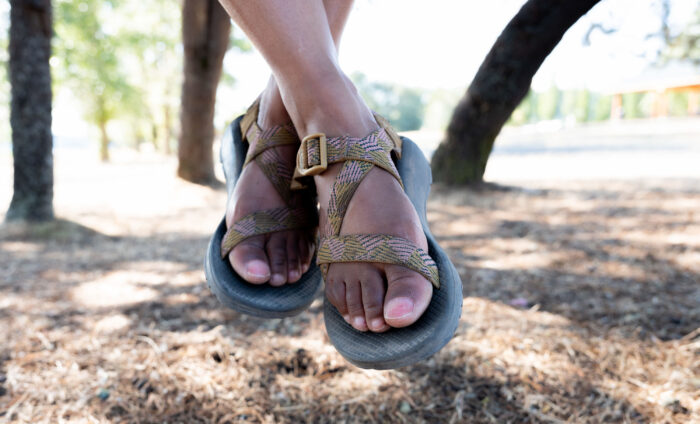
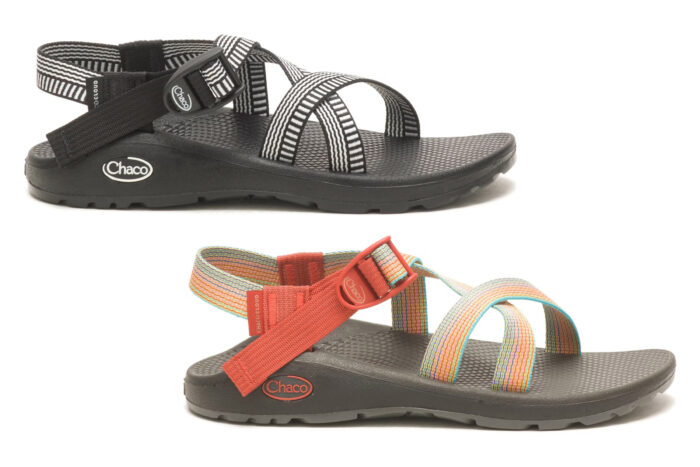
It’d be hard to get much farther into this review without running smack dab into the sandal leviathan Chaco, and for good reason. The brand has been churning out river-ready footwear since 1989, and the Women’s Chaco Z/Cloud ($105) is about the top of the heap — easily landing as the best overall sandal for women.
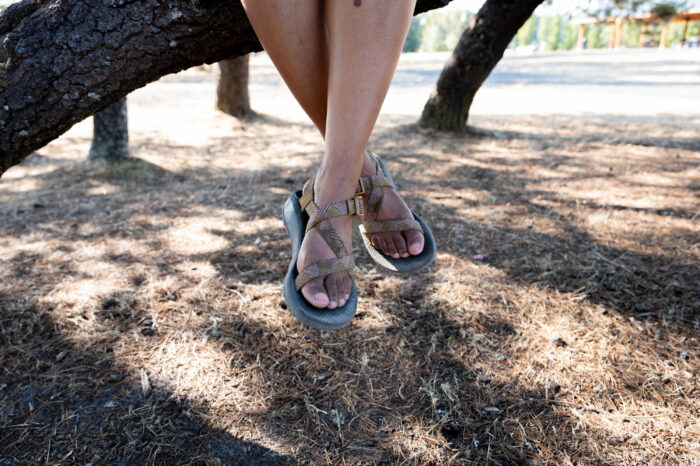
PNW-centric hiker and mountaineer Rebecca Ross raved, “[I] adored the Chaco Z/Clouds for strenuous day hikes, camping, and flaunting them to friends because of their cute, funky, retro patterns. For just about everything you’re looking to get up to in a pair of sandals, these are the pair to take you there.”
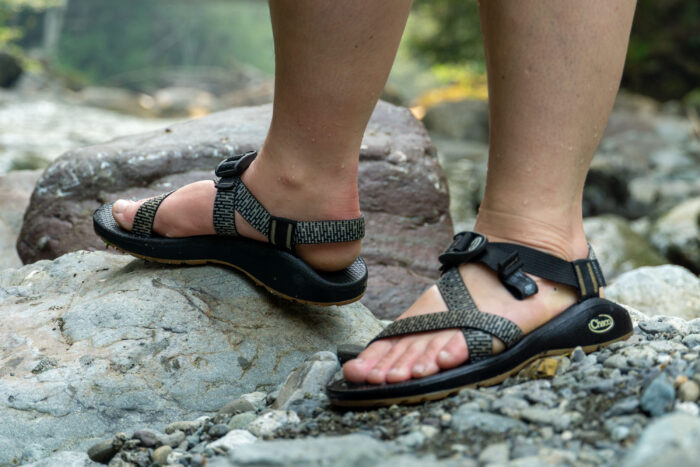
The midsoles of the Z/Clouds are a full inch thick beneath the heels and are made from a soft polyurethane that has good give. We agreed that these sandals balanced the support v. comfort issue well, and we leaned on the Z/Clouds to approach climbs in Washington’s rugged North Cascades this summer, to great success.
The Z/Clouds also wouldn’t be a Chaco without the floating strap style closure, which allows the webbing to be micro-adjusted around the sandal to get the perfect fit every time. Those with low-volume feet should also take note, as while the straps can be snugged down to fit your minimal metatarsals, you’ll be left with an extended tag-end flying in the breeze. We found the T-strap style of the Bedrock Cairn Evos to be better for thin feet.
Finally, a featured rubber sole with enough lugs to rival Vibram keeps you planted, no matter the off-camber terrain you might press the Z/Clouds into service on. We found that the combination of this sole and fine-tuned strap system made these sandals some of the best off-roaders in our testing — easily navigating the granite boulders of British Columbia’s Squamish.
If you land on the toe loop side of the Chaco-spectrum, the Z/Cloud 2 ($100) is your ticket to ride. But for gals who want a little more foot freedom, the original Z/Cloud is easily our most recommended sandal for women today.
Luna Mono Winged Sandal
Specifications
Pros & Cons
Pros
- Simple as simple gets for extended durability
- Rugged Vibram outsole lugs
- Surprisingly adjustable harness
- Lightly textured footbed
Cons
- No arch support won't fly for everyone
- Foot bed can be slick after getting wet
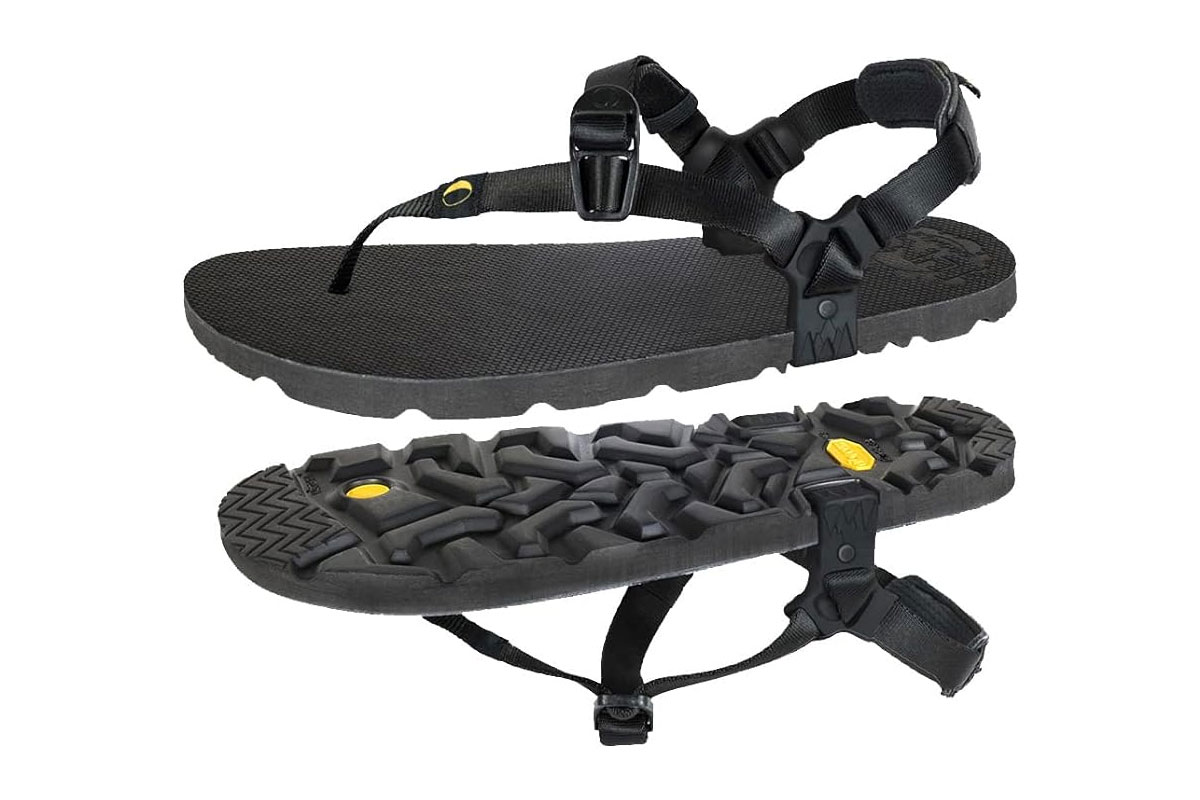
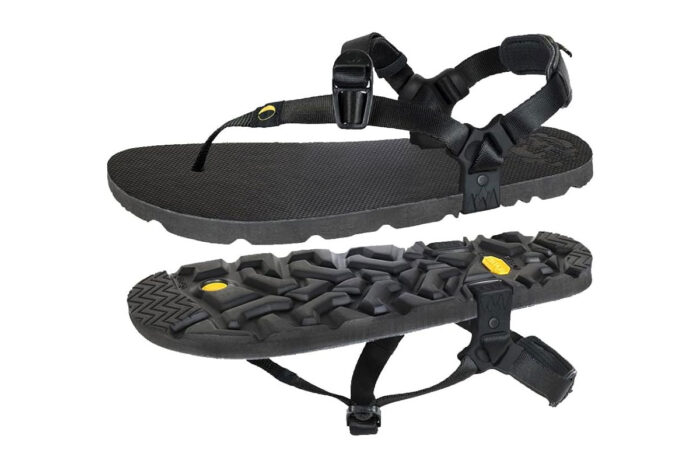
The Luna Mono Winged Sandals ($115) are the OG, as they say, when it comes to uber-minimal sandals that remind of the tire-tread and leather footwear of the Tarahumara, and are perfect for long trail miles for folks with tough feet, or going uber-minimal with your basecamp footwear.
There may be more minimal lashing solutions for sandals, but they likely involve bits of shoelace and bubblegum. The lacing system on the Mono balances the question perfectly, with a single webbing strap system that anchors between the toes and on the sides of the in-step, and adjusts with a single ladder lock. Initial fit-up required some adjustment, but after it was smooth sailing.
The total midsole and outsole (which is pretty much one piece) stack height is comparable to the Bedrock Cairn Evo or Shamma Sandals Elite Ibex at 16 mm, and forms a totally flat foot surface. After enjoying the 3D contours of the Bedrocks for trail use, we were unsure about this monolithic platform, but quickly found our feet amenable to the change. As every foot is different, however, your mileage may vary.
Speaking of that outsole, it’s a Vibram Morflex sole, which prioritizes being lightweight and feels more like a very hard and dense foam versus Vibram’s other rubber blends. This certainly lightens up the sandal (our size 9.5s were 6.5 ounces lighter than our Bedrocks), but overall longevity remains a question. We’ve got a full season notched with these sandals, but will continue to run them until the tread wears out.
We didn’t find the wet-traction of the Morflex sole to be as good as the performance-oriented XS Trek on the Bedrock Cairn Evo, but the aggressive lugging helps shore up the performance. Those looking for the same fit and style but a more durable grip should look to the Mono’s older sibling, the Middle Bear (at just $10 more and featuring a Megagrip sole).
On our thru-hiking endeavors, we’ve noticed that while sandal-wearers are a minority share, the split is just about even between those opting for Bedrocks and those in Luna sandals. The classic Mono Winged Sandal keeps it simple, and are perfect for those looking to simplify their backcountry footwear as well.
Chaco Z/1 Classic Sandal
-
-
(Photo/Andrew McLemore)
-
(Photo/Andrew McLemore)
-
(Photo/Andrew McLemore)
Specifications
Pros & Cons
Pros
- Secure
- Highly adjustable
- Solid performance
- Fun colorways
Cons
- Heavy
- Stiff, chunky outsole
- Learning curve adjusting straps
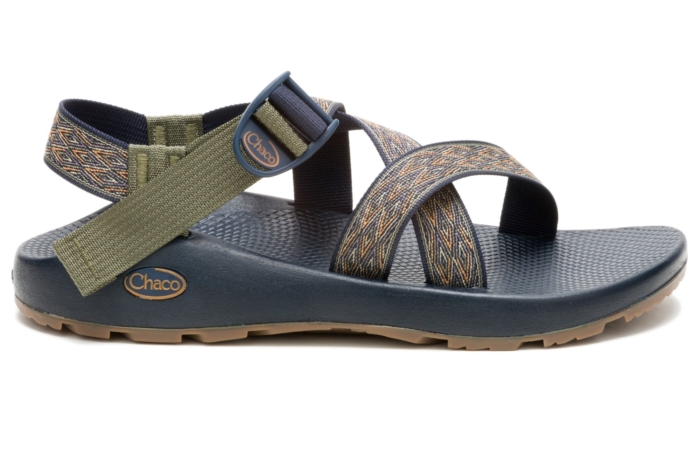
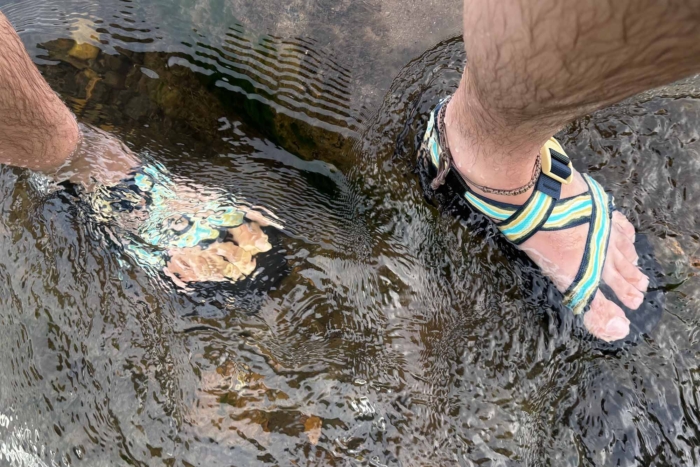
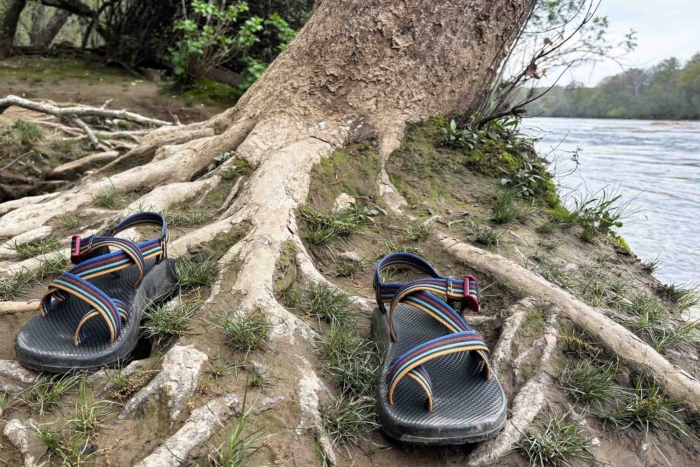
The Chaco Z/1 Classic Sandals ($95) only have eight components, and the design has barely changed since 1989 — both hallmarks of a supremely dependable sandal design. Chaco has built many spurs on the classic since then, but this is the OG, and if you need a hiking sandal that just works, the Z/1 Classic doesn’t disappoint.
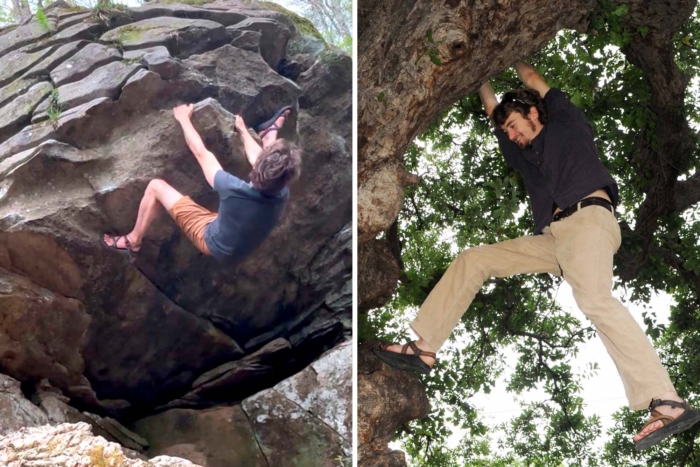
We’ve been kicking around in our Classics for actual decades, and Editor Andrew McLemore has been wearing an iteration since the age of 12 and used them to travel around the globe. The toe-strap Z/2 sandal is the original design, but the open-toe Z/1 came a few years on its heels, and we think it’s the more versatile design as you can wear socks with it.
Like the Z/Clouds, the Z/1s also sport the classic Chaco floating strap design, which threads a single piece of webbing through the footbed. This can be adjusted to fit the specific volume of your foot (after a little trial and error), and we think the single buckle design is one of the simplest out there. This rides on top of a LUVSEAT PU footbed that is a bit firmer than the Z/Clouds, but more predictable on rougher trails.
The ChacoGrip outsoles are impressively grippy for a non-Vibram sole and wear quite well over the years. In testing, we placed them just behind sandals that use a Vibram rubber in their layup when it comes to traction. The higher stack height doesn’t feel quite as ‘planted’ as other more grounded sandals, but the trade-off is in long-term comfort.
The Z/1 Classics are a bit chunky, to be sure, and you’ll certainly notice the heft if you wear them side-by-side with something like the Luna Monos or Xero H-Trail sandals. These are the heaviest sandals in our review at close to 2 pounds, but we like to think the trade-off in long-term durability is a worthy swap. We’ve got pairs of Z/1 Classics that have been worn to the nub, but they aren’t done yet.
Xero H-Trail Sandals
Specifications
Pros & Cons
Pros
- Super minimal barefoot feel
- Minimal strap system with comfortable anchor points
- Quick drying
- All-rubber outsole
Cons
- Thin soles transfer every bump under foot
- Foot bed can be a bit slick when wet
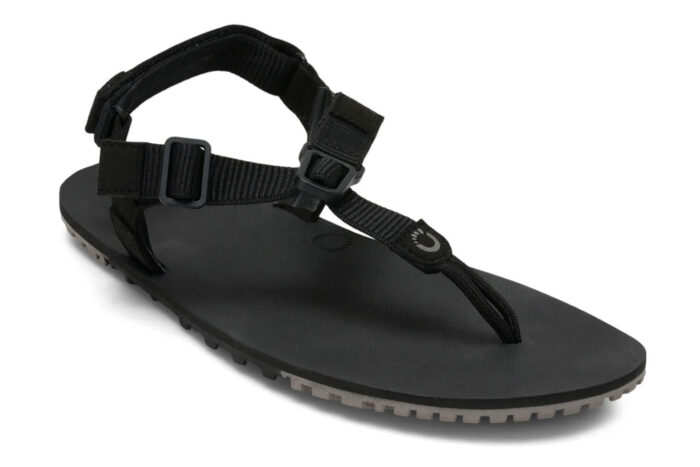
After hiking a couple of thousand miles with our standby Xero Z-Trail EV sandals, they were starting to look a little worse for wear, and we still had a few issues with the half-foam outsoles getting chewed to pieces. Sporting a new huarache style and improved outsole design, the new Xero H-Trail Sandals ($80) are the perfect replacement — and an even better minimalist hiking sandal.
It’s tough to improve upon a classic, but Xero about nailed it — retaining the stripped-down feel we love after a long day in trail runners, but shoring up a few deficiencies as well. For one, the new outsole is an all-rubber design, a big improvement over the hybrid foam/rubber of the Z-Trails that got a bit long in the tooth after many years of use. The outsole is still nice and thin for a grounded feel, too.
We’re also fans of the Huarache strap system, which feels more secure compared to the more common Z-strap style by pinning the big toe down. We felt this gave us a more connected feeling when twisting around on awkward moves off trail, and the foam footbed kept their feet in place. There’s even more adjustment potential in the H-Trails, with 4x points to dial in the fit of the straps.
It’s good to know that these sandals can easily be bent in half, and if barefoot footwear is new to you, expect some growing pains as your feet mellow out. Like the similarly minimal Bedrocks Cairn Evos or the Luna Mono Winged sandals, though, the tradeoffs can be excellent, with a real tactile feel in walking around and much stronger feet.
Whether you’re born to run in them or just need an ultralight set of sandals to kick around in after a hard hike, the H-Trail Sandals easily make the grade in our books. You may also consider the similar Bedrock Classic LT if you’re after a true Vibram sole in your minimal hiking sandal (but at the cost of less adjustability).
Bedrock Mountain Clogs
-
-
(Photo/Sam Schild)
-
(Photo/Sam Schild)
-
(Photo/Sam Schild)
Specifications
Pros & Cons
Pros
- Wide toebox allows for socks of all sizes
- Grounded, sandal-like feel
- Toe protection
- Cushy footbed
Cons
- A bit pricey
- Sizing is a bit off, and you should order one size larger than your typical sandal size
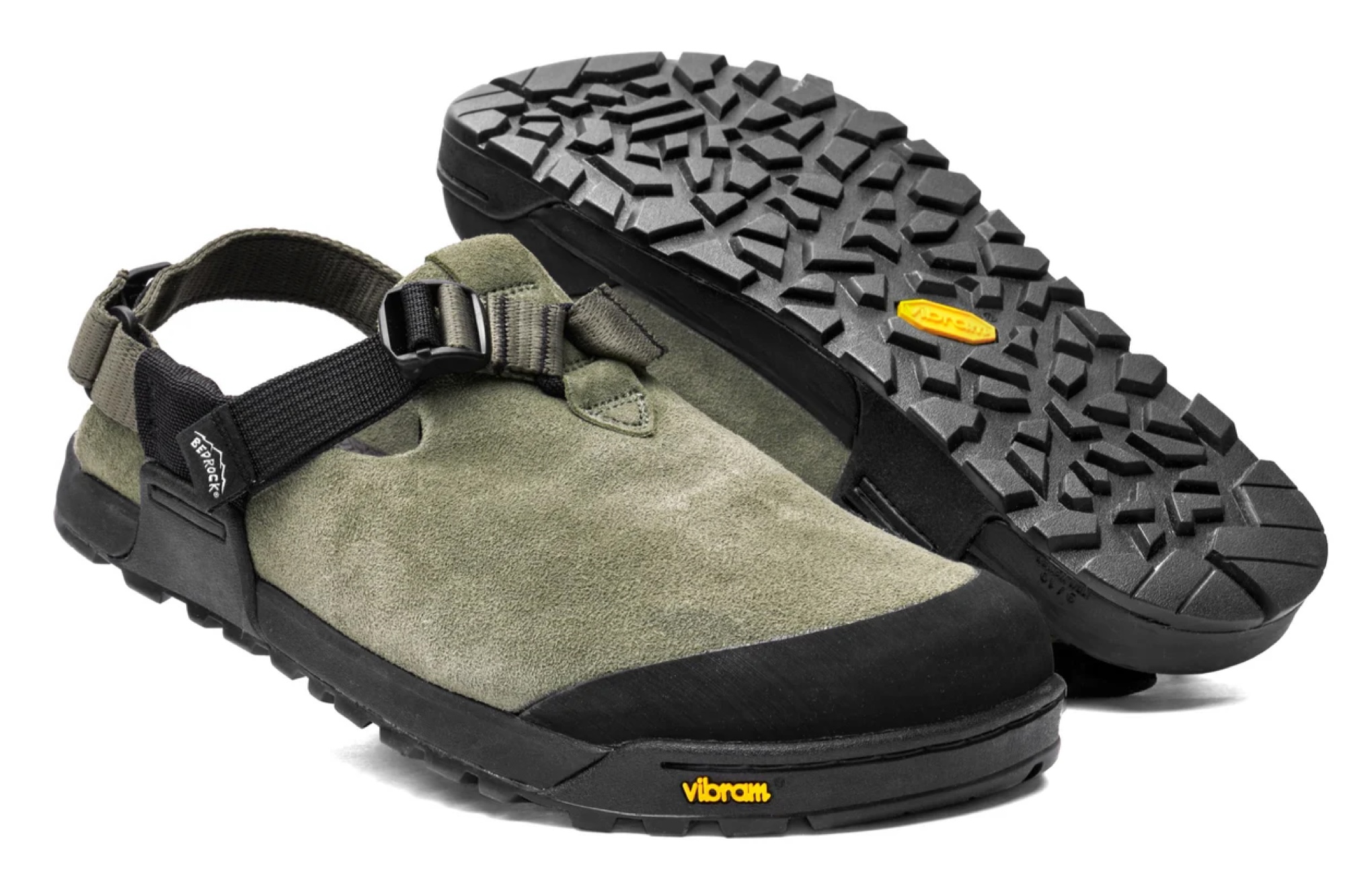
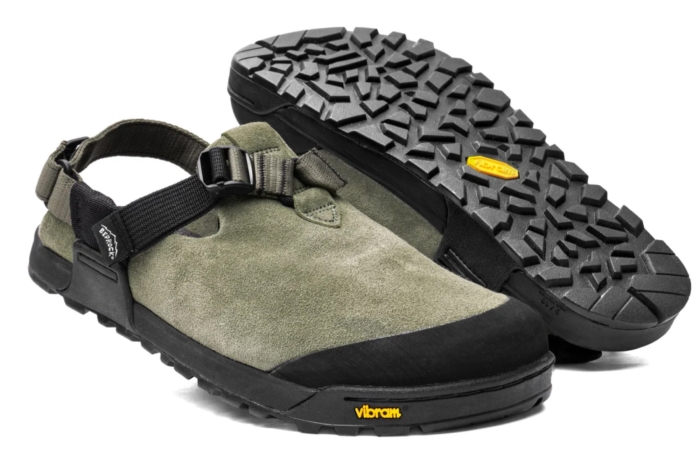
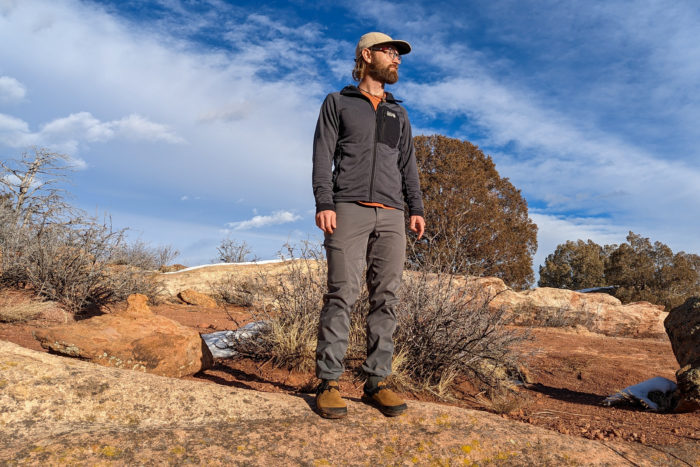
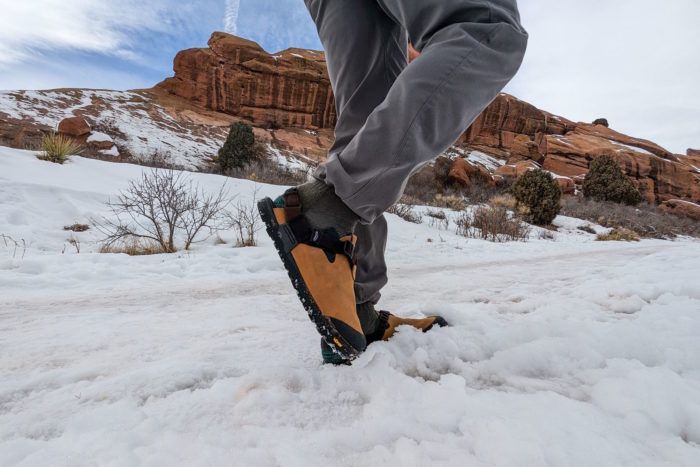
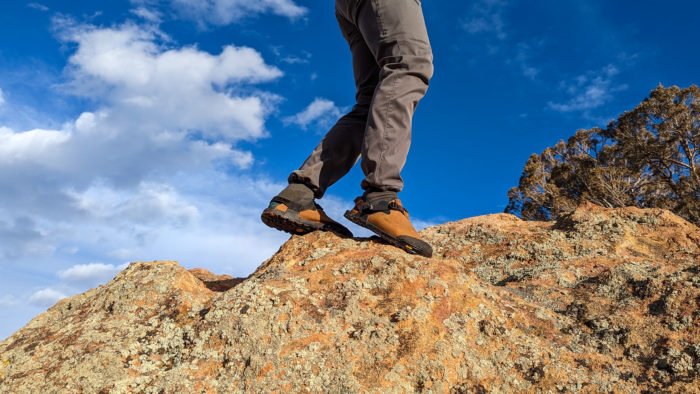
So good they were targeted in a brazen heist, the Bedrock Mountain Clogs ($160) are the souped-up version of the brand’s adventure sandals with a protective leather toe covering. These clogs have a love-it or leave-it style, but after romping around in them for an entire winter, we’re firmly on team #clogs.
Like the Cairn Evo sandals, the Mountain Clogs stay minimal underfoot. The only real difference between the two is the foot covering, which is available in a slightly cheaper suede leather version or a more deluxe Nubuck cut. Both are super-protective, and in testing, we found they shrugged off the worst of stubbed toes and kept goat’s head thorns from finding their way under our feet.
We see these sandals as perfect for extending your sandal season, but we appreciate that they don’t go too far and turn into trail runners. The zero-drop soles are still minimal and transmit a great ground feel, and the two-strap system is just right for dialing in the fit. Real-deal Vibram Megagrip outsoles are just about our favorite in any sandal out right now, and we stuck to most anything we attempted to scramble up in these clogs.
Take note: If you’re looking at picking up a pair of Mountain Clogs, ideally, try them on before you scoop them, and consider grabbing one size larger than your typical sandal size. These sandals have space for socks, which is one of our favorite parts, but you’ll need to account for that when sizing.
If you need foot protection and want to jump in some puddles from time to time, we think the Keen Newport H2 is a great alternative. You can also look at Bedrock’s synthetic version of the Mountain Clogs. The Bedrocks are a little hefty at 1 pound, 10 ounces per pair, but they are a bit lighter than the Keen Newports and more adjustable. For most folks, we think these are the way to go.
Other Sandals to Kick Down the Trail In
We think that the seven sandals above are trail-ready and up for just about anything you’re looking to do in them. That said, we’ve put miles in plenty of other worthy kicks, and you should consider the alternates below before you make your choice.
Specifications
Pros & Cons
Pros
- Stiffened nylon shank in sole gives good stability
- On-the-fly adjustability with Velcro straps
- Many different styles of strap and footbed available
- Eco-friendly recycled water bottle plastic straps
Cons
- Slightly harder rubber than comparable Chaco sandals
- Velcro can lose its stick over time; no Teva repairs offered
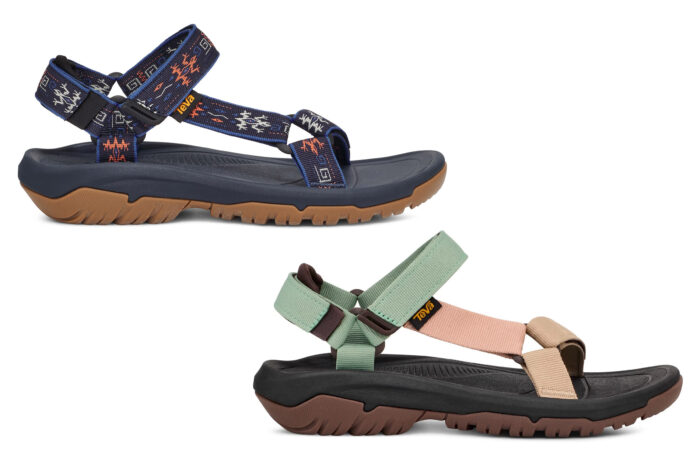
Born out of the waters of the Grand Canyon, the Teva Hurricane XLT2 Sandals ($75) are the genuine article from the brand (and if you were looking to bulk up on your sandal trivia, it’s pronounced TEH-vah). Both this and the Chaco Z/1 Classics are standard-bearers for their home team and are pretty similar, but some important details will direct which sandal to go with.
Chaco goes with its one-strap solution, while the Teva Hurricanes opt for a three-way lattice of adjustable webbing to saddle your foot (which were actually Velcro watch bands in the original prototype). In practice, we found the Chacos easier to get on once adjusted, but the Tevas are more adjustable overall, easily accommodating for funky foot shapes.
On the bottoms of the Tevas, a Durabrasion rubber sole absorbs the bumps and bruises of the road and is laid out in a smart lug pattern that keeps the sandals from skittering around too much on wet surfaces. We did find the rubber to be slightly harder than that of the ChacoGrip outsole, however, so the point here goes to the Chacos.
When it comes to stability and control, the Tevas win out, all thanks to the nylon shank embedded in the midsole that meant small edge control was no problem. The four strap anchors around the sandal also play into this control, and we appreciated being able to dial in the fit on the fly to snug up the sandals when extra traction was needed.
And finally, when it comes to style, it’s a total draw — with both the Chacos and Tevas sporting some seriously enjoyable colors and patterns. We will note the webbing on the Hurricanes is also made from recycled plastic, and the entire sandal itself can be recycled at end of life through the TevaForever recycling program. A smart option.
In the end, it’s that annoying tendency of Velcro on sandals to wear out prematurely that keeps the Z/1s above this option in our recommendations. This takes quite a long time to do, but unlike Chaco, Bedrock, or Luna, TEVA does not offer a repair service, meaning once your straps go the sandals are done. Even still, this will take years of use, and it’s hard to go wrong with the proven ability and style of the Hurricane XLT2.
Specifications
Pros & Cons
Pros
- 40% lighter weight compared to other Chaco styles
- Simple one strap design
- Compact packed size for traveling
- Cheaper entry point to Chaco quality
Cons
- Takes a little adjusting to get right each time
- Only available in full sizes
- Straps can wiggle themselves loose
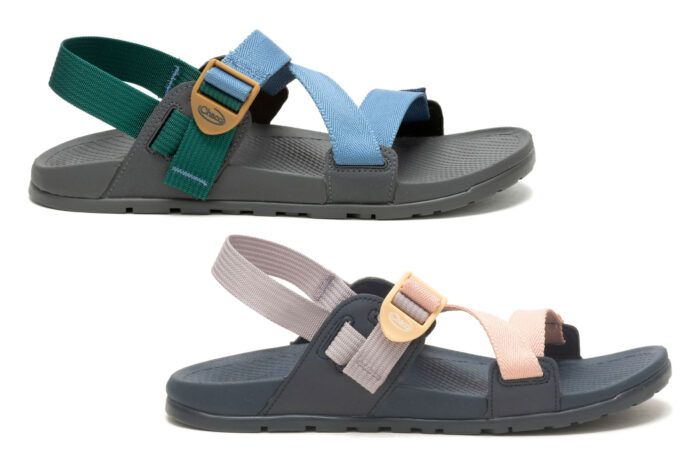
Made with all the same Chaco DNA but on a lighter diet, the Chaco Lowdown Sandal ($70) takes all of the cushioned footbed, grippy outsole, and snazzy straps of their classic sport sandal cousins and trims the fat to produce a travel-friendly Chaco that can still hang on long hikes.
Chaco claims a 40% weight reduction between the Lowdown and their classic sandal models (we found it to be 34%, ahem), but the largest benefit we found was in overall bulk. Classic Chacos like the Z/1 or Z/2 often feel too chunky to pack away in a travel bag, but the Lowdowns sport a more minimal profile that we could stuff into our carry-ons or daypacks.
The simpler Z-strap design on the Lowdown sandal isn’t as adjustable as the Z/Clouds (the floating strap design also has a bit of a memory, whereas the Lowdown needs some fine-tuning each time you wear them), but they actually played nicer with our low-volume feet. He often struggles with super-long tag ends on the straps of other Chaco sandals, while the Lowdown straps fit just right.
The outsole hasn’t strayed far, either, and is laid up with the same ChacoGrip rubber that we loved in the Z/Clouds, just in a more simple lug pattern. This pattern isn’t as featured as on other Chacos, but in testing on wet and dry surfaces, we didn’t notice much difference in anything but chunky gravel, where the tighter lug pattern of these sandals skidded around a bit.
Issues otherwise were minimal on the Lowdowns, with the most amounting to a little rubbing on the strap anchors before they wore into our feet. We find that there’s a break-in period for most sandals, as you don’t have the cushion of a sock to soak up any odd angles before they wear in a bit. After a few days of use, our feet got the memo.
Perfect for Chaco-fiends who want to travel and hike with their trusty sandals, we found the Lowdowns to be a great compromise (if the longer adjustment time doesn’t bother you). It’s not as quick as the single buckle in-and-out process on the Bedrock or Luna sandals, but quick enough to toss on for a day of travel.
Specifications
Pros & Cons
Pros
- Incredibly comfortable
- Lightweight
- Easy to adjust, stays adjusted
Cons
- The outsole tread isn’t as aggressive as most other hiking sandals
- On the expensive side
- No half sizes available
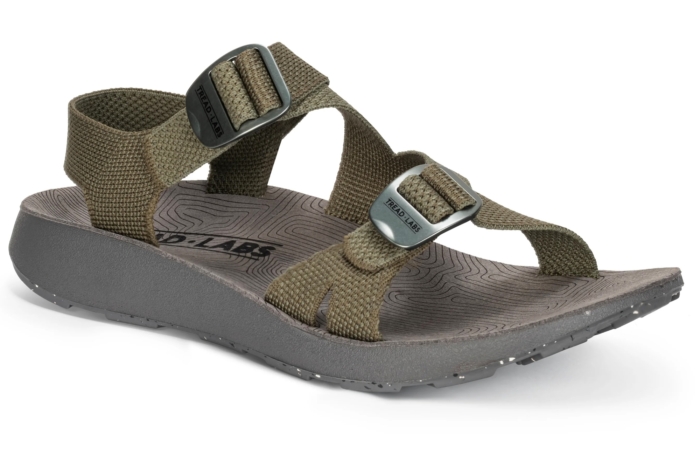
Breaking in a pair of shoes has never been this easy. Designed with recycled materials and decades of experience under their belts, or toes rather, Tread Labs introduces one of the most comfortable and versatile hiking sandals on the market, the Redway Hiking Sandal ($130).
Born from experience, Tread Labs was created by the founder of the ever-popular sandal company Chaco. Since 2022, they have been redesigning the hiking sandal game and introducing designs with a few important differences from other companies. Mainly, they’re incredibly comfortable right out of the box.
They are designed for slightly less intense environments than some beefier sandals on the market, but they still hold up on moderately challenging trails and terrain. The Redway offers a fantastic in-between option for those wanting a durable and comfortable adventure sandal. It is primarily made for hiking on anything from groomed trails to moderate scrambling and comfortable walking just about anywhere.
The straps are woven, minimizing waste. Plus, they have some dynamic stretch to them, making your feet comfortable without slipping off on the trail. With two buckles, the sandals are easily adjustable.
Tread Labs’ real claim to fame is its insoles, some of the most anatomical and comfy shoe bottoms we’ve ever stepped foot in. Made with microfiber suede footbeds, they are soft on the toes, and with a midsole made from lightweight polyurethane, it feels like you’re walking on clouds.
Underneath, the sandal is supported by a durable rubber outsole with arrow-shaped tread for traction on the trail. This might be one of the only things we didn’t love 100% about the Redway, and we wished that the tread was a bit more aggressive for looser soil and sandy terrain. The price is also on the higher end, but if you’re after a comfort-first sandal, these aren’t a bad direction to go.
Specifications
Pros & Cons
Pros
- Ability to convert flip flop to sandal is phenomenal
- Sticky G.15 rubber with razor sipes grips under water
- Quick drying materials keep the funk off
- Optional Super Straps are well made and won't fail
Cons
- Stiff flex across sandal, can cause some arch soreness
- A bit on the narrow side
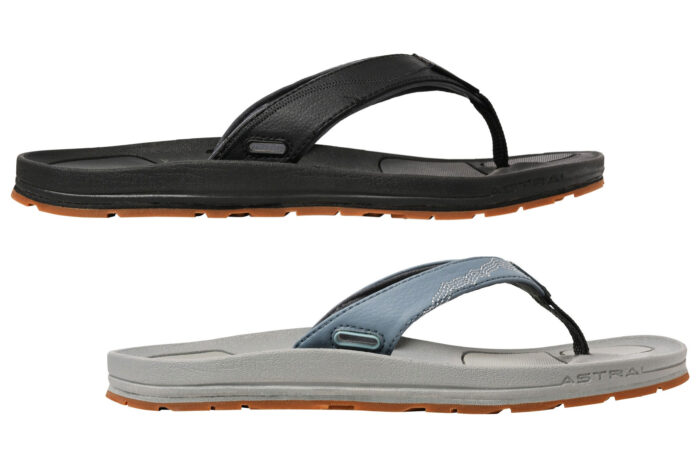
It’s hard to imagine that the humble flip-flop could ever be juiced up into an uber-capable piece of footwear, but those who think that have never met the Astral Filipe and Rosa Sandals ($85). Sporting a bunch of the same tech that made Astral’s PFDs our favorite water footwear, these flip-flops can be converted into sandals with the addition of a few webbing straps. And it’s no gimmick: the Filipe flips the script.
Let’s start with the basics, because the Filipe makes one heck of a good flip-flop, too. Laid up with Astral’s razor-sipped G.15 rubber for a sole, these sandals have impressive grip in or out of the water. An EVA foam footbed on top of that provides the cruising surface, and we found it to be further on the supportive side than squishy — keeping with the all-terrain vibe.
Rubber pads under the contact points of the feet are also incorporated to help prevent foot slippage, and the foot chassis is a cushioned synthetic leather and nylon combo that didn’t chafe or rub us the wrong way. The real magic, though, is a simple webbing loop that can be threaded through the sandal straps to retain the ankle and instep.
It’s hard to imagine that these simple straps add much support, but we were relatively blown away by how much more control they added — rivaling some full-strapped sandals in our testing. While the minimal Xero H-Trails are a good bit lighter and more compact, the Filipes absolutely best them in foot control and security.
While they are impressively adaptable, the Filipe/Rosas do have some shortcomings. For one, the midsole is not the most supple, and is a zero-drop design with minimal arch support. Those with particular feet (or those who don’t like zero-drop) may not get what they’re after. The sandals are also only offered in whole sizes, meaning you may end up with a slightly bigger pair than you need.
Ideal for beach-to-whitewater (or vice-versa) weekends, the Filipe and Rosa Sandals are some of the most adaptable sandals we’ve strapped on our feet to date.
Specifications
Pros & Cons
Pros
- Ultralight at less than 12 ounces per pair
- Comfortable leather footbed
- Understated look
- Repairable with a wide selection of parts available
Cons
- Less durable
- On the pricier side
- Straps are a little narrow
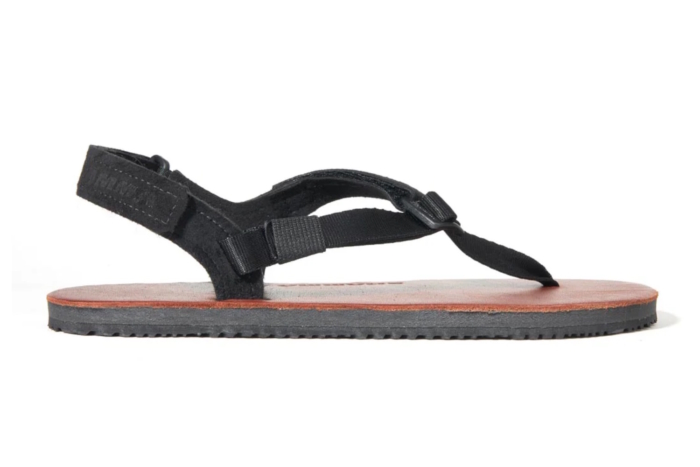
Most hiking sandals will wear in a bit with use, but the leather-topped Shamma Elite Alphas ($115) wear in like a baseball glove — perfectly conforming to your foot. These minimalist trail hounds are on the same wavelength as the Bedrock Cairn Evos, and maybe closer to the Luna Mono Winged Sandals, but all are great options for long miles.
The Elite Alphas, though, certainly set themselves apart with the Cognac leather footbed, which was a perfect option for testing in the late-summer alpine of Colorado recently. We used these sandals as approach footwear for scramble routes, where they kept our feet cool on the miles in, and then stashed away into nothing on our pack.
We also tested these sandals during a 75-mile stint on the Colorado Trail, where they made killer camp wear. The cheaper Xero H-Trail is likely a better through-and-through camp sandal (as you’re paying for added ability here), but the Elite Alphas aren’t bad at all to slip into after a day on trail. That added performance also came in clutch when we used the sandals to air out our feet on the last few miles into camp.
If the paracord toe post of Bedrocks irritates you, the suede used in the Shamma sandals might be a better solution, without straying from the strap style. The straps here are narrower, however, which made for a slightly less comfortable fit. The Bedrocks also have a good bit more grip with their Vibram Megagrip outsoles, but for mostly on-trail use, these sandals still provide great traction.
The Elite Alphas are also available in an ‘Ultragrip’ textured footbed, but we think the leather version is where it’s at. The trade-off is that leather won’t play nice in consistently wet conditions, so it’s better to keep these sandals in dry climates. That said, these are a great alternative to any of the other minimalist sandals we’ve recommended.
Specifications
Pros & Cons
Pros
- Super sticky and siped G.Ss rubber clings to wet rock
- Padded uppers keep feet comfy in watercraft
- Great drainage
- Lightweight for the amount of foot protection
Cons
- Fit is a bit on the narrow side
- Rear G-hook can bend if not fully secured
Read Review: Astral ‘PFD’ Sandal Review: Our New Favorite Footwear for River Treks
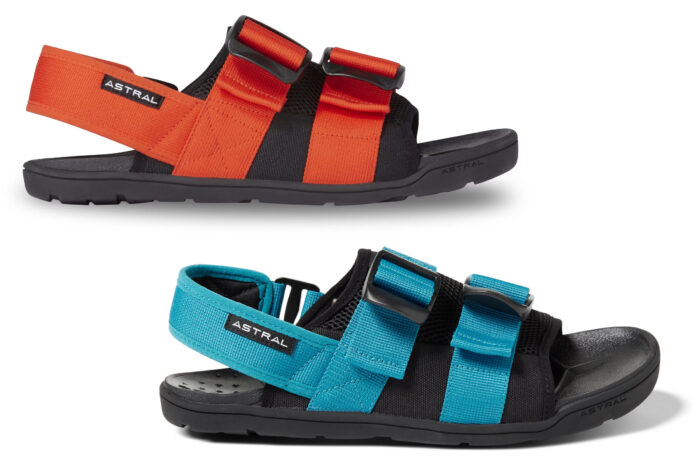
After an entire summer of being our default packrafting footwear, know this: The Astral PFD Sandals ($95) are bar-none the best water shoe we’ve slapped on our pruney tootsies — and we’ve got the tan lines to prove it.
Just like a good sports car, it really all boils down to the tires. The soles on the PFD sandals are a proprietary G.Ss Rubber that we found holds strong against wet surfaces better than most. Then comes the genius part: These sandals are siped, like a great winter tire. Invisible to a casual glance, bending the sandal reveals zig-zagged ‘Flex-Grip’ sipes that grapple for traction on riverbeds.
Coupled with their insane traction is a chassis of wide polyester canvas straps that latch onto your feet, as well as a spacer mesh-cushioned ‘Thwart Pad’ that’s made to provide comfort when bracing against whitewater raft seating. The foot protection here is only bested by the Keen Newport H2s, which cover the entire foot, but are a good bit clunkier.
Comparing notes with our paddling friends this summer, we found that we could scuttle up steeper washes and slicker boulders versus their footwear. We even found that the PFDs make bang-up fly-fishing wading boot substitutes after a near-miss on a Montana road trip where we packed everything but our trusty Simms.
The PFDs are only available in full sizes, but feature a rear strap and G-hook combo that can be shored up to accommodate those in between sizes. We found that the fit was also a little on the narrower side, and those with wider feet may opt to go up a size and snug up the rear strap to keep their feet happy.
Perfect for anyone needing a full-time water sandal, the Astral PFDs are a no-nonsense pair of sandals that’ll help you keep the rubber side down on your next trip to the river. Those after a more minimal option might also consider the brand’s Filipe & Rosa sandals — a convertible flip flop that sports the same sticky outsole.
Specifications
Pros & Cons
Pros
- Excellent toe protection
- Great grip on wet rock with siped rubber outsole
- Bungee closure moves with your foot
- Available in up to size 14
- Good for side hikes, casual biking, and more
Cons
- Not a lot of adjustment potential
- Semi-enclosed design can trap debris
- A face only a mother could love
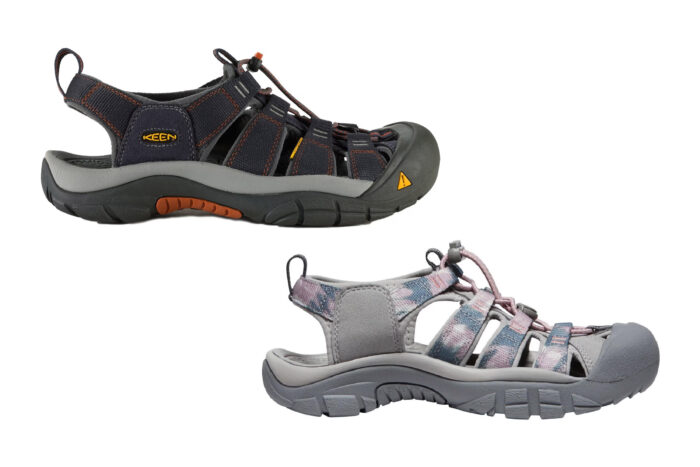
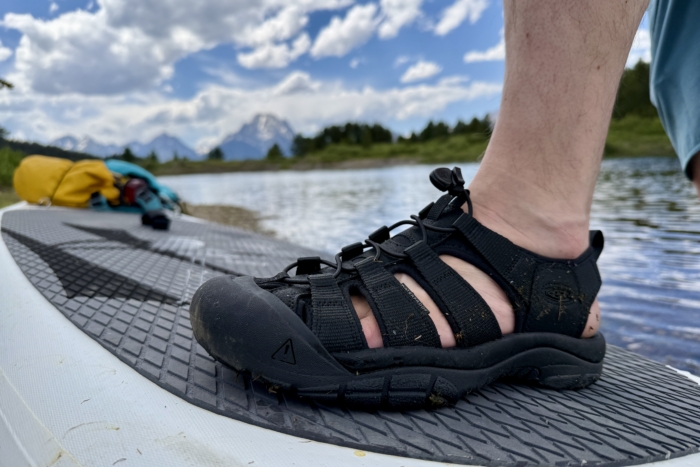
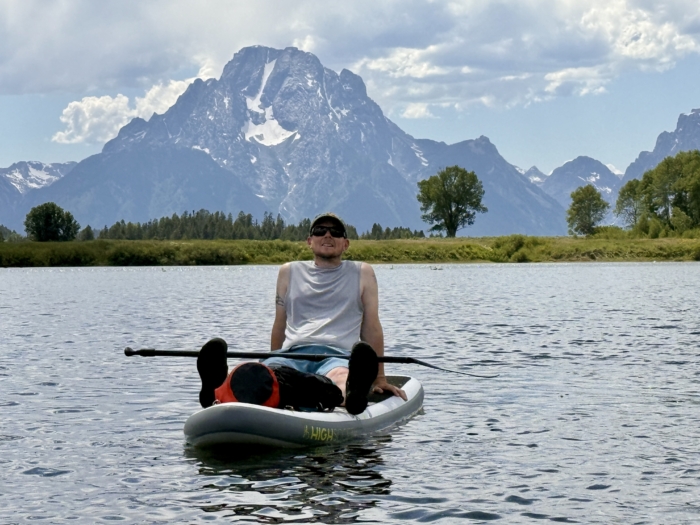
The toe bumper on the Keen Newport H2 ($130) tells you everything you need to know about these water-ready sandals: They’re protective, tough, and ready for a full day of kicking around in the river. Put to the test in our quasi-scientific “kick rocks” regimen, these were in only sandals we could bear to wail on with impunity.
“The World’s Ugliest Sandal” — by Keen’s own admission — knows that looks have little to do with it when protecting your tender toes is on the line. The wide toe box is tucked behind a 1.5” protective cap of rubber, and is even emblazoned with a little caution symbol to let wayward rocks know to steer clear.
Backing up that toe cap is a sturdy chassis of webbing and a quick-dry lining that swaddles your feet, and in testing we found these to be some of the most secure sandals in our lineup. The whole affair is held together with a quick-adjust bungee system, which means that on and off is quick, and the sandals move with your feet, rather than constraining them.
When stacked up against our choice for the best water sandal, the Astral PFD, the Newport H2s become the obvious choice for anyone who is looking for a bit more protection, such as in boulder hopping or exiting your watercraft frequently.
Unsurprisingly, they both sport a razor-siped outsole for the ultimate traction on wet terrain, and we’re convinced that this is the way to go for those who don’t want to compromise. In our traction testing, the Newport H2s held on tighter than most.
The web of polyester and elastic does become a bit of a crab trap once debris finds its way in, which was probably the most frequently registered complaint from us, but luckily the fast on-and-off of the bungee closure system means a quick shake is all it takes to clear. Potential buyers should also know that these sandals tend to run a bit small and that ordering a half-size larger typically gets the job done.
Born for the water, forced to live on dry land — the Newport H2 Sandals are a performance-oriented water shoe without a lick of shame about how they look to get there. We tend to think that the Astral PFD Sandals does everything these sandals do, just without the debris collection issue. The tradeoff, however, is protection, and if that’s what you need, these sandals are great.
Specifications
Pros & Cons
Pros
- Polyester mesh lining on all contact surfaces makes for a smooth ride
- TPU shank in midsole supports long days on the trail
- Spider rubber outsole is one of the gripper in our tests
Cons
- Heavy for a sandal at close to 2 lbs.
- Not very flexible for off-trail use
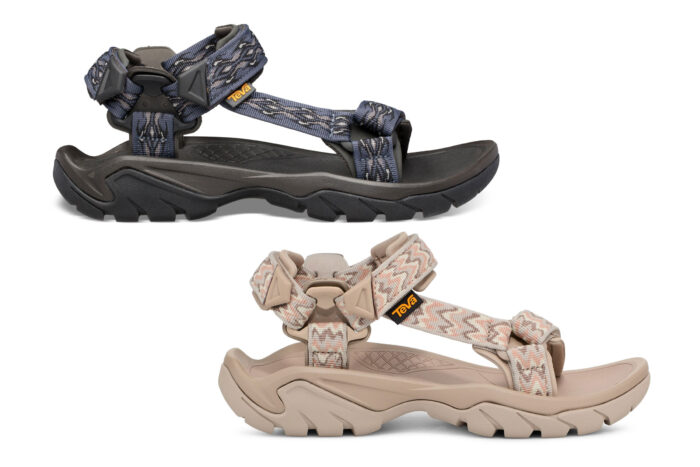
Looking very much like their siblings the Hurricane XLT2s, the Teva Terra Fi 5 Universal Hiking Sandal ($120) dials up the all-day comfort with the addition of polyester mesh padding on the interior of the straps — making these kicks better suited for day-after-day use on longer backpacking trips.
All that added padding really makes the difference, too. Multi-day hikes were no problem, and the Terra Fi became one of the favorites for all-day comfort. You’ll pay for the privilege ($110 versus $75) but it can be well worth it if you need the extra padding. All of the adjustability we loved about Tevas is baked into the Terra Fi sandals as well, with easy Velcro straps and rubberized pull tabs.
The Spider Rubber outsole on the Terra Fi sandals is also an upgrade over the Durabrasion found on the Hurricane XLT2s, which in our testing was one of the less forgiving for grip. Spider Rubber is a different story, and grips with the best of the rubber compounds including the Vibram Megagrip on the Bedrock Cairn Evos. We also appreciated the embedded TPU shank in these sandals, which gives them a bit of backbone across long days.
All that extra comfort and grip have to tip some other scale and in the Terra Fi sandals, its weight. At close to 2 pounds, these are the chunkiest sandals in our line-up, which takes them out of the running for those interested in packing them along on backpacking trips. We find that sandals like the Bedrock Cairn Evos are a good bit more nimble than these, due to their weight under a pound and more flexible soles.
But if the Terra Fi 5 Universals are going to be your main squeeze for a weekend abroad (and there’s no scrambling involved), they might be the ticket.
Hiking Sandals Comparison Chart
| Hiking Sandals | Price | Weight (per pair) | Adjustment Zones | Closure | Arch Profile |
|---|---|---|---|---|---|
| Bedrock Cairn Evo 3D Pro | $140 | 8.7 oz. | Three | Strap (buckle and G-hook) | Mild (1/4″ proud) |
| Teva Original Universal | $65 | 13 oz. | Two | Strap (Velcro) | Low to mild (1/8″ proud) |
| Chaco Women’s Z/Cloud | $105 | 1 lb., 3.4 oz. | One | Strap (buckle) | High (3/8″ proud) |
| Luna Mono Winged | $115 | 11.8 oz. | Five | Strap (buckle/Velcro) | Flat |
| Chaco Z/1 Classic | $95 | 1 lb., 13.8 oz. | Four | Strap (buckle) | High (3/8″ proud) |
| Xero H-Trail | $80 | 13 oz. | Four | Strap (buckle/Velcro) | Flat |
| Bedrock Mountain Clogs | $160 | 1 lb., 10 oz. | Two | Strap (buckle/Velcro) | Mild (1/4″ proud) |
| Teva Hurricane XLT2 | $75 | 1 lb., 4.5 oz. | Three | Strap (Velcro) | Mild (1/4″ proud) |
| Chaco Lowdown | $75 | 15.4 oz. | Two | Strap (buckle) | Mild (1/4″ proud) |
| Tread Labs Redway | $130 | 1 lb., 4 oz. | Two | Strap (buckle) | Mild (1/4″ proud) |
| Astral Filipe & Rosa | $85 | 12.4 oz. | One (with Super Strap) | Flip flop or strap closure | Low (1/8″ proud) |
| Shamma Elite Alphas | $115 | 11 oz. | Three | Strap (buckle) | Flat |
| Astral PFD Sandal | $95 | 1 lb., 4.2 oz. | Three | Strap (buckle/G-hook) | Mild to high (3/8″ proud) |
| Keen Newport H2 | $130 | 1 lb., 12.3 oz. | One | Bungee cord | Mild (1/4″ proud) |
| Teva Terra Fi 5 Universal | $120 | 1 lb., 12.5 oz. | Three | Strap (Velcro) | Mild (1/4″ proud) |

How We Tested the Best Hiking Sandals
For our updated look at the best sandals on the market in 2026, we considered a handful of new pairs and set them against our existing line-up to see if they could make the grade. Our selections came to the service of our multi-sport crew of GearJunkie comrades, as well as from good old-fashioned nose-in-the-books research.
Our Testing Process and Testing Locations
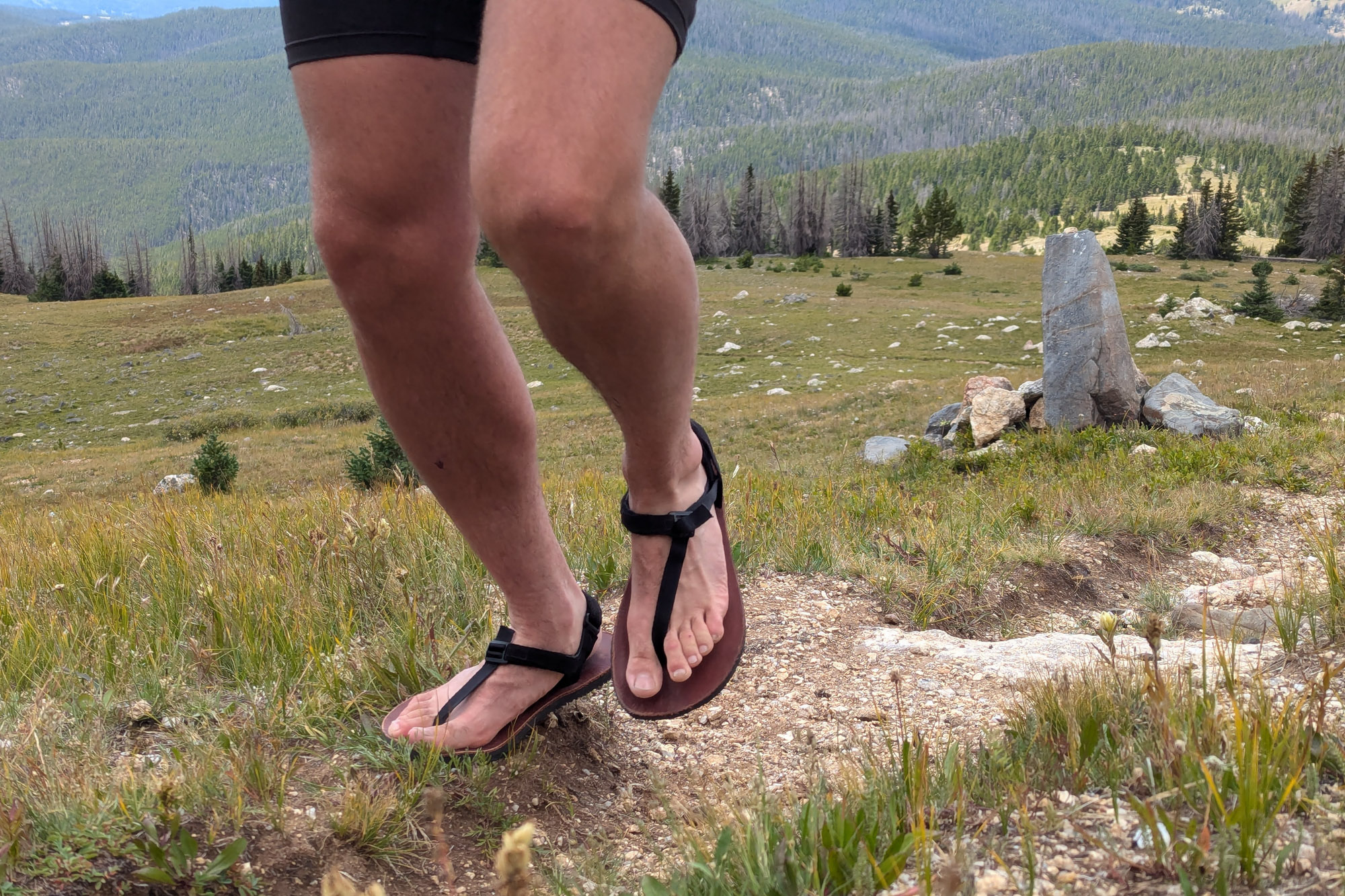
In addition to real-life use, we also subjected these kicks to a testing regiment that aimed to set them head-to-head in the arenas of traction, comfort, support, and adjustability. These tests were carried out in the creekbeds of the North Cascades, the granite slabs of British Columbia, and the rocky shores of the northern Pacific, and better quantified our thoughts on the sandals from our day-to-day testing.
And while we know that nature isn’t a runway, we also pay mind to looks as many folks enjoy taking their sandals from the trail to the taps in one go. All of this testing and feedback was also augmented by passing off sandals to our friends and family for quick feedback, who clock in at anything from size 6 to size 12, and pulled together to bring you the best of the best in sandals today.
Our hiking sandal testing extends to the hard data, as well, where we break out the trusty kitchen scale and compare these sandals against their claimed weights. And, since sizing information isn’t accurate unless you have a solid benchmark, all of our testers are sized up on a Brannock device to ensure our size recommendations are accurate.
Our Expert Testers

Lead tester and Senior Editor Nick Belcaster is no stranger to a little time up on his feet, having hiked a long portion of the Pacific Crest Trail in 2018. He’s well aware of the benefit of some natural foot splay and kicks around in sandals daily like it’s going out of style. Belcaster devised the testing regimen for this guide, and totes these sandals along with him as he packrafts, climbs, and surfs Washington State.
Pacific Northwest-based contributor Rebecca Ross did the heavy lifting in adding a female perspective to our testing, and is a multi-sport athlete who leveraged her broad range of skills to tackle the alpine approach to Mt. Baker, paddled stand-up paddleboards in the Columbia River, and hit the shoreline — all in her sandals.
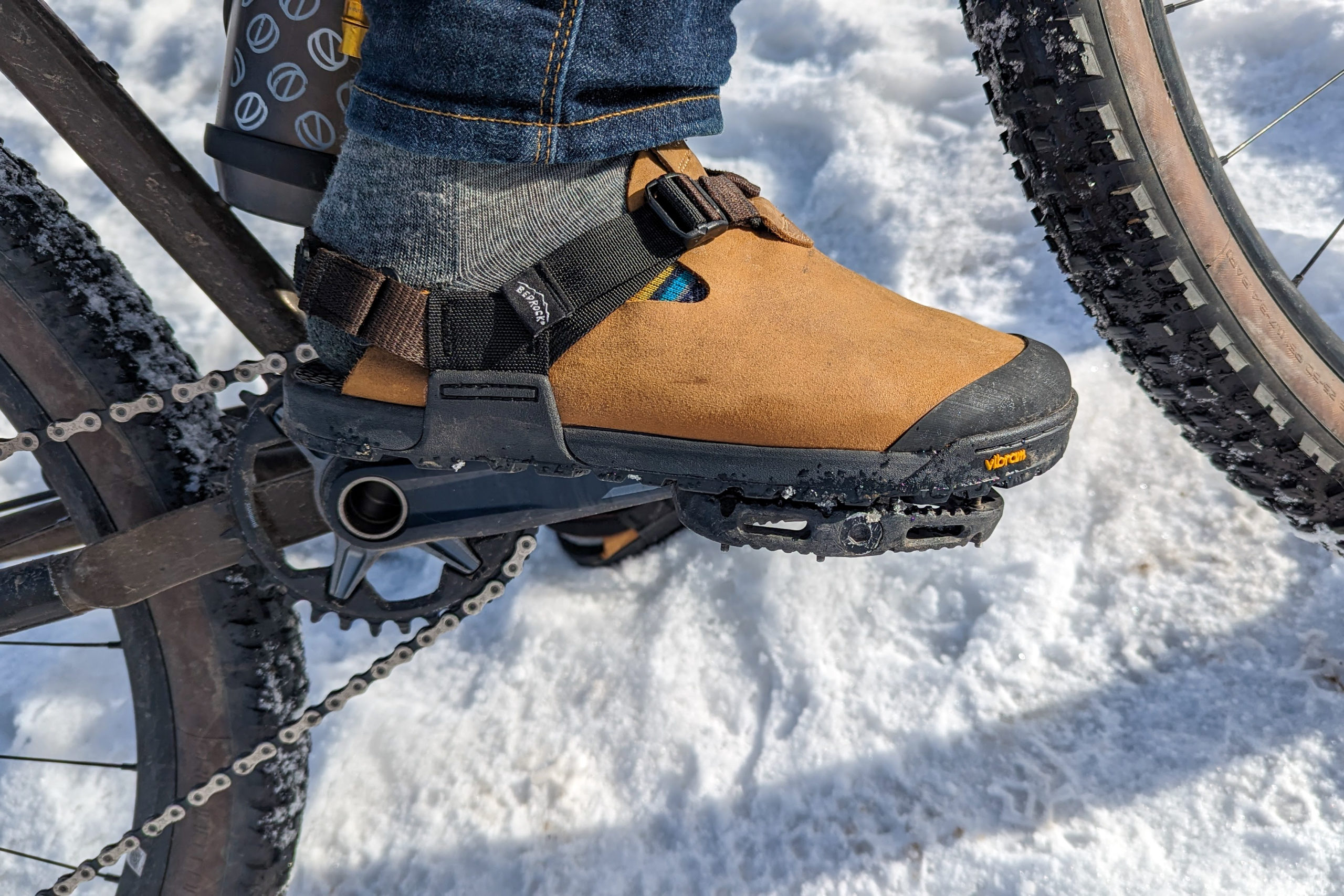
Buyer’s Guide: How to Choose the Best Hiking Sandal
A good pair of sandals should provide added levity to your day — not bog you down, and neither should your decisions surrounding sandals. People have been plodding around in lightweight footwear for some thousands of years (the oldest known examples were unearthed from Fort Rock Cave in Oregon, and woven from 10,000-year-old sagebrush bark), and they don’t look to be stopping anytime soon.
Sandals provide protection from the ground below you, and are affixed with a series of straps, which can vary from the simple to the extravagant. Sandals also provide for a much more breathable experience for your foot, and keep your feet cool on hot summer days. Consider them the perfect way to drop the top on your tootsies when the sun is shining.
We’ll note here that sandals have often existed as accessory or secondary footwear, but new strap tech and outsole constructions are churning out sandals that can keep up with the best trail wear out there. Adventure-ready sandals are taking the market by storm, and it’s now easy to have a pair for every occasion — from the casual to the rowdy.
For hiking sandals for gals, check out our Best Hiking Sandals for Women Buyer’s Guide, and if you’re interested in something that will keep your feet fresh for an entire backpacking trip, consider our Best Hiking Boots. Something between the two is more your speed? Our Best Trail Runners selections won’t have you on the wrong foot.

Use Types
Sandals might be firmly planted in the casual section of your footwear store of choice, but we’ve found that we can get up to some downright gnarly days in ours. That’s why narrowing in on exactly what you’ll be doing in your sandals should guide your choice. Sandals can be incredibly adaptable to different activities, but most fall into one of the following general types.
Adventure Sandals
No need to break out the big guns for this romp? Adventure sandals are more than up to the task of getting you down the trail and are designed to offer high traction, control, and comfort over a number of miles. All that will often come at a weight ding, but even still, the heaviest hiking sandals are often leaps and bounds lighter than hiking boots.
Being able to steer yourself down the trail deftly will be an important trait to look out for, so pay close attention to how the sandal straps attach to the sole, as well as how they are adjusted. Sandals with multiple adjustment points, like the Bedrock Cairn 3D Pro, will easily trump those with singular cinches, and help avoid odd rub points when the miles start to stack up. And for the barefoot loyal, the Xero H-Trail or Shamma Elite Alphas offer a low-profile hiker style that is perfect as camp shoes.

Lifestyle Sandals
Do it all, and do it well — these all-arounder sandals are just as comfortable kicking around town as they are tromping up a trail, and offer the most balance of any sandal type out there. A generous midsole should provide a good amount of comfort underfoot, and be laced up with a secure strap system that doesn’t pinch or rub in odd ways. These midsoles can often be contoured to better support your arches, and feature traction patterns to keep your foot in place atop them.
Sandals of this stripe also will sport an outsole that can handle being piloted across all different types of terrain — from concrete to slickrock — and feature a flex that lands about mid-range between stiff and floppy. This flex also has a good bit to do with comfort and traction, so consider matching your sandals with the flex of your everyday footwear.
The Chaco Z/Cloud ticks all of these boxes and more with a one-strap adjustment system and extra-comfortable footbed. And if on-the-fly adjustment is what you’re after, the Teva Hurricane XLT2 makes it happen with ease.

Watersport Sandals
Being able to transit from the dry to the wet and back again is a huge benefit of sandals, and those made for it leverage a few key aspects to make it happen. Watersport sandals will very often sport the best rubbers and outsole designs over their dry-land cousins, with Vibram designs reigning here. Smart lug design will also help you keep the rubber side down.
For days where we’ll be piloting watercraft, it’s hard to deny the abilities and grip of the Astral PFD, which incorporates siped rubber into its outsole to stick to slick rocks like fly paper. And for more casual splashing about or wet-wading for trout, the Keen Newport H2 is a very protective design that’ll keep your toes intact — even when swimming in murky waters.

Flip Flops
Whether you call them flip flops, thongs, jandals, plakkies, or chanclas, there’s no denying the ease of slapping on some of these stripped-down sandals for easy cruising and hitting the beach. You’d be forgiven for believing that flip flops are bottom-of-the-barrel footwear, but know now that modern flip flops are available to tackle almost all of it.
The sole of the flip flop is where the magic happens, which is a good thing, as there’s not much else going on. These can be of a few different flavors, with simple flat footbeds dominating the budget side, to drop-in and contoured plush options like the Astral Filipe & Rosa that mold to your feet.

Closure Configuration
A sandal ain’t much if it can’t stay on your foot, and affixing your sandals properly will have a huge impact on not only your comfort but also your ability to traverse more difficult terrain.
Some measure comfort and a quick on-and-off over all else, while others put a premium on adjustability and honing in on the perfect fit. Others still exist somewhere in the middle, with easy hook and loop closures that will both stand up over time and allow for good control. Wherever you end up landing, know that everyone has a different foot, and that some strap styles may work better than others for you.
Straps (Buckle and Velcro)
The old standby: You typically won’t need to fully ensconce your foot in a thicket of webbing to get them to stay on, but a good two or three strap system will keep your kicks where you want them, and transfer control when you need it. These straps typically lie over the top of the instep, as well as over the front of the foot, and behind the ankle.
Adjusting these straps can be accomplished through a few different means, with buckles and Velcro being the primary among them. A good buckle adjustment will offer fine control over cinching up exactly how much room you want, and won’t wilt in water and become too dirty to work. Velcro, on the other hand, is super quick and easy to manipulate but will have a lifespan to its hold, and can become less effective when packed with trail debris.
Consider also how these straps anchor themselves to the sandal body. This area can often be a rub zone for folks with particular feet, and you may need to experiment with different strap styles to find one that works for you. The anchors on the Xero H-Trail Sandals are canted away from the foot to allow for a more natural foot splay. Also, know that new webbing will eventually wear in and become more supple, so a good fit may only be a few days away.
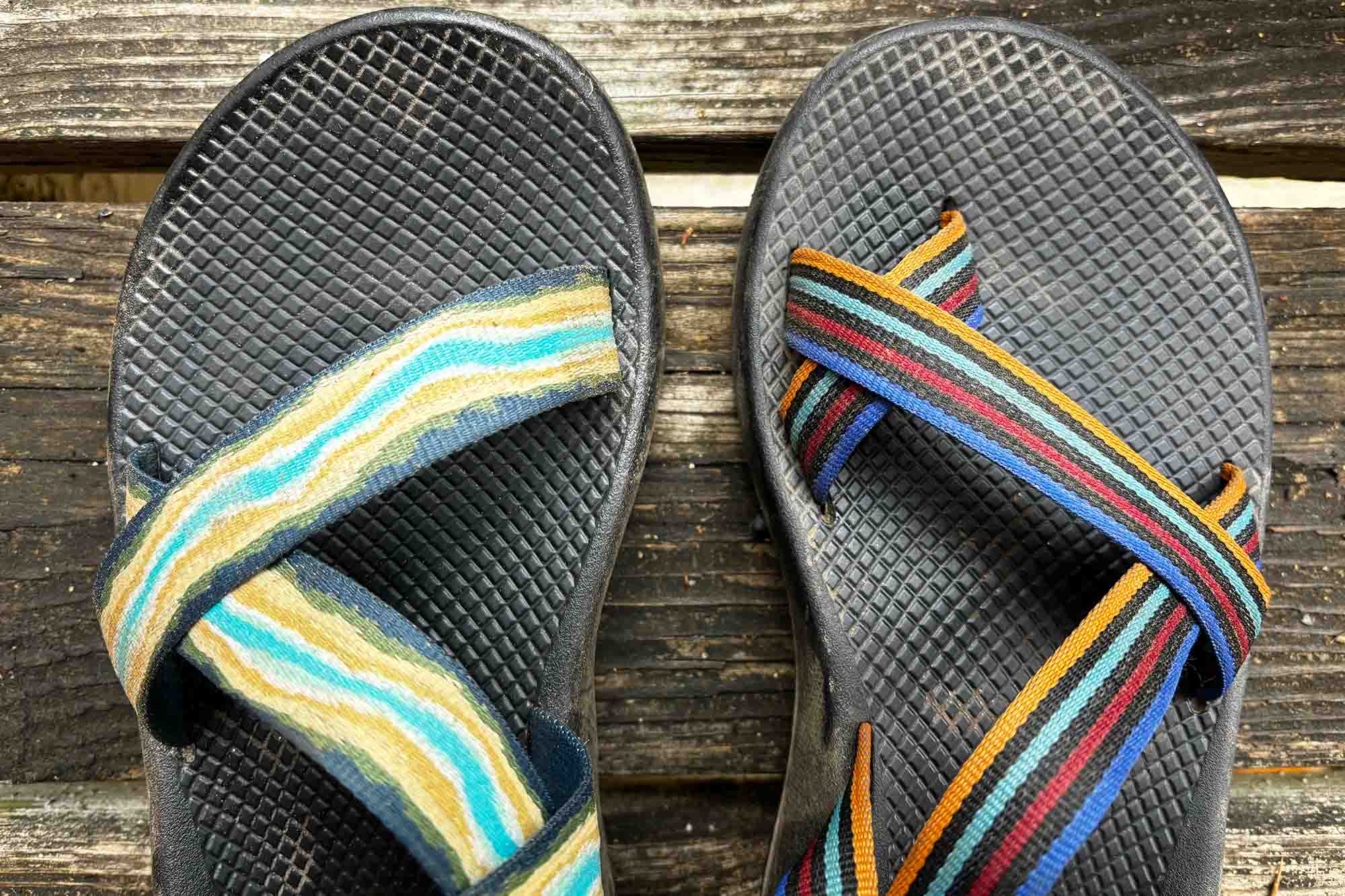
Bungee Closures
Utilizing the natural stretch and rebound of elastic cord to hold your foot to a sandal is an excellent way to stay connected. Closures like the one on the Keen Newport H2 provide a more connected feel that is similar to a shoe, but still retains all of the breathability and water-friendly nature of sandals.
Like any natural rubber, elastic will have a functional life that will end with less rebound as time goes on. Thankfully, many bungee closure sandals can be replaced at home with fresh cord. And while Keen is undeniably the king of the elastic cinch, there are also a number of Merrell sandals that utilize elastic as well to keep your foot locked down.

T-Style Straps
A bit of a flip flop and strap-style hybrid, T-style straps pad between your big and second toes, as well as securing your instep and around your ankle. These straps provide your feet with some of the most wiggle room of any strap style, while still providing enough control to pilot your feet where you need them.
Sandals of this strap flavor are also some of the most adjustable (Bedrock even has full videos on the multi-step process), and each section of strap can be dialed in to specifically fit your feet. With the single strap going in between your toes, it can be a little bit of an adjustment period, but after a few days the webbing and cordage supple up and wear into your feet.

Floating Straps
A bit of a spur on the strap design, but certainly novel in its application, floating straps utilize a single piece of webbing that is fed through the sole of the sandal, and is adjusted by milking slack through it until all areas of the strap are snug. Chaco is famous for this strap style, and it very often can be love at first sight, or a prompt ‘no, thank you’ when it comes to these straps.
To adjust floating straps, begin at the end of the sandal and loosen the strap throughout the sandal. Then, tighten the straps beginning with the toe loop (if the sandal has one), and move on to the front of foot strap, and then back to the ankle/buckle adjuster strap. Your straps should feel snug enough to keep your foot secure, but not so tight that you struggle to slide into them.

Fit and Sizing
Because sandals aren’t limited by being fully enclosed, the fit is generally a good bit easier to nail down versus everyday footwear. Still, there are a number of things to consider in finding your Cinderella pair.
For one, sandals generally play by the same rules when compared to like-size footwear when sizing, but this isn’t always the case. Almost all brands of footwear vary somewhat in their interpretation of sizing, and this also extends to sandal brands.
While compiling sandals for this guide, we leaned on manufacturer suggestions of whether to size up, down, or stick with our common size. Some sandals, like the Bedrock Cairn Evo 3D Pro, should generally be sized up one full size, while others might need to be sized down.

We’ve found that most sandals won’t be offered in half sizes, so when in doubt: size up. Your unblemished toes will thank you. The difference in Men’s and Women’s fit sandals almost always only relays a difference in width, with Women’s sandals being the thinner of the two.
There’s no rule regarding who can wear what sandal, and if you’ve got a narrower or wider foot than normal, look further abroad for other gendered options that will best fit your foot. Both Chaco and Teva are good at offering fairly gender-neutral colorways in both styles.
Fit also has a good bit to do with the strap system, which fastens down over the instep and front of foot in most sandals. Due to differences in feet, sometimes certain straps won’t play nice with your feet. For example, the lead tester of this review has some of the most low-volume feet this side of the Mississippi, and struggles often to cinch down sandals fully to get a truly snug fit. This is especially important to consider in all-in-one strap systems like the one used in Chaco sandals, where extraneous straps can quickly become a tag end to trip on.
You’ll have no ability to run custom insoles in sandals, and if you’re a person with particular feet, you may want to match up your sandals with the arch profile of your everyday insole. Sandals like the Chaco Z/Cloud and Teva Hurricane XLT2 had some of the highest arch profiles in our testing, while the Bedrock Cairn Evo 3D Pros landed at about the middle of the pack, and sandals like the Xero H-Trail or Teva Original Universal lacking much structure at all.

Weight and Packability
The old adage of a pound on your feet equalling five on your back rings true here, and luckily with how lightweight sandals can be, you should be practically floating down the trail toward camp. Most sandals will end up weighing just shy of the 1-pound mark per pair, with some, like the Xero Z-Trail EV, skirting under at an impressive 8.6 ounces.
Overall weight can be important when considering whether or not you’re willing to bring your sandals along as a luxury item while backpacking. Lightweight and ultralight weight sandals like the XEROs will easily make the cut, and some with a bit more structure like the Luna Mono Winged Sandals should also be considered.
With added weight very often comes added durability, and sandals like the Chaco Z/Cloud and Teva Hurricane XLT2 offer chunky soles that boost comfort, but at a bit of a ding to weight. We tend to grab these sandals more for everyday wear when we won’t be packing them along.
In practice, we tend to gravitate toward a middle-of-the-road weight and packability sandal, like the Bedrocks. At 17.4 ounces they’re not going to drag you under, and the minimal strap system collapses well into itself to form a tight package for toting around.

Outsoles
This is where the rubber meets the road with sandals. Like conventional trail wear, sandals very often incorporate a thick and grippy outsole that protects against rough terrain, and choosing one with a rugged outsole should be high on your list if you are angling to take them off-road.
Let’s start with the lugs. These hunks of rubber protrude from the bottom of the sandal and provide the grip you’ll need for rambling around on granite boulders or in sandy washes. Multi-directional lugs are placed in alternating directions to provide better grip on both the uphill and the downhill, and most any hiking sandal worth its salt will incorporate them.
The type of rubber also plays a big role in grip, with softer rubbers sticking much better, but having a shorter lifespan in the long run. Sandals laid up with the most premium outsoles often opt for Vibram brand rubbers and lug design, which are proven to be trail-ready and stand up to the test of time. This isn’t to say that proprietary rubbers like ChacoGrip or Teva Durabrasion can’t hack it (they certainly can), but we know we can trust Vibram straight out of the box.
Certain sandals meant for water use, like the Astral PFD or Keen Newport H2, razor sipe their outsoles to add an extra layer of grip in wet conditions. These small cuts act like teeth to bite into slick surfaces, and displace the wet directly beneath them to get good contact.

The stiffness of the outsole will also play a role in traction and control, as a floppy sandal won’t respond well to the actions of your feet. During testing, it was interesting to note that the Teva Hurricane XLT2 had a slight edge on the competition due to the nylon shank that is embedded in its outsole.
Like running or trail shoes, sandals may also incorporate a toe-to-heel drop across the outsole for better ergonomics. If you’re a runner, you likely know what amount (if any) of drop you like in your footwear, and matching your sandals can be a smooth transition. There isn’t any problem with wearing shoes or sandals of different drops, but you may notice it in your ankles over a full day.
Finally, the stack height of a sandal has to do with the total distance between the ground and the soles of your feet. A thicker outsole will provide more protection and durability, but will flex less and be a bit more clumsy in maneuvering. Thinner outsoles will be more tactile and give more ground feel, but won’t be endurance footwear (for most of us).

Support and Comfort
Sandals may not be your all-day-every-day shoe choice, but they still should be comfortable over the long run. Sandals comparatively don’t have much support when set beside modern hiking boots, but barefoot enthusiasts will tell you that weak feet need support, and strong feet do without. Wearing sandals consistently will very likely strengthen your feet.
Most of the support and comfort from your sandals will be courtesy of the midsole, which is the material that rides above the outsole. This material needs to toe the line between being soft enough to accommodate your feet while standing in them, but not so soft that your arches collapse over time. Because everyone has different foot profiles, you likely will want to get some test laps in any sandal you’re looking at spending considerable time in.
Comfort will also have a good bit to do with the system of straps that hold your foot to the sandal. The tops of your feet can be surprisingly sensitive, and yarding down on your sandal straps is liable to make anyone a little shy about wearing them again. Go for a snug fit that allows your foot to make the micro-adjustments it needs to while walking. Your feet will thank you.
It’s good to know too that many straps will wear in and become softer over time, so don’t fret if your initial wear yields a few rub marks. Give it a day or two and reassess.
Foot Protection
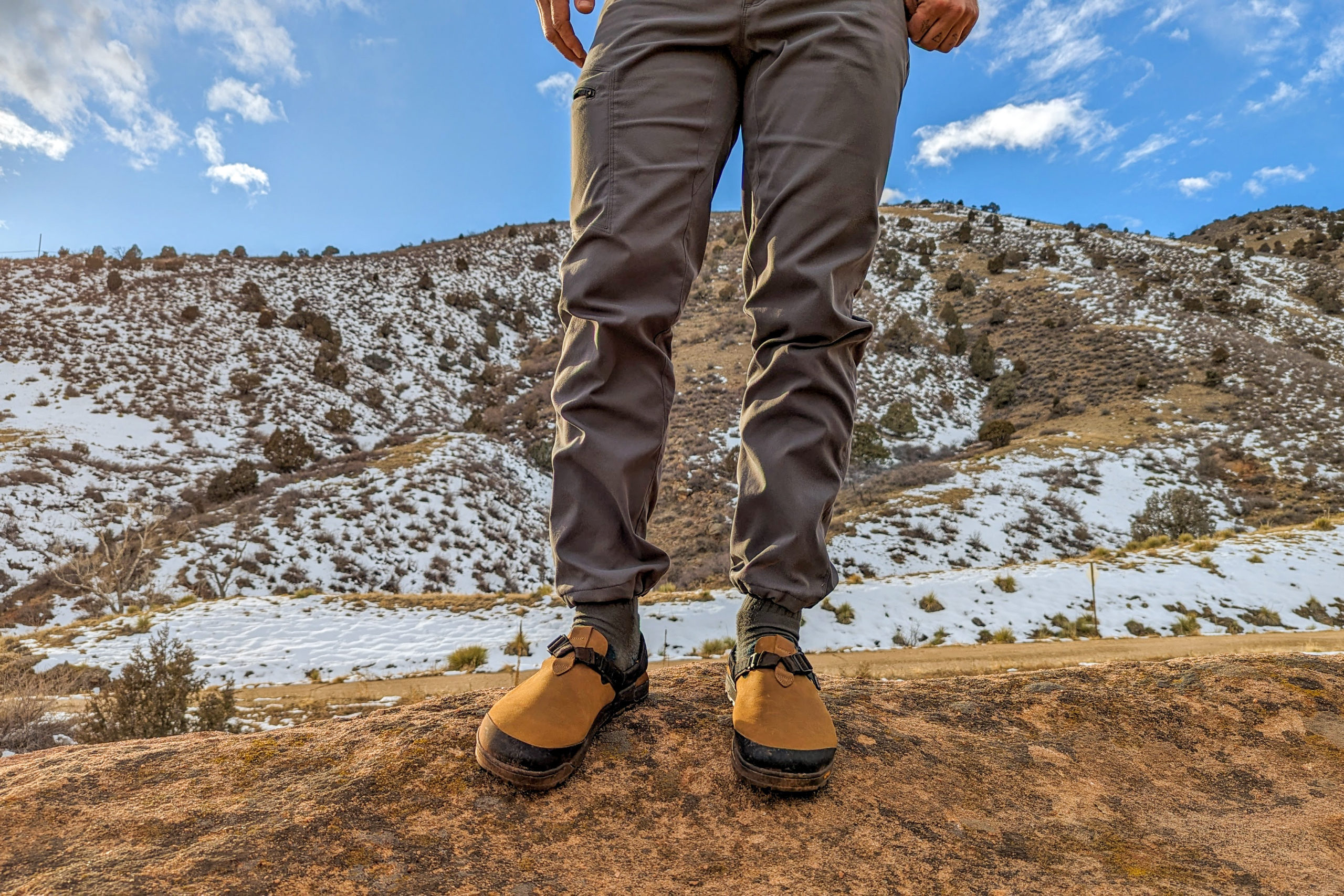
While foot protection isn’t typically something that comes to mind when thinking about sandals, there are a few that do it quite well. Take, for example, the Keen Newport H2, a sandal that even Keen calls the “World’s Ugliest Sandal”, but also one that offers up an impressive amount of foot protection in trade. The sandal was designed with sailing in mind, where a rogue cleat topside could easily find your foot unsuspecting.
Protection in sandals more often comes from below, and the outsole has an oversized role in keeping the soles of your feet unaware of the pokeys below. A thicker outsole will soak up rocks and roots with ease, so look for sandals that don’t skimp in this regard. The soles of the Bedrock, Chaco, and Teva sandals all sported burly outsoles that didn’t wilt under pressure.
Foot protection also has a good bit to do with staying affixed to your foot properly. At least once during testing we had a flip-flop go flying and gained a wicked new battle wound in the process. If adventuring is what you’ll be getting after, best to leave it to the adventure sandals.
One of the best things you can do to better protect your feet when wearing sandals is to avoid wearing them too small. Give yourself a good inch or so between your longest toes and the ends of the sandals, and errant rocks and roots will be less of a problem to catch on.

Durability
The pair of cheap flip-flops you’ve been limping around might be getting the job done, but a pair of sandals with some staying power is bound to get you much further down the trail. Overall durability is directly tied to material quality, and going with a tried-and-true brand that uses good DNA in its build will yield a longer life in the end. We have great trust in brands like Chaco, Teva, and Bedrock to supply sandals that will keep kicking.
Budget-minded sandals, like the Teva Original Universal, will have to make a few concessions to hit their price point, and oftentimes that takes a bite out of durability. The soft foam outsole is the sacrificial lamb in this case, and while the damage may be more cosmetic than anything, it is something to consider.
We’ve notched a full summer under our belts with these sandals, and we’ll continue to run them until the wheels start to fall off.
Sustainability
Your sandals won’t just be leaving footprints on the earth, and limiting the impact they have — from beginning to end — is a win-win for everyone. Starting with the build, many sandal manufacturers today have tweaked their production practices to be more earth-first. Both Chaco and Teva now utilize almost entirely recycled plastic in creating their webbing, which is sourced from recycled drink bottles, and Keen has stripped out all the PFCs from their sandal line.
When you’ve put on more miles than you can count and worn down the soles of your Bedrocks, you can send them back in to be resoled for $55. Chaco also offers a similar service with their ReChaco program, where old sandals become new again with refreshed straps, buckles, or soles.
And even when your sandal’s time has come, the story isn’t yet over, as companies like Teva have begun offering to fully recycle your old sandals so that they never see a landfill, and are turned into running tracks and playgrounds.

Socks
Sacrilege to some, salvation to others, wearing socks with sandals can be an excellent way to stretch your sandal-wearing season. We can’t knock the practice, as living in the Pacific Northwest offers up more middling weather days than not, and we’d urge all to fly their sock-and-sandals freak flag.
If you’re going to wear socks with sandals, consider that you’ll have a bit more foot volume to contend with, and ensure that your sandals have the adjustability to match. Because of this, more involved strap systems like the toe-loop on certain Chaco sandals might not play as nice with socks. You’ll also want to be wary of sandals that use Velcro closures, as wayward straps tend to stick to socks.
Many sandals that use a slide design will be amenable to just any old socks, while some with strap systems will require toe socks to fit. Tabi socks are traditional Japanese hosiery meant to be worn with T-strap style sandals like Zori, and we’ve come to love the Split-Toe Socks ($22) produced by Injinji and Bedrock. While traditional toe socks will also fit the bill, these only require wrestling your big toe into place and are much less fussy in our opinion.
Price & Value
A good set of hiking sandals might seem like a luxury item, but you certainly don’t have to spend luxury prices to slide into a great pair. Even if you plan on putting down some serious miles in a set, the top-tier options slide in below what most trail runners go for these days, and you can expect some similar mileage.
Budget
A solid set of budget hiking sandals will likely only cost you between $50 and $70, and net you a pair that’ll get you down the trail easily. Don’t expect to see name-brand outsole technologies like Vibram here, but rather proprietary rubbers laid out in simple traction patterns that will get the job done.
Strap systems, too, may be a little more limited in adjustability, such as the two-way adjustable Teva Original Universals ($55) or Chaco Lowdown ($70). Bumping up a bit more to the $75 Teva Hurricane XLT2 will get you that third heel adjustment strap.
Mid-Tier
The bulk of your hiking sandals will land in the mid-tier price range, which you should expect to pay around $70-100 for. Here, you’ll still see proprietary rubbers used in outsoles, but they’ll be of the tackier variety and laid out in better traction patterns. For example, the Chaco Z/Cloud sandals use the same ChacoGrip rubber as the cheaper Lowdowns, but in a much grippier pattern.
Adjustability, too, will get better, with three and four-zone adjustable straps being common, as well as incorporating better quality buckles and webbing. The Luna Mono Winged Sandals ($110) are an excellent option for long days in the saddle with five-point adjustability and Vibram outsoles, while the Astral PFD Sandals ($95) offer a sport-specific style for water sports.
Premium
If you’re planning on hiking hiking in your sandals, it’s likely worth it to spend a bit more for a style that can hang with hundreds of miles of use. Anything north of $100 is likely to fit the bill, and will make use of the brand’s highest-quality outsoles, as well as added padding to increase comfort.
The additional padding on the Teva Terra Fi 5 Universal sandals ($110) is about the only difference between these sandals and the Hurricane XLT2s, but for extended use it can be well worth it. Our best overall pick, the Bedrock Cairn Evo 3D Pros ($140), is just about the nicest sandal the brand makes, and it’s got the pedigree to prove it. We’ve seen pairs of these sandals put down entire thru hikes and ask for more.
Frequently Asked Questions
No two feet are the same (even on the same person!), which means that the most comfortable sandal will very likely depend on your foot shape, gait, and the types of adventures you like to get up to.
With that being said, here are a few highlights to be on the lookout for: Most comfort in a sandal will come courtesy of the midsole, which rides above the outsole. This should provide a nice amount of give when standing atop, but not collapse with just body weight.
Comfortable sandals will also use a strap system that plays nicely with your feet. Multi-adjustable options, like those seen on the Bedrock Cairn Evo 3D Pro, allow you to tune in specifically to your foot shape.
Finally, aim for a sandal that is made for the long run, and won’t degrade too quickly. Quality materials make for a consistent fit, and that means your perfect sandals won’t go changing.

For the vast majority of folks, sizing up when in doubt is the way to go with sandals. Because they aren’t encumbered with being a full enclosure around your foot, you can deal with a bit more breathing room when sizing. Sizing up will also ensure that your toes don’t play cliffhanger with the front of the sandal, leaving them exposed to bumps and bruises.
When sizing our own personal sandals, we tend to opt for between ¼” and a ½” of space between our longest toes and the end of the sandal. This measurement should also be taken with your heel placed securely in the heel strap.
Loose sandals tend to produce friction while walking, which can drum up everyone’s least favorite trail souvenir: blisters. The same can also be true of sandals that are laced down too tight without being fully broken in yet. For these reasons, it’s best to go with a just snug fit, with a small amount of wiggle room to accommodate foot swelling and the motion of walking.
Choosing the right pair of sandals has a lot to do with what you’d like to do in them. Adventure-ready sandals will differ wildly from those meant to be slid into after a tough run, and trying to use one for the other will yield less than satisfying results. We’d urge a good survey of your day-to-day adventures, and choose a sandal that’s suited to that.
When it comes to a daily driver sandal, it’s tough to go wrong with the Bedrock Cairn Evo 3D Pro or Chaco Z/Clouds, which both offer up a study platform, mega-adjustable straps, and outsoles that will keep gripping years down the road. At $55, the Teva Original Universal sandals are a downright steal. And if you’ll be heading directly for the water, the Astral PFD sandals can’t be beat.
While the ease of flip-flops is undeniable, there are a few reasons you may want to stick with a more full-featured sandal.
First off, flip flops obviously sport a good bit less protection than other sandals, with stubbed toes being the number one lodged complaint against them. In worst-case scenarios, you also can have your flip flops fly off entirely, leaving your tender foot totally unprotected.
A real-deal podiatrist will also tell you that flip-flop syndrome is a real thing, and is caused by the toe scrunch many of us do to keep the sandals in place while walking. This scrunch stretches the tissues on the bottom of the foot, and can lead to plantar fasciitis — a painful ailment that can make walking hurt a good bit.
We love our flip flops for quick jaunts to the beach, as shower shoes, and as decompression wear after a long hike. But for long-term use, you’ll always catch us in our real-deal sandals.