A climbing rope is your literal lifeline. The best options strike a perfect balance between smooth handling, reliable fall-catching, and the durability to withstand seasons of abrasion.
For this update, GearJunkie contributor Miya Tsudome spent three months evaluating two new ropes, tying into each cord for three to five separate climbs on the sharp granite of Pine Creek Canyon and the welded tuff of the Owens River Gorge.
The Mammut Alpine Core Protect takes the top spot as our favorite overall rope thanks to an innovative cut-resistant core that provides unparalleled safety on sharp edges, while the Edelrid Tommy Caldwell Eco Dry DuoTec 9.6mm earns our pick as the ultimate workhorse for its highly durable, eco-friendly dry treatment and long-lasting sheath.
Over the past five years, our team of five expert climbing testers has taken hundreds of falls to evaluate more than 35 ropes across sport, trad, and alpine disciplines.
Editor’s Note: We updated this guide on May 14, 2026, adding a new comparison chart, standardized testing ratings, and two new ropes: the Sterling VR9 9.8mm, a budget-friendly daily driver, and the Petzl Arial 9.5mm, a balanced tool for sport climbing.
The Best Climbing Ropes of 2026


Mammut Alpine Core Protect 9.5


Specifications
Pros & Cons
Pros
- Tough
- Dry treated sheath and core
- Light weight for its diameter
- Handles like a skinnier rope
- Reasonably priced
Cons
- Many alpine climbers will want a lighter rope
The Mammut Alpine Protect 9.5 ($290) is our favorite rope for most types of climbing. It’s inexpensive enough that beginners shouldn’t shy away from it, and it has the right specs to serve experienced climbers well. Over a period of 4 months, we cragged, multipitched, bigwalled, tope-rope soloed, and rappeled with the Alpine Protect, and while it’s no longer yellow, there aren’t any fuzzy spots, and the middle marker is even still visible.
These days, 9.5mm is on the thick side for a performance rope, but the Alpine Protect feels skinny for a 9.5. Certifying agencies allow for a tolerance of ±0.3 mm, so one manufacturer’s 9.5 can feel different than another. We’ve climbed on 9.5s that are difficult to feed through a grigri. This rope handles quite nicely, feeding easily, and it catches easily, even when it was brand new.
Ropes are expensive, and we’ve burned through plenty of them in one (glorious) season of climbing. The Alpine Protect is very durable, with a dry-treated sheath and core. Mammut has woven aramid fibers into the sheath. Aramid fibers are more heat and abrasion-resistant than regular nylon rope material, but they aren’t dynamic. The sheath of this rope contains 4% aramid fibers, increasing durability while maintaining the rope’s dynamic elongation properties.
Expert climbers and testers, Ishi and Bento have recently embraced the trend of fix-and-follow on multipitches, where the second climber uses a top rope solo system instead of a traditional belay. This often involved using 2 Petzl microtraxions or similar toothed ascending devices. While not as rough on the rope as jugging with ascenders, we still hung on the rope plenty, engaging the microtraxion’s teeth into the sheath of the rope. After about 30 pitches of climbing in this style, the Alpine Protect shows very few signs of wear.
Our only real beef here is in the name — for us, getting to the alpine involves a lot of walking, and we want a thinner, lighter rope. Our testers climb in the High Sierra, not Chamonix, so “roadside” alpine just isn’t an option. When shopping for an alpine rope, we usually go for something lighter, around 9 mm in diameter.
For everything else, we’re happy to bring out the Mammut Alpine Protect. When it eventually wears out, our tester says he’ll be buying another one. He’s a cheapskate, so that’s about a good an endorsement as a rope can get.
Mammut Crag We Care Classic 9.5

Specifications
Pros & Cons
Pros
- Affordable
- Eco-friendly
- Lightweight
Cons
- Not dry-treated
Read Review: The Mammut Crag We Care Classic
Let’s face it: climbing gear is expensive. But it doesn’t all have to be, and that’s where the Mammut Crag We Care Classic 9.5 ($135-210) comes in. Not only is this rope cost-effective, but it is also eco-friendly, making it a product that feels good on your conscience and your wallet. The sheath is made with 100% residual yarn left over from the production of other ropes, combined into unique colors and patterns, and provides an overall reduced environmental footprint.
But how does it perform, you ask? It has a slick sheath but handles well in multiple belay devices. Its 9.5 mm diameter is great for both casual cragging and harder redpoint attempts. Our lead tester, Miya, is partial to ropes with a 9.4-9.5 diameter because they tend to last longer than skinnier models without weighing you down.
This rope isn’t dry-treated like the Sterling IonR, so it won’t last as long. Dry treatment protects the sheath from more than just water. It also protects the rope from dirt and grime that can infiltrate the sheath and cause abrasion over time. This rope feels stiff right off the bat, but since it lacks a dry treatment, it will likely soften nicely with use, which is a trade-off.
The fact that you can get a great all-around, 70-meter rope that’s eco-friendly and under $200 is too good a deal to pass up. Most 70-meter ropes today cost at least $250+, so even though the Crag We Care Classic isn’t dry-treated, it’s still a remarkable budget rope, especially if you take extra care to keep it clean and thus extend its lifespan.
Petzl Arial 9.5mm
-

-

-

-

-

-

-

-

Testing the Petzl Arial; (photo/Miya Tsudome)
Specifications
Pros & Cons
Pros
- Smooth handling and easy clipping
- Durable
- Dry treatment resists dirt and moisture
- Light for its diameter
Cons
- Catch feels slightly stiffer than stretchier, ultrathin cords
- Sheath fuzzed slightly after a month of heavy use
The Petzl Arial 9.5mm ($280-350) is a lightweight yet burly rope designed for clipping bolts and working sport climbing projects. Its 9.5mm diameter hits the perfect middle ground for local cragging, where you’re likely to spend more time hanging, falling, and working sequences than you would on a quick onsight burn.
Petzl’s Duratec Dry treatment helps shed dirt and moisture to extend the life of the rope. A 40% sheath proportion adds durability for regular sport climbing use, while the UltraSonic Finish bonds the core and sheath at the ends to prevent pesky fraying.
Lead tester, Tsudome was impressed by how well this rope performed right out of the packaging. We didn’t even need to flake it before tying in for several pitches at our local crag in California’s Pine Creek Canyon. Although 9.5mm is a fairly standard diameter, the smooth sheath fed through our Grigris as easily as skinnier ropes, making the Arial one of the best models we tested for quickly paying out slack.
After a couple of weeks of testing, however, we did notice some fuzzing on the sheath. While early fuzzing can occasionally hint at reduced long-term durability, we remain confident that this rope will remain a reliable workhorse. More time on the wall will tell.
Something ultra-thin like the Edelrid Siskin 8.6mm is a better choice when you’re going for a redpoint at your absolute limit, but 9.5mm remains the sweet spot for working a project. For sport climbing aficionados who want a lightweight rope that can still withstand a healthy amount of abuse, the Petzl Arial is a stellar pick.
Edelrid Tommy Caldwell Eco Dry DuoTec 9.6

Specifications
Pros & Cons
Pros
- High sheath proportion for durability
- DuoTec design for safety
- Designed with pro climber Tommy Caldwell
Cons
- Heavy
- Gets stiff over time
If you’re looking for a workhorse rope for long days at your local crag or climbing multi-pitches in Yosemite, the Edelrid Tommy Caldwell Eco Dry DuoTec 9.6 mm ($285-355) is our top choice. Specially designed with pro climber Tommy Caldwell, this climbing rope can withstand some abuse.
A high sheath proportion makes it ideal for working routes or big wall climbing, where your rope may be more susceptible to abrasion. The core and sheath are dry-treated, keeping them protected from the elements and extending their lifespan. The 9.6 mm diameter is within the sweet spot of not too thick nor too thin, and the bi-pattern or, in Edelrid’s case, “DuoTec” design ensures that you’ll always know where the middle of the rope is — an essential safety feature for rappelling.
Our testers have experience with this rope over several seasons, and can indeed confirm that it is a workhorse. Slick right out of the package, this rope gets quite stiff over time. While the sheath doesn’t get too soft or flat, the rope does significantly stiffen up, which is something to consider if you prefer a softer, smoother rope. But this feature attests to its longevity, as it remains a beast of a rope for a long time.
Although advertised as weighing 62/g per meter, this rope feels heavier than the others we tested. When weighed, our 70-meter rope, advertised to weigh 9.5 pounds, weighed in at 11 pounds 6 ounces. This is a pretty big discrepancy, and definitely something to consider before buying.
But honestly, when we’re looking for a workhorse rope, we’re usually not so concerned with the weight. These ropes are expected to be a bit heavier as they are built burly and to last, which is what the Edelrid Tommy Caldwell Eco Dry DuoTec does.
Sterling VR9 9.8mm
-

-

(photo/Miya Tsudome)
-

(photo/Miya Tsudome)
-

(photo/Miya Tsudome)
-

(photo/Miya Tsudome)
-

(photo/Miya Tsudome)
-

(photo/Miya Tsudome)
-

The Sterling VR9 is 9.8 mm thick making it burlier than many others, which is why it's great for daily use; (photo/Miya Tsudome)
-

(photo/Miya Tsudome)
-

(photo/Miya Tsudome)
-

(photo/Miya Tsudome)
Specifications
Pros & Cons
Pros
- Durable
- Not too stiff for a thicker rope
- Affordable
Cons
- Not dry treated
Affordability meets durability in the Sterling VR9 9.8mm ($130-220), a dependable daily driver for cragging, top roping, and fair-weather climbing where longevity matters more than shaving grams. At 9.8mm, it sits on the burlier end of the ropes we tested — which makes perfect sense for a rope destined for regular abuse — but it still feels manageable at 62 grams per meter.
A bold, pre-marked center makes rappel setups easier and adds a helpful safety check during multipitch use. The VR9 was ready to climb right out of the packaging and remained completely kink-free while lead tester, Tsudome tested it on a six-pitch route in California’s Pine Creek Canyon. While it isn’t the lightest rope in our lineup, it never felt overly bulky in hand or unreasonable to haul on typical crag approaches.
Sterling’s DryCore technology prevents the core from absorbing excess water. Because the sheath itself is not dry-treated, this isn’t technically a “full dry” rope, but it still holds a weather-resistance edge over our best budget pick, the Mammut Crag We Care Classic 9.5 (which lacks treatment entirely). This smart compromise keeps the VR9 competitively priced.
Alpine climbers, hard redpointers, and anyone counting every gram will likely want something lighter. But for craggers who want a durable, affordable rope they can rely on without paying for a high-end specialty rope, the Sterling VR9 9.8mm is a rock-solid choice.
Edelrid Siskin 8.6 Eco Dry

Specifications
Pros & Cons
Pros
- Extremely low weight
- Very easy to clip
- Soft catches
- Supple feel
Cons
- Not as durable as larger diameter ropes
- Expensive
The Edelrid Siskin 8.6 Eco Dry ($360) is the lightest single rope we’ve tested to date. At a scant 50 g/m, it’s a great cord for ultralight missions in the mountains. However, GearJunkie editor, Ishii tested the Siskin as a cragging rope, and found that it still catches well in a GriGri, and withstands the rigors of sport climbing much better than any of us expected.
The 70 meter Siskin that Sieji tested weighs a total of 7.4 pounds. This makes it easier to carry, and easier to pull up slack over long pitches. This skinny cord also slides through carabiners with less friction, making wandering pitches easier, especially when protection is properly extended with slings.
Belay devices like the GriGri 2 or the Eledrid Pinch have a limit of 8.5mm for safely belaying the leader, so 8.6 is cutting it pretty close. Seiji reports that these devices still arrest falls well with the Siskin, but he needed to use extra care to prevent the rope from slipping. We’ve found this to be true with ropes all the way up to 9.4 mm in diameter.
After three months of testing, the sheath had some slight abrasions and showed more wear than the thicker cords we tested. This is to be expected, but unlike many other skinny cords, there weren’t any flat spots or loss of dynamic elongation near the ends of the rope, even after many sport climbing falls. The Siskin didn’t kink or tangle as easily as other skinny ropes we’ve tested.
Consider this a luxury rope. It’s not cheap, but it’s a secret weapon for long pitches and difficult redpoints. It’s expensive, and we recommend a thicker rope as a daily driver. We don’t recommend the Siskin for top-roping. There are a few cheaper, lightweight, thin cords from Sterling and Beal, but if you’re seeking the lightest possible, the Siskin takes the cake.
Other Great Climbing Ropes, Field Tested

Specifications
Pros & Cons
Pros
- Light
- Dry-treated
- Soft in hand
- Many lengths and bi-pattern available
Cons
- Expensive
- Can easily slip through a GriGri when new. Be mindful and belay carefully!
Reserved for the hardest redpoints, a 9.2mm diameter gives you the low grams-per-meter ratio needed for a true sending rope. Usually, durability is sacrificed to achieve that lighter weight. Not so with the Sterling Aero 9.2 XEROS ($280). Over two years and two ropes, our testers have top-roped, jugged, and taken many whippers on this skinny cord and can attest to its excellent durability.
Our test models were the 80-meter bi-color versions, treated with the Sterling XEROS dry treatment. Sterling doesn’t offer a non-dry version, and while this feature adds to the price, it also makes the rope more durable and resistant to small dust particles that can damage the sheath over time.
After a year of use, we needed to chop a meter off one end. This was due to climbing on grooved-out fixed carabiners that needed to be replaced. The other 76 m of rope remain perfectly usable, albeit a bit fuzzier than when we first uncoiled it.
The Aero feels soft in the hand right out of the packaging and feeds very easily through a GriGri. It requires a careful and attentive belay but allows the belayer to pull out and take in slack very quickly. As with any skinny rope, you need to be especially careful, as the rope can slip through a GriGri. This is less of an issue as the rope fuzzes up over time, but you should remain vigilant and remember that the GriGri is not a hands-free device.
A lightweight rope is great on the sharp end, and it’s also great in the pack. Depending on the rappel situation, length of pitches, and pitch-linking options, a long, lightweight cord can be a great option in the mountains. We’ve used the Aero for alpine missions to the Incredible Hulk and a few other High Sierra objectives, and it has faired well. We’ve also fixed and jugged a few pitches on the Aero, and while we do not recommend it for this, the fact that it still handles well and didn’t see any extra damage is a testament to its durability.
This is a top-of-the-line, expensive rope, and there is no getting around that, but choosing a non-bicolor option knocks almost $100 off the price of any length. We feel the durability factor alone really ramps up the value. New climbers or folks who do a lot of top roping should go with a thicker rope that won’t slip through a belay device as easily and has a thicker sheath. Seasoned red pointers and multi-pitch aficionados will love the Aero 9.2.

Specifications
Pros & Cons
Pros
- “Red Flag” treatment has bright colors to identify ends for safety
- Triple-rated for single, half, and twin rope use
- Tighter 1×1 weave for durability
Cons
- No permanent middle marker
- Expensive
The Trango Agility Duo Dry 9.1 ($389) is an innovative rope with safety features not found on any other rope in our guide, a slim 9.1 mm diameter, and a tight 1×1 weave, making it an impressive overall package. While most ropes that feature two different colors do so to indicate where the middle of the rope is, the Trango Agility changes colors to indicate the ends of the rope. Or, the last 5m to be precise.
This unique feature helps prevent common rappelling or lowering accidents, with a bright color change to alert the climber and belayer. Trango calls this its Red Flag treatment, and though you’ll pay a pretty price for it, it could be well worth the peace of mind. This thin line is also triple-rated as a single, half, and twin rope, making it useful in three configurations. However, we think it is a bit too heavy to use as a double or twin rope, which usually has a diameter of at least 9.0 .
With a diameter of 9.1 mm, this rope is great for getting sendy on single-pitch sport routes, though the Sterling Aero 9.2 XEROS Rope is our top pick for this specifically because even though the Trango Agility is .01 mm thinner, it is the same weight as the Aero, which makes its thinner diameter a bit moot. A 1×1 weave makes for a tighter sheath, which is supposed to enhance durability. Most ropes have a more standard 2×2 weave, but it’s nice that this thin line has some extra protection to withstand some abuse.
This rope falls short in a couple of areas, however. First, because its middle marker is the same as most ropes, in that it will fade over time. For a rope that pays such care to make the ends permanently marked for safety, and at such a high cost to the consumer, you would think they would make a permanent middle marker, which is equally important for safety.
This is the most expensive rope in our lineup and, therefore, can be hard to justify for the everyday climber, especially at such a thin diameter. We would love to see a rope like this in a 9.4-9.5 mm size so that when you spend almost $500 on a rope, you can rest assured it will last a few seasons.
However, most climbers will have multiple ropes for multiple purposes, and if you just take the Trango Agility out when you know you’ll need a thin line with extra safety measures, you can extend its lifespan by using other ropes as your main workhorses. And if you want to save a bit of money, you can get the same rope without the dry treatment for $375.

Specifications
Pros & Cons
Pros
- Dry treatment treats both core and sheath for superior performance
- Lightweight
- Bi-pattern enhances safety
- Tight sheath weave
Cons
- Expensive
- Maybe overkill for the gym climber
Sterling, one of the top rope manufacturers in the U.S., continues to impress with the Sterling IonR 9.4 BiColor XEROS Rope ($340-390). This svelte line strikes the optimal balance between a crag workhorse and a lightweight redpointer. At 9.4 mm, it’s not so thin that it will wear out after a season of sport climbing, and not too thick that it will weigh you down on long routes. This makes it a great choice for the all-around climber.
At first use, we were impressed by the tight weave of the sheath and the rope’s supple feel. It glides through a GriGri with ease, but doesn’t slip like thinner ropes will. Its bi-pattern design is clear and easy to decipher, which gives it an increased safety margin over ropes with middle markers that will most likely fade. If you find yourself often doing multi-pitches that require rappelling, having a bi-pattern rope will be a game-changer.
We used it on granite multi-pitches at our local crag that features mussy hooks for anchors, which we happily clipped the middle of the rope quickly and easily through. But the bi-pattern does cost a pretty penny more, and if that’s not in your budget, you can get the solid-colored IonR for $284 instead.
Sterling’s dry-treatment technology really stands out from the competition. Typically, when ropes are dry-treated, they are doused in a chemical bath that coats the outside of the sheath with a thick, water-resistant layer.
Sterling uses a new dry technology, treating the individual filaments inside the core of the rope and in the sheath, making for an overall more robust dry rope. This means that although the price tag is quite high for the IonR 9.4 BiColor XEROS, its dry treatment will increase its lifespan, making it worth the extra cost over time.
And with a relatively low weight of 57 grams per meter, there’s not a lot to not love about this rope.

Specifications
Pros & Cons
Pros
- Made of eco-friendly materials
- Thermo shield treatment helps to retain a supple feel
- Affordable
Cons
- Not dry treated
More and more rope manufacturers are making eco-friendly ropes with recycled materials, like the Boa Eco 9.8 ($120-210) from Edelrid. Not only is this rope a great value, it’s also made with high-quality yarns left over from production, giving each rope a unique, multicolored look. As a Bluesign-approved product, it uses, on average, 62% less CO2, 89% less water, 63% less energy consumption, and 63% fewer chemicals. Now that’s a product we can get behind.
At 9.8 mm, this rope is a great crag workhorse. The middle-of-the-road diameter will stand up longer to wear and tear but is still light enough that it won’t weigh you down. However, because the Edelrid Tommy Caldwell Eco Dry DuoTec is eco-friendly and dry-treated, it earns our top choice for the workhorse category.
Edelrid has a Thermo Shield treatment they use on all their ropes, which relaxes and shrinks the rope’s core and sheath yarns, making them perfectly aligned and thus enabling each rope to retain suppleness over time.
Our testers loved the unraveling innovation that lets you pull the rope through a hole in the packaging for a clean initial flake that won’t twist or kink when you take it out on its first climbing day. We can verify that the rope performed great straight “out of the box,” and indeed felt extraordinarily supple, handling pitch after pitch of granite sport climbing without getting tangled.
Unfortunately, this rope is not dry-treated, which means it is more susceptible to dirt and grime getting into the sheath and slowly wearing it down over time. Therefore, it is essential to use a rope bag or tarp to increase its lifespan. For the price, the Edelrid Boa Eco 9.8 is a great, all-around workhorse of a rope that you can feel good about buying.
Climbing Ropes Comparison Chart
| Rope Model | Price Range | Weight | Diameter | Dry Treatment |
|---|---|---|---|---|
| Mammut Alpine Core Protect 9.5 | $290 | 59 g/m | 9.5 mm | Yes |
| Mammut Crag We Care Classic 9.5 | $135-210 | 58 g/m | 9.5 mm | No |
| Petzl Arial 9.5mm | $280-350 | 58 g/m | 9.5 mm | Yes |
| Edelrid Tommy Caldwell Eco Dry DuoTec 9.6 | $285-355 | 62 g/m | 9.6 mm | Yes |
| Sterling VR9 9.8mm | $130-220 | 62 g/m | 9.8 mm | Core only |
| Edelrid Siskin 8.6 Eco Dry | $360 | 50 g/m | 8.6 mm | Yes |
| Sterling Aero 9.2 XEROS | $280 | 56 g/m | 9.2 mm | Yes |
| Trango Agility Duo Dry 9.1 | $389 | 56 g/m | 9.1 mm | Yes |
| Sterling IonR 9.4 BiColor XEROS | $340-390 | 57 g/m | 9.4 mm | Yes |
| Edelrid Boa Eco 9.8 | $120-210 | 62 g/m | 9.8 mm | No |

How We Tested Climbing Ropes
Our Expert Testers
Our climbing rope testing is led by GearJunkie contributor Miya Tsudome, a Bishop, California-based climber who spent years climbing and guiding in Yosemite Valley before moving to the Eastern Sierra. Tsudome climbs year-round across sport, trad, and alpine objectives and owns multiple ropes for different uses, giving her a sharp eye for handling, durability, safety details, and long-term value.
For this update, Tsudome tested two new ropes over a three-month spring season. Over the past five years, our team of five climbing experts has tested 35 ropes across sport, trad, big wall, ice, and alpine climbing. Collectively, we’ve climbed on and retired dozens of ropes, taken hundreds of whips, belayed hundreds of partners, and used ropes everywhere from local crags to Mexico, South America, France, Canada, and beyond.
Our Testing Process & Grounds
Tsudome tested the latest batch at Owens River Gorge and Pine Creek Canyon near Bishop, California, using each rope for lead climbing, top roping, belaying, lowering, coiling, flaking, and feeding slack through different belay devices. At a minimum, each rope was used on three to five separate climbing days, with notes on how it handled right out of the packaging and after repeated use.
She evaluated length, diameter, weight, sheath feel, durability, and design details like middle marks, dry treatments, sheath proportion, and rope-end construction. We also tracked early wear, including fuzzing, stiffness, kinking, sheath abrasion, and changes in handling. Ropes remain in ongoing testing after inclusion, and this guide is updated seasonally as new models are tested and long-term durability notes come in.

Our Climbing Rope Rating System
We rate climbing ropes on a 10-point scale across four core criteria:
Rope Feel: How smoothly the rope feeds through a belay device, ease of clipping, knot-tying suppleness, and overall handling on the wall.
Durability: Resistance to sheath abrasion, core integrity after repeated falls, fuzzing over time, and how well the rope withstands sharp rock and heavy top-roping.
Versatility: The rope’s ability to cross over between sport, trad, gym, and alpine climbing, including factors like dry treatments and diameter compatibility.
Weight: The grams per meter, overall packability, and how heavy the rope feels dragging behind you on long pitches and extended approaches.
Note: The overall score reflects extended real-world use and is not a simple calculation from the category scores.
Whether you’re looking for an all-around workhorse of a rope that will last more than a season, or you want a thin line for sending your hardest sport climbing projects, we’ve got you covered in our extensive review. Be sure to complement your kit with a reliable harness and a solid climbing helmet.

Buyer’s Guide: How to Choose a Climbing Rope
A good climbing rope should feel smooth in hand, feed cleanly through your belay device, hold up to repeated falls, and match the style of climbing you do most. For this guide, our team tested ropes across sport climbing, top roping, multipitch routes, and long crag days to compare handling, durability, weight, and overall value.
Whether you’re looking for an all-around workhorse of a rope that will last more than a season, or you want a thin line for sending your hardest sport climbing projects, we’ve got you covered in our extensive review. Be sure to complement your kit with a reliable harness and top-notch climbing shoes.
Most likely, the first thing you’re going to consider when buying a climbing rope is its length and diameter. The size of your climbing rope matters for many reasons. Firstly, what is the average pitch length at the crag where you plan on climbing? And secondly, what type of climbing do you plan on doing most?

Length
Whether you’re climbing at your gym or on the infamously long sport routes of Spain, the length of the rope you buy is important. If you only climb in the gym, or want a dedicated rope just for that, you’ll want to buy a 40-meter rope. Many manufacturers will make their popular ropes in this length, but the more specialized ropes will usually only come in 60, 70, and 80-meter lengths.
60 meters used to be the gold standard, as many of the classic climbing routes are typically no longer than 100 feet, or 30 meters long. But this depends greatly on the climbing area, and how modern the routes are. 70 meters, or 230 feet, seems to be the new standard and is an especially good rope length to have if you are climbing multi-pitches that require rappelling.
80-meter ropes are more specialized and, of course, more expensive. We would only recommend buying this rope length if you are climbing someplace where it is specifically required or nice to have. And it’s nice to have this length rope in a smaller diameter to cut down on weight, which is why the Sterling Aero 9.2 is a great choice for this rope length.

Diameter
The ropes in our review vary from 8.6 mm for the Edelrid Siskin 8.6 Eco Dry Black Diamond 8.9 Dry to 9.8 mm for the Edelrid Boa Eco 9.8, but the range for single ropes on the market can be as thin as 8.5 or as thick as 11 mm. Thinner ropes will offer a lighter climbing experience and a softer catch, which is ideal for climbing hard sport routes where falls are inevitable and weight matters.
Thicker ropes will be more durable and easier to handle while belaying because of the friction, making them more suitable for top rope or gym climbing, where handling and durability are more important.
It’s also essential to double-check the minimum diameter your belay device can handle. For example, the popular (though no longer in circulation) GriGri 2 works best on ropes from 9.4 to 10.3 mm, while the newer GriGri can handle ropes as thin as 8.5 mm. This information will always be printed on a belay device.
It’s also important to mention that rope diameter certifications have a tolerance of ±0.3 mm, which is why some ropes of the same diameter can feel thinner or thicker than one another, and weigh substantially more or less. With first use, ropes will always feel thinner and slicker before they give way to abrasion, where the sheath inevitably fuzzes up and thickens over time.

Rope Types
Twin and Half Ropes
For mountaineering, ice climbing, and some alpine climbing, you’ll see folks using twin or half ropes. Twin ropes involve climbing with two thinner ropes, usually 7-8 mm in diameter, whereby the climber clips both ropes into each piece of protection.
This allows the climbers to each carry a rope, provides some redundancy, and allows them to rappel using two ropes instead of one. Every rope will have an indicator on its end to show what type of rope it is. The symbol for a twin rope is:
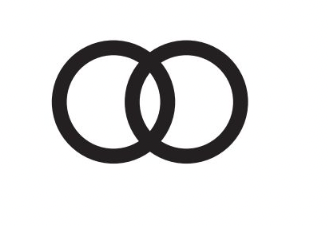
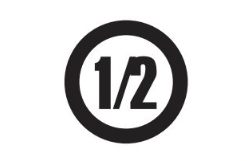
Half ropes are also typically 7-8mm in diameter, the difference being that the climber will alternate clipping each rope into different pieces of gear to reduce rope drag, lower the fall force on each piece of gear, as well as provide the same rappelling advantages of twin ropes. One of the main takeaways here is that twin and half ropes are not rated for single use, which means they cannot safely handle a fall on their own, due to their extremely small diameter. The symbol for a half rope is:
Single
Every rope in our review is a single-rated rope, which is the most common rope type, and means they are rated to be used on their own and can sustain many lead falls. Single ropes typically range in diameter from 8.9-10.1mm, but some go as low as 8.5mm and as high as 11mm. Each end of the diameter extreme is more reserved for specialty use. A
skinny rope is good for alpine climbing, where being light and fast is essential. A super thick rope is usually used in gyms and in any rope access-type work where durability is the biggest concern. The symbol for a single rope is:

Feel
While “feel” might seem like a subjective metric, it is an important one that some would like to consider before they purchase an expensive rope. There are a few factors that give a rope its own “feel,” the first one being its diameter. The smaller the rope, the more quickly and easily it will pull through a belay device, and the more it will require an attentive, experienced belayer. The thicker the rope, the more friction it will have, thus providing an easier, safer handling experience.

Sheath Construction
The sheath construction also gives a rope its own individual feel. This comes down to many specific variables in the manufacturing process, but to simplify things a bit, the sheath-to-core ratio significantly influences a rope’s feel.
A thicker sheath-to-core ratio will typically cause a rope to feel stiffer but will increase its durability, like with the Edelrid Tommy Caldwell Eco Dry DuoTec 9.6. A thinner sheath-to-core ratio will cause a rope to feel more smooth and supple but will be more susceptible to wear and tear over time.
Whether or not a rope has a dry treatment will also affect its feel. A typical dry treatment involves dipping the whole rope in a chemical bath. This causes the sheath to have a slick, somewhat gummy feel to it. However, rope manufacturers are now treating the individual filaments of the core and sheath, as found on the Sterling IonR 9.4 BiColor XEROS and the Trango Agility Duo Dry 9.1, which creates a more supple product overall.

The feel of a rope will also change significantly over its lifespan. A fresh rope will always feel slick out of the package, but as the sheath gets worn and abraded over time, it will fuzz up and thicken. We find this happens most significantly with the Black Diamond ropes. In our experience, Sterling ropes, such as the Sterling Aero 9.2 XEROS Rope, maintain its size and feel quite well over time, remaining soft and not thickening too much with use.

Durability
Several factors play into how durable a climbing rope will prove to be over time. This category has some objective components, like the aforementioned total diameter of the rope, or the core-to-sheath ratio, but there are less easily measured factors that come into play as well, such as how the rope is used and what types of falls it catches. Here are some aspects that contribute to the durability of your rope:
Diameter: Generally, the thicker the rope, the more durable.
Sheath-to-core ratio: The sheath ratio of a climbing rope is typically between 35-45%. Ropes that are used frequently such as gym top ropes, will want to have a sheath of at least 45% to increase their lifespan. The sheath percentage of a rope is a good indicator of its durability, and the Edelrid Tommy Caldwell Eco Dry DuoTec is a rope marketed specifically for its higher sheath-to-core ratio. However, a thicker sheath will make a rope feel stiffer.
Usage: How frequently and in what conditions the rope is used greatly impacts its durability. Frequent falls, lots of top roping, sharp edges, and exposure to dirt and moisture all contribute to wear and tear. It’s good practice to make sure your rope doesn’t run over sharp edges that could cause dangerous abrasion. Always inspect your hardware and a route’s hardware for any sharp grooves, and frequently change which side of the rope you use to balance out its wear.
Environmental factors: Exposure to UV radiation from sunlight can degrade the rope’s fibers over time. Extreme temperatures can also weaken the material. Storing the rope properly when not in use helps mitigate these effects. Never put your rope on surfaces where it could pick up dirt or chemicals, like parking lots where oil could seep into the rope.

Dry vs. Non-dry Treatment: If you’re like us, you might have thought that dry-treated ropes were only for those into ice climbing and mountaineering. But they actually serve a purpose beyond just defending your rope from getting soaked, and can be a great option for the everyday climber who wants a more durable rope.
Having a dry-treated rope will also protect the sheath and core from grit and dirt, which will quickly shorten the lifespan of your rope through micro-abrasions over time. The Mammut Crag We Care Classic 9.5 and the Edelrid Boa Eco 9.8 are the two ropes we reviewed that are not dry-treated but are also significantly less expensive as a result.
Types of climbing and falls: Lastly, the type of climbing you do will also affect the durability of your rope. If you plan on doing a lot of top roping, your rope will be susceptible to more external wear as it rubs continuously through anchor hardware. If you do a lot of projecting, your rope will also be susceptible to wear from hang-dogging and working moves, plus inevitably taking decent lead falls. It’s important to switch the ends of the rope you climb on often during this type of climbing to disperse the wear.

Proper Care & Maintenance
Regular inspection and proper care can greatly extend the lifespan of a climbing rope. This includes using a rope tarp, avoiding stepping on the rope, keeping it clean, storing it away from sunlight and chemicals, and even giving it a bath and a scrub every once in a while if you’re really dedicated.
Additionally, always inspect the rope for any soft or flat spots that might indicate a torn core. If this happens close enough to the end of your rope, you can always take it to a gear shop and get it cut, making sure to note how long your rope is afterward.
UIAA Fall Rating
This is actually not a direct measure of durability, but it is important to note as there is some confusion around what a fall rating for a rope means. The UIAA (International Climbing and Mountaineering Federation) fall rating is a standardized measure used to indicate the number of simulated falls a climbing rope can sustain under controlled laboratory conditions before it fails to meet safety standards. All single ropes must withstand a minimum of 5 UIAA falls to be certified.
But these falls are not normal top rope or lead falls. These simulated falls are extremely bad falls with a fall factor of 1.7, which rarely occurs in climbing and would mean that you would be falling 2x the distance of the length of the rope in the system. The UIAA test involves doing a drop test with a weight on a rope to create a fall factor of 1.7, and is repeated every 5 minutes until the rope fails, which would be next to impossible to happen in a real-world climbing scenario.
While all climbing ropes have to go through this testing and certification process, the only thing this tells us is that each rope has passed an intensive testing process in a controlled setting and has a safety margin way beyond what would occur in the real world.
And though some ropes we tested, such as the Trango Agility Duo Dry, have a fall rating of 8 while the Sterling IonR 9.4 BiColor XEROS has a fall rating of 5, there are so many other factors that contribute to the durability of a rope, such as the ones listed above that the fall rating is not one we really look for in relation to this metric.
Overall, the durability of a climbing rope depends on a combination of all of these factors, and proper attention to care and maintenance can significantly extend your rope’s lifespan.

Design
When considering buying a rope, there are some design features of certain ropes that can increase their margin of safety. Most ropes come with a middle marker, where the middle of the rope is marked with black ink.
Unfortunately, this mark will fade over time and become harder and harder to locate as the sheath gets worn down. You can buy a rope marker, like the one made by Black Diamond, to safely darken the middle again, though you’ll likely have to keep applying this time and time again.
This is where bi-pattern ropes come in. Ropes such as the Sterling IonR 9.4 BiColor XEROS or the Edelrid Tommy Caldwell Eco Dry DuoTec are half-solid, half-patterned, so you can permanently identify the middle of the rope. These ropes are great for multi-pitch climbing, where you can quickly shout up to your climber when they are approaching halfway, and for when you’re making multiple rappels and need to consistently find the middle while threading the rope through rap rings.
Another design trend that we hope catches on can be found on the Trango Agility Duo Dry with its “Red Flag” treatment, in which the last 5 m of each end of the rope are colored bright red as a warning. Most climbing accidents occur while rappelling, and these rope designs significantly increase the likelihood that you won’t make as many mistakes during this dangerous process.
It’s still a very good idea to always tie knots at the ends of your rope for extra precaution while rappelling or lowering someone, but we are a big fan of ropes that integrate safety into their designs.

Price & Value
Climbing ropes are your primary protection in a fall. While every rope in this guide delivers a safe catch, prices vary widely based on length, diameter, dry treatments, and bi-pattern designs. To help you find the best investment for your climbing style, we’ve grouped our favorites by current price ranges across available lengths.
Budget
Budget ropes usually feature a single-pattern design and lack a dry treatment, making them best suited for fair-weather cragging, gym-to-crag transitions, and climbers who are diligent about keeping their gear clean.
The Mammut Crag We Care Classic 9.5 ($135-210) remains a standout value. It is a highly capable 9.5mm all-rounder that handles well across casual cragging and harder redpoint attempts alike. The Edelrid Boa Eco 2R 9.6 ($120-210) is another strong pick, featuring a recycled-yarn construction, a non-dry sheath, and a slightly lighter build at 57 grams per meter.
Mid-Tier
Mid-tier ropes step things up with better handling, lower weight, or some form of dry treatment. That treatment matters even in dry climates, as dirt, dust, and grit can work their way into the sheath and significantly shorten a rope’s lifespan.
The Sterling VR9 9.8mm ($130-220) brings core-only DryCore protection in a durable, daily-driver build made for top-roping and regular crag abuse. The Sterling Aero 9.2 XEROS ($280) costs more but drops the weight to 56 grams per meter and adds a full XEROS dry treatment, making it much better suited for hard sport climbing and longer approaches.
Premium
Premium ropes usually include full dry treatments, bi-pattern designs, thinner diameters, or added safety features. These upgrades make the most sense for climbers who get out often, rappel regularly, or want a single rope that feels refined across multiple climbing styles.
The Sterling IonR 9.4 BiColor XEROS ($340-390) is a premium all-around rope with supple handling, full dry treatment, and a clear bi-pattern for easy middle identification. The Trango Agility Duo Dry 9.1 ($389) stands out for its Red Flag end markings, which give climbers and belayers a highly visible warning as they approach the ends of the rope.
Frequently Asked Questions
Dynamic ropes are designed to stretch to absorb the energy of a fall, reducing the impact force on the climber and gear. Static ropes, on the other hand, do not stretch significantly and are primarily used for rigging, rescue, and rappelling.
The diameter of a climbing rope affects its weight, durability, and handling characteristics. You’ll want to buy a thicker rope if you plan on doing a lot of gym or top-rope climbing, and you’ll prefer a thinner rope for performance-oriented sport or trad climbing, as well as alpine climbing where weight matters.
The UIAA (International Climbing and Mountaineering Federation) and CE (Conformité Européenne) certifications ensure that climbing ropes meet certain safety and quality standards. These certifications indicate that the rope has been tested and approved for use in climbing applications.
Climbing ropes have a limited lifespan and should be retired after a certain amount of use or if they show signs of damage or wear. The exact replacement interval depends on factors like frequency of use, type of climbing, and environmental conditions.
Manufacturers typically provide guidelines for rope retirement based on these factors. It’s always good to check your rope frequently for any soft or flat spots indicating that the core might be compromised. If this happens close to the ends where much of the wear on a rope occurs, you can always cut the rope and make careful note of its new length.
Proper care and maintenance are essential for prolonging the lifespan of a climbing rope. This includes avoiding contact with sharp edges and abrasive surfaces, keeping the rope clean and dry, using a rope tarp when belaying outside, storing it away from sunlight and chemicals, regular inspections, and if you’re really motivated, giving it a bath every once in a while.