Normal sleeping bags just don’t work for me. I toss, I turn, I need some space! It’s what originally led me to sleeping quilts, but when I got my hands on the new Therm-a-Rest Boost 650, it was clear that my quilt might be in trouble.
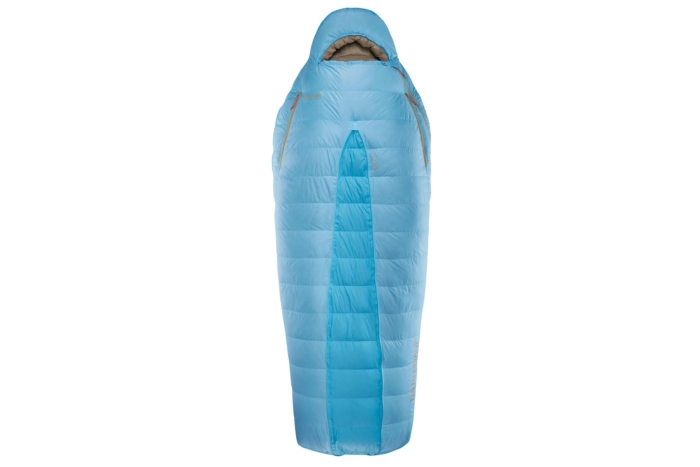
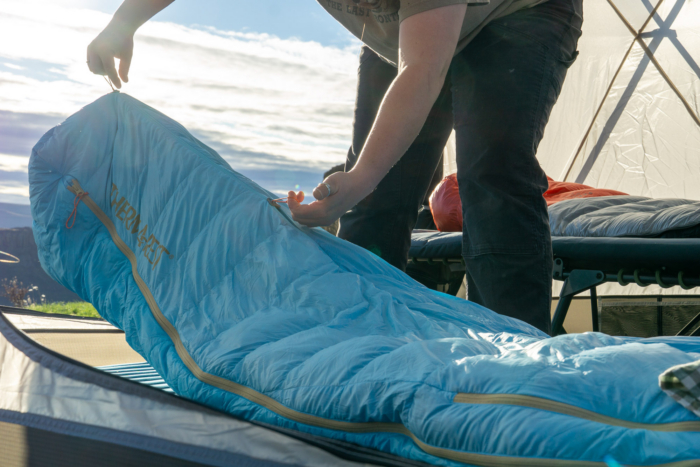
The Boost is all about customizable sleeping space, and the single ‘WarmZip’ running down the top of the bag can be opened to add more space (and shed some warmth) or snugged down when the cold creeps in. The first night sleeping in the bag proved my initial impression: this bag is cozy all night long, no matter the temperature swing.
I used the Boost 650 over three months of work and play in Washington State, and while it won’t entirely replace my backpacking sleep system, it has become a big part of my camping kit. Here’s my take on this new-for-2026 sleeping bag.
In short: The Therm-a-Rest Boost 650 ($290) isn’t stuck with a single temperature rating; it has a range, and the WarmZip’s adjustability is a game-changer for anyone who needs a sleeping bag that can handle whatever the night calls for. With 650 fill power down, it’s heavier and more affordable than premium options or quilts, but is a great choice for car camping that can stretch into backpacking.
Looking for a new camping sleeping bag? Check out how the Boost 650 compares in GearJunkie’s Best Camping Sleeping Bags Buyer’s Guide.
-

-
(Photo/Erika Courtney)
-
(Photo/Nick Belcaster)
-
(Photo/Nick Belcaster)
-
(Photo/Nick Belcaster)
-
(Photo/Nick Belcaster)
-
(Photo/Nick Belcaster)
Specifications
Pros & Cons
Pros
- Convertible zipper opens up the bag for room, or closes for more warmth
- Down insulation mapped out across the bag to consolidate warmth
- YKK anti-snag zippers
- Wide size range
Cons
- Armholes seem unnecessary
- Bit heavy for weight-conscious backpacking
Therm-a-Rest Boost 650: Review

The Boost 650 is aimed directly at campers who can’t stand the standard mummy-bag shape. The semi-rectangular shape is roomy and cozy, and that’s before you start playing with the customizable zippers.
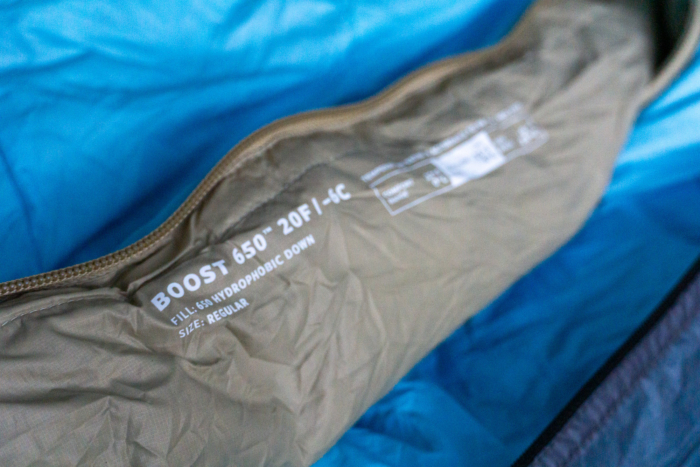
The bag is also available in a few different temperature ratings (20-degree — the bag I tested — and a 32-degree option), as well as six different sizes. I used a regular bag, but there’s a size for pretty much everyone, from short to long and wide. Few other camping bags on the market are available in as many size variations (REI models are typically the exception, with bags like the Radiant 20 available in nine sizes).
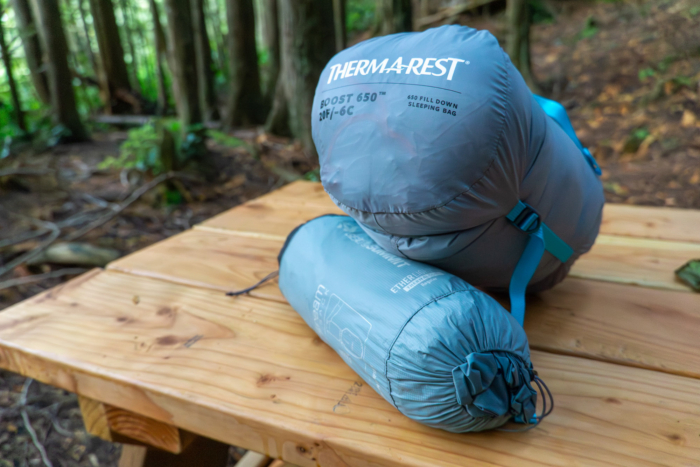
Priced at $290 for the 20-degree Regular (and $250 for the 32-degree), the Boost 650 sits squarely as a mid-tier value. My Regular 20-degree test bag weighed in at 2 pounds, 10 ounces, and compressed down to roughly the size of a cantaloupe in the included stuff sack: compact enough for weekend backpacking trips when comfort trumps weight, though noticeably bulkier than a minimalist quilt.

Field Testing From Spring to Summer
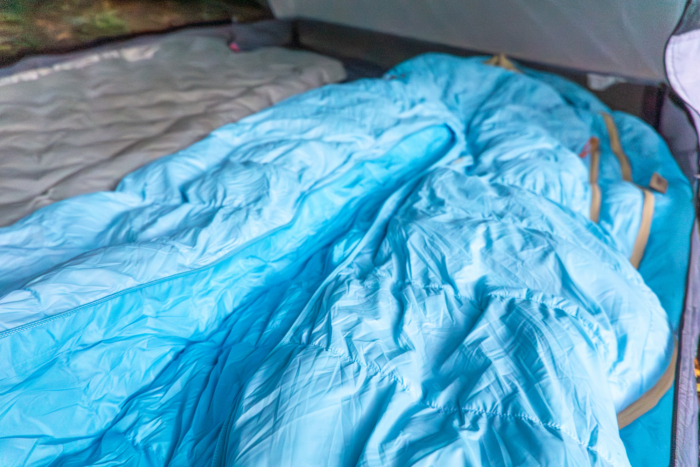
I slept in the Boost 650 for three months, ranging from early April in the lowlands of Washington state to mid-June on backcountry trail-building work trips. Overnight temperatures ranged from the mid-40s to the low-60s, and I saw conditions ranging from soaking rains to dry breezes. Most of my camping with the bag was in backpacking tents, but I also used it in roomier camping tents.
When temperatures dipped into the 40s during damp nights, the Boost 650 held its warmth effortlessly. The draft collar seals nicely around the neck to lock in heat, and the face cinch closes tight without putting uncomfortable pressure on your chin or nose. Conversely, on nights in the low-60s, the full-length two-way zipper allowed for easy footbox venting. Dumping heat was straightforward: the bag became a blanket-like quilt when laid open on warmer nights.
Washington spring weather is notorious for high humidity and heavy condensation. During a two-day rainstorm in the Cascades, the footbox rubbed against the wet tent fabric throughout the night. The DWR coating on the shell shed light moisture effectively, preventing the down from clumping or losing loft in key contact zones. On mornings when the exterior felt slightly damp, hanging the bag in a breeze for twenty minutes during breakfast was all it took to fully restore its loft.

Insulation & Warmth
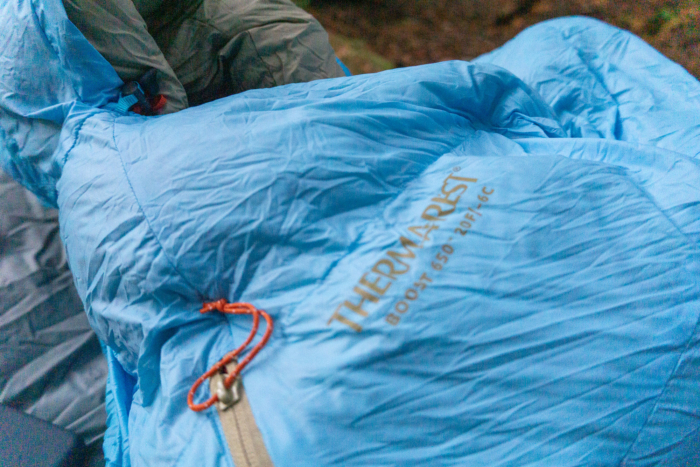
The 20-degree regular-sized bag I tested uses 1 pound, 7 ounces of 650 fill-power duck down, and its spread around the bag is key to concentrating the warmth (atop the core and shoulders). While 650-fill down isn’t the loftiest option available (with 850-900 being the top of the pile), there’s plenty of it in the bag, and when fully zipped closed, I’d say the rating is accurate, and that fully unzipping the center zip drops the rating by about 10 degrees.
While my spring testing in Washington only pushed temperatures down into the mid-40s (never quite testing the bag’s sub-freezing floor), the generous loft and draft-free collar left me sweating whenever I zipped it up completely, giving me confidence in Therm-a-Rest’s 20-degree lower-limit rating. Opening the center WarmZip easily sheds about 10 degrees of warmth, effectively turning a 20-degree bag into a 30-degree sleeper.
Completing the warmth-trapping features is a full suite of draft collars on every zippered opening and around the entire neck opening. The hood is also a snug cut that tucks in well around your noggin, but won’t accommodate a full-sized pillow.

The ‘WarmZip’ Experience
The WarmZip is the star of the show on the Boost 650, and it was the function I was most looking forward to testing in a range of different conditions. The first overnight I used the bag, which started at 55 degrees Fahrenheit when I hit the sack, dipped to 45 by 3 A.M. Slipping into the bag, I fully unzipped the WarmZip to shed some extra warmth (and get some more room to spread out).
Unlike a standard vent that exposes you to cold air, unzipping the WarmZip spreads an expansion gusset that widens the torso and hip girth by roughly six inches. That extra fabric lets you cross a leg or roll onto your side without feeling bound up, while still keeping a thin barrier between you and drafts. Better yet, Therm-a-Rest reinforced the zipper tracks with stiffened anti-snag tape, and even fumbling with the pulls half-asleep, I never once caught the thin shell in the teeth.
The WarmZip is most similar to the ‘Thermo Gill’ vents found on certain NEMO sleeping bags, like the popular Disco series. These are two core-length openings that host both an internal and external zipper, allowing for even more adjustability. The biggest difference is obviously that they only vent the core, while the WarmZip will change the whole length of the bag.
In my opinion, the WarmZip is the better iteration of the technology and makes more of a difference when you’re looking to both add more space inside the bag (for tossing and turning!) and change the temperature rating.

Camp-Friendly Functionality
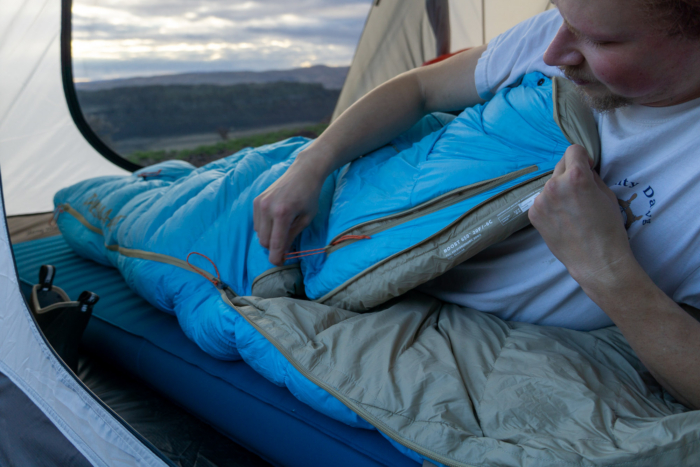
The Boost 650 is just as nice to use around camp as it is to sleep in. Wearability in camping sleeping bags has only gained steam in recent years, and this bag doesn’t miss out; it adds two separate armholes. These are accessed via independent zippers (with their own draft tubes!) and let you stay toasty warm while attending to camp tasks.
In practice, I found these to be one of my favorite aspects of the sleeping bag (besides the WarmZip). Many mornings, I unzipped the arm holes and got breakfast ready while still wearing the bag, and it was a treat to use it this way.
Besides this function, the bag also tucks away a phone sleeve on the interior (with a little cover to keep it in place). Ultralight sleeping bags typically don’t offer this, so it’s another nice feature for keeping camp tidy and your phone warm all night.
One thing worth noting for active sleepers: unlike many quilts or hybrid bags, the Boost 650 doesn’t include sleeping pad attachment straps. However, because the semi-rectangular floor gives you plenty of room to turn inside the bag rather than rolling the whole bag with you, I rarely slid off my pad during the night.

What Could Be Better?
Feathers! Feathers everywhere! While the Boost 650 is stuffed full of cozy 650 fill-power duck down, it has a tendency to escape in small amounts. The outer fabric is to blame here: a 20-denier recycled ripstop nylon that is otherwise well-specced. This issue feels like one that should be easy to amend, and it’s not unexpected in a new-to-market model like the Boost.
A second feature that might be hit-or-miss (depending on your usage) is the zippered armholes, which let you pass your arms outside the bag to make your morning coffee or read a book. Other brands of camp bags accomplish similar things without separate, single-use zippers (such as Sea to Summit’s ‘Free-Flow Zip System’, which uses snaps on the collar in addition to the three zippers that run around the bag).
For me, the armholes are a win, but for some, they might just be another spot for a zipper to fail. Consider your needs before jumping in.

Who is the Therm-a-Rest Boost 650 For?
Anyone who feels that mummy-shaped bags are too claustrophobic, or needs a versatile bag that can handle a range of temperatures, would be well served by the Therm-a-Rest Boost 650. The central zipper makes sitting up, venting, and regulating core temperature far more natural than traditional side-zip layouts, while the semi-rectangular cut gives side and stomach sleepers room to shift without feeling trapped.
This makes it a standout choice for active sleepers and three-season backpackers who want effortless temperature control and livable comfort from damp early spring nights to warmer summer trips.
On the other hand, ultralight gram-counters seeking the lightest setup may still prefer a minimalist quilt or ultra-trimmed mummy bag, while deep-winter campers will require specialized sub-freezing insulation. For everyone else, the Boost 650 strikes a sweet spot between shoulder-room comfort, straightforward venting, and reliable performance, making it a dependable go-to for multi-season adventures.