I’ve spent too many mornings frustrated with a soaking wet blind bag after wading across the marsh. This morning was different. As I slid the Divebomb Waterproof Zip Backpack off my shoulders and unzipped it, I was happy to see (and feel) my shells and camera gear were dry.
While waterproof blind bags have been around for a while, I’ve never been a fan of the traditional roll-top dry bags. They waste a lot of space and never feel comfortable while on my back. After several months of using the Divebomb Waterproof Zip Backpack in the dove field and duck blind, I have few complaints regarding comfort, waterproofness, and storage capacity.
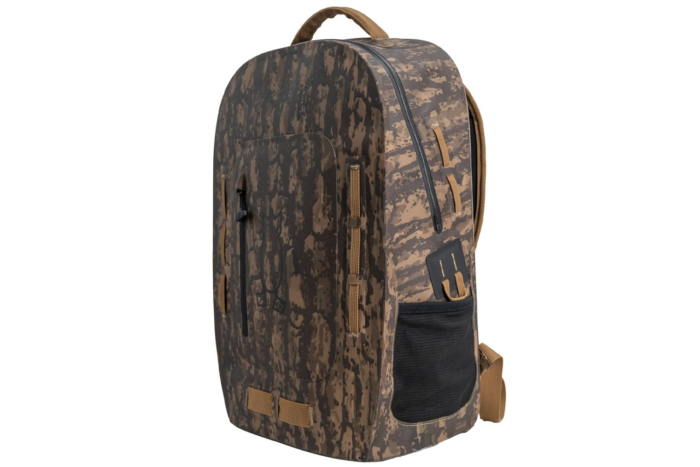
In short: The Divebomb Waterproof Zip Backpack ($199) has taken multiple dips in the cold water, lain in the mud, and still kept my expensive camera and hunting gear protected and dry. It holds everything I need for the average duck and goose hunt, without being too bulky or having too many straps that catch on everything. However, there are a few things I think could be improved upon to take this blind bag to the next level.
Specifications
Pros & Cons
Pros
- 100% waterproof main zippered compartment
- Padded foam insert
- Compact
- Lightweight
- Comfortable
Cons
- Expensive (it’s on the higher end of the market)
- Some wasted space
- Padded insert doesn’t fully go to the bottom
- Zipper is stiff
- Durability is still unknown
Divebomb Waterproof Zip Backpack Review

When I pulled the Divebomb Waterproof Zip Backpack out of the box, I was impressed with how lightweight it was and that it had a pressure release valve installed. The zipper was very stiff, even after putting the DB Zip Grease on it, but I’d rather it be stiff than flimsy and easily come unzipped.
Another thing I noticed was that the padded insert/separator didn’t go to the bottom, which allows my shells, camera batteries, and other small gear to slide into other compartments. The front zipper pocket was also not very large, but it could hold some of the small gear that would roll around at the bottom of the bag. However, the front zipped pocket is only water-resistant, not waterproof, so I still have to be careful what I place in it.

I was happy to see that all my gear (three boxes of shells, headlamp, cameras, gloves, calls, toilet paper, small gun-cleaning kit, snacks, and a facemask) easily fit in the bag, and I still had room for a little more. So it has plenty of storage, but I do think it could be utilized a little better (more on that later).
Once I confirmed my gear would fit, I unloaded it all and headed to my pond to ensure it was waterproof. I wasn’t taking any chances, ruining a camera and multiple GoPros.
In-the-Field Performance

The first time I took it out into the field was to test if it was fully waterproof. I tossed the empty bag into the water, and it began to float. I then dunked it and checked to see if any water made it inside the bag. It did not, so I was ready to take it duck hunting.
Before duck season rolled around, I took the bag dove hunting several times, just to test the comfort, zippers, and versatility. On one of my dove hunting trips, I noticed a spot that looks like it will wear faster than the rest of the bag, so I’ve been keeping an eye on it. So far, it’s held up.
When duck season finally opened, I headed to a farm pond with it on my back. I tossed it on the pond bank and into a puddle, but the bag remained waterproof. Now that duck season has been open for a while, I’ve taken this bag out several more times and have still been impressed by it.
What I Love About It

The main thing I love about this backpack is that it’s zippered, waterproof, and holds all the gear I need to keep dry. I’m a big fan of a zipper, rather than a roll top, because it’s less bulky and has less wasted space. The padded insert keeps most of my gear organized and reasonably protected, without the bag being overly bulky.
I’ve found it comfortable during warm September dove hunts and cold December duck hunts. The bag starts out light, so by the time you toss all your gear into it, it’s not ridiculously heavy, which is appreciated on long walks through the marsh.
I’m no longer worried about my bag getting wet and ruining my cameras and shotgun shells (as long as it’s fully zipped).
Where I See Room for Improvement

As much as I’ve enjoyed using this backpack, I still see several key areas for improvement. My biggest complaint is that the foam insert doesn’t go all the way to the bottom and allows smaller items to shift and roll around in the bag.
The main pocket is roomy, but a lot of it is wasted space at the top, unless you stack and cram everything into the bag.
I’ve also found that the front pocket doesn’t hold much and is only water-resistant, so it’s a wasted feature, in my opinion. Divebomb also conveniently sells an add-on Gear Bag that covers up most of the front pocket when installed.
My main concern about the durability of this bag is the rounded corner seam at the top. It already looks a little worn and contorts every time I zip and unzip the bag. However, so far it’s holding up.
Who’s It For?

The Divebomb Zip Backpack is perfect for dedicated waterfowlers who primarily hunt water. I also appreciate it as a content creator because it keeps my cameras protected. It’s impressed me with how versatile it has been, and hunters in general will find it useful, especially on rainy hunts.
Final Thoughts: Divebomb Waterproof Zip Backpack Review

I admit this waterproof backpack is a bit pricey, but it’s not the most expensive one on the market. The Divebomb Waterproof Zip Backpack has a few features that others don’t, like the removable divider, which also helps justify the price. It’s kept my gear dry and protected on all my hunts so far, but I’ll keep testing it to see how many I can get out of it.