Choosing the right ski boot starts with where you ski. From rigid resort chargers to lightweight touring setups and versatile hybrid crossovers, every design trades downhill performance for uphill mobility. And with the surge of modern closure systems — traditional buckles, single and dual BOA, and cables — skiers have more tailored options than ever.
Over our recent four-month test window, ski boot experts Justin Park and Jake Stern tested seven pairs for 91 hours across 35 days and various snow conditions at 16 ski resorts in North America and Europe — these guys know how to have fun doing lab work.
The Fischer RC4 PRO BOA is excellent for hard-chargers with race backgrounds, while the Tecnica Mach 1 is a solid choice for all-mountain laps. Local ski shops can measure your feet and help hone what models naturally work. A boot fitter can help dial in the fit.
Check out more pairs in our Best Ski Boots for Women and Best Backcountry Ski Boots guides.
Editor’s Note: We updated our Ski Boots guide on August 28, 2026, with the Head Kaliber 130, Scarpa 4-Quattro GT, Rossignol Alltrack,Dalbello Veloce Space, Nordica Promachine3, and Lange Concept 12, plus Bottom Lines and signposts.
The Best Ski Boots of 2026


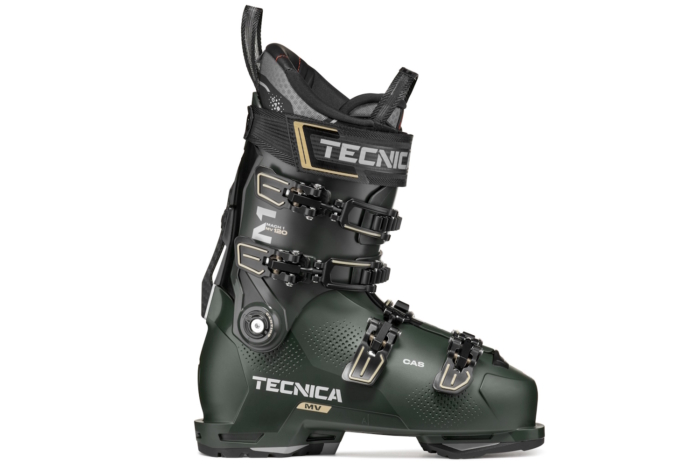
Tecnica Mach 1 — Men’s MV 120 TD & Women’s LV 105 TD
-

-
(Photo/Justin Park)
-
-
-
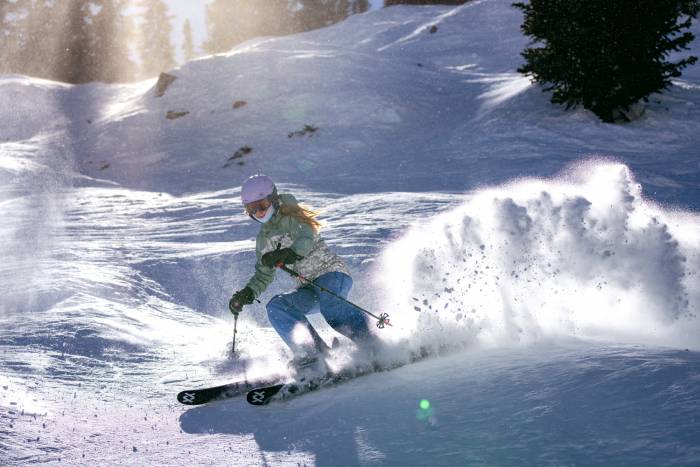
Contributor Morgan Tilton testing skis on chalky steep moguls at Crested Butte Mountain Resort (Photo/Jason Hummel)

Specifications
Pros & Cons
Pros
- Takes less energy to drive this boot
- Warm
- T-Drive is now available in the women’s low-volume boots
Cons
- T-Drive is not available in the HV (high-volume) women’s boot
Read Review: Upgraded Flagship for Experts: Tecnica Mach1 LV 130 Ski Boots Review
Bottom Line: This high-performance alpine boot seamlessly bridges elite power transfer with out-of-the-box comfort. Aggressive all-mountain skiers who want precise edge control and custom molding options without sacrificing warmth on frigid days won’t regret choosing the Tecnica Mach.
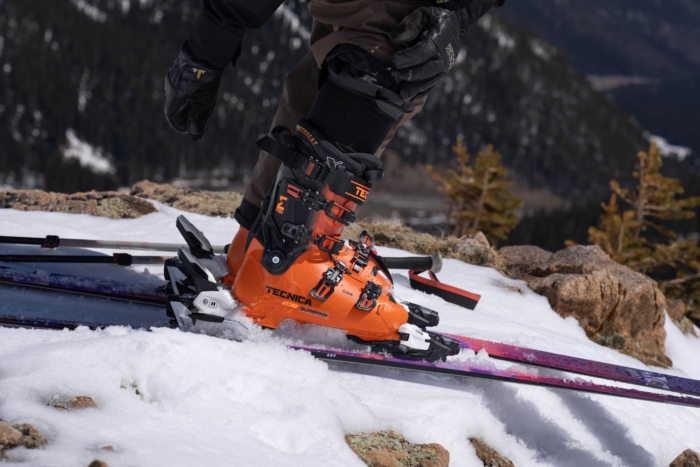
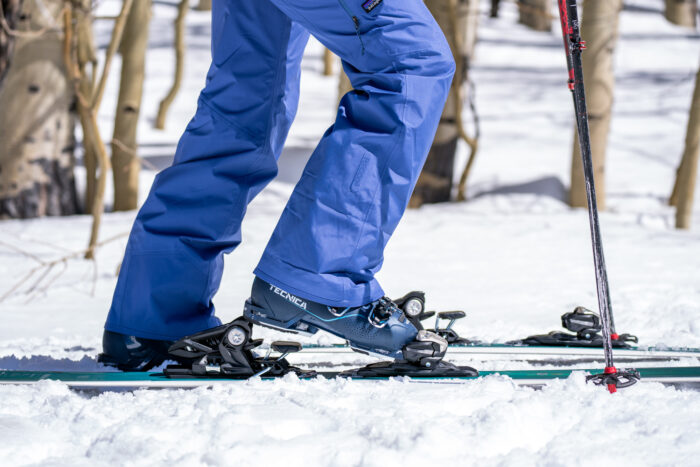
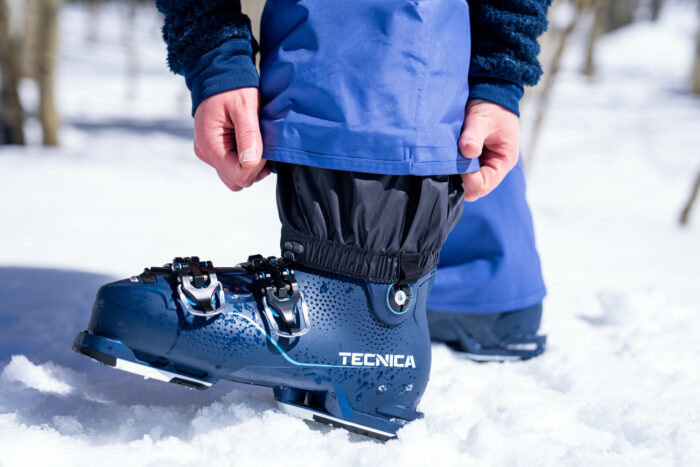
The Tecnica Mach 1 MV ($850) is a downhill-focused powerhouse that kept our feet warm and secure through every condition. MV stands for mid-volume — ideal for standard foot shapes — while the available LV (low-volume) option caters to narrower lasts. There’s also a women’s-specific Mach 1. Our on-snow crew — including ski journalist Justin Park, SnowSports Senior Editor Morgan Tilton, and Editorial Director Sean McCoy — put both versions through months of rigorous testing across the cold, technical terrain of the Colorado Rockies to evaluate long-term liner packed-out potential and edge-to-edge responsiveness.
The Tech: Performance centers on Tecnica’s carbon T-Drive spine, which connects the upper cuff directly to the lower shell. This structure regulates flex, requiring 15% less forward pressure and edge angle to initiate identical turns compared to traditional overlap designs. Inside, the Celliant and wool-insulated liner incorporates 13 heat-reactive minerals designed to convert body heat into infrared energy for improved circulation and warmth. The shell utilizes asymmetric material thickness — visible via shiny versus matte finishes — to concentrate stiffness along the medial edge for maximum lateral drive.
What We Like: Anatomical shaping makes this one of the rare high-performance boots with an exceptional fit right out of the box, long before custom heat molding. For ski techs, Tecnica molded targeted dimples directly into the shell and footboard to lower surface tension and highlight key punch points. The wide toe box provides ample wiggle room, and after four months of heavy daily use in freezing conditions, the microcell liner showed no signs of packing out or developing slop in the heel pocket. Women’s-specific models have a tailored upper cuff and anatomical liner that adapt cleanly to female calf geometry without pinching.
What We Don’t: It remains a dedicated, rigid alpine boot without a hike or walk mode. Skiers seeking a similar responsive feel with built-in backcountry touring utility will prefer hybrid models like the Rossignol Alltrack 130 Elite LV LT or the Atomic Hawx Prime XTD 130. Additionally, those with wider feet should look elsewhere, such as the Salomon S/Pro Supra 120 Dual BOA, which is a mid-to-high volume (100-106 mm) pick.
Should You Buy It? If your priority is uncompromised downhill precision combined with best-in-class thermal insulation and customizable shell architecture, this boot sits at the top of its class. It delivers intuitive steering and reduced leg fatigue for charging steep lines from first chair to last call.
K2 Anthem 95 BOA
Specifications
Pros & Cons
Pros
- BOA Fit Enclosure system allows for micro adjustments and plenty of comfort
- MultiFIT last allows for wiggle room in sizing for beginners trying to figure it out
- A stiff-yet-forgiving flex gives skiers room to advance their skills
Cons
- Not everyone is sold on BOA
Read Review: ‘Biggest Advancement in 60 Years’? BOA Breaks Into Alpine Ski Boots
Bottom Line: A cushy yet capable progression boot that pairs an easy-adjust BOA dial with a smooth, forgiving flex. The Anthem is a sidekick for developing skiers who want all-day comfort while learning to carve up the resort without cursing stiff plastic shells.
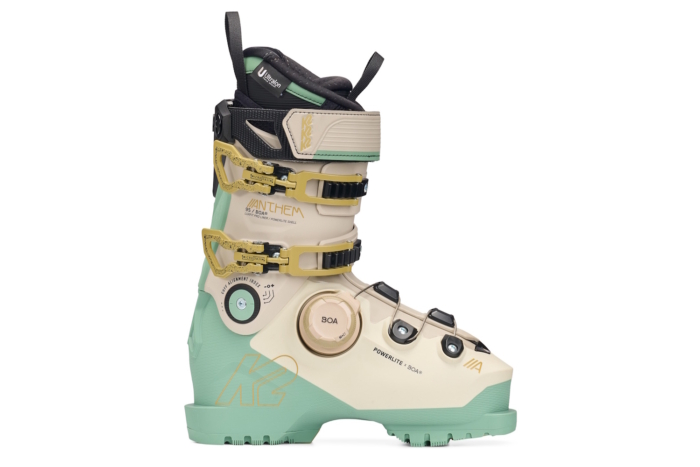
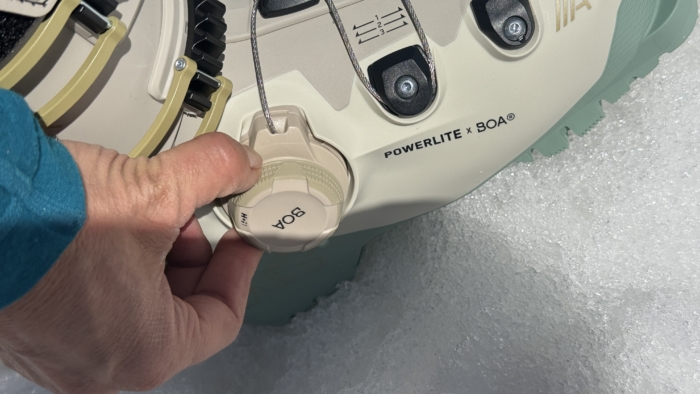
If you’re ready to graduate from the bunny hill and start carving up the resort, the K2 Anthem 95 BOA ($700) is the sidekick you’ve been waiting for. This boot nails that holy grail blend of cushy comfort and legitimate shred-ability — a welcome relief for developing skiers who usually spend their days fighting rigid plastic shells. Tested by veteran gear writer Heather Rochfort through closing-day spring slush at Aspen’s Buttermilk Resort, the boot proved both approachable for dialing in technique and snappy enough to keep the party going as speeds picked up.
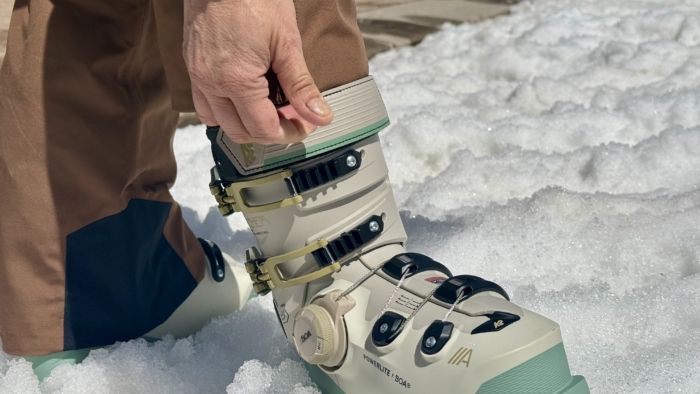
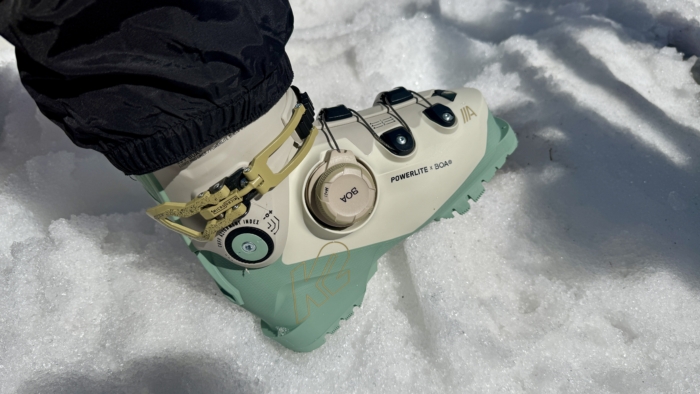
The Tech: The headliner here is the BOA Fit System, joined at the hip with K2’s MultiFIT Last. Instead of traditional clunky buckles, a quick twist of the dial wraps the lower shell around your foot like a glove, shrinking the fit from a 100mm shell down to a 97mm last. Don’t let the “beginner-to-intermediate” label fool you: This boot has some serious backbone. Power transmission relies on a 95 flex that provides enough oomph for precise edge control without acting like a strict headmaster that punishes you for a little sloppy form.
What We Like: The dial mechanism is a friendly game-changer on the mountain, and Rochfort found she could easily crank it with her ski gloves still on. It’s forgiving in all the right spots, but stays energetic enough that you won’t outgrow it the second you find your rhythm. For the developing skier who isn’t sure if they have a narrow or wide foot yet, that built-in shell flexibility takes the intimidation out of finding a great fit.
What We Don’t: Let’s talk shop: Don’t let the beginner-to-intermediate label fool you, but aggressive chargers looking to hammer steep lines will eventually overpower the 95 flex. Compared to its big sister — the stiffer K2 Cortex W BOA built for aggressive charging — the Anthem trades maximum high-speed rigidity for a much friendlier ride. The cable dial can also feel a bit tedious if you are used to slapping down traditional metal buckles in one quick motion.
Should You Buy It? For a comfortable ski boot that feels supportive (but not too rigid) while dialing in your technique, put this pair at the top of your list. Progressing riders will find this boot is a less-intimidating investment that delivers a supportive, comfortable ride.
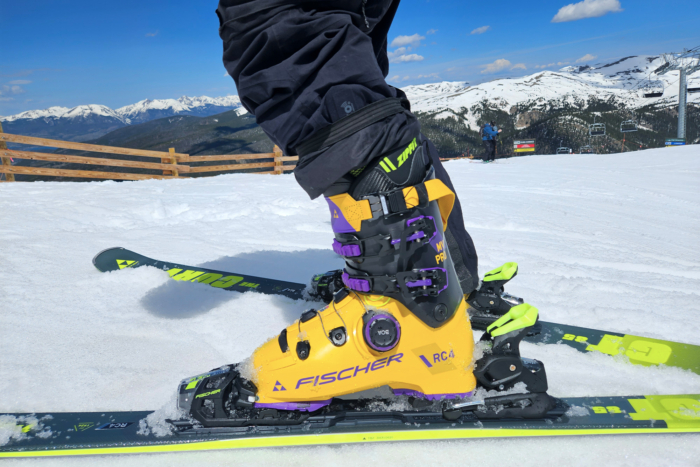
Fischer RC4 PRO MV BOA Ski Boot
-
-
(Photo/Justin Park)
-
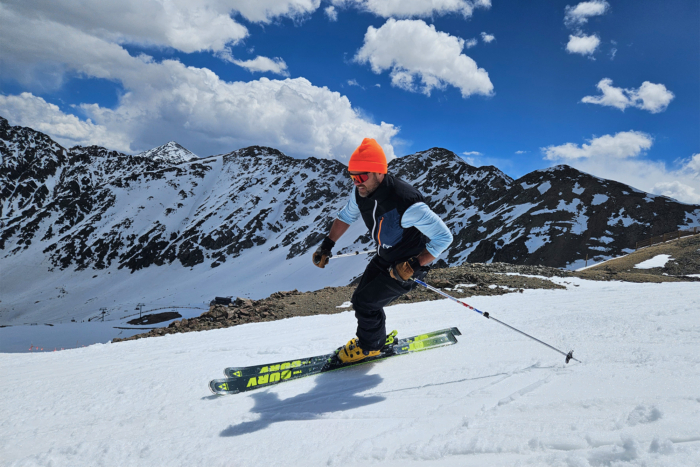
Gliding down the mountain slopes on Fischer RC4 PRO MV BOA ski boots; (photo/Justin Park)
-
Reviewing the Fischer RC4 PRO MV BOA ski boots; (photo/Justin Park)
Specifications
Pros & Cons
Pros
- Pro-grade stiffness
- Even forefoot pressure via BOA system
- High-quality aftermarket ZipFit liner comes stock
Cons
- Limited touring application
- Sizes larger than other boots in the lineup
Bottom Line: A masterpiece built specifically for hard-charging experts and heavy skiers who need maximum power transmission on firm snow. This race-grade alpine boot pairs an uncompromising 140 flex with a premium pre-installed ZipFit liner and forefoot BOA closure.
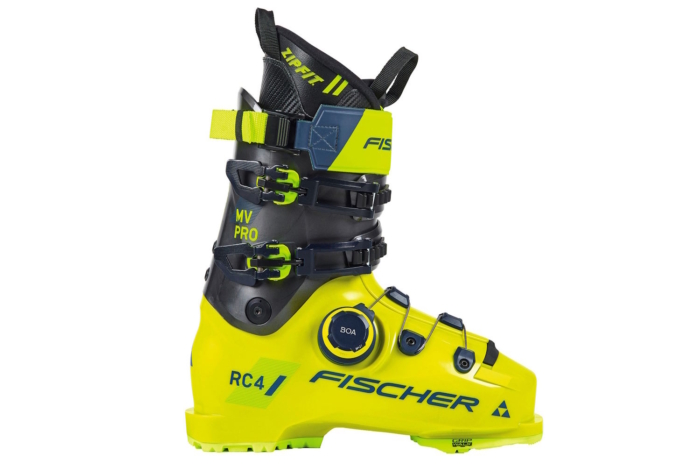
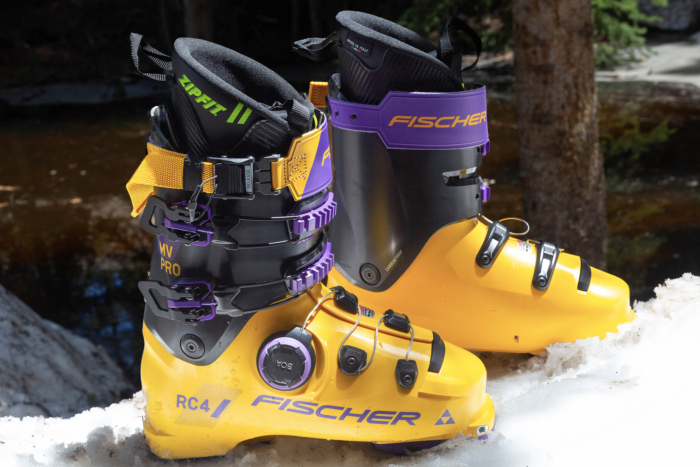
The Fischer RC4 PRO MV BOA ($1,050) sits at the peak of the brand’s frontside collection, bringing true race-department stiffness to a high-performance recreational shell. Instead of forcing skiers into a punishing plug-boot fit, this mid-volume option offers surprising comfort while eliminating the slop found in softer setups. If you are a heavy or aggressive skier who regularly overpowers standard 130-flex models, this setup delivers absolute control.
The Tech: Performance centers on an authentic 140-flex shell construction paired with a high-end ZipFit inner boot, which utilizes injectable cork composite encased in leather to continuously adapt to foot contours. Down lower, Fischer swapped traditional forefoot buckles for a micro-adjustable BOA dial system engineered to wrap the lower shell evenly across the instep without creating single-point pressure. The boot comes stock with ISO 23223 GripWalk outsoles for improved traction on icy catwalks and parking lots.
What We Like: Colorado-based on-snow tester Justin Park found that the inclusion of a factory-installed ZipFit liner adds tremendous value, saving skiers the typical aftermarket upgrade cost while providing exceptional heel hold and precise feedback. On the snow, driving this boot alongside a stiff frontside carving ski reveals immediate, instant turn initiation and unwavering lateral stability at high speeds. The medium-volume last offers slightly more length in the toe box than its low-volume counterpart, making it far more wearable for full days on the mountain. Additionally, bootfitters can easily adjust the internal cork volume to fine-tune foot shape variations over time.
What We Don’t: That true 140 flex rating is not hyperbole. It’s unforgiving, making it a poor fit for lightweight skiers, lower speeds, or casual cruisers. The thin, dense liner offers minimal shock absorption, which feels harsh when landing jumps or navigating heavy chop off-piste. The BOA lower dial also requires numerous turns to crank down to a race-tight tension, which may frustrate skiers accustomed to quick-latching metal buckles.
Should You Buy It? For former racers and powerful skiers who demand unyielding power transfer on firm snow, this boot stands as a top-tier contender. It combines custom-grade interior components with downhill precision for anyone seeking maximum control on big lines.
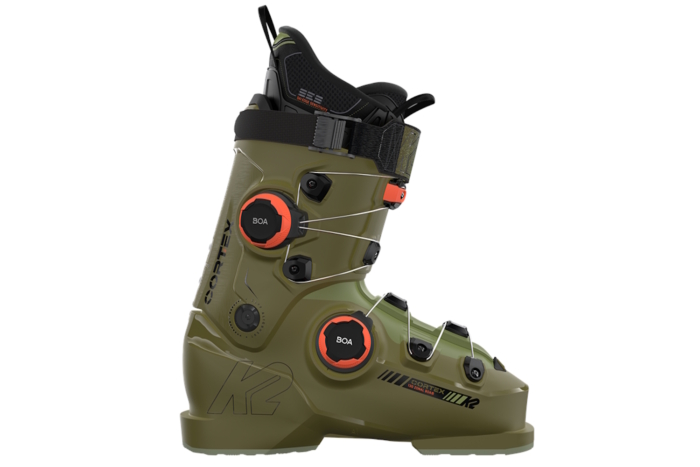
K2 Cortex 130 Zonal BOA Ski Boots
-
-
(Photo/Justin Park)
-
(Photo/Justin Park)
Specifications
Pros & Cons
Pros
- Stiff, overbuilt shell for hard-charging
- Even distribution of pressure via dual BOA
- Plush, comfortable liner absorbs impacts
Cons
- Heavy for lighter skiers
- Double BOA, double the twisting time
Bottom Line: A race-inspired, low-volume downhill charger that replaces traditional buckles with a precise dual-dial BOA setup. This ski boot is built for powerful, heavy skiers who want absolute foot lock and unyielding lateral support on big terrain.
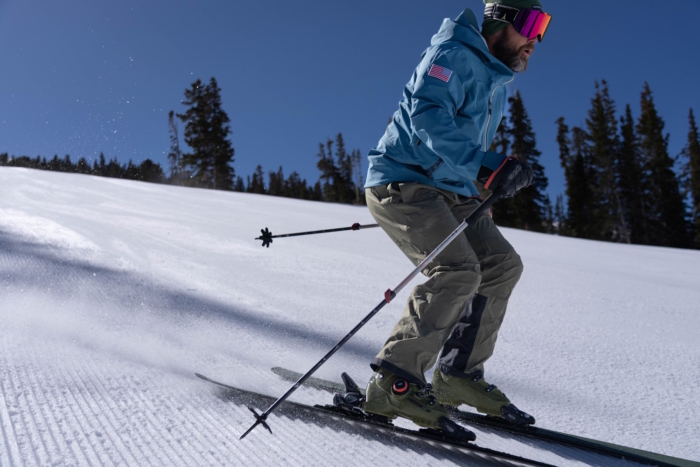
The K2 Cortex 130 Zonal BOA Ski Boot ($950) is a massive departure from K2’s usual high-volume lineup, delivering a low-volume freeride and race hybrid that is just as comfortable digging trenches in groomers as sending drops. Tested by expert ski gear reviewer Justin Park — a 195-pound skier who put the shell through its paces across demanding resort lines — the Cortex proved it has the backbone to handle heavy, stiff skis without collapsing under pressure.
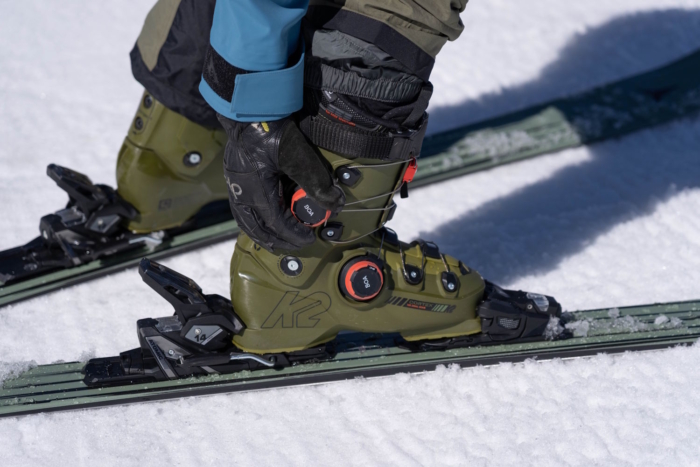
The Tech: Construction relies on thick, overlapping cuffs of traditional TPU plastic that deliver an authentic 130 flex with a progressive, predictable feel. Replacing buckles entirely, the dual-dial Zonal BOA setup distributes shell closure across the upper and lower cuff via two independent dials. K2 paired this with a narrow boot throat and an exceptionally secure heel pocket in the liner, leaving room in the toe box while locking the ankle in place.
What We Like: On the downhill, this boot is a monster that gives big-mountain chargers unyielding control when pushing hard. The dual BOA system applies remarkably even pressure across the shell, maximizing foot hold without creating single-point hot spots. Unlike older closure systems, the updated dials allow you to back off tension by reversing the twist, making on-the-fly micro-adjustments quick without having to pop the mechanism completely open.
What We Don’t: At nearly 5 pounds per boot, it sits on the heavier end of resort boots in its class, making it a workout to haul around off the snow. Skeptics of cable closures or skiers who like to open their boots completely between every single lap will find turning the dials back and forth tiresome compared to flipping a lever. Those looking for a similar level of frontside power with traditional buckles may prefer the Fischer RC4 PRO MV BOA.
Should You Buy It? Heavy-set, expert skiers searching for a performance-oriented resort model with maximum foot retention will find a serious contender here. It offers a race-grade platform that brings modern cable closure to hard-charging freeride terrain.
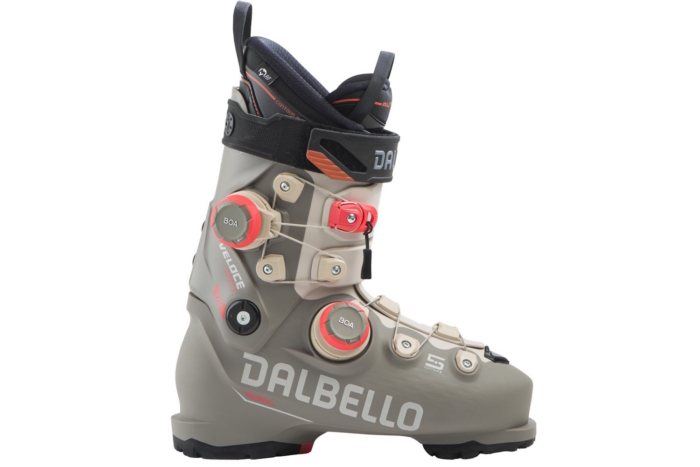
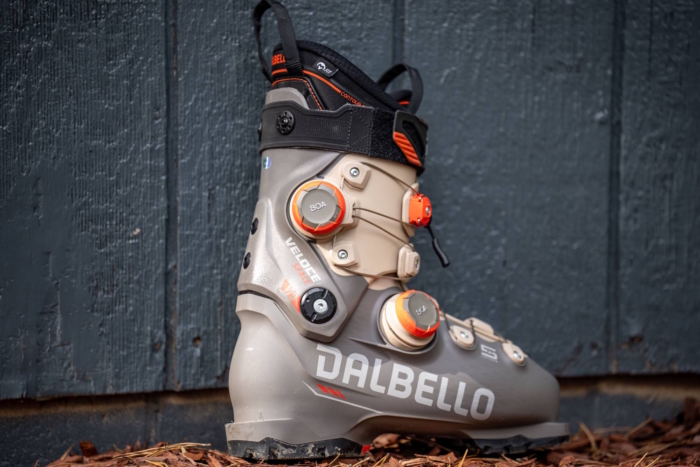
Dalbello Veloce Space 120 Dual
-
-
(Photo/Jake Stern)
-
Specifications
Pros & Cons
Pros
- Weight is right in the sweet spot of suspension and responsiveness
- Upper BOA dial wraps ankle and calf very well
- Astonishing fit customizability
Cons
- BOA dials are tiresome to wind
- Lower BOA compresses instep
- Damp ride means less rebound
Bottom Line: A radical overhaul that pairs upper-cuff cable leverage with endless shell customization for medium- and high-volume feet. The Veloce Space is a blast for skiers who want real precision and power dropping into steep terrain without beating up their feet.
It’s not as bad as lift lines on a powder day — but your friends might have to wait a minute or two while you crank all four BOA dials on the Dalbello Veloce Space 120 Dual BOA ($830). Once locked in, ski gear analyst Jake Stern dropped into The Wall at Kirkwood, feeling his heel snug right back into the heel pocket. Catching air off mogul tops, finding transitions on steep faces, and thrashing toward the base area, the cuff wrap kept him securely in place while slashing fast turns.
The Tech: This iteration represents a radical redesign of Dalbello’s four-buckle all-mountain platform, leaning heavily into customization. The bi-injected shell has molded indicators over malleable plastic zones, allowing bootfitters to easily stretch or grind problem areas like the navicular and sixth toe. Dual-sided cuff alignment handles adjustments for bow-legged or knock-kneed stances, while a grindable zeppa allows you to dial in your precise ramp angle.
What We Like: While lower BOA mechanisms can be questionable, the upper-cuff dial is a genuine performance gain. The way it wraps the ankle and calf delivers excellent leverage when carving fast turns on-piste. For wider or higher-volume feet, it manages to feel remarkably comfortable and warm while still delivering genuine precision and power on and off-piste.
What We Don’t: Lower BOA dials still fail to pull completely evenly from the sides, falling top-down onto the instep instead. The dial-twisting routine at the top of a lap also takes extra time compared to flipping standard latches. Skiers who prefer the quick, unyielding levering of a traditional four-buckle setup over cable dials should look toward the Tecnica Mach 1 MV instead.
Should You Buy It? For skiers with medium-to-high volume feet who refuse to choose between comfort and hard-charging performance, take a closer look at this boot. It offers an adaptable, power-packed ride for tearing up the entire mountain.
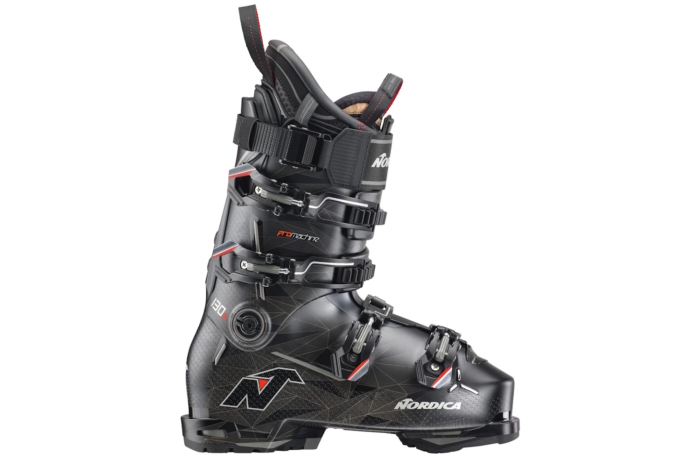
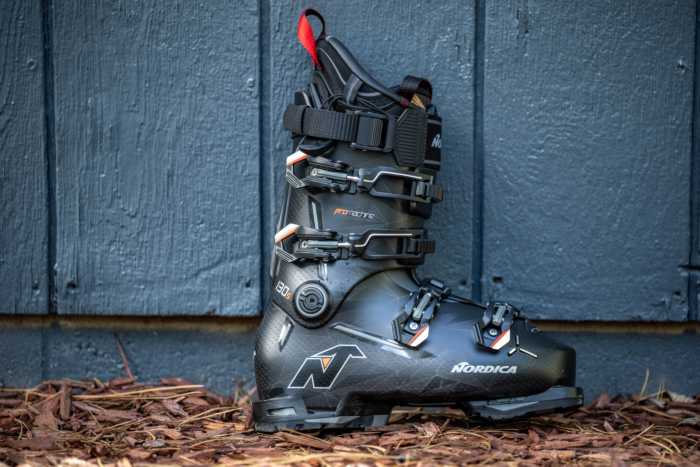
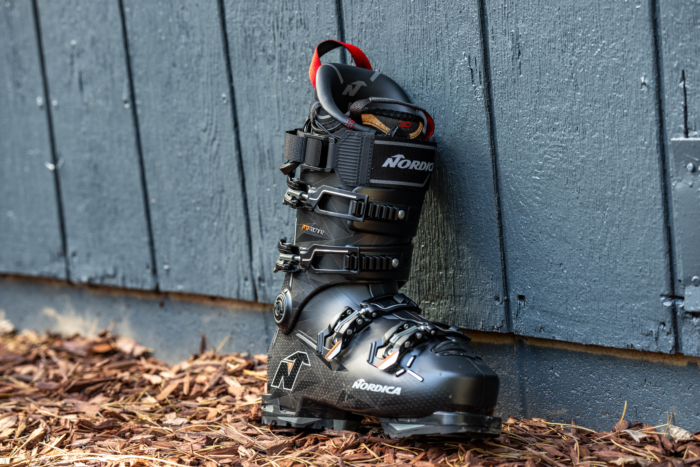
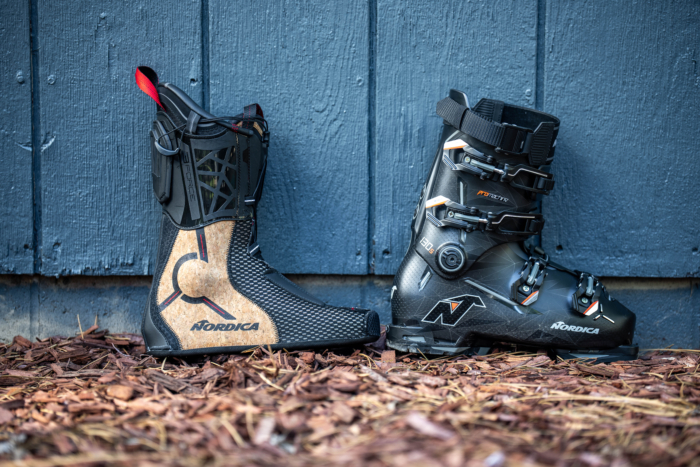
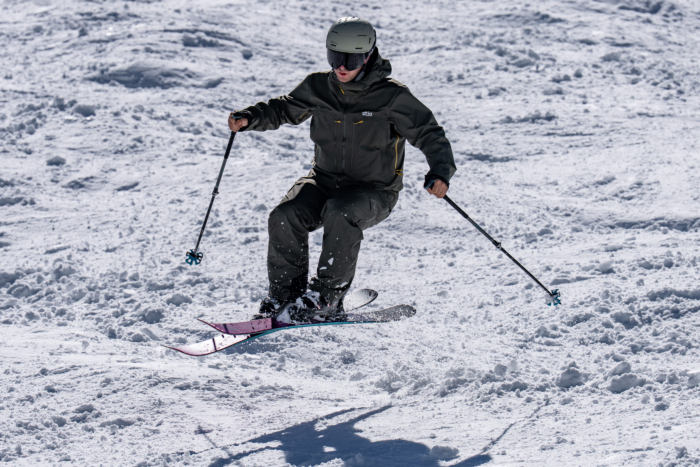
Nordica Promachine3 130 S
-
-
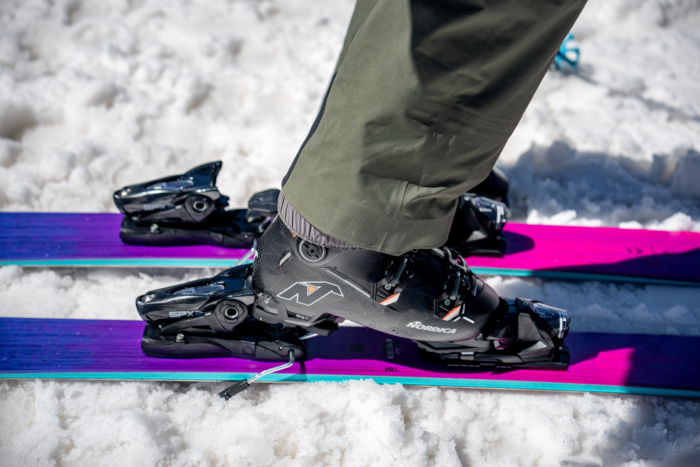
Jake Stern testing the Nordica Promachine3 130 S; (photo/Jake Stern)
-
Jake Stern testing the Nordica Promachine3 130 S; (photo/Jake Stern)
-
Jake Stern testing the Nordica Promachine3 130 S; (photo/Jake Stern)
-
Jake Stern testing the Nordica Promachine3 130 S; (photo/Jake Stern)
-
Jake Stern testing the Nordica Promachine3 130 S; (photo/Jake Stern)
Specifications
Pros & Cons
Pros
- Perfectly tuned suspension
- Unmatched power outside of the race category
- The best liner in the game
Cons
- Beginners and intermediates need not apply (for the 130)
- No adjustability in forward lean
Bottom Line: A race-bred, low-volume power boot that gleefully rejects cable dials and watered-down features in favor of pure, uncompromised drive. The Promachine3 is a favorite for core, demanding carvers who want World Cup precision and energetic snap.
The newly redesigned Nordica Promachine3 130 S ($900) tells you what it is right from the jump: it looks lean, mean, and ready to rage. While gear tester Jake Stern has been underwhelmed by the market trend of watering down expert equipment by inflating volume and shaving weight, Nordica gleefully bucked that trend. Digging deeper into their World Cup background, they created a stripped-down, race-inspired all-mountain boot that stands as his favorite in its class.
The Tech: Eschewing dials, thin thermoplastics, and feature-heavy liners, the Promachine3 is stripped down to the essentials. It has a heat-customizable 98mm shell topped with a burly stock cam power strap for instant leverage. Inside, the best-in-class 3D Custom Cork Liner uses stout cork wrapping around the ankle and heel, paired with a properly dialed quick-lace system that lets you crank down hard and stow the laces in a simple elastic loop.
What We Like: On snow, this ski boot boasts burly power with energetic snap. Carving hard on-piste catapults you right into the next turn, while the nicely upright stance allows you to instantly bend the ski the moment you pressure the front. Off-piste, where Jake prizes dampness over pop, it packs just enough weight to power through refrozen bumps without overbending the ski and sending you flying.
What We Don’t: The low-volume fit and stiff, race-room DNA will prove far too demanding for wider feet or casual cruisers who want an easygoing ride. Skiers with broader feet who still want top-tier frontside carving power without traditional buckle pressure might prefer the Head Kaliber 130 Pro LV GW BOA2 instead. Without a hike mode or soft walking mechanism, traversing icy parking lots remains a stiff, old-school chore.
Should You Buy It? For skiers with narrow, low-volume feet and a demand for a traditional, race-inspired all-mountain boot, look no further. This is a top-tier charger that delivers proper World Cup energy to every turn.
Lange Concept 12
-
-
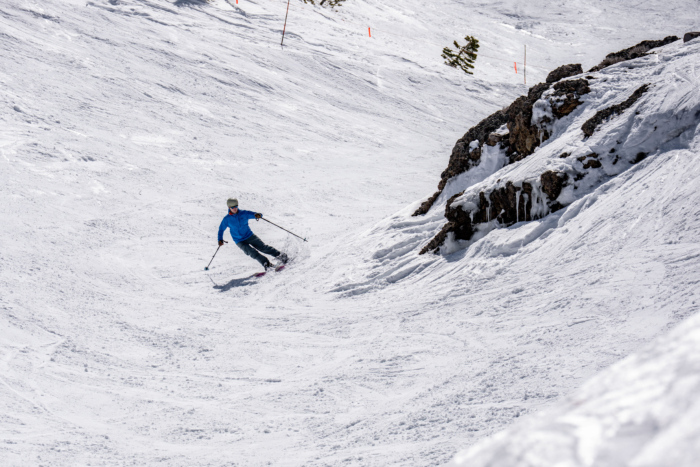
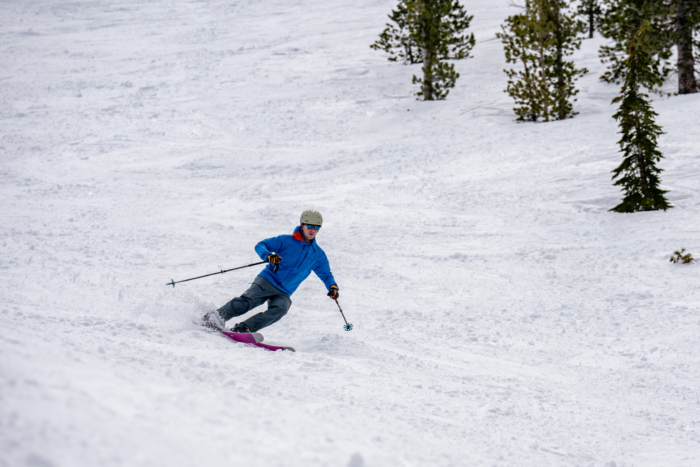
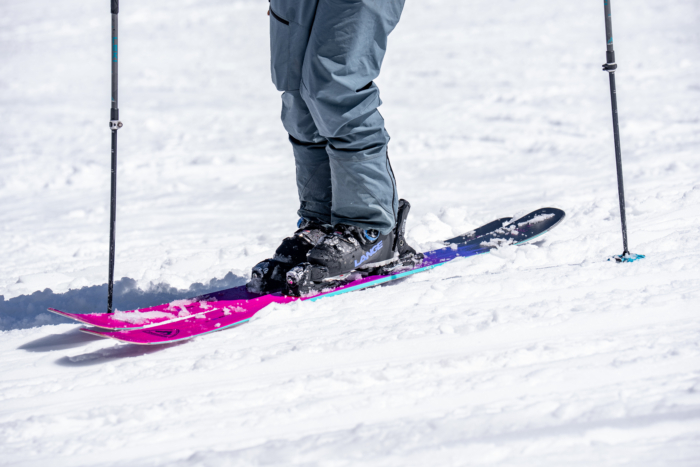
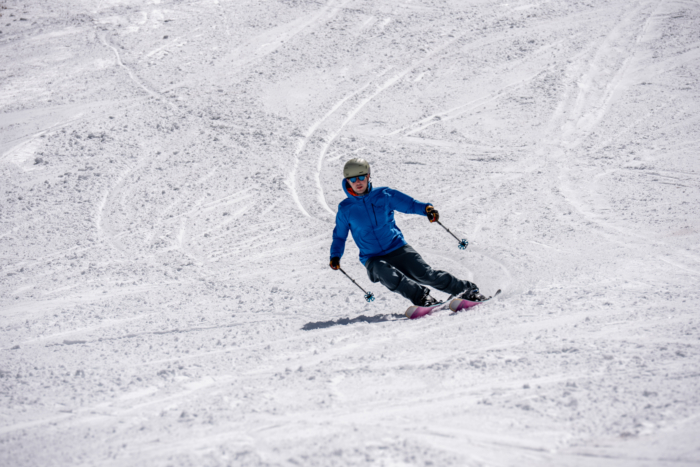
Jake Stern testing the Lange Concept 12; (photo/Jake Stern)
-
Jake Stern testing the Lange Concept 12; (photo/Jake Stern)
-
Jake Stern testing the Lange Concept 12; (photo/Jake Stern)
-
Jake Stern testing the Lange Concept 12; (photo/Jake Stern)
-
Jake Stern testing the Lange Concept 12; (photo/Jake Stern)
-
Specifications
Pros & Cons
Pros
- Extremely roomy for those with high volume feet
- Plush liner offers supreme comfort
- Suspension blade offers solid performance
Cons
- Light plastic can get tossed around
- Overall lack of precision
- Lower BOA falls on instep
Bottom Line: A high-volume, comfortable performer that brings real edge leverage and rigidity to wide-footed or heavier skiers. It is a smart choice for anyone tired of overly soft, sloppy wide boots who still wants clean carving control on resort slopes.
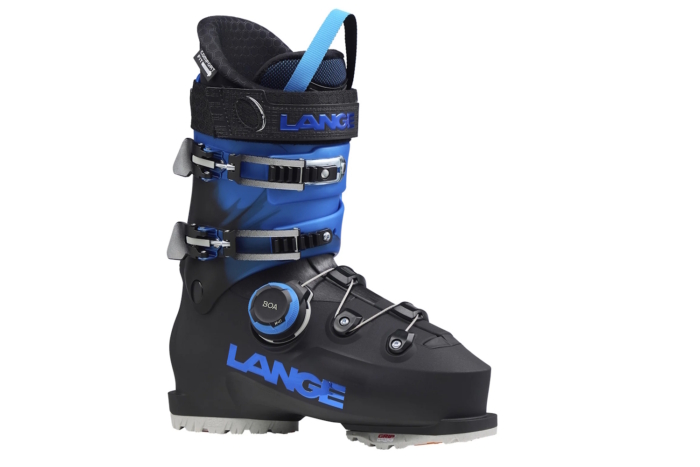
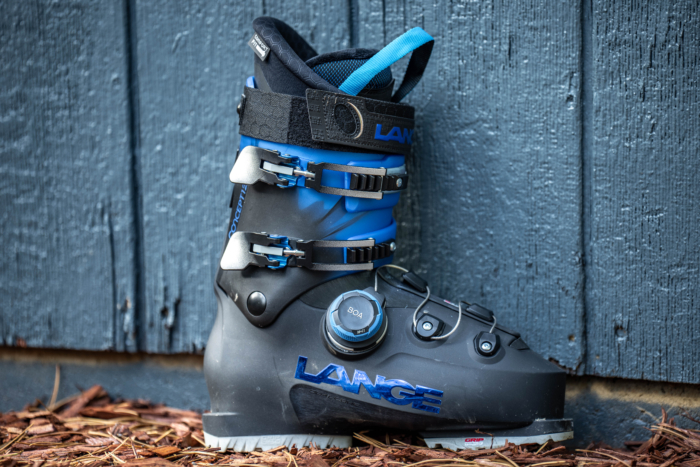
High-volume boots are too often treated as an afterthought in the ski industry, resulting in sloppy, marshmallow-soft shells that fail heavier skiers or those with wide feet. Flex is too often correlated with ability instead of mass, but a 200-plus-pound skier deserves a supportive boot that creates true balance and room to progress. The Lange Concept 12 BOA ($650) directly addresses that gap, delivering a generous fit without ditching actual downhill power.
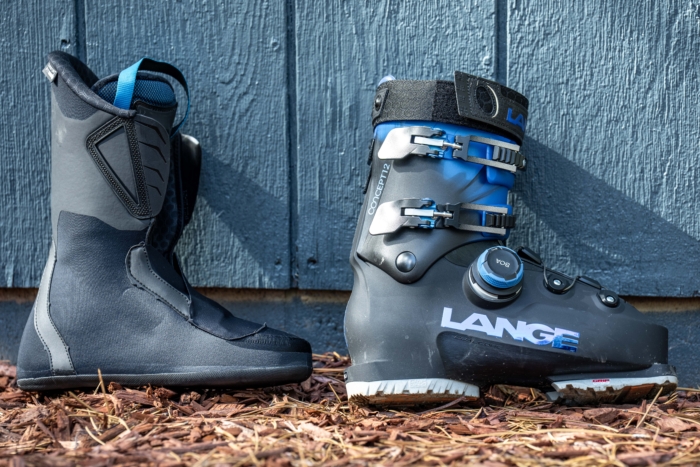
The Tech: Engineering centers on Lange’s Suspension Blade architecture, which bridges the upper cuff and lower shell to boost edge leverage and drive power in steep terrain. To keep weight down while retaining reasonable dampness, Lange utilized a Lyfran shell construction. Underfoot, a lower-shell BOA cable system wraps the wide 103 mm last, while inside, a thick, plush liner can be heat-molded to accommodate exceptionally high-volume feet.
What We Like: This model is remarkably comfortable and genuinely capacious, giving skiers who feel cramped in almost every other option a true breath of fresh air. Gear reviewer Jake Stern, a narrow-footed tester who found the interior expectedly cavernous, noted that it provides relief for its target audience. On snow, the rear spine blade adds noticeable backbone, allowing wide-footed skiers to carve cleanly on-piste and navigate off-piste terrain with confidence. The moldable liner and wide shell geometry ensure that higher-mass or high-volume skiers get the structural rigidity they need to stay centered over their skis.
What We Don’t: Because the shell relies on lightweight Lyfran plastic, overall suspension and chatter absorption fall short when pushing into top-end speeds. Adding another 300 grams of mass per boot would improve high-speed dampness, though it would likely increase the price tag. Narrow-footed skiers or those who want absolute World Cup vibration dampening will be much better served by the traditional 98mm shell of the Nordica Promachine3 130 instead.
Should You Buy It? Wide-footed or heavier skiers who want to carve with precision without enduring foot-crushing tightness should give this setup a thorough look. It delivers a supportive, comfortably roomy ride that treats high-volume performance with the respect it deserves.
On-Snow Tested & Approved: 7 Bonus Ski Boots That Keep Our Feet Happy
These seven runners-up are pairs that we keep in the garage for certain conditions and recommend on the chairlift for overall function, smooth operation, power transfer, comfort, and price.
-
-
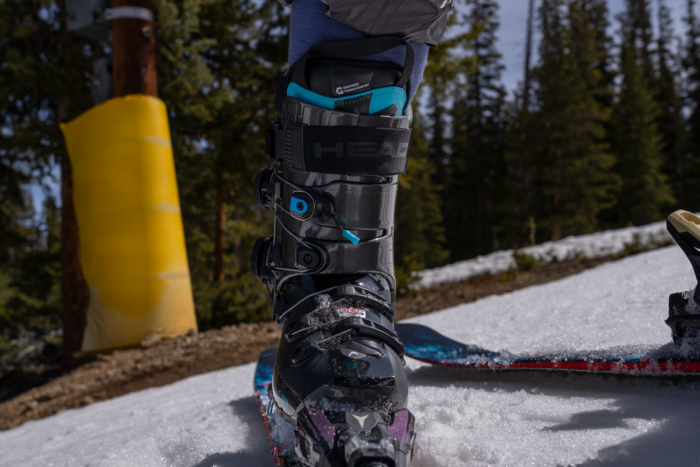
Justin Park testing the Head Kaliber 130 Pro LV GW BOA2 ski boots; (photo/Alex Neuschaefer)
-
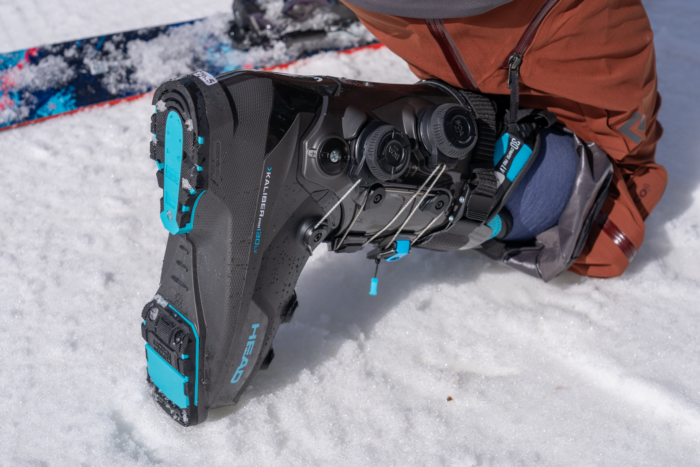
Justin Park testing the Head Kaliber 130 Pro LV GW BOA2 ski boots; (photo/Alex Neuschaefer)
-
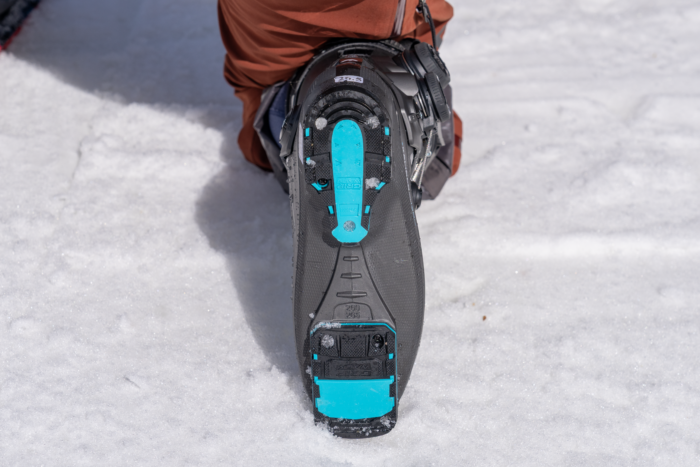
Justin Park testing the Head Kaliber 130 Pro LV GW BOA2 ski boots; (photo/Alex Neuschaefer)
-
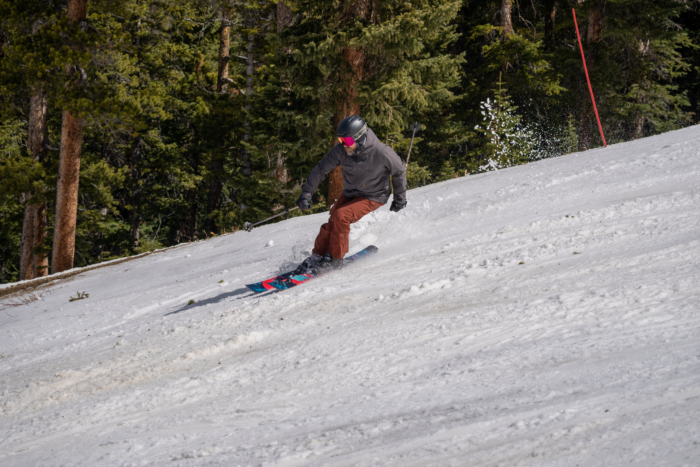
Justin Park testing the Head Kaliber 130 Pro LV GW BOA2 ski boots; (photo/Alex Neuschaefer)
-
Justin Park testing the Head Kaliber 130 Pro LV GW BOA2 ski boots; (photo/Alex Neuschaefer)
-
Justin Park testing the Head Kaliber 130 Pro LV GW BOA2 ski boots; (photo/Alex Neuschaefer)
-
Justin Park testing the Head Kaliber 130 Pro LV GW BOA2 ski boots; (photo/Alex Neuschaefer)
-
Justin Park testing the Head Kaliber 130 Pro LV GW BOA2 ski boots; (photo/Alex Neuschaefer)
-
Justin Park testing the Head Kaliber 130 Pro LV GW BOA2 ski boots; (photo/Alex Neuschaefer)
Specifications
Pros & Cons
Pros
- Dual BOA system delivers precise, even fit
- Predictable 130 flex
- Good balance of comfort and performance
Cons
- BOA system requires precise bootfitting
- Slightly heavier, bulkier than competitors
Bottom Line: A race-inspired, low-volume frontside ski boot that combines a dual-dial BOA setup with an unyielding 130 flex. This prime pick is for expert carvers who want high-speed precision and lateral stiffness without the foot-crushing feel of a traditional design.
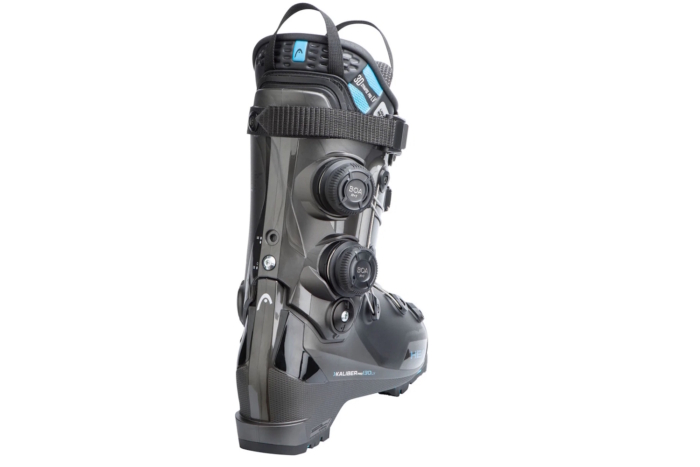
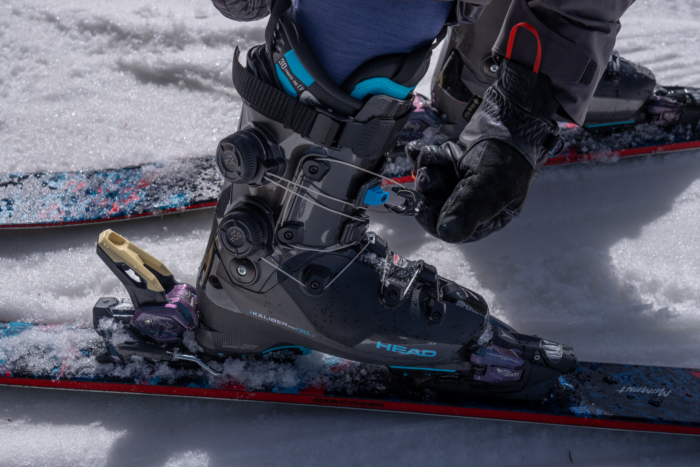
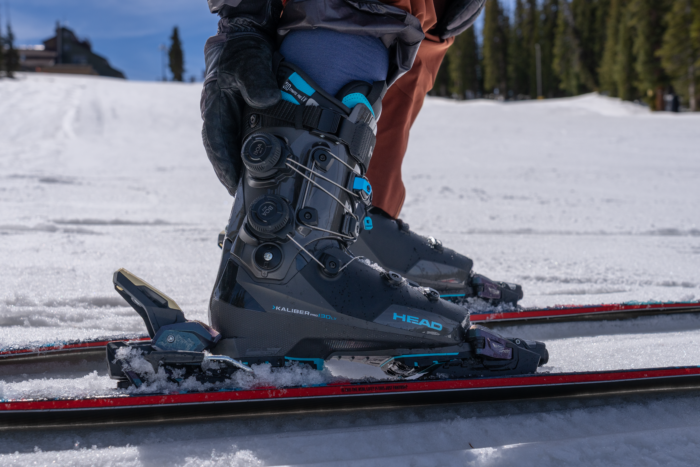
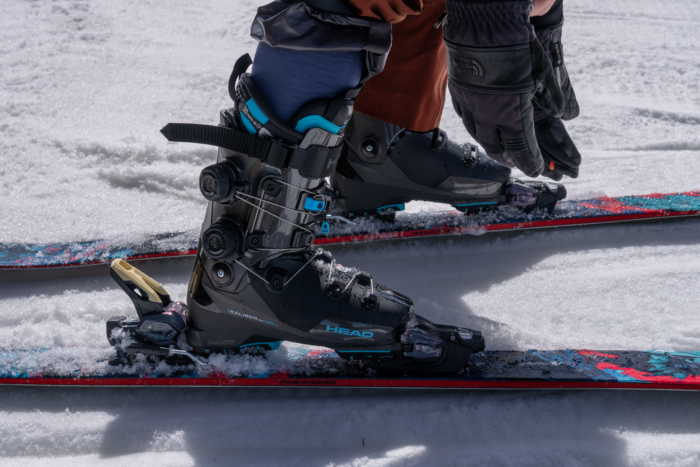
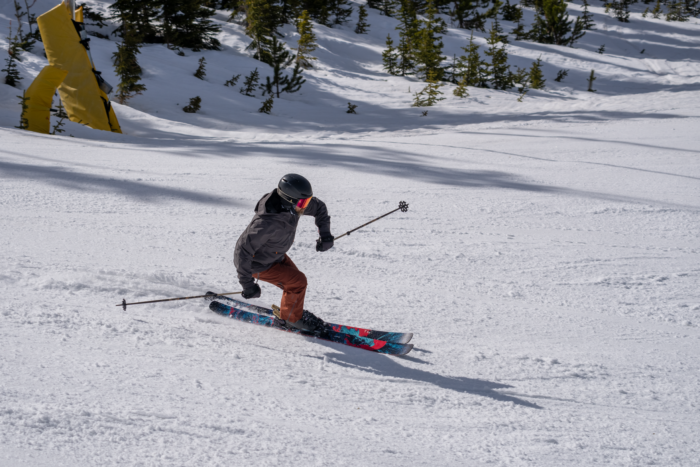
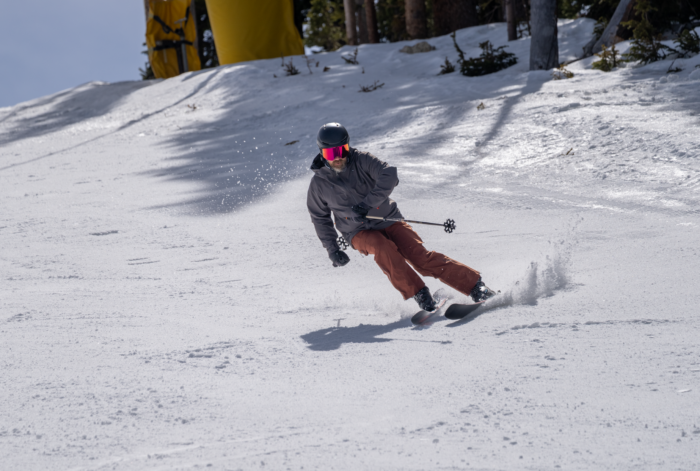
Launching in fall 2026, the new Head Kaliber 130 Pro LV GW BOA2 ($950) brings race-like power transfer into a surprisingly adaptable, comfortable platform for aggressive skiers. Built around a 98mm last, it delivers direct edge control and high-speed confidence while maintaining a slightly more forgiving, plush fit than typical narrow-last chargers. Ski boot aficionado Justin Park put this model through six spring skiing days across Keystone, Vail, and Breckenridge, finding that its progressive flex pattern holds up through variable chop without bucking the rider off-balance.
The Tech: Lower-shell and upper-cuff closure rely entirely on two micro-adjustable BOA dials engineered to wrap the bi-injected plastic shell uniformly around the foot and lower leg. Head integrated softer plastic compounds into key compression zones to maximize the cable system’s leverage while maintaining rigid, high-density plastic along structural areas for lateral energy transfer. The upper dials sit higher on the cuff to keep them protected from impact during steep,hip-dropping carves on hard snow.
What We Like: The uniform pressure distribution eliminates painful instep pinch points while maintaining exceptional heel lock and ankle hold. For high-arched feet or skiers who usually find 98mm lasts too claustrophobic, the slightly roomier toe box and higher instep clearance offer welcome relief straight off the shelf. Lateral rigidity is outstanding, translating subtle ankle inputs directly to the ski edge for high-speed stability on firm groomers.
What We Don’t: Spinning dual dials to achieve a race-tight fit requires significant cranking at the top of every lap, which can feel tedious if you like to loosen your boots on every chairlift ride. At 4 pounds 11.8 ounces per boot, it carries substantial weight compared to lighter hybrid designs. Those who want similar high-end power with a traditional four-buckle setup should look toward the Tecnica Mach 1 MV instead. Lighter skiers or less aggressive carvers will also find the true 130 flex unforgiving on soft or slow-speed terrain.
Should You Buy It? The Kaliber offers a pro-grade platform that marries modern cable closure with raw frontside power. Expert skiers who demand top-tier carving precision and unyielding edge hold without suffering through daily foot pain will find incredible performance here.
-
-
Justin Park testing the Rossignol Alltrack 130 Elite LV LT Ski Boots; (photo/Jason Hummel)
Specifications
Pros & Cons
Pros
- Powerful, consistent 130 flex for aggressive skiing
- Strong downhill performance for a hybrid boot
- Low-volume fit enhances control
- Adequate walk mode for short tours and sidecountry
Cons
- Too heavy to be dedicated touring boots
- Limited range of motion uphill
Bottom Line: A downhill-first crossover boot that pairs a stout 130 flex with integrated tech fittings for short tours and bootpacks. The Alltrack is designed for aggressive, technically sound skiers who prioritize rigid resort performance over ultralight touring weight.
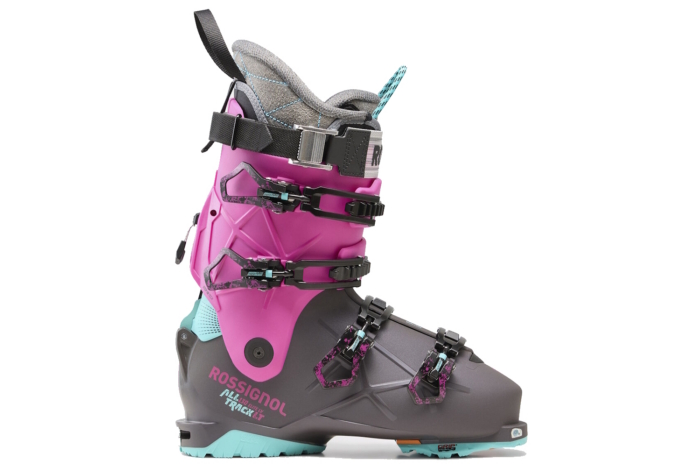
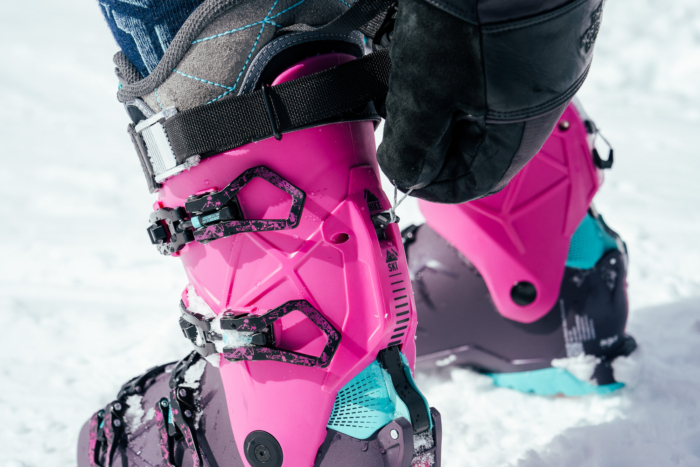
The Rossignol Alltrack 130 Elite LV LT ($850) targets skiers who want a single boot for aggressive lift-served laps and quick sidecountry hikes without sacrificing downhill drive. With a narrow 98mm last and an unforgiving flex, this platform favors precision over casual comfort. Reviewer Justin Park put the shell through six resort and sidecountry test days across Vail and Breckenridge, finding that its substantial build delivers true alpine power that never feels like a watered-down touring compromise on groomers or steeps.
The Tech: Performance centers on Rossignol’s Dual Core shell technology, which injects materials of differing hardness to generate a progressive flex and lively energy return through aggressive turns. For uphill versatility, a rear ski/hike mechanism unlocks a 50-degree range of cuff motion, while integrated low-tech inserts allow compatibility with pin touring bindings. Underfoot, ISO 23223 GripWalk soles provide reliable traction when scrambling up rocky bootpacks or walking across icy resort plazas.
What We Like: Downhill execution is outstanding, providing the lateral stiffness and high-speed stability required to drive stiff skis through variable snow. The anatomical liner and low-volume shell wrap the foot closely, delivering exceptional heel hold and direct edge response right off the shelf. While designed with touring capability, its robust build offers long-term durability for skiers who put their gear through heavy seasonal abuse.
What We Don’t: At over 4.5 pounds per boot, the heavy shell construction creates noticeable resistance on longer climbs, making it poorly suited for multi-day backcountry itineraries. Skiers seeking a much lighter, true 50/50 resort-backcountry crossover setup with greater cuff mobility will prefer the Atomic Hawx Prime XTD 130 instead. Furthermore, the hike/ski lever mechanism can feel fiddly to engage while keeping winter gloves on in cold conditions.
Should You Buy It? Powerful carvers and freeriders who spend 90% of their time inside resort gates but want the option to hit gated sidecountry lines will find serious value here. It offers an uncompromising alpine ride that handles high-speed charging with absolute authority.
-
-
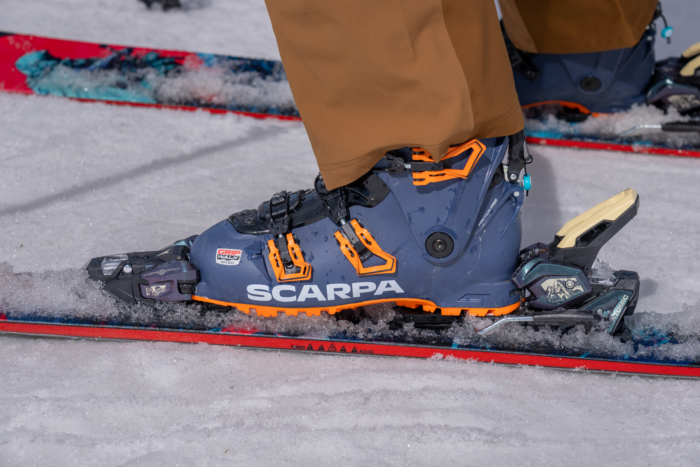
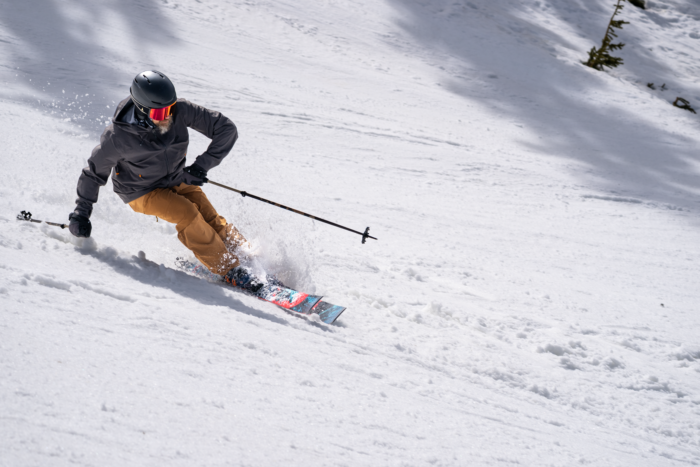
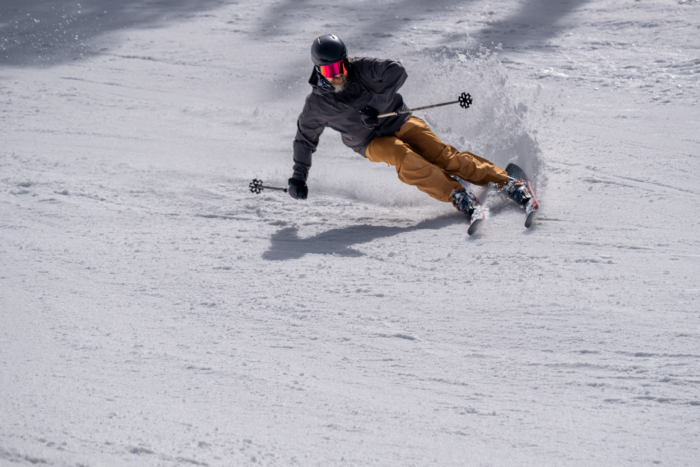
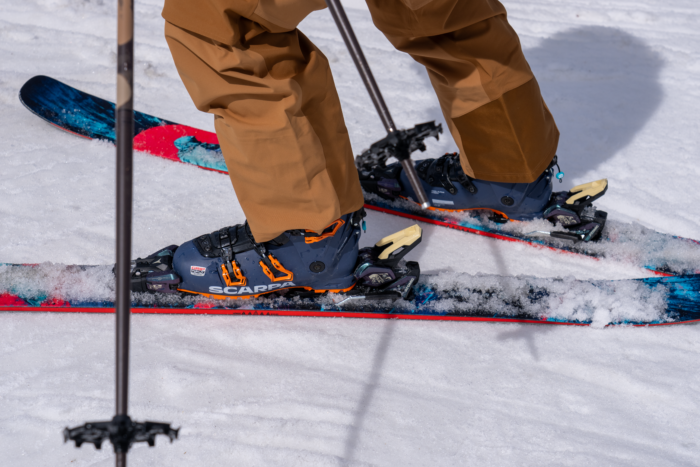
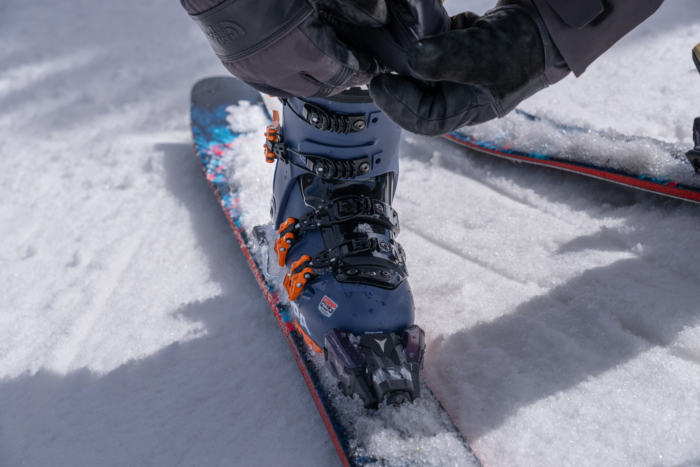
Justin Park testing the Scarpa 4-Quattro GT; (photo/Alex Neuschaefer)
-
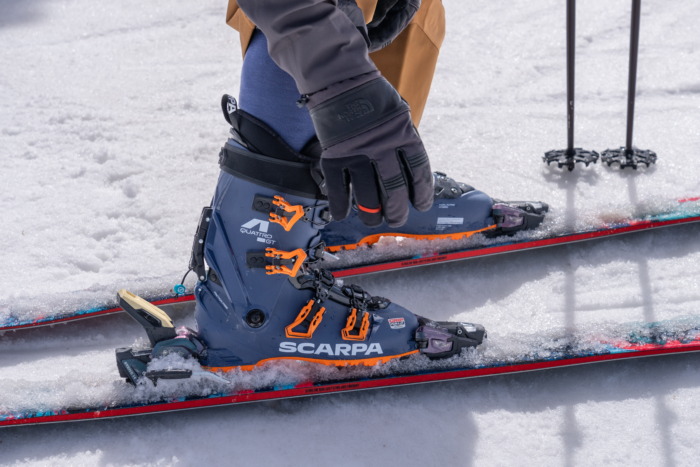
Justin Park testing the Scarpa 4-Quattro GT; (photo/Alex Neuschaefer)
-
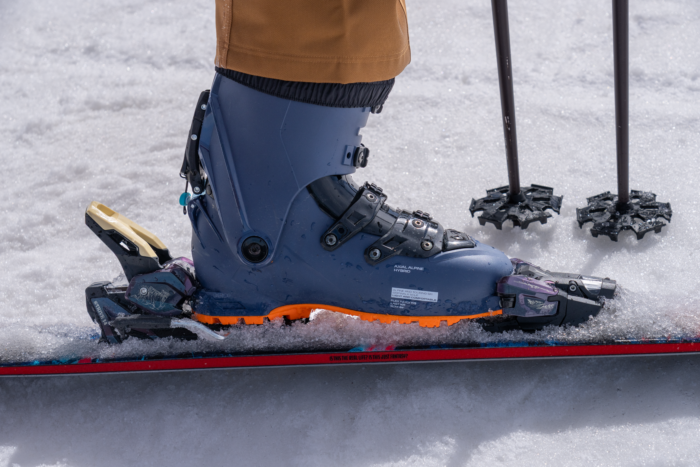
Justin Park testing the Scarpa 4-Quattro GT; (photo/Alex Neuschaefer)
-
Justin Park testing the Scarpa 4-Quattro GT; (photo/Alex Neuschaefer)
-
Justin Park testing the Scarpa 4-Quattro GT; (photo/Alex Neuschaefer)
-
Justin Park testing the Scarpa 4-Quattro GT; (photo/Alex Neuschaefer)
-
Justin Park testing the Scarpa 4-Quattro GT; (photo/Alex Neuschaefer)
Specifications
Pros & Cons
Pros
- Very comfortable all-day wearing
- Great touring mobility
- Well-insulated
- Wide binding compatibility
Cons
- Camming power strap > Velcro power strap
- Heavy for a dedicated touring boot
Bottom Line: A touring-first hybrid that offers true uphill mobility alongside reliable, progressive downhill power. This outstanding pick is for skiers who want a warm, forgiving resort crossover without carrying the heft of a traditional alpine boot.
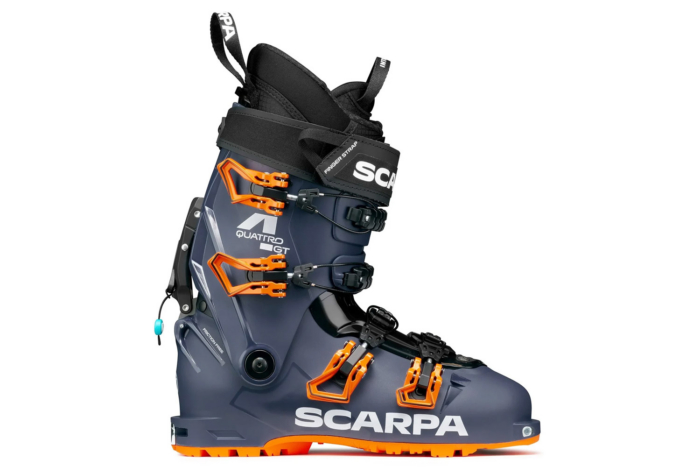
The Scarpa 4-Quattro GT ($699) leans hard into the one-boot quiver concept, delivering a touring platform that makes genuine concessions to resort riding rather than just slapping tech inserts onto an alpine shell. Tested by 6’0”, 190-pound reviewer Justin Park across four days of lift-served riding at Keystone and Breckenridge plus three days of backcountry skinning, this model proved surprisingly versatile. It balances a smooth 110 flex with all-day comfort for navigating mixed snow and long approaches.
The Tech: Engineering centers on a polyurethane overlap shell that delivers a consistent, familiar flex pattern similar to dedicated resort boots. For the climb, Scarpa’s Speed Lock 4 walk mechanism opens up to a generous 61-degree range of cuff motion, pairing seamlessly with integrated tech fittings for pin-binding capability. Thermal efficiency relies on a plush, heat-moldable Intuition Pro Flex GT liner combined with extra insulation layers built directly into the footbed to prevent cold feet during long chairlift rides.
What We Like: The 101mm last offers immediate out-of-the-box comfort for wider feet without feeling cavernous over the instep, preserving heel hold and steering control. On snow, the 110 flex hits a sweet spot that easily drives mid-fat skis without demanding race-boot effort. Four leveraged buckles disperse pressure evenly across the shell, providing a more forgiving, progressive feel than stiffer 130-flex crossover boots like the Atomic Hawx Prime XTD 130.
What We Don’t: Aggressive carvers or heavier chargers will find the 110 flex lacks top-end rigidity when pushing high speeds on firm snow. Those who need an unyielding platform for high-speed resort driving should consider stepping up to the stiffer Salomon Shift Alpha BOA 130 instead. The extra shell material also adds weight compared to dedicated ultralight randonee models, making it a bit heavier for long, multi-day tours.
Should You Buy It? Seeking a warm, comfortable hybrid that handles skin tracks and resort laps with equal composure? You’ll find great value in the smooth, reliable ride of this boot. The 4-Quattro GT is for anyone who prioritizes all-day comfort over maximum speed.
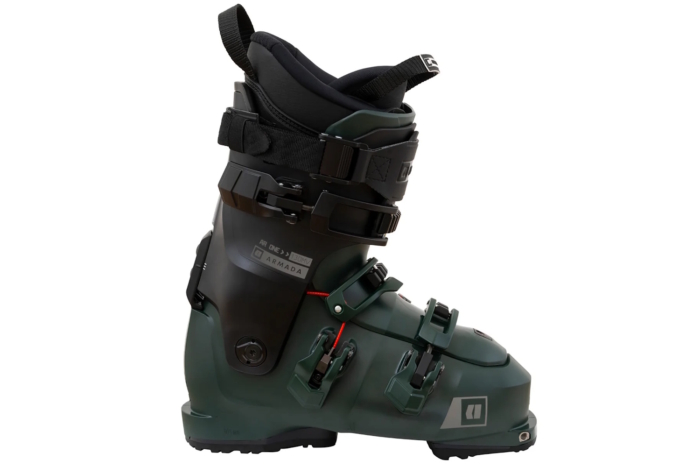
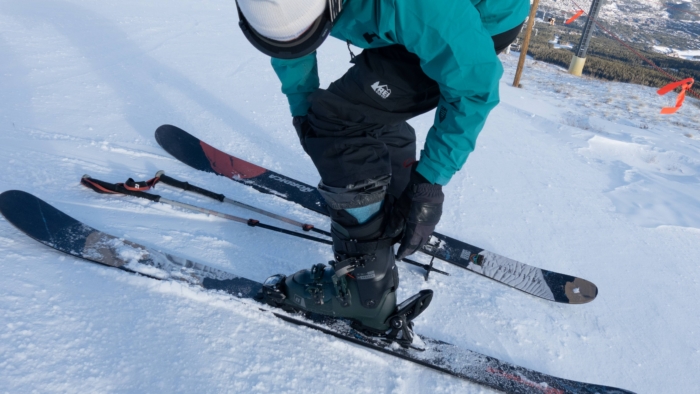
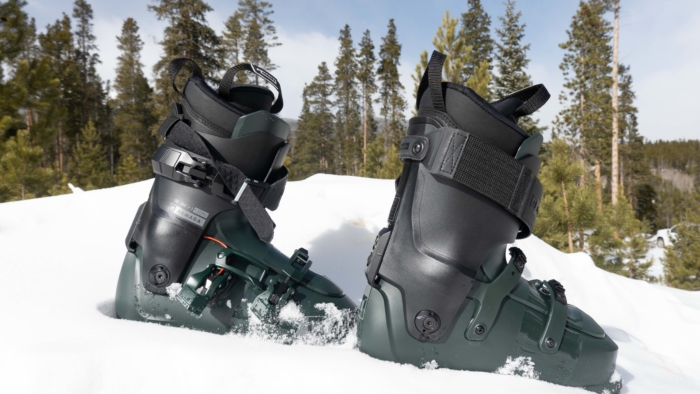
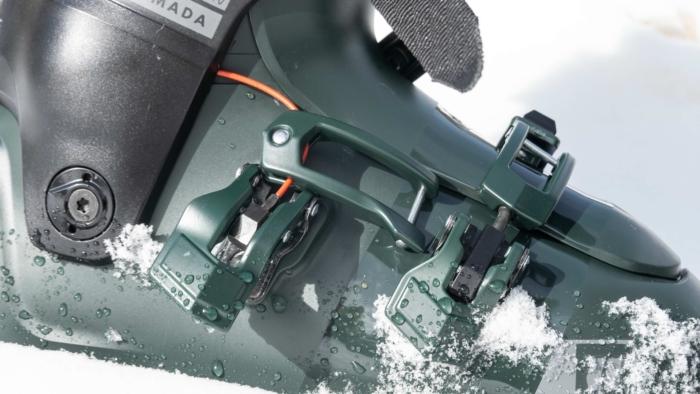
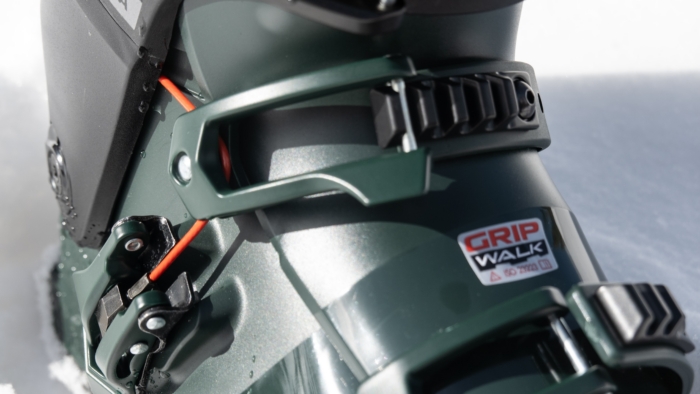
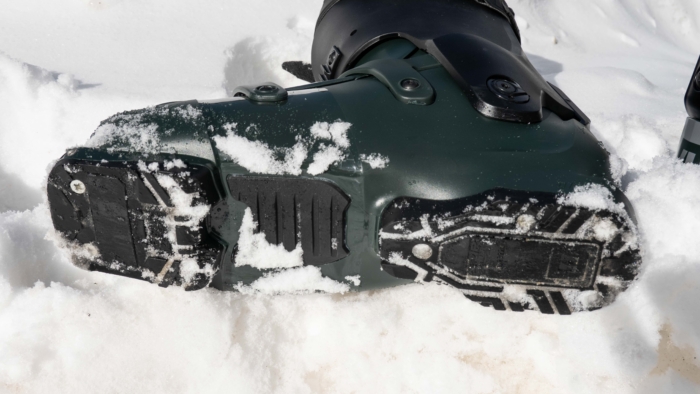
Specifications
Pros & Cons
Pros
- Easy on and off
- Plush liner and flex for landings and rough snow
- Secure heel hold
Cons
- Liners packed in relatively quickly
- No low-volume option
- Heavy for lighter skiers
Bottom Line: Armada’s premier freeride hybrid merges three-piece cabrio smooth progression with targeted ankle-buckle leverage. It’s a prime match for aggressive resort skiers and freestyle chargers who depend on absolute heel retention in variable snow.
Amid cable-closure trends disrupting the ski boot arena, the Armada AR One 130 MV ($850) steps in with a fresh three-piece cabrio construction that preserves traditional metal latches. Armada’s aim? This model targets ultimate foot lock and impact absorption for skiers who like to send drops or charge through heavy chop. Colorado-based reviewer Justin Park put this setup through its paces on variable resort terrain, finding that its plush interior heat-molds exceptionally well while delivering a snug, precise fit on the narrower side of the mid-volume spectrum.
The Tech: Engineering centers on a three-piece cabrio layout paired with a strategic “Slingshot” ankle buckle anchored directly over the instep to drive the foot back into the heel pocket. Rather than relying on a second upper latch, the boot uses a stout 50mm power strap alongside a rigid plastic tongue and a reinforced spine that grows progressively stiffer as energy transfers through each turn. Integrated tech toes also provide basic pin-binding capability for quick, short backcountry ascents.
What We Like: The heel hold is exceptionally secure for a cabrio design, locking the ankle down without the crushing foot-binding sensation of a traditional race shell. On the snow, driving through variable pack feels far more forgiving than pushing an overly rigid four-buckle setup, making landings and high-speed runs smooth on the joints. Entry and exit are also remarkably hassle-free, offering easy-on convenience straight out of the box.
What We Don’t: At nearly 4.5 pounds per boot, the heavy shell construction can feel burdensome to lighter skiers or anyone attempting extended skinning off-piste. Skiers looking for a lighter, dedicated resort-backcountry crossover setup may prefer the Atomic Hawx Prime XTD instead. Additionally, relying on a single top buckle means you must crank the power strap extra tight to eliminate upper cuff play.
Should You Buy It? Expert, aggressive riders who want three-piece dampening combined with vice-like heel retention will find this boot exceptionally capable. It provides a durable, smooth-flexing option for hammering all-mountain laps without sacrificing comfort.
-
-
(Photo/Justin Park)
-
(Photo/Justin Park)
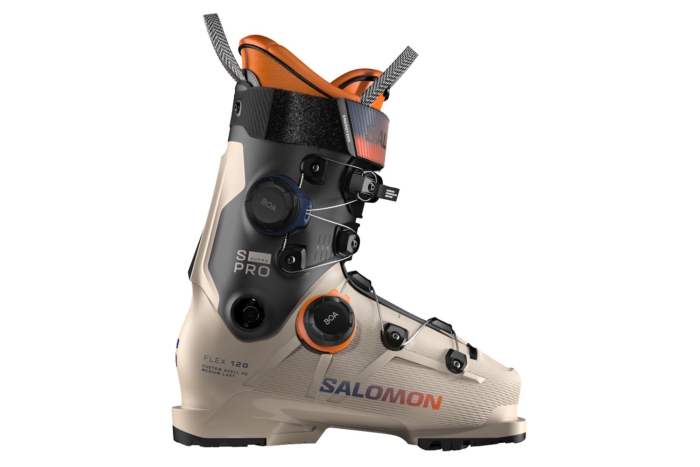
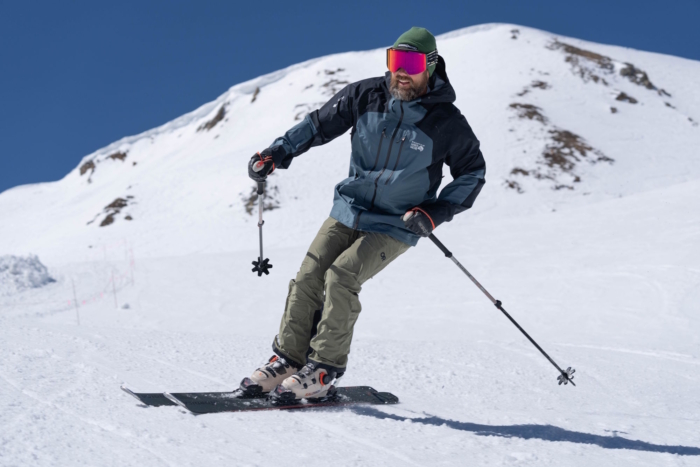
Specifications
Pros & Cons
Pros
- Highly customizable fit
- BOA system spreads pressure evenly
- Relaxed, upright stance slows fatigue
Cons
- Double BOA is tedious compared to four-buckle
- Liner packs out quickly
Bottom Line: A comfort-first, mid-volume all-mountain ski boot that swaps traditional lower buckles for a dual-dial BOA setup. This fantastic selection is for recreational intermediate and advanced skiers who prefer a slightly more upright stance and smooth, impact-absorbing landings.
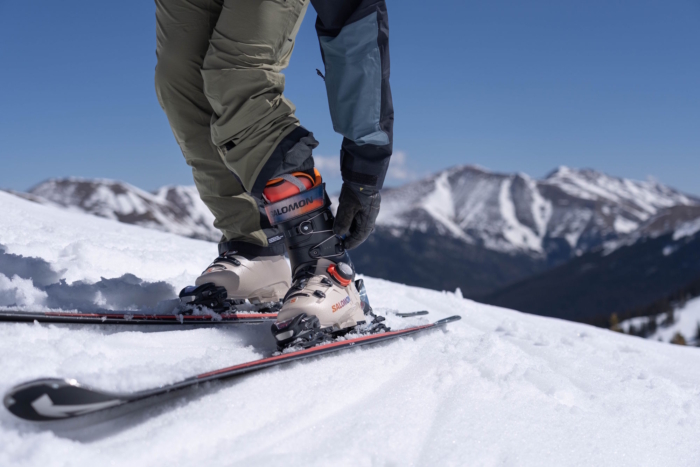
The Salomon S/Pro Supra 120 Dual BOA ($850) brings modern cable-closure tech to a relaxed, highly approachable shell that prioritizes all-day comfort. Designed for mid-volume feet — a fit category that accounts for up to half of all skier purchases — it combines an easy-entry shell with a forgiving 120 flex. Tester Justin Park chose this model as his go-to when evaluating park skis thanks to its upright 12-degree forward lean, which keeps you balanced whether carving groomers or skiing switch.
The Tech: Lower-shell and upper-cuff tensioning rely entirely on two independent BOA dials rather than standard four-buckle hardware, wrapping the shell uniformly across the foot to eliminate pinch points. Salomon built the boot with a polyurethane shell and a custom My CustomFit 4D Seamless Pro liner, engineered to damp vibration through variable snow and absorb hard impacts on landings.
What We Like: The uniform closure creates a remarkably pressure-free fit across the instep without the localized binding of metal buckles. For freestyle-leaning or recreational skiers, the cushioned liner and upright stance offer a comfortable, centered body position that reduces shin bang on landings while remaining lively enough to push into turns at speed.
What We Don’t: Because the cable mechanism lacks the raw mechanical levering advantage of traditional buckle systems, low-volume feet inside this mid-volume shell will require extensive dial cranking to achieve proper heel lock. Those who prefer dedicated, rigid frontside power without cable dials might lean toward the conventional buckle build on the Tecnica Mach 1 MV. Furthermore, skiers who prefer micro-adjusting tension at four distinct points may feel limited by the two-zone layout.
Should You Buy It? Riders seeking cushioned, forgiving resort laps with a simplified boot entry will dig the performance here. This Salomon boot eliminates forefoot hot spots, offers an easy-driving platform, and makes long days cruising the mountain or lapping the park feel effortless.
Specifications
Pros & Cons
Pros
- Warm and infinitely moldable
Cons
- It packs out, so don’t get too aggressive with molding before you’ve skied it several times
- On the heavy side
Read Review: Atomic HAWX ULTRA XTD BOA GW: This Alpine-Touring Boot Doesn’t Compromise
Bottom Line: A true one-boot quiver that bridges high-powered resort charging with genuine backcountry touring mobility. It is a prime pick for adventurous skiers who refuse to compromise downhill responsiveness when hiking for fresh lines.
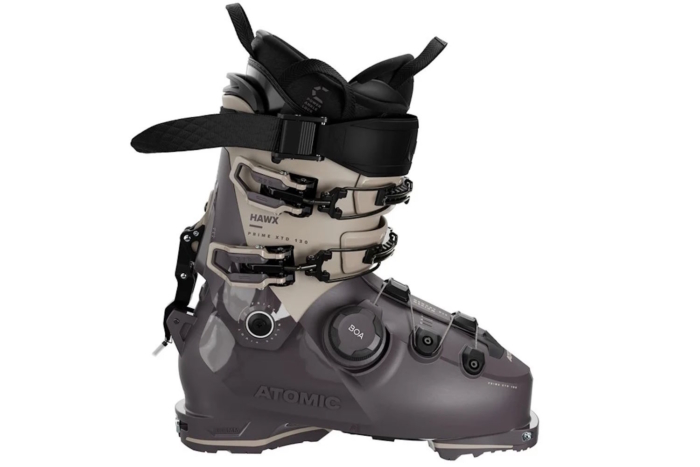
The Atomic Hawx Prime XTD ($1,000) is a fully customizable crossover model that genuinely skis uphill as well as it drives down. To evaluate its all-day versatility, veteran gear reviewer Berne Broudy tested this boot across grueling backcountry ascents in the Italian Alps, deep powder laps in Vermont, and bell-to-bell resort skiing at Vail and Telluride. Through every environment, its balanced platform delivered reliable power transmission without causing foot fatigue on long approaches.
The Tech: Mobility hinges on a walk mechanism that unlocks an impressive 54-degree range of cuff motion paired with integrated tech inserts for pin bindings. Downhill responsiveness relies on a reinforced carbon spine running up the back, which enhances lateral stability during high-speed turns. Underneath, an ISO 23223 GripWalk sole provides multi-binding compatibility across both alpine and touring setups while offering solid traction across icy parking lots and resort walkways.
What We Like: Customization is exceptional thanks to a heat-moldable Memory Fit shell that concentrates thicker wall plastic along key modification zones like the ankle and forefoot. Inside, the preshaped liner incorporates a targeted Achilles pocket alongside 3M Thinsulate insulation in the toe box, keeping feet warm during freezing high-alpine tours. The upper buckles also lock securely into an open position when ascending, preventing unwanted friction on the climb.
What We Don’t: At over 4.5 pounds per boot, it is noticeably heavier than pure ultralight touring boots, which can tire your legs during multi-day ascents. In comparison, hybrid options like the Rossignol Alltrack 130 Elite LV LT offer a slightly tighter 50-degree range of motion with a more traditional alpine feel. Additionally, warmer spring days can cause the internal foam liner to soften slightly, requiring you to re-tighten the buckles mid-day to maintain ideal foot retention.
Should You Buy It? Downhillers who want a single, uncompromising resort boot to handle everything from groomer laps to sidecountry missions will find this model stands out. The Hawx Prime provides a seamless blend of uphill agility and downhill power.
Specifications
Pros & Cons
Pros
- Lightweight for sidecountry and touring
- Damp, resort boot feel
- Upright stance good for soft snow skiing
Cons
- Heavy for longer tours
- Upright stance limits carving ability
Bottom Line: A freeride-oriented crossover that combines lower-shell cable wrapping with a stout 130 flex and integrated pin fittings. It is a prime choice for aggressive skiers who want a damp, progressive resort feel for sidecountry missions and soft-snow laps without carrying full alpine weight.
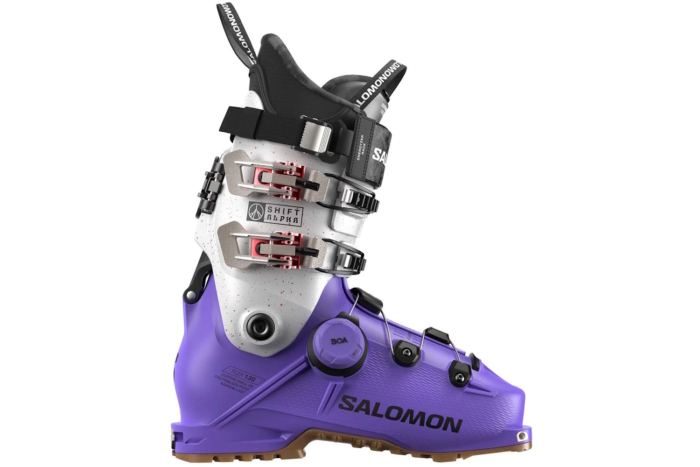
If you’re a hardcore skier who splits time between lift-served terrain and short backcountry tours, a true crossover model like the Salomon Shift Alpha BOA 130 ($1,000) makes a lot of sense. Ski boot analyst Justin Park put this platform through extensive field testing, finding that its 1,800-gram build strikes a sweet spot — heavy enough to eliminate chatter on hard snow while staying light enough for sidecountry hikes. Its GripWalk soles and walk mode make short bootpacks and gate-accessed touring seamless.
The Tech: Engineering centers on a polyurethane shell construction that provides a progressive, predictable flex profile that lightened carbon boots cannot match. A half-BOA layout uses the H+i1 lower cable system paired with two traditional upper buckles, utilizing an integrated ankle strap that allows the cable to pull the foot back securely into the heel pocket. The shell has an upright 13-degree forward lean angle, integrated tech fittings for pin bindings, and an adaptable 98mm last with a heat-moldable liner.
What We Like: The lower cable system wraps the instep uniformly while the upper traditional buckles make for rapid adjustments at the top of a run — avoiding the tedious multi-dial cranking required by full dual-BOA setups. Energy transmission is direct and predictable, delivering the confidence needed to charge through off-piste chop and soft snow. The plush liner offers surprising initial volume leeway, accommodating feet up to 104 mm wide after heat molding.
What We Don’t: The upright 13-degree stance favors soft-snow freeriding and requires significant forward pressure into the tongues to drive aggressive carves on hard groomers. Pure backcountry skiers focused on multi-mile ascents will find the 1,800 gram weight and limited cuff articulation tiring compared to lightweight touring options like the Atomic Hawx Prime XTD 130. The plush liner also packs out relatively fast, meaning low-volume feet may require volume spacers over a long season.
Should You Buy It? Freeriders who demand an unyielding downhill feel for resort margins and quick sidecountry laps will find an excellent partner here. It delivers smooth, progressive power for chasing soft snow across the entire mountain.

Ski Boots Comparison Chart
| Ski Boots | Price | Last / Volume | Flex | Weight (Per Boot) | Best For |
| Tecnica Mach 1 | $850 | 100 mm (MV) | 110, 120, 130 | 4 lbs., 9.6 oz. | Best Overall Alpine |
| K2 Cortex Zonal BOA | $950 | 96-98 mm (LV) | 130 | 4 lbs., 15 oz. | Best for Narrow Feet/Precision |
| Dalbello Veloce Space 120 Dual | $830 | 100-102mm | 120 (also available in 130, 110, 100) | 2,050 g | Average to slightly wider feet, advanced and expert skiers, all-mountain charging |
| Nordica Promachine3 130 S | $900 | 130 (also 120, 110, 100, 90) | 98mm | 1,950 g | Technical, low-volume, race-inspired carvers |
| Lange Concept 12 | $650 | 120 (also 110) | 103mm | 1,863 g | Higher-volume, heavier skiers seeking a spacious, comfortable boot |
| Salomon S/Pro Supra | $850 | 100-106 mm (MV) | 120 | 4 lbs., 1.9 oz. | Best Mid-Volume Comfort |
| Nordica Sportmachine 3 | $430 | 102 mm (HV) | 75 | 3 lbs., 9 oz. | Best for Beginners/Budget |
| Salomon Shift Alpha BOA | $1,000 | 98-104 mm (LV/MV) | 130 | 3 lbs., 15 oz. | Best Downhill Hybrid Resort/Backcountry |
| Atomic Hawx Prime XTD | $1,000 | 100 mm (MV) | 95, 115, 120, 130 | 4 lbs., 2 oz. | Best 50/50 Crossover Resort/Backcountry |
| Fischer RC4 PRO BOA | $1,100 | 106 mm (MV) | 140 | 4 lbs., 13 oz. | Best Performance Power |
| K2 Anthem BOA | $700 | 97-100 mm (LV/MV) | 95 | 3 lbs., 11 oz. | Best for Progressing Women |
| Armada AR ONE | $850 | 100 mm (MV) | 130 | 4 lbs., 10 oz. | Best Innovation/Freeride Fusion |
How We Tested the Best Ski Boots
Nine on-snow experts from the GearJunkie product testing team have tested dozens of ski boots since 2022, when this guide was first published. It’s been updated 10 times.
Our Expert Testers
Contributor Justin Park tests and reviews gear from his home base in Breckenridge, Colo., where he skis over 100 days each season, split evenly between backcountry and resort days. From sub-zero January pow days to slushy June touring missions, he puts dozens of jackets, skis, boots, and pants through their paces at high elevation.
- In the 2026 test window, Park tested ski boots for 73 hours across 31 days. His lab sites included Vail, Deer Valley, Breckenridge, Loveland, Monarch, Steamboat, Arapahoe Basin, and Silverton in Colorado. He also skied in Andermatt, Switzerland; Grand Montets, Fleger, and Courchevel, France; and White Pass, Washington. The temps ranged from -10 to 68 degrees Fahrenheit.
Jake Stern is a former ski boot fitter and works at Sierra-at-Tahoe, leading the resort’s content and communications efforts when he’s not testing ski boots. He also formerly served tables at Alta Lodge, where he cut his teeth as a skier, and worked as the Assistant Editor and Gear Editor at Powder.
- In the 2026 examination window, Stern tested ski boots across 18 hours and four days at Mammoth Mountain, Sierra-at-Tahoe, and Kirkwood Mountain Resort in California. The temperature spanned 18 to 65 degrees Fahrenheit.
GearJunkie contributor Heather Balogh Rochfort reviews and tests gear from her home base outside of Aspen, Colorado, where she logs 50-60 ski days each season. A former ski instructor and adaptive ski instructor through the National Sports Center for the Disabled, Balogh Rochfort has given both knees to the sport (two ACLs and counting) but still loves to slide on snow whenever possible.
Among our testers, Snowsports Senior Editor Morgan Tilton started alpine skiing in her backyard at Telluride Ski Resort at age 4, before learning to snowboard. Several other key testers include contributor Will Brendza, alongside well-established ski boot reviewers and outdoor industry journalists Berne Broudy and Drew Kelly and ski patroller Makena Gross. Also aiding test laps is Editorial Director Sean McCoy, who has been a skier for decades.

Our Testing Grounds
We’ve skied runs in-bounds and hut-to-hut all over North America, including bell-to-bell resort powder days, a ski-to-surf trip in California, and backcountry hut adventures. We’ve trained for the country’s toughest skimo races and enjoyed cross-country laps on countless miles of Nordic trails.
We took this season’s newest ski boots up and down the lifts for hundreds of inbounds runs, and then skinned up and hiked for our turns in more than six mountain ranges, three states, and two countries.
The GearJunkie team has gathered twice annually for a ski week at Crested Butte Mountain Resort in 2022 and 2023.

Our Testing Process
While testing ski boots in-bounds and in the field, we assessed the shells, liners, and outsoles and considered durability, overall fit, functionality, comfort, value, weight, flex, downhill performance, and, for some boots, uphill performance. We considered what type of feet and skier would be the best match for each boot design.
We’ve tested these boots while carving turns in a range of snow conditions affected by ice-cold temperatures, blizzards, blustery wind, intense sun, and even rain from far-out tours to parking lot tailgating.
In addition to our team’s experience, we consider the most popular, innovative, award-winning, and bestselling ski boots on the market as well as a broad range of price points and a variety of features and applications.

Our Ski Boots Rating System
We score each pair of ski boots on a 1–10 scale for Fit and Last Shape, Materials and Flex, Liner Quality and Insulation, as well as Closure System.
Fit and Last Shape: The most critical factor of a boot design is how it fits. It should feel snug without any pressure points. While there’s a spectrum of foot shapes and sizes, there’s a general quality to a boot fit that makes it a solid match for most people. We verify the internal mold shape: A narrower last has a more anatomical contour while wider lasts have roomier toe boxes. Other elements include the instep height, ankle pocket depth, and heel hold zone.
Materials and Flex: The shell’s materials influence the durability, flex, and weight including polyurethane, carbon, fiberglass, grilamid, or polypropylene. The front flex zone (in the tongue or overlap region) affects how much effort is required to bend the boot forward. Every skier has a different preference. In general, the stiffest and softest boots are more niche while most skiers are content with a median flex for resort days.

Liner Quality and Insulation: The liner has an internal moisture-wicking layer, foam, and exterior material that grips. Higher-end liners include reinforcements of plastic or carbon panels around the heel, ankle, or tongue, which adds responsiveness. The liner has different foam densities in different locations. Many are heat-moldable. The type of material used in the liner’s construction influences the insulation: Thinsulate, Primaloft, merino wool, and fleece all add warmth. Some have metallic or reflective barriers to reflect body heat. Liners for touring or hybrid boots are typically lighter and more breathable.
Closure System: As BOA picks up popularity, ski boots have a wide variety of closure systems. Now you can find single or double BOA, buckles (of various quantities and styles) — or both — as well as power straps.
The Overall Rating is based on contextual, editorial judgment, and the complex user experience across various scenarios and conditions.

Buyer’s Guide: How to Choose Ski Boots
“Your boot is the most important part of your skiing setup,” said Dan Weis, master bootfitter and Snowsports Department manager at Outdoor Gear Exchange in Burlington, Vermont.
Weis, who has fitted at least 2,000 pairs of boots over the past decade, said, “Your boot is where your day starts and ends. It needs to be properly sized for all parts of your foot so that you can be comfortable without compromising performance.”
Ski Boot Construction 101
Ski boots are constructed with a squishy foam interior liner that absorbs vibration, provides warmth, and protects the foot. The hard exterior of a ski boot is made with a rigid outer shell, typically made of plastic.
The front of the boot widens a bit for you to slide your foot inside and then closes via buckles. Make sure your liner is flat against and cupping your shin before closing the boot.
Boot designs have various interior liners as well as exterior boot soles and insoles that affect the boot’s fit, compatibility, performance, and comfort in various conditions.

Types of Ski Boots
“The first step in buying ski boots is knowing if you want an alpine boot, touring boot, or hybrid boot,” said Weis.
Buy a boot to match your priorities (alpine/downhill, uphill, or both) and the ski you’ll wear it with. While a touring boot can be skied at the resort, most aggressive downhill skiers prefer a hybrid boot if they’ll ski resort and backcountry equally.
Alpine or Downhill Boot
These boots will have a bill at the toe and a DIN-compatible sole, which means they’ll release when they need to. Some downhill boots come with a cuff release to make it easier to walk to your car from the slopes. But Weis warns not to confuse a “cocktail clip” with a proper touring mode.
- Heaviest weight
- Heaviest duty
- For lift-served skiing
- Compatible with downhill bindings

Touring or Backcountry Boot
Also known as an uphill boot, a backcountry boot’s cuff will rotate so you can walk uphill. Some have a bill that’s compatible with a hybrid binding. They typically use pintech inserts in the toe, small metal divets on either side of the toe that accept pins from compatible bindings.
- Many backcountry-specific boots are lightweight
- Usually lighter than a downhill boot
- Some are geared toward quick ascents with a superlight ski, not technical terrain, deep powder, fat skis, or freeriding
Hybrid Boot
A hybrid boot will have a tour mode, like a touring boot, but it will usually ski more like an alpine boot on descents.
- Usually heavier than touring-specific boots
- Somewhat less forward and aft rotation when you’re skiing uphill compared to touring boots

Ski Boot Flex
Flex describes a boot’s stiffness, and the correct amount of flex is determined by a skier’s experience level, strength, style, and preference.
Ski boot flex is determined and assigned by manufacturers. While the ratings give us an idea of how the ski boots feel within a brand’s lineup, the flex isn’t standardized across each company. So, for cross-brand comparison, the flex ratings can help you make broad versus apples-to-apples comparisons.
As you shop around, you’ll see boots with a flex that generally ranges from 65 to 120. The lower number represents a softer boot and gradually stiffens as you go up the scale. You’ll also see these flex ranges are usually lower for women’s-specific ski boots compared to men’s boots.
- Soft: 65-90
- Medium: 100-110
- Stiff: 110-130

Soft Flex
Weis said a new skier should be looking at boots with flex from 65 to 90. A lower flex number is easier to engage.
“When a skier is engaging a boot, or flexing it forward, the boot needs to have resistance to transfer energy to the ski. If it’s too stiff, a skier won’t be able to flex the ski to carve — there won’t be any energy transfer,” said Weis.
Soft boots are also typically more comfortable and retain heat better than stiff designs. These are a good choice if you prefer cruising on green and blue runs or if you’re just getting started on the slopes. They’re also a fair choice for folks who weigh less.
They’ll also have the most economic price tag, but paying more for boots that match your ski style and skill level is worth the extra cost.

Medium Flex
Intermediate skiers should focus on flex from 100 to 110. A higher flex number indicates the boot will have more resistance and responsiveness. The boot can handle more aggressive turns and faster descents than soft boots. “If the boot is too soft, the skier won’t be able to control their ski,” said Weis.
If you’re a beginner skier but are heavier set, consider a medium flex boot right off the bat.
Stiff Flex
Advanced and expert skiers should buy boots with flex from 110 to 130. These designs provide the highest level of response and hold their own through speed. The price tag is higher in this category because these boots usually have a more technical build.
Advanced-level boots strategically place and integrate a range of soft, medium, or stiff materials into the design for optimal energy transfer. Don’t be surprised if the most rigid boots, typically intended for racers, simply feel too tight to use as an everyday driver.

Ski Boot Sizing: Mondopoint & Last Width
Ski boots use unisex Mondopoint sizing, often referred to as “mondo,” which is the foot length in millimeters. You’ll also commonly see this size reference in centimeters instead, like the 24.5-30.5 size range, for instance.
Mondo sizes start as low as 21.5 (U.S. women’s size 5) and go up to 30.5 (U.S. men’s size 13). They increase by half-size increments.
The last or footbed width ranges from 97 mm to 106 mm. Skiers with a narrower foot will want a slimmer last, as will athletes that want a tighter fit for snappier energy transfer and precision. Many ski boots offer a variety of last width options for narrow, average, or wide feet.
Narrow
- 96-98 mm
- Narrow feet
- Precise fit, feel, and responsiveness

Average
- 99-100 mm for women
- 100-102 mm for men
- Good target range for feet with normal widths
Wide
- 103 mm+
- Wide feet
- Can be more comfortable for beginner skiers but might need to quickly upgrade to an average-width boot
To get the best boot for your foot, Weis recommends scheduling a fitting with your local shop. At that fitting, a ski tech will measure the length and width of both of your feet. They’ll properly determine your ski boot mondo and last size.
Depending on the ski boot model you need and your skill level, you also might need to size down to account for packing out the boot. But once they have those numbers, they should be able to advise you on which boots from which brands will match your physiology and best help you meet your goals.

Ski Boot Fit
Buying new ski boots can be one of winter’s biggest challenges. How a boot feels when you first slip your foot into it in the shop can be a far cry from how it feels once you have had it heat-molded and fit by a reputable boot-fitter. The temperature inside the shop versus on a wind-chilled ski lift will influence the fit, as will how your foot swells on a spring day or during exercise.
“Go with the mindset you’re buying the tightest piece of footwear you own,” said Weis. “And pick the boot that most feels like you could ski it out of the box.” It’s easier to make a boot bigger than smaller, and if a skier has one or two small issues, including pressure points or pain points, a boot should be workable. “If your foot isn’t happy in the boot in the shop,” Weis advises, “try something else.”
Whether you’re buying an alpine, hybrid, or touring boot, the same rules apply. Get your boot fit, consider aftermarket insoles, and be sure the boot you’re planning to buy matches your foot and binding.

Ski Boot Outsoles & Ski Compatibility
While terms such as a boot’s flex rating are highly subjective, boot soles and their associated binding compatibility are subject to international scientific standards. For safety, this is a good thing as a proper boot-binding interface ensures your skis stay attached unless they really need to detach to help avoid injury.
However, the number of different soles and binding compatibility types can be confusing for recreational skiers. Not all ski boot soles are compatible with all bindings. Check with your ski shop to confirm the boots you’re considering will work with the bindings you own or plan to buy.

GripWalk
GripWalk soles are a common brand-name option that provides enhanced traction for hiking bootpacks and walking to lifts. Binding manufacturers now make GripWalk-specific bindings to ensure compatibility, but they will also work with traditional alpine boot soles. Multi-Norm Compatible (MNC) bindings are compatible with all boot sole types and are your best bet if you’re unsure. Still, the best practice here is to confirm compatibility with your local ski shop for the bindings you already own or intend to buy before purchasing your boots.

Ski Boot Weight
Following the growth of backcountry, side-country, and uphill exercise on skis, a boot’s weight has become a more important differentiator between boot types and preferences. There are more lightweight boot options for downhill and backcountry skiing on the market today than in years past. And the lighter a ski boot, the less weight you’ll need to slide atop the snow or step with as you climb a bootpack.
Hybrid boots are heavy enough to drive skis at the resort but still light enough for touring. Pure alpine ski boots are heavier, like our top pick, the Tecnica Mach 1, which weighs 2,060 g (4.6 pounds).
Note: Our guide references the weight of one ski boot out of the set.

Ski Boot Buckles vs. BOA Closures
For years, almost all ski boots used essentially the same buckle styles to cinch the boot’s shell firmly onto your foot. Over the past few seasons, however, ski boot manufacturers have begun adopting the BOA system common in snowboard boots and other footwear.
If you’ve seen a ski boot before, you’re already familiar with traditional buckles. A hinged clasp reaches across the front of the boot to a ladder-like series of notches that let you adjust the compression.
The BOA system is a major departure that uses a network of thin but strong metal cabling and a twist knob to perform the same operation. One BOA often replaces two buckles on a ski boot, somewhat simplifying the process of locking in for a descent.
The advantage of BOA, borne out in our testing of many BOA-enabled models such as Fischer’s RC4 PRO MV boots, is that it exerts more even pressure and allows for more precise micro-adjustments than traditional buckles. As a result, it’s easier for beginners to properly operate and is less likely to result in a fit that’s too loose or too tight.
The downside for some advanced skiers is that it can be harder to achieve high levels of compression, sometimes requiring many, many twists of the knob to eat up enough slack in the cable. Traditional buckles give you plenty of leverage to clamp down the boot’s shell and it’s faster to close a buckle, especially when you already know which notch feels best for you.

Ski Boot Liners
Inside the hard plastic shell of a ski boot is the liner, which provides cushioning and insulation. Boot liners are made from various densities of foam. They provide foot and ankle support and comfort and help prevent fatigue. They also add a layer of heat insulation inside the boot’s exterior, which is a hard plastic shell.
Most stock boot liners are made using injected foam covered in thin fabric and are made by the boot manufacturer, though some boots can be found with third-party boot liners from brand names such as Intuition.
Some skiers will choose to replace stock liners with custom options if they have foot and ankle shapes or problems or simply want to avoid the uncomfortable break-in period. Companies such as Surefoot will take molds of your lower leg and foot to create a custom foam-injected liner built to fit your individual shape.
While simply skiing in your boots often breaks them in adequately, professional heat-molding and other bootfitting techniques can help alleviate hotspots caused by the liner and/or the boot shell. Finding a good initial fit can minimize the amount of customization and your local bootfitter can help guide you.
ZipFit uses a unique leather liner filled with bits of cork for a more precise fit that improves with use. These liners usually are purchased aftermarket for around $500 to replace stock liners, but Fischer’s expert-oriented RC4 PRO line comes stock with ZipFit liners.


Ski Boot Insoles
Don’t think you’re just being upsold if the ski tech recommends custom insoles. Weis said skiers with a soft or collapsed arch will especially benefit from aftermarket or custom insoles. By supporting the arch, an insole keeps your foot from over-splaying inside your boot.
“You want to make sure the natural shape of your arch is matched to the insole of your boot,” said Weis. “When your foot sits in the correct spot in your boots, it’s less likely to become fatigued.”
While the stock insoles that ship with ski boots may have some anatomical shape, they are necessarily generic and will be no match for a custom insole. Most ski shops with professional boot fitting will offer custom insoles created by taking an impression of your foot and crafting an insole to match it.

Ski Boot Warmth
One of the most common complaints about ski boots (and the top reason good ski days are cut short) is cold feet. The best way to avoid cold feet is to get a proper fit by purchasing boots that fit well and having a professional boot fitter adjust the fit as needed.
While skiers understandably want a snug, secure fit, overtightening boots can also hamper circulation and quickly lead to cold or numb feet. Fit should be firm without creating excess pressure on the foot and, again, this is easiest to achieve with a properly fitted boot.
If proper fit isn’t enough, there are a variety of options to address cold feet in ski boots. Finding a boot with thicker liners can provide some additional insulation and some companies such as Nordica include additional insulation materials such as PrimaLoft, but skiers with recurring cold feet problems often turn to one of several ways to add external heat to ski boots.
Heated socks are usually the cheapest option, and several companies, such as Therm-ic and Hotronic, make ski-specific options. Heated insoles are another option and plenty of companies make them, but you will have to choose between a custom ski footbed and a heated insole.
The best and most expensive option is heated boot liners, which can be purchased aftermarket and customized from companies such as Surefoot. A handful of bootmakers, such as K2, sell ski boots pre-loaded with heated liner systems, but going this route will severely limit your choices when shopping for ski boots.

Women’s-Specific Ski Boots
A handful of manufacturers make ski boots that are women’s-specific, which we cover in our round-up of the Best Ski Boots for Women. Compared to a unisex or men’s ski boot, women’s lineups typically have a lower flex rating set, so the boot options are softer. The models usually have a smaller size or mono range compared to the men’s models.
Sometimes you’ll see narrower last options for women but not for men in a particular ski boot. The style features, like the color scheme, are usually tailored to a female demographic, too.
Some women’s-specific boots also have anatomical differences based on research, boot-fitter input, and feedback from female skiers. That includes the Tecnica Mach1 LV 105 TD, which are built with a unique upper liner that molds to the shape of the female calf. The result is no pressure points while charging steep laps or making fast carves.
The cuff is also built with a tad more forward lean and a higher spine, which increases performance while decreasing overall fatigue. In general, some ski boots have a narrower or tapered heel and greater cushion around the ankle for security.
While the male- and female-labeled ski boots might help the average skier, there are folks who identify as male who need narrower, softer boots, and there are female skiers who want extremely stiff boots. Don’t be afraid to try on boots across these two general categories. Choose the style and fit that best matches your feet.

Sustainability: Ski Boot Designs
Improvements in the environmental friendliness of ski boots have been hard to come by due to the need for specific performance characteristics of the shell which has traditionally used lots of petroleum-based plastics.
A few bootmakers such as SCARPA, Head, and Fischer have introduced a bio-based alternative, however, using Pebax plastic created from castor bean oil.
Another way bootmakers such as Dalbello have approached the problem is by using a percentage of recycled materials that, while still petroleum-based, do not require additional raw materials to produce. Italian ski brand Tecnica has a pilot program in Europe to recycle the materials in ski boots.

Price & Value
As with most things ski-related, ski boots don’t come cheap. Expect to spend between $250 and $1,000 on a pair, though buying in the offseason can produce deep discounts on previous years’ models.
Budget Ski Boots
Luckily for beginners, entry-level ski boots are often the cheapest options on the shelf since they don’t require the same grade of materials and performance as expert-grade options. You’ll find some options that range from $450-$500. Those beginner-oriented boots have a basic shell, liner, and buckle closure design. These designs are generally not as stiff.


Mid-Tier Ski Boots
The majority of our favorite downhill ski boots are in this price range. You’ll find stiffer builds like the Tecnica Mach 1 ($850) that go up to a 130 flex, and you’ll start to see a range of volumes, including low, mid, and high.
Hybrid boots start to enter the arena that are more tailored for downhilling but have uphill capability for the occasional hiker. In recent seasons, BOA started making its way into designs, and some of those boots cash in at less than $1,000.
Premium Ski Boots
In general, backcountry ski touring boots are more expensive than their alpine counterparts and there aren’t many budget options when it comes to backcountry boots. One way to save if you want the option to ski away from the resorts is to look for a hybrid boot to use both in- and out-of-bounds to avoid having to buy two expensive pairs of ski boots.
Tipping close to a grand, the Atomic Hawx Prime XTD 130 Tech GW ($1,000) is an example of a premium hybrid boot with a 54-degree range cuff flex while its in tour mode, yet the boot loses no power on the descent.

Frequently Asked Questions
The types of ski boots include alpine or downhill boots, which are the burliest, heaviest, and used for downhill lift-served skiing at the resort. You’ll also find touring or backcountry boots, which are lightweight and made for off-piste terrain.
There are hybrid boots that have a tour mode and weigh more than lightweight touring boots, but can perform more like a downhill boot. They withstand more aggressive descents. Read more about the differences between these types of ski boots in the buyer’s guide above.
To get the best boot for your foot, schedule a fitting with your local shop. At that fitting, a ski tech will measure the length and width of both of your feet. They’ll properly determine your ski boot mondo and last size, which might also be influenced by the type of boot you choose and the type of skiing you aim to do. Read more about ski boot sizes, including the mondopoint and last width, in the buyer’s guide above.
Generally, new or beginner-level skiers, or skiers who prefer mellow terrain (greens and some blues), prefer a soft ski boot. A medium-flex ski boot is great for an intermediate skier who’s progressed to steeper terrain, more and sharper carves, and speedier days. The stiffest boots are sought by advanced and expert skiers for a higher level of responsiveness.

Women’s-specific ski boots are different from men’s ski boots in a variety of ways, and not all boots are women’s-specific for the same qualities. Some boots differ aesthetically, and the size range is smaller and has a narrower option, too.
Other women’s-specific boots are anatomically designed based on female input. Those features could include unique liners that mold better to the female calf muscle, more forward lean in the cuff, a tapered or narrower heel, and additional cushion around the ankle.
Higher-priced ski boots typically have a more complex blend of pliable materials, which provide a precise boot fit and performance. They can offer a more tailored fit out of the box and additional features like grippy soles for walking over ice.
Also, narrower boots typically cost more, so skiers with those alleyway feet should upgrade from the get-go for a good fit. Premium boots also have liners with a blend of various foams, which enhances security.
Overall, more expensive ski boots are worth the investment for a better fit but not at the exchange of comfort. If you are new to skiing, it’s a good idea to start with a cushy, soft boot versus pulling on a more aggressive-fitting premium boot right away.
To preserve ski boot soles, don’t walk on gravel, asphalt, or long distances on a sidewalk. Walking on firm surfaces will degrade the toes and heels. To help protect the soles, you can wear cat tracks, which are detachable sole protectors.
After every use, hand-remove the snow (joint bang the boots together). Then remove the liner and thoroughly dry it with a boot dryer. Moisture builds throughout the day from snow and sweat. If they stay wet, then mold, mildew, and bad odors can form. Wetness can also deteriorate the liner.
You can also wipe down the exterior and interior of the ski boot shell with a dry cloth. Close each buckle so the shell can sit in its preferred shape and avoid damage or getting warped over time.