Snowboard pants are the unsung heroes of a perfect shred. They might take a backseat, but beyond a style statement, the right pair delivers essential weather protection on sub-zero chairlifts while releasing heat during high-octane bootpacks or backcountry climbs.
For a premium pant that protects during bell-to-bell blizzards at the resort and carries you through backcountry tours, don’t sleep on the Patagonia PowSlayer — if you can afford the tag, those pants’ll last.
To help you stay warm on the chairlift, snag the insulated, simple, budget-friendly The North Face Insulated Freedom. If ample stash zones in your thing, pick up the 686 SMARTY 3-in-1 Cargo, which boasts six pockets plus two hand pockets in the internal fleece pants.
In our four-month test window, three snowboard experts — SnowSports Senior Editor Morgan Tilton, former certified instructor Eric Phillips, and gear aficionado Nate Swanner — tested eight snowboard pants across 88 days in Colorado, Oregon, and British Columbia.
Editor’s Note: We overhauled our Snowboard Pants buyer’s guide on August 28, 2026, with the field-tested ThirtyTwo Basement Bib, DC Nonchalant Insulated, Burton Reserve 2L Relaxed, DC Banshee Insulated, Jones MTN Surf Tweaker Recycled, Burton [ak] Cyclic, Volcom L, and ThirtyTwo TM Recycled.
The Best Snowboard Pants of 2026


![Burton [ak] Cyclic GORE‑TEX 2L Pants](https://i0.wp.com/s3.amazonaws.com/images.gearjunkie.com/uploads/2025/12/burton-ak-cyclic-gore%E2%80%91tex-2l-pants.jpg?w=300&ssl=1)


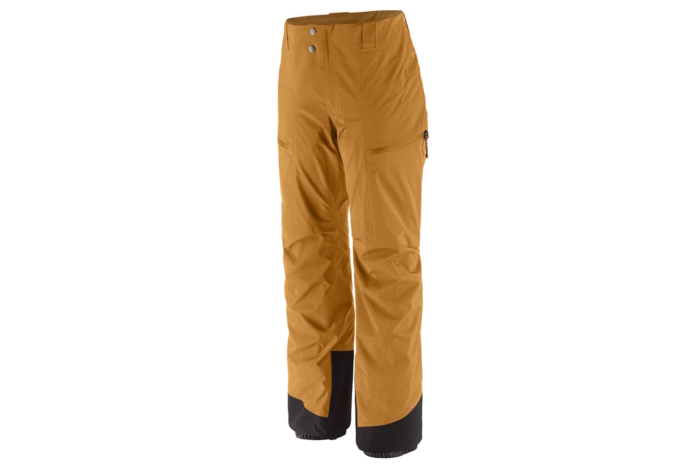
Patagonia PowSlayer Pants

Specifications
Pros & Cons
Pros
- Large bellowed thigh pockets are roomy (and fit a large phone)
- Robust reinforced hems
- Supremely articulated fabric around hips and glutes for freedom of movement
- Feels very lightweight
Cons
- Hard to keep stains out of the light colored fabric
- Expensive
- Light-feeling fabric does not block cold wind well — wear a heavier base layer on blustery days
The Bottom Line: An ultra-lightweight storm fortress that pairs eco-friendly protection with uncompromised mobility. The PowSlayer is ideal for backcountry endurance riders who demand peak breathability, seamless storage, and a lean design for deep-snow objectives.
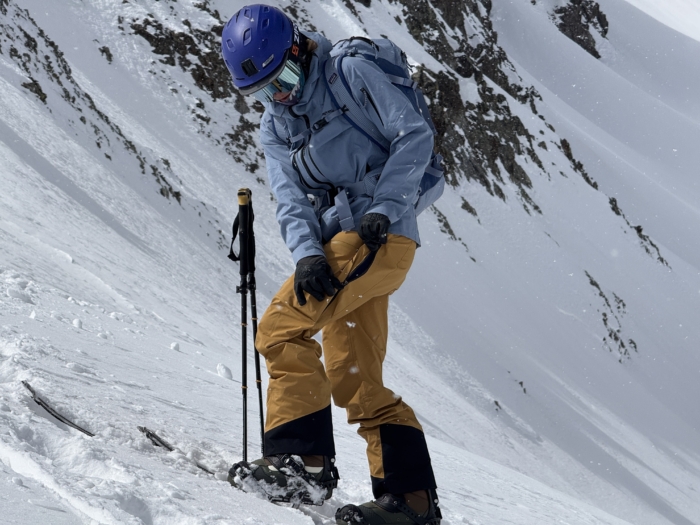
The Patagonia PowSlayer Pants ($649) deliver top-tier weather defense without the heavy bulk, available in a men’s cut, too. Overhauled after an eight-year run, this fourth-generation snow pant has GORE-TEX Pro ePE — an eco-conscious material that shaves 30% off the previous version’s weight. Compared to heavier, feature-dense alternatives like the Arc’teryx Sentinel Bibs, the PowSlayer prioritizes a streamlined, weight-conscious build tailored for booting or skinning steep terrain.
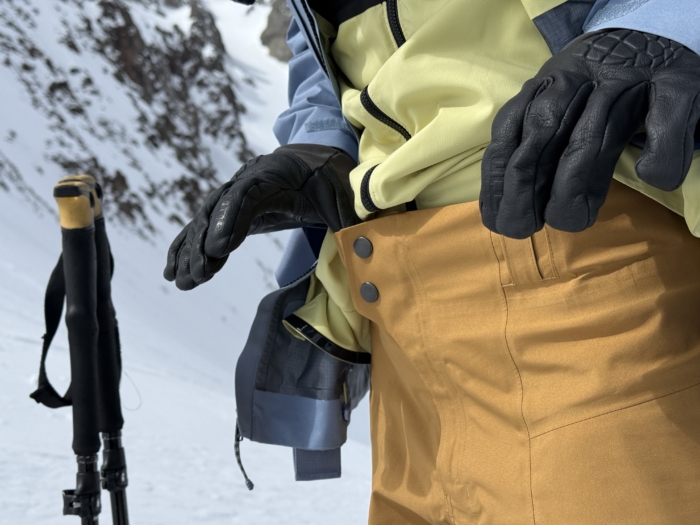
The Tech: Performance-wise, the 3-layer, 80-denier recycled nylon shell proves exceptional across severe weather extremes, shedding heavy squalls via a PFC-free DWR finish while venting heat on warm ascents. Built-in gaiters and a tough scuff guard — extending 8 inches high along the inner leg and back hem — shield against crampon nicks and sharp ski edges. Watertight zippers, a low-bulk fly, streamlined belt loops, and discrete internal elastic waist tabs keep the overall profile crisp. Keep in mind that because the shell feels so airy, dropping below 15 degrees Fahrenheit calls for a thicker baselayer underneath.
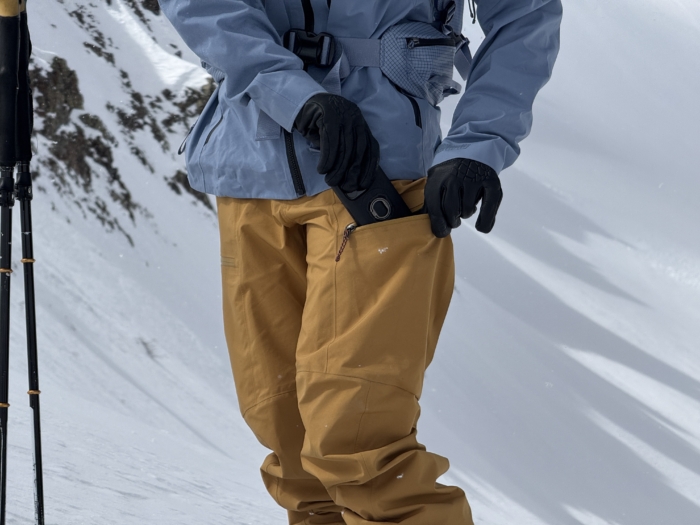
What We Like: The bellowed thigh pockets are a genuine game-changer for leg mobility. While many technical pants restrict movement around the hips and upper glutes when pockets are filled, this clever expansion allows natural lunging on the skintrack. Hands slide in effortlessly even while standing around, and inside each cargo space sits a stretchy electronic device sleeve flanked by two clip-in elastic loops to keep gear stationary. Dual exterior leg vents dump heat quickly on demanding climbs, and the Fair Trade Certified build brings solid peace of mind.
What We Don’t: The exterior vent zipper pulls hide behind the pocket bellows, making them somewhat difficult to locate and operate while wearing thick winter gloves. The ultra-light face fabric on lighter colorways also holds onto oil stains stubbornly, requiring prompt spot cleaning. Additionally, maintaining the ePE membrane’s waterproofing demands specific care: laundering with scent-free detergent, line drying, and tumble drying on medium heat for 20 minutes to reactivate the water-repellent finish.
Should You Buy It? For dedicated touring athletes and backcountry guide-types who refuse to carry extra ounces up the mountain, this jacket-matching shell offers extraordinary utility. It combines light, tough, storm-proof performance with spacious storage designed around athletic movement, justifying the investment for big mountain lines.
Men’s Burton Reserve 2L Relaxed Pants
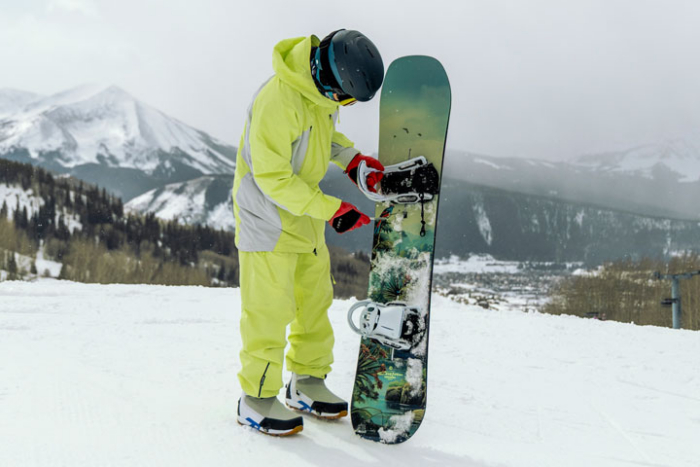
Specifications
Pros & Cons
Pros
- 6 pockets total, selfie stick fits in thigh pocket
- Shell fabric made from 100% recycled materials
- Colors and patterns that stand out on the mountain
- Roomy baggy fit without being too much
Cons
- Glow Yellow Green color shows dirt easily
- Dual waist buttons are cumbersome to operate
- No kick panels and not enough venting for backcountry
The Bottom Line: A feature-packed, loose-fitting resort pant with unmatched pocket storage and easy boot-gaiter integration. The Reserve Relaxed is ideal for riders who want a laid-back silhouette, quick step-in binding compatibility, and enough storage to ride without a pack.
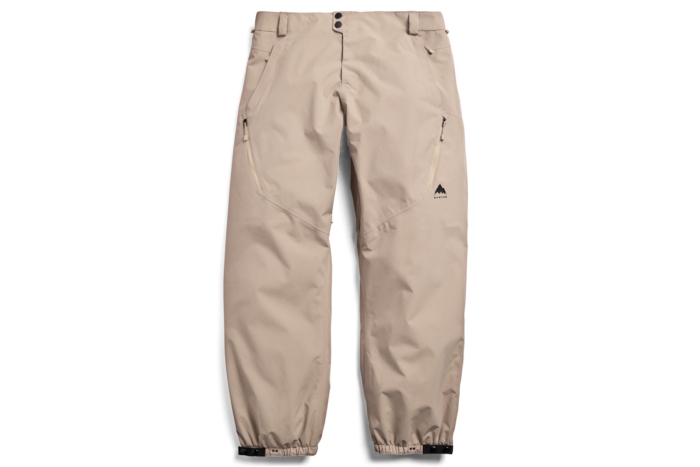
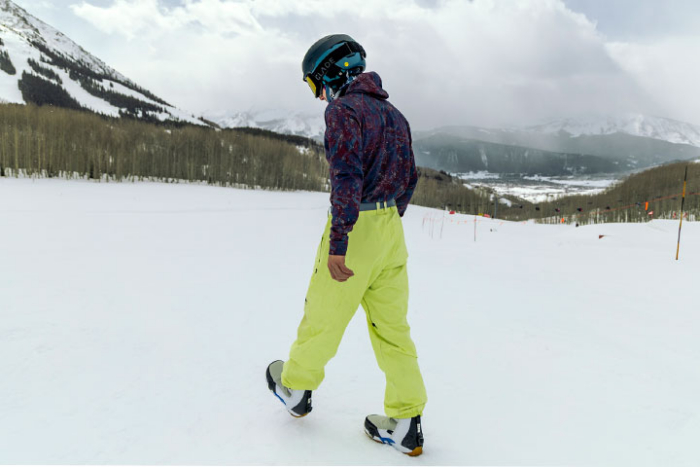
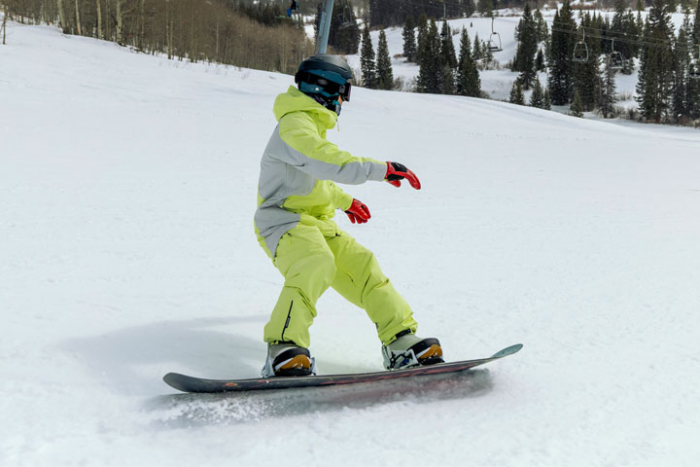
The Burton Reserve 2L Relaxed Pants ($210) stand out as a comfortable, sharp-looking option that brings high-end weather defense and incredible utility to an accessible price point. Delivering ample pocket storage and an unrestricted cut, these pants allow riders to carry all their daily essentials on the mountain without needing a backpack. There’s a women’s-specific pair, too.
The Tech: Built around a durable 2-layer DRYRIDE shell with 20,000mm waterproofing and 20,000g breathability, the fabric easily handles standard winter storms and heavy resort riding outside of extreme Pacific Northwest downpours. The shell utilizes 100% recycled fabric backed by a PFC-free DWR finish. Instead of a traditional separate inner gaiter and outer shell hem, Burton combines both into a single jogger-style cuff with an integrated boot hook and a dual-adjustable snap closure. This design slips over boots seamlessly, prevents the roomier lower leg from dragging on the ground, and pairs exceptionally well with step-in binding setups.
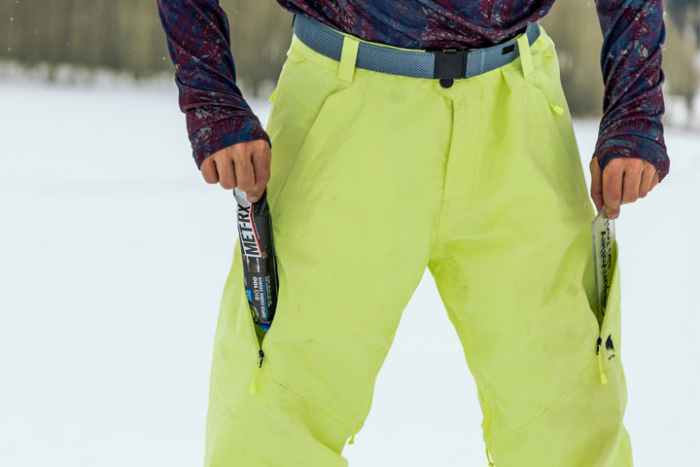
What We Like: Gear tester Eric Phillips put these pants through extensive field testing, highlighting their extraordinary storage capacity. Deep thigh cargo pockets fit larger items like selfie sticks or tools, while an internal mesh sleeve inside the right pocket secures a phone or action camera to keep it from bouncing during hard riding. Internal Velcro waist adjusters, belt loops, and three jacket-to-pant attachment loops help seal out snow. Compared to closer-fitting options like The North Face Freedom Insulated Pants, the relaxed cut provides total freedom of movement, and the vibrant colorways reliably generate compliments in lift lines.
What We Don’t: The double-button waist closure feels awkward to operate and is nearly impossible to manage with thick winter gloves, while the fly zipper could use a bit more length. The relaxed fit runs somewhat large at the waist, making a belt necessary to keep them securely in place. Additionally, brighter options like the Glow Yellow Green colorway attract parking lot grime easily, demanding extra care, and riders should avoid falling hard directly onto bulky items packed inside the pockets.
Should You Buy It? For snowboarders seeking a baggy, confidence-inspiring fit that packs massive storage capacity and effortless boot integration, this pair offers outstanding value. It delivers practical functionality, eye-catching style, and solid storm protection without a steep price tag.
Volcom L GORE-TEX Pants
-

-
Testing the Volcom L GORE-TEX Pants; (photo/Nate Swanner)
-
Testing the Volcom L GORE-TEX Pants; (photo/Nate Swanner)
-
Testing the Volcom L GORE-TEX Pants; (photo/Nate Swanner)
-
Testing the Volcom L GORE-TEX Pants; (photo/Nate Swanner)
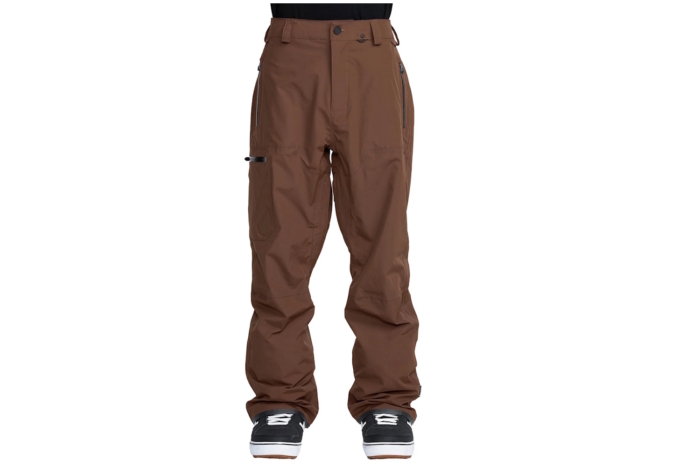
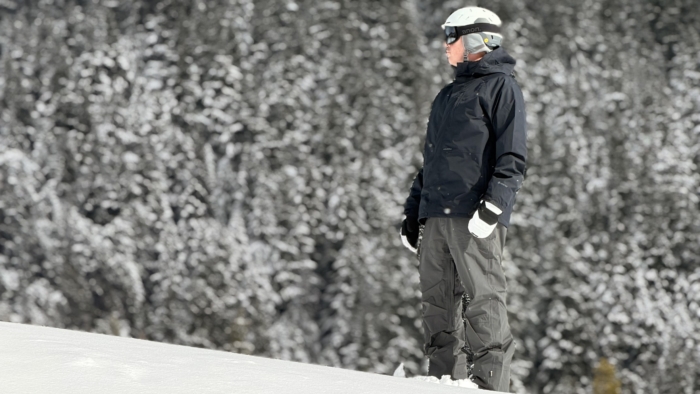
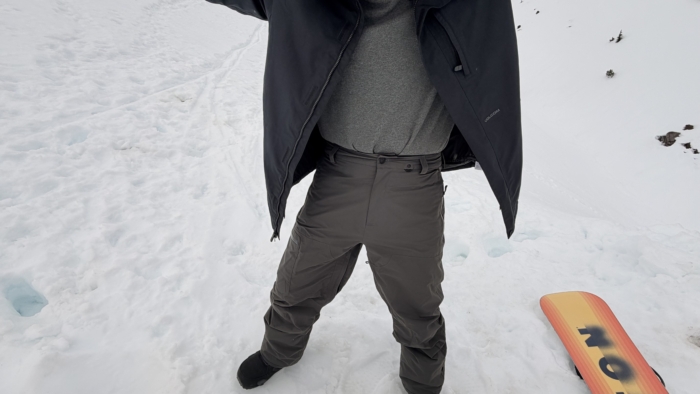
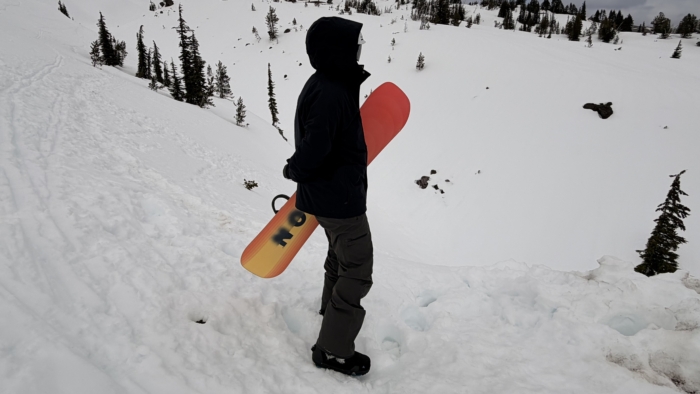
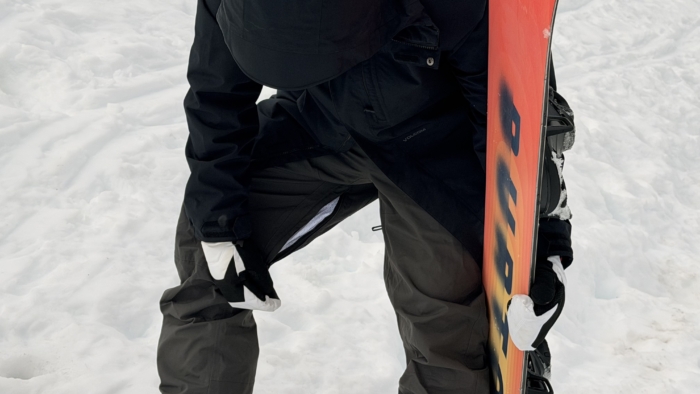
Specifications
Pros & Cons
Pros
- Legendary GORE-TEX weather protection
- Zip Tech interface keeps snow out as well as a bib
- Triple-reinforced rise and durable seat add serious durability
- Relaxed fit allows for easy layering
Cons
- Shell-only construction requires smart base-layering on cold days
- Relaxed fit might feel too baggy for some traditional riders
The Bottom Line: A bulletproof resort staple for guys that combines high-end storm defense with a seamless jacket-to-pant connection. The men’s-specific Volcom L is a smart pick for resort riders who want true bib-like snow seal in a traditional waist-high cut.
Whether lapping the park, hunting tree stashes, or weathering a wet Pacific Northwest storm, the Volcom Men’s GORE-TEX L Pants ($370) handle heavy abuse. While current market trends lean toward bibs, this model makes a compelling case for the classic waist-high silhouette. It delivers upper-tier waterproofing and a robust feature set without extra bulk or a steep price tag.
The Tech: Built with a 2-layer GORE-TEX membrane backed by a heavy-duty recycled nylon face fabric, the construction easily wards off frozen branches and abrasive chairlift seats. Inside, the V-Science breathable lining system prevents heat buildup during intense mogul laps, while mesh-lined inner thigh vents allow quick cooling on warm afternoons. Triple-reinforced stitching along the rise adds durability where stress builds up, while an adjustable inner waistband helps dial in the fit without a belt.
What We Like: The standout highlight is Volcom’s proprietary Zip Tech interface, which zips the powder skirt of a compatible jacket directly to the waistband. This creates a seamless seal against deep snow that rivals full bibs like the Burton Reserve Stretch Pants without restricting torso movement. Field testing for gear analyst Nate Swanner in damp maritime conditions proved the shell virtually impenetrable. Generous storage includes brushed tricot-lined hand pockets and a low-profile cargo pocket that holds a multitool or snacks. Additional seat padding adds welcome protection on freezing chairlift rides, while a heavy-duty reinforced back hem prevents fraying from boot abrasion.
What We Don’t: The cut sits distinctly relaxed with a medium rise, leaving ample room for thick baselayers. Riders coming from tailored alpine silhouettes may find the lower leg a bit baggy. Additionally, because 2-layer shells lack the internal lining protection of 3-layer technical outerwear, these pants run slightly heavier when wet compared to dedicated backcountry shells.
Should You Buy It? For resort riders seeking a single pair of pants to survive three or four seasons of heavy use, this model sets a high standard. It delivers uncompromising GORE-TEX reliability and clever integration features at a very reasonable price point.
Burton [ak] Cyclic GORE‑TEX 2L Pants
-
-
Eric Phillips testing the Burton [ak] Cyclic GORE‑TEX 2L Pants; (photo/Riley Kaczmarek)
-
Eric Phillips testing the Burton [ak] Cyclic GORE‑TEX 2L Pants; (photo/Riley Kaczmarek)
-
Eric Phillips testing the Burton [ak] Cyclic GORE‑TEX 2L Pants; (photo/Riley Kaczmarek)
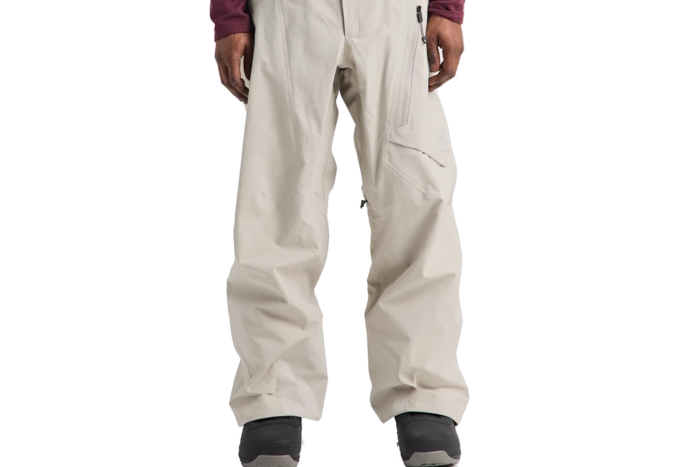
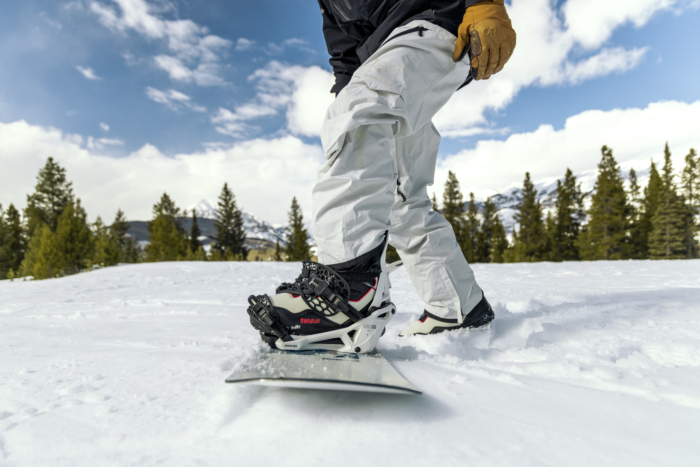
Specifications
Pros & Cons
Pros
- Exceptional waterproofing at 28,000mm
- High breathability at 20,000mm
- Stylish color options to stand out on the hill
- Backed by Burton's lifetime warranty
Cons
- Premium price point
- No insulation
- Only one cargo pocket
- Our (white) test pants show dirt easily
The Bottom Line: A high-performance shell that delivers legendary storm defense, athletic articulation, and sleek resort styling. The Cyclic is a premier pick for riders who demand bombproof weather protection and a lifetime warranty for big mountain lines.
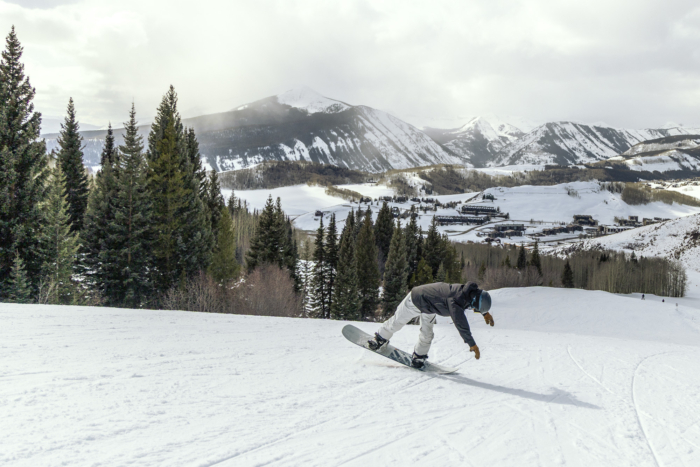
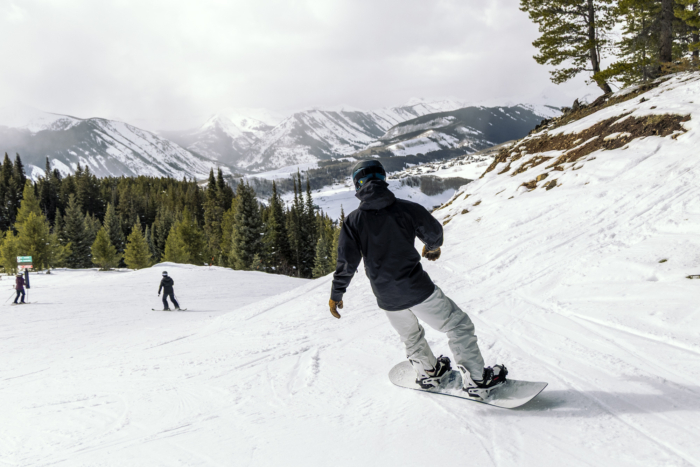
The Burton [ak] Cyclic GORE-TEX 2L Pants ($480) pair striking style with technical muscle, making them a high-performance choice for charging across the entire mountain. Named after the brutal maritime weather of Alaska, this uninsulated shell focuses on total weather resistance and streamlined utility for bell-to-bell powder days. The top-tier women’s version ($480) is equally rad.
The Tech: Built with a 2-layer GORE-TEX membrane rated at 28,000mm waterproofing and 20,000g breathability, the rugged face fabric blocks heavy moisture in the wettest conditions while shedding heat through Burton’s temperature-regulating Living Lining. Long, continuous mesh-lined inner thigh vents dump excess heat on steep bootpacks without letting stray snow slip inside. For parking lot convenience, bungee cuff elevators prevent bottom hem dragging, while integrated BOA-compatible gaiters seal tightly around boot adjustment dials.
What We Like: Snowboard gear expert Eric Phillips put these pants through rigorous field testing, praising the tailored articulated cut that moves fluidly whether carving, hiking sidecountry, or strapping in. Storage is exceptionally well-conceived: microfleece-lined hand pockets easily swallowed large phones or action cameras behind protective storm flaps, complete with an internal key clip. The single zippered thigh cargo pocket accommodates a selfie stick and includes a dedicated tool sleeve, complemented by two zippered rear pockets. Compared to bulkier options like the Burton Reserve 2L Relaxed Pants, the Cyclic offers a lighter, more packable build that compresses easily for travel.
What We Don’t: The thigh area has a relatively trim cut; tester Eric Phillips opted to size up for extra layering freedom, requiring a belt to dial in the waist. Riders who carry heavy loads may miss having a second thigh pocket, while pure backcountry enthusiasts might prefer exterior vents for maximum airflow. Because these pants lack insulation, cold-weather sessions require careful baselayer management.
Should You Buy It? For resort riders seeking long-term durability, professional-grade storm protection, and Burton’s lifetime warranty, this shell represents a top-tier investment. It combines refined aesthetics with relentless weatherproofing to excel across demanding mountain terrain.
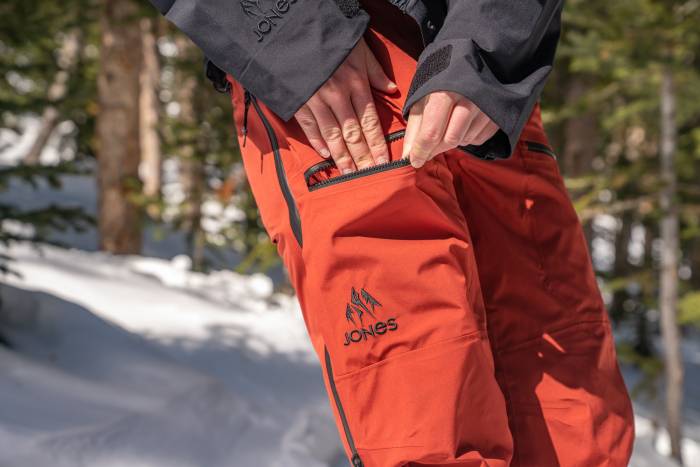
Jones MTN Surf Tweaker Recycled Pants
-
-
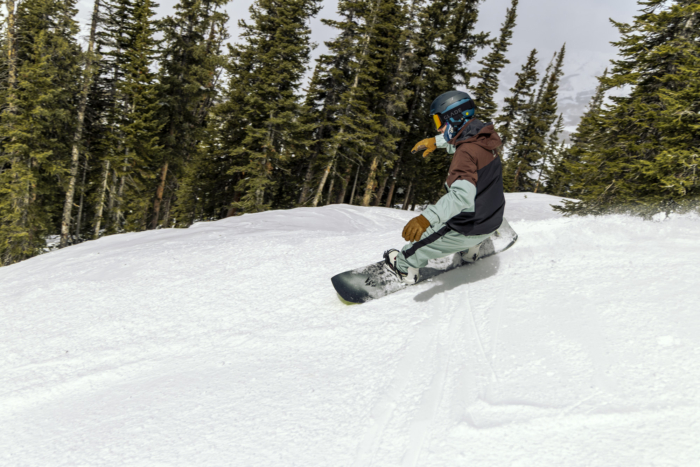
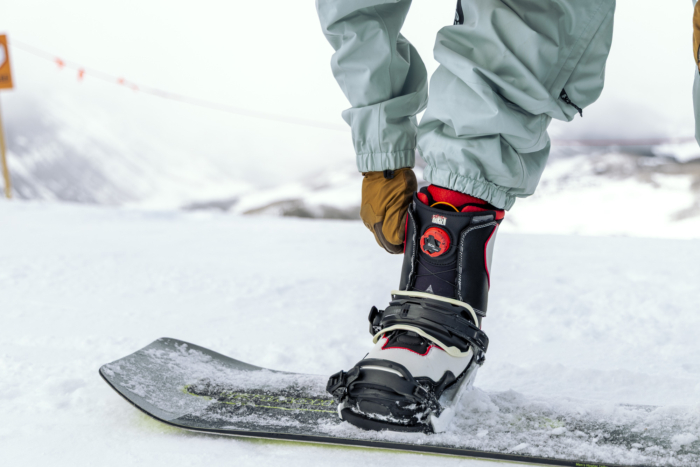
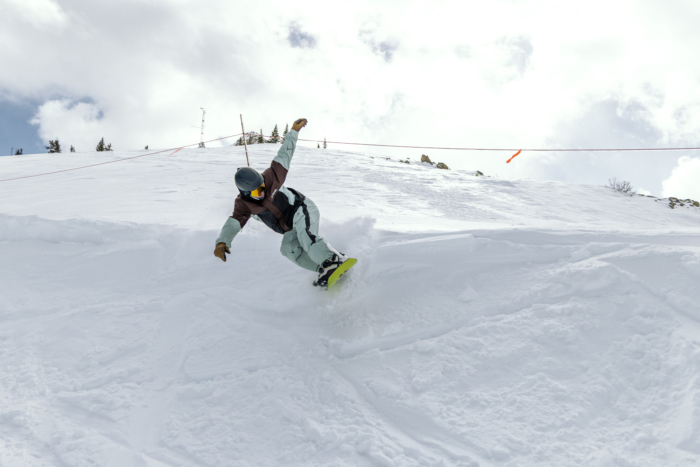
Eric Phillips testing the Jones MTN Surf Tweaker Recycled Pants; (photo/Riley Kaczmarek)
-
Eric Phillips testing the Jones MTN Surf Tweaker Recycled Pants; (photo/Riley Kaczmarek)
-
Eric Phillips testing the Jones MTN Surf Tweaker Recycled Pants; (photo/Riley Kaczmarek)
-
Eric Phillips testing the Jones MTN Surf Tweaker Recycled Pants; (photo/Riley Kaczmarek)
Specifications
Pros & Cons
Pros
- Standout colors and patterns
- Relaxed baggy fit for freestyle riding
- Built-in waist belt
- Jogger cuffs pairs well with a range of fast entry bindings
- Nice blend of lightweight yet water- and windproof
Cons
- No thigh pockets
- Cuffs only have elastic closure and no reinforcement
The Bottom Line: A comfortable, relaxed fit that combines sustainable weather defense with jogger-style boot cuffs. The Tweaker is ideal for freestyle and resort riders who value effortless movement, fast-entry binding compatibility, and easy waist adjustments over heavy pocket storage.
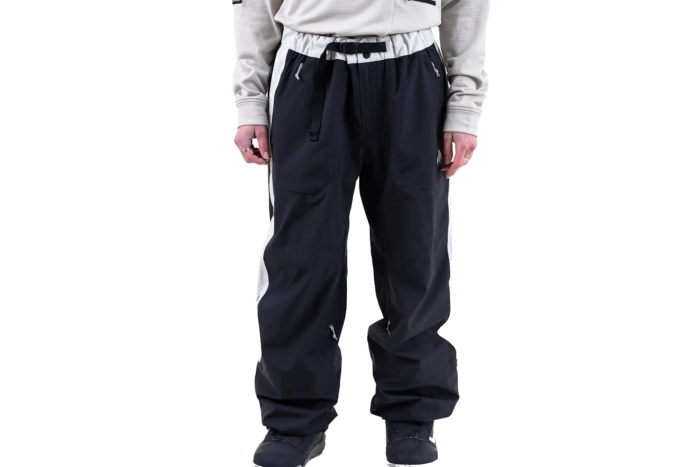
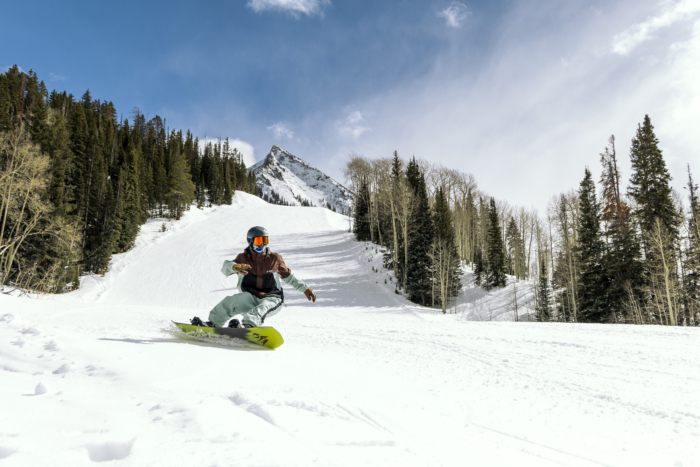
The Jones MTN Surf Tweaker Recycled Pants ($240) combine sustainable weatherproofing with a spacious silhouette, offering a versatile option that transitions seamlessly from deep powder lines to slushy park laps. Designed as a unisex model with a looser cut, these pants deliver maximum freedom of movement at a lower price point than the standard MTN Surf.
The Tech: Constructed with a 2-layer 20K/20K recycled polyester membrane, the shell provides 20,000mm waterproofing and 20,000g breathability while utilizing a PFC-free DWR finish to shed snow and surface grime. Instead of a traditional two-piece inner gaiter and outer hem, the lower legs have single-piece elastic jogger cuffs that stretch over boots and hold firmly around the ankles. This streamlined design prevents excess fabric from dragging on the ground and eliminates interference when strapping in or using step-in binding systems. For temperature management, dual inner-thigh vents bypass the crotch area entirely to avoid zipper jamming, omitting mesh backing for direct airflow.
What We Like: On-snow tester Eric Phillips noted how soft and roomier the interior feels, easily accommodating thermal baselayers or puffy pants underneath for colder days. The waist system uses a built-in belt paired with an elastic band and two quick-snap buttons, ensuring a snug fit that prevents snow intrusion. Stacking them against the Burton Reserve 2L Relaxed Pants, the Tweaker has a superior integrated belt, a more functional waist closure, and a face fabric that resists dirt and surface wear better, even though the Reserve offers more secure snap-adjustable cuffs and larger thigh pockets.
What We Don’t: The boxy fit runs noticeably baggy, causing extra material to pool at the ankles. Riders who rely on deep cargo storage will find the pocket arrangement sparse compared to traditional cargo designs. Additionally, because the inner-thigh vents are unlined, opening them wide leaves your inner layers directly exposed to blowing snow or cold wind during high-speed descents.
Should You Buy It? For riders seeking a stylish, non-restrictive pant built with recycled materials and a hassle-free cuff system, this design offers exceptional value and performance. It excels for freestyle carvers and resort lap riders who prefer uninhibited motion and straightforward waist adjustments.
686 Smarty 3-in-1 Cargo
-
-
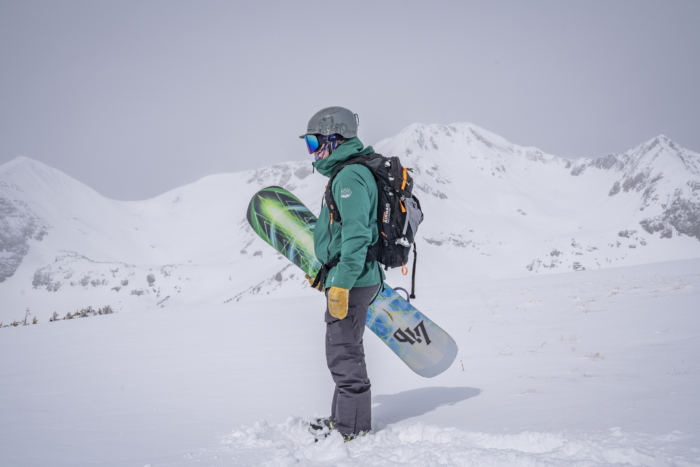
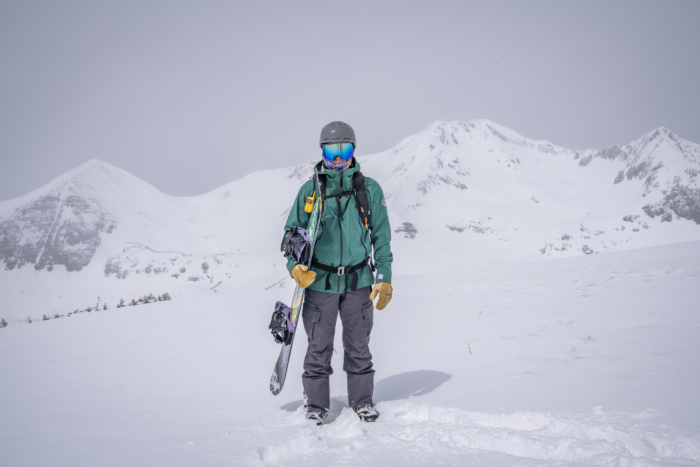
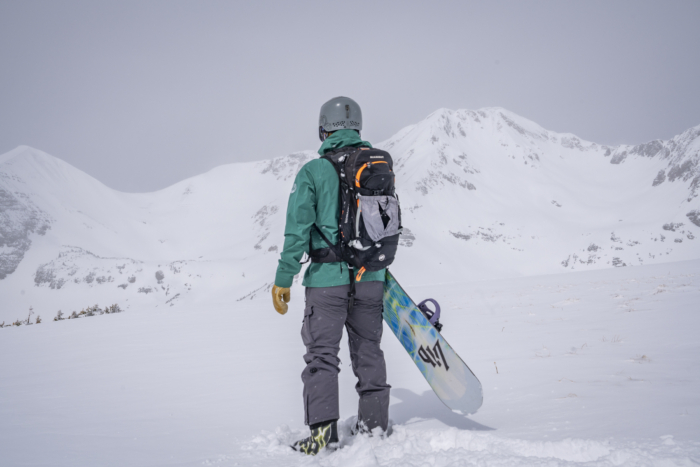
Testing the 686 Smarty 3-in-1 Cargo Pant; (photo/Eric Phillips)
-
Testing the 686 Smarty 3-in-1 Cargo Pant; (photo/Eric Phillips)
-
Testing the 686 Smarty 3-in-1 Cargo Pant; (photo/Eric Phillips)
-
Testing the 686 Smarty 3-in-1 Cargo Pant; (photo/Eric Phillips)
-
Testing the 686 Smarty 3-in-1 Cargo Pant; (photo/Eric Phillips)
-
Testing the 686 Smarty 3-in-1 Cargo Pant; (photo/Eric Phillips)
-
Testing the 686 Smarty 3-in-1 Cargo Pant; (photo/Eric Phillips)
-
Testing the 686 Smarty 3-in-1 Cargo Pant; (photo/Eric Phillips)
-
Testing the 686 Smarty 3-in-1 Cargo Pant; (photo/Eric Phillips)
-
Testing the 686 Smarty 3-in-1 Cargo Pant; (photo/Eric Phillips)
-
Testing the 686 Smarty 3-in-1 Cargo Pant; (photo/Eric Phillips)
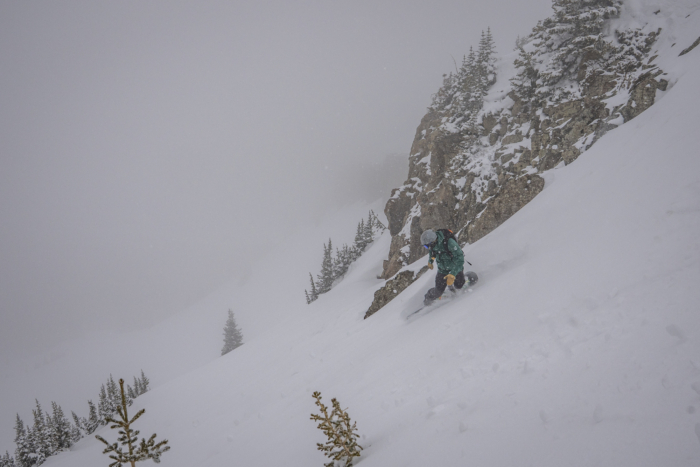
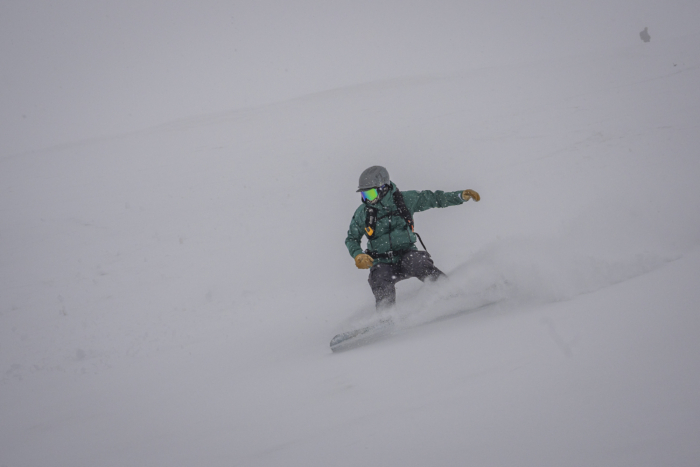
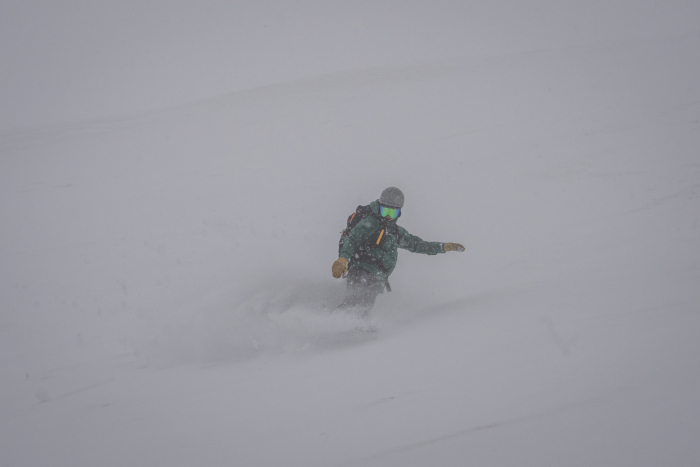
Specifications
Pros & Cons
Pros
- 3-in-1 Versatility: Includes a removable fleece liner
- Ample Storage: Multiple cargo and hidden pockets make it easy to carry stuff
- BOA compatible boot gaiters
- Pant-Jacket Connect system
Cons
- Vents are small making it hard to dump heat
- Wearing the shell and liner feels a bit bulky compared to slimmer insulated pants
- Removable liner pant has significantly smaller inseam
The Bottom Line: A highly adaptable, multi-layer pant system that combines bulletproof durability with modular warmth. The SMARTY is ideal for all-weather riders who want the versatility of a standalone storm shell and a zip-out fleece liner in a single package.
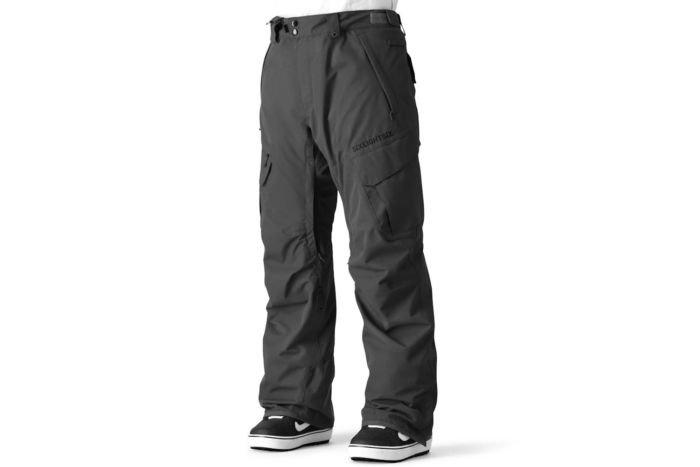
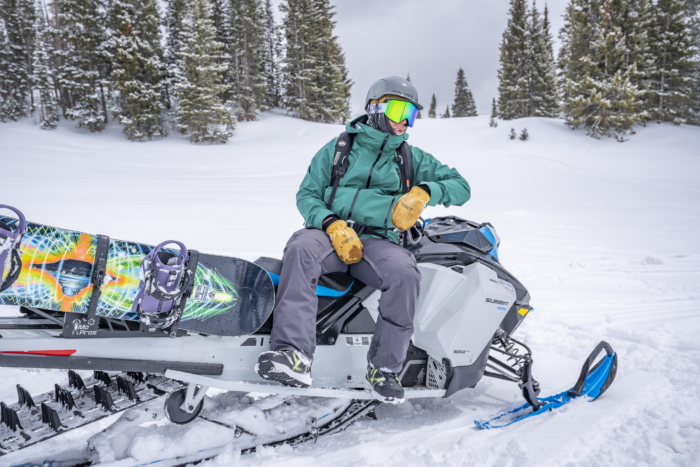
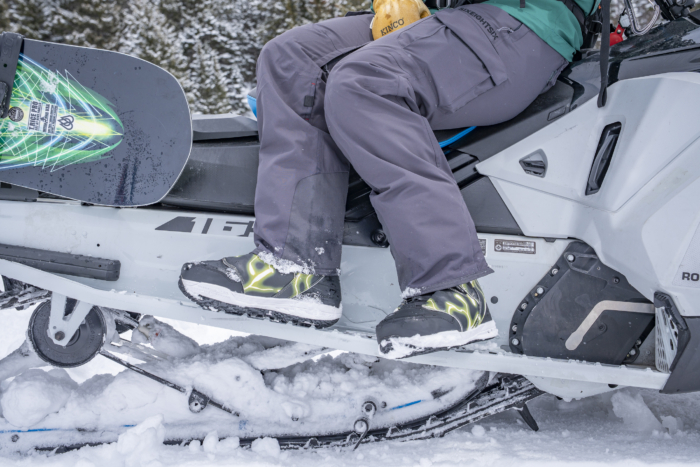
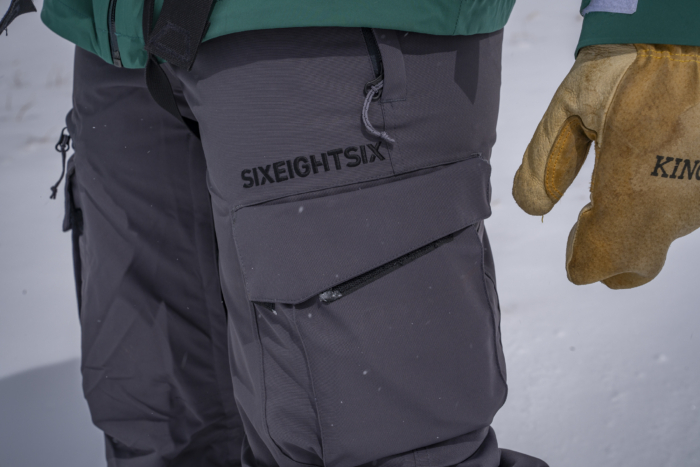
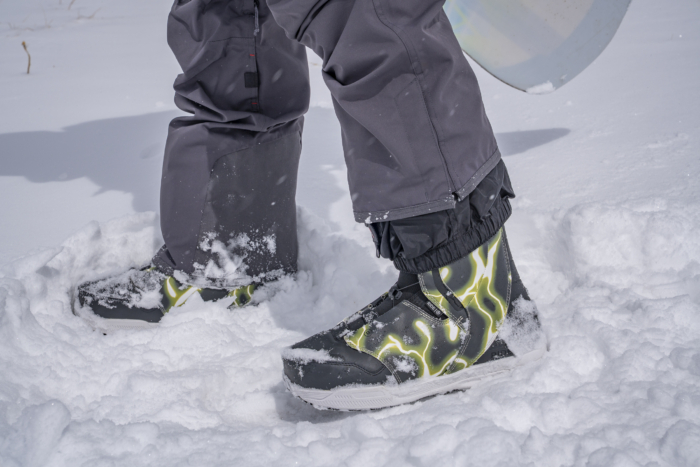
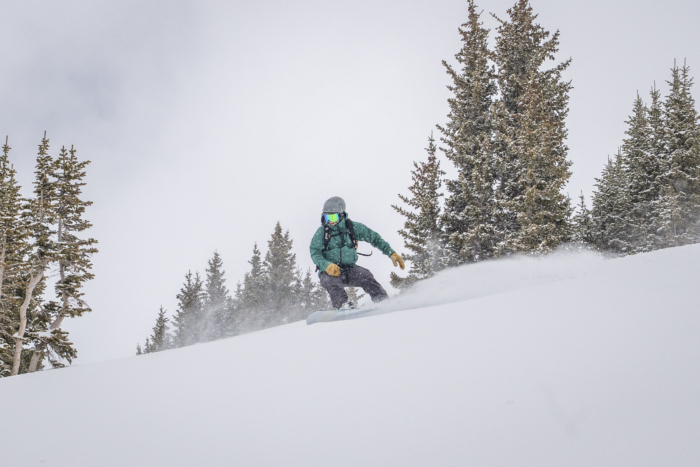
The 686 SMARTY 3-in-1 Cargo Pants ($230) stand out as a versatile and exceptionally durable option for resort riders and snowmobilers alike, and there’s a women’s iteration, as well. Built around a clever 3-in-1 design, the system includes a removable fleece pant liner, allowing wearers to easily adapt to changing temperatures by wearing the shell and liner together on frigid days or separately when conditions warm up.
The Tech: The outer shell relies on 2-layer infiDRY 20K fabric treated with a PFAS-free DWR finish, delivering a robust 20,000mm waterproofing and 20,000g breathability rating to keep moisture out. Developed alongside mountain resort partners, the shell utilizes heavy-duty Duracore fabric paired with 500-denier Horseshoe Hem inner kick panels that hold up against extreme wear, including abrasive snowmobile shuttle laps. The pants also incorporate a BOA-compatible boot gaiter and a Pant Jacket Connect system to prevent lower-leg slippage and keep cold snow from creeping inside.
What We Like: Shredder Eric Phillips put this modular system through extensive field testing, noting how the articulated knees and roomier cut allow an unrestricted range of motion. Storage is a major strength, featuring multiple cargo pockets and hidden-seam stash pockets for securing essentials. Six pockets in total decorate the exterior shell, plus another two hand pockets in the fleece pant. Compared to uninsulated options like The North Face Freedom Insulated Pants, the SMARTY’s removable liner offers superior versatility — giving you a cozy lounge pant for the cabin and an adaptable layering system on the mountain.
What We Don’t: Airflow is a drawback; while the shell includes Air-Flo mesh-lined inner-thigh vents, they fail to dump heat effectively when the inner fleece liner is zipped in. The modern fit runs noticeably loose and baggy, causing extra fabric to bunch at the ankles. Additionally, the fleece liner has a shorter inseam than the outer shell, which looks a bit awkward when worn by itself around town, even though the cropped length prevents bunching inside snowboard boots.
Should You Buy It? For snowboarders who want a single, ultra-tough pant system capable of spanning sub-zero midwinter mornings to mild spring sessions, this modular workhorse delivers outstanding value. It pairs rugged construction with practical, multi-season adaptability.
ThirtyTwo Basement Bib
-
-
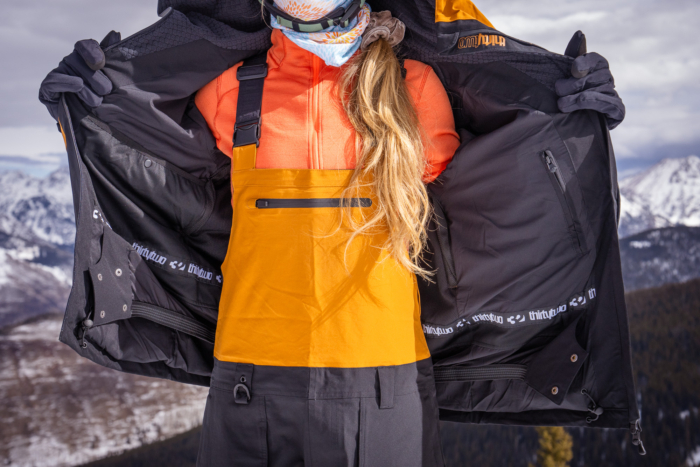
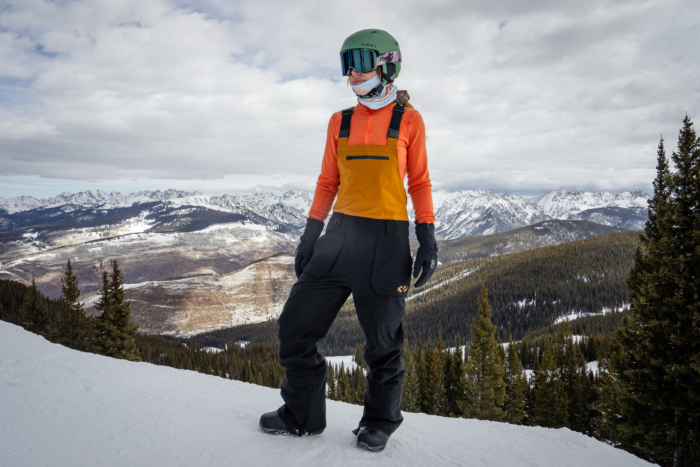
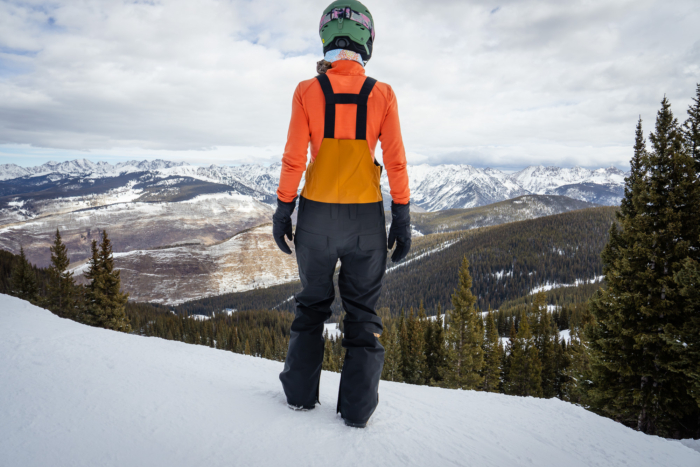
Morgan Tilton testing the ThirtyTwo Basement Bib at Vail Ski Resort; (photo/Jason Hummel)
-
Morgan Tilton testing the ThirtyTwo Basement Bib at Vail Ski Resort; (photo/Jason Hummel)
-
Morgan Tilton testing the ThirtyTwo Basement Bib at Vail Ski Resort; (photo/Jason Hummel)
-
Morgan Tilton testing the ThirtyTwo Basement Bib at Vail Ski Resort; (photo/Jason Hummel)
-
Morgan Tilton testing the ThirtyTwo Basement Bib at Vail Ski Resort; (photo/Jason Hummel)
-
Morgan Tilton testing the ThirtyTwo Basement Bib at Vail Ski Resort; (photo/Jason Hummel)
-
Morgan Tilton testing the ThirtyTwo Basement Bib at Vail Ski Resort; (photo/Jason Hummel)
-
Morgan Tilton testing the ThirtyTwo Basement Bib at Vail Ski Resort; (photo/Jason Hummel)
-
Morgan Tilton testing the ThirtyTwo Basement Bib at Vail Ski Resort; (photo/Jason Hummel)
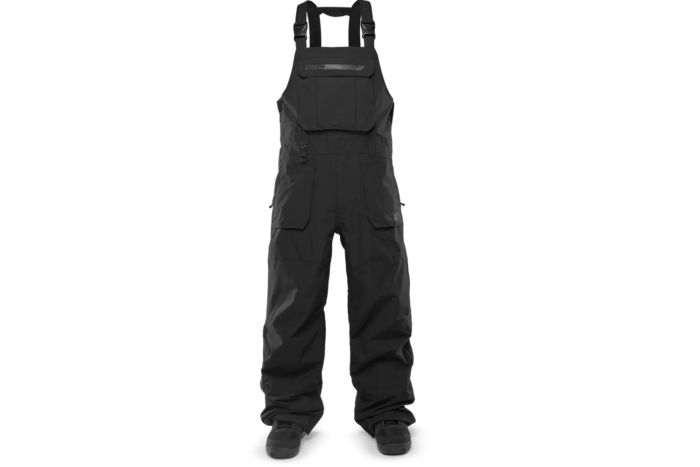
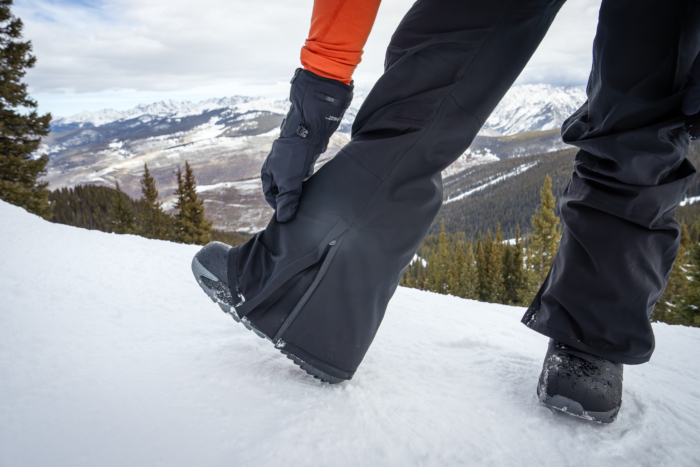
Specifications
Pros & Cons
Pros
- Cozy, seamless fleece back panel adds warmth on cold chairlifts
- Heavy-duty 150D seat and knee reinforcements resist wear
- Comfortable, wide suspenders stay secure while carving
- Deep, fleece-lined storage pockets accommodate large gear
- Roomy lower legs with zippered gussets fit easily over boots
Cons
- Lacks crotch ventilation despite manufacturer claims
- 15K/15K rating falls short for heavy rain or splitboard touring
- Velcro-only rear closures are less secure than zippers
The Bottom Line: A stylish, workwear-inspired bib that pairs a cozy fleece-lined back panel with effortless mobility and functional storage. The Basement is a great pick for resort riders seeking a relaxed fit, easy boot clearance, and extra seat reinforcement under $250.
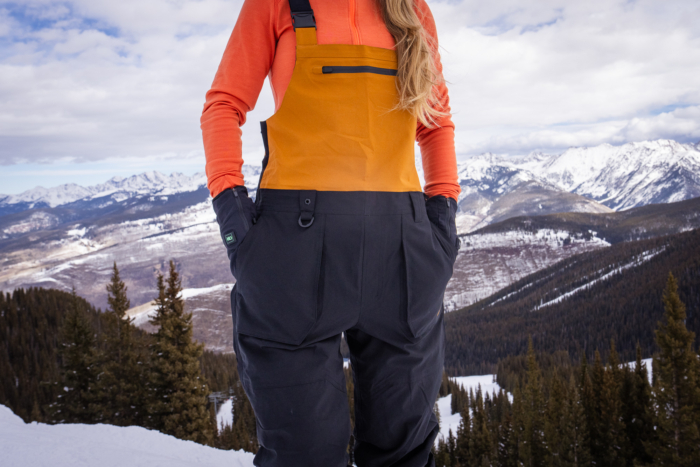
For a workwear aesthetic and a silhouette with zero hangups, the ThirtyTwo Basement Bib ($240) stands out by balancing total freedom of movement, practical pockets, and durable construction. There’s a cut for guys, too. Loaded with mountain style, this kit brings a loose yet slightly tailored cut to the slopes at an accessible price.
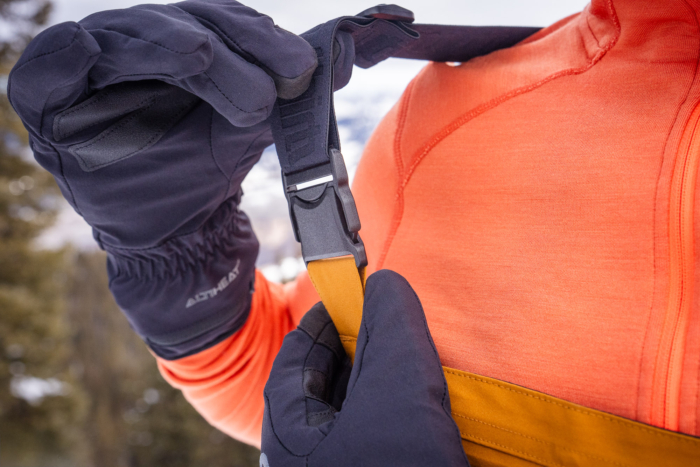
The Tech: Constructed with a 2-layer 15K/15K shell that delivers 15,000mm waterproofing and 15,000g breathability, these bibs utilize a PFAS-free DWR finish to shed winter moisture. A major highlight is the seamless, bulk-free fleece panel integrated along the interior back, extending from the shoulder blades to below the glutes for added warmth on blustery chairlifts. To withstand frequent resort wear and tear, ThirtyTwo reinforces both the seat and articulated knees with heavy-duty 150-denier fabric. The wide suspenders are stretchy, simple to adjust, and stay securely positioned during high-output carving.
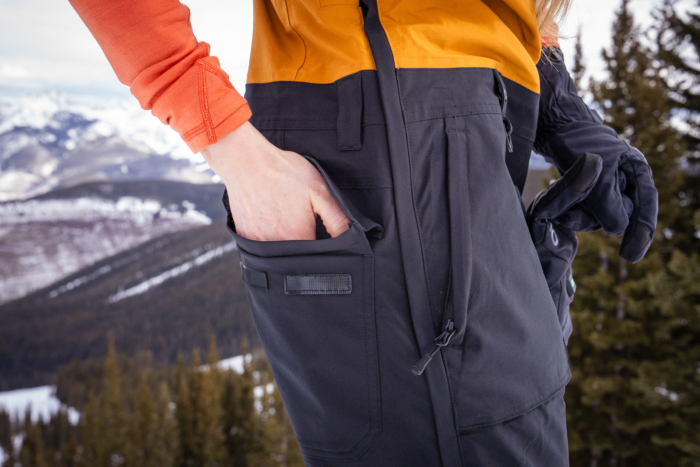
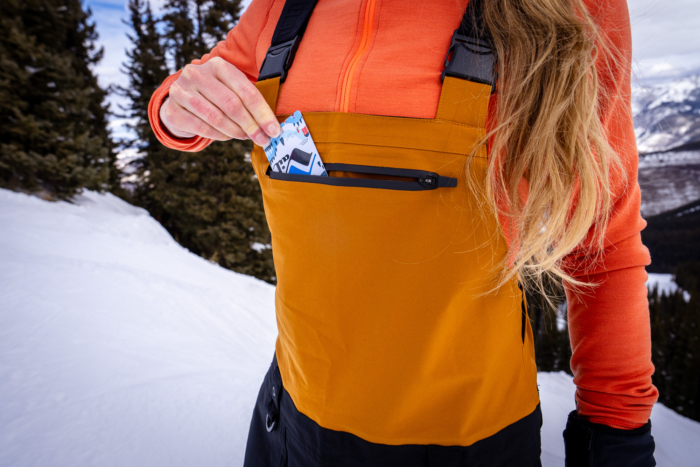
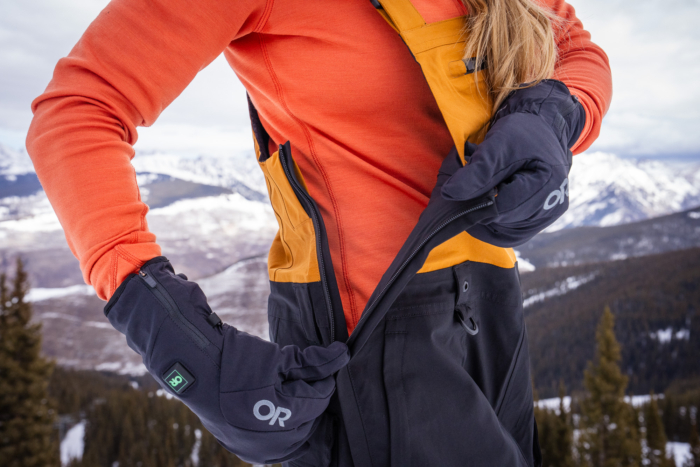
What We Like: SnowSports Senior Editor Morgan Tilton tested these bibs on resort days, finding the 2-layer design provided just enough weather protection and warmth across shifting conditions. Storage is exceptionally generous: two zippered thigh cargo pockets easily swallow large phones behind brushed tricot lining, complemented by a soft-lined chest pocket and two spacious Velcro rear pockets. The roomier, slightly flared lower legs have zippered boot gussets that slide over snowboard boots without friction. Compared to technical backcountry shells like the Patagonia PowSlayer Pants or Jones Women’s Shralpinist Stretch Recycled 3L Bibs, the Basement offers a cozy, workwear-focused fit tailored specifically for resort laps, complete with a dedicated D-ring for snowmobile tether keys.
What We Don’t: Although product documentation mentions crotch ventilation, these bibs do not actually include crotch vents. Additionally, because the 15K/15K membrane sits below the high-end weather defense of 3-layer GORE-TEX alternatives, high-exertion splitboard touring or heavy Pacific Northwest rain will exceed its technical limits.
Should You Buy It? Resort snowboarders who want a warm, stylish bib with ample storage, workwear durability, and a forgiving cut will find fantastic value here. It delivers a comfortable, compliment-worthy fit that excels for daily resort riding.
Field Tested and Approved: More Steezy Snowboard Pants We Recommend
True — these bonus seven designs didn’t ride off with accolades. But after countless hours on snow, each pair below is fully serviceable and stylish at a justified cost. We keep each one in our closet for specific outings.
-
-
Nate Swanner testing the ThirtyTwo TM Recycled snowboard pants; (photo/Nate Swanner)
-
Nate Swanner testing the ThirtyTwo TM Recycled snowboard pants; (photo/Nate Swanner)
-
Nate Swanner testing the ThirtyTwo TM Recycled snowboard pants; (photo/Nate Swanner)
-
Nate Swanner testing the ThirtyTwo TM Recycled snowboard pants; (photo/Nate Swanner)
-
Nate Swanner testing the ThirtyTwo TM Recycled snowboard pants; (photo/Nate Swanner)
-
Nate Swanner testing the ThirtyTwo TM Recycled snowboard pants; (photo/Nate Swanner)
-
Nate Swanner testing the ThirtyTwo TM Recycled snowboard pants; (photo/Nate Swanner)
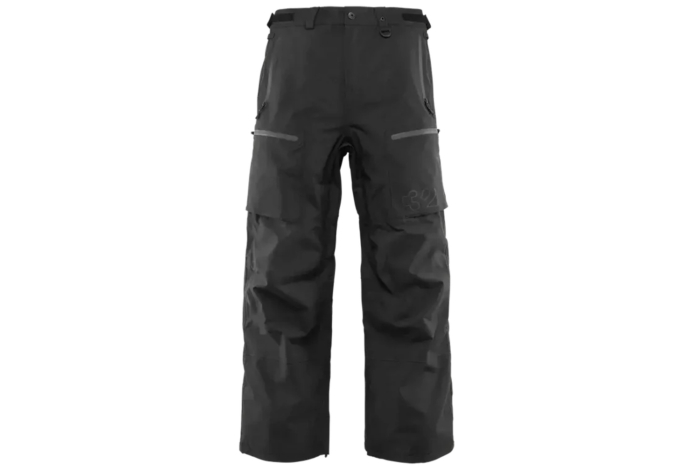
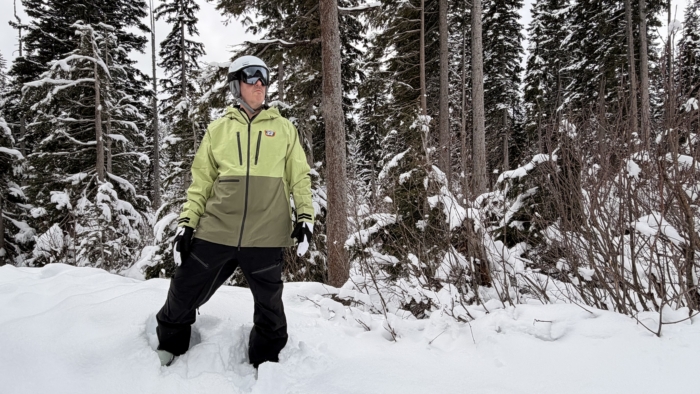
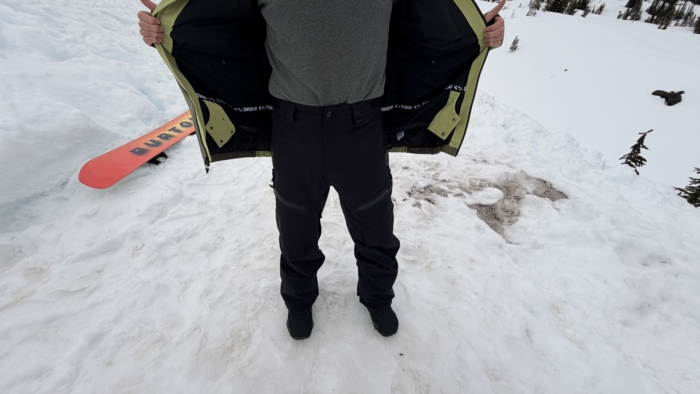
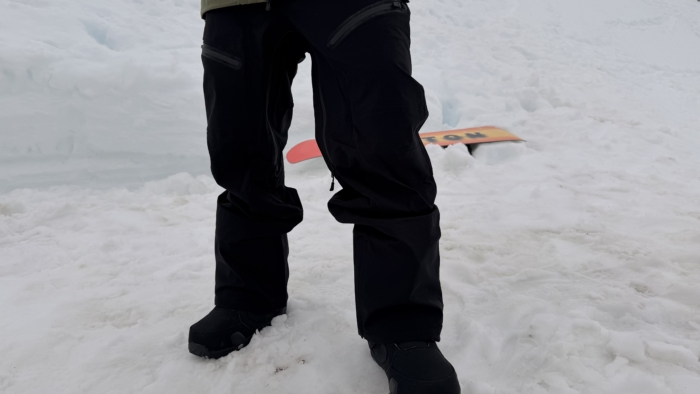
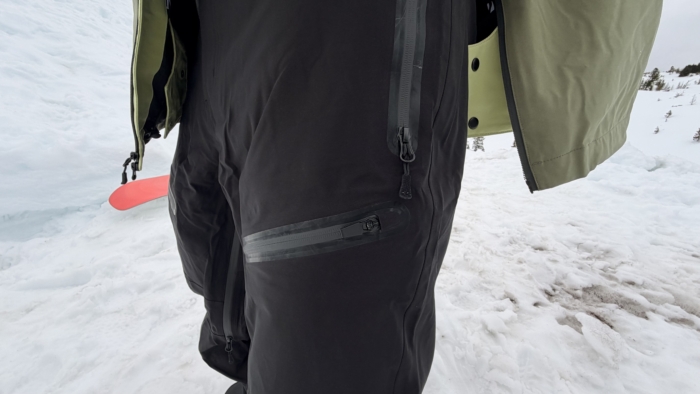
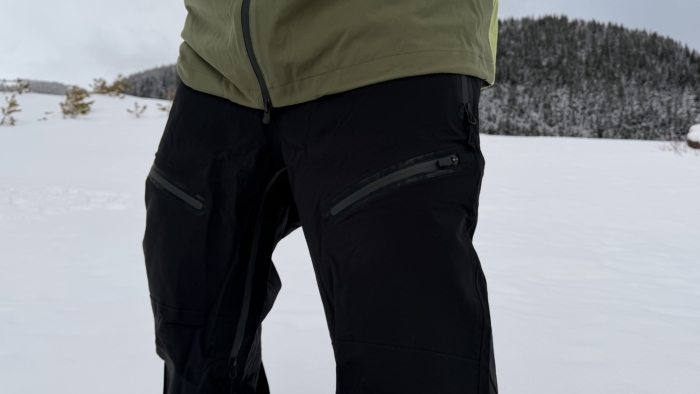
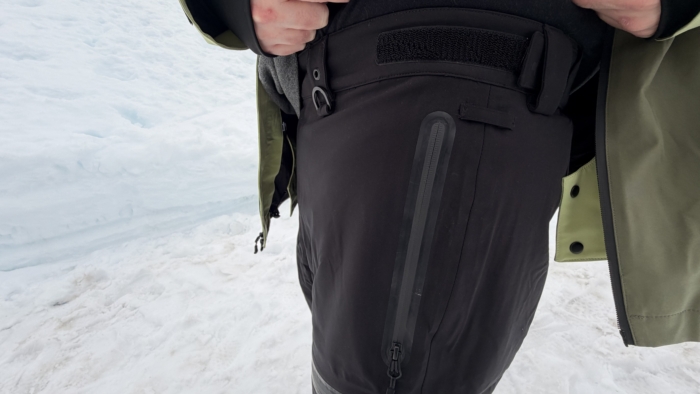
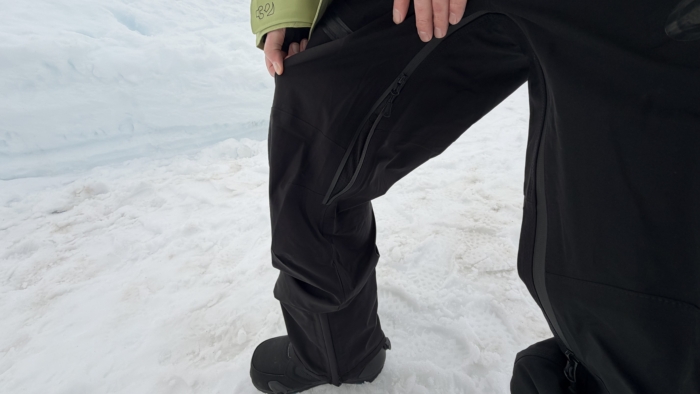
Specifications
Pros & Cons
Pros
- High-tier 20K/20K waterproofing and breathability
- Sustainable REPREVE construction with PFC-free DWR
- Team Fit offers excellent mobility without looking overly baggy
- Reinforced high-wear areas for longevity
Cons
- Lack of bib protection for deep powder days
- Team Fit might be too loose for those seeking a modern slim profile
The Bottom Line: A bomber, eco-conscious shell engineered to withstand heavy abuse from the park to the backcountry. The TM Recycled is clutch for rider-driven carvers who want high-tier 20K weatherproofing, full seam sealing, and sustainable construction in a classic loose fit.
The unisex ThirtyTwo TM Recycled Pant ($230) proves that technical sustainability and core snowboarding grit can comfortably coexist. Serving as the signature outerwear model for ThirtyTwo’s pro team, this shell handles the punishment of 100-day seasons, heavy rail sessions, and high-output backcountry hikes.
The Tech: Built with 32 Repel 20K Dura-Stretch fabric made from REPREVE recycled yarn, the shell delivers an impressive 20,000mm waterproof rating and 20,000g breathability. A PFC-free DWR finish sheds moisture without leaching persistent chemicals, while fully taped seams and waterproof YKK AquaGuard zippers keep driving precipitation out. Heavy-duty triple-stitch construction and reinforced kick panels bolster overall durability, paired with a diamond-gusseted, mesh-lined crotch vent designed to dump heat without snagging during high-exertion skin tracks.
What We Like: Oregon-based rider Nate Swanner put ThirtyTwo’s TM line through rigorous field testing, noting that these garments are over-engineered in the best way possible. The articulated Team Fit offers an ideal balance — loose enough for unrestricted mobility and thermal base layers, yet refined enough to prevent cuffs from dragging under heel edges. Storage is well-considered, featuring secure zippered handwarmer pockets and streamlined cargo pockets that hold multi-tools or spare gloves without annoying bouncing. Compared to 2-layer resort options like the ThirtyTwo Women’s Basement Bib, the TM Recycled Pant offers a lighter, uninsulated 3-layer construction with higher breathability tailored for aggressive riding and backcountry hikes.
What We Don’t: Because it is an uninsulated shell built purely for weather defense and durability, cold-blooded riders will need to carefully layer underneath on frigid midwinter lift rides. Additionally, the looser team silhouette may feel slightly too wide for carvers who prefer a slim or highly tailored profile.
Should You Buy It? Riders who want top-tier weatherproofing, rider-proven durability, and sustainable design in a traditional pants silhouette will find that this signature model delivers incredible value. The TM Recycled stands up to mountain abuse while maintaining freedom of movement.
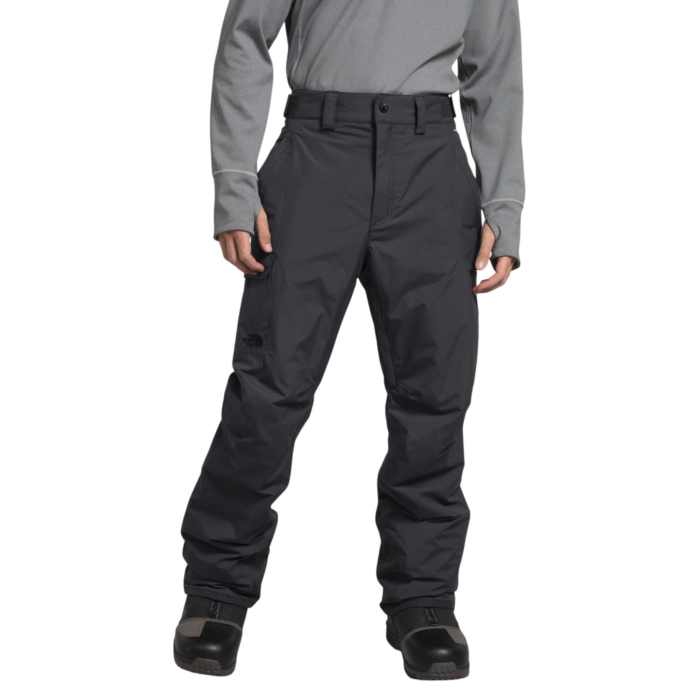
Specifications
Pros & Cons
Pros
- Excellent value
- Ideal for cold conditions
Cons
- Not the most breathable
The Bottom Line: A dependable, insulated resort staple that delivers essential storm protection without breaking the bank. The Freedom is ideal for cold-weather lap riders who prefer built-in warmth over complex layering systems.
The North Face Insulated Freedom Pants ($200) stand out as a reliable choice for resort riders seeking solid mountain performance at an accessible price; There’s a silhouette for ladies, too. Engineered with a 2-layer DryVent construction, these pants offer dependable weather defense whether carving early-morning groomers, enduring windy lift rides, or spending hours in the terrain park.
The Tech: Providing a 15,000mm waterproof rating alongside 15,000g/m²/24h breathability, the shell wards off typical winter moisture with ease. Interior warmth comes from 60g Heatseeker Eco insulation, which retains heat even in damp conditions and reduces the need for heavy baselayers on frigid days. To prevent overheating during high-output sessions, inner-thigh mesh vents team up with internal gaiter Chimney Venting to push hot air upward and out through the cuffs. Reinforced stretch-flex kickpatches shield the inner hems from boot friction and sharp ski edges.
What We Like: These pants emphasize user-friendly comfort through articulated knees and internal Velcro waist-adjustment tabs that allow quick fit tweaks on the fly. Contributing photographer and gear tester Eric Phillips put these through their paces during resort testing at Crested Butte Mountain Resort, noting how comfortably the relaxed, forgiving fit accommodates movement across brisk, below-freezing days. Stacking them against competitors, the Freedom pants are simpler and lighter than modular options like the 686 Smarty 3-in-1 Cargo Pants, making them easier to manage without messing with zip-out fleece liners. While a high-end shell like the Burton [ak] Cyclic Pants relies on a 2-layer GORE-TEX membrane with 28,000mm waterproofing at nearly double the price, the Freedom provides integrated synthetic insulation that keeps casual resort carvers much warmer for significantly less cost.
What We Don’t: Storage is somewhat bare-bones, featuring only two secure hand pockets and a single hook-and-loop cargo pocket while omitting rear pockets entirely. The inner-thigh vents are relatively short rather than full-length, limiting total airflow on warmer spring days. Additionally, the fixed insulation structure means these run too warm for intense backcountry touring or high-exertion uphill bootpacks.
Should You Buy It? For resort snowboarders who want straightforward, budget-friendly warmth without managing extra layers, this design hits the sweet spot. It delivers functional weather resistance and comfortable insulation, making it a hassle-free workhorse for standard winter conditions.
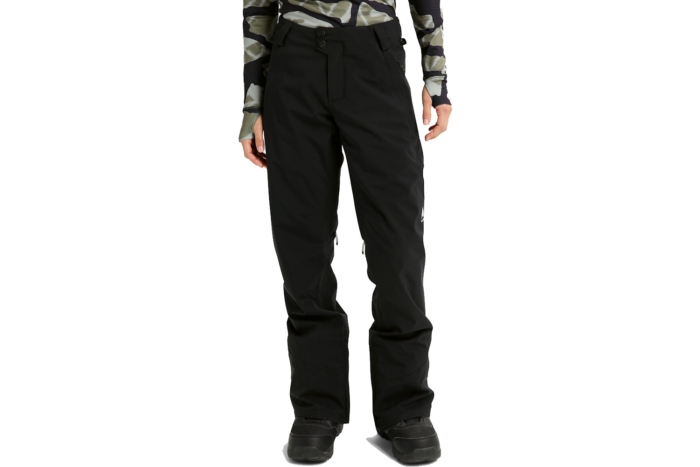
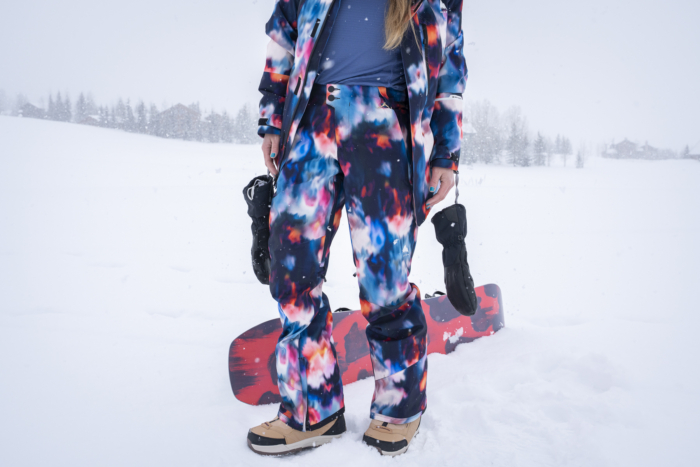
Specifications
Pros & Cons
Pros
- Slim fit is stylish and bulk-free
- Softly lined hand pockets
- Zipper at hem expands cuff over boots
Cons
- No GORE-TEX waterproofing if that's a necessity
- Lacks insulation
Bottom Line: A hip resort shell that balances a tailored silhouette with surprising mobility and weather protection. The Reserve Slim is ideal for in-bounds riders seeking clean lines, functional storage, and reliable waterproofing for under $250.
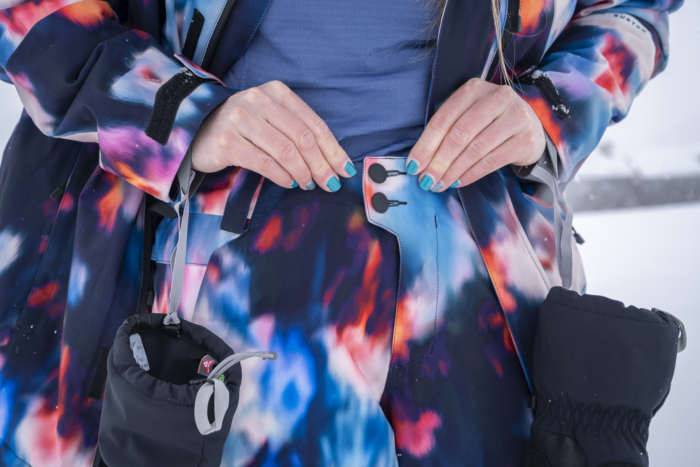
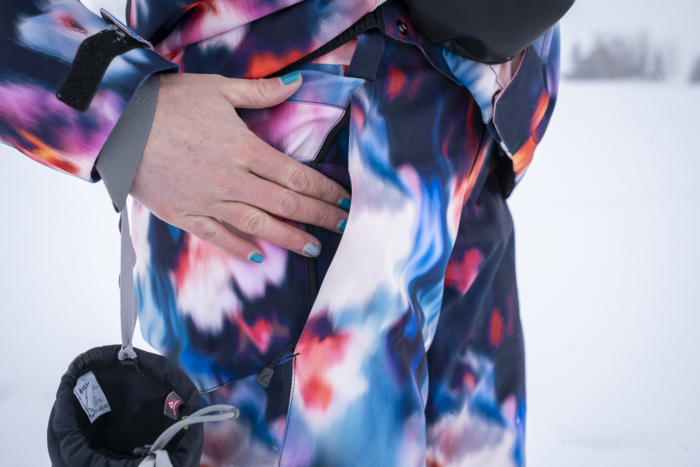
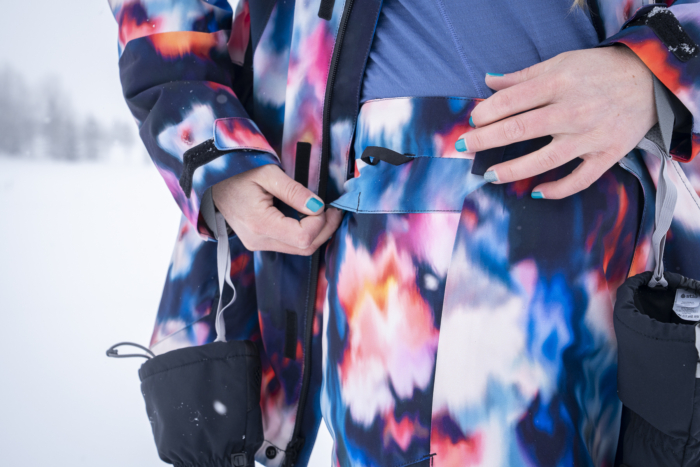
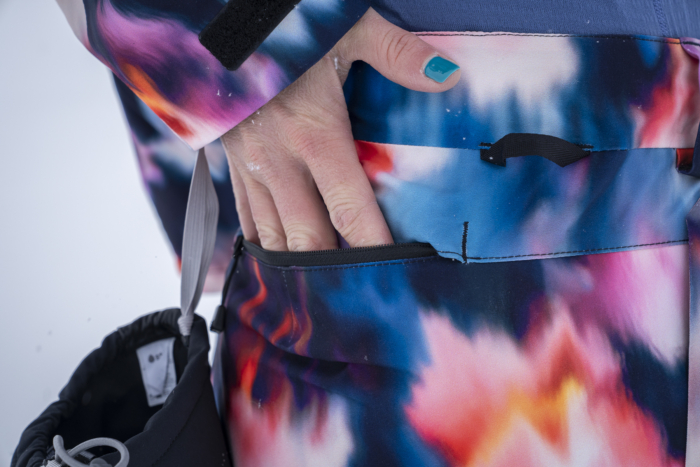
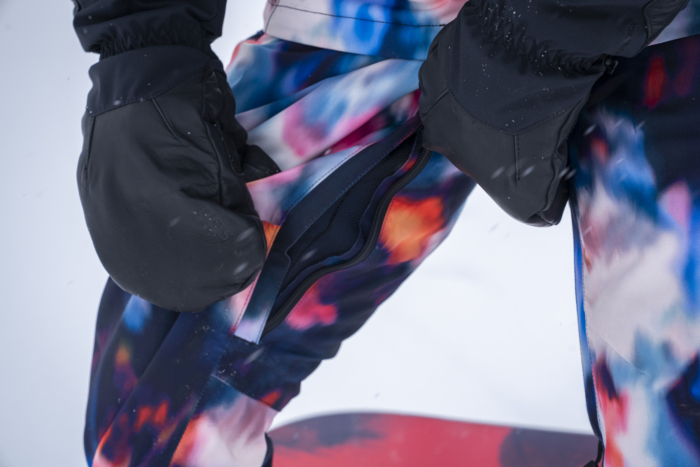
The Burton Reserve Stretch Slim Pants ($210) pair standout style with technical muscle, available in a men’s version, too. In the eye-catching Floral Blur colorway, this design brings a painterly edge to the slopes — Picasso meets powder day. Built as a low-bulk resort pant, it delivers clean lines alongside a surprisingly flexible feel for long days on the hill.
The Tech: Burton places these pants in its foundational tier, yet they punch above their price tag. The 2-layer DRYRIDE shell has a 20K/20K waterproof-breathable rating backed by a PFC-free C0 DWR finish to shed heavy moisture. Uninsulated by design, the shell regulates temperature during high-output efforts, aided by 9-inch interior thigh vents that dump steam quickly. At the ankle, 8-inch zipped gussets allow quick access to snowboard boot speed laces, while half-inch reinforced hems offer durability without the heavy instep patches found on technical backcountry options like the Jones Women’s Shralpinist Stretch Recycled 3L Pants.
What We Like: SnowSports Senior Editor Morgan Tilton put these pants through deep snow, high winds, and wet winter weather at Crested Butte Mountain Resort, finding that the slim cut never hindered movement. Clever shaping darts through the hips and legs combine with a body-mapped stretch liner to allow fluid motion on steep bootpacks and mogul fields. The fleece-lined hand pockets are roomy, well-angled, and secure, complemented by a third spacious rear pocket. Internal Velcro tabs and sturdy belt loops make waist adjustments simple, while three jacket-to-pant loops interface directly with a powder skirt. After a blizzard-ridden session, an internal webbing loop inside the fleece waistband makes hanging them up to dry effortless.
What We Don’t: Because these pants lack a 3-layer GORE-TEX membrane, they do not offer the total bombproof protection or extreme breathability required for prolonged backcountry touring. The slim fit sits close to the hips and thighs, meaning riders who prefer heavy baselayers may need to size up to avoid feeling restricted in sub-zero temperatures.
Should You Buy It? For resort riders who prioritize clean style, comfortable stretch, and solid weatherproofing, this pants-and-jacket combo delivers immense value. It strikes a great harmony between form and function for all-day in-bounds laps.
Specifications
Pros & Cons
Pros
- Good price point for features
- 40g of insulation
- Pockets support freeriding
Cons
- 10K waterproof rating fairly low compared to other pants
- Limited color options available
- 5K breathability rating means pants run warm
The Bottom Line: A budget-friendly, lightly insulated pant loaded with smart storage and park-ready style. The men’s-specific Banshee is a key pair for resort carvers in dry climates who want built-in warmth, cuff elevators, and a roomy fit without breaking the bank.
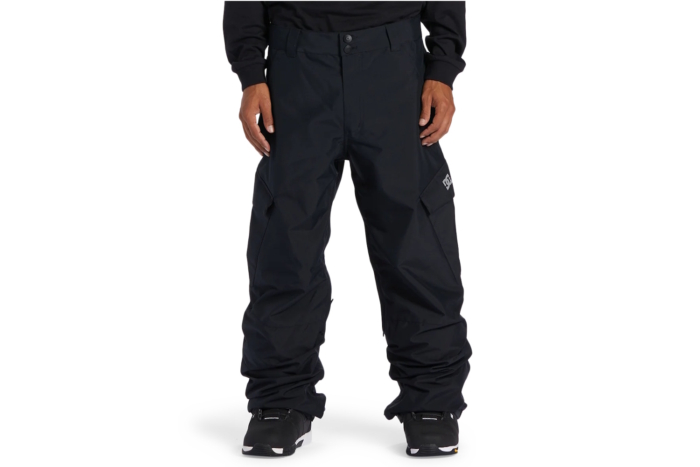
The DC Banshee Insulated Pants ($160) deliver solid mountain functionality across most temperatures, powered by 40g of ProFill insulation. Delivering essential cold-weather protection for all-season resort laps, this affordable design earned high marks during warm spring sessions and fresh powder days at Crested Butte Mountain Resort.
The Tech: Built with a Weather Defense 10K shell featuring 10,000mm waterproofing and 5,000g breathability, these pants rely on a PFC-free DWR coating to shed dry snow. Synthetic 40g ProFill insulation provides lightweight thermal coverage throughout the legs, while oversized mesh-lined inner thigh vents help dump excess steam when temperatures rise. A unique highlight is the integrated cuff elevator system: cinch strings tucked inside the cargo pockets pull the lower leg hems up toward the calves, preventing excess material from dragging through mud and snow in the parking lot.
What We Like: Gear tester Eric Phillips put these men’s snowboard pants through their paces on park laps and side-hits, highlighting how the relaxed, slightly baggy cut provides total freedom of movement for tweaking grabs and laying down butter tricks. Storage is a major strength, boasting five strategic pockets including 45-degree angled zippered hand pockets that keep phones and selfie sticks oriented vertically down the leg. The twin thigh cargo pockets have a double-fold Velcro storm flap that stayed completely dry on powder days. Compared to uninsulated budget options like the DC Nonchalant Insulated Snow Pants, the Banshee adds built-in leg elevators and double-fold storm flaps for better parking-lot utility and pocket protection.
What We Don’t: The 5,000g breathability rating sits at the lowest end of our test group, meaning heat can build up quickly if the thigh vents remain closed once temperatures climb past 40°F. Riders in wet coastal regions will also hit the limits of the 10,000mm waterproof membrane fairly quickly. Color options are limited to just three choices, with only the vibrant mustard yellow offering real visual pop compared to the muted black and grey options.
Should You Buy It? For budget-conscious resort riders who mainly ride dry snow across the Midwest or East Coast, this feature-packed pant offers incredible value. It delivers rider-friendly storage, integrated warmth, and a comfortable fit at an entry-level price point.
-
-
Morgan Tilton testing the DC Nonchalant Insulated snowboard pants at Vail Ski Resort; (photo/Jason Hummel)
-
Morgan Tilton testing the DC Nonchalant Insulated snowboard pants at Vail Ski Resort; (photo/Jason Hummel)
-
Morgan Tilton testing the DC Nonchalant Insulated snowboard pants at Vail Ski Resort; (photo/Jason Hummel)
-
Morgan Tilton testing the DC Nonchalant Insulated snowboard pants at Vail Ski Resort; (photo/Jason Hummel)
-
Morgan Tilton testing the DC Nonchalant Insulated snowboard pants at Vail Ski Resort; (photo/Jason Hummel)
-
Morgan Tilton testing the DC Nonchalant Insulated snowboard pants at Vail Ski Resort; (photo/Jason Hummel)
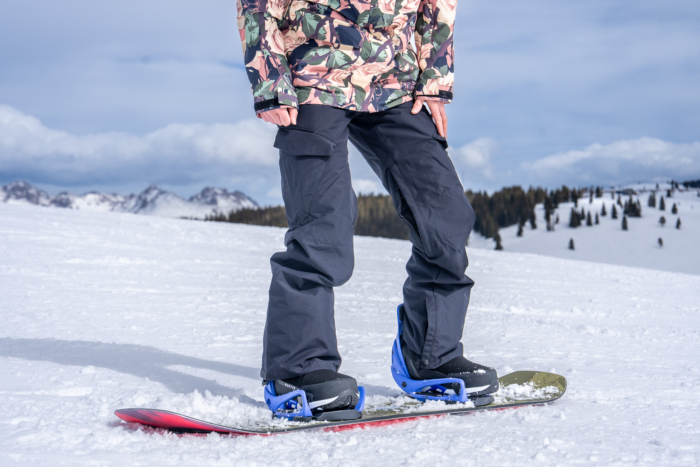
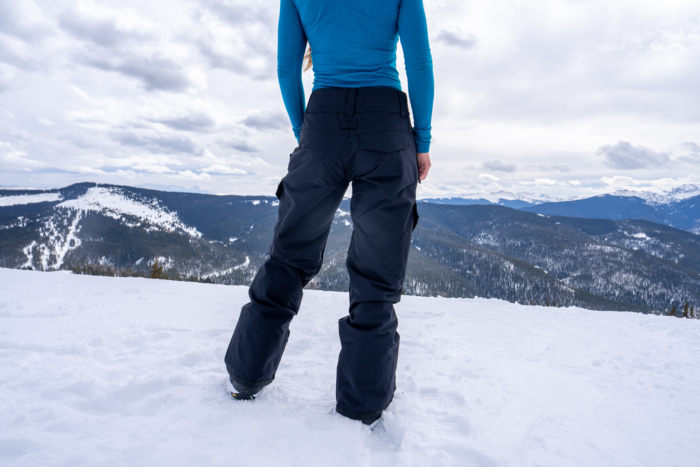
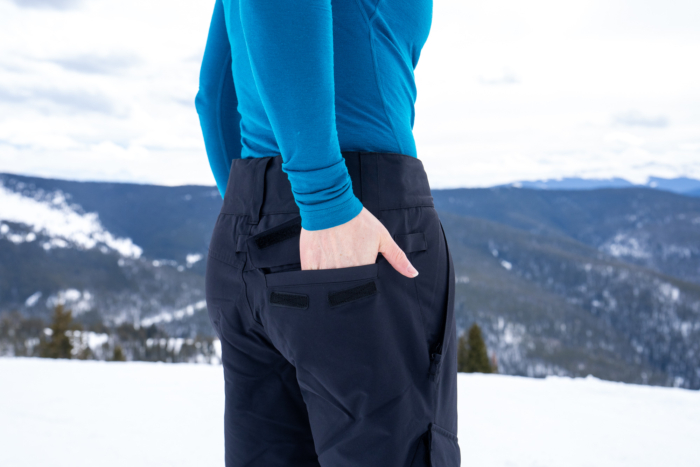
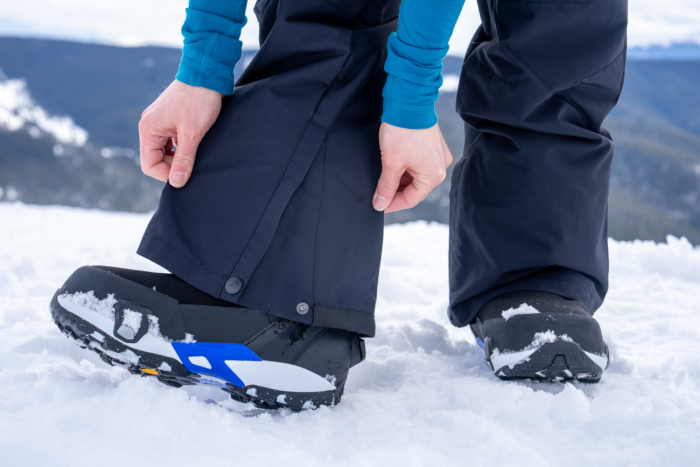
Specifications
Pros & Cons
Pros
- Affordable price point for insulated outerwear
- Wide bell-bottom cuffs slide over snowboard boots effortlessly
- Generous storage with secure Velcro storm flaps on cargo pockets
- Forgiving waist adjustment with soft internal Velcro tabs
Cons
- Lower breathability rating (5,000g) limits high-exertion use
- Pocket fleece lining is applied only to the upper interior side
- Not designed for wet maritime downpours or heavy backcountry touring
The Bottom Line: A cozy, budget-friendly insulated snowboard pant that pairs bell-bottom cuff styling with lightweight warmth. The women’s-specific Nonchalant is ideal for resort carvers looking for extra lift-ride insulation, practical storage, and easy boot integration without a high price tag.
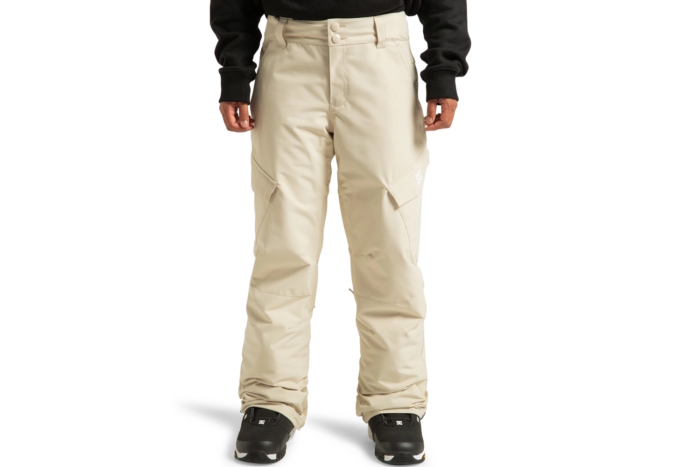
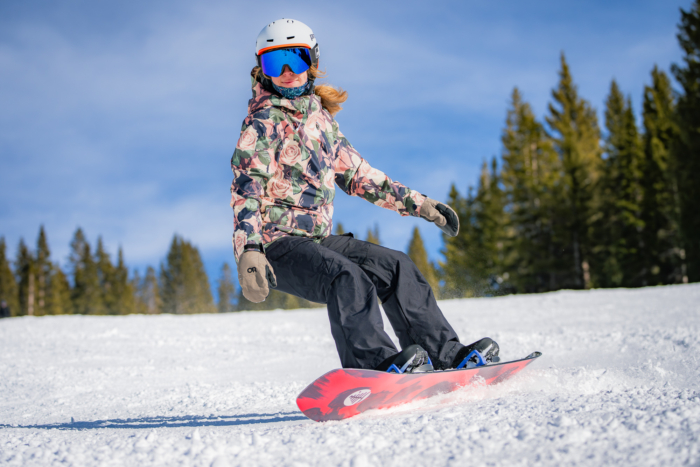
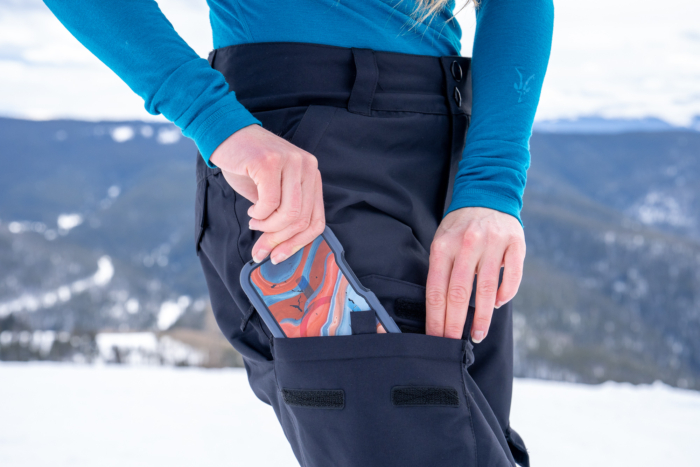
For riders seeking extra warmth during freezing lift rides and bench breaks, the DC Nonchalant Insulated Snow Pants ($160) for women offer synthetic insulation wrapped in a stylish, slightly tailored cut. Delivering comfort, warmth, and uninhibited movement at an accessible price point, this pant stands out as an exceptional value for cold-weather resort laps.
The Tech: Constructed with a Weather Defense 10K shell featuring 10,000mm waterproofing and 5,000g breathability, the outer fabric uses a PFC-free DWR coating to shed light snow and chairlift moisture. Interior warmth comes from 40g ProFill insulation, a proprietary synthetic blend that provides lightweight thermal coverage without creating heavy bulk. Inner thigh vents lined with mesh allow heat dumping when temperatures rise, while non-slip silicone gripper strips keep internal gaiters securely locked over boot cuffs without relying on traditional metal clips.
What We Like: SnowSports Senior Editor Morgan Tilton put these pants through extensive field testing at Vail Ski Resort and Crested Butte Mountain Resort across a full spectrum of conditions, from blustery midwinter storms to sunny spring sessions. The bell-bottom-inspired cuffs sliding over snowboard boots without tension or tugging proved to be a major favorite, complete with gusseted snap closures to narrow the hem circumference when desired. Storage is well-considered, featuring diagonally cut zippered hand pockets, dual spacious thigh cargo pockets with Velcro storm flaps, and a matching rear pocket. Compared to uninsulated shells like the Volcom L GORE-TEX Pants, the Nonchalant provides integrated warmth that keeps cold-prone riders comfortable on freezing chairlifts.
What We Don’t: The 5,000g breathability rating sits at the entry-level threshold, meaning high-output bootpacks or warm spring afternoons can feel sticky if the thigh vents remain closed. Additionally, the microfleece lining inside the hand pockets is only applied to the upper side rather than wrapping the entire interior.
Should You Buy It? Casual resort riders and cold-blooded snowboarders who want stylish, insulated protection under $200 will find immense utility here. It combines user-friendly features, forgiving waist adjustments, and dependable warmth for standard resort riding.
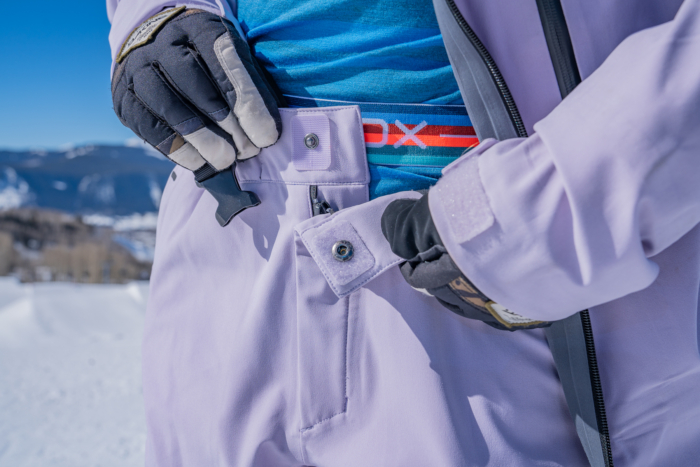
Specifications
Pros & Cons
Pros
- Roomy and stylish
- High weather protection for snowstorms
Cons
- Not the lightest fabric but very protective
- Fabric is a bit loud
- We wish the two hand pockets were fleece-lined
Read Review: Just-Right Bagginess: Weatherproof L1 Premium Goods Axial Snowboard Pants Review
The Bottom Line: A stylish, gender-neutral 3-layer shell that blends park-ready elastic hems with serious mountain defense. The Axial is a top-tier choice for freeriders seeking uninhibited movement, 20K/20K weatherproofing, and a soft fleece waistband without opting for a bulky traditional fit.
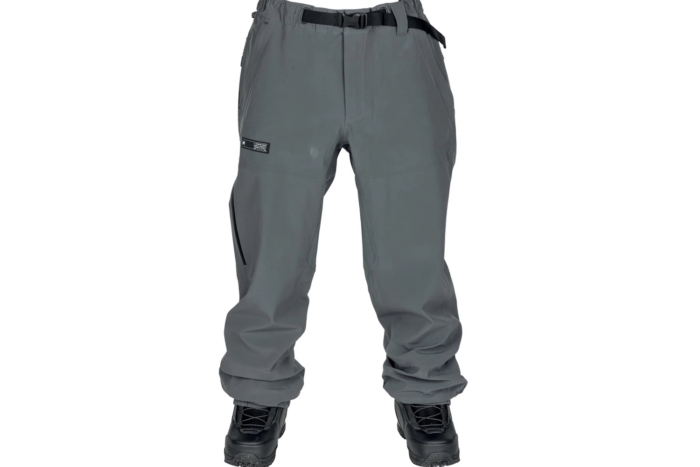
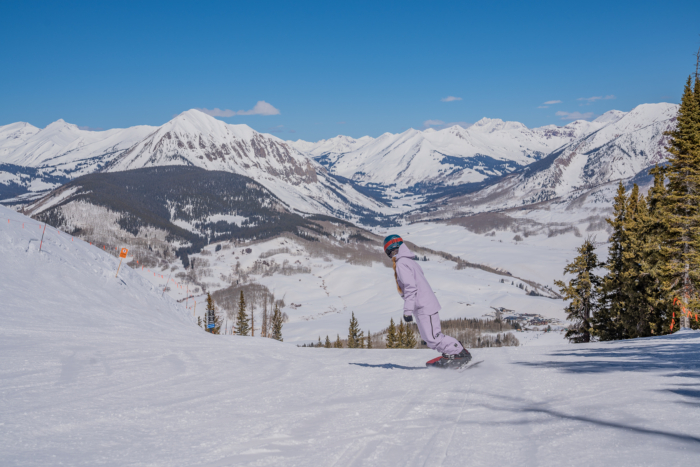
The unisex L1 Axial Pant ($369) combines a clean, freeride-inspired silhouette with reliable technical performance that transitions easily from park jumps to storm laps in the glades. Designed with a loose straight cut and genderless aesthetic, this shell balances effortless movement with high-tier weather protection at a reasonable price point.
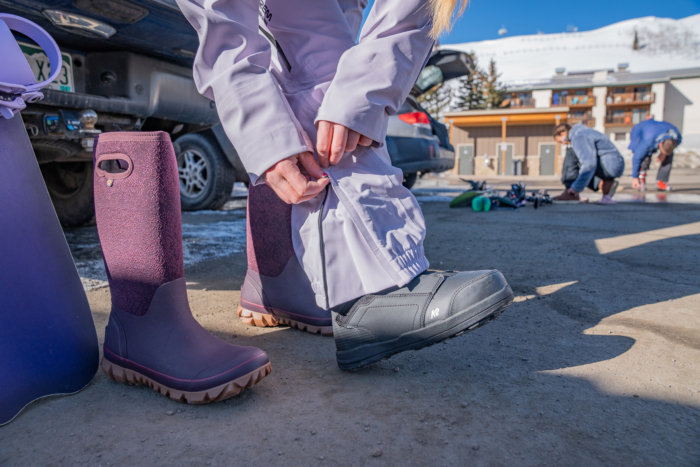
The Tech: Constructed with an 87% recycled polyester 3-layer shell, the pant delivers a robust 20,000mm waterproof rating and 20,000g breathability to shield against severe winter squalls. The waist has a soft, two-inch fleece-lined interior paired with a stretchy elastic band and an integrated webbing belt with an adjustable plastic buckle. Ventilation relies on two unlined 18-inch side zippers that open wide to release heat without mesh catching in the teeth. Lower-leg hems combine elastic gathering with an 8-inch zippered gusset for adjustable flare, backed by internal snow gaiters featuring gripper elastic and lace hooks.
What We Like: SnowSports Senior Editor Morgan Tilton noted how dense and protective the face fabric feels while maintaining impressive stretch and give during dynamic movements. Storage includes deep, smooth-lined hand pockets that easily swallow cold hands along with a discrete rear stash pocket. The lower hem expansion system allows riders to alternate between a clean jogger cinch and a relaxed boot drape. Stacked against uninsulated technical options like the ThirtyTwo TM Recycled Pant, the L1 Axial offers a unique elasticized cuff system and a plush fleece-lined waistband, providing a softer fit against the waist than traditional rigid shells.
What We Don’t: While the interior hand pocket lining feels smooth, a plush microfleece interior would add welcome hand warmth on freezing lift rides. Additionally, riders who prefer heavy thigh cargo storage may find the pocket layout somewhat minimalist for long days out.
Should You Buy It? For freestyle carvers and park riders seeking a roomier, gender-neutral pant that pairs urban-influenced styling with full storm defense, this model is a standout contender. It provides excellent weather resistance, clever leg adjustments, and all-day waist comfort.
-
-
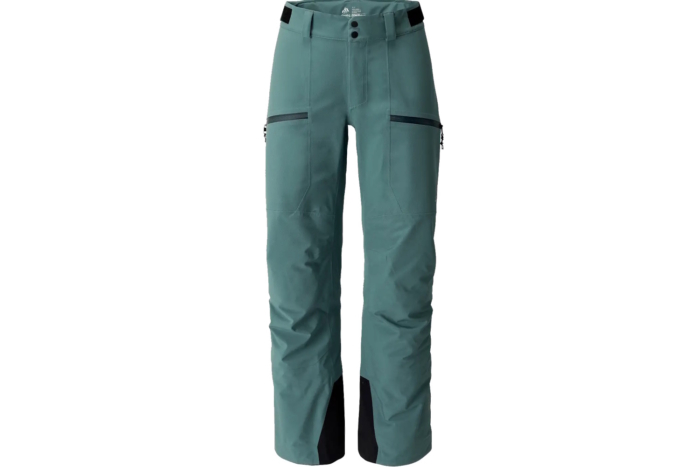
Jones Snowboards Women’s Shralpinist Stretch 3L Pants. (Photo/Eric Phillips)
-
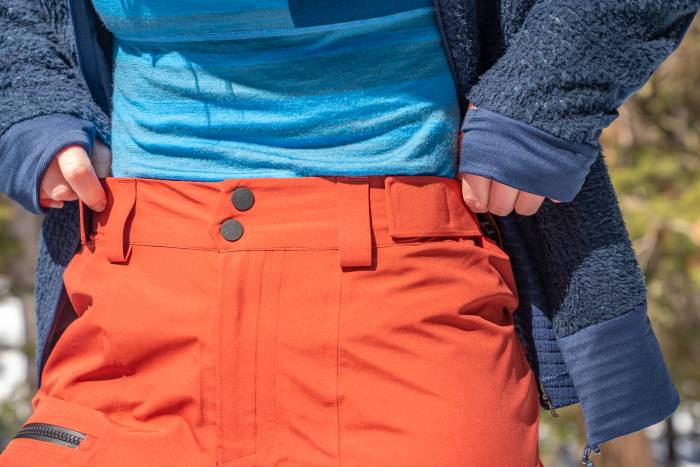
The three exterior pockets are all spacious and stretchy on the Jones Snowboards Women’s Shralpinist Stretch 3L Pants. (Photo/Eric Phillips)
-
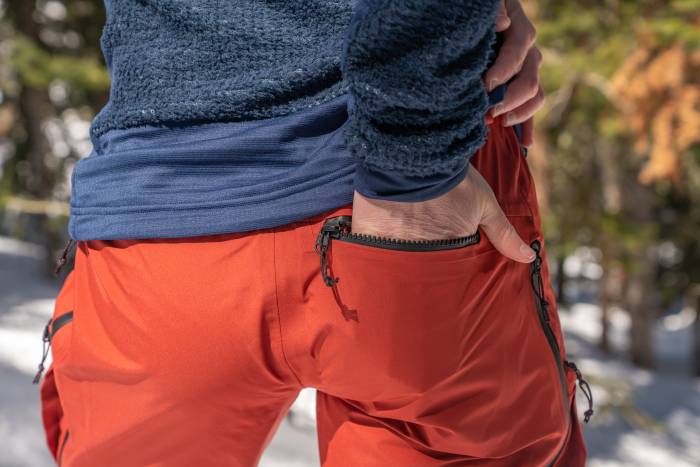
The thigh pockets are one of our favorite features on the Jones Snowboards Women’s Shralpinist Stretch 3L Pants. (Photo/Eric Phillips)
Specifications
Pros & Cons
Pros
- RECCO
- 3 pockets
- Buttery soft and breathable fabric
Cons
- Zipper teeth on pockets are rough against hands
- Interior mesh pockets are difficult to slide large phone past
Read Review: Jones Snowboards Shralpinist Stretch 3L Pants Review: A Well-Vented, Durable Option for Backcountry Travel
The Bottom Line: A technical 3-layer powerhouse that blends buttery mechanical stretch with formidable 30K/30K storm defense. The Shralpinist Stretch is ideal for backcountry touring and resort carvers who demand an athletic, eco-friendly shell that moves like yoga pants without sacrificing durability.
The Jones Shralpinist Stretch Recycled Pants ($400) represent a major advancement in technical mountain apparel, offering an athletic, streamlined 3-layer shell built for demanding skin tracks and cold resort days. There’s a men’s-specific pro-level version, too ($600). Designed for seamless transitions from deep powder tours to bell-to-bell lift rides, these pants deliver elite weather protection while prioritizing mobility and sustainable manufacturing.
The Tech: Constructed with a 100% recycled 70-denier polyester face fabric and 4-way mechanical stretch, the shell achieves an exceptional 30,000mm waterproof rating and 30,000g breathability. The fabric uses a PFC-free DWR coating and Bluesign-approved materials, supported by fully taped seams and integrated RECCO reflectors for avalanche safety. Massive inner cuff reinforcement panels — measuring roughly 8 inches tall by 11 inches wide — shield lower hems against sharp steel edges and snowshoe crampons, while 13-inch two-way exterior thigh vents handle rapid temperature regulation.
What We Like: SnowSports Senior Editor Morgan Tilton put these pants through rigorous field testing across intense mountain weather, including heavy wind, midwinter flurries, and wet spring slop. The material feels surprisingly supple and quiet, offering a fluid range of motion during high-exertion kick turns and high-speed heel-side carves. The adjustable elastic waist has belt loops and double-snap closures that sit flush without pinching under a backpack hip belt. Compared to roomier freeride shells like the L1 Axial Pant, the Shralpinist Stretch delivers a noticeably leaner, articulated cut paired with significantly higher 30K/30K waterproofing and breathability tailored specifically for technical touring.
What We Don’t: The twin thigh pockets measure 7 inches square, but their snug silhouette makes sliding a larger smartphone inside surprisingly tight. The internal mesh sleeve can snag on device corners, occasionally causing the zipper teeth to scratch against the back of your hand during quick access. Incorporating a more expandable pocket entrance — similar to the bellowed thigh storage found on the Patagonia PowSlayer Pants — would improve overall convenience.
Should You Buy It? For dedicated splitboarders and all-weather resort carvers seeking a premium, environmentally responsible shell that moves naturally with the body, this model stands at the top of its class. It offers impressive storm protection, robust durability, and refined mountain ergonomics.
Snowboard Pants Comparison Chart
Scroll right to view all of the columns: Price, Fit, Material, Waterproof Rating, Breathability, Insulation.
| Snowboard Pants | Price | Fit | Material | Waterproof Rating (mm) | Breathability (g) | Insulation |
|---|---|---|---|---|---|---|
| Patagonia PowSlayer | $649 | Relaxed | GORE-TEX Pro ePE | N/A | N/A | No |
| Men’s Burton Reserve 2L Relaxed Pants | $210 | Relaxed, Baggy, Park | 2L 100% recycled polyester plain weave fabric | 20,000 | 20,000 | No |
| Volcom L (men’s specific) | $370 | Relaxed | Nylon with 2-layer GORE-TEX | 28,000 | 20,000 | No |
| Burton [ak] Cyclic GORE‑TEX 2L Pants | $480 | Regular articulated fit | GORE-TEX 2-Layer Nylon 70D plain weave | 28,000 | 20,000 | No |
| Jones MTN Surf Tweaker Recycled Pants | $240 | Relaxed, Baggy, Park | 2L 100% recycled 75D polyester 4-way mechanical 2-layer stretch plain and ripstop face fabric | 20,000 | 20,000 | No |
| 686 Smarty 3-in-1 Cargo | $230 | Relaxed with room for layering and to maximize mobility | 2-Layer infiDRY 20K fabric, PFAS-free DWR | 20,000 | 15,000 | Removable insulated fleece liner |
| ThirtyTwo Basement Bib | $240 | Loose / Slightly Tailored | 2-Layer 100% Recycled Polyester (150D Reinforced Seat/Knees) | 15,000mm | 15,000g/m²/24h | Non-insulated Shell (Fleece-Lined Back Panel) |
| ThirtyTwo TM Recycled Pants | $230 | Team Fit (Relaxed / Articulated) | 32 Repel 20K Dura-Stretch (100% REPREVE Recycled Polyester) | 20,000mm | 20,000g/m²/24h | No |
| The North Face Freedom Insulated | $240 | Regular | Nylon blend with 2-layer DryVent | N/A | N/A | Yes |
| Burton Reserve Stretch Slim | $210 | Tailored | 2-layer fabric with CO DWR finish | 20,000 | 20,000 | No |
| DC Banshee Insulated Pants | $160 | Baggy | 2L 100% recycled polyester | 10,000 | 5,000 | 40g PROFILL insulation |
| DC Nonchalant Insulated Pants | $160 | Tailored / Relaxed | 100% Polyester Weather Defense 10K | 10,000mm | 5,000g/m²/24h | 40g ProFill Synthetic |
| L1 Premium Goods Axial | $369 | Baggy | 3-layer 87% recycled polyester, 13% spandex, PFC-free DWR | 20,000 | 20,000 | No |
| Jones Shralpinist Stretch 3L | $400 | Relaxed | 3-layer 100% recycled 40-denier polyester fabric, 100% 20-denier recycled polyester backer, and PFC-free DWR | 30,000 | 30,000 | No |

How We Tested the Best Snowboard Pants
Five GearJunkie snowboard experts — including competitive riders, splitboarders, and certified instructors — have tested dozens of snowboard pants since this guide was first published in 2022. This guide has been updated nine times.
Our Expert Testers
- SnowSports Senior Editor Morgan Tilton has been snowboarding since 2002, when she switched from two planks to one, which she started at age 4 on the steeps of Telluride Ski Resort in her hometown. Over the years, she’s competed in Slopestyle comps, backcountry tours, pow surfs, and still pulls on skis.
- For the 2026 test window, Tilton tested 13 snow pants across 63 days, 445,000 vertical feet of descent, 832 miles, and 149 hours of snow travel via snowmobile, downhill riding, and backcountry tours. Primary test days took place at Crested Butte Mountain Resort and RED Mountain Resort, as well as Whistler Blackcomb, Vail Ski Resort, and Whitewater Mountain Resort — all of which delivered whiteout blizzards.
- For 2025, she has tested snowboard pants for 48 hours, 198 miles, and nearly 50,000 vertical feet on snow. She also tests ski bibs.
- In 2024, she tested snowboard pants for 155 hours across 45 days.
- Back in 2023, Tilton tested snowboard pants for 104 hours across 34 days.
- Contributing photographer and tester Eric Phillips has been snowboarding since 2005. He’s a formerly certified Level II PSIA-AASI instructor and big mountain pow surfer when he’s not at the resort or on splitboard tours. Teaching professionally at multiple ski resorts, he’s an avid resort charger, splitboarder, snowmobiler, powsurfer, and works in search and rescue in southwest Colorado. You’ll find him ripping big mountain backcountry lines or finding the best rocks to jump off of at his home resort.
- In 2026, Phillips tested four snowboard pants for 120 hours across 21 days in temps ranging from 15 to 48 degrees Fahrenheit at Crested Butte Mountain Resort and in the Gunnison National Forest backcountry.
- In 2026, Oregon-based snowboard gear expert Nate Swanner tested three snowboard pants side-by-side for a cumulative of 38 hours in temperatures ranging from -5 to 35 degrees Fahrenheit at Mt. Hood, Mt. Baker, and Crystal Mountain.
- Other contributors include Wyoming-based Austin Beck-Doss and Crested Butte-based shredder Will Martinez.

Our Testing Grounds
We’ve tested snowboard pants in a range of conditions from California to the Colorado Rockies and high-alpine environments, as well as British Columbia. Our apparel has protected us in ice-cold wind, on long lift rides, across backcountry tours, and while romping through deep powder.
The GearJunkie team meets for an annual on-snow test week to grind out turns and swap notes, including two previous gatherings at Crested Butte Mountain Resort, which is known for its expert terrain.
Our Testing Process
While testing snowboard pants, we consider overall fit, function, durability, vents, gaiters, boot compatibility, waistband, belt loops, ease of movement, pockets, cuff reinforcement, weather protection — including precipitation, cold temps, and wind — style, sustainability, and value.
We also take into consideration the most novel, popular, highly rated, and legacy products across a range of price points.

Our Snowboard Pants Rating System
We score each pair of snowboard pants on a 1–10 scale for Weather Protection, Fit and Mobility, Durability and Construction Quality, plus Breathability and Ventilation.
While considering weather protection, we take into account how the pants shield moisture and wind. Fit and mobility examines how effortlessly the pants move with us while going uphill, downhill, sitting, and bending over, as well as if there are any snag points. Durability and construction quality consider the overall material, stitching, hems, waistband, zippers, cuffs (plus the ease of sliding them over our snowboard boots), and pockets. The breathability and ventilation take a look at how effectively the design releases moisture and heat during high-output activity, including the material and mechanical vents.
The Overall Rating is based on contextual, editorial judgment, and the complex user experience across various scenarios and conditions.

Buyer’s Guide: How to Choose Snowboard Pants
Every rider needs a reliable pair of snowboard pants. Sure, you can technically ride in just about any kind of pants, but the comfort and waterproofing that comes with a high-quality purpose-built pair are unmatched.
With so many great options to choose from, it can be difficult to select a single pair of snowboard pants. Between materials, features, and price, there are quite a few factors to consider when navigating the snowboard pants market. In this handy how-to-choose guide, we’ve compiled all of the information you need to make an informed purchase.

How Snowboard Pants Differ From Ski Pants
While ski pants and snowboard pants are similar, there are some key differentiators within the functionality of snowboard pants and the style. While some riders find snowboard-specific pants come with certain advantages, others are perfectly happy using generalized snow pants that work for both skiing and snowboarding.
The key: Be sure the snow pant cuff is wide enough or expandable to fit over snowboard boots, which vary in size. Some boots have a wider circumference than others due to size, inserts, an integrated BOA, dense material, or being a larger size. Many ski pants have a cuff that is too narrow to quickly and easily slide over snowboard boots, while others are unable to fit over snowboard boots at all. Cuffs on snowboard pants are often adjustable and can expand via sturdy snaps or zippers or stretchy material.
Snowboard-specific pants also usually fit on the baggier side to allow for plenty of flexibility in a crouched position and for a wide stance. Snowboarding involves a lot of dynamic lower-body movement — especially in the terrain park. If maximum flexibility is a concern, we recommend seeking out a slightly baggy snowboard-specific pant.
Because snowboarders tend to spend more time sitting down on the snow than skiers, some snowboard pants also come with fabric reinforcement in the rear.

Snowboard Bibs vs. Snowboard Pants
The choice between snowboard pants and snow bibs comes down to a combination of personal preference and function. Bibs are suspended by shoulder straps and are generally more effective at keeping snow out. Pants are held up by the waistband and offer less insulation because there is less material.
On deep powder days, a bib can be a game-changing addition to your kit. For this reason, we specifically recommend bibs to those who regularly ride in areas with lots of snowfall. Backcountry riders also tend to enjoy the extra coverage and protection provided by bibs.
Bibs always make going to the bathroom so much easier. Many bibs come with a drop seat, which is essentially a flap that opens in the back. Drop seats are handy when you need to squat and go in the backcountry as well as when you want to stay layered up in an indoor bathroom at the ski lodge.

Resort Riding vs. Backcountry Splitboarding
If you plan to regularly snowboard in the backcountry, you’ll want pants or bibs that are up to the task. Riding in the backcountry means hiking uphill, and there are a few key features that can make the experience much more enjoyable.
First, backcountry riders need breathable outerwear plus an avalanche beacon and ski pack. When hiking, you will generate heat, which can quickly lead to perspiration. Sweating in the backcountry is not ideal, since the moisture quickly becomes cold and uncomfortable as soon as the hike is over.
For this reason, we recommend seeking breathable materials and well-designed vents. For backcountry snowboarding, insulated pants are generally not recommended.

Additionally, backcountry snowboard pants should have reinforced fabric around the inner ankle and calf. While skinning or climbing uphill, the interior pant can be exposed to the sharp edge of the opposing split-ski or crampons, which can lead to tears if your pants have not been properly designed for the job. Riding a backcountry snowmobile for access can also lead to beat-up cuffs, especially if they aren’t reinforced.
If you do a lot of in-bounds boot packing or uphill hiking, consider a pair with reinforced fabric around the inner ankle, too. Boot packing at the resort can also lead to interior scuffs from your snowboard boots. Even when we’re skating through the lift line at the resort or connecting runs via flat meadows or groomed corduroy, it’s easy to beat up the interior pant legs with a board’s metal edge.
Resort riding is generally less demanding on your outerwear. Because the bathrooms and lodge are always relatively close by, you don’t have to worry as much about bathroom breaks or temperature control.
Most resort riders prefer a relatively simple pair of traditional snowboard pants.

Materials & Durability
Snowboard pants need to be durable enough to hold up to the demands of shredding through the trees and ripping deep carves. On this list, we’ve recommended many high-quality pairs of snowboard pants, but some are more durable than others.
Most ski pants are primarily made of nylon, polyester, or a blend of both. Many styles are reinforced in key wear areas to prevent premature material failure.
If durability is a primary concern, be sure to find a pair of pants with two-layer or three-layer fabric construction. Burly zippers and fully taped seams are also a plus.

Insulation & Warmth
Most snowboard pants on the market are not insulated. The primary job of snowboard pants is to keep you dry and protect your body from the surrounding weather. Because most snowboard pants are in the shell category, most riders wear various base layers underneath to keep their legs warm and comfortable. Base layers range in thickness and the amount of warmth they provide, thanks to a variety of fibers.
However, if you tend to run cold or regularly ride in extra cold conditions, you may want to purchase snowboard pants with built-in insulation. Some styles come with insulation strategically located only in key cold-prone areas.
On this list, we have included insulated and uninsulated snowboard pants.
Below are the insulated pants in our guide:
- The North Face Freedom Insulated Pants– 60g synthetic
In general, 60g of synthetic insulation is best for cold to extremely cold conditions or around 15 degrees to -15 degrees.

Waterproofing & Breathability
While wearing snowboard pants, you’ll likely sit on wet surfaces and ride through falling snow or rain, depending on the climate. Reliable water resistance is an absolute must. Many of the styles included on this list come with high-end waterproof membranes and outer fabrics.
Within the outerwear industry, GORE-TEX is generally considered top-tier waterproof protection. The best well-made waterproof snowboard pants will come with taped seams, waterproof zippers, and a DWR coating.
Every snowboarder has a different comfort zone when it comes to temperature regulation and layering. For those who tend to run warm, breathable, and well-ventilated outerwear may be absolutely essential.

In general, snowboard pants will offer varying degrees of ventilation and breathability depending on their design. When backcountry riding or bootpacking, grueling uphill treks call for air-permeable outer layers.
Typically as waterproof ratings increase, the breathing of the fabric declines due to a stronger waterproof barrier moisture from the inside needs to get through to breathe. You can get high waterproof and high breathability fabrics.
Waterproof Levels:
- 0 – 10,000 mm: Ideal for dry – mostly dry climates like the Midwest
- 10,000 m – 20,000 mm: ideal for wet climates like the mountain west
- 20,000 mm – 30,000 mm: ideal for very wet climates like the Pacific Northwest


Sustainable Design
With each passing season, the snowsports outerwear industry incorporates more and more sustainable manufacturing practices and recycled materials. If sustainable features are a priority for you, be sure to check each manufacturer’s specifications for material sources, sustainable manufacturing certifications, and so on.
Jones Snowboards definitely sets the gold standard for sustainability with the brand’s recently launched apparel line for women and men. All of the Jones Outerwear materials are OEKO-TEX and/or Bluesign-certified. The majority are 100% recycled, and they utilize PFC-free DWR (except the GORE-TEX Pro fabric). Picture also makes Circular fabric, which has a portion of upcycled factory scraps mixed with reclaimed toss-outs.
Bluesign is a top-tier certification for textile products that are safe for the environment, workers, and customers. We’ve included multiple Bluesign-certified pants and bibs on this list.

Leg Vents
Different types of fabric have varying levels of breathability in snowboard pants. You can read the breathability and waterproof ratings to get an idea of how easily the fabric breathes. The more waterproof a fabric is, generally the less breathable it is. If a pant is insulated, expect it to feel warmer.
Regardless of the insulation, breathability, and waterproofness of a pant, it’s typically a great idea to invest in a pair with ventilation if you plan to ride in the warmer spring months. Riding on powder days or in the trees can also quickly build body heat, even on midwinter days.
Ventilation is also great if you generally ride in a milder climate, don’t take cooldown breaks from top to bottom, or tend to build heat while riding. If you plan to uphill at the resort or if you explore boot-accessed hike-to terrain or backcountry splitboard, ventilation is mandatory.
Ventilation usually includes zippered openings along the interior thigh. Bibs often utilize the drop-seat zipper as a ventilation zipper on the exterior legs. It’s nice when pants have an interior mesh liner to offer some protection from snow drift (and privacy) while you ride or sit on the lift airing out your lower half. Full snowsuits usually also have ventilation below the arms.

Pockets
If you prefer to carry items in your pants versus your jacket, be mindful of the pockets in the snowboard pants you choose. Some are just for looks, while others are extremely functional.
The options range from hand pockets — sometimes zippered and other times with no closure at all — to various cargo pockets on the thighs and sometimes pockets on the backside. We find the most functional pockets are either deep hand pockets that are zippered and spacious or big, well-positioned thigh pockets.

If you’re looking for bibs for backcountry exploration, it’s nice for those designs to have a thigh or chest pocket that accommodates a beacon. For some, carrying a beacon against the torso can feel more comfortable and functional than toting a beacon in a thigh pocket.
In contrast, it’s easier to grab a phone out of a leg pocket while riding or skinning in the backcountry than to unzip a jacket to access a bib’s chest pocket. The caveat — a chest pocket is generally warmer and will help preserve the battery life.

Built-In Gaiters
Snowboard pants have built-in gaiters that open wide and stretch down over boots to the ankle. This is one differentiator between pants that work well for ski boots versus snowboard boots because ski boots have a narrower neck.
In a unique innovation, the 686 has a BOA-compatible gaiter, which is a window where the front-facing BOA — a dial that turns to tighten the cable laces in a boot — can be accessed and stays operable with the gaiter pulled down. Of course, that setup isn’t as effective with dual BOA systems. Find the perfect snowboard boots to match your pants!

Reinforced Cuffs
Reinforced cuffs are a key detail. When we’re at the resort and skating through the lift line or connecting runs via flat meadows or groomed corduroy, it’s easy to beat up the interior pant legs with our board’s metal edge.
When we’re uphilling, kick turns can slice that fabric. During splitboard mountaineering objectives, our crampons easily snatch the other pant leg. For post-ride après, walking around without rolling up our hems wears and tears the fabric, too.
Some snowboard pant designs have additional tough material wrapped around the interior portion of the hem, which also reaches up toward the calf. The textile coat increases the pant leg’s durability and overall lifespan. Once the outer fabric splits, the pant’s waterproof membrane can get exposed and start to shred, so it’s not the easiest fix even if you have a sewing kit.

Jacket-to-Pant Interface
A handful of brands have a system that allows the company’s jackets and pants to connect to one another in order to prevent snow or wind drift on the lift. These styles also provide good protection when we’re bending over to strap our boots into our bindings or when we take a tumble on a rowdy powder day.
Volcom has a superior and proprietary system with a burly zipper that connects the jacket to the pant. It’s durable, comfortable, and easy to use. Other brands, like 686, have fabric strips on the jacket that extend through loops on the pants and snap closed, which helps maintain some connection and prevents a full-on gap in the event of a tumble. Check out the Best Snowboard Jackets to find your perfect snowboard kit.

RECCO
RECCO is an integrated lightweight reflector that’s often added to snowsports apparel. It’s a passive, searchable technology that rescuers can use to help locate a lost person.
Organized rescuers use handheld detectors to help find the reflector, which can complement a search during an avalanche burial. From the air, helicopter detectors can also search for a RECCO reflector.


Fit & Function
Well-designed snowboard pants are nicely fitted and articulated for function, which also parlays into style. To be paired with snowboard boots, the hems need to be modifiable and splay at various degrees.
The gaiters need to accommodate the broad width of a snowboard boot, especially if the closure has a BOA system versus traditional laces, which are more streamlined.
Often, the pants are tailored in the upper portion and bell out toward the pant leg hem. The knees are articulated for ergonomics and comfort while cleaning out binding plates and strapping in and out or while jibbing around the resort or park.
For some brands, snowboard pants for men are a bit less form-fitting or athletic-shaped and are baggier compared to designs made for women.
If you think a pair of tailored ladies’ snowboard pants or roomy lads’ snowboard pants would fit your riding style, get ‘em regardless of how you identify.

Price & Value
The prices in our snowboard pants guide range from budget-friendly choices to top-of-the-line expedition gear.
Budget
The North Face Insulated Freedom Pants ($240) are the most budget-friendly in our guide. Lower-cost options are often not as durable, nor will they be as stout against resounding, repeated weather like biting wind, snow, rain, hail, or sleet.
But for mild climates or moderate conditions, budget options can work fine for a handful of seasonal outings at the hill.

Mid-Tier
Often, the higher the price, the greater the waterproofing, breathability, and fabric reinforcement. You also might notice more pockets, zippered pockets, high-quality zippers, or more fabric in general. The mid-tier ranges from $200 to $300 and hosts the Volcom L Pants ($370).
Premium
At the top of the shelf, you’ll find the most premium fabrics, construction, and fit.

Frequently Asked Questions
All of the snowboard pants and bibs we’ve included on this list are high-quality products. But Volcom, TREW Gear, Airblaster, Burton, and Jones Snowboards are a handful of well-established brands that are known for their top-notch outerwear. Many other brands make outstanding products, too.

Snowboarders might find ski pants that are not marketed toward snowboarders that work super well for their riding style and the climate and conditions where they ride.
That said, snowboard pants are designed to fit over snowboard boots with cuffs that expand or have a wide enough circumference to slide over the wider neck of a snowboard boot, which is larger than a ski boot. The same goes for the boot gaiters, which are designed to work with snowboard boots.
Snowboard pants tend to have a baggier fit compared to streamlined ski pants.
On this list, the majority of our top picks are snowboard-specific pants that are optimal for snowboarding. Some pants work for both skiing and snowboarding.

If you tend to run cold or regularly ride in frigid conditions, you may want a pair of insulated snow pants. However, it’s important to note that insulated pants can become uncomfortable when the weather turns warm.
Most riders prefer uninsulated pants for their superior versatility. In cold conditions, layers can always be added for extra warmth.
Insulated pants are not recommended if you plan to boot pack often at the resort or snowboard in the backcountry.
The pants versus bibs decision ultimately comes down to personal preference. Neither is strictly better, though both have a few key advantages and disadvantages.
Bibs are great for keeping snow out while surfing through chest-deep powder and the most popular designs these days have nailed the drop seat, so going to the bathroom is easy for guys and gals in the backcountry or at the lodge. While bibs can offer protection including against the lower back from wind, many bibs are made with breathable materials, so they aren’t too stuffy or hot while they offer a barrier.
Pants are simple, though they can’t keep the elements out as well as a bib can. If you prefer to wear a midlayer beneath a shell jacket or want the quick ease of removing your midlayer midday when it warms up, it can be more comfortable and more convenient to wear snowboard pants versus bibs.
The simple answer is yes. For maximum comfort while snowboarding, you should wear waterproof outerwear, which will prevent your pants from soaking through when you sit down, if you take a tumble, on powder days, and when it snows while you’re on a lift ride or standing in line.

Backcountry snowboarding involves a lot of uphill walking and riding through deep, untracked snow. For these reasons, backcountry snowboarding requires reliably waterproof pants that are also durable, breathable, and relatively stretchy.
A few of our favorite backcountry snowboard pants and bibs include the Jones Snowboards Shralpinist Stretch Recycled Pants ($400) and the Jones’ Men’s Shralpinist Stretch Recycled Bibs ($480).
The simple answer is yes. We highly recommend wearing a baselayer under your snowboard pants. You can check out our Best Mens Baselayer Guide or our Best Womens Baselayer Guide to find the right one for you. You can just wear normal underwear (not recommended) under the pants but remember you’ll have some bare skin exposed once you unzip your leg vents.